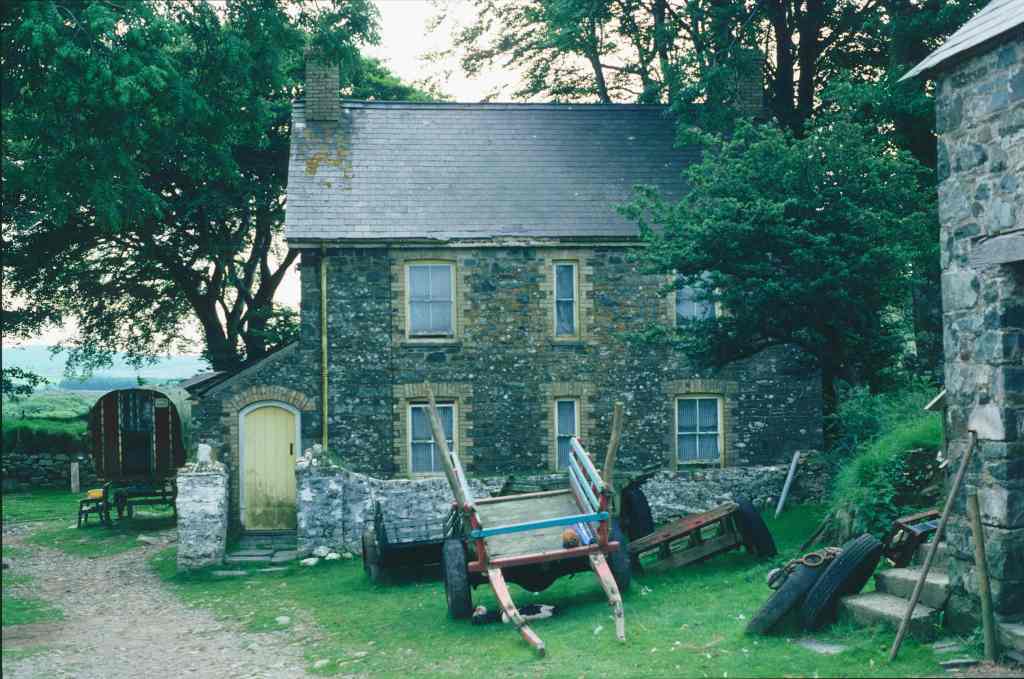
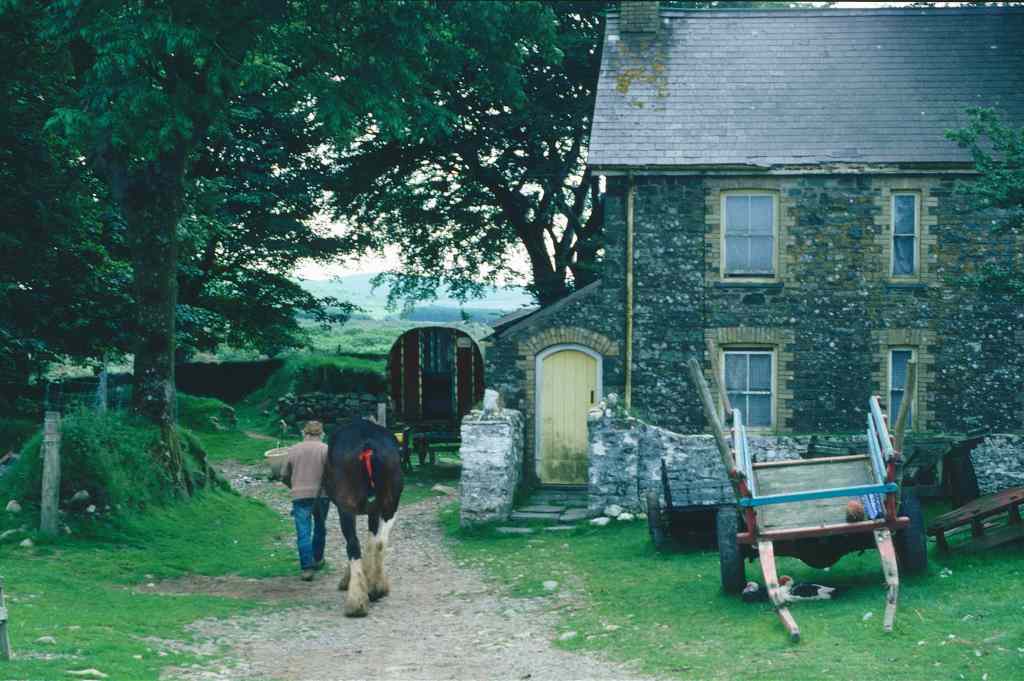
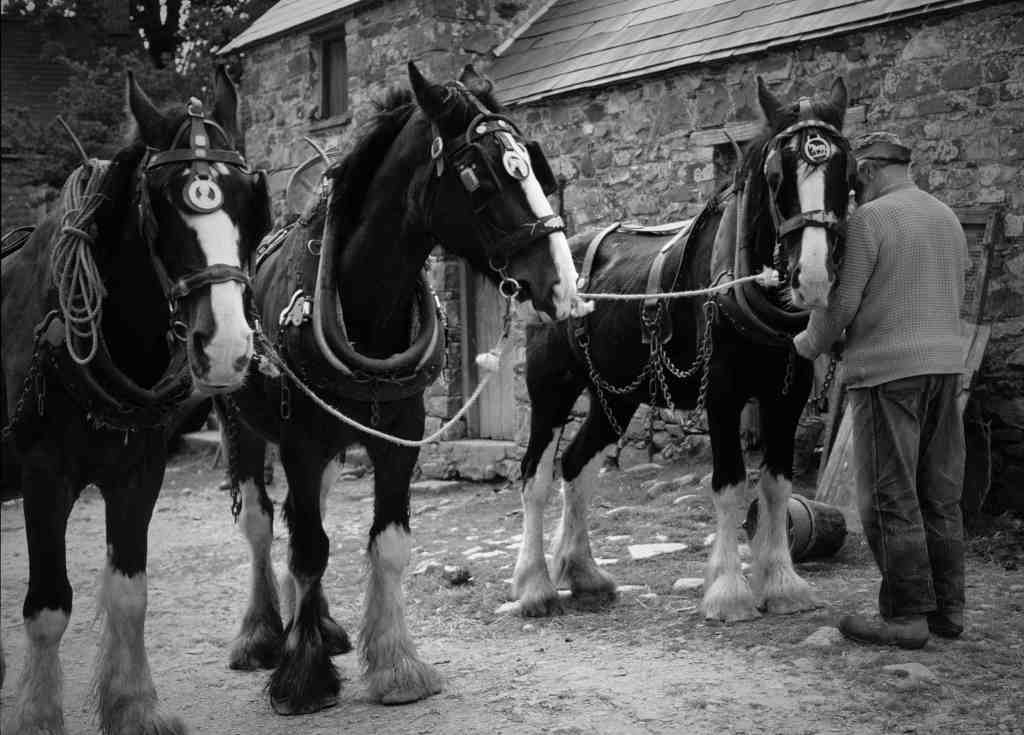
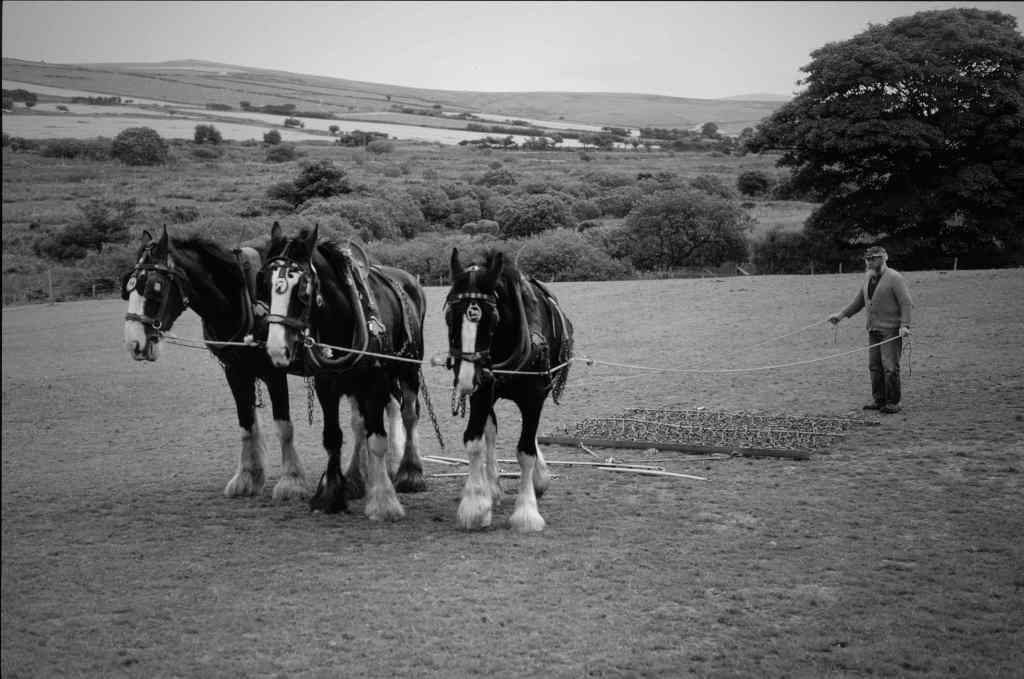
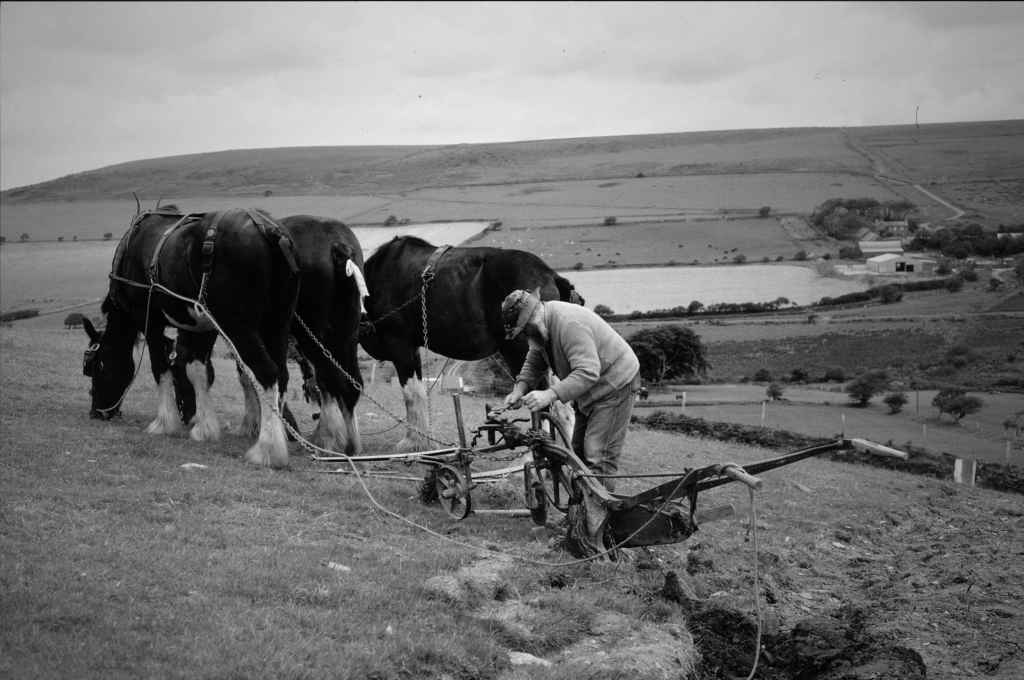
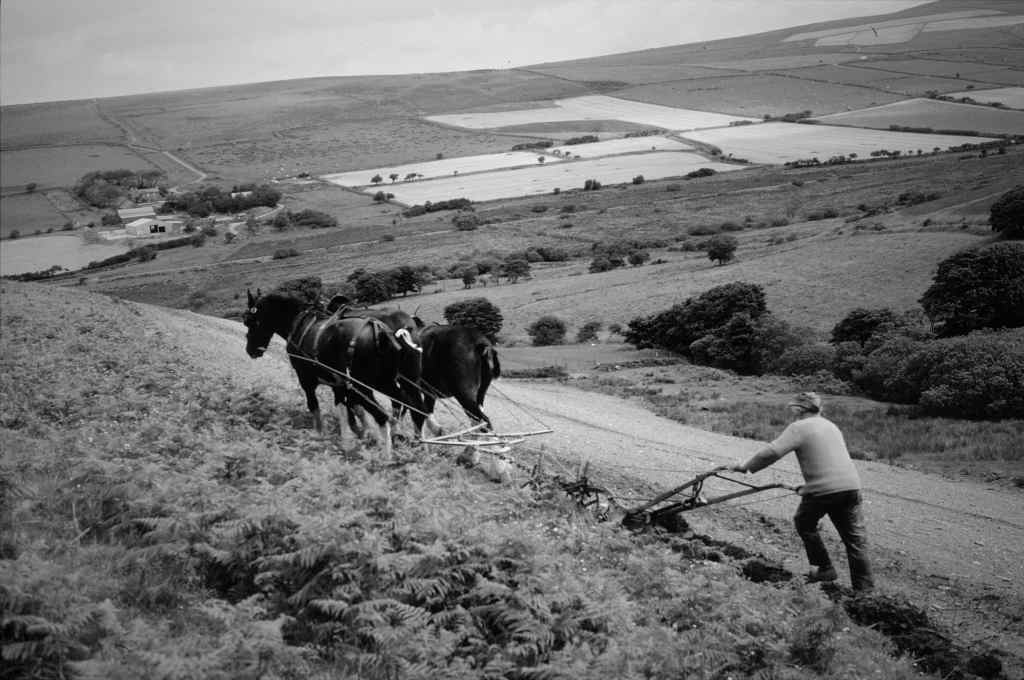
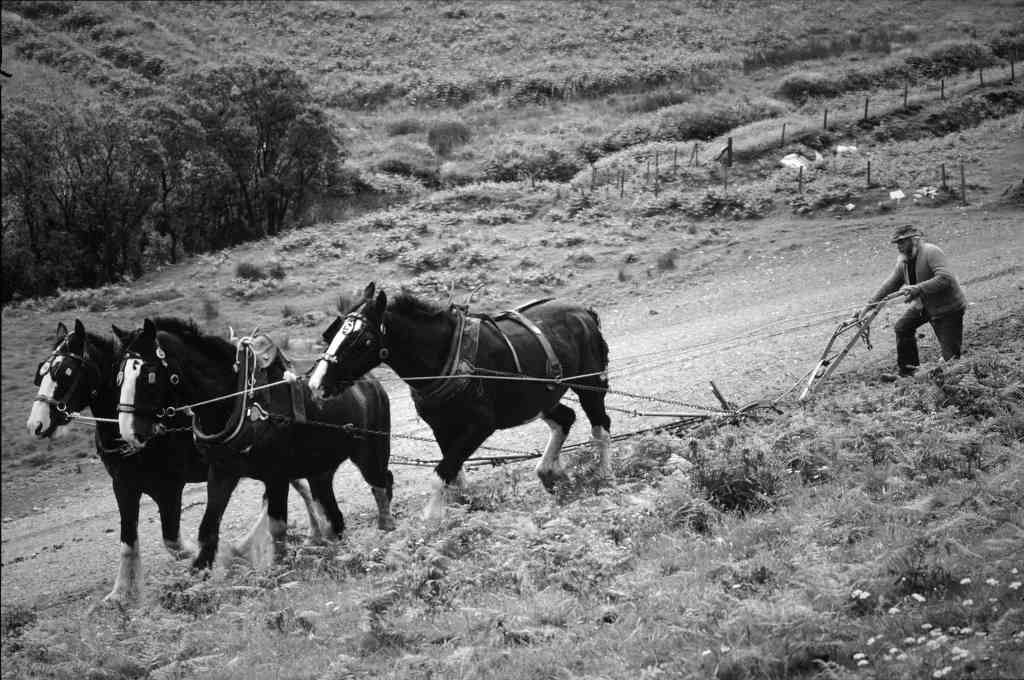
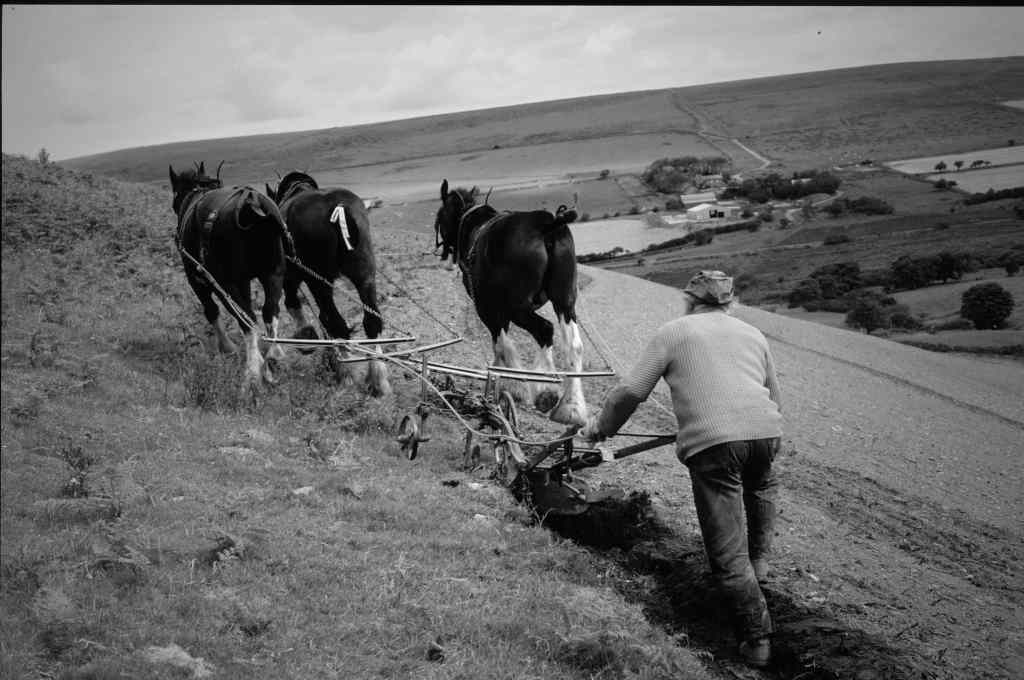
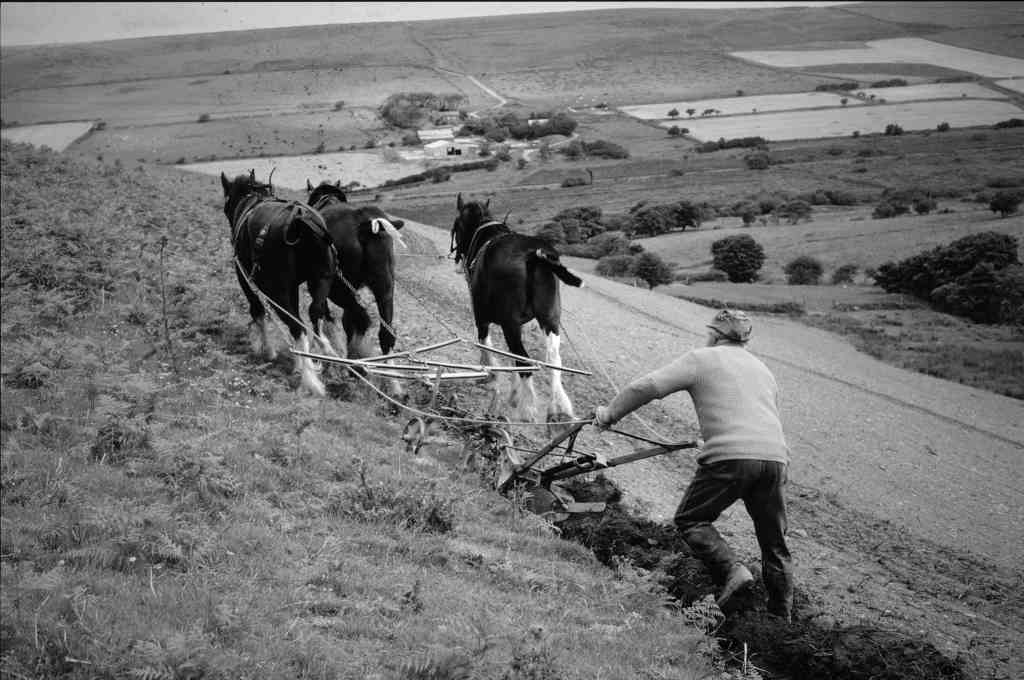
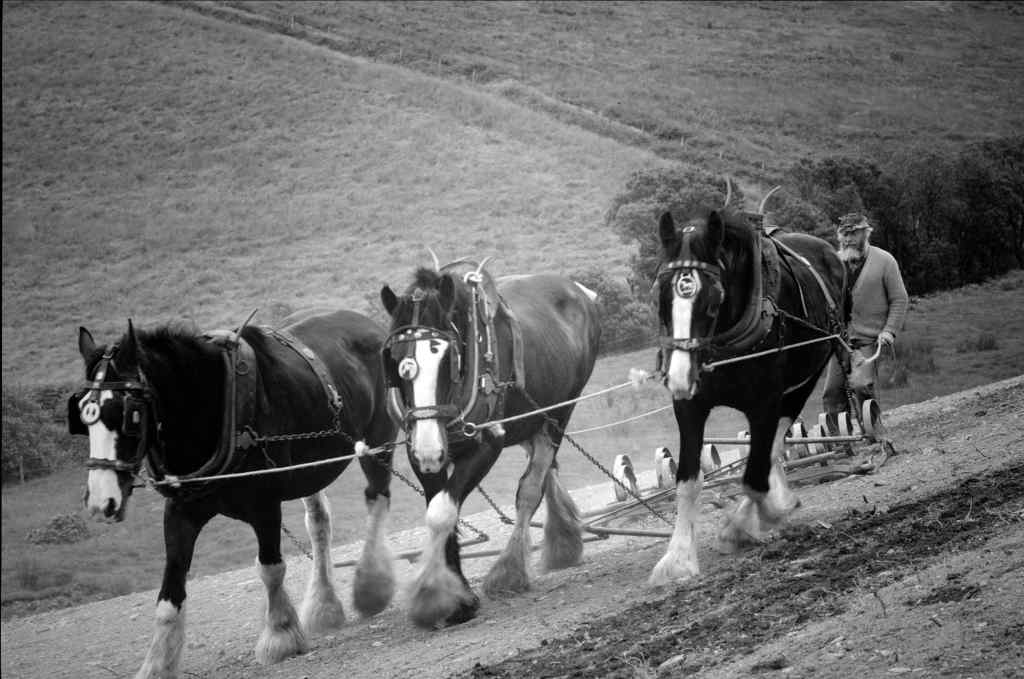
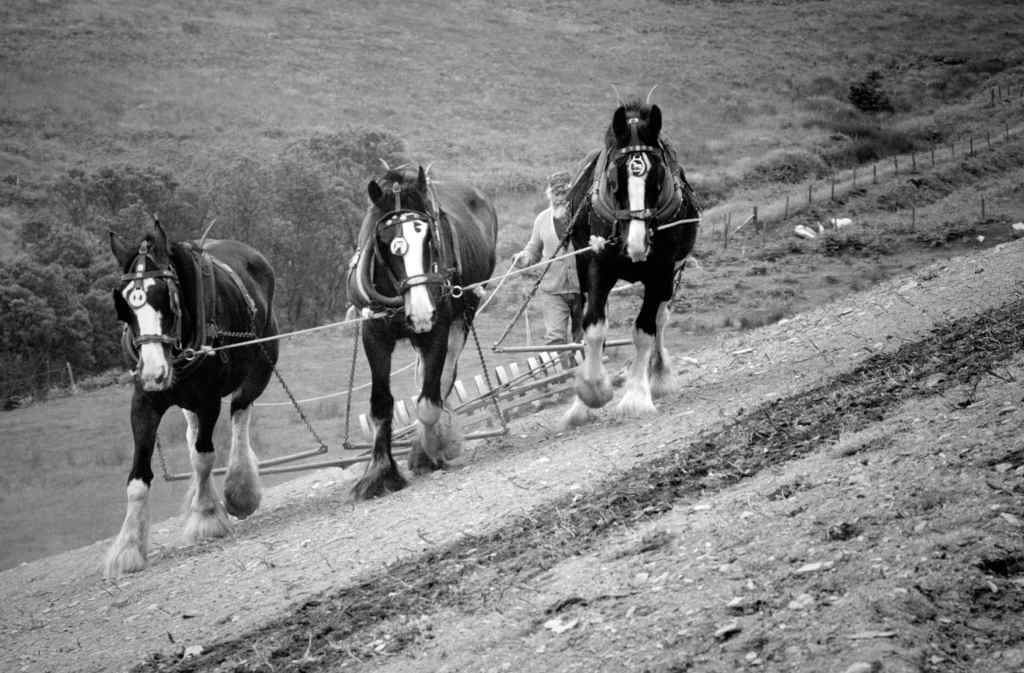
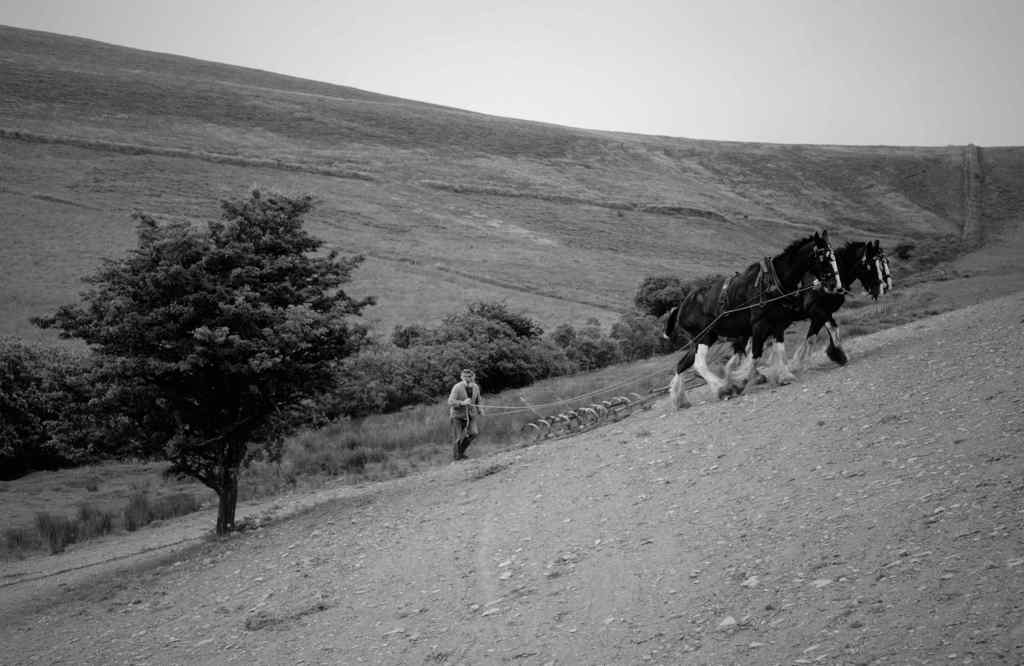
Back in 1986, while on holiday in Pembrokeshire, we visited an open farm in the Preseli Hills. This was no tourist attraction with bells and whistles. It was a traditional family working Welsh Hill Farm. No shop, no cafe, no toilet block, just the family outside loo. The farm had no running water or electricity; it was like stepping back 100 years.
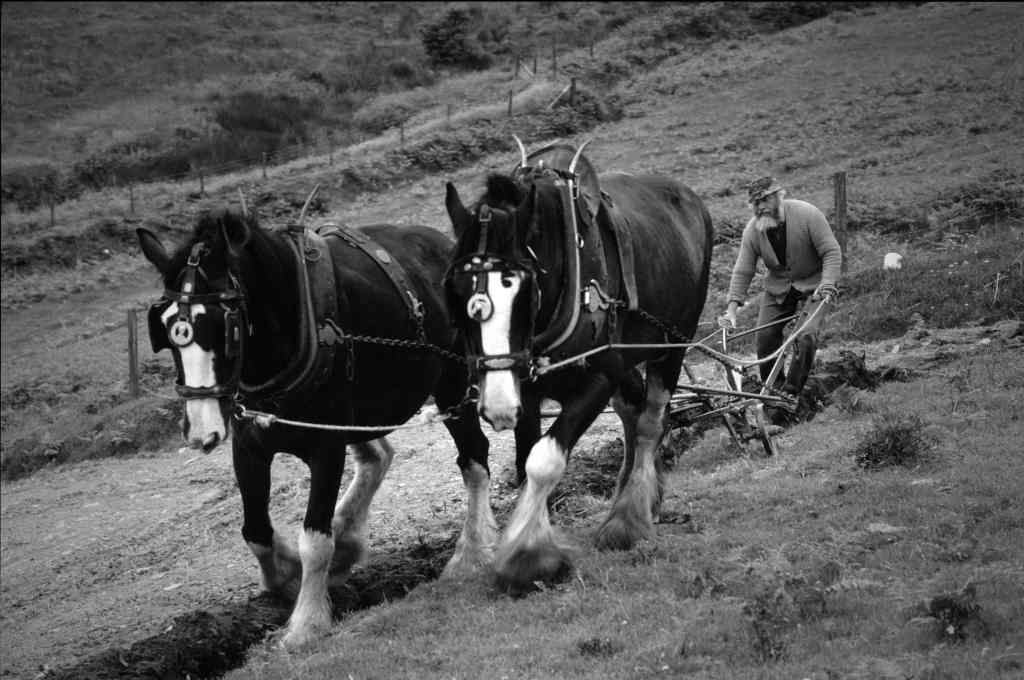
The land was worked entirely by Shire Horses. We watched the farmer kit out the horses ready for the plough and followed him up a steep hillside to plough the land. Getting our breath back, the small group of visitors sat down and watched the horses working.
The farmer looked elderly to me as a youngster, but in reality, he was probably only in his 40’s. The work on the land had given him a deceptive appearance.
Two years later, we wanted to return again, but could not find the farm. At the Fishguard tourist board offices, we were told that the farm was no longer open to the public, as there had been complaints from visitors about a lack of facilities and the farmyard being too muddy! Since I have visited many farm museums in their sanitised state over the years, they have never been a patch on this working hill farm practising an authentic way of life.
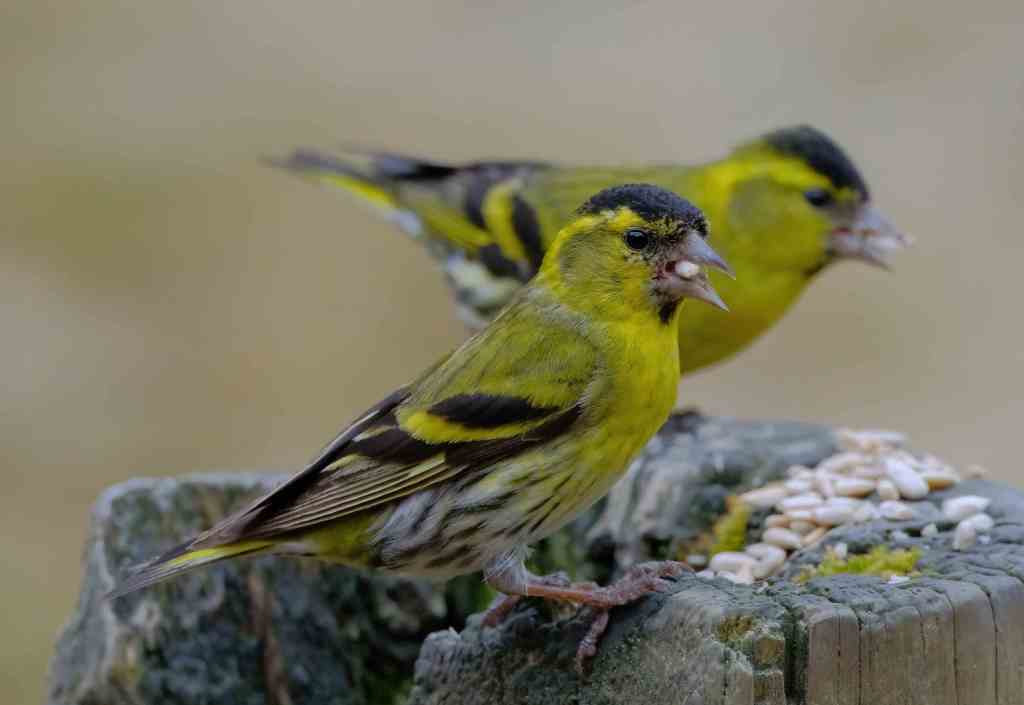
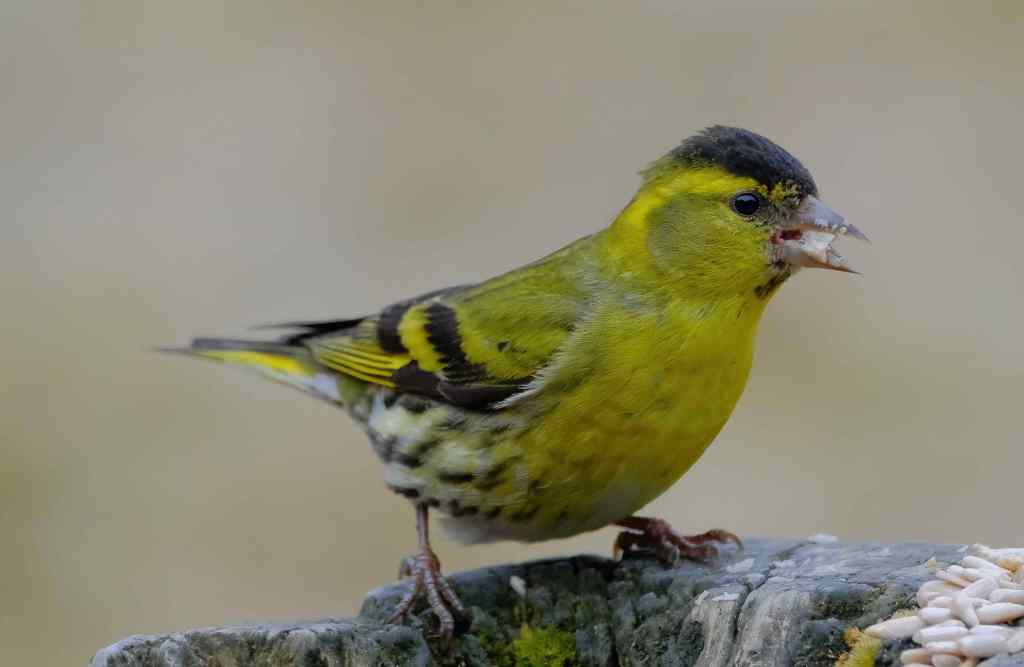
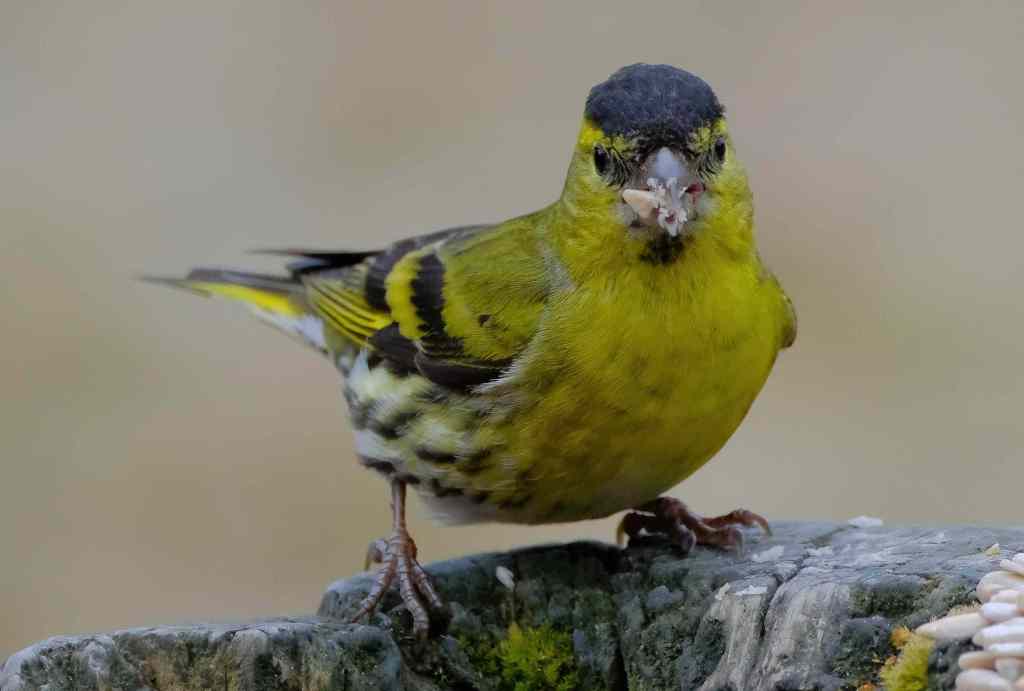
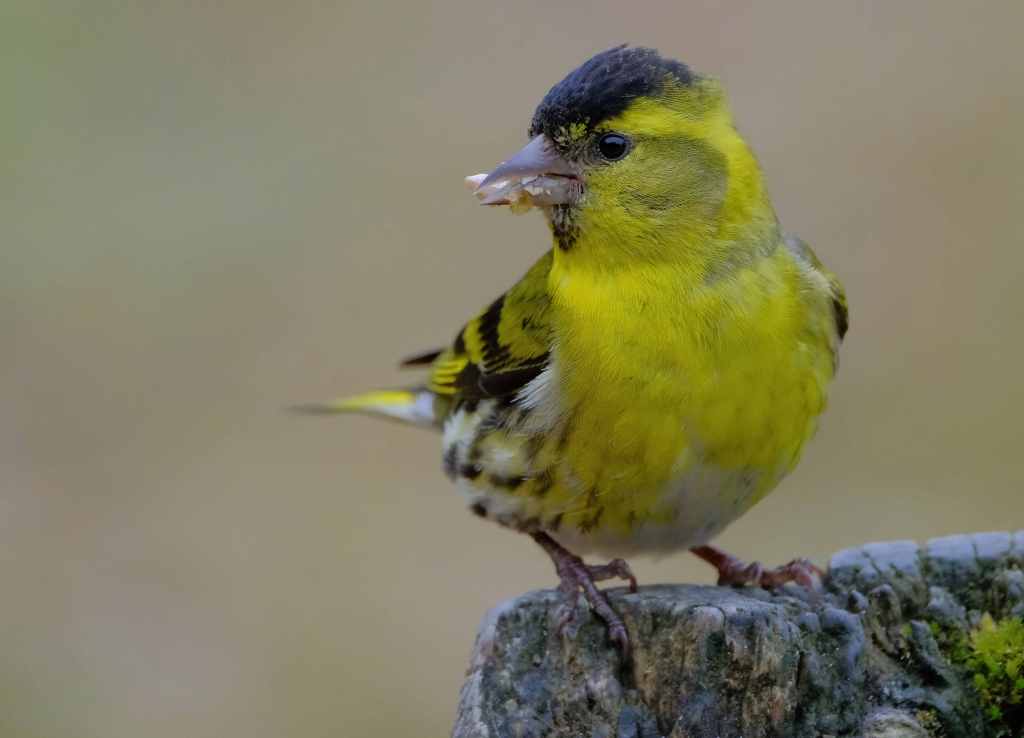
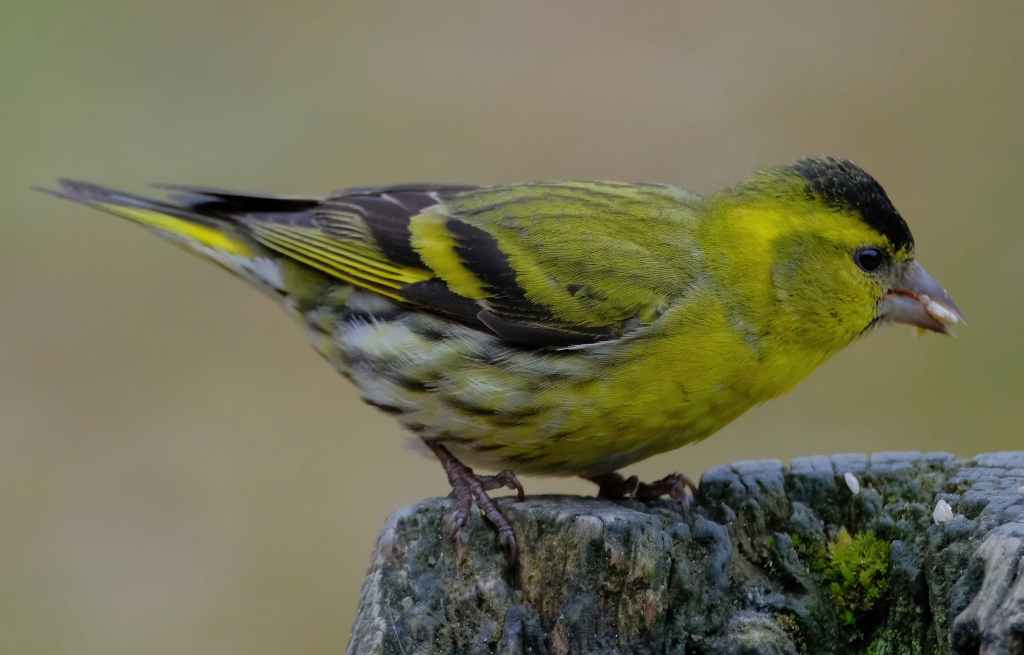
The weather changed to heavy showers and constant drizzle yesterday, the only acceptable nature photos were the Siskins feeding in the car park. I posted yesterday.
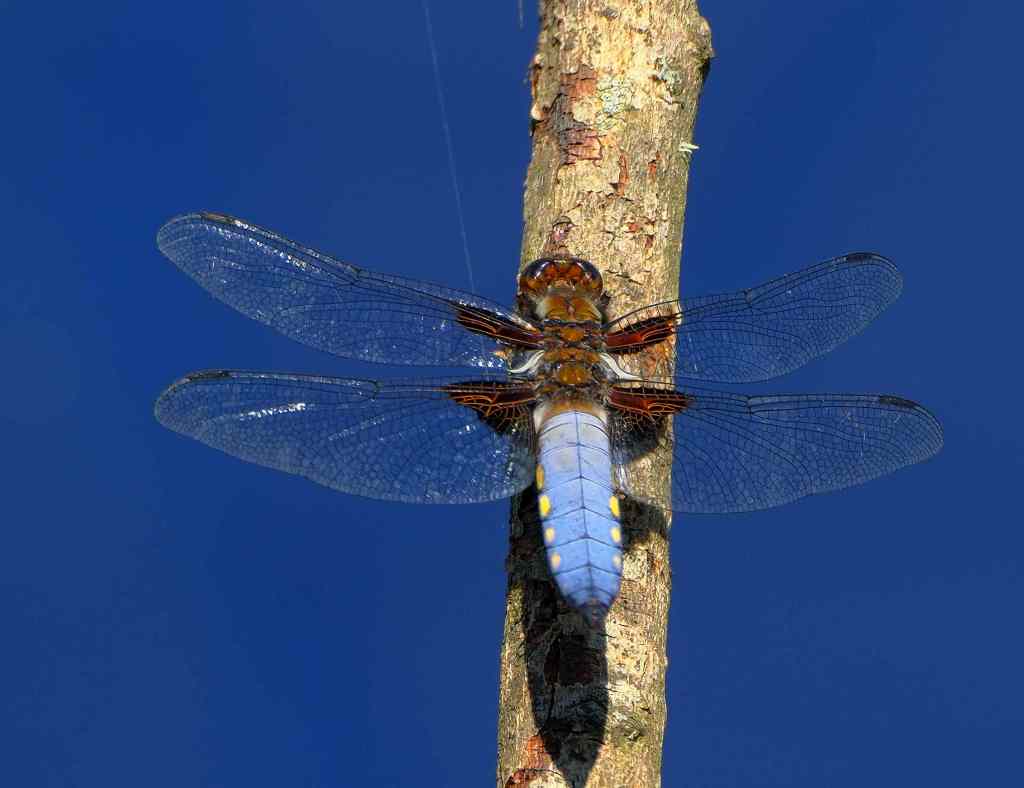
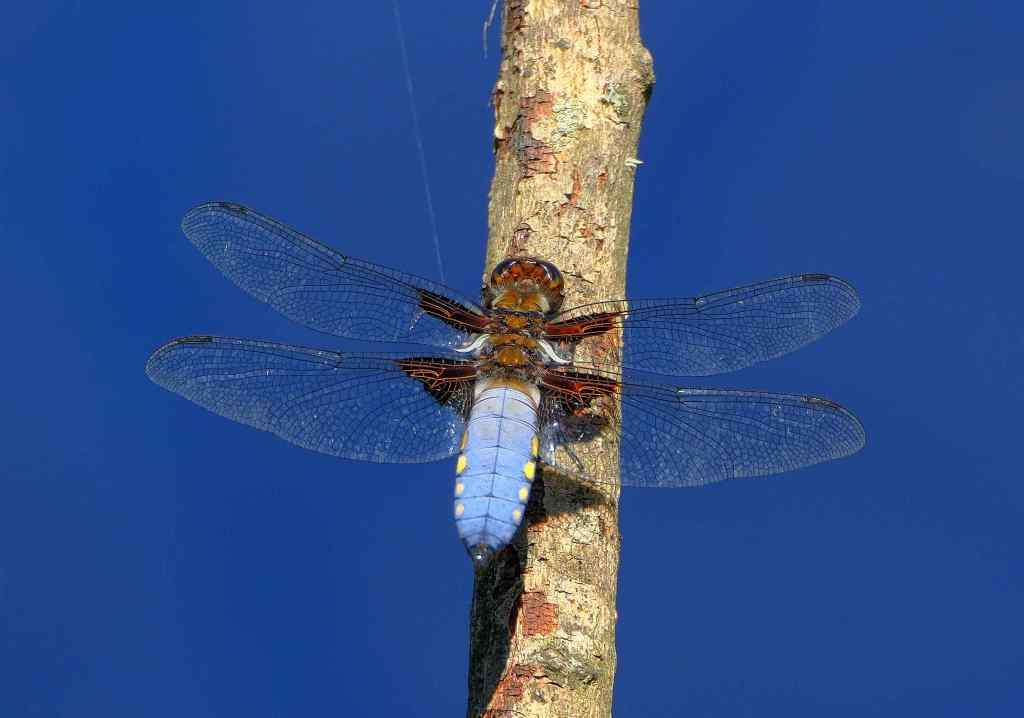
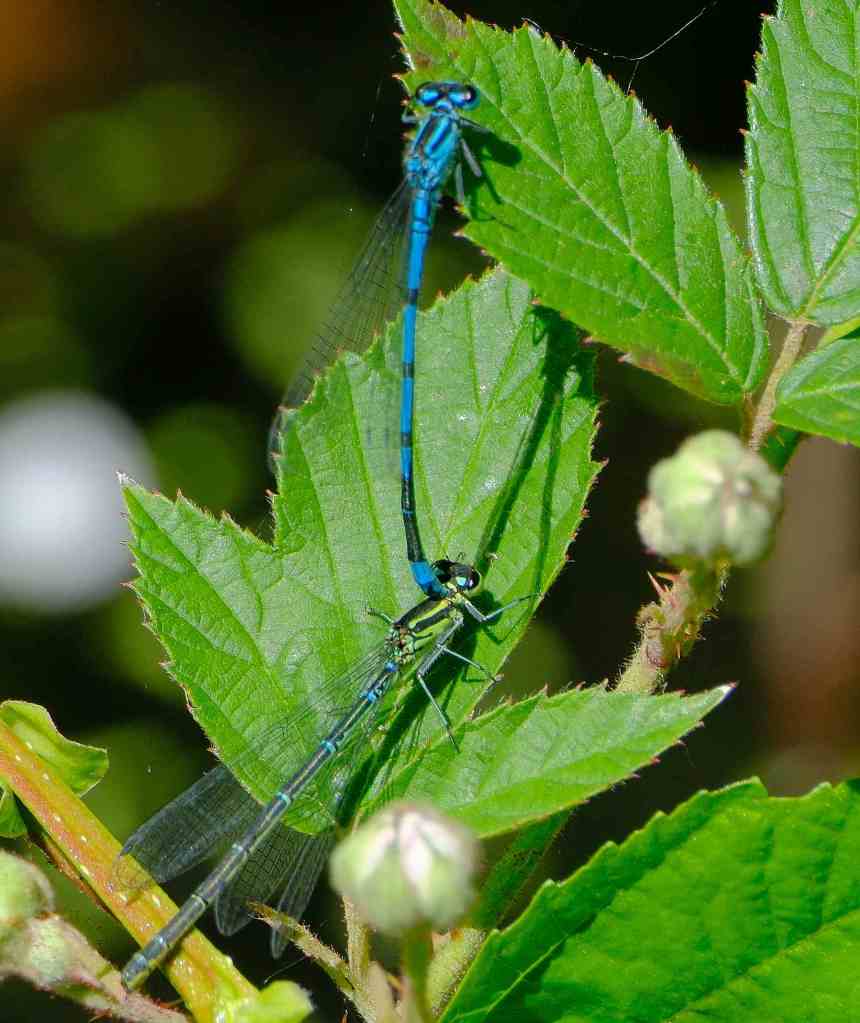
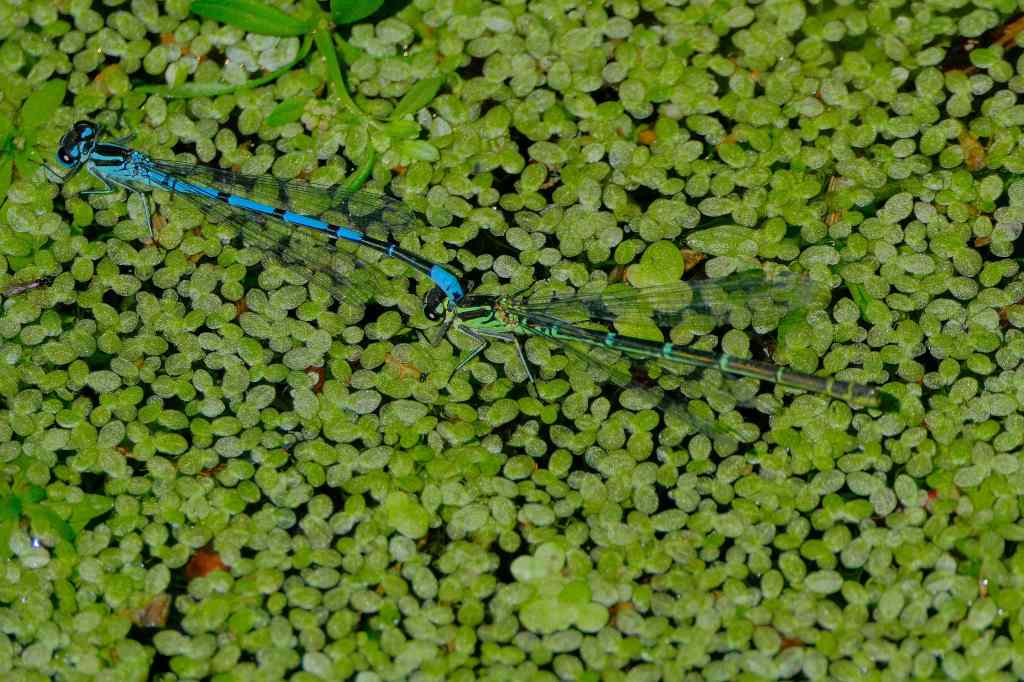
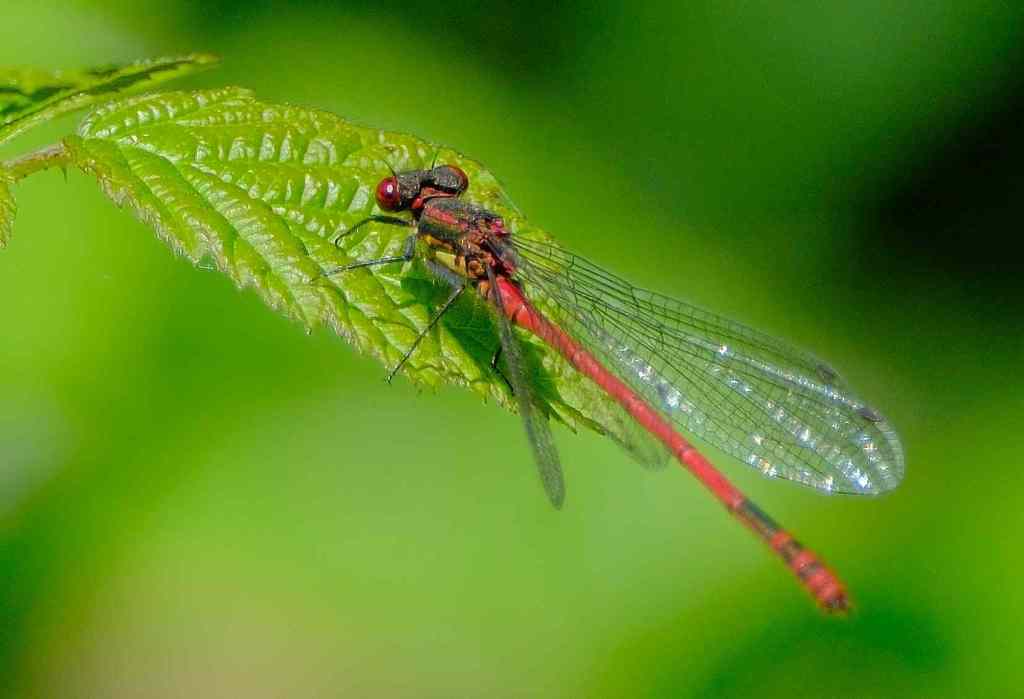
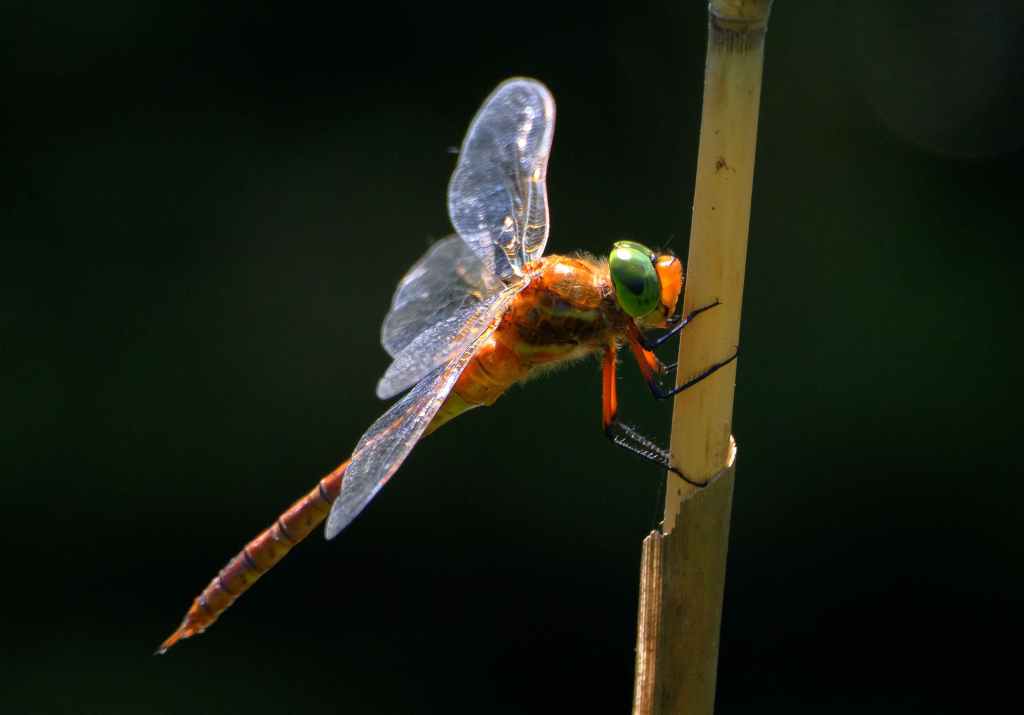
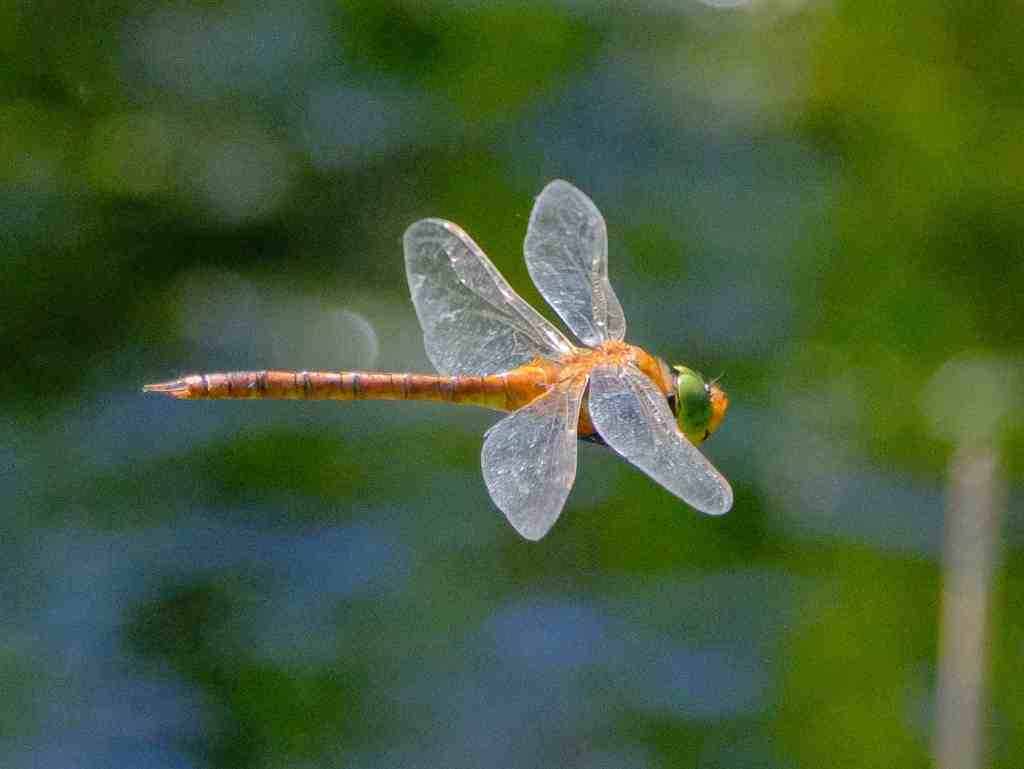
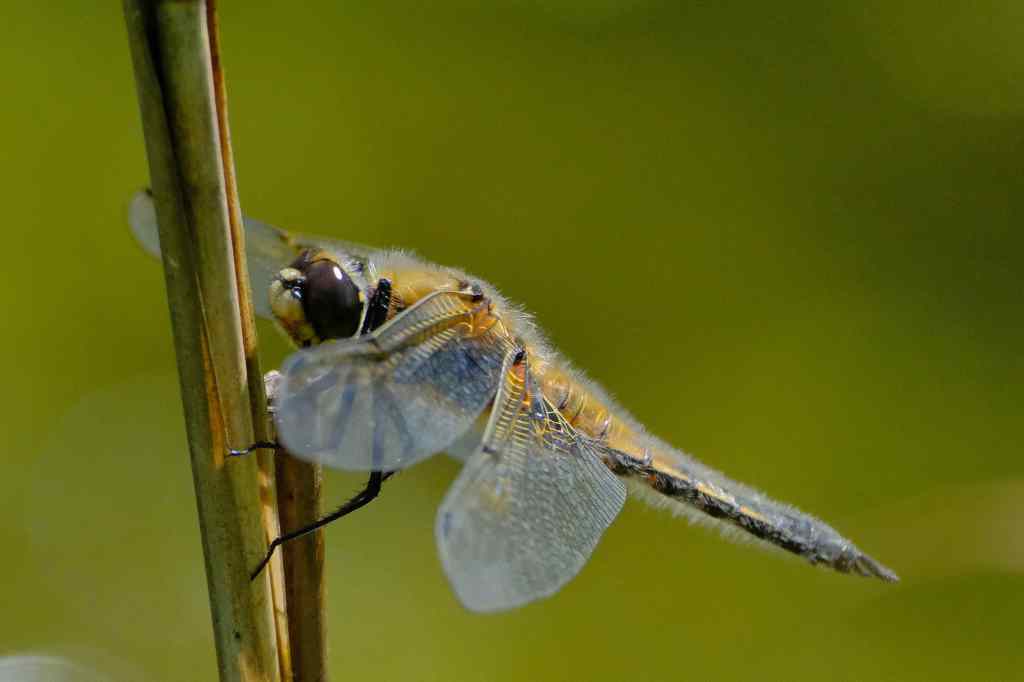
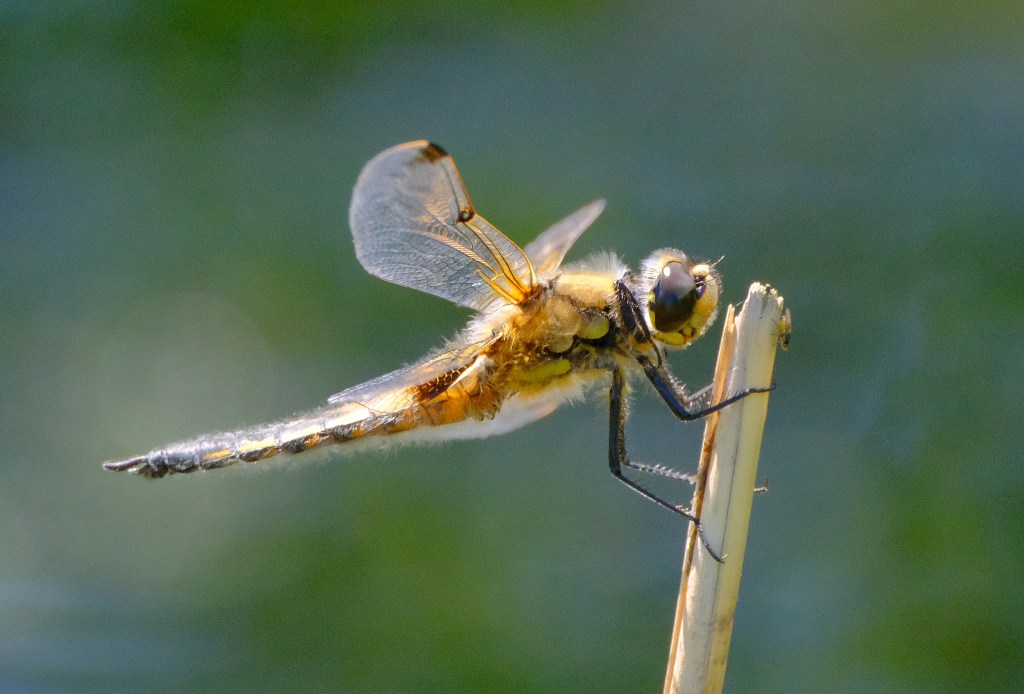
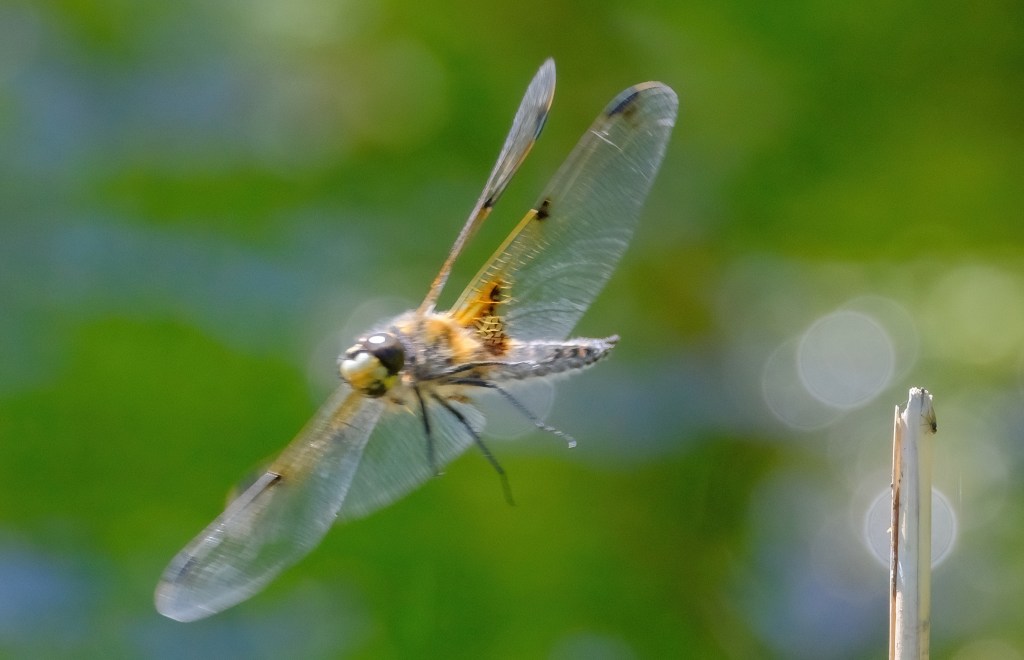
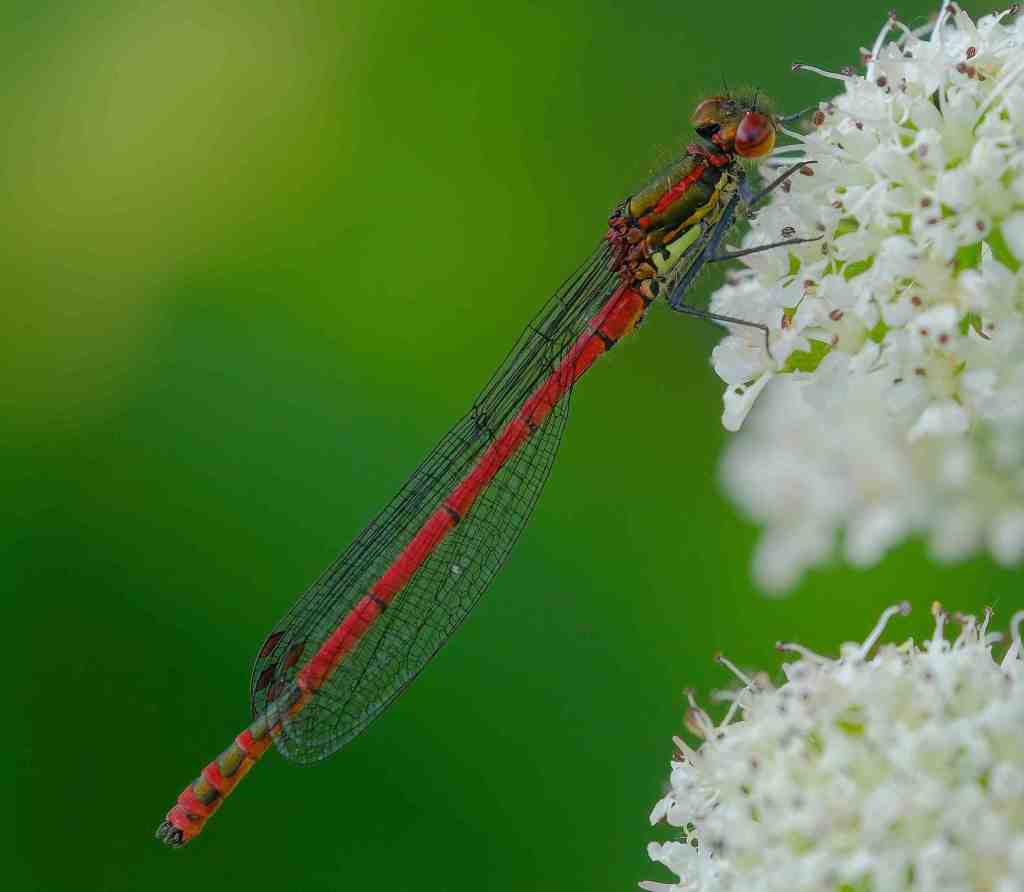
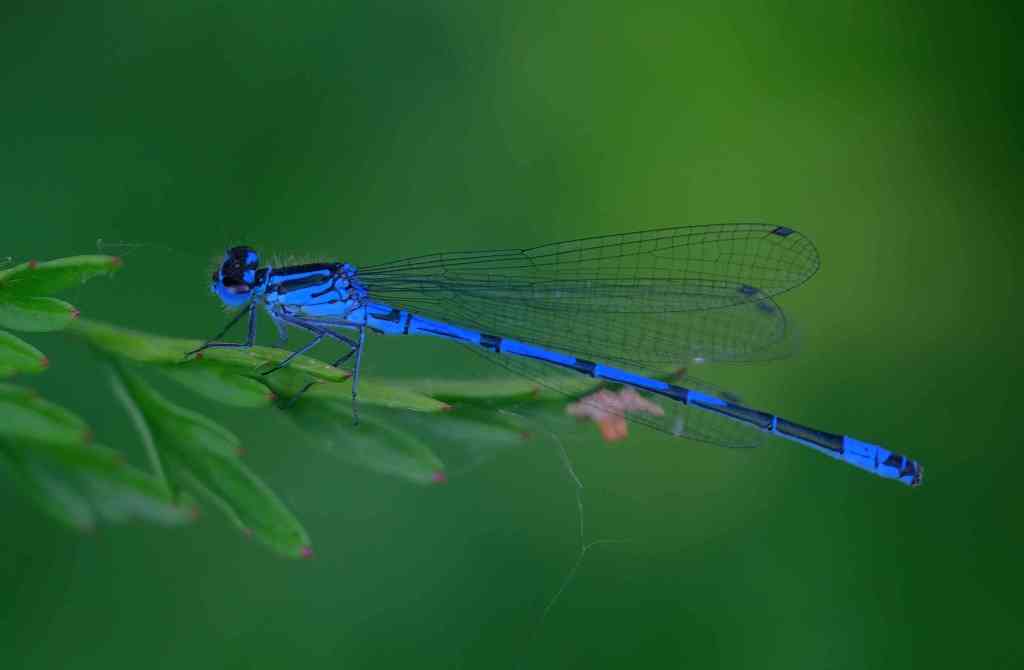
The dragon and damselflies were not flying, but we spotted some distant birds, including both a Cuckoo and Redstarts.
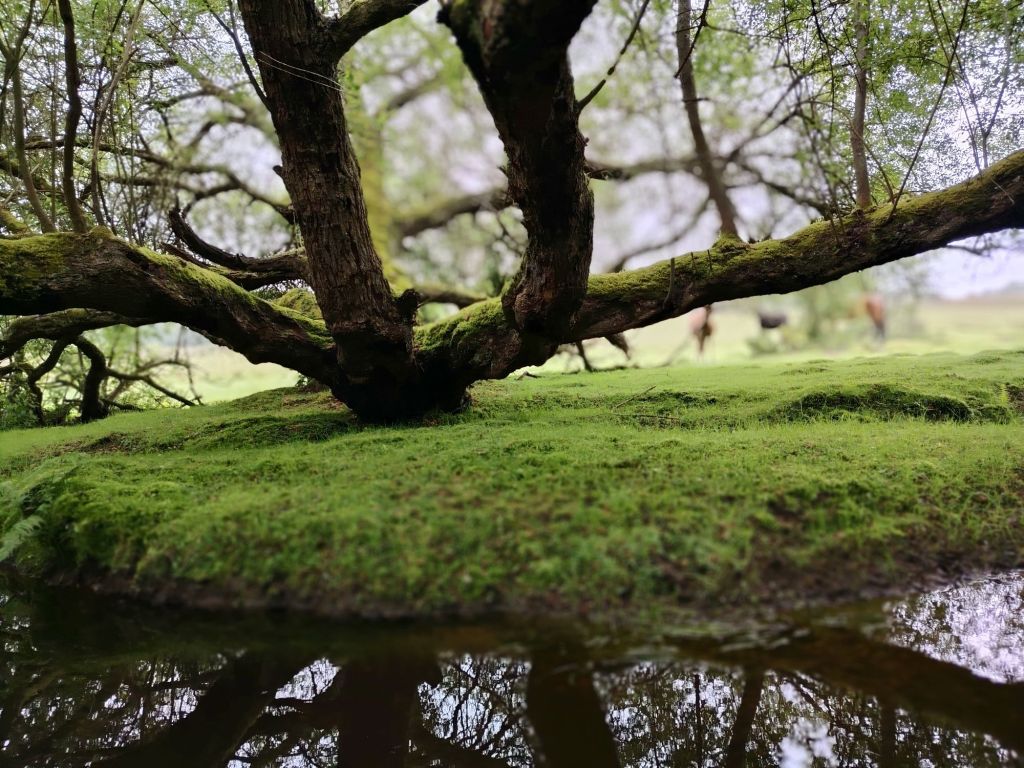
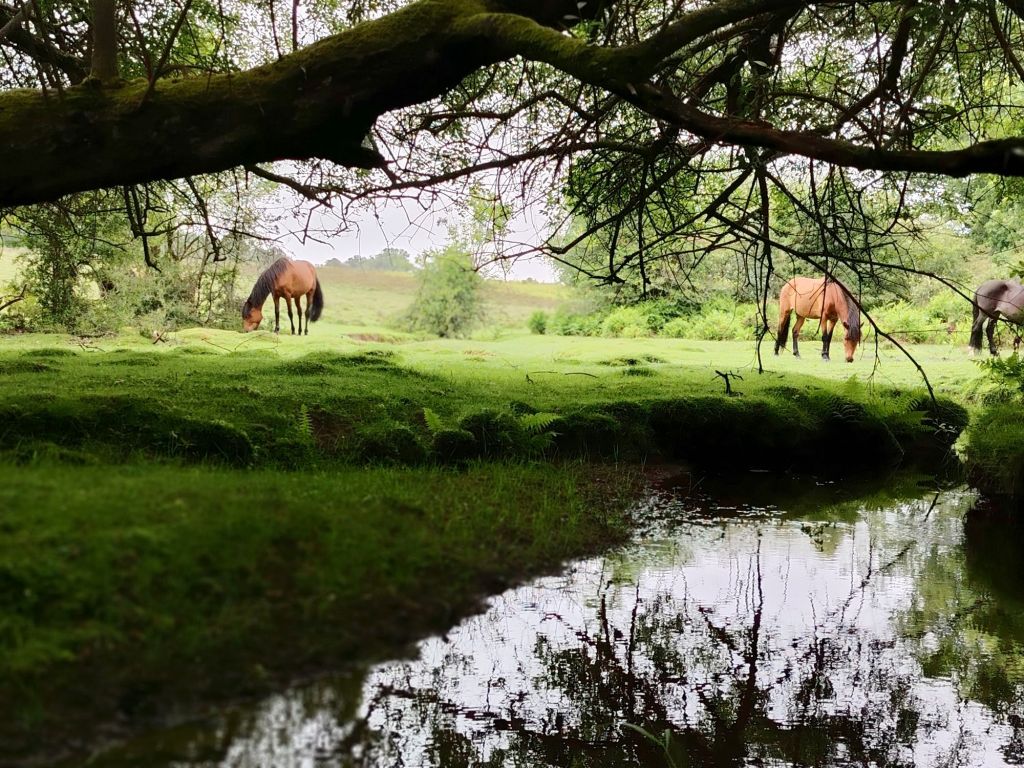
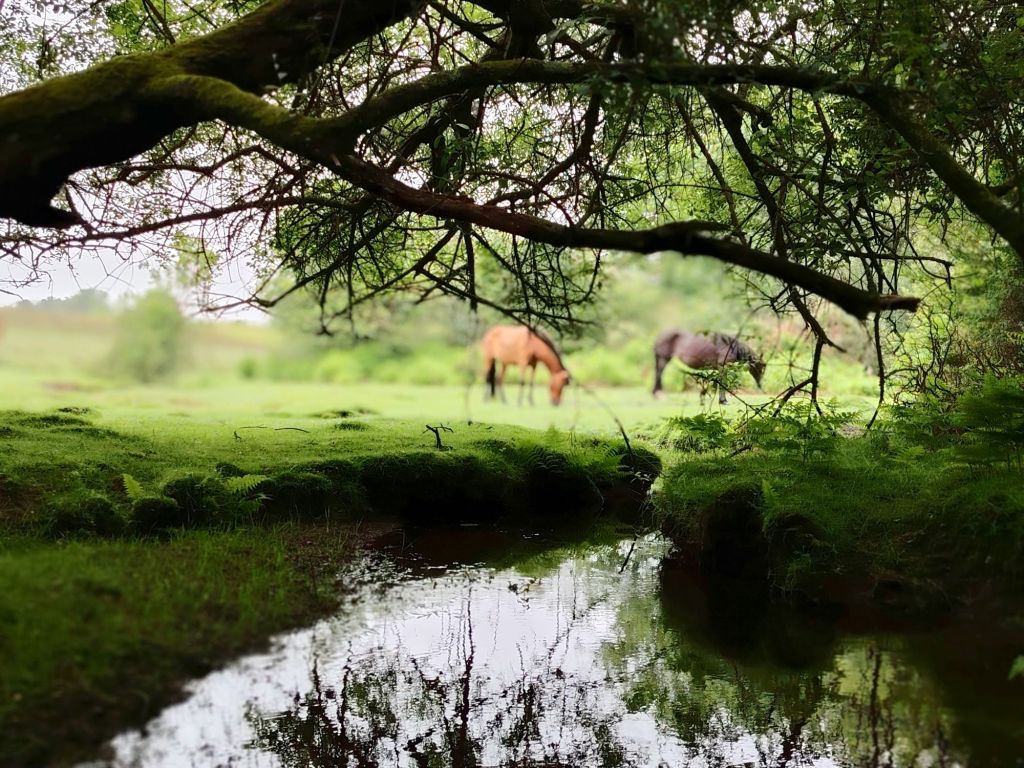
A view from a sit-down under some trees, “A New Forest View”.
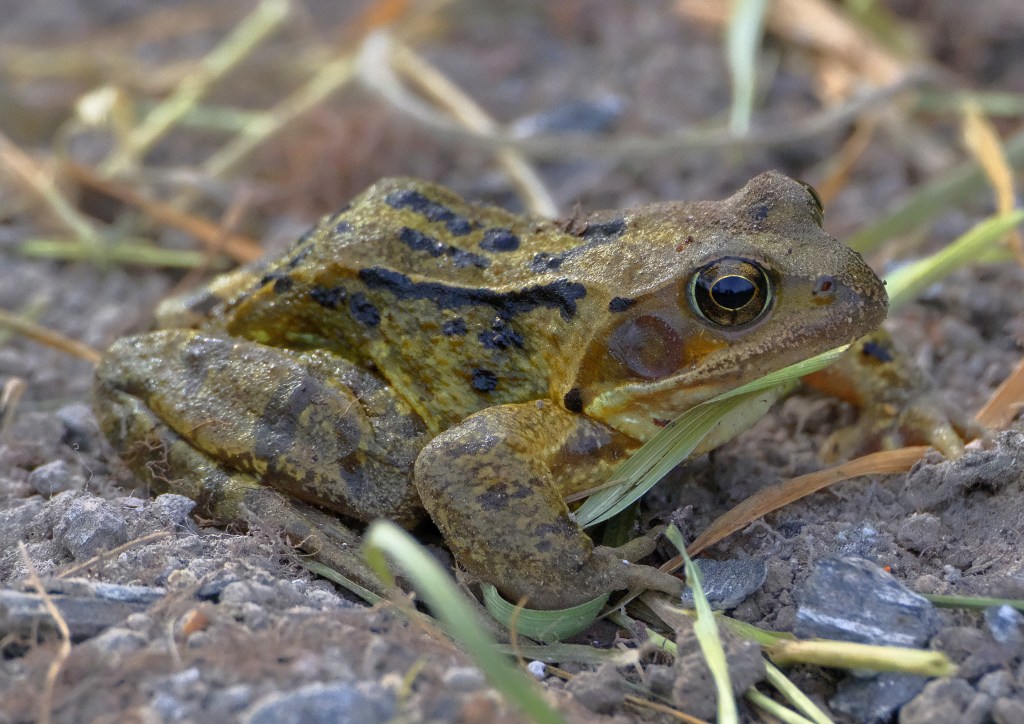
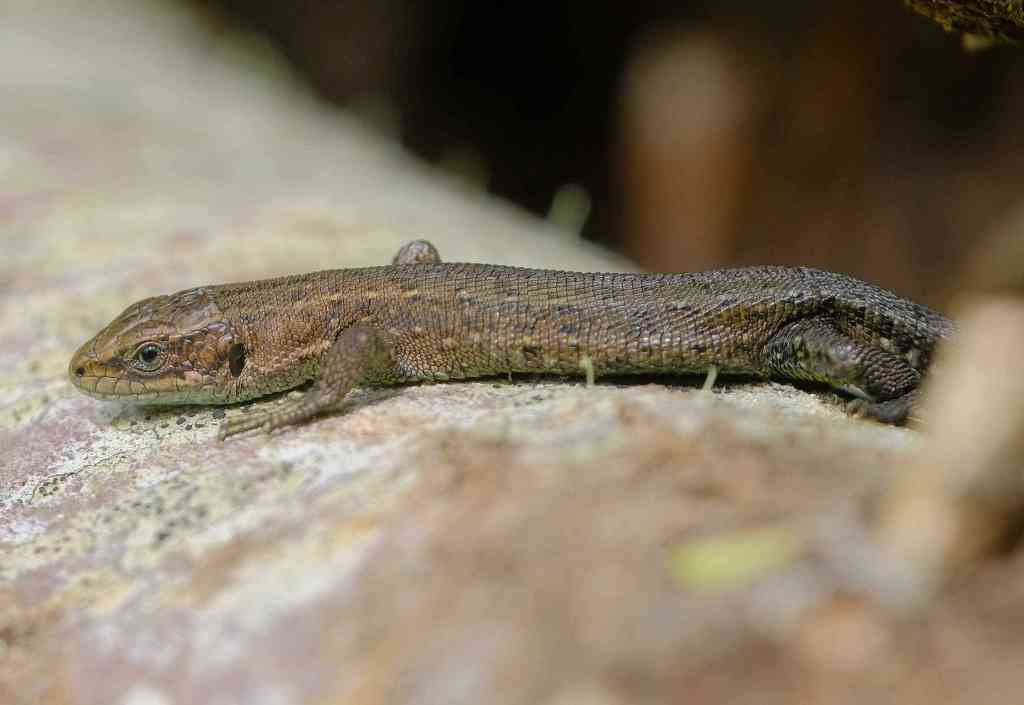
Looking under some corrugated froofing sheet, I was hoping to see some snakes or slow worms, but it was a surprise to see a Common Frog.
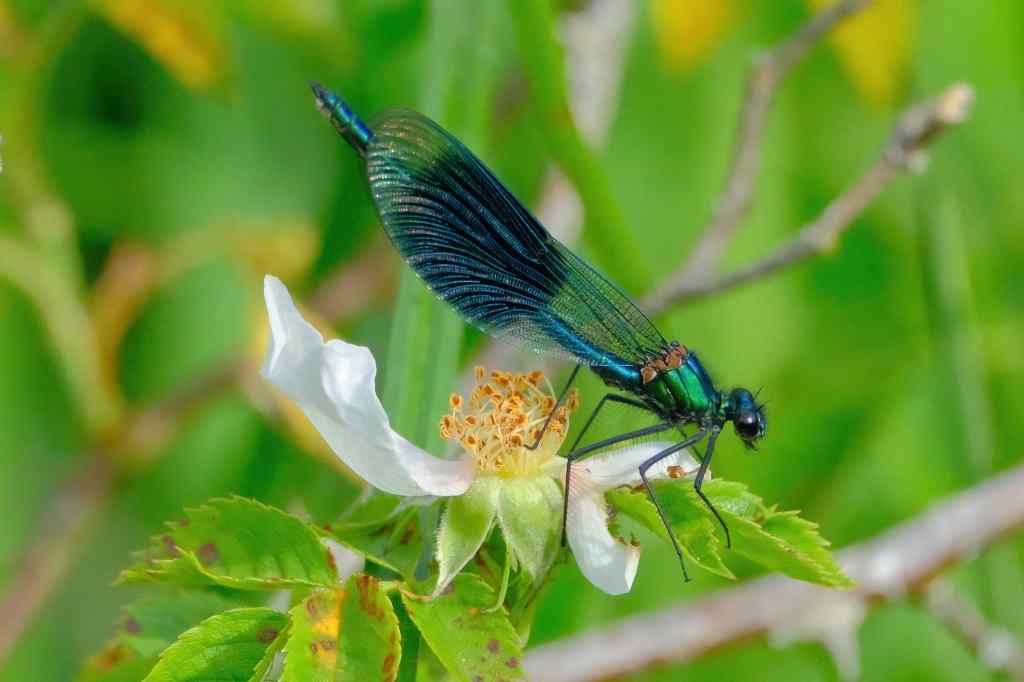
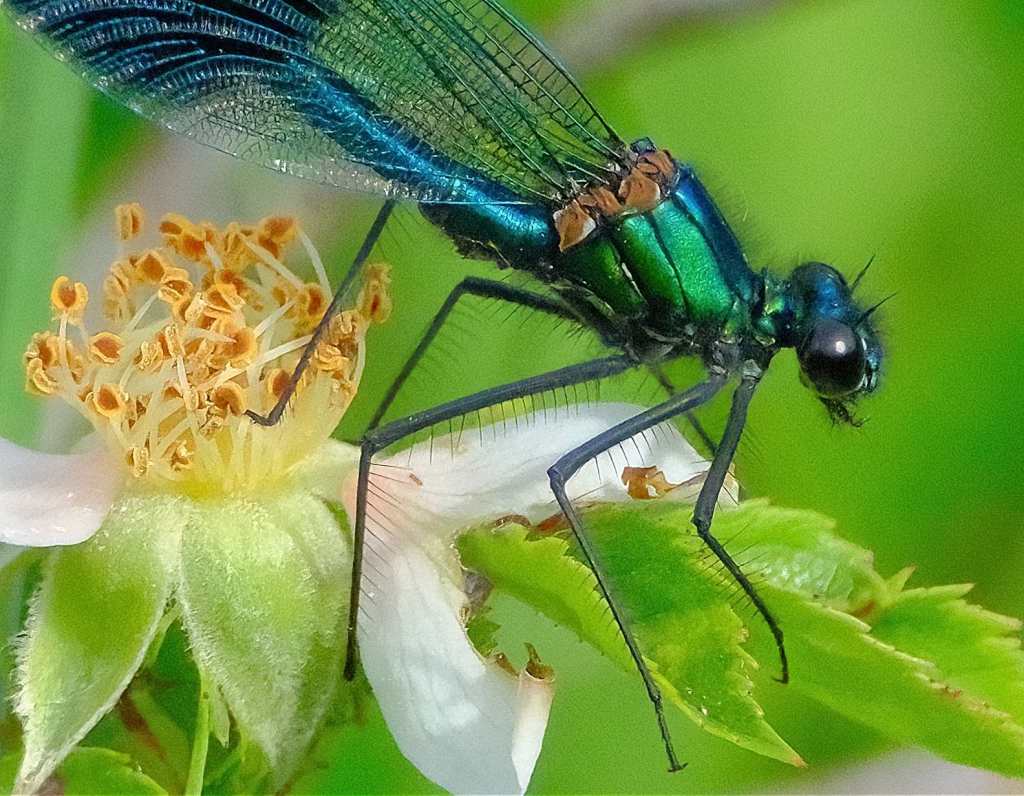
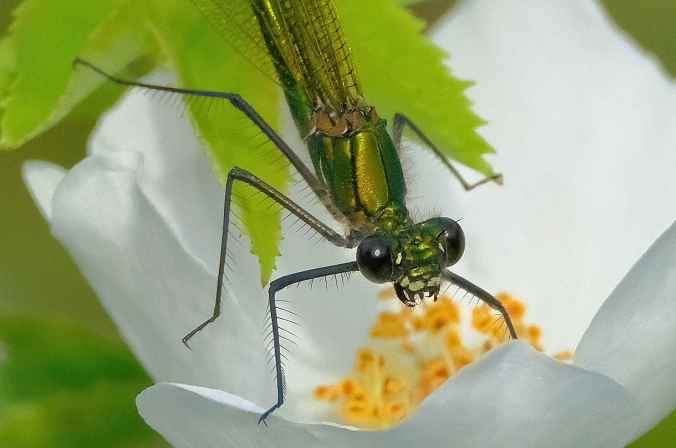
Banded Demoiselle (male)
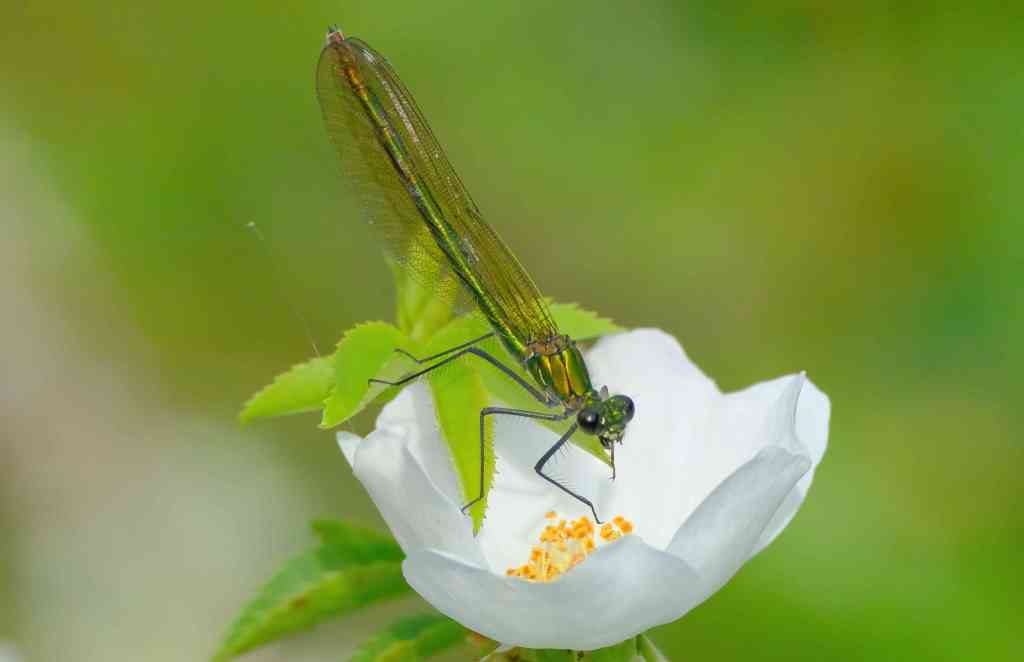
Banded Demoiselle (female)
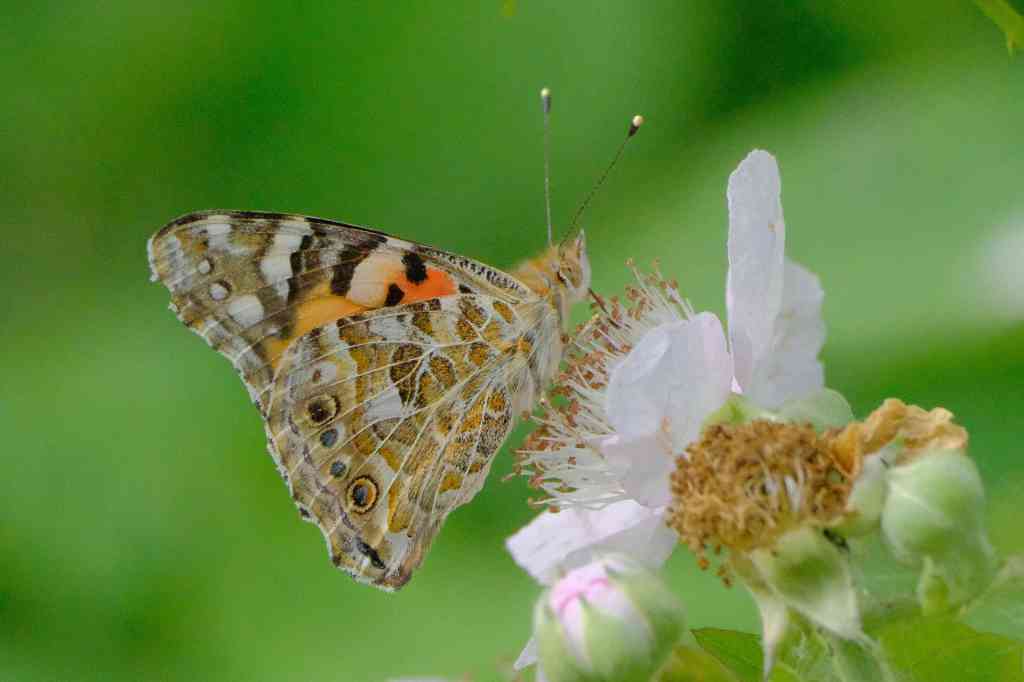
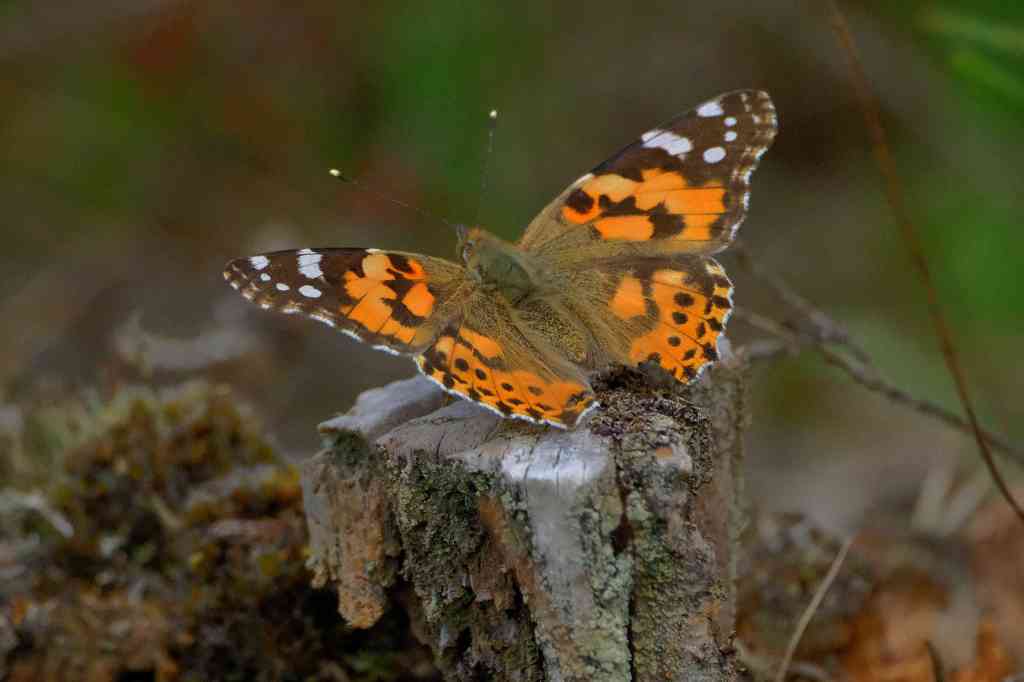
Painted Lady, this year seems to be a good year for this large butterfly. A summer visitor to the UK, their numbers fluctuate drastically. British winters are too cold for them to survive, so large numbers migrate annually from North Africa and southern Europe, arriving from late spring through early autumn.
An early start up on the South Downs before the sun gets too high, especially as it looked like we had another hot day ahead, with some good light early as well for photographs.
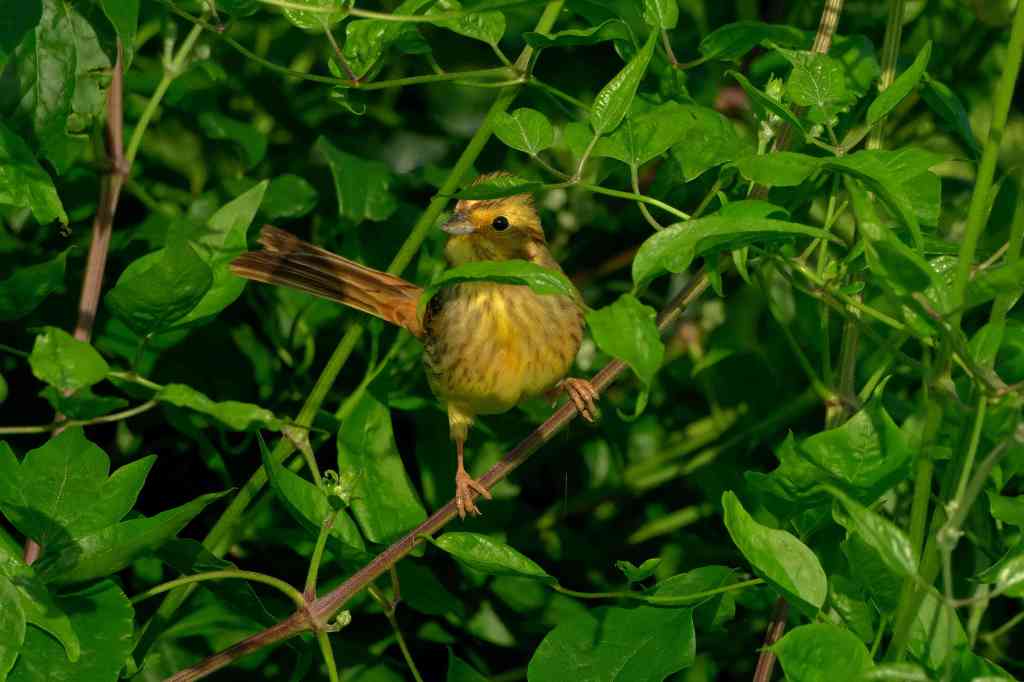
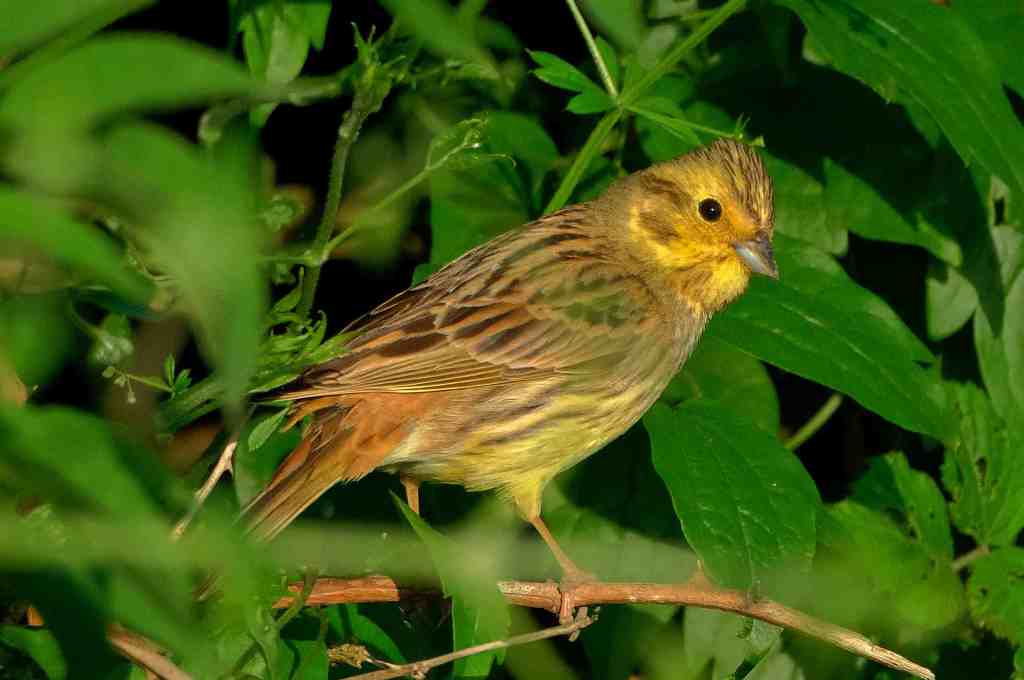
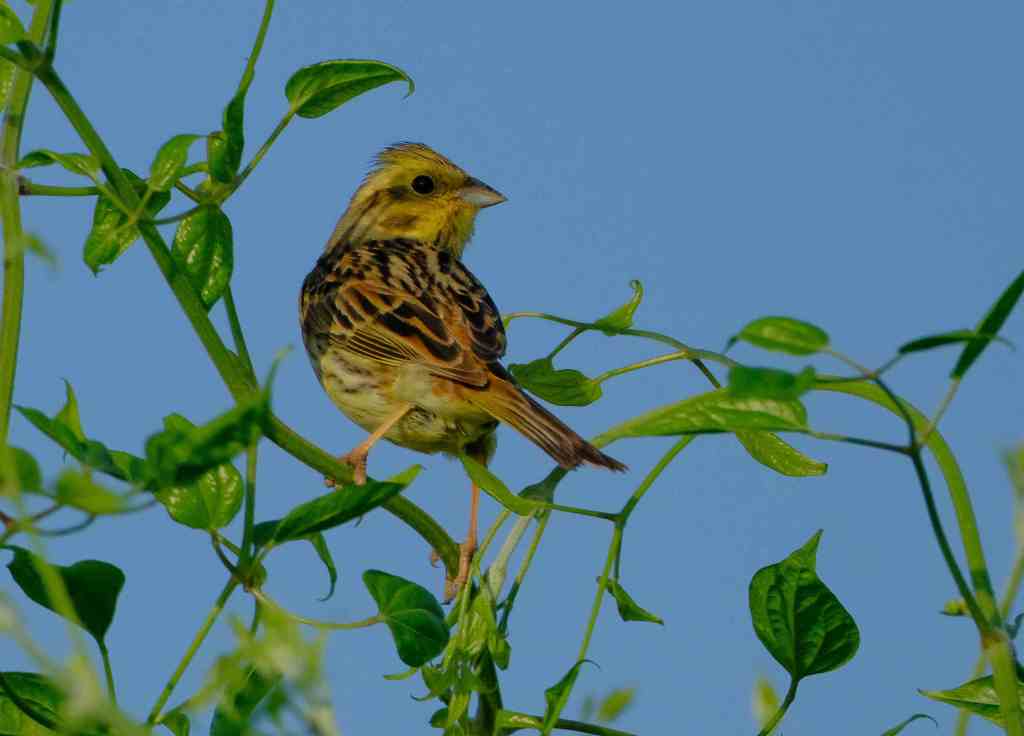
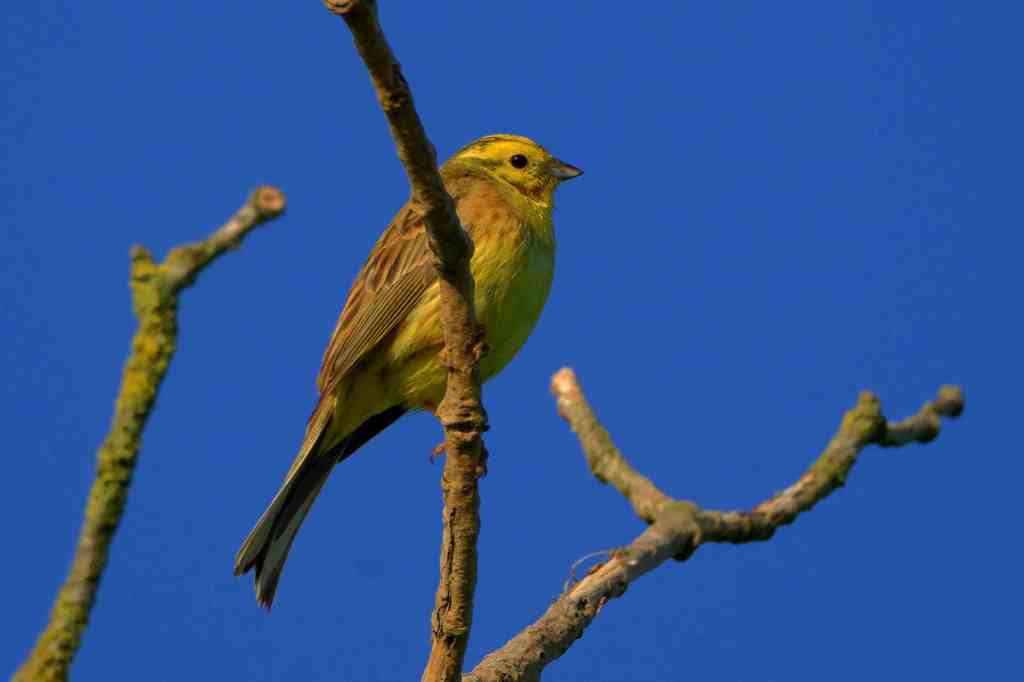
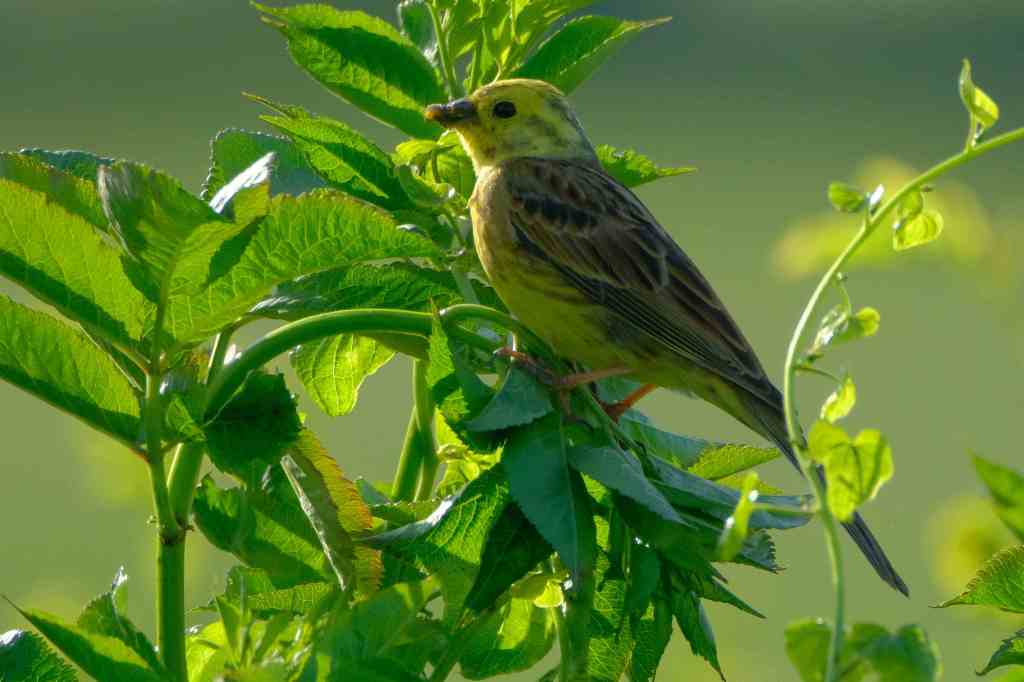
Yellowhammers were fairly abundant before it got too hot. The yellowhammer is a passerine bird in the bunting family; it is a bird of farmland.
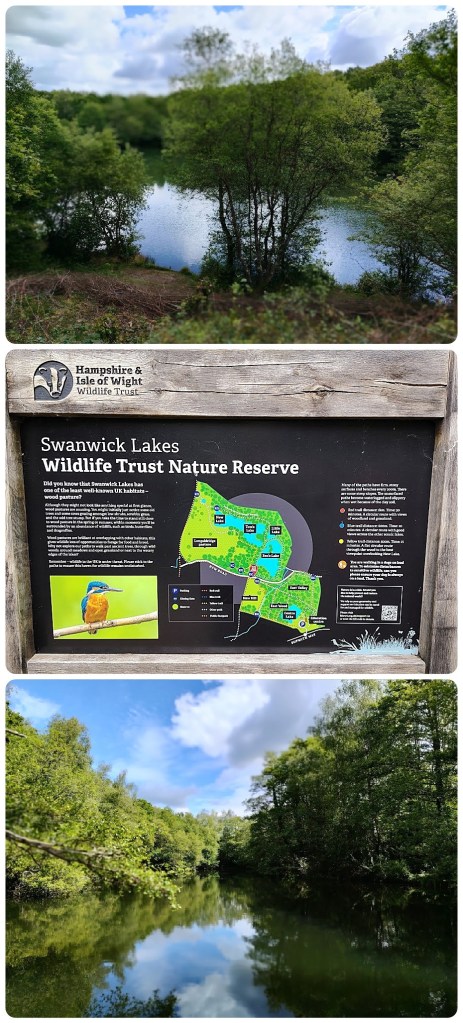
After Thursday’s visit to Swanick Lakes, we returned today for a longer walk. The site is 36 hectares.
Clay has been extracted in the area since the late 19th century, with the first pit dug on the site in 1948. When extraction finished in 1974, woodland developed over much of the reserve.
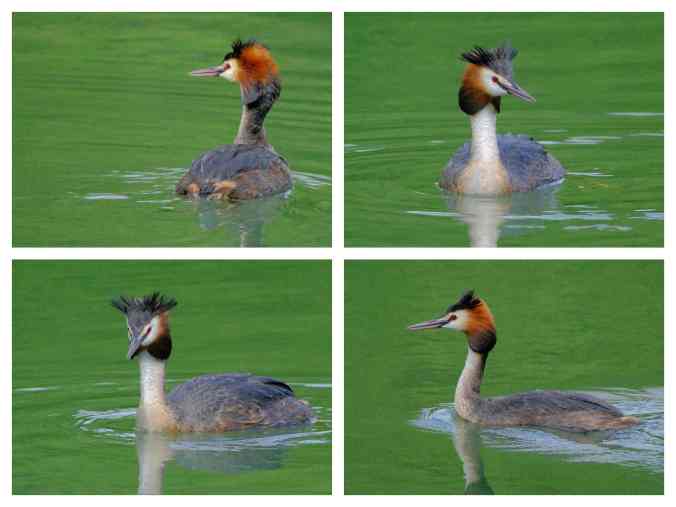
I filmed a Great Crested Grebe on a lake. The interesting part was when the bird spotted an insect, likely a dragonfly, and caught it, which I had never seen before. It was also nice to film how the bird lowers its crest before diving.
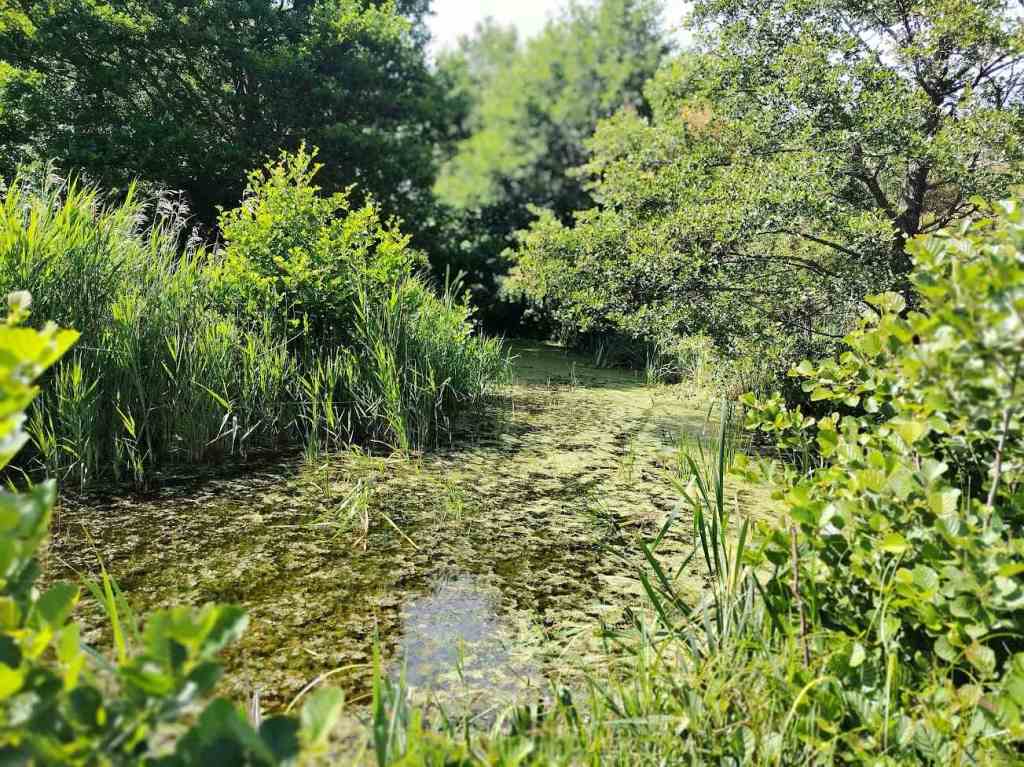
A short visit to Swanwick Lanes this afternoon, Swanwick Lakes, once clay pits for a Burseldon Brickworks, now a mixture of woodland, lakes and meadows. A nature reserve managed by Hampshire & Isle of Wight Wildlife Trust since 1991.