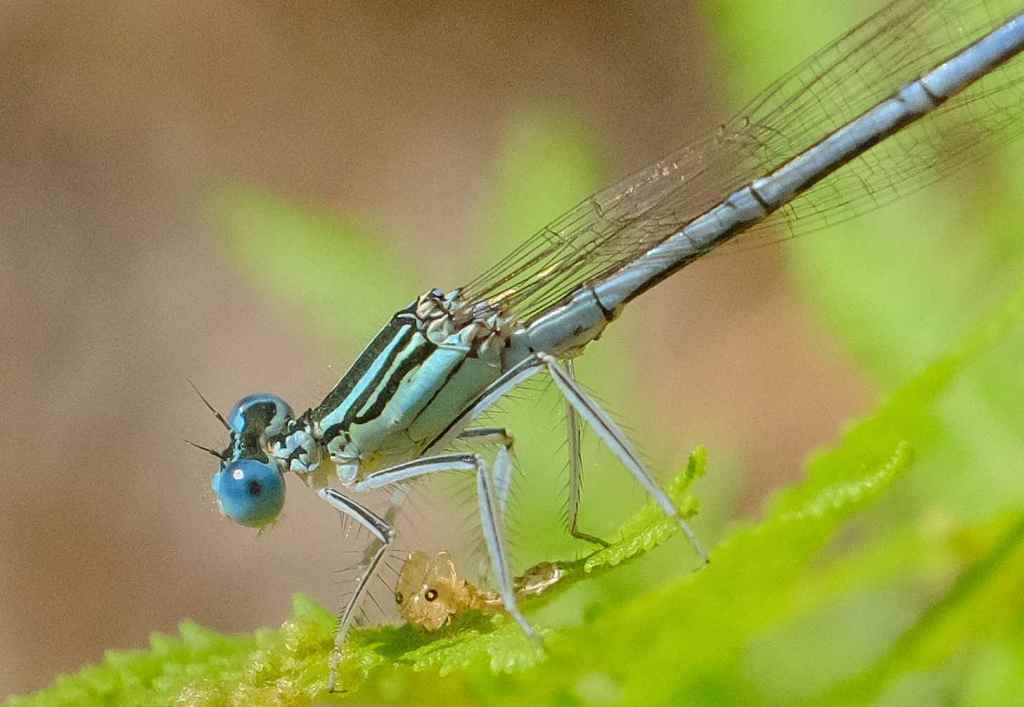
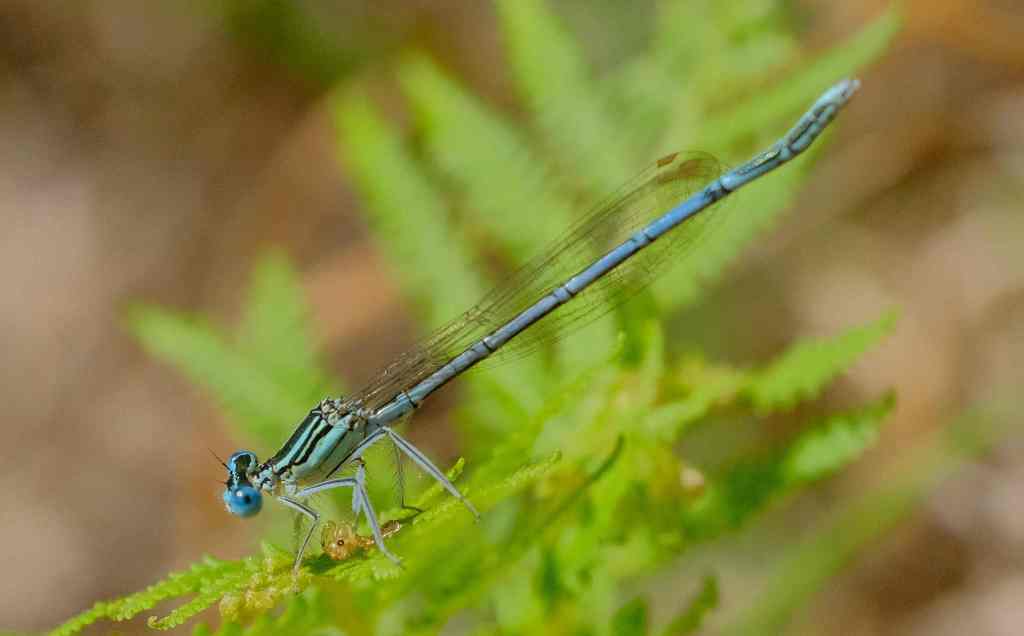
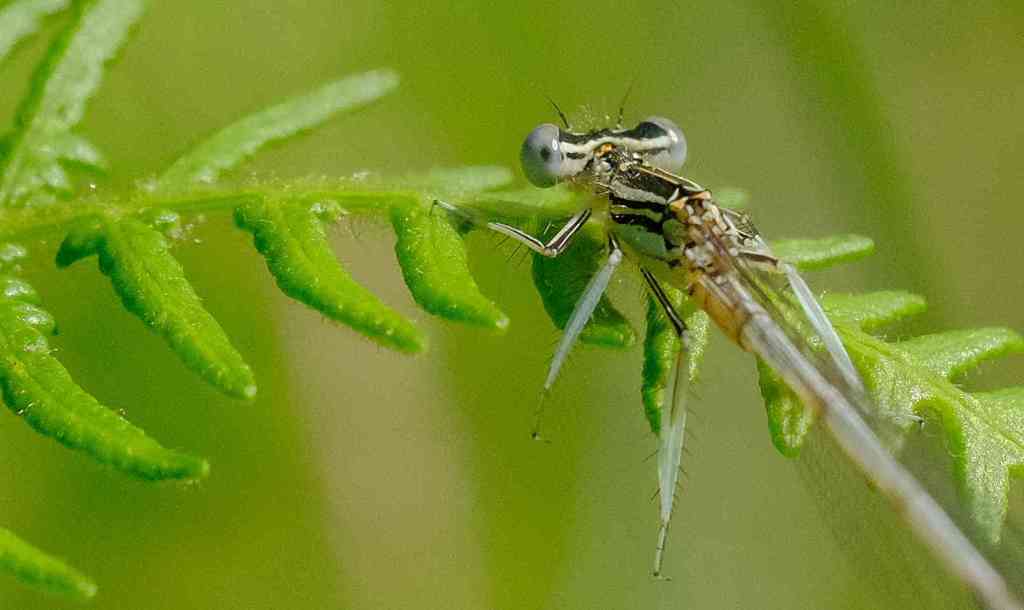
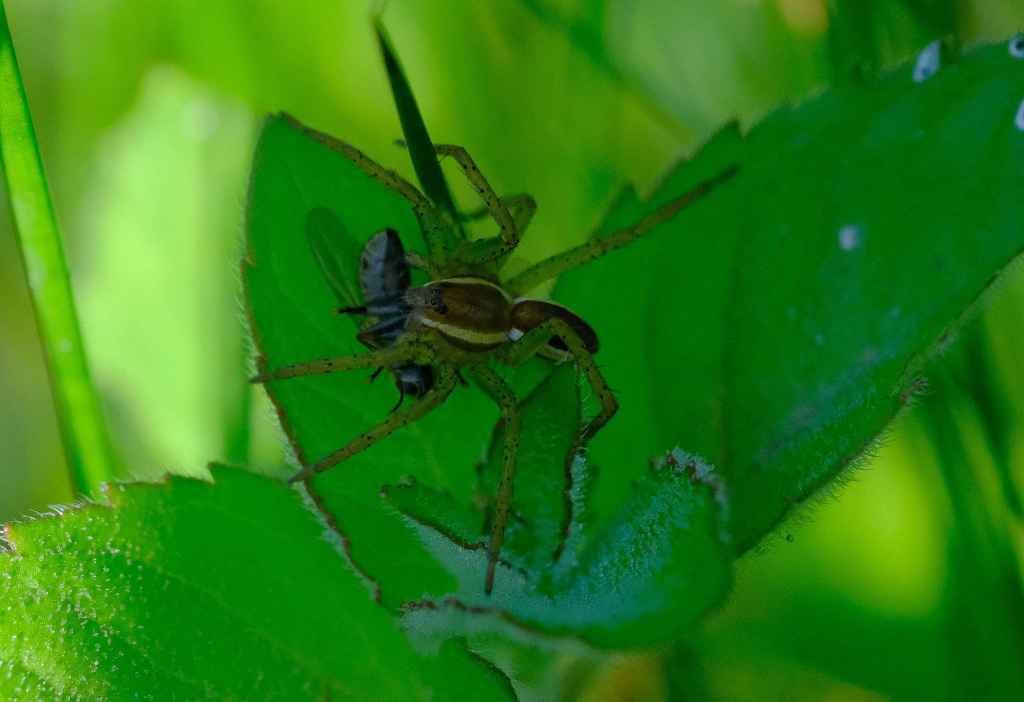
Yesterday’s New Forest walk was a bit of a surprise as we found another Raft Spider stronghold. We found a nest full of newly hatched spiderlings. What was different about this nest was that it was being guarded by a parent spider. I had not seen this before.
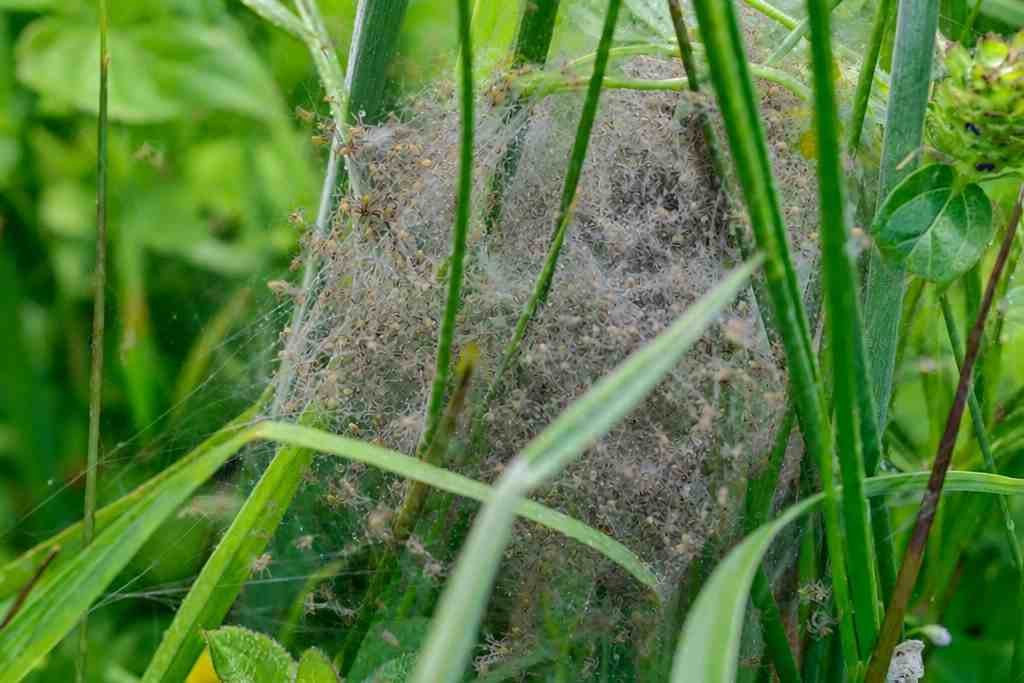
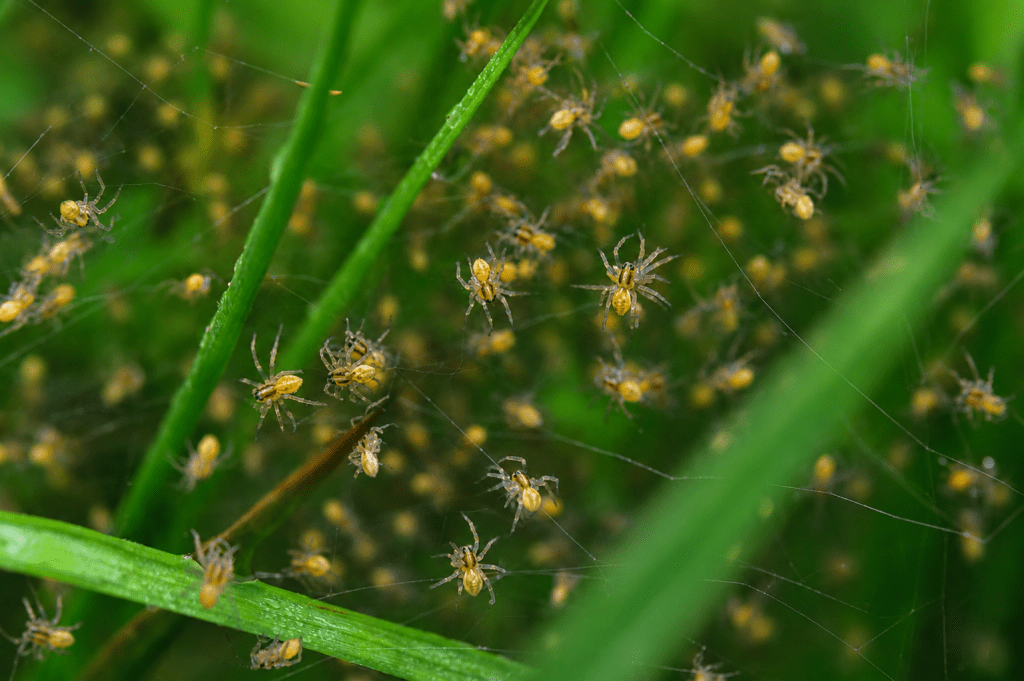
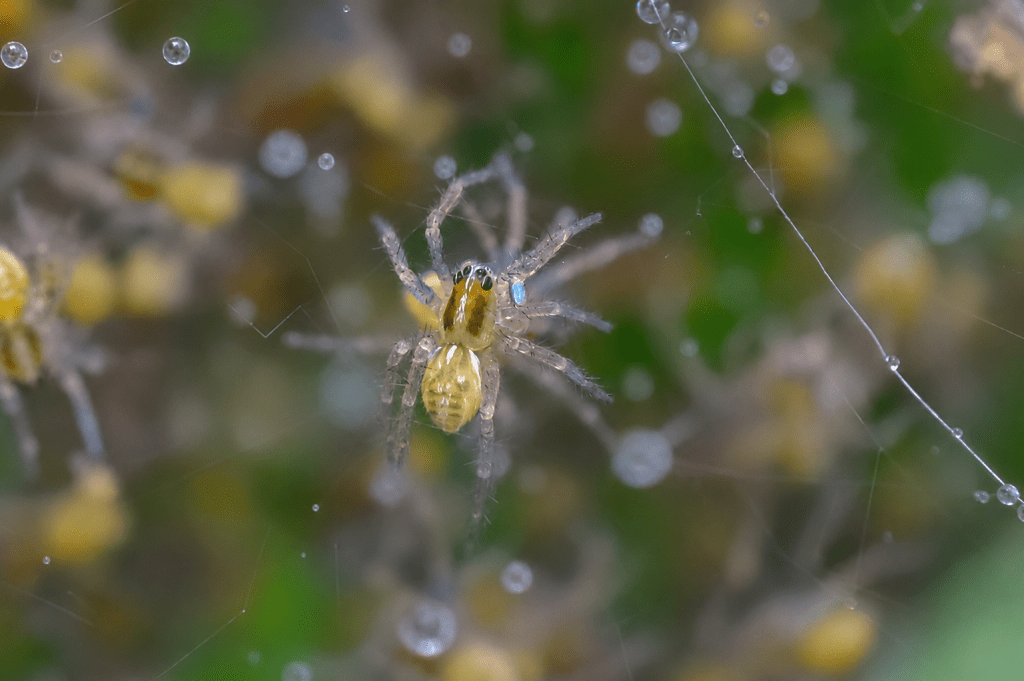
Adult on guard.
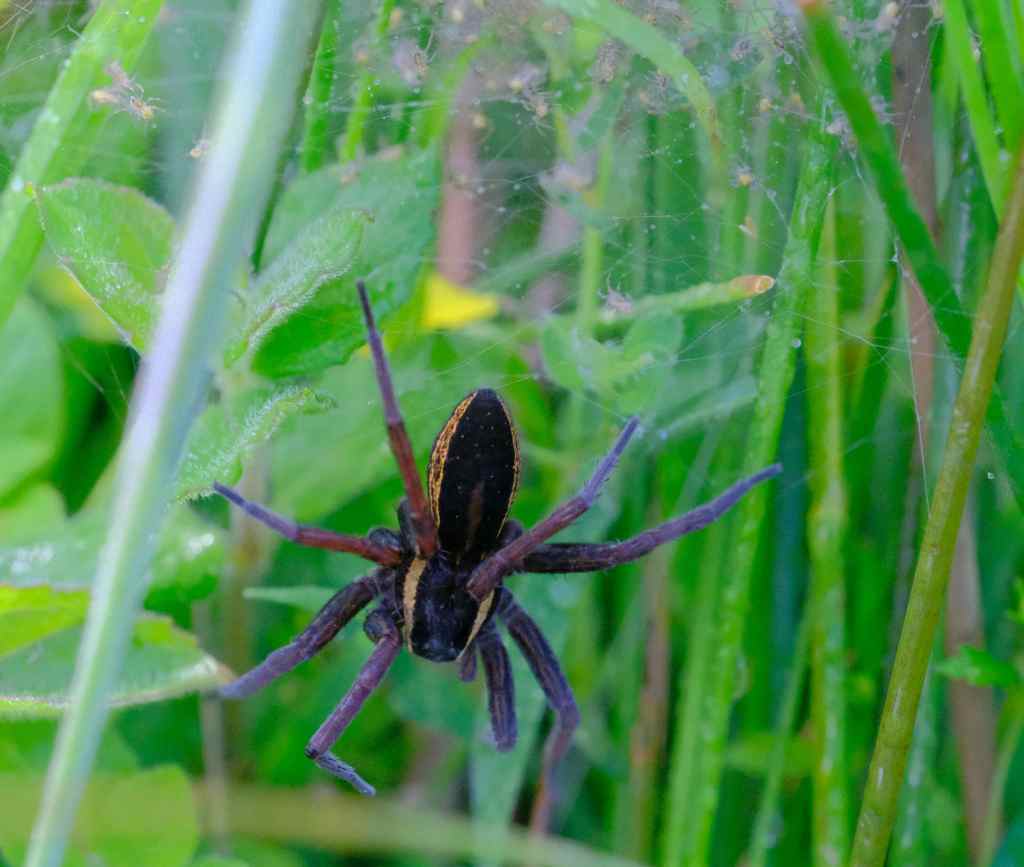
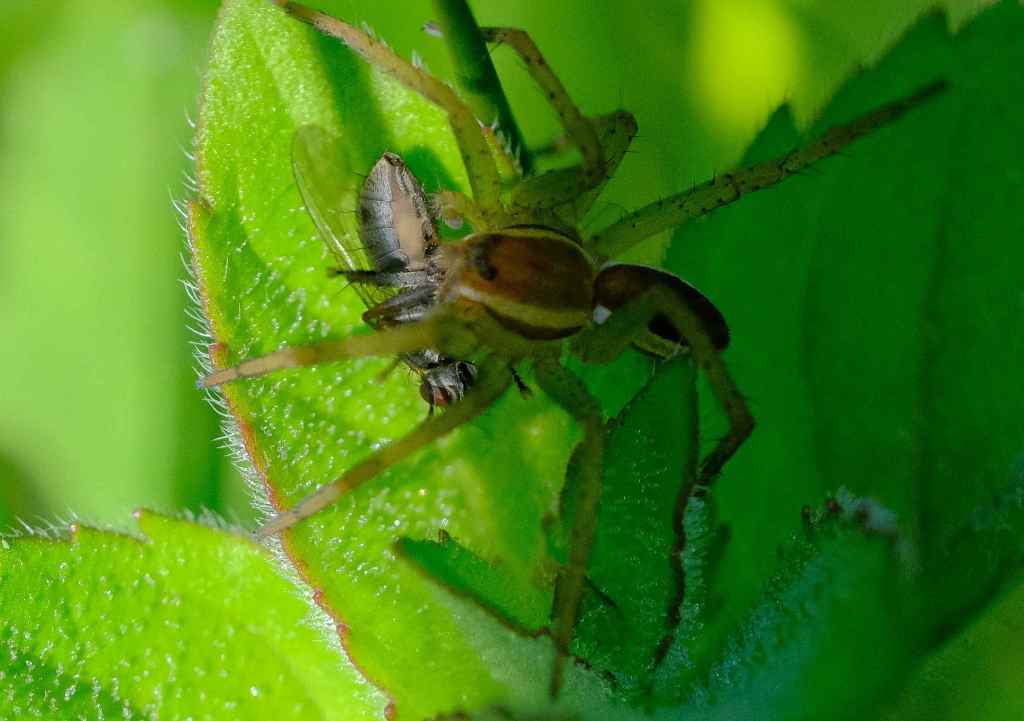
Raft spiders do not spin webs to catch insects; they grab and catch their prey.
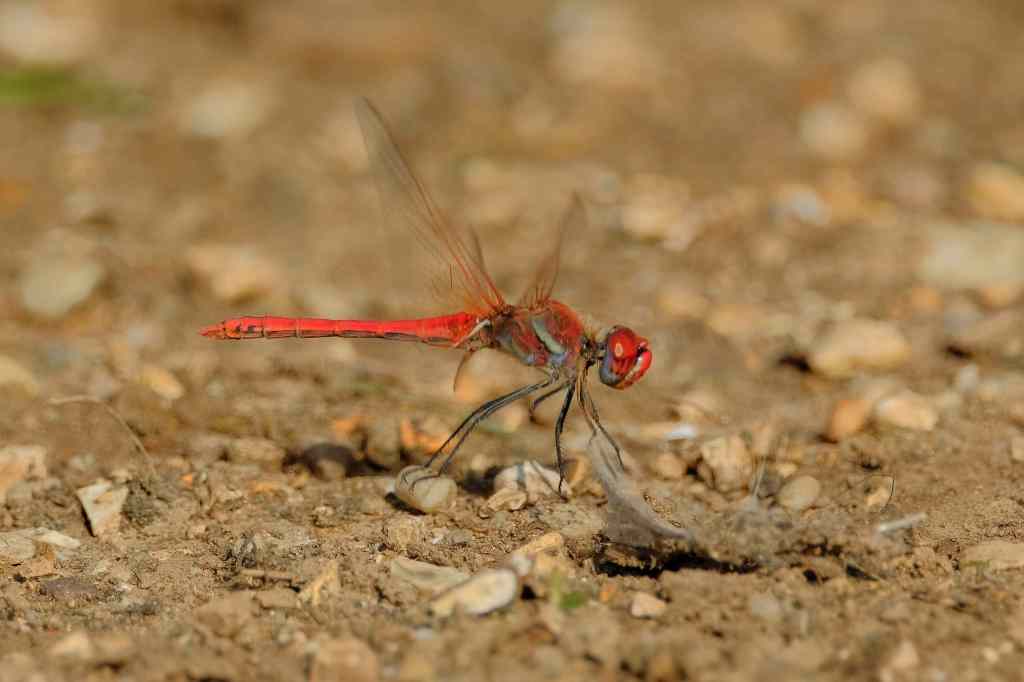
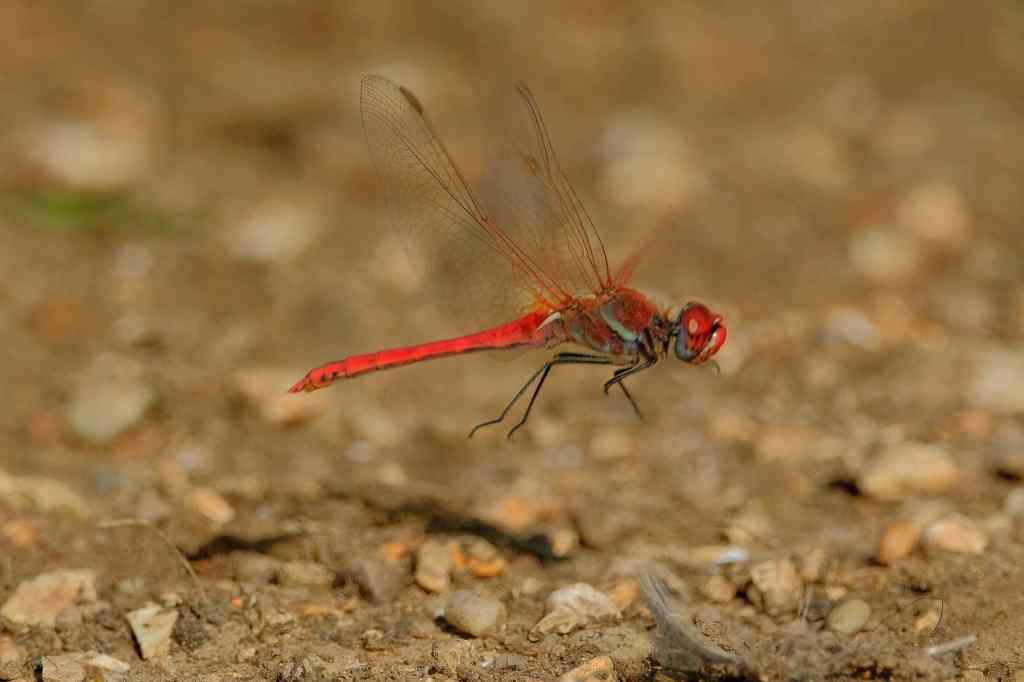
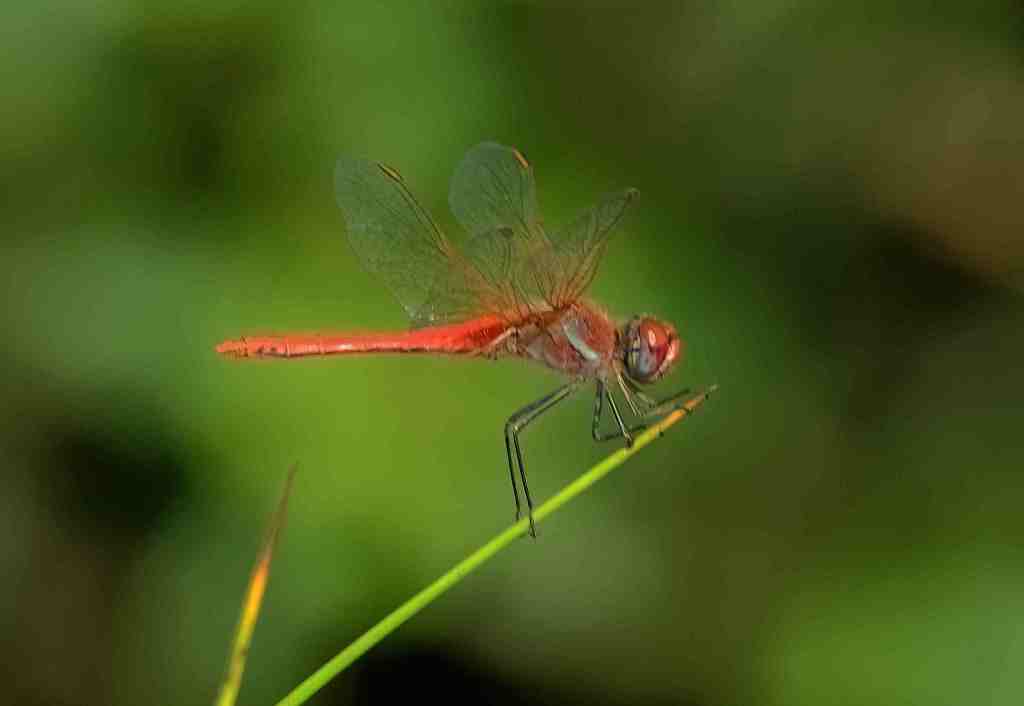
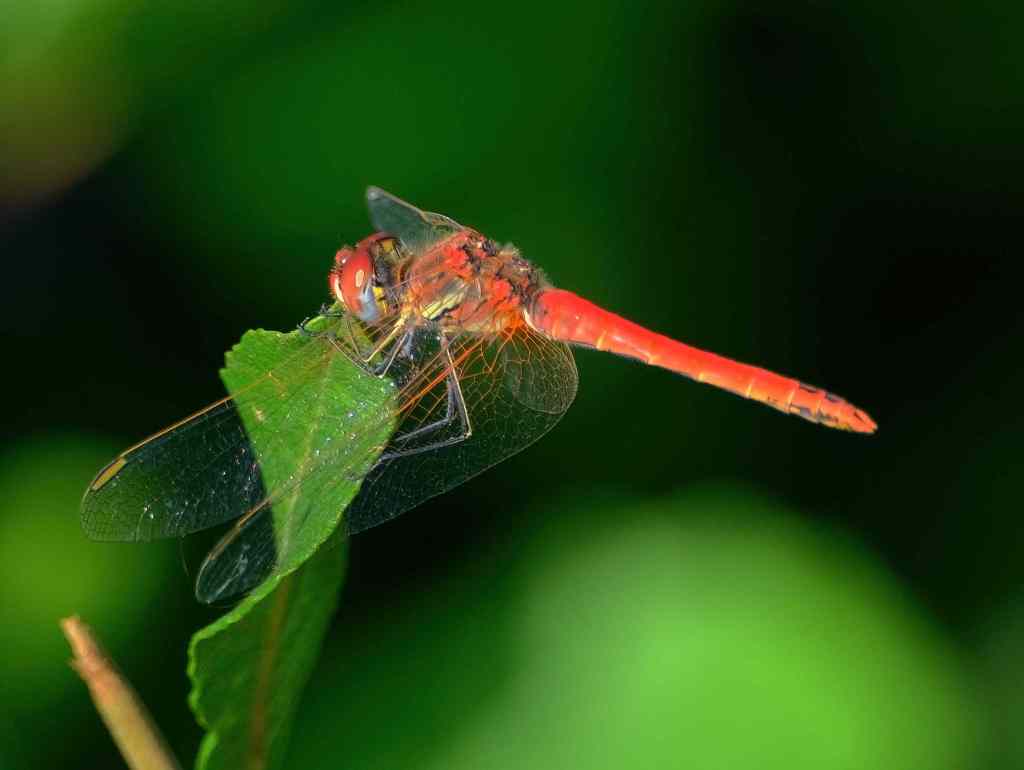
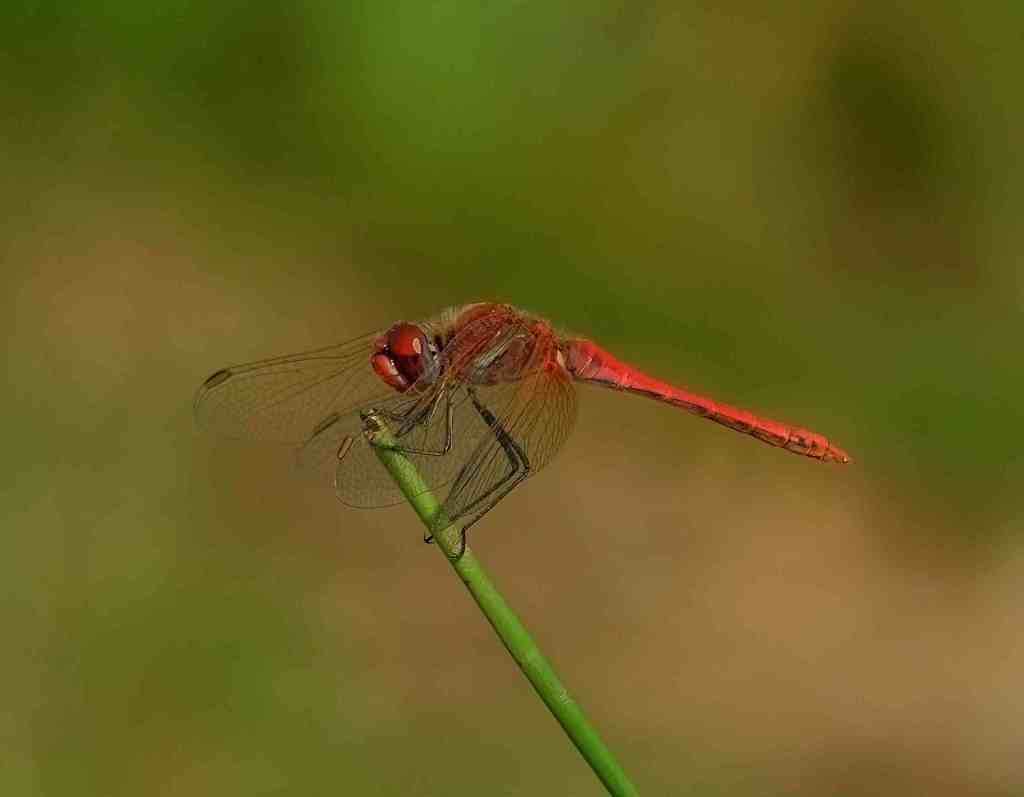
A hot walk in the New Forest during a “heatwave” and spotted a new dragonfly, 1st for me. Red-veined Darter. According to the British Dragonfly Society, this dragonfly is a fairly frequent migrant, principally to southern Britain, with scattered sightings elsewhere. Numbers spotted have been increasing since the 1980s. Breeding has been observed regularly, but the colonies are not yet stable.
A striking, large black dragonfly with yellow rings along the length of the abdomen.Breeds in acidic rivers and streams of all sizes. Can also be seen away from its breeding habitat over the heathland. One of our regular dragonfly spots in the New Forest at this time of the year.
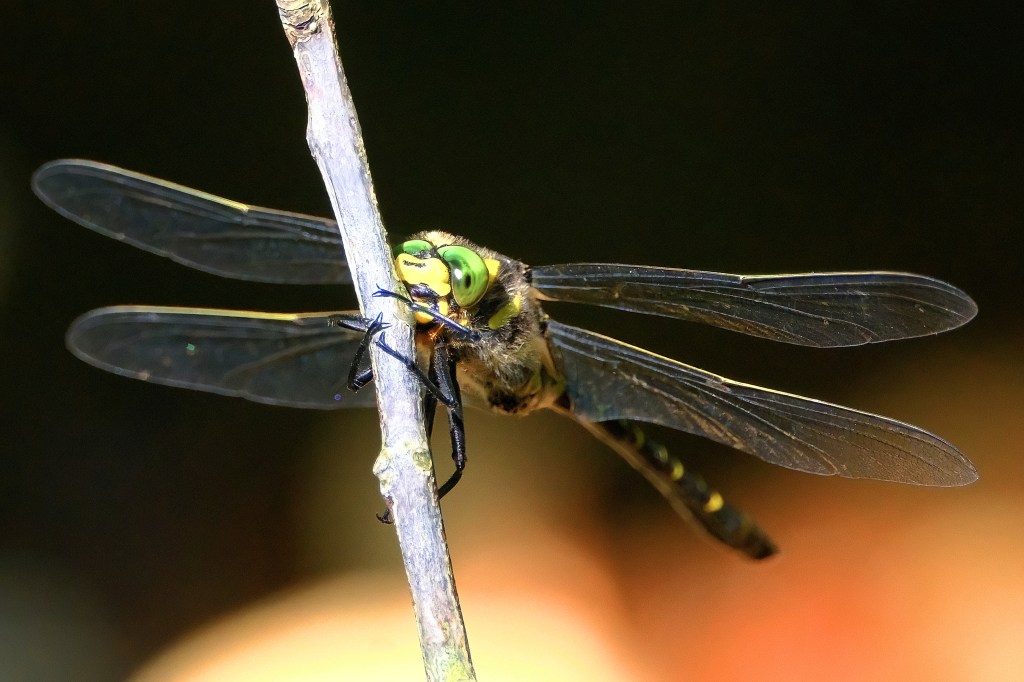
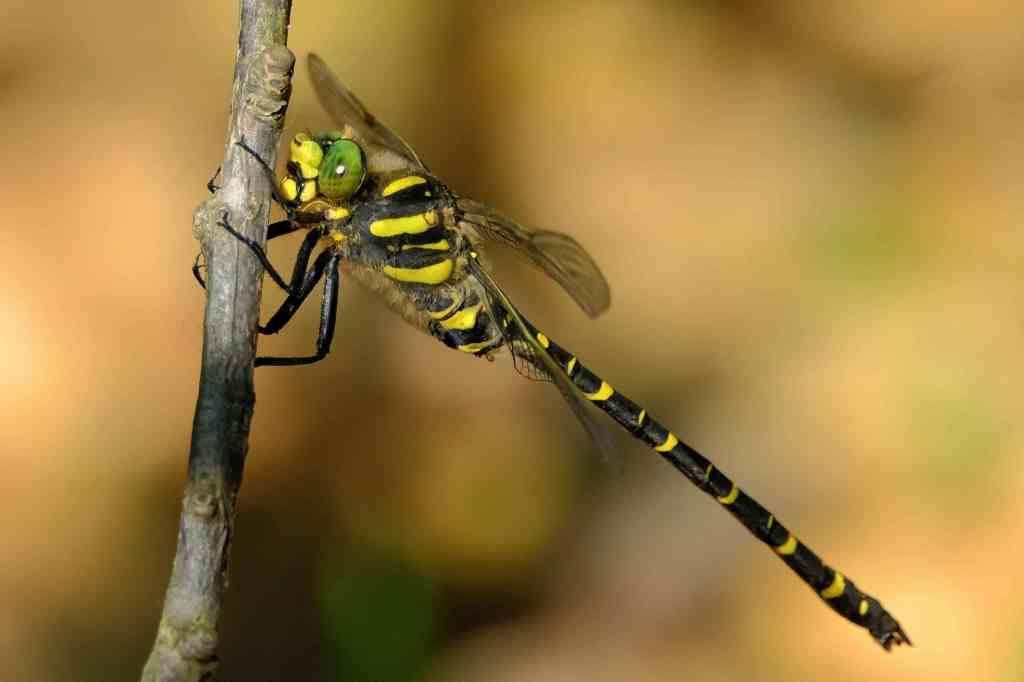
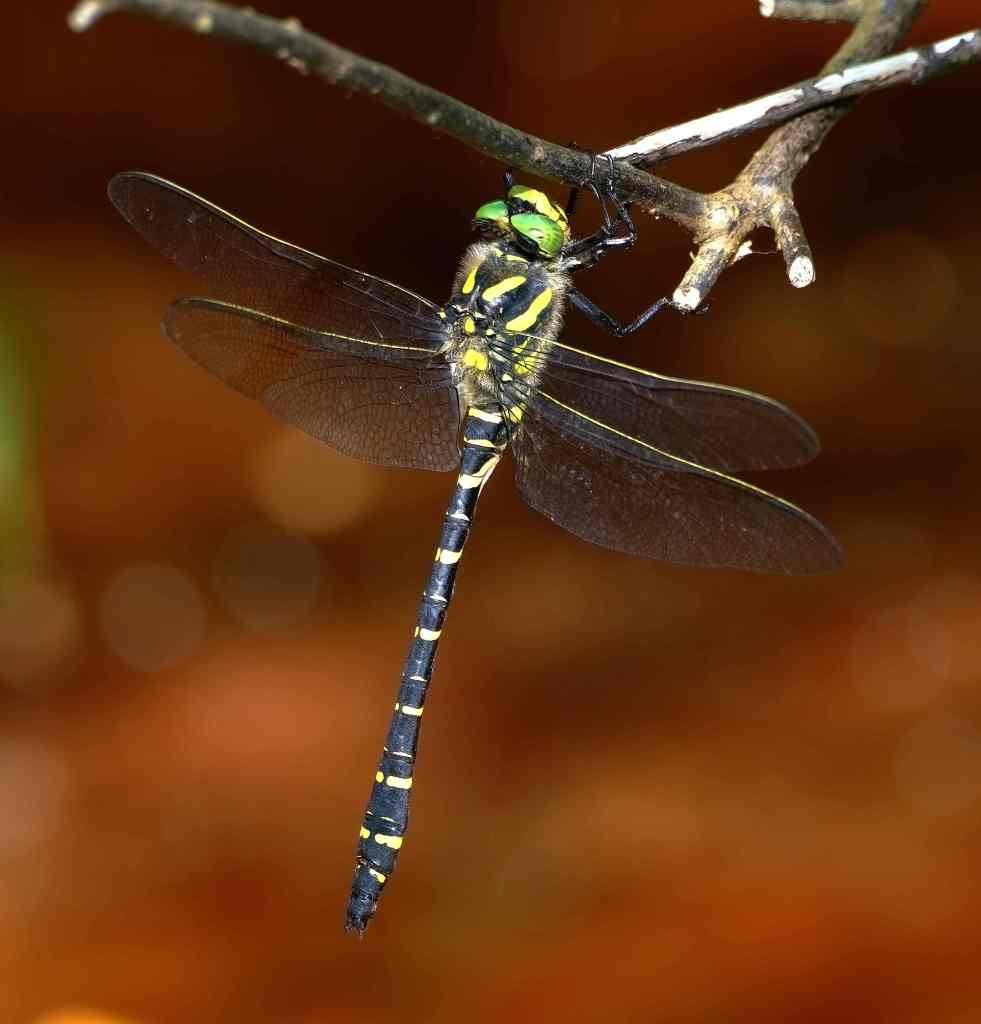
| Scientific Name | Cordulegaster boltonii |
|---|---|
| Status & Distribution | Widely distributed in Scotland, Wales, and north and west England. |
This morning, I picked up a trail camera I had left in one of the many Badger Setts I am aware of in the New Forest. Footage on my YouTube postings.
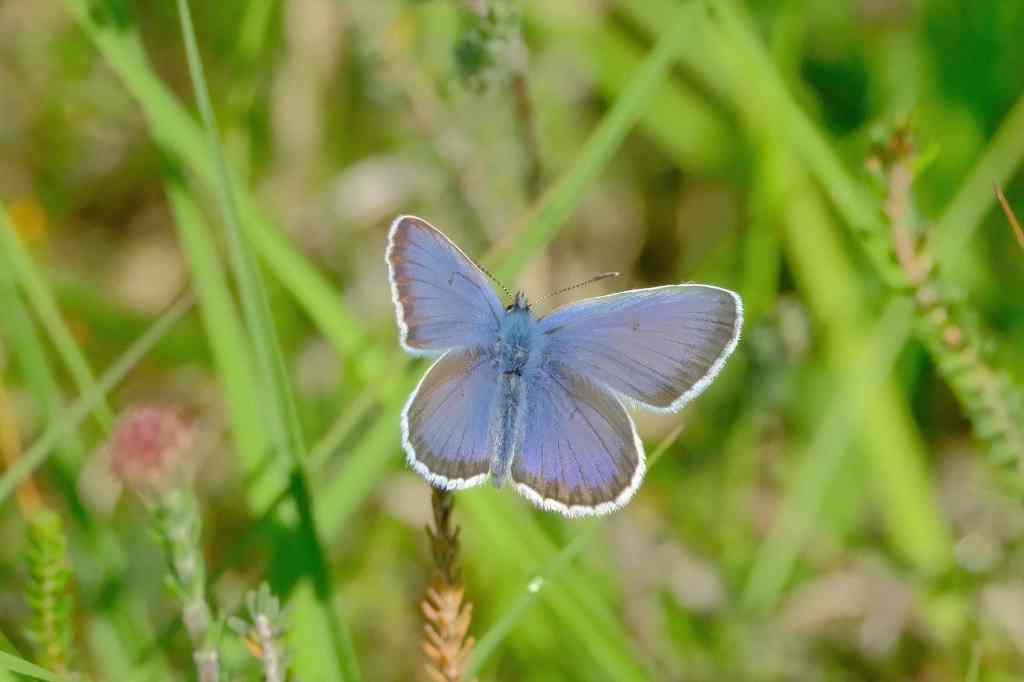
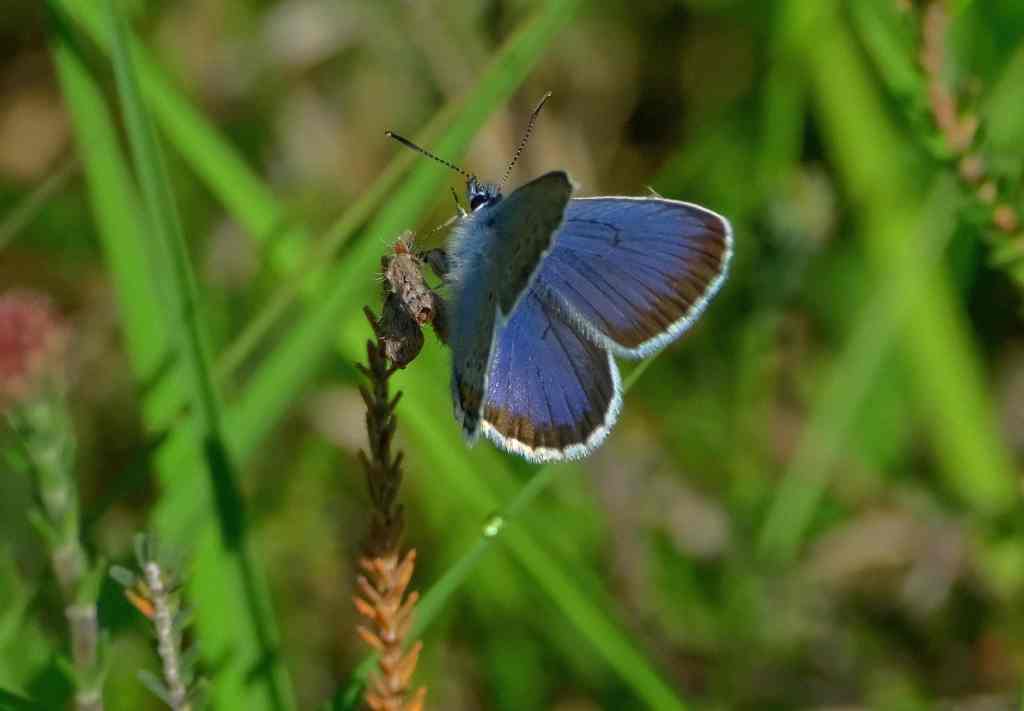
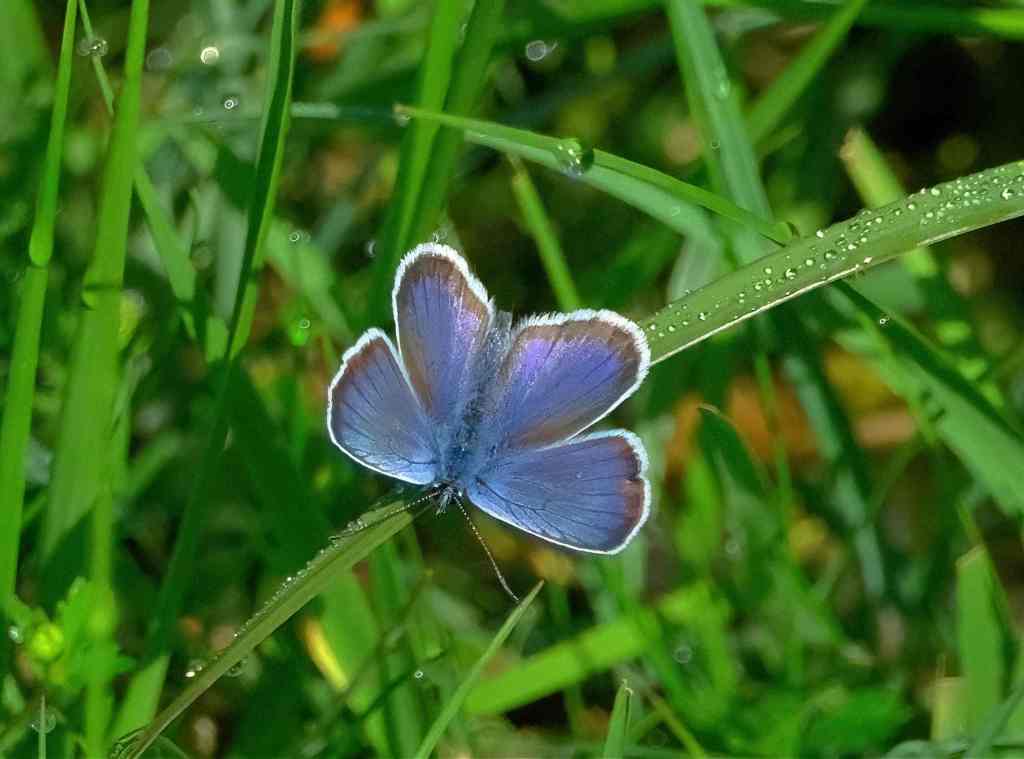
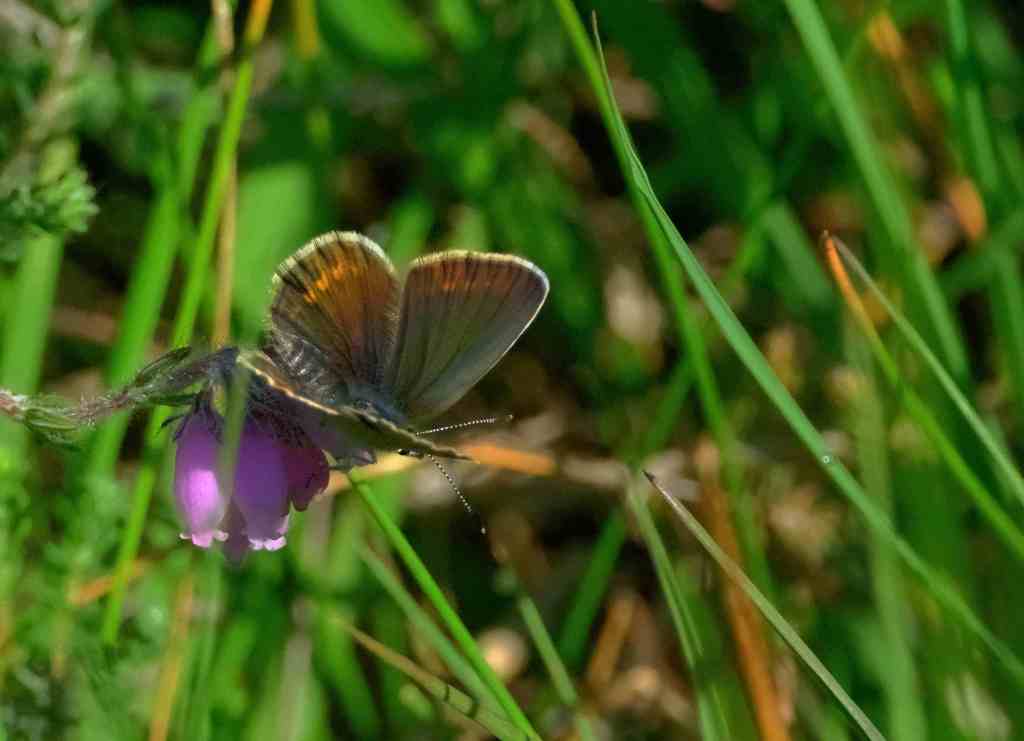
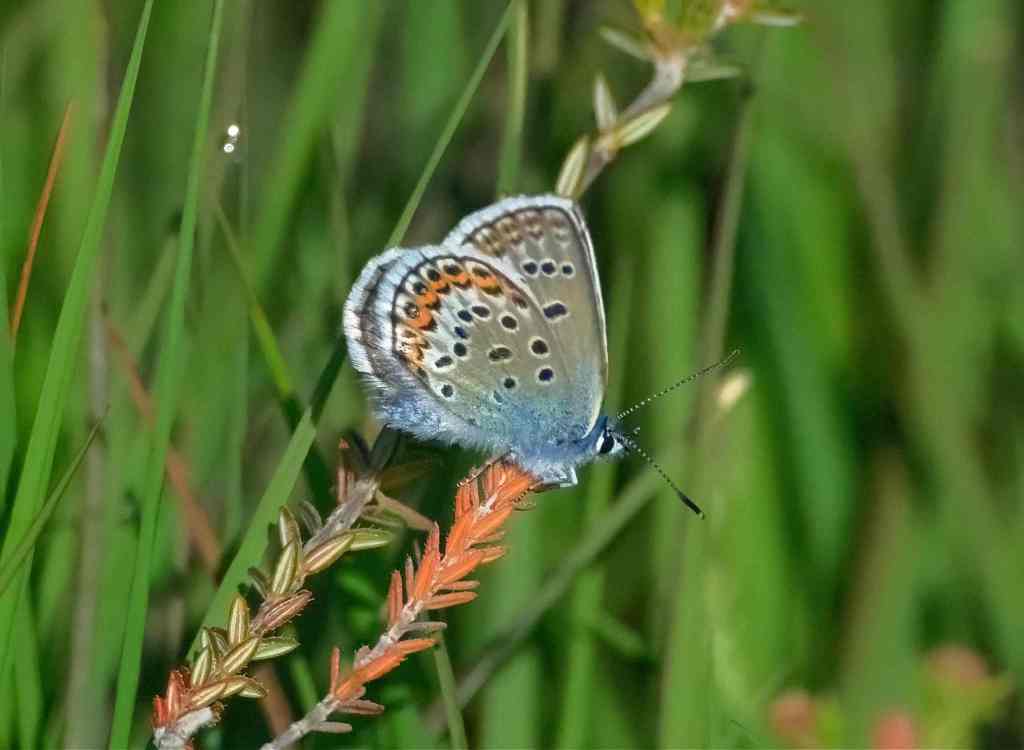
Silver-studded Butterflies. A small butterfly is found mainly in heathland.
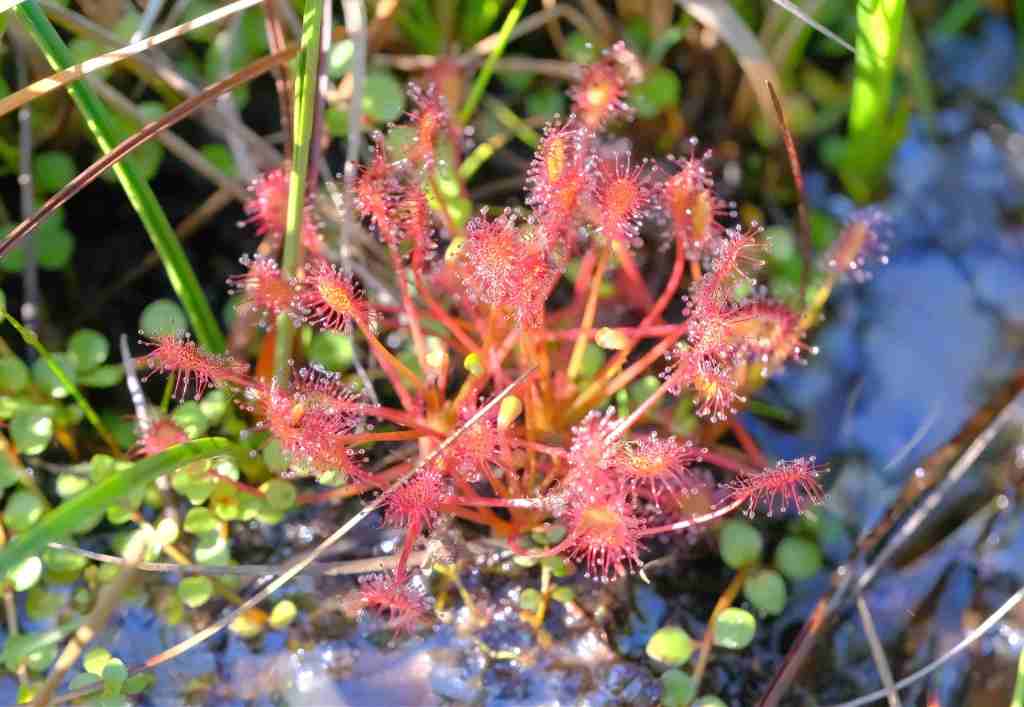
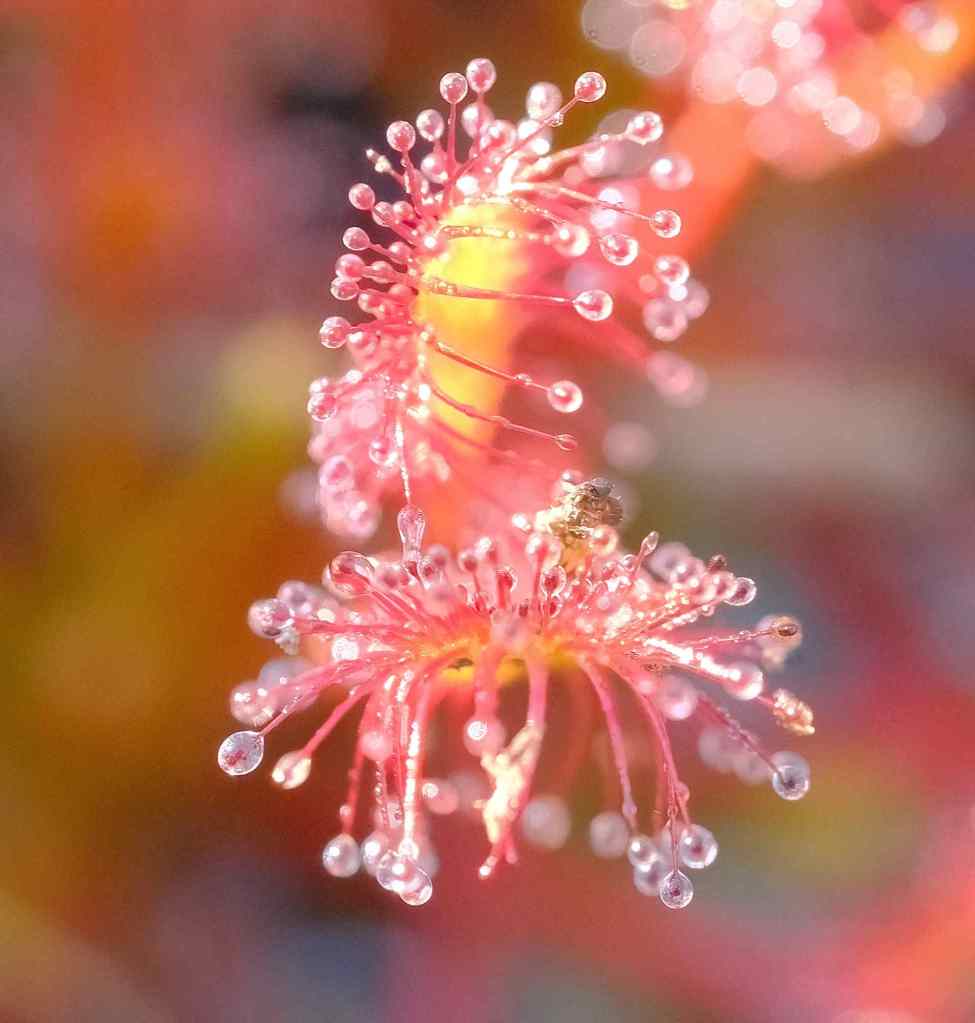
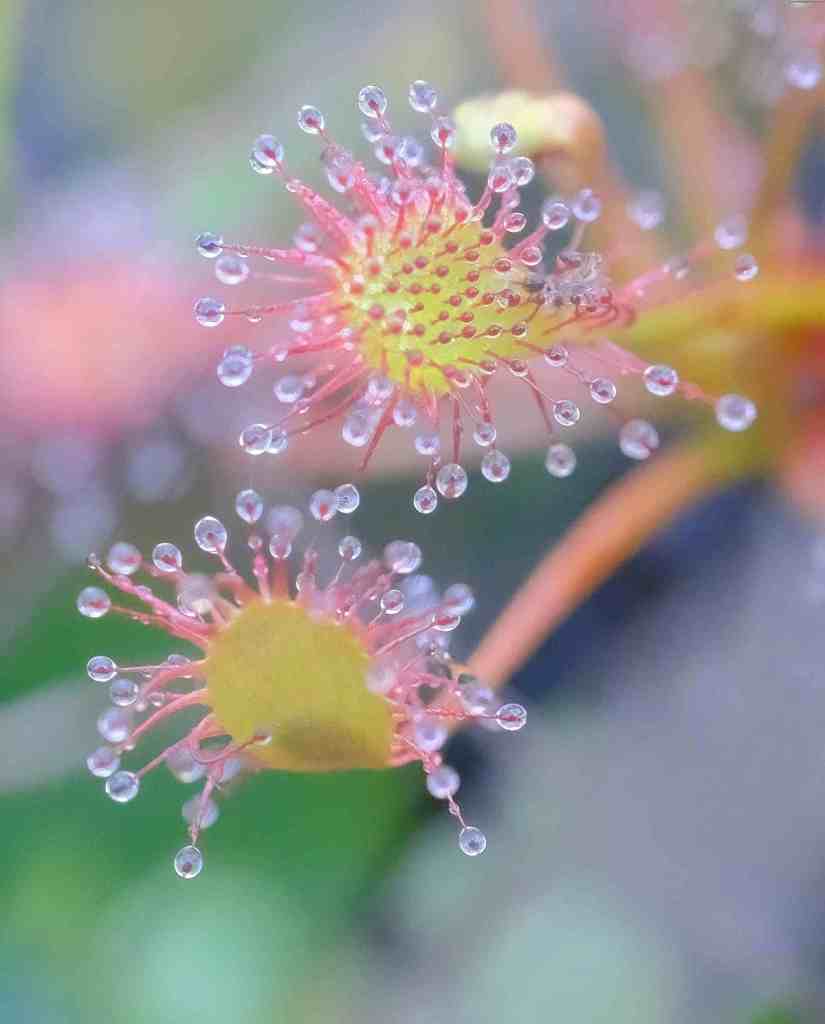
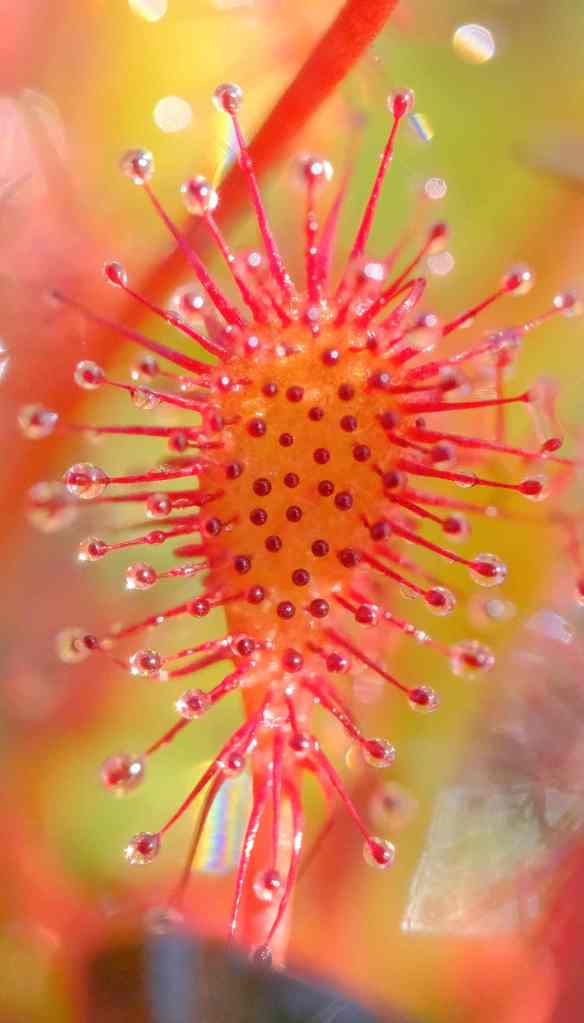
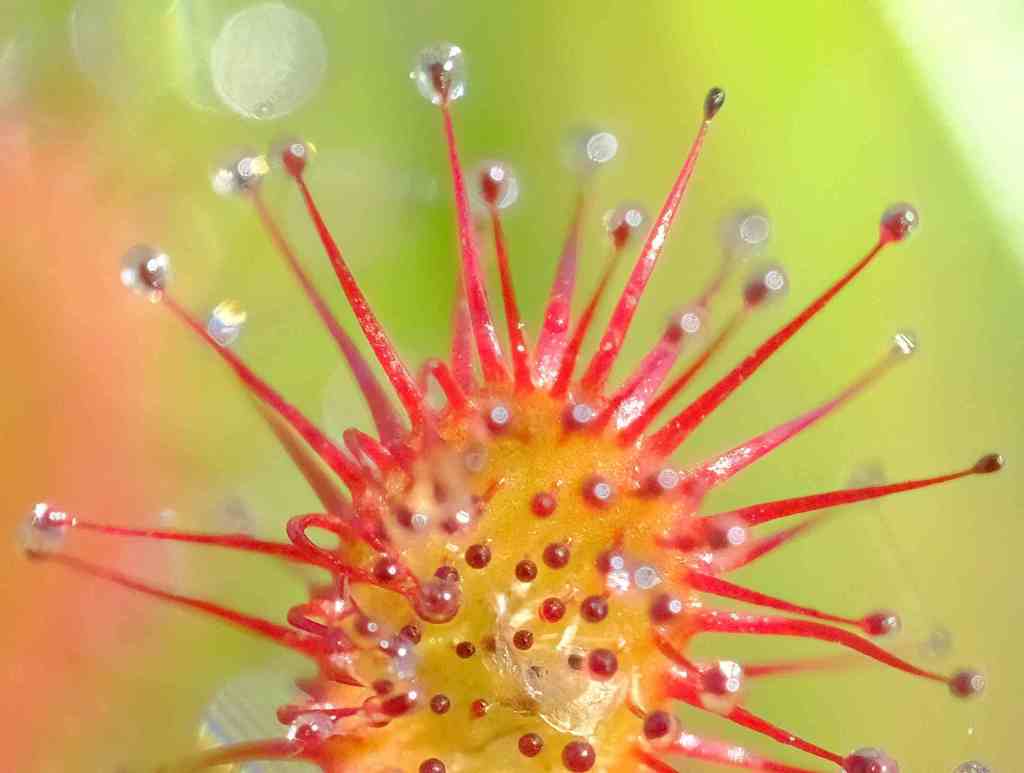
Sundews are plants found in the New Forest, growing in wet, acidic soil, where they get nutrients from insects.
There are 3 types of sundew in the forest.
I have seen the round-leaved sundew and the oblong-leaved sundew, but I have not yet seen the scarce great sundew. These plants are specially designed to survive in areas with low nutrients. The round-leaved sundew has round, sticky leaves that form a rosette and catch insects. In contrast, the oblong-leaved sundew has long leaves covered in sticky hairs that also trap prey. The great sundew has bigger leaves. When insects touch the leaves, they get stuck quickly; the hairs bend towards the insect to stop it from escaping, and the whole leaf curls over to trap it.
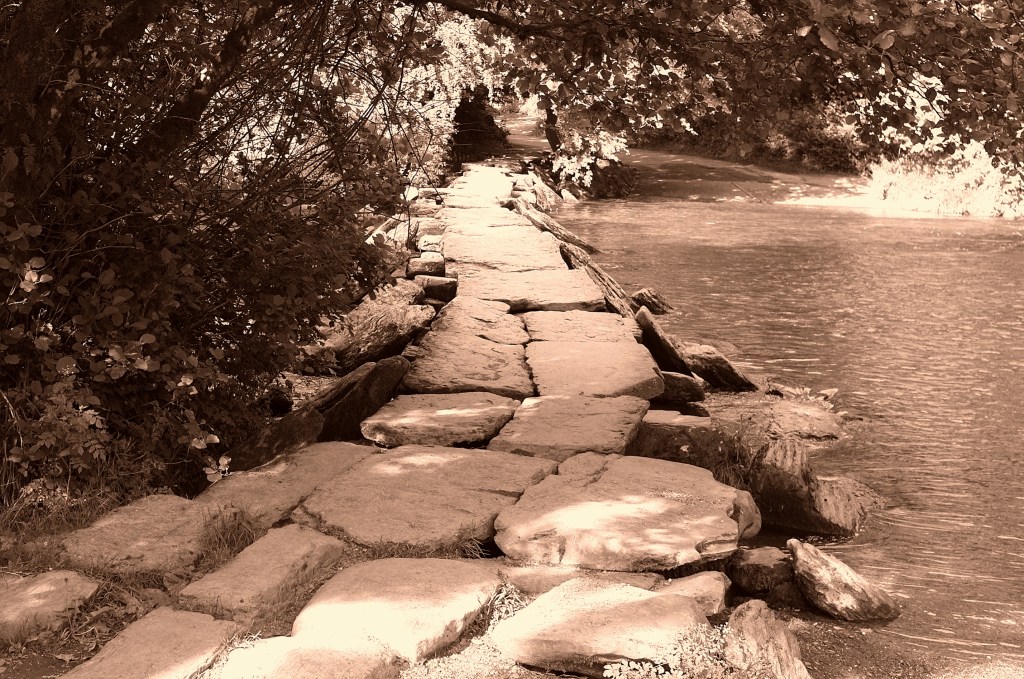
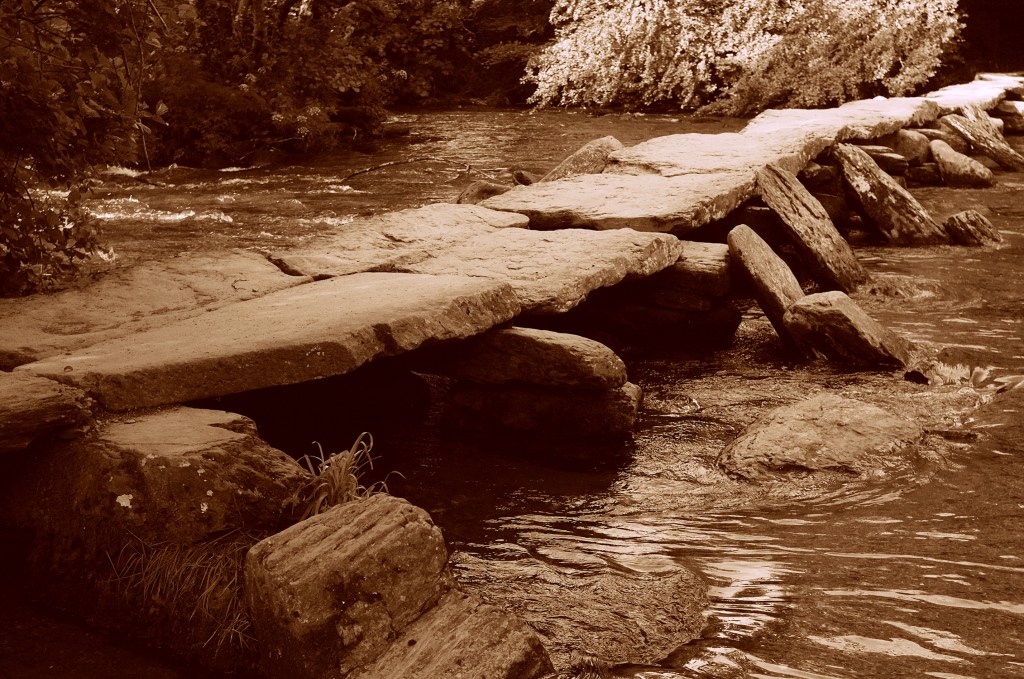
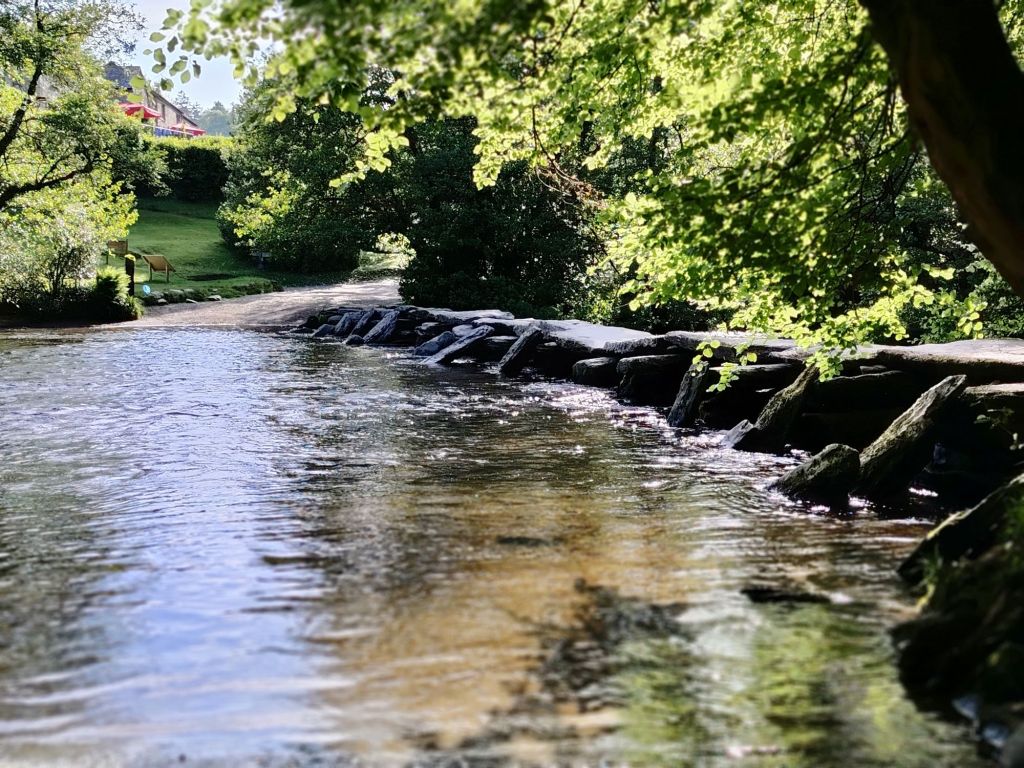
A visit today to see this remarkable historic clapper bridge, constructed from massive stone slabs; it proudly spans the River Barle in Exmoor National Park.
I was looking for Dipper’s in the river but only saw one flying down stream.
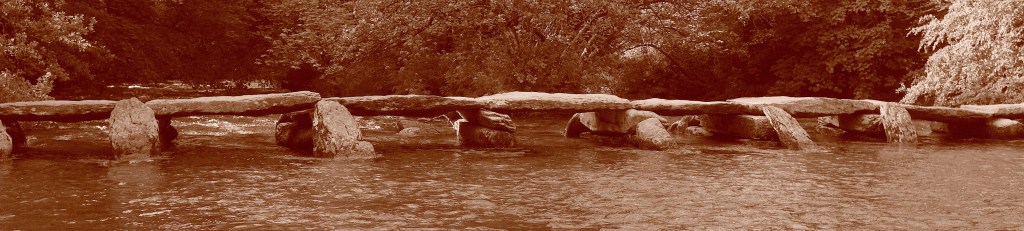
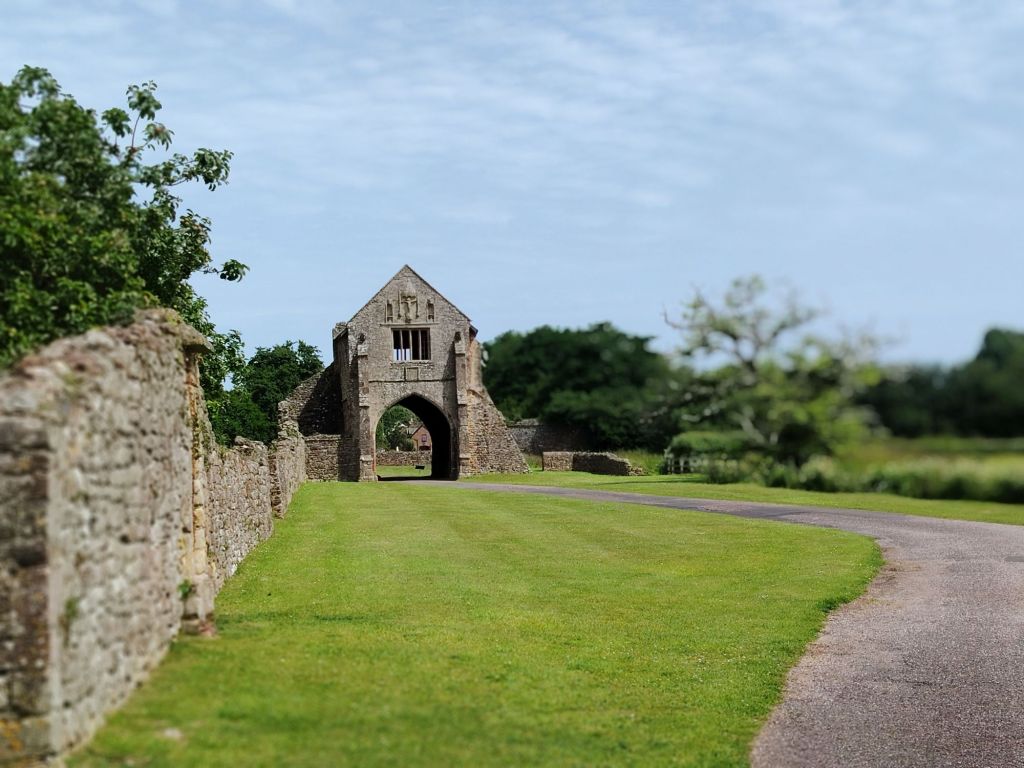
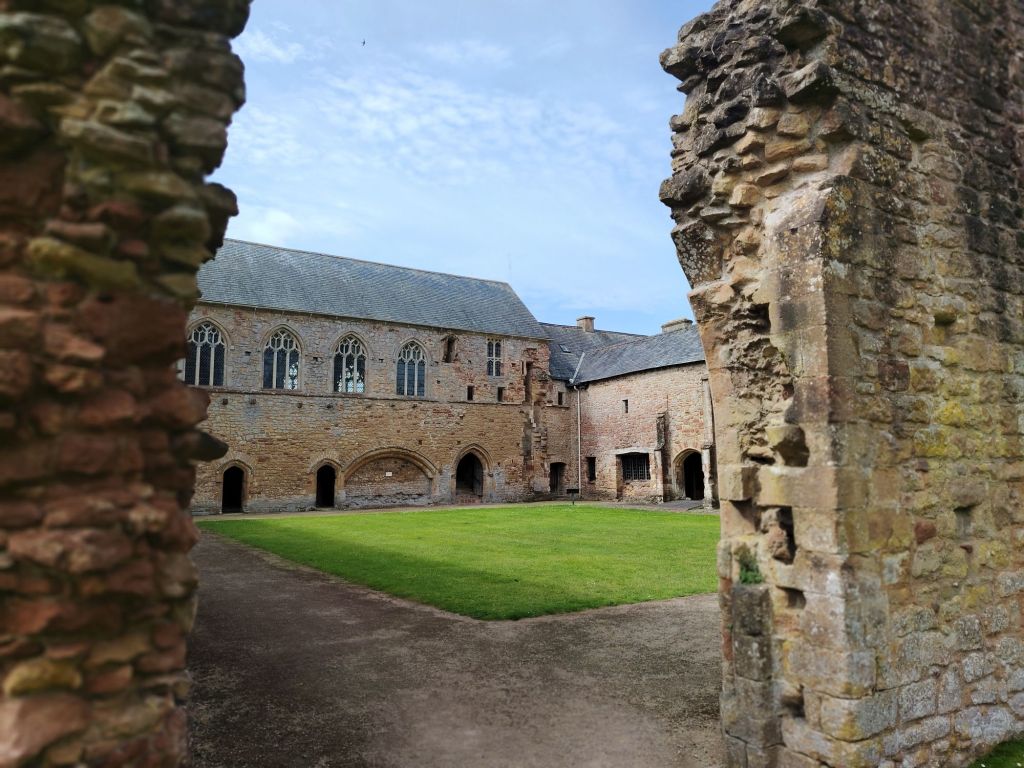
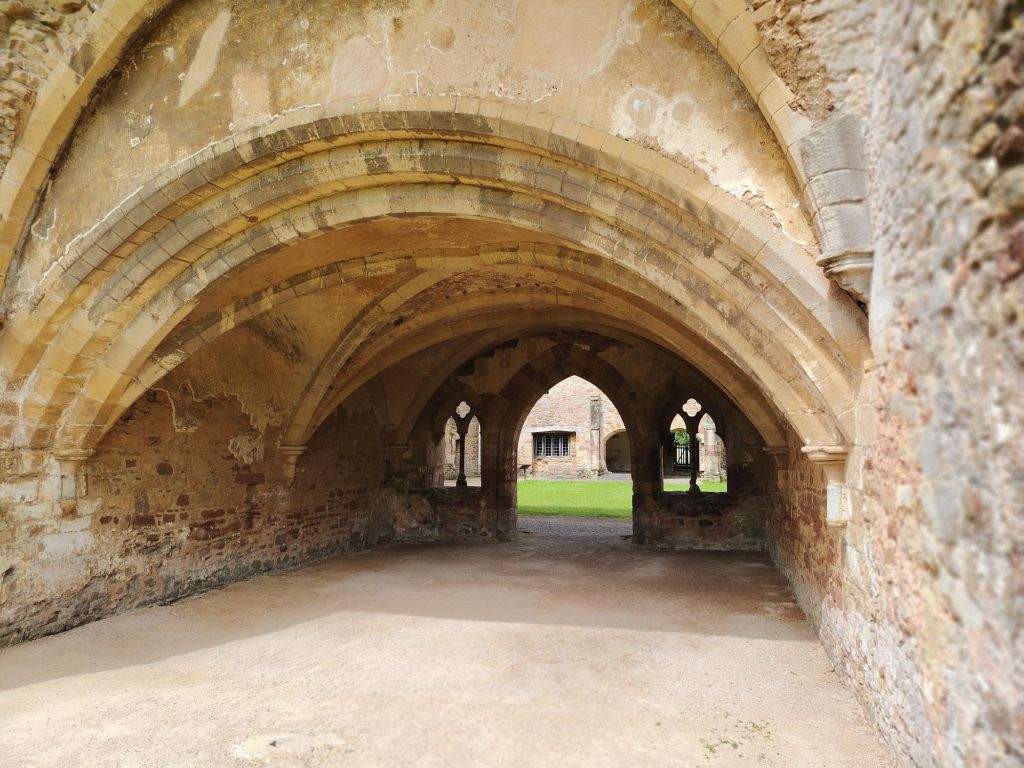
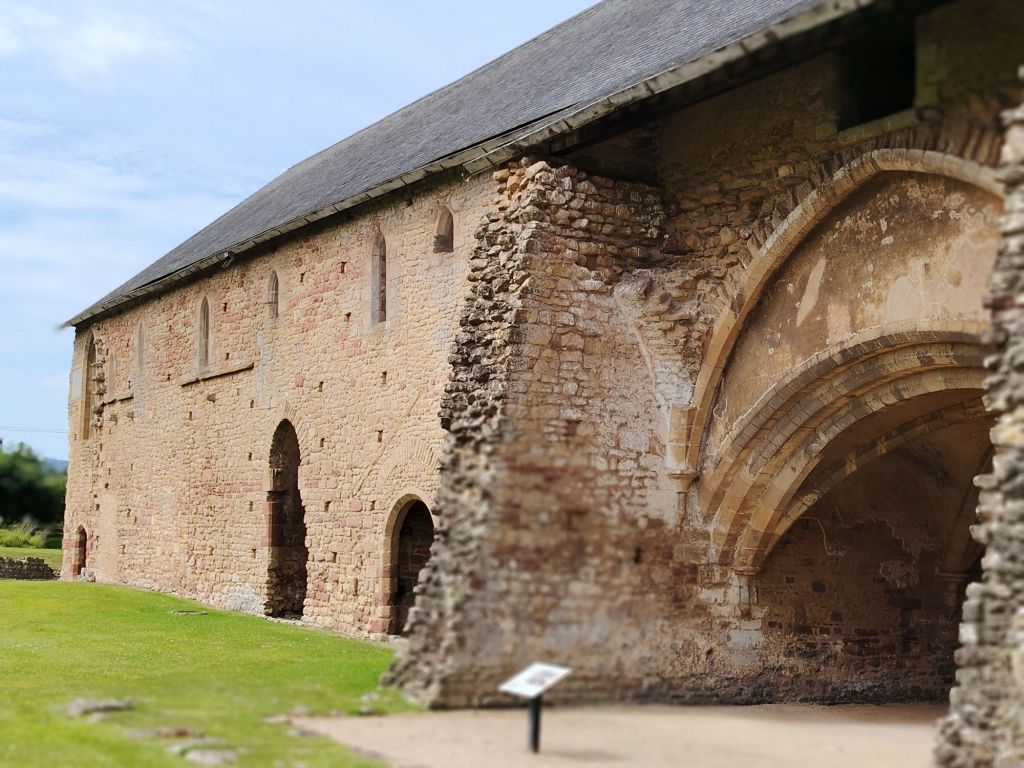
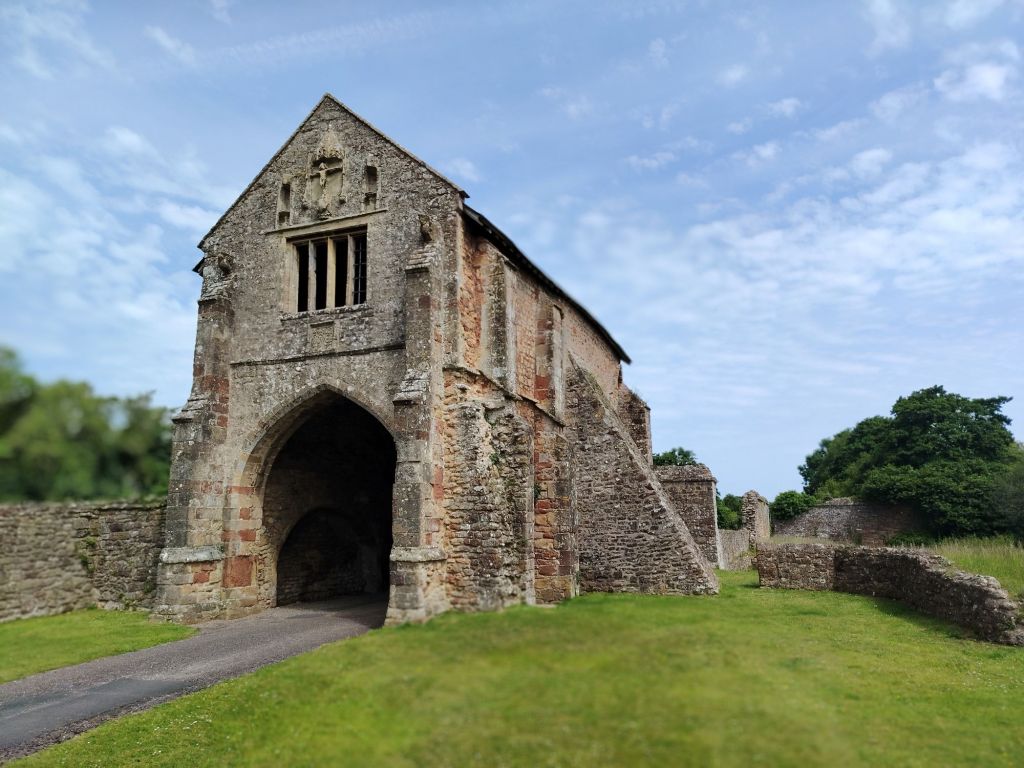
Now managed by English Herritage This 800 year old, abbey in Somerset housed a community of Cistercian monks for almost 350 years. Home to 28 monks. The whole monastery was complete by the late 13th CENTURY, 200 years later the monks lavished funds on renovating the cloister buildings and creating a magnificent new dining hall.
After the abbey’s suppression in 1536 the church was destroyed, but the cloister survived fairy intact today.
A place for quiet and reflection.
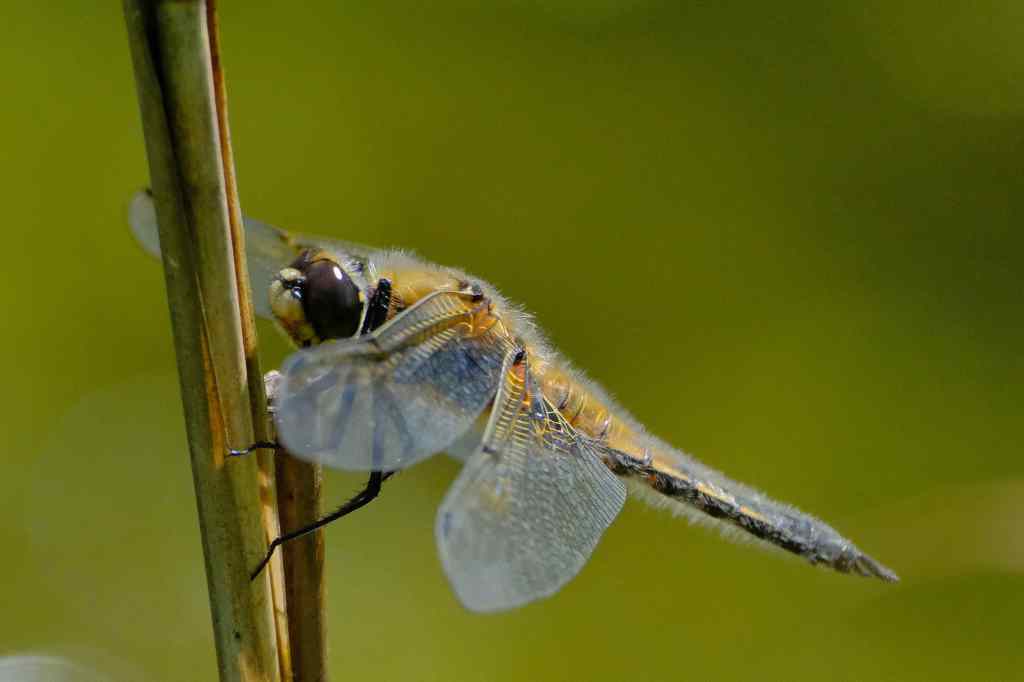
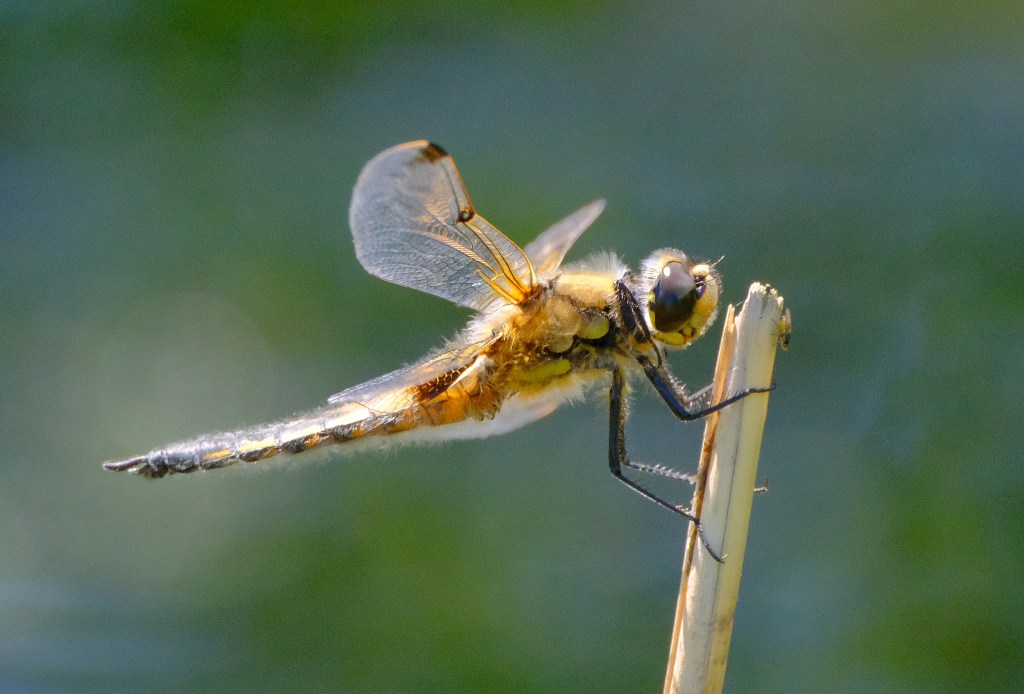
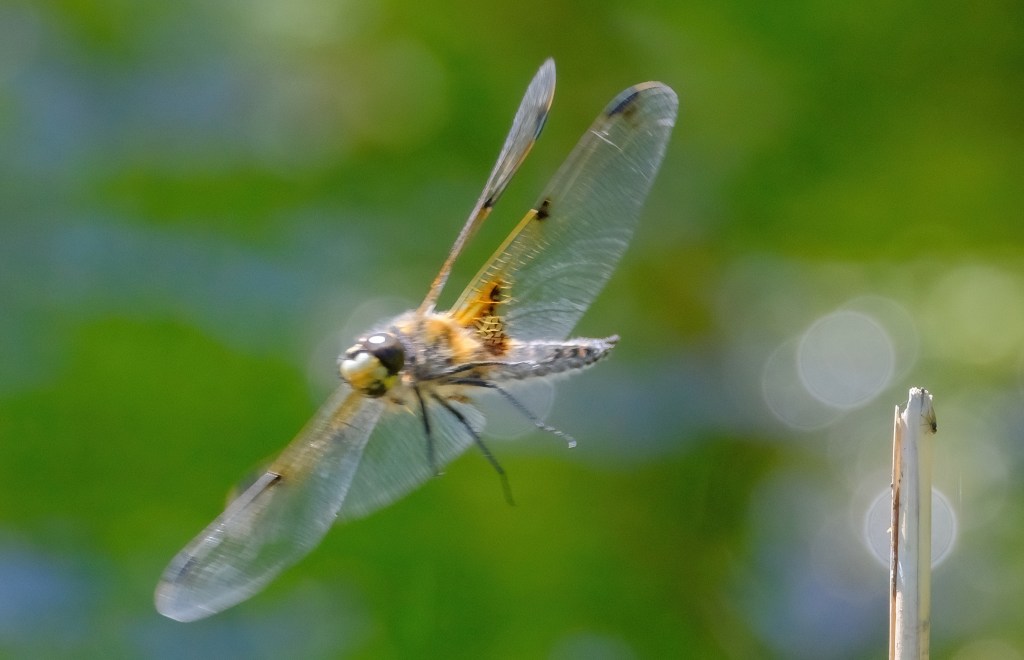
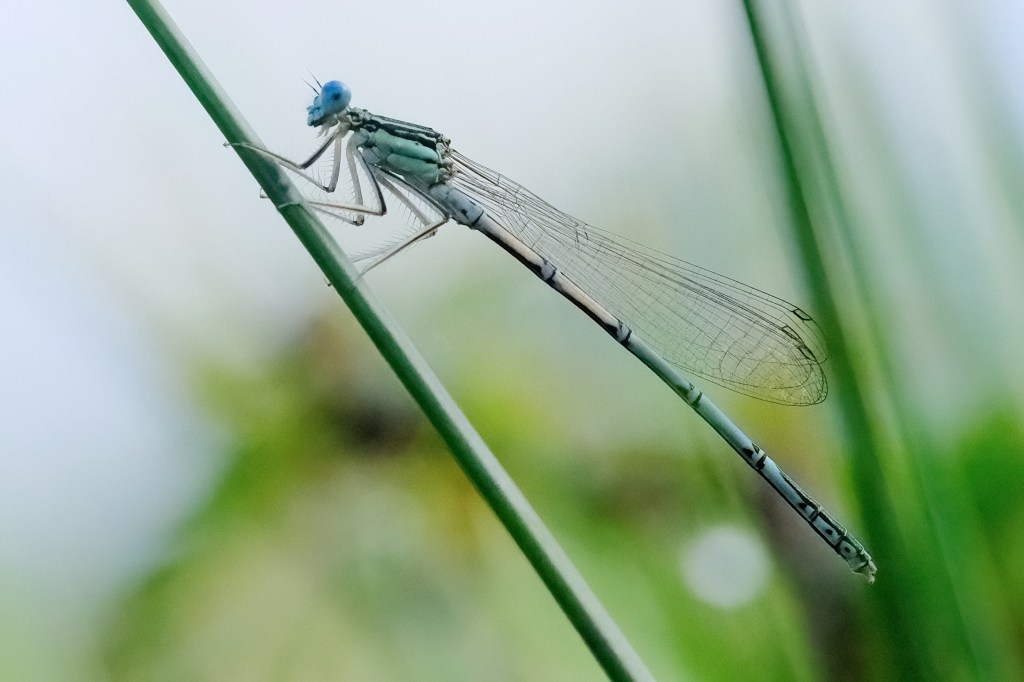
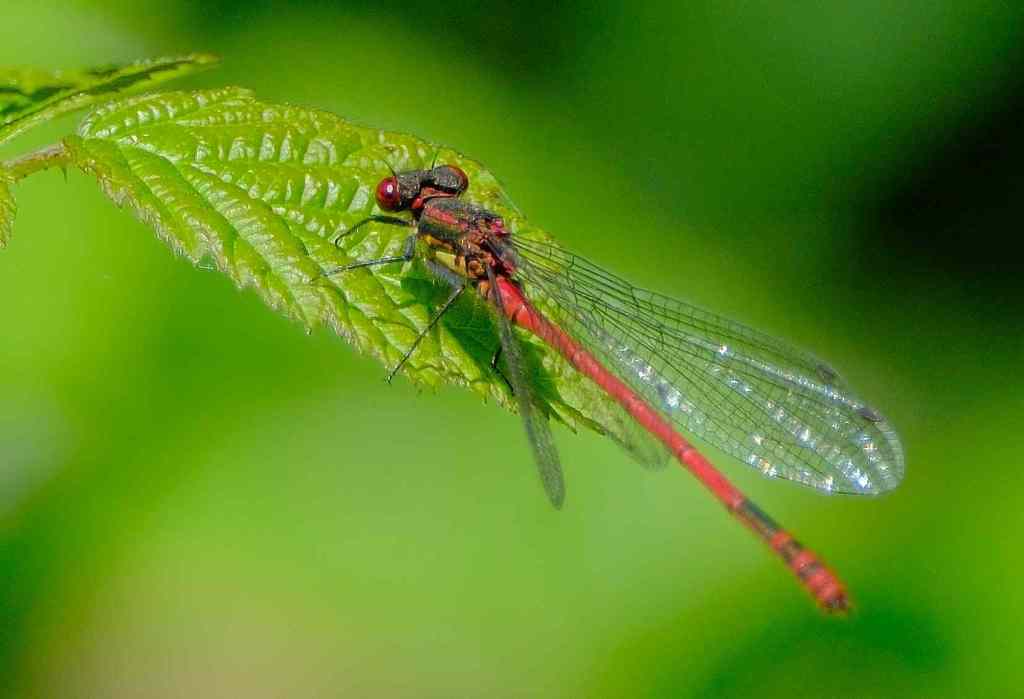
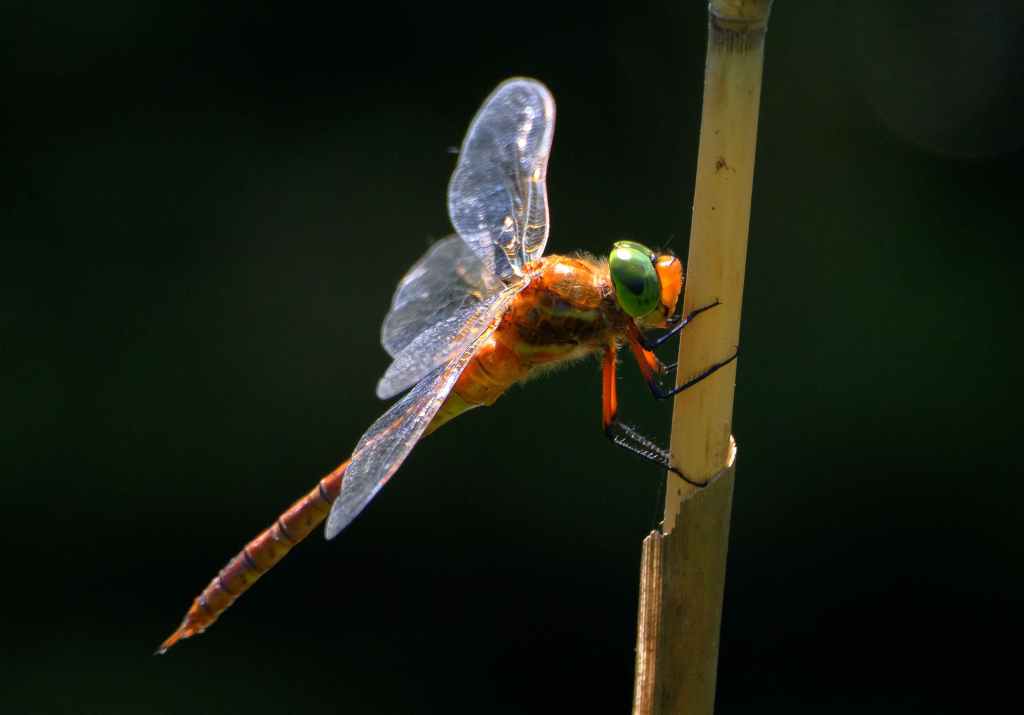
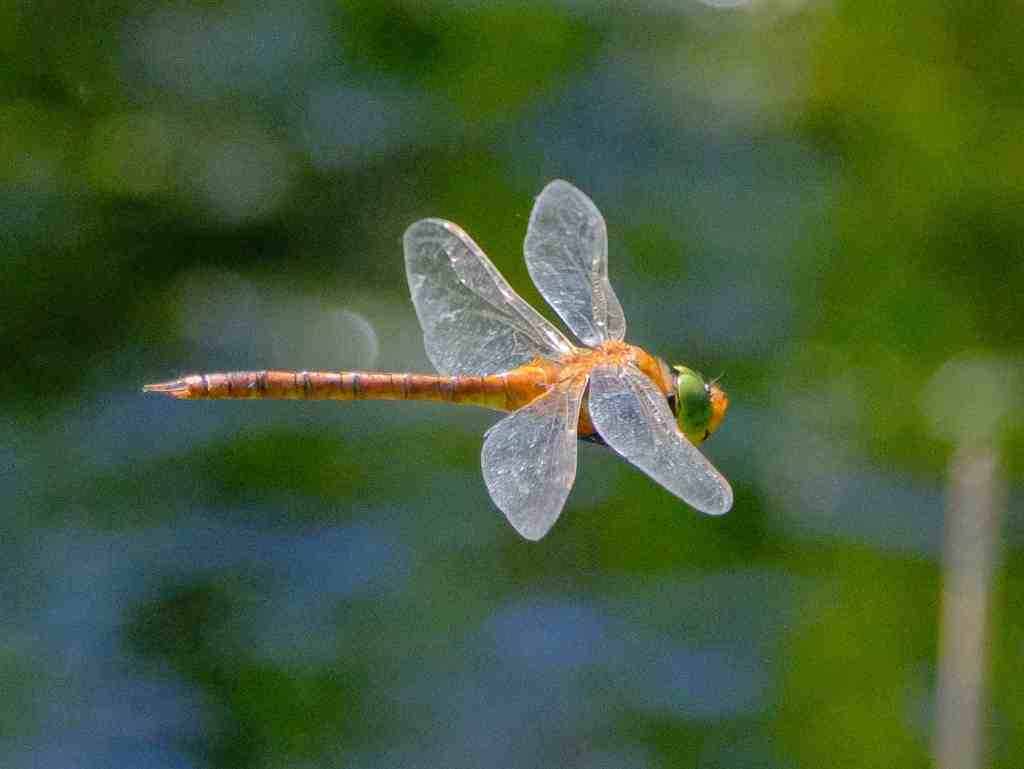
After a wet Monday and a Tuesday morning, the rain stopped, and the sun came out, so did the Dragonflies and Damselflies.
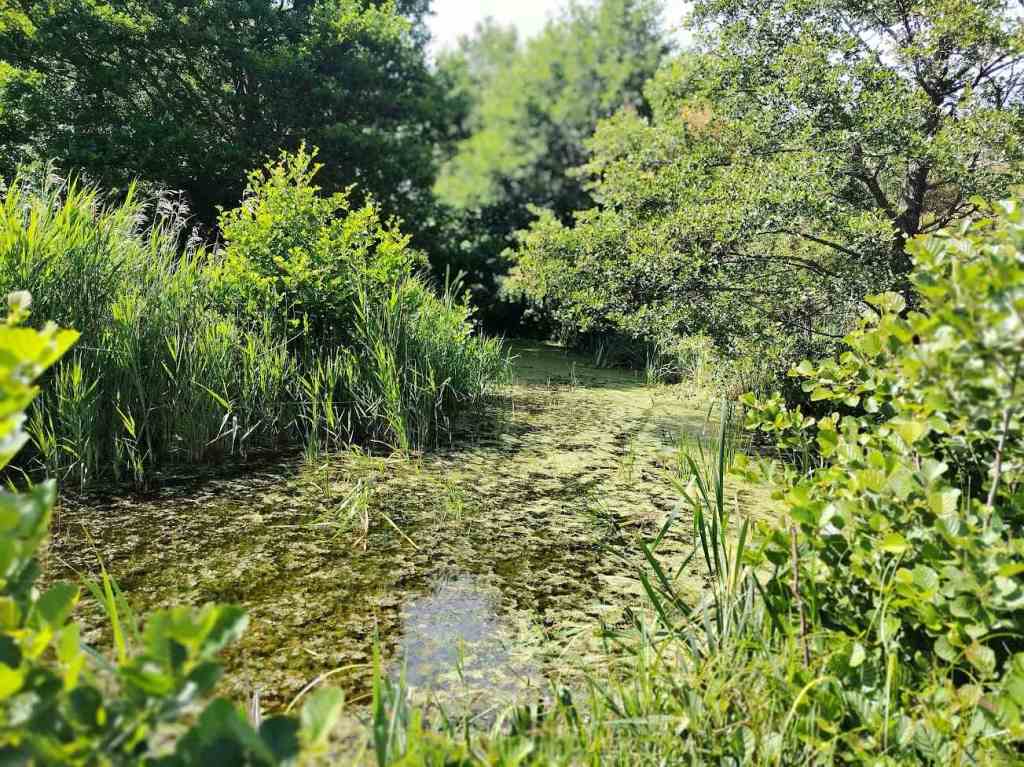
Titchfield Haven Nature Reserve.
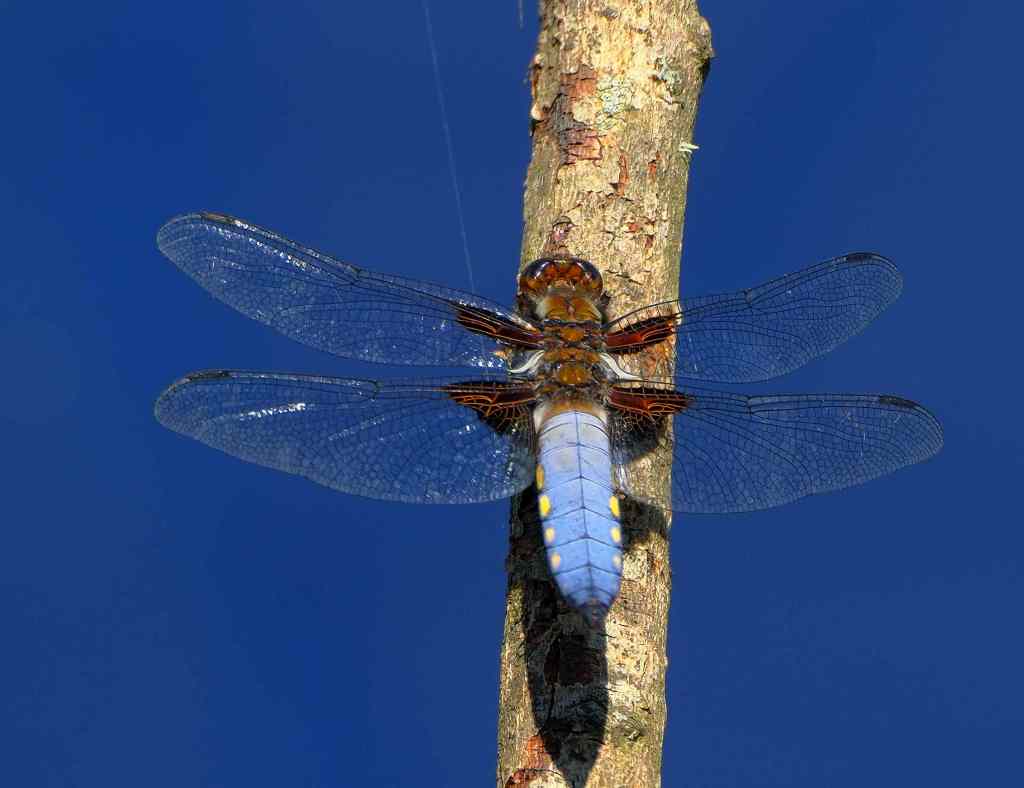
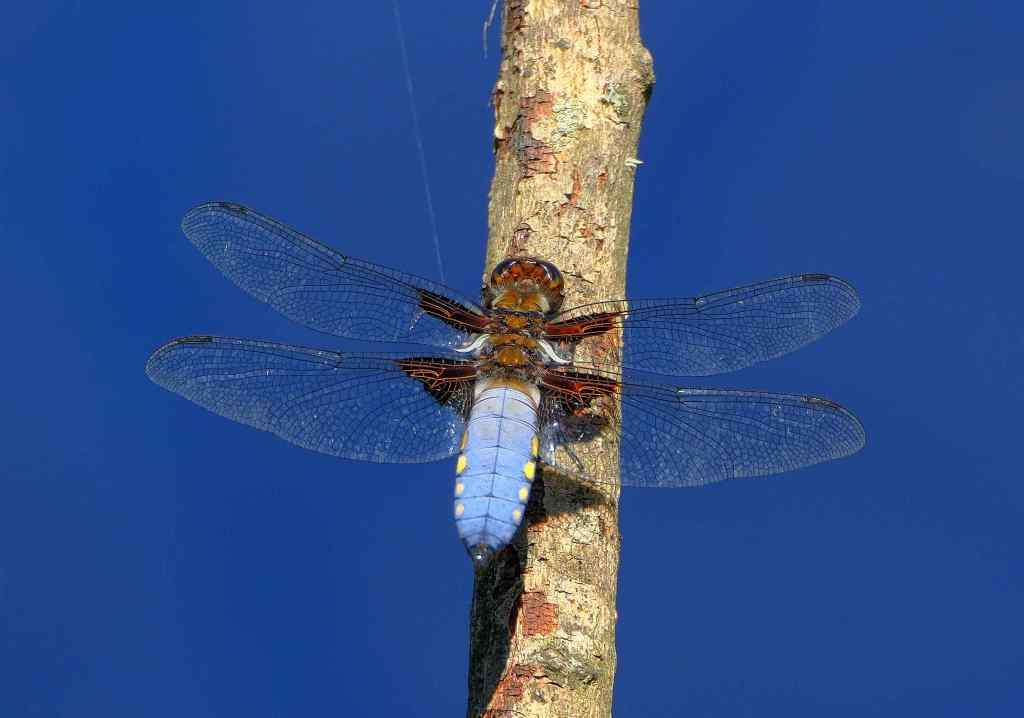
Broad-bodied Chaser (male)
Azure Damselflies.
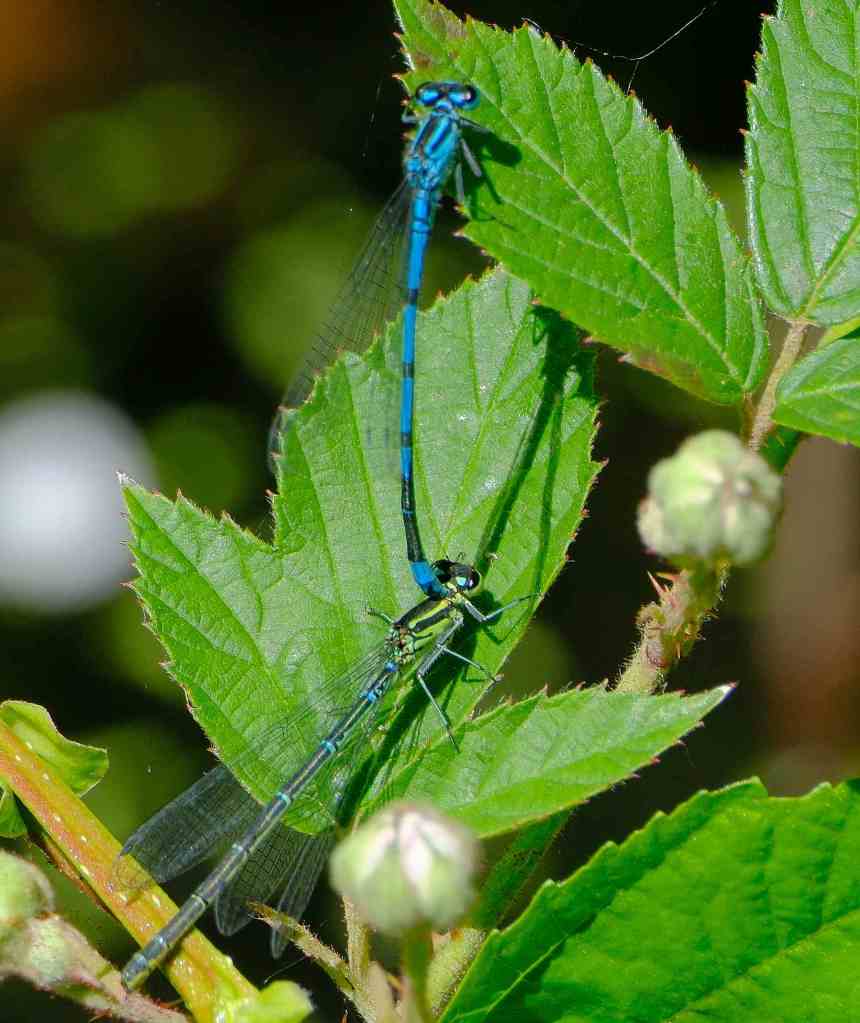
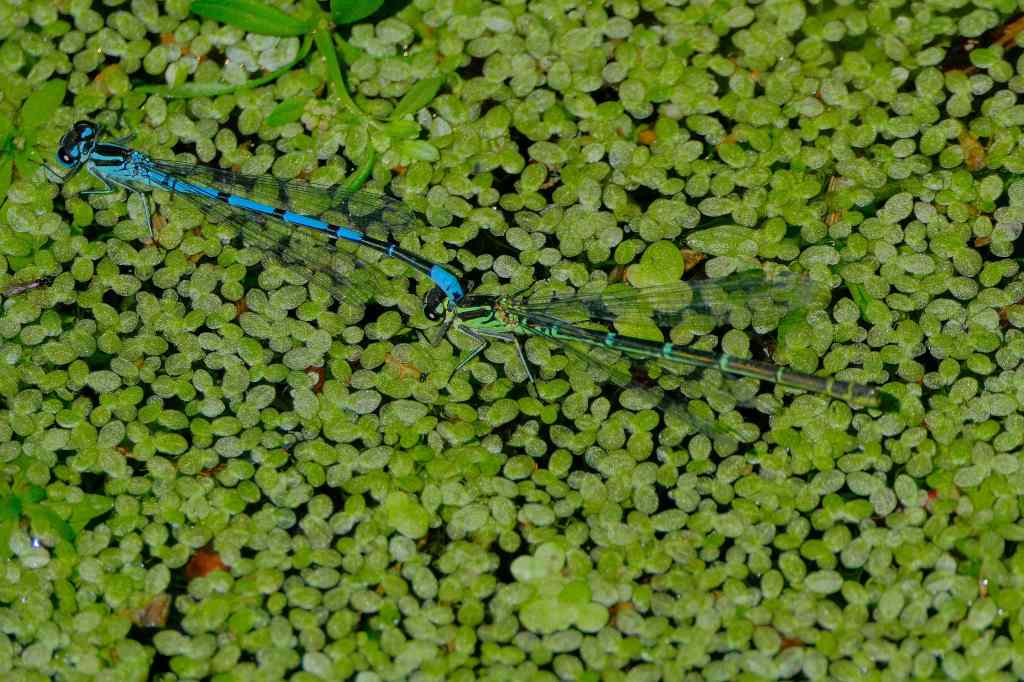
Large Red Damselfly.
Norfolk Hawker.
Four-spotted Chaser.