If you go down to the woods today what can you see?
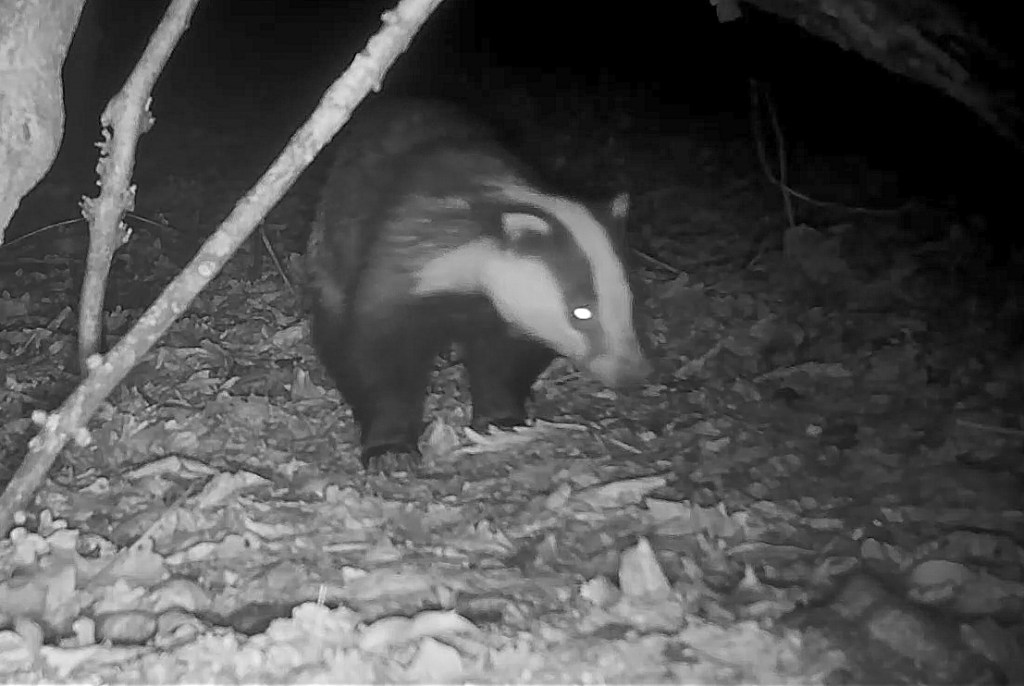
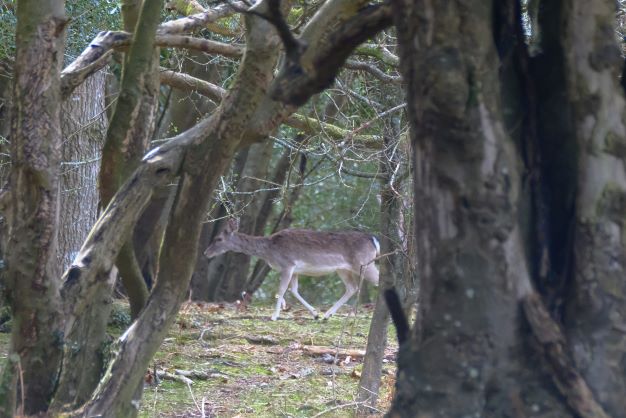
A full day in the New Forest collecting our trail cameras from one of the active Badger Setts we have been monitoring. Some good footage of both Badgers and Fallow Deer.
Film 1 Badgers. (trail camera)
Following the Norman Conquest, King William I, designated the land as a royal hunting forest, reserved for the private use of the King and invited aristocracy. In the process over 20 small hamlets and farms were removed. It was the only forest described in detail in the ancient Domesday Book. Two of William the Conqueror’s sons were killed in hunting accidents in the New Forest. Today Deer roam free in many areas of the New Forest.
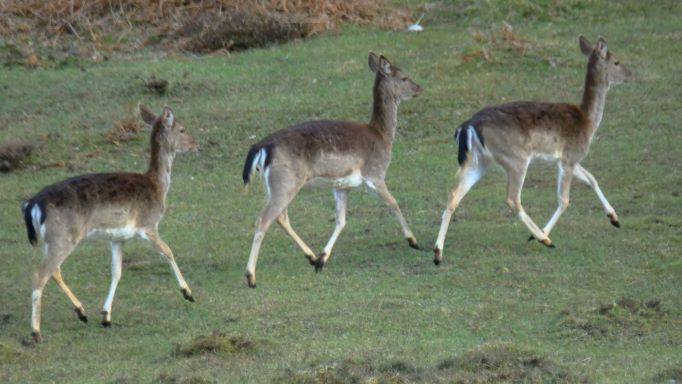
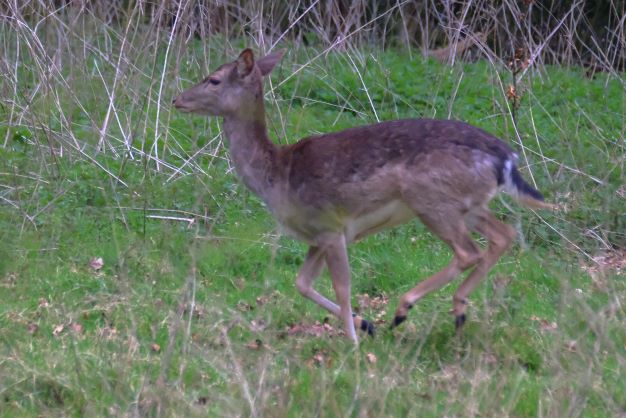
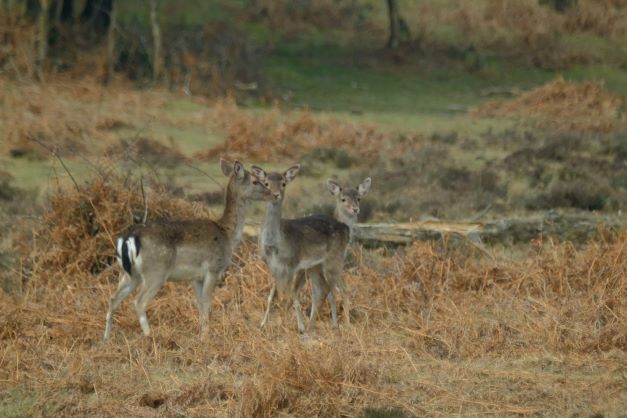
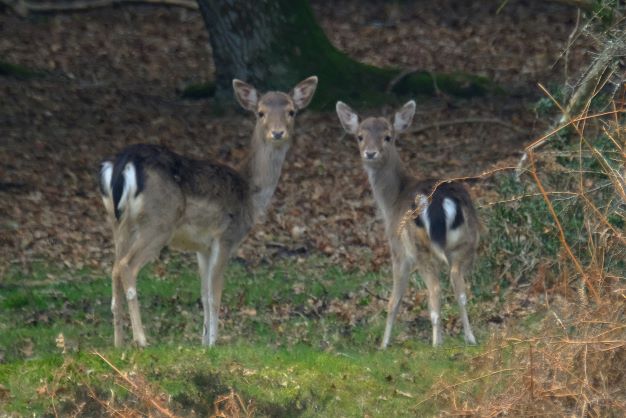
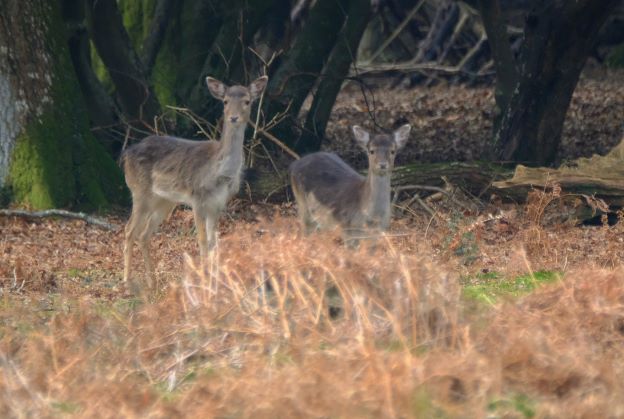
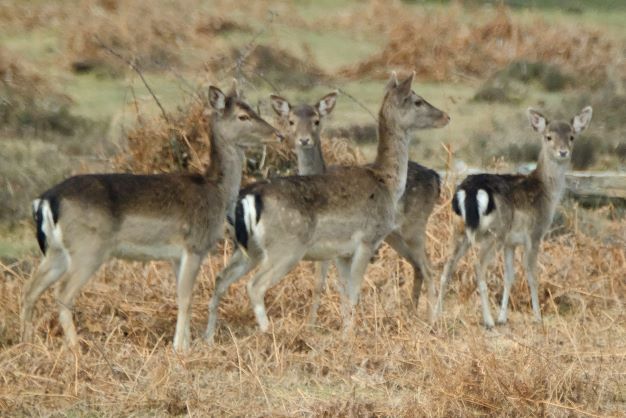
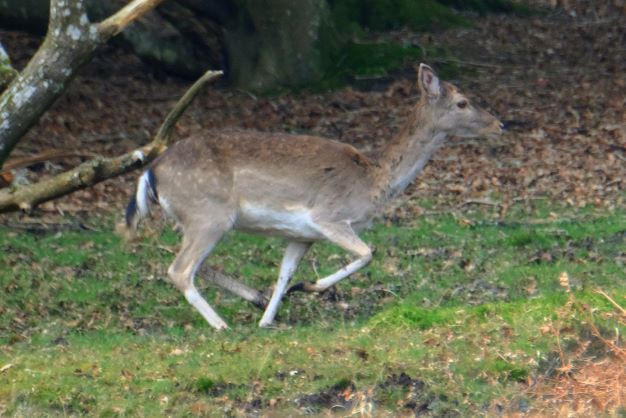
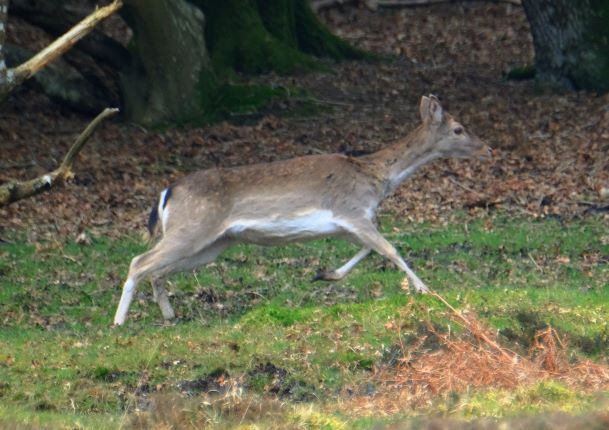
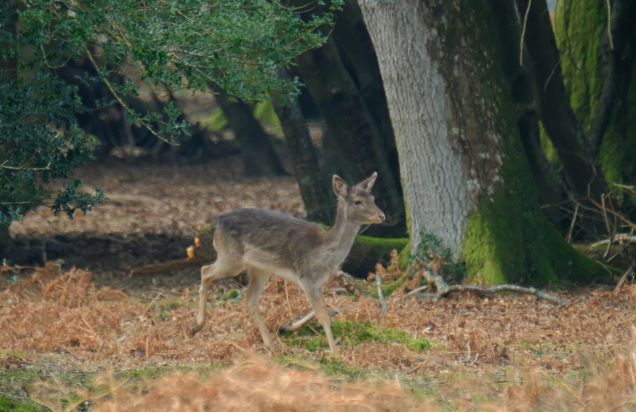
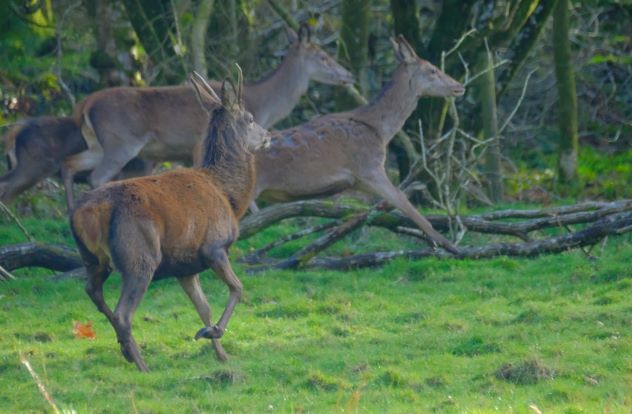
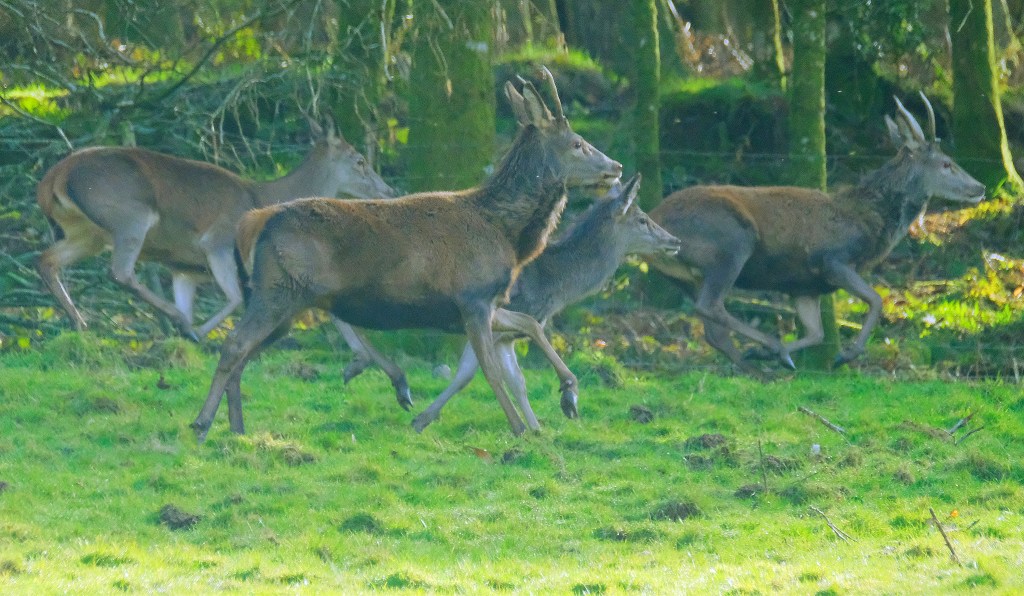
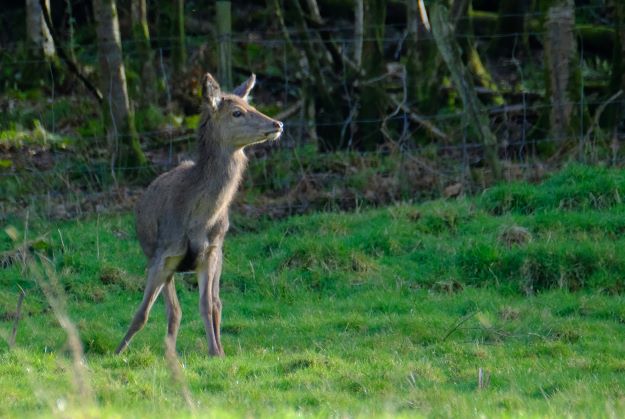
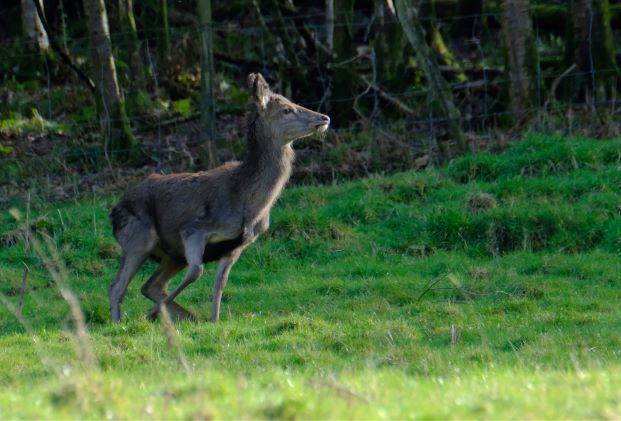
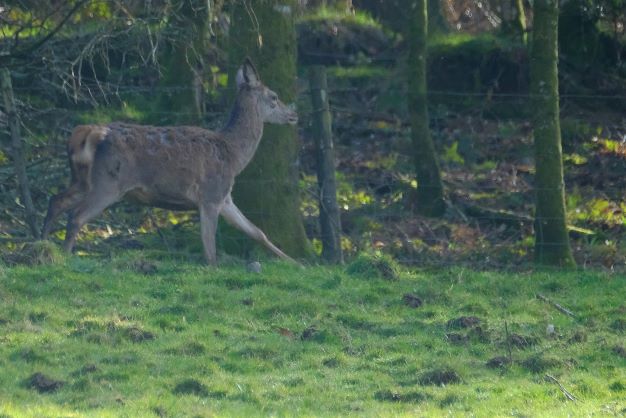
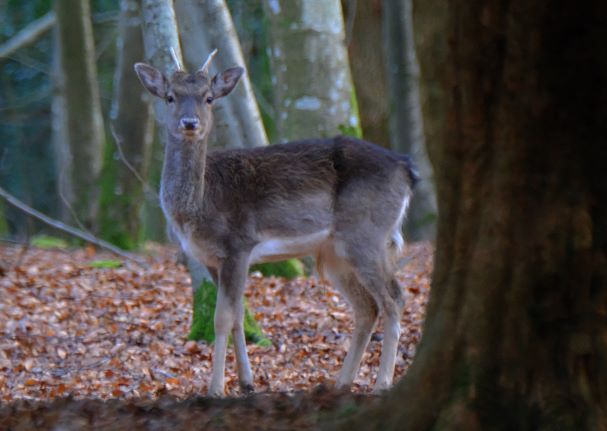
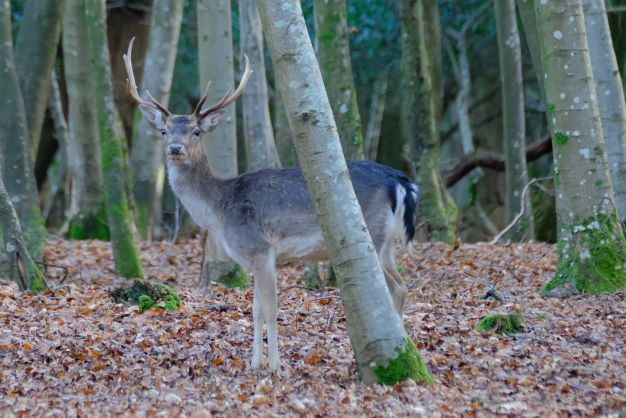
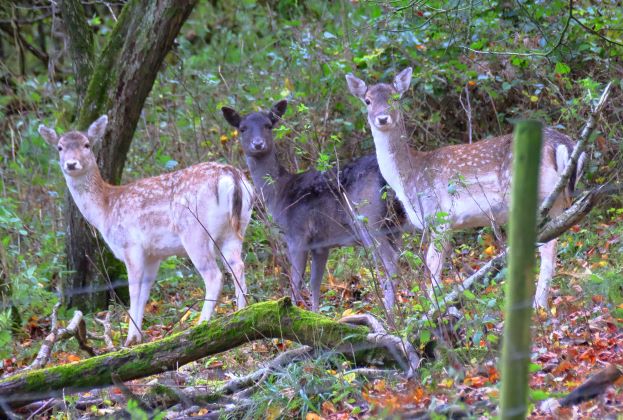
We came across several small herds of Fallow Deer, all young deer and hinds. The only shooting today was with cameras.
Film 2 Fallow Deer (trail camera).
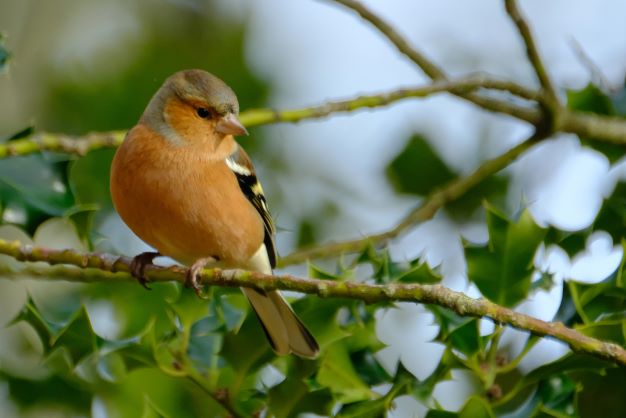
Very windy weather on our walk but this male Chaffinch was holding on and singing his heart out – not easy filming with the tree moving so much in the wind.
Film 3 Chaffinch ( sound on to enjoy fully his singing).
A morning walk in the New Forest with a cold start but soon the sun came up making it a nice Spring Morning walk.
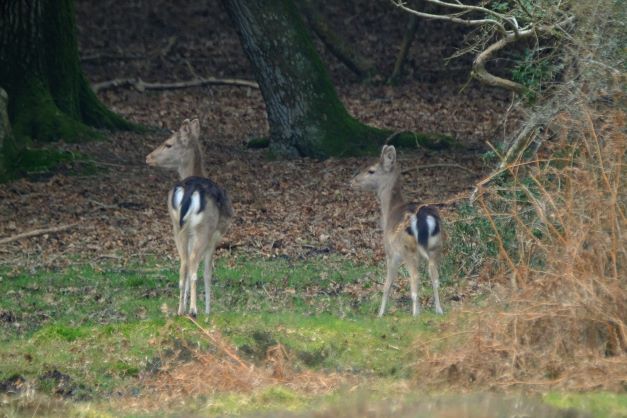
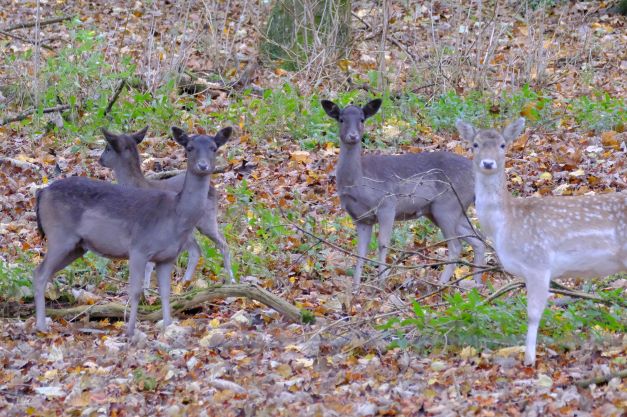
Several small herds of young Fallow Deer spotted us about the same time as we spotted them so a bit of looking at each other before both parties went their own way.
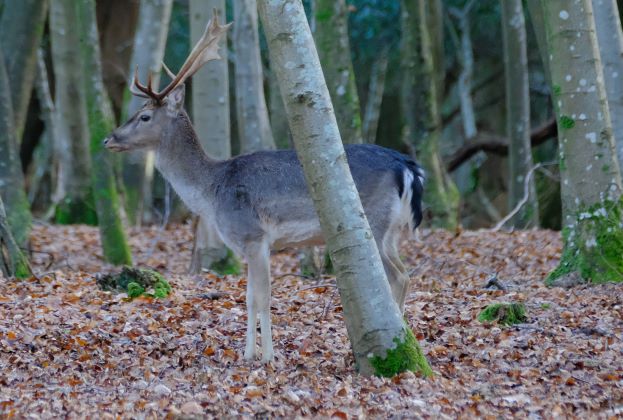
It was nice to see Fallow Deer today so close to seeing a herd of Red Deer last week – what stands out between the 2 species excluding the size is the white and black buts of the Fallow Deer.
Some bird watching along the way and at a hollow tree at the end of the walk with a bit of birdseed to encourage some of the smaller birds closer to the camera.
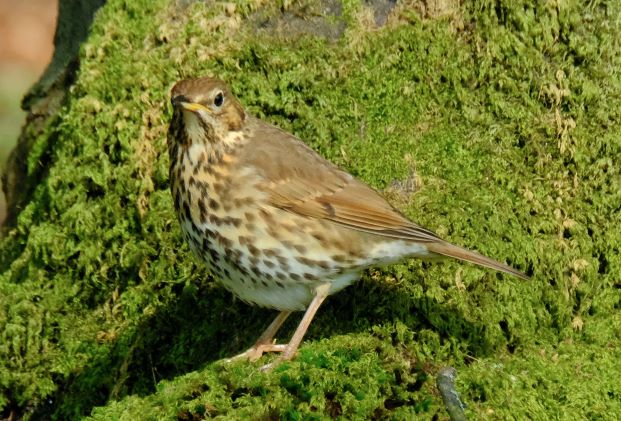
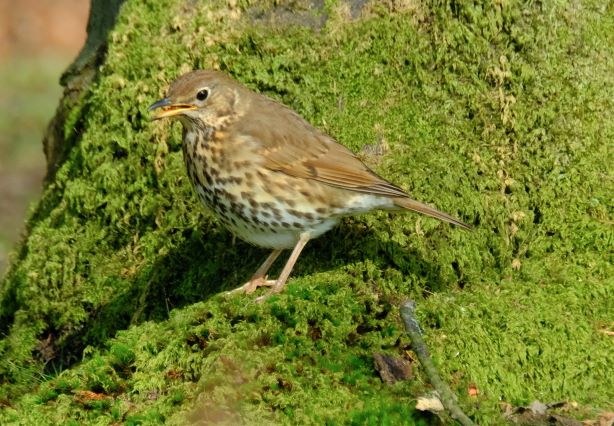
A Song Thrush. One of this bird’s favourite meals are snails – which they break into by smashing them against a stone with a flick of the head. This one was feeding in the forest under fallen leaves looking for worms and insects.
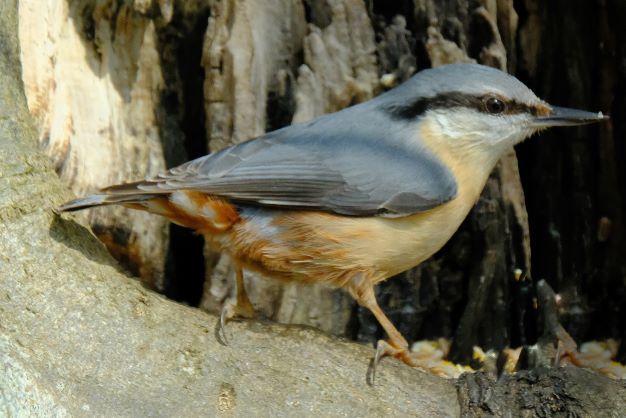
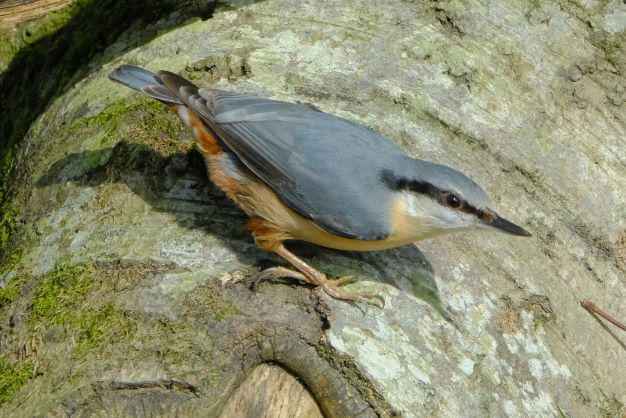
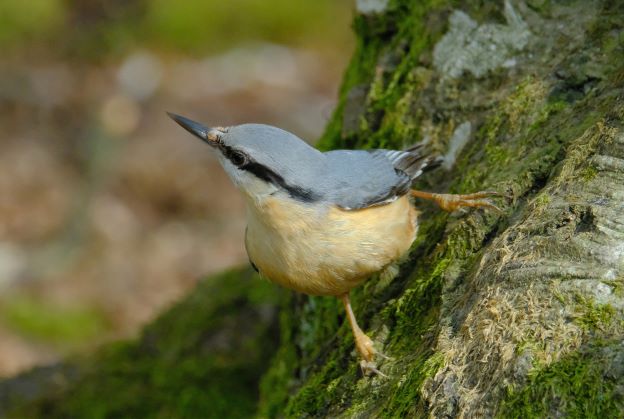
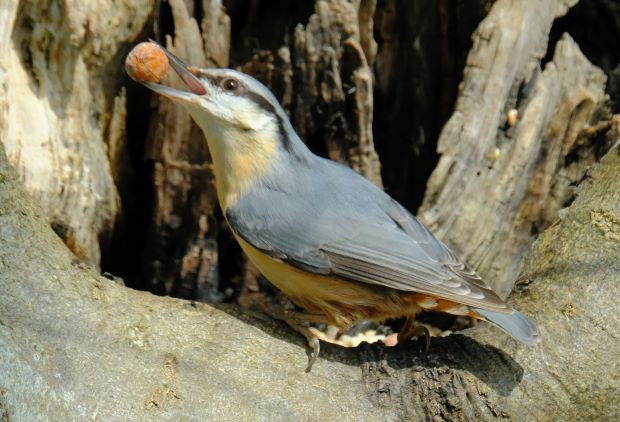
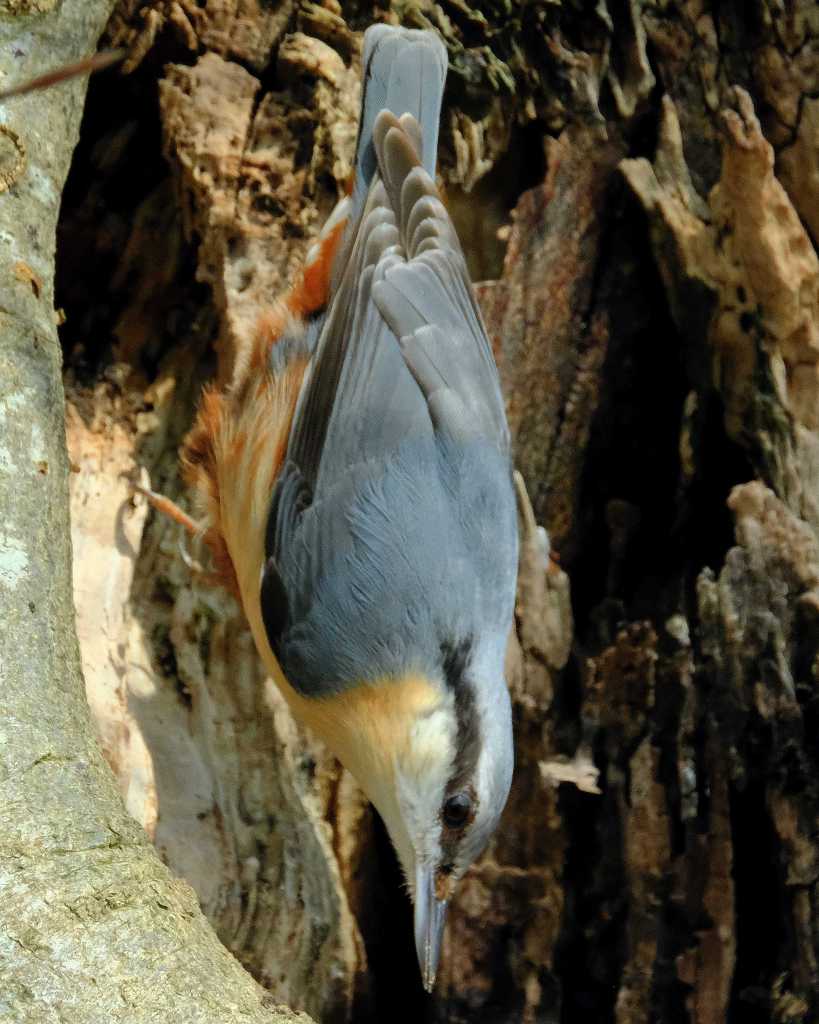
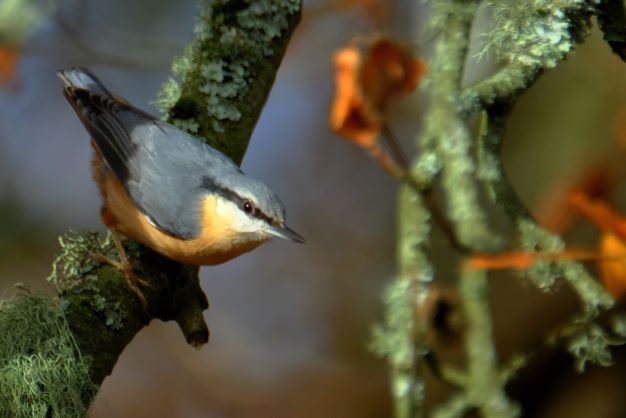
A Nuthatch is an interesting small bird as they will climb down trees and well as up while looking for a meal. They hold on to a tree from all angles.
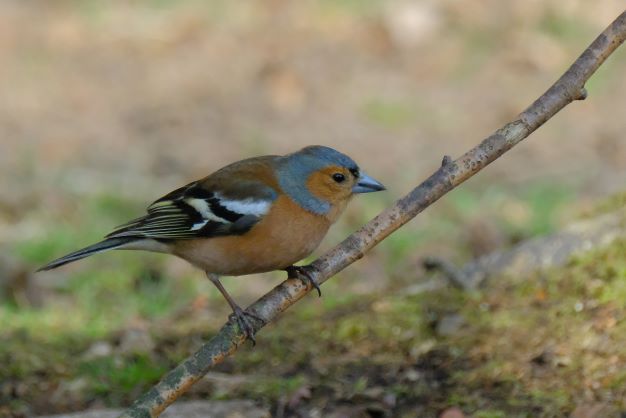
A male Chaffinch.
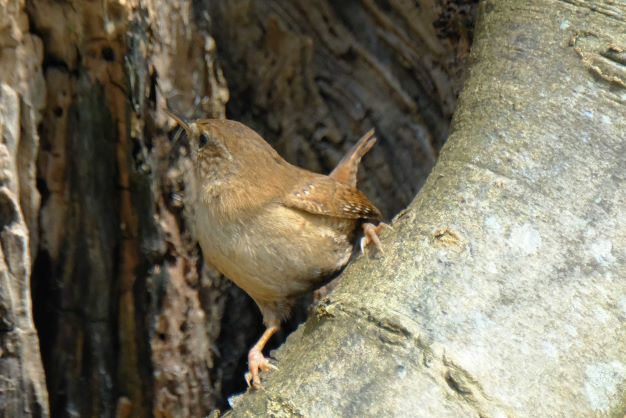
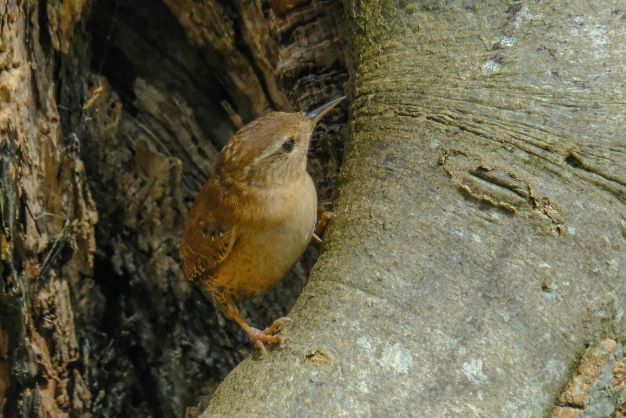
The wren is a tiny brown bird, it has a short, narrow tail that is sometimes cocked up vertically. For such a small bird it has a remarkably loud voice.
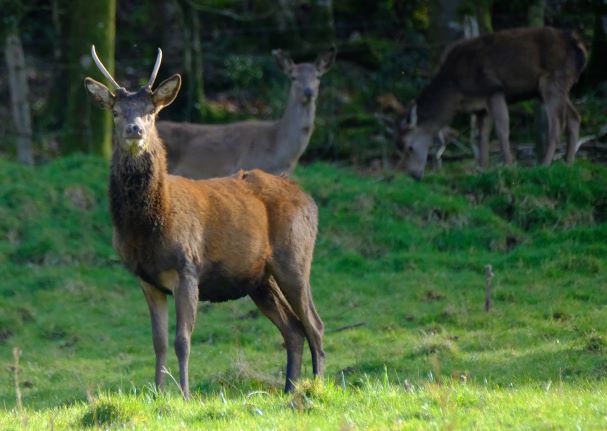
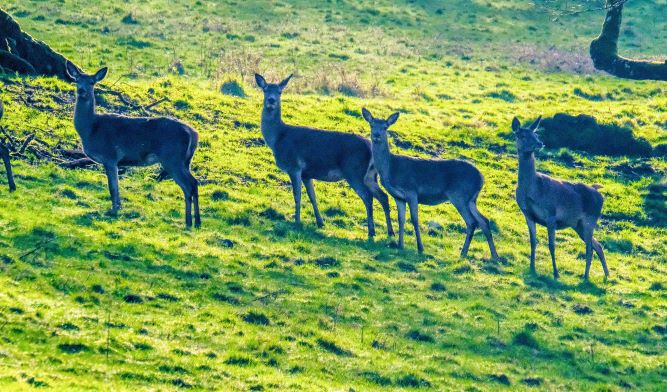
Returning to our campsite and as the light was starting to drop we spotted a herd of Red Deer young Stags (males) and Hinds (females). From the lane, they were interested in us as much as we were in them after a good look at each other they moved off back into the woodland.
Red Deer are the UK’s largest deer. Males have large, branching antlers, increasing in size as they get older. The Stags spotted are young animals given he had fairly small non-branching antlers. Red Deer live on moorland and mountainsides, as well as grasslands near to woodland. They are common in Scotland, particularly the Highlands and Islands. Red Deer are also found in the Lake District, Exmoor, as well as the New Forest.
A short local walk to collect our trail cameras some nice views of a Muntjac deer on one of the cameras. Introduced from China to the UK in the 20th century. Although an invasive, non-native species today they are protected in the UK under the Deer Act 1991.
Some facts about this small deer which is about the size of a medium-sized dog.
Length: 77-91cm Shoulder height: 45-52cm Weight: 10-17kg Average lifespan: 10-13 years
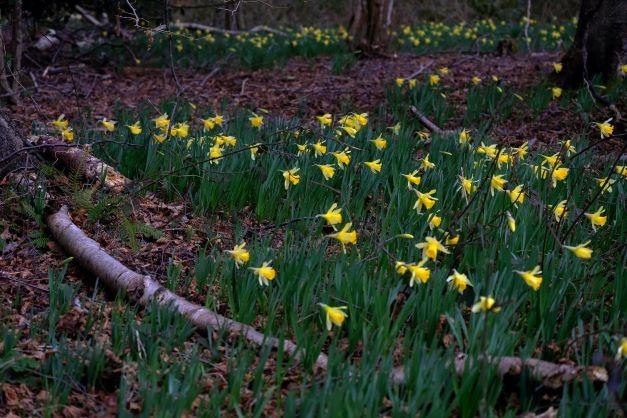
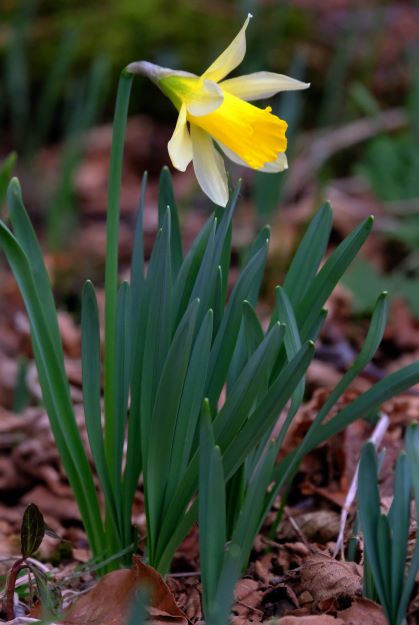
Wild Daffodils are now out in flower which gives a splash of colour to this dull time of year, I am glad we are moving into spring. Also known as the ‘Lent lily’ or ‘Easter lily’ this native Daffodil is smaller than many garden varieties. They are found in damp woods, fields, grassland and orchards. It is a rare plant but can be abundant in some areas.
A circular walk today in the New Forest starting and ending at Eyeworth pond.
History.
The pond was created by the Schultze Gunpowder Company as a reservoir to hold the water needed during the manufacturing process – it is estimated it held 6 million gallons of water. Work started on the factory in 1860. By the late 1890s the Company employed upwards of 100 people and there were some 60 buildings. The factory continued in operation under new ownership until 1921. The manufacturing of explosives deep in the forest away from the local population reduced the risk to the public. Today the reservoir remains although the factory has gone, it remains as a feature and wildlife habitat. Little other evidence of the factory survives, although the superintendent’s and gatekeeper’s houses remain and are private residences.
Birds. on the pond.
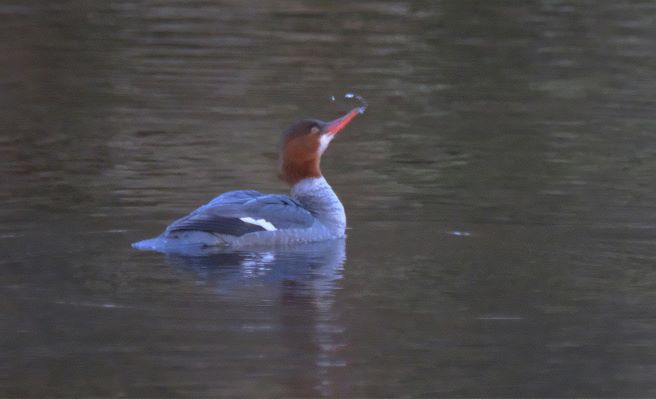
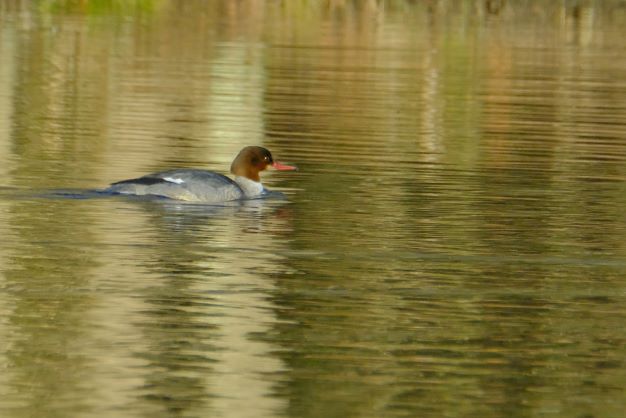
2 female Goosanders were on the far side of the pond ( I have seen males here as well in the past but not today). Goosanders are diving duck, they have long, serrated bills, used for catching fish. They 1st bred in the UK in 1871. ( These ducks are known as Common Merganser in the USA).
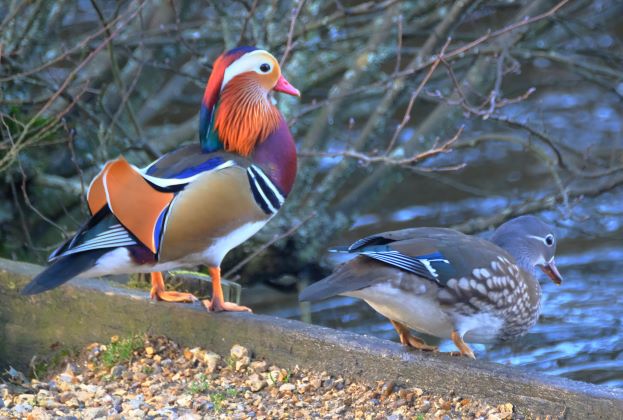
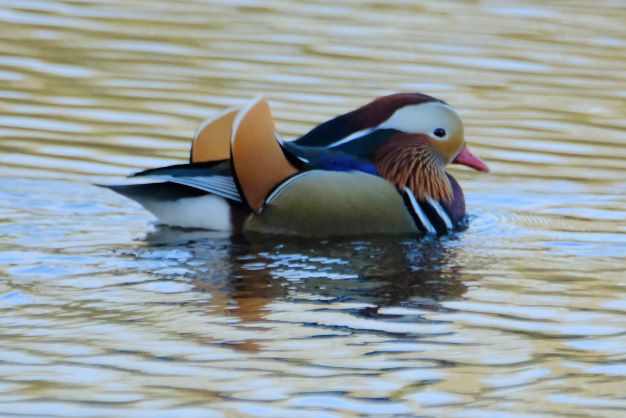
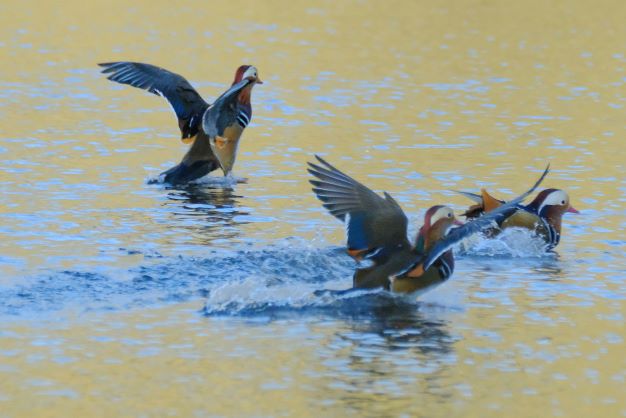
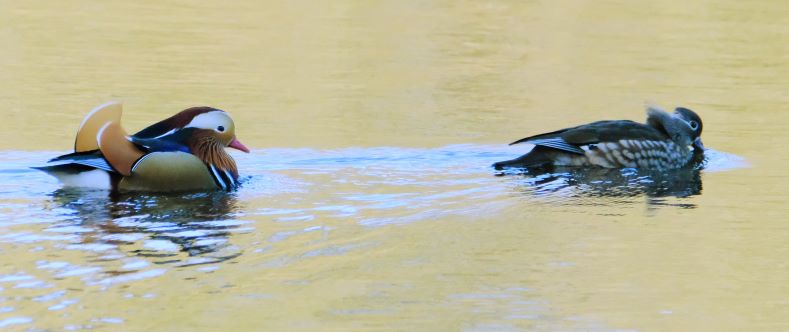
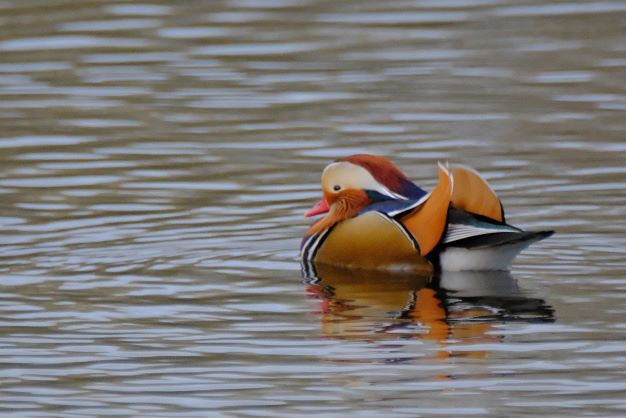
Mandarin ducks have for many years been a regular bird on Eyeworth pond. They always draw a crowd, they were introduced to the UK from China in the 20th century and have become established following escapes from captive collections. In the UK there are now said to be about 2,300 pairs and according to Wikipedia the population in China is only 1000 pairs.
Moorhen.
Woodland Birds. around the pond.
A woodland favourite is the Blue Tit.
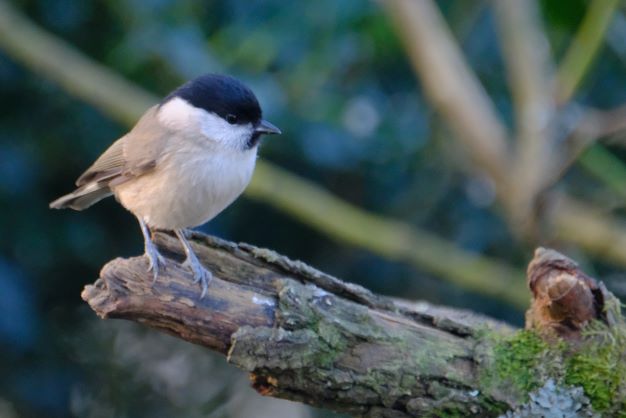
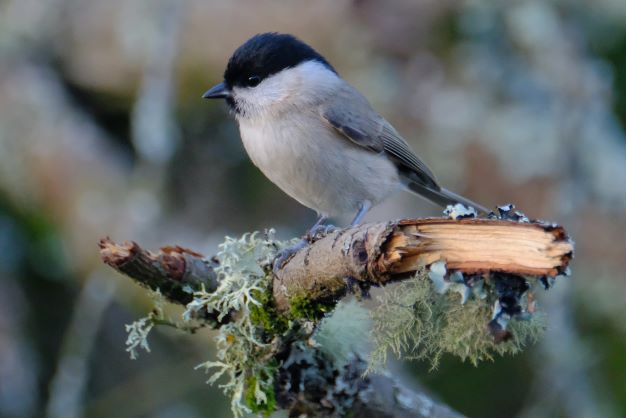
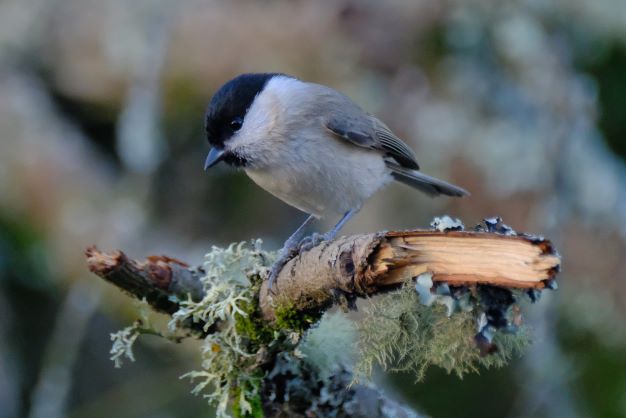
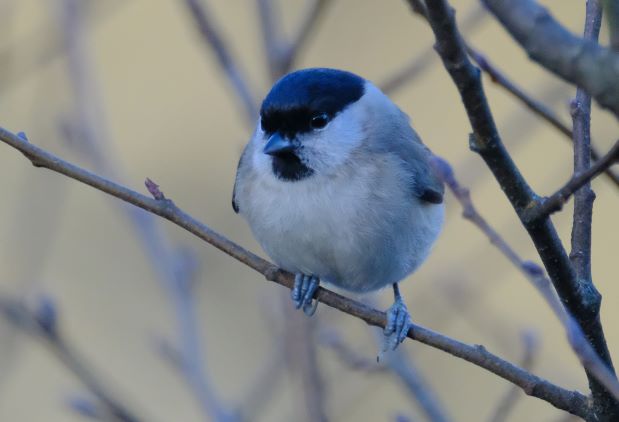
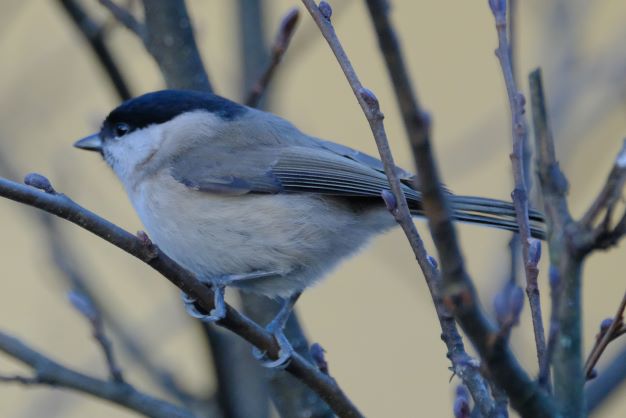
Marsh Tit.
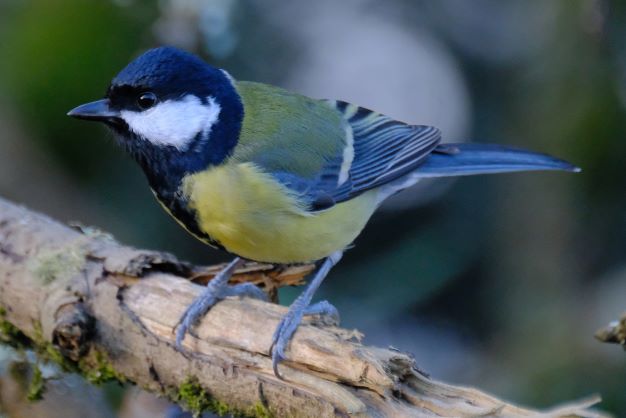
Great Tit.
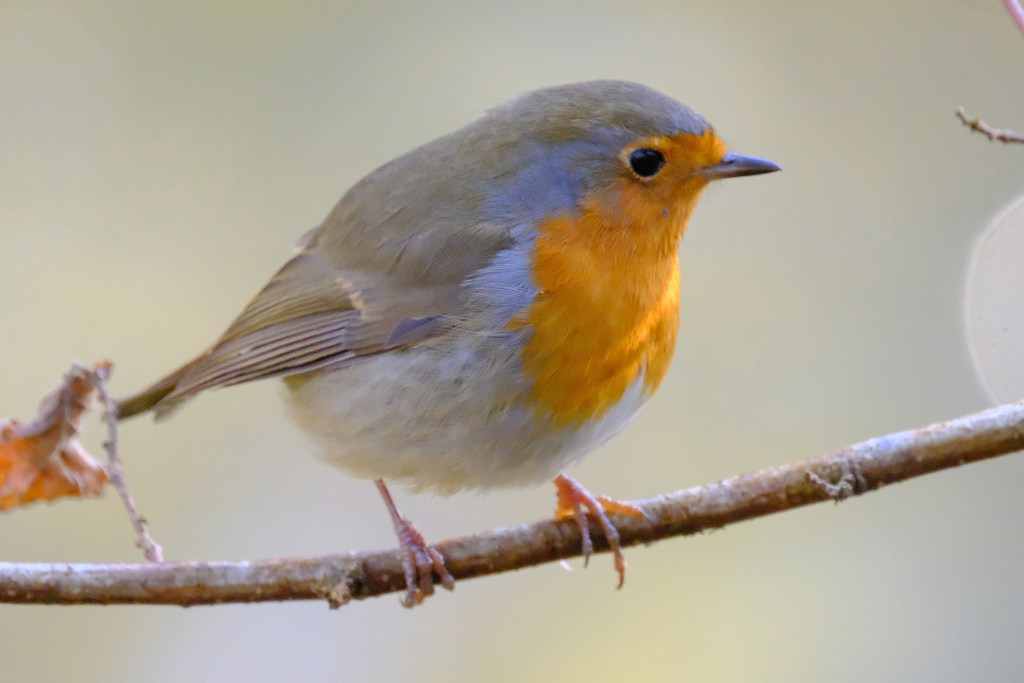
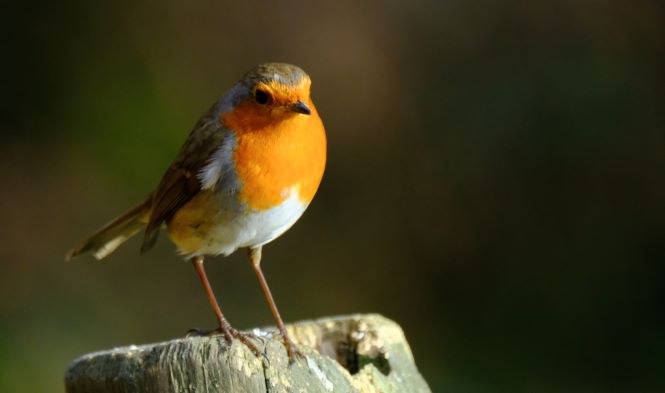
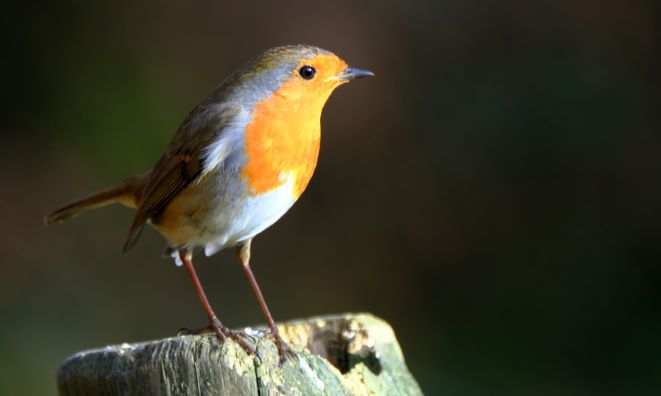
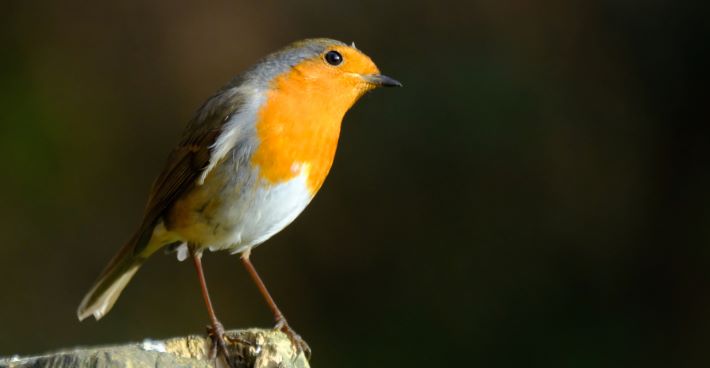
Robin.
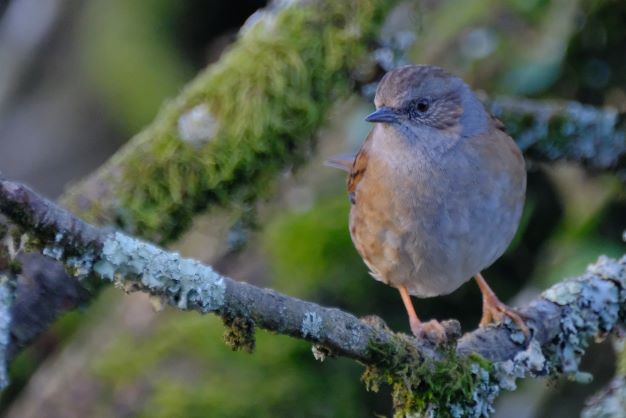
Dunnock
Dunnocks are also known as the ‘hedge sparrow’, although they are not actually a sparrow. They’re actually the only UK member of a bird family called the accentors. The dunnock is also commonly mistaken for a female house sparrow. Dunnock is derived from the Old English word for ‘little brown’. This is because they do look drab from a distance but close up they are quite pretty with a mottled blue-grey breast and face.
Deer.
Fallow deer are the most commonly seen deer in the New Forest currently numbers are maintained at about 1,300 Following the Norman Conquest of Britan ,the New Forest was proclaimed a royal forest, in about 1079, by William the Conqueror. Fallow deer were brought into the forest for the hunt. Forest Law, reserving the pursuit of beasts within it exclusively for the king and his officers.
One of our trail cameras gave some good views this week. Uploaded on the below clip – it is a long clip but worth the watch if you have a spare 1/2hour to watch nature on your computer. A Robin also pops in.
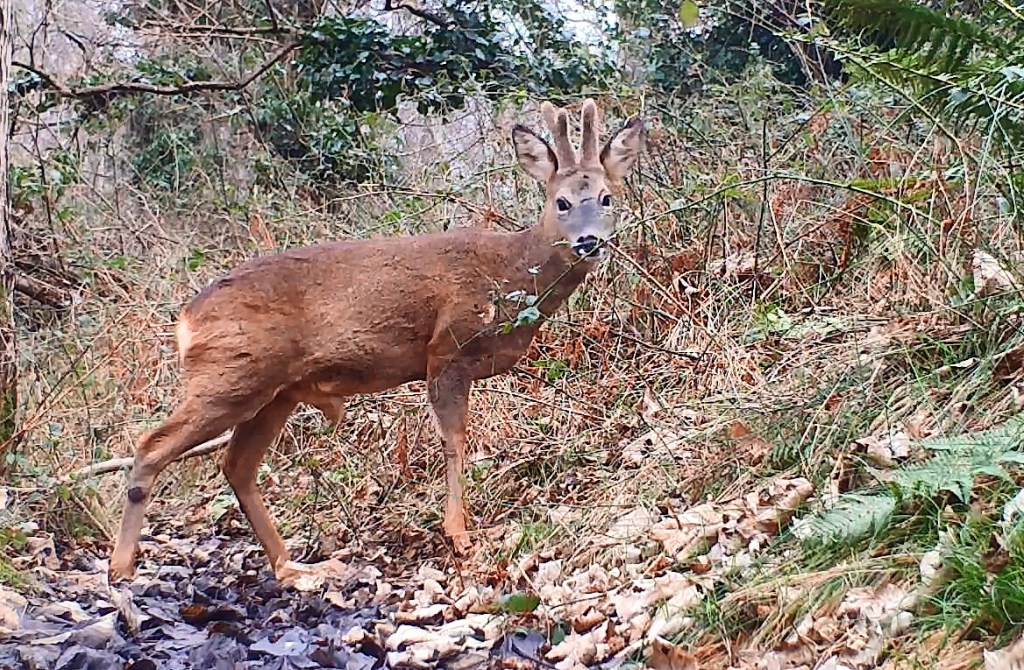
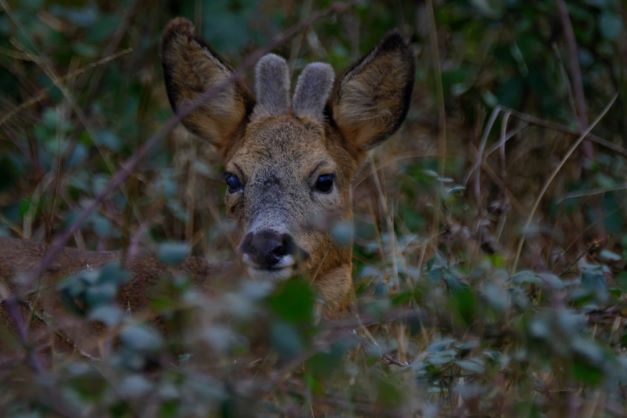
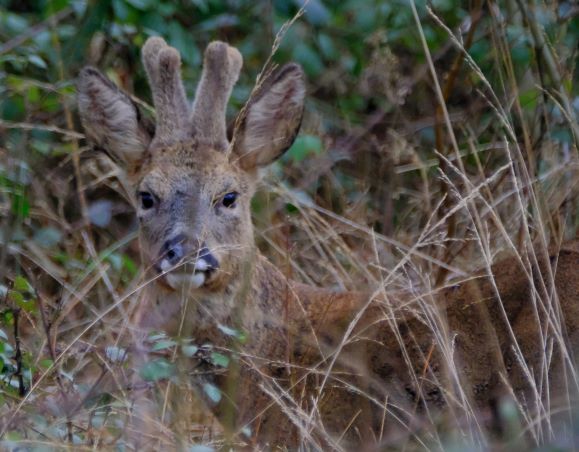
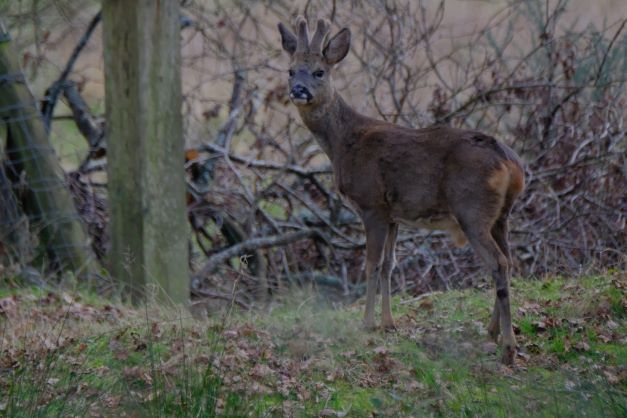
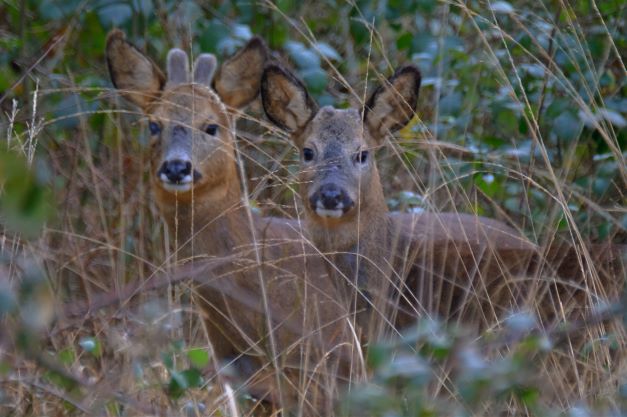
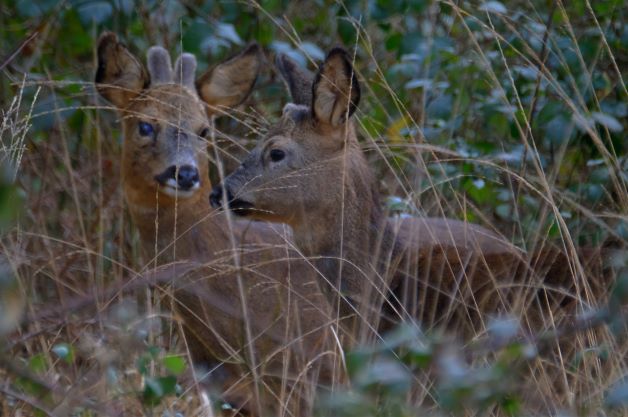
Some great deer spotting today 3 young Roebuck allowed us to approach and pass where they were resting. Each deer had different sized antlers and it was good to see them “in velvet”. I am sure our local deer know us and tolerate us walking in their habitat they quietly watch us pass I am sure they are thinking “it’s those chaps with cameras again stand still and they will walk past”.
The appearance of Roe deer changes throughout the year. They have a bright red-brown fur in summer, fading to a duller shade of brown in winter which is how they appear at the moment. These deer looked strong and healthy despite it being the end of the winter.
A few days away in our campervan and some different wildlife spotting on and around Exmoor.
Lots of cock Pheasants were about and their colour come to life in the Autumn sunshine.
The fast-flowing rivers and streams on Exmoor are the place to spot Dippers. The Dipper is a short-tailed, plump bird a little bit bigger than the size of a Robin. When perched on a rock it bobs up and down and frequently cocks its tail. Its white throat and breast is a contrast with its dark body plumage. Their diet is small fish insect larvae and freshwater shrimps. They enter the fast-flowing water going underwater in search of food.
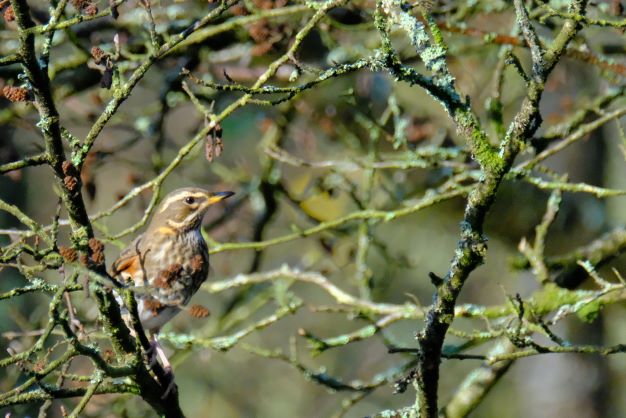
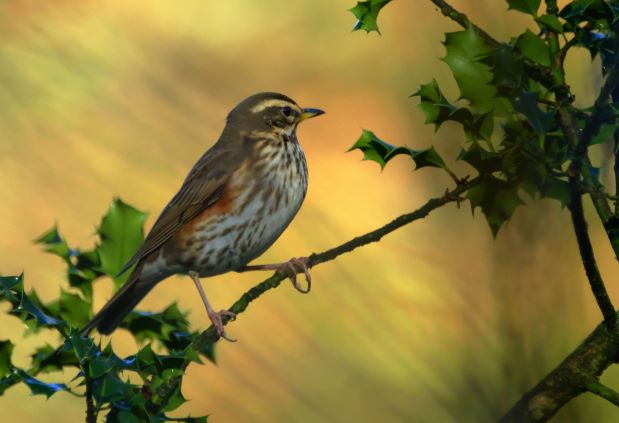
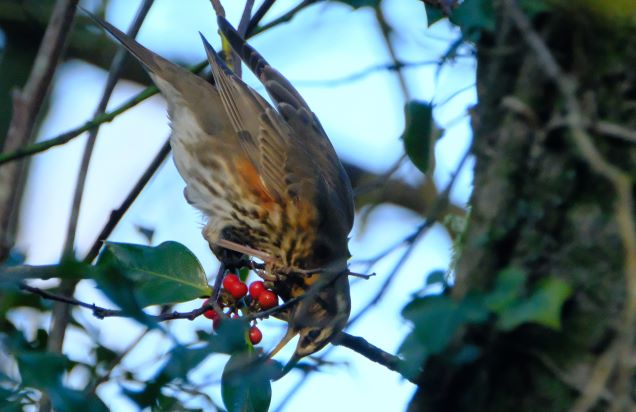
The Redwing is a member of the Thrush family and our smallest thrush. A small number can be encountered all year in the UK but their number increase in winter and over 8 million birds have been recorded. They roam across the UK’s countryside, in small flocks – feeding in fields and hedgerows, they can often be spotted on Holly bushes or other red-berried trees stripping off the berries.
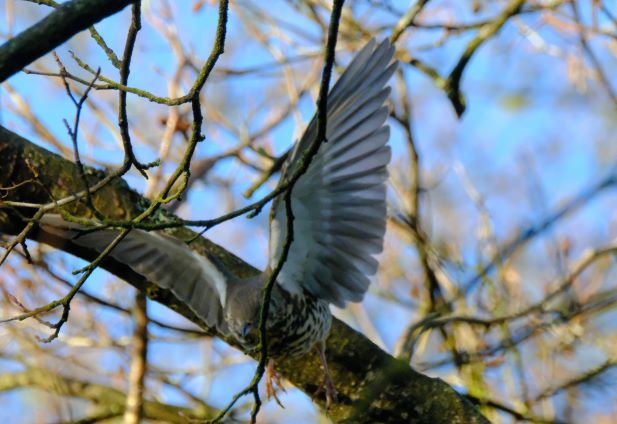
A Mistle Thrush had joined the flock of Redwings.- I only just caught him with the camera!
As always I seem to always be close to a Robin especially this time of year.
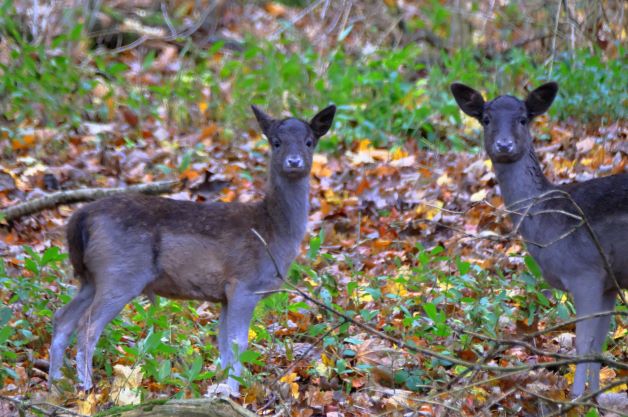
I spotted this group of young Fallow Deer many were much darker than the ones I see in the New Forest they were a true Black in colour.
After getting our COVID booster shot today we headed into the New Forest. Cadmams pool near Stoney Cross Airfield. Opened in 1942, it served both the Royal Air Force and United States Army 9Air Forces. During WW2 it functioned primarily as a combat bomber and fighter airfield. It closed in January 1948.
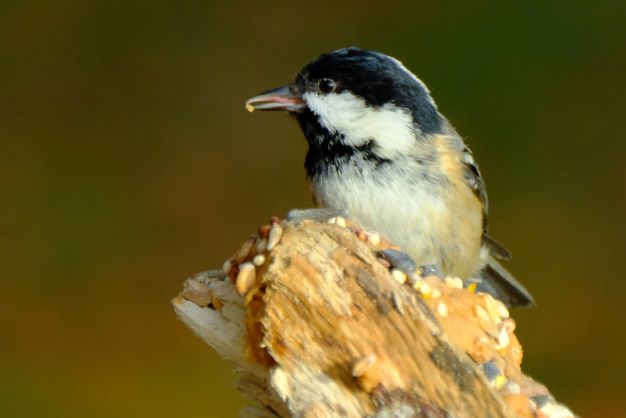
Locals routinely leave birdseed on the ground or on posts in the copse next to the pond, So it is a good place to spot some of our small woodland birds close up.
Male Chaffinch.
Nuthatch.
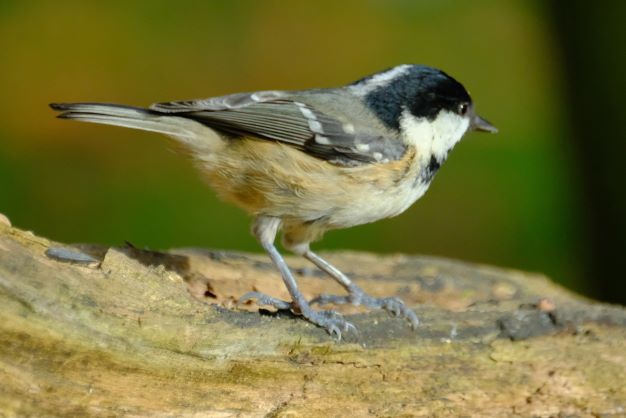
Coal Tit.
Robin.
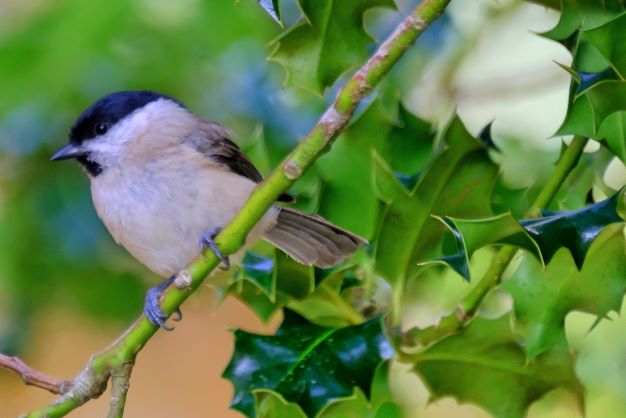
Marsh Tit.
Marsh Tits and Willow Tits are very similar and difficult to tell apart, here at Chapmans Pool it was the Marsh Tit enjoying the sunflower seeds.
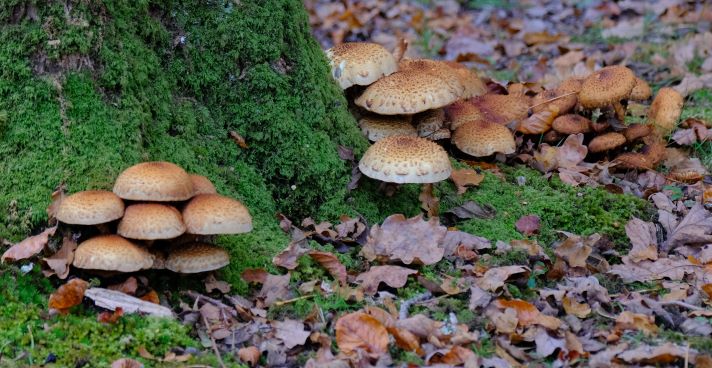
You are never far from deer or fungi in the New Forest.