Coastal Path.

Birdwatching and History.

Today’s walk was along the coastal path from the seaside town of Lymington to Normandy Lagoon. On the Lymington-Keyhaven marshes, the lagoons lie just inside the seawall. Records show that the sea salt industry has operated in the Solent for at least 2000 years. The industry flourished and by medieval times was well established at Lymington. Salt was obtained by keeping seawater in shallow lagoons known as salterns. This allowed evaporation during the summer months to remove the water. The process was undertaken on land that had been reclaimed from the sea through the construction of a series of sea walls.

The first reference to a medieval salt industry in Lymington comes from the Domesday Book of 1086. Salt production remained an asset of the area throughout the Middle Ages. By the 17th century records show a flourishing economy in the area.

The industry reached its peak early in the 18th century when 163 saltpans were in use at Lymington. Boiling Houses were used as the process became more industrialised. Sea salt from Lymington was exported as far as Norway, Newfoundland and the USA.

The 19th century saw the decline of the industry. The final Lymington saltern closed in 1865.

The best observation on today’s walk was a flock of 12 Spoonbills. A first for this year. Spoonbills are distinctive tall white waterbirds with long broad black bills and black legs. They are smaller than a Grey Heron in size. Adult birds have yellow on their bill tips. They fly with necks and legs extended. They feed with elegant sideward sweeps of their bill. The species is of European conservation concern. In recent years they have been visiting wetlands on the South Coast of the UK, small numbers now breed here. Listed on Schedule 1 of The Wildlife and Countryside Act, making it illegal to disturb these birds. Most birds migrate south in the winter, but many individuals remain and spend winter in Western Europe.

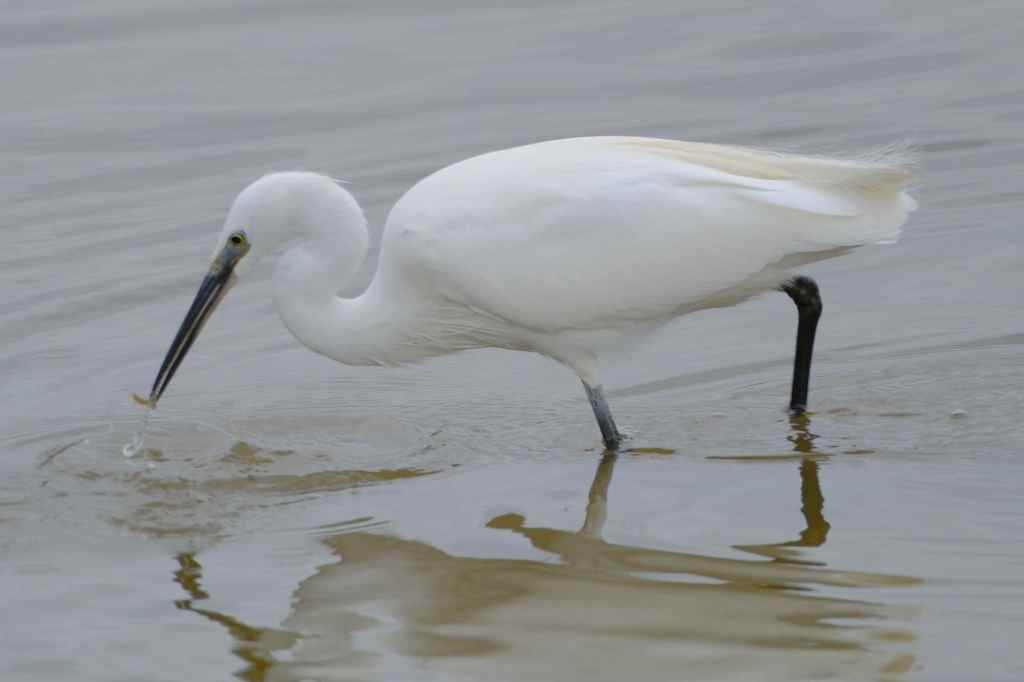
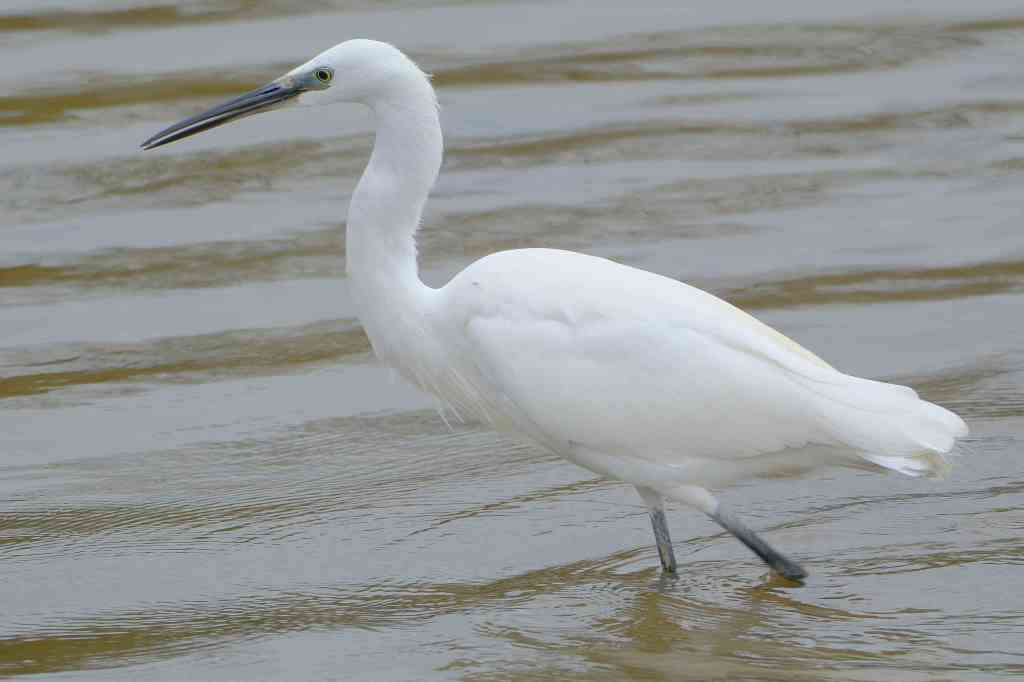
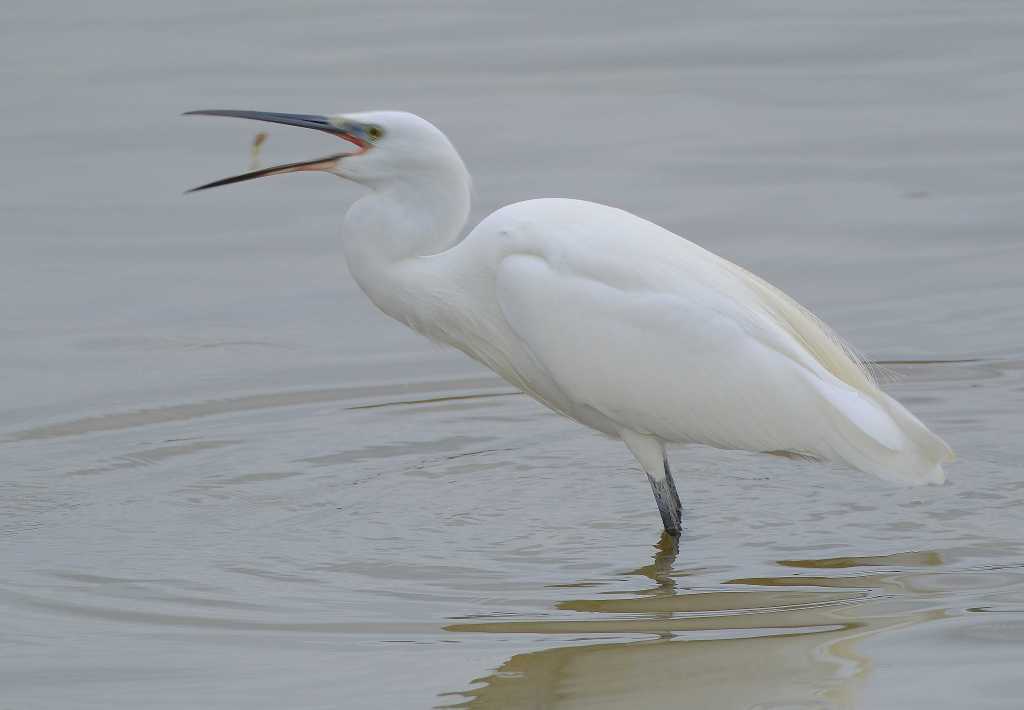
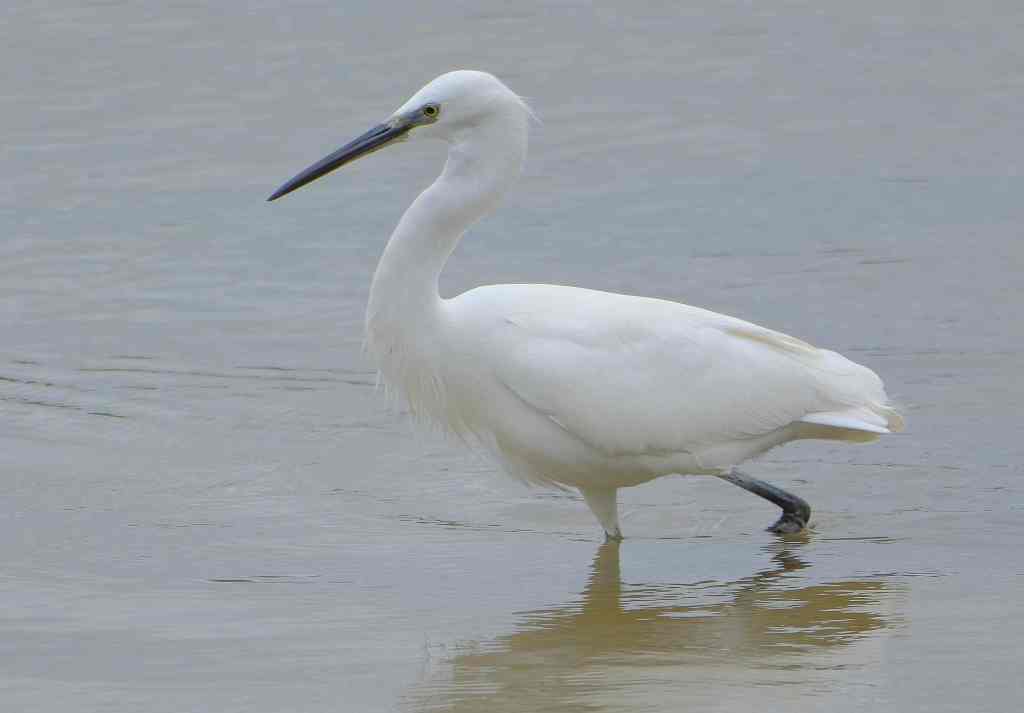
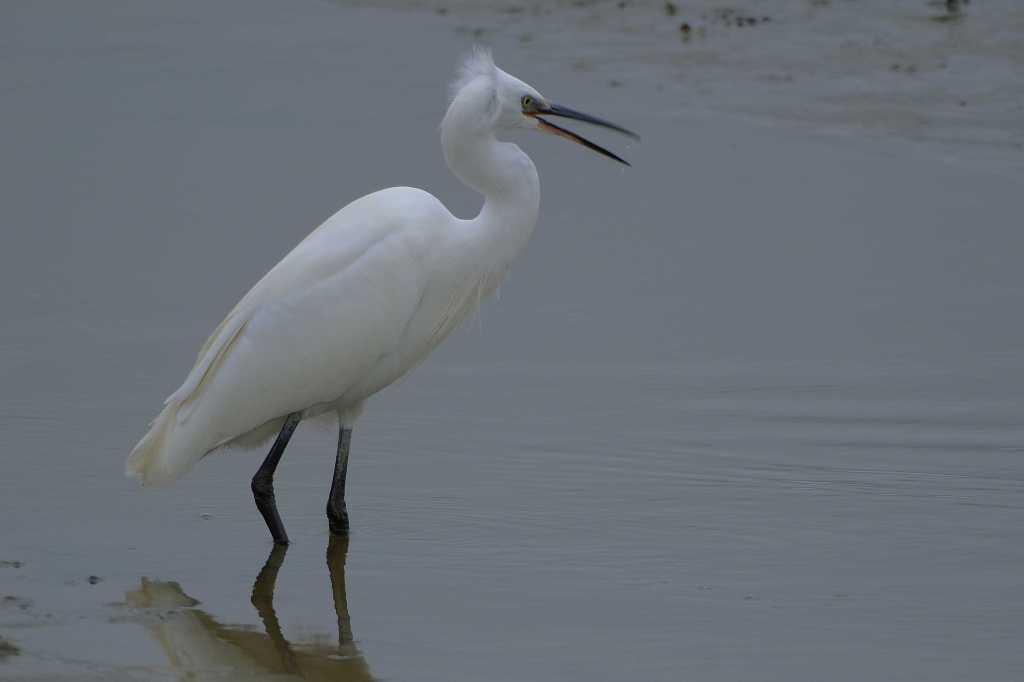
Little Egret

Cormorant – unlike many diving birds Cormorants do not have waterproof feathers. They are great at diving for fish so when they have finished fishing to dry out they sit with their wings open, The warmth of the sun or the wind dries out the bird.

Curlew. They are the largest European wading bird I watched one pass a Brent Goose last week and you can see their size is only a tiny bit smaller than the Brent!

Pintail, – only a few of these duck breed in the UK (under 30 pairs), however in the winter over 20,000 birds winter here. Like all dabbling ducks, Pintails feed at the surface rather than diving for their food. They eat plant food when dabbling, but will supplement their diet with insects and molluscs.

Western Shore

Western Shore on Southampton Water at the site of Netley Military Hospital.

Netley Hospital, officially called The Royal Victoria Hospital. Construction started in 1856 at the suggestion of Queen Victoria, she often visited from one of her favourite homes with Prince Albert which was close by at Osbourne House on the Isle of Wight.

The hospital was extensively used during the First World War. Wounded troops from war could disembark directly to the hospital onto its own pier which reached out into Southampton Water. There was a branch Railway line direct to the hospital. The main building was the world’s longest building when it was completed. Sadly the main hospital building was demolished in 1966. In WW2 the hospital was used by the Americans after D-Day. The Chapel at the hospital’s centre remains and today is a museum.

There is a CWCC cemetery within the grounds of the hospital for those who could not be saved.

Some bird life on the Shore.

Into December.

Entering December our weather has jumped fully into winter. This morning was cold damp and misty. A walk along Southampton Water from the Village of Warsash on the River Hamble to Solent Breezes was rather dark and windswept.

The warmest thing was the view across Southampton Water to Fawley Refinery where a flare is burning.

Two boats of Hampshire Police Marine unit in action.

Beach views.

Sea Monster!

 WW2 Bofurs anti-aircraft and range finder platform gun platform. Positioned at the mouth of the River Hamble where it joins Southampton Water. Another platform is further up the Hamble River and a third is at Hamble Point. The German Luftwaffe navigated using the river to reach Southampton and the Docks.

Canal walk.

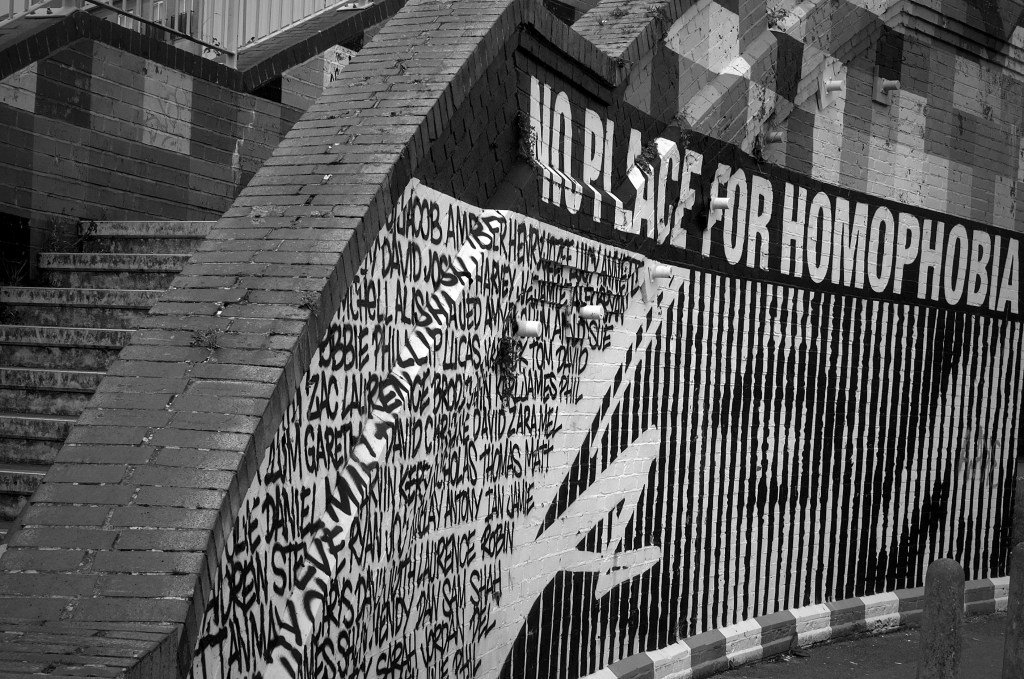
A muddy walk along the Titchfield Canal. The canal is a two-mile watercourse between the village of Titchfield and the coast at Titchfield Haven.  Starting at the sea I quite like the wall art that had appeared on the back of the toilet block. In my view one up on some of the so-called tags which are appearing everywhere and I am told is art.

A few of the birds I spotted along the route.

A Robin heron and Blackbird.

Where bombs fell.

Today was an open-heath walk within the former World War 2 bombing range on Ashley Heath near the village of Godshill and 5 miles northwest of Lyndhurst The range was used by aircraft from the Aeroplane & Armament Experimental Establishment at RAF Boscombe Down, nr Salisbury. The range was used for training and testing, all types of munitions fired or dropped from British aircraft were tested here first, except live incendiaries due to the fire risk. Barnes Wallis’s prototype Bouncing bombs used in Operation Chastise by the Dambusters and the Grand Slam bomb were tested on the site. Several different types of targets were built on the range including air-to-ground attack, mock ship targets, aircraft pens, gun emplacement, bomb fragmentation areas, and what is said to have been some Submarine pens. There were two small grass airstrips, observation shelters, and towers. The site was used both in daylight and night targets were illumination targets specifically for night bombing practice.

Our walk today was the 1st in this area of the New Forest with the aim of seeing the remains of a large target. Known as target number 2.

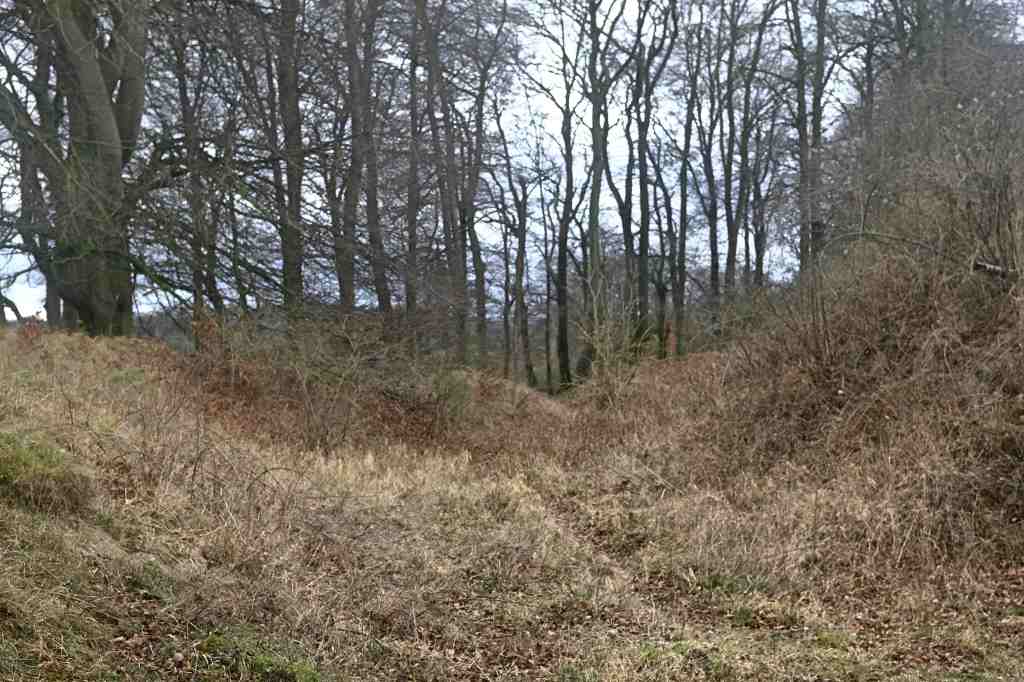
The shape of the target is visible from the ground the concrete wall around the target was removed for construction materials in the 1970’s

Many small ponds are on the heath most are water-filled bomb craters.

Safe Crossing.

Murray’s passage in the New Forest is a safe crossing across a boggy valley of Backley Plain – It is named after Admiral Murray who, in 1901, was killed whilst out hunting on 17th September 1901. The construction of the passage was paid for by monies donated to his memory. It is commemorated on a nearby engraved stone.

Roe Deer and Beekeeping on Backley Plain.

Small Copper Butterfly.

Hovercraft.

The “hovercraft” is a word and an invention that Christopher Cockerell patented in 1954 after working for Marconi, where he helped with work on early radar. Aware of the Normandy landings on D-Day he thought about how to get troops ashore and up a beach he came up with the “hovercraft”. By 1955, he had a working prototype and pursued a patent for his creation, he obtained a patent in 1956.

In that year, he demonstrated his prototype craft, which used air blown out of the bottom of the craft under pressure, to British authorities and showed that it was possible to enable such a vehicle to glide easily over water and land, even mud and marshes.

 Saunders-Roe here on the Solent on The Isle of Wight built the SR-N1 which was launched on June 11, 1959, and later that year crossed the English Channel from Dover, England to Calais, France. Although only used for one public service from Portsmouth and Isle of Wight now in the UK they are a regular sight on The Solent.

A visit to our local Hovercraft Museum last year in my post below.

Sir Christopher Cockerell lived from the 1960 in village of Hythe on Southampton Water. I met him in 1980’s . A Blue Plaque to commemorate Sir Christopher Cockerell and the Grove building, the home of hovercraft development way put up in Hythe in 2022.

Hovercraft filmed on the Solent yesterday.

Re-birth.

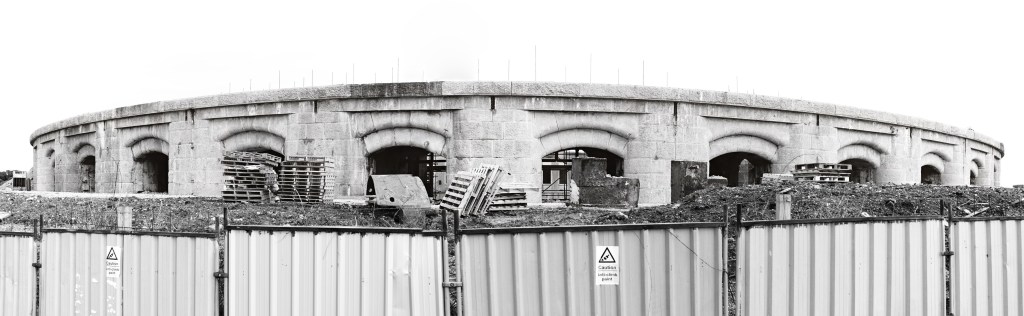
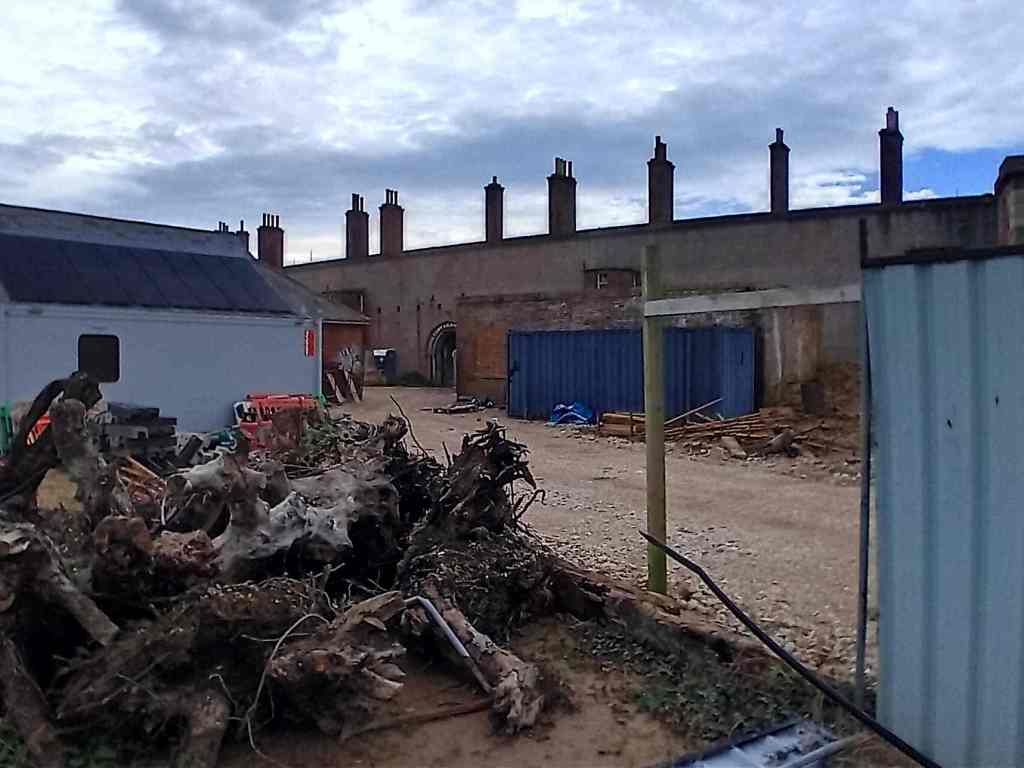
As part of the UKs defences against the French work on the construction of Fort Gilkicker commenced in 1863 and took eight years to complete. The finished fort provides a semi-circular firing arc from 22 gun placements, over the eastern end of Stokes Bay at Gosport.

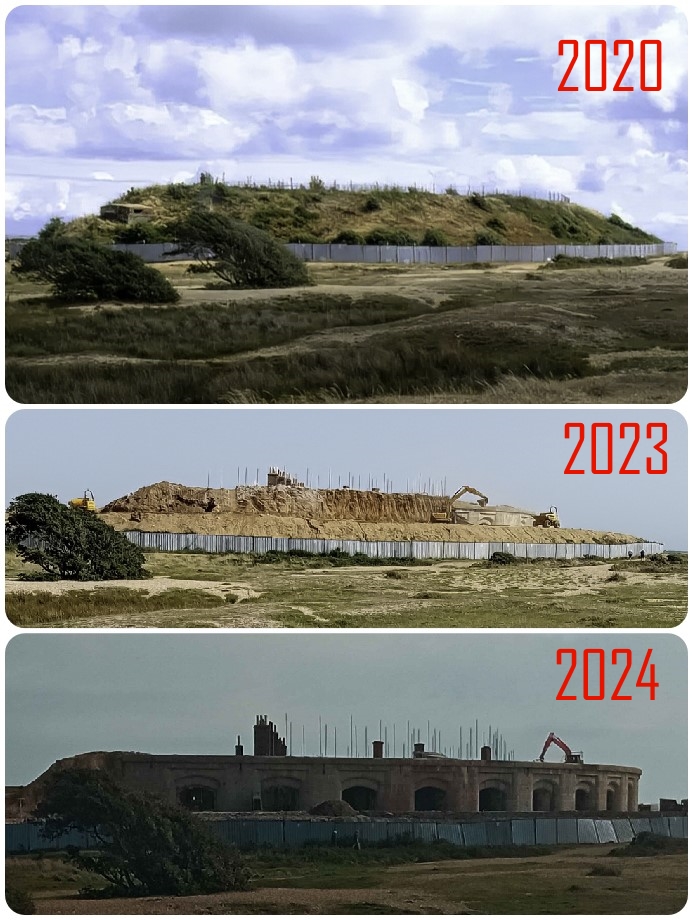
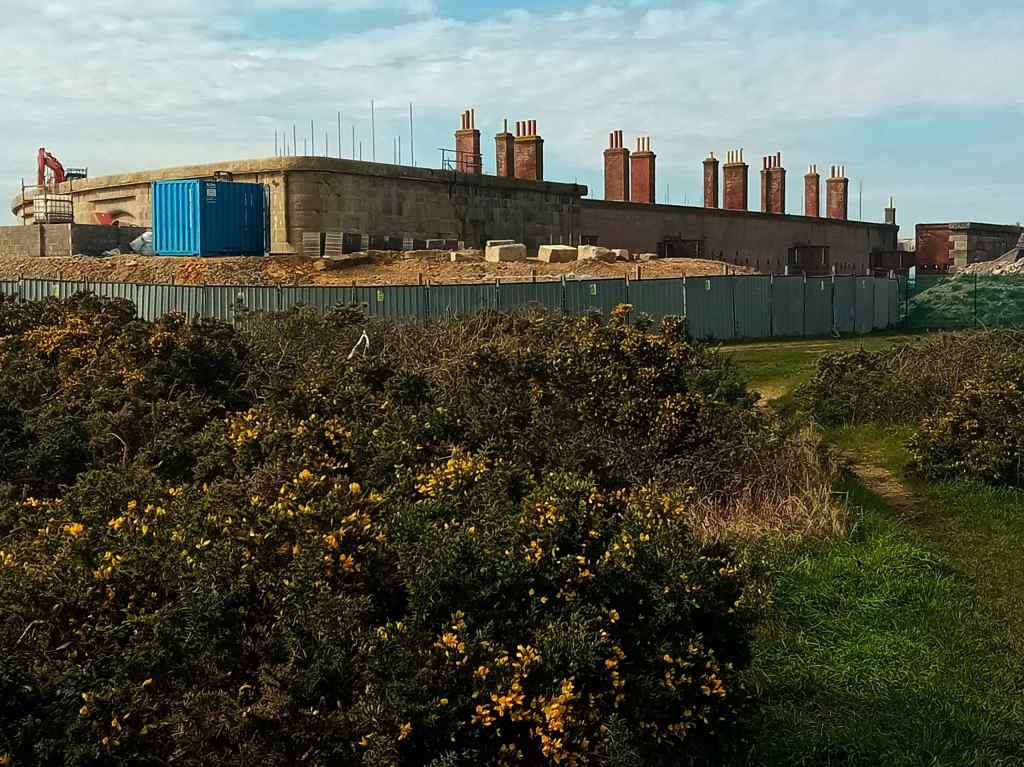
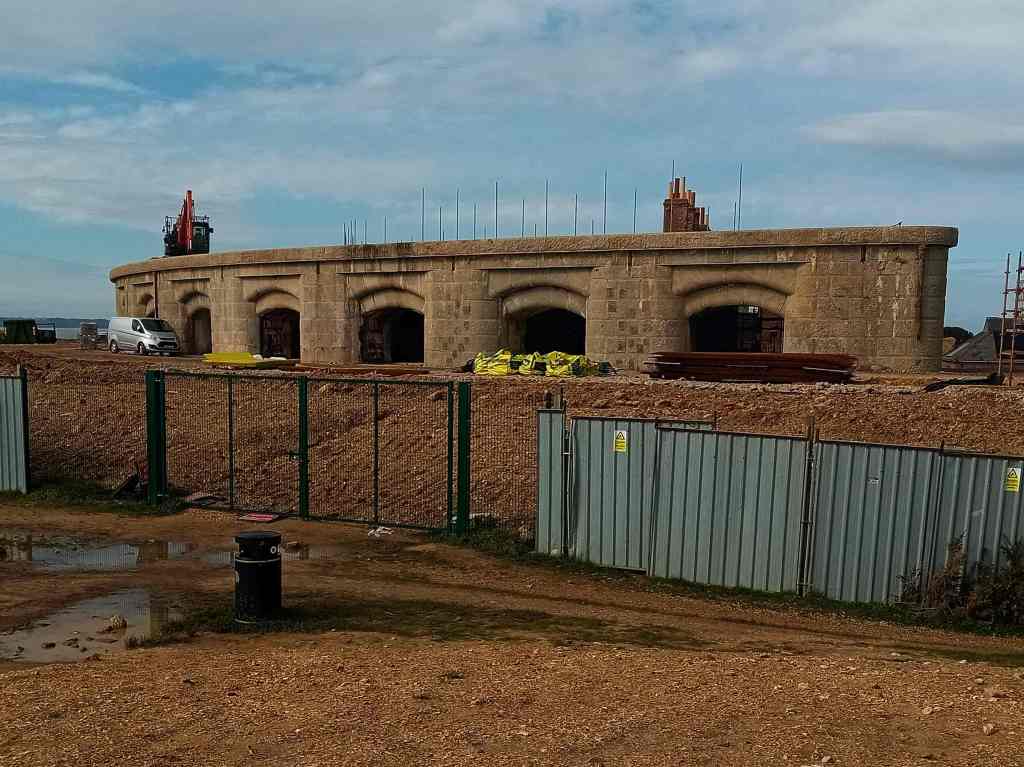
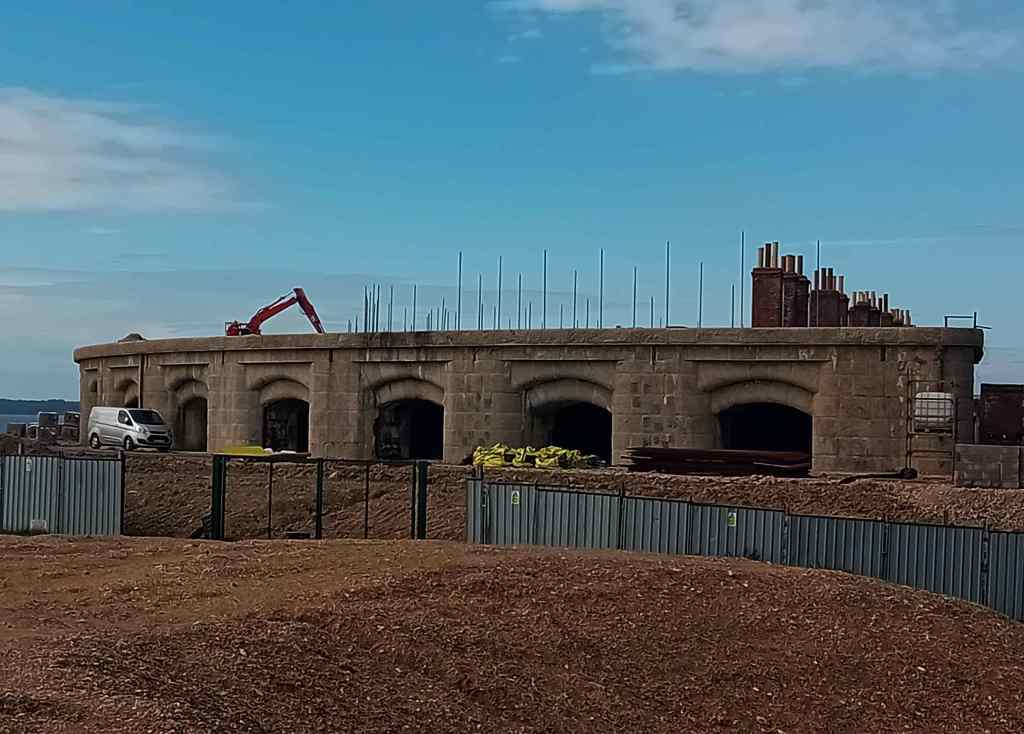
Today we walked out to Fort Gilkicker. The redevelopment of the site is underway. The current planning permission is for Gilkicker to be restored and converted into 22 townhouses in the gun casemates plus four flats in the former barracks. Estimates of the cost of doing this are between £15 and £20 million. The site was bought for £1,386,000. Given the sums of money to restore/save this Historical Fort such a project could only be undertaken by a commercial redevelopment. Within the plans I understand one of the outer buildings will be made into a cafe with historical displays about the fort.

below some older posts on Fort Gilkcker.

The original gun firing positions were blocked before World War One up and the outer walls were further strengthened with substantial earthwork embankments with the redevelopment this is being removed and the original casements are be revealed.

Above 2020 below 2023