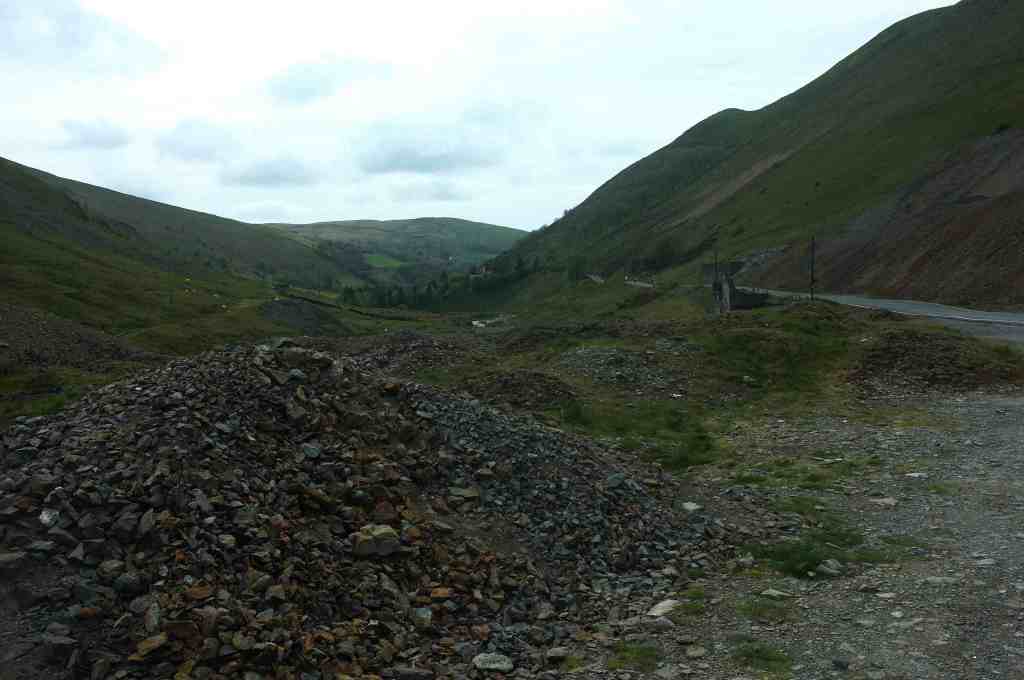
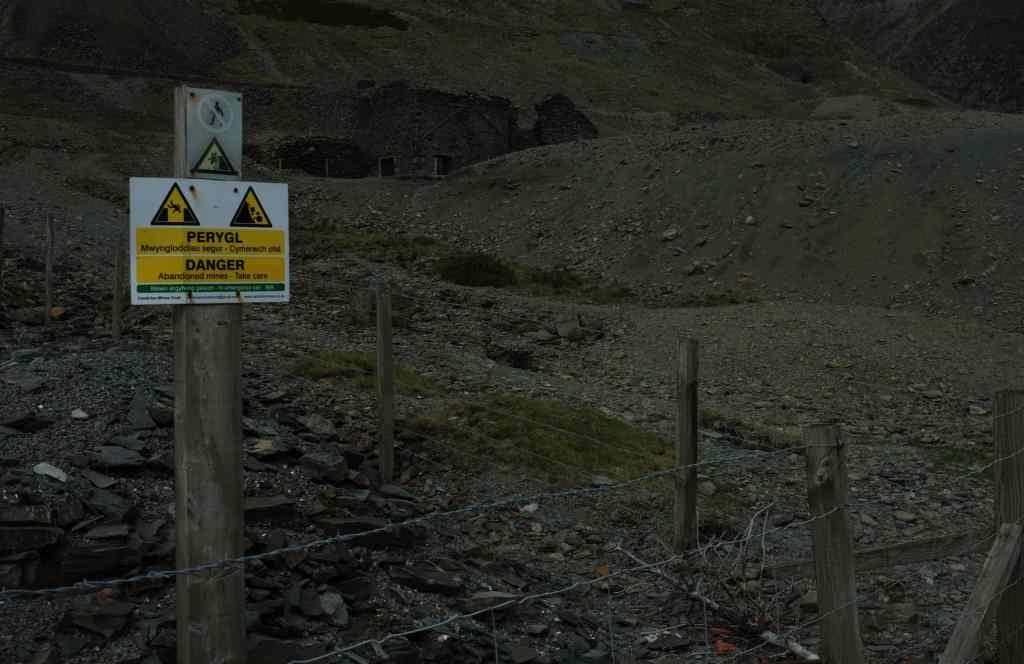
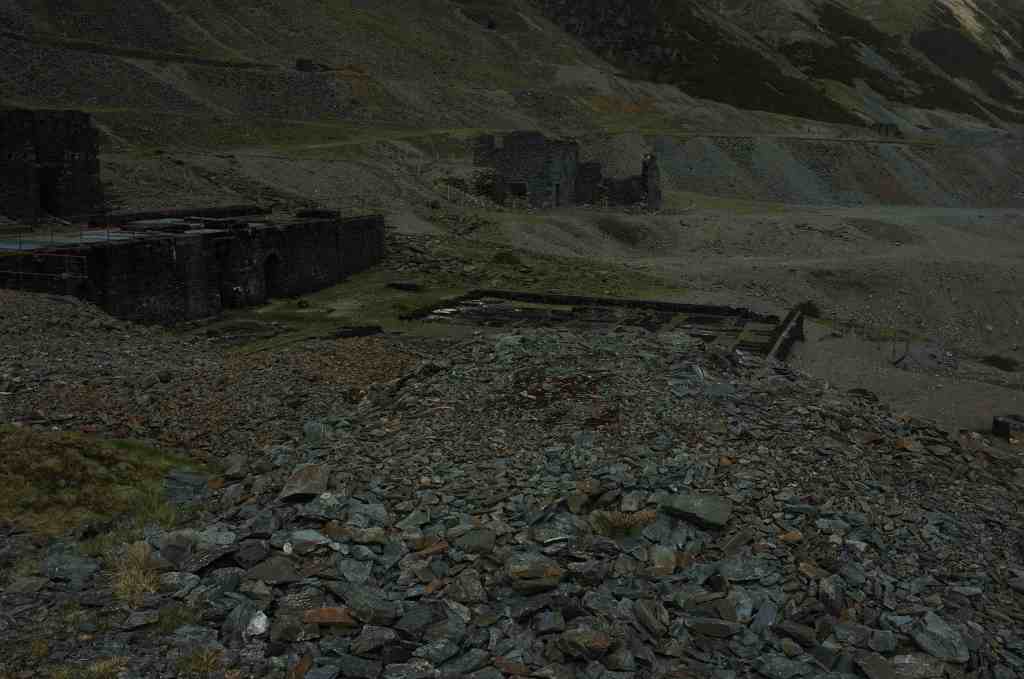
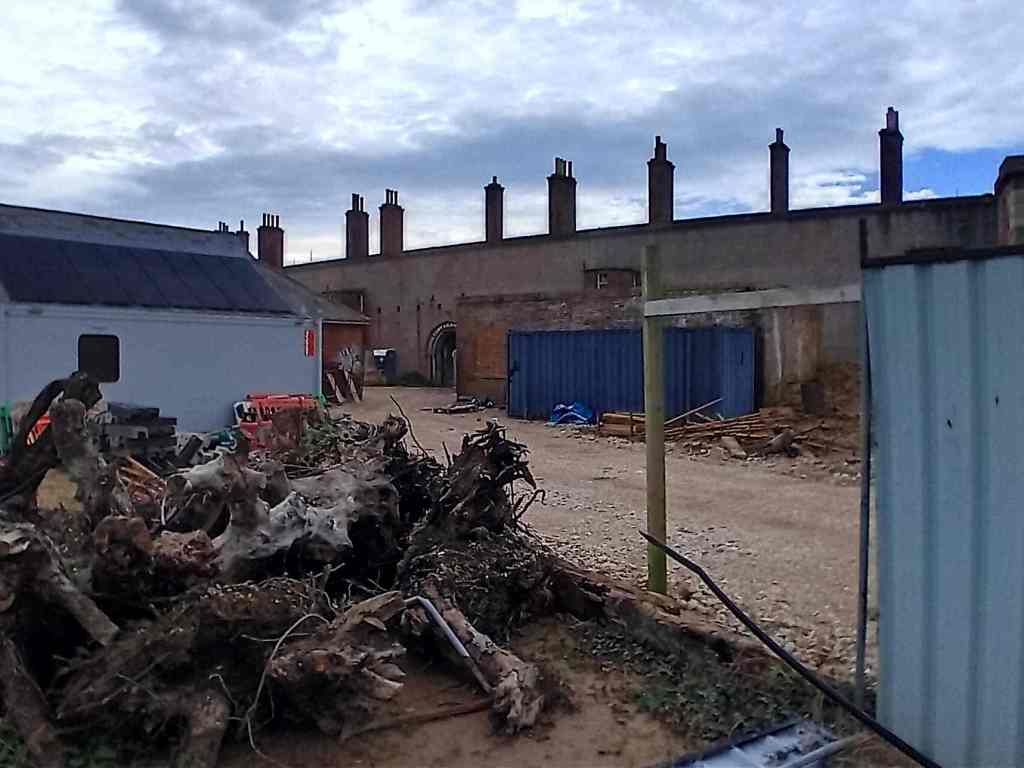
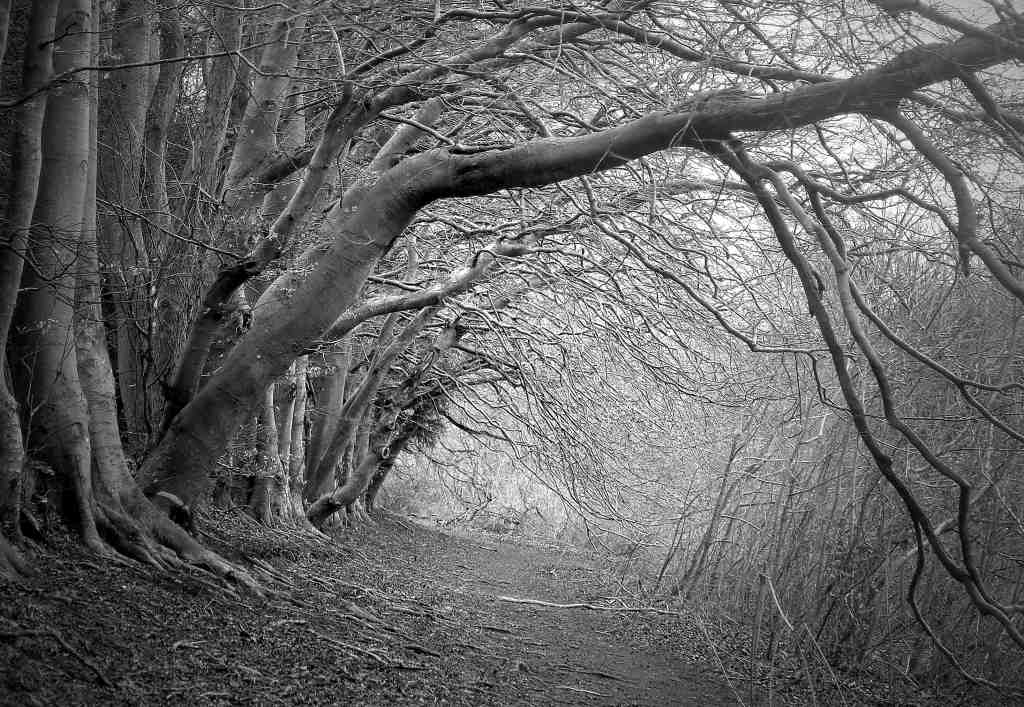
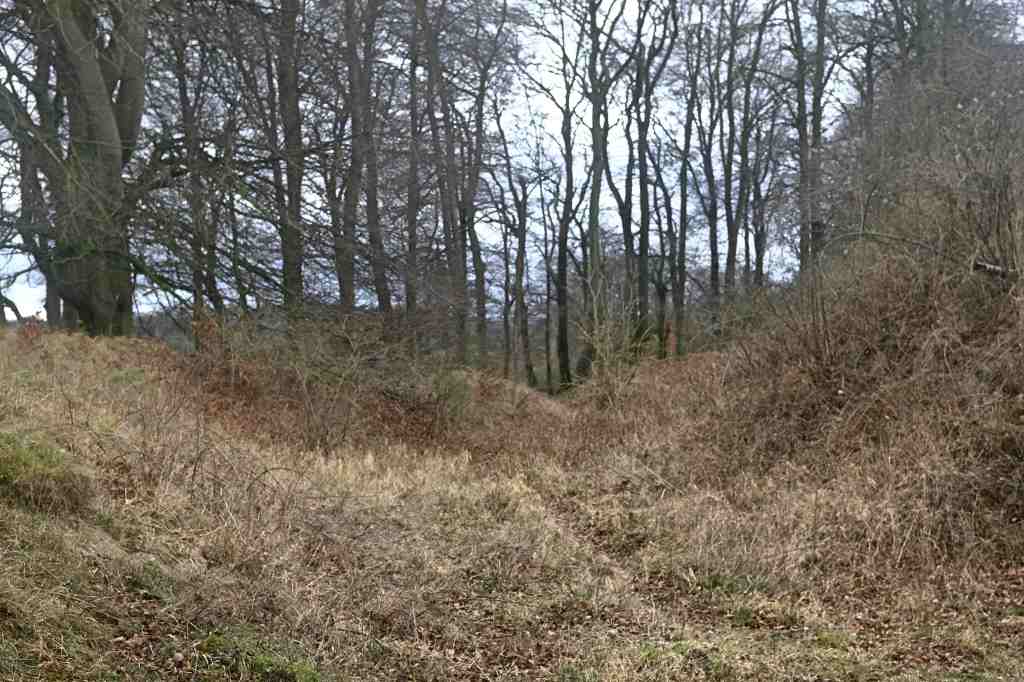
The Cwmystwyth Mines site has extensive remains of lead and other non-ferrous metal mines. The site was first mentioned in 1535, although much earlier workings were known to have existed. Today even on a sunny day the site looks dark and dead. On much of the site little grows due to the contamination of the soil.
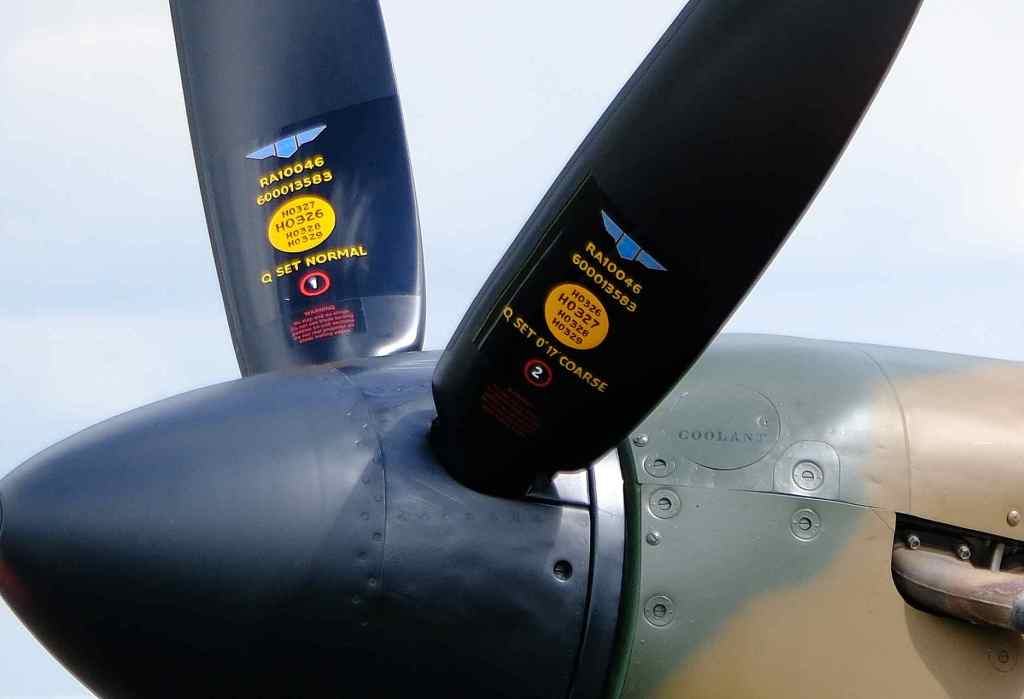
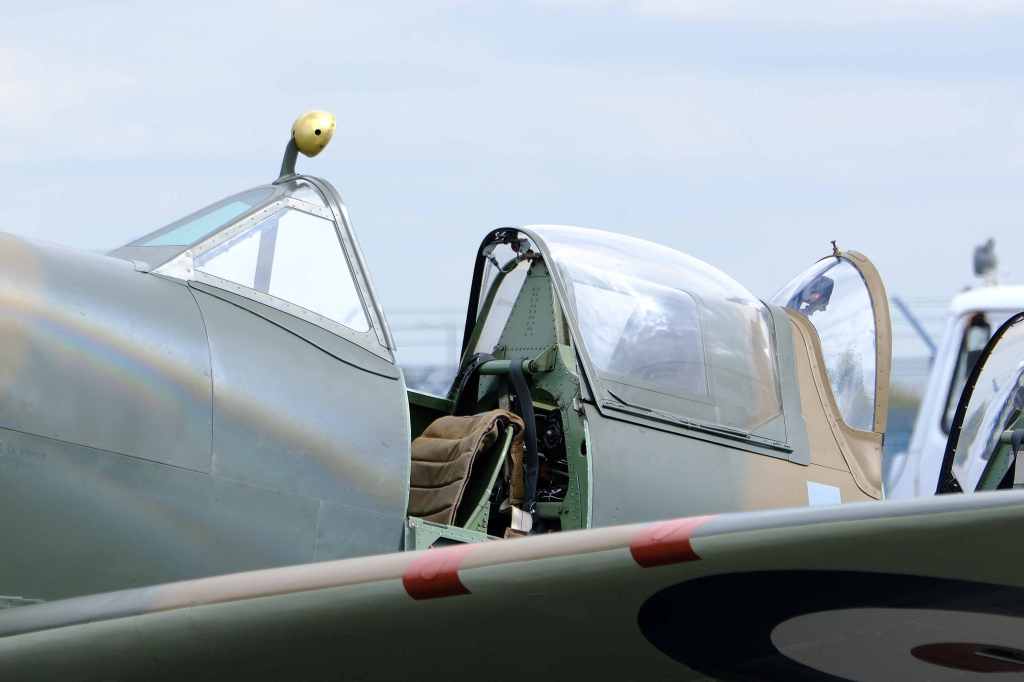
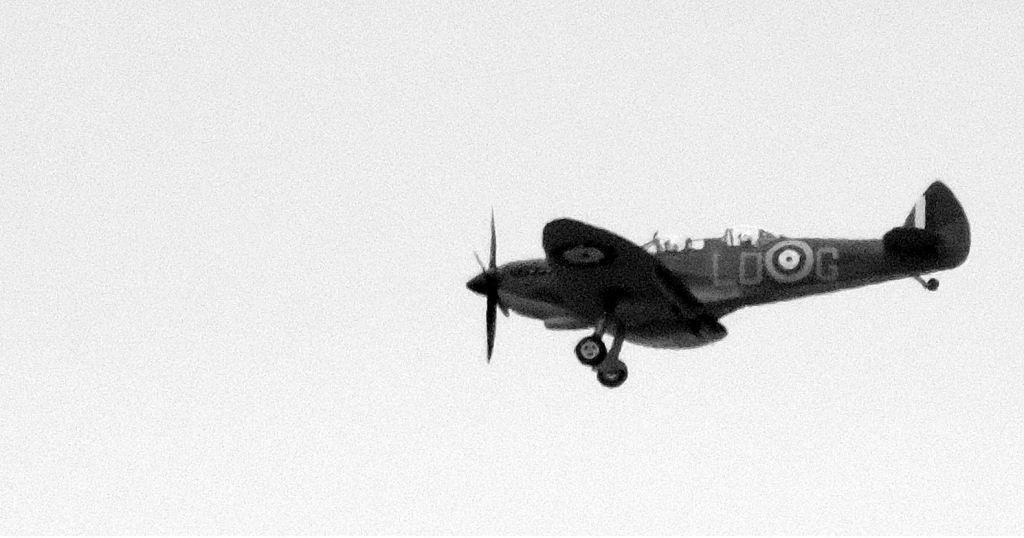
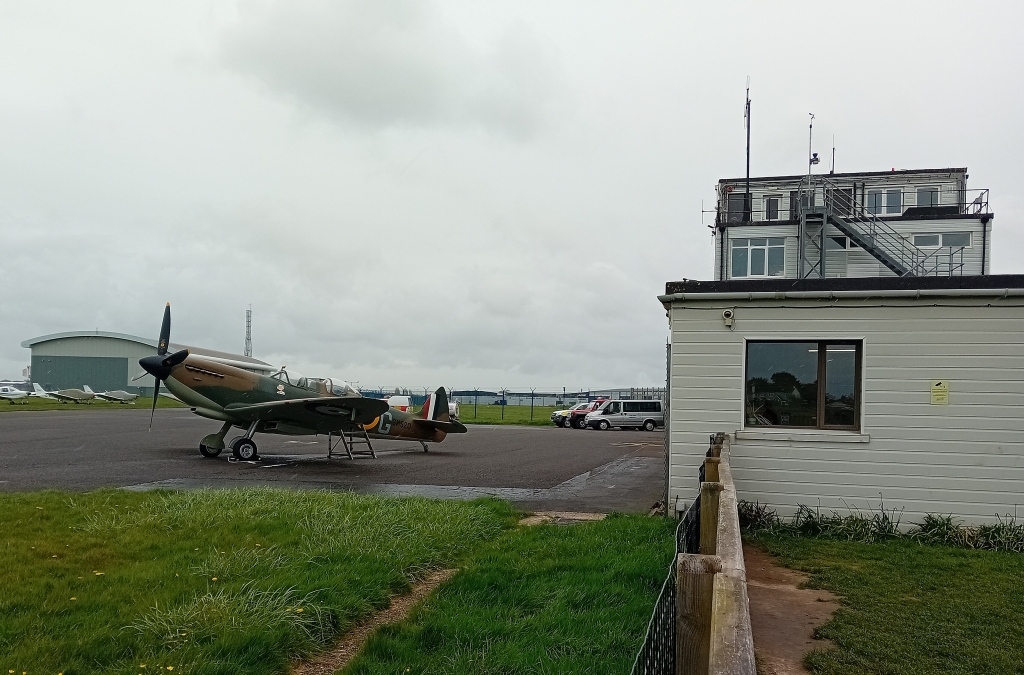
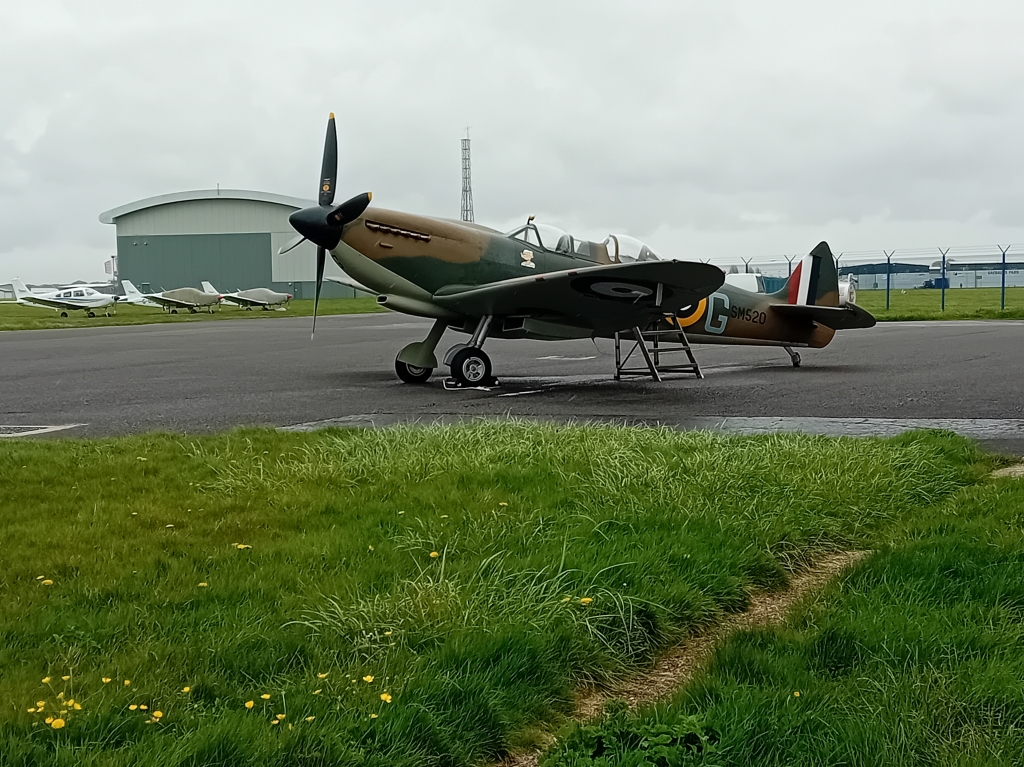
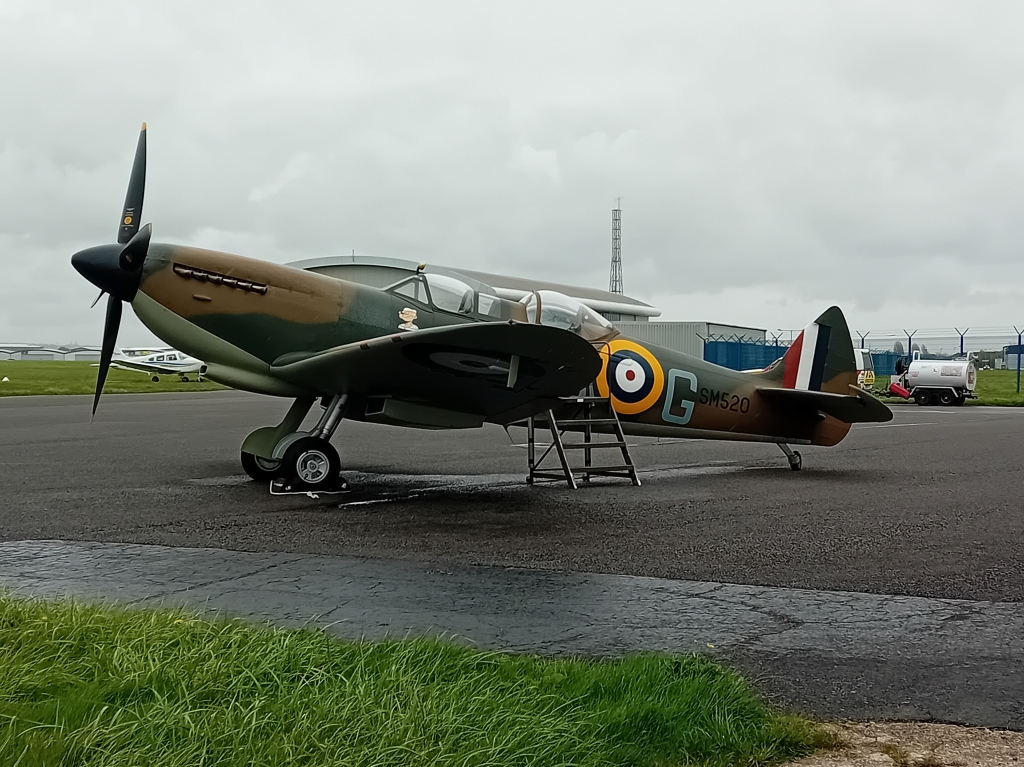
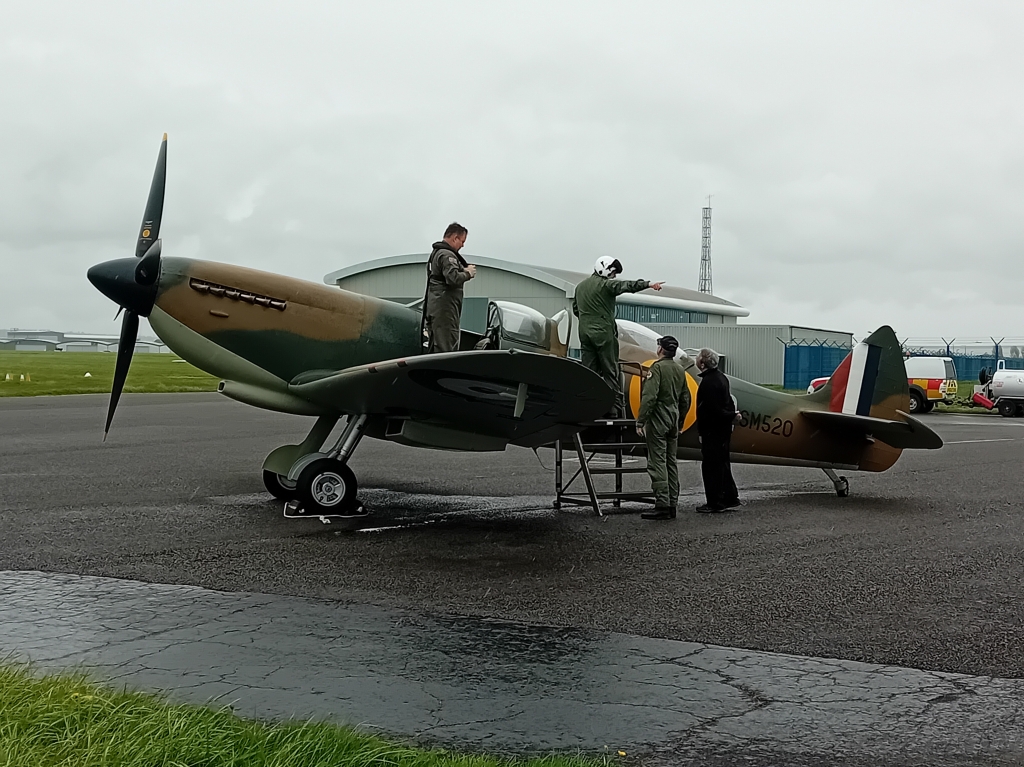
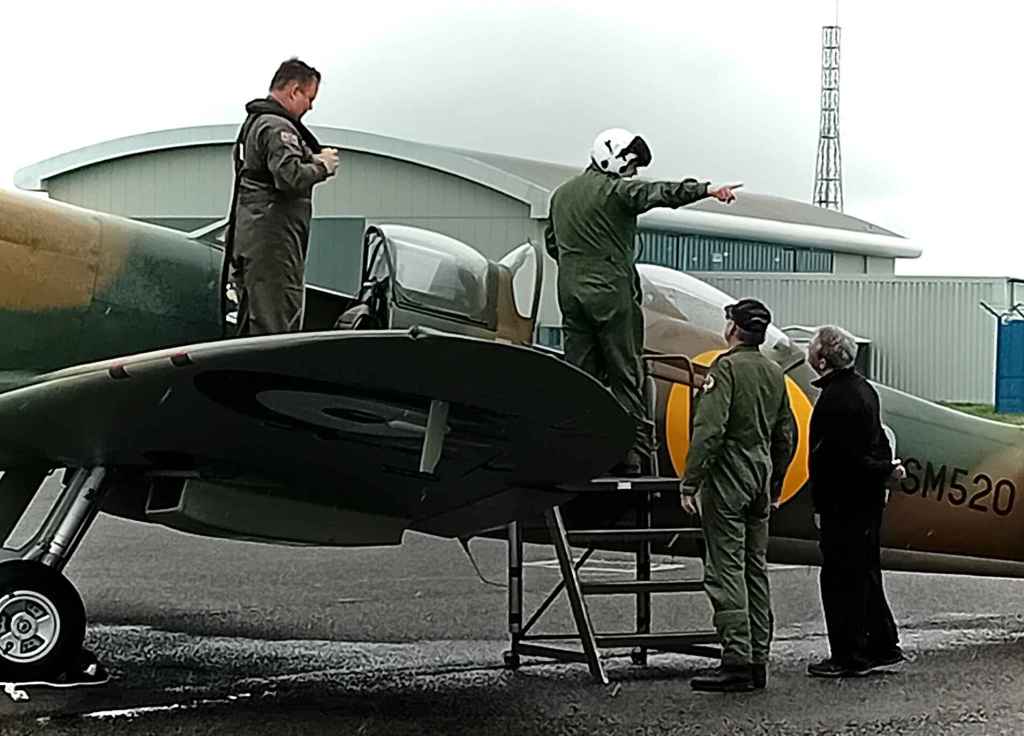
Spitfire SM520 was built by Vickers Armstrong at their Castle Bromwich factory in 1944 as a single seat Mark H.F.IXe high level fighter and delivered to the RAF on 23 November of that year. With the war in Europe coming to an end she was placed in storage until 1948 when she was sold to the South African Air Force.
After a major flying incident, SM520 was scrapped but was saved and went into private ownership. Later she was converted to a two-seater.
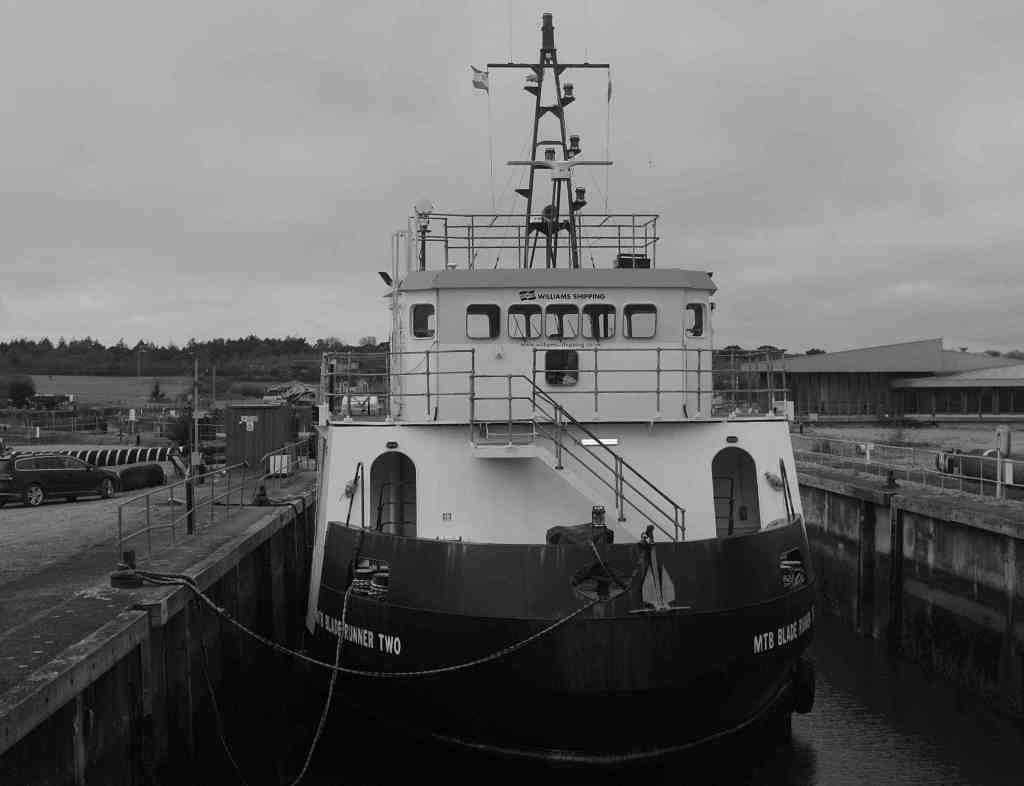
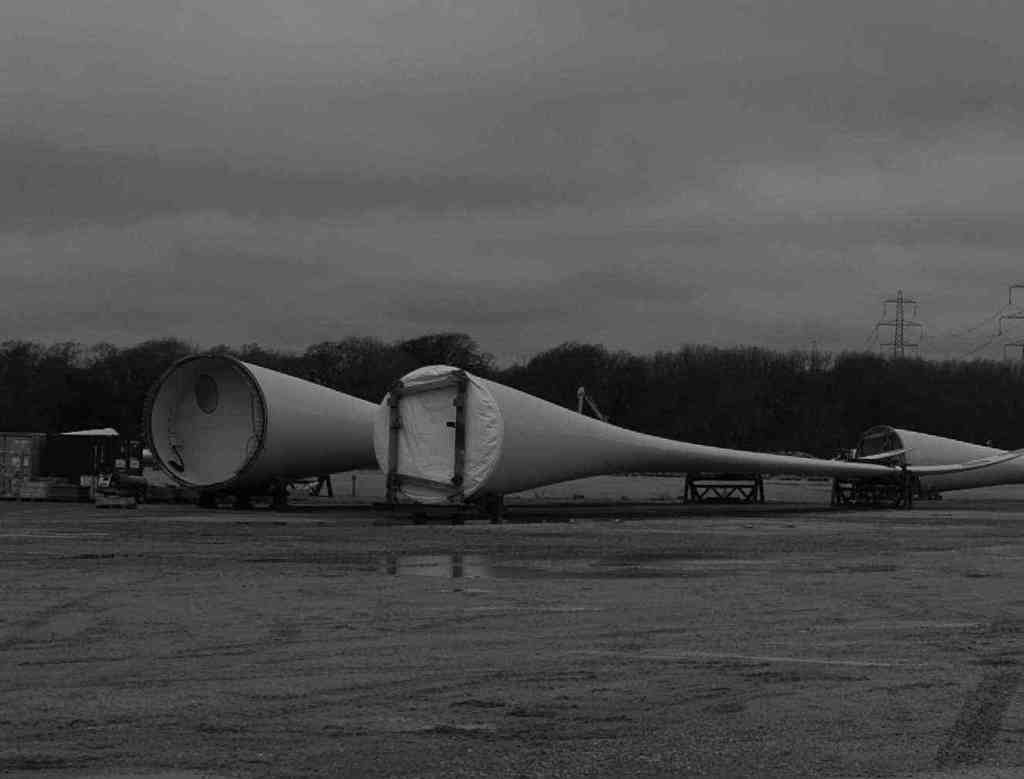
MHI Vestas, employs around 50 people at the former Fawley Power Station site. The company brings wind turbine blades to Fawley by special boat. The blades are manufactured on the Isle of Wight, where more than 700 people are employed. Each blade is 262 feet long. They are stored at Fawley after being finished and painted. They are then taken by sea to Portsmouth where they are then taken on to their wind farm sites.
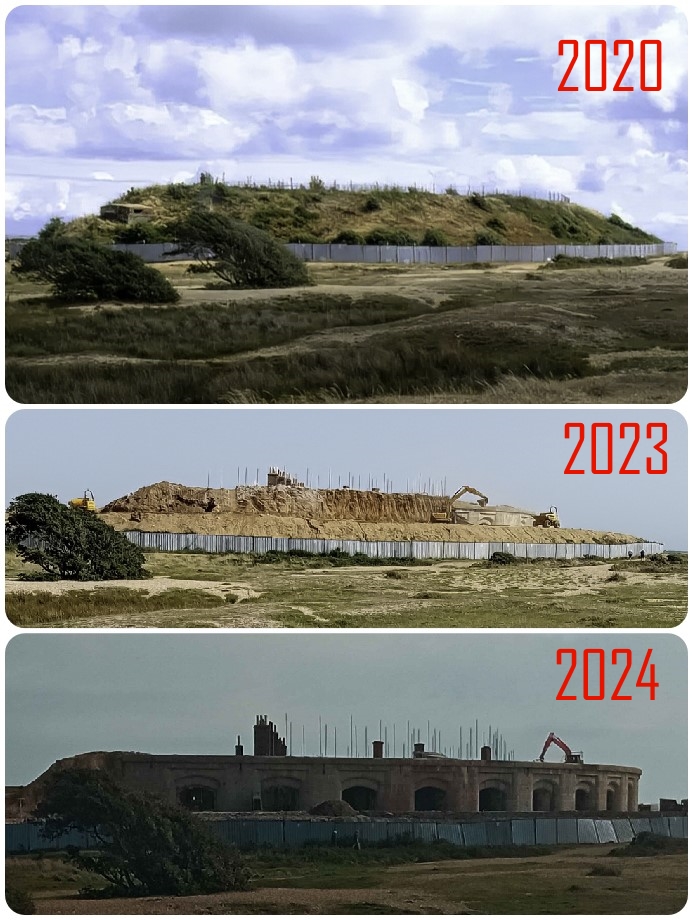
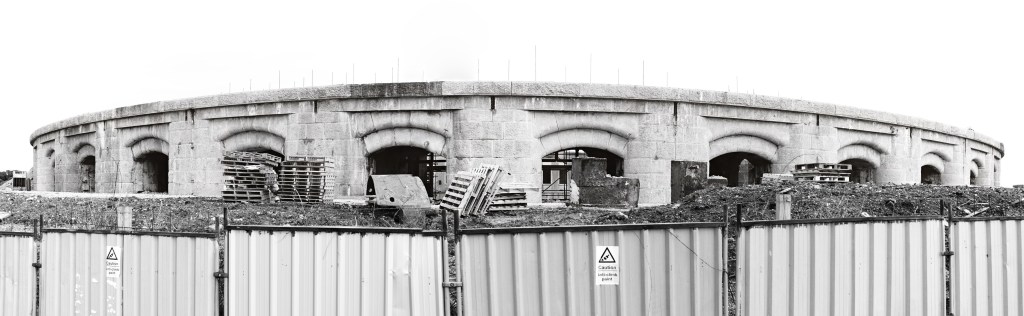
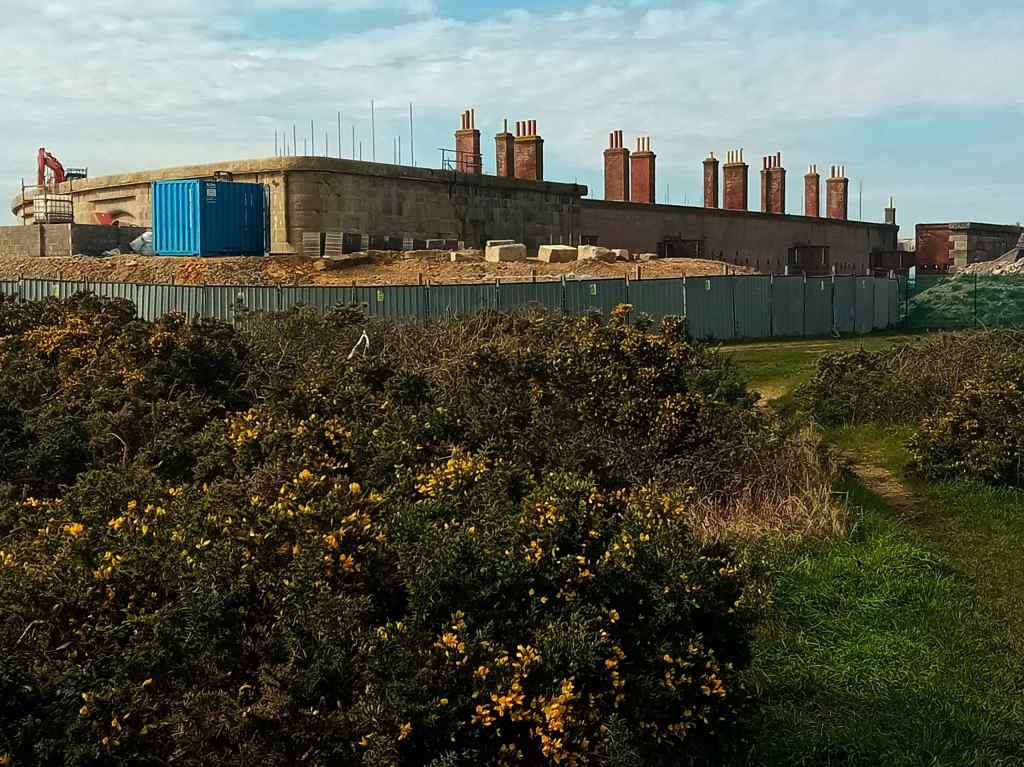
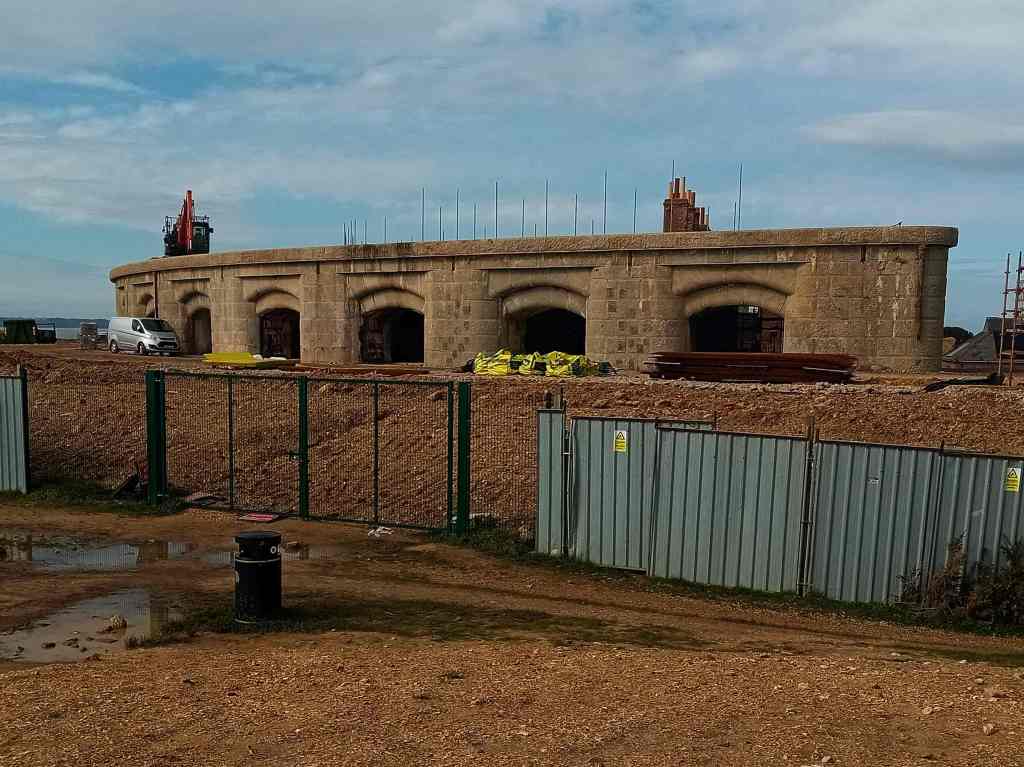
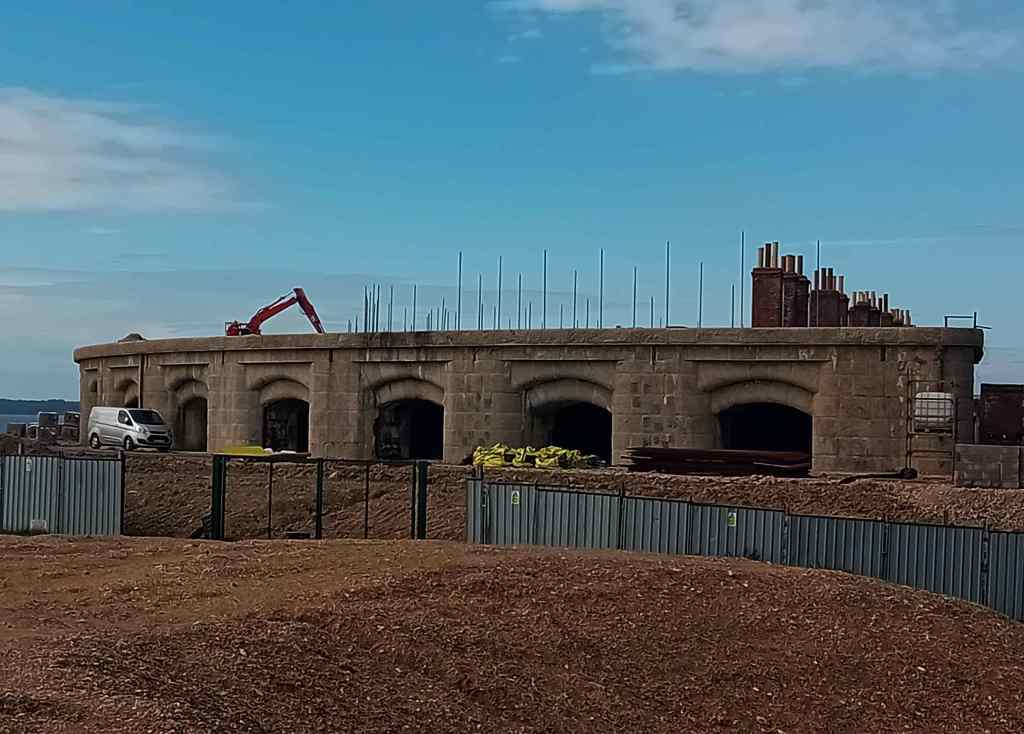
I last posted about the Fort Gilkicker redevelopment in September 2023 today is an update on the continued work on this Victorian fort. The link below is to my old posts. You can see how much of the original building has been uncovered.
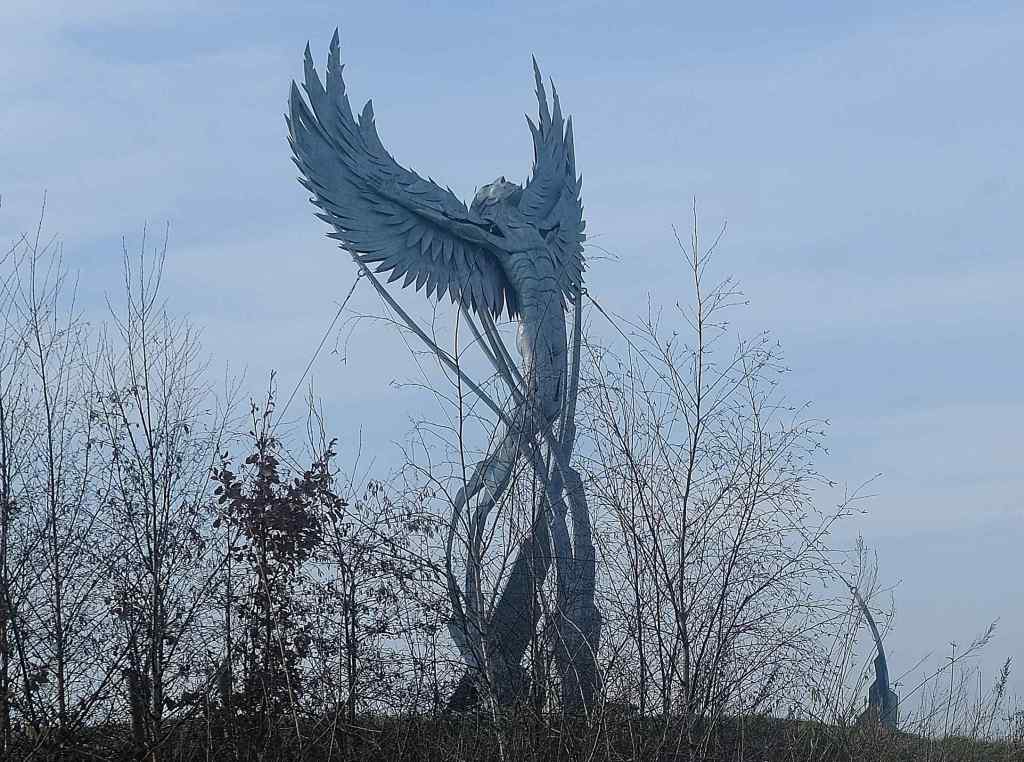
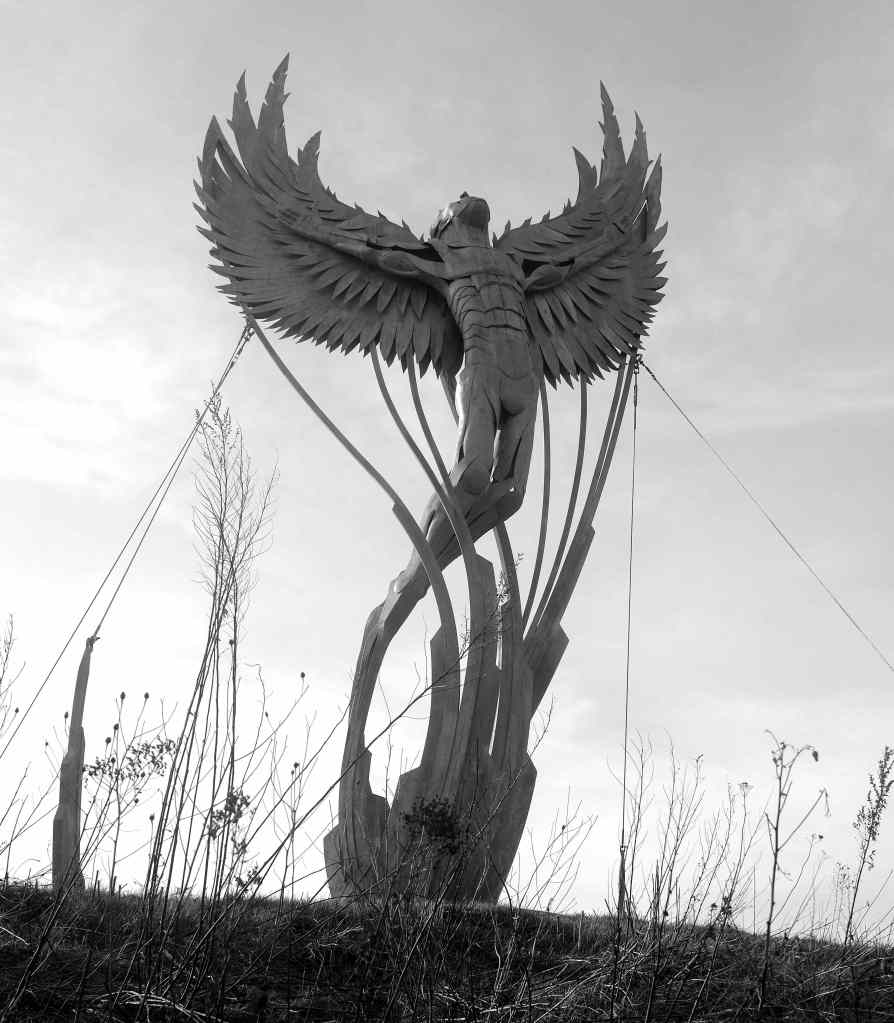
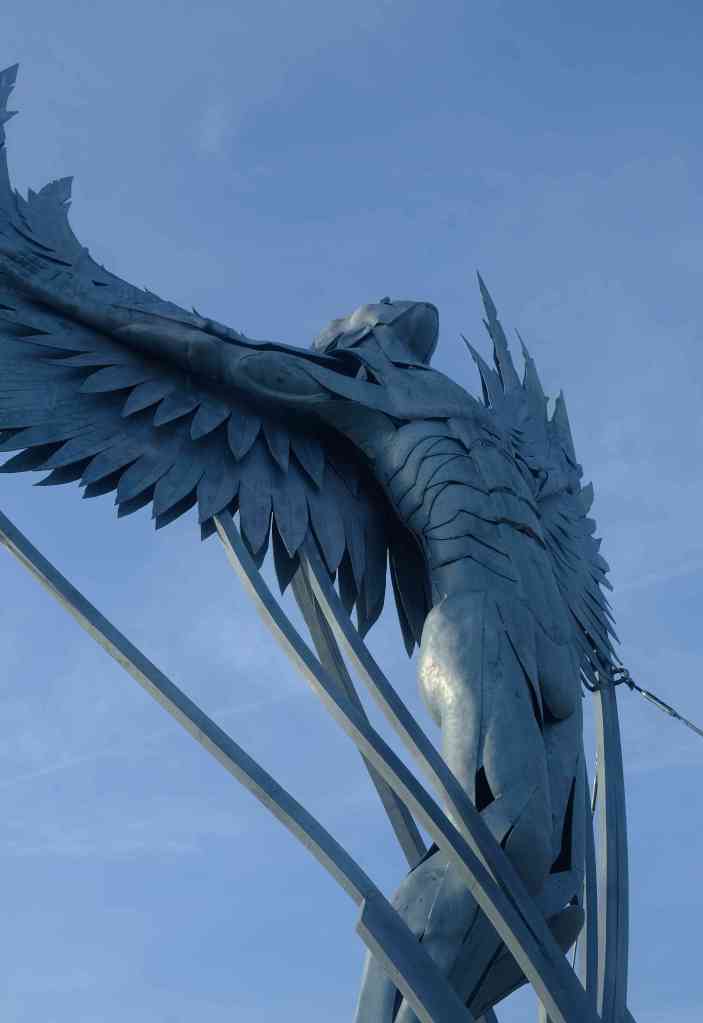
At Peel Common roundabout between Lee-on-the-Solent and the naval base HMS Collingwood. This is a statue of Daedalus standing eight metres high on the grounds of what used to be the Royal Naval Air Station Lee-on-Solent, also known as HMS Daedalus.
In Greek mythology. Daedalus constructed wings for his son, Icarus, from feathers of various sizes, thread, and beeswax – he shaped them to resemble a bird’s wings. When both were prepared for flight, Daedalus warned Icarus not to fly too high, because the sun’s heat would melt the beeswax holding his feathers together, Icarus disobeyed his father and began to soar upward toward the sun. Without warning, the sun melted the wax and they fell off. Icarus kept flapping his “wings”. But he realized he had no feathers left. He was only flapping his featherless arms. The feathers fell like snowflakes, and down, down, and down he went to this death into the sea.
Today’s walk was along the coastal path from the seaside town of Lymington to Normandy Lagoon. On the Lymington-Keyhaven marshes, the lagoons lie just inside the seawall. Records show that the sea salt industry has operated in the Solent for at least 2000 years. The industry flourished and by medieval times was well established at Lymington. Salt was obtained by keeping seawater in shallow lagoons known as salterns. This allowed evaporation during the summer months to remove the water. The process was undertaken on land that had been reclaimed from the sea through the construction of a series of sea walls.
The first reference to a medieval salt industry in Lymington comes from the Domesday Book of 1086. Salt production remained an asset of the area throughout the Middle Ages. By the 17th century records show a flourishing economy in the area.
The industry reached its peak early in the 18th century when 163 saltpans were in use at Lymington. Boiling Houses were used as the process became more industrialised. Sea salt from Lymington was exported as far as Norway, Newfoundland and the USA.
The 19th century saw the decline of the industry. The final Lymington saltern closed in 1865.
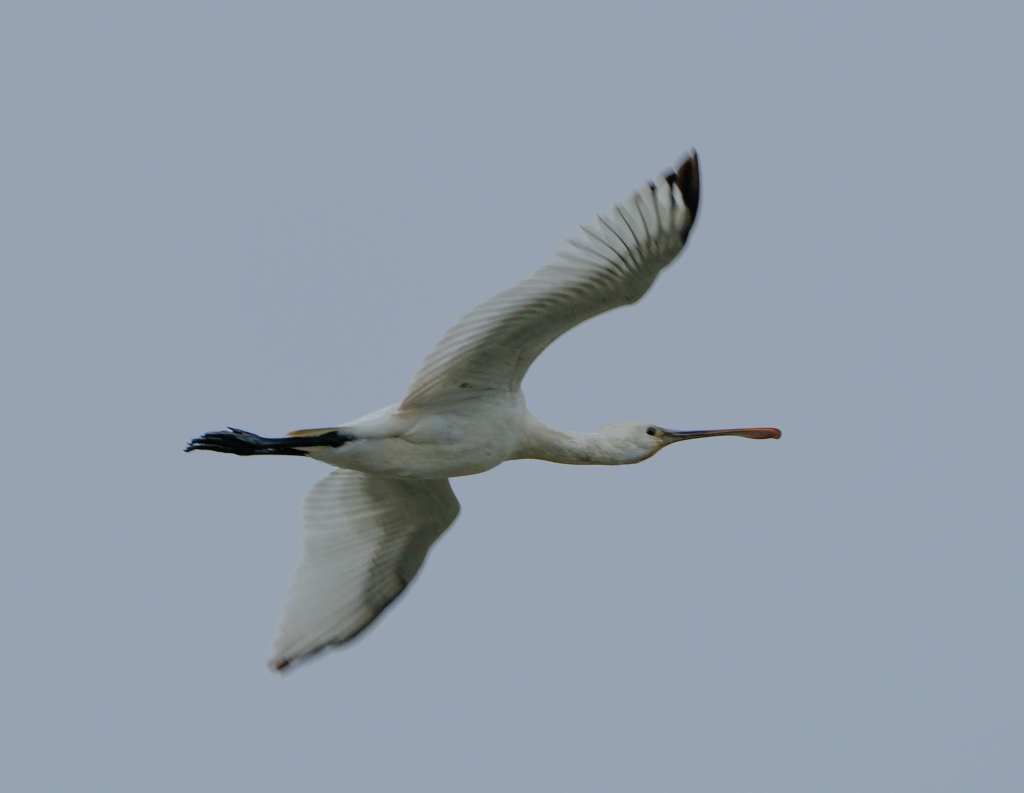
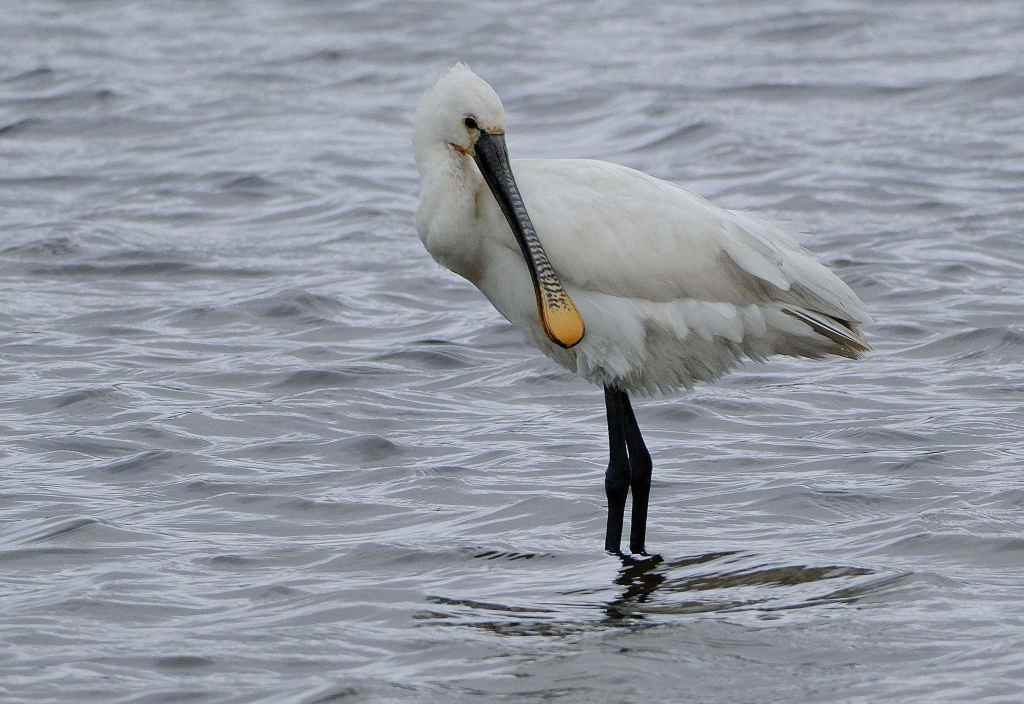
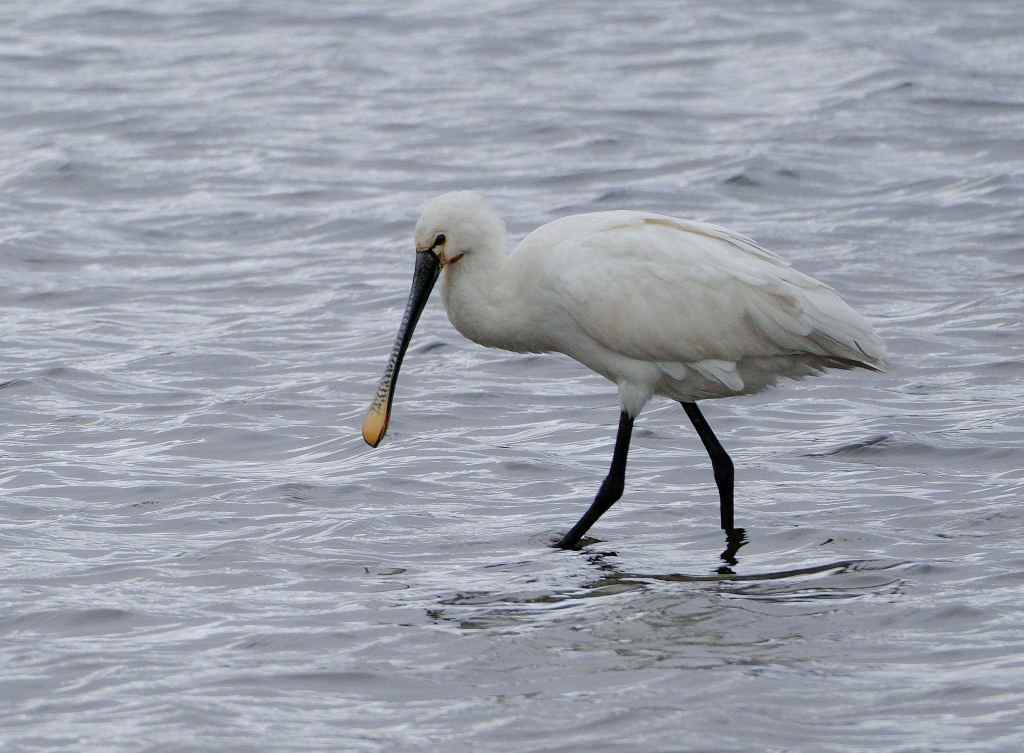
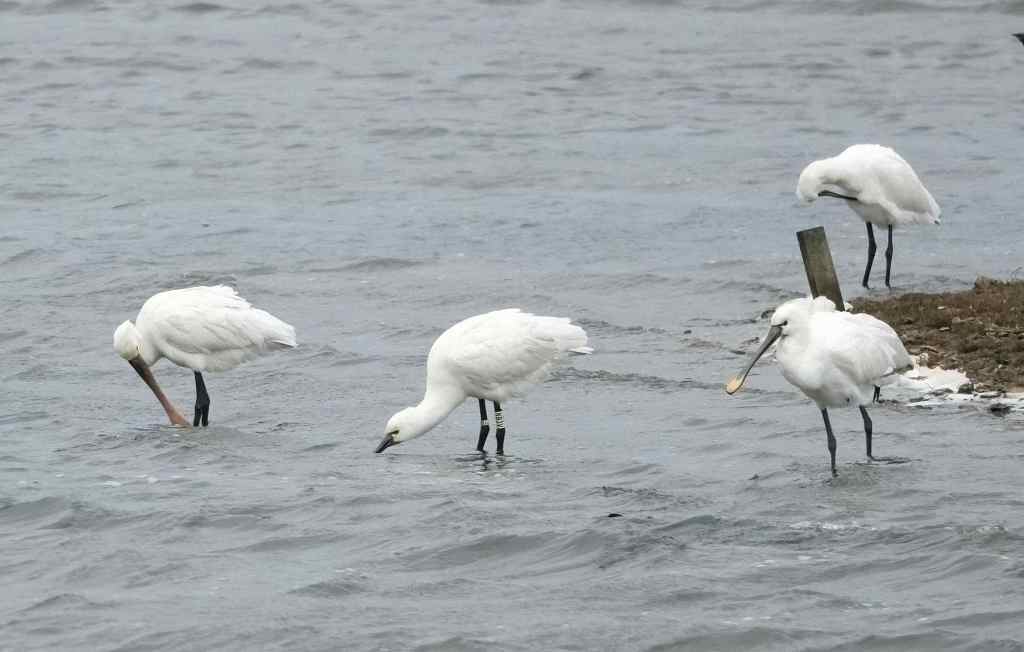
The best observation on today’s walk was a flock of 12 Spoonbills. A first for this year. Spoonbills are distinctive tall white waterbirds with long broad black bills and black legs. They are smaller than a Grey Heron in size. Adult birds have yellow on their bill tips. They fly with necks and legs extended. They feed with elegant sideward sweeps of their bill. The species is of European conservation concern. In recent years they have been visiting wetlands on the South Coast of the UK, small numbers now breed here. Listed on Schedule 1 of The Wildlife and Countryside Act, making it illegal to disturb these birds. Most birds migrate south in the winter, but many individuals remain and spend winter in Western Europe.
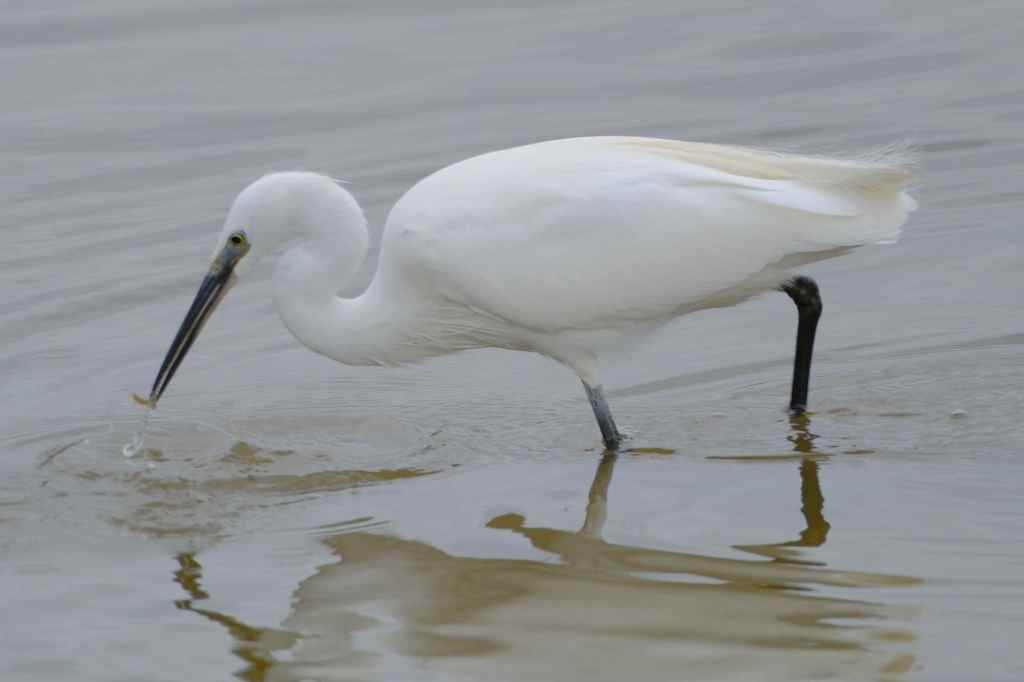
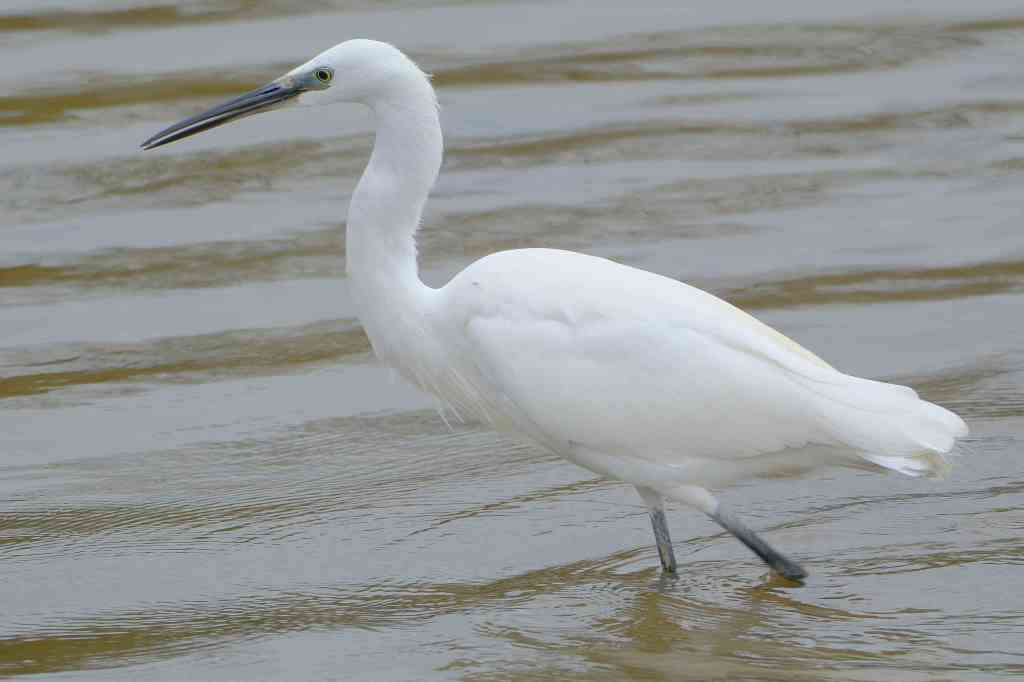
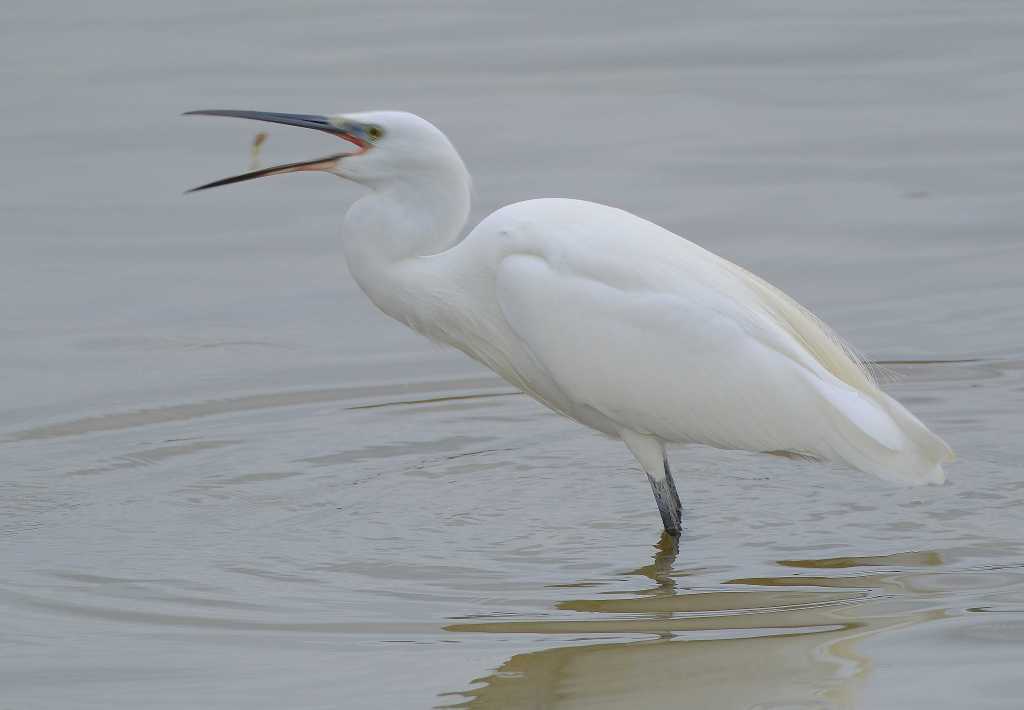
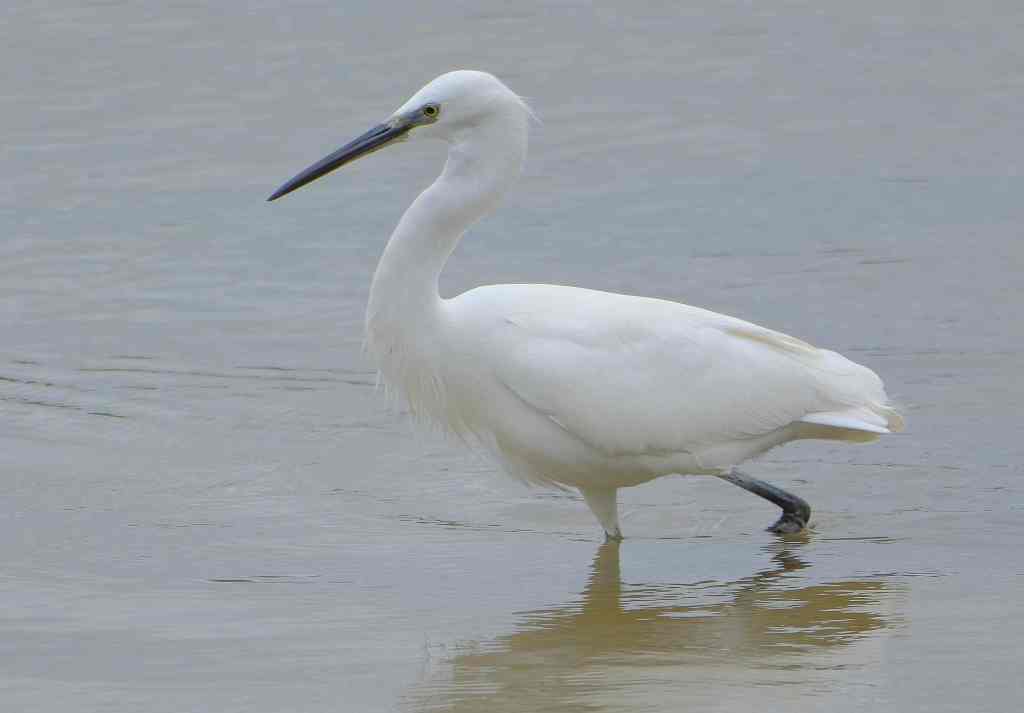
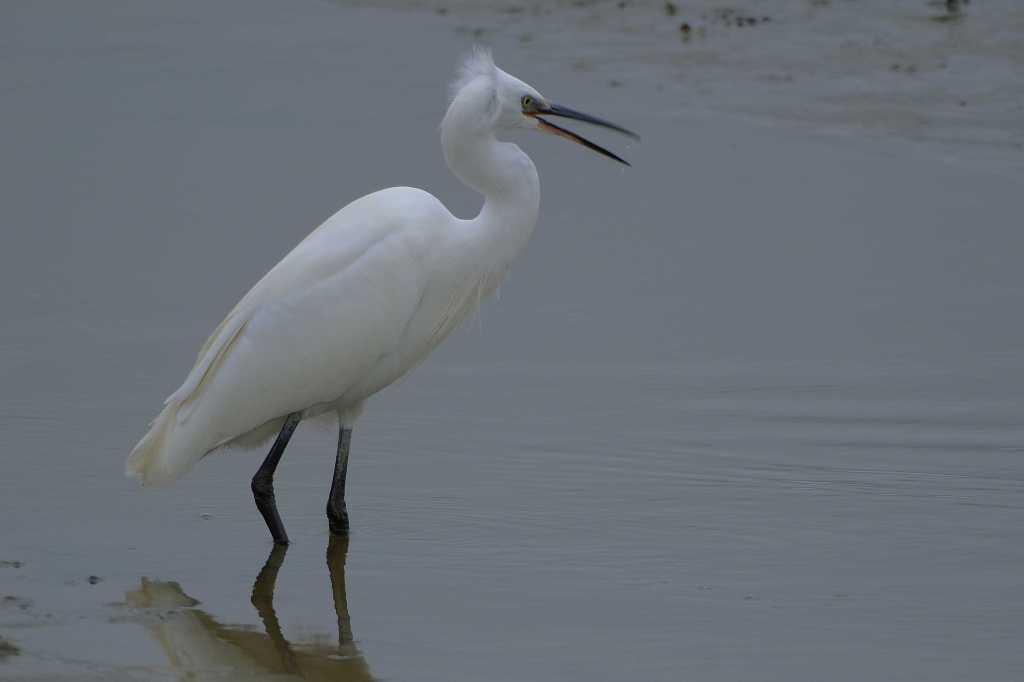
Little Egret
Cormorant – unlike many diving birds Cormorants do not have waterproof feathers. They are great at diving for fish so when they have finished fishing to dry out they sit with their wings open, The warmth of the sun or the wind dries out the bird.
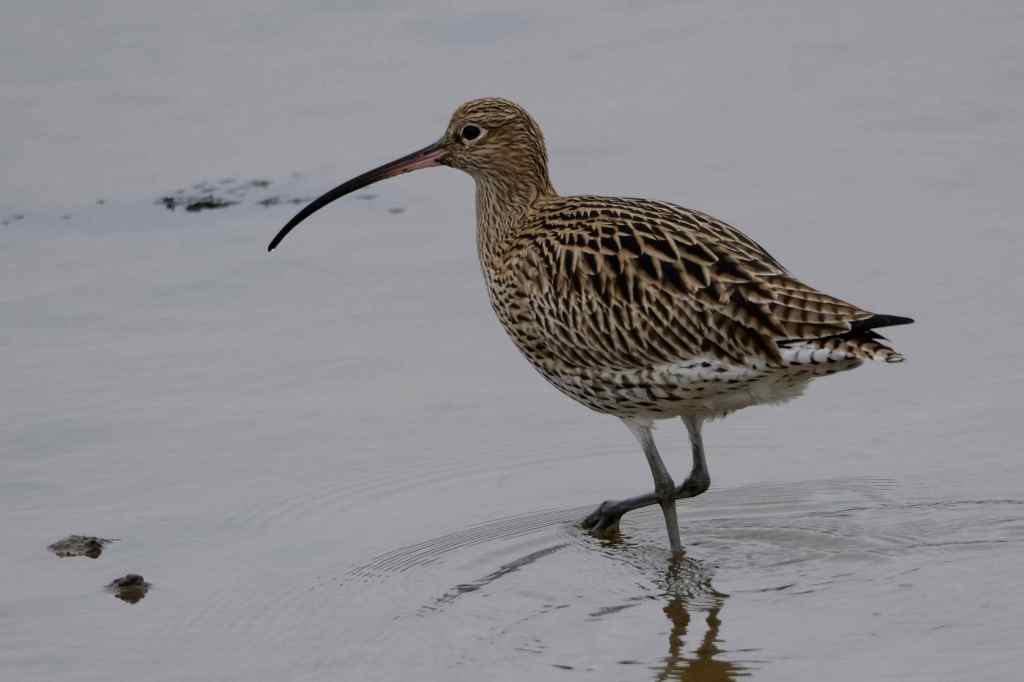
Curlew. They are the largest European wading bird I watched one pass a Brent Goose last week and you can see their size is only a tiny bit smaller than the Brent!
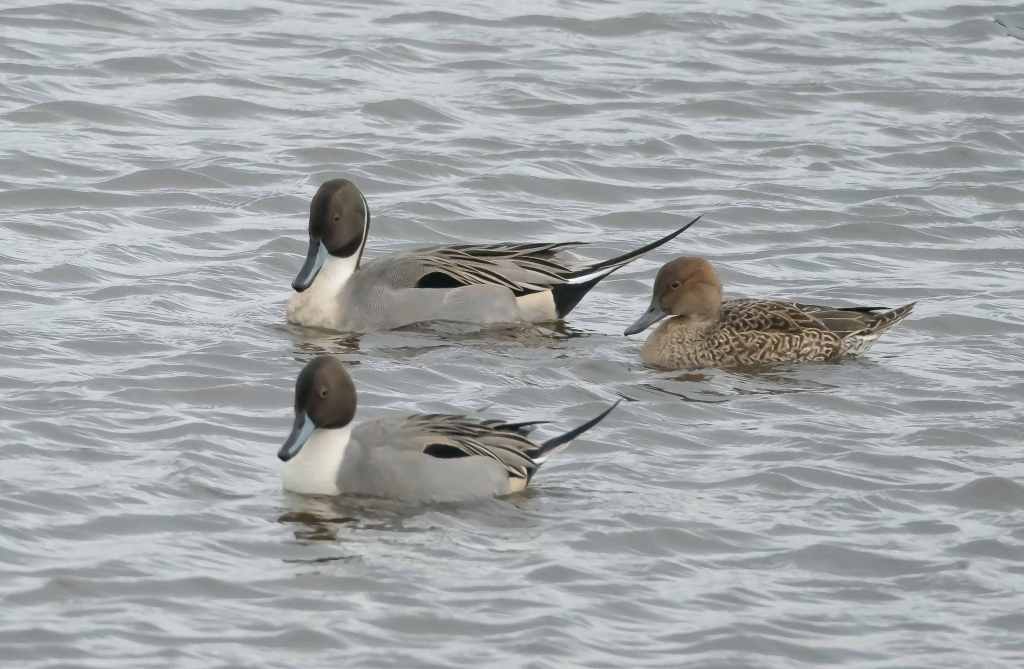
Pintail, – only a few of these duck breed in the UK (under 30 pairs), however in the winter over 20,000 birds winter here. Like all dabbling ducks, Pintails feed at the surface rather than diving for their food. They eat plant food when dabbling, but will supplement their diet with insects and molluscs.