Where bombs fell.

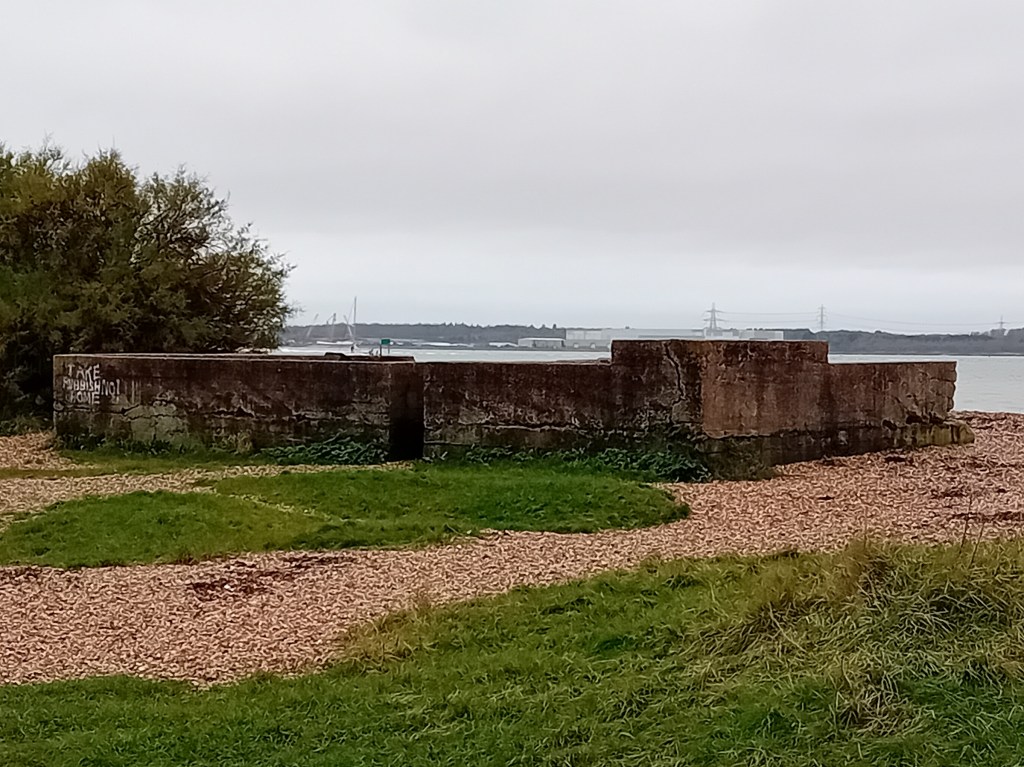
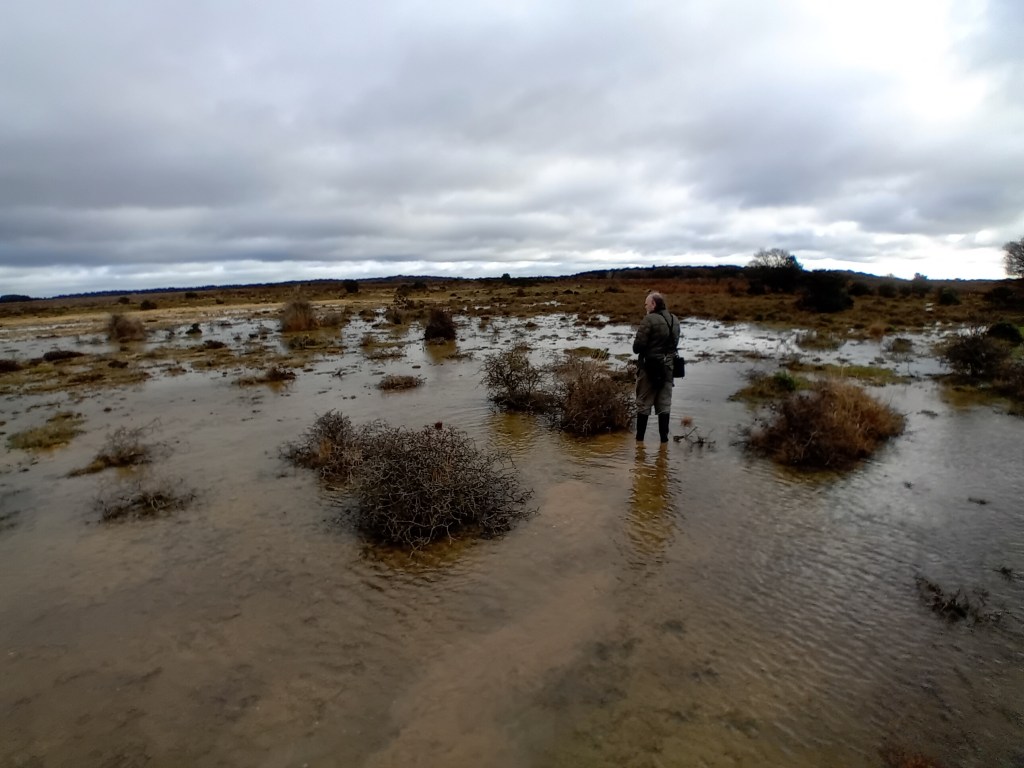
Today was an open-heath walk within the former World War 2 bombing range on Ashley Heath near the village of Godshill and 5 miles northwest of Lyndhurst The range was used by aircraft from the Aeroplane & Armament Experimental Establishment at RAF Boscombe Down, nr Salisbury. The range was used for training and testing, all types of munitions fired or dropped from British aircraft were tested here first, except live incendiaries due to the fire risk. Barnes Wallis’s prototype Bouncing bombs used in Operation Chastise by the Dambusters and the Grand Slam bomb were tested on the site. Several different types of targets were built on the range including air-to-ground attack, mock ship targets, aircraft pens, gun emplacement, bomb fragmentation areas, and what is said to have been some Submarine pens. There were two small grass airstrips, observation shelters, and towers. The site was used both in daylight and night targets were illumination targets specifically for night bombing practice.
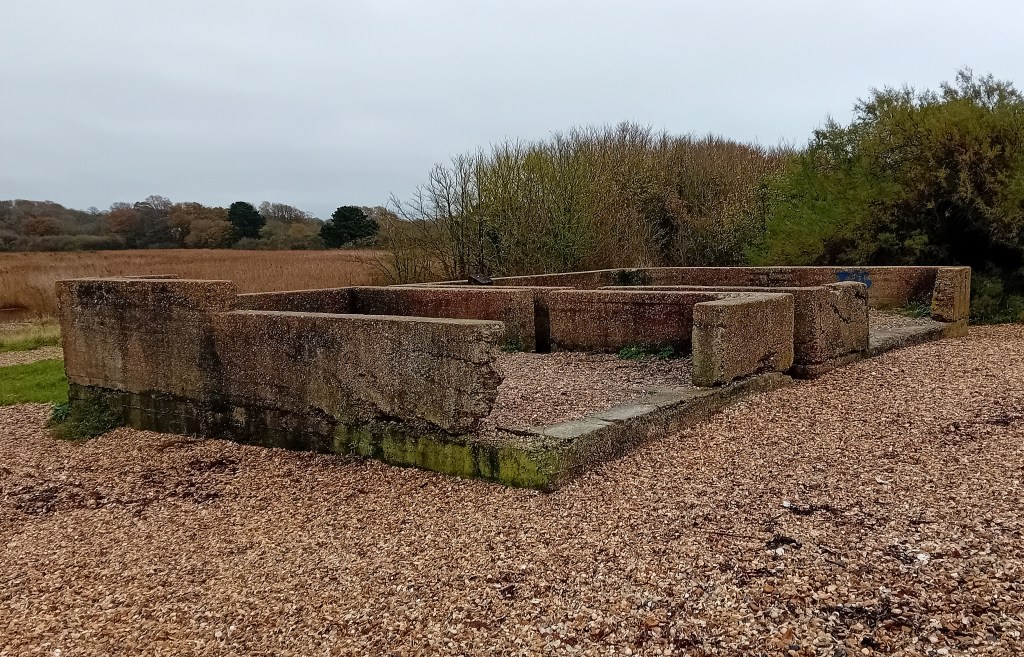
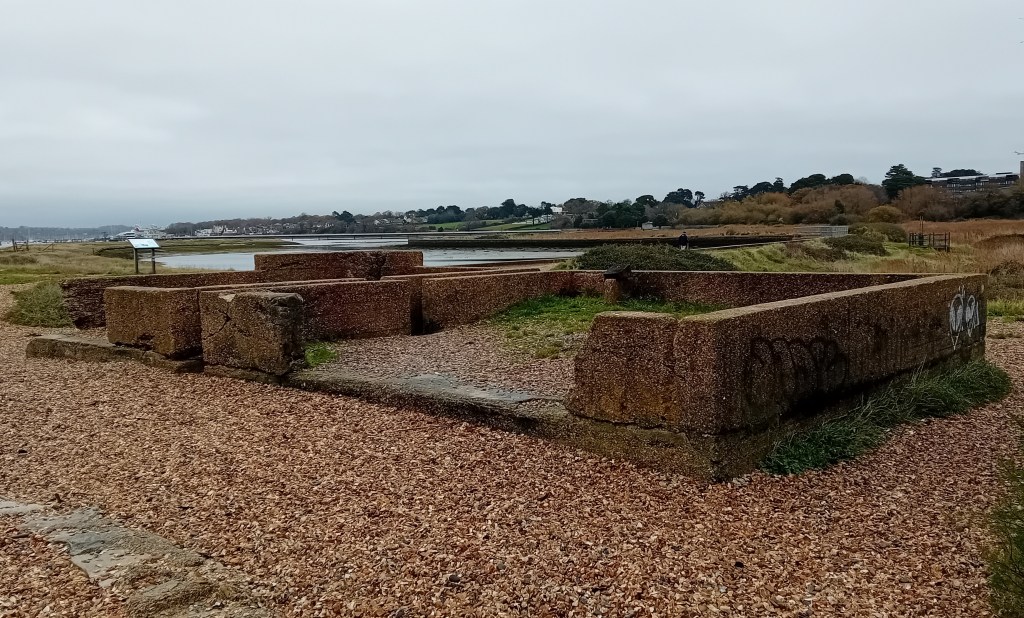
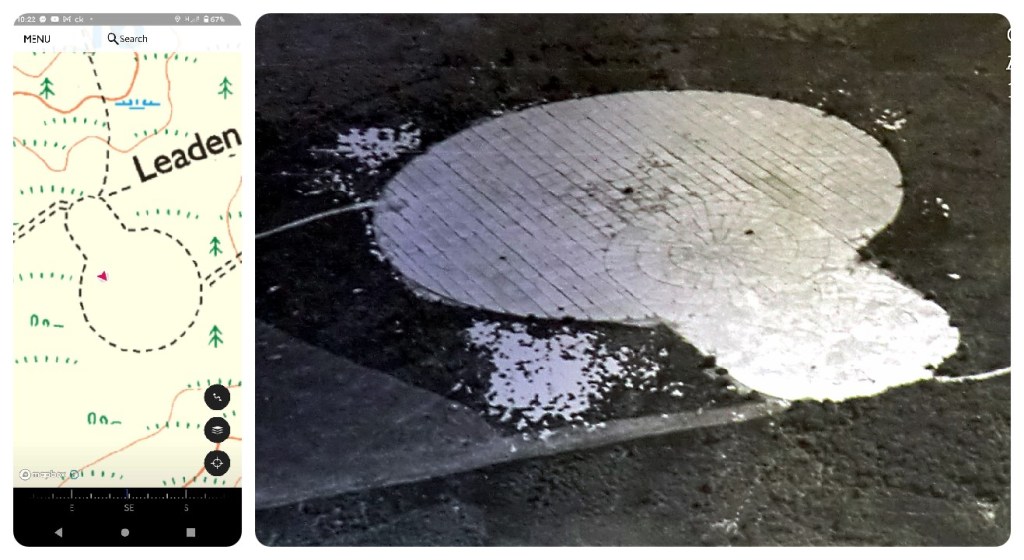
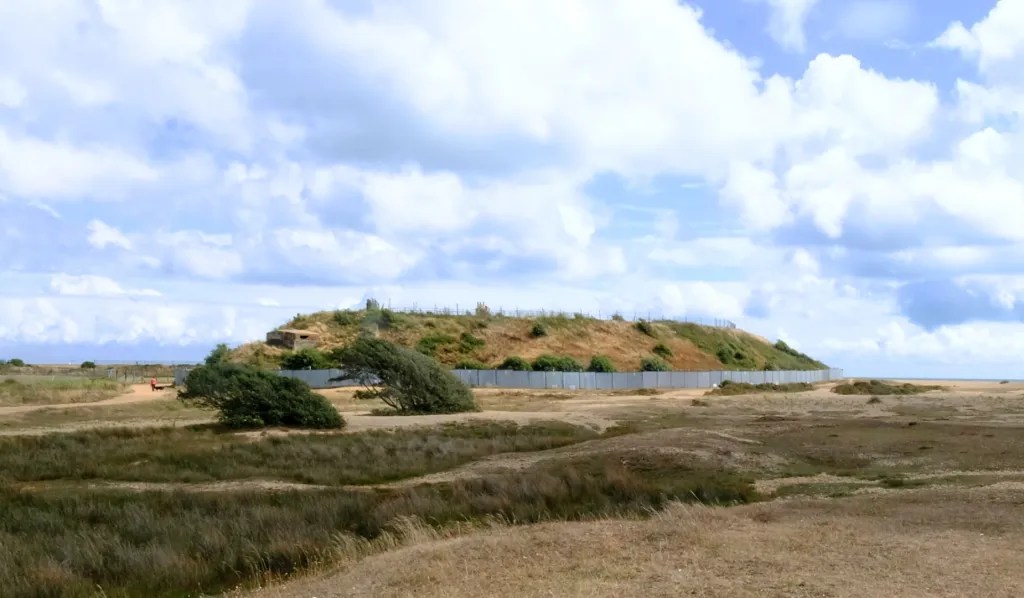
Our walk today was the 1st in this area of the New Forest with the aim of seeing the remains of a large target. Known as target number 2.

The shape of the target is visible from the ground the concrete wall around the target was removed for construction materials in the 1970’s

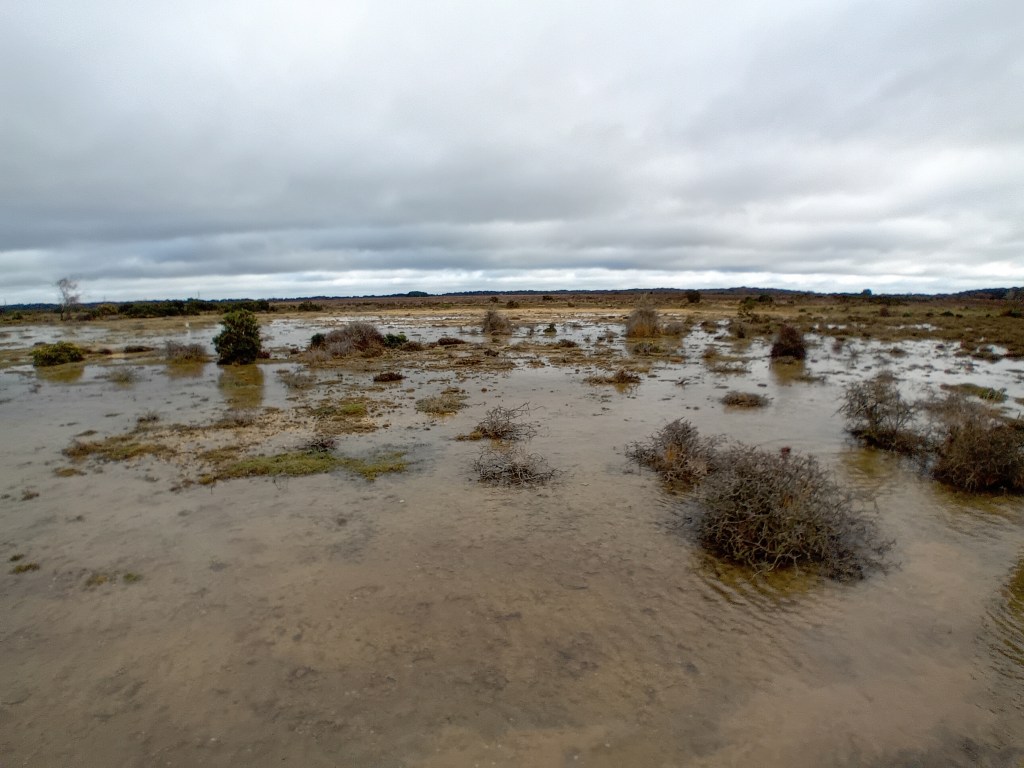
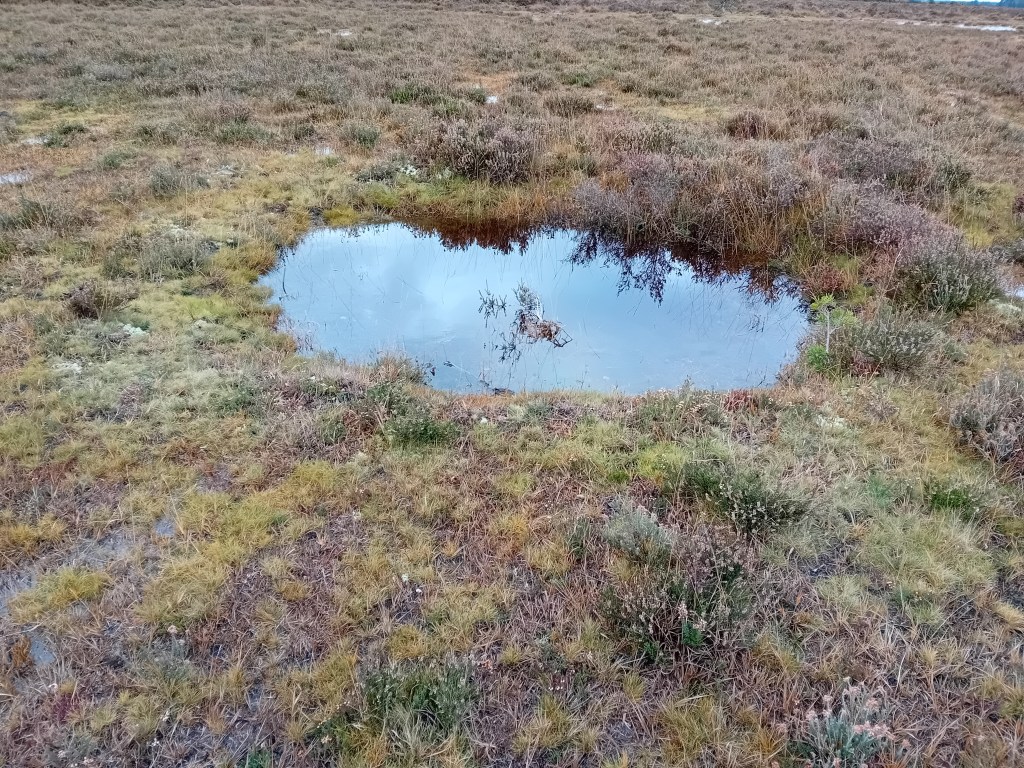
Many small ponds are on the heath most are water-filled bomb craters.

Safe Crossing.

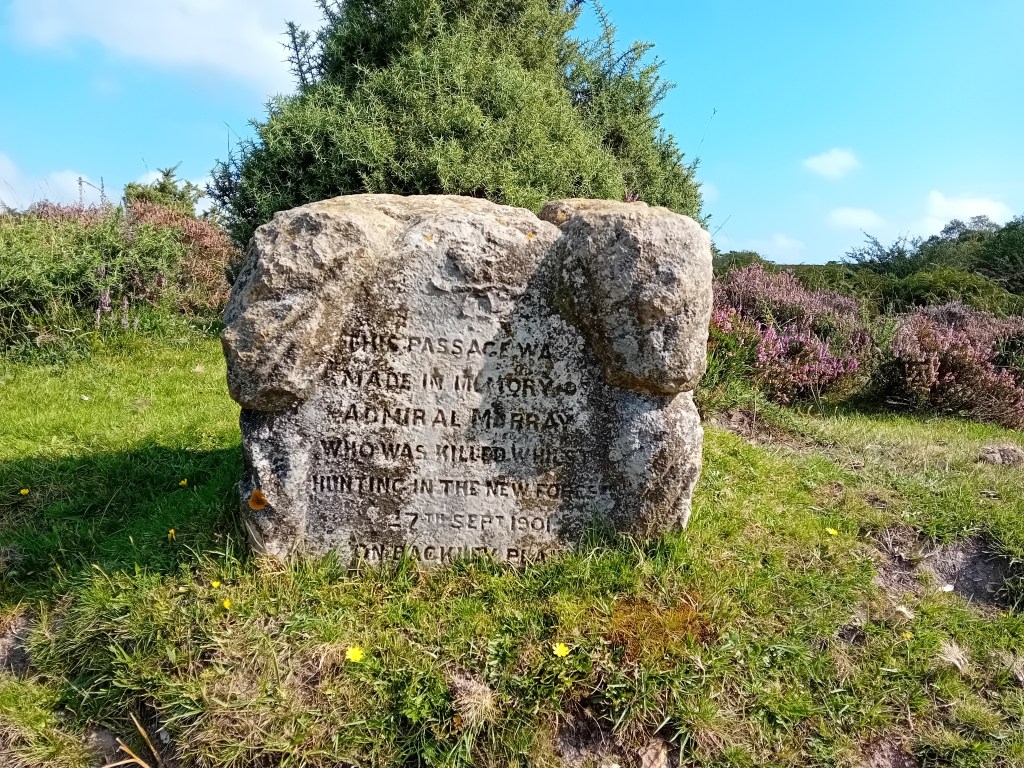
Murray’s passage in the New Forest is a safe crossing across a boggy valley of Backley Plain – It is named after Admiral Murray who, in 1901, was killed whilst out hunting on 17th September 1901. The construction of the passage was paid for by monies donated to his memory. It is commemorated on a nearby engraved stone.

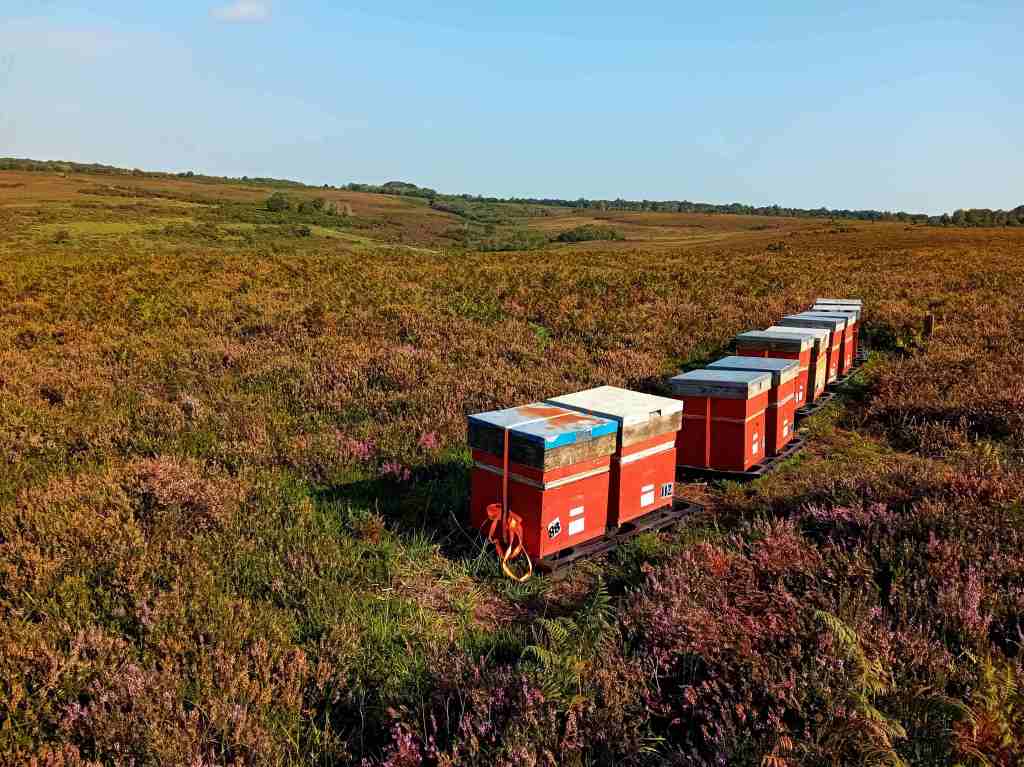
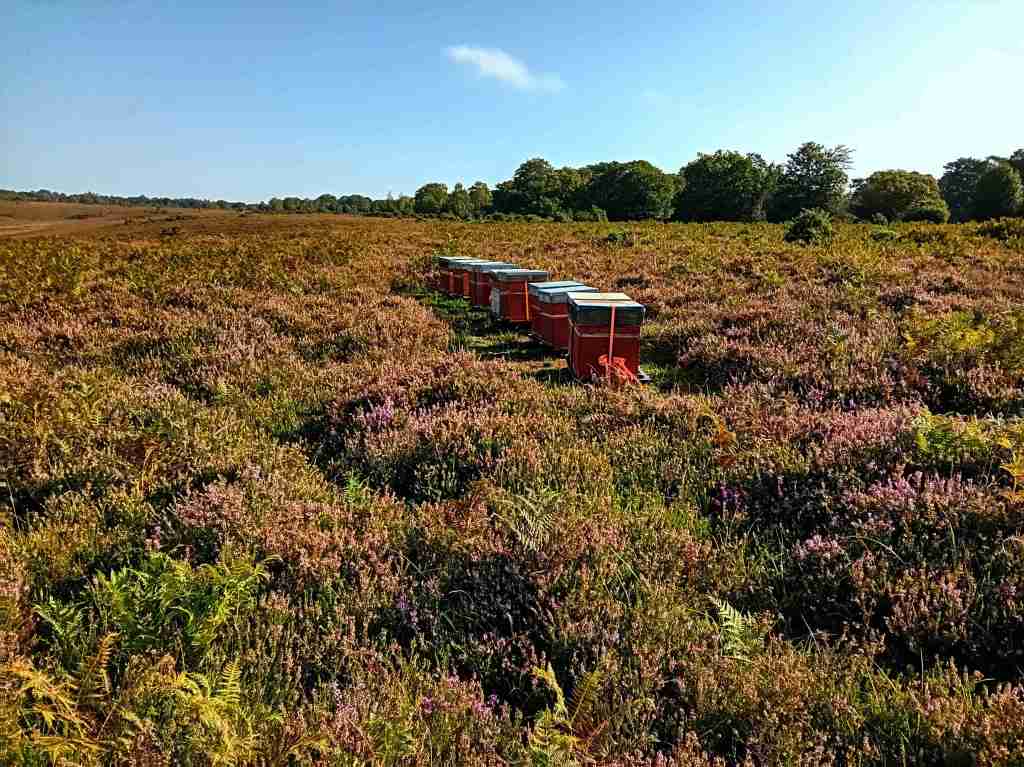
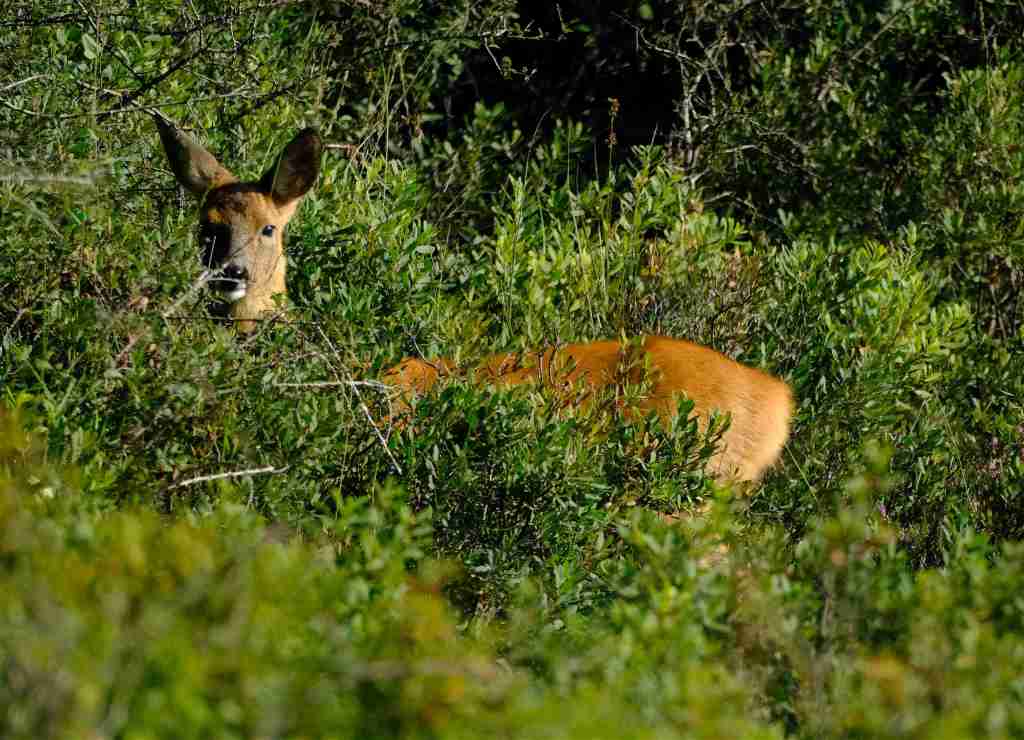
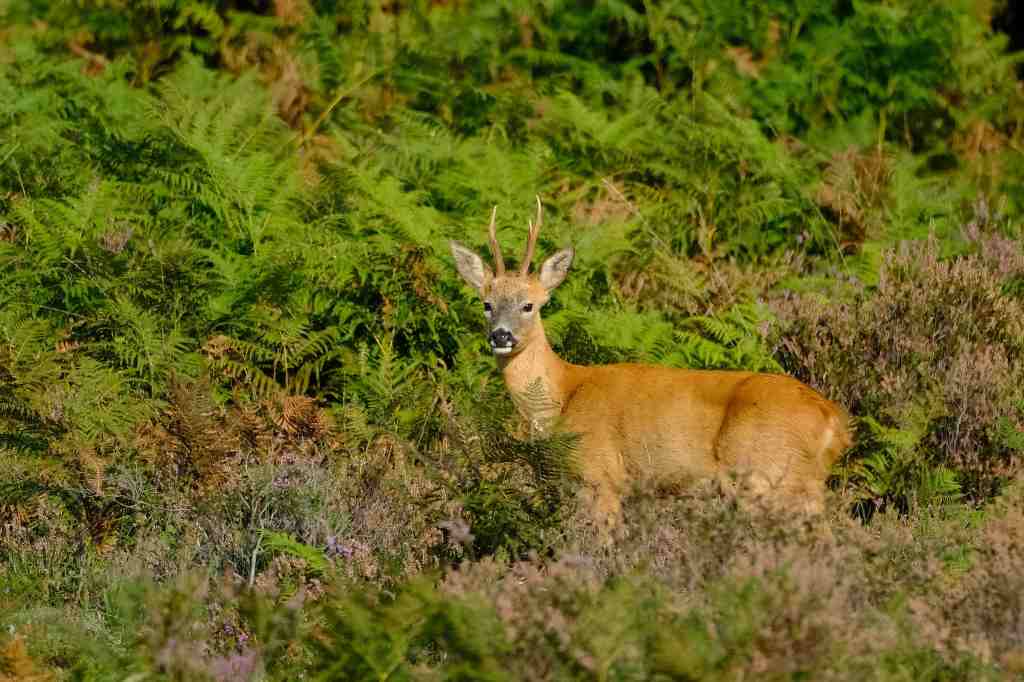
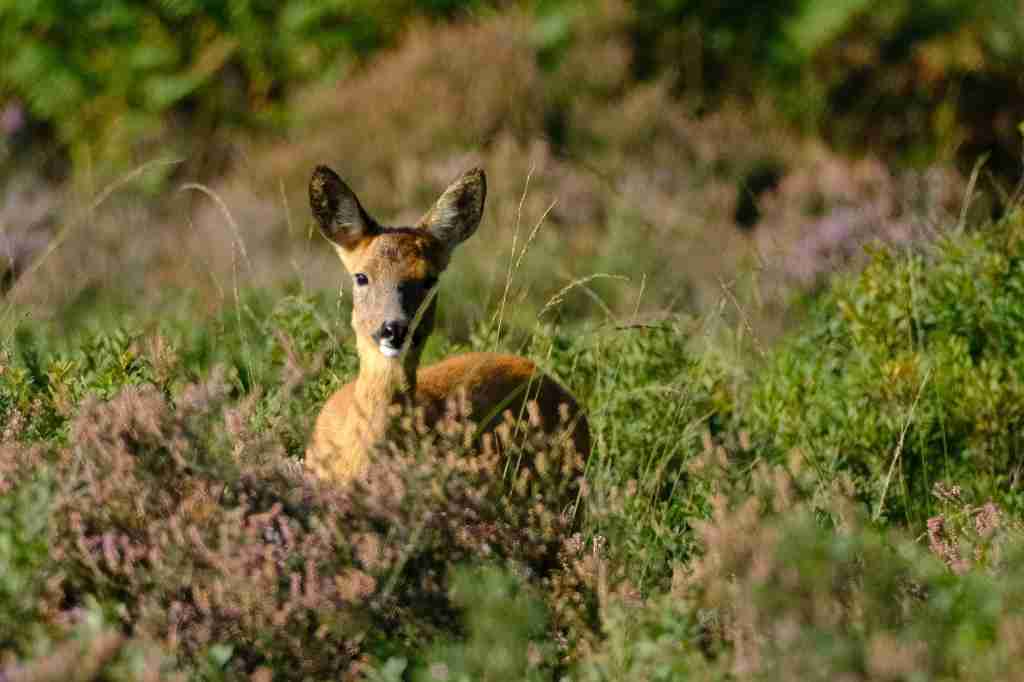
Roe Deer and Beekeeping on Backley Plain.

Small Copper Butterfly.

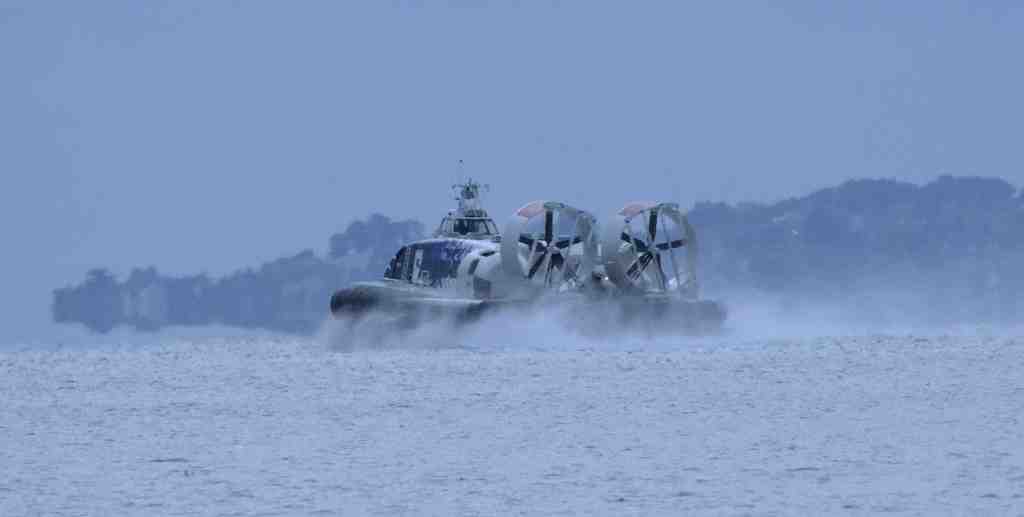
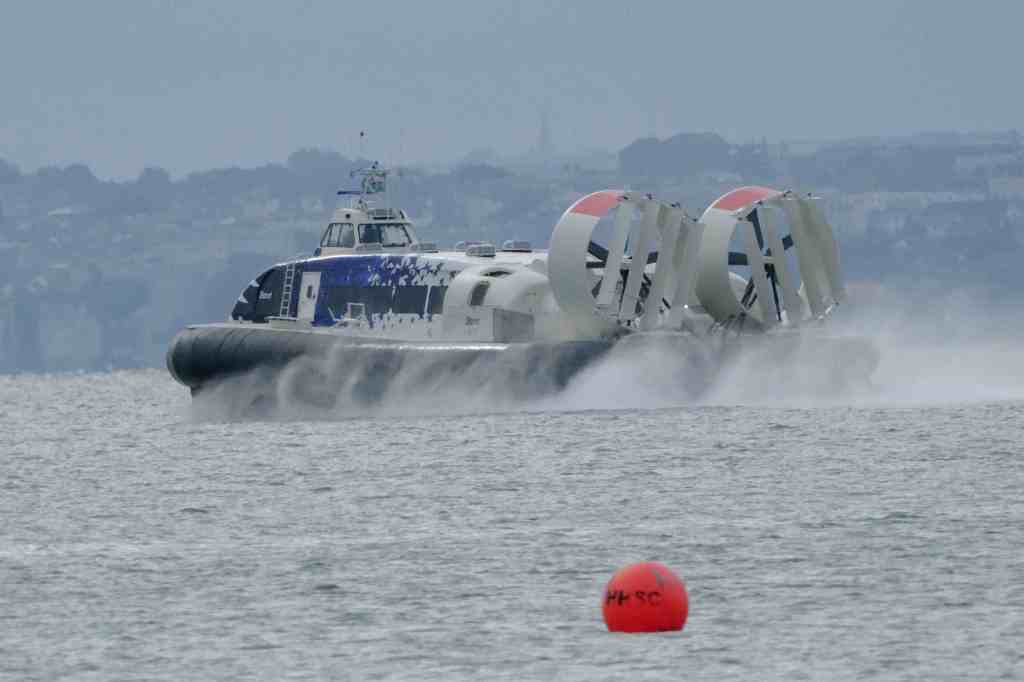
Hovercraft.

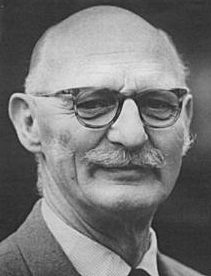
The “hovercraft” is a word and an invention that Christopher Cockerell patented in 1954 after working for Marconi, where he helped with work on early radar. Aware of the Normandy landings on D-Day he thought about how to get troops ashore and up a beach he came up with the “hovercraft”. By 1955, he had a working prototype and pursued a patent for his creation, he obtained a patent in 1956.

In that year, he demonstrated his prototype craft, which used air blown out of the bottom of the craft under pressure, to British authorities and showed that it was possible to enable such a vehicle to glide easily over water and land, even mud and marshes.

 Saunders-Roe here on the Solent on The Isle of Wight built the SR-N1 which was launched on June 11, 1959, and later that year crossed the English Channel from Dover, England to Calais, France. Although only used for one public service from Portsmouth and Isle of Wight now in the UK they are a regular sight on The Solent.

A visit to our local Hovercraft Museum last year in my post below.

Sir Christopher Cockerell lived from the 1960 in village of Hythe on Southampton Water. I met him in 1980’s . A Blue Plaque to commemorate Sir Christopher Cockerell and the Grove building, the home of hovercraft development way put up in Hythe in 2022.

Hovercraft filmed on the Solent yesterday.

Re-birth.

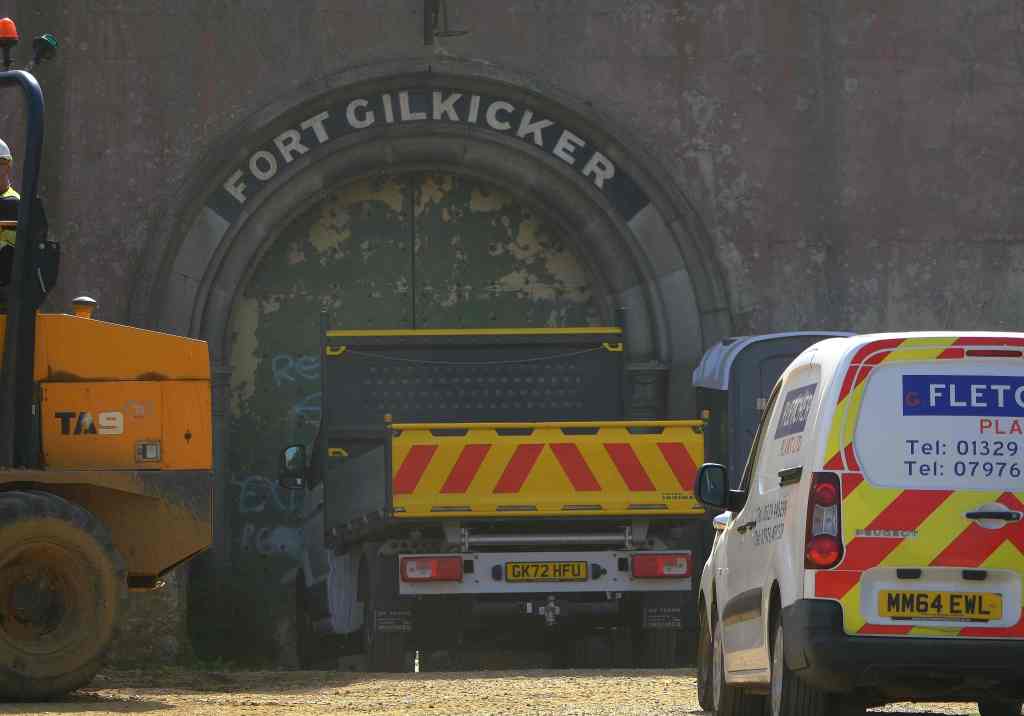
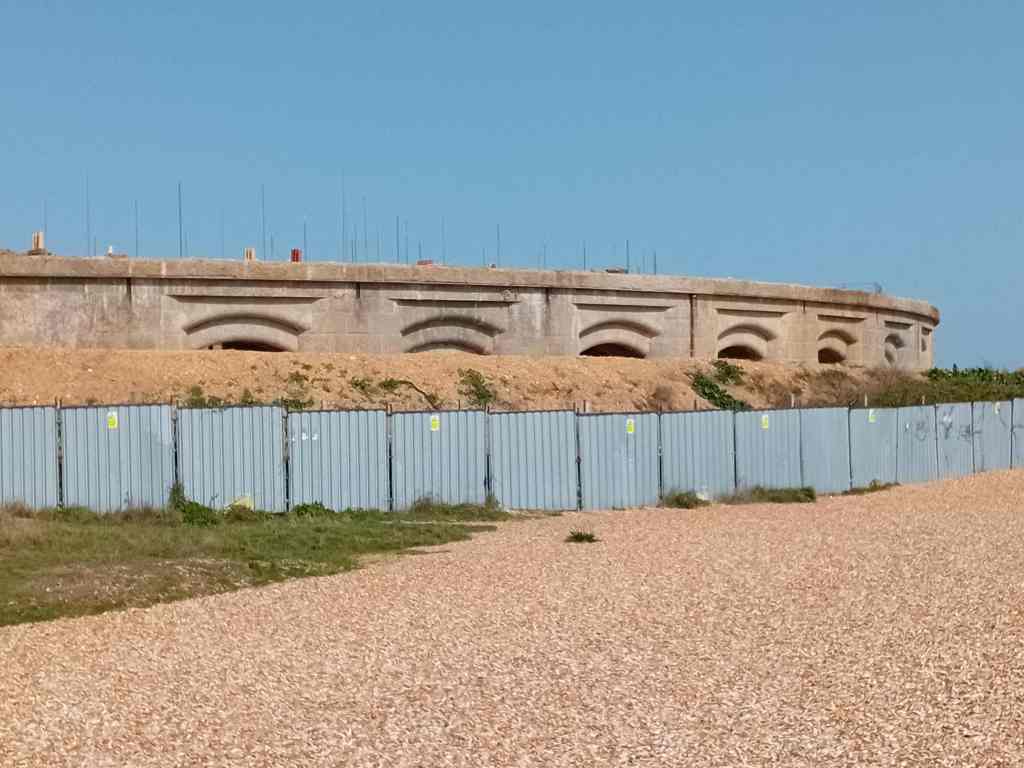
As part of the UKs defences against the French work on the construction of Fort Gilkicker commenced in 1863 and took eight years to complete. The finished fort provides a semi-circular firing arc from 22 gun placements, over the eastern end of Stokes Bay at Gosport.

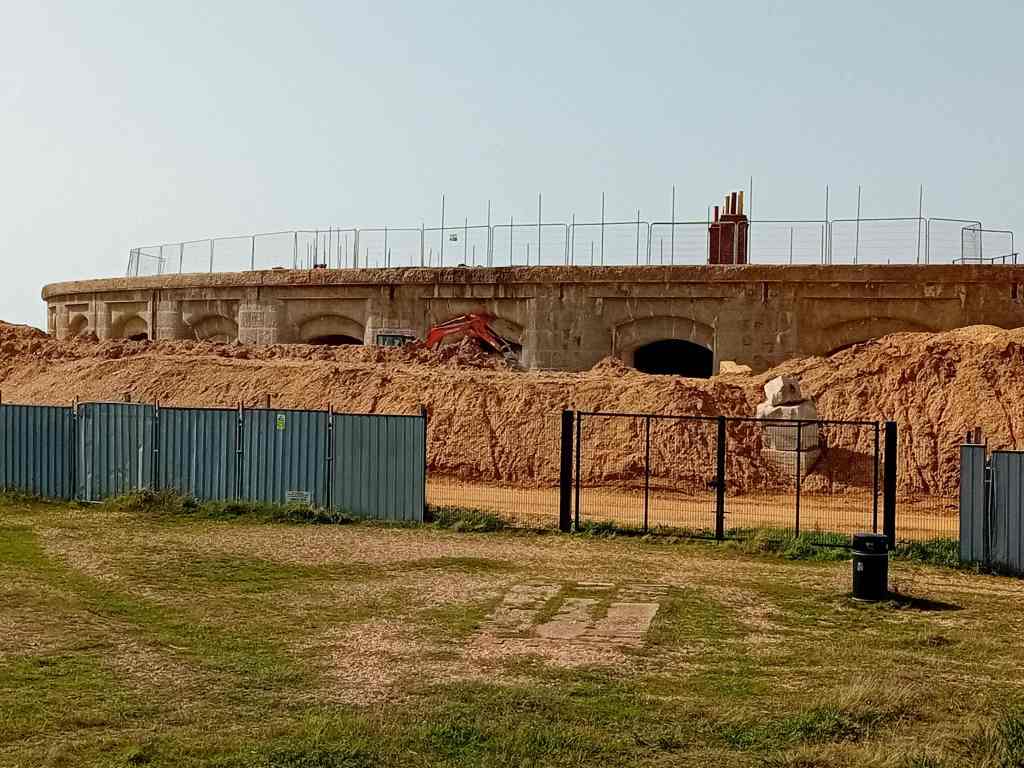
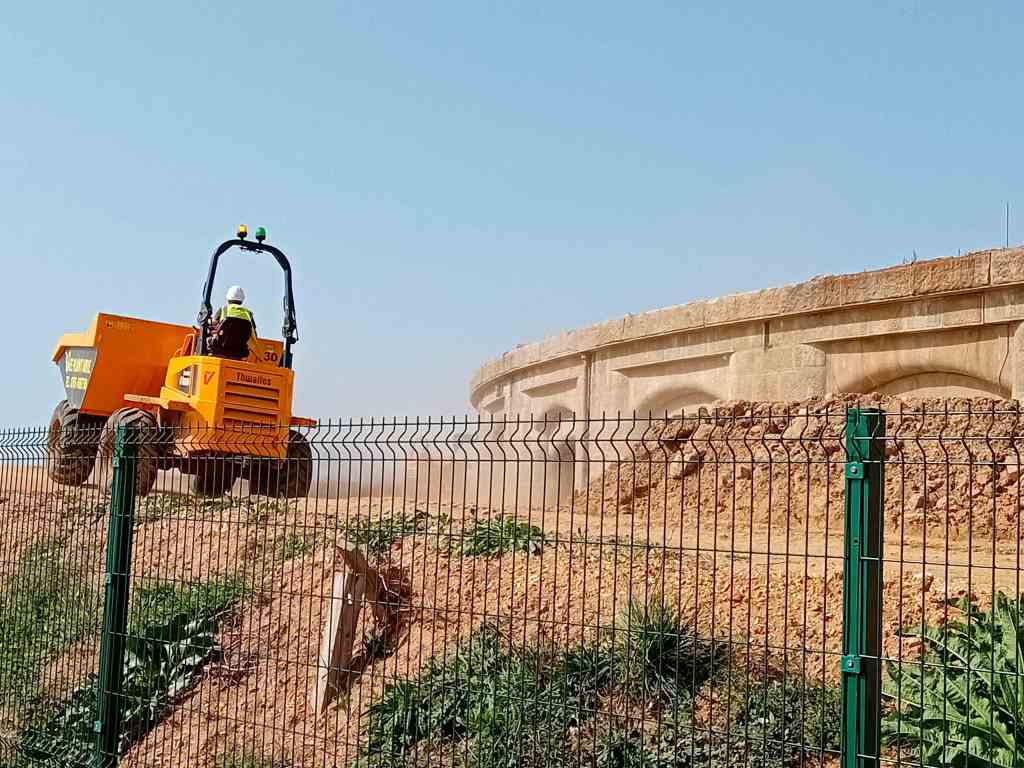
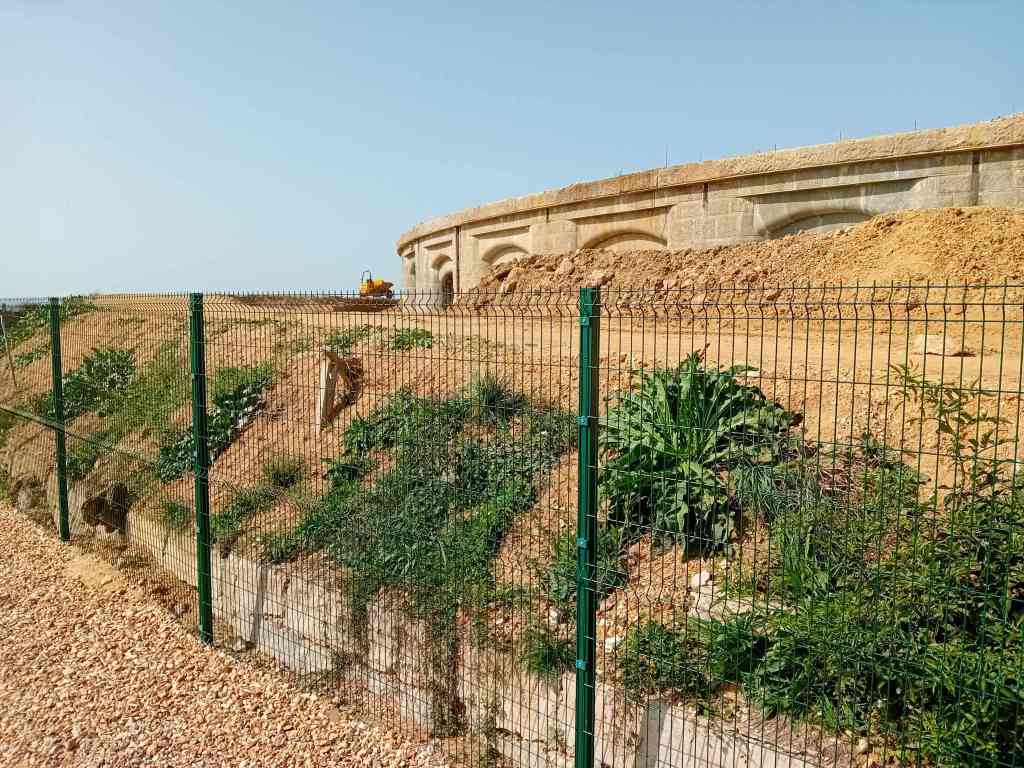
Today we walked out to Fort Gilkicker. The redevelopment of the site is underway. The current planning permission is for Gilkicker to be restored and converted into 22 townhouses in the gun casemates plus four flats in the former barracks. Estimates of the cost of doing this are between £15 and £20 million. The site was bought for £1,386,000. Given the sums of money to restore/save this Historical Fort such a project could only be undertaken by a commercial redevelopment. Within the plans I understand one of the outer buildings will be made into a cafe with historical displays about the fort.

below some older posts on Fort Gilkcker.

The original gun firing positions were blocked before World War One up and the outer walls were further strengthened with substantial earthwork embankments with the redevelopment this is being removed and the original casements are be revealed.

Above 2020 below 2023

Rhinefield.

 Rhinefield House was once a private country mansion in the heart of the New Forest. Today it is a hotel. The house was built in the 1880s with a huge garden and ornamental ponds. Many non-native trees were planted along the track leading to the house.  Dwellings were on the site since the New Forest was first proclaimed by William the Conqueror in about 1097.

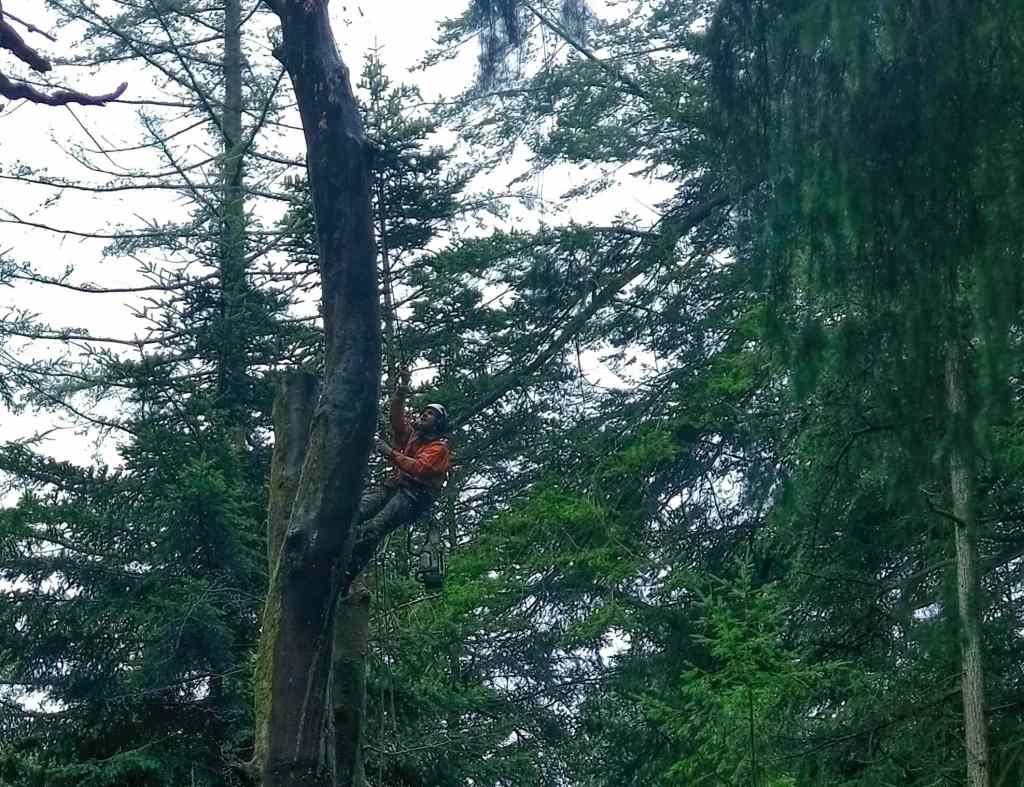
Trees that can be seen include giant redwoods and Douglas firs. In fact, the two tallest trees of the New Forest are here, a pair of redwoods standing on each side of an open grassy ride.

Standing with giants.

Fort Nelson, near Portsmouth, is home to the Royal Armouries’ national artillery and historic cannon collection. The fort was built in the 1860s to protect against a potential invasion by the French, it was one of a ring of land and sea forts around the Naval base at Portsmouth. The invitation never came and the forts became known as “Palmerston’s Follies” after Prime Minster, Lord Henry Palmerston, who commissioned the forts.

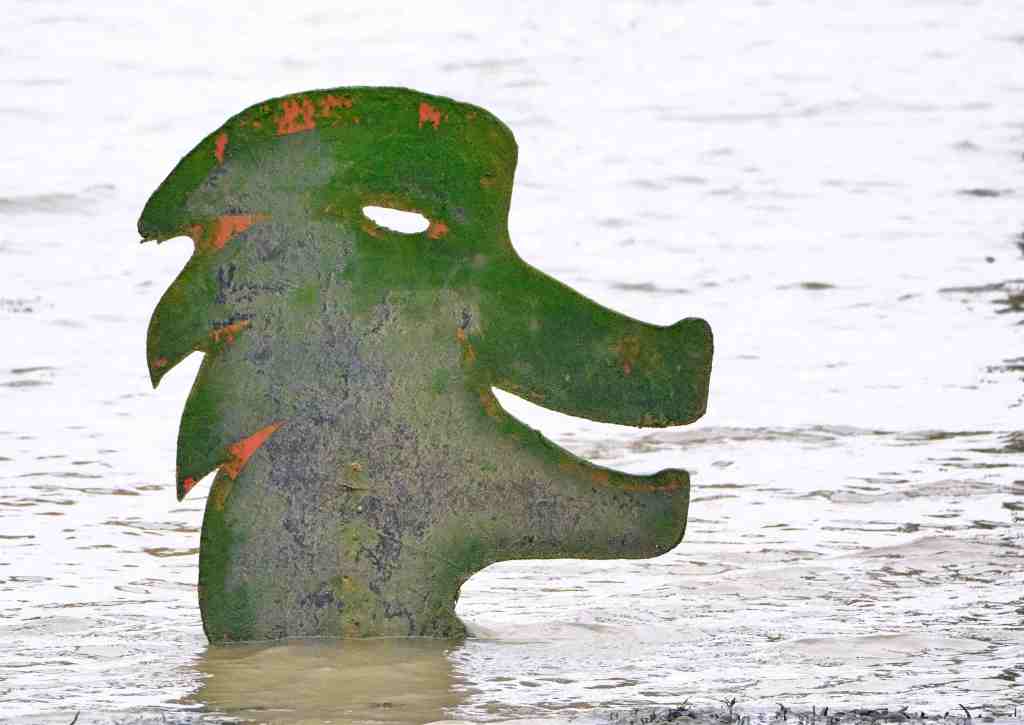
I visited Fort Nelson today to see an art display “Standing with Giants” It is a tribute honouring those who lost their lives in the Falklands Conflict. The installation is silhouetted figures of the 258 who died in Falklands War in 1982.

Views from the South Down’s

The South Downs Way is one of 15 National Trails in England and Wales. It stretches from the once capital city of England and the cathedral city of Winchester in the West, nearly 100 miles to the city of Eastbourne in the East.

Further to my post yesterday focusing on Hares here are some further Hare photographs, views and other wildlife on the South Downs Way.

Roe Buck crossing the farmland.

More Brown Hare shots.

Red-legged partridge.

Easter walk.

Easter Saturday walk from Gosport Life Boat Station to Gilkicker point past fort Gilkicker.

The lifeboat of the Gosport and Fareham Inshore Rescue Service is independent from RNLI. The lifeboat was being launched for an exercise as we arrived at the carpark.

Fort Gilkicker is a one of the historic Palmerston forts around Portsmouth Harbour. Gilkicker was started around 1853. Built at the eastern end of Stokes Bay, Gosport, Hampshire England to dominate the key anchorage of Spithead.

Some birdlife from Gilkicker Point.

Greenfinch.

Dartford Warbler.