End of the pier and the end of the season Southsea Hampshire. The people have gone home the lights are turned off and the paint has faded.
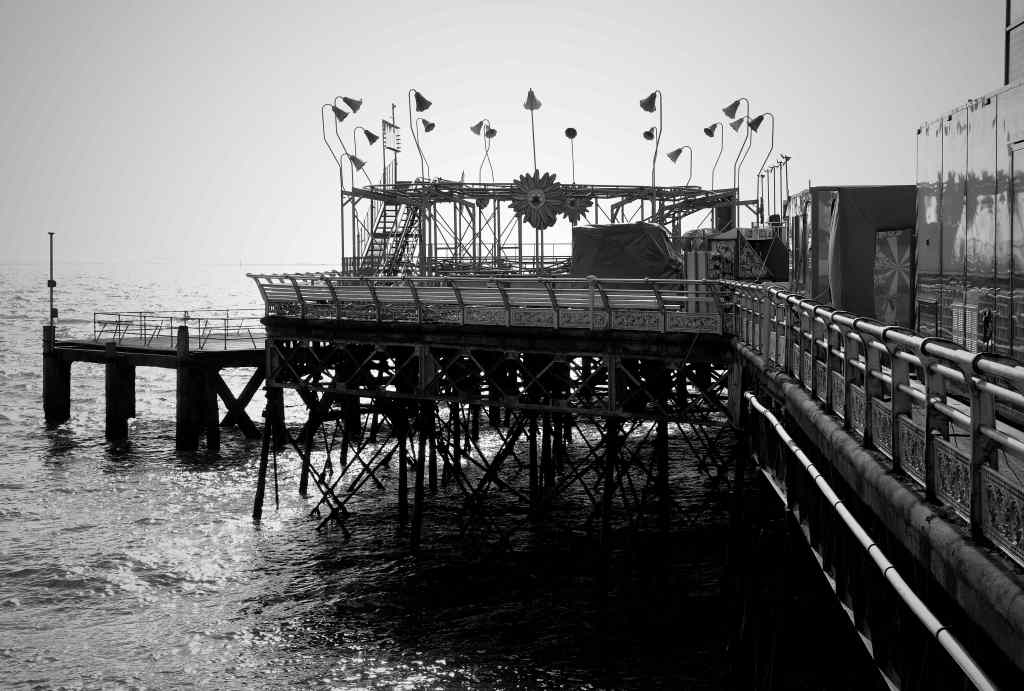
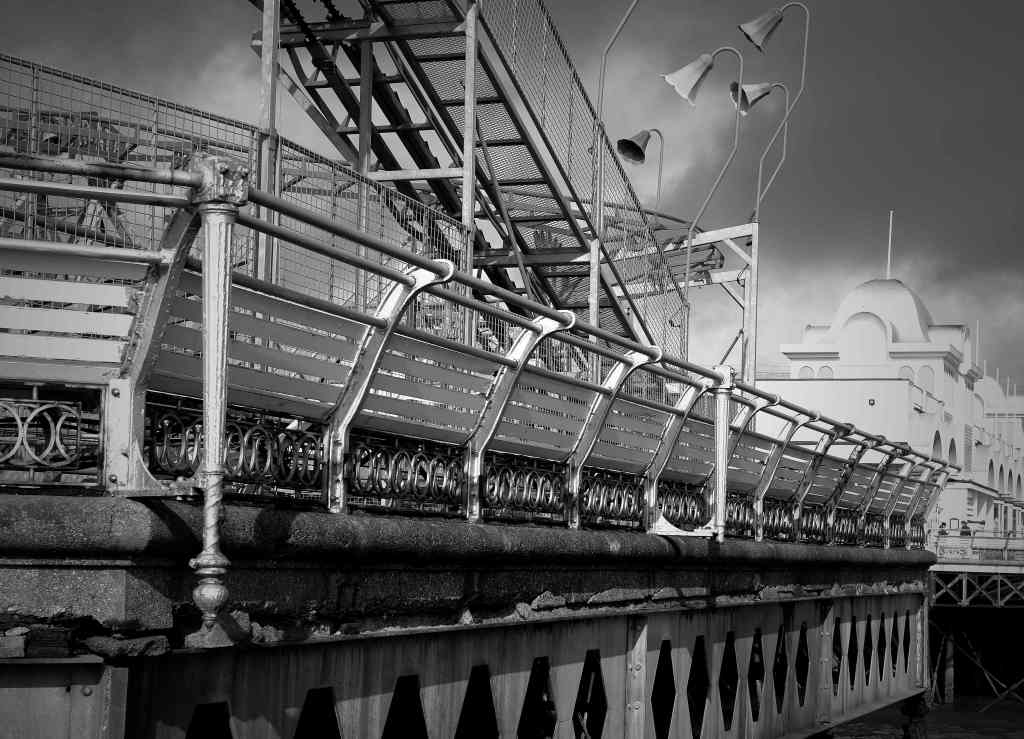
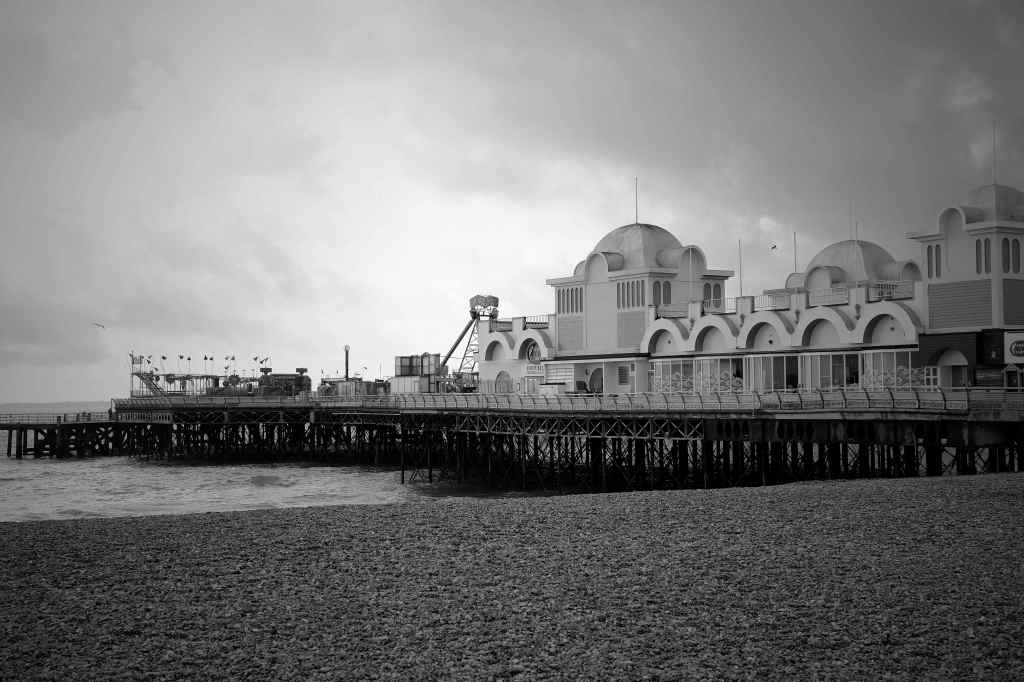

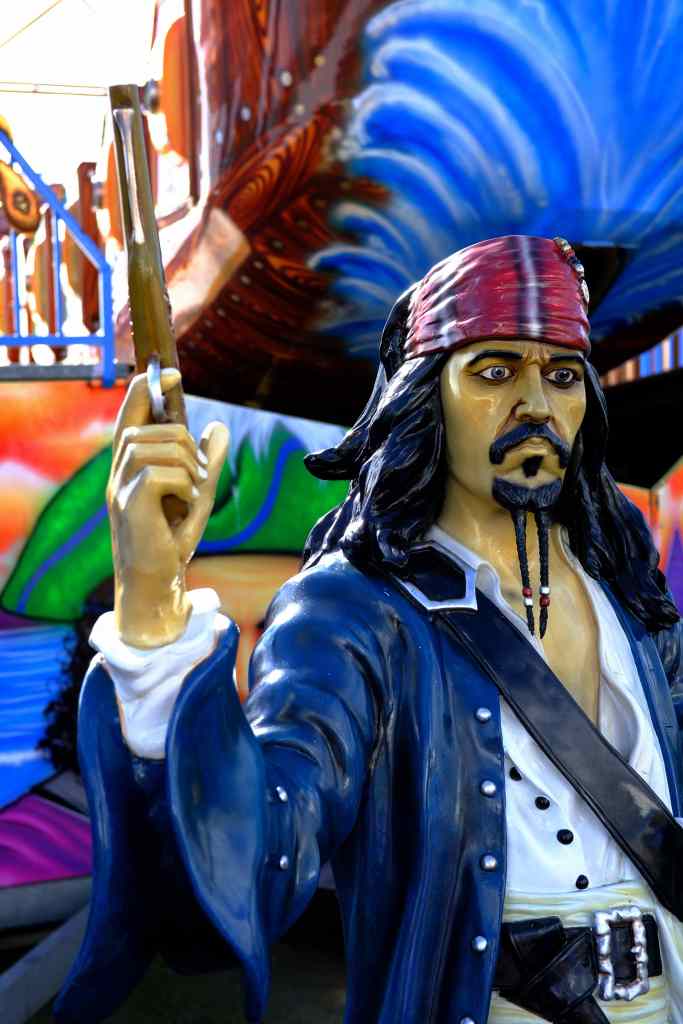
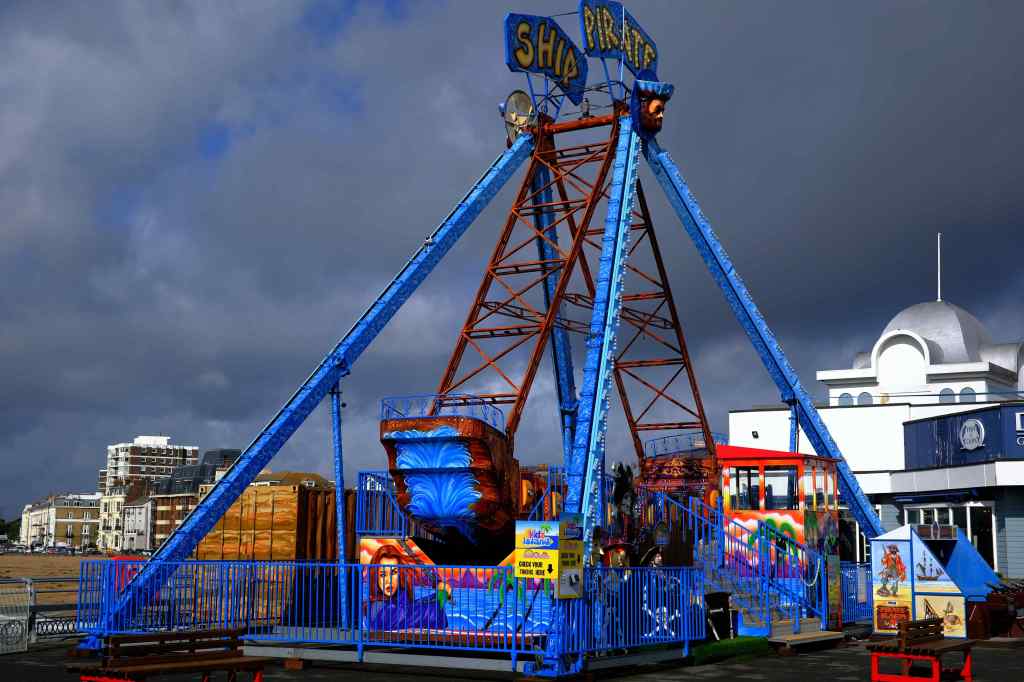

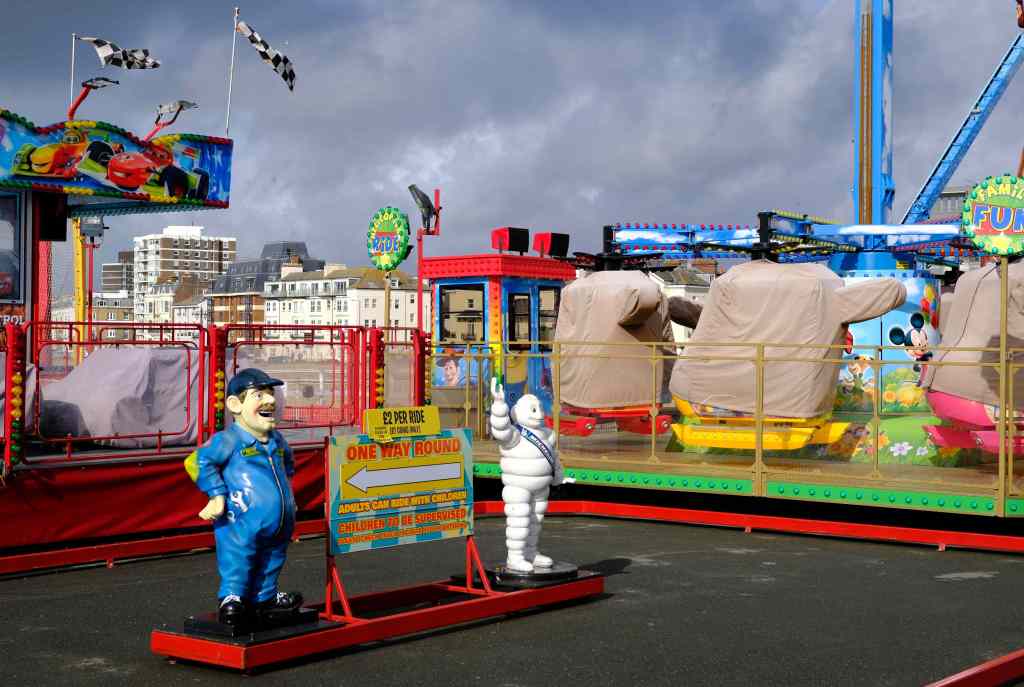
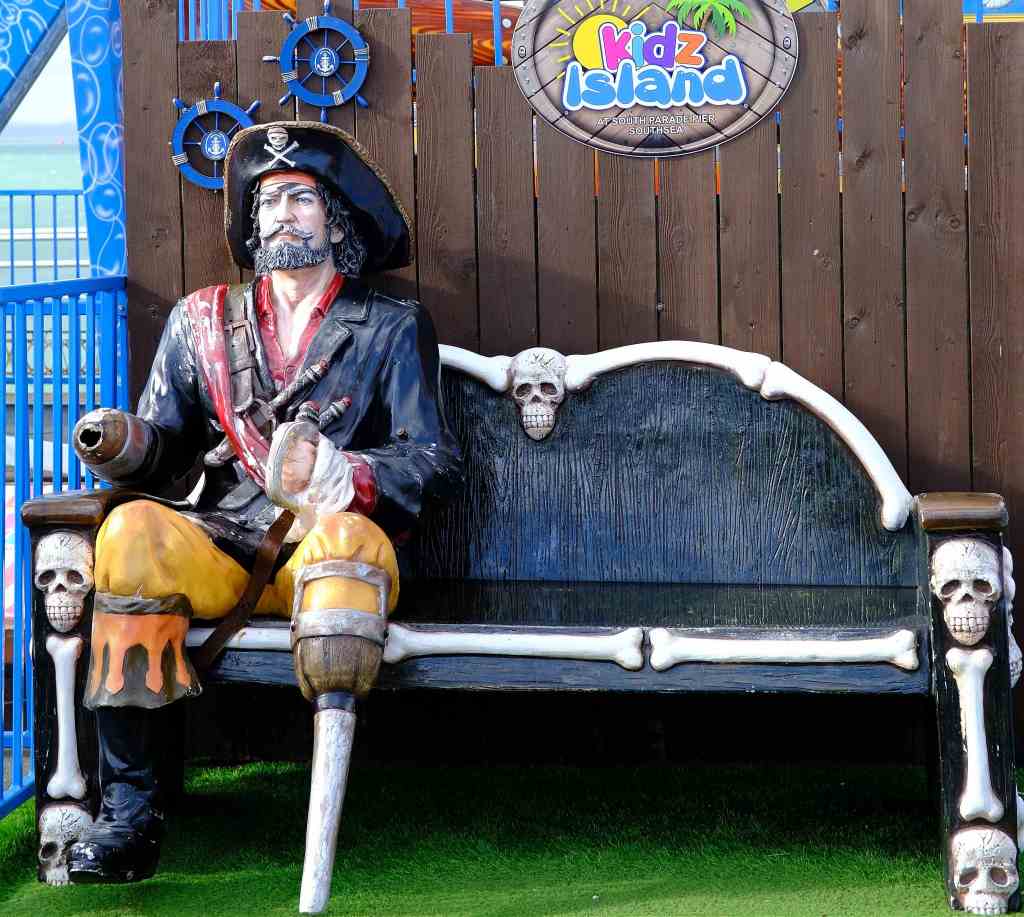


End of the pier and the end of the season Southsea Hampshire. The people have gone home the lights are turned off and the paint has faded.
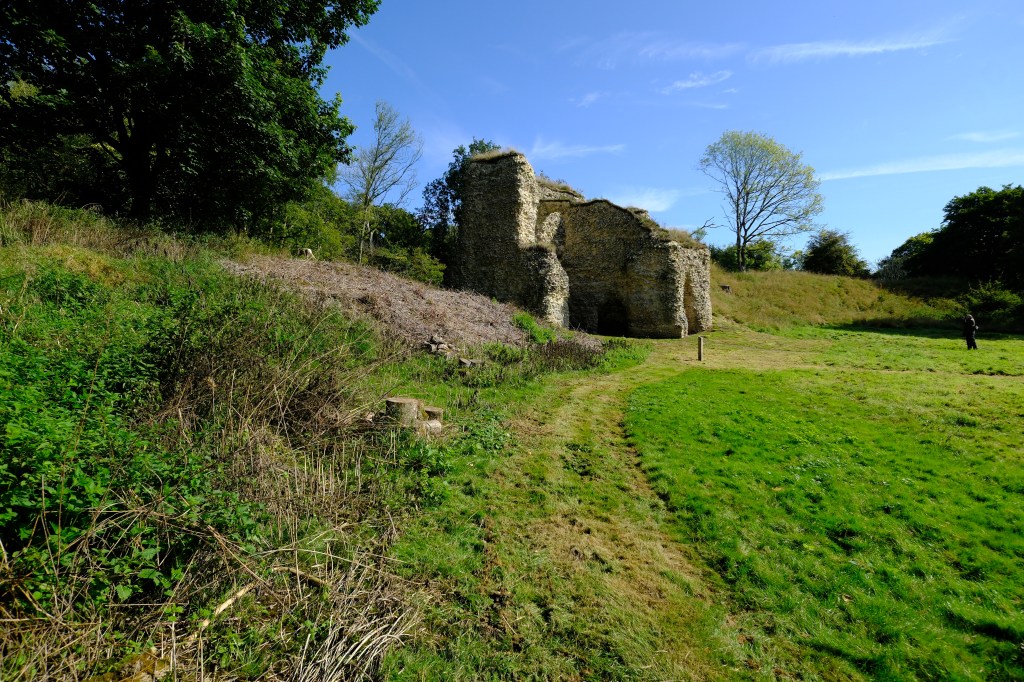
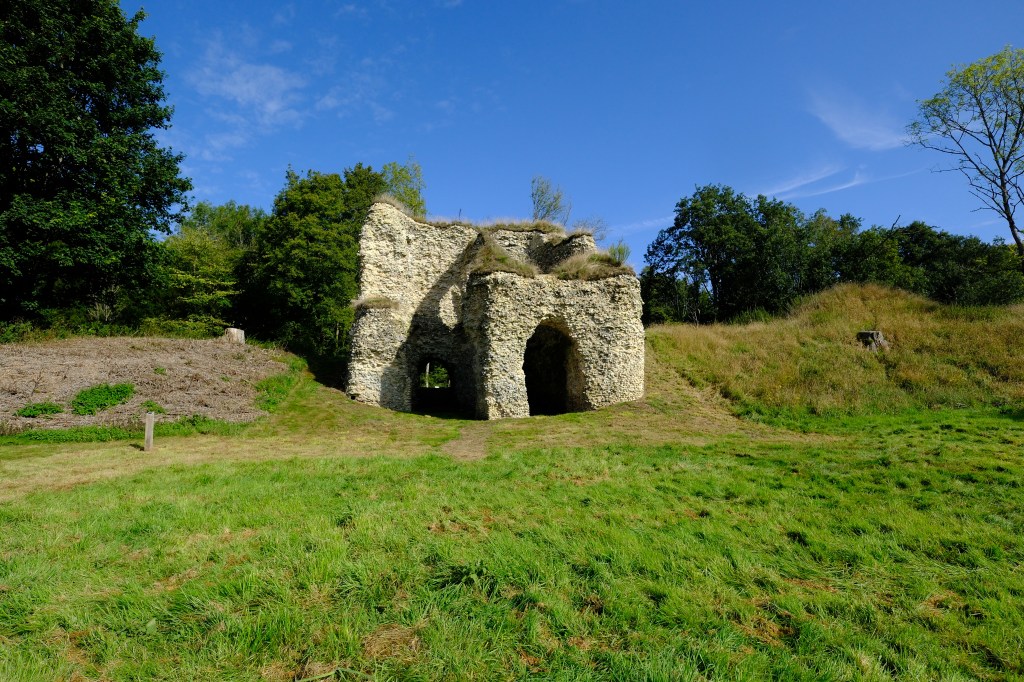
This post was 50 years in the making! When I was a teenager I visited as many castles as I could from the largest to the smallest. Merdon Castle is a large castle on private land and not normally open to the public, around 1974 the closest I could see this site was standing on a box looking over a boundary fence. Last week I saw the Castle was going to be open on 2 special Heritage days. Merdon Castle is located just outside Winchester near the village of Hursley.
About the castle taken from Heritage Open Days web page.
“Recently removed from Historic England’s “At Risk” Register, following restoration work by Home Farm Estate and Historic England, this is a rare opportunity to visit the remains of one of the castles built by Henri de Blois, Bishop of Winchester and brother of King Stephen during the tumultuous years of “The Anarchy” that ended the Norman era in England.
Although the ramparts date back to pre-history the castle was built around 1138 but lasted only until the accession of Henry II. For the next four hundred years it was the manorial court for the Manor of Merdon and a palace from which the bishop could enjoy hunting in Hursley Park. Largely forgotten for the next five hundred years, as the focus shifted to Hursley Park House, it has remained little changed since the Eighteenth century, covered in ivy and hidden within the park. Now, cleared and the walls stabilized, it is possible to imagine what the castle would have looked like and wonder what the soldiers who visited it from the Army Camps in and around it in WWI and WWII would have thought.”



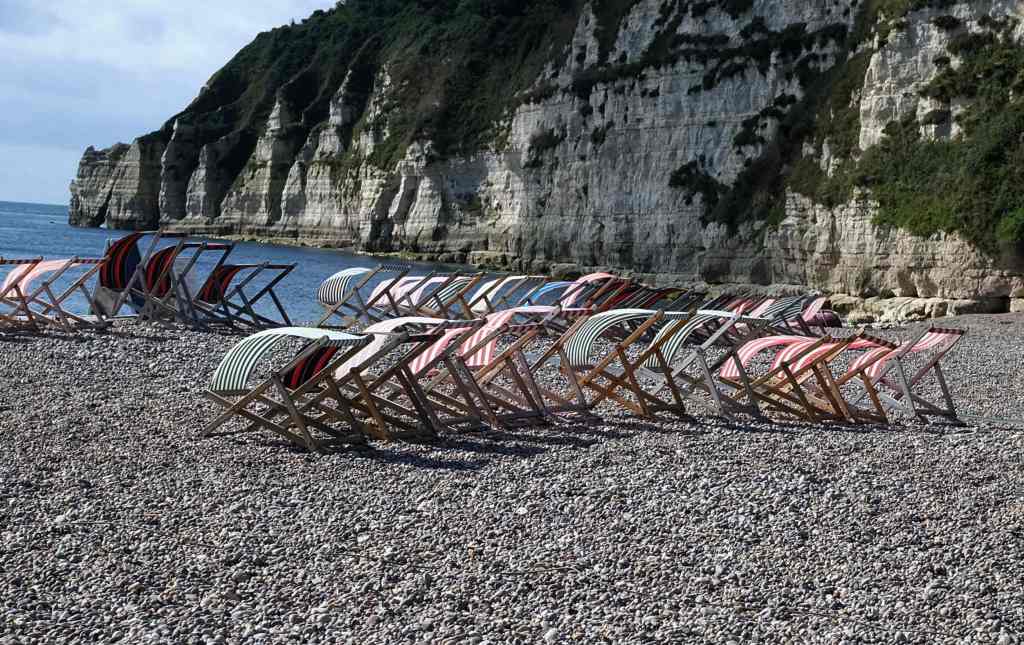
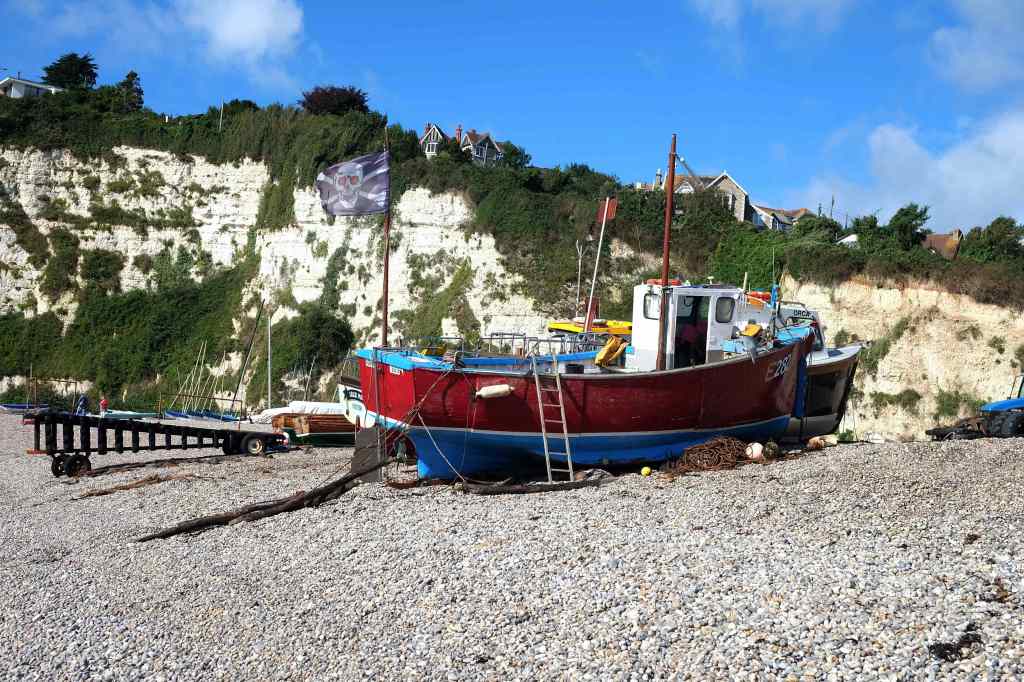
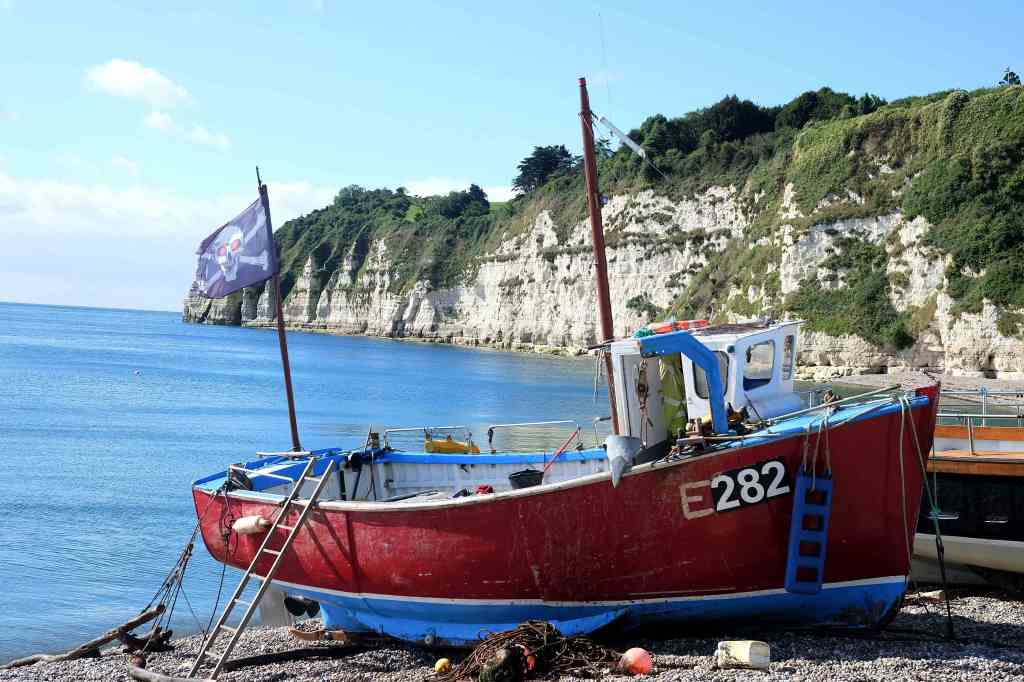
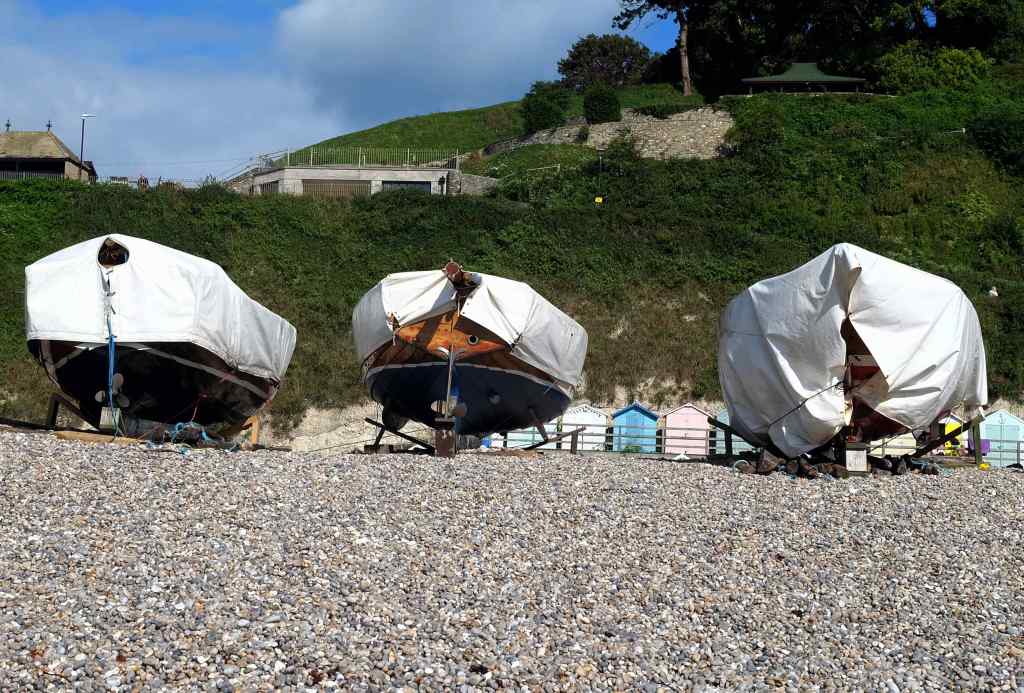
On the South Devon coast is a small smugglers’ cove with a shingle beach nestled beneath Beer head. A small beach-launched fishing fleet operates and sells fresh fish in a small shop just above the high water mark.




Into the Solent – continued part 2.
After visiting the forts we turned and headed back towards Portsmouth. In the distance out towards the nab tower, we could see ships waiting at anchor to enter the port.

Tuesday had been wet and windy but Wednesday the day of our trip was sunny and flat calm.
There is a passenger Hovercraft service from Southsea to the Isle of Wight. Hovertravel provides the fastest Isle of Wight ferry it is said to be the world’s only year-round passenger hovercraft service. The service takes you directly to the shore at Southsea or Ryde in just 10 minutes.


Outside Portsmouth Habour are 2 rows of 3 lights these mark the channel for HMS Queen Elizabeth and her sister ship HMS Prince Of Wales.
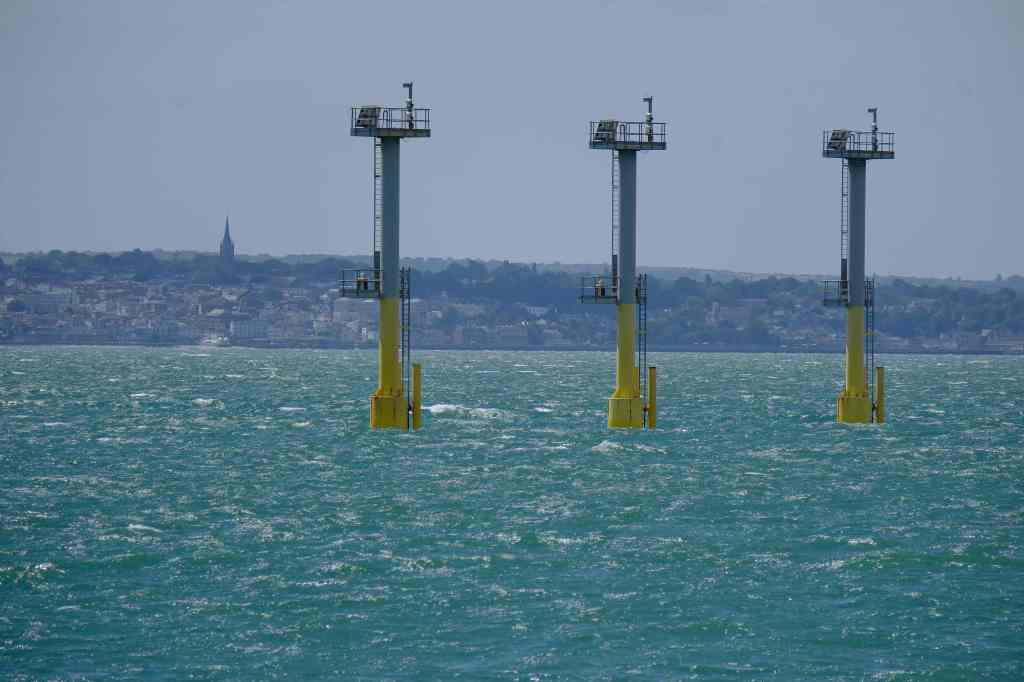
The harbour entrance into Portsmouth Harbour is only around 200 m wide. A tight squeeze for our Aircraft Carriers!
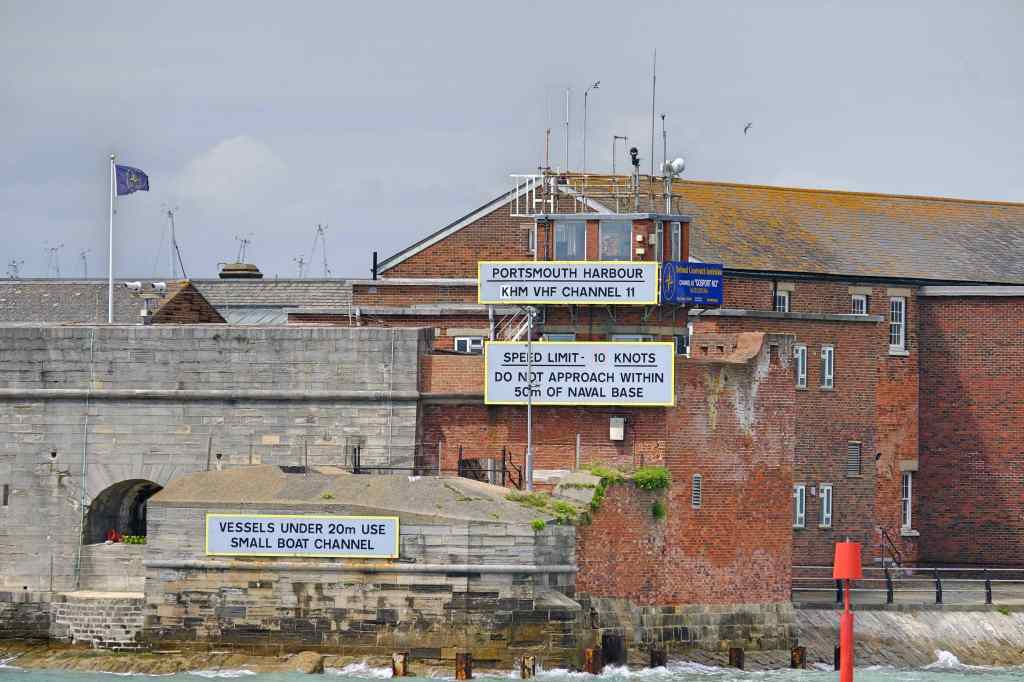
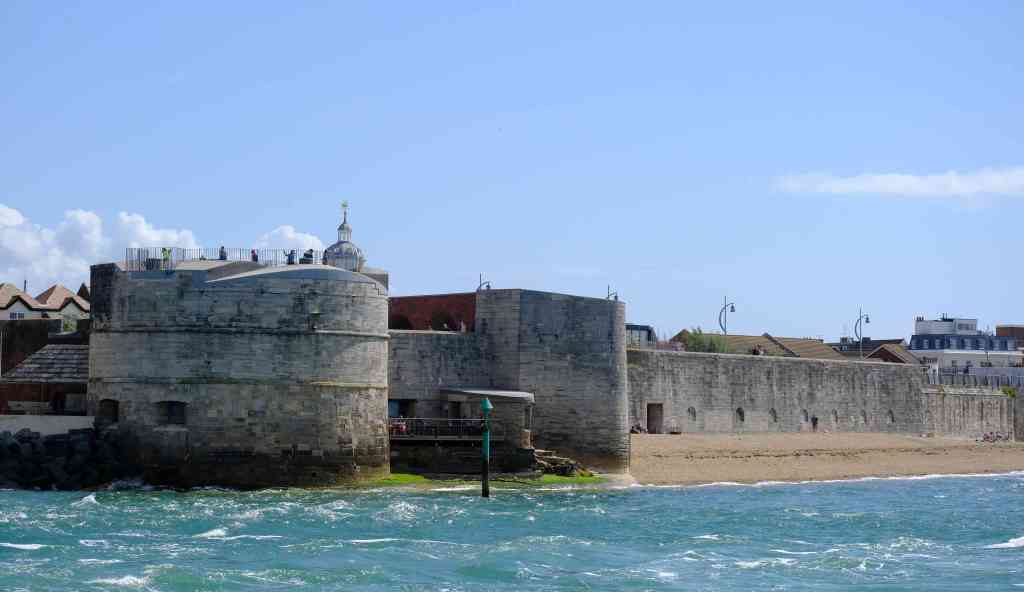
Once into the Harbour, we proceeded past the Spinnaker Tower and historic dockyard into the Naval dockyard.
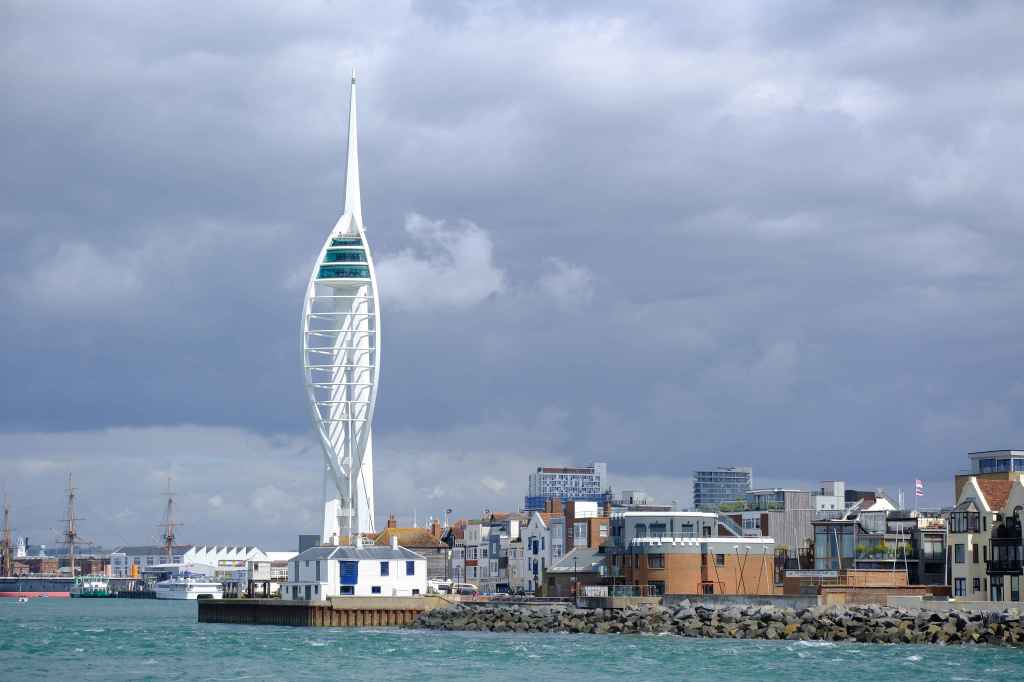
The Spinnaker Tower is a 170-metre (560 ft) observation tower A landmark it is the centrepiece of the redevelopment of Portsmouth Harbour, Its building was supported by a National Lottery grant. there are viewing platforms near the top.

HMS Warrior is Britain’s first iron-hulled, armoured warship, she was launched in 1860, {around the same time as the forts}The pride of Queen Victoria’s fleet she was powered by steam and sail, – the largest, fastest and most powerful ship of her day and had a massive effect on naval shipbuilding of that time. Warrior was, in her time, the ultimate deterrent however within a few years, she was obsolete. Today, she is restored and back afloat and open to the public.

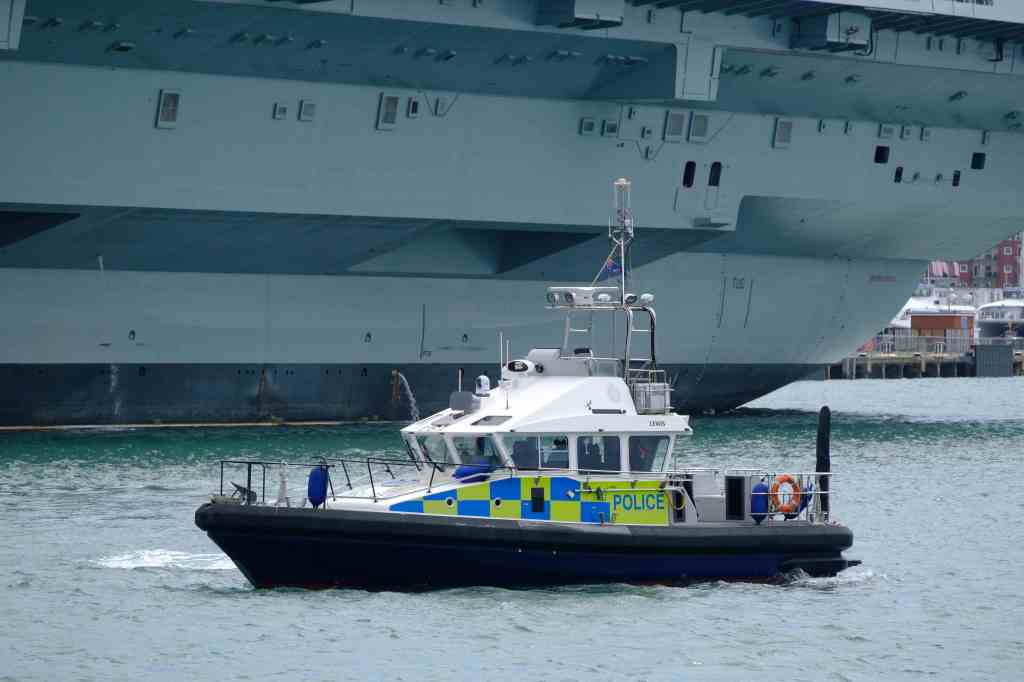
We were escorted into the Naval Dockyard. MOD police which ensure no craft gets too close the warships.
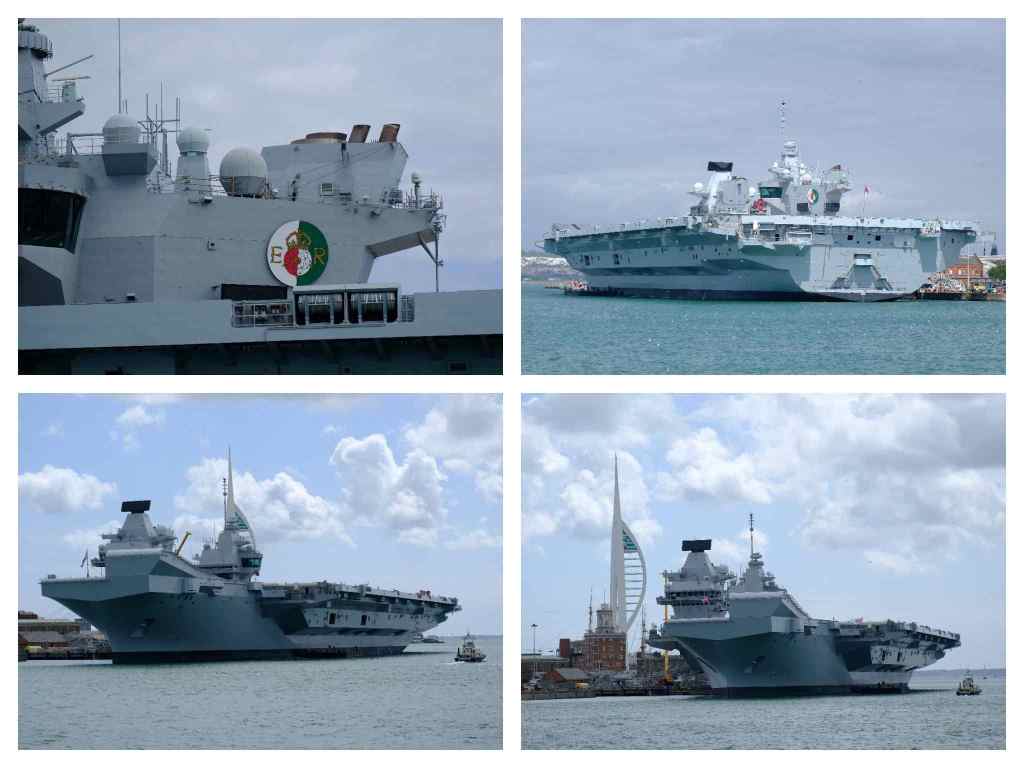
HMS Queen Elizabeth was in port the 1st of our 2 Aircraft Carriers which are the largest and most powerful vessels ever constructed for the Royal Navy. They each weigh 65,000 tonnes, have a top speed of over 25 knots per hour and a range of 10,000 nautical miles. Her Length is 284 m (932 ft)
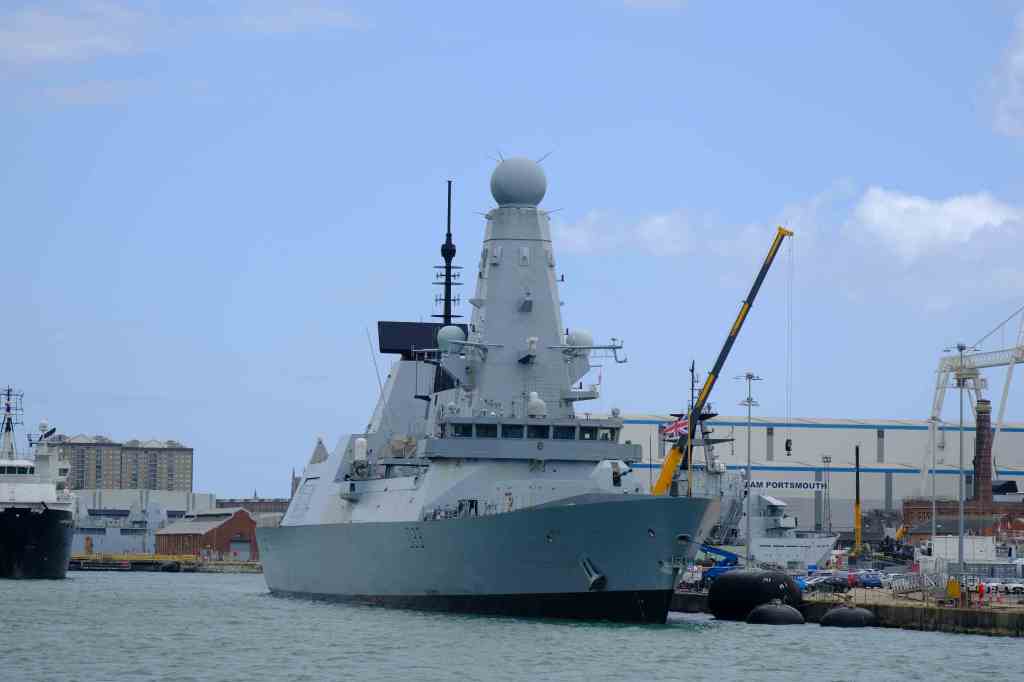
HMS Dragon Type 45 is a Daring-class air-defence destroyer. She was launched in November 2008 and commissioned in 2012

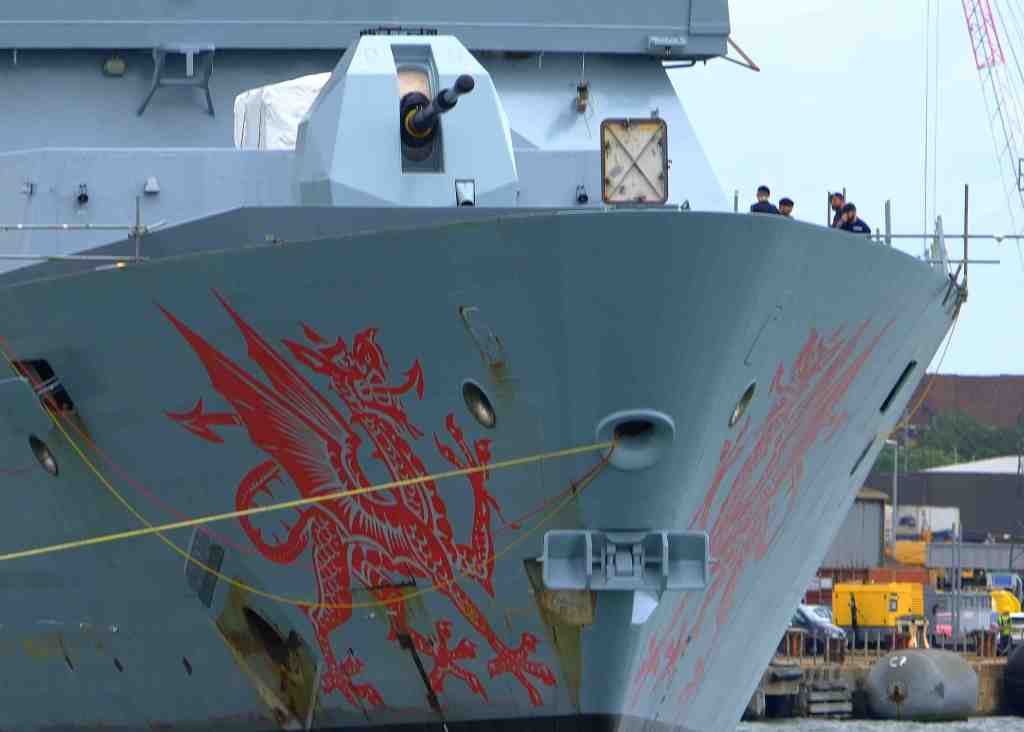
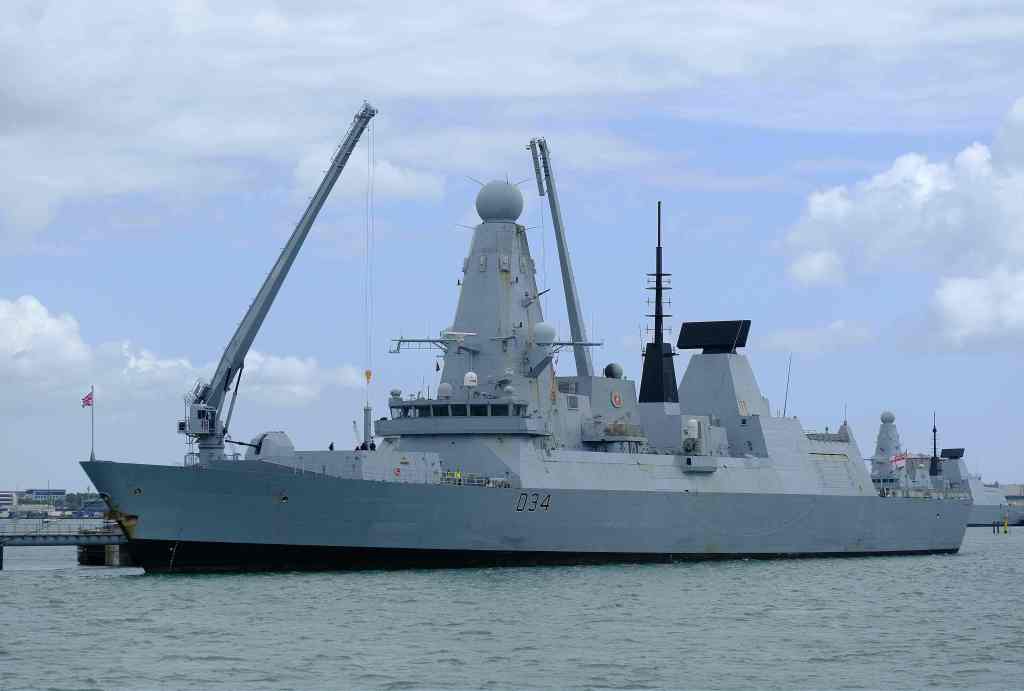
HMS Diamond D34 another Daring-class was undergoing replenishment, further in the dockyard.
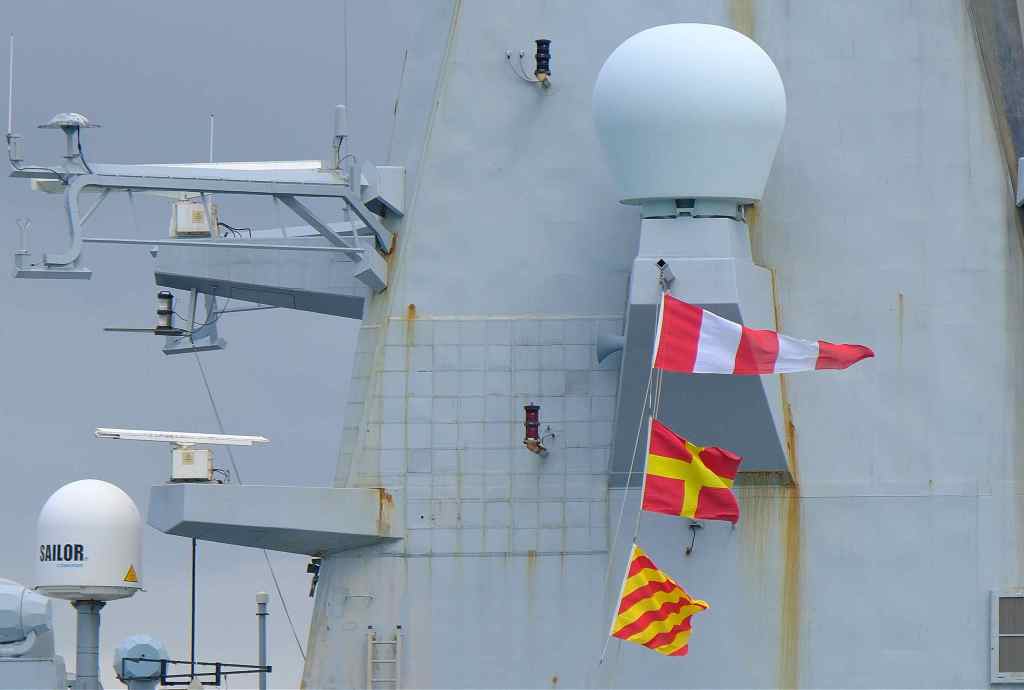
Note the barge with crane alongside, the signal flags read -top one CODE, then ROMEO then YANKEE – this means “slow down and no wash as you pass. The ship is being replenished.” I guess not munitions as no explosive flags were flying.
The 3rd Daring-class in port was HMS Dauntless {D33}
Decommissioned Royal Navy Type 23 Frigates HMS Monmouth F235 and HMS Montrose F236 stand awaiting their fate or scrapping on the “trots” at Portsmouth.

Leaving the Naval part of the dockyard we passed this old Lightship, now a nightclub and a Border Force patrol boat.
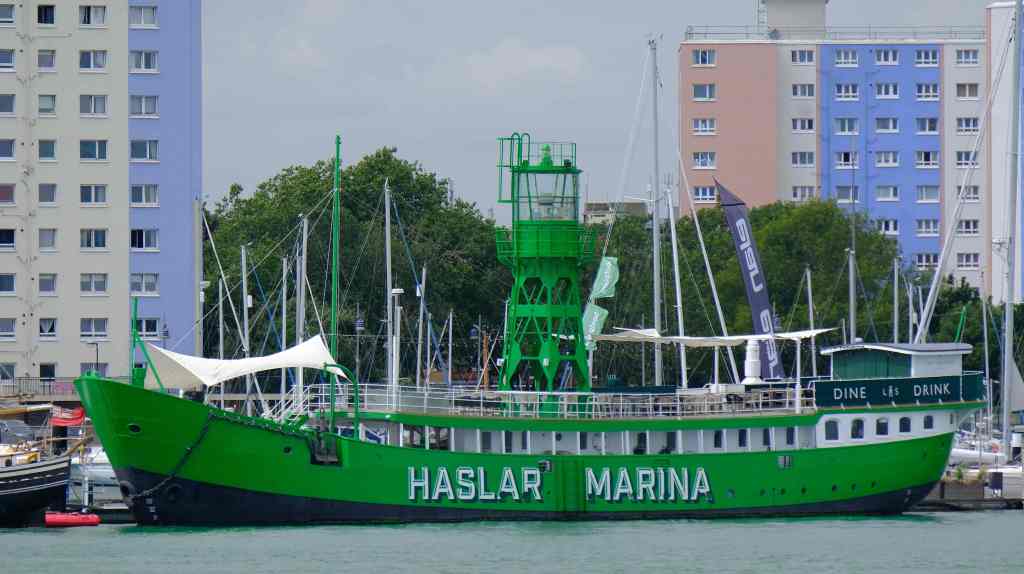

The tour ended from where we started,- a great day out on this Gosport ferry cruise.
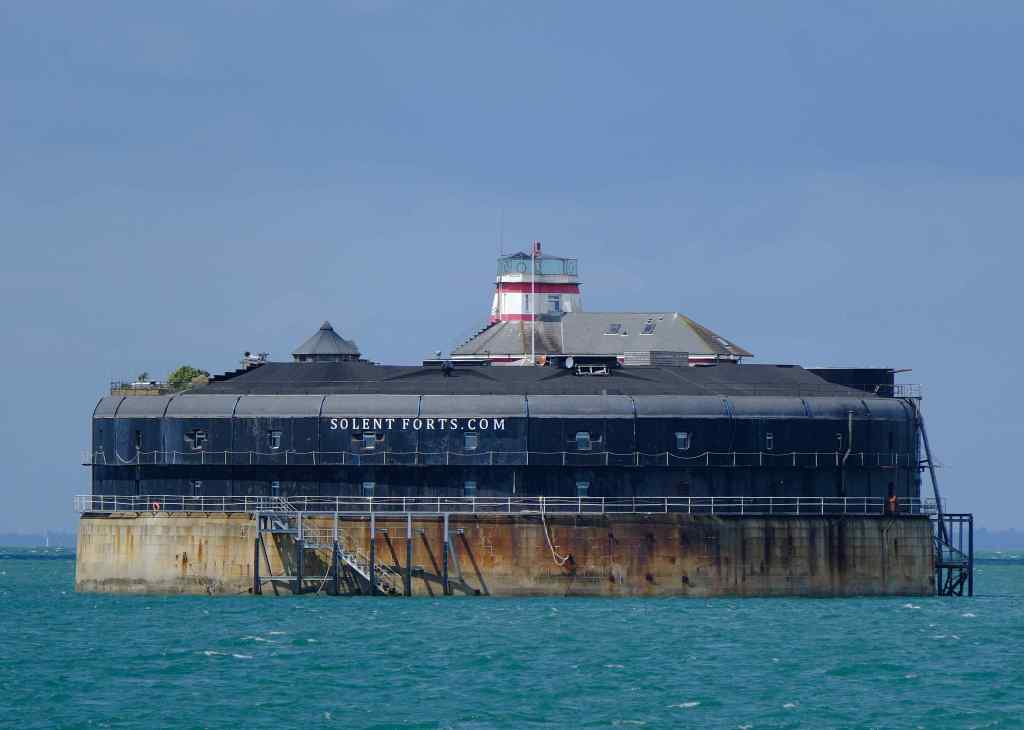
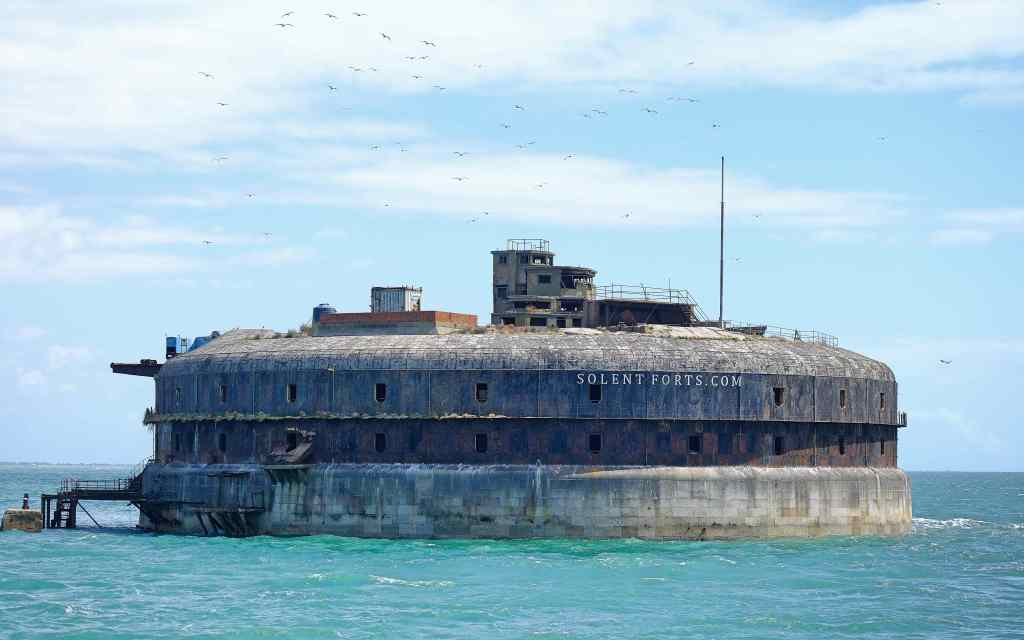
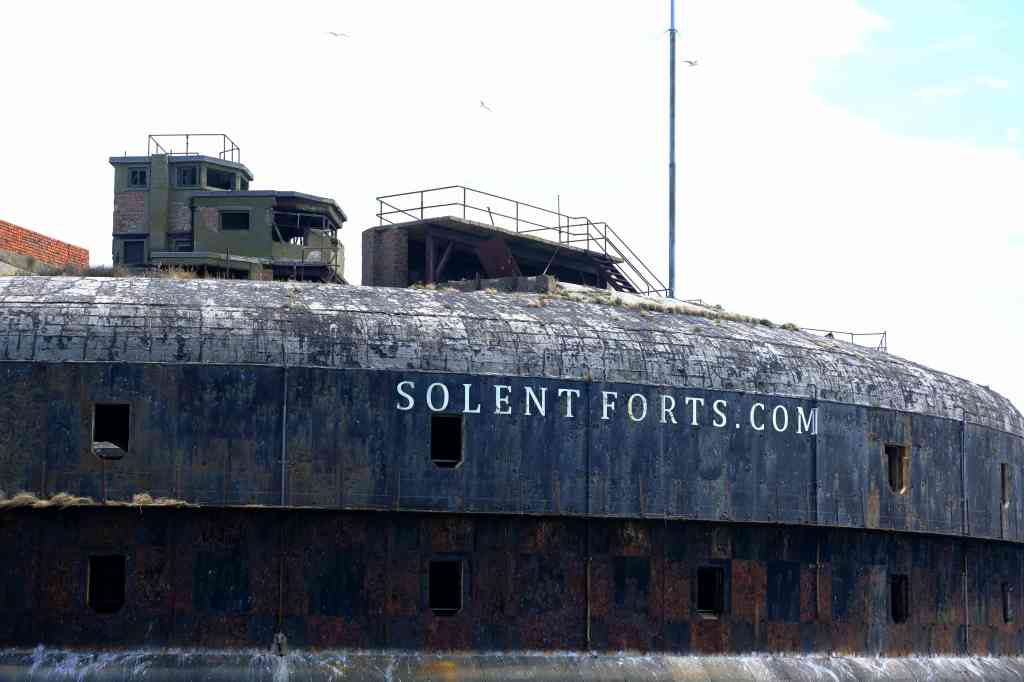
On Wednesday I took an afternoon small boat cruise into the Solent taking in No Man’s Land, Spitbank and Horse Sand forts, designed and built in the 19th century by Lord Palmerston to protect the eastern approaches to Portsmouth Harbour.
Leaving from Gosport on one of the Hythe ferry boats The ” Spirit of Portsmouth” the trip gave a good close-up of the forts.
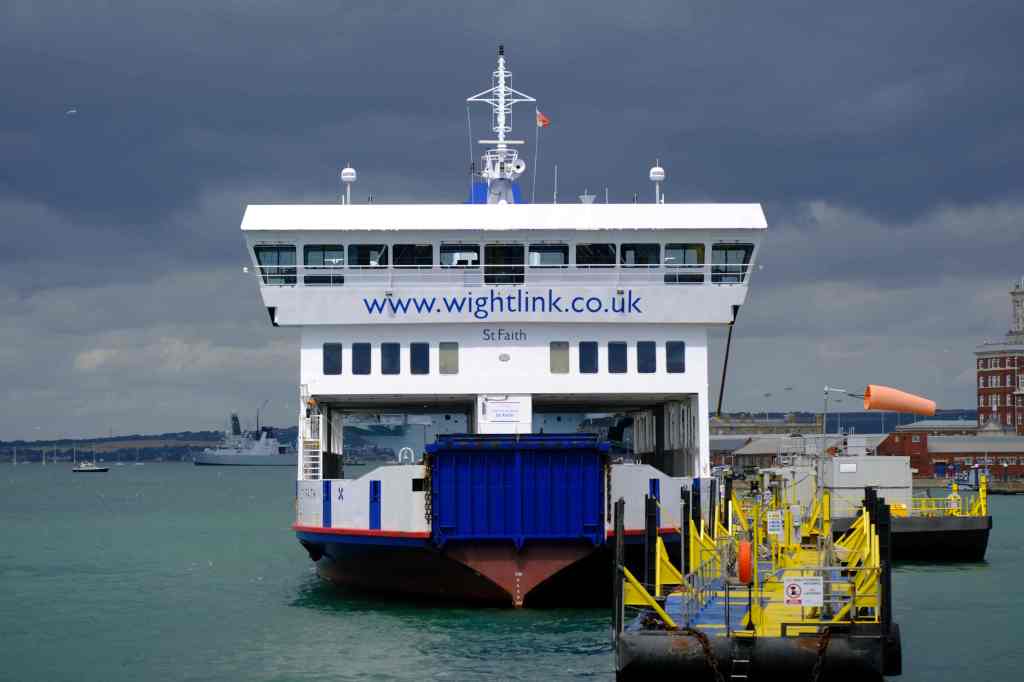
Below is a picture of one of the other ferries similar to the boat we were on.

One of the fortification Towers at the entrance into Portsmouth Harbour.

Heading out of Portsmouth we passed Fort Gilkicker one of the shore forts {which I have posted about in the past} This fort is being restored and redeveloped into apartments.

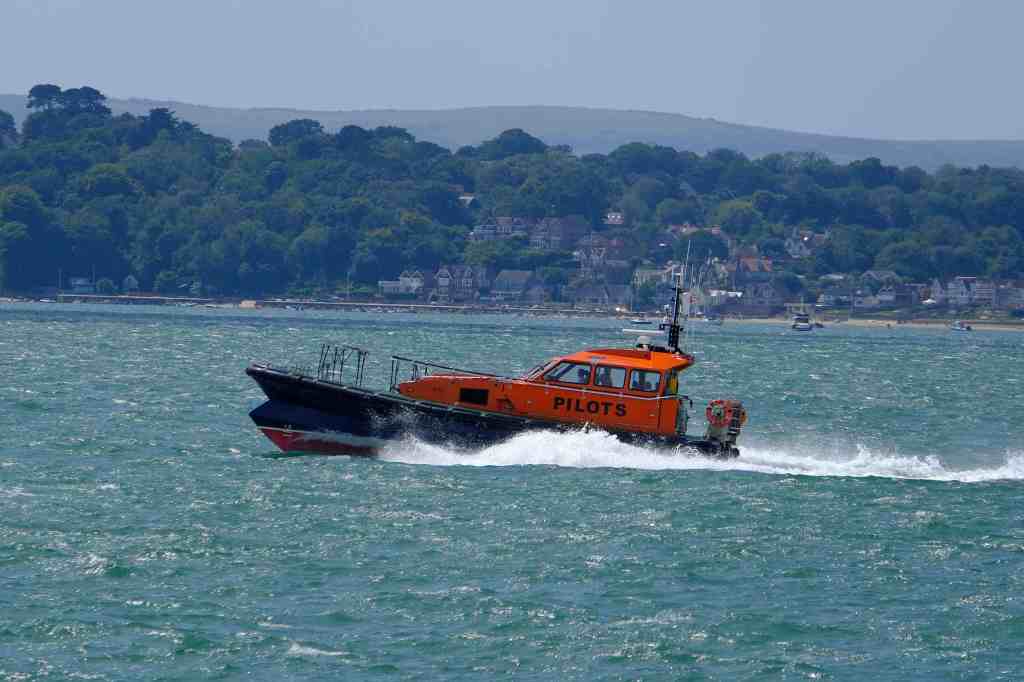
A pilot boat headed out to meet an incoming ship into the Solent.

Spitbank Fort.


No Man’s Land fort.
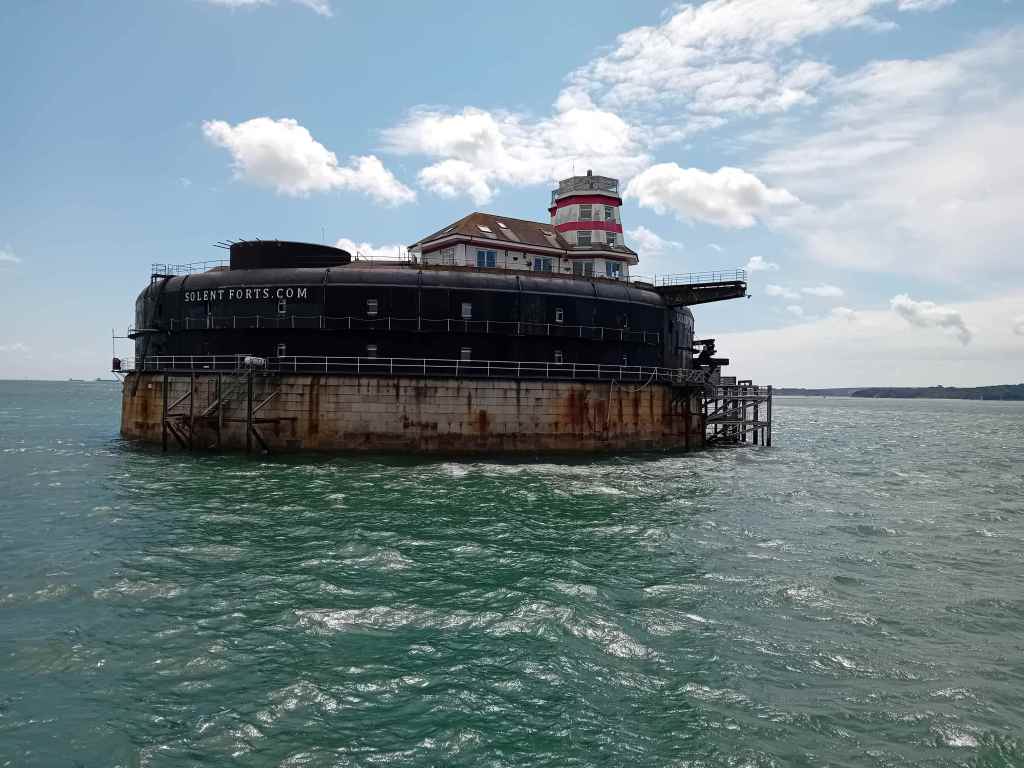

Horse Sands Fort.
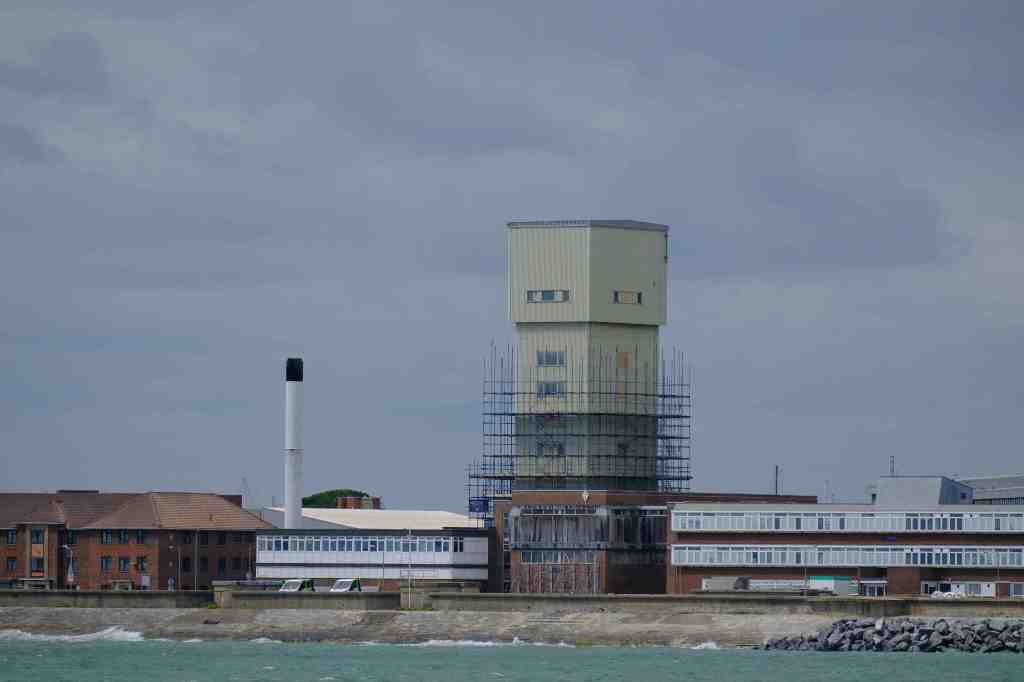
Returning to Portsmouth Harbour we passed the now no longer used Submarine training escape tower – I understand the tower was filled with water and the crew could practice emergency escapes from a stranded submarine there.
Further pictures from the boat trip will be posted later.
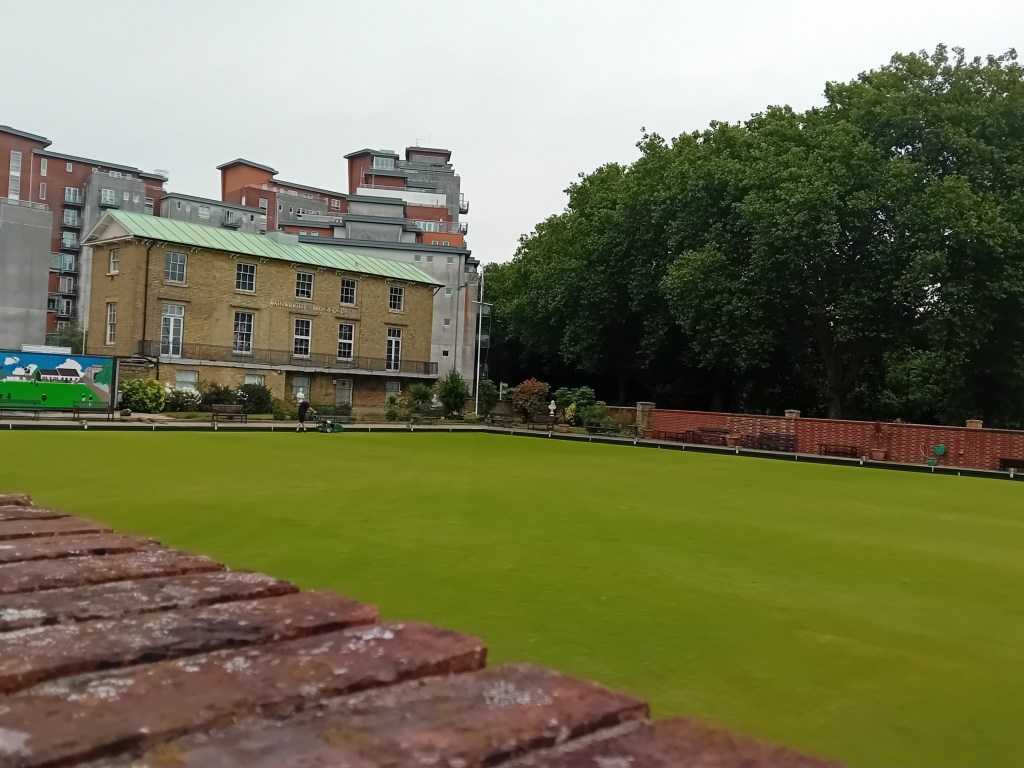
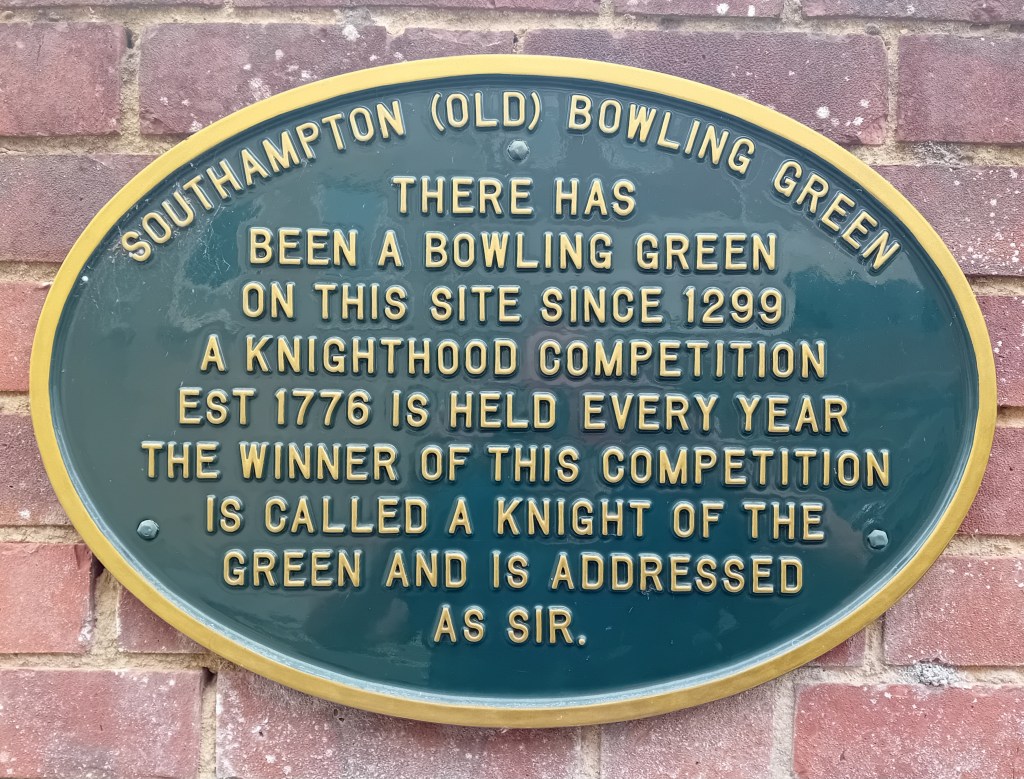
Southampton Old Bowling Green, situated on the corner of Lower Canal Walk and Platform Road, Southampton, England, also claims to be the world’s oldest surviving bowling green. It was first used in 1299.

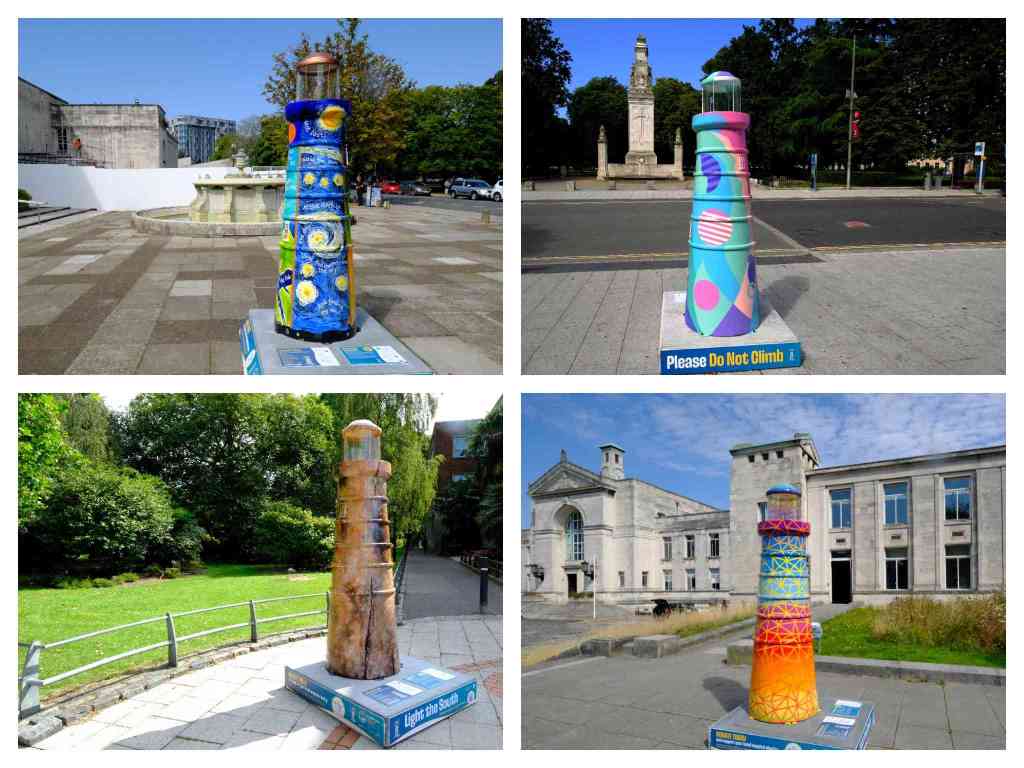
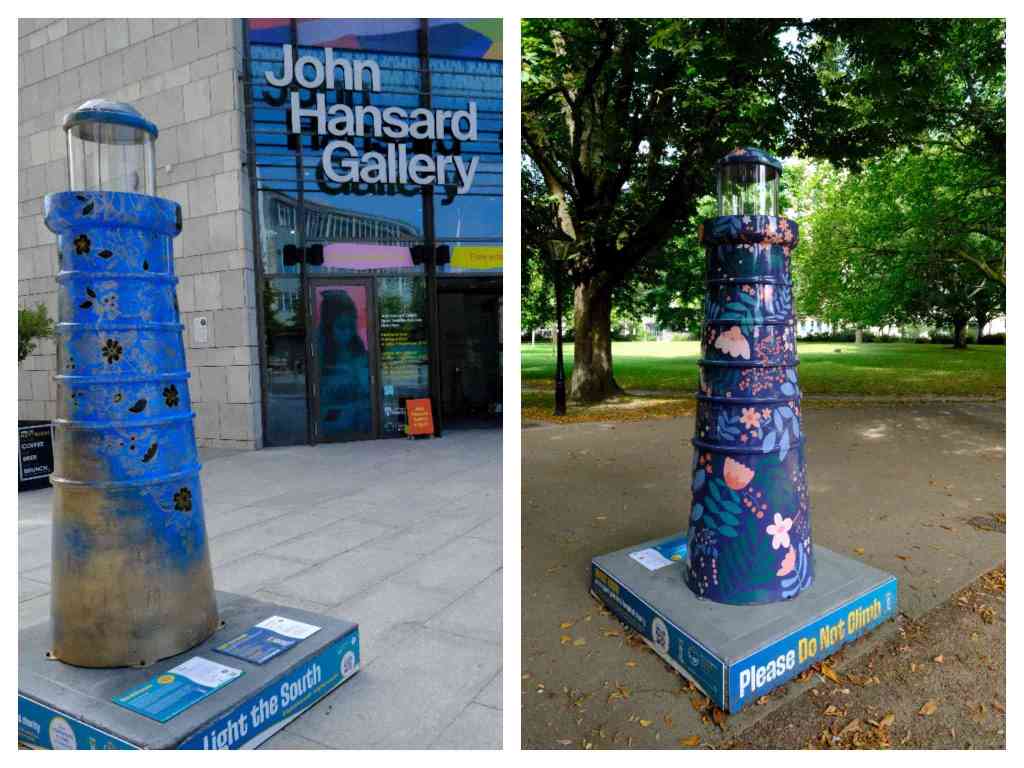
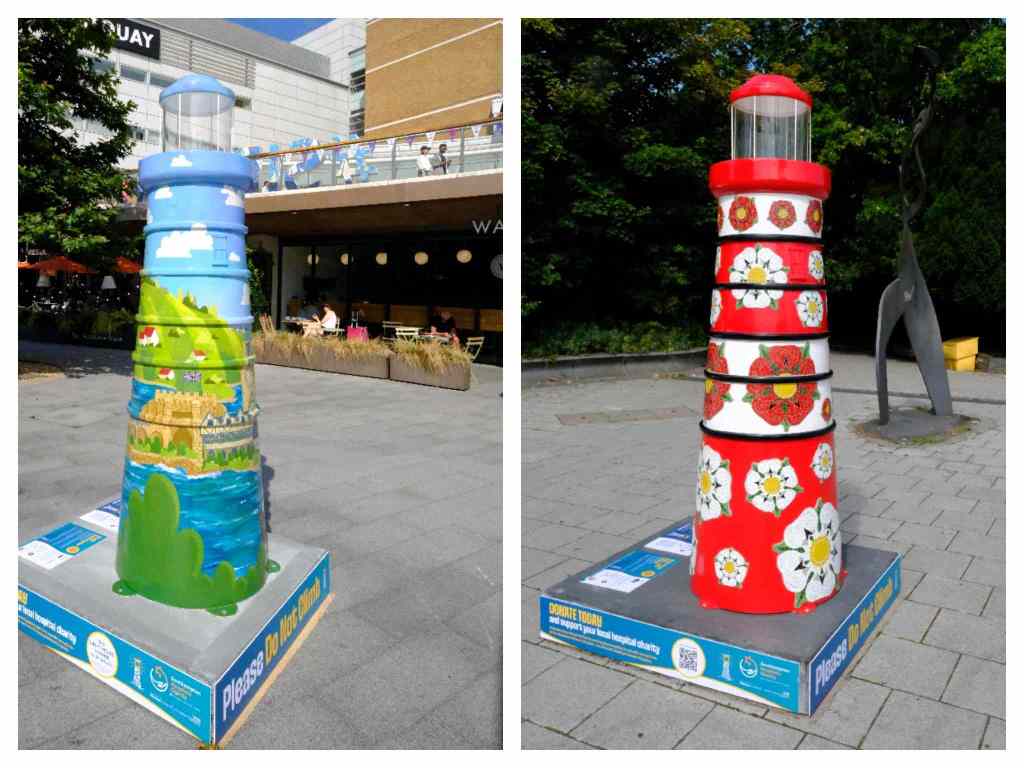
I revisited Southampton City yesterday to see more of the “Light the South art trail”. A public art event consisting of 40 painted lighthouse sculptures each standing 8ft tall. {there will be a further 30 mini lighthouses.} The art trail is to raise funds for Southampton Hospital Charity.
Below is the link to my post of my 1st visit.
https://wordpress.com/post/skylid.travel.blog/11751
Some different lighthouses seen yesterday.

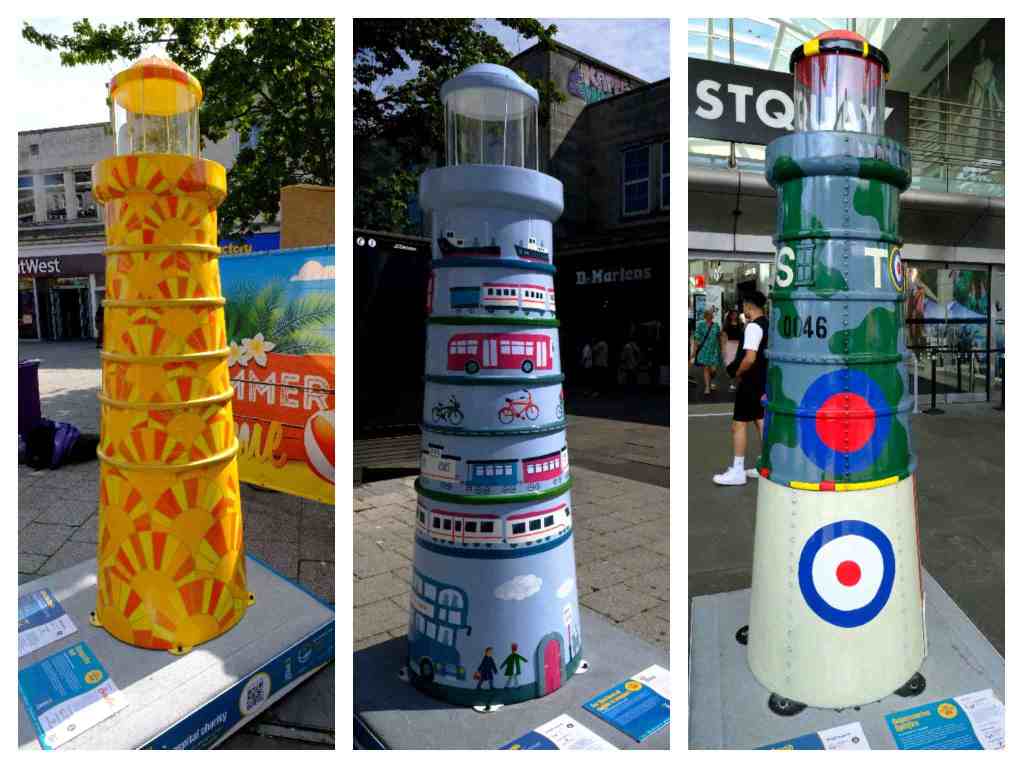

Below 5 of the mini-lighthouses.

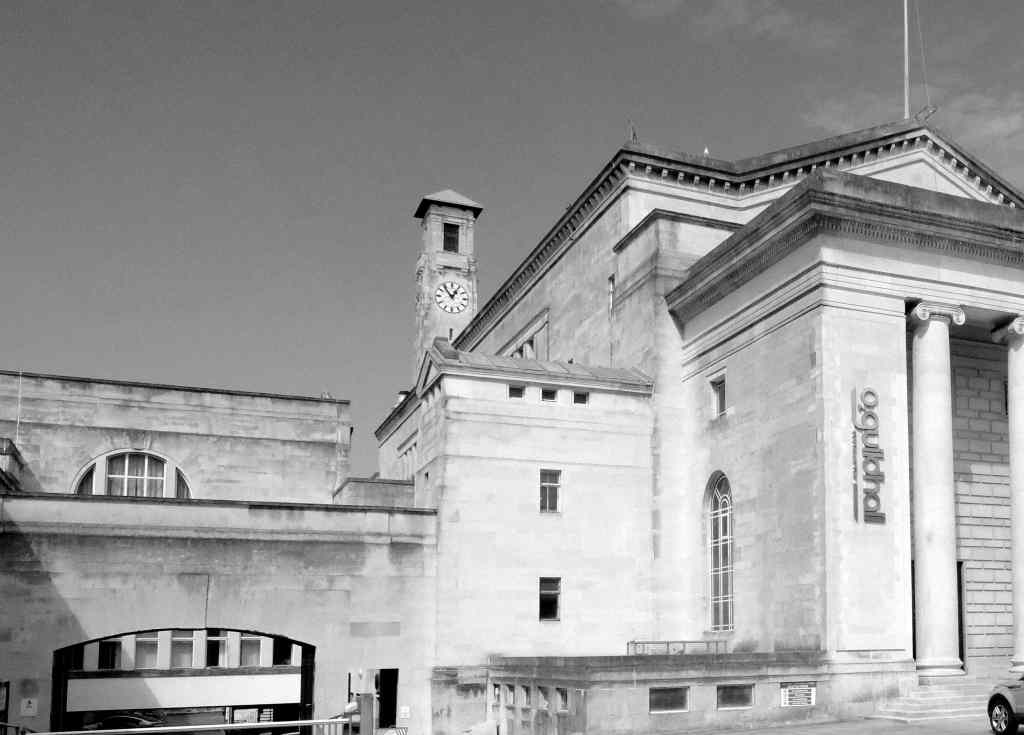
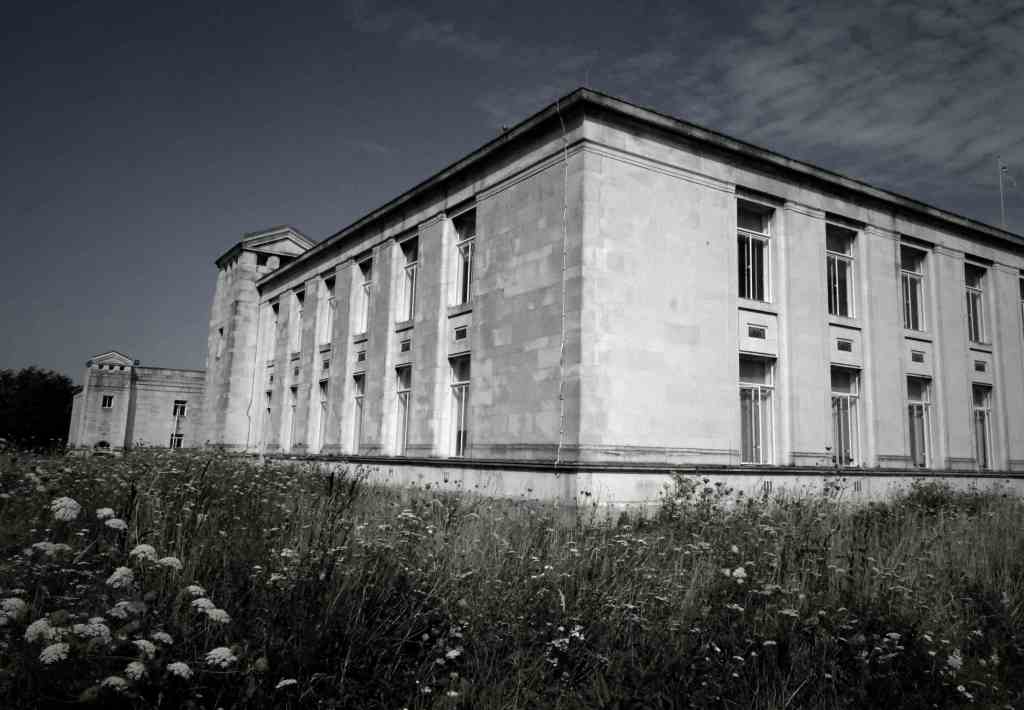
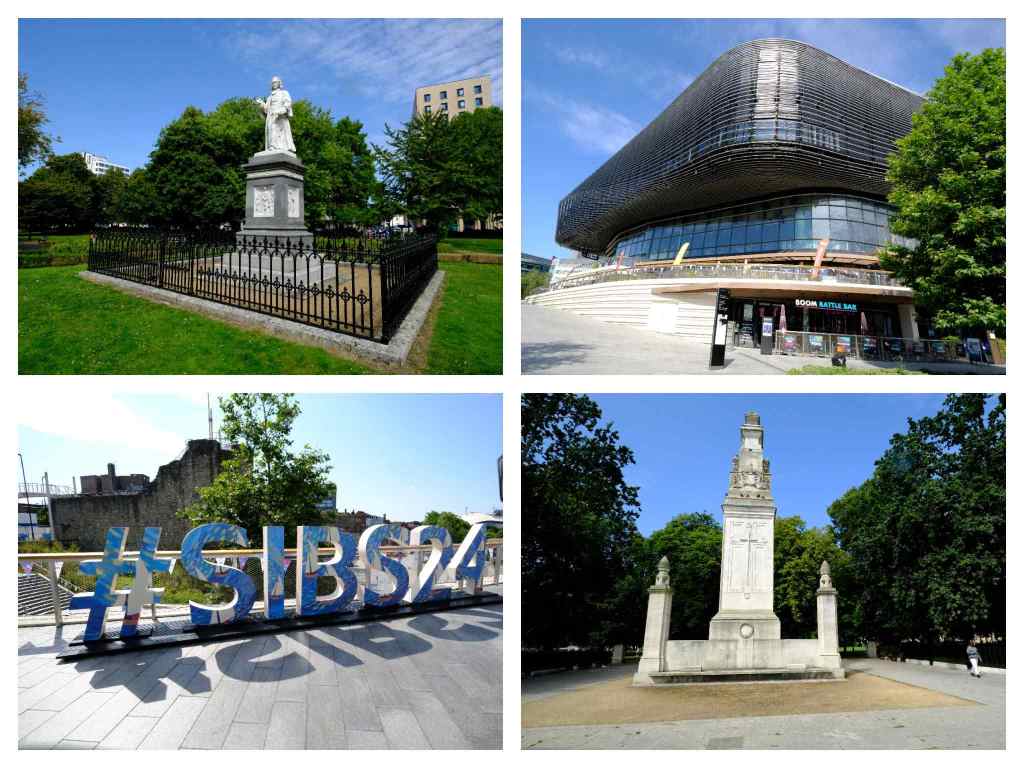
While walking around I took some general views of the town centre.
Civic Centre.




Seeing and hearing a distant Spitfire over the Solent I decided to call into Solent Airport on my way home today. There were two Spitfires on the ground.
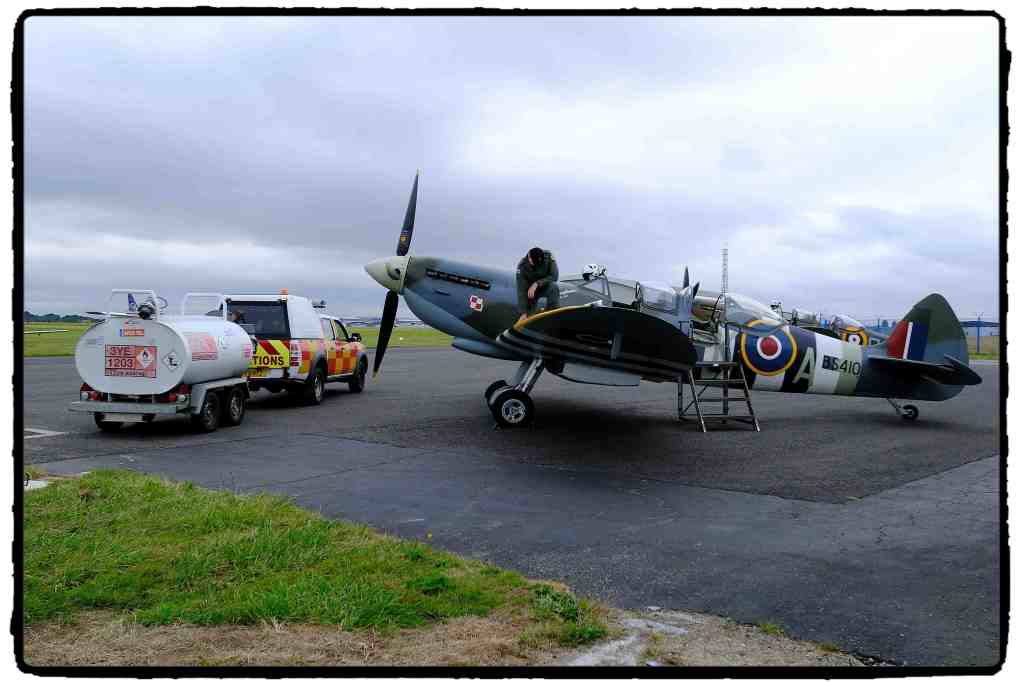


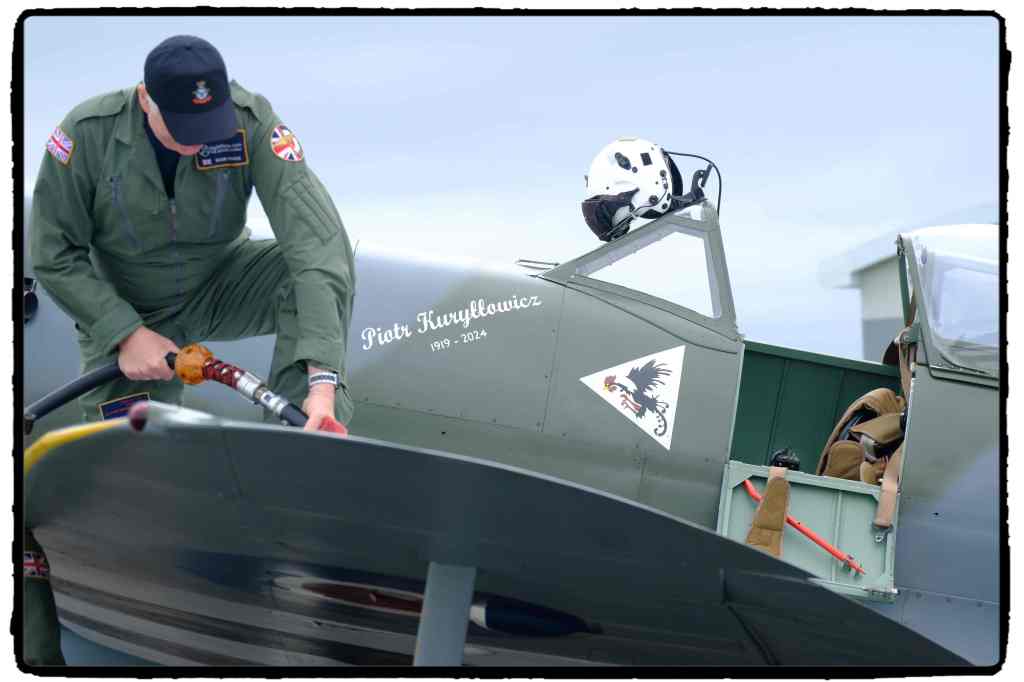


Piotr Kuryłłowicz, 1919 -2024.
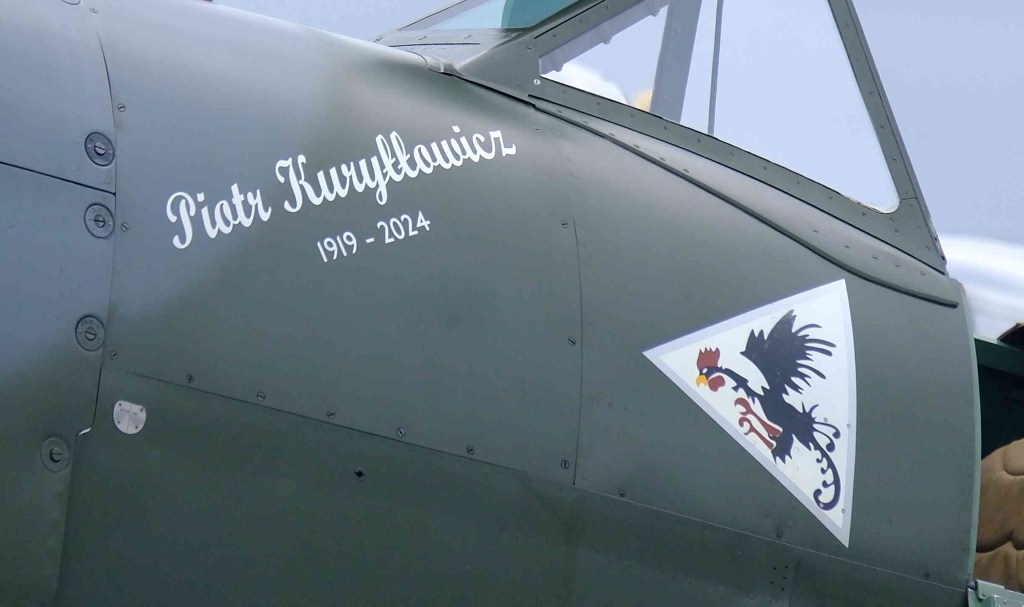
The name on the side on BS410 got me googling.
Piotr Kuryłłowicz died on March 13, 2024, at the age of 104 the last known veteran of the 315th Fighter Squadron “Dębliński” from a Polish Siberian family, Piotr Kuryłłowicz, like many pilots at that time, began his aviation career with training at the Military Gliding Camp in Ustianowa. Shortly after that, he joined the Aviation Cadet School in Dęblin. As a graduate of the famous accelerated XIII officer promotion course, he was evacuated on September 18, 1939, to Romania, from there he got to France, and then on to Great Britain.
While in Great Britain as a Flying Officer with service number 780962, he underwent training at 55 Operational Training Unit at RAF Aston Down. He fought in the 317th Fighter Squadron “Wileński” and the 315th “Dębliński”. It was while serving in this unit that, on Tuesday, May 13, 1943, he took off from RAF Northolt and was shot down over France, by either a Focke Wulf or ME 109.Kuryłłowicz – parachuting near Occoches, he was captured and sent to the German POW camp – Stalag Luft III in Żagań.
Lyndhurst is the largest village in the New Forest Hampshire, it became the natural ‘capital’ of the area when William the Conqueror established his hunting grounds in the forest. Lyndhurst was the haunt of royalty and nobility. Kings and Queens regularly visited Lyndhurst’s own manor house. Now known as Queens House, this former manor is still home to Verderers’ Hall, the meeting place of the ancient Verderers’ Court whose history stretches back to at least the 13th century.
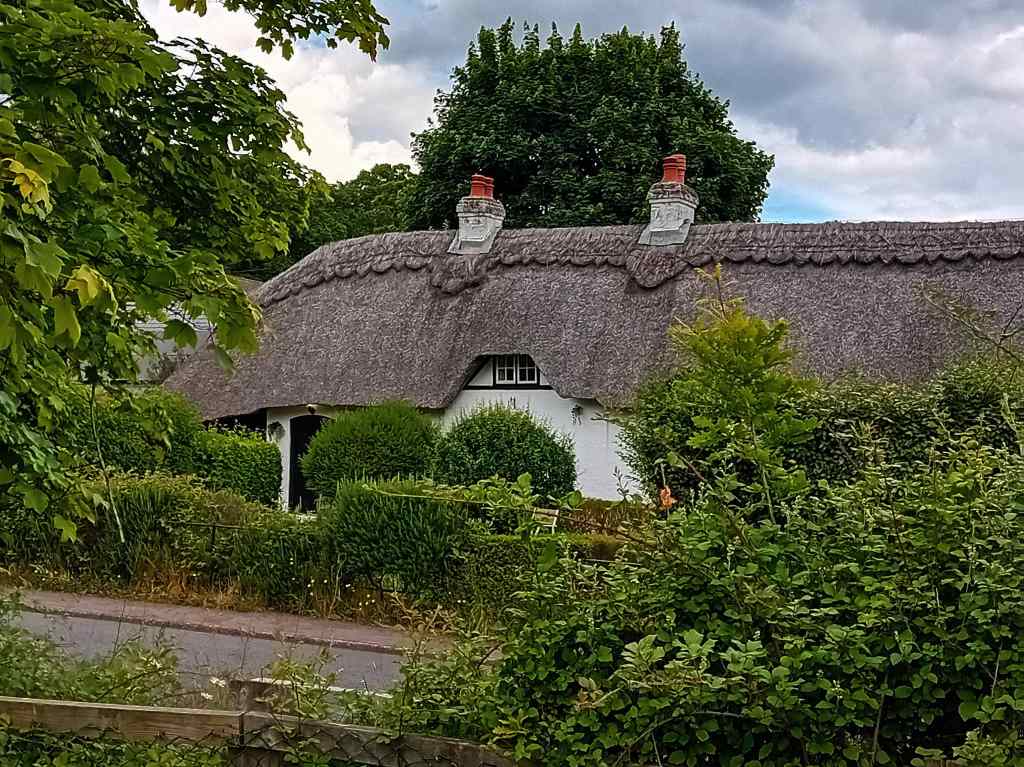



As we approach the 80th anniversary of D-Day I visited the village of Warsash on the River Hamble. Today Naval vessels and Landing Craft have been replaced by pleasure boats.


