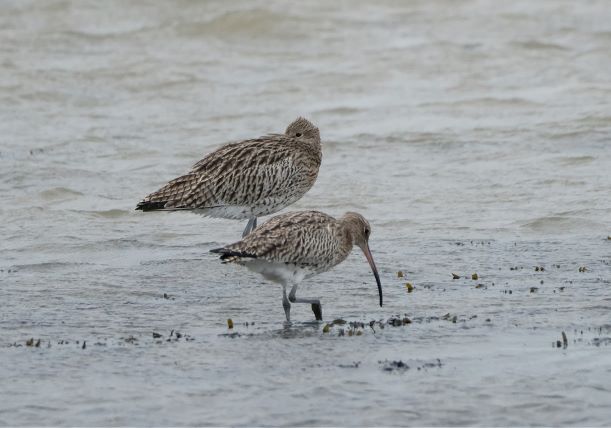
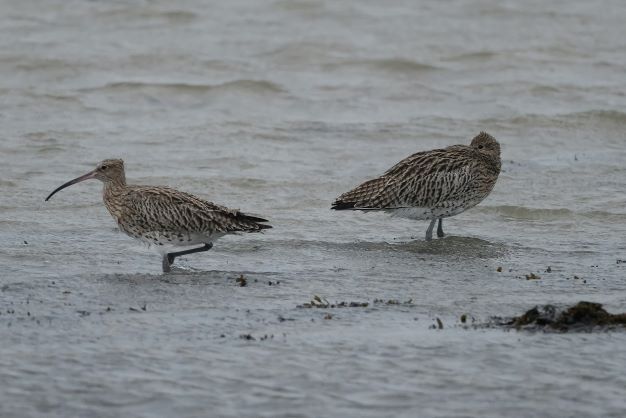
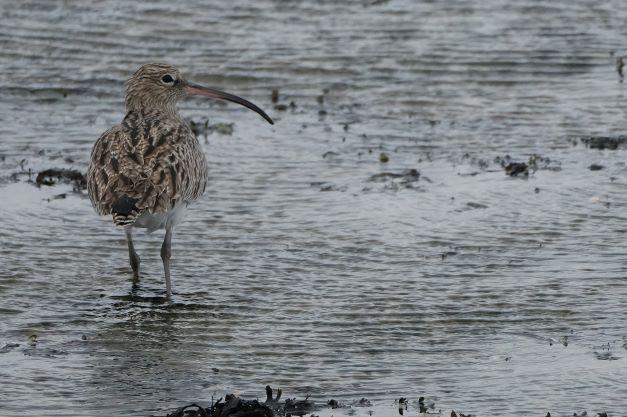
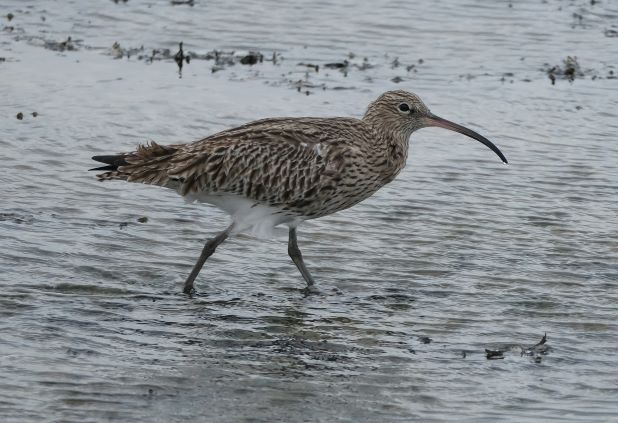
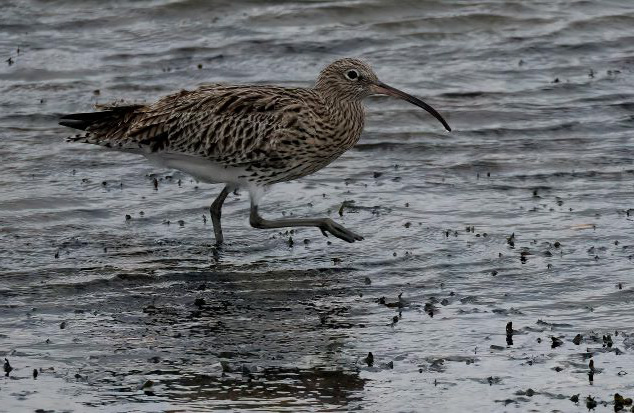
The curlew is the largest European wading bird. There were around 10 birds on the mudflats at the edge of the incoming tide catching small crabs at Lepe Beach on the edge of the New Forest. They also feed on worms, shellfish and shrimps. The UK breeding population is around 58,500 pairs and the wintering population increases to some 125,000 birds.
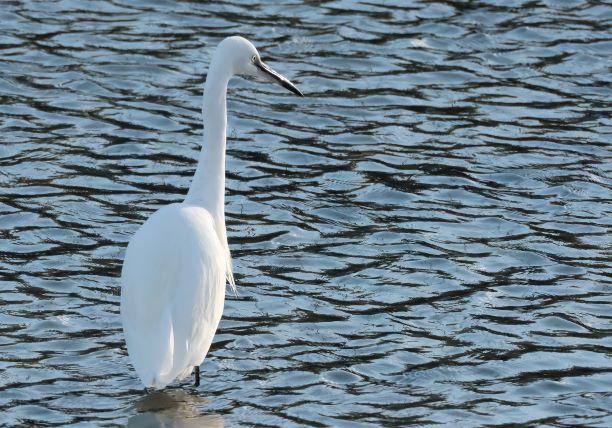
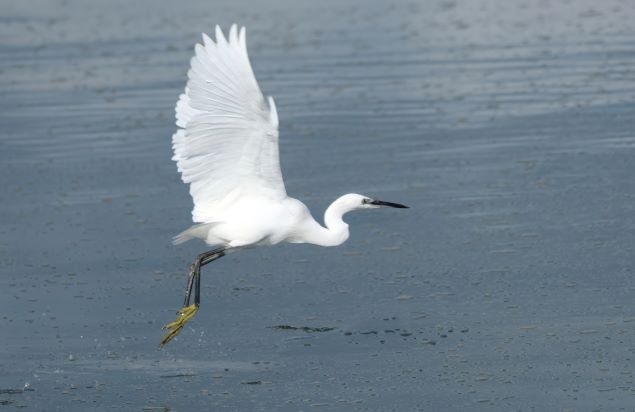
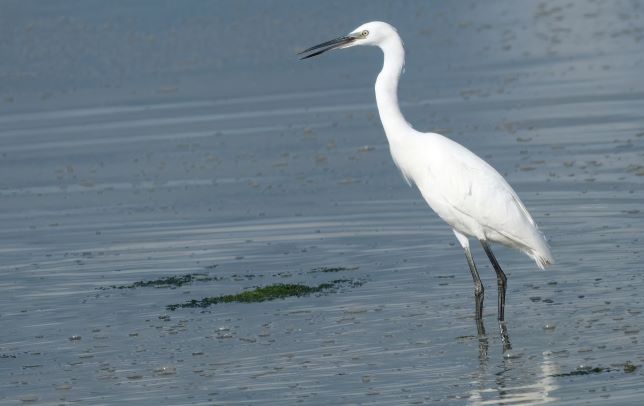
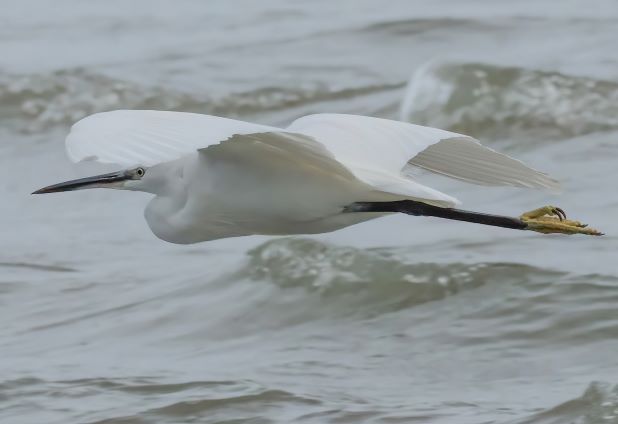
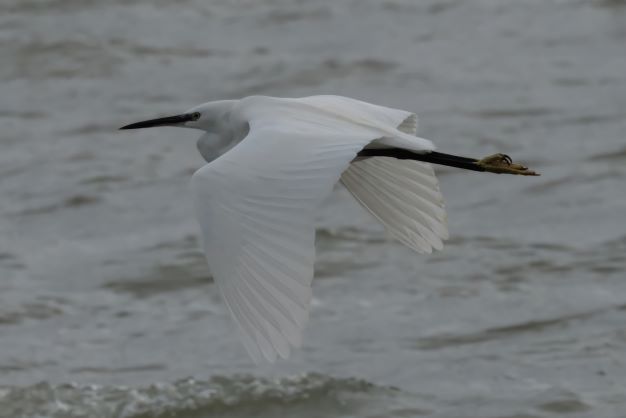
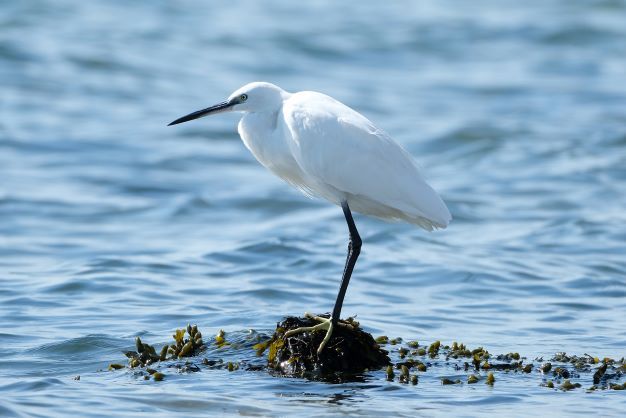
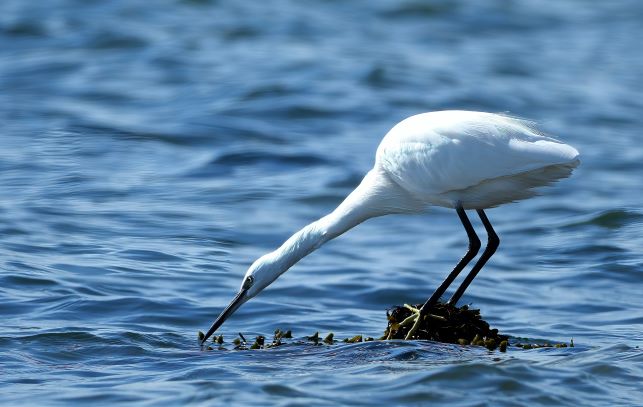
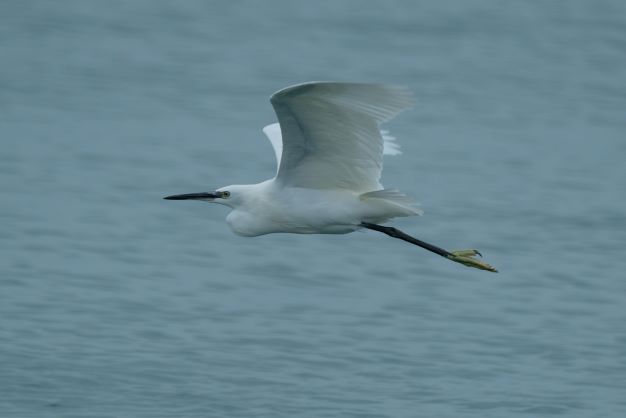
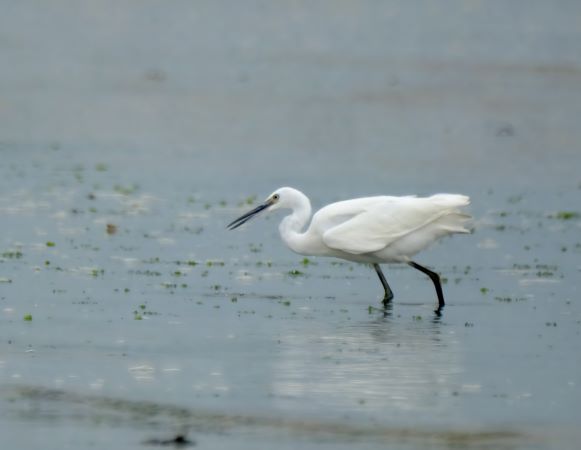
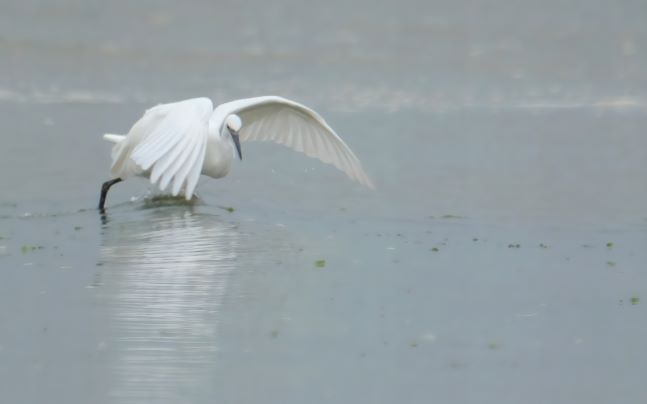
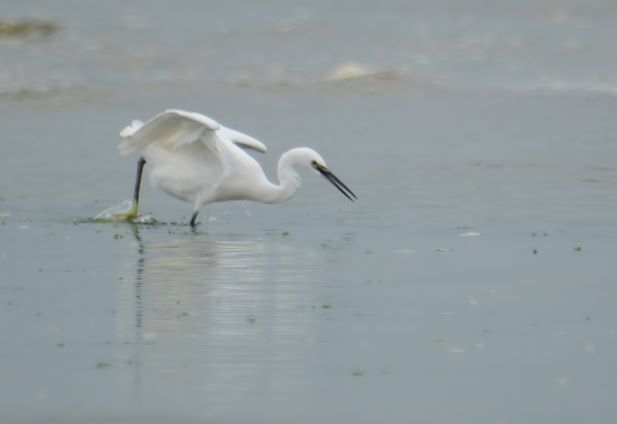
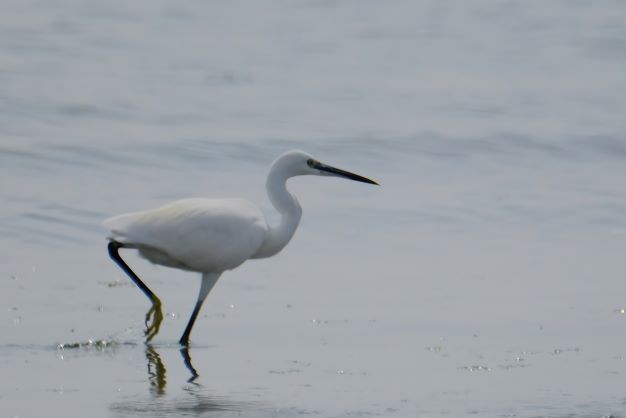
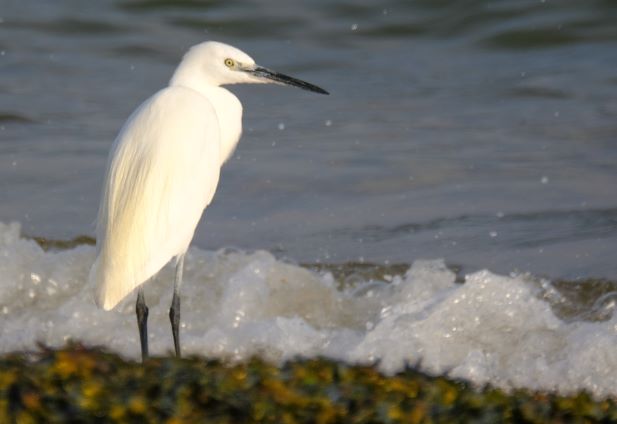
The Little Egret is a small, white heron. They feed on small fish and crustaceans. Once a very rare visitor from the Mediterranean but today they are a common bird in the UK. I often see more Little egrets than Grey Herons on a trip out.
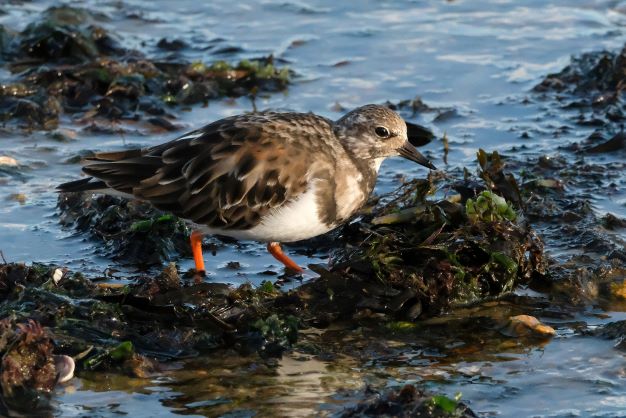
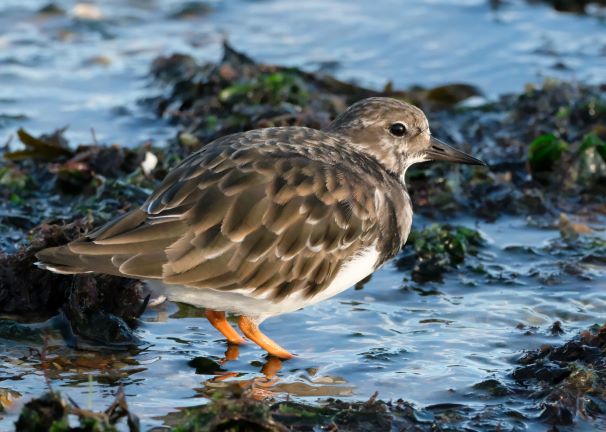
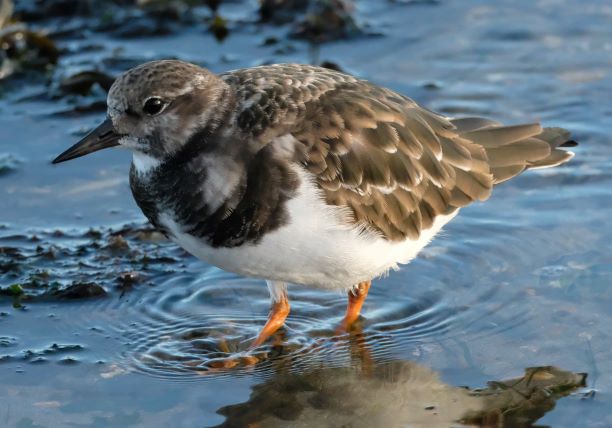
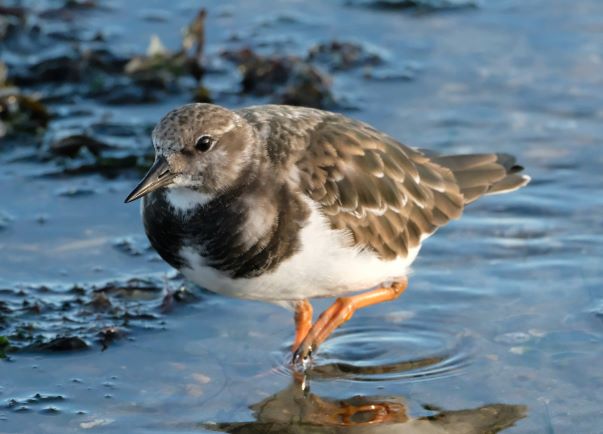
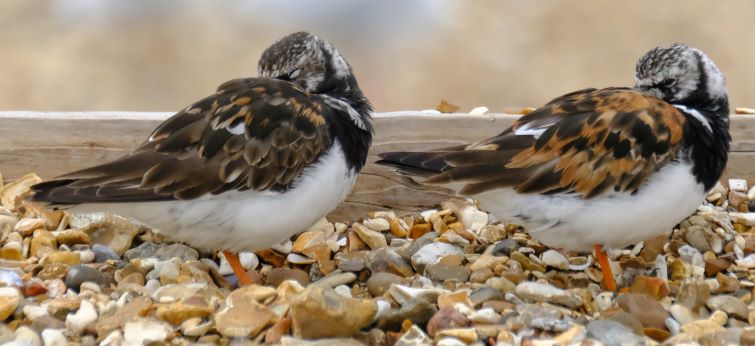
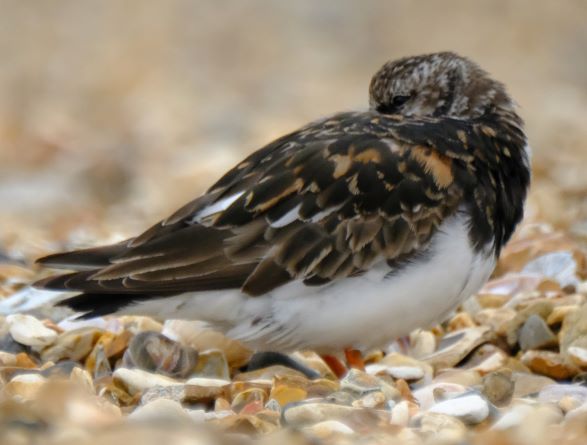
These little waders like rocky shores as well as sandy and muddy coastal beaches. Here on Meon Shore, they feed between the rocks they look in the seaweed, and will feed by picking up food from under stones. They eat small insects, crustaceans and molluscs. These birds are known as just Turnstones here and in Europe but worldwide they are known as Ruddy Turnstones.
Our local Little Egrets have found a new way of fishing I have been watching these beautiful Herons for several years on Meon Shore but only in recent weeks, have seen them on a slack tide standing on the wooden sea groin post fishing. Normally they wait until low tide to fish at the waters edge.
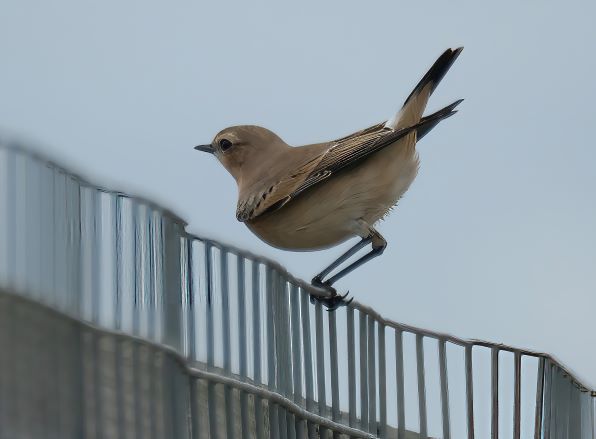
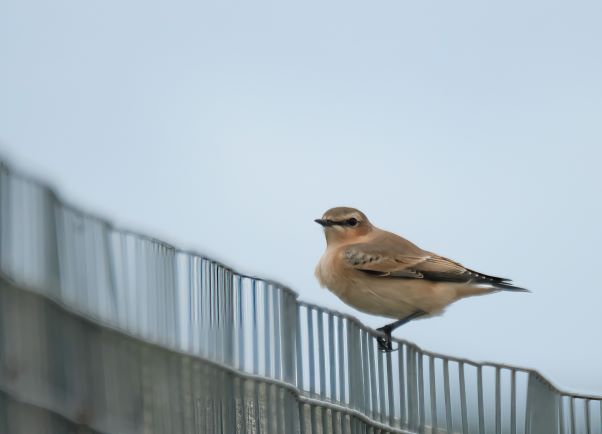
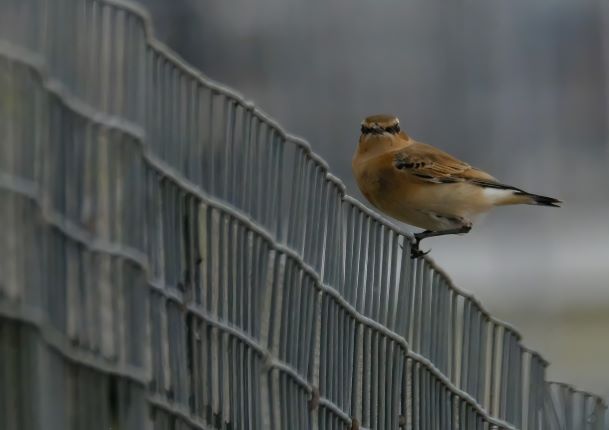
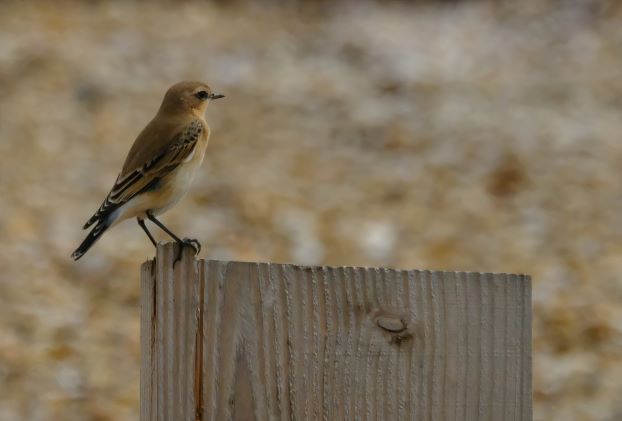
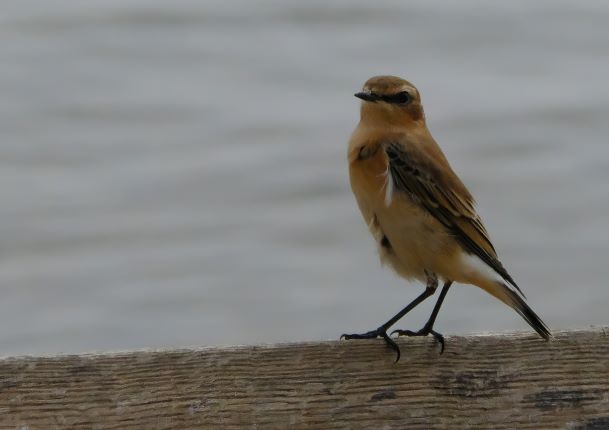
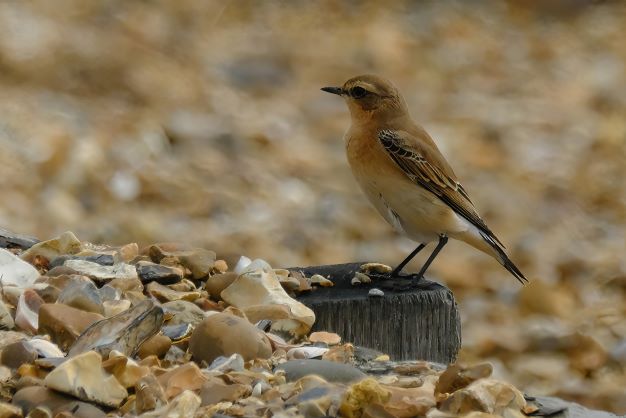
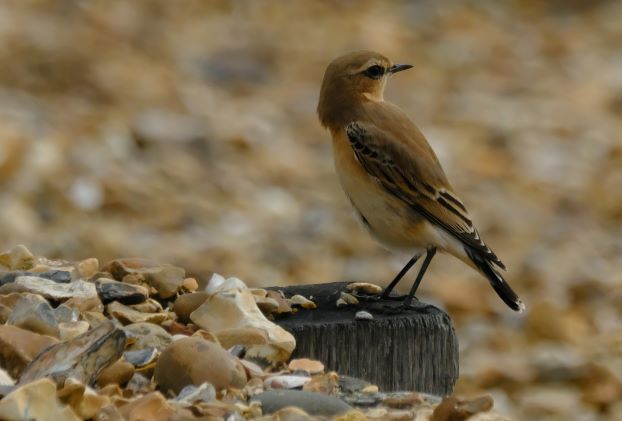
The wheatear is a small mainly ground-dwelling bird. It hops or runs on the ground popping up onto posts to get a better view. This bird was on the shingle at Meon Beach. They breed mainly in western and northern Britain and western Ireland. Small numbers do breed here in the south their numbers seem to increase locally this time of year. I think this is prior to them migrating to central Africa where they spend the winter.
A solitary Little Egret quietly fishing as the tide comes in. This morning the rain arrived and the beach was almost empty of people I was able to sit down on the shingle and enjoy this egret going up and down and catching small fish.
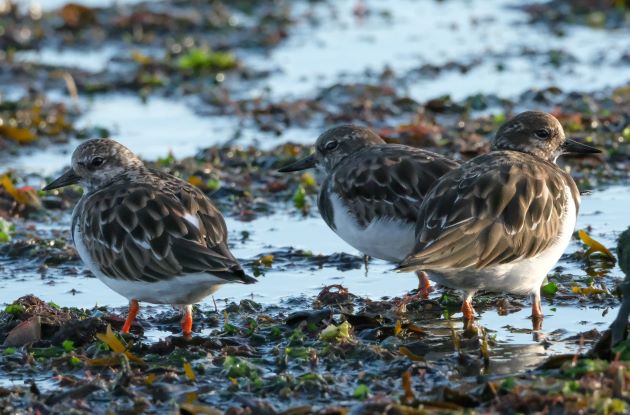
Turnstone on Meon Shore – The numbers of these little birds are increasing on our shores as they return from their arctic breeding ground to winter but they are present for most of the year in the UK as the non-breeding birds often stay through the summer. Birds from Northern Europe pass through in July and August and again in spring. Canadian and Greenland birds arrive in August and September and remain until April and May. Known in other countries as Ruddy Turnstone the “Ruddy” has been dropped here. Their colours are more muted in nonbreeding plumage. In the picture below the bird on the right shows breeding colours, the bird on the left colours has started to mute.
PLEASE NOTE, Any sponsored advertising that you see at the bottom of my posts is NOT endorsed by me and is a down to WordPress I advise you to ignore these unsolicited links.
Birding watching on Meon Shore as the tide comes in.
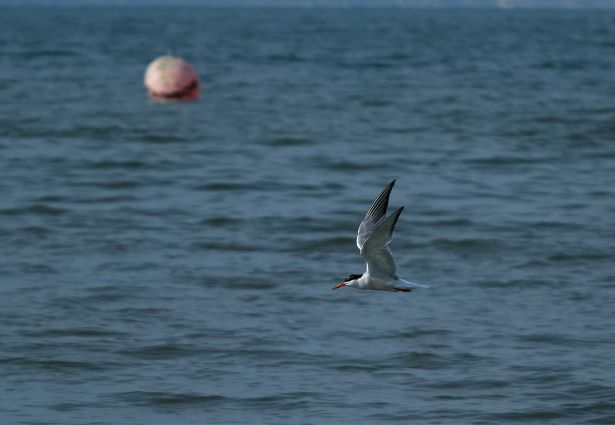
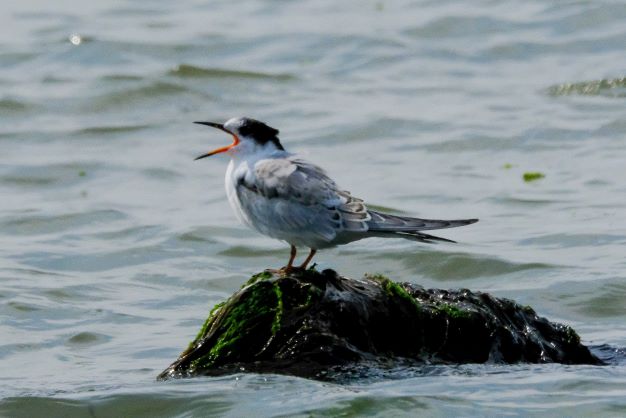
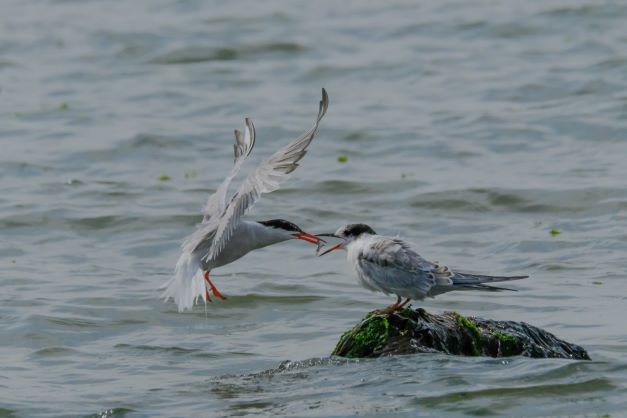
The Common Tern colony at Titchfield Haven Nature Reserve numbers have increased in recent weeks, and parent birds along with their youngsters from other areas have joined our local birds. The birds rest up on the islands in the nature reserve when the tide is high then when the tide is low they rest up on the shingle banks and on the beach. The young birds are now going out into the Solent, to feed diving for small fish and shrimps. The juvenile birds are quickly learning this skill, although their feeding is still being supplemented by their parents. The clock is ticking they have to feed up as they leave our coast towards the end of August and September and migrate to Africa.
These picture shows that the mother knows best and she is undertakes the hard work of catching the meals to feed up one of her youngsters.
The juvenile birds have not fully developed their colouring – it is most noticeable that their black cap does not extend to the top of their bill.
I was pleased with the film I made of this young tern being fed by the adult bird, I thought once the youngster had eaten the large fish it would have been full but it had at least another 4 small fish.
PLEASE NOTE, Any sponsored advertising that you see at the bottom of my posts is NOT endorsed by me and is a down to WordPress I advise you to ignore these unsolicited links.
























 Continued Reflections from my World.