Something I rarely see is a Great Crested Grebe in flight.

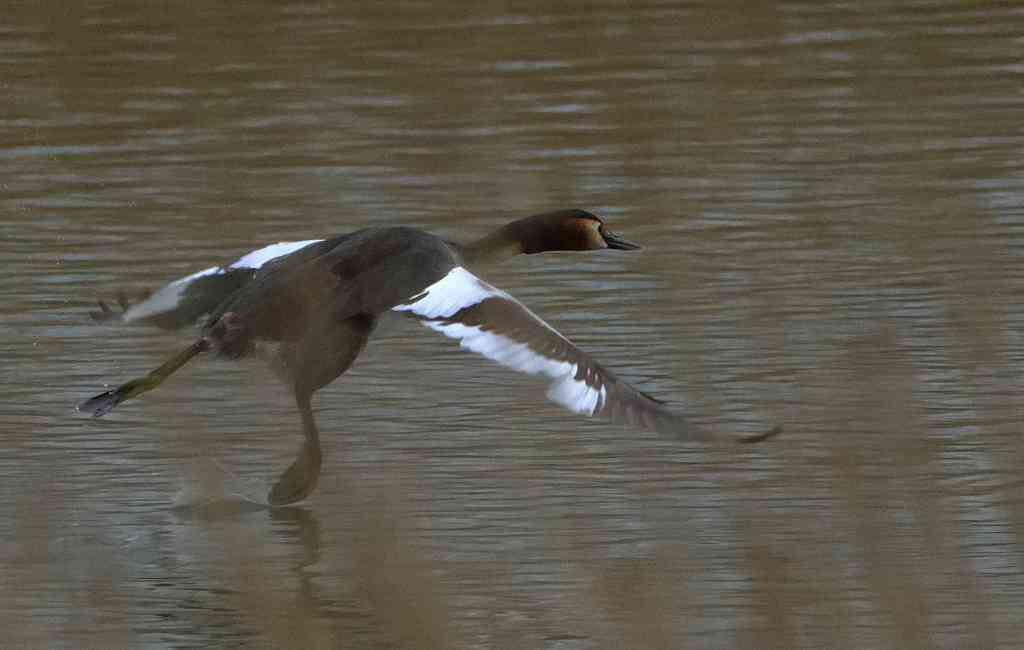

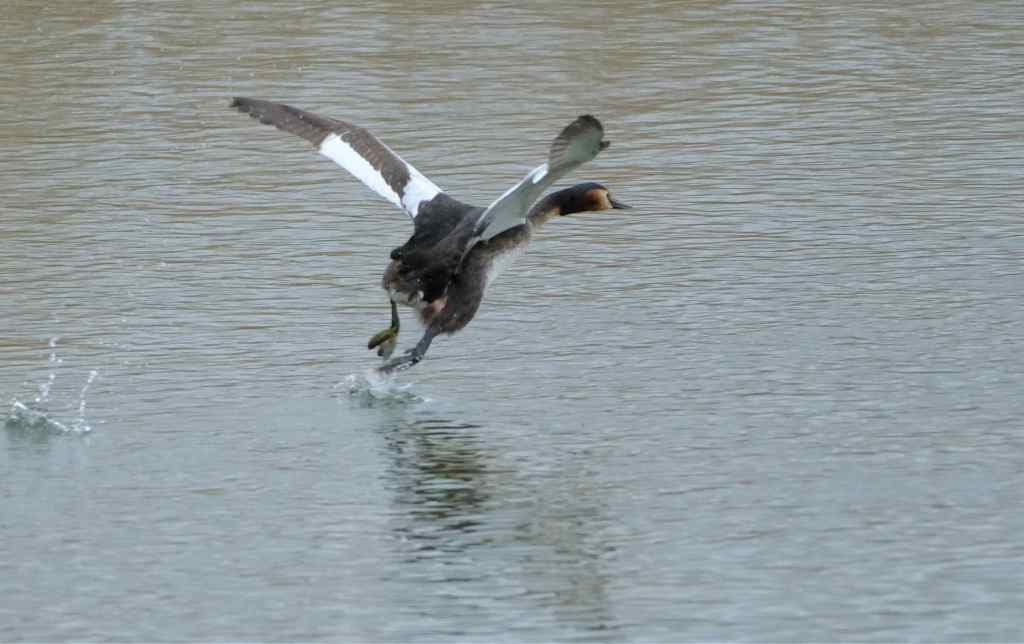
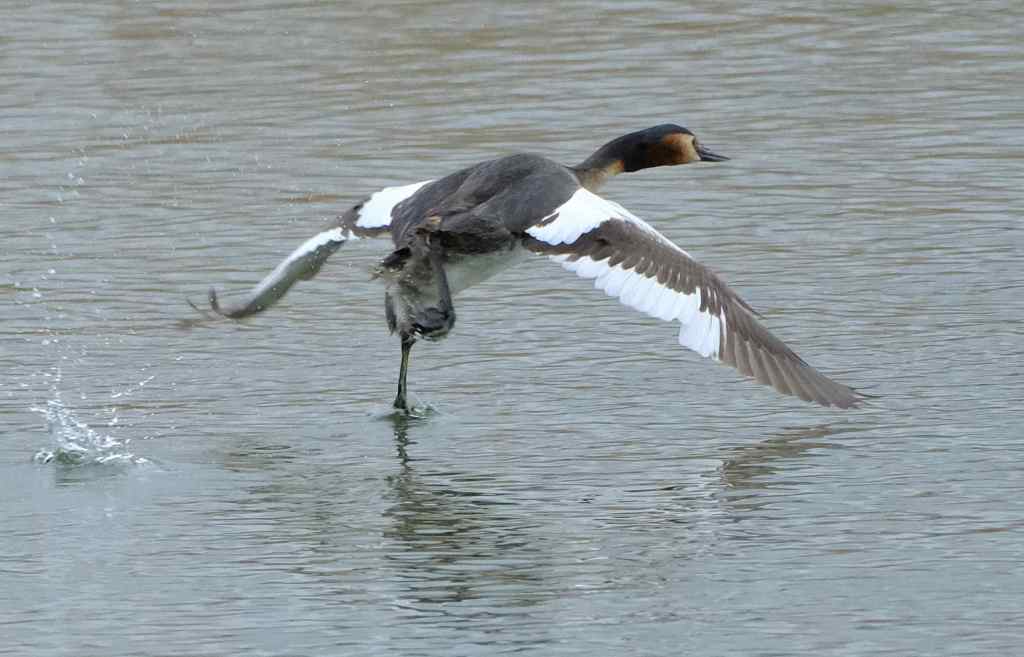

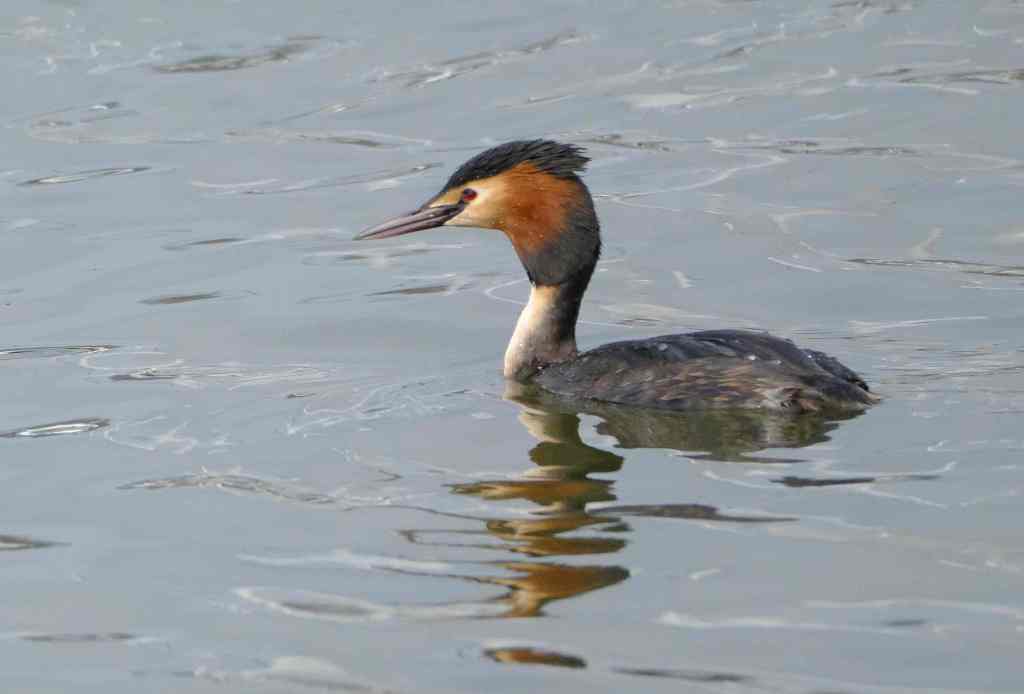
Something I rarely see is a Great Crested Grebe in flight.
Return to the River Hamble.
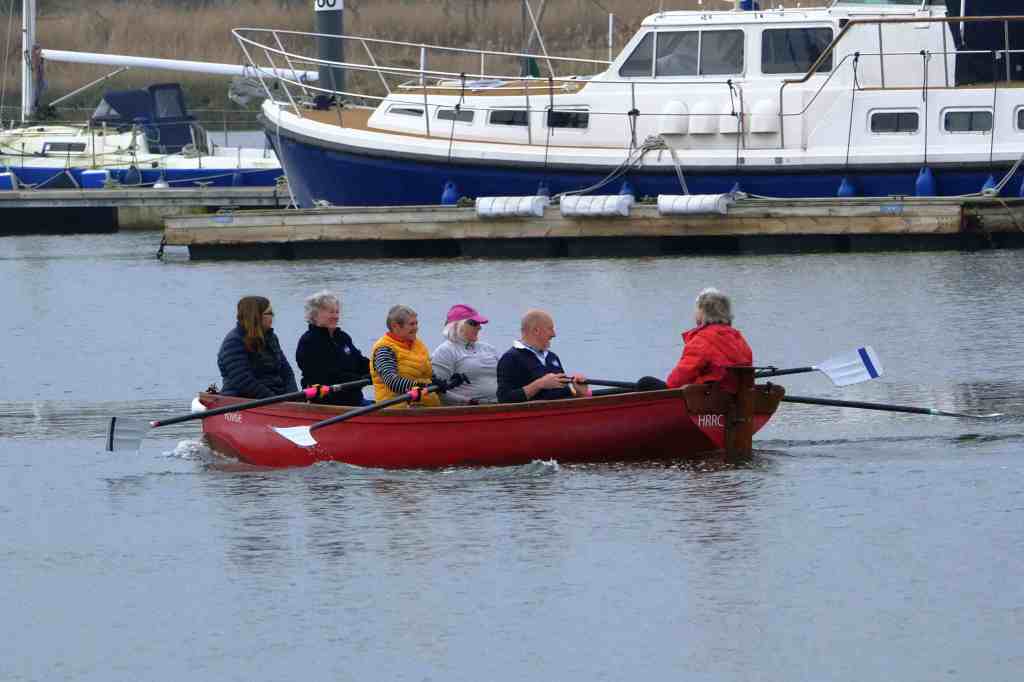
Here on the coast on the South Coast, we are lucky that there are great places for wildlife the area is rich in waders and wildfowl. Yesterday we walked from Warsash along the River Hamble to Bursledon and back an easy walk along gravel paths (about 2 miles each way). This part of the river is tidal with exposed mud at low tide and with areas of reedbeds. The stretch is used for more small pleasure crafts in the central chancel. Seals frequent this area but I have yet to spot one!
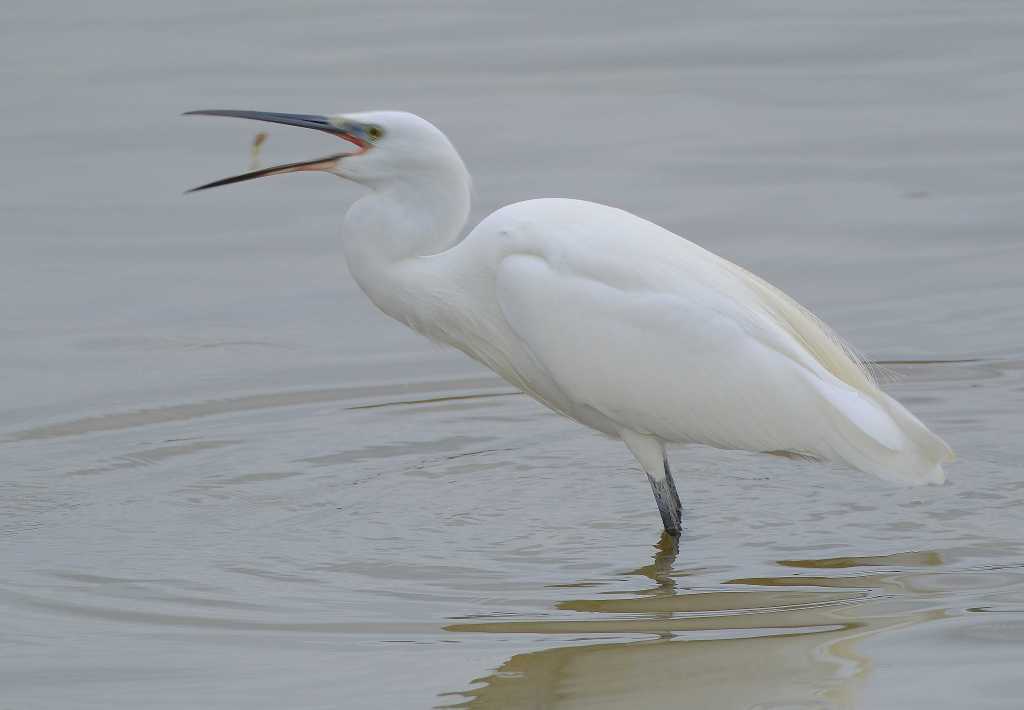
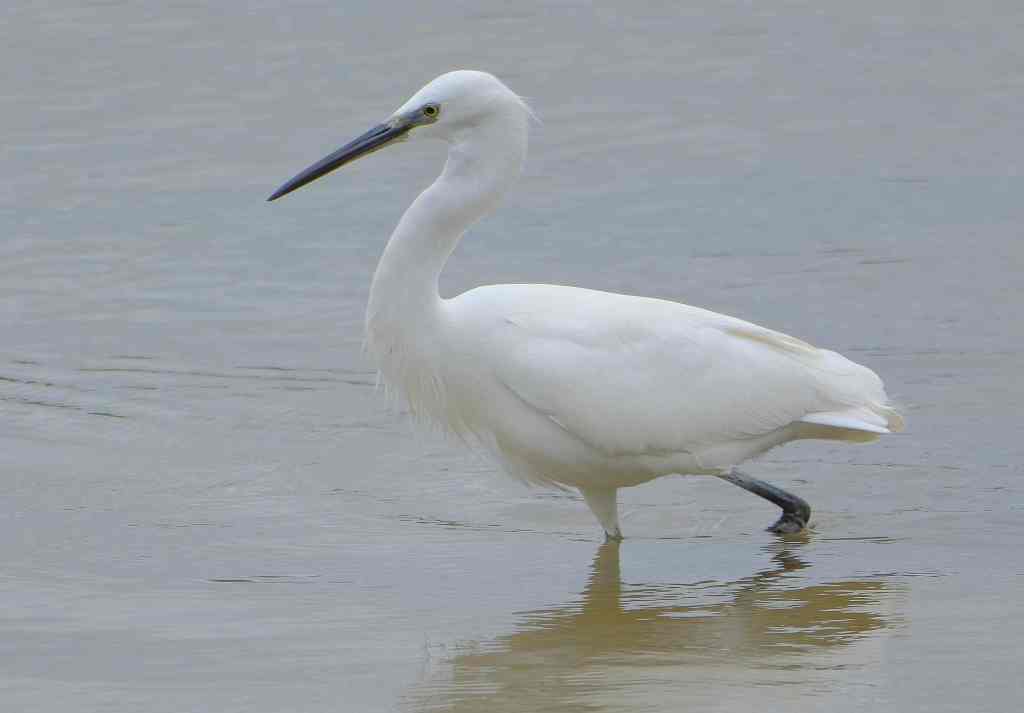
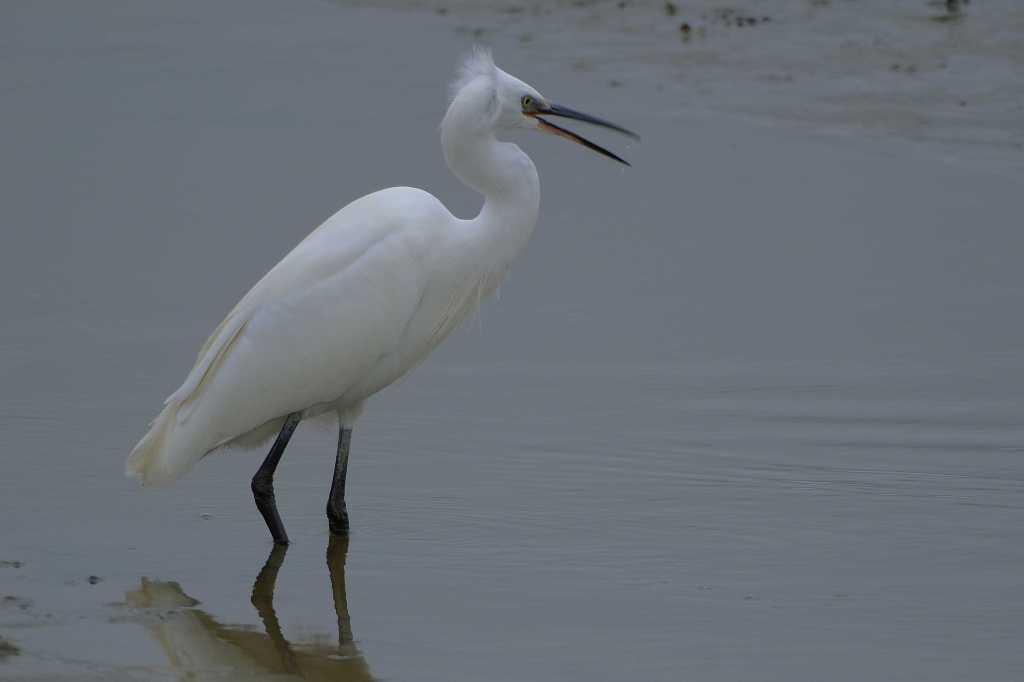
Little Egret.


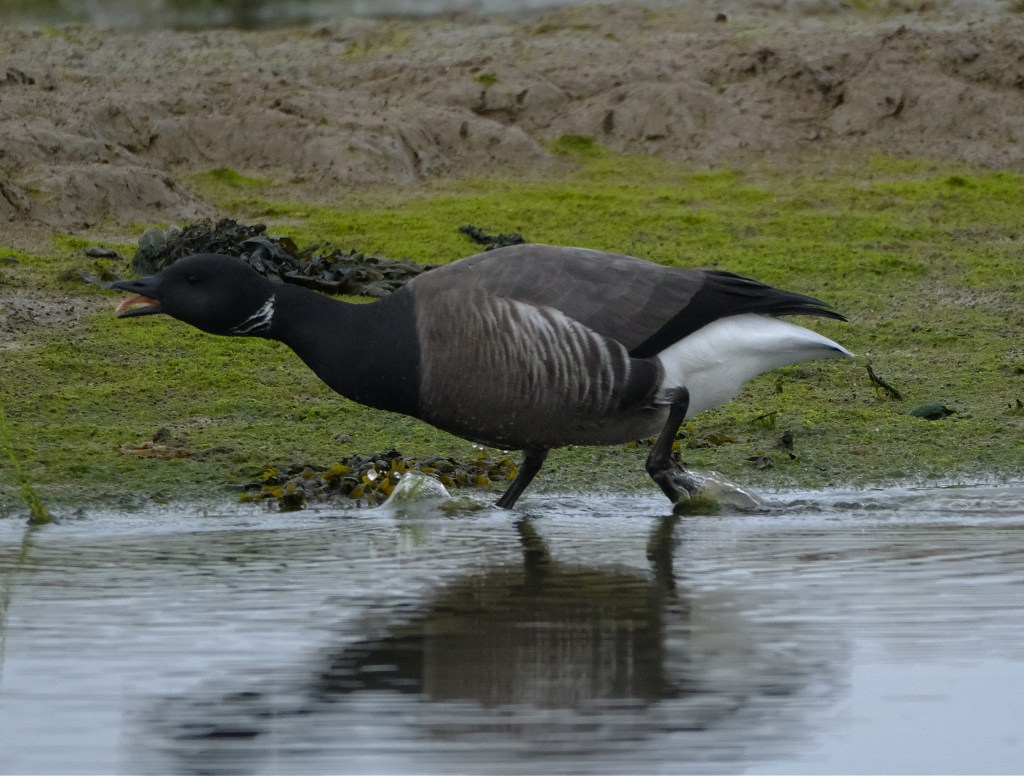
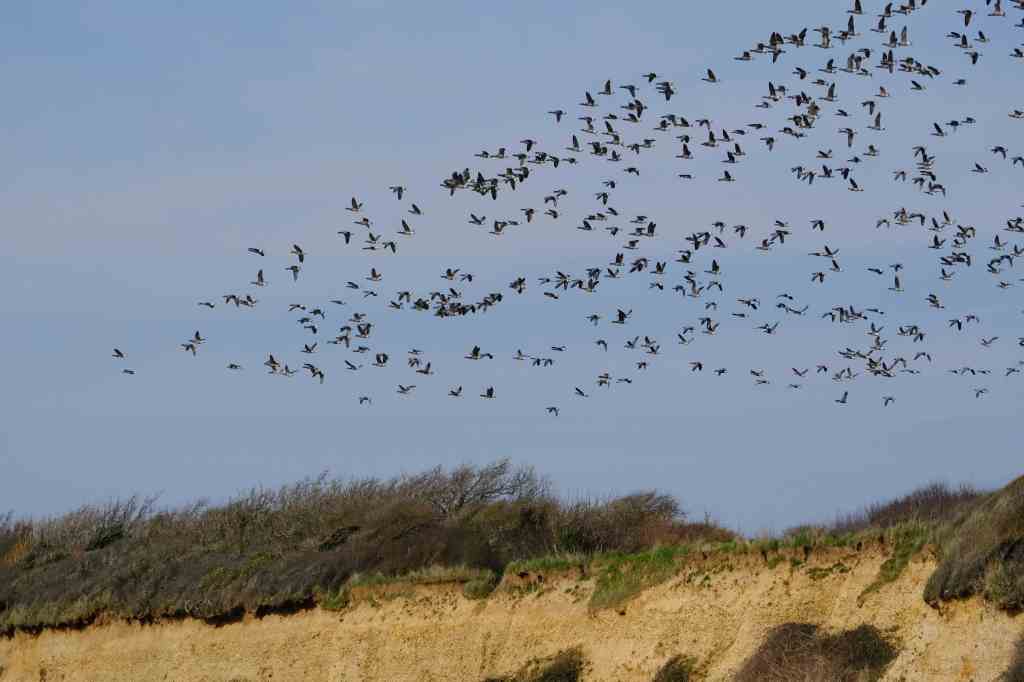
Brent Geese.
Soon these birds will be leaving our shores for their breeding grounds they have wintered here in the UK due to our milder winter. There are two populations those with dark bellies we get here, while those with pale bellies can be found in the North East. Brent geese gather in large flocks of hundreds of birds ready to return North to nest in northern Russia and Siberia. Unlike Canada geese, they do not fly in tight ‘skeins’ (V-s)

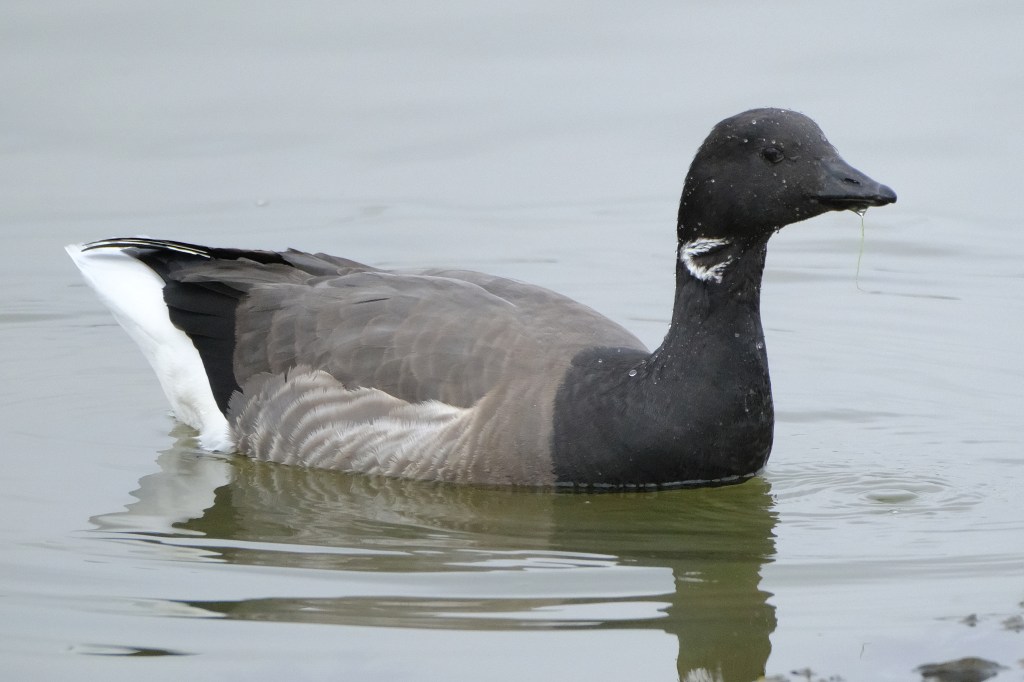
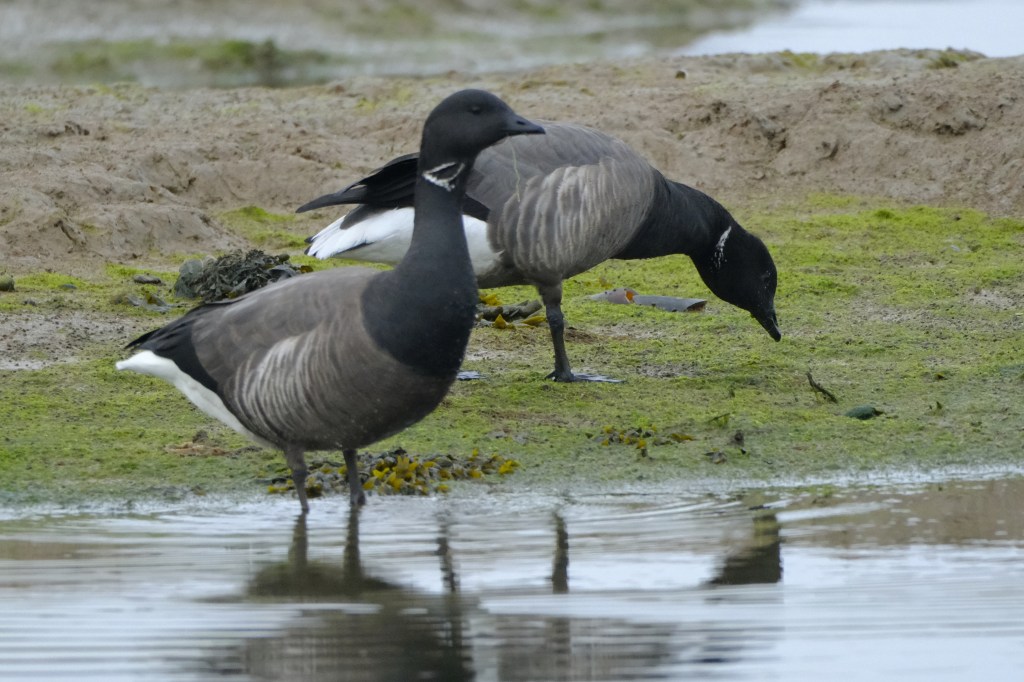
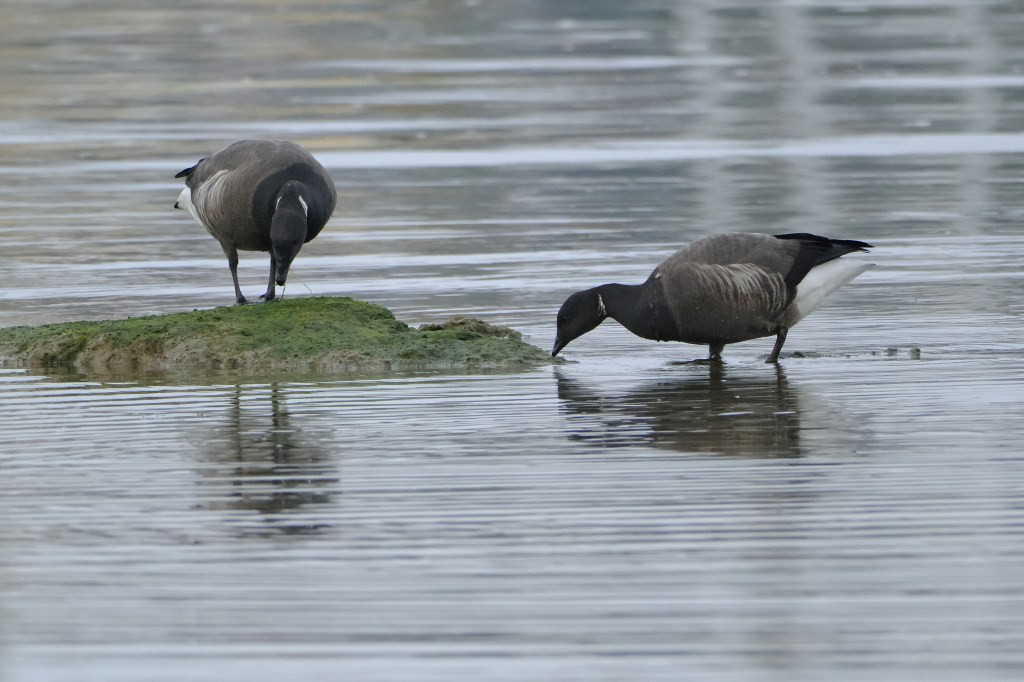
Below gathering photographed last week.
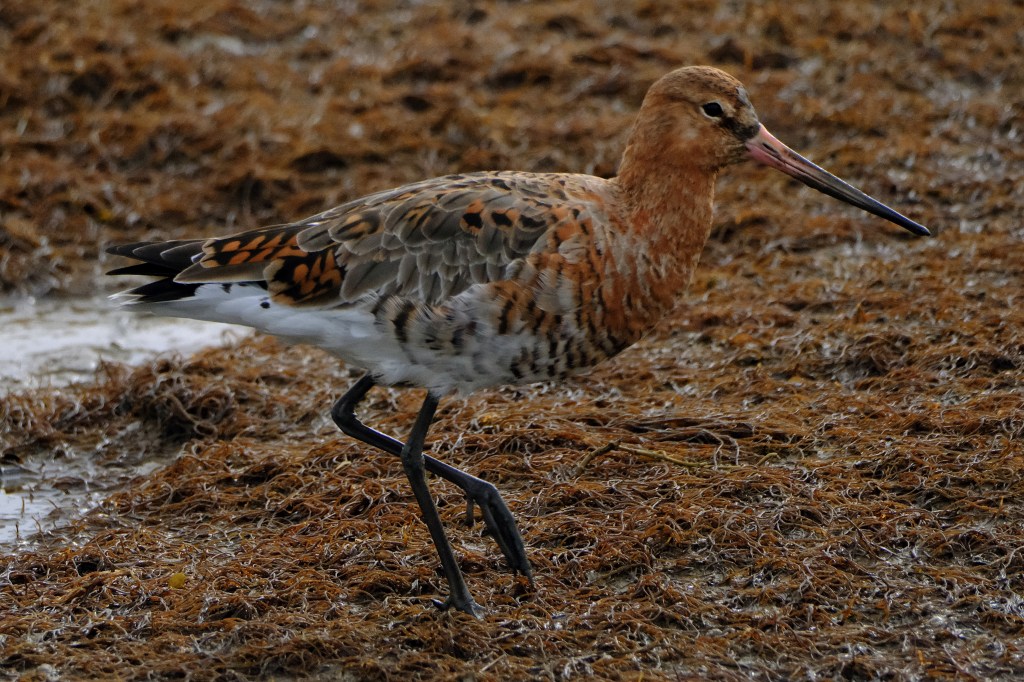
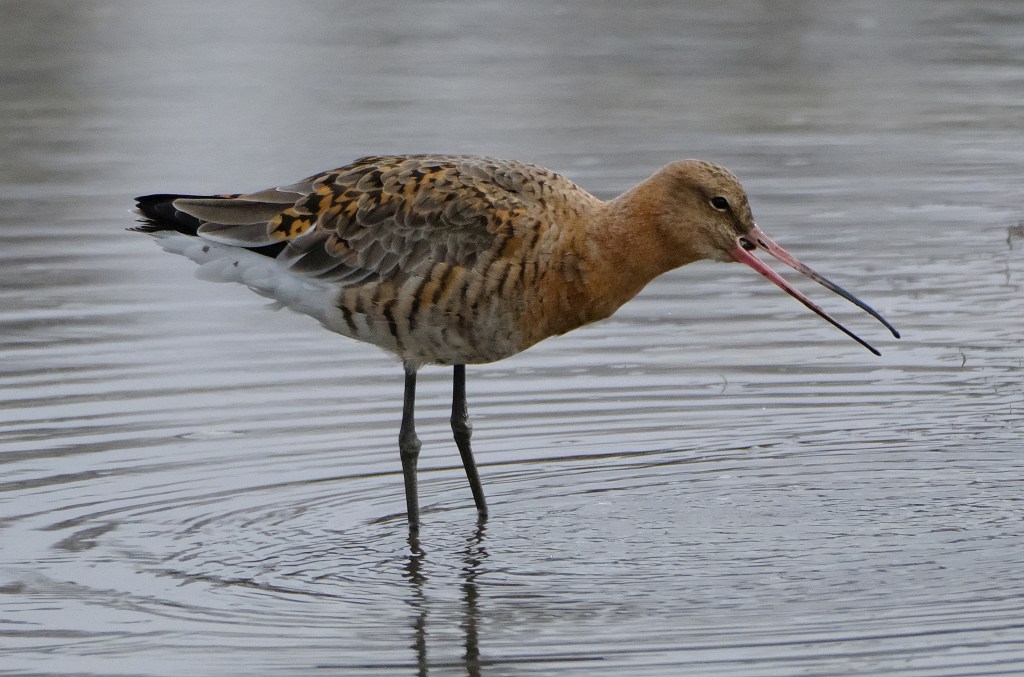
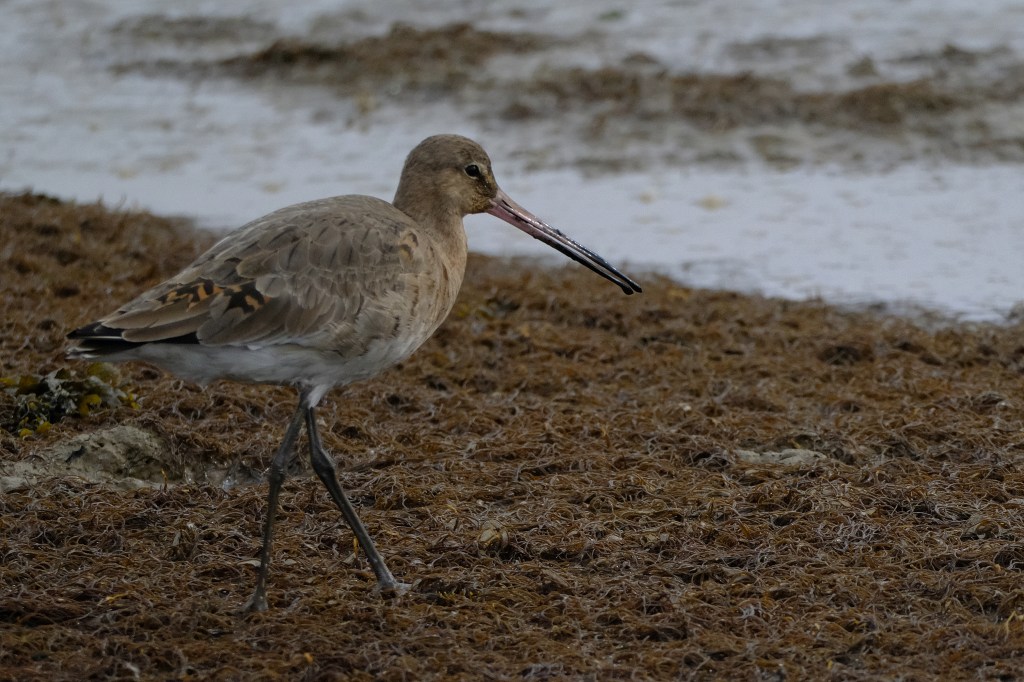
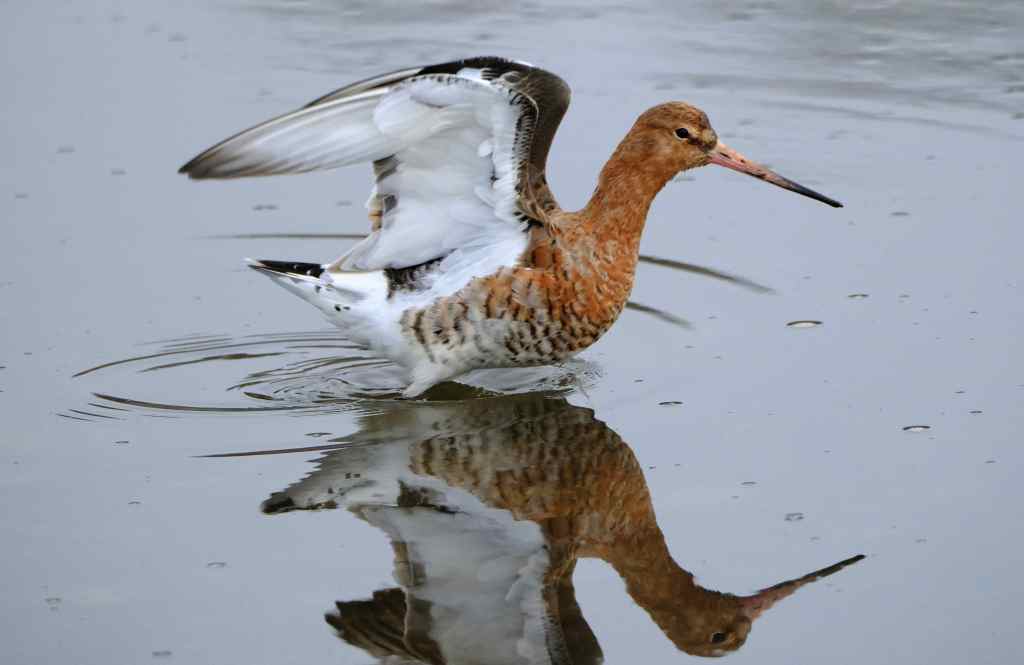
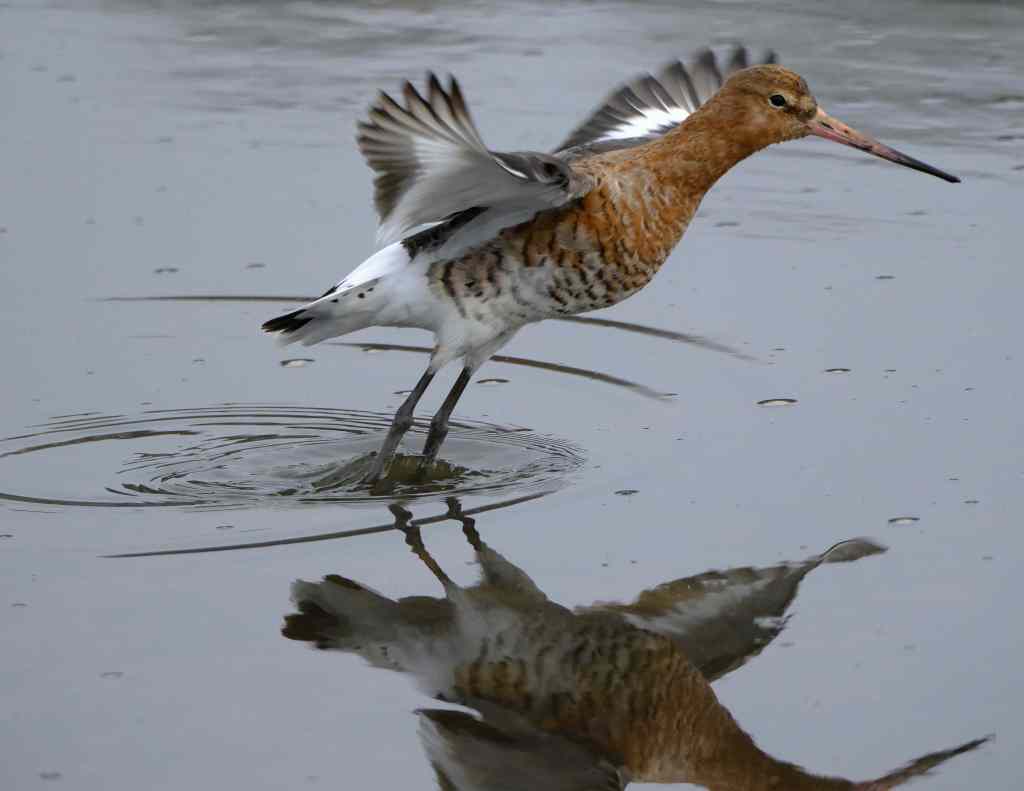
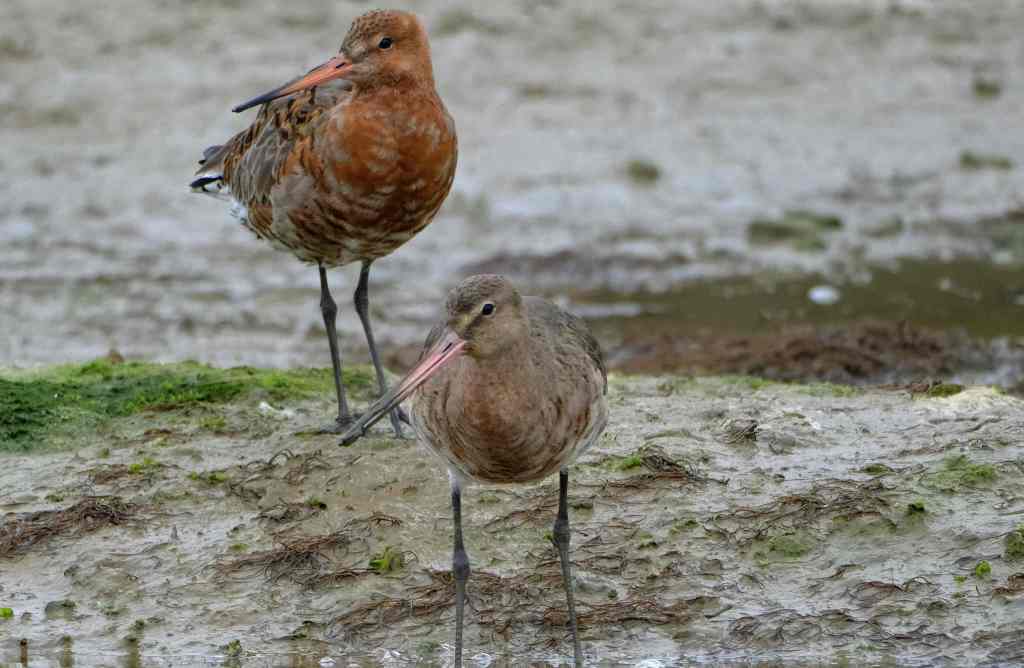
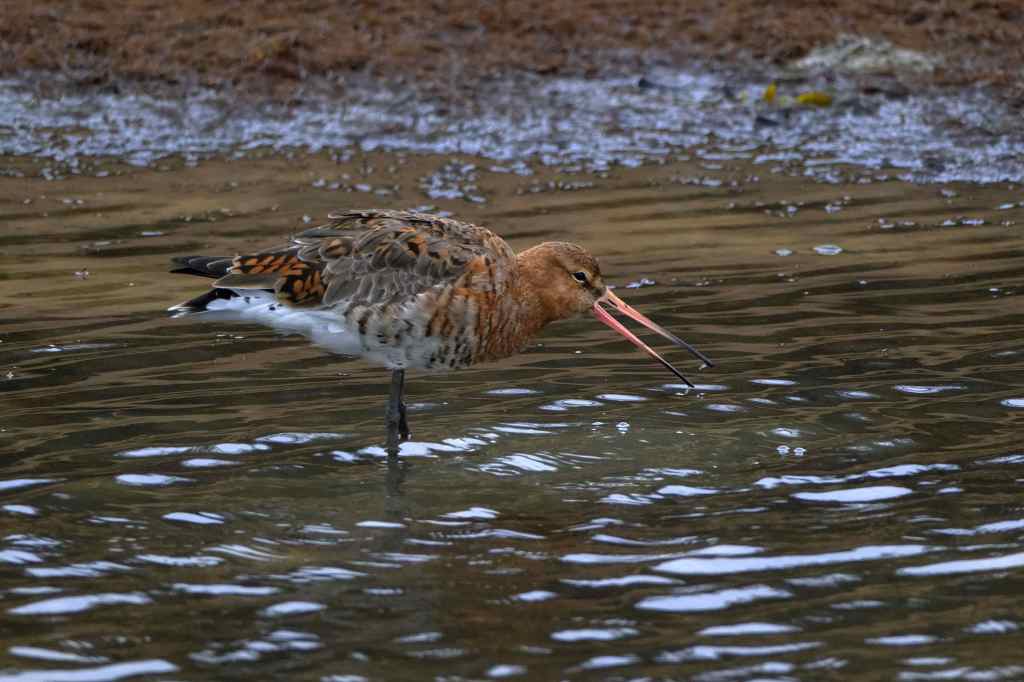
Black-tailed Godwits – these are a large wader they are a Schedule 1 species. In summer, they have bright orangey-brown chests and bellies, while in winter they’re more greyish-brown. The 1st picture shows how camouflaged these birds are despite appearing very colourful.


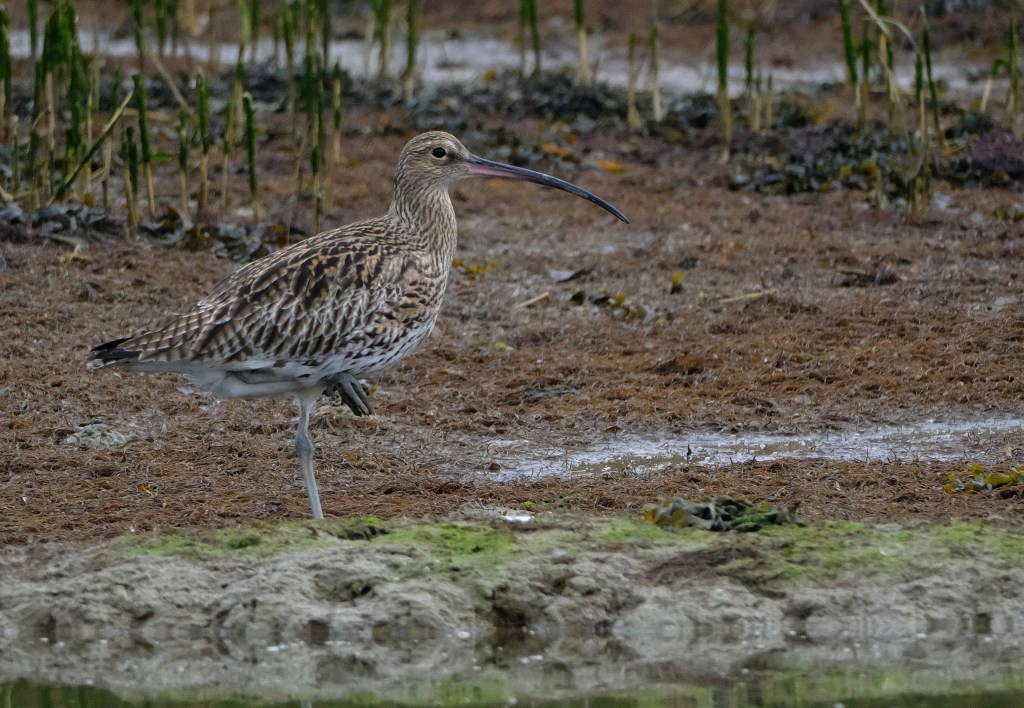
Curlew are another large Wader and in fact, is the largest European wading bird they are similar to the Brent goose in size.

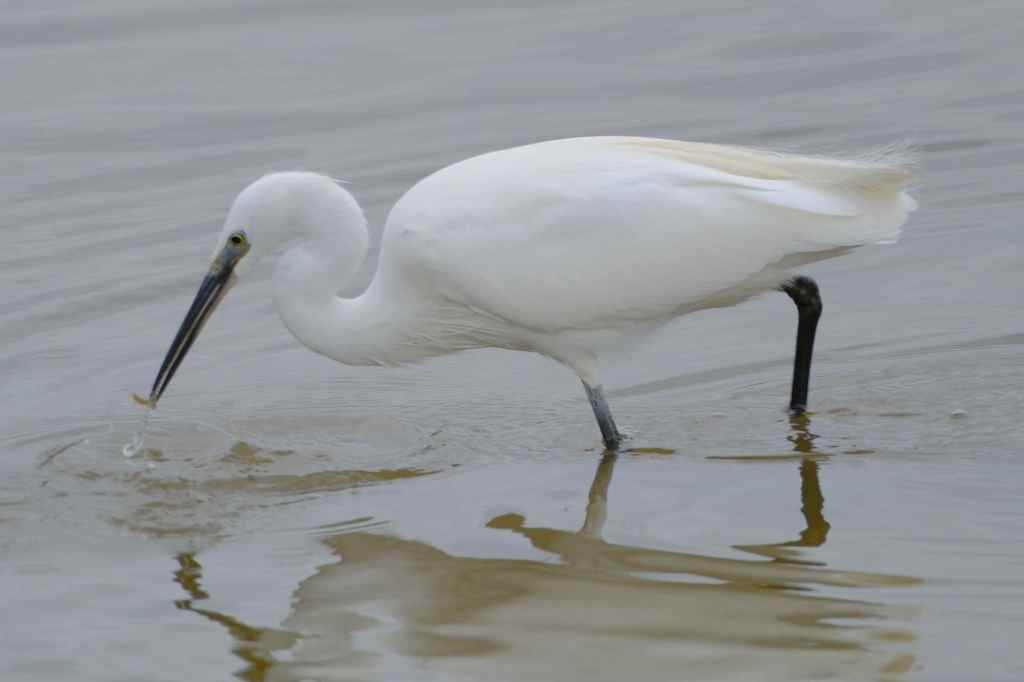
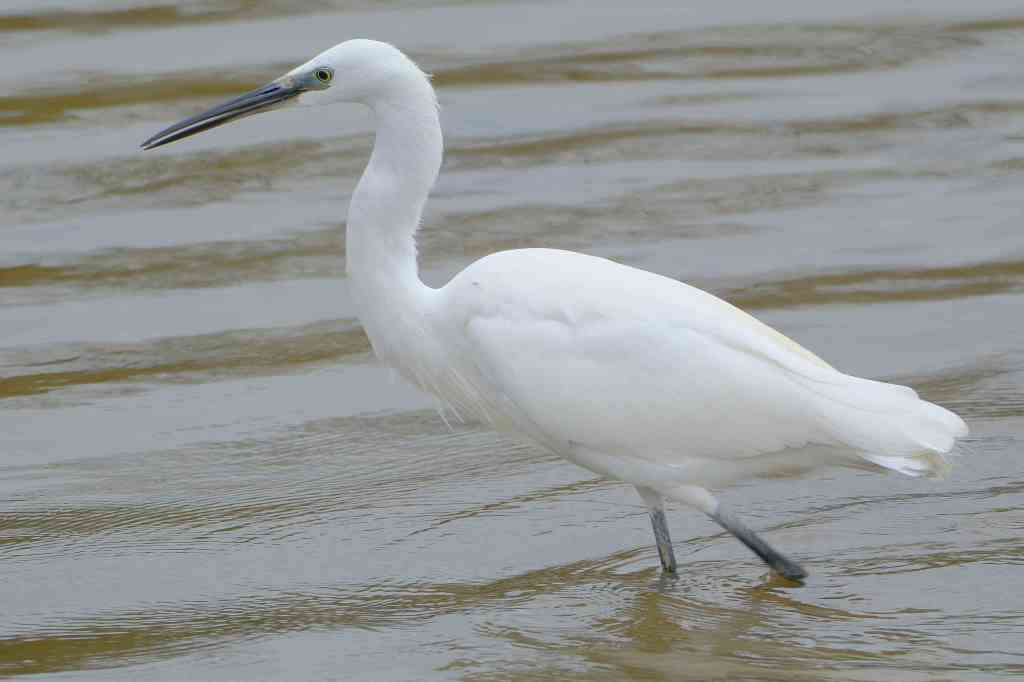
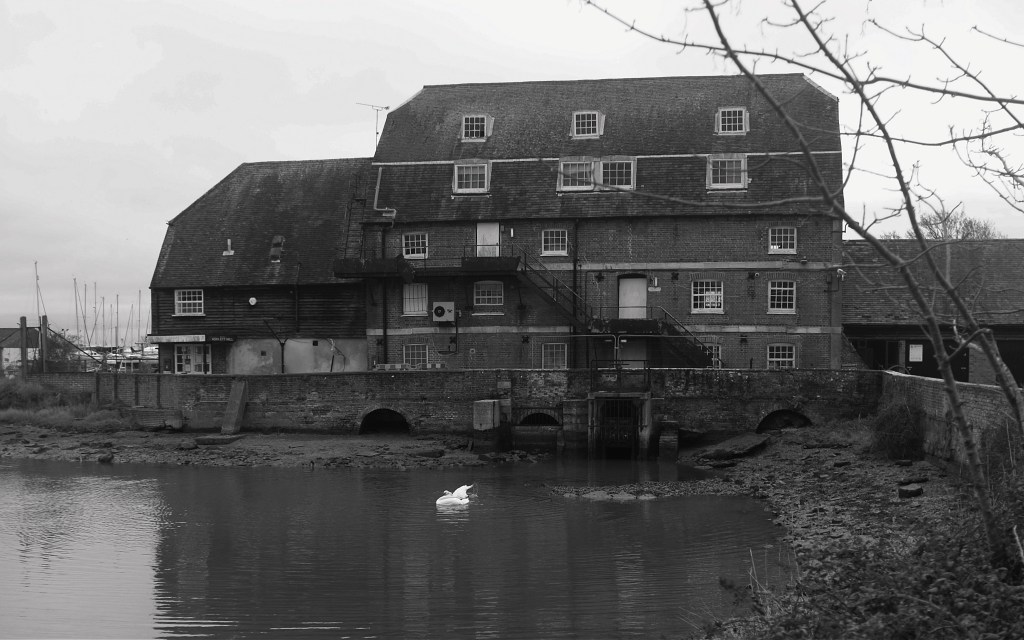
A Little Egret in the Mill Pond at Ashlett Mill on Southampton Water.

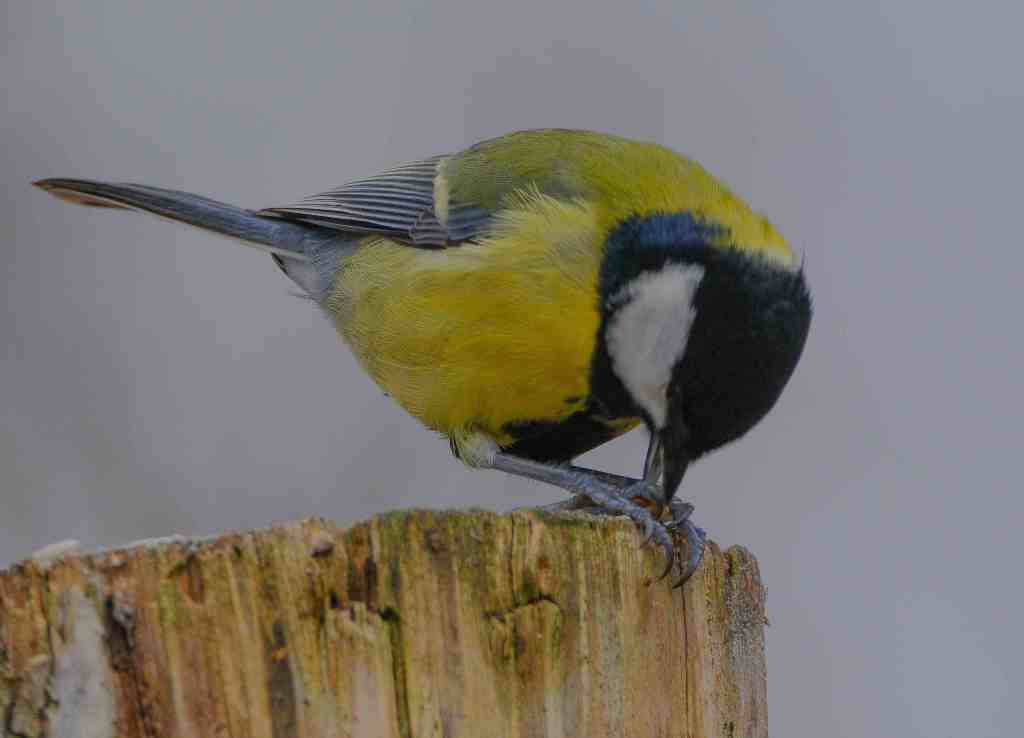
Picture Post. Blue Tit, Marsh Tit, Robin, Great Tit.
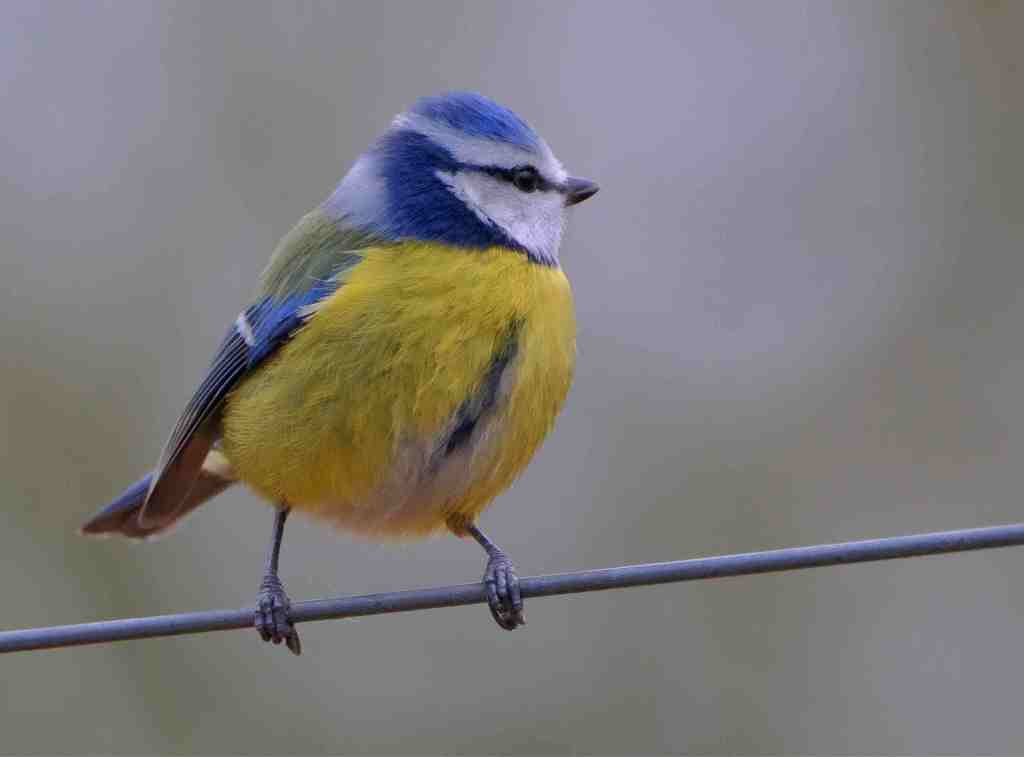

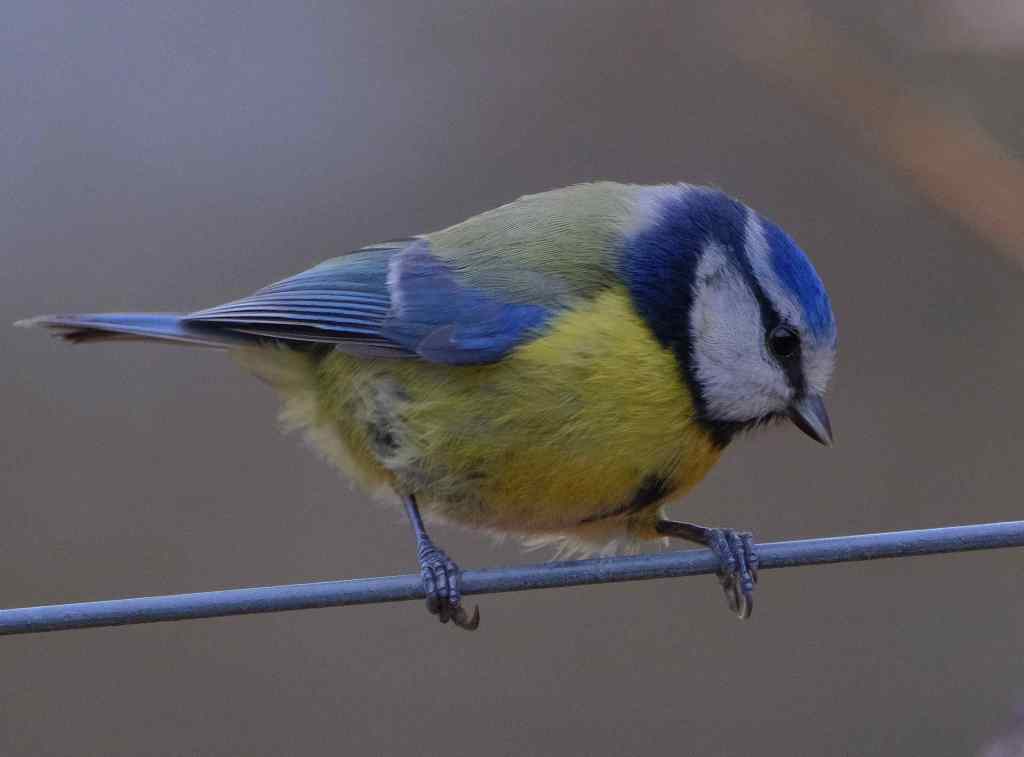
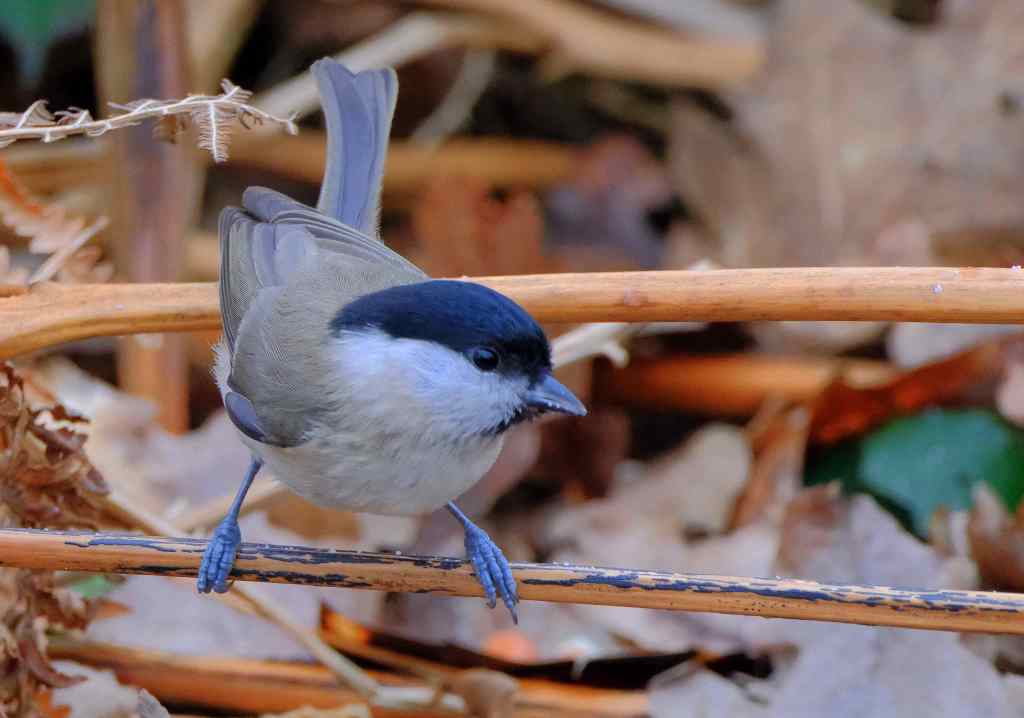
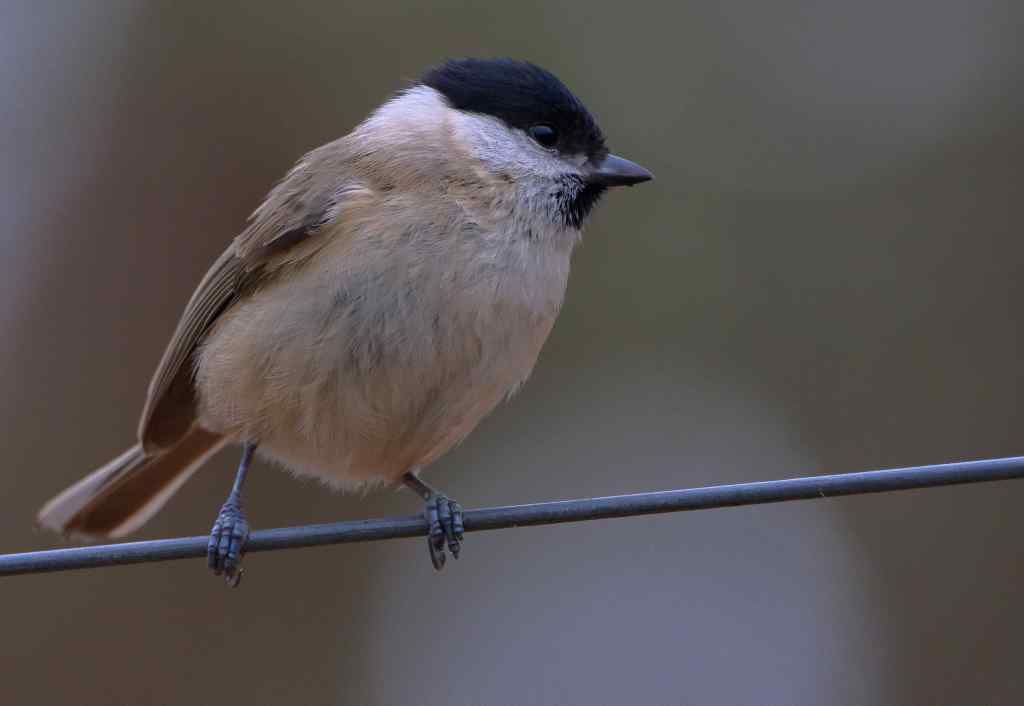
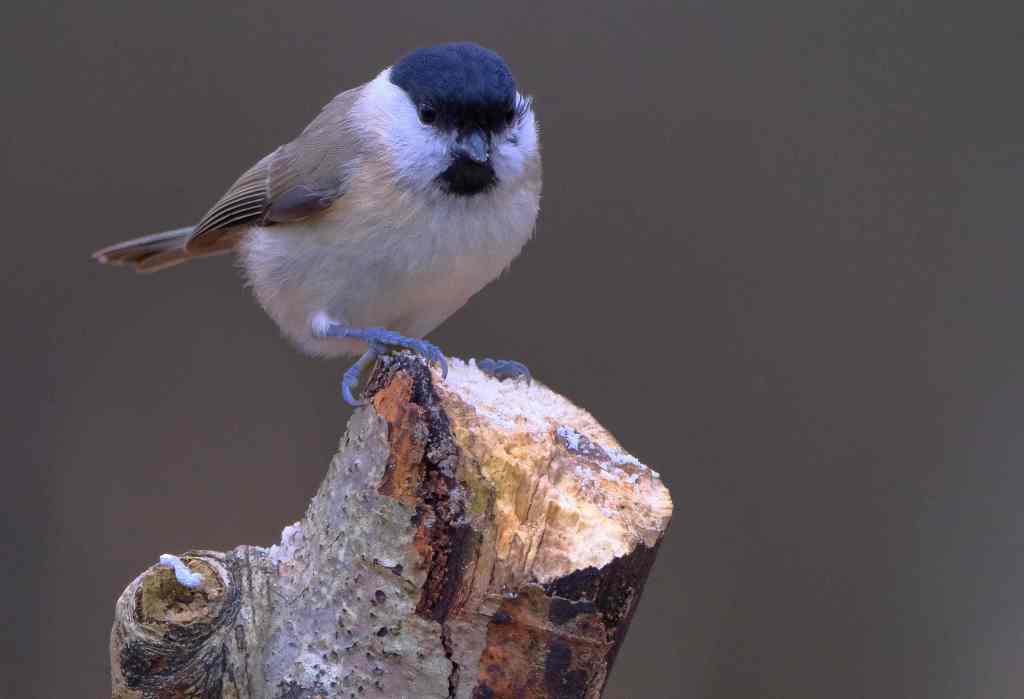
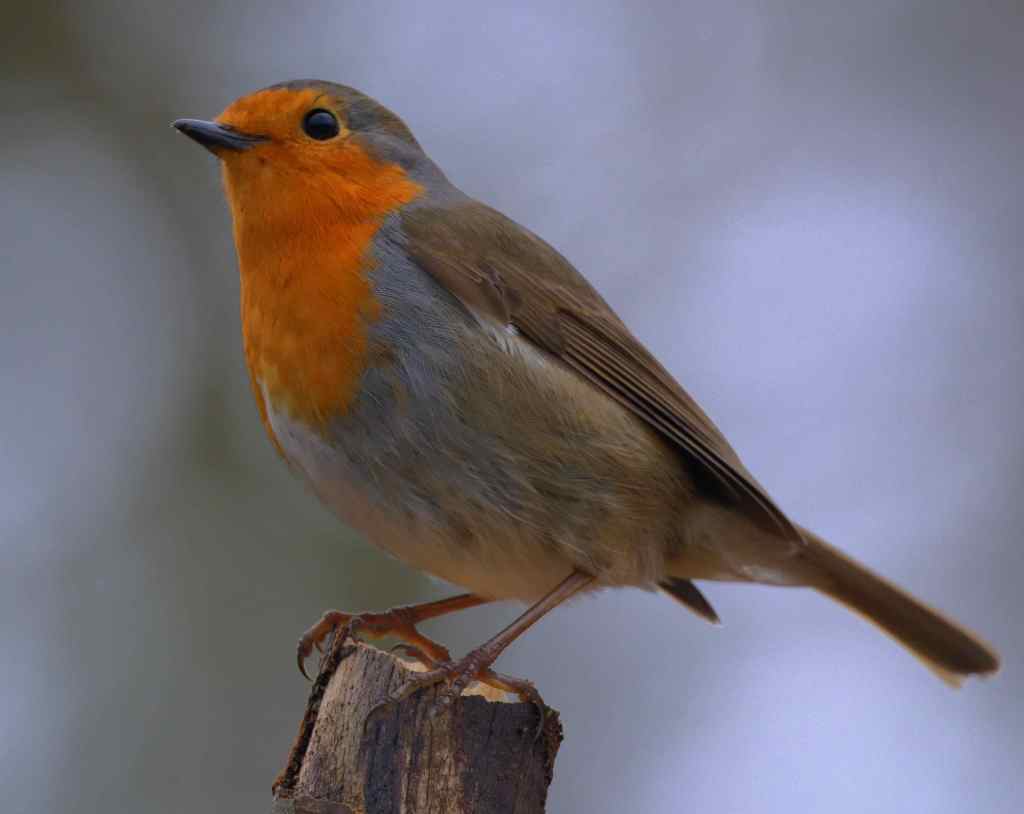
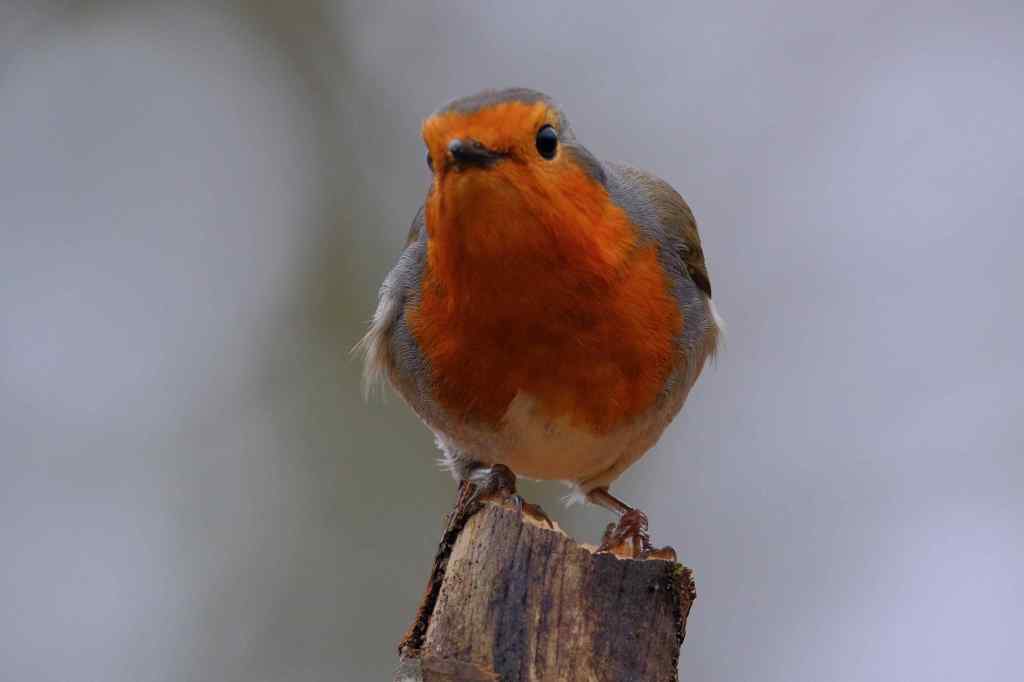
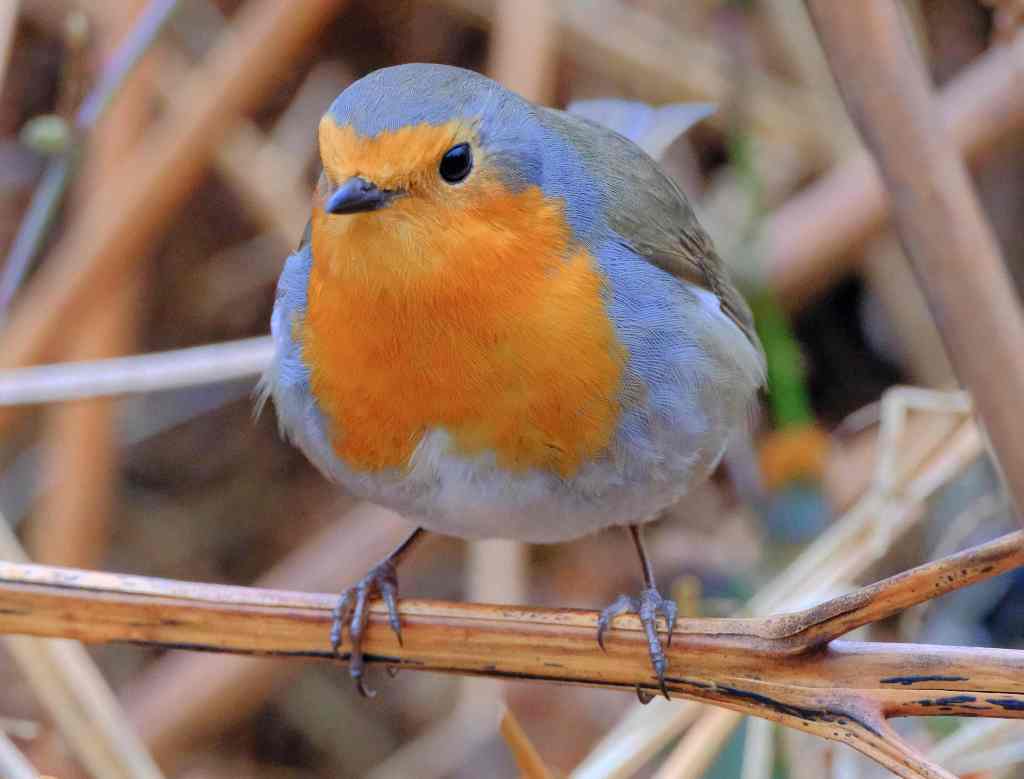

Today was a bright sunny day that made it a joy to be by the sea at Lee on Solent, paddling in the retreating tide all be it in Wellington boots!
The Sanderling looks great in the sunshine.
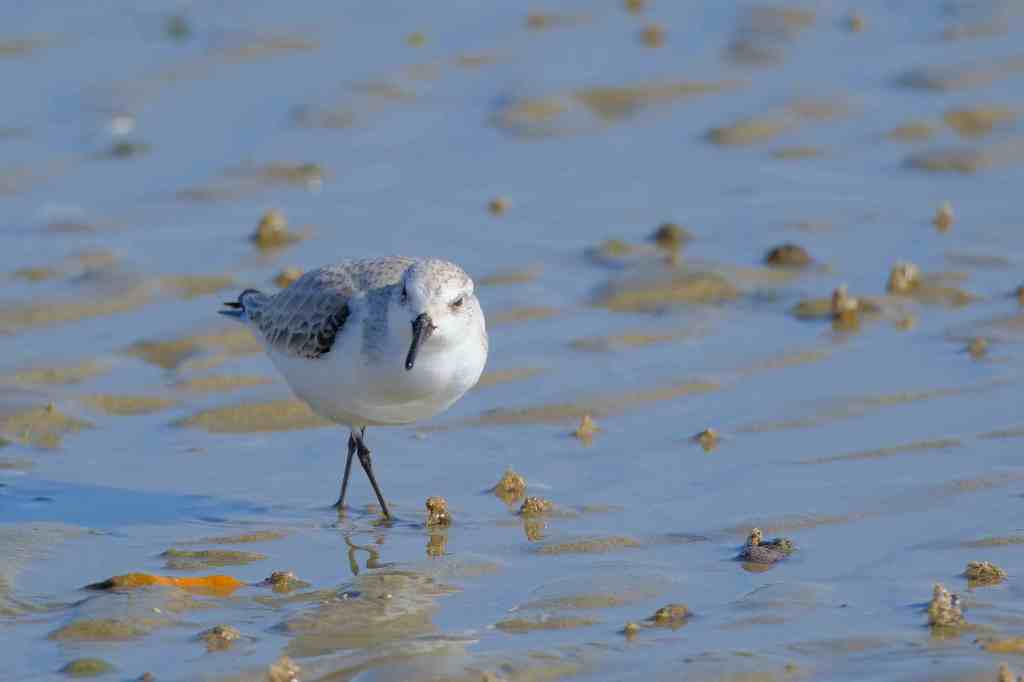
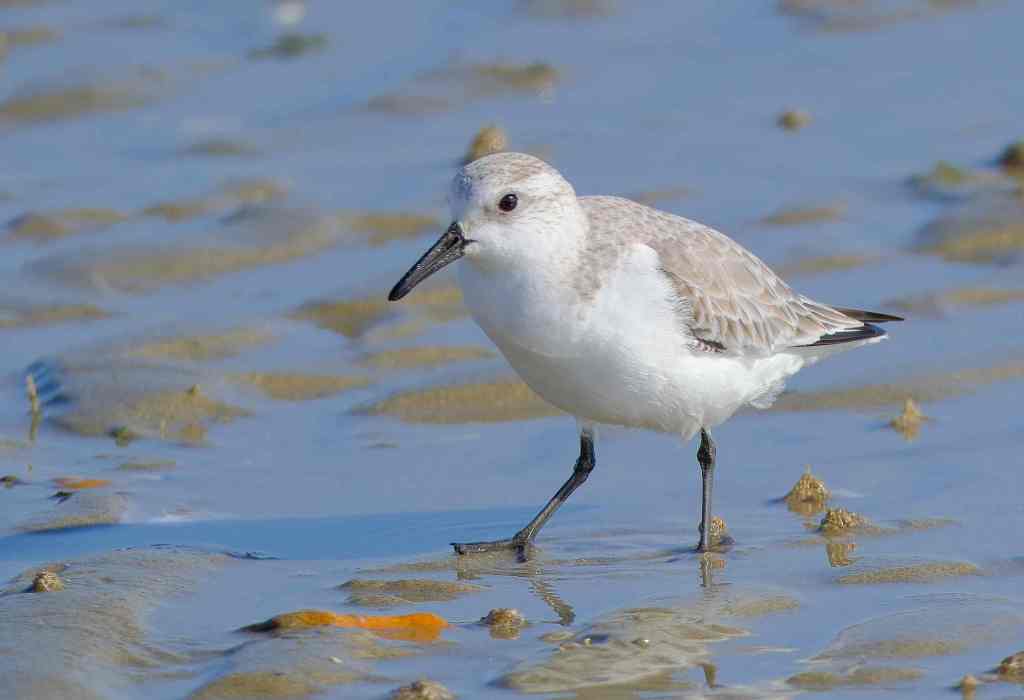

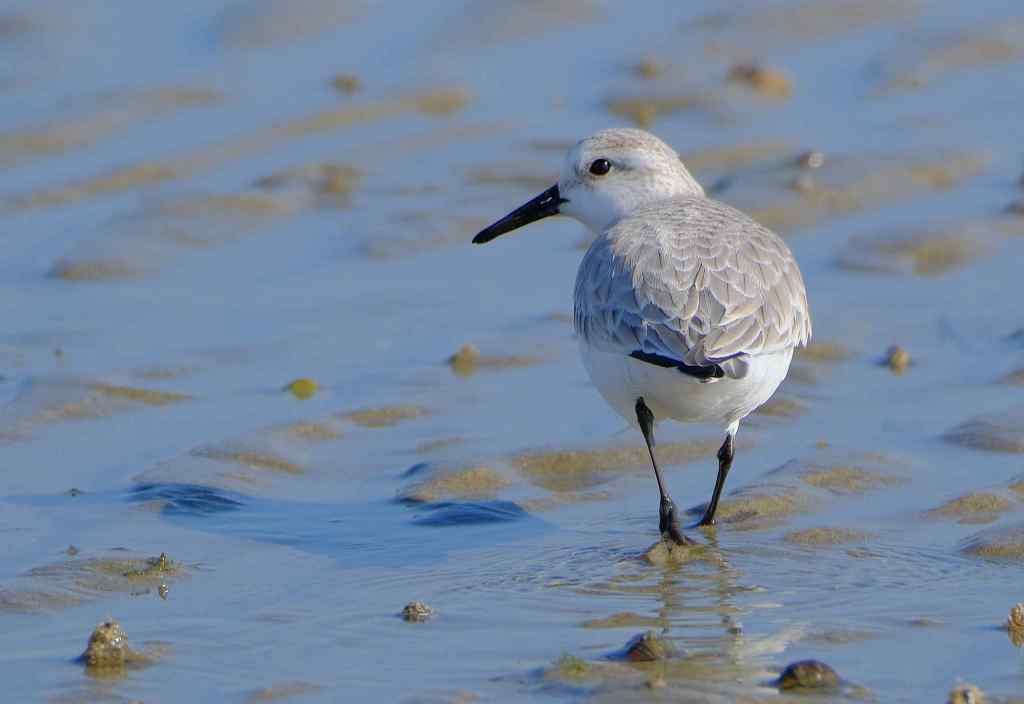
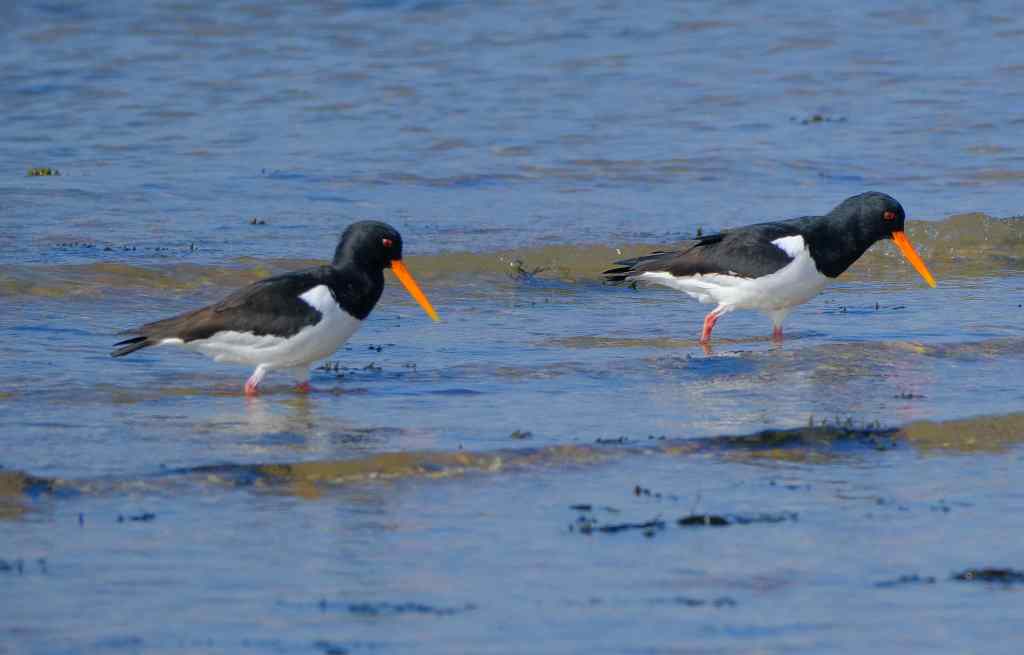
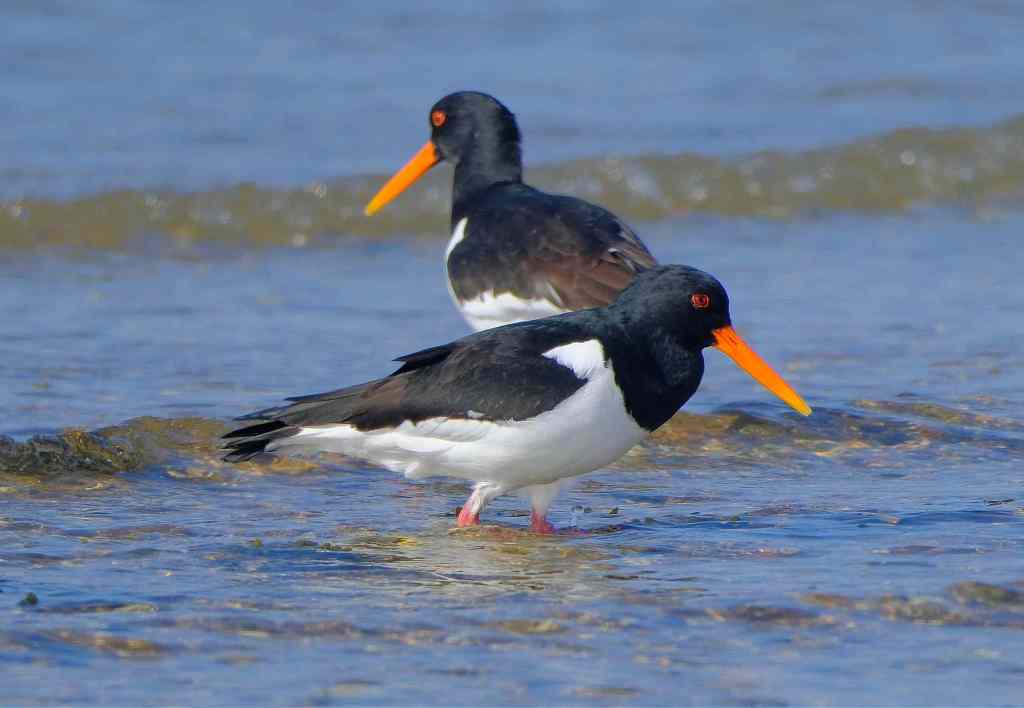
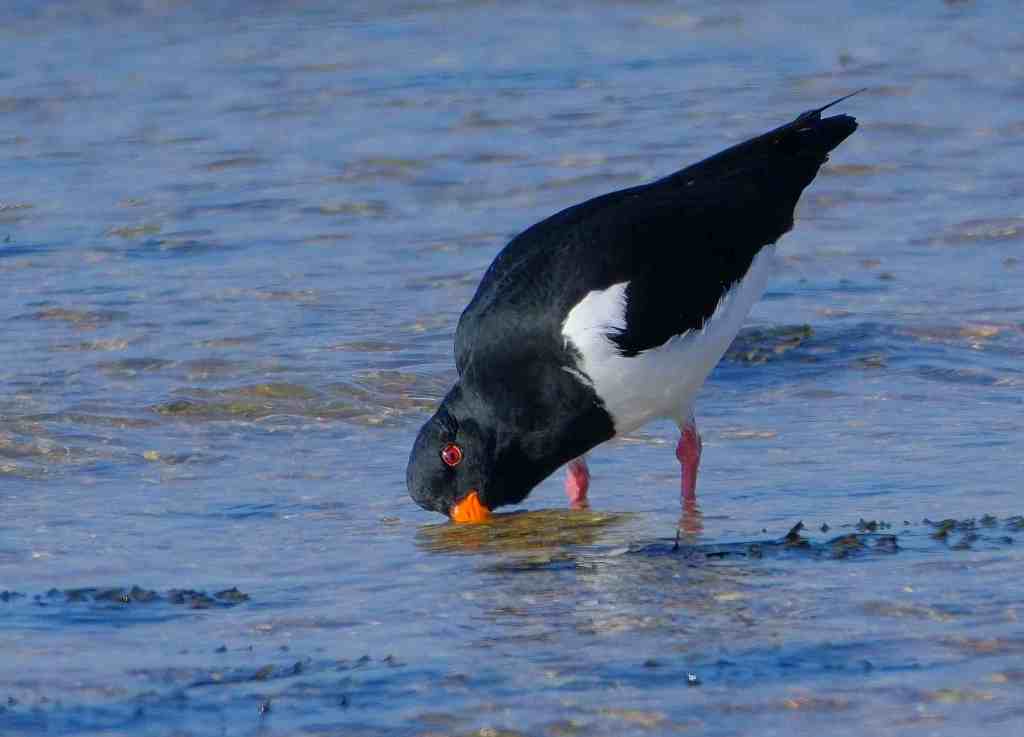
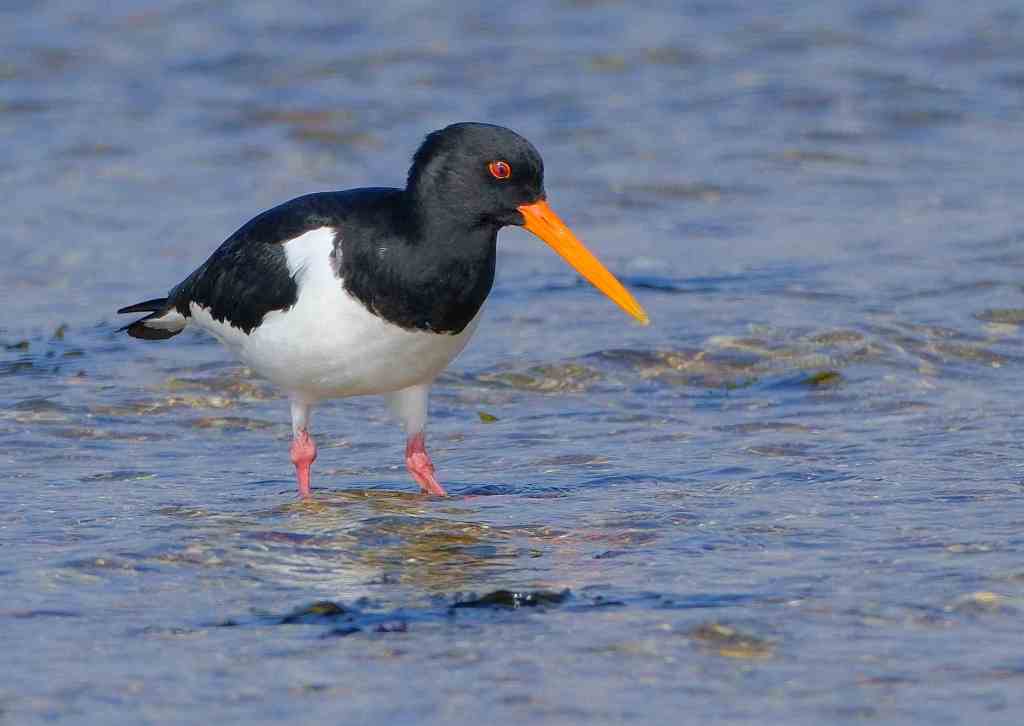
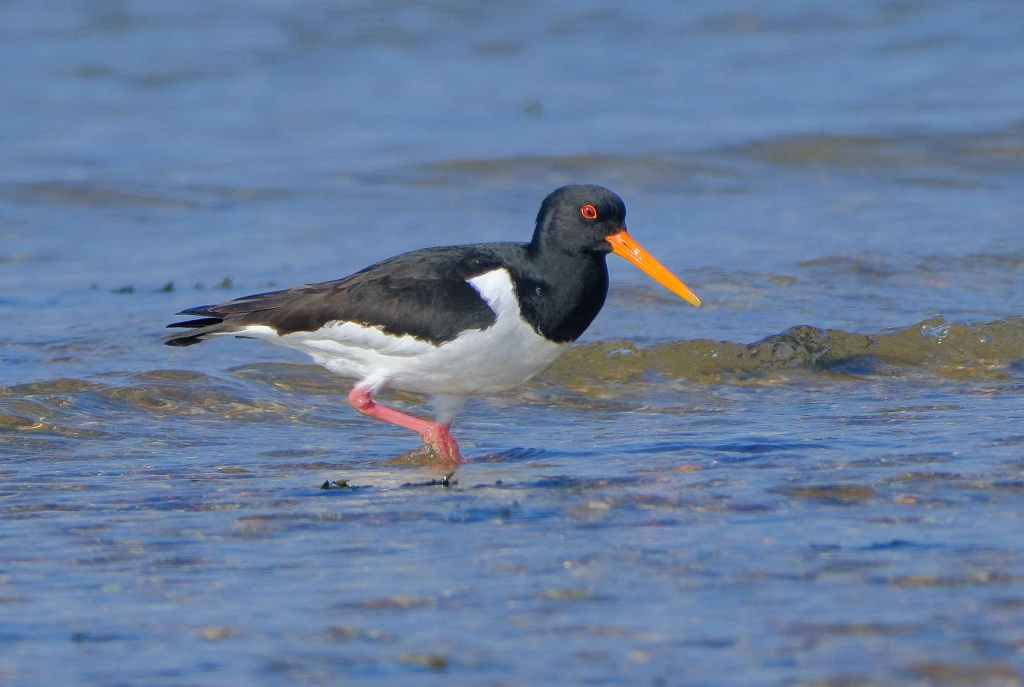
When the tide is in the Oystercatchers roost on the island within Titchfield Haven Nature Reserve. As the tide starts to fall they take off and move out to the beach and follow the tide as it goes out. When the tide turns and starts to come in they make their way back to the reserve. Without looking at the tide table I knew the tide was going out as when I arrived the Oystercatchers were flying out.

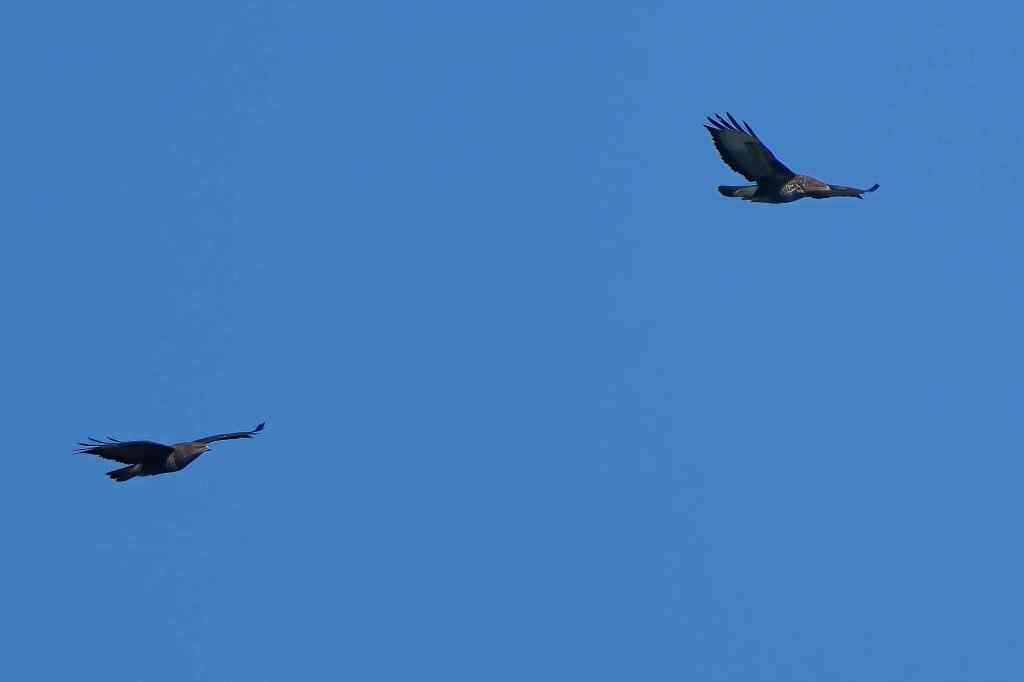
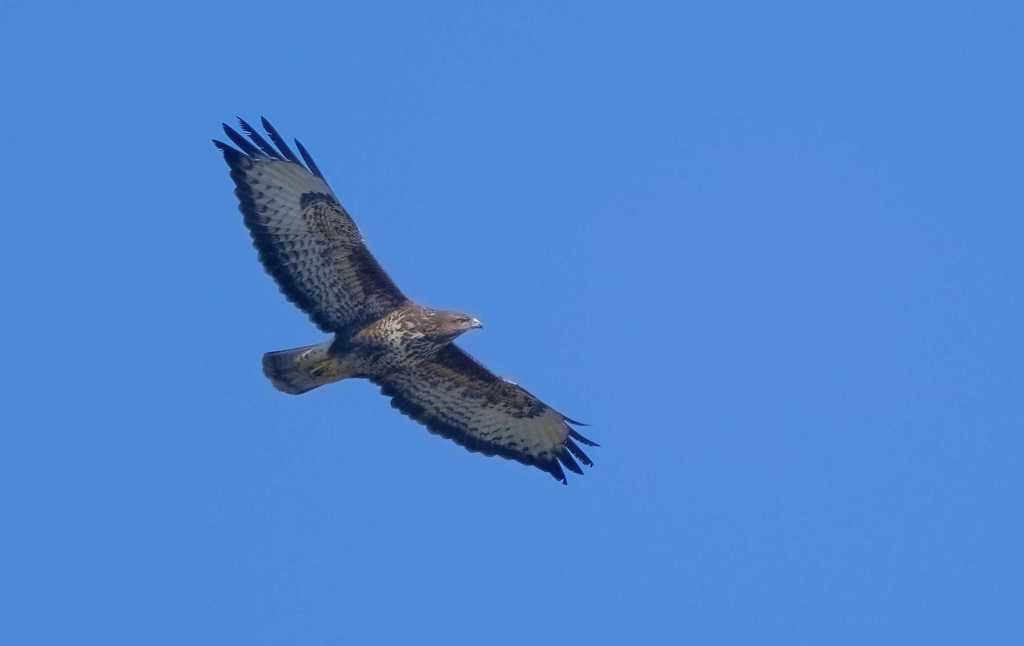
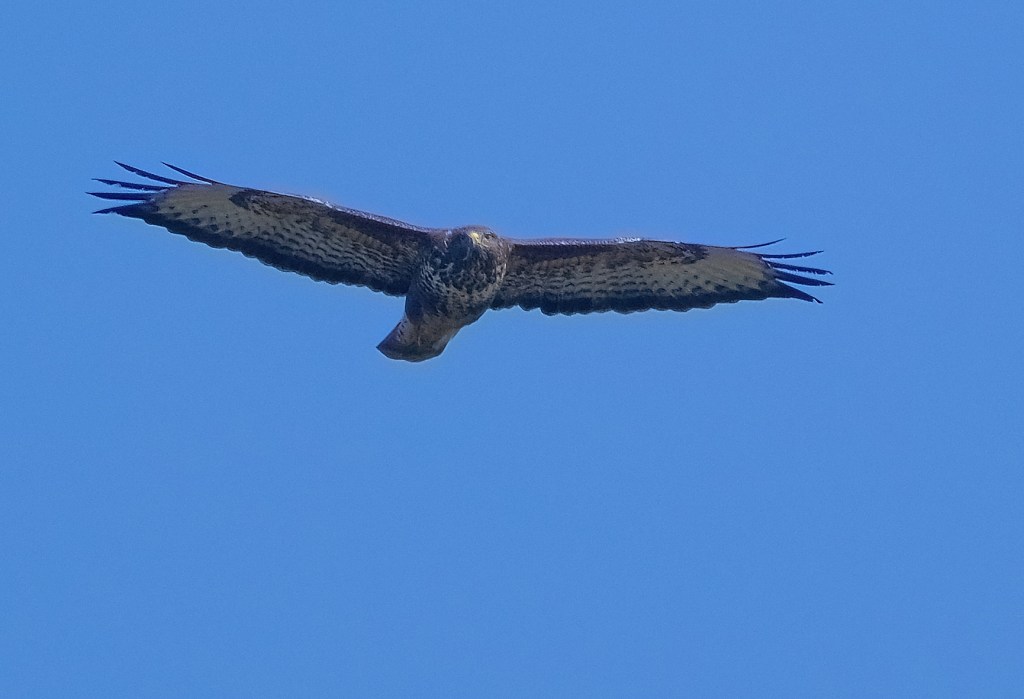
4 Buzzards were circling – I have noticed these high soring groups of Buzzards group together at the start of the breeding season the 4 birds were soon joined by 2 more. 6 was quite a sight. 50 years ago to see a Buzzard I would have to travel to Exmoor in the West Country to see a Buzzard. These large birds of prey have quadrupled in number since 1970. Their wingspan is around 4 feet.
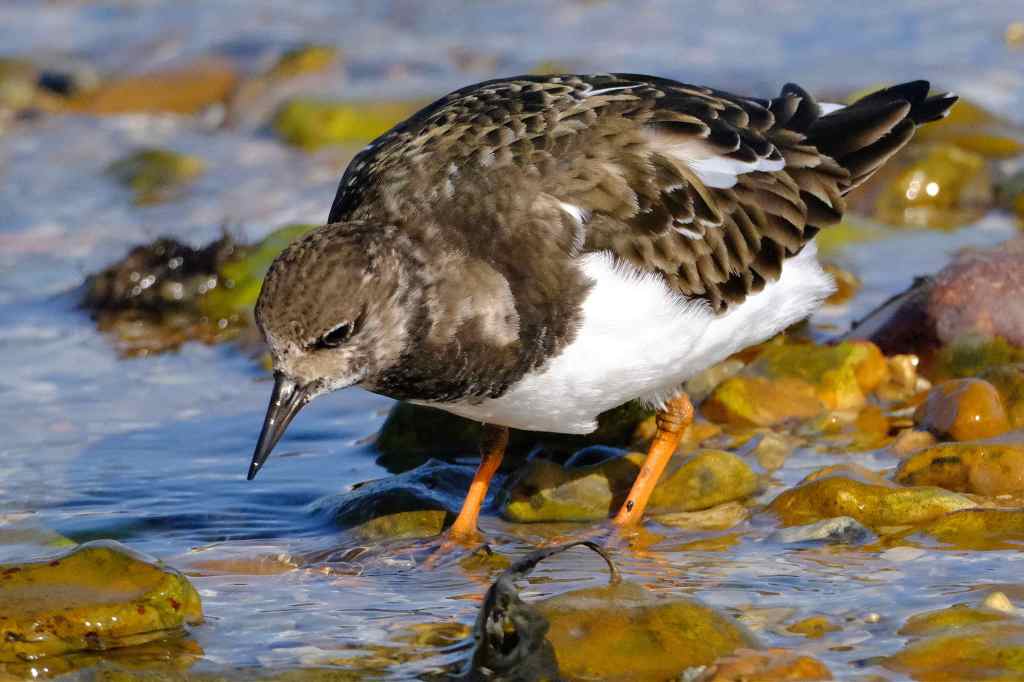
Turnstone.


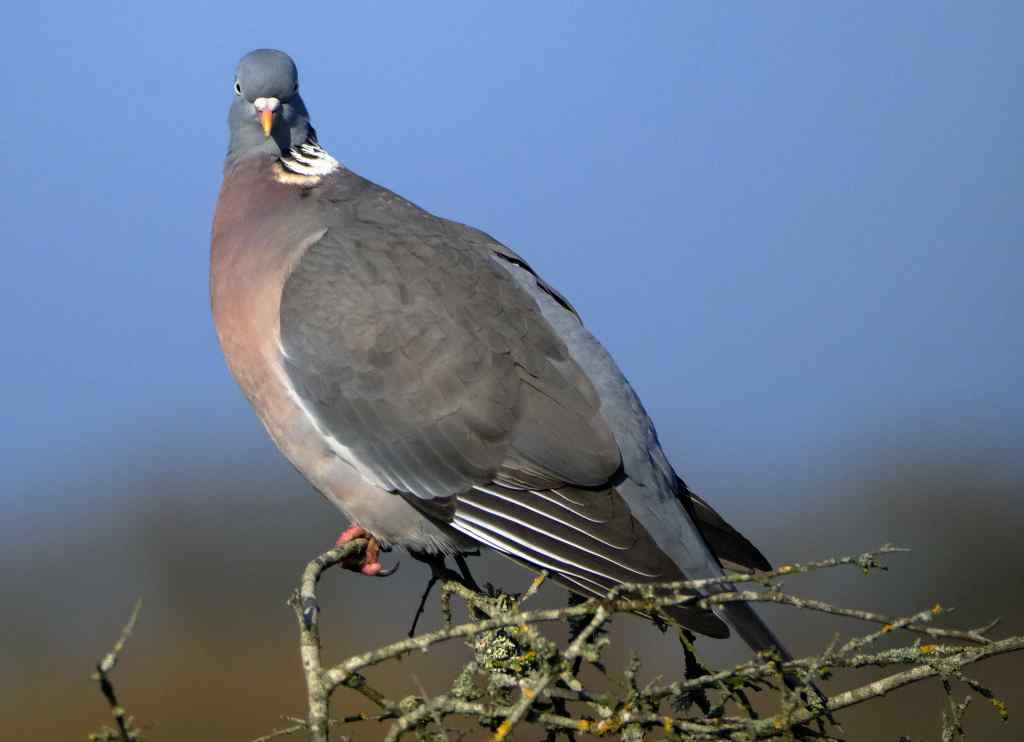
Wood Pigeon enjoy the sun.


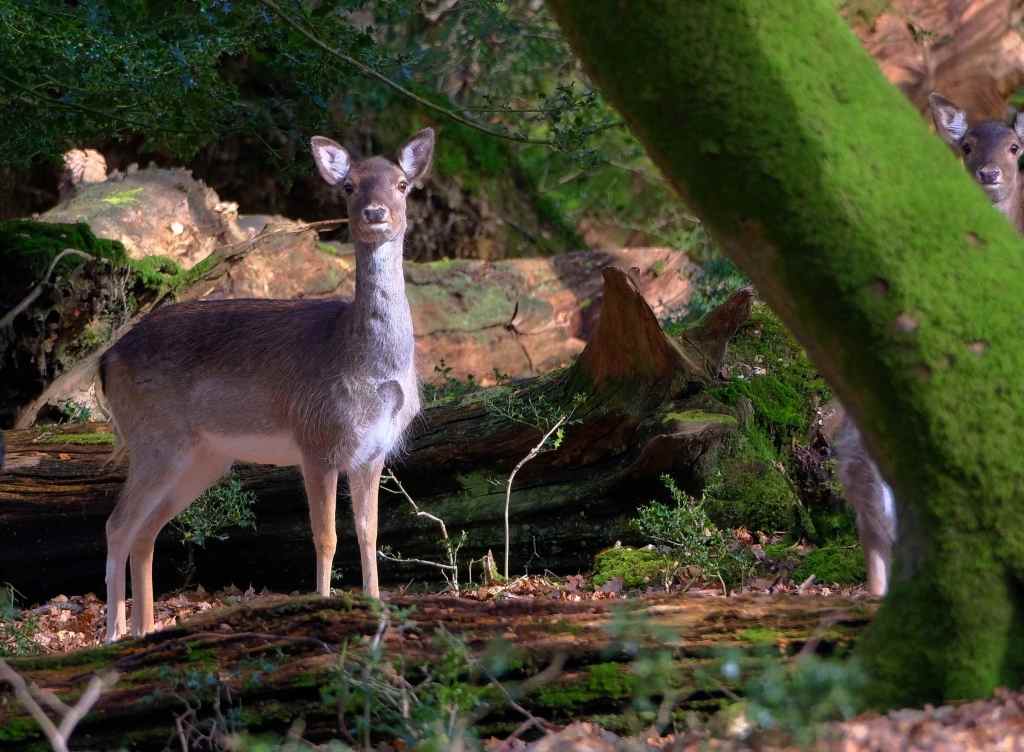
On a deer walk in the New Forest again today. Most views through the trees but a few clear shots.
Fallow Deer “hinds”.


Fallow “Buck”.

Sika “Hind”.

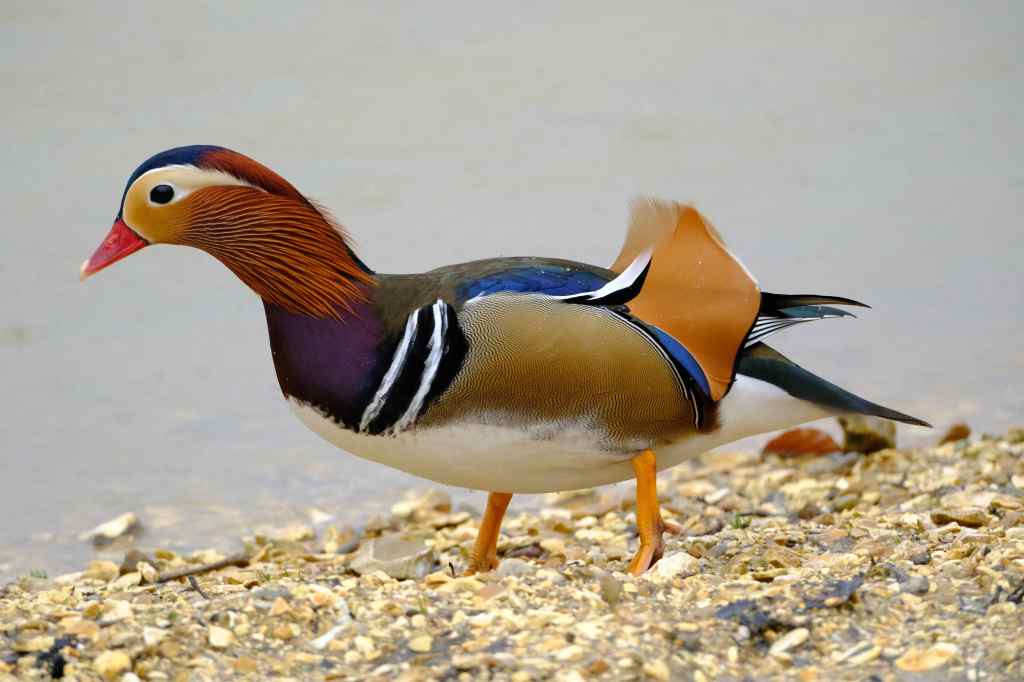
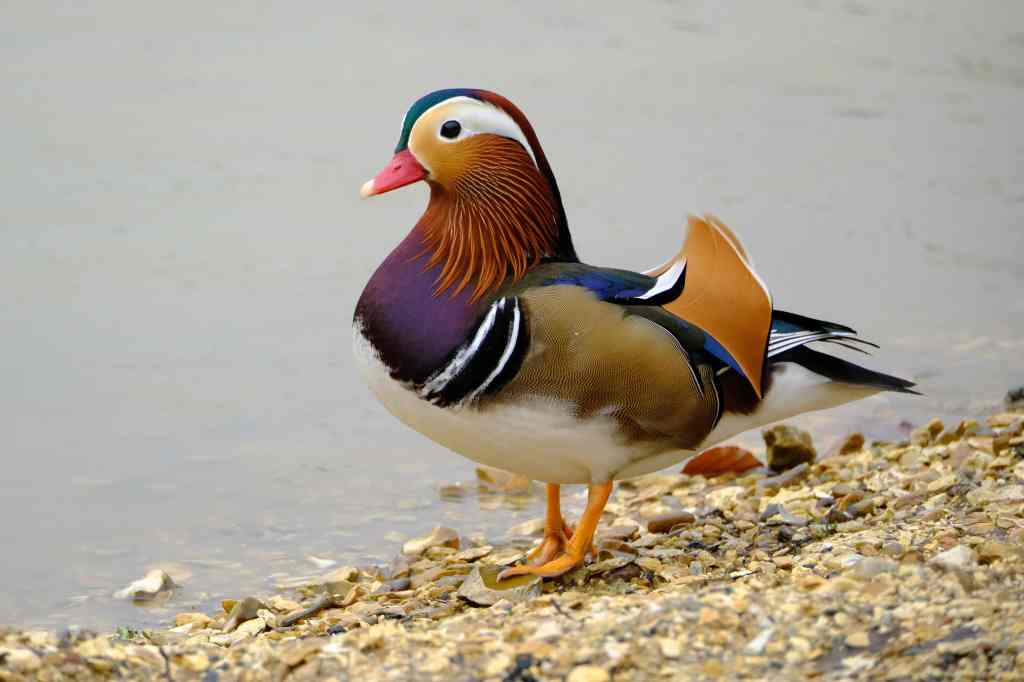
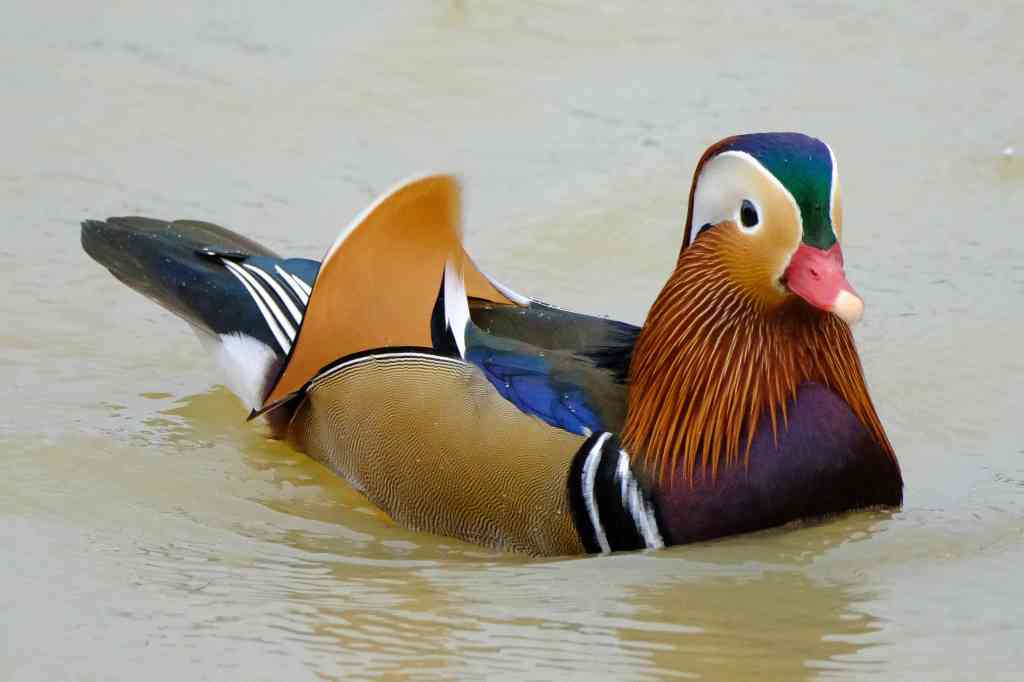
Another established non-native bird.
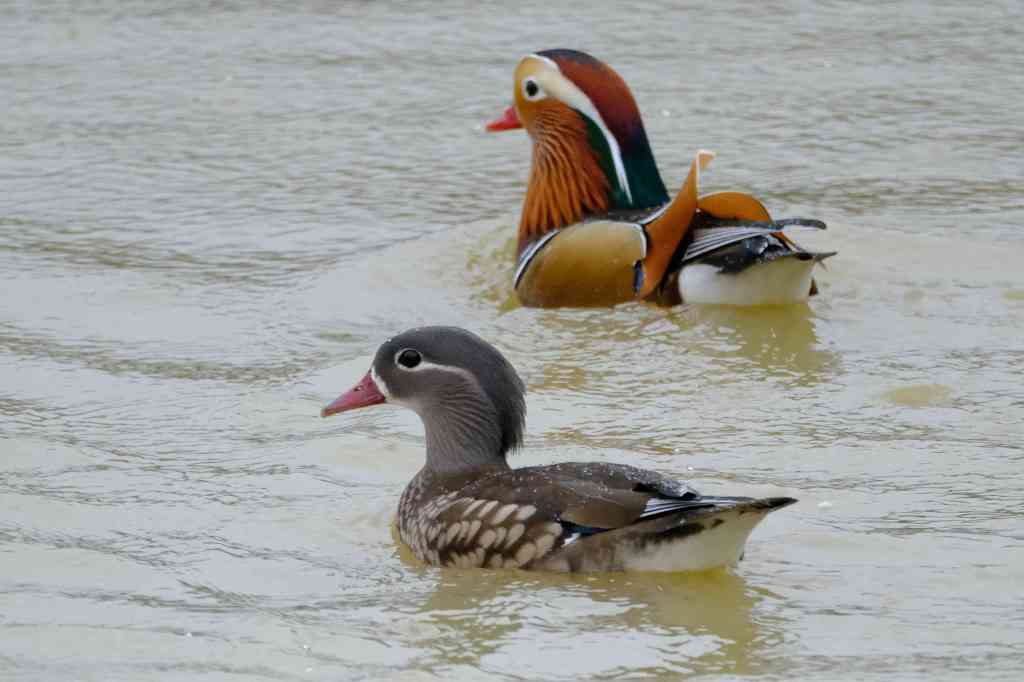
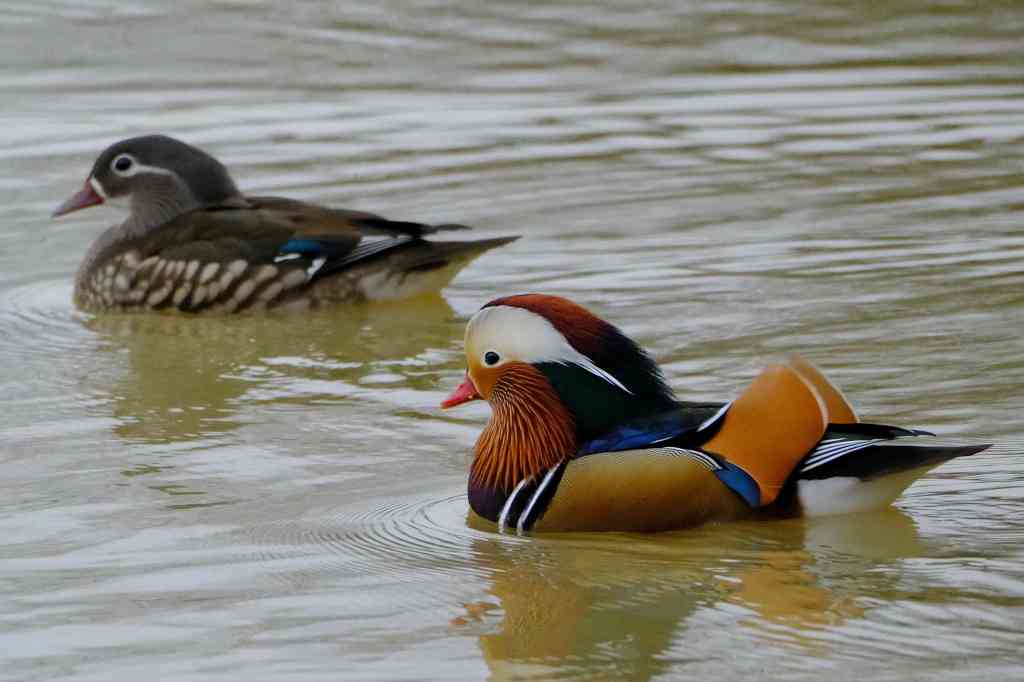
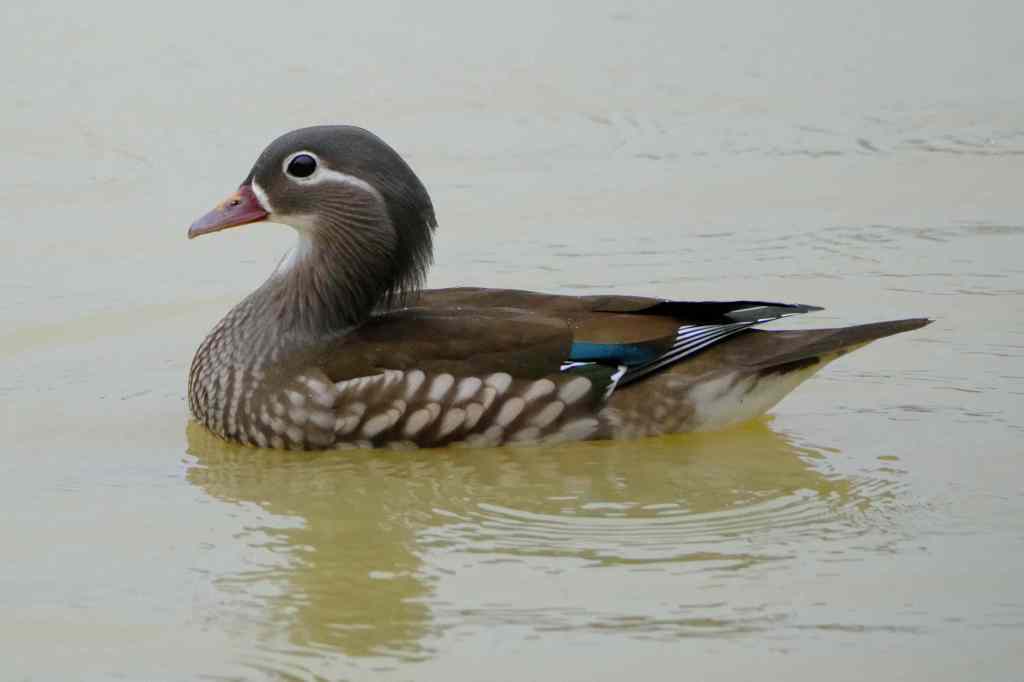
Mandarin Ducks were introduced from the Far East, They escaped, or were deliberately released, from captivity in the UK. A rather shy bird, often seen hiding beneath overhanging bushes, they form small flocks. The male bird has very elaborate and decorative plumage with distinctive orange feathers on the side of the face, a purple chest, and large orange feathers which look like small sails on its back. The female is not brightly coloured, with a grey head, white stripe behind the eye, brown back, and mottled lower sides. There was a flock of 10 birds today on the pond I visited today {the most I have seen there.}

These ducks nest in holes in trees, sometimes high up and a long way from the water. After the ducklings hatch, the female will coax the young to jump from the nest. Once they have left the tree make their way back to the water. The Drake will return to the family and help to protect the ducklings

The snipe is a medium-sized wader, they are found in marshes, wet grassland and on moorlands, they use their long, probing bill to find insects, earthworms and crustaceans in the mud. There were a good number of Snipe at Titchfield Haven this morning.
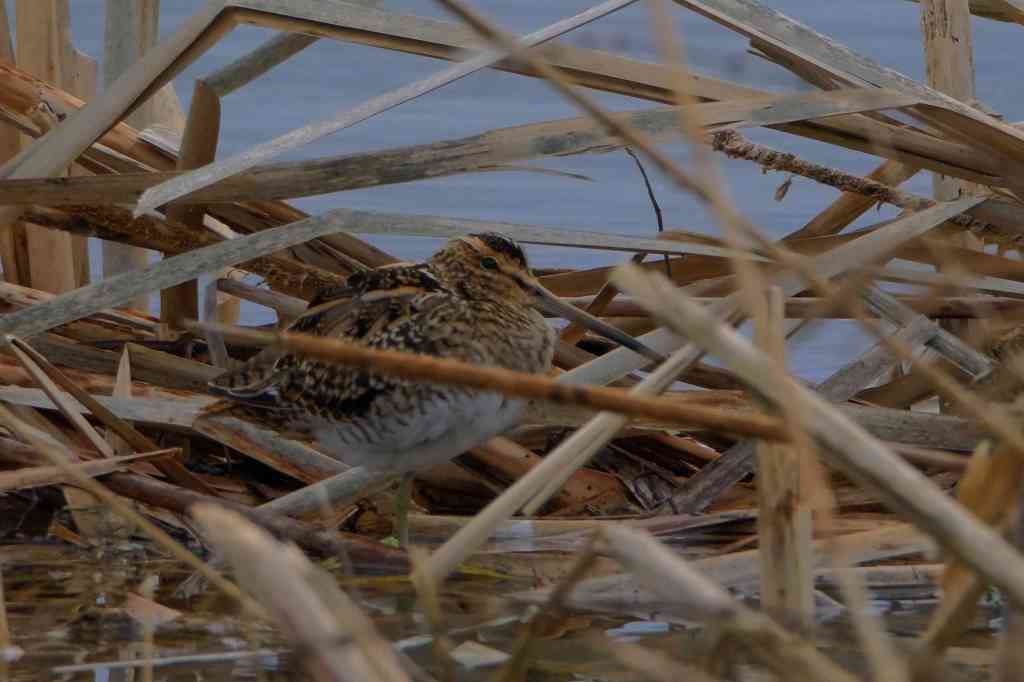
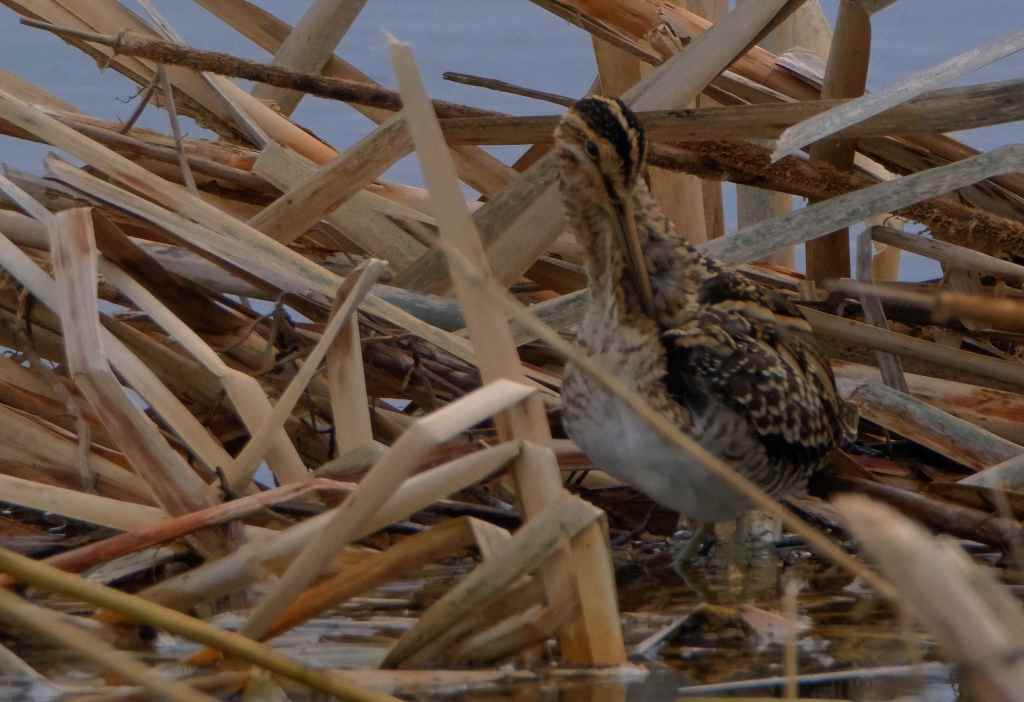


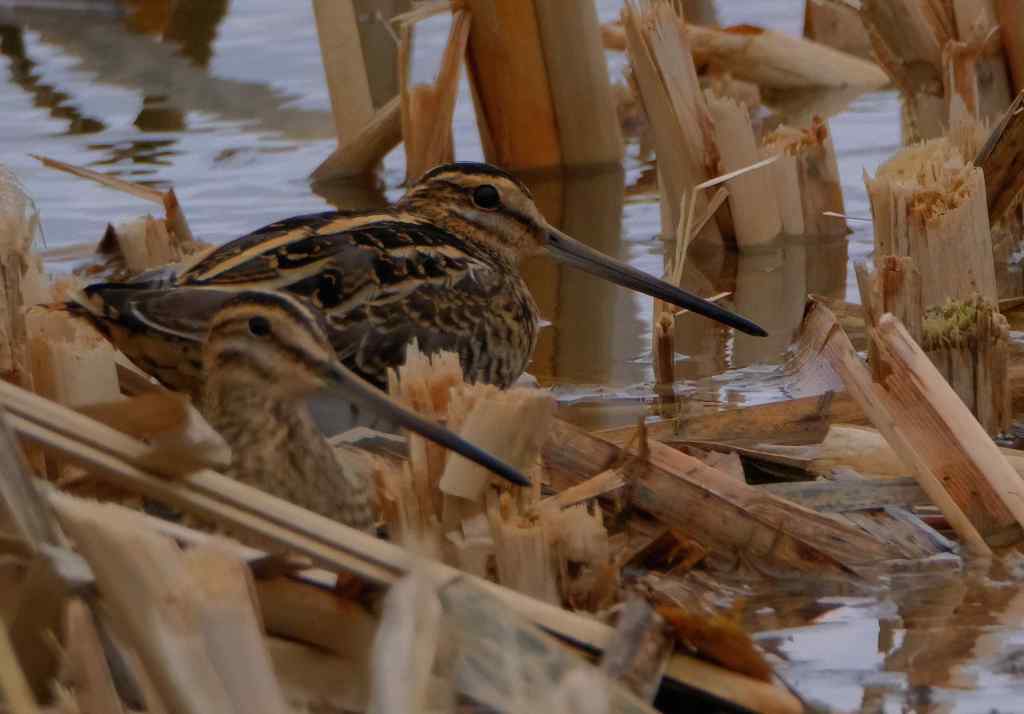
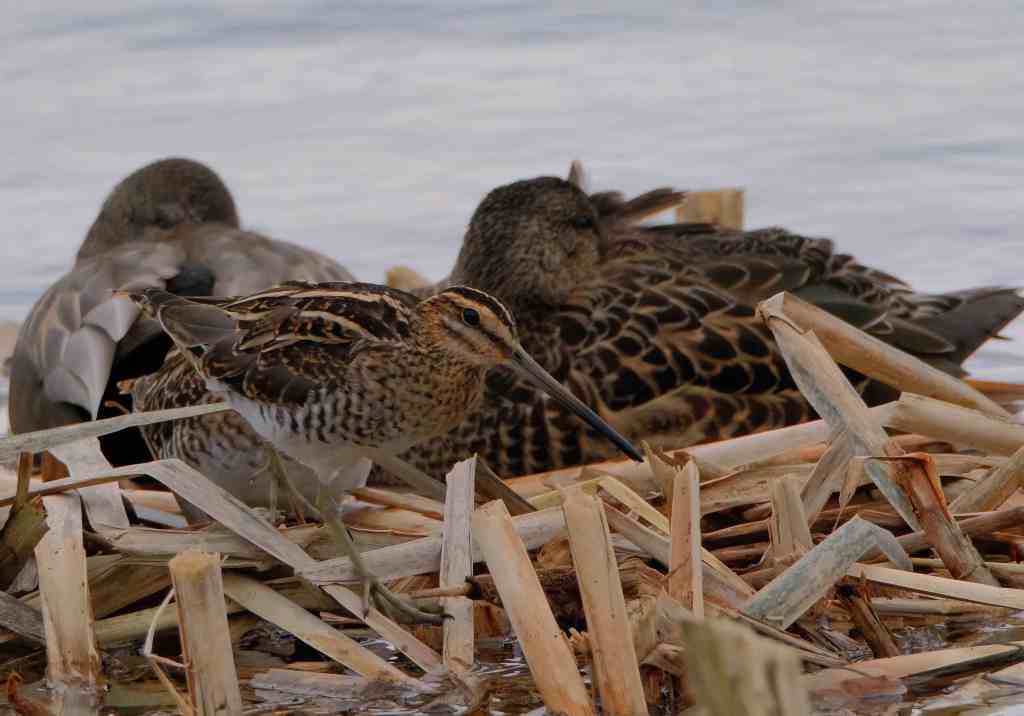
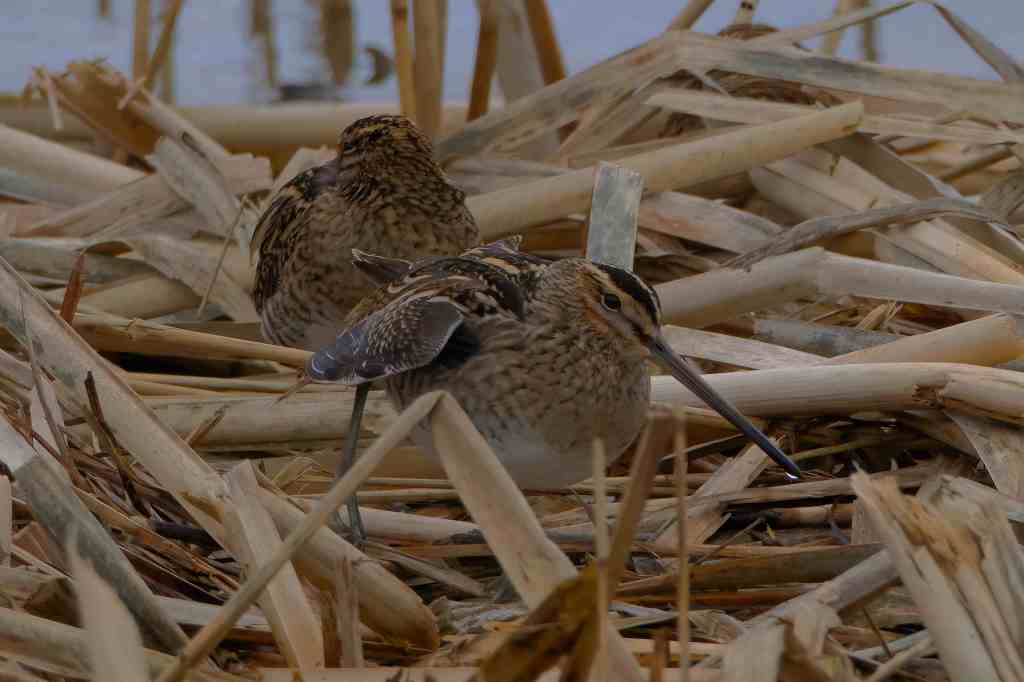

The Snipe is another bird that is so camouflaged that it blends very well into its habitat. They are often invisible until they move. There are 3 birds in the picture below I only saw 1 when I took the picture.

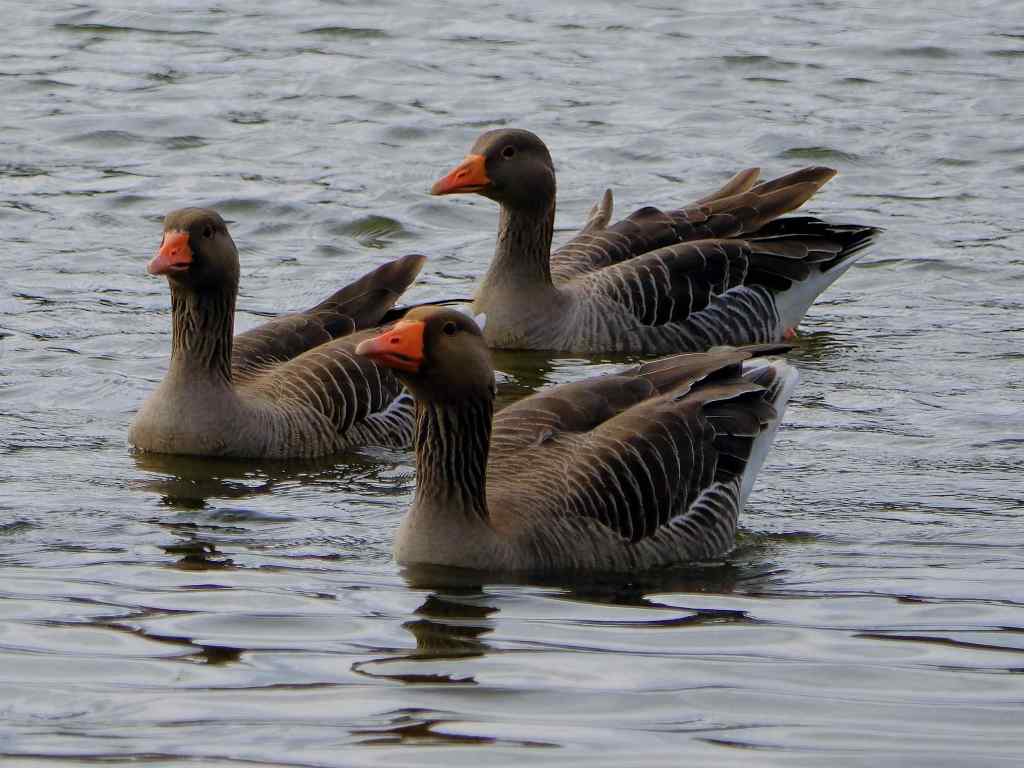
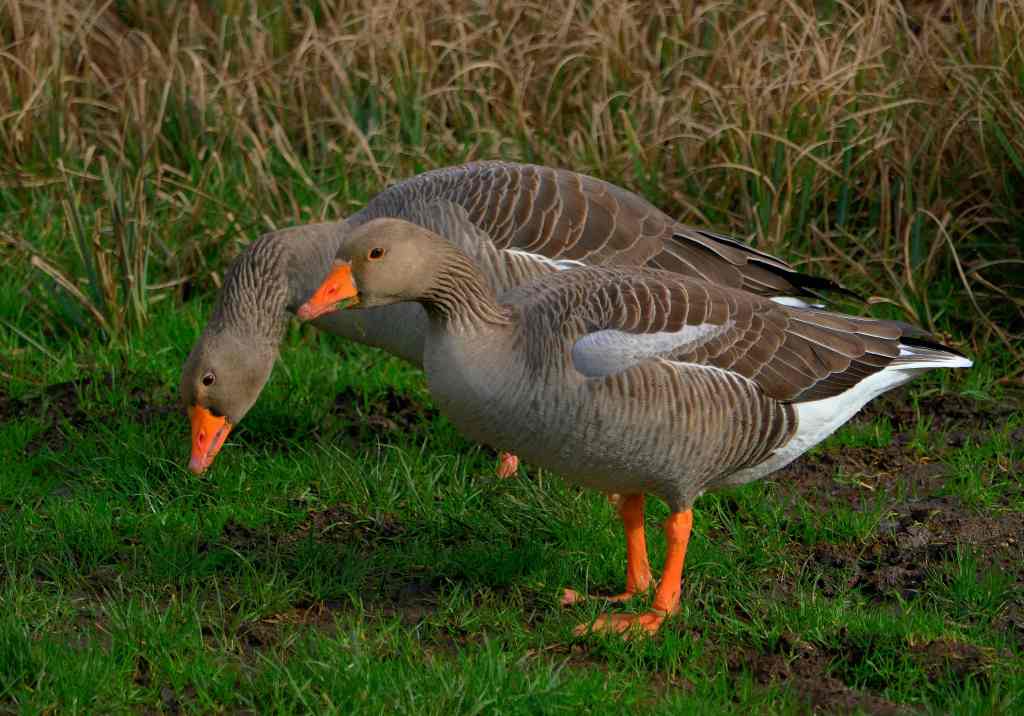
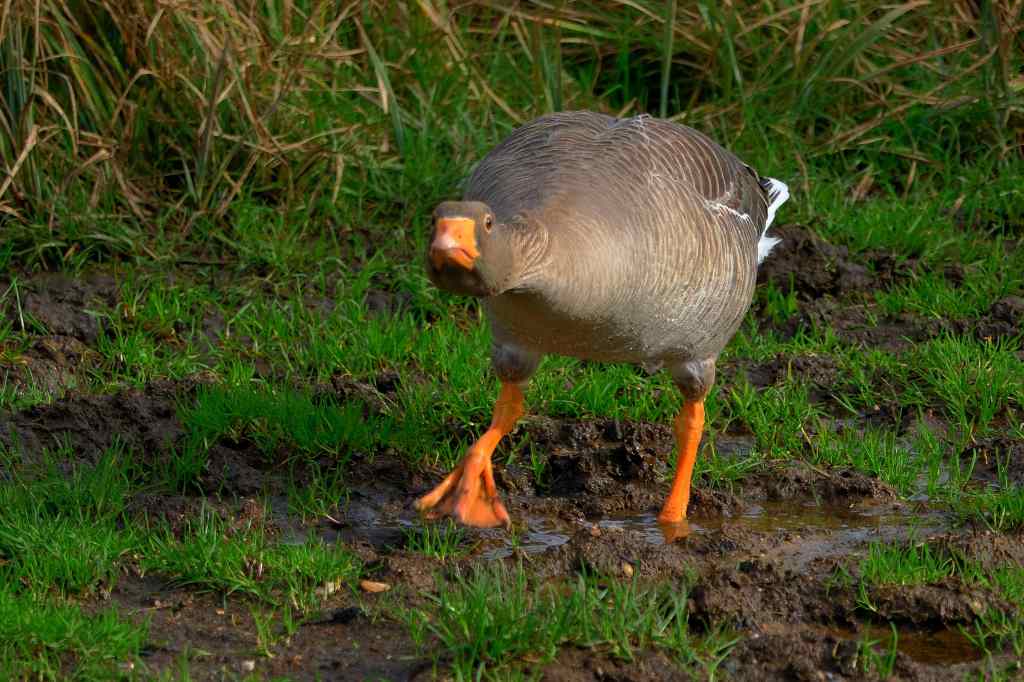
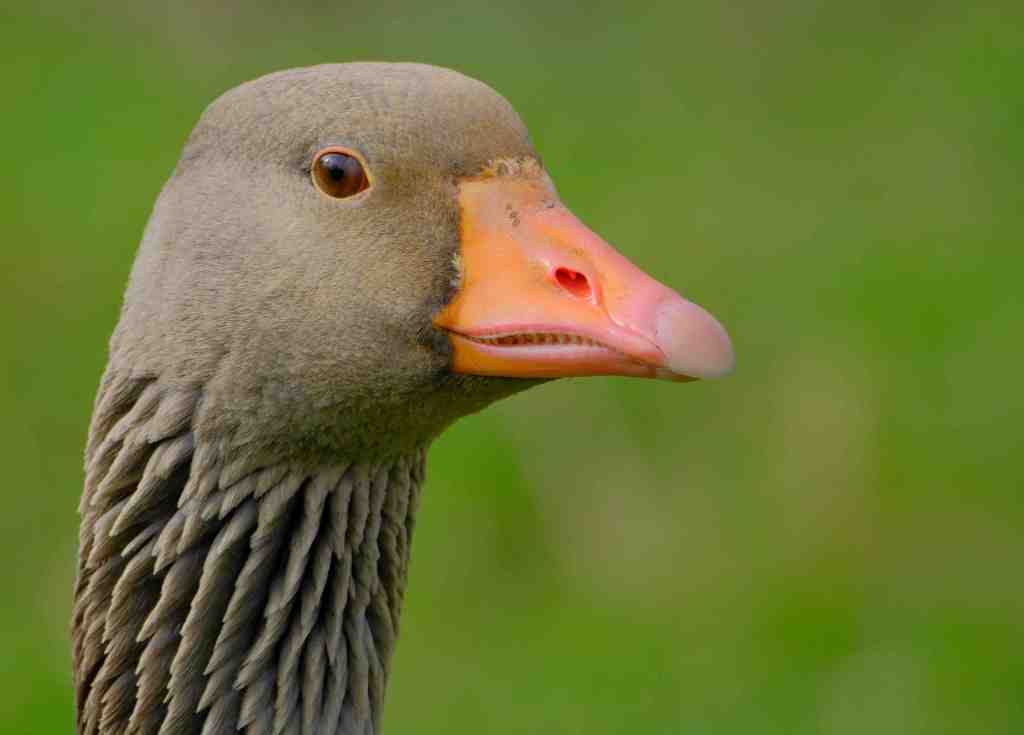
Our commonest native goose, the greylag. They are found around gravel pits, lakes and reservoirs all year round in southern Britain. These tend to be semi-tame birds. The native birds and wintering flocks found in Scotland these truly wild geese.


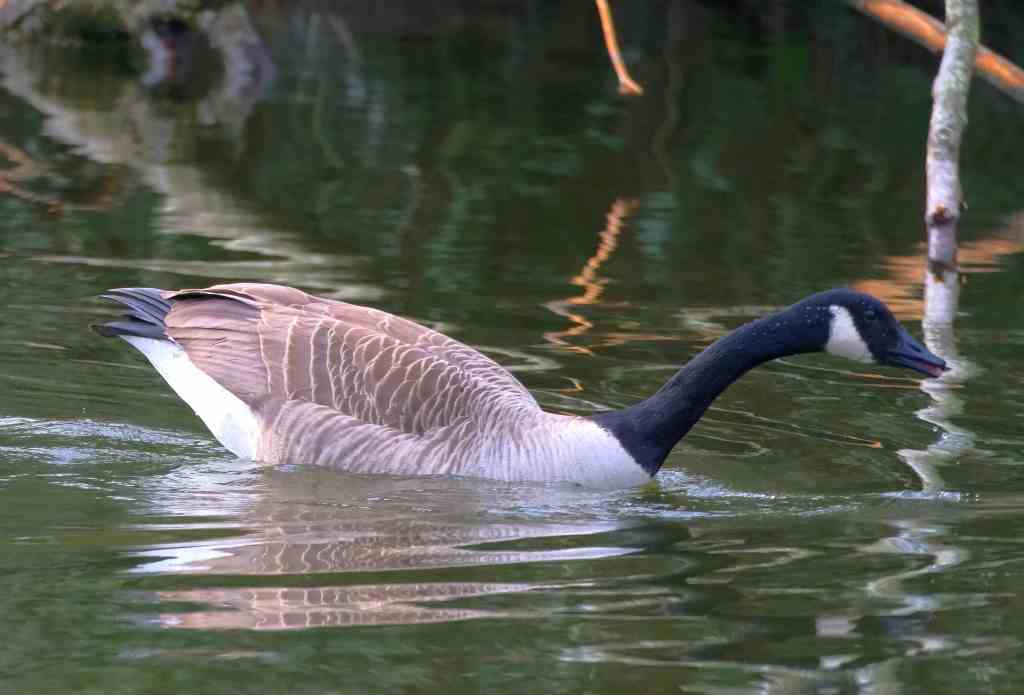
Canada Goose making a flap.


 Continued Reflections from my World.