Grey Heron flying high in the New Forest.
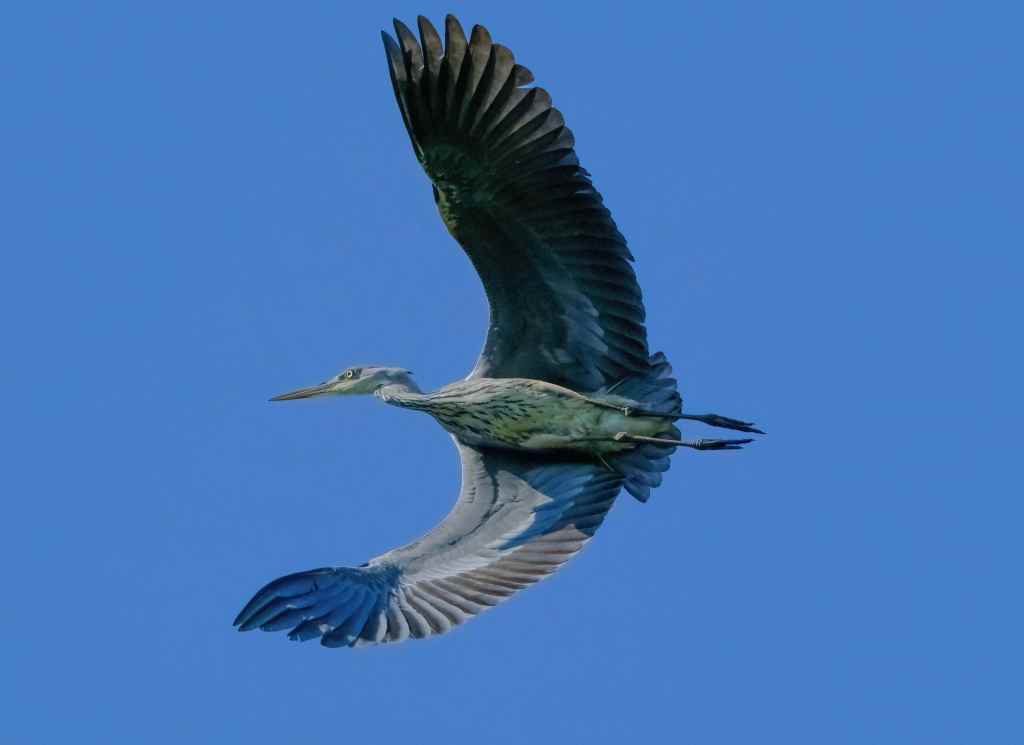
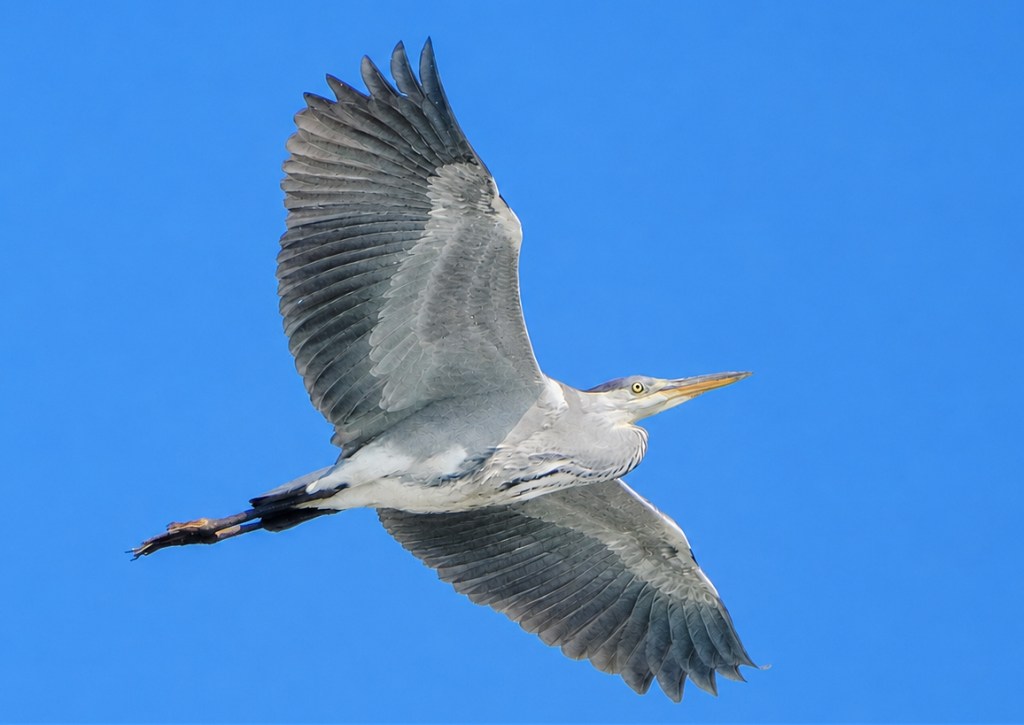
Grey Heron flying high in the New Forest.
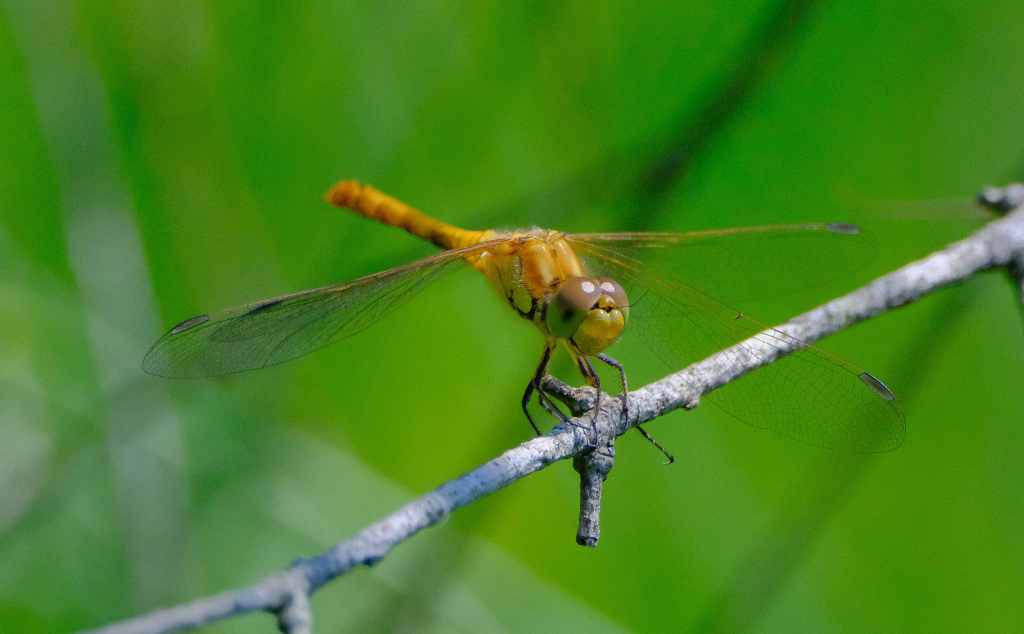
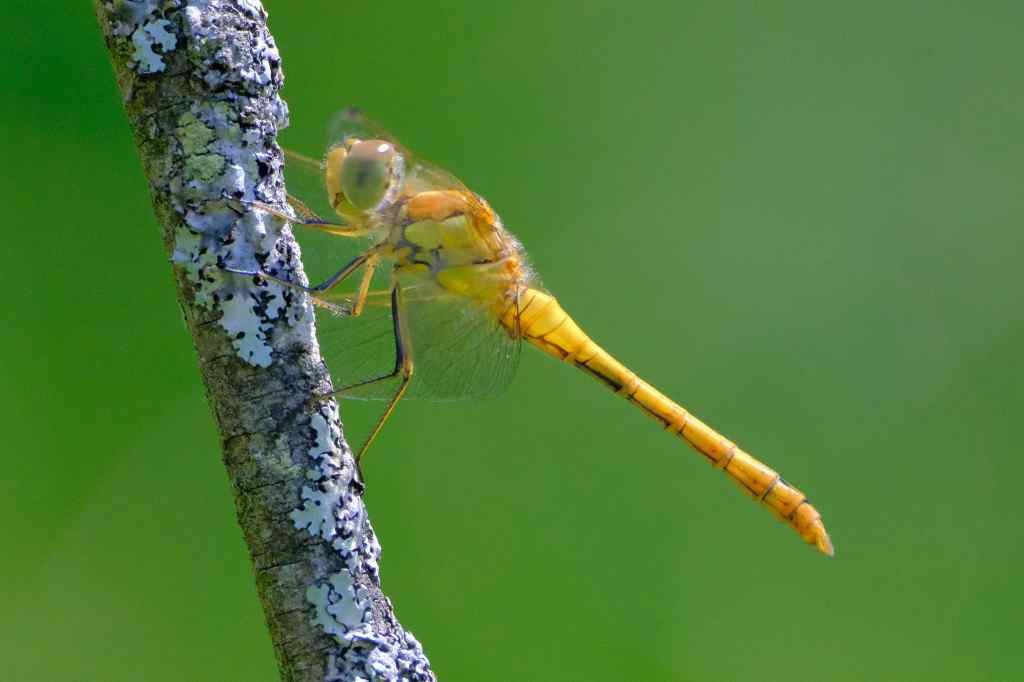
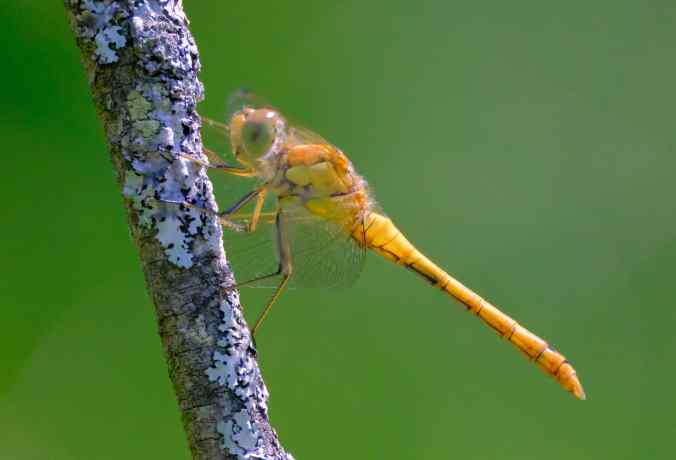
The Common Darter is a small, narrow-bodied dragonfly that is typically on the wing from July to October.
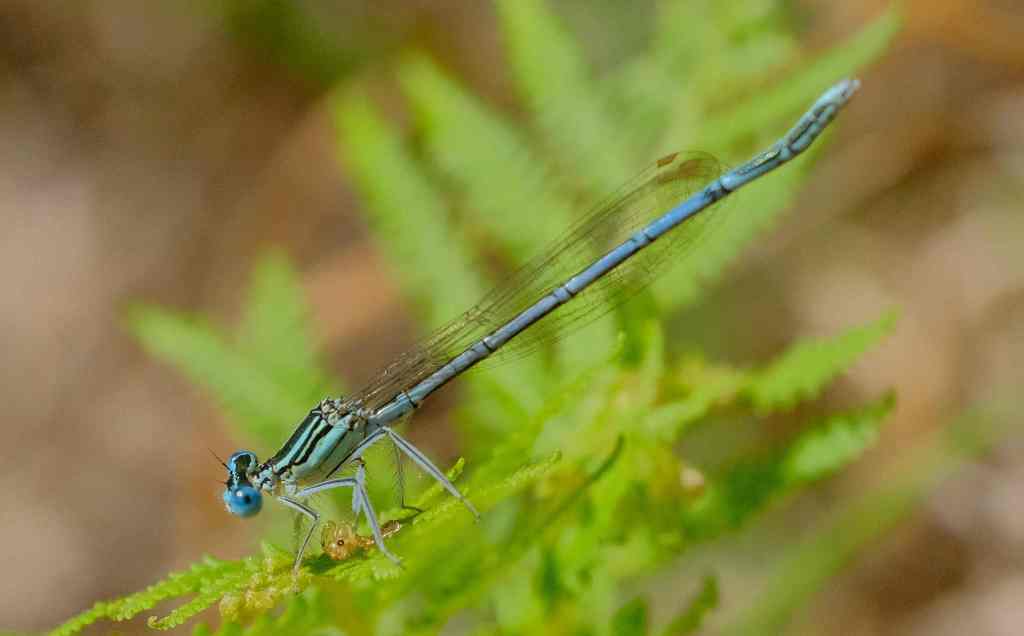
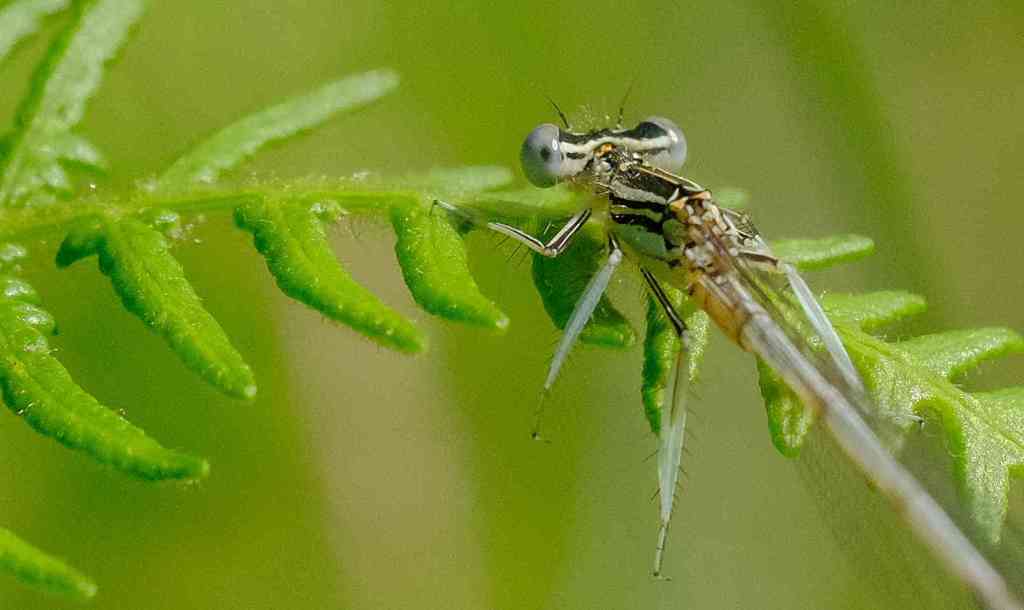
Yesterday’s New Forest walk was a bit of a surprise as we found another Raft Spider stronghold. We found a nest full of newly hatched spiderlings. What was different about this nest was that it was being guarded by a parent spider. I had not seen this before.
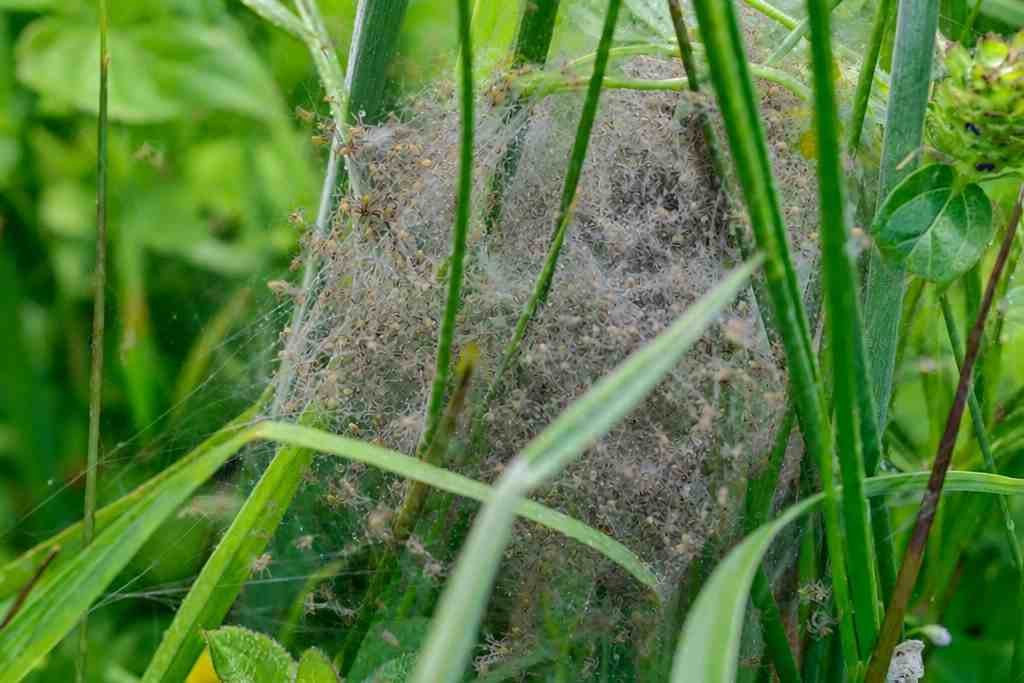
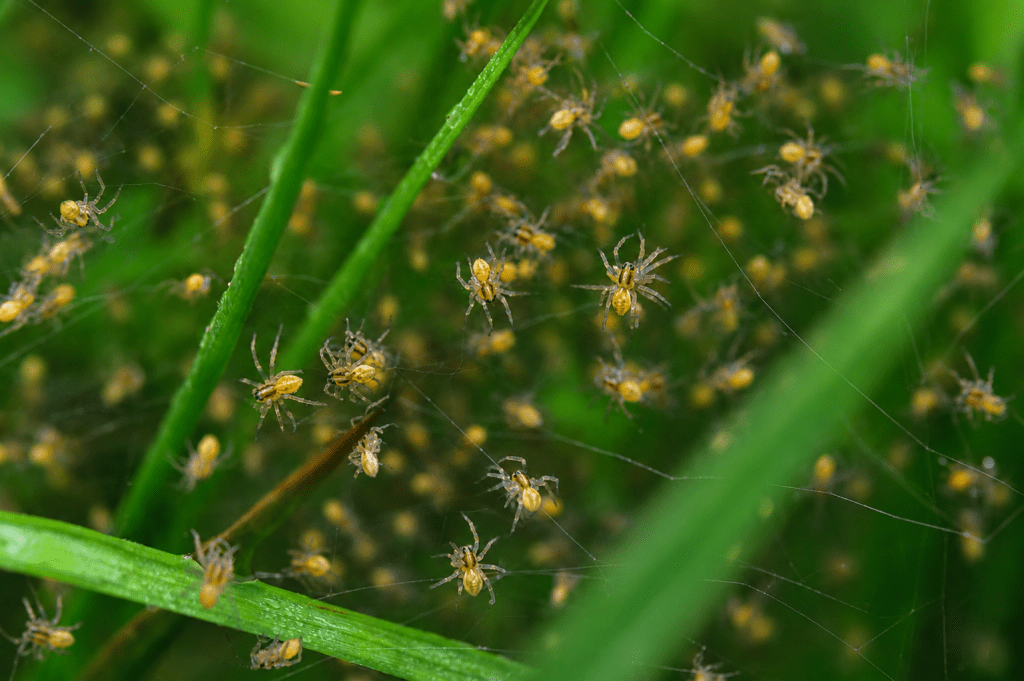
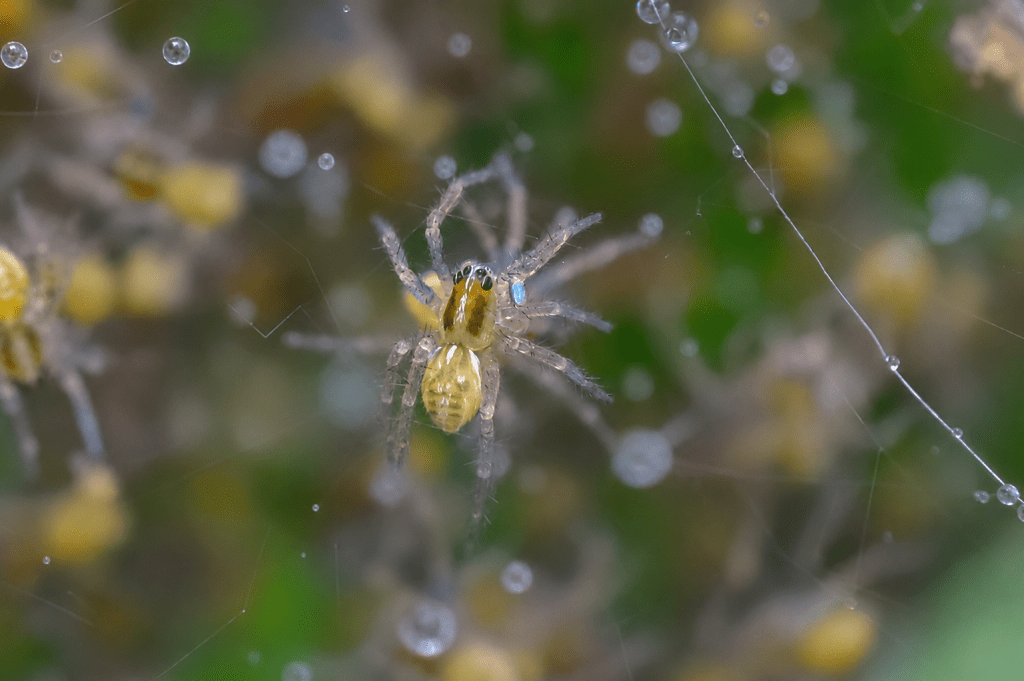
Adult on guard.
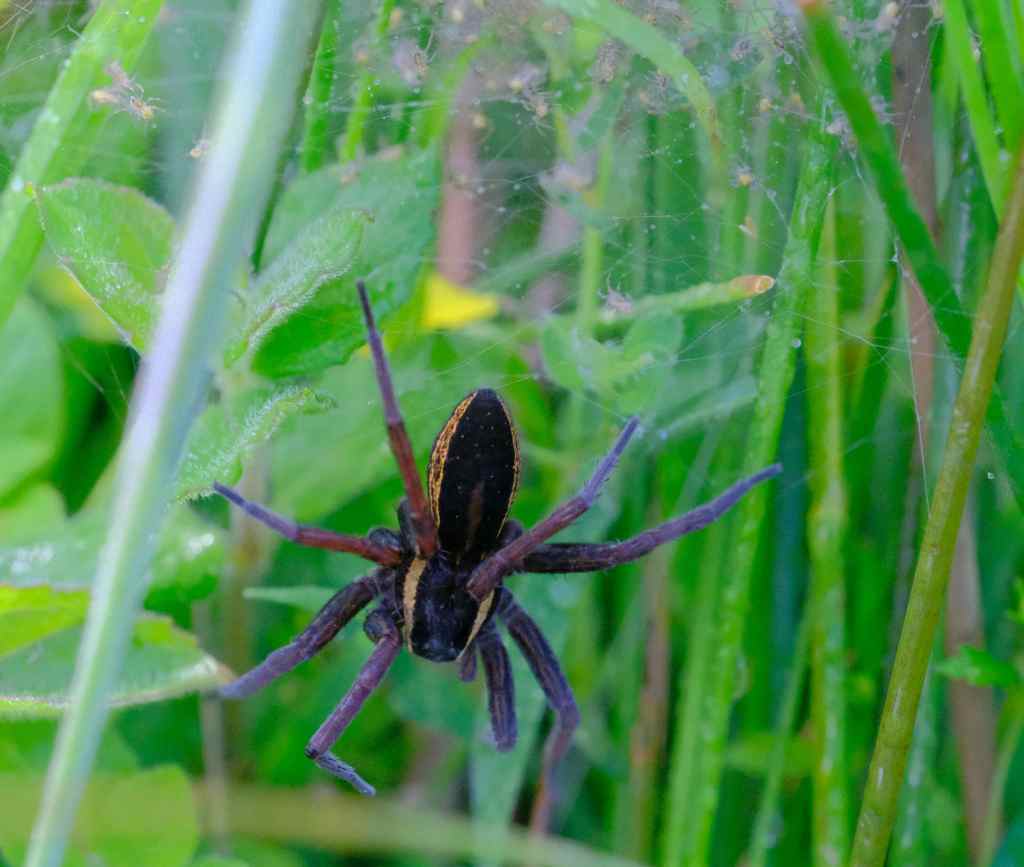
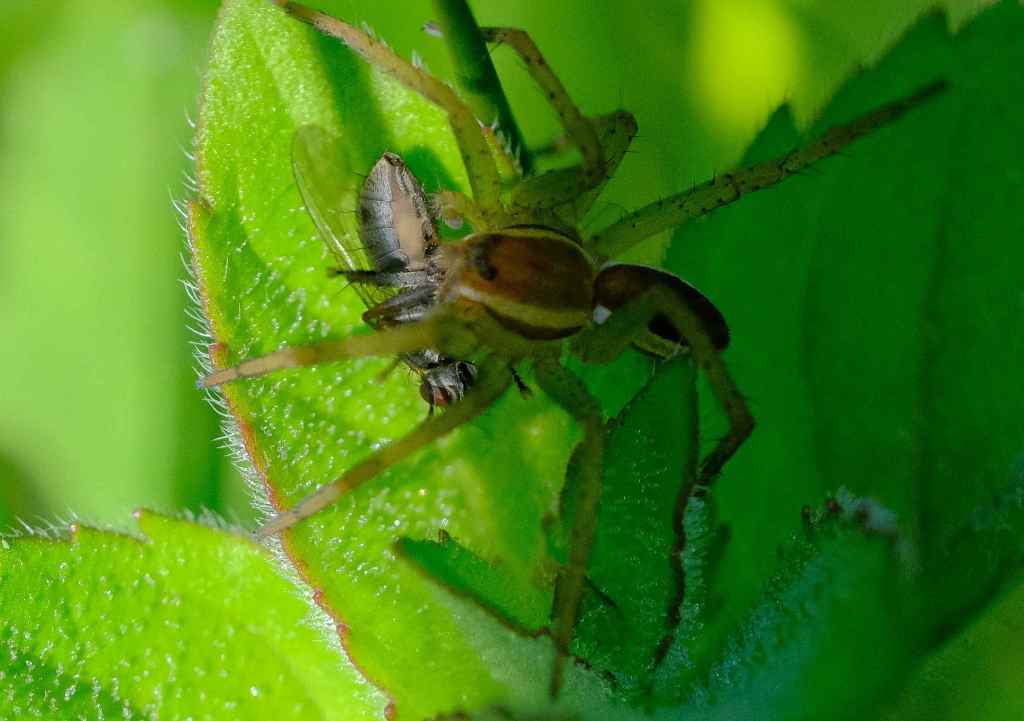
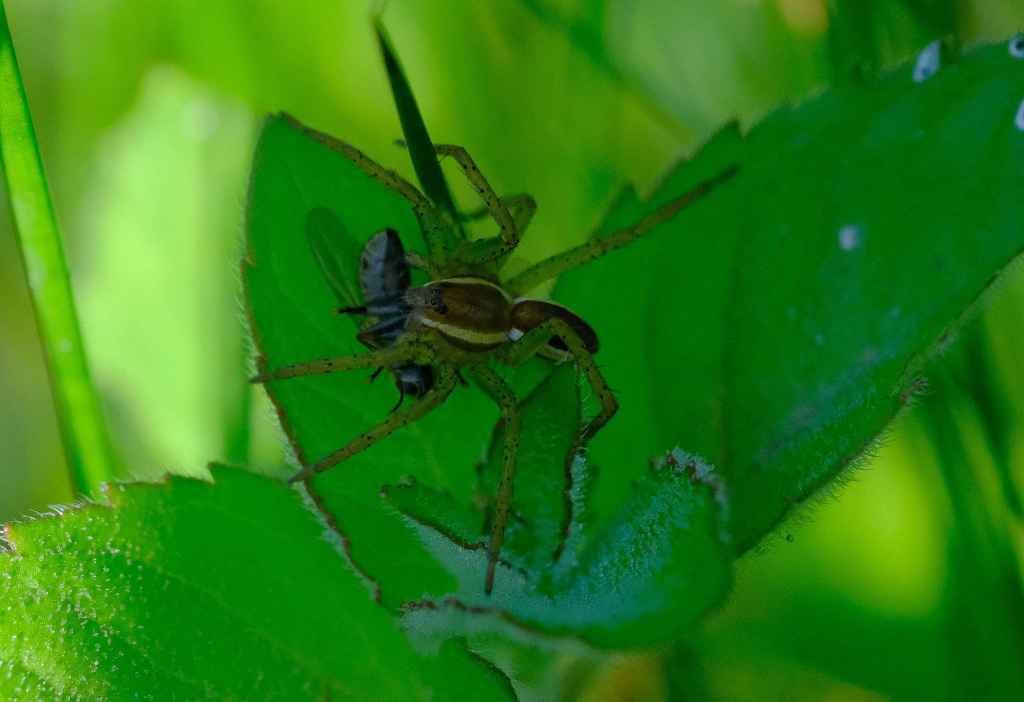
Raft spiders do not spin webs to catch insects; they grab and catch their prey.
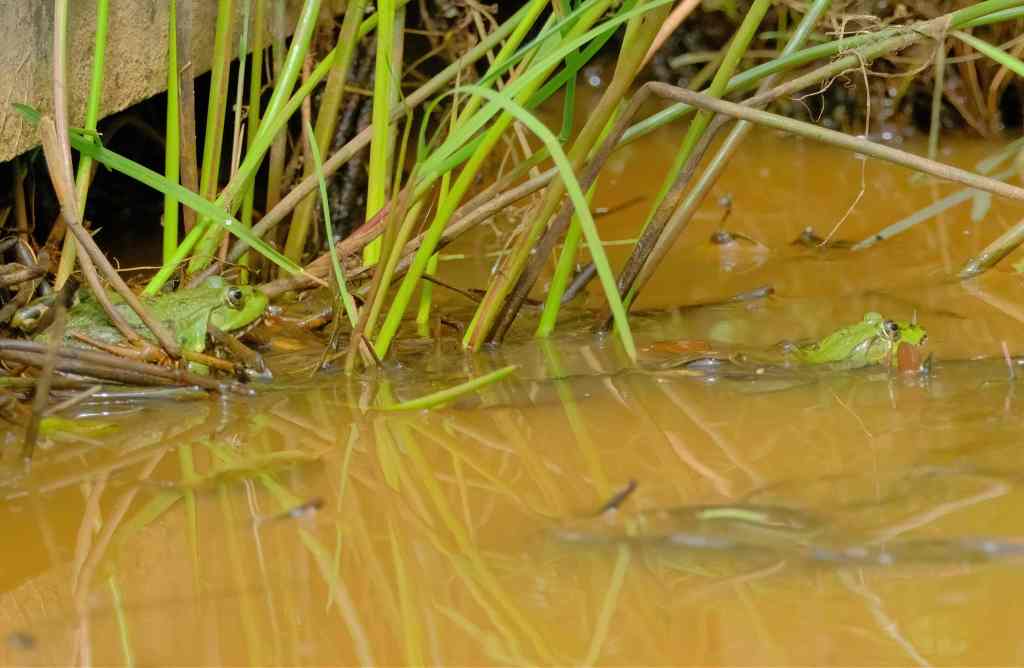
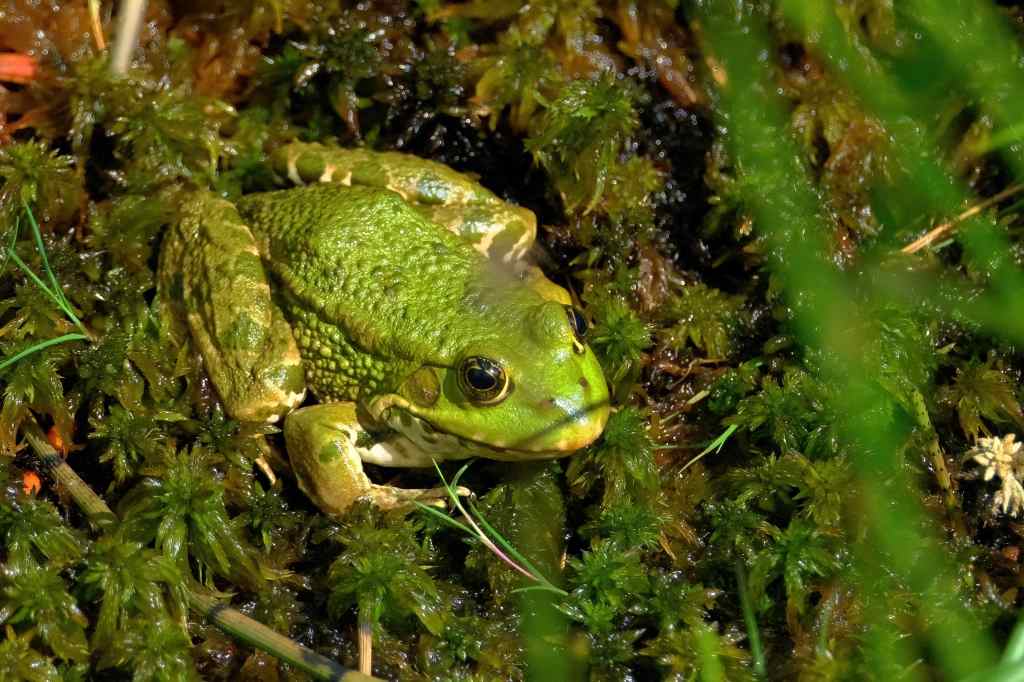
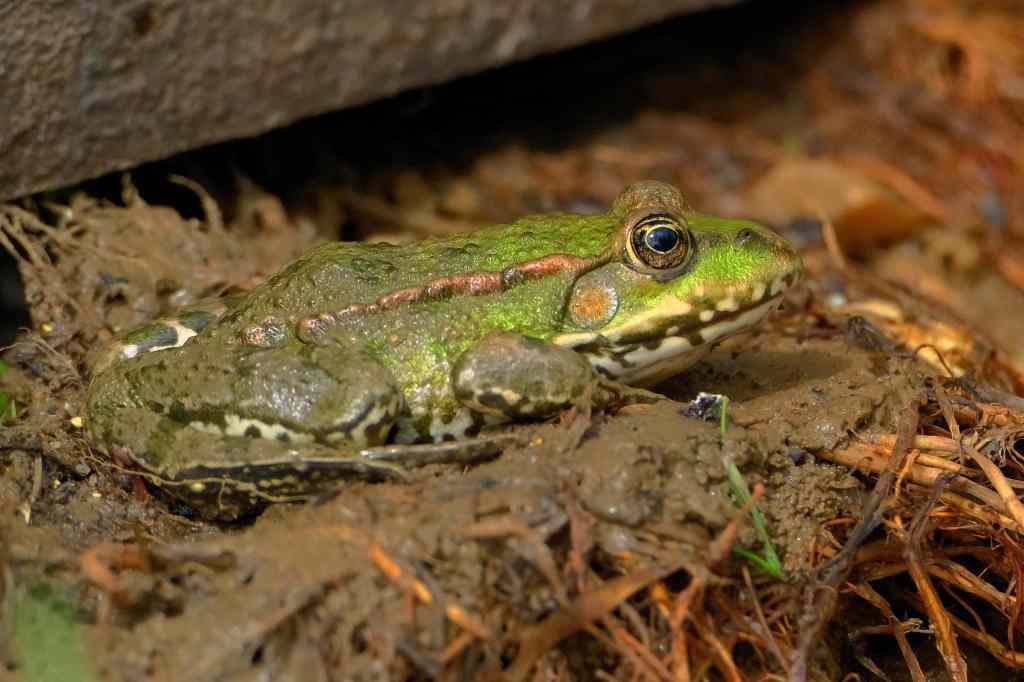
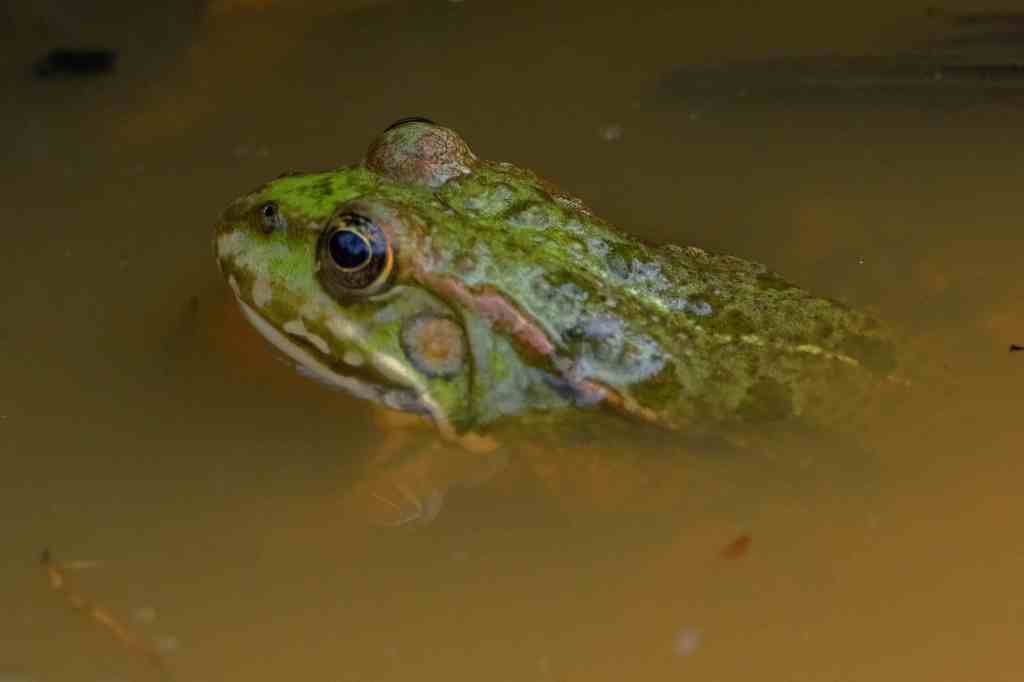
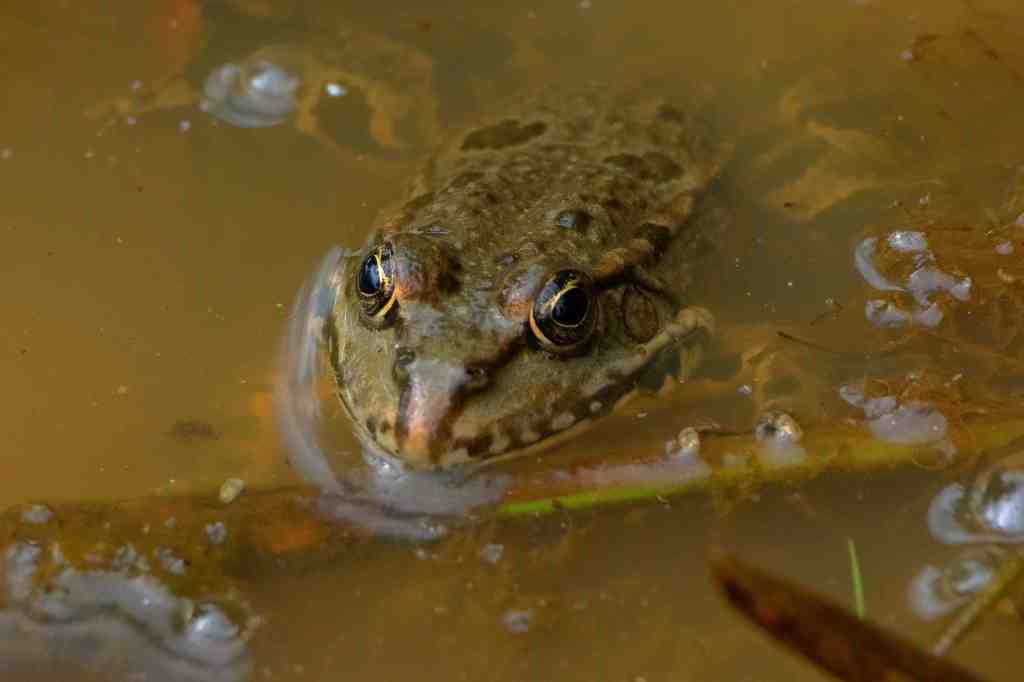
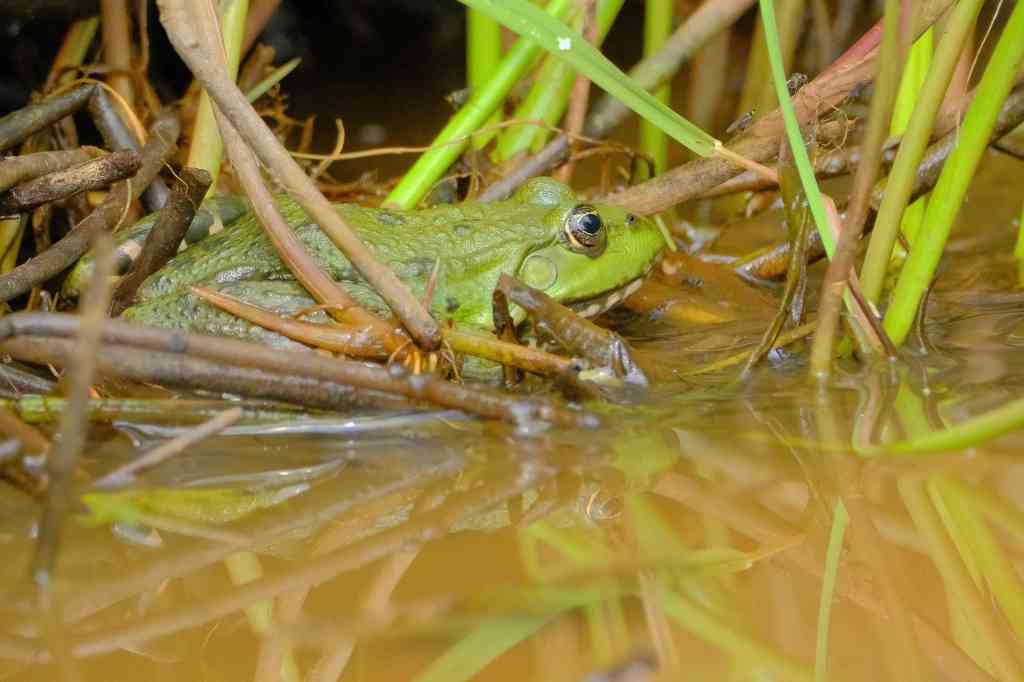
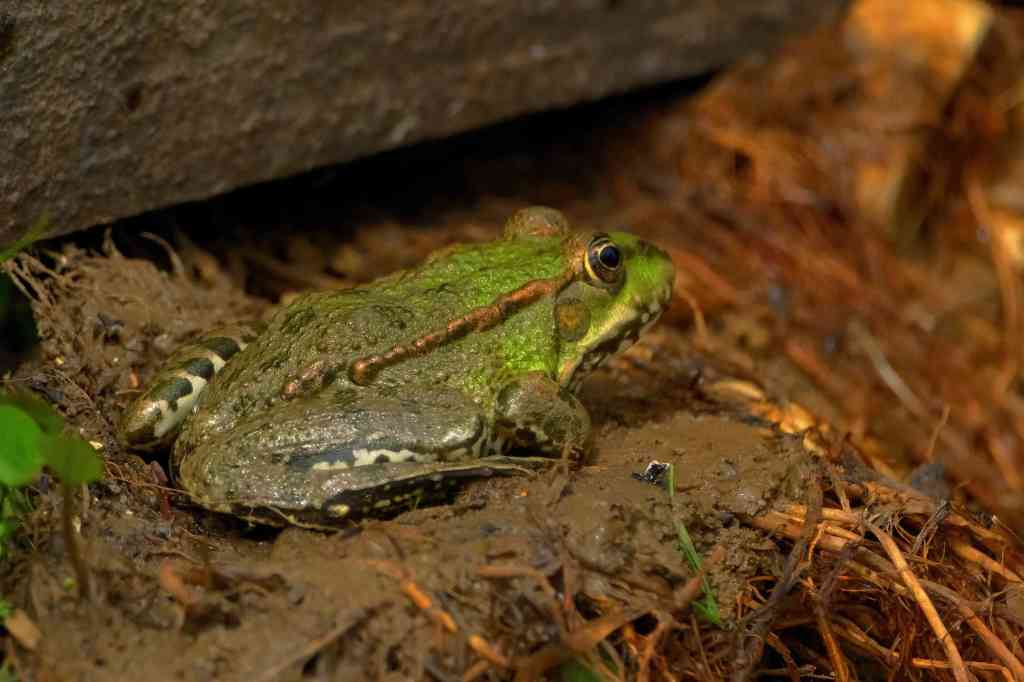
Marsh frogs (Pelophylax ridibundus) are Europe’s largest native frog species; they are not native to the UK. There is a colony in the New Forest, and I try to see if I can spot some at this time of year. They are colourful frogs with a range from brown to green.
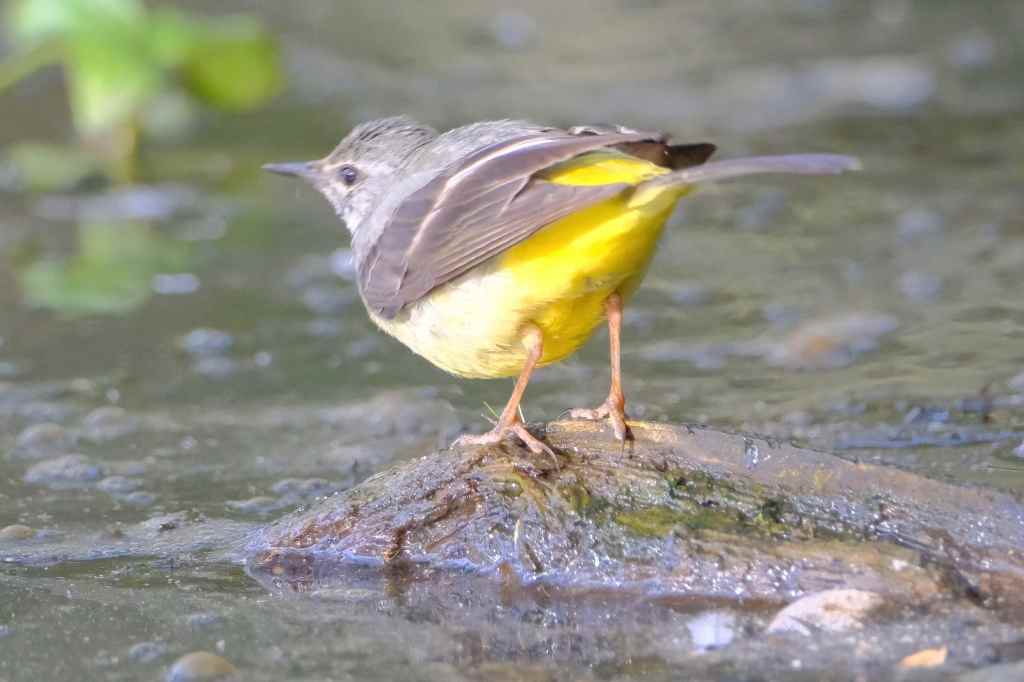
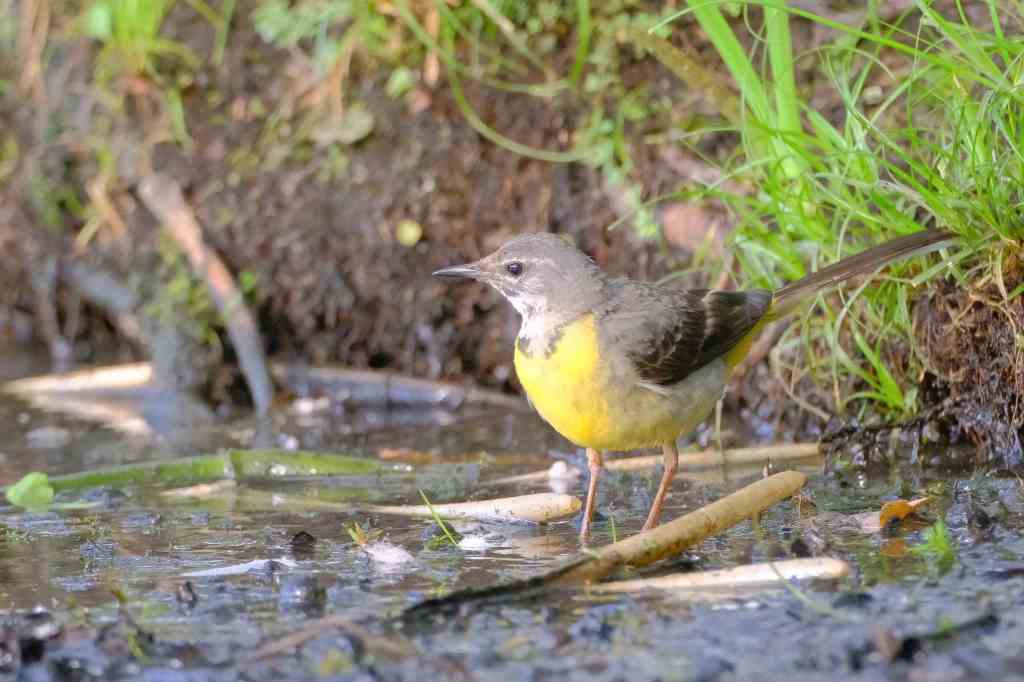
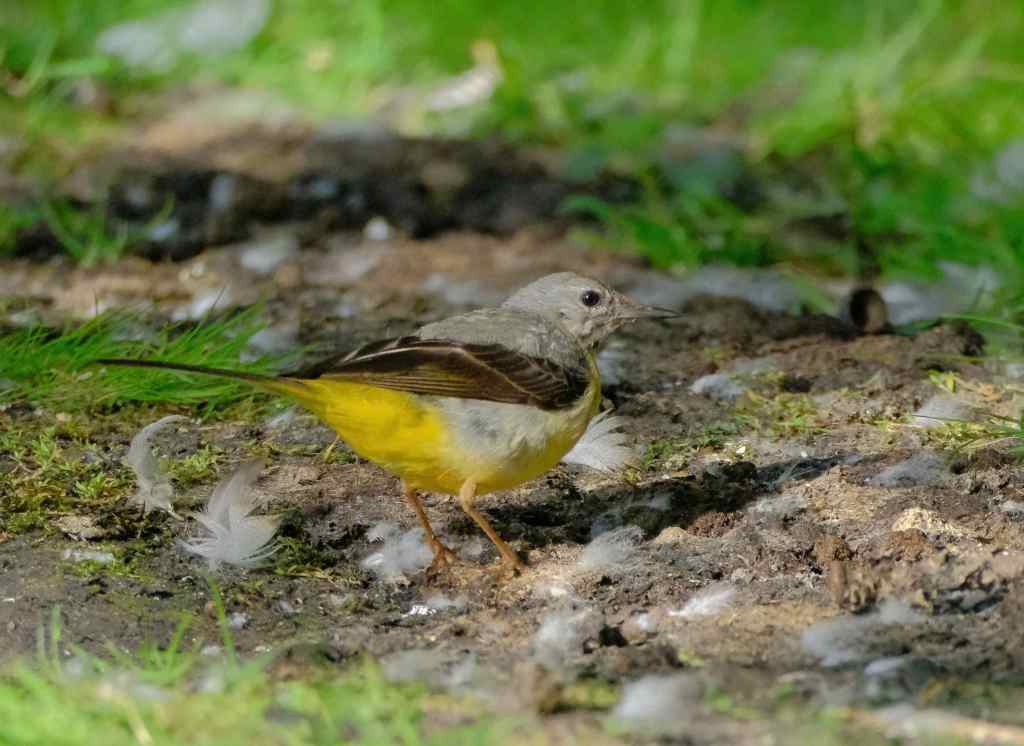
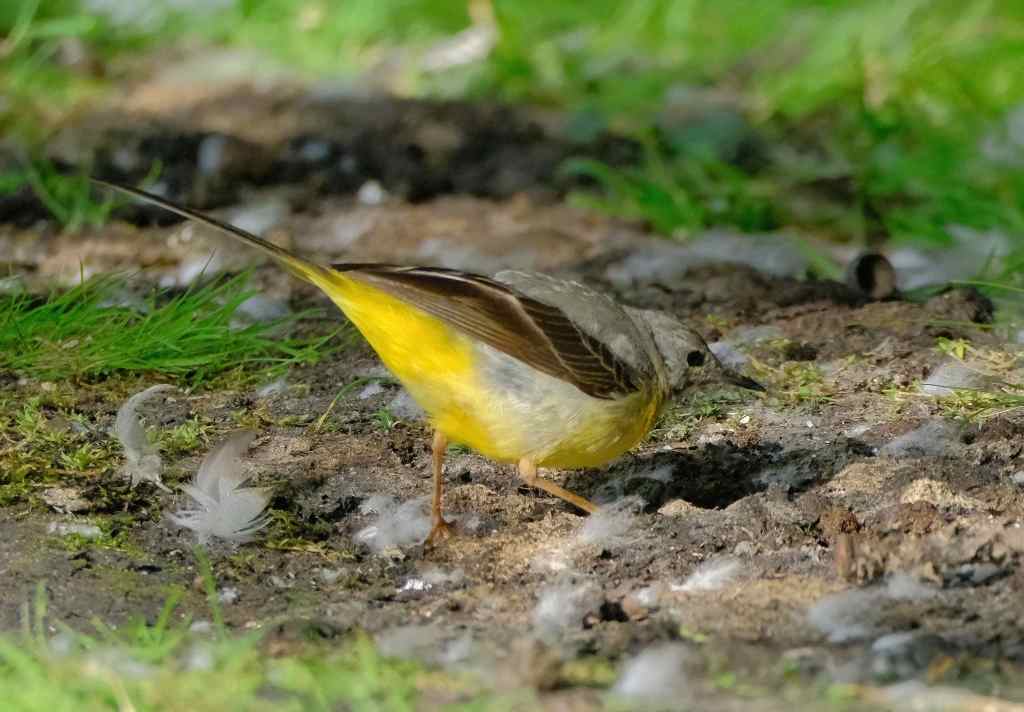
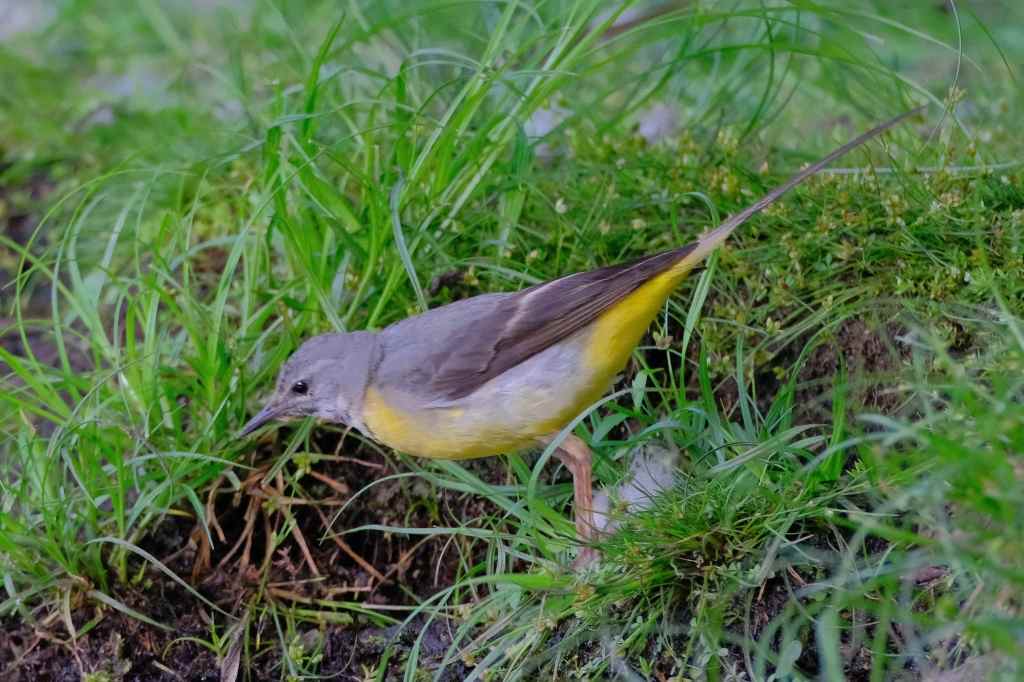
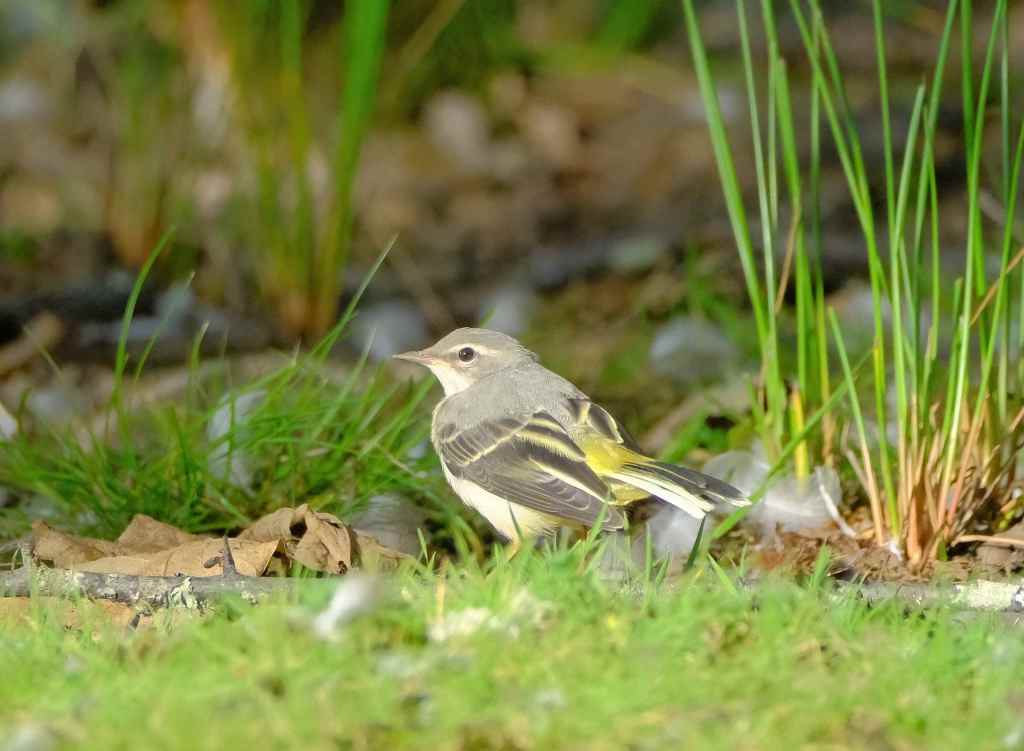
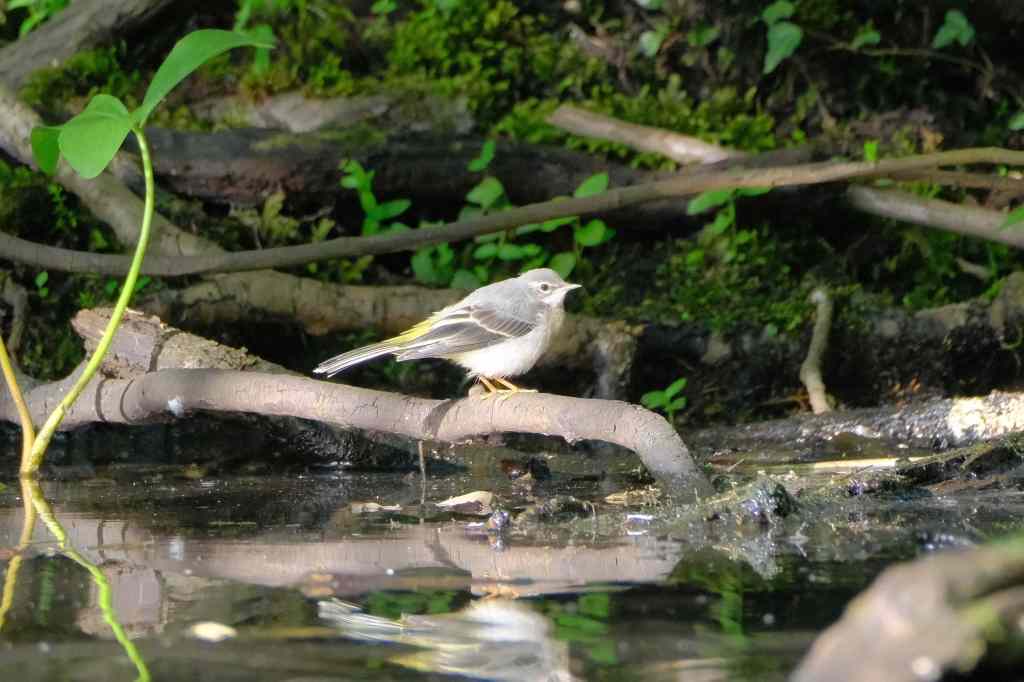
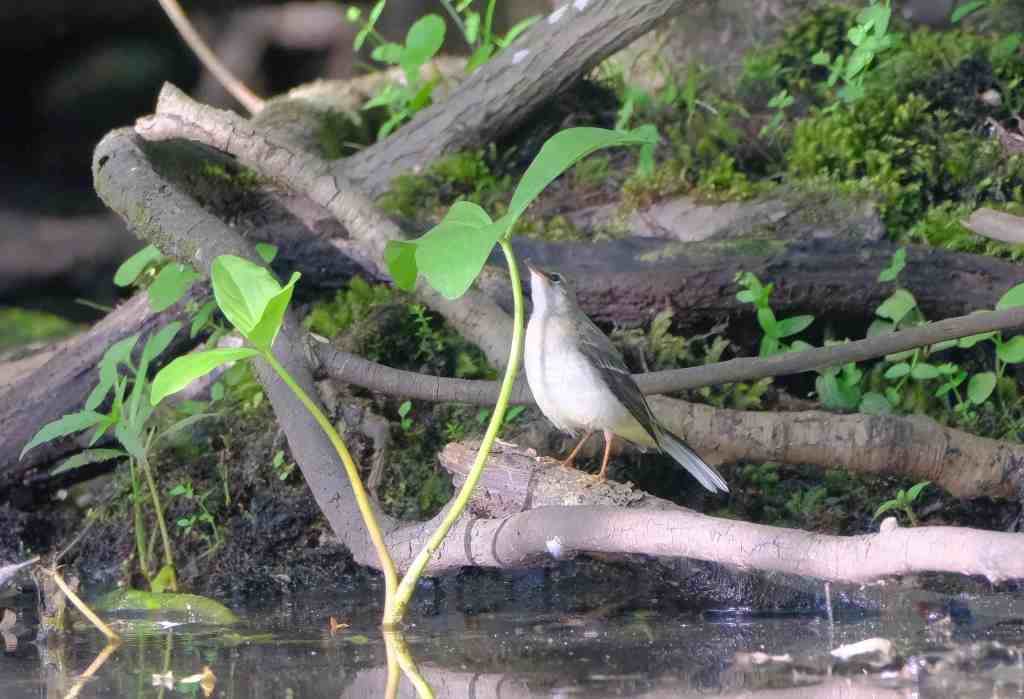
Grey Wagtail parent and one juvenile bird catching insects at Eyeworth pond, New Forest.
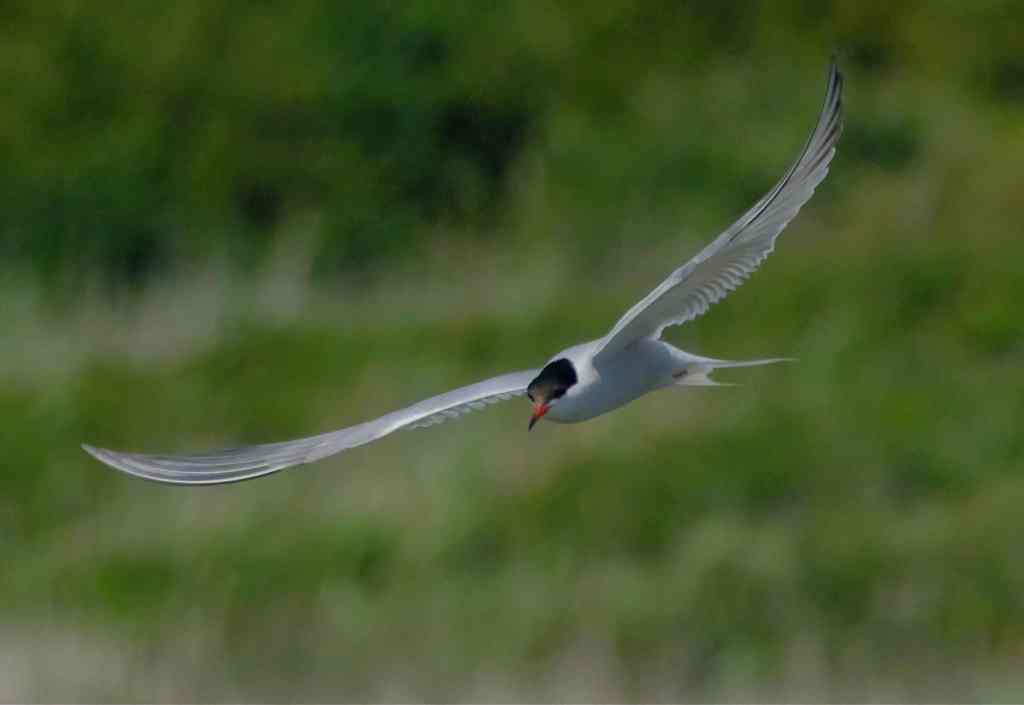
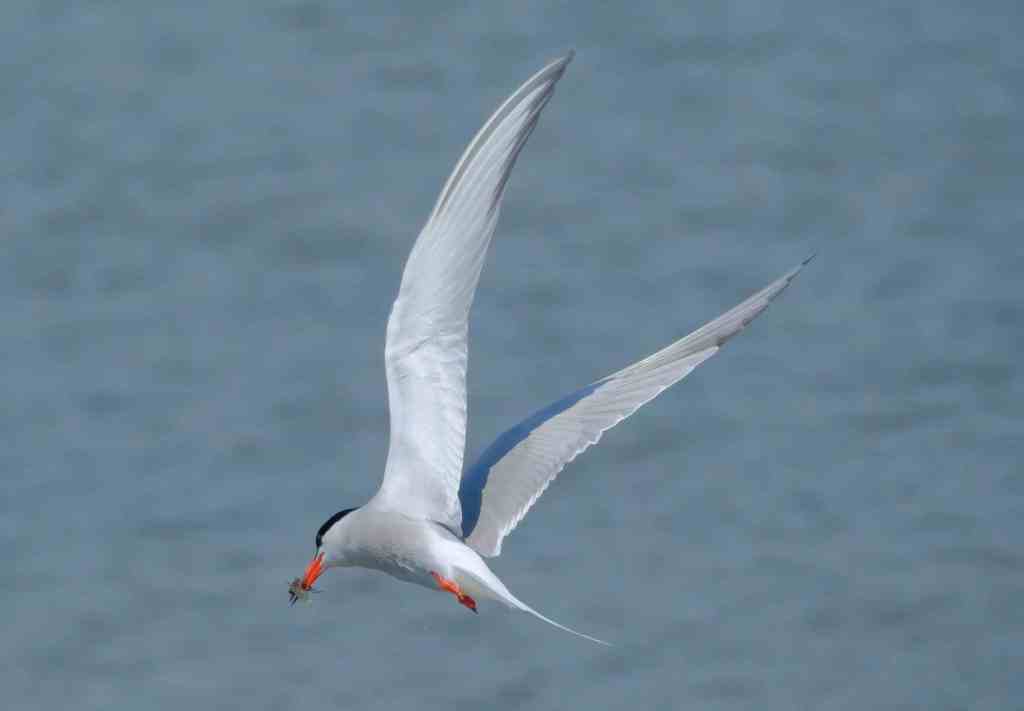
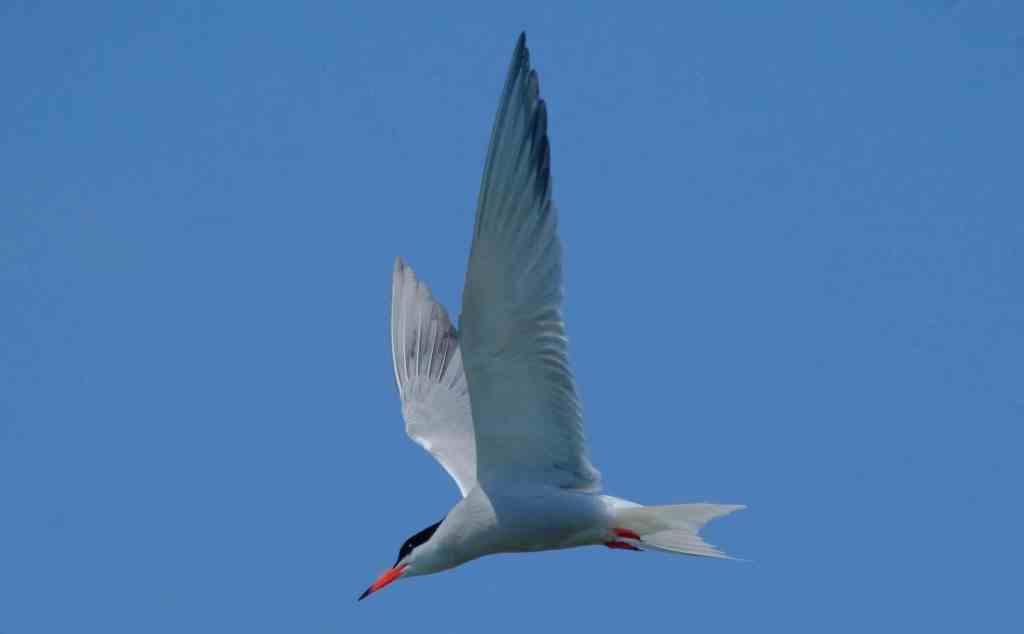
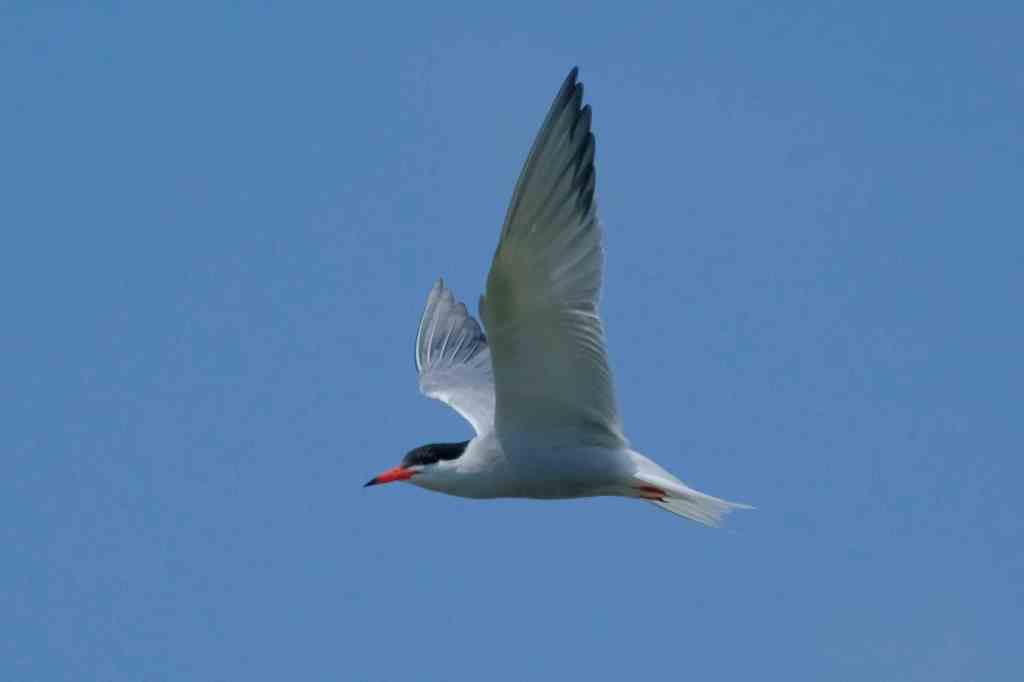
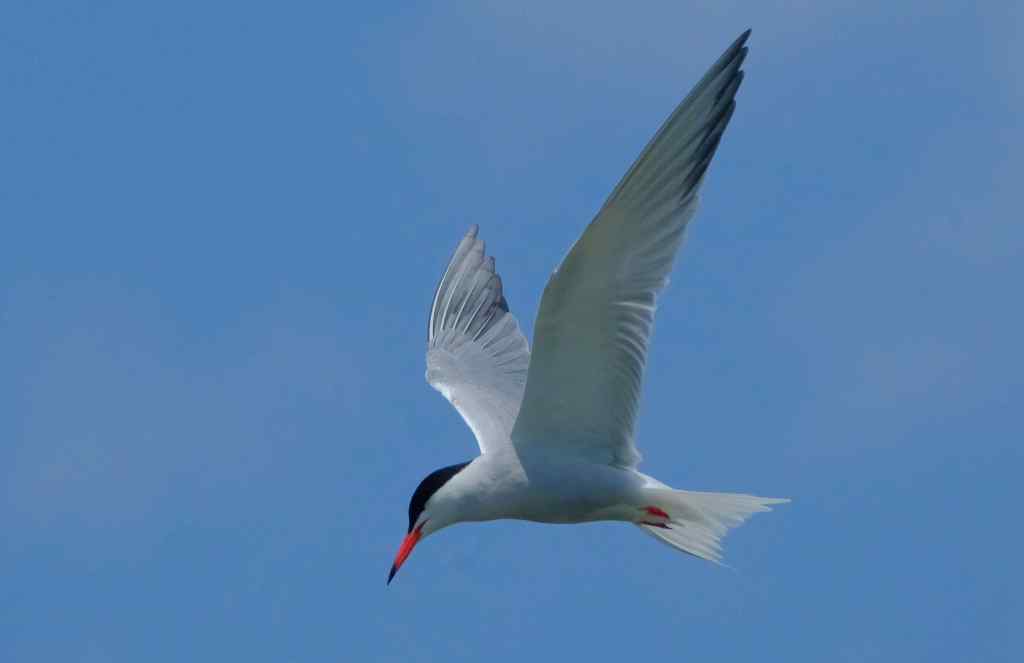
Common Tern Hill Head.
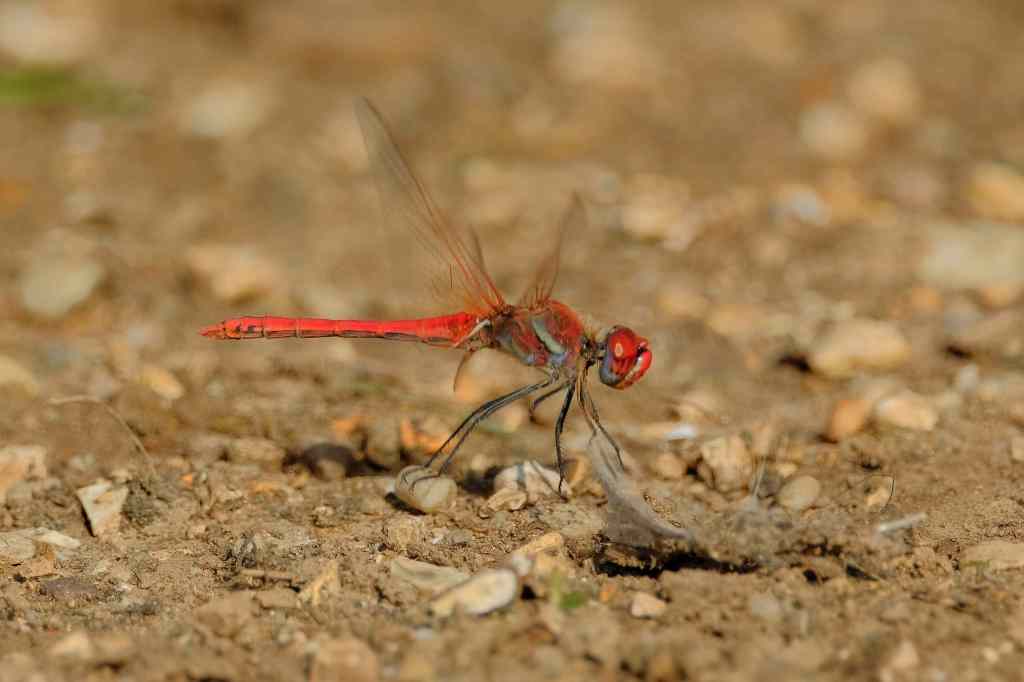
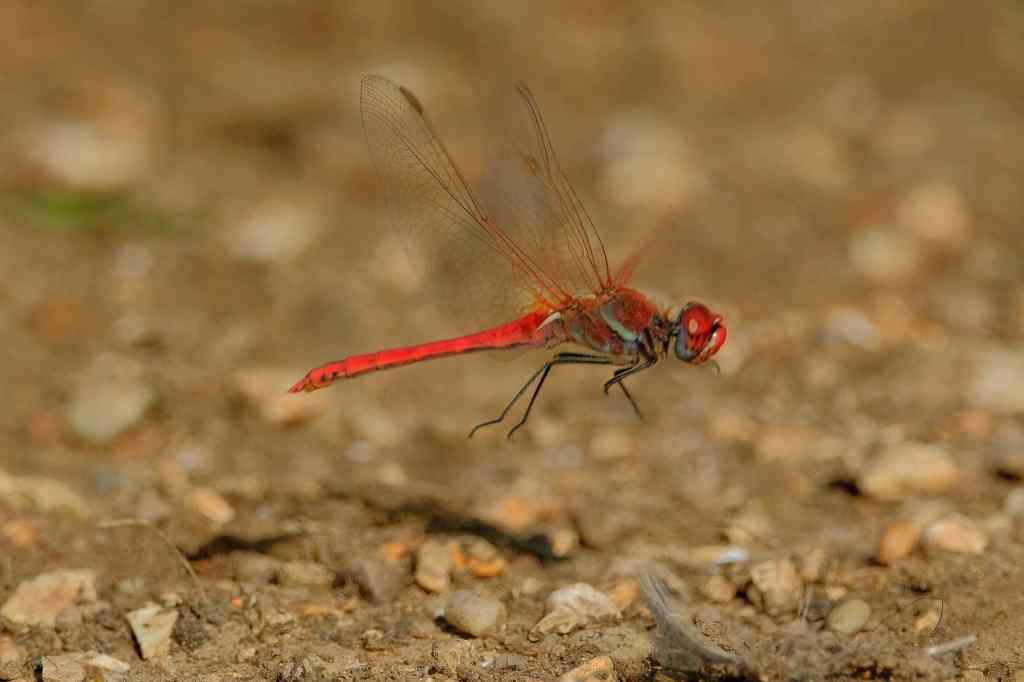
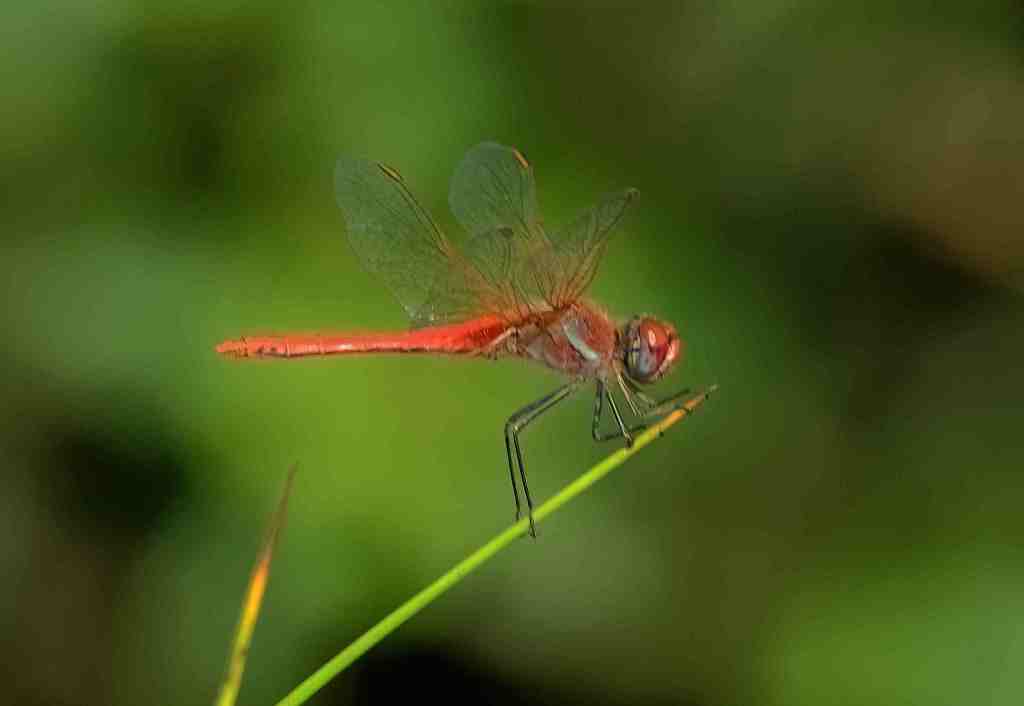
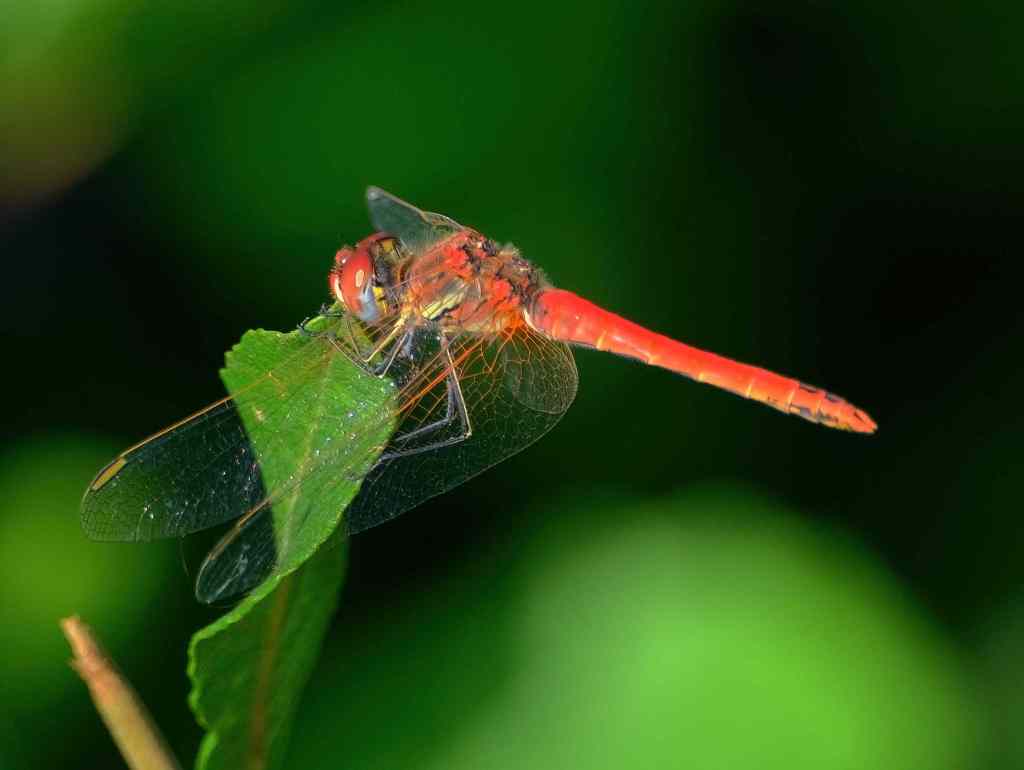
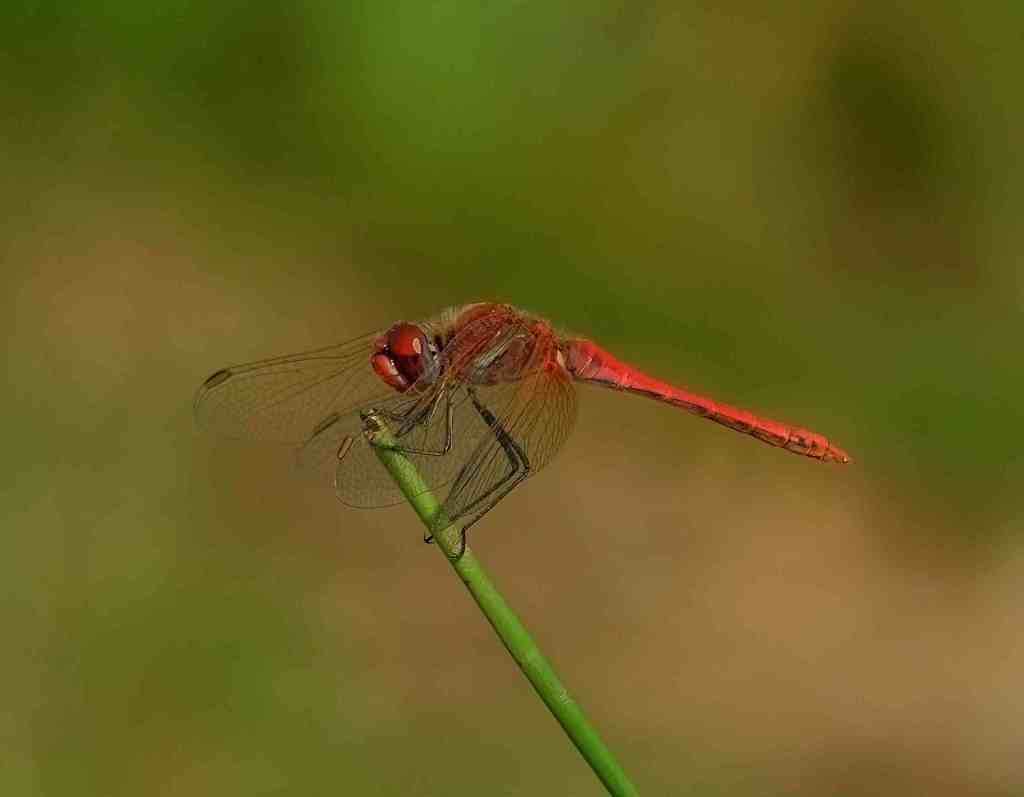
A hot walk in the New Forest during a “heatwave” and spotted a new dragonfly, 1st for me. Red-veined Darter. According to the British Dragonfly Society, this dragonfly is a fairly frequent migrant, principally to southern Britain, with scattered sightings elsewhere. Numbers spotted have been increasing since the 1980s. Breeding has been observed regularly, but the colonies are not yet stable.
A striking, large black dragonfly with yellow rings along the length of the abdomen.Breeds in acidic rivers and streams of all sizes. Can also be seen away from its breeding habitat over the heathland. One of our regular dragonfly spots in the New Forest at this time of the year.
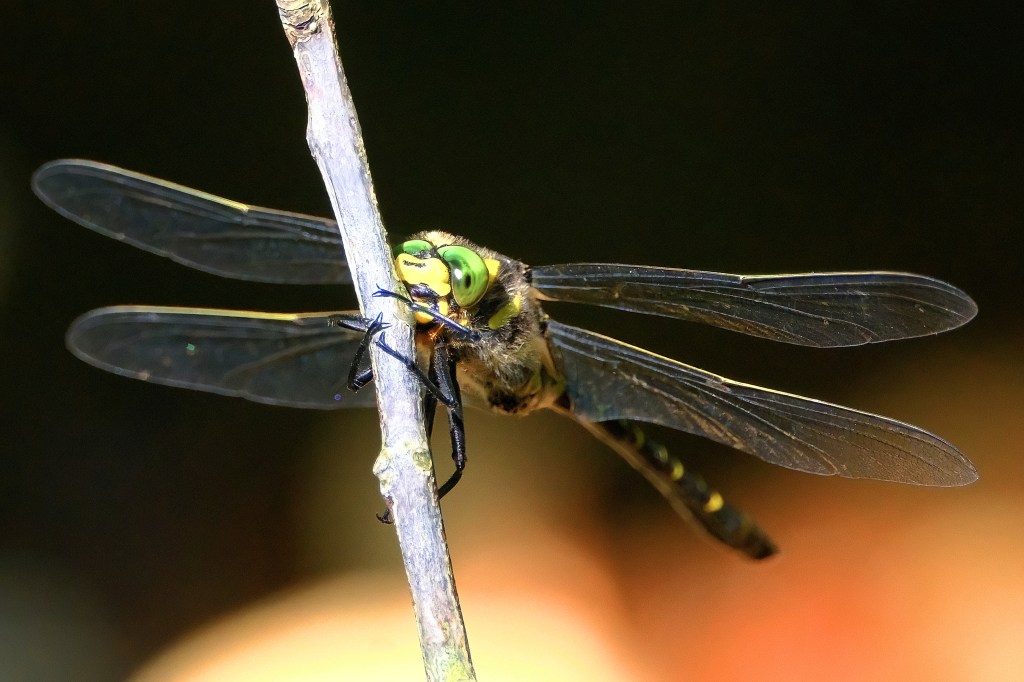
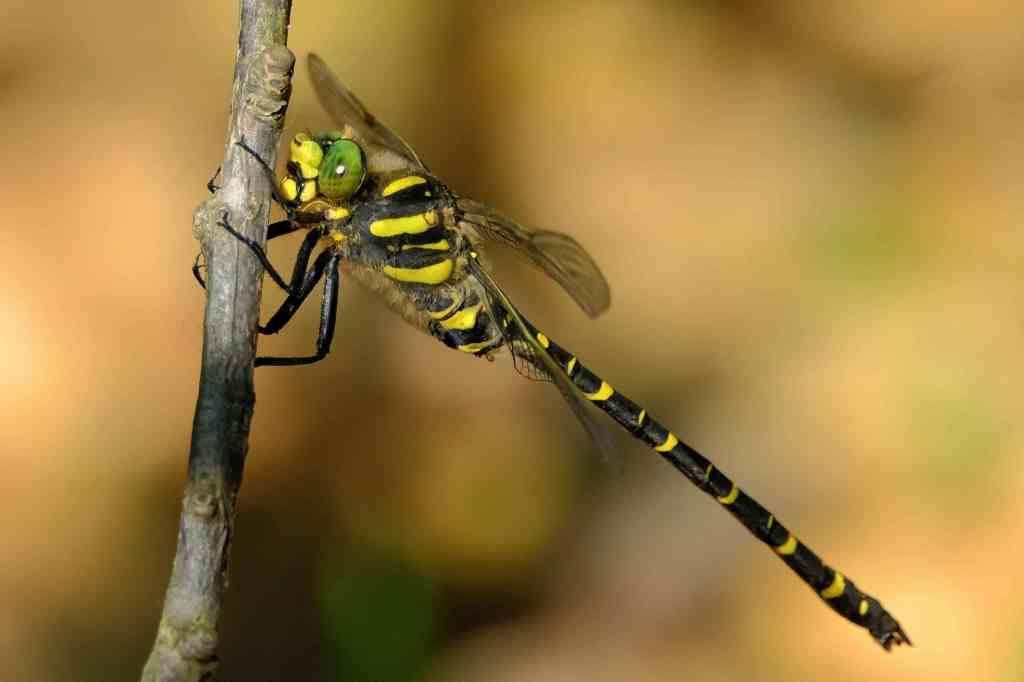
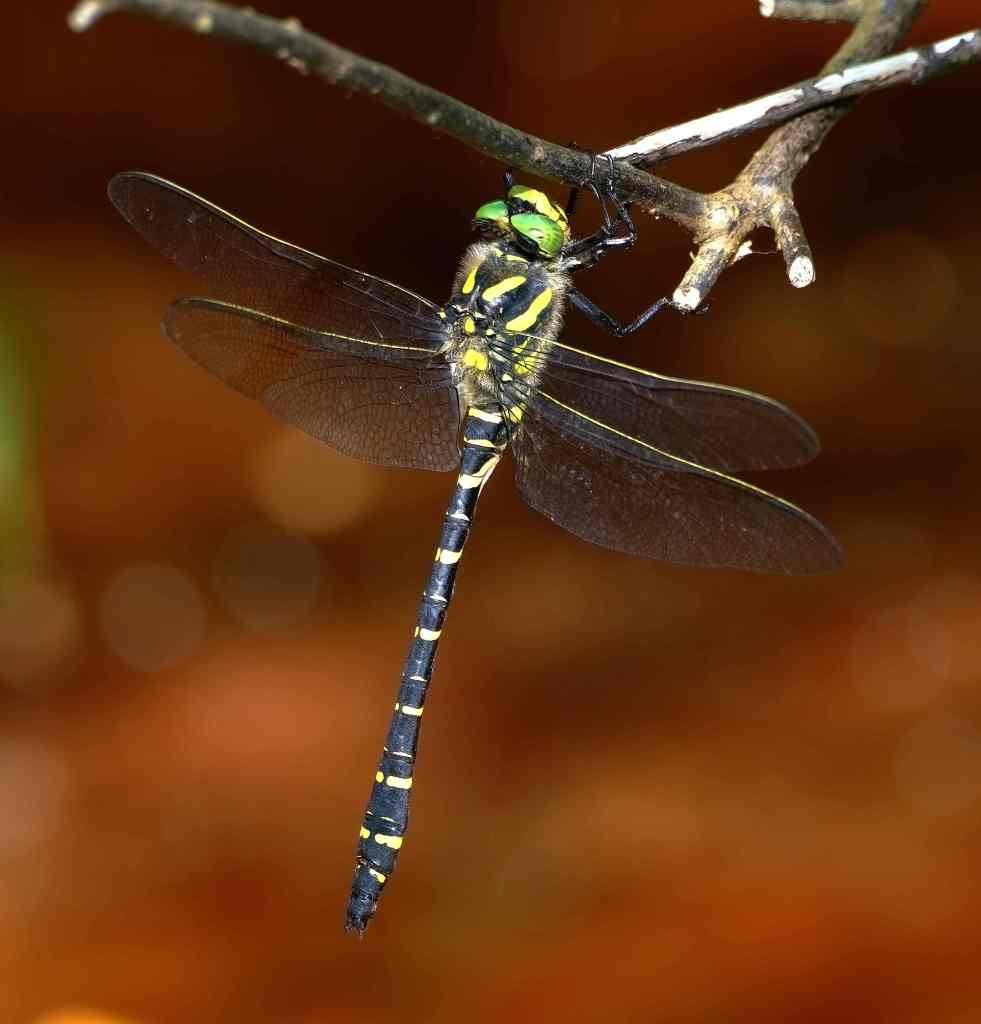
| Scientific Name | Cordulegaster boltonii |
|---|---|
| Status & Distribution | Widely distributed in Scotland, Wales, and north and west England. |
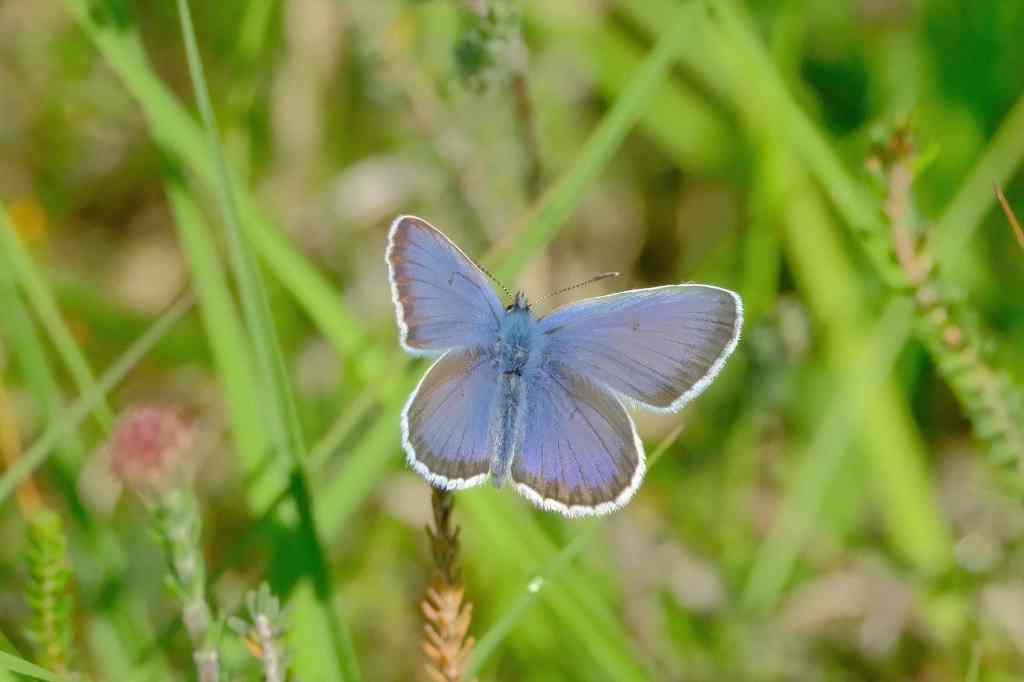
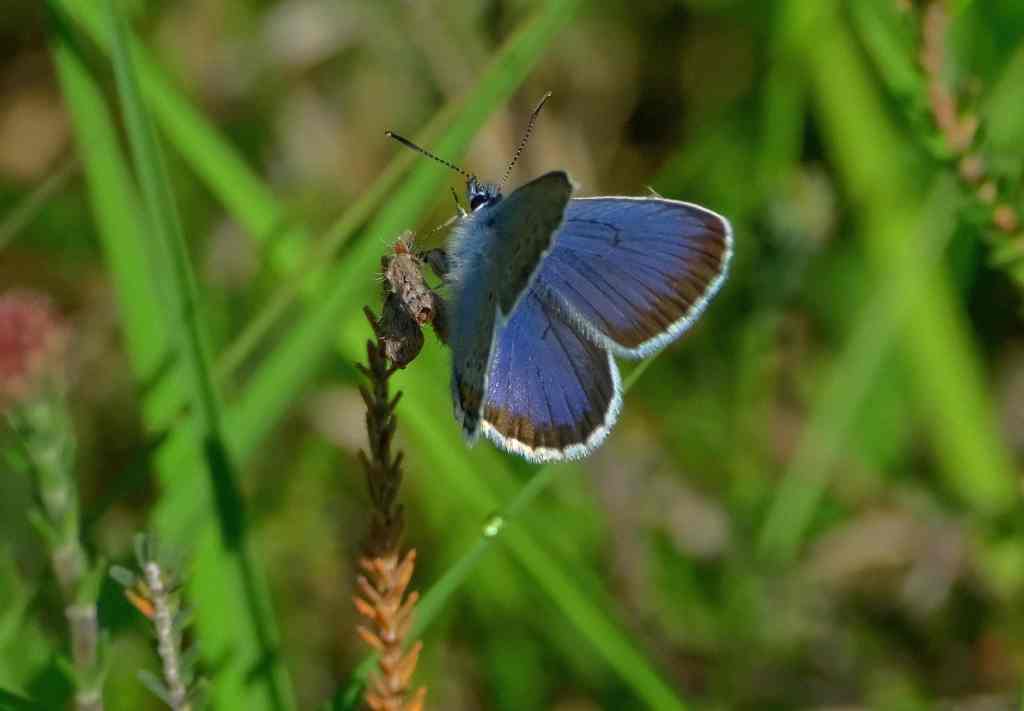
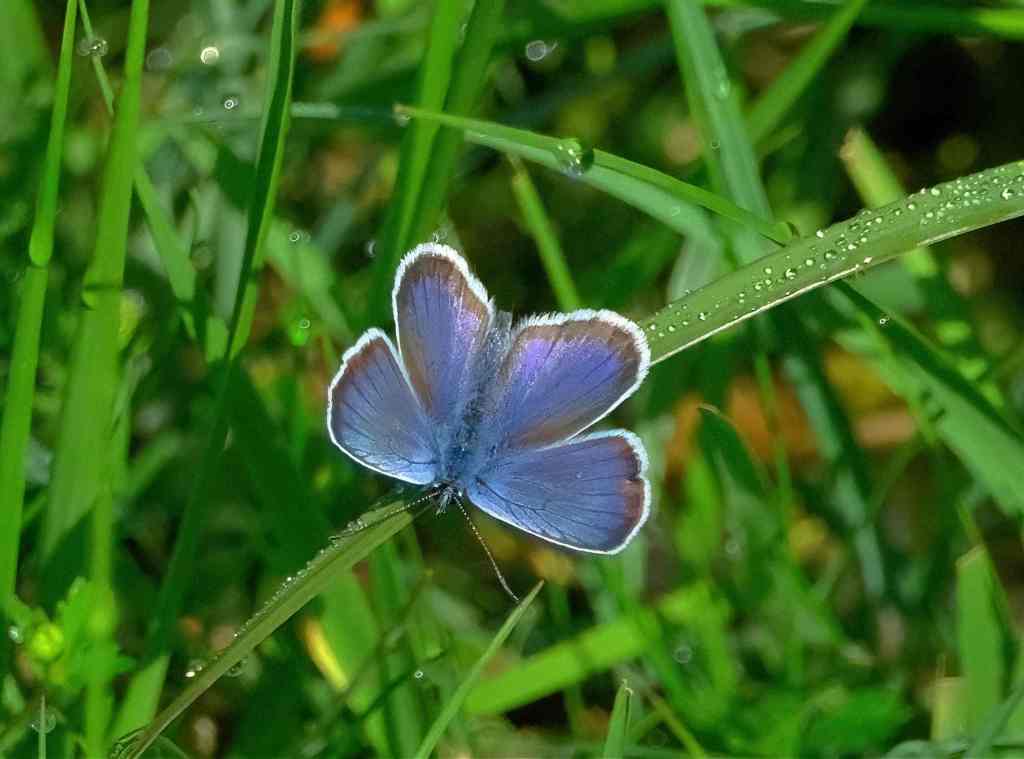
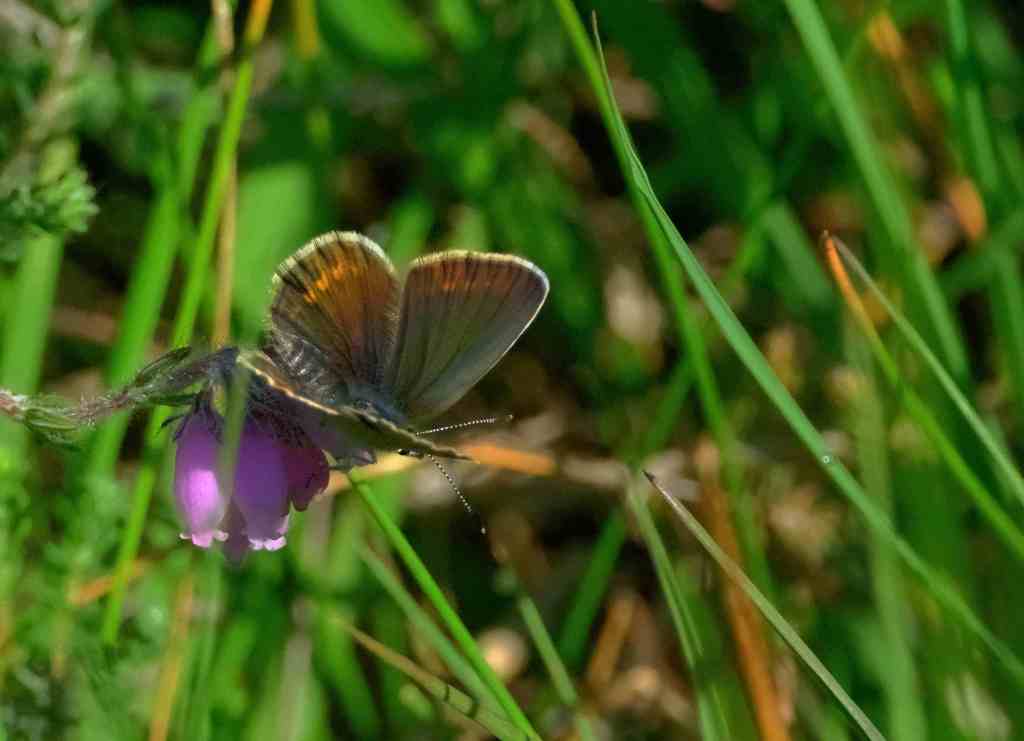
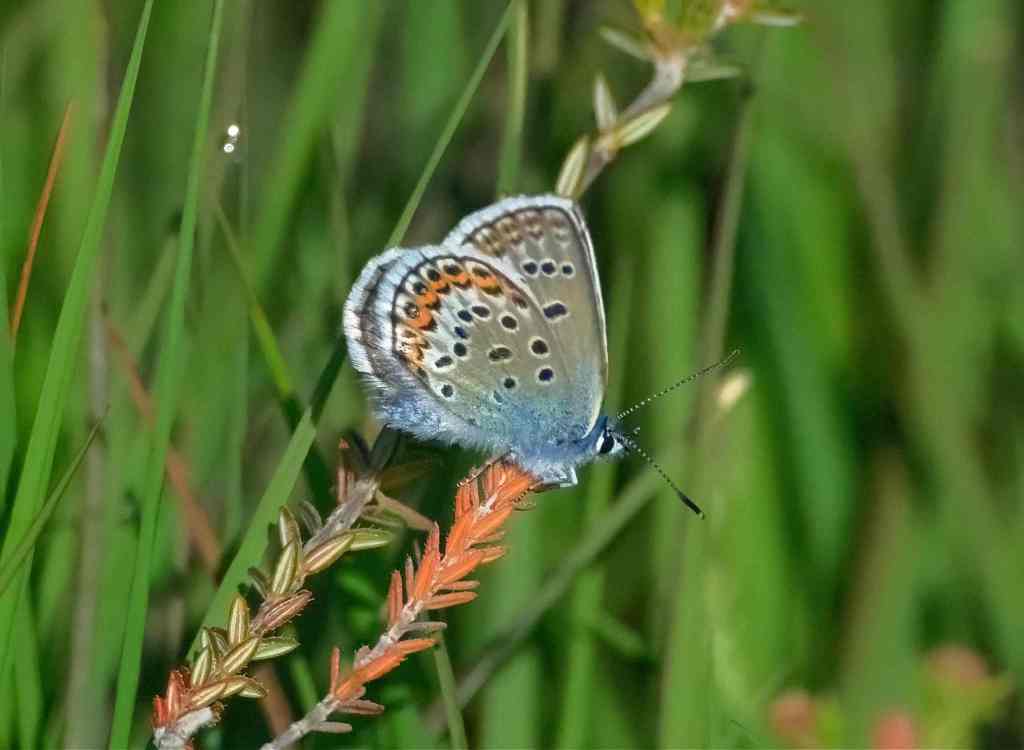
Silver-studded Butterflies. A small butterfly is found mainly in heathland.