


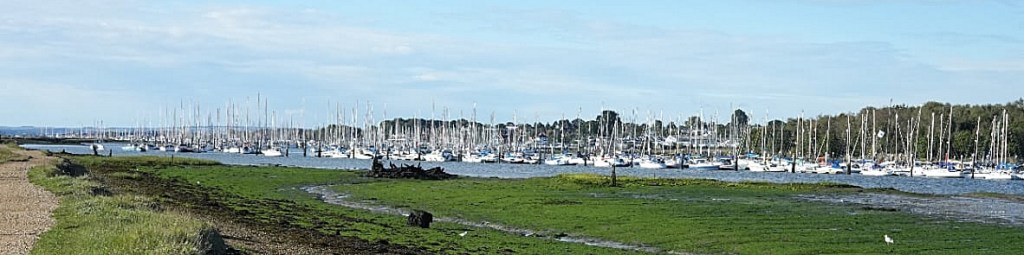
A Sunday morning walk up the Hamble River from Warsash, with the tide coming in, and some good views of waders.

The well-made-up footpath is a Sunday morning favourite for many from Joggers, walkers, dog walkers and cyclists. The cafe in the boat yard at each end of the walk does a good trade in cakes and coffees. As the tide comes in, many waders move closer to the path and seem not too bothered by the people hurrying along the path. For bird watches, this gives us a chance to get some close views of birds that may normally be far off on the tide line.
Curlew. The Curlew is the largest European wading bird, found on estuaries in winter and moors in summer.


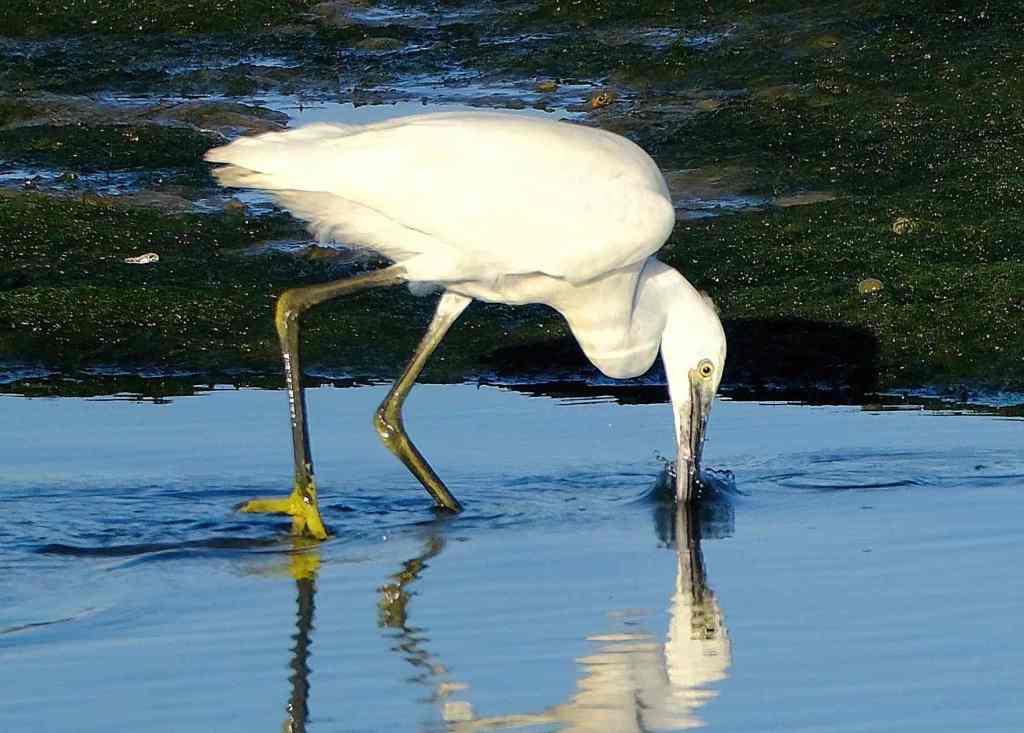
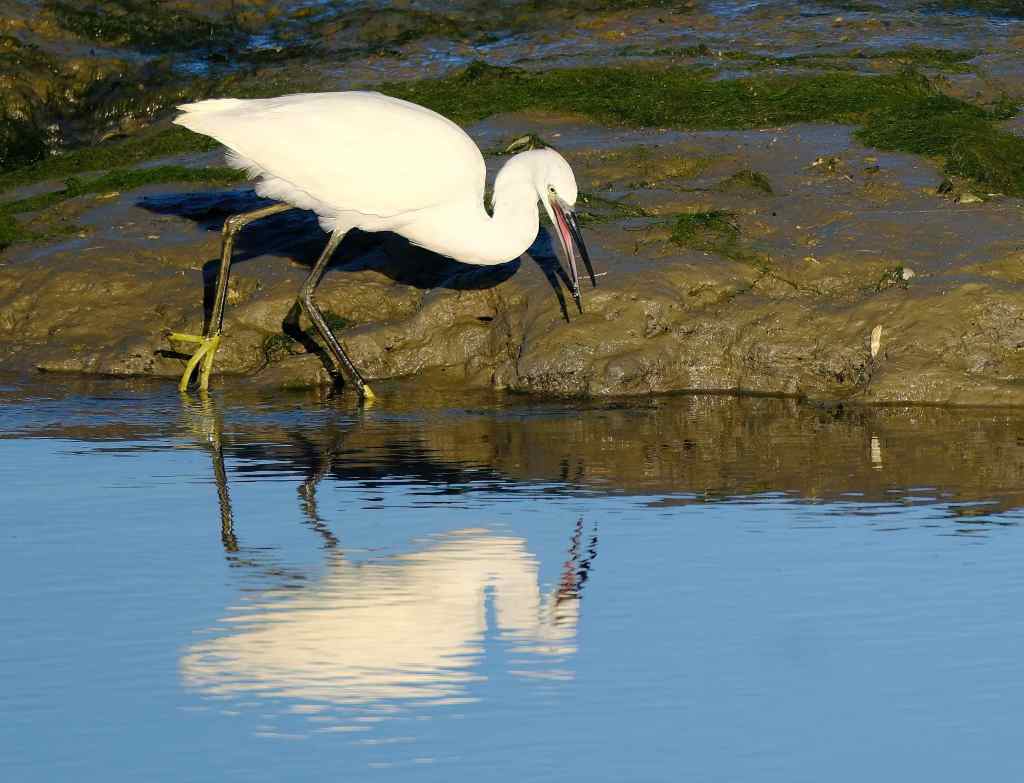
Little Egret. 5 or so Little Egrets were along our walk today, a bird 1st recorded in the UK in 1989. Today, over 600 pairs breed and 4500 winter here. I still recall when they were a rare sight.

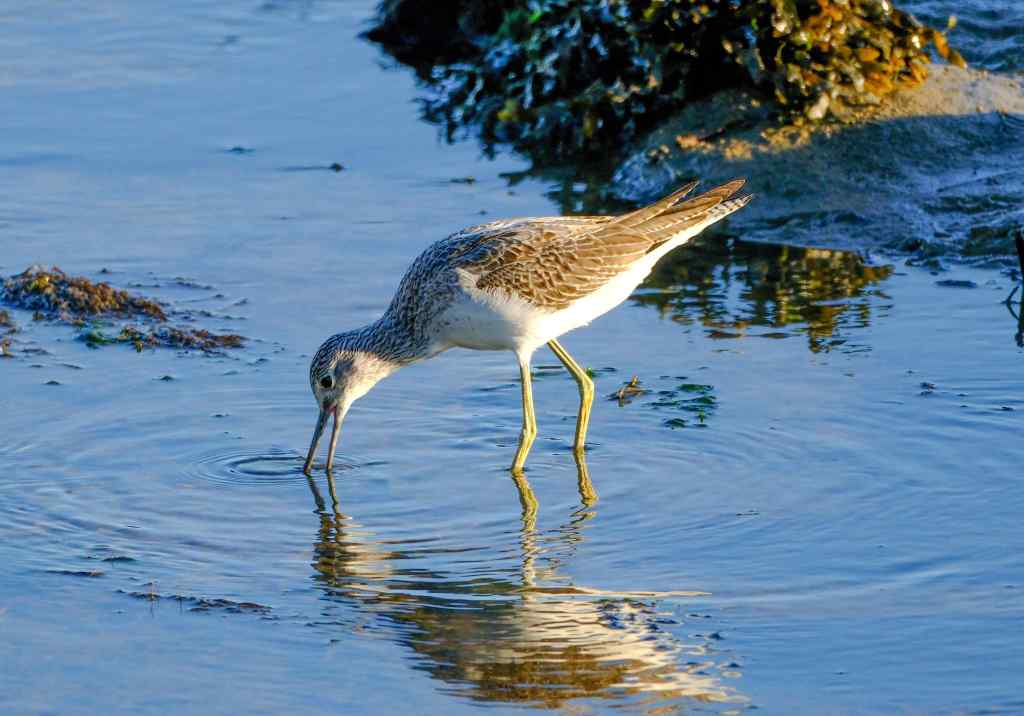
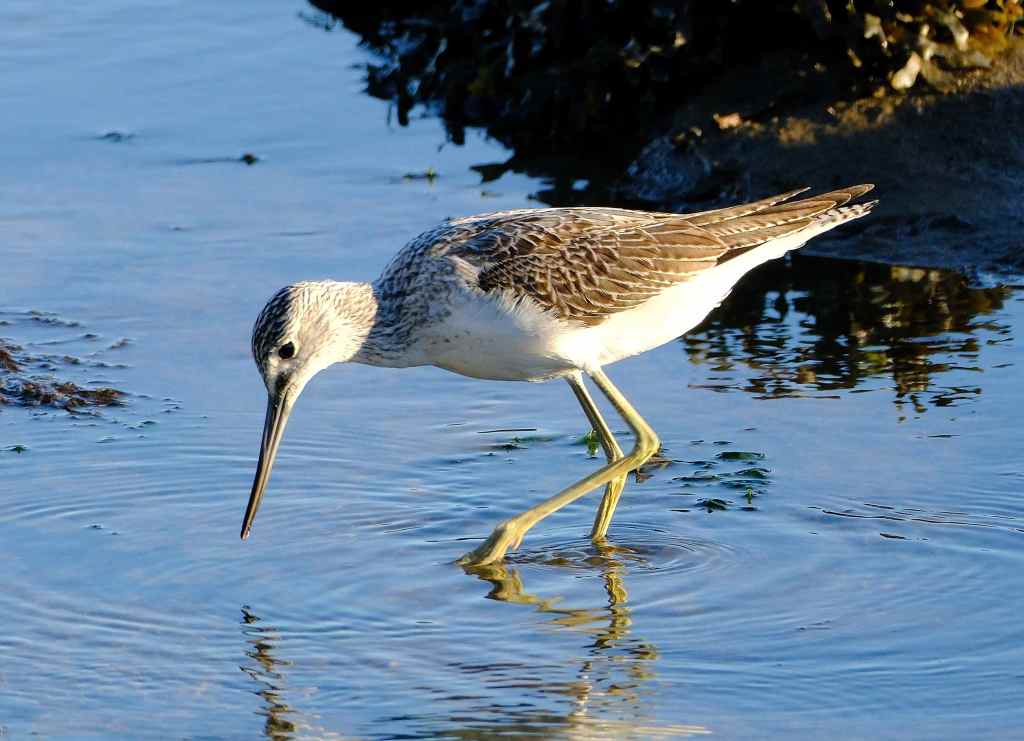
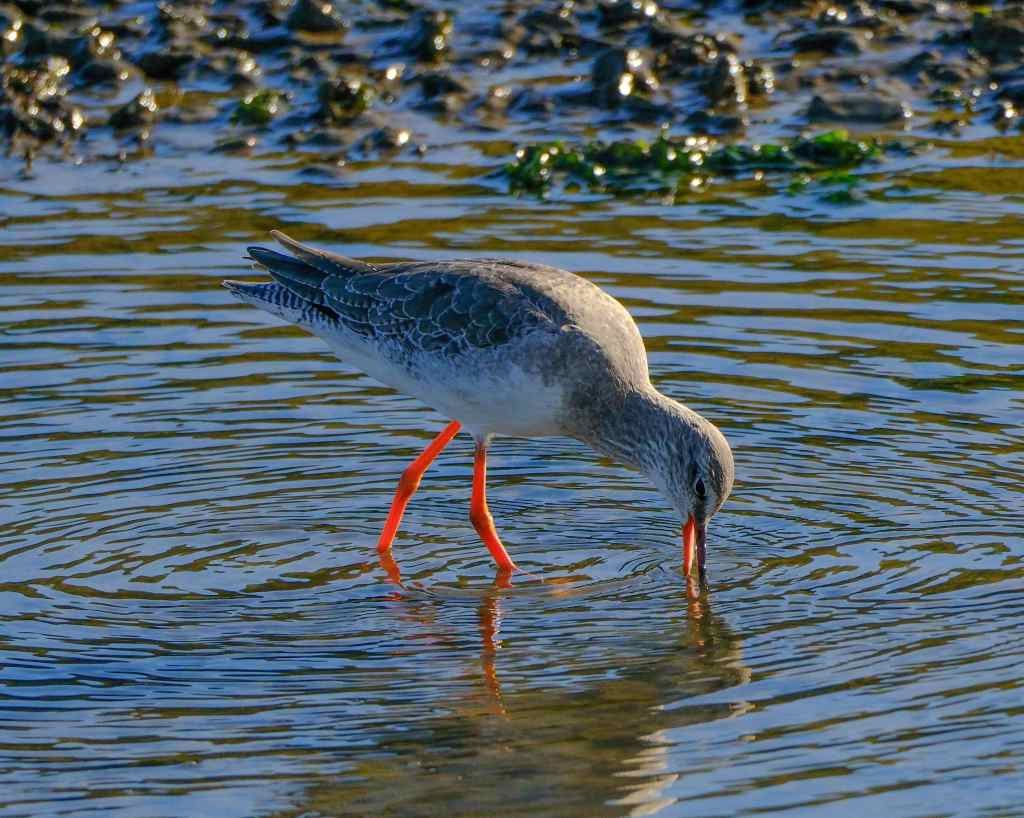
A Greenshank with a Spotted Redshank in winter plumage, fishing for small invertebrates.




Cormorants drying their wings.- As their wings are less waterproof than other waterbirds, they are often seen drying their wings.

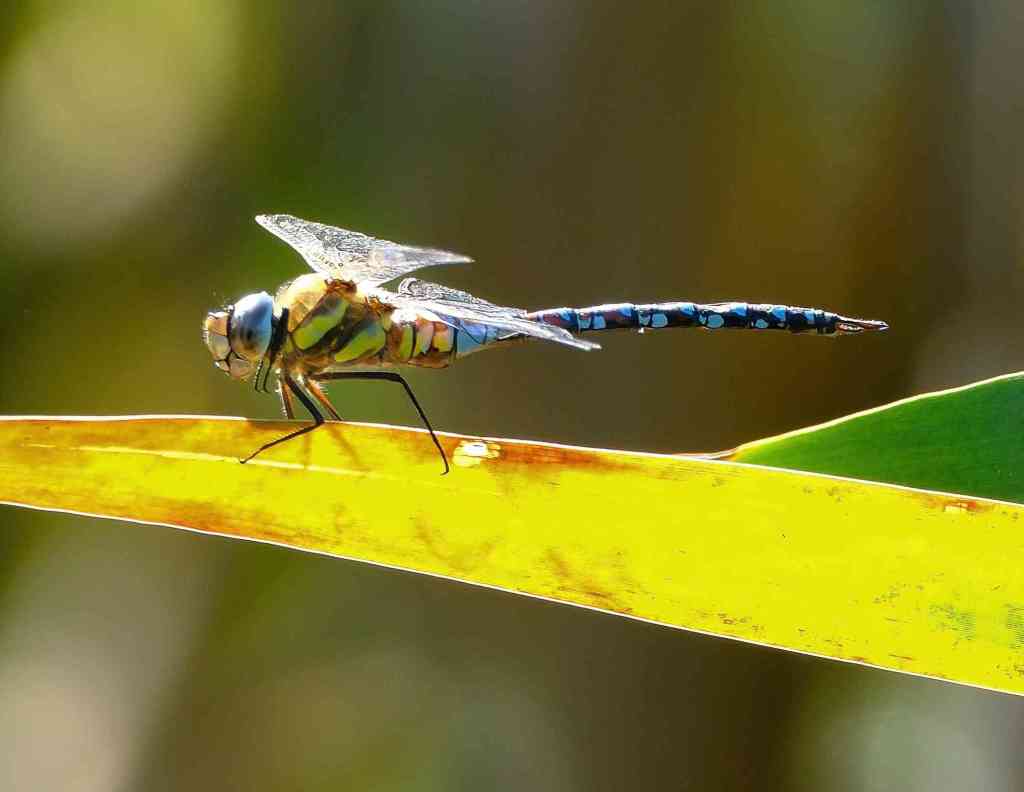
With the sun out today, out came the dragonflies. I thought the season for these dragons of the sky was over, but as the sun hung on as we entered the autumn, so have a few of the insects.




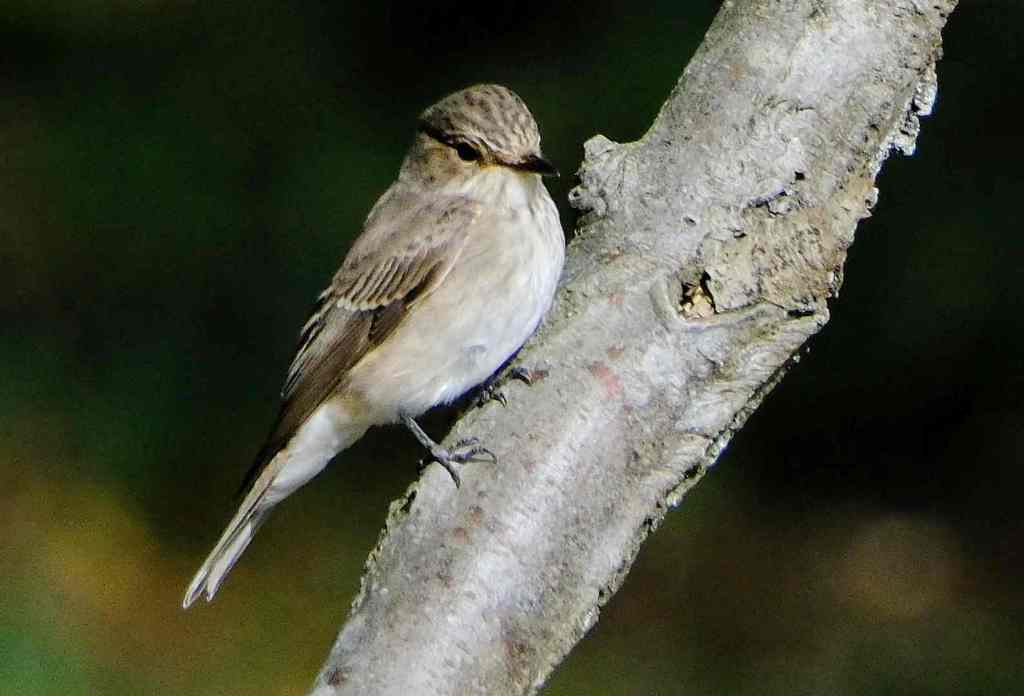
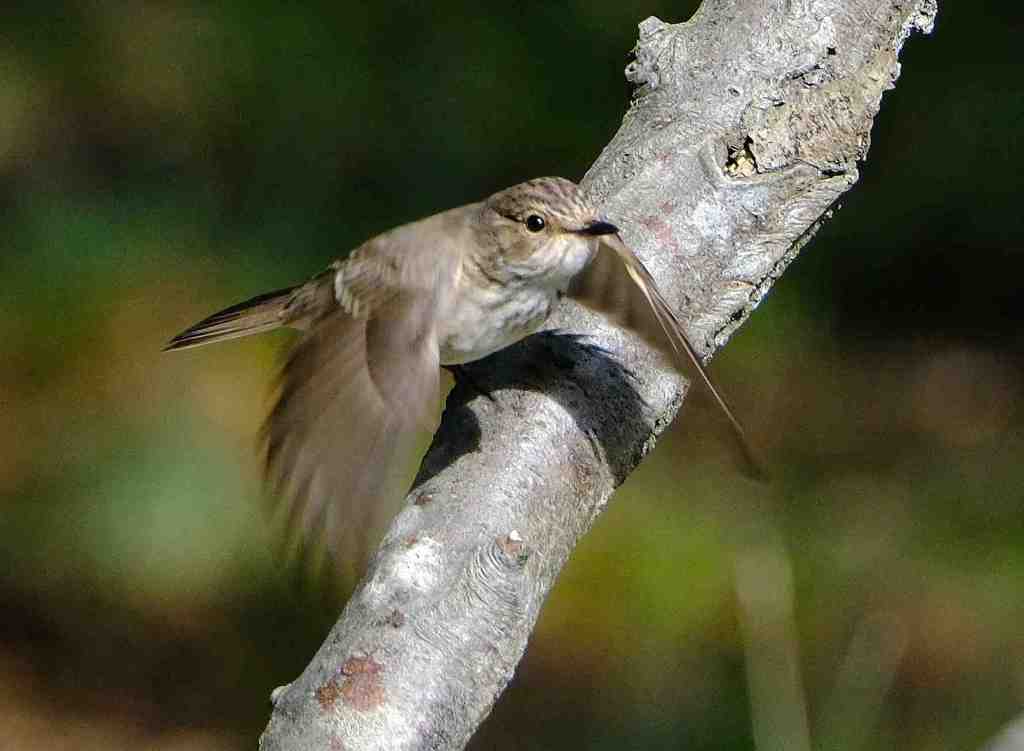
This year has been the best year I can remember for Spotted Flycatchers in the New Forest. Almost on every walk, I see at least one. I think this year, the number of young birds that have fledged has helped boost the numbers on several occasions. I have seen family groups of at least 6
birds.



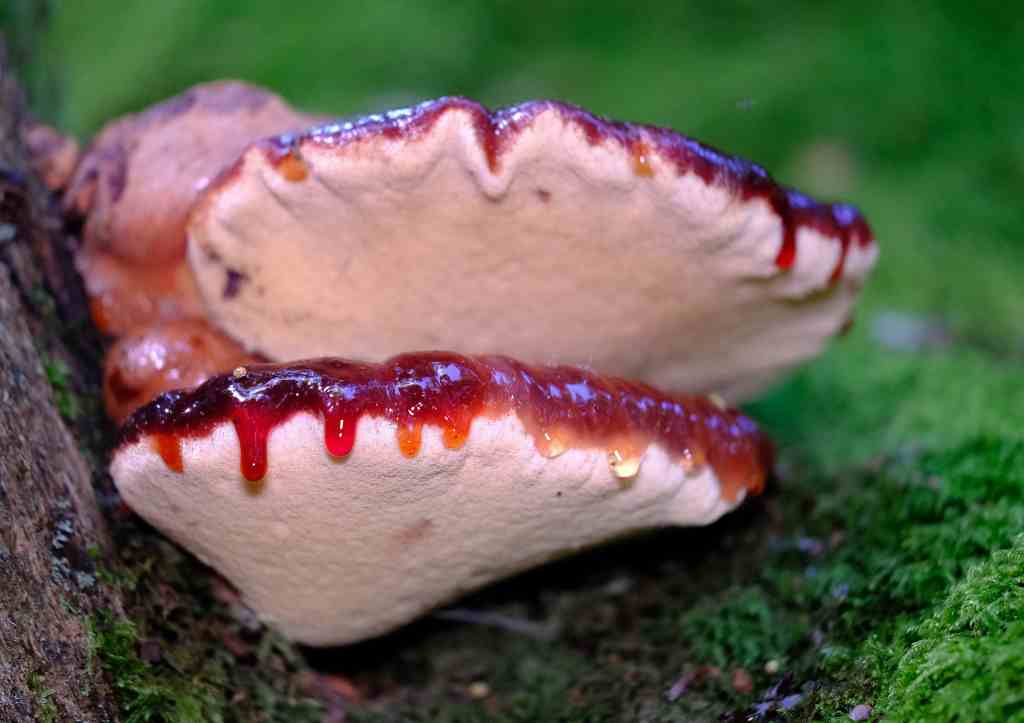
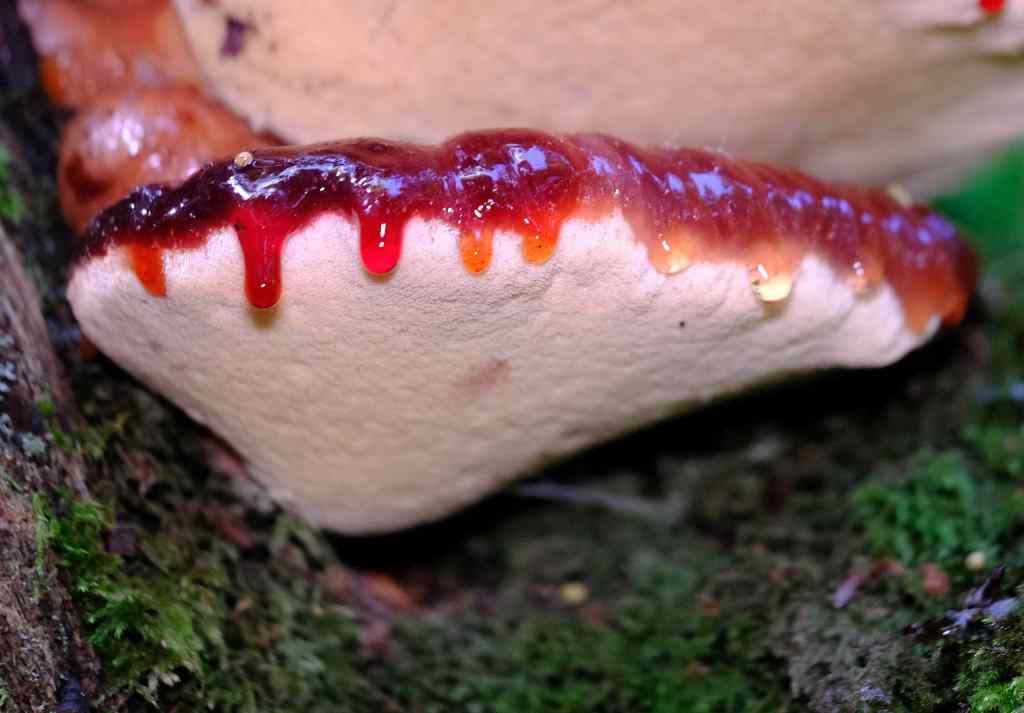
Fistulina hepatica
Another common name for this parasitic bracket is the Ox Tongue fungus. If you cut through the flesh, it does look like a slice of prime beef; however taste is said to be not as good as the appearance. They grow on broadleaved trees, especially oaks and sweet chestnuts, from late summer into autumn.


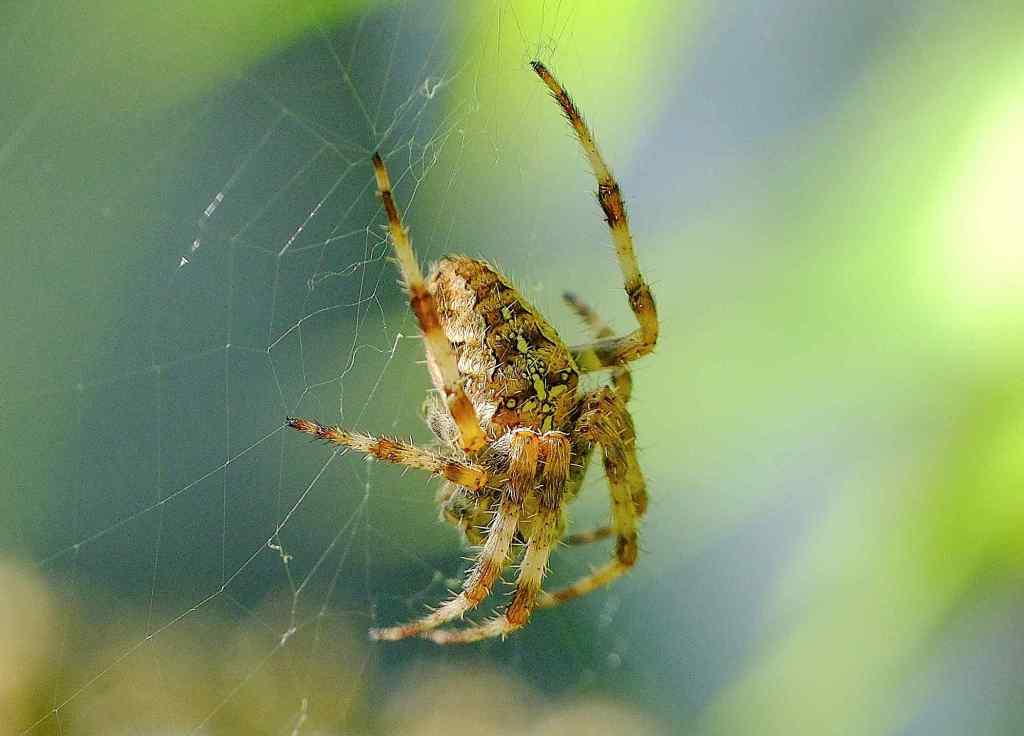
Garden Spider.
Garden spiders are the most common orb-web spiders in the UK. I start seeing small ones in our garden in late summer as the season moves into autumn, the spiders mature, and by late autumn, they are at their largest (approximately 13cm). Orb webs are spiral wheel-shaped webs.

Wasps.
Many people only see the pest in wasps. However, like bees, they are important pollinators and pest controllers. They live in large colonies in gaps in houses and trees. Their nests are built of ‘paper’, which is formed by the queen chewing up wood. feed on food like nectar, rotten fruit, whilst their young are fed on small insects, which are often pests. They come into conflict with humans as they are attracted to our food tables, both inside and out.

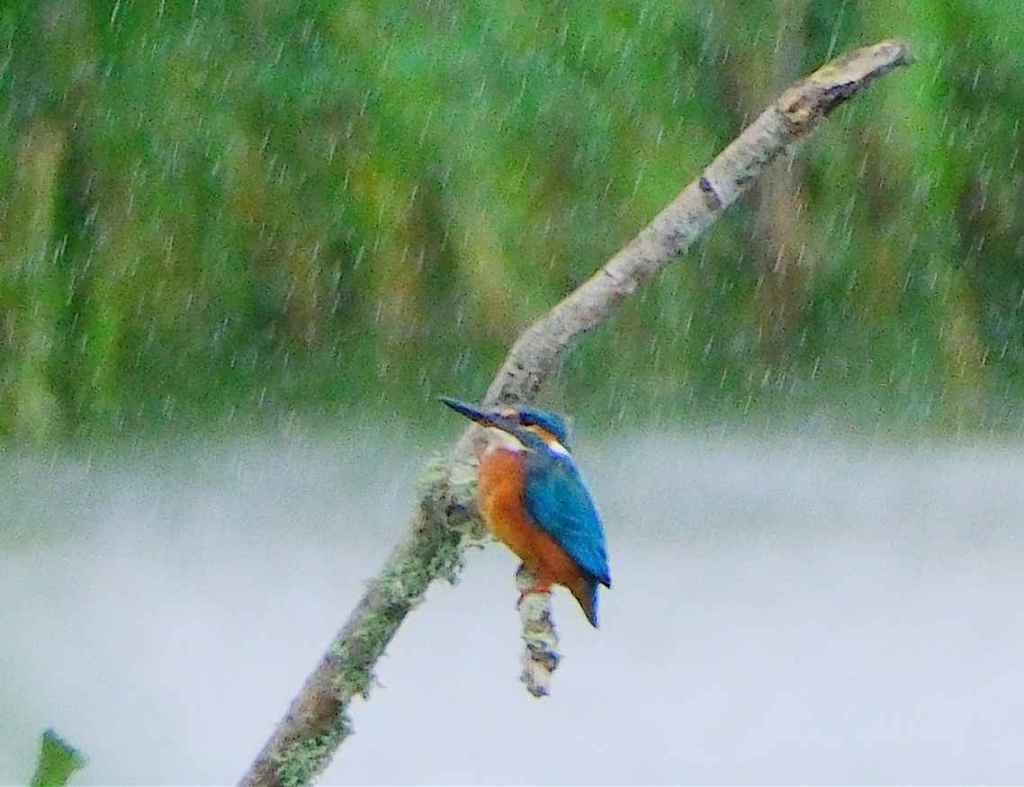
Heavy rain continues, and the forecast predicts ongoing showers most of the day, so the advantage at Titchfield Haven is that you can dodge the showers and keep dry in the bird hides.
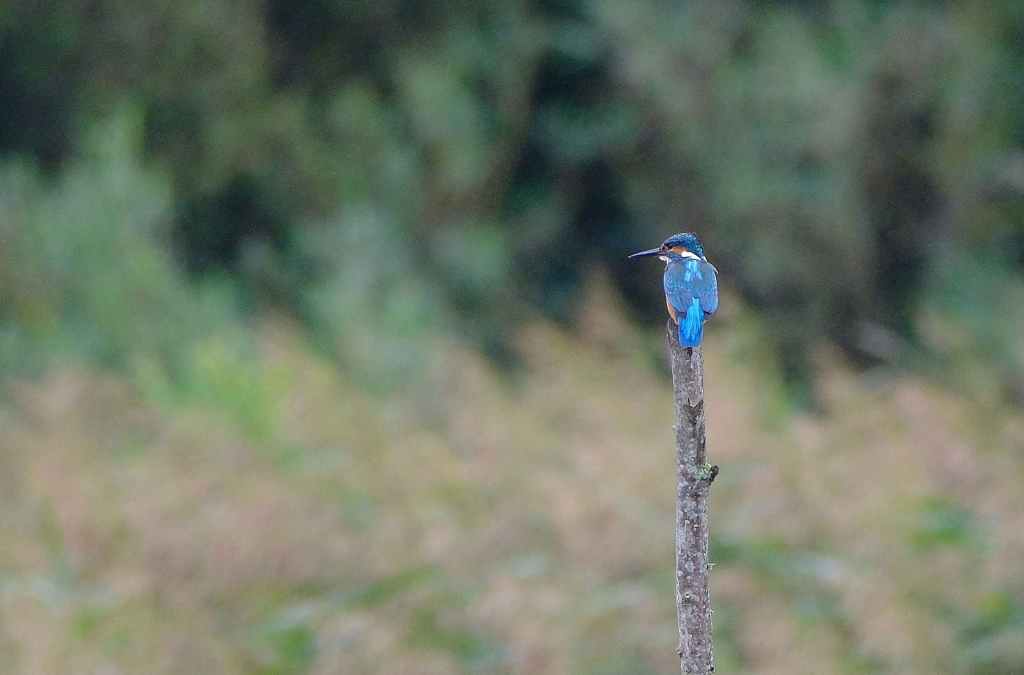
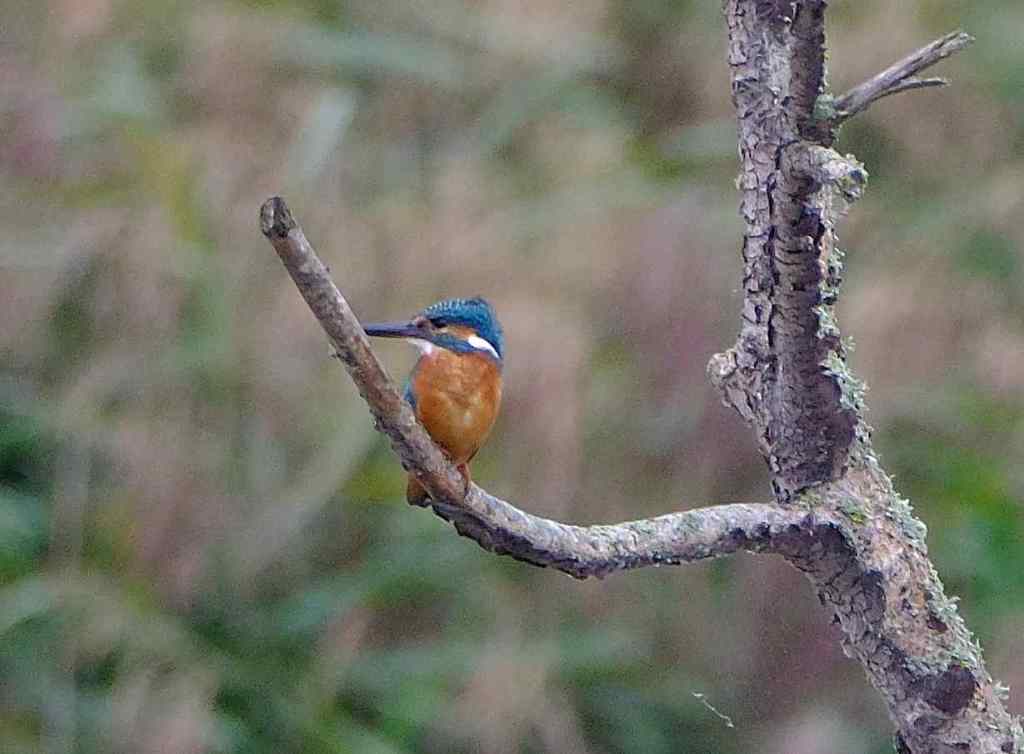
Finally spotted a Kingfisher, although some 60 metres away, they have been avoiding me for the past couple of months.

Another first for me and a rare sighting in the UK. A very distant Grey Phalarope.

An Arctic-breeding wader that sometimes arrives on UK coasts after storms. Under 200 birds are seen each year.
I also saw a Ruff, one of two that are at the Haven at the moment, now in their winter plumage; they are still a good-looking wader.
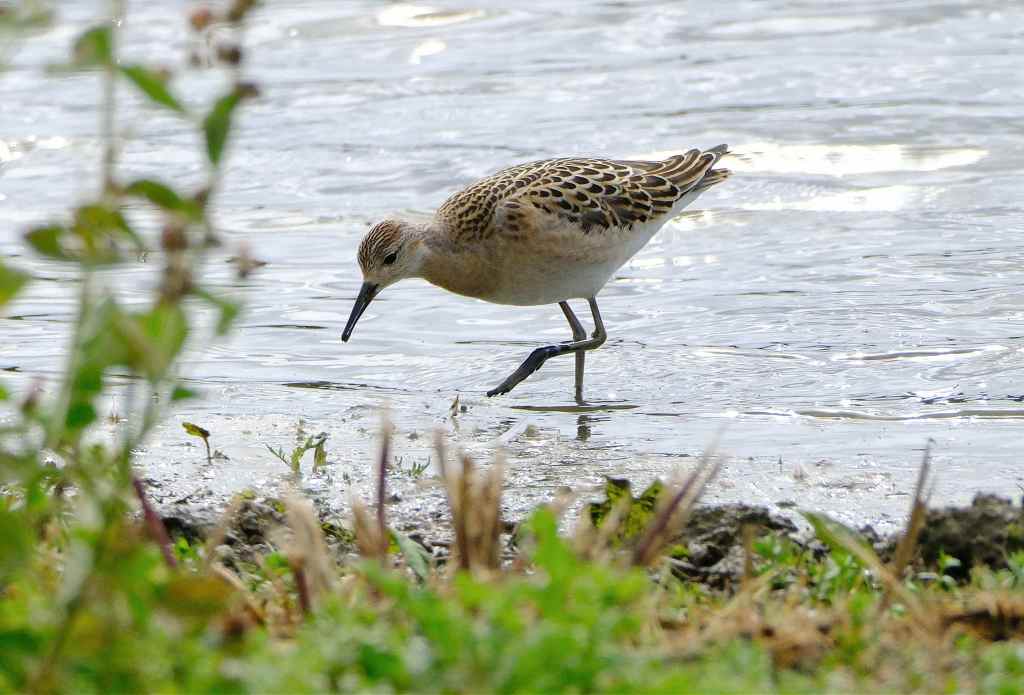


Below is a post showing the Ruff in summer plumage.https://skylid.travel.blog/2025/06/17/ruff/
Ruff’s are a member of the sandpiper family – some Common Sandpiper were also at the Haven this morning.


 Continued Reflections from my World.