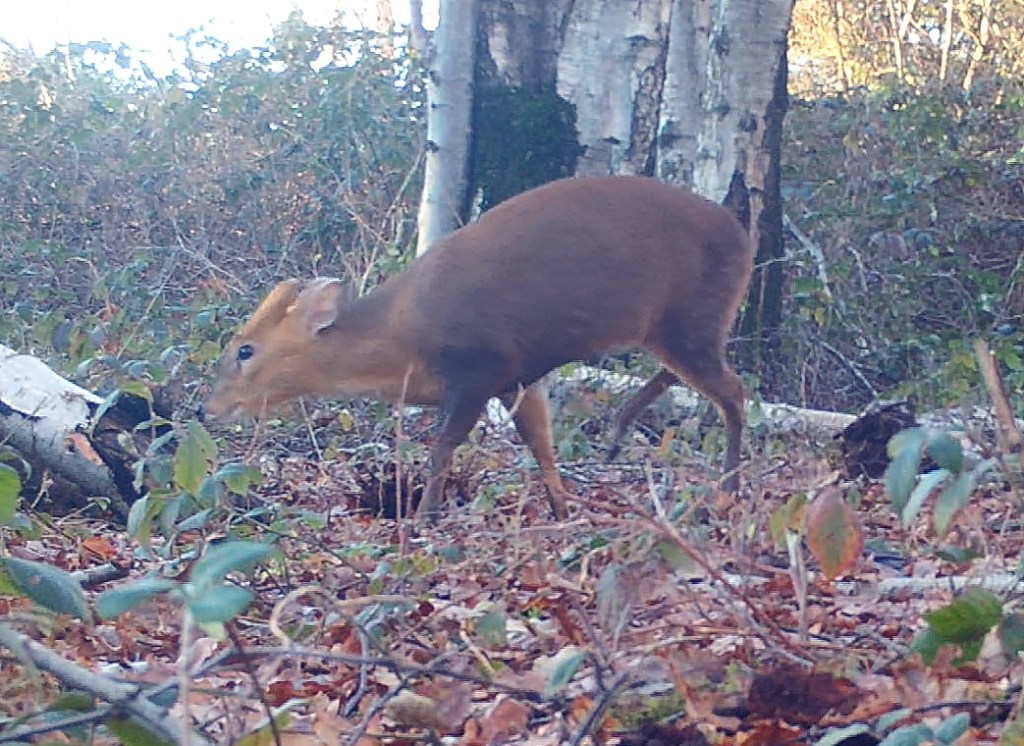
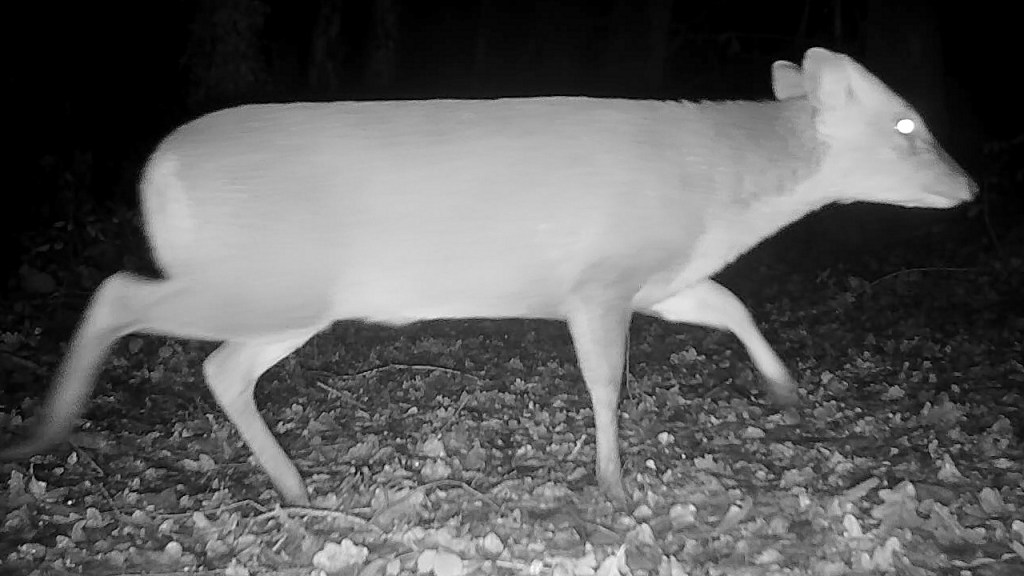
Local male Muntjac.

Chinese muntjac deer was introduced to Woburn Park in Bedfordshire at the start of the 20th century. A very small, shy stocky deer, the muntjac deer is about the same fox. It is gingery-brown, with a pale underside, darker stripes in its face, and small, single-pointed antlers. It also has a short tail. It is now considered a common animal across southeast England and can be found in woodland, parkland and even gardens. Muntjac deer are also known as ‘barking deer’ because of their dog-like calls.

We have filmed this Male deer a couple of times over the last 2 years on our trail cameras – we are yet to see him in the flesh!

River Meon by the sea.

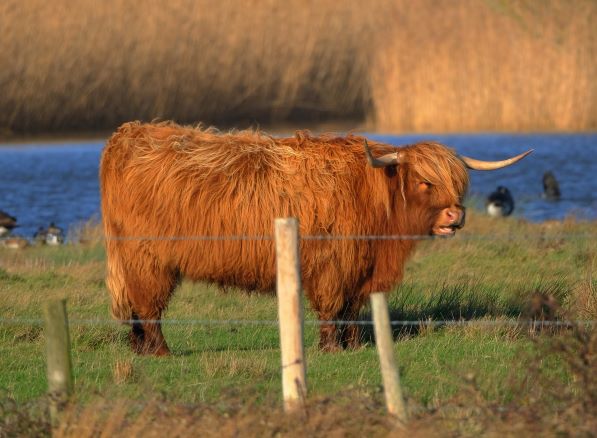
Cattle (Belted Galloway and Highland Cattle) are on loan at the top part of Titchfield Haven Nature reserve to help maintain the pasture land. Both breeds are Scottish and are well-adapted to living on poorer soils and scrubland.

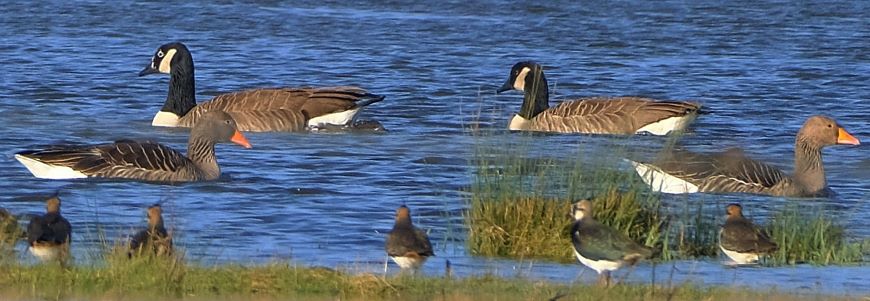
Graylag Geese heading up river with Canada’s heading down river watched by Lapwing!
A Cock Pheasant started by keeping low but soon decided he could show off his colours.

Spot the Warbler in the Bullrushes.

Long-tailed Tit.

In the garden,

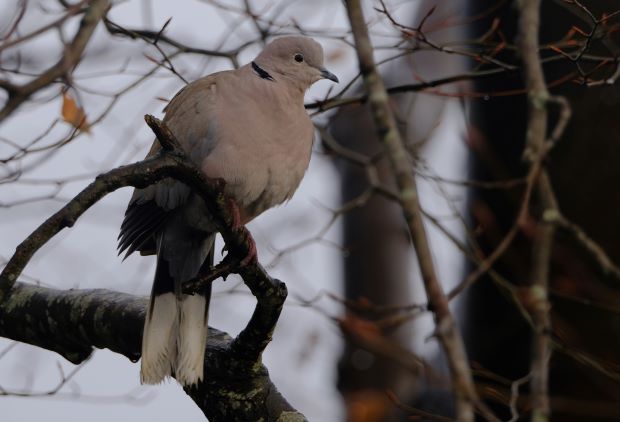
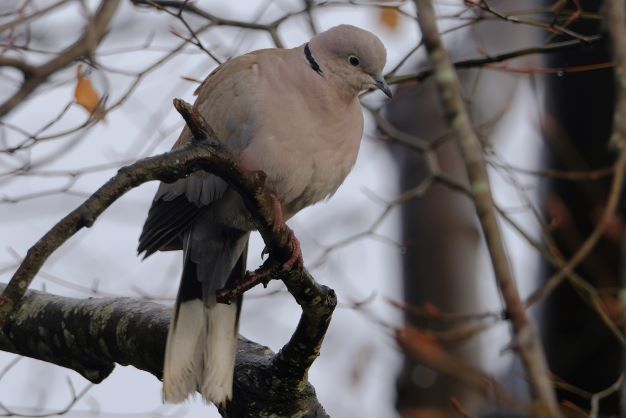
View from a window of a Collared Dove.

A small pigeon found on farmland and in woodland, parks and gardens across the UK they 1st bred in the 1950s, since their numbers have increased and the collared dove is now one of our most familiar garden birds. Collared doves feed on seeds and grain on the ground and are usually seen singularly or in pairs, although small flocks may form where there is enough food. The RSPB records there are now breeding:810,000 pairs across the UK.

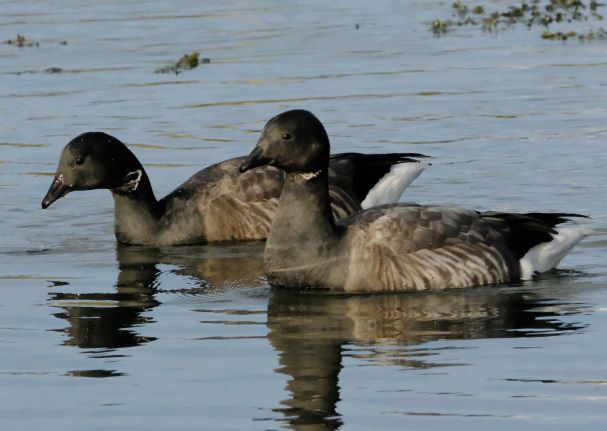
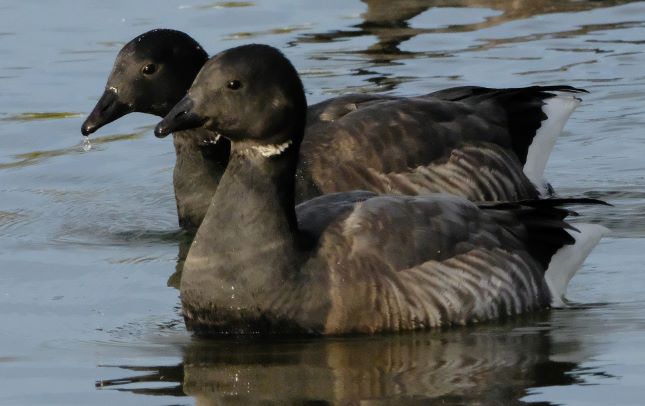
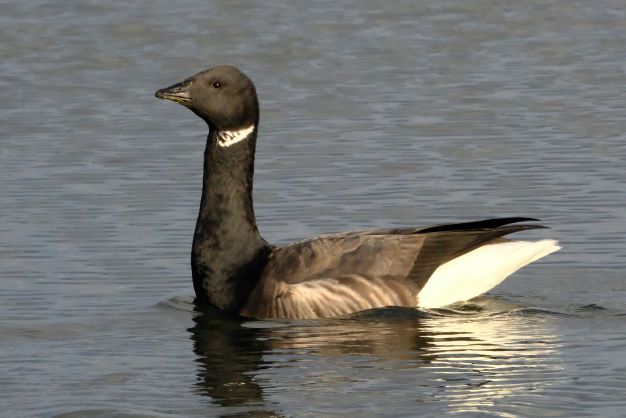
Brent.

Our smallest goose, around the same size as a mallard duck the brent goose spends the winter feeding on vegetation such as eelgrass in our estuaries and grazing in coastal fields. They arrive in the UK in large numbers in autumn and leave for the long journey back to Arctic Russia in early February. Numbers are over 100,000 birds. These birds were on the estuary of Hamble River.

A trip out.

A trip out to some old gravel pits which are now filled with water and are now a nature reserve Blashford Lakes near Fordingbridge. The area is managed by Hampshire & Isle of Wight Wildlife Trust. Although only 30 miles from home this was my first visit to the reserve.

There is a suggested entrance fee of £4 good parking and a small information area the lakes are large and a telescope is useful as many of the waterfowl are a long way off. Post Code BH24 3PJ.

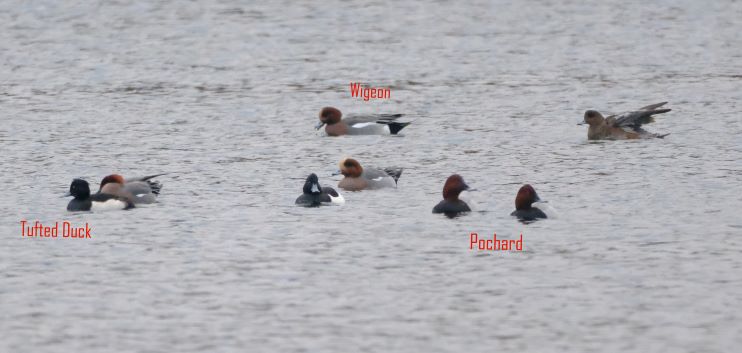
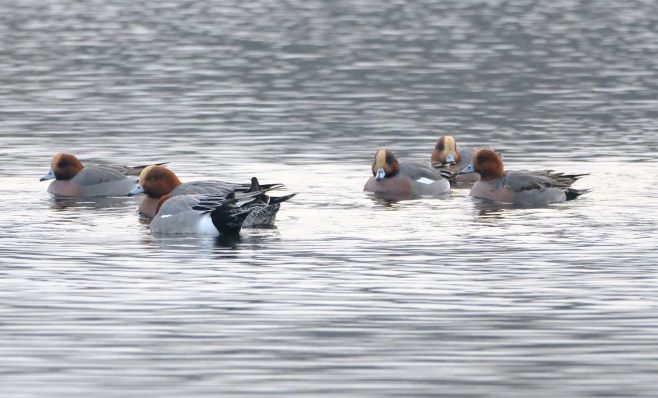
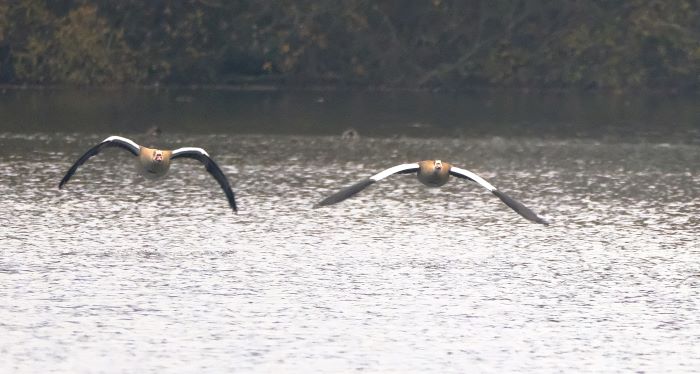
Some interesting bird spots included a Great White Egret {no Photo} Tufted Duck, Wigeon and Pochards as well as a pair of Egyptian Geese.

Great Crested Grebe in winter colours.

Cormorant.

Egyptian Geese.

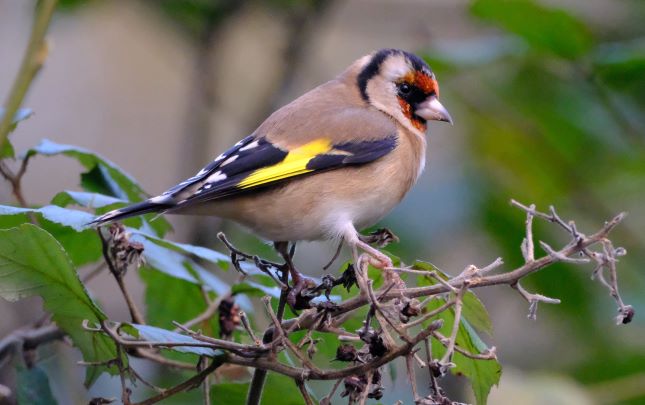
There was also a good number of woodland birds in the Reserve.

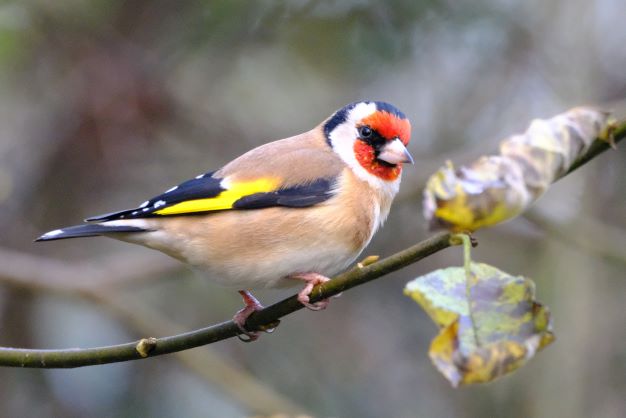
Goldfinch.

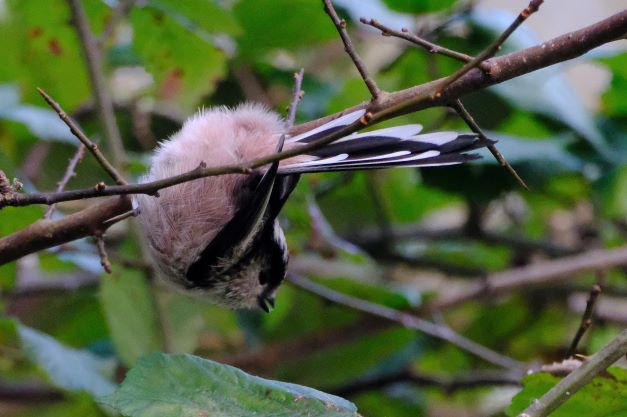
Long Tailed Tit.

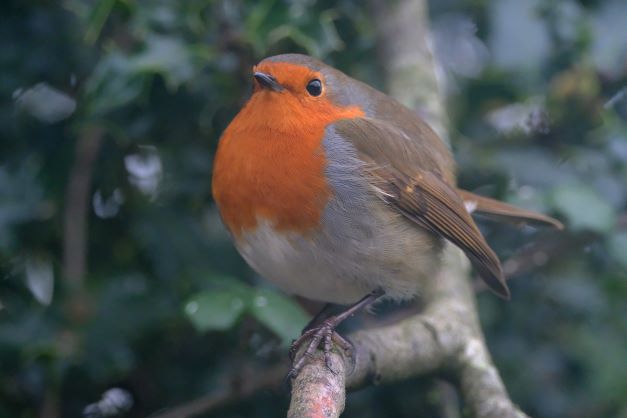
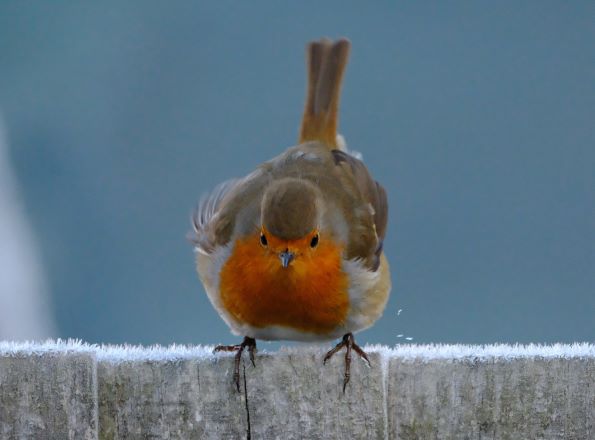
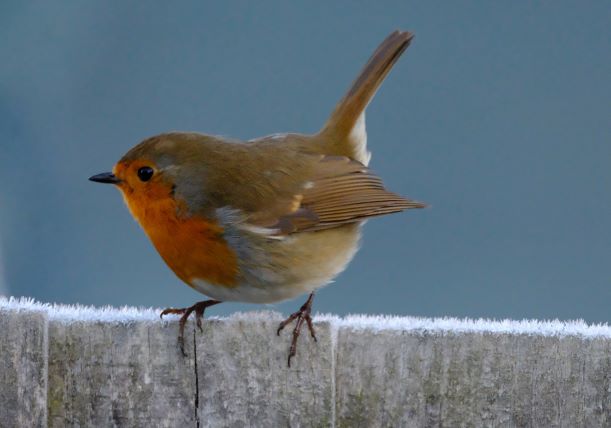
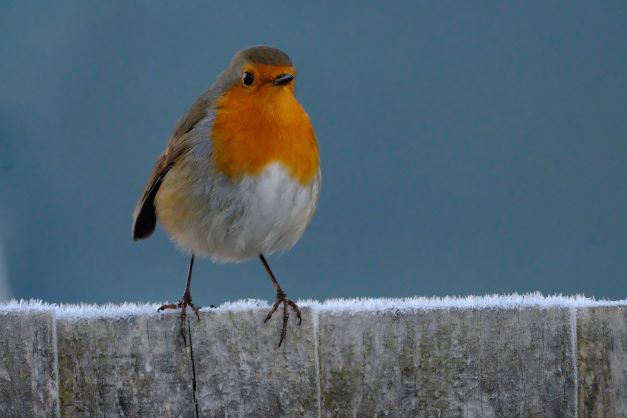
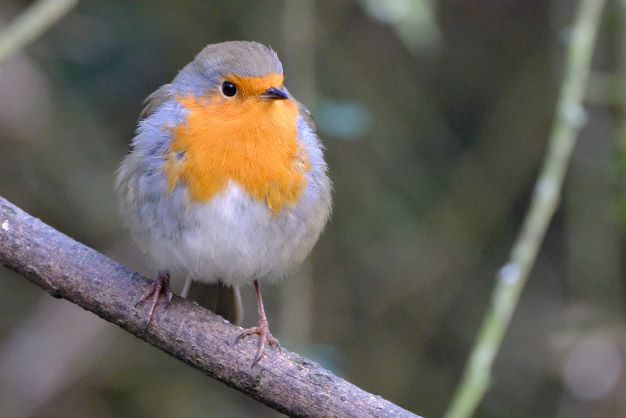
Robin.