The Four-spotted chaser is easily recognised by the two dark spots on the leading edge of each wing – these spots give this common dragonfly its common name. It can be seen on heathlands and near ponds
Scientific name: Libellula quadrimaculata.

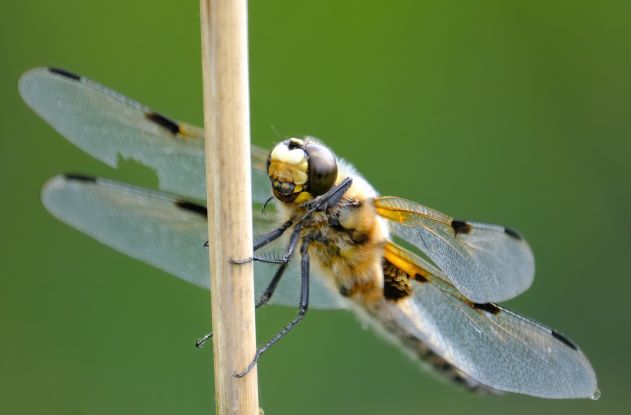
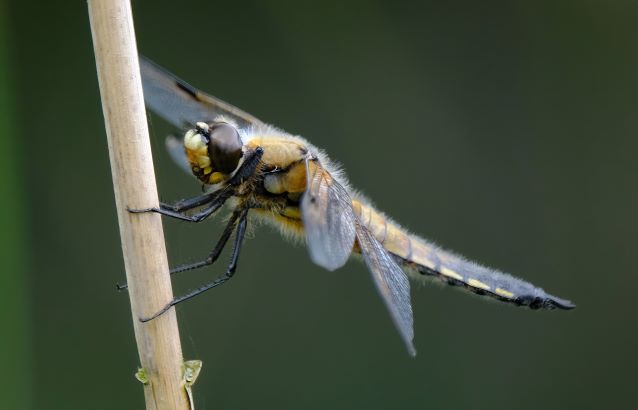
The Four-spotted chaser is easily recognised by the two dark spots on the leading edge of each wing – these spots give this common dragonfly its common name. It can be seen on heathlands and near ponds
Scientific name: Libellula quadrimaculata.
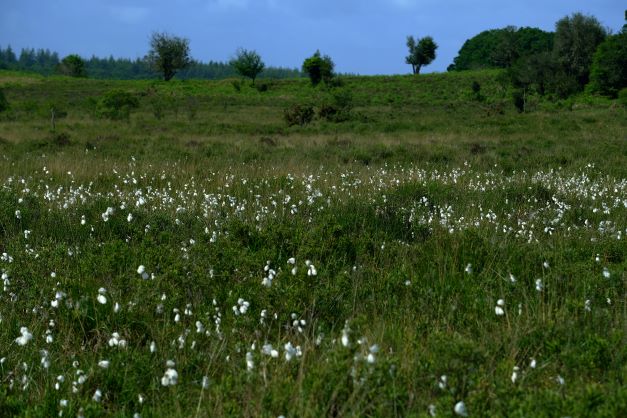
A Moorland walk in the New Forest this morning.
Common cotton grass has fluffy, white seed heads that dot boggy moorlands and heaths its bright heads show up across the landscape which looks like something has been dropped until you get close enough to see it is a seedhead. Despite its name, common cotton grass is a member of the sedge family, rather than being a true grass.

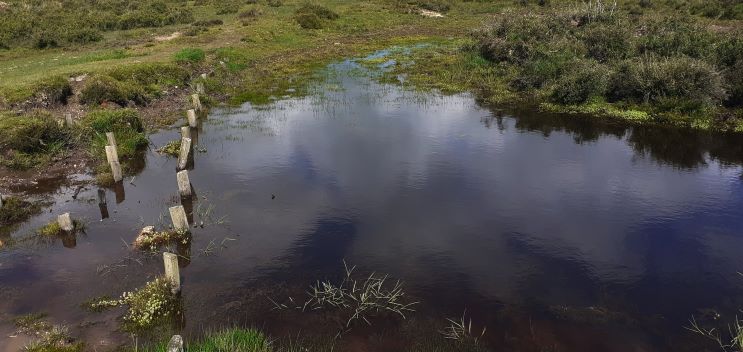
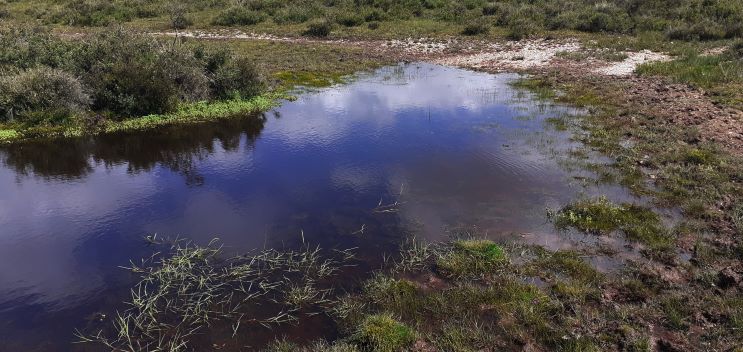
In the winter we came across a small pond on the moor and decided to return in the summer as it
looked like a good site for Dragonflies, we returned today and it was.
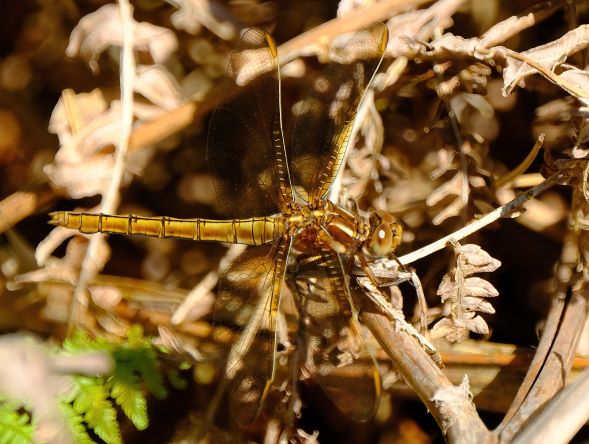
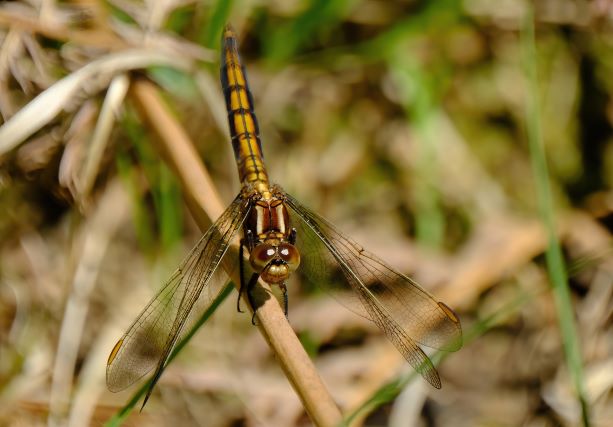
Female Broad-bodied Chaser.


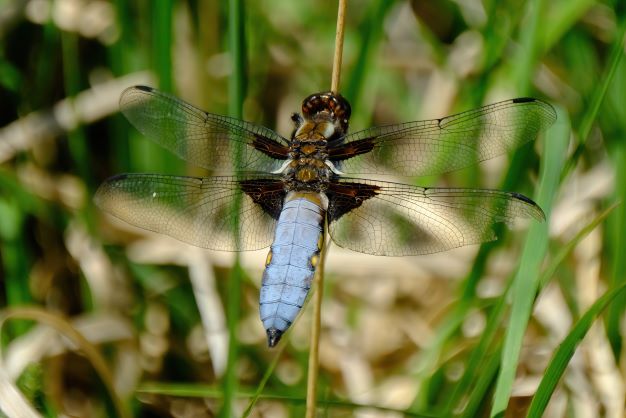
Male Broad-bodied Chaser.

Male Emperor Dragonfly.

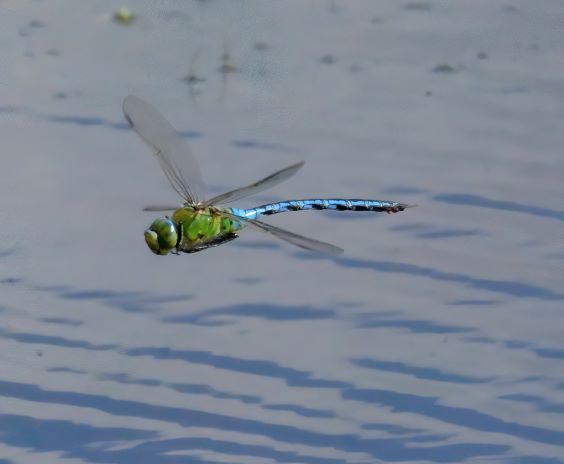
Female Emperor Dragonfly. Egg-laying.

A Male Stonechat keeping its distance from the pond.

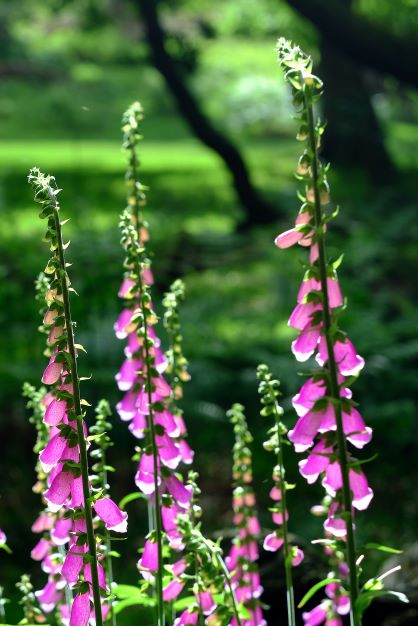
Foxgloves are now in full flower.

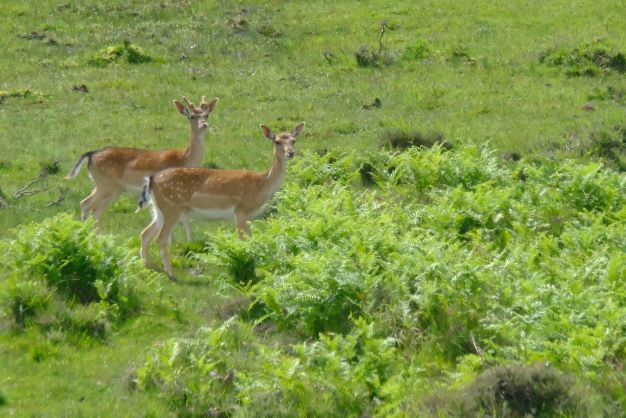
Fallow Deer are never far away on a New Forest walk.


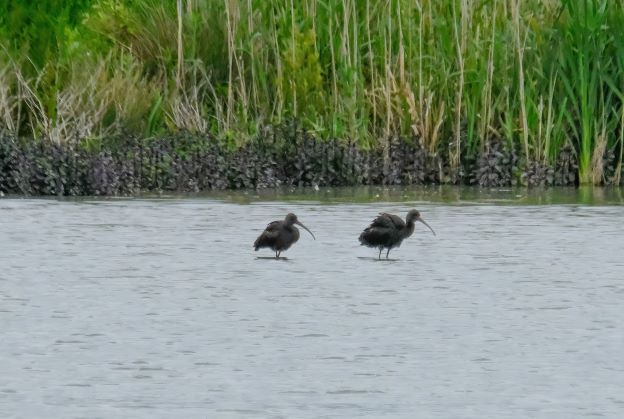
More from Titchfield HavenNature Reserve and today I had another 1st for me with a distant view of a pair of Glossy Ibis. In the UK they are considered rare migrants and winter visitors from SW Europe with typically less than 100 recorded per year although they are increasing – there have been recent reports of this bird on social media on nature reserves near Portsmouth and on the coast of the New Forest. Southampton Water is between these two reserves so I guess a sighting at the Haven was likely.
Both birds were a fair way off but I got a few pictures and a short video.

Lots of Black-headed gull chicks are hatching on the islands in the reserve. Many are at their spotty cute stage but as they grow they become rather ugly. A bit like the opposite of the “there once was an ugly duckling” poem by Hans Christian Andersen!
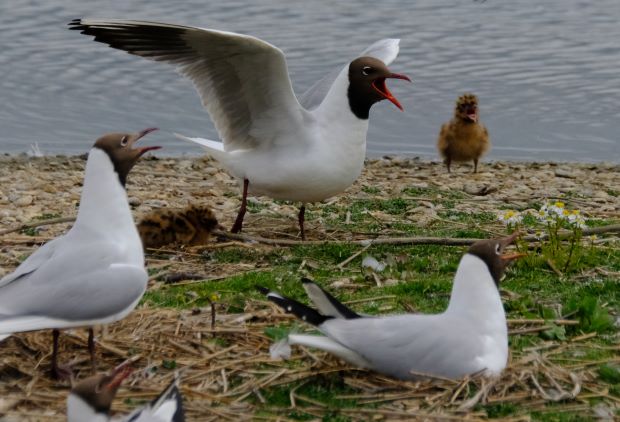
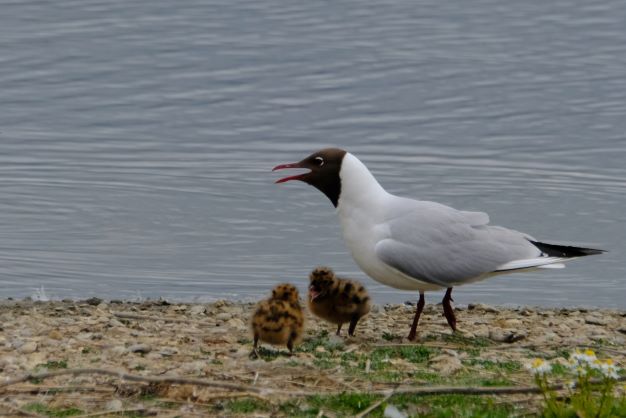
The chicks are in constant danger of predation. Herring Gulls and Black-backed gulls. They fly over the nests putting the Black-headed gulls into a frenzy below a Lesser Black-backed gull lands in the colony but is chased off before it can catch a chick for a meal.
(Spot the Lesser-Black-backed gull -yellow legs feet and beak).

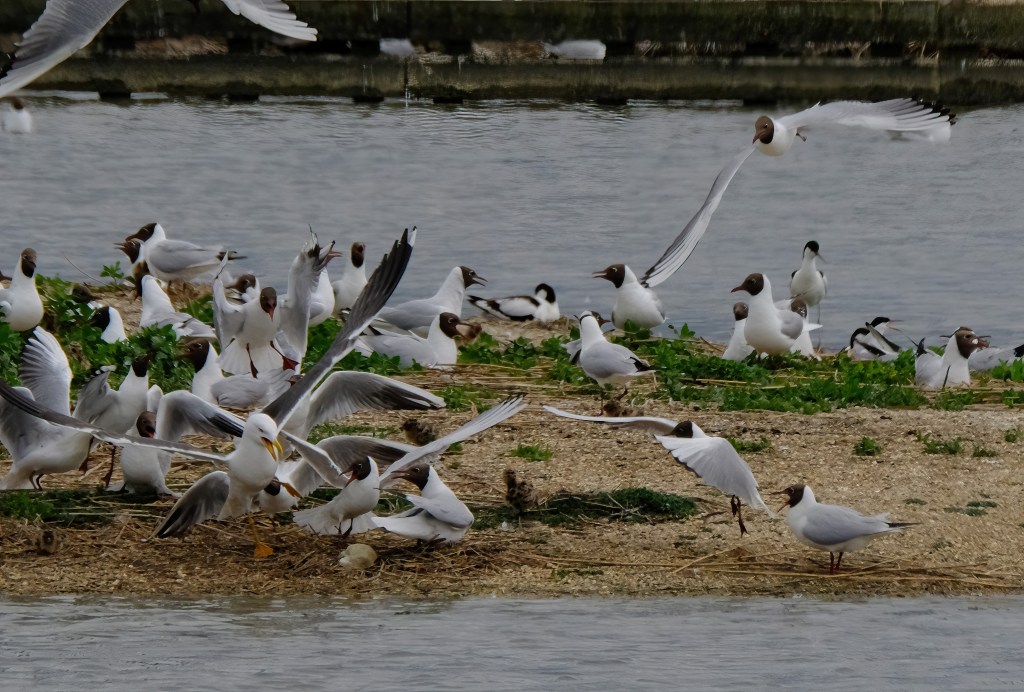

There are a lot of Avocets in the reserve at the moment a few have chicks but are hard to spot at the moment.


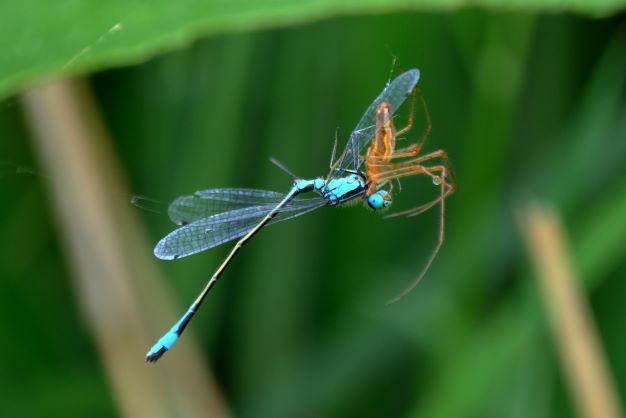
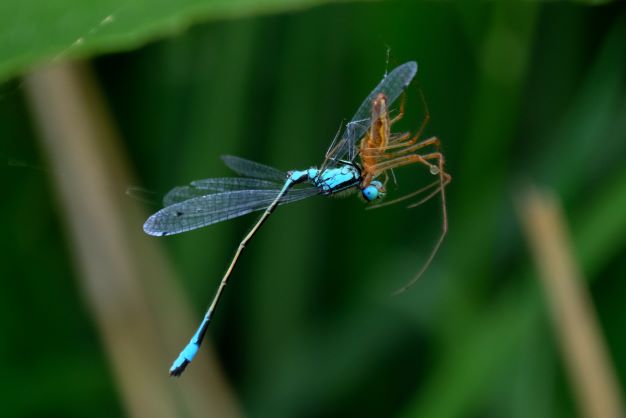
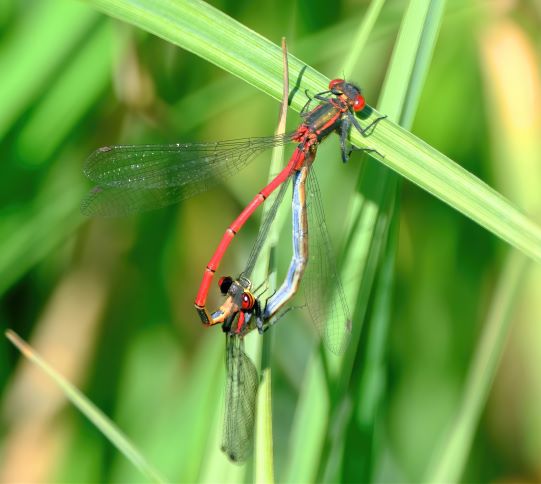
A spider catches a damselfly. The damselfly is truly stuck in the spider’s web the spider drops down and closes in for a meal.
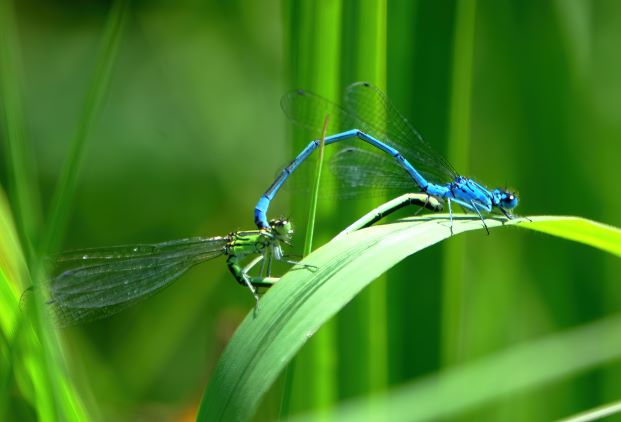
Common Blue Damselfly is the UK’s most common damselfly and can be found around almost any water body,
At last dragonflies and damselflies are becoming a welcome sight on walks on heath and near water.




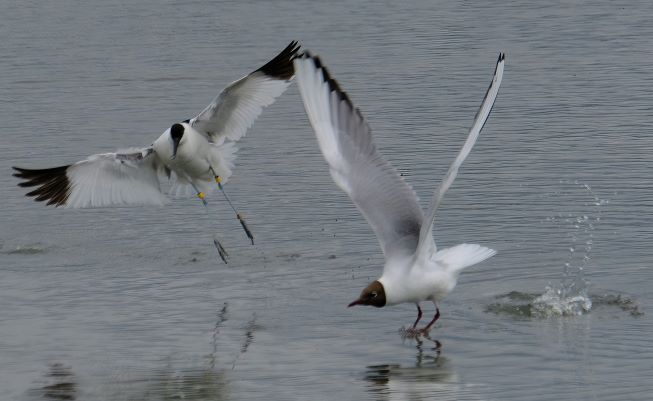
Black-headed gull chicks have started to appear at the nesting colony at Titchfield Haven.
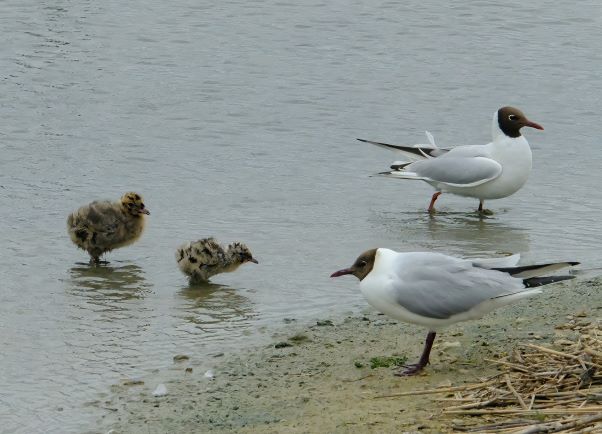
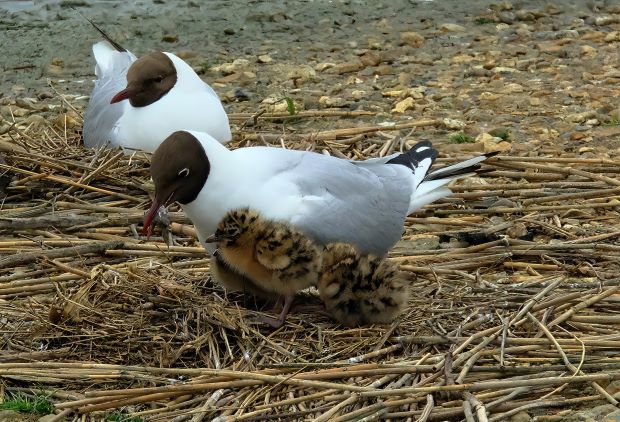
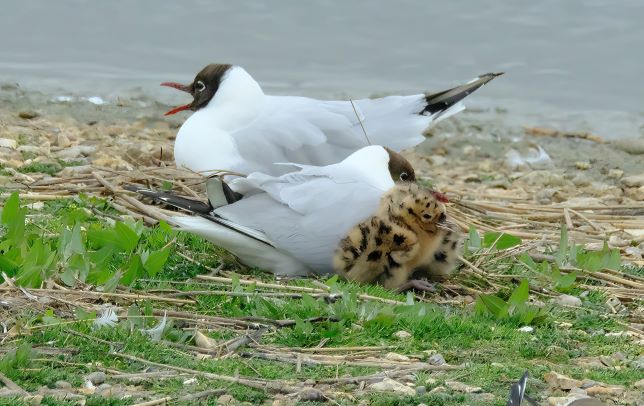


Quite a long film of the nesting colony (note no sound) The chicks are only a few days old but will grow rapidly. There is one slightly older and larger chick in the film.
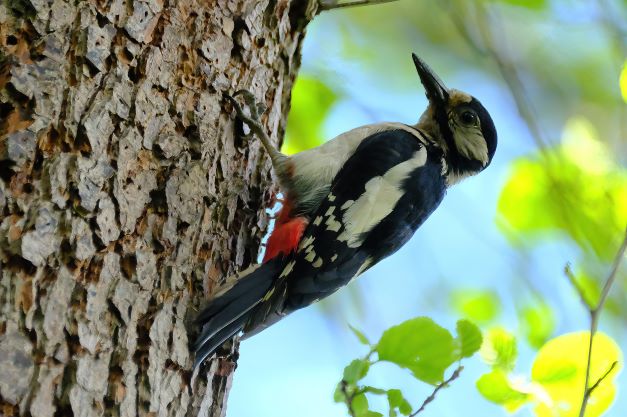
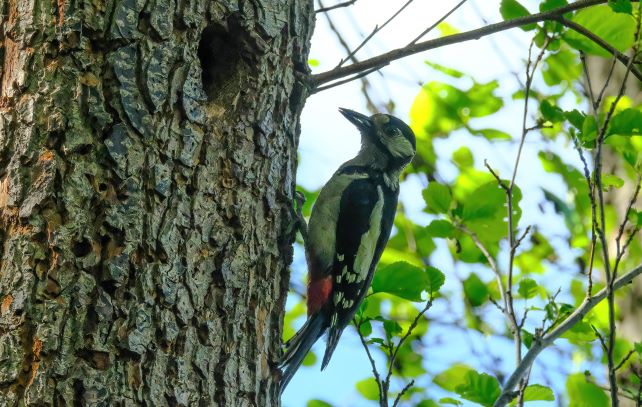
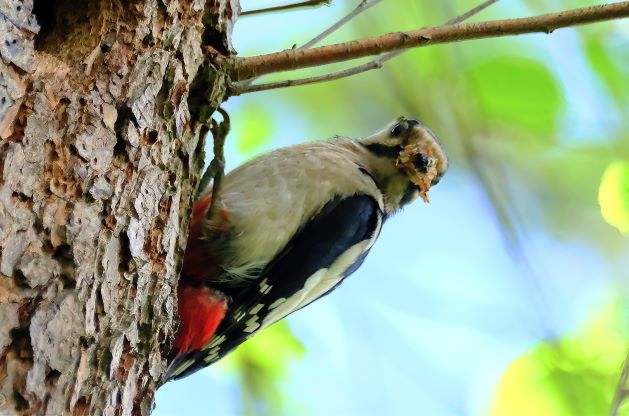
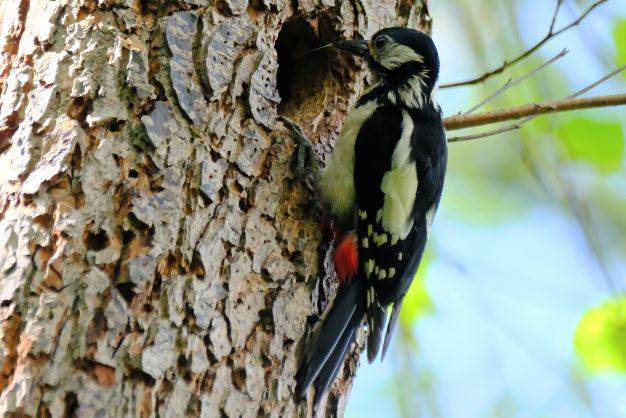
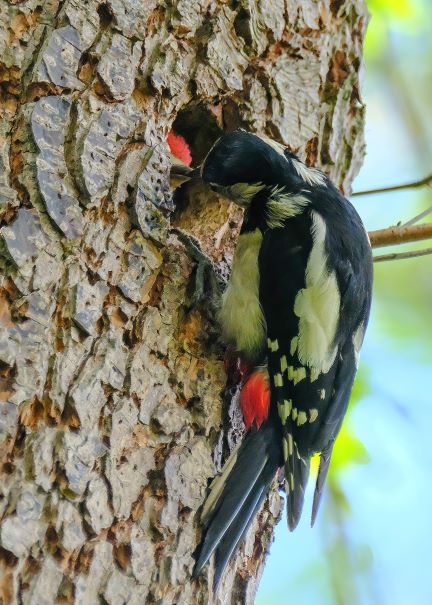
A new Great Spotted Woodpecker nest found in woodland a short walk off the public footpath close to home. This afternoon we sat down close to their “tree” suitably camouflaged and watched.
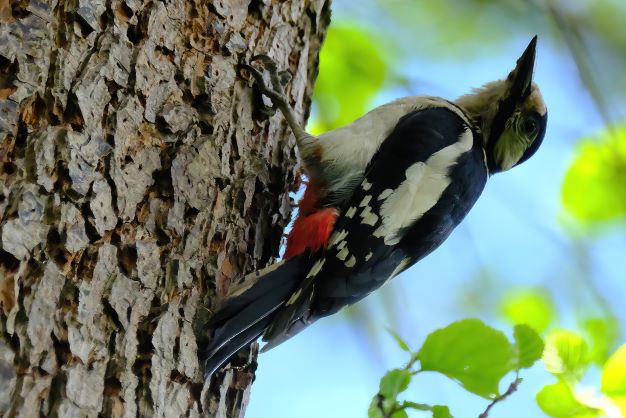


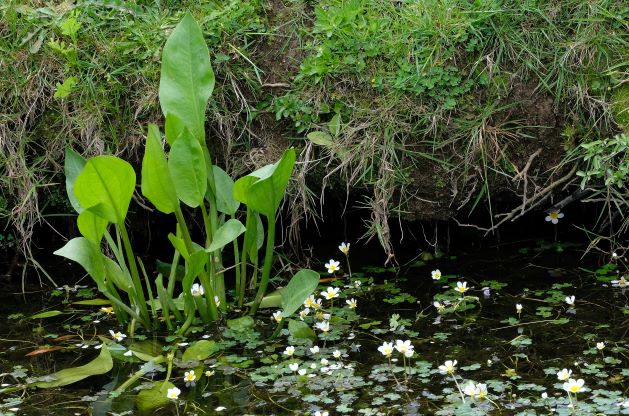
A closer look at and into a New Forest stream.
A nature walk along a small stream in the New Forest with a closer look and some of the water life in and around the waterway.


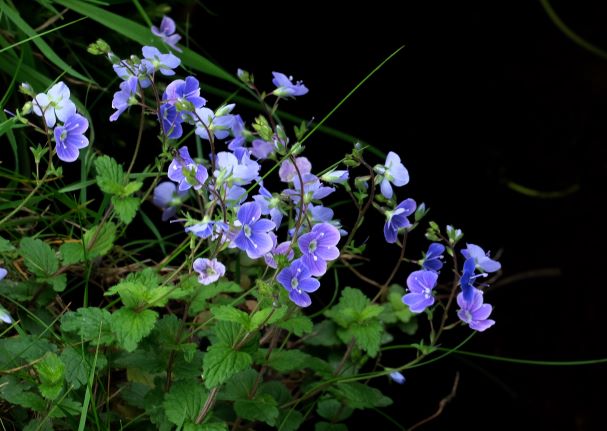
Speedwell (Veronica persica)
Lots of Tadpoles in the stream today.
Film of Dragonfly larva (+ some small fish). The larvae will climb out of the water for the last part of its life cycle and then it will split down its back and a Dragonfly will emerge.
Water crowfoot, (Ranunculus aquatilis).
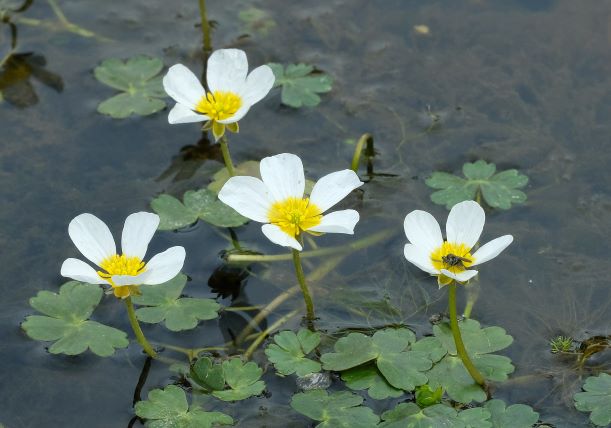
Water
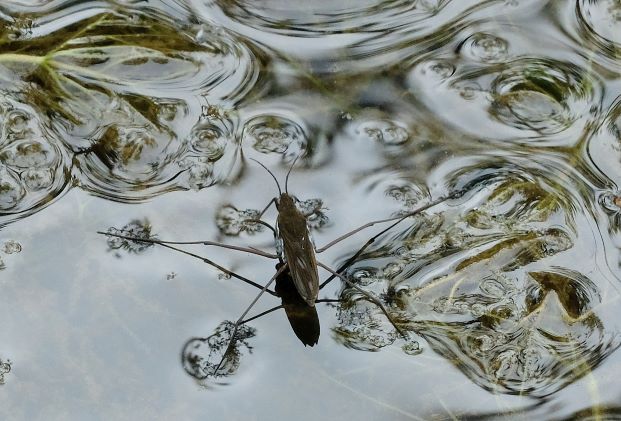
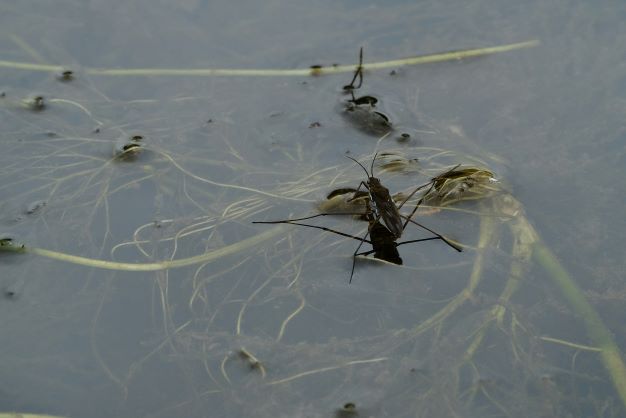
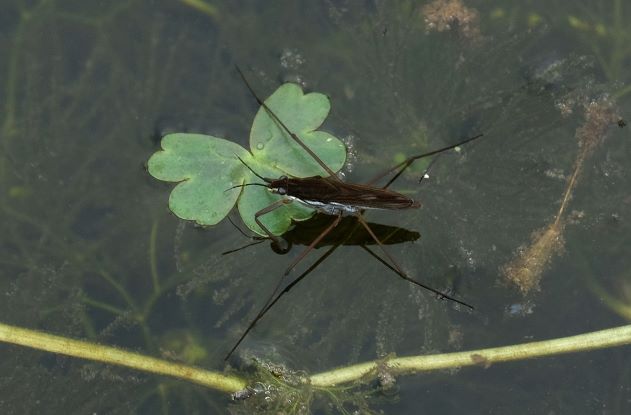
Water skimmers or striders are small insects that are adapted for life on top of still water, using surface tension to their advantage so they can “walk on water.”
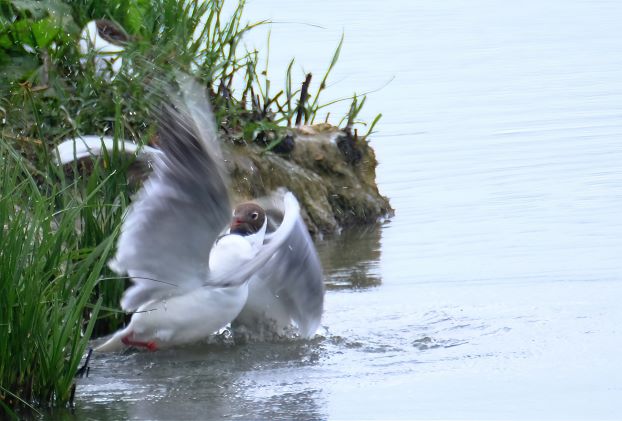
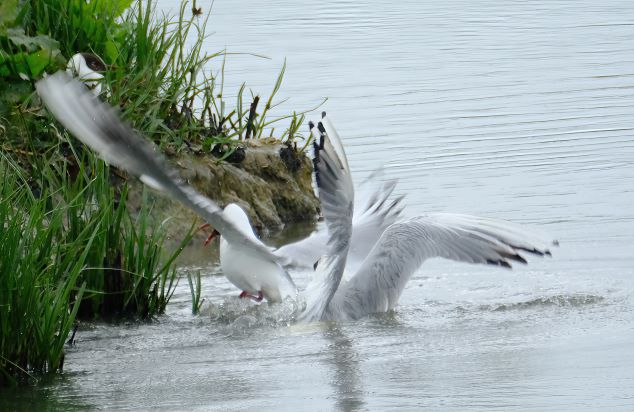
Full-blown scrap over nest site! Black-headed gulls.



A day at Titchfield Haven nature reserve & Meon shore enjoying the sunshine and nature. There are real signs of summer with birds nesting and young birds in many areas.
Blackheaded Gull are sitting on nests and on eggs, others have fluffy chicks {not close enough to film yet}
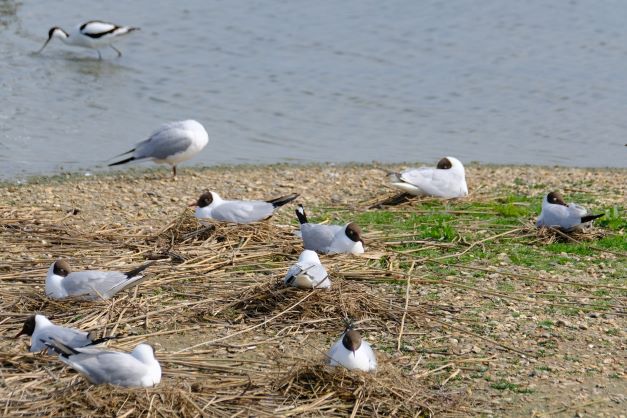
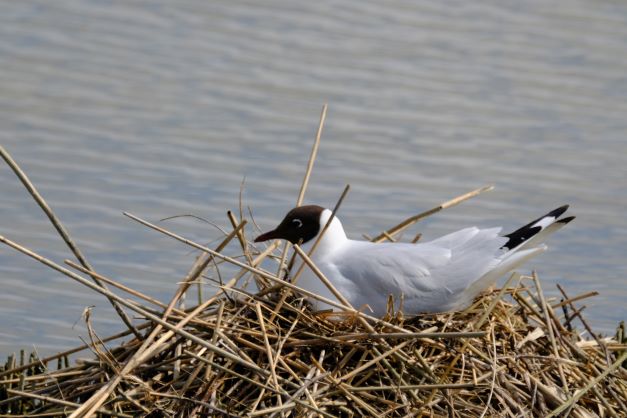

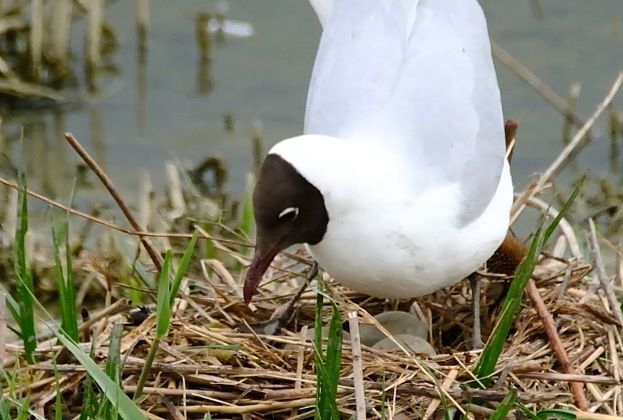
The gulls are very territorial in their nest areas and will chase off any invaders such as the larger Herring Gulls which will grab a chick for a quick meal. The pictures below show a Grey Heron being buzzed and steered away from the gull’s nests.

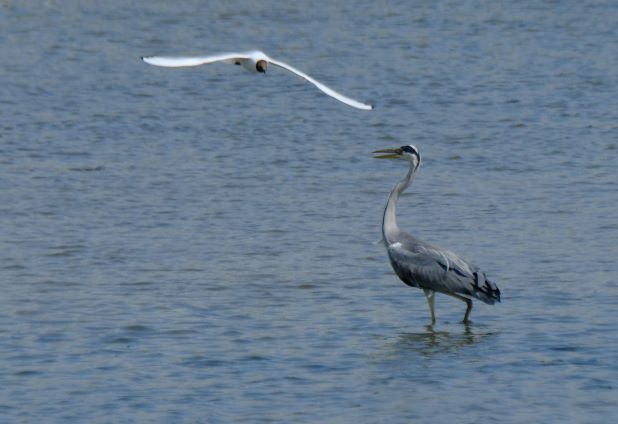
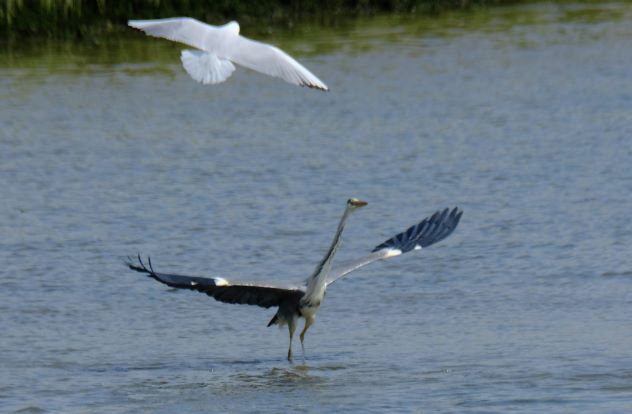
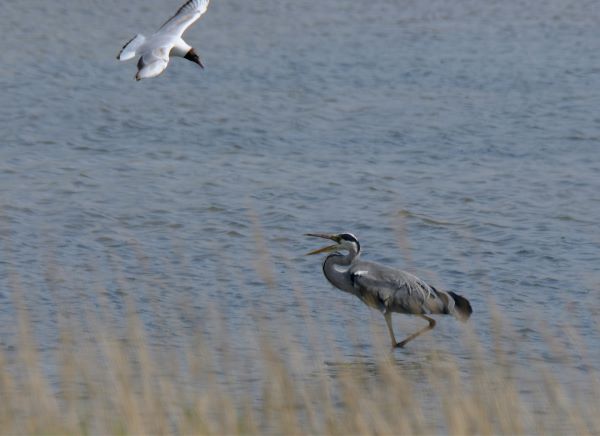
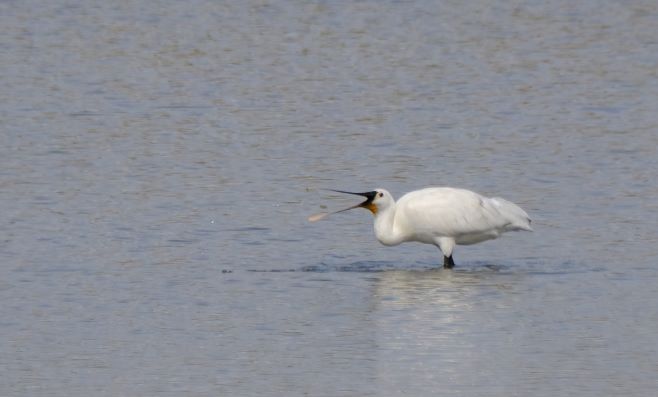
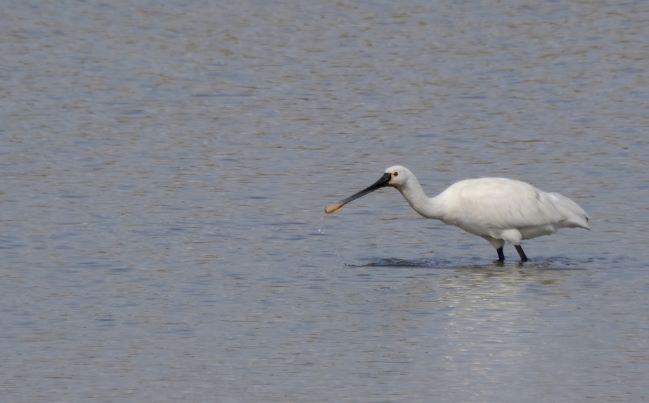
Over the weekend a pair of Spoonbills had been spotted in the nature reserve. There have been a few birds this year on the Beaulieu River across the Solent on the edge of the New Forest. Today one of the birds was still there and I was able to get a good view and some pictures. Spoonbills are named after their bizarre spatula-like bill. Young birds are known as tea Spoons. Although these birds bred in East Anglia during Medieval times, they had not bred in Britain for over 300 years. Then in 2010, when a small colony was discovered on the north Norfolk coast. By 2014 a flock of 30 birds were recorded in Norfolk ay Cley Marshes.


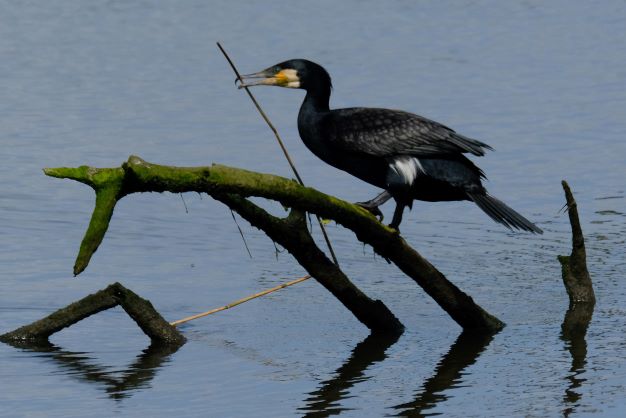
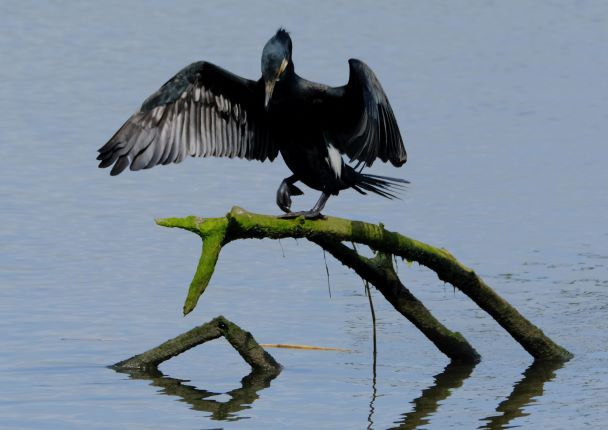
Cormorants are often spotted perched with their wings held out this is to dry their feathers off which are not waterproof.

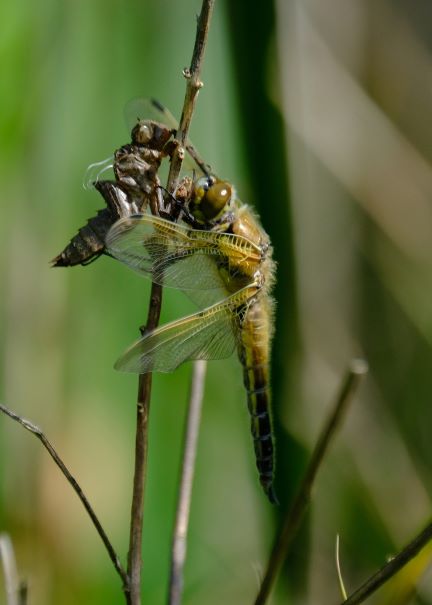
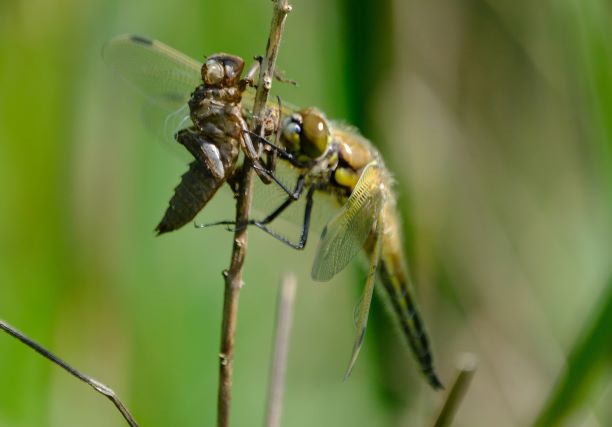
Dragonflies are starting to emerge, They have three stages in their life cycle: eggs which are layed under water these hatch into a lava{or Nymph} some species will remain in the lava stage and stay for in this state for several years. The final stage is the lava leaves the water and the dragonfly emerges. On the wing their life is short they mate and by the end of the summer they have gone.
This was a 1st for me a dragonfly just emerged from the lava drying its wings while perched by the empty husk of the lava.

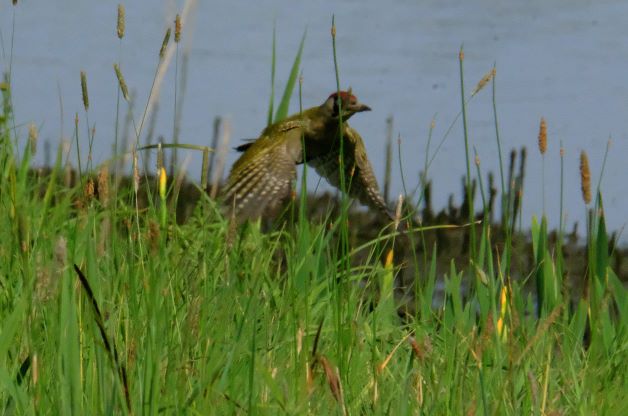
A quick view of a green Woodpecker.

Wintering in southern Africa. Wheatears have one of the longest migration routes of any songbird.
Birds spotted in the UK are summer visitors and passage migrants. Some birds do breed in the UK these are mainly found in western and northern Britain and western Ireland, although smaller numbers do breed in southern and eastern England.
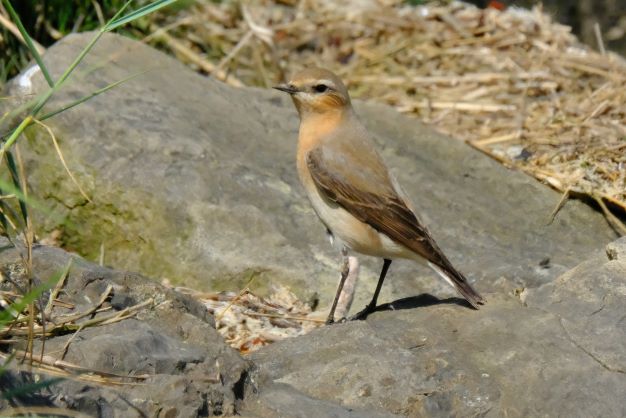

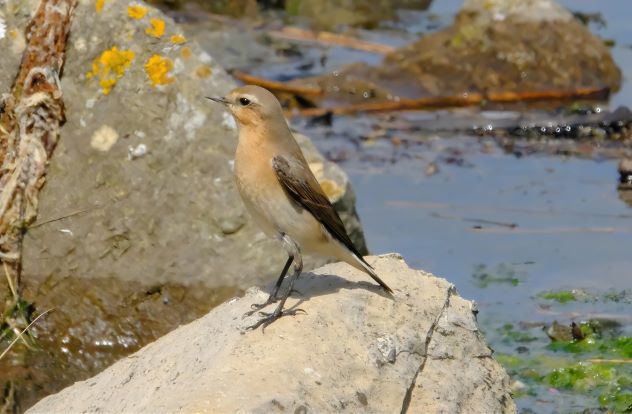
This bird is a female I spotted today at Calshot point Hampshire this morning.
 Continued Reflections from my World.