Small birds.

Some small birds spotted on a walk in the New Forest yesterday. Walking on marked paths/trails to avoid disturbing ground-nesting Curlew and Lapwings. Much of the New forest is Heath and Moor and an important habitat for these ground-nesting birds.

Distant and high flying Skylarks were fairly abundant on my walk.

The flowering Gorse bushes provided some good spots for the Rare Dartford Warbler. They nest deep in these bushes and the thorns give the nests vicious and effective protection from praditors.

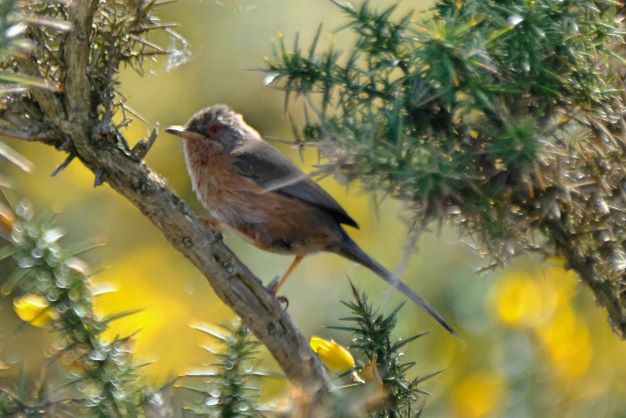
Some of these birds seemed to be collecting cobwebs I presume for glue for their nests.

Others were collecting insects so I think there must be some nearby nests.
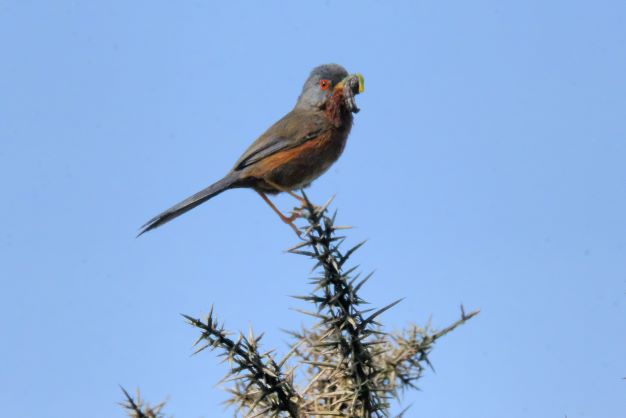
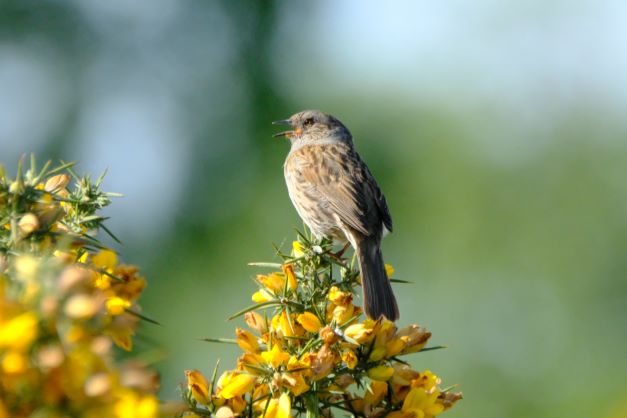
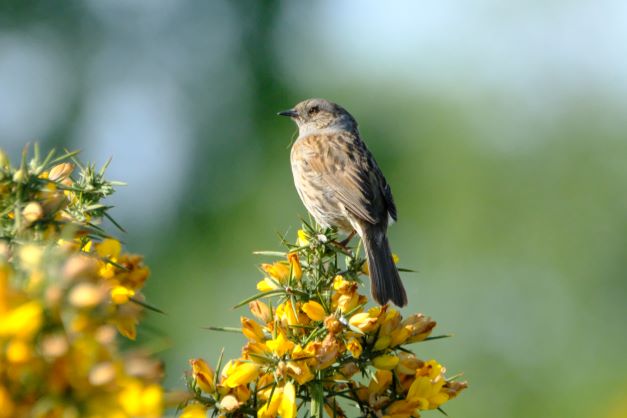
Dunnock’s caught me out a couple of times pretending to be a Dartford Warbler until I got a bit closer!
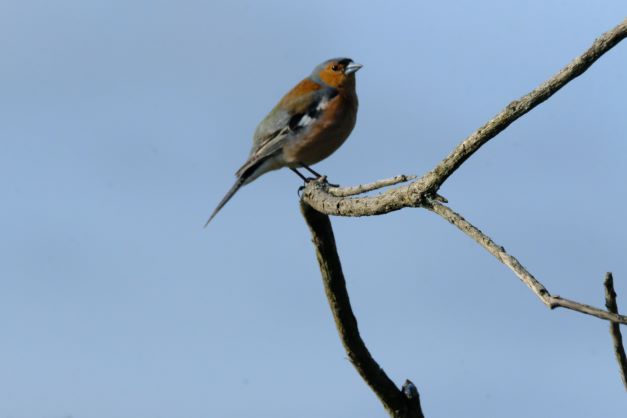
Also spotted a Male Chaffinch.
I found these duck eggs which had been predated probably by a crow or a magpie a fair distance from any pond or river.

As well as bird insects are starting to appear.
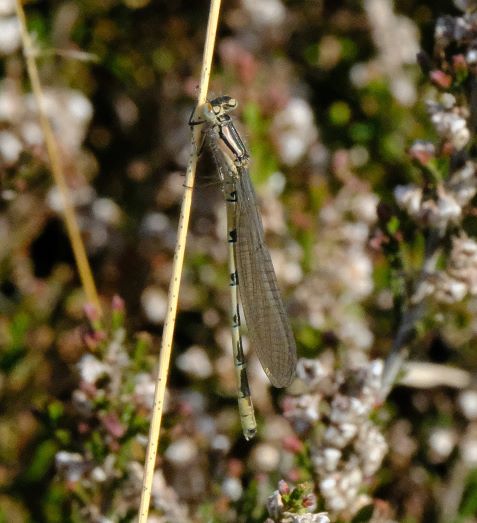
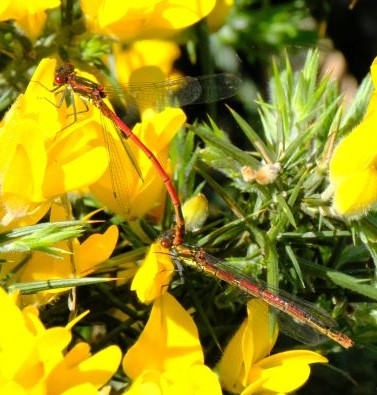
The round-leaved sundew a heathland plant found in the New Forest has round leaves which have sticky, ‘dew’-covered tendrils that tempt onto it unsuspecting insects as prey. The ‘dew’ is very sticky, trapping the insect; the sundew’s tendrils detect the presence of its stuck prey and curl inwards to engulf it. After a while, the whole leaf wraps around the insect which is digested. The acidic habitats the round-leaved sundew lives in don’t provide enough nutrients, so it has evolved this carnivorous way of life to supplement its diet.

Greys.

The grey squirrel was introduced into the UK in the 1800s today the grey squirrel is classified as an invasive non-native species. they are widespread in England, Wales and central Scotland.

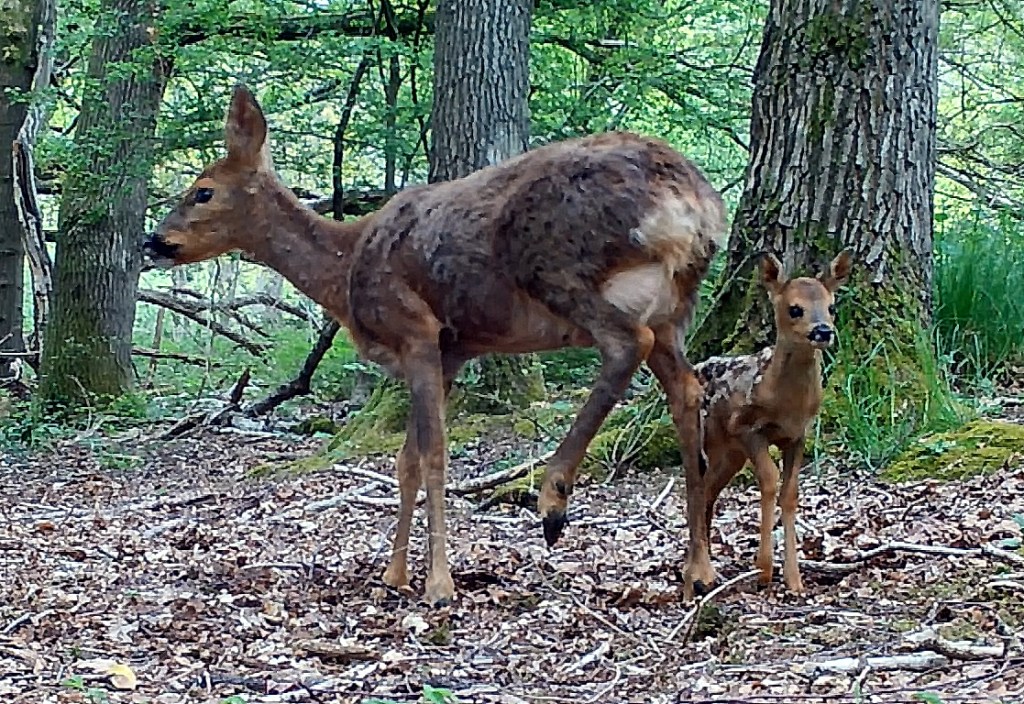
Roe Deer family.

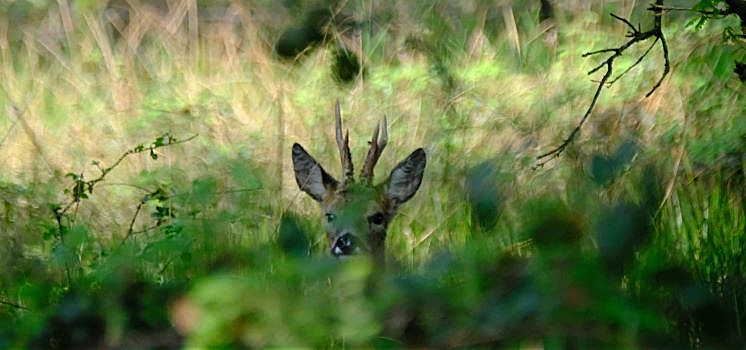
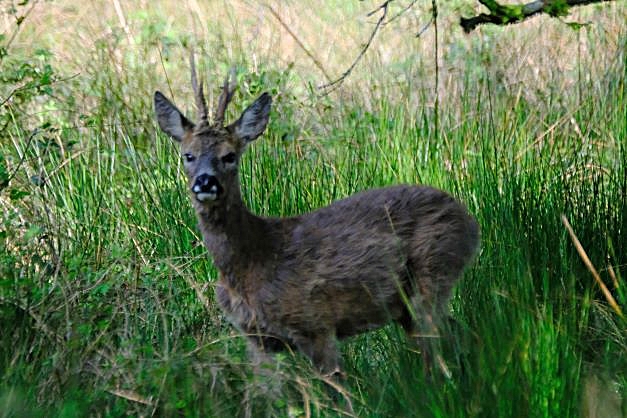
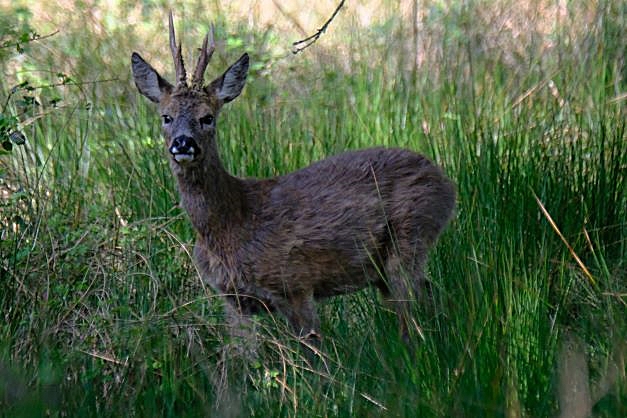
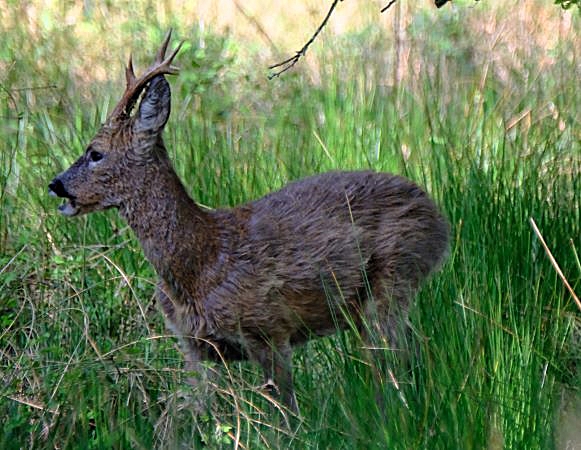
Since the first lock-down, we have been watching the local deer population in a small pocket of woodland bordering the edge of the built-up area close to home. There is a healthy population of Roe deer with two dominant, Roebucks who have their own group of Does. Kids are usually born in May or June.

Using a long lens and camouflage we have over the last 3 years recorded the life cycle of these animals. We also started using trail cameras.

Last week we set up cameras in a spot where we regularly see deer and also find evidence that they have cleared a sitting patch. This post shows some of the footage from these trail captures. {only a small percentage of what was captured} I have also posted some stills taken from the films. It shows the interactions of the family group which I think is a privilege to see. It was a surprise to see that 2 of the Does had given birth {one with a single kid and the other with twins} fairly early in the season. {end of April}

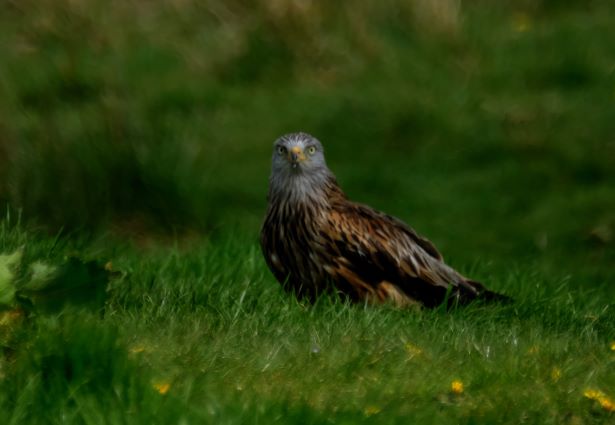
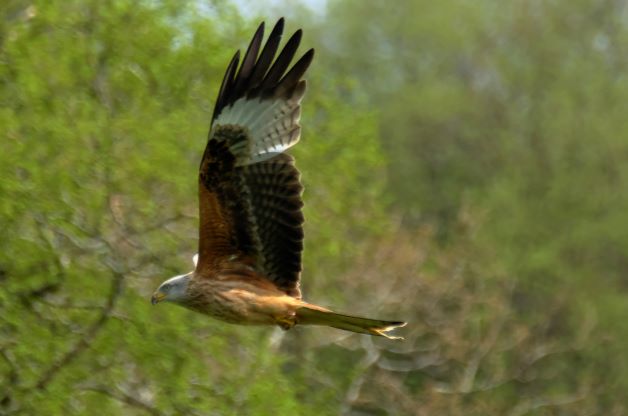
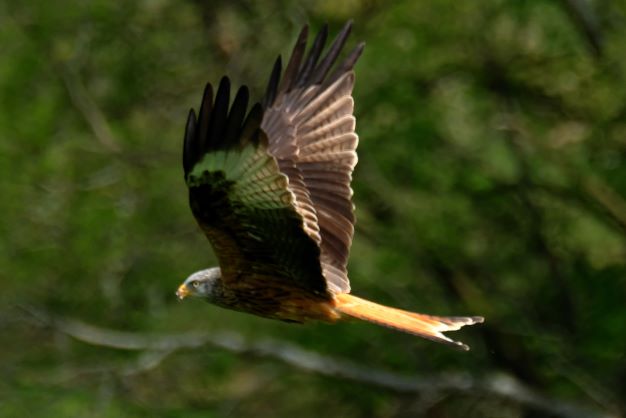
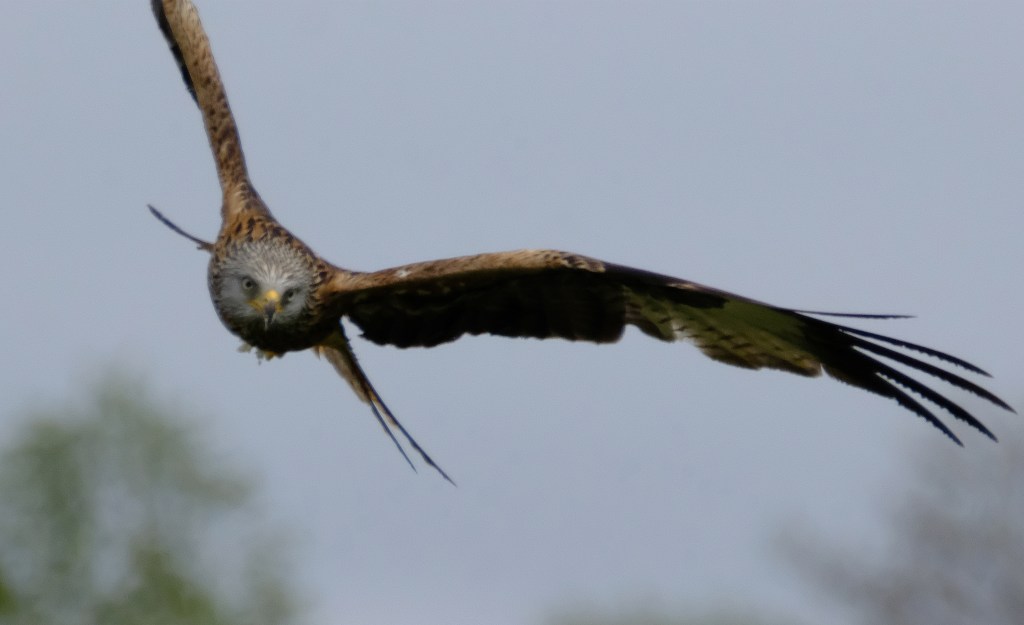
Red Kites.

Red Kites in the Brecon Beacons- A success story. 35 years ago I saw my 1st Red Kite they were on the brink at that time and about only 25 pairs were in a stronghold in the Brecon Beacons. Over the years their numbers have increased and their range increased. It has now been successfully re-introduced to England and Scotland. It is estimated that there are now 4600 pairs in the UK, While we were on our recent campervan trip to Mid-Wales we visited a Red Kite feeding station at Gigrin Farm near Rhayader.

The farm became an official Kite Feeding Station in the winter of 1992/93 following a request from the RSPB. Today it welcomes many visitors for a daily feeding session where up to 600 birds come to feed.

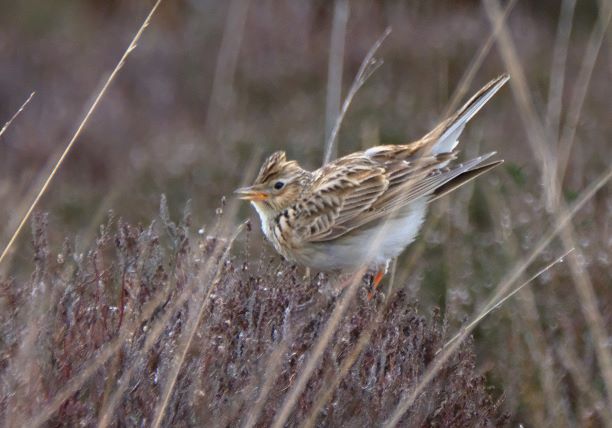
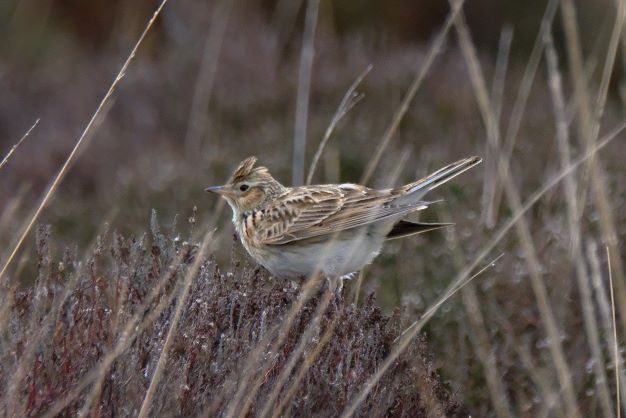
Hark a Lark.

The Skylark is a LBB {a little brown bird}. It is a streaky brown colour with a small crest, which can be raised when the bird is excited or alarmed and a white-sided tail. It can fly, vertically up in the air. Often you can hear them high above fields singing their hearts out. When you locate it , it is often just a tidny speck up in the sky – it is a bird you hear before you see it.

In the Brecon Beacons in Mid Wales, I spotted this Skylark on the ground.Thenfirst time I was able to photograph one. They are ground-nesting birds and this is one of the reasons why their numbers have dramatically decreased in recent years and are now on the “Red List”.

Small wonders.

Last week I set up one of my trail cameras with a close-up filter and placed it in our local woods in a hollow tree and added some birdseed. I was pleased with the results the film below shows mice and at the end a rat.

Also spotted a regular Roebuck looking a bit shabby with his winter coat.

Reptiles.

I have recently been looking for reptiles on my walks – I have seen a few lizards and snakes crossing paths disappearing into the grass or shrub. Several placed pieces of corrugated iron which make a good hiding place for snakes to hide as they warm have proven unsuccessful in attracting anything so far.

In the New Forest, there is a small centre where they have pits with a few of the local reptiles that are found in the forest that you can see if they show themselfs. The centre has been closed for the last few years due to COVID but is now open a couple of days a week. We visited yesterday and were able to get a few pictures without falling in!

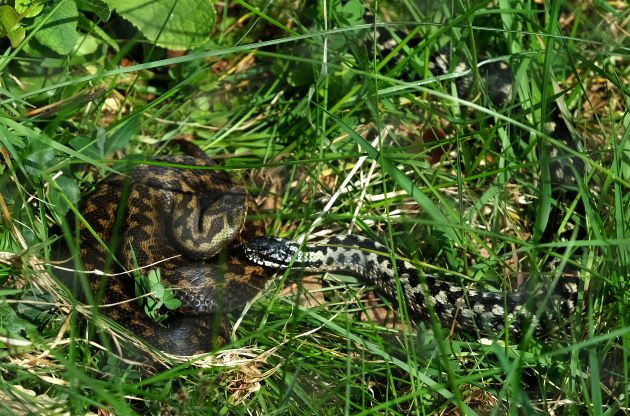
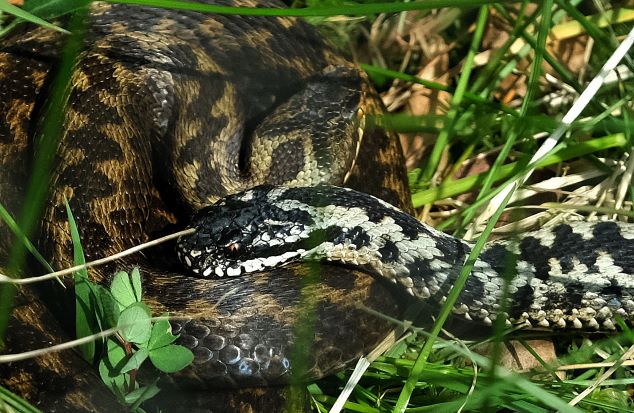
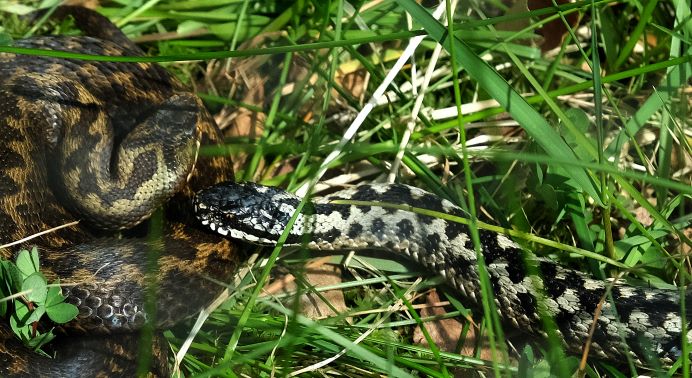
Adder.

The Adder is the only venomous snake in the UK. It spends time soaking up the sun. They have a distinctive, black zig-zag pattern along their backs. The female is larger than the male and is copper or brown in colour while the male is silvery-grey.  Adult Adders measure between 60 and 80cm in length.

We were lucky enough to see a female in the sun approached by a male.

If properly treated, the worst effects of the snake’s bite are nausea and drowsiness, followed by severe swelling and bruising around the bite. No one has died of an Adder bite in the UK for many years.

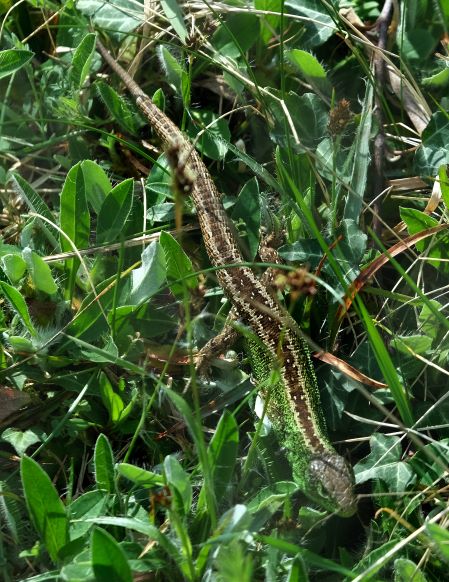
Sand Lizard.

Due to the loss of habitat, the Sand Lizard is one of the UK’s rarest reptiles we were lucky to see this male in full breeding colours. they have a life span of up to 20 years.

Slow Worm.

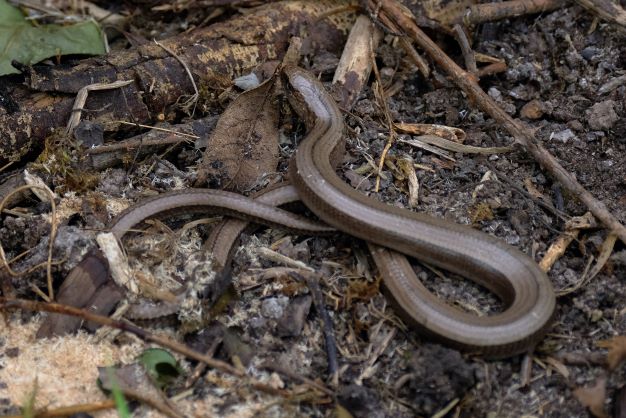
Slow worms are legless lizards may people wrongly think they are a snake. Occasionally, individuals may have small blue spots behind their heads, a feature that is more common amongst males than females. This slow worm was seen on Monday’s walk and quickly made an escape into the vegetation. We also saw a Common Lizard on the same walk but he was too quick and disappeared before I could take any pictures.

Long-tailed Tit.

Long-tailed tits are easily recognisable with their distinctive black and white colouring with a hint of pink. They have a tail that is bigger than their body. They are often seen in small, excitable flocks and can number up to 20 birds. most flocks I see locally number between 6 to 8 birds. These small birds look like flying balls of fluff. and are said to be one of Britain’s cutest birds.

Length:14cm

Wingspan:16-19cm

Weight:7-10g

Hover.

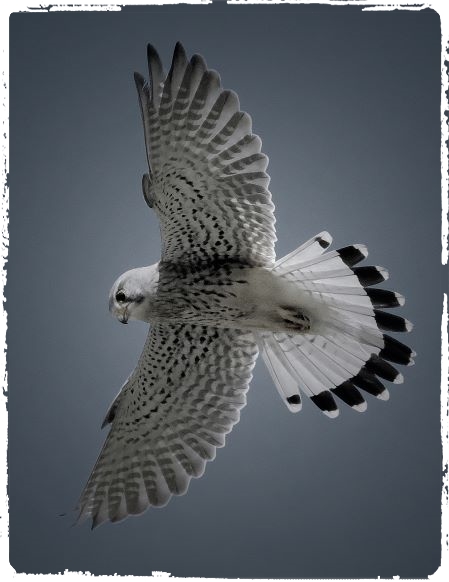
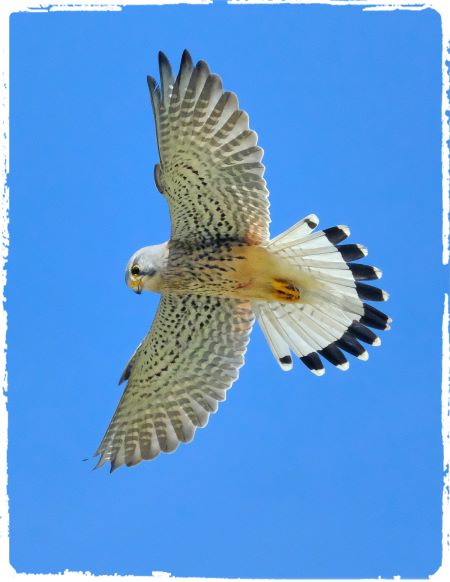
Kestrels are small, chestnut brown birds of prey. They are often seen hovering over fields or by the sides of roads. They feed on small mammals, such as voles, shrews, mice, and small birds. They also feed on invertebrates and worms.