
Bird spotting around a bird feeding station. I placed a small camera trail on a tripod and let it run. The sounds of the forest are worth listening to in the film.

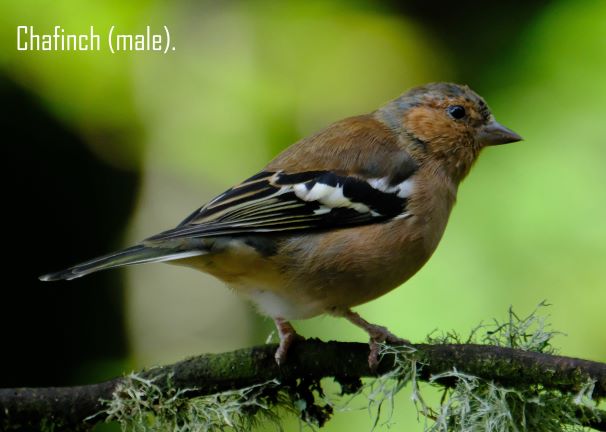
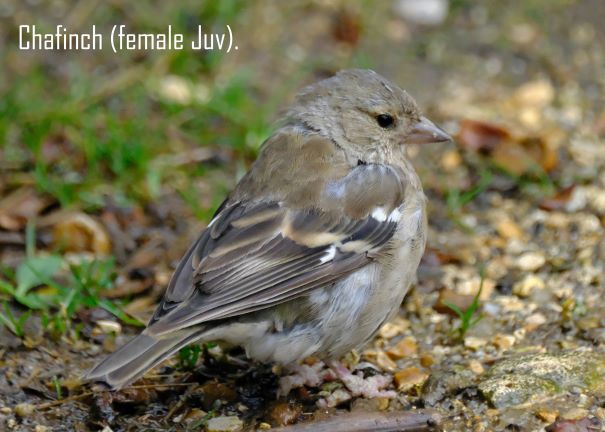
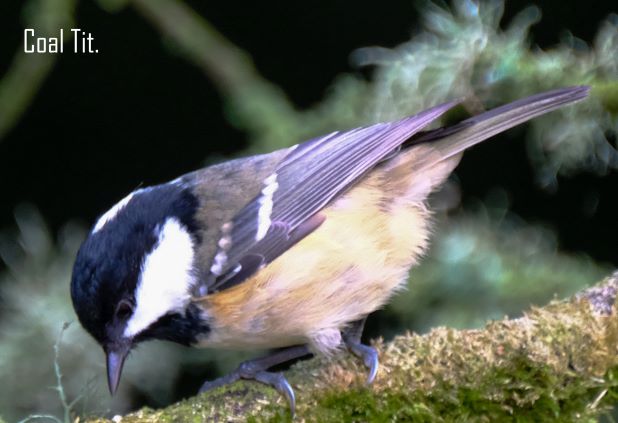


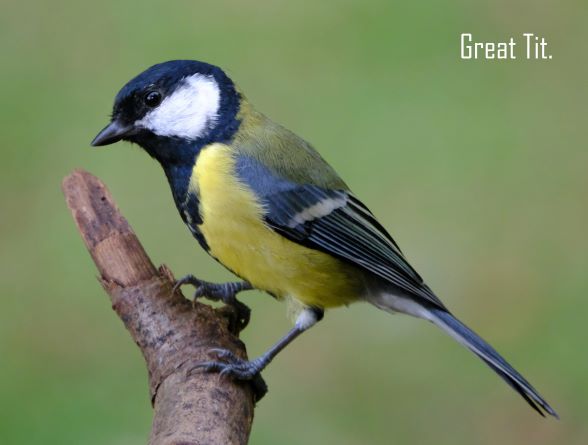
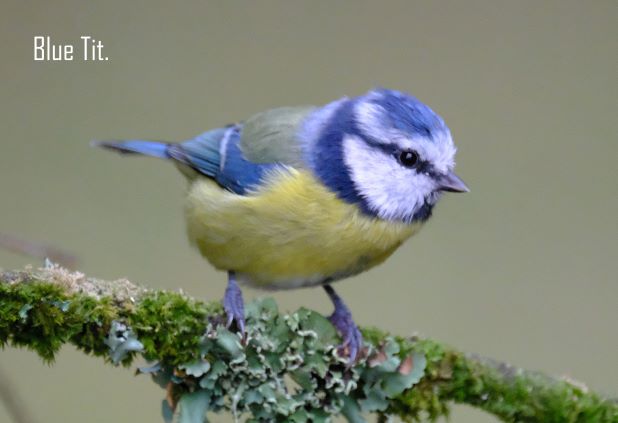
Bird spotting around a bird feeding station. I placed a small camera trail on a tripod and let it run. The sounds of the forest are worth listening to in the film.
This morning’s walk (Sunday) showed a marked change in the season with dew on the grass and the numerous spider’s webs were highlighted with moisture. Given the changeability of the seasons at the moment I am not sure if such mornings will be the norm for a while or if it was just a one-off for the time being.

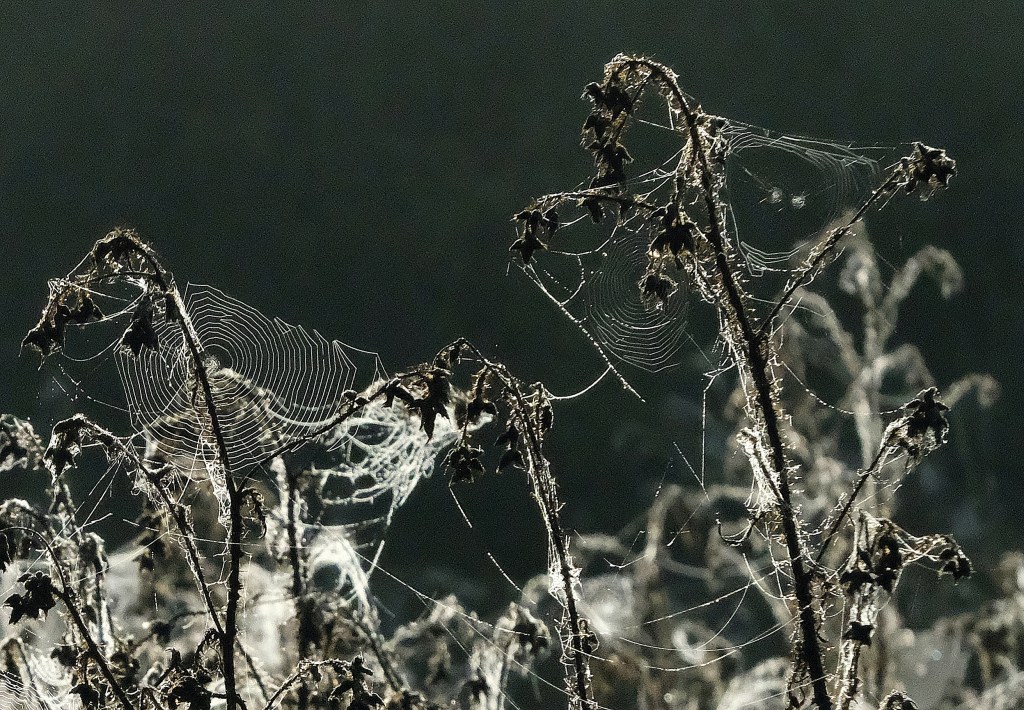
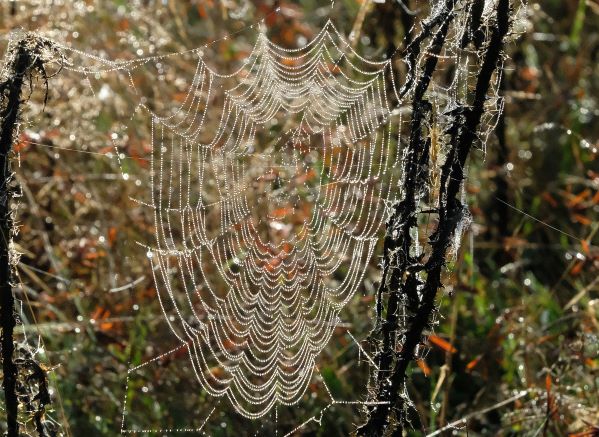
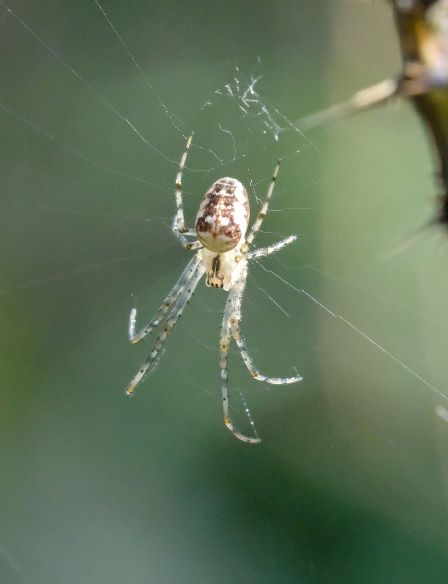
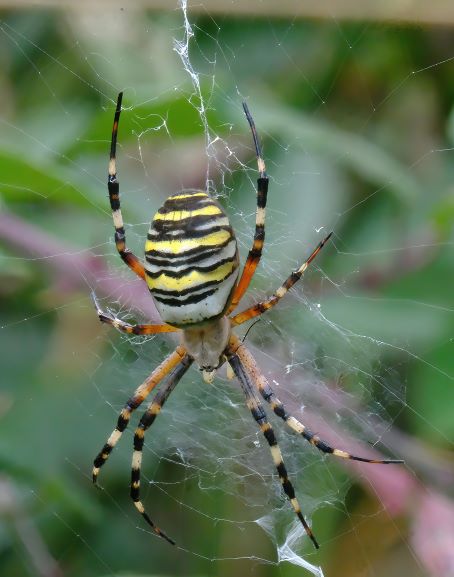
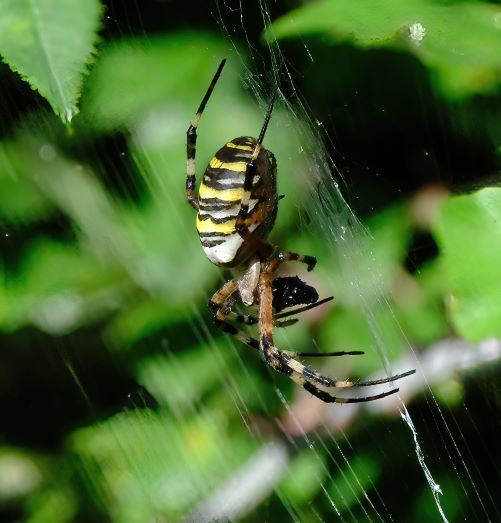
Marbled Orbweb Spider. This one is yellow I saw some previously that were white.
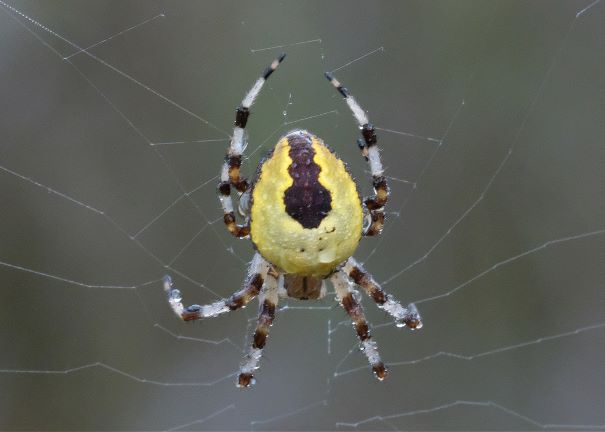
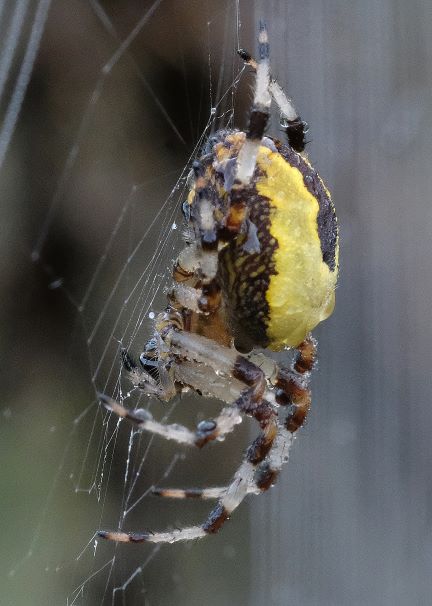
Four-spotted orb weaver spider building a new web.

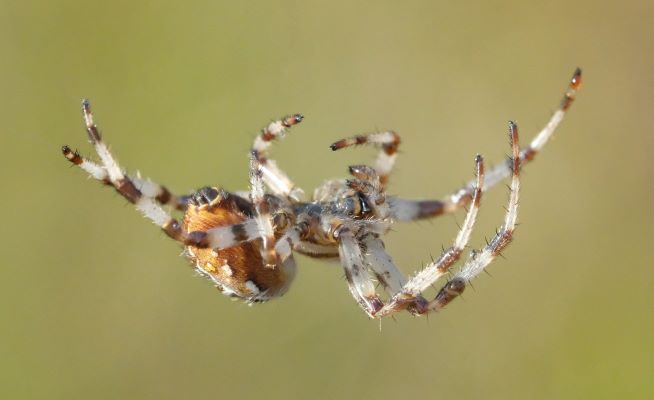
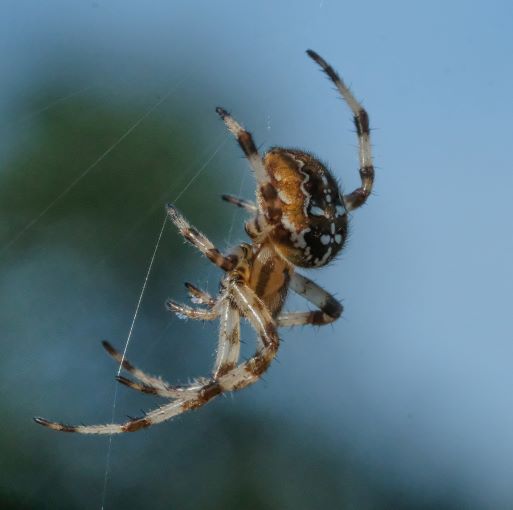


Garden Spider. Encrusted in dew.


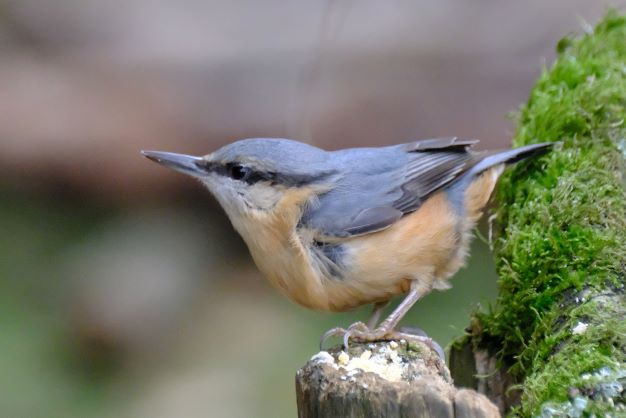
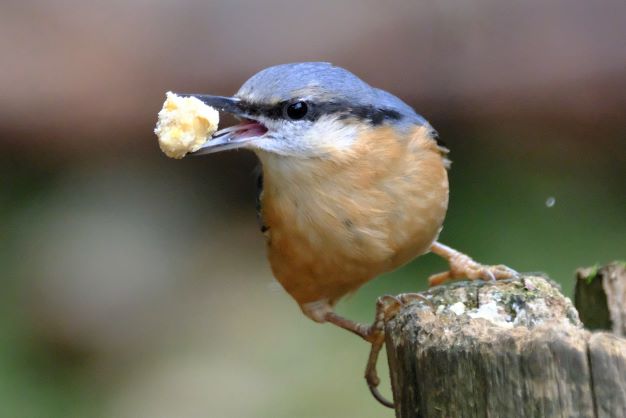
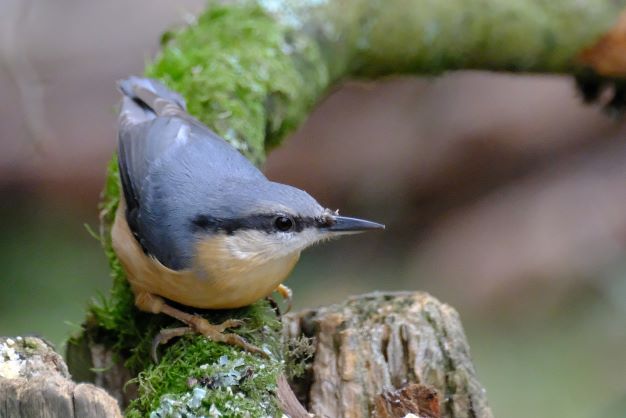
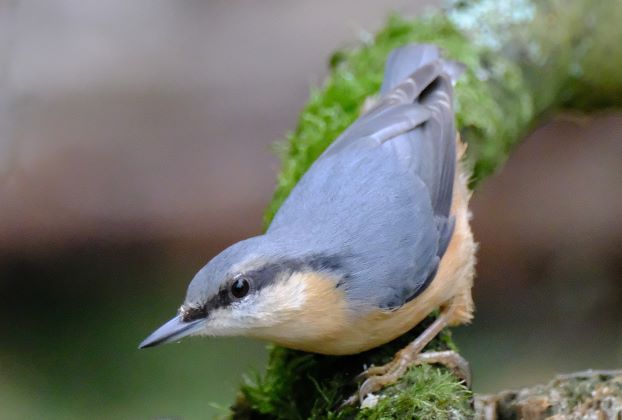
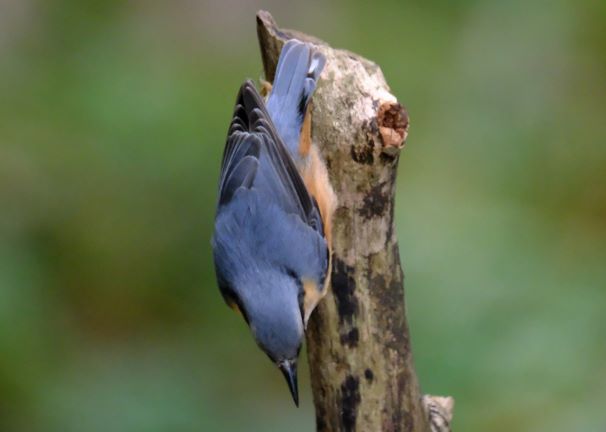
There is one species of nuthatch in the UK, Our species is a woodland bird. It has the unique habit in the UK of plastering mud around the entrance to its nest hole.



This elegant waterbird with ornate head plumes led to its being hunted for its feathers, almost leading to its extermination in the UK. The wintering population increases so I hope to get some closer sightings of this bird as we move into autumn and winter.
UK breeding:4,600 pairs
UK wintering:19,000 individuals
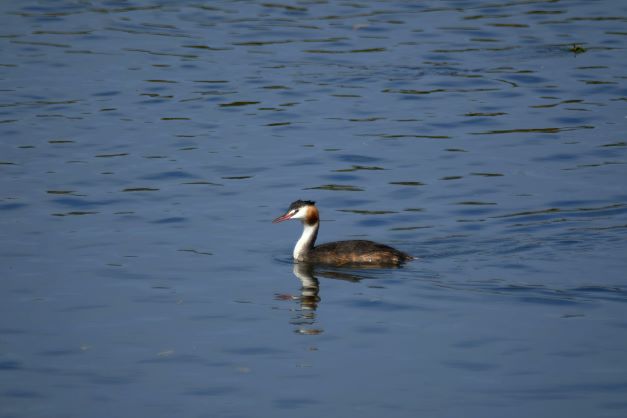


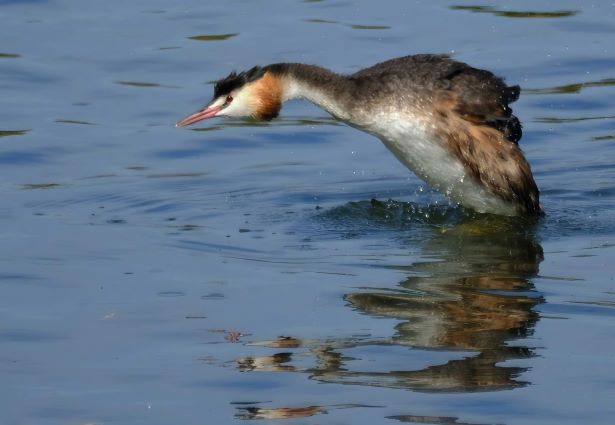
Duck! no “Buzard” in coming straight at our trail cameras – he actually clipped it with his feet knocking it over.


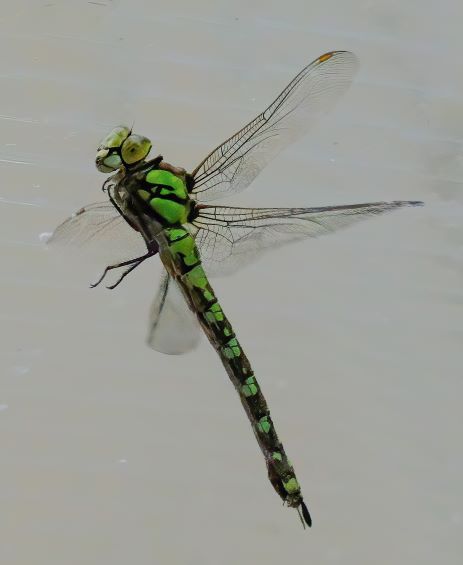
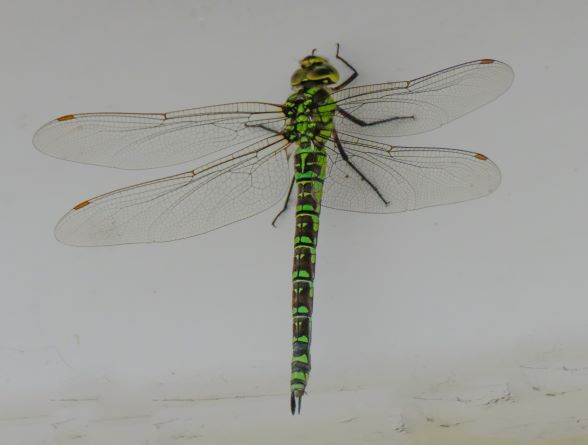
This afternoon we had an uninvited visitor into our conservatory I was able to get a few photographs before I netted this big Dragonfly and released her into the garden.
This Dragonfly is a female Southern Hawker Dragonfly. Length: 70mm

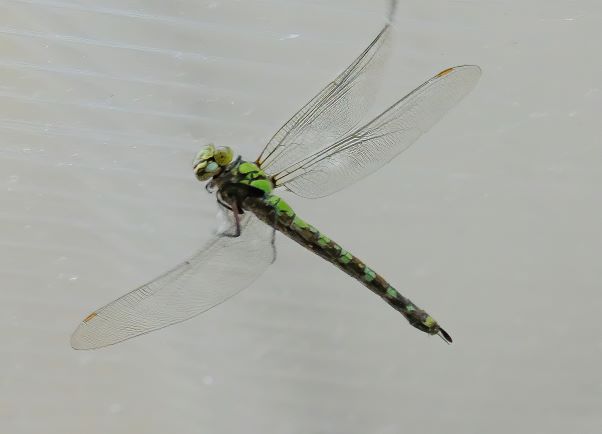


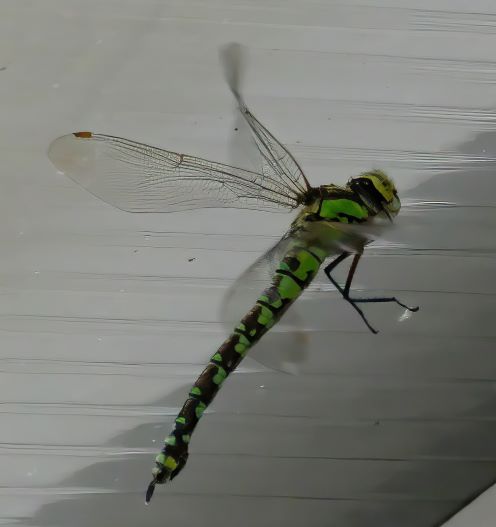



PLEASE NOTE, Any sponsored advertising that you see at the bottom of my posts is NOT endorsed by me and is a down to WordPress I advise you to ignore these unsolicited links.
The itsy bitsy spider climbed up the waterspout.
Down came the rain
And washed the spider out.
Out came the sun
And dried up all the rain
And the itsy bitsy spider climbed up the spout again.


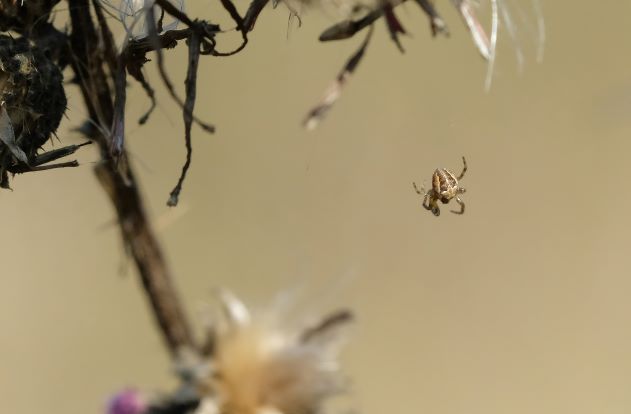
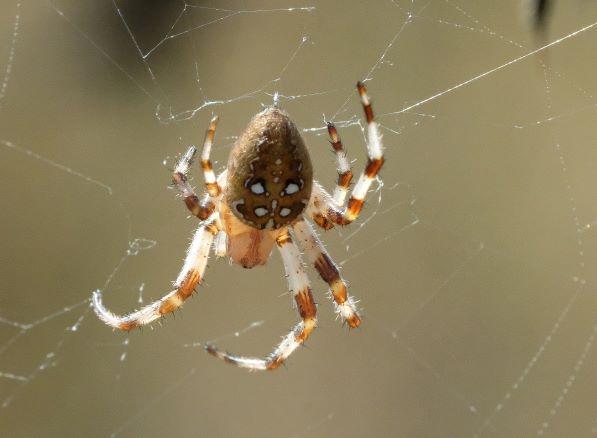


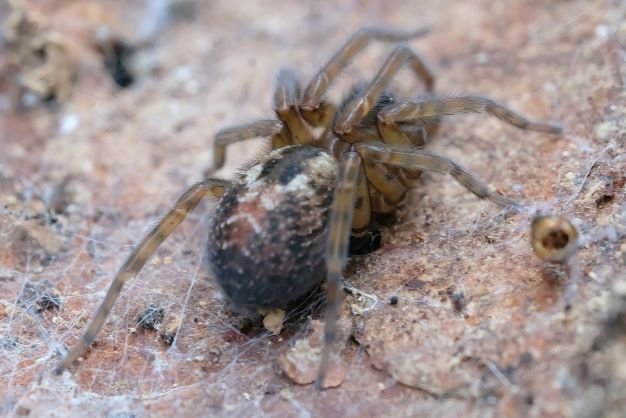
Amaurobius fenestralis
The species of spider is widespread in most of Britain. The spider is found in woodlands under the bark of trees. This spider was under the bark of a dead pine tree in the New Forest.


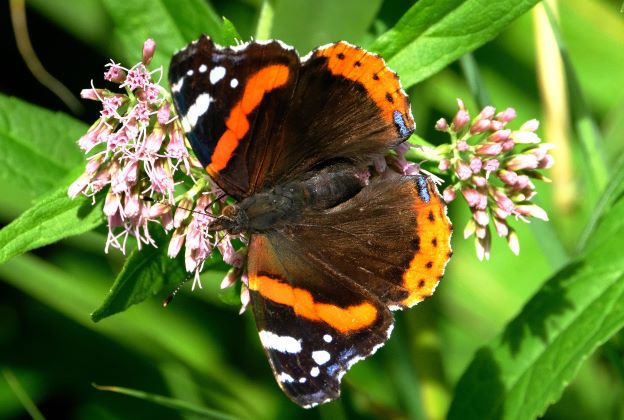
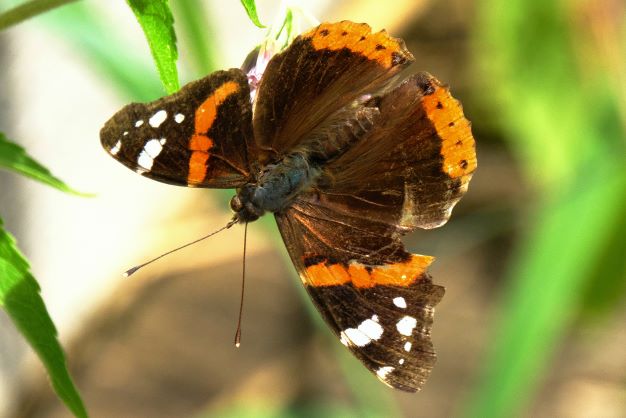
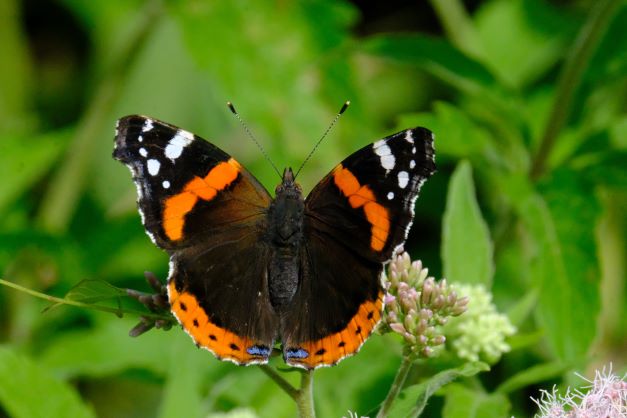
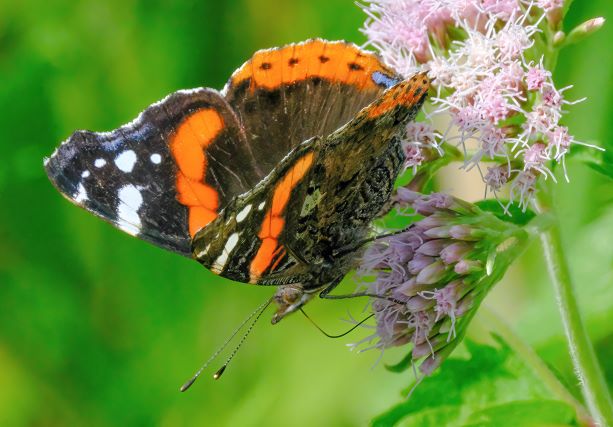
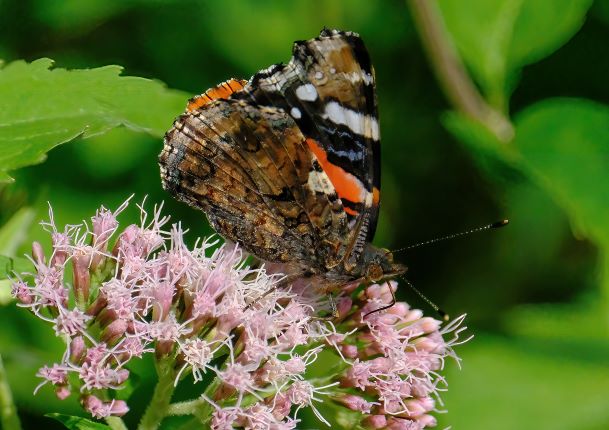
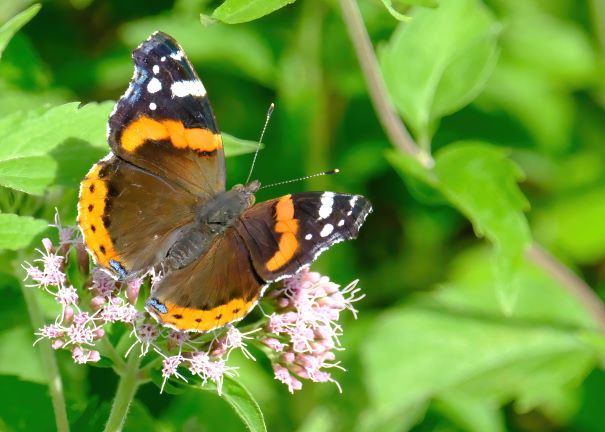
Heather is also known as ‘ling’ and is a common plant on heathland, moorland, and bogs. To do well it requires acidic or peat soils. It has delicate pink flowers that appear from August to October. Plants grow tightly packed together and can live for over 40 years
Walking on paths in the New Forest across Hatchet Moor several Wheatears were keeping just in front of us on the Heather.


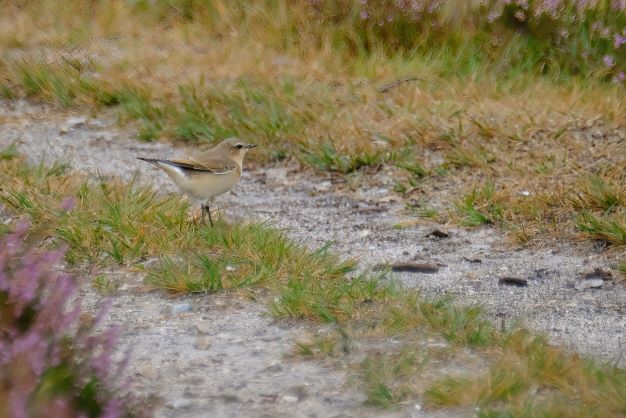
These birds are female birds or juveniles. The male bird is a blue-grey above, with black wings and white below with an orange flush to the breast. It has a black cheek.
 Continued Reflections from my World.