Another one of 6 murals which have been painted across Hampshire, all depicting sea creatures, this one is on Hythe Pier.


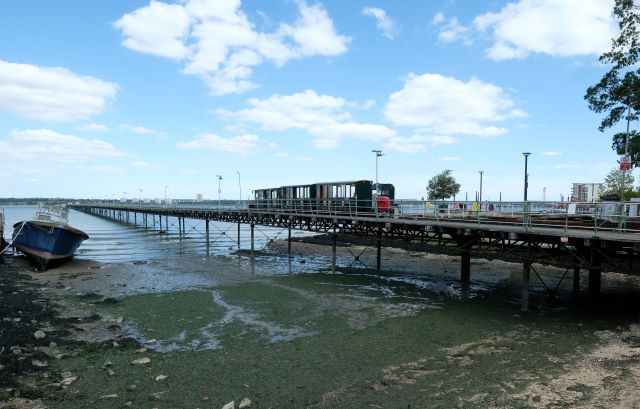

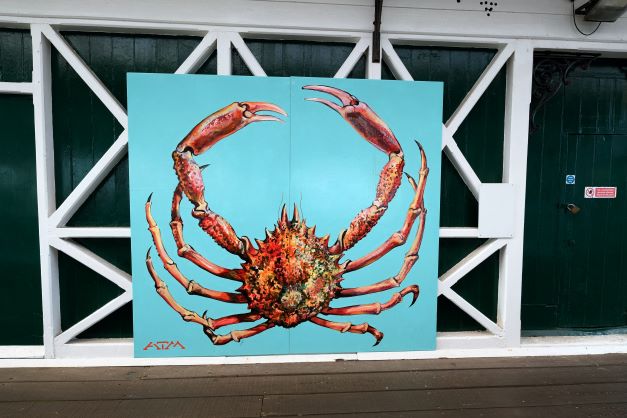
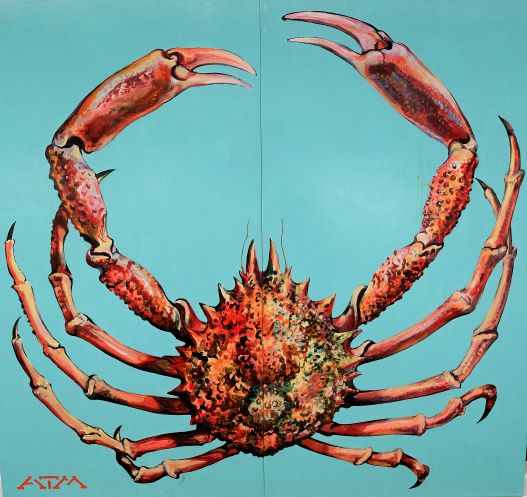

Another one of 6 murals which have been painted across Hampshire, all depicting sea creatures, this one is on Hythe Pier.
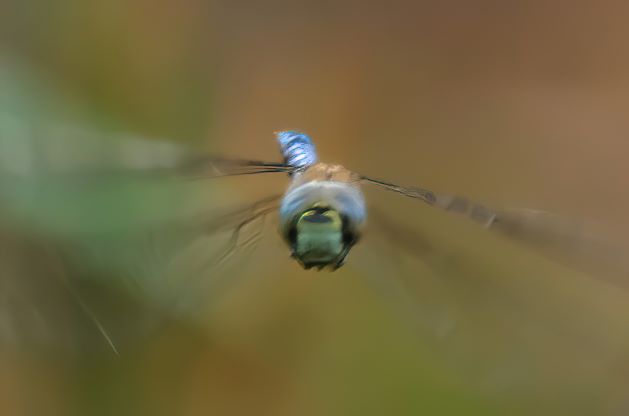
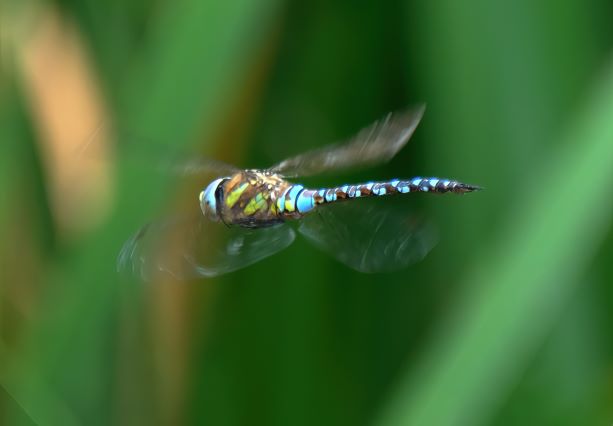
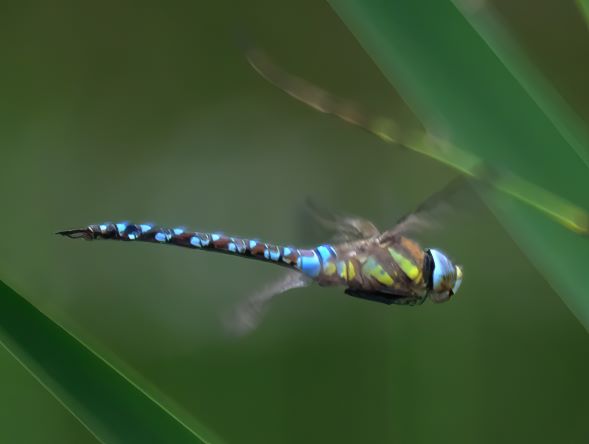
Migrant Hawker Dragonfly on the wing Hatchet pond New Forest.

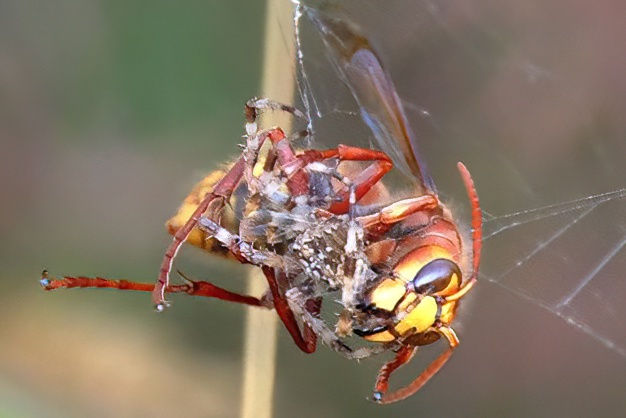
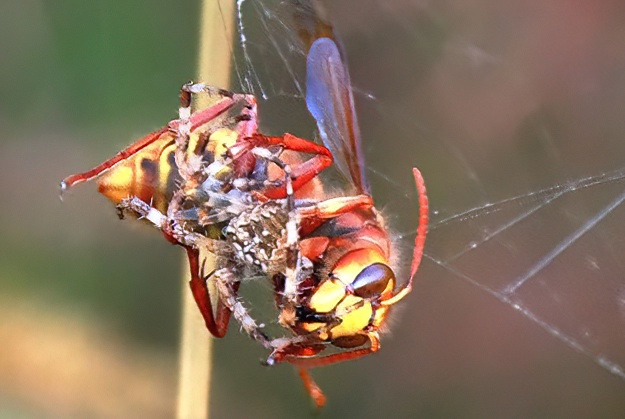
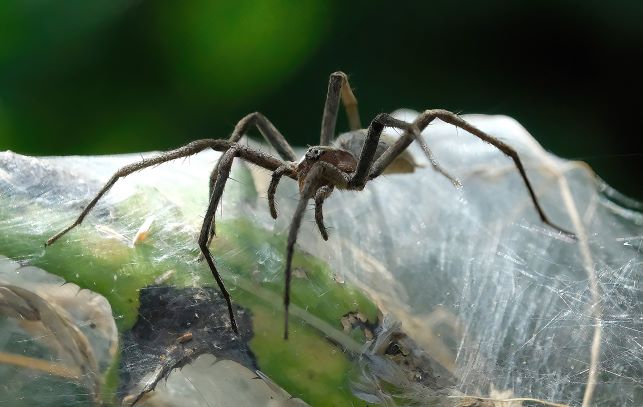
Watching a Hornet and trying to get some photographs of it it appeared to get caught in a spider’s web. This turned out to be an error and what had actually happened was that the hornet was attacking the spider and making a meal of it. After killing the Garden Spider it flew off with its body.


PLEASE NOTE, Any sponsored advertising that you see at the bottom of my posts is NOT endorsed by me and is a down to WordPress I advise you to ignore these unsolicited links.

With our continued hot dry spell we decided to make an early start on Sunday morning to collect our trail camera footage. On the way, with the sun just up we spotted a good number of different mammals.
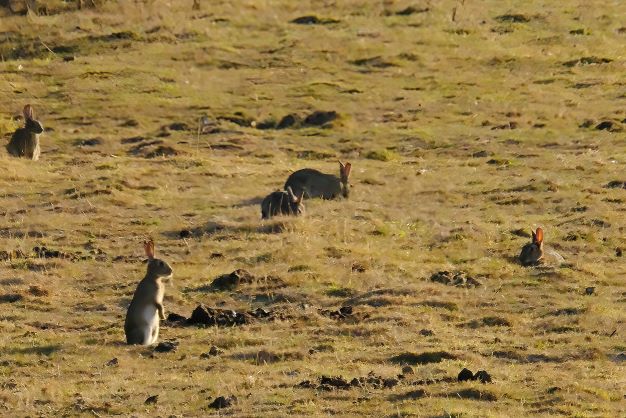
Rabbits.

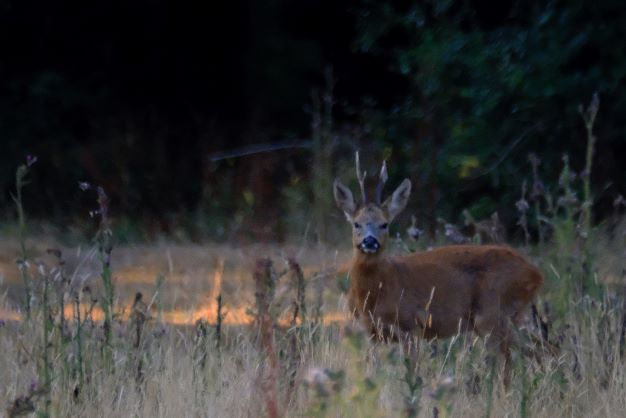
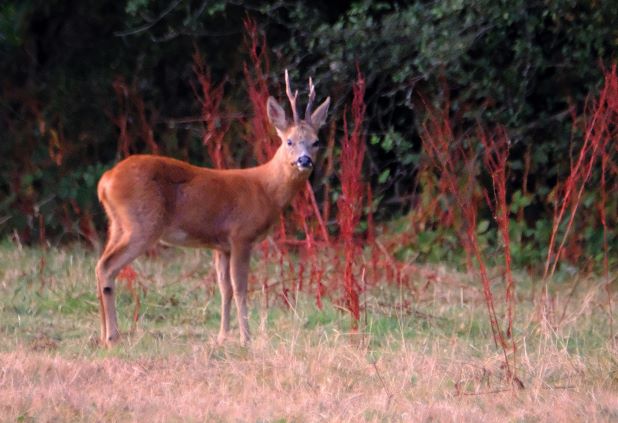
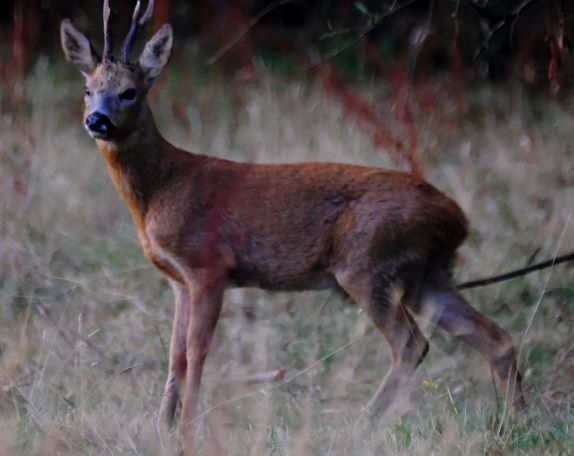
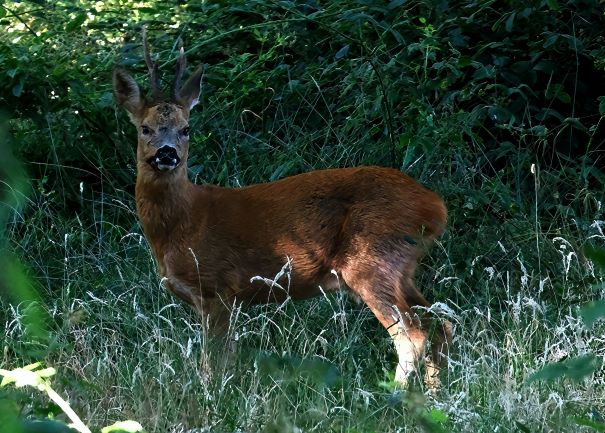
Roebuck. This deer is the regularly spotted buck in our local fields and woodland.



A Shrew. This tiny mammal crossed our path, while we crossed the field. I think this is a Common Shrew.
Common shrews are tricoloured: brown on the back, pale brown at the sides and whitish underneath. They have dense velvety fur, with a long pointed nose, tiny eyes, small ears and red teeth. Their lifespan is short they rarely live longer than a year.
Size: 48-80mm, tail 24-44mm; tail less than 3/4 length of head and body.
Weight: 5-14g.


A bit shaky but a short film of this tiny mammal.
We spotted a fox on several occasions during our walk but he kept his distance.

PLEASE NOTE, Any sponsored advertising that you see at the bottom of my posts is NOT endorsed by me and is a down to WordPress I advise you to ignore these unsolicited links.
The official drought has been declared in the South of England last week we extended the bath area and water supply for our local Buzzards. Packing a further 10 litres of water to the site we left the trail cameras in situ this film is an edited highlight of Buzzard’s visits – for the past week he visited daily. Note a Shrew is taken at the start of the film.
Stills are taken from the video footage.
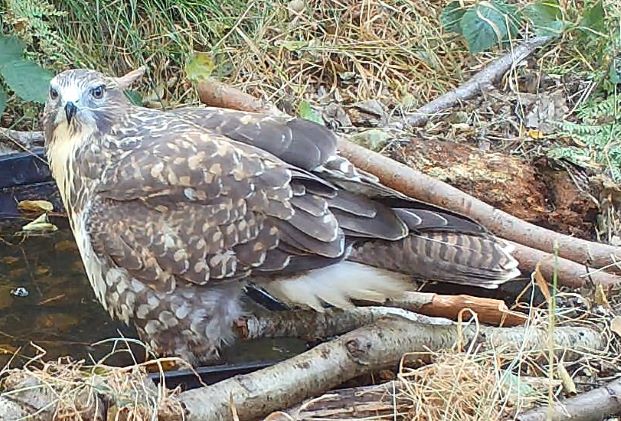
Buteo buteo is the Scientific name of the Buzzard. Today they are the commonest and most widespread UK bird of prey in the UK. As a child I only saw them in Somerset and I still recall these early sightings. of the big bird on Exmoor.
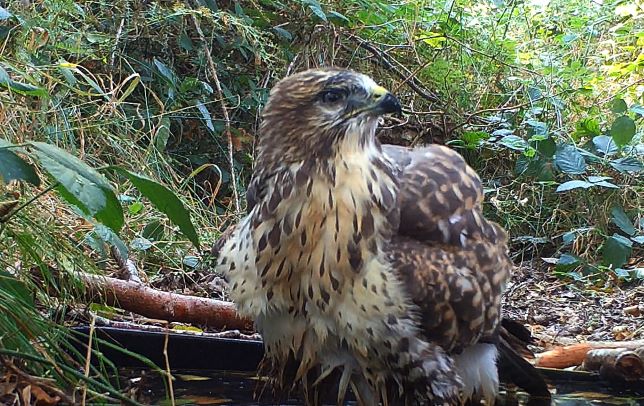
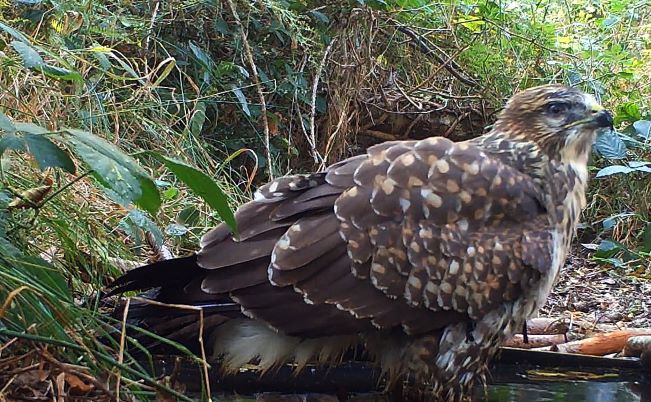

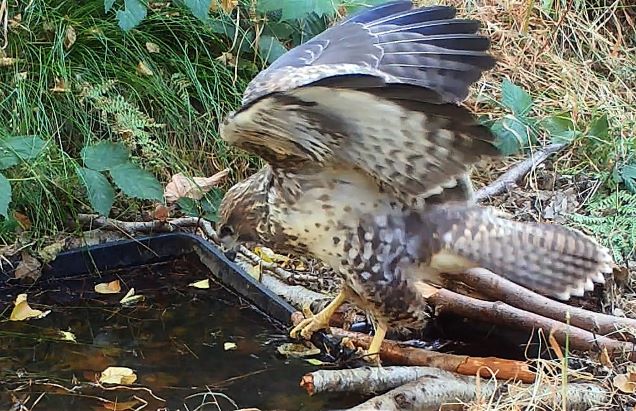
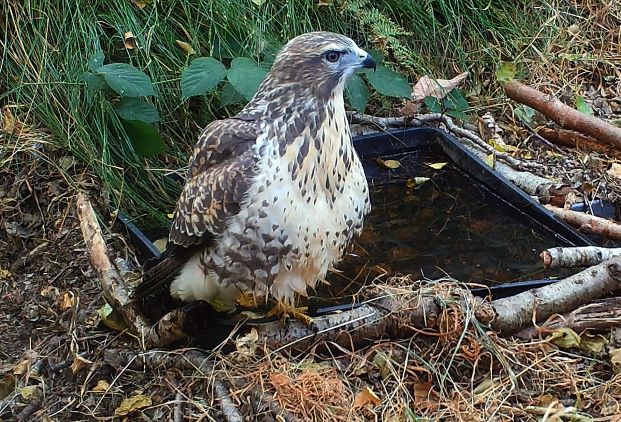
Length:51-57cm.
Wingspan: 113-128cm
Weight:550-1,000g (male); 700-1,300g (female)
PLEASE NOTE, Any sponsored advertising that you see at the bottom of my posts is NOT endorsed by me and is a down to WordPress I advise you to ignore these unsolicited links.
A pictorial study of a Common Darter Dragonfly.

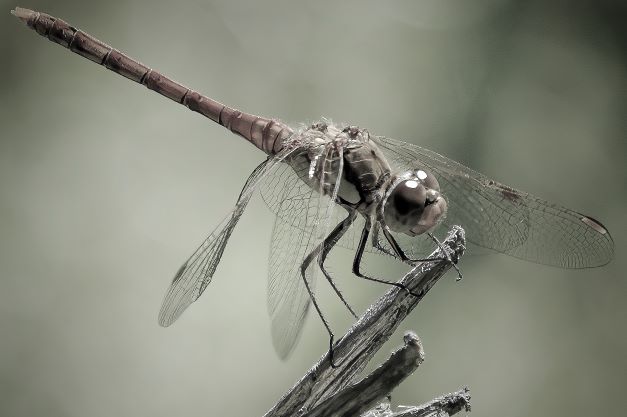

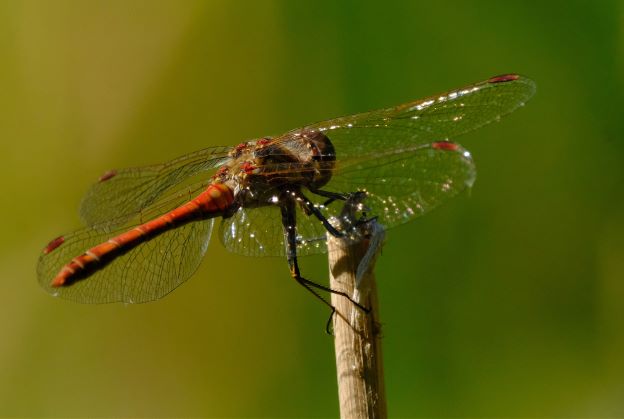


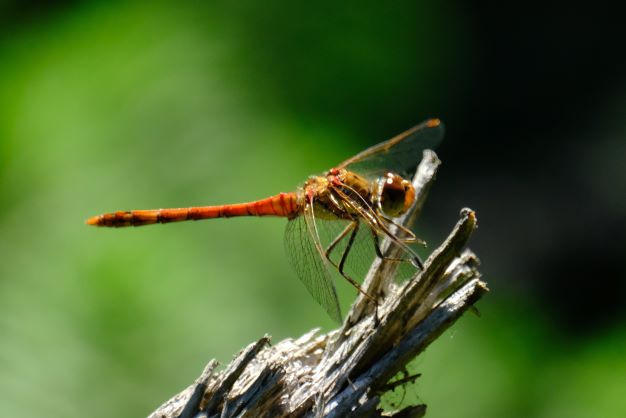
Water remains short in our local patch due to the drought grass is brown and many of the water holes and ditches have dried up boggy areas are much dryer than this time last year. One advantage appears to be the lack of Ticks as I have only had one or two on me this year whereas last year I was getting those numbers per day!


The lack of water for the wildlife got us thinking about using water as a way to attract animals to our trail cameras. Last week we sunk a washing-up bowl in a local ditch where we had placed cameras in the past and filled it with water. In 2021 our trail cameras at this spot had filmed a Buzzard bathing in the ditch. It worked – see footage below it starts with 2021 Buzzards bath and moves on to last weeks recording at the same spot with a dry ditch.
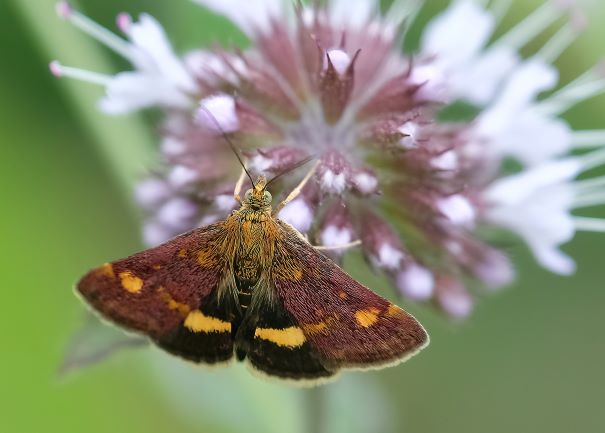
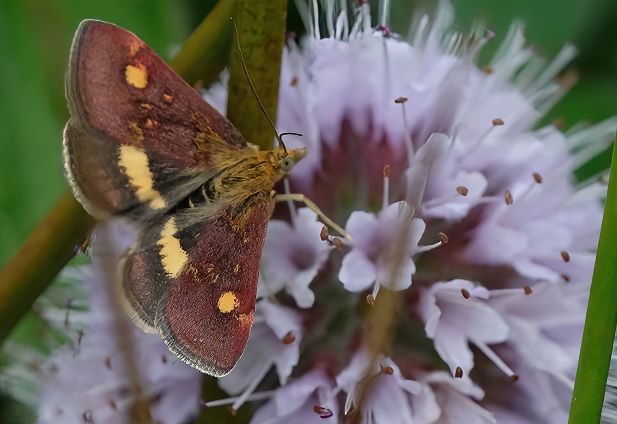
The mint moth is a day-flying moth. I have seen these tiny moths on our garden mint plants. Mint moth caterpillars feed on mint plants. These pictures were taken in our local wet meadows on wild water mint plants.
The Keeled skimmer is a medium-sized dragonfly. Males are pale blue, with grey-blue eyes; females are yellowy-brown with a black line down the middle. This male dragonfly was in the New Forest this morning. It is a dragonfly of heathland with shallow pools. They are on the wing from June to September.


A walk in one of our local nature reserves a pocket of land squeezed between 1980s housing developments.
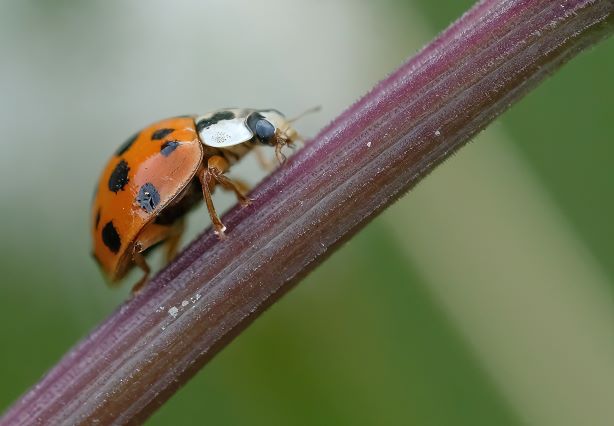
Ladybirds.
In the UK we call these little bugs ladybirds I know in other parts of the world they’re known as Ladybugs.

Common Darter Dragonflies.


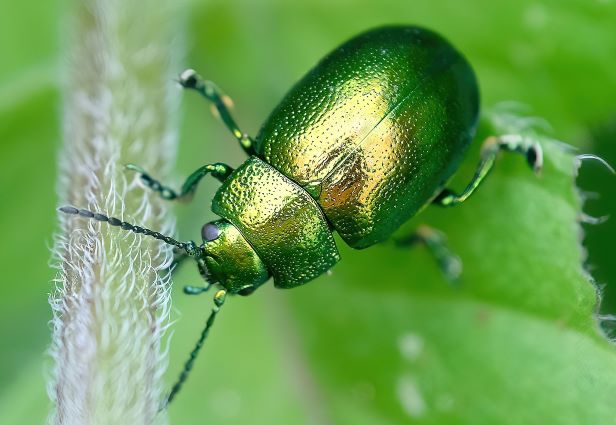
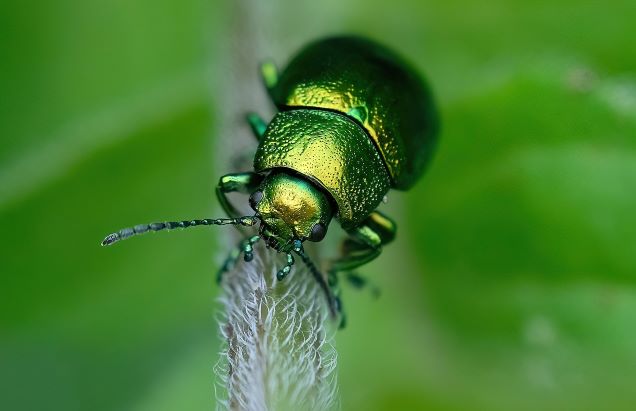
Green Dock Beetle.
Ruddy Darter dragonfly.

Common frog.

 Continued Reflections from my World.