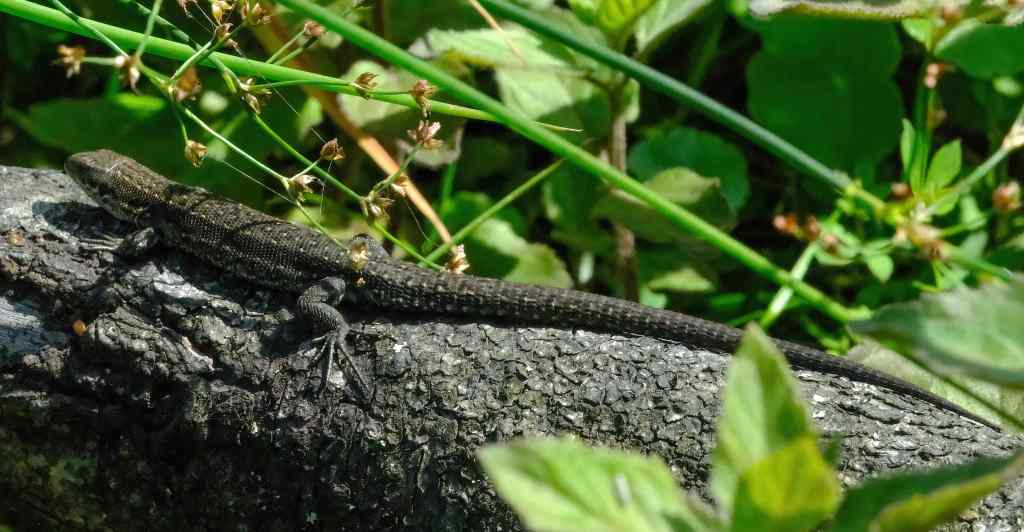
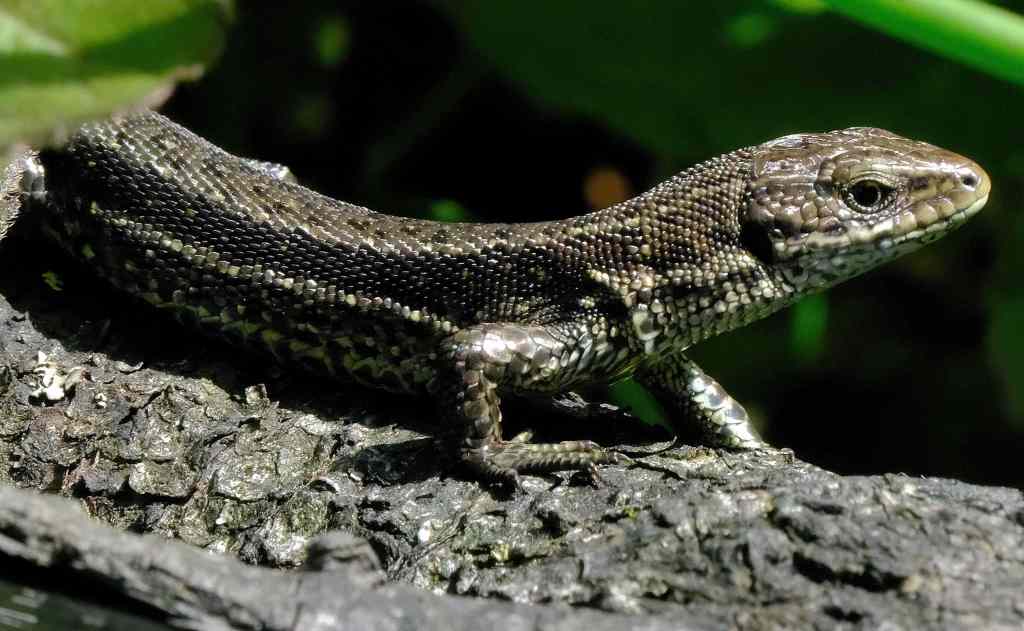
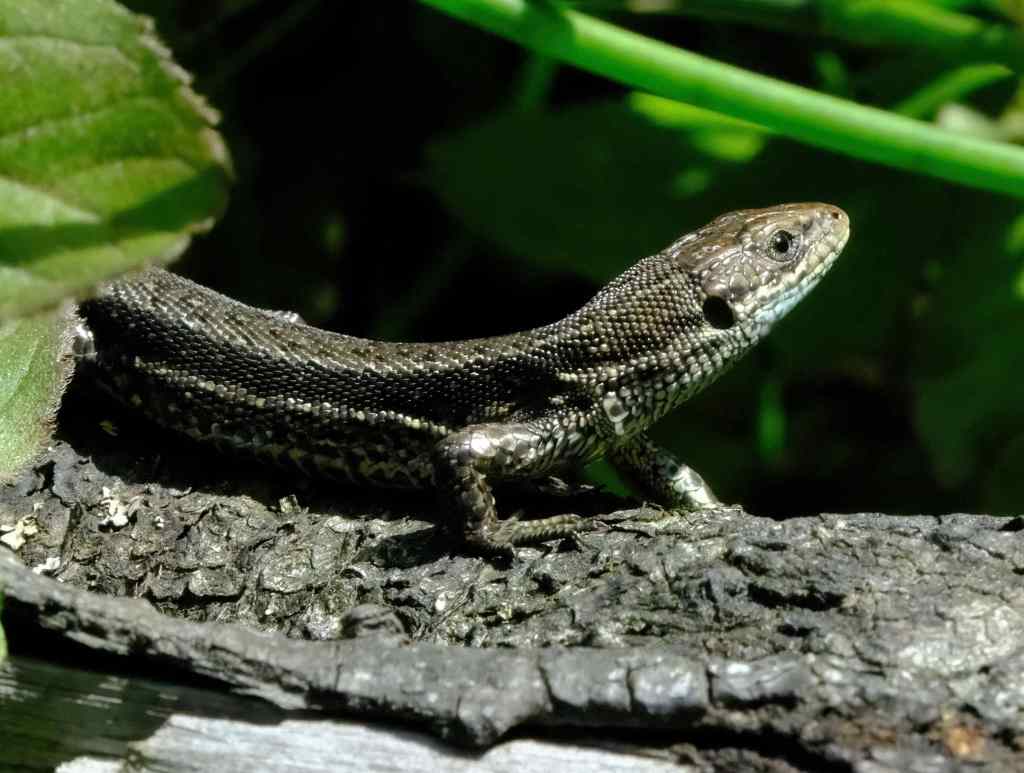
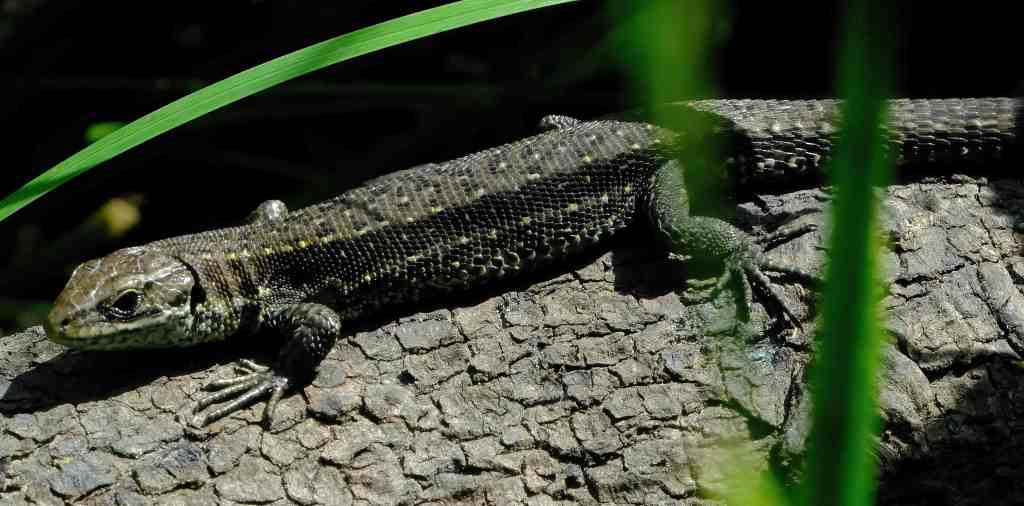
Further Lizards spotted.

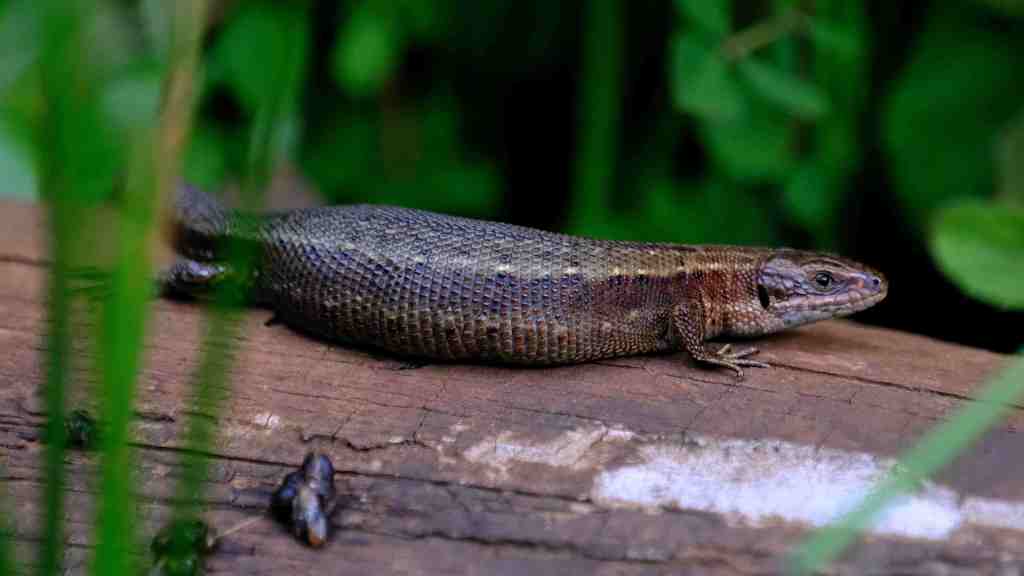
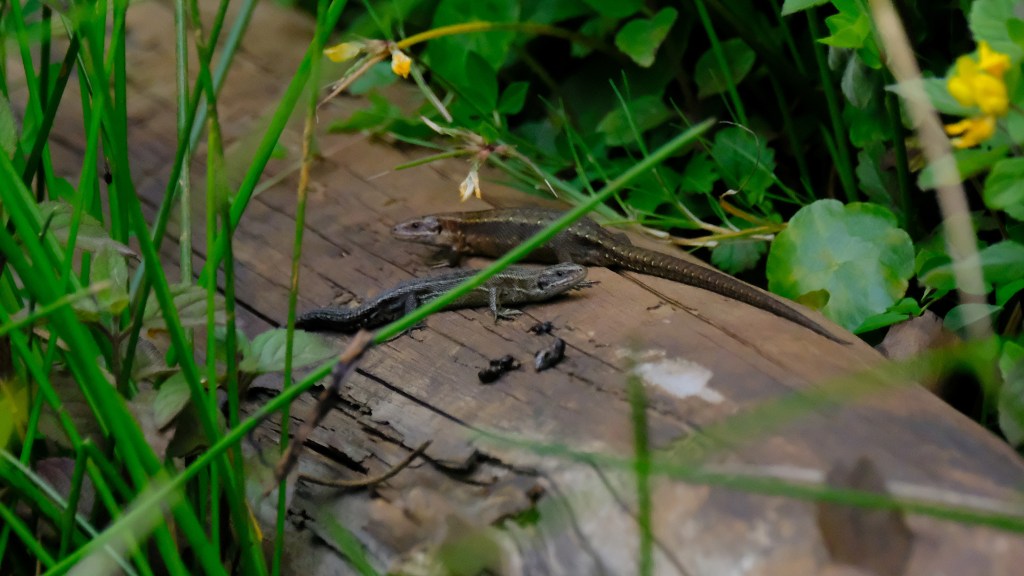
 After spotting a Common Lizard last week we returned to the same area of the New Forest. We spotted another 3 today – one a female was heavily pregnant – as I said in last week’s post Common Lizard is unusual among reptiles as it incubates its eggs inside its body and ‘gives birth’ to live young rather than laying eggs. Adults emerge from hibernation in spring, mating in April and May, and producing three to eleven young in July.

After warming their bodies by basking in the sun Common Lizards feed on small invertebrates such as flies, spiders and snails. They hunt during the day using sight and scent.

Raft Spiders.

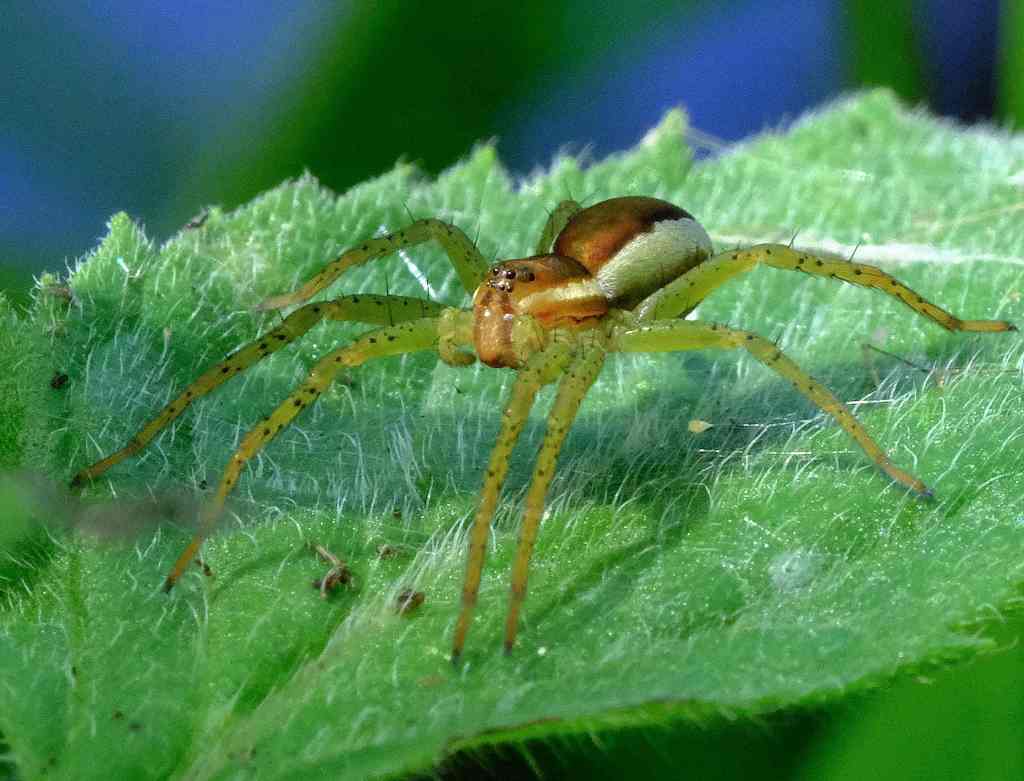
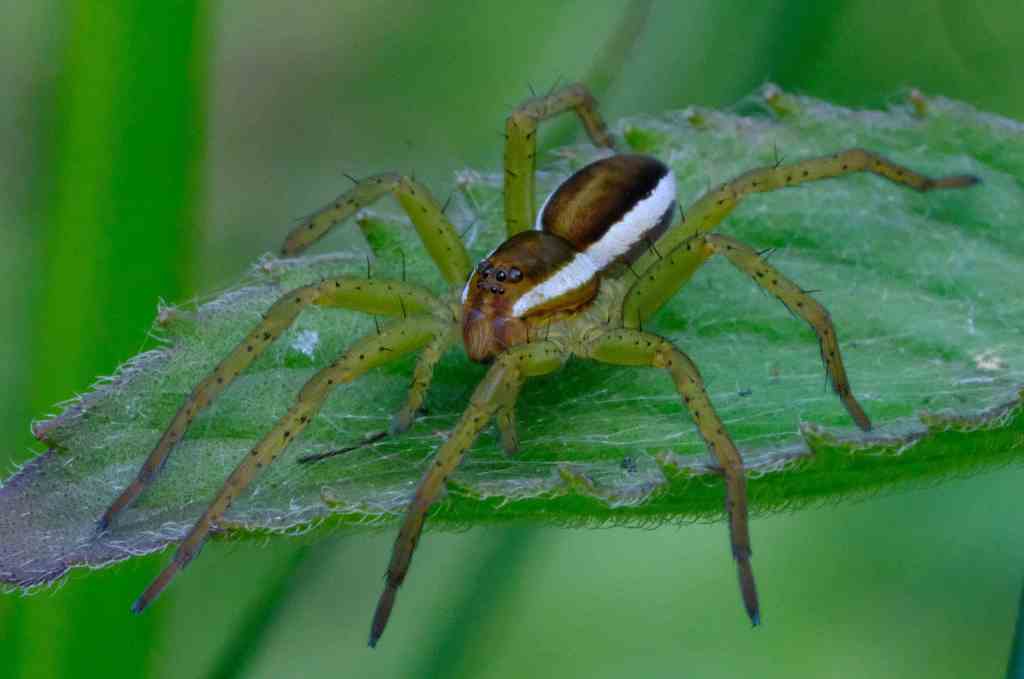
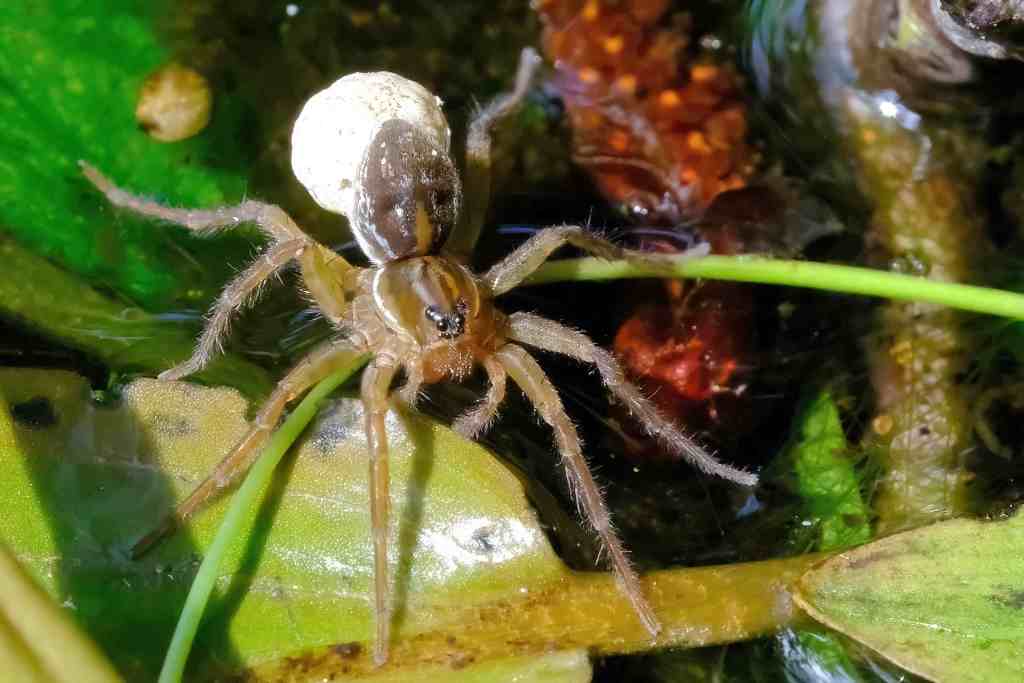
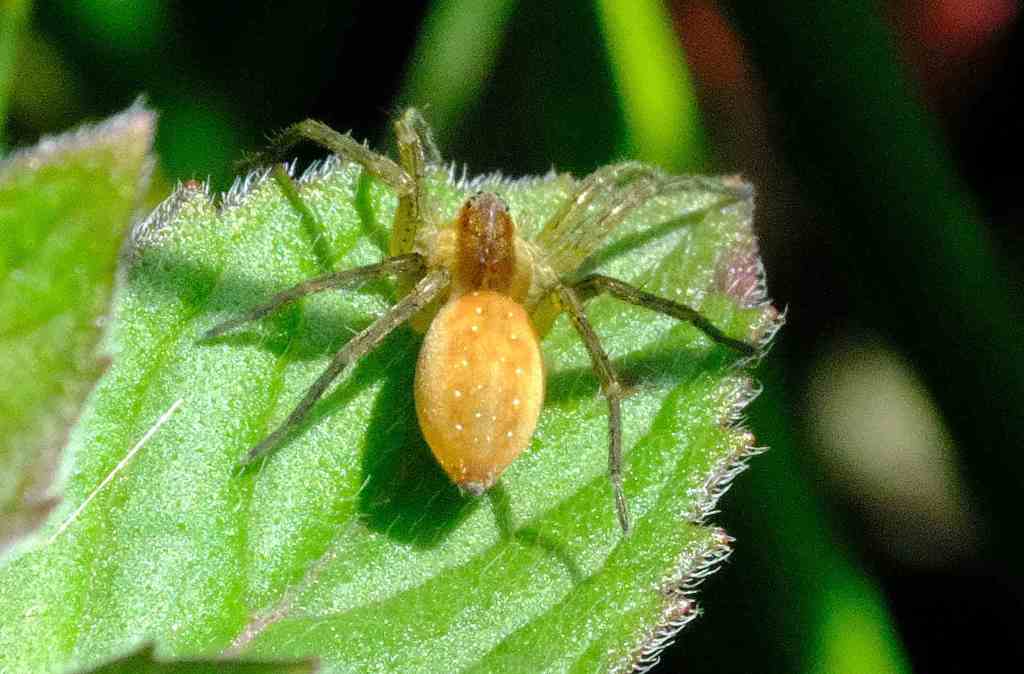
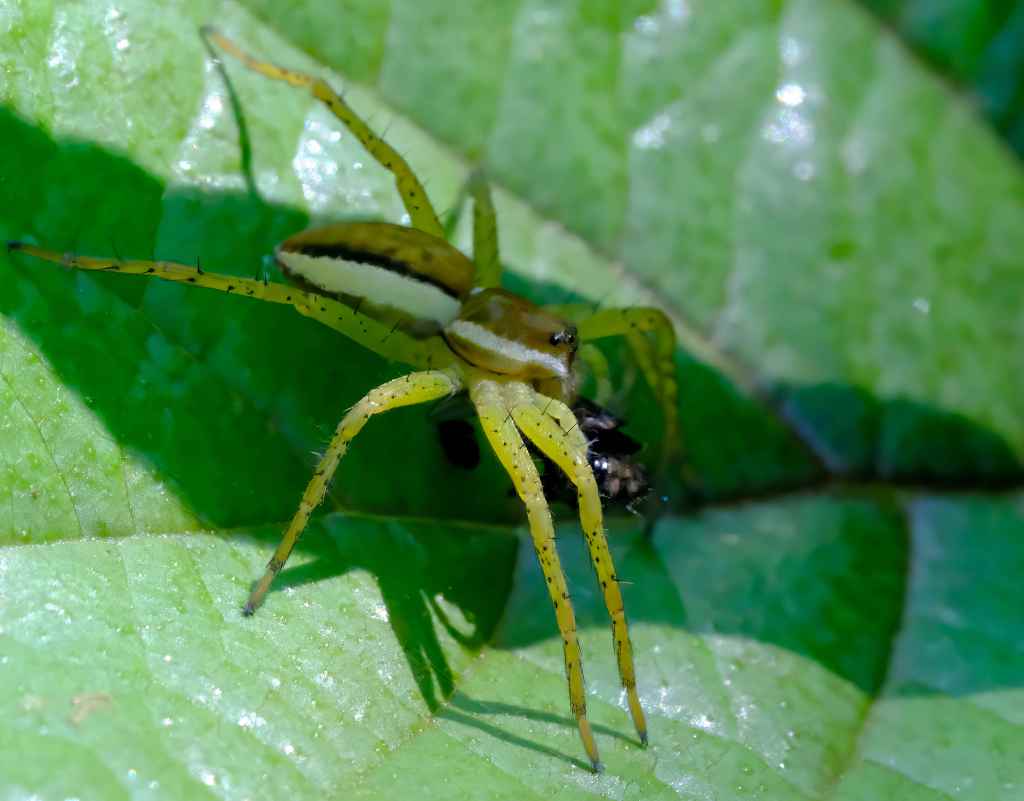
Further to my previous post which included Raft Spiders I revisited the New Forest stream where we found several of these interesting arachnids. We found 7 Raft Spiders today including a juvenile spider and a female with an egg sac.

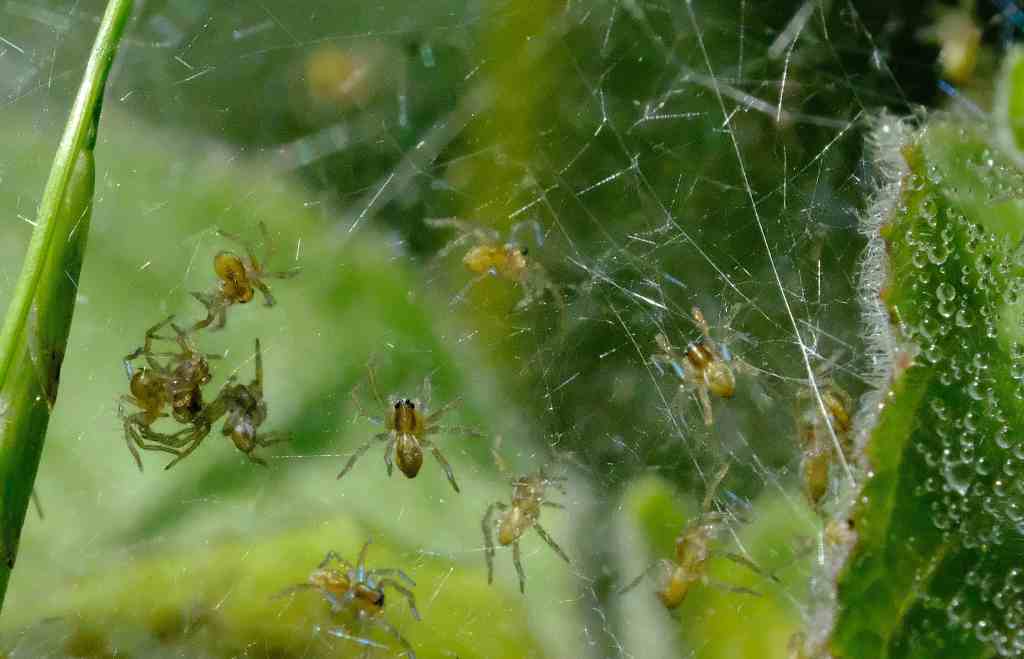
Raft Spiders will carry their egg sac around for some time before creating a nursery web for their spiderlings. (Last time we found a nursery web.)

These large spiders will sit at the edge of the water, or on floating vegetation, with their front legs resting on the water’s surface in order to feel for the vibrations of potential prey, they chase out onto the water to catch their prey, ranging from tadpoles or small fish. They will also swim underwater.

Below. Adult female with egg sac.

Below. nursery web with tiny spiderlings.

Below. Juvenile Raft Spider is now independent of the nursery web.

Common Lizards.

Common Lizards are found in many UK habitats, including heathland, moorland, woodland and grassland, they like basking in the sun. The common lizard is also known as the Viviparous lizard. They are unusual among reptiles as they incubate their eggs inside their body and ‘gives birth’ to live young rather than laying eggs.

We spotted this Lizard in the New Forest enjoying the sun on a fallen branch which spanned a small stream.

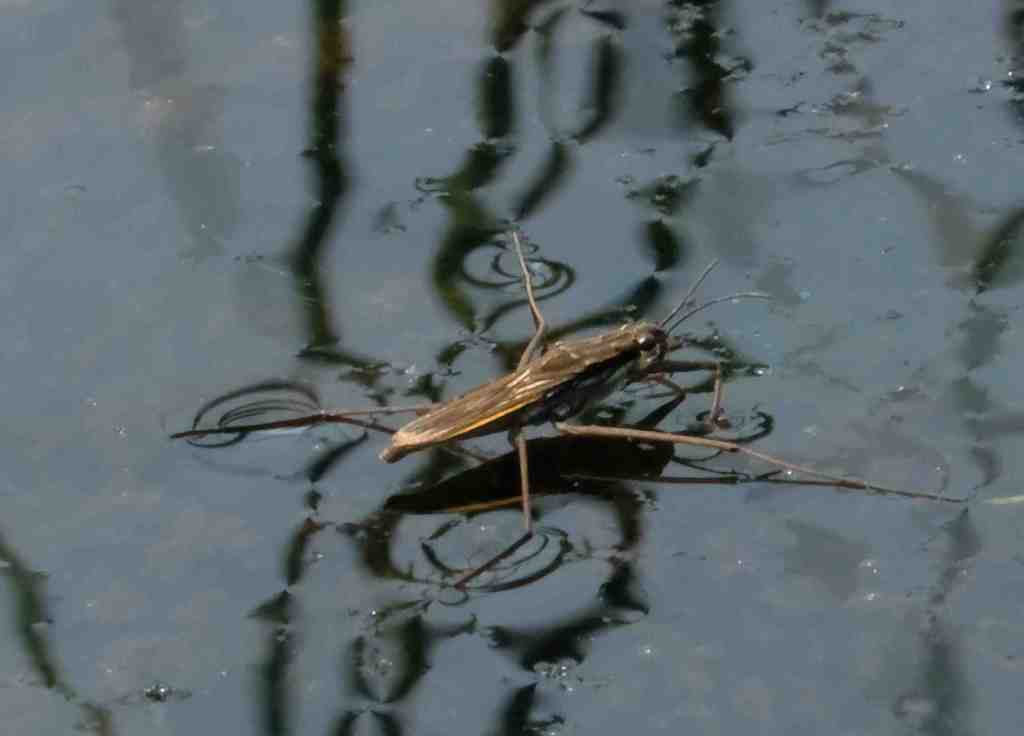
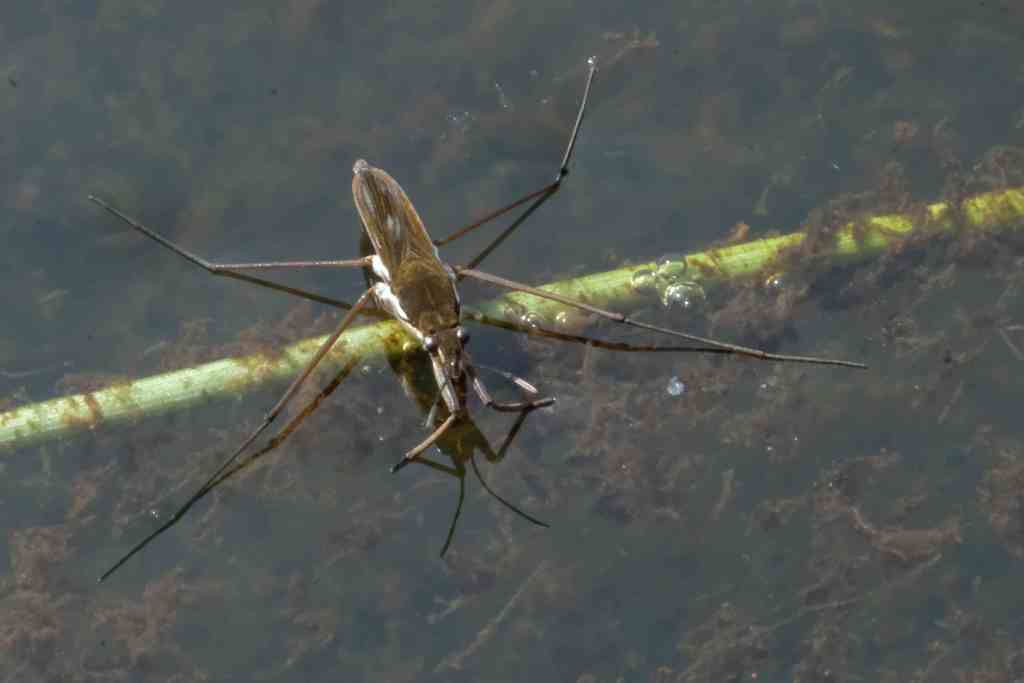
Walking on Water.
The Gerridae are a family of insects in the order Hemiptera, commonly known as water striders, water skeeters, water scooters, water bugs, pond skaters, water skippers, water skimmers or puddle flies. Since childhood, I have called them water skimmers.

Dragons & Damsels.

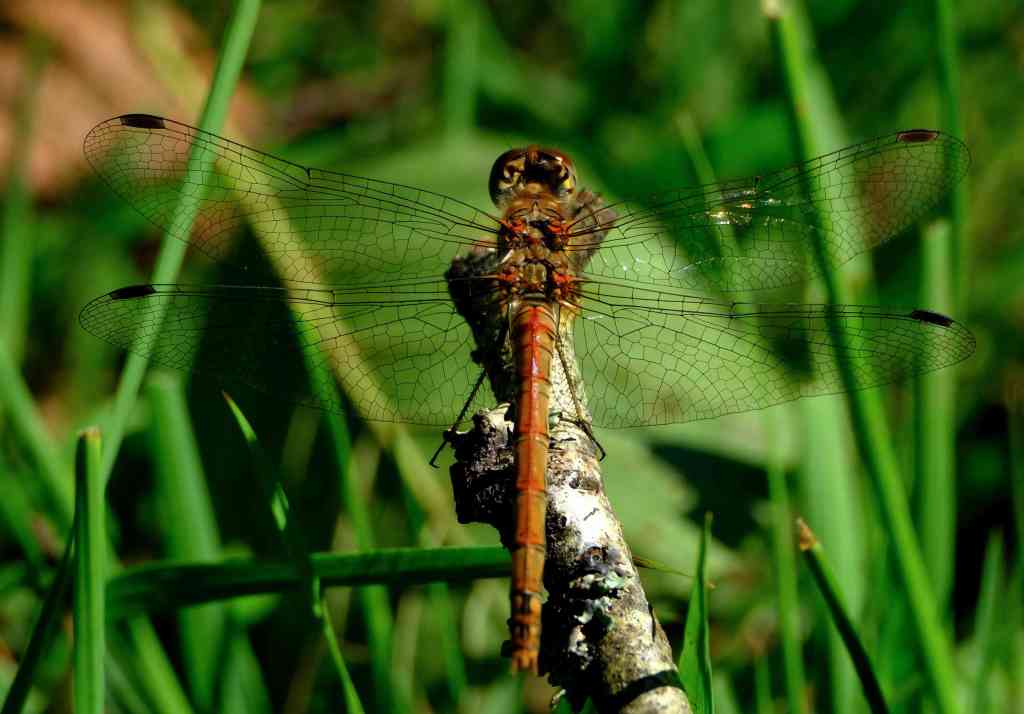
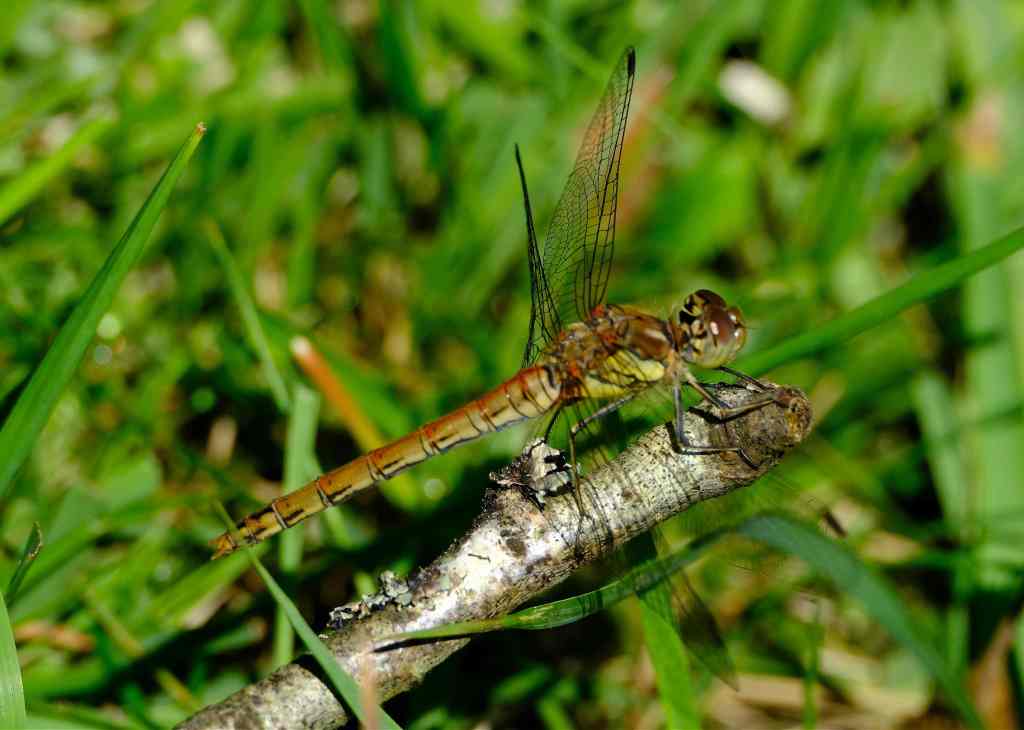
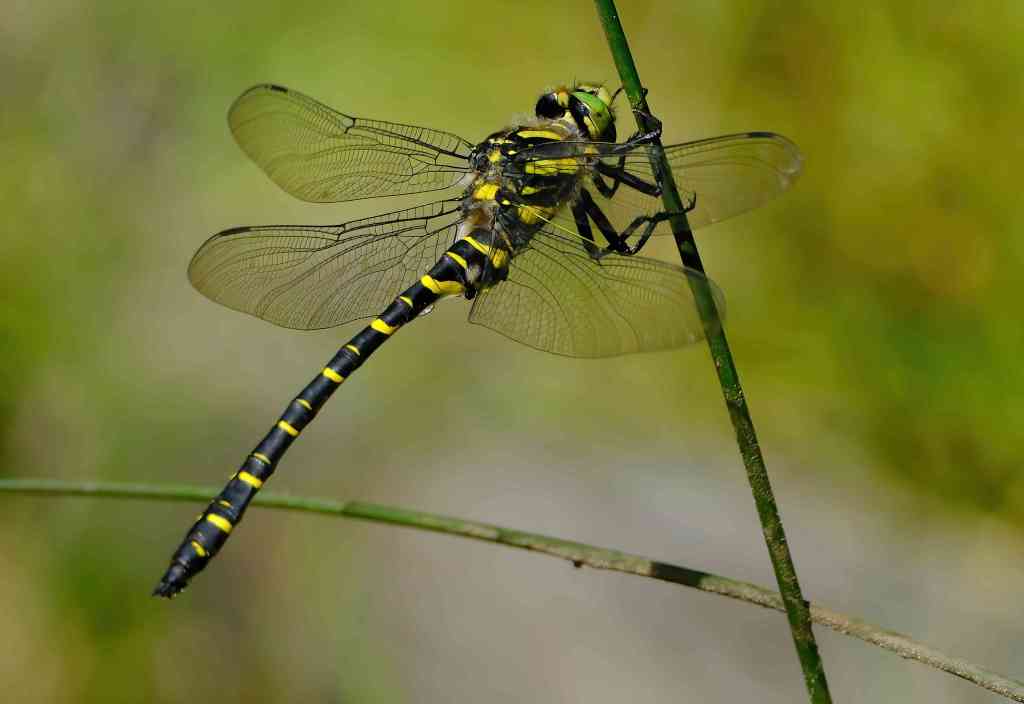
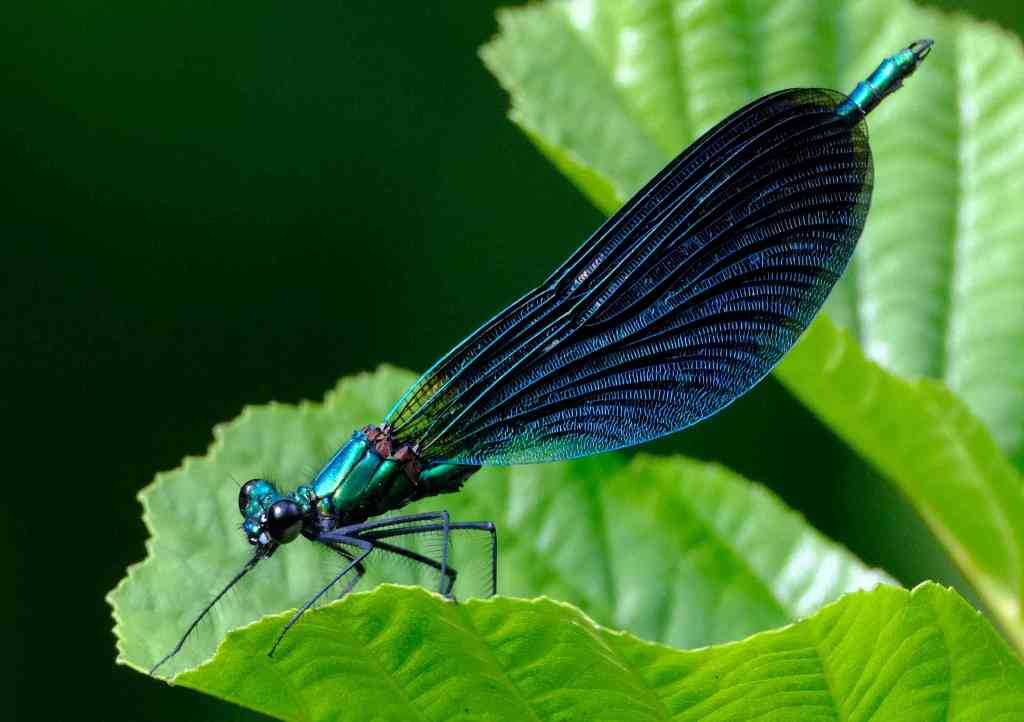
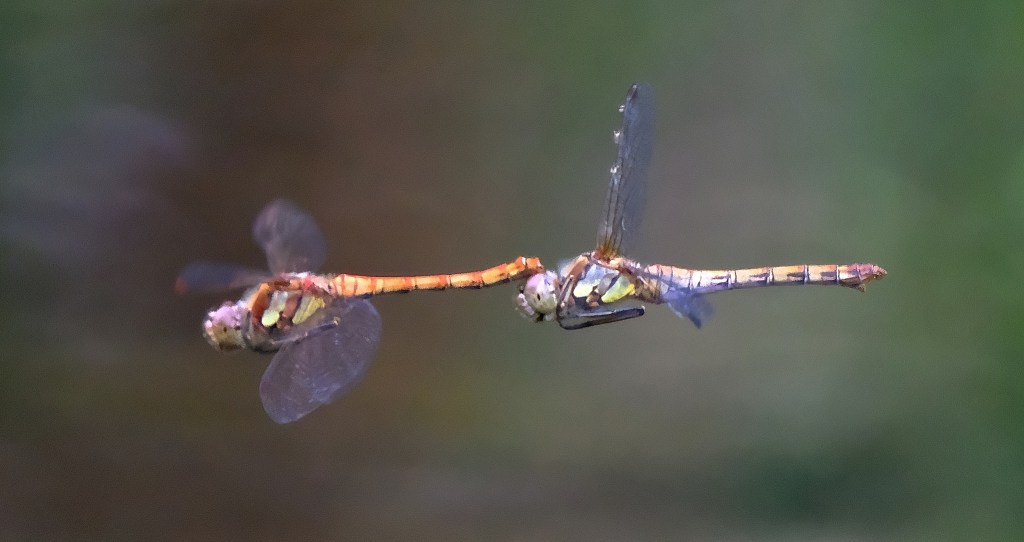
Dragonflies and Damselflies are abundant at the moment around many of the New Forest ponds and boggy areas.

Keeled Skimmer (male)

Keeled Skimmer (female)

Beautiful Demoiselle (male) {Damselfly}

Beautiful Demoiselle (female) {Damselfly}

Common Darter (female)

Broad-bodied Chaser (male)

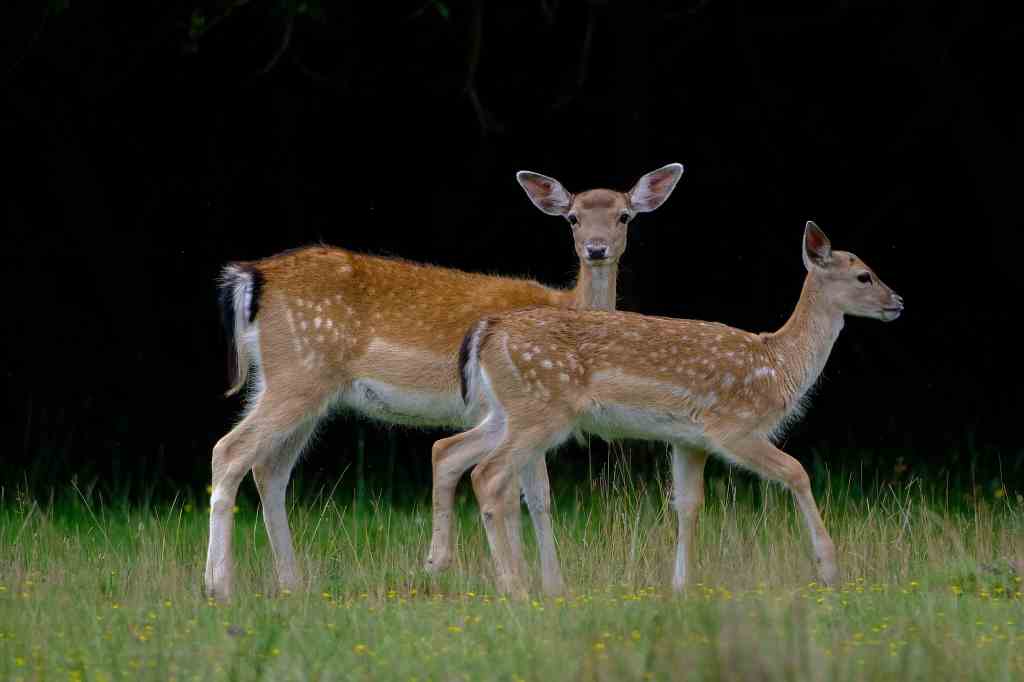
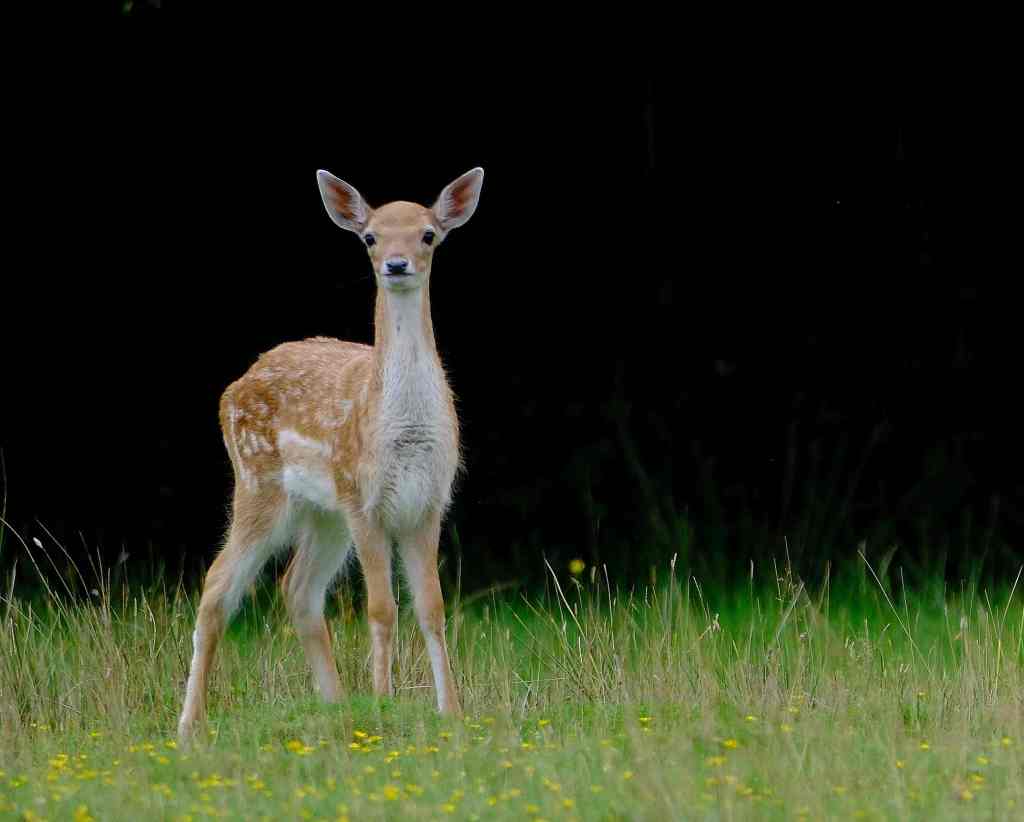
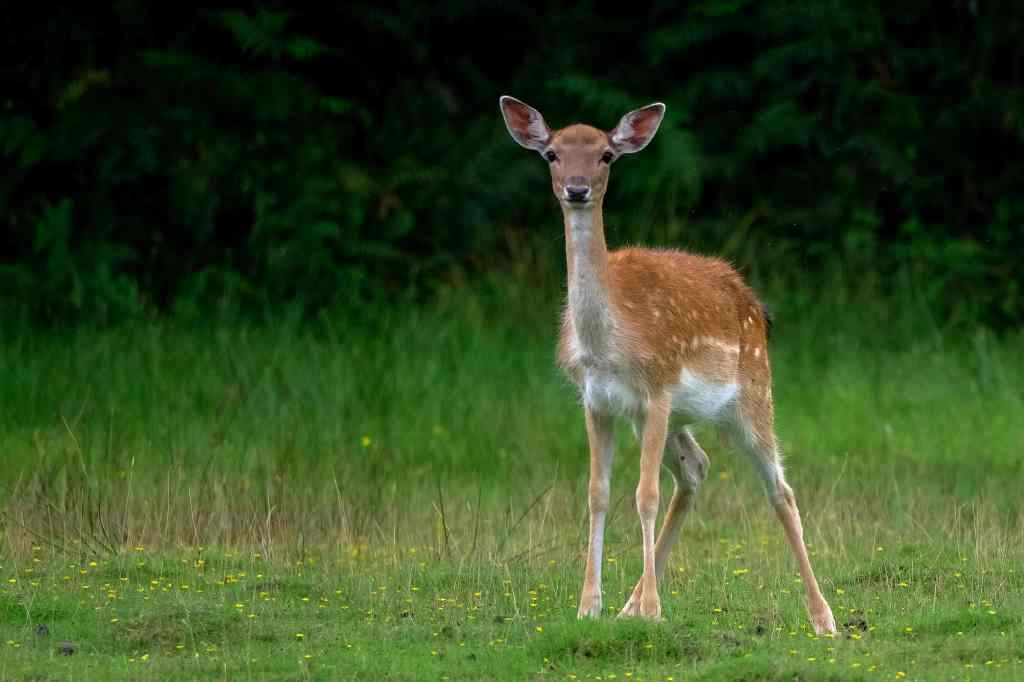
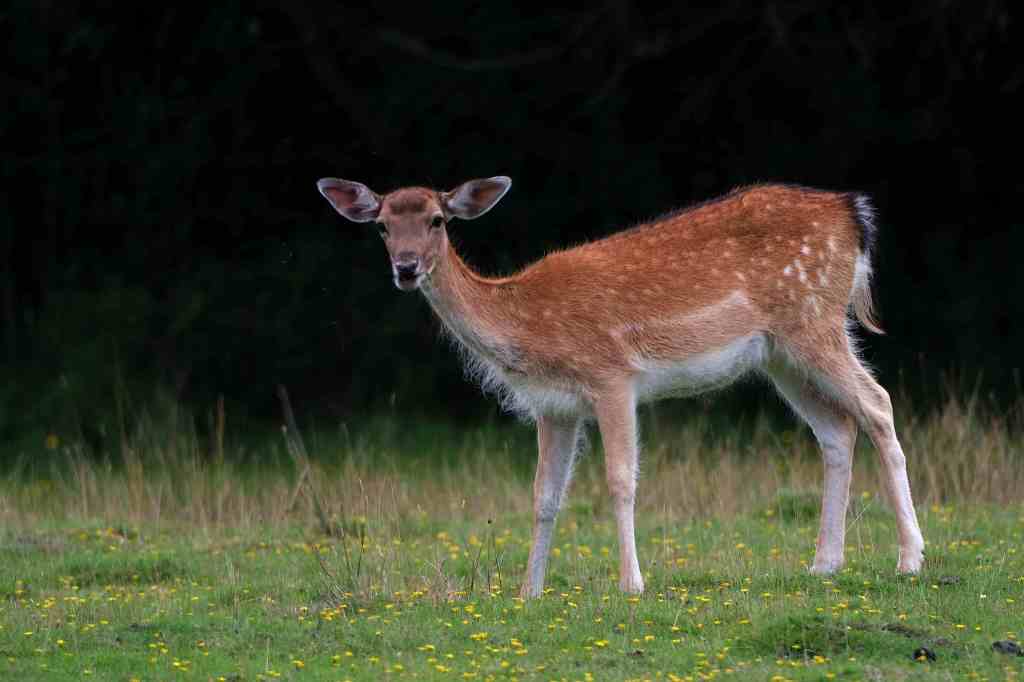
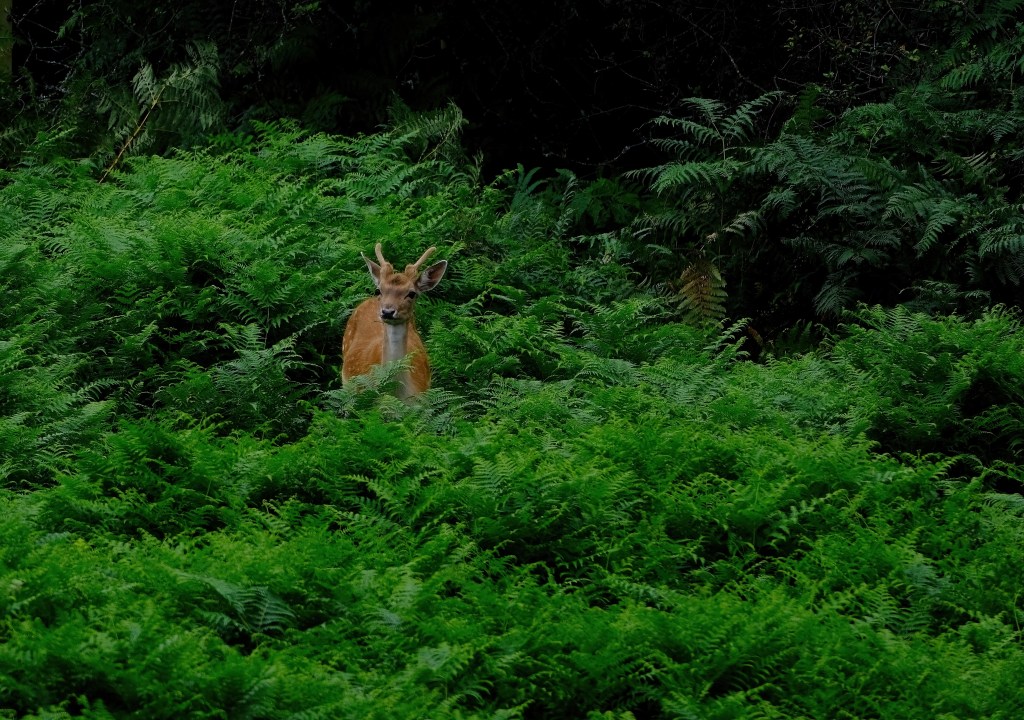
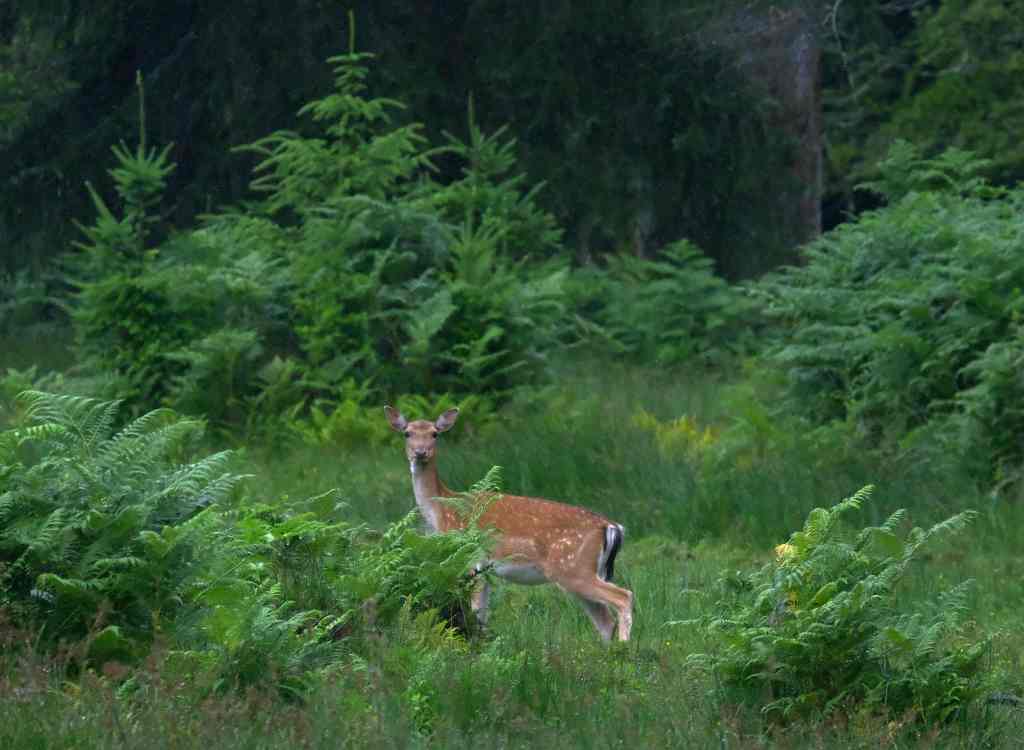
While looking for dragonflies spotted these young males Fallow Deer – now sporting their spotted summer coats. Their Antlers are still in velvet.

Frog.

Marsh Frogs are Europe’s largest frogs they are not naturally found in the UK. They were introduced to Romney Marsh in Kent in the 1930s and they have spread throughout the southeast. There are colonies in the New Forest.

Animals of the Forest.

Some animals of the New Forest. (and some other observations).

Cattle & Ponies roam the forest they are owned by local people called “commoners” they have the right to graze their animals on the open Forest throughout the year (part of the year in the case of pigs). Agisters police the system of this grazing system in the forest, these agisters supervise the welfare of the stock, ensure that stock pounds are in good order, and attend to road traffic accidents involving stock. They take action should commoners’ animals be in poor condition.

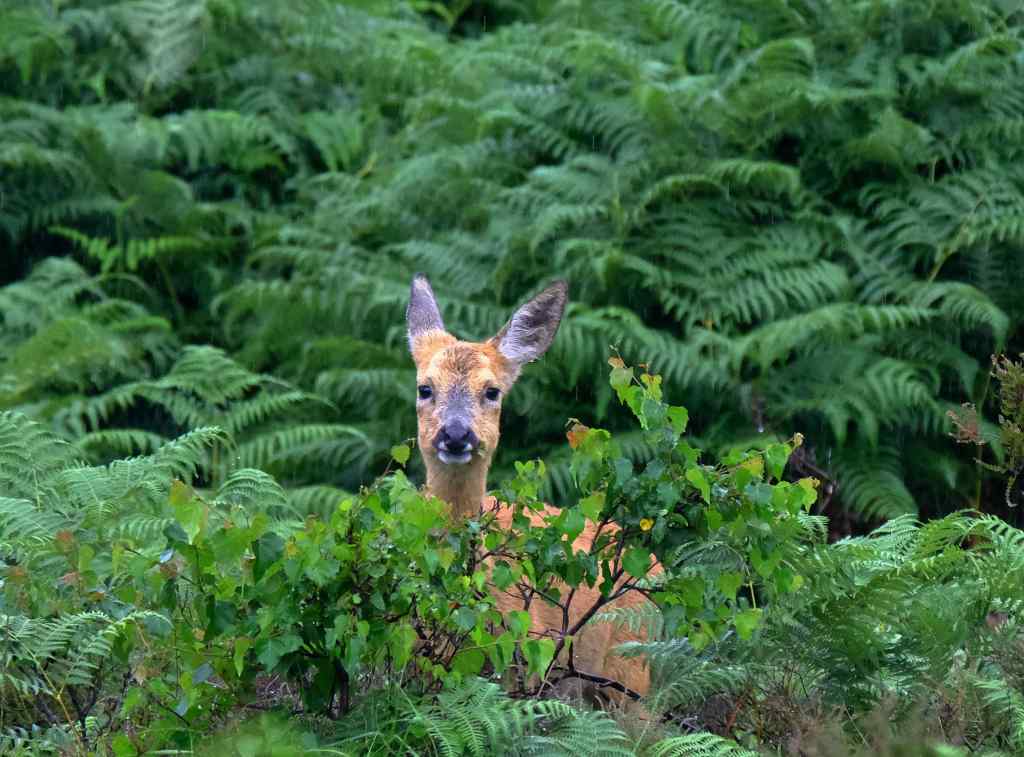
Deer are wild animals in the forest and can be observed if you know when and where to look. They are best approched up wind and under cover.

Roe Dear doe, Roe have very large ears and move them to tune into who is approaching!

The Fallow Deer is probably the most seen deer in the forest their numbers are managed by the forestry commission – Originally introduced by William the Conqueror King of England after he proclaimed a “New Forest ” a royal hunting forest which was recorded in the Domesday Book.

Quiet broken by RAF Boeing CH-47 Chinook helicopter.

Greenfinch ground feeding on grass seeds.