#Wordless Wednesday.
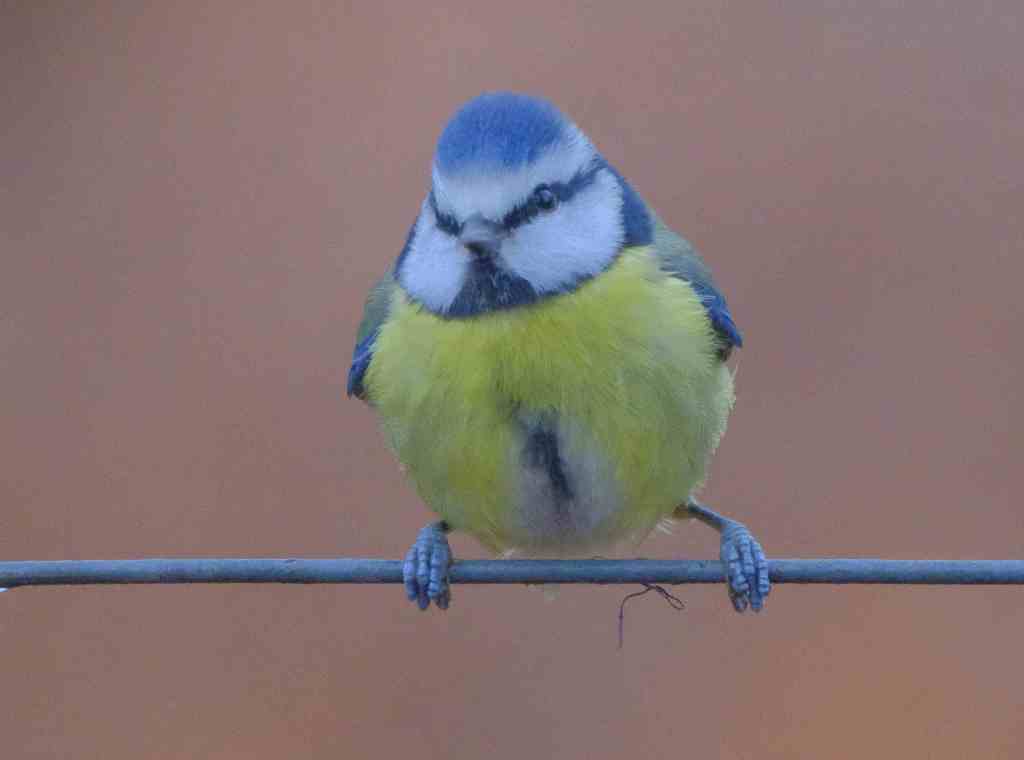

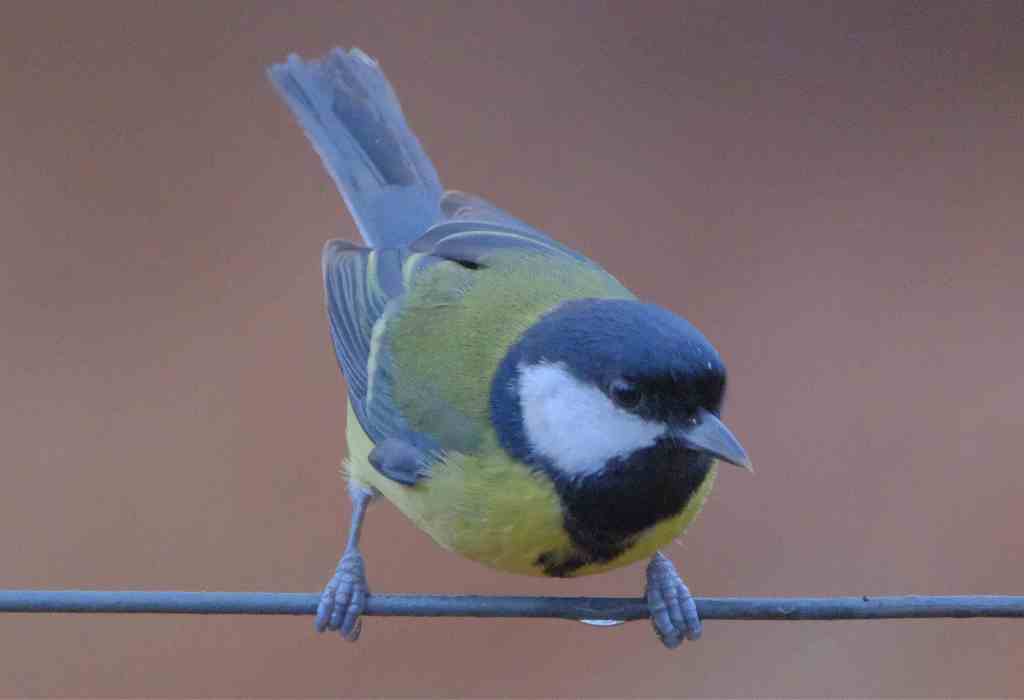
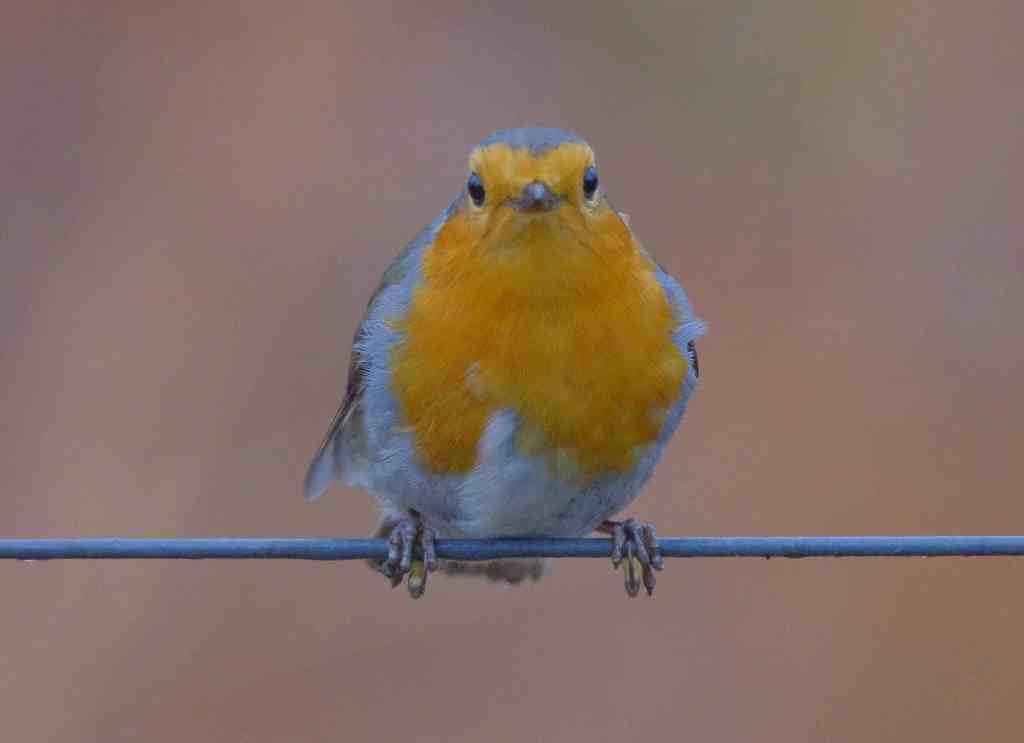
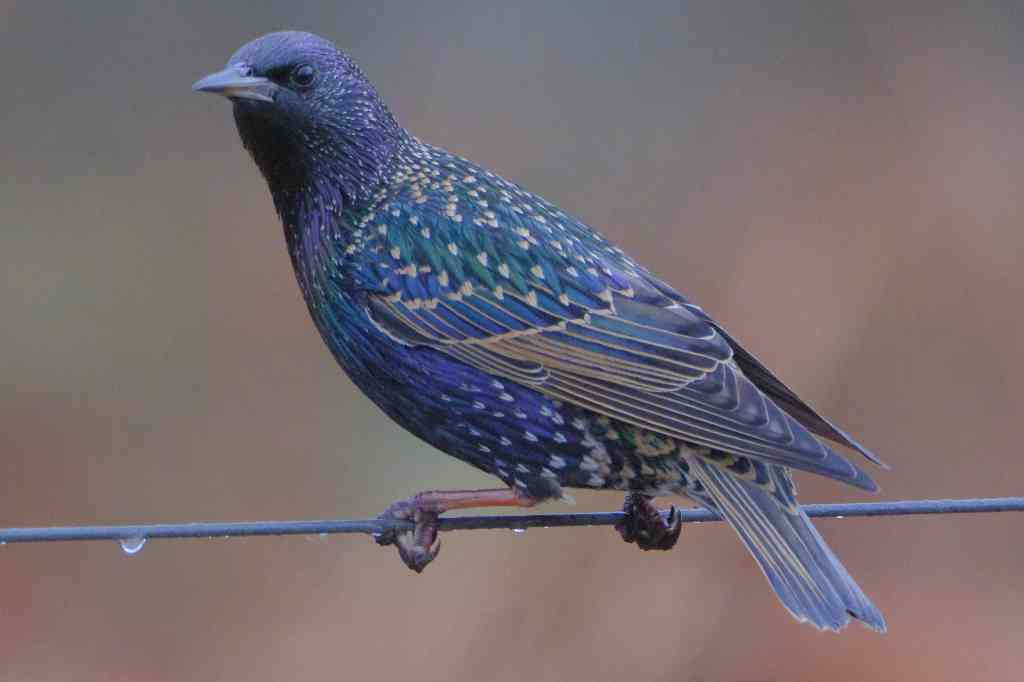
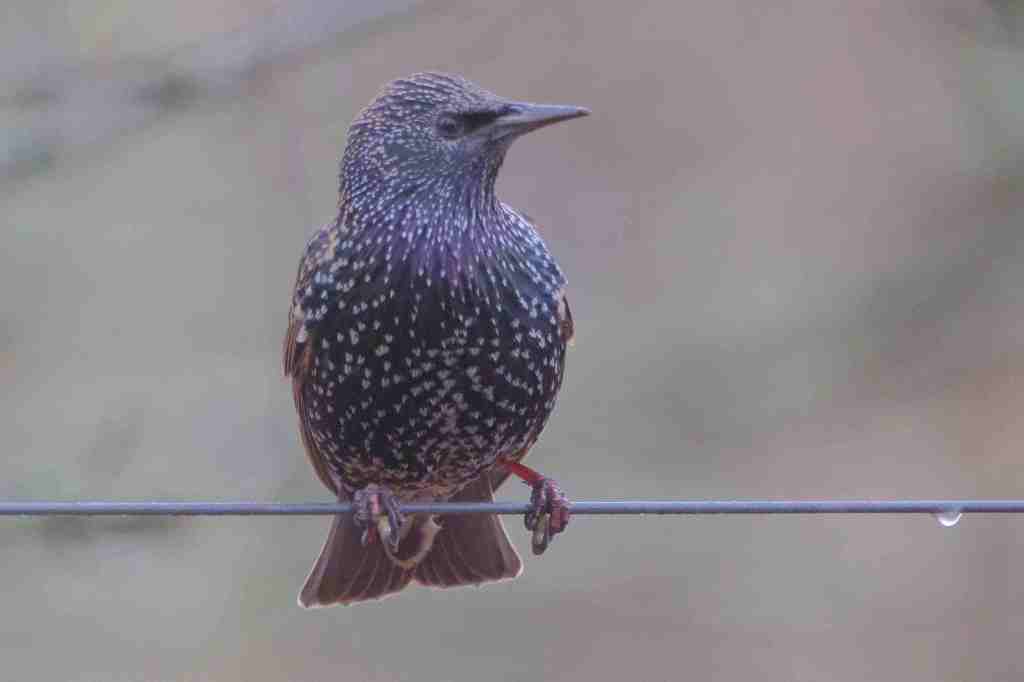
#Wordless Wednesday.
Still photos taken from trail camera footage.

Some more Badger trail camera footage from The New Forest. This demonstrates good interaction between up to three animals. They seem to be playing; if the rolling around was in anger, I am sure that with their strong jaws and claws, there would be injuries. Our trail cameras are often knocked over, you can see how!

Badgers are the UK’s largest land predator and are one of the most well-known British species. They are famed for their black and white stripes and sturdy bodies, using their strong front paws to dig for food and to perfect their burrows, called ‘setts’.
Length: 75-100cm
Tail: 15cm
Weight: 8-12kg
Average lifespan: 5-8 years
Badgers are protected in the UK under the Protection of Badgers Act, 1992, and the Wildlife and Countryside Act, 1981.

In the book The Wind in the Willows, Mr Badger is one of Rat, Toad, and later Mole’s good friends. He’s a wealthy older gentleman who lives in the heart of the Wild Wood, in an extensive underground home. Our Badger sett is in the heart of the New Forest, with many entrances to their subterranean home.
Badgers are our largest land predator, feeding on small mammals, birds’ eggs, worms, fruit and plants.
Our trail cameras picked up some good footage of the Badger last week.
Last week, with my brother, we placed trail cameras again at one of the Badger set we have been watching in the New Forest. Some night footage of a Wood Mouse.
Last week, I decided to charge up the batteries on my trail cameras and head deep into the New Forest to hide one near a location where we had found a Badger set last year. It is always a risk that someone will steal my camera if they come across it. I lost one camera in the local woodland during lockdown. The New Forest is a public National Park, so camera loss is always a risk.
Upon collecting the camera, it had captured a passing Badger. So yesterday, with my brother, we set up 4 cameras around where the badgers may pass. We aim to pick them up next week, so a further post will follow if we successfully capture any images.
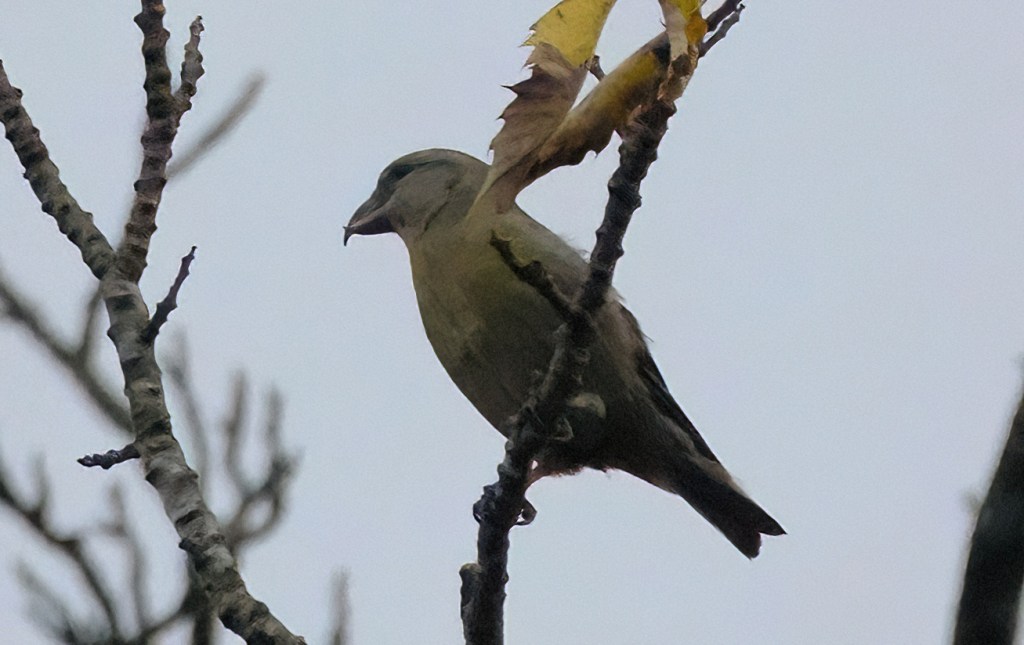
In search of Crossbills in the New Forest. Sadly, the weather was dull and the light was poor. However, the day was successful with several large flocks spotted high up in the pine trees and flying overhead. I managed to get a few record photographs, but I hope to try again on a brighter day to get some better shots.

Male birds are Red and females Green. I spotted a couple of Crossbills earlier in the year (when they were a first for me), link below.

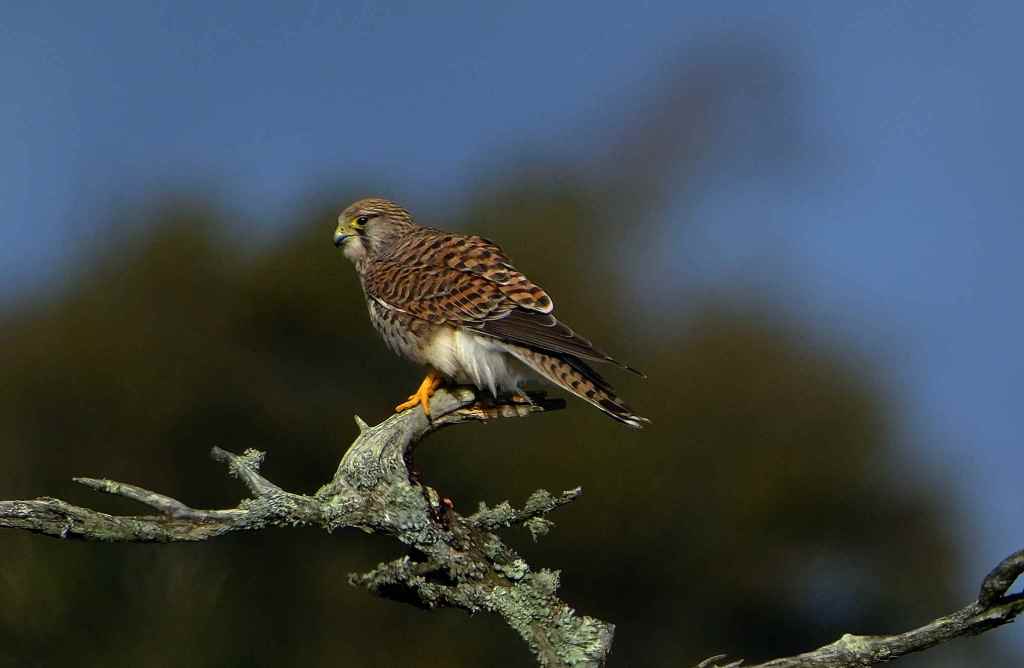
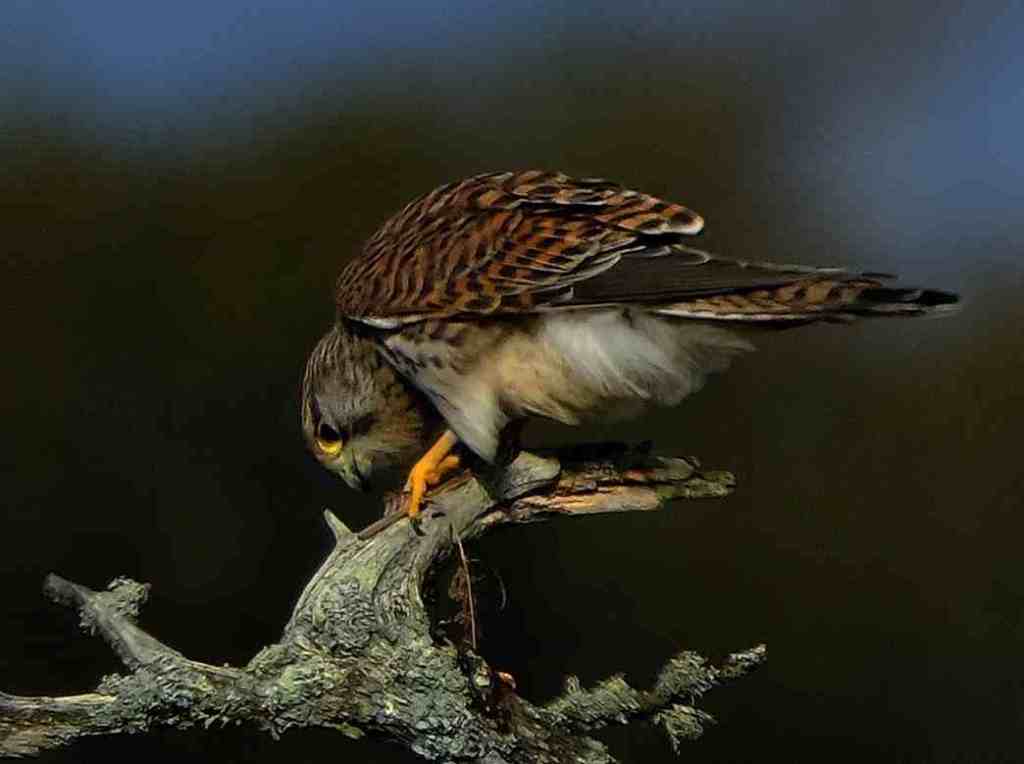
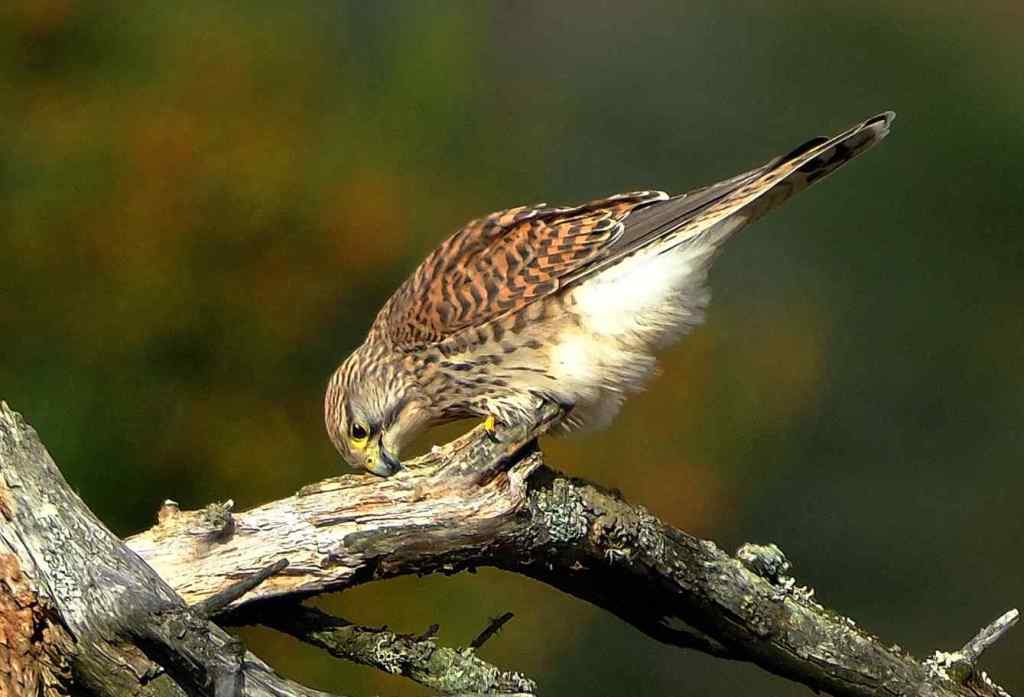
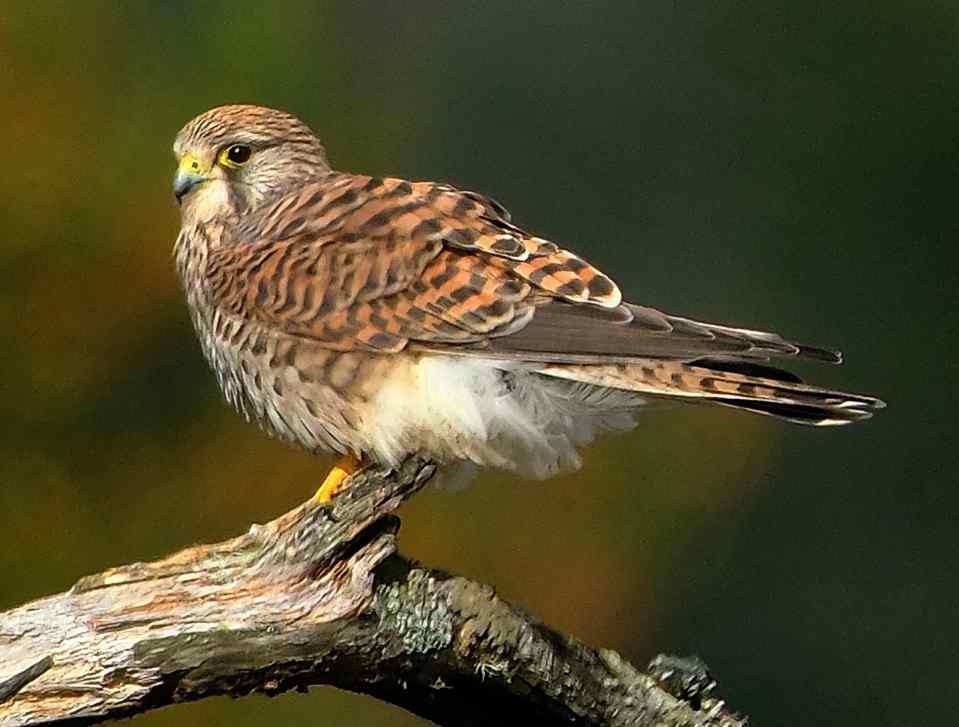
After a morning’s walk in the New Forest with little about. We headed back to the car park and spotted a Kestrel hunting. She was using a dead tree to eat her catch. This gave a photo opportunity.
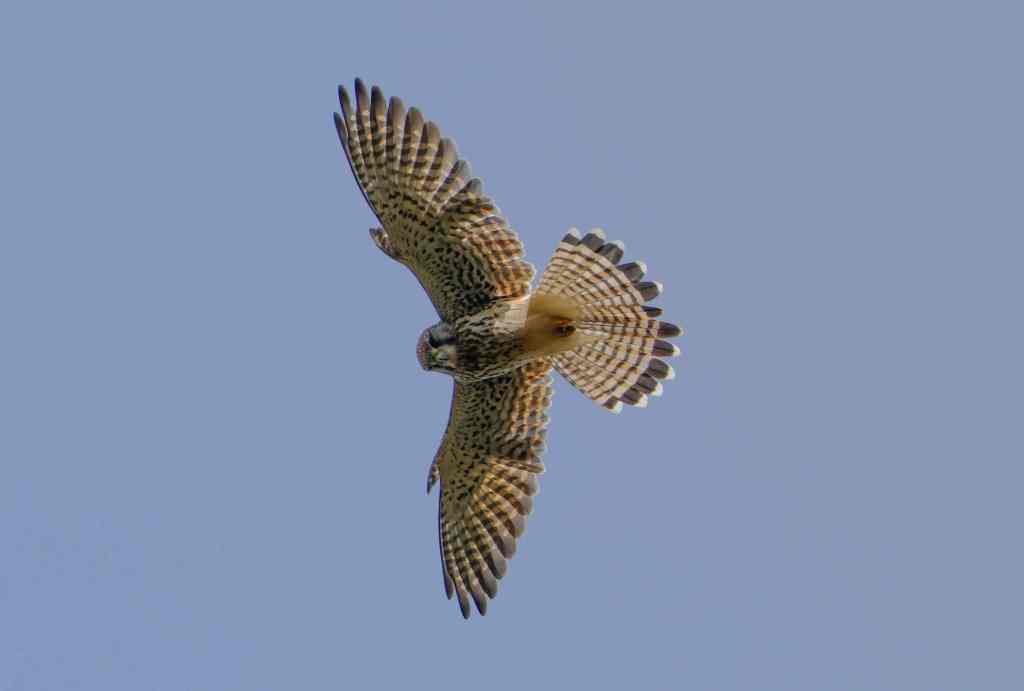
Male and female kestrels are different. How to Spot the Difference – Males and females have distinct plumage. The male has a blue-grey tail and wings, and a chestnut-brown back with black spots. The female has a brown tail and wings, with darker brown streaks on the feathers.



Another fungi walk in the New Forest this morning. All pictures today were taken with my phone, which it edited into a short film -so a bit of fun.
Sadly, too many people are foraging for fungi in the New Forest and spotting edible fungi is now difficult in many areas.
#Wordless Wednesday
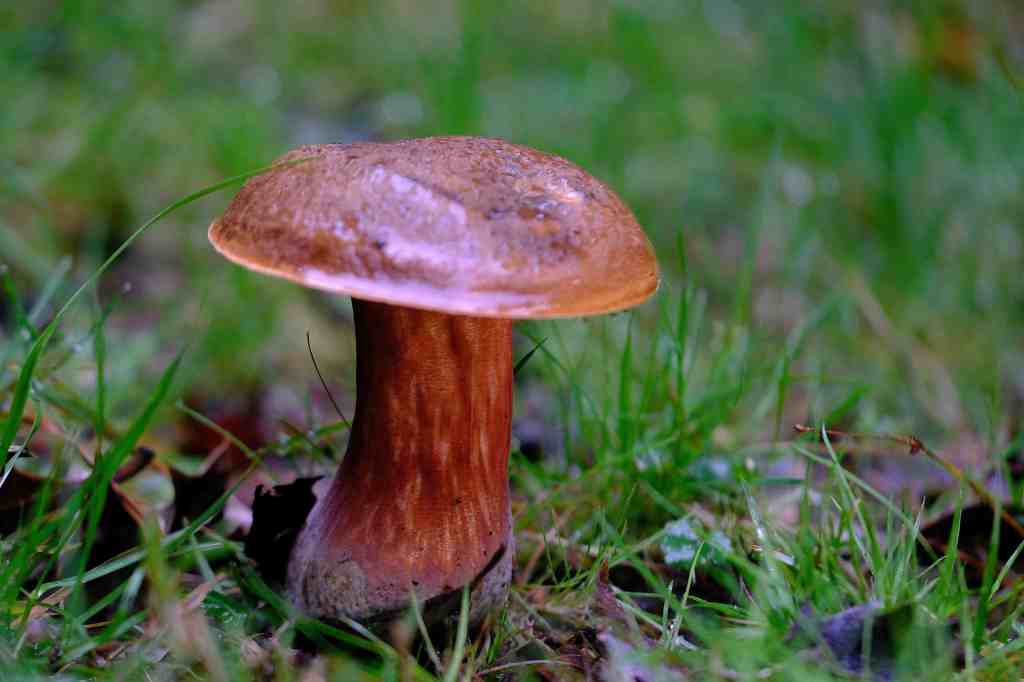


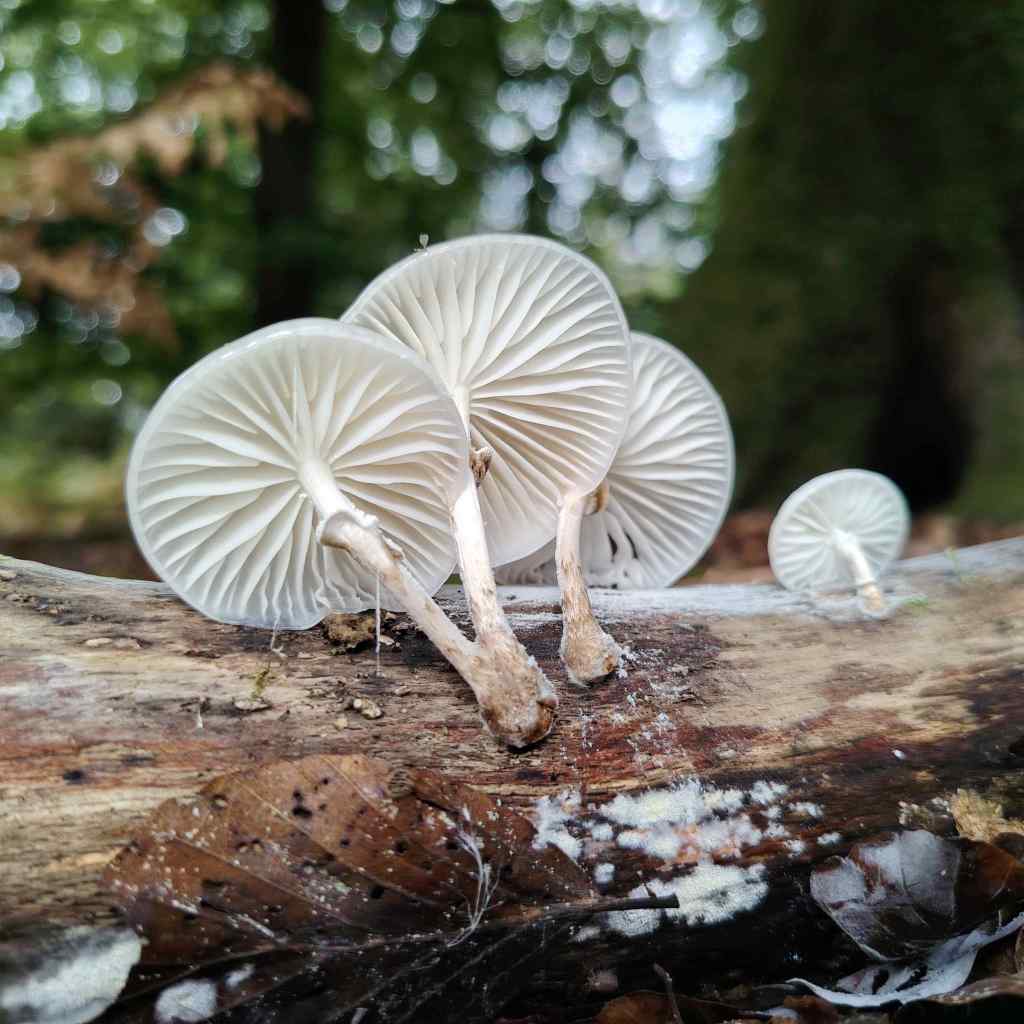


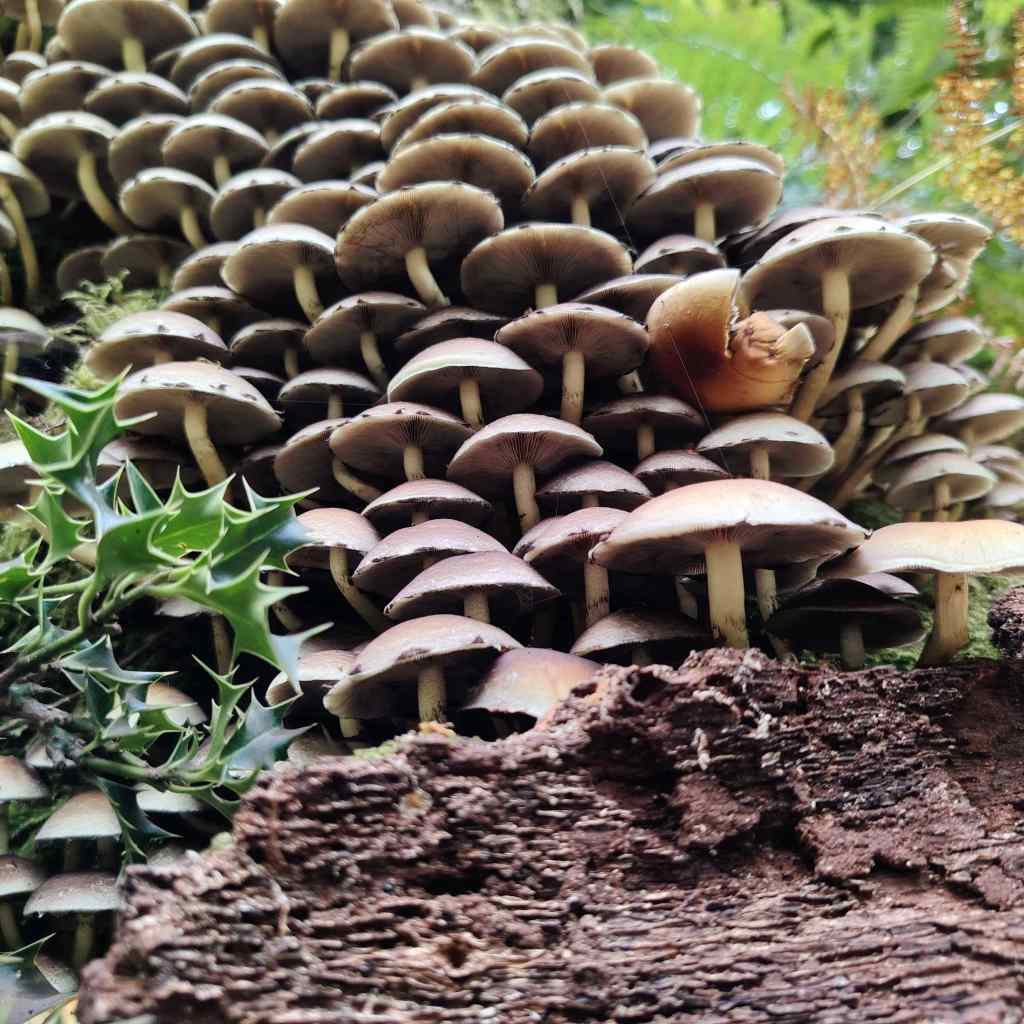

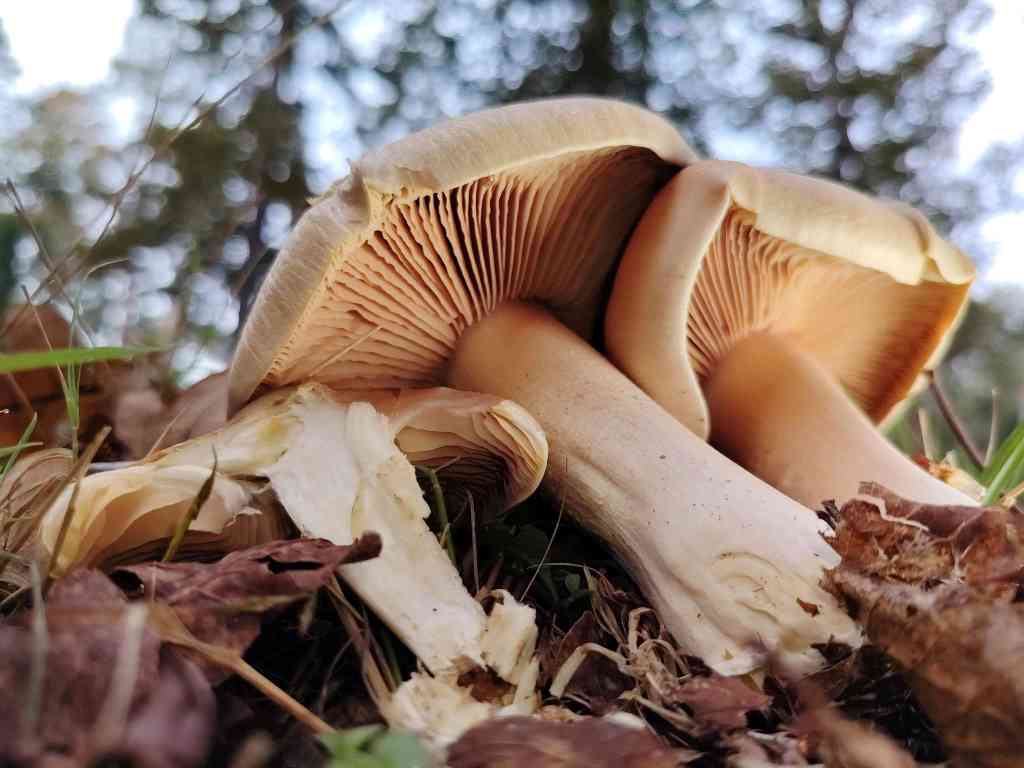

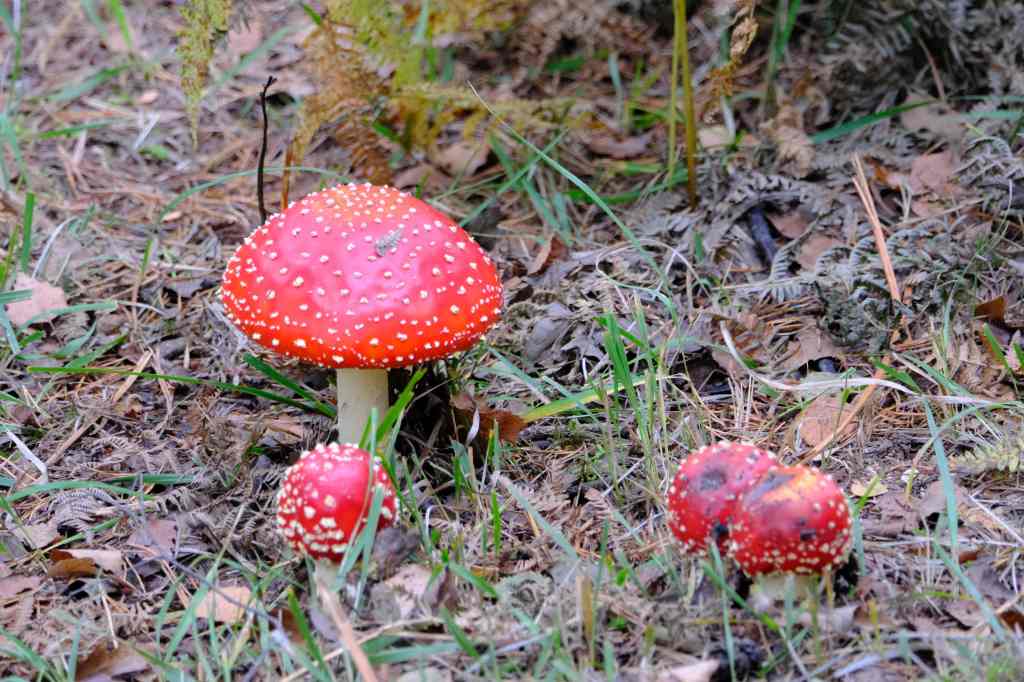
The fungi season has started, and now every walk I look down as well as up!


Amanita muscaria, commonly known as the fly agaric, is always a thrill to see, adding colour to the woodland floor.
 Continued Reflections from my World.