Sika deer with New Forest pony and Roe deer within a Sheep field.The less wild forest today!
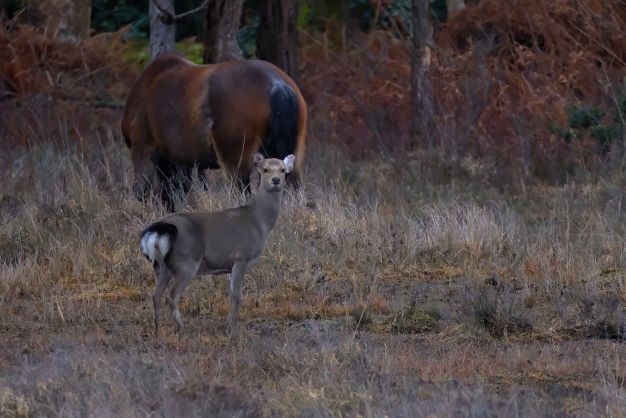

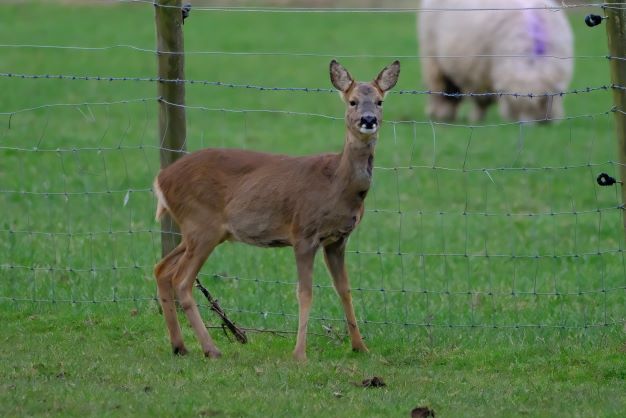


Sika deer with New Forest pony and Roe deer within a Sheep field.The less wild forest today!
South coast line through the New Forest.

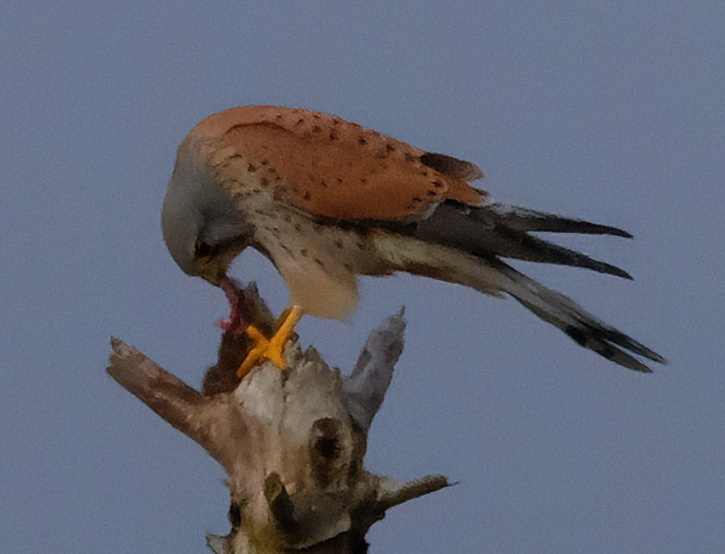
Raptors on film, a short film of recent local raptor encounters. Buzzards – Kestrel – Marsh Harrier.
Buzzard from trail camera others from standard digital camera. All wild birds.

Local Roebuck in velvet.
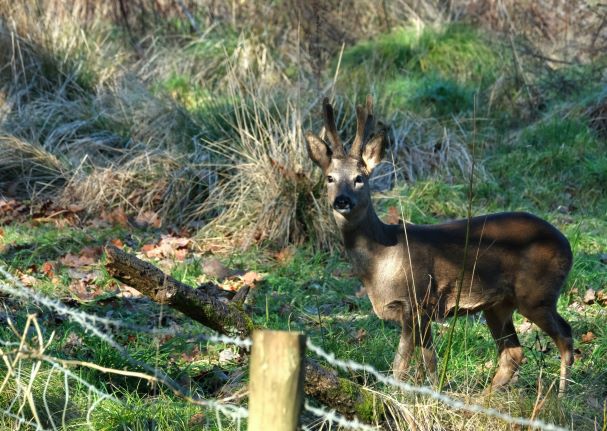
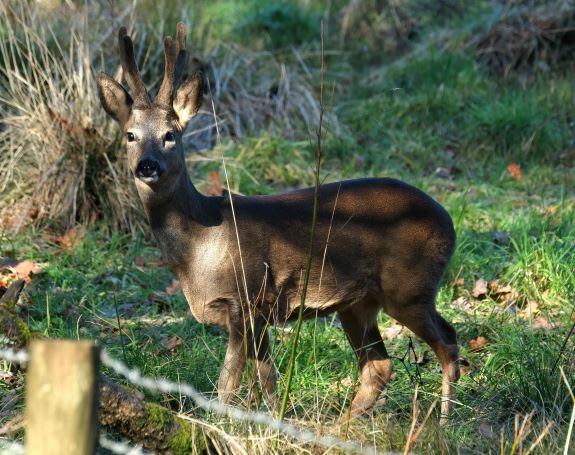

So all four UK main breeds of deer spotted this month all in Hampshire. Other 3 in my post below.
Another end of a week with many visits to our local National park The New Forest. It has been a good week for deer watching which makes more pictures for today’s post. {so look away if you have had enough of my deer pictures!}
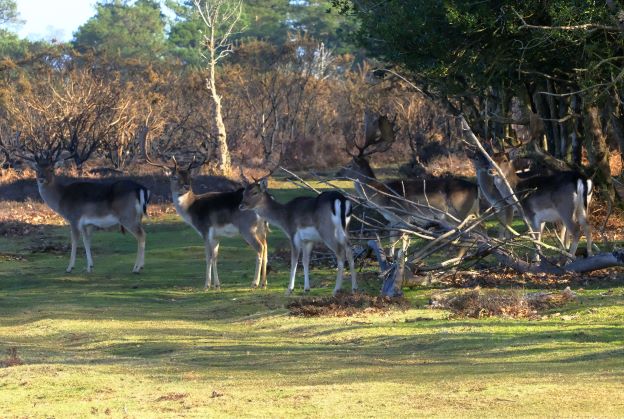
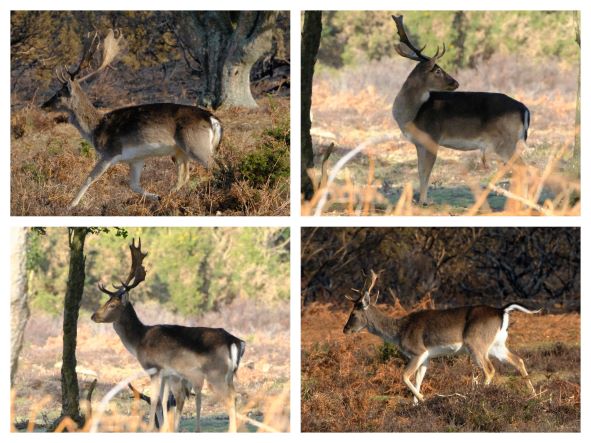
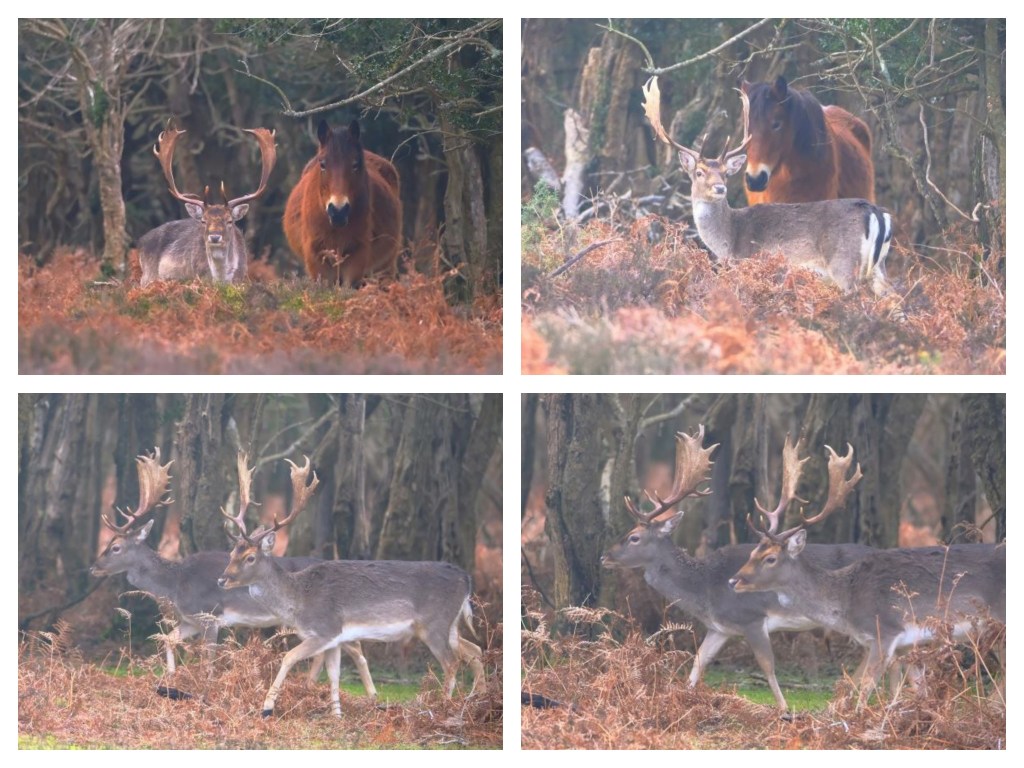
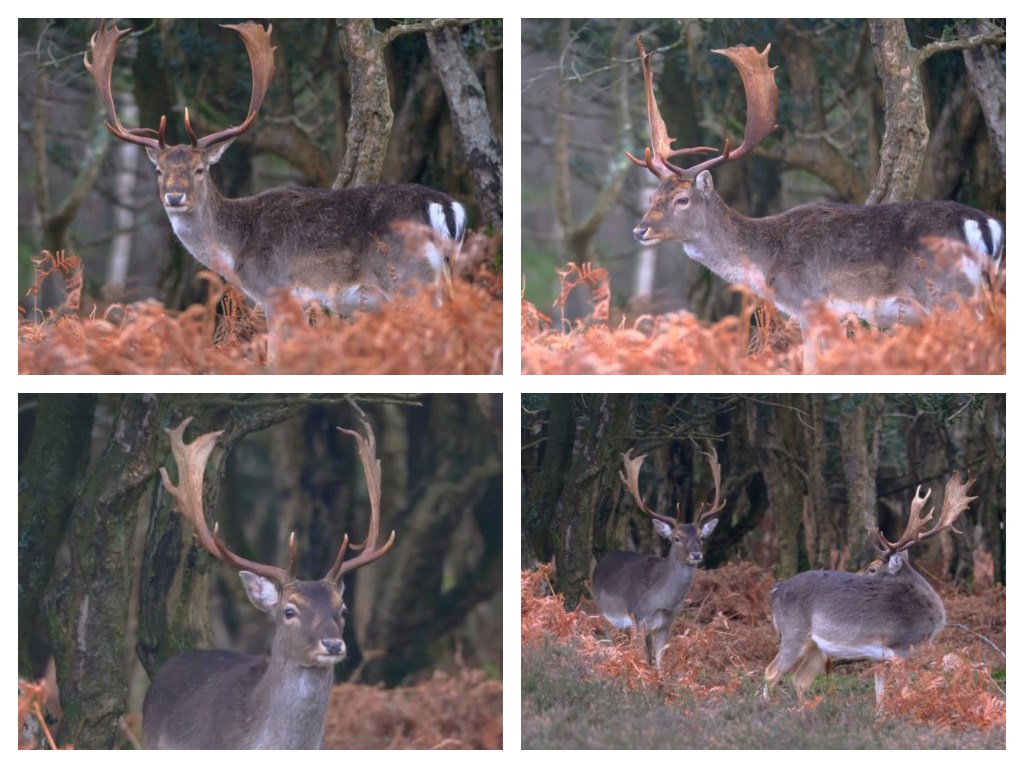
Today it was back to Fallow Deer a small herd of Bucks {although they are so magnificent I feel Stags would be a better name for this breed’s males}.


Fallow Bucks.


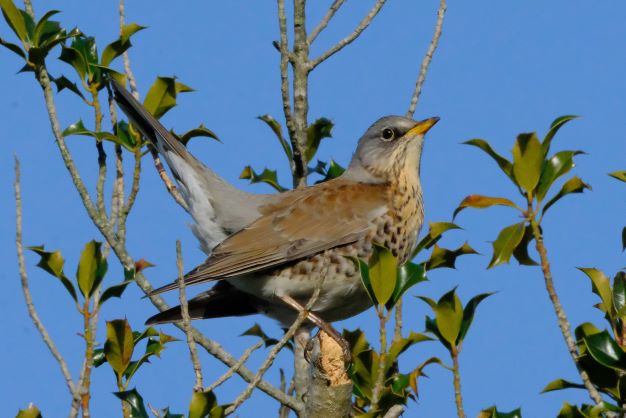
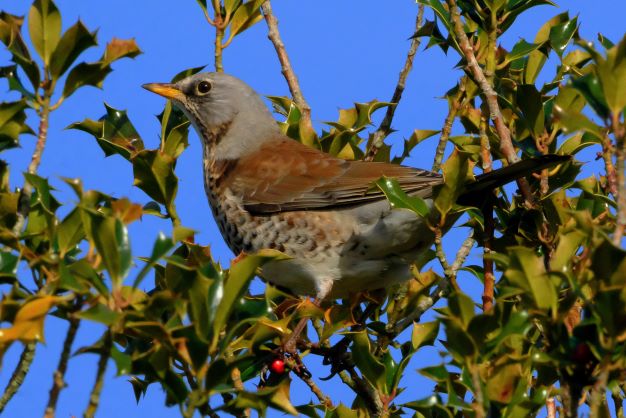
I also spotted a Fieldfare. They are a large, and colourful thrush this was the first time I was able to capture one in a picture.



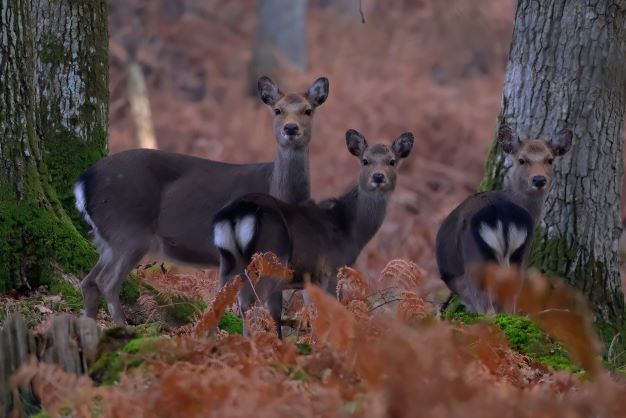
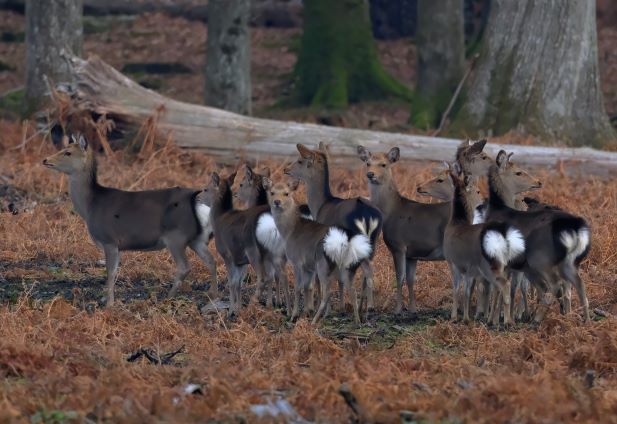
Sika deer have a stronghold in the New Forest they are a close relative of the Red deer. Sika deer originate from eastern Asia and were introduced to the UK in 1860 In the New Forest, Sika were introduced to the Beaulieu Estate in 1900, and the New Forest population is one of the UK’s purest. Sika and Red Deer can interbreed so in the New Forest the 2 populations are separated by the main Bournemouth to Southampton railway line. Numbers are maintained at about 100.
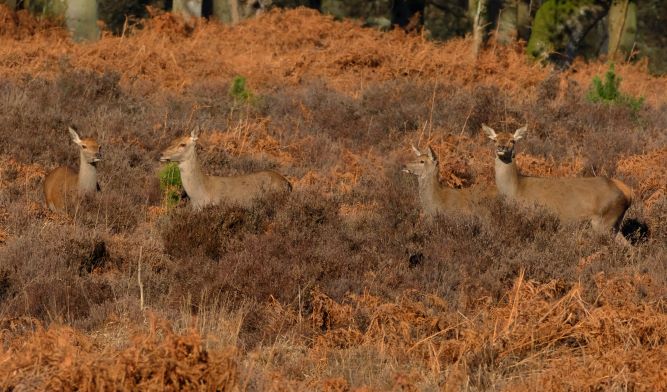
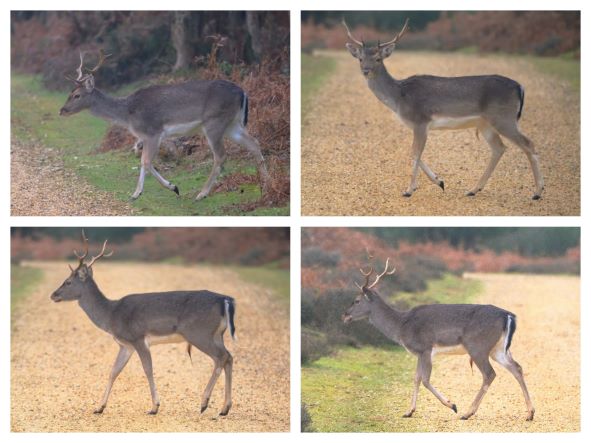
This morning I was lucky to spot a herd of about 12 deer.

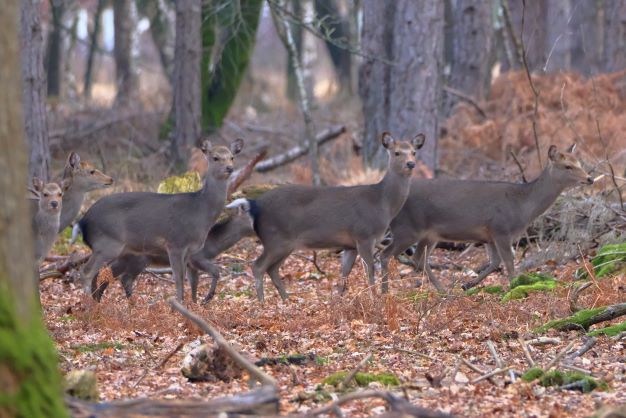
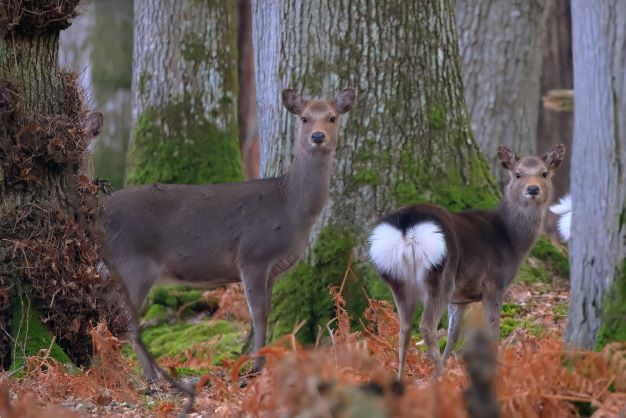
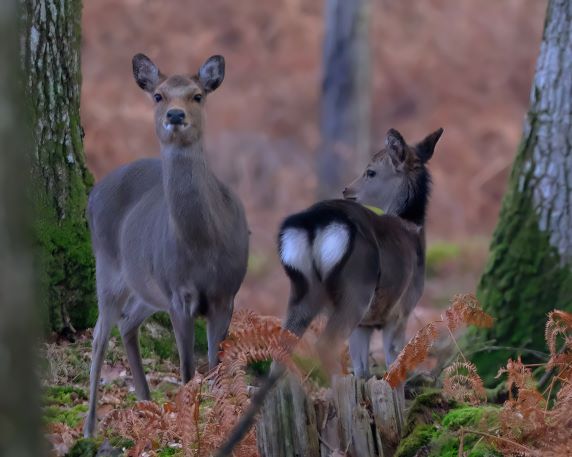

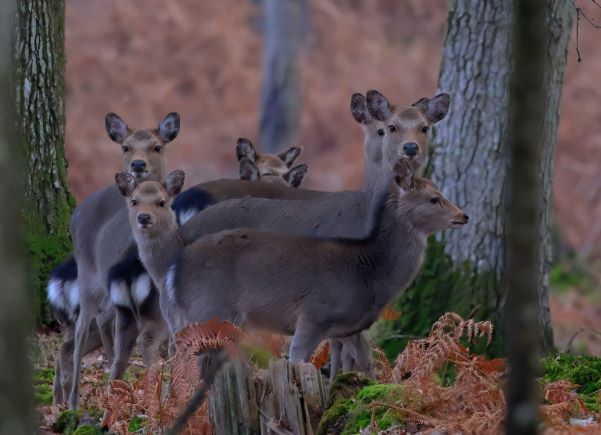
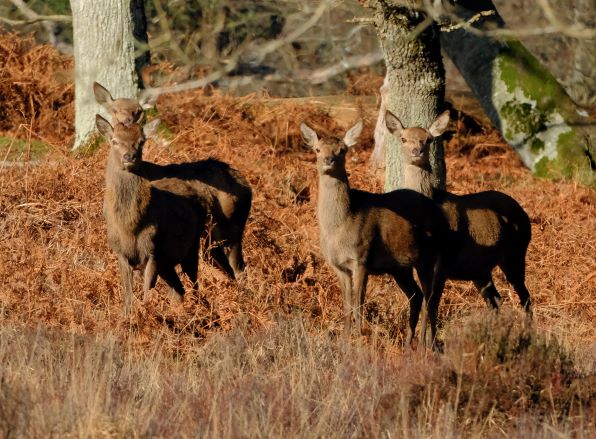
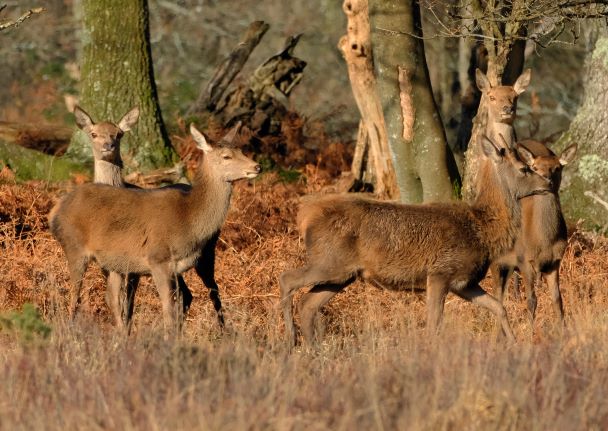
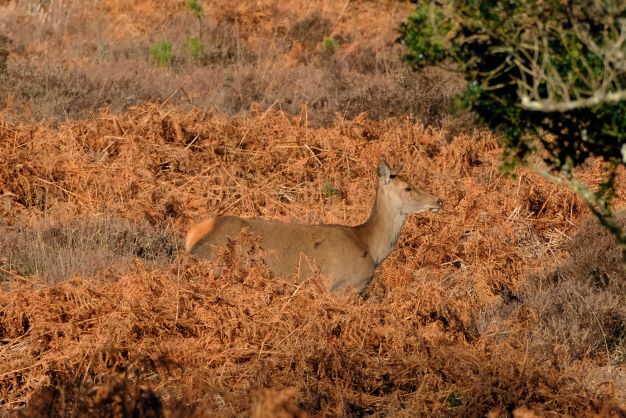
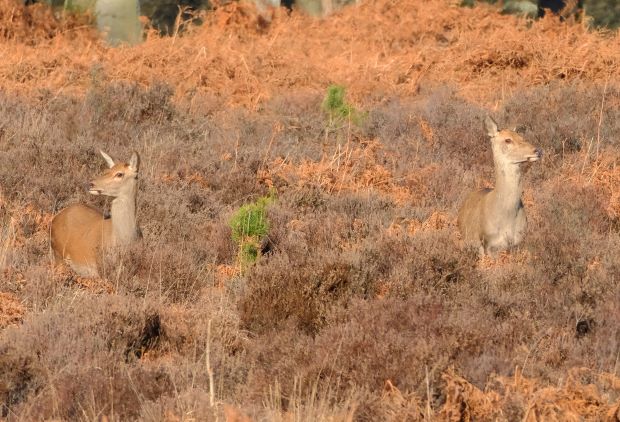
Today our walk in the New Forest yielded the UK’s largest Deer the Red Deer. In the forest, numbers are maintained around 90 animals.
Size: Up to 1.37 metres at the shoulder, length from nose to tail is 2.01m in males.



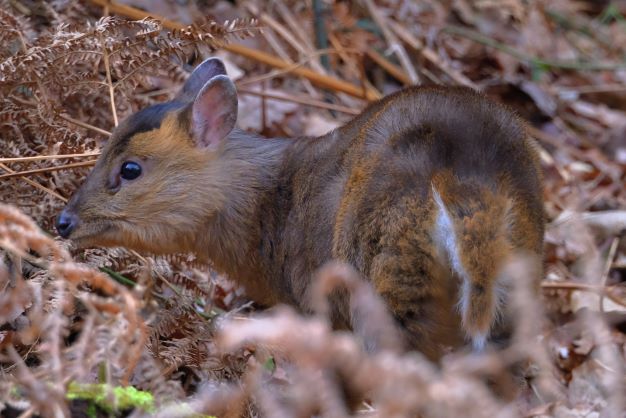
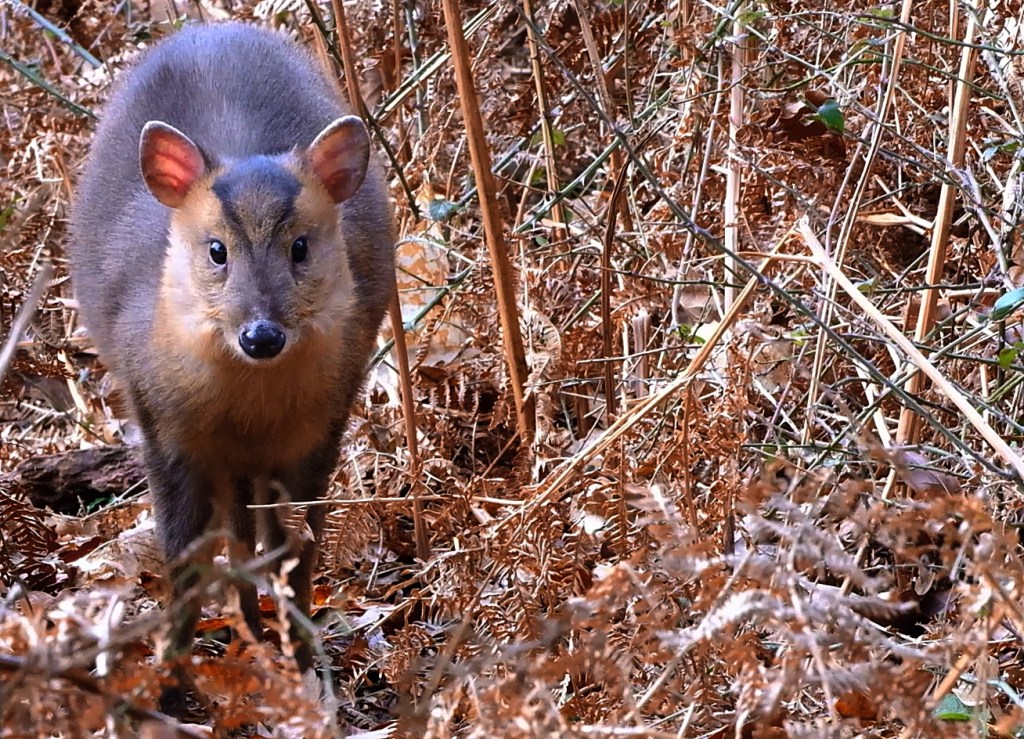
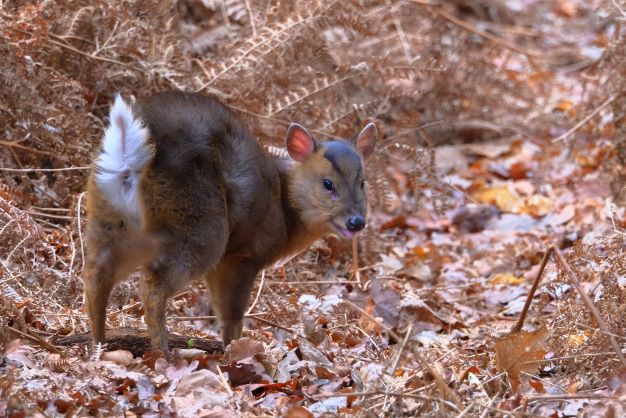
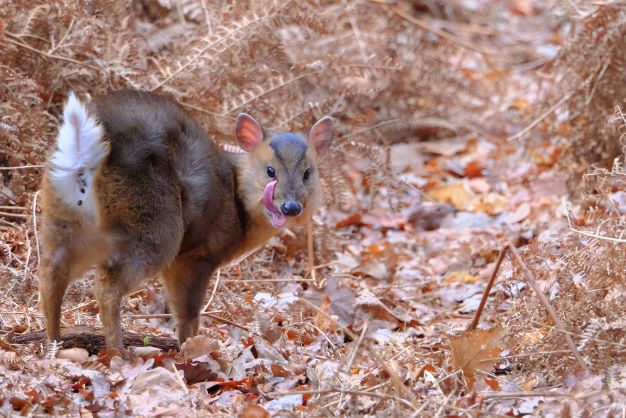
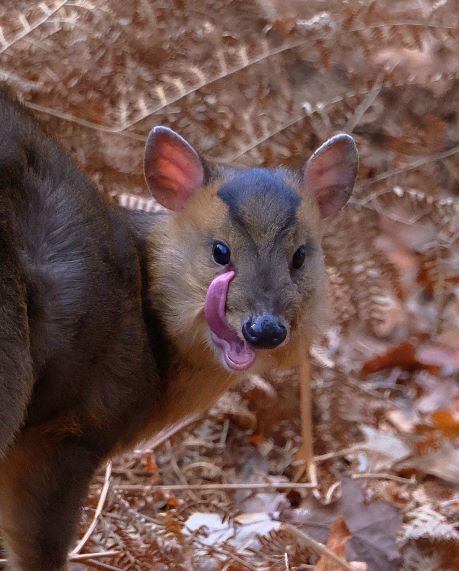
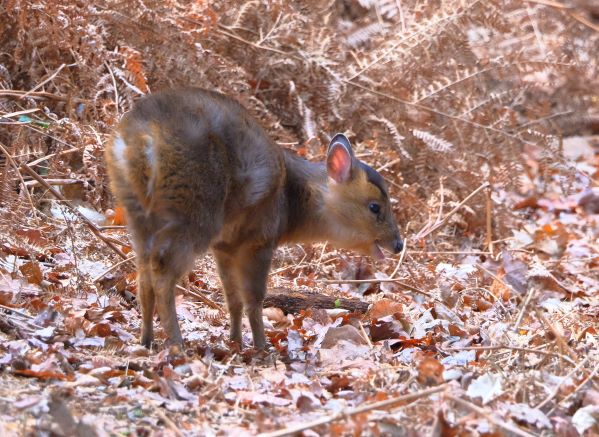
Having recorded some of these small deer on our trail cameras in the past year today we were lucky enough to bump into this lone Muntjac while looking for fallow deer in the New Forest this morning. These shy deer are small and are only about the size of a small dog.
Muntjac is mainly a solitary deer. They use scent to communicate their territories. Individuals do this by rubbing the long v-shaped slits on their foreheads where their frontal glands are onto the ground or branches. They also have two large glands located just in front of the eyes, called the pre-orbital glands. Muntjac frequently lick these with their long tongues, this is thought to help them recognise their own scent.
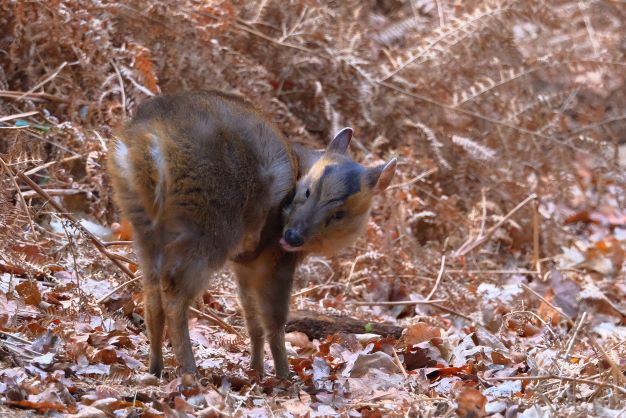
Video film of Muntjac spotted today repeated in slow motion.