Male Stonechat on New Forest Gorse.

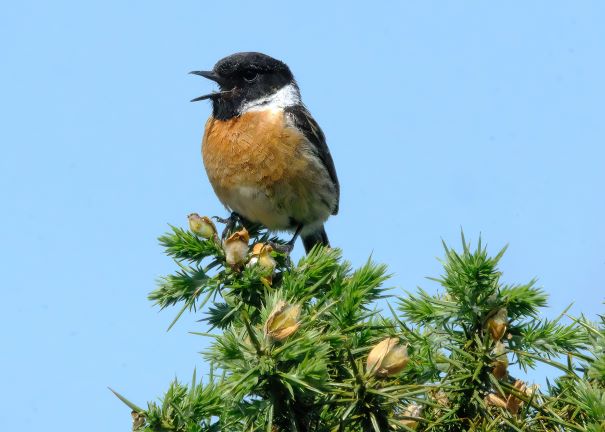


Male Stonechat on New Forest Gorse.
A Moorland walk in the New Forest this morning.
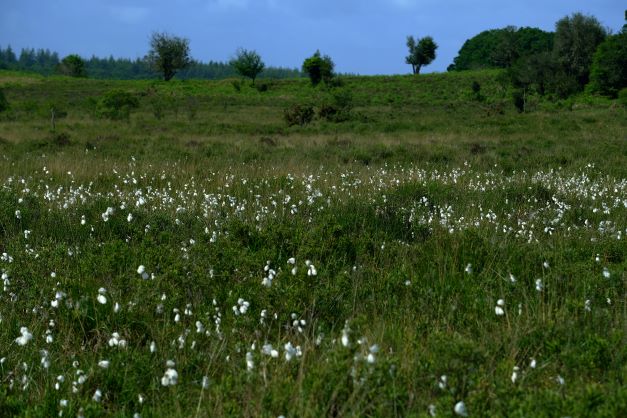
Common cotton grass has fluffy, white seed heads that dot boggy moorlands and heaths its bright heads show up across the landscape which looks like something has been dropped until you get close enough to see it is a seedhead. Despite its name, common cotton grass is a member of the sedge family, rather than being a true grass.

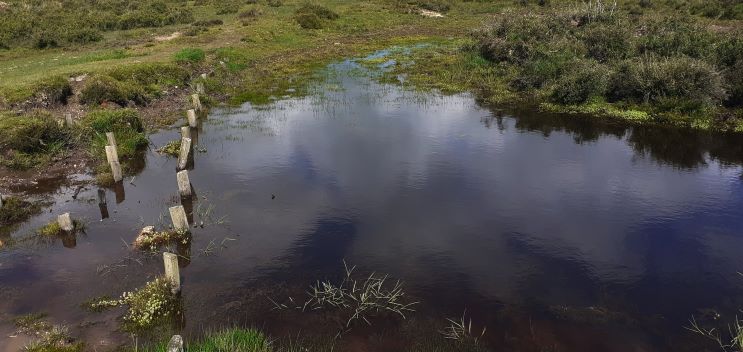
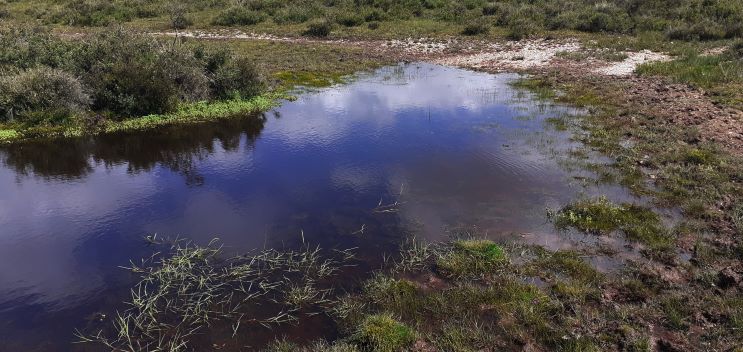
In the winter we came across a small pond on the moor and decided to return in the summer as it
looked like a good site for Dragonflies, we returned today and it was.
Female Broad-bodied Chaser.


Male Broad-bodied Chaser.

Male Emperor Dragonfly.

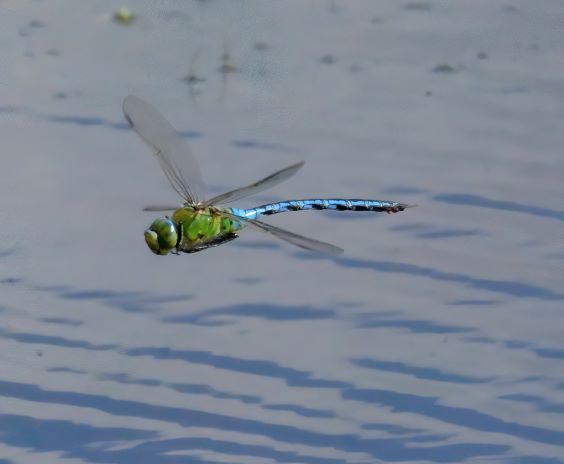
Female Emperor Dragonfly. Egg-laying.

A Male Stonechat keeping its distance from the pond.

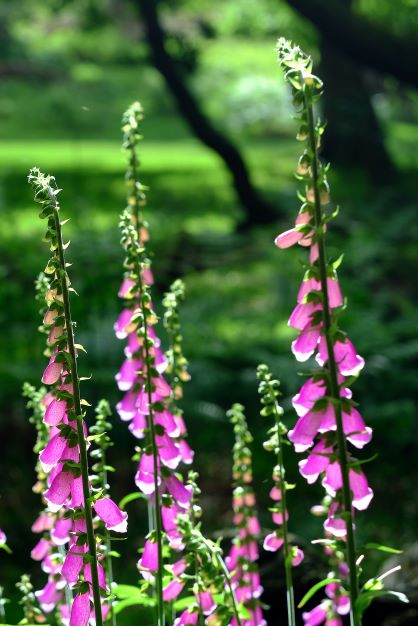
Foxgloves are now in full flower.

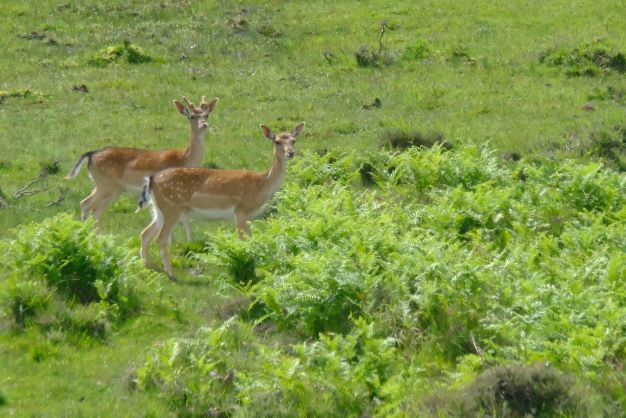
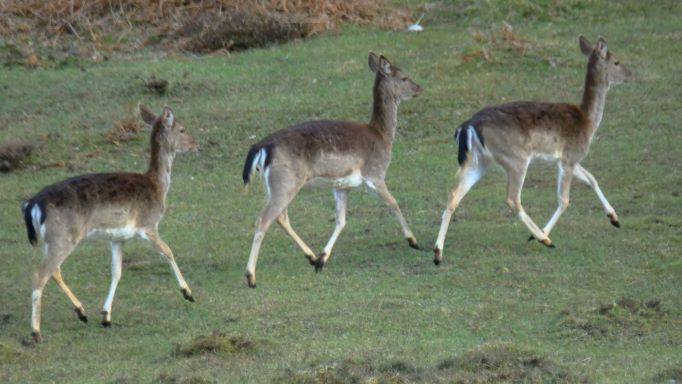
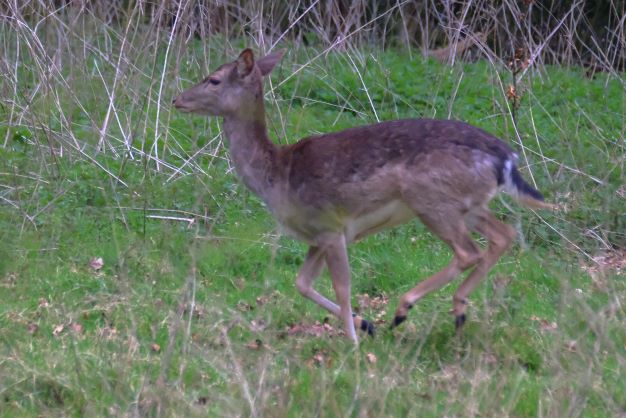
Fallow Deer are never far away on a New Forest walk.


#Wordless Wednesday.





A closer look at and into a New Forest stream.
A nature walk along a small stream in the New Forest with a closer look and some of the water life in and around the waterway.


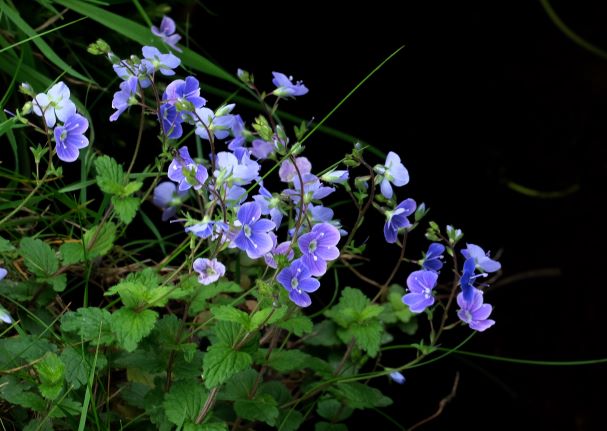
Speedwell (Veronica persica)
Lots of Tadpoles in the stream today.
Film of Dragonfly larva (+ some small fish). The larvae will climb out of the water for the last part of its life cycle and then it will split down its back and a Dragonfly will emerge.
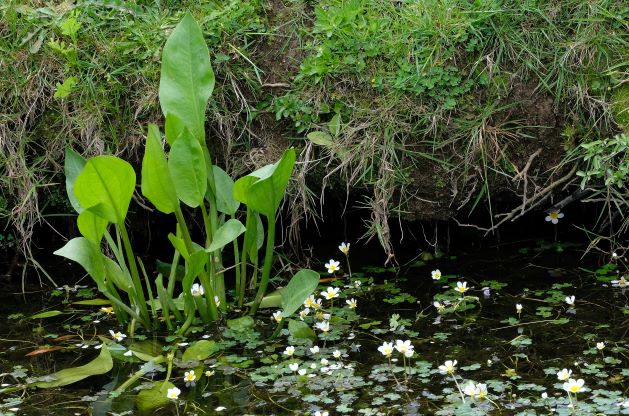
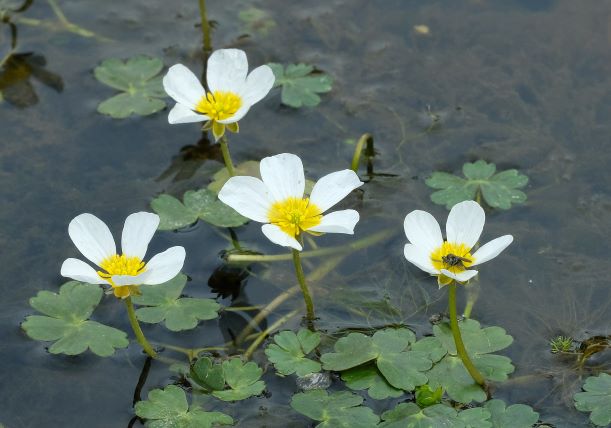
Water crowfoot, (Ranunculus aquatilis).
Water
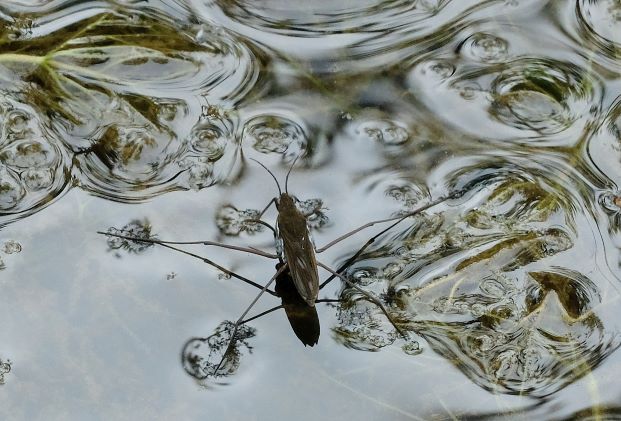
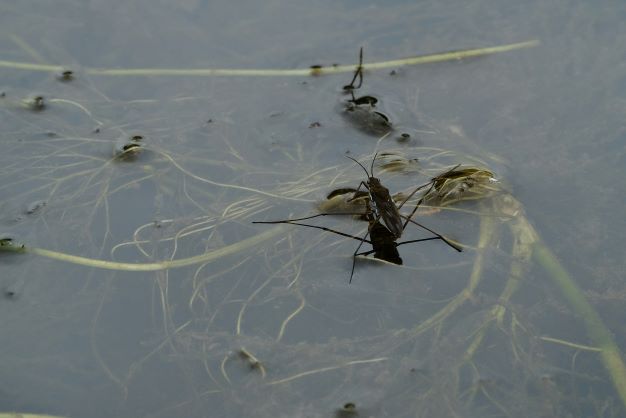
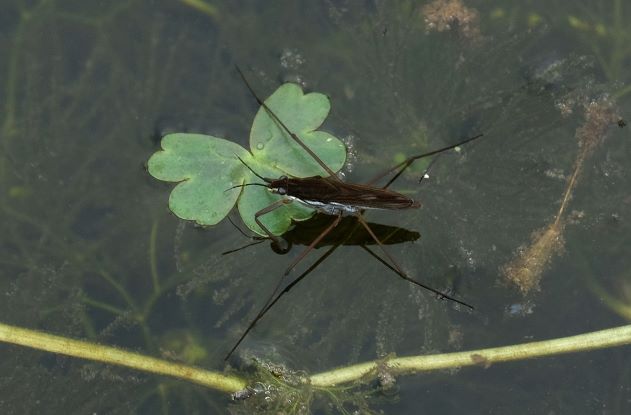
Water skimmers or striders are small insects that are adapted for life on top of still water, using surface tension to their advantage so they can “walk on water.”
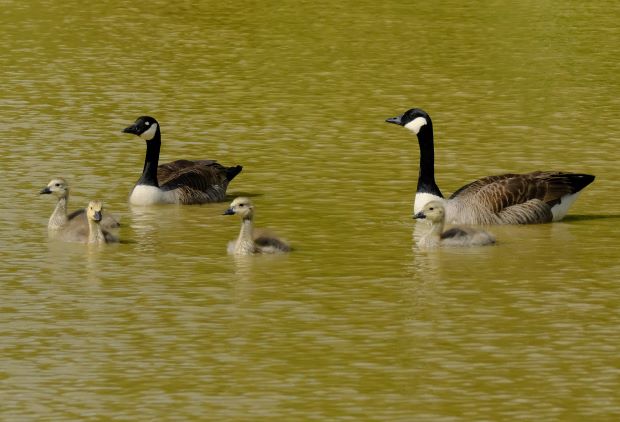
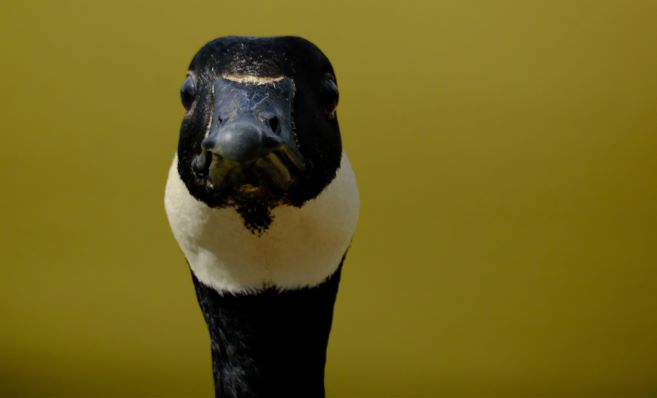
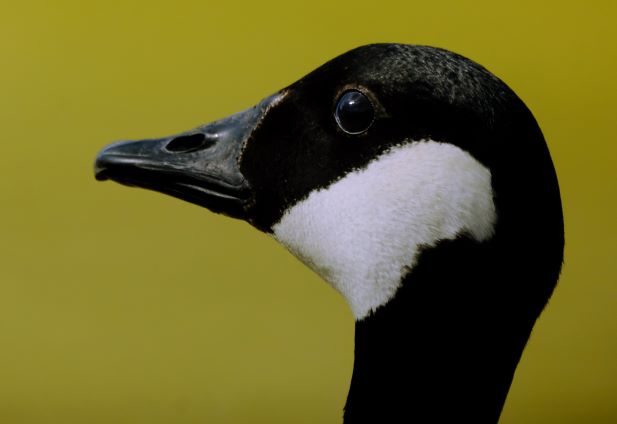
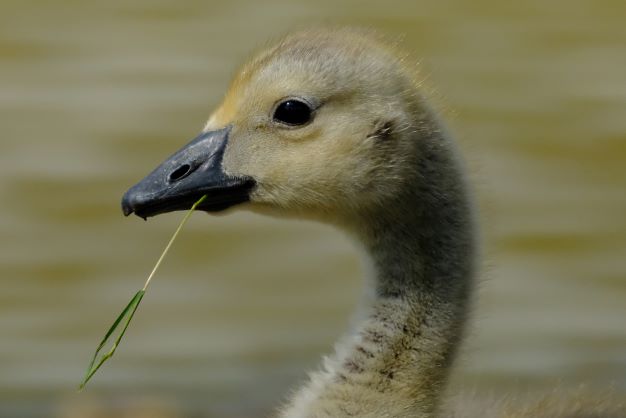
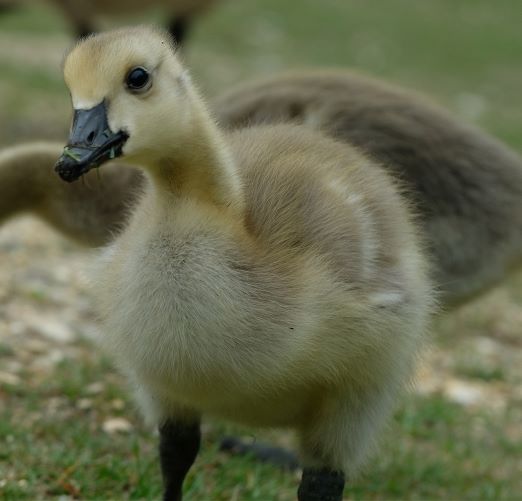
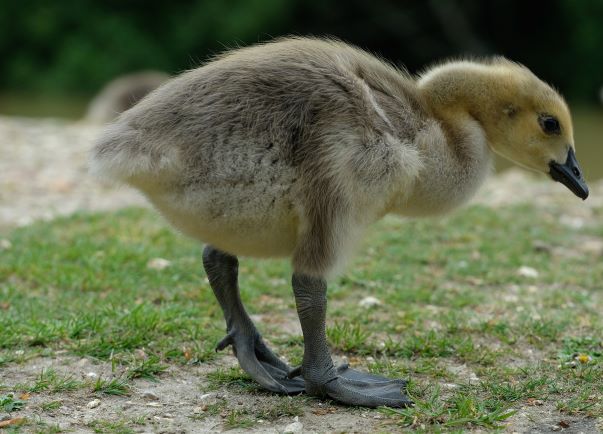
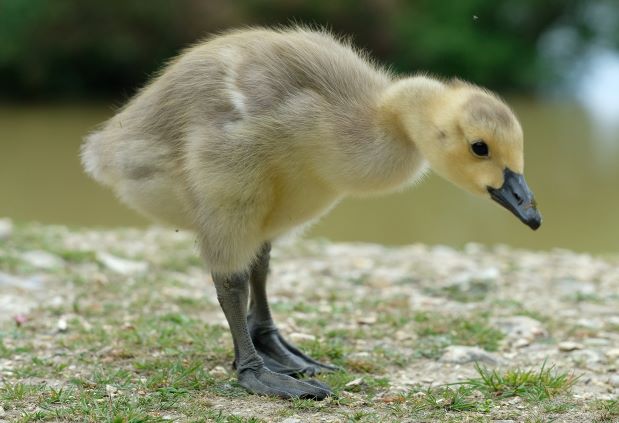
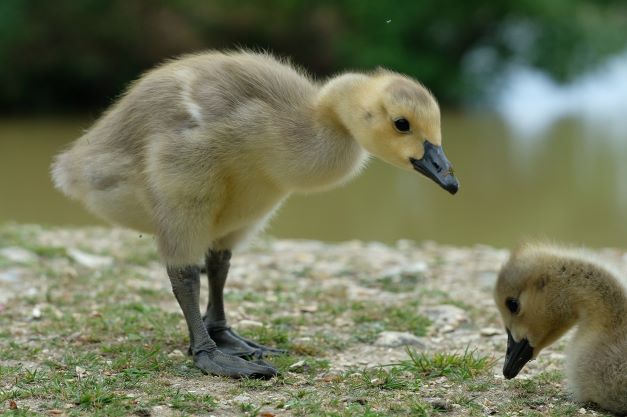
Canada Goose gosling.
The Dartford Warbler is found in a few localised places in the UK. Back in early1960’s following servere winters Dartford warblers numbers crashed and only10 pairs remained (They only eat insects and do not migrate for the winter, which means it is vulnerable to cold weather and prolonged snow cover ). On a positive note today, there are about 3,200 pairs nesting.
They are dependent on dry heath habitats, particularly on gorse in good condition. It is a ground-nesting bird, preferring to breed under the protective cover of dense heather or compact gorse. It makes a grassy, cup-shaped nest, in which it lays three to five eggs. It can have up to three broods from April to July.
A bird I only saw once in my childhood today I know of 4 places where they are doing well close to my home.
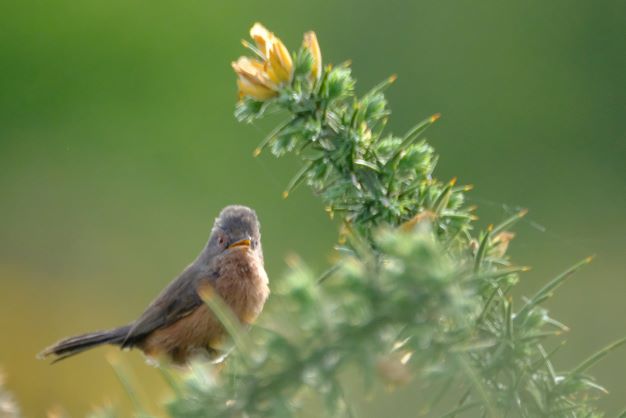
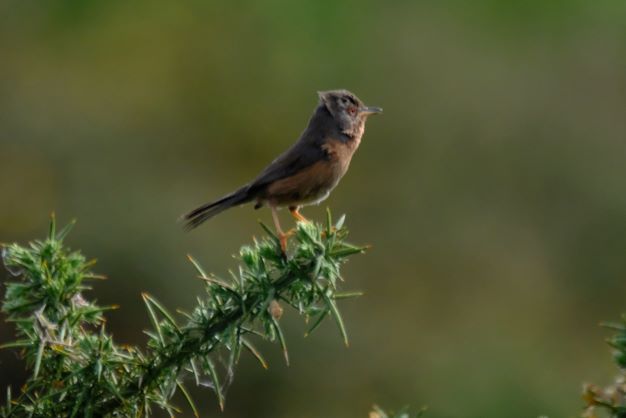
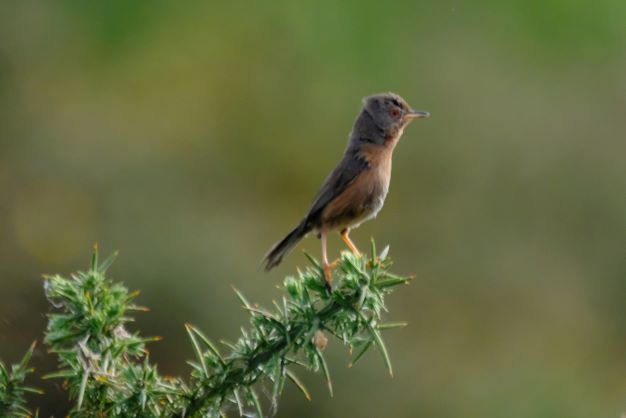

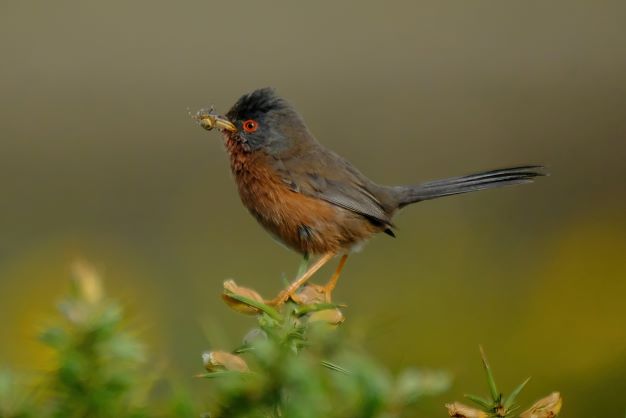
Some small birds spotted on a walk in the New Forest yesterday. Walking on marked paths/trails to avoid disturbing ground-nesting Curlew and Lapwings. Much of the New forest is Heath and Moor and an important habitat for these ground-nesting birds.
Distant and high flying Skylarks were fairly abundant on my walk.

The flowering Gorse bushes provided some good spots for the Rare Dartford Warbler. They nest deep in these bushes and the thorns give the nests vicious and effective protection from praditors.

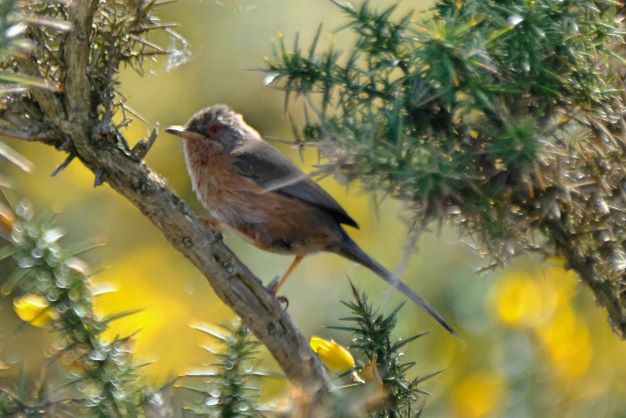


Some of these birds seemed to be collecting cobwebs I presume for glue for their nests.
Others were collecting insects so I think there must be some nearby nests.
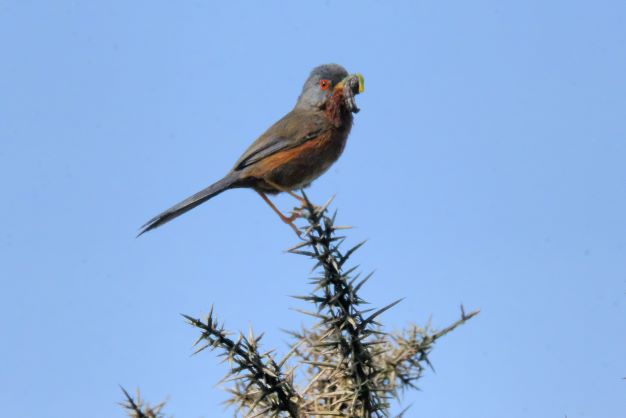
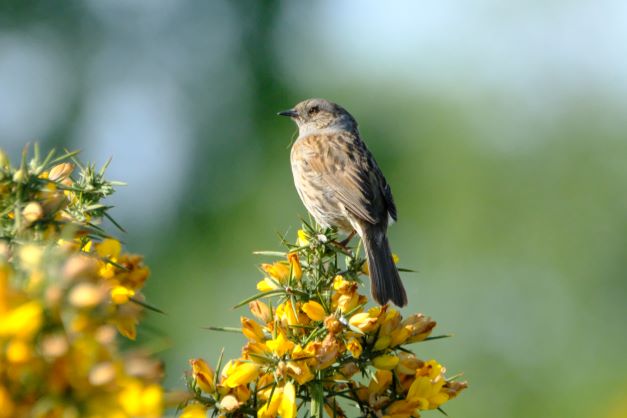
Dunnock’s caught me out a couple of times pretending to be a Dartford Warbler until I got a bit closer!
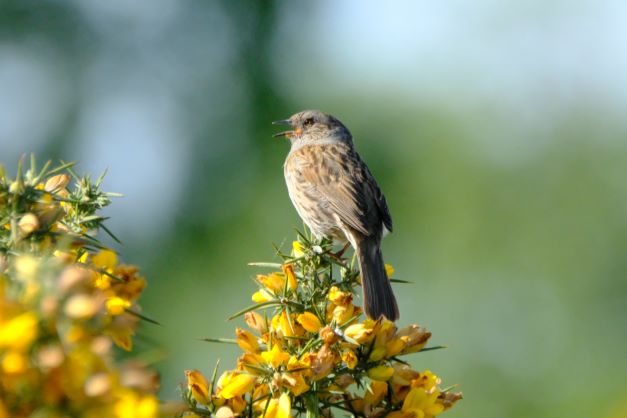
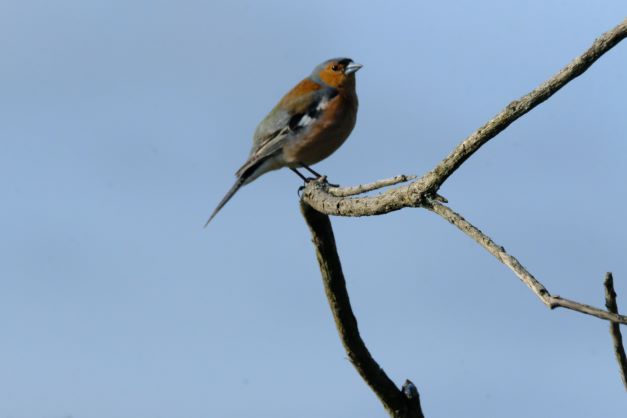
Also spotted a Male Chaffinch.
I found these duck eggs which had been predated probably by a crow or a magpie a fair distance from any pond or river.

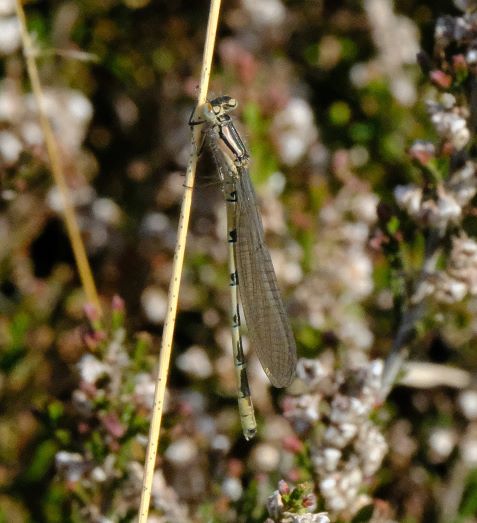
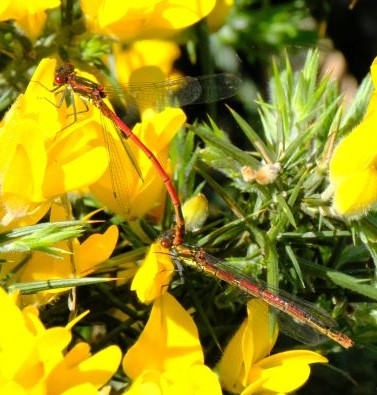
As well as bird insects are starting to appear.
The round-leaved sundew a heathland plant found in the New Forest has round leaves which have sticky, ‘dew’-covered tendrils that tempt onto it unsuspecting insects as prey. The ‘dew’ is very sticky, trapping the insect; the sundew’s tendrils detect the presence of its stuck prey and curl inwards to engulf it. After a while, the whole leaf wraps around the insect which is digested. The acidic habitats the round-leaved sundew lives in don’t provide enough nutrients, so it has evolved this carnivorous way of life to supplement its diet.


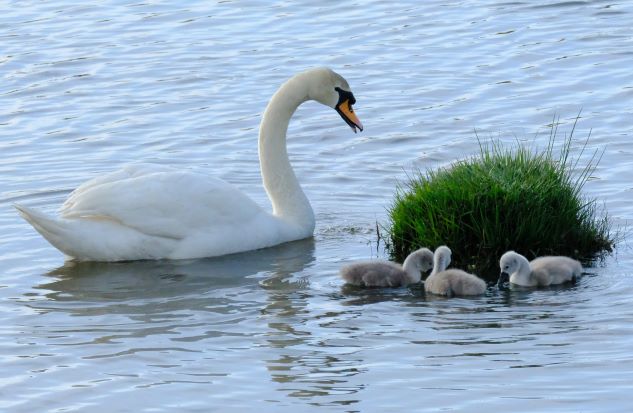
Today I spotted this year’s 1st cygnets – only a few days old. Three youngsters doing well.




I have recently been looking for reptiles on my walks – I have seen a few lizards and snakes crossing paths disappearing into the grass or shrub. Several placed pieces of corrugated iron which make a good hiding place for snakes to hide as they warm have proven unsuccessful in attracting anything so far.
In the New Forest, there is a small centre where they have pits with a few of the local reptiles that are found in the forest that you can see if they show themselfs. The centre has been closed for the last few years due to COVID but is now open a couple of days a week. We visited yesterday and were able to get a few pictures without falling in!
Adder.
The Adder is the only venomous snake in the UK. It spends time soaking up the sun. They have a distinctive, black zig-zag pattern along their backs. The female is larger than the male and is copper or brown in colour while the male is silvery-grey. Adult Adders measure between 60 and 80cm in length.
We were lucky enough to see a female in the sun approached by a male.

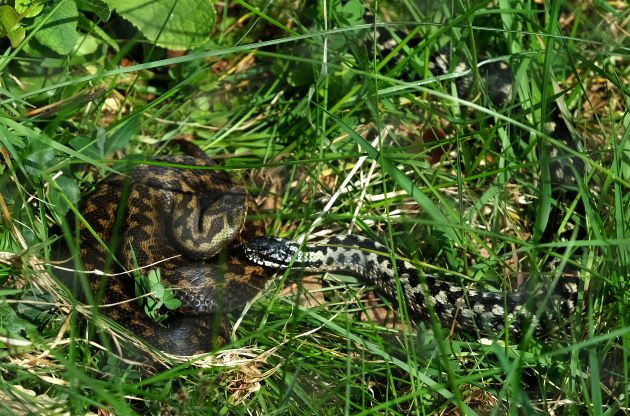

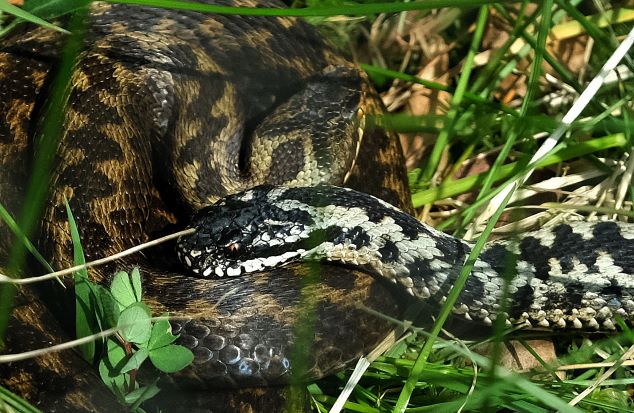
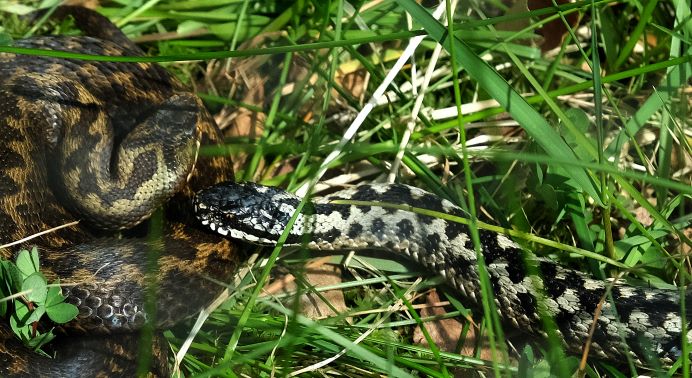
If properly treated, the worst effects of the snake’s bite are nausea and drowsiness, followed by severe swelling and bruising around the bite. No one has died of an Adder bite in the UK for many years.
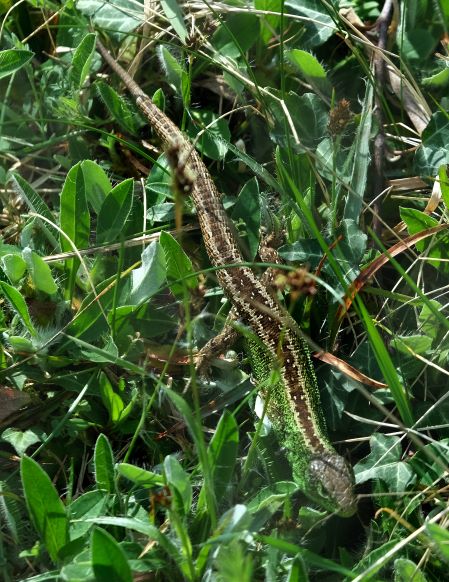
Sand Lizard.
Due to the loss of habitat, the Sand Lizard is one of the UK’s rarest reptiles we were lucky to see this male in full breeding colours. they have a life span of up to 20 years.


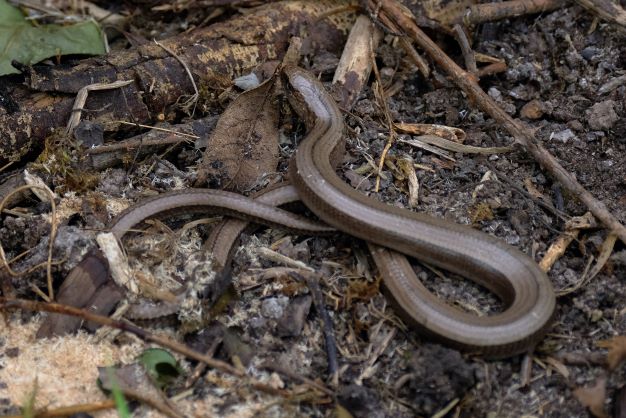
Slow Worm.
Slow worms are legless lizards may people wrongly think they are a snake. Occasionally, individuals may have small blue spots behind their heads, a feature that is more common amongst males than females. This slow worm was seen on Monday’s walk and quickly made an escape into the vegetation. We also saw a Common Lizard on the same walk but he was too quick and disappeared before I could take any pictures.


If you go down to the woods today what can you see?
A full day in the New Forest collecting our trail cameras from one of the active Badger Setts we have been monitoring. Some good footage of both Badgers and Fallow Deer.
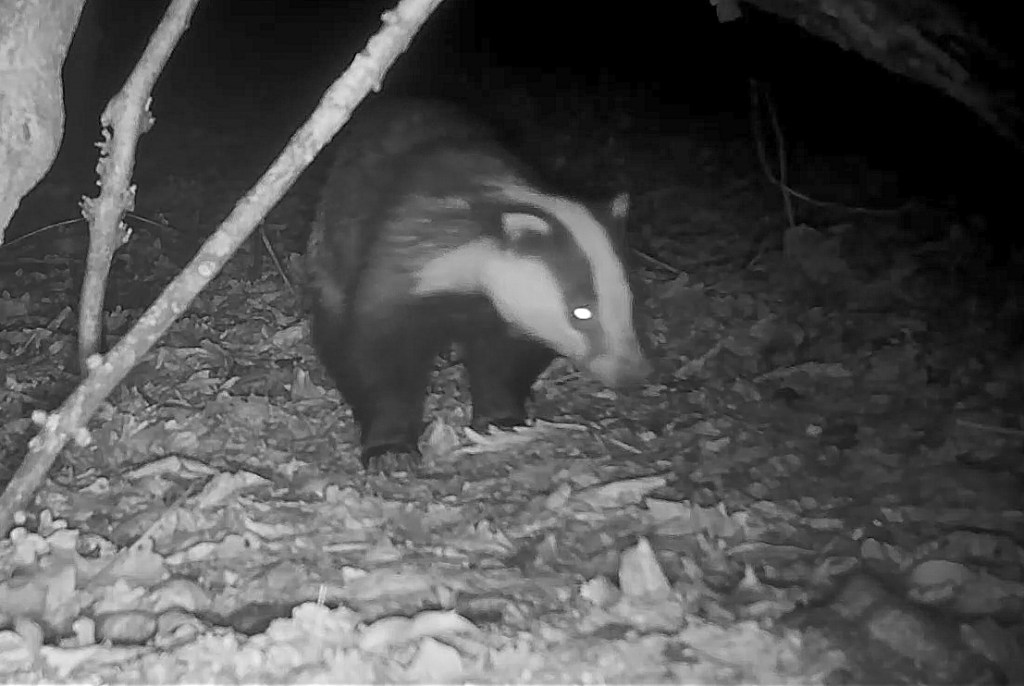

Film 1 Badgers. (trail camera)
Following the Norman Conquest, King William I, designated the land as a royal hunting forest, reserved for the private use of the King and invited aristocracy. In the process over 20 small hamlets and farms were removed. It was the only forest described in detail in the ancient Domesday Book. Two of William the Conqueror’s sons were killed in hunting accidents in the New Forest. Today Deer roam free in many areas of the New Forest.
We came across several small herds of Fallow Deer, all young deer and hinds. The only shooting today was with cameras.


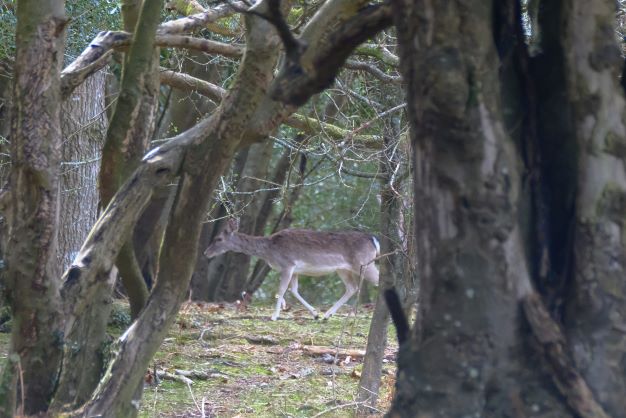

Film 2 Fallow Deer (trail camera).
Very windy weather on our walk but this male Chaffinch was holding on and singing his heart out – not easy filming with the tree moving so much in the wind.
Film 3 Chaffinch ( sound on to enjoy fully his singing).
 Continued Reflections from my World.