Like little Bulldozers on the beach, turning over seaweed and stones, looking for little invertebrates on the tideline, Turnstones do what their name suggests.
Turnstone on Meonshore.
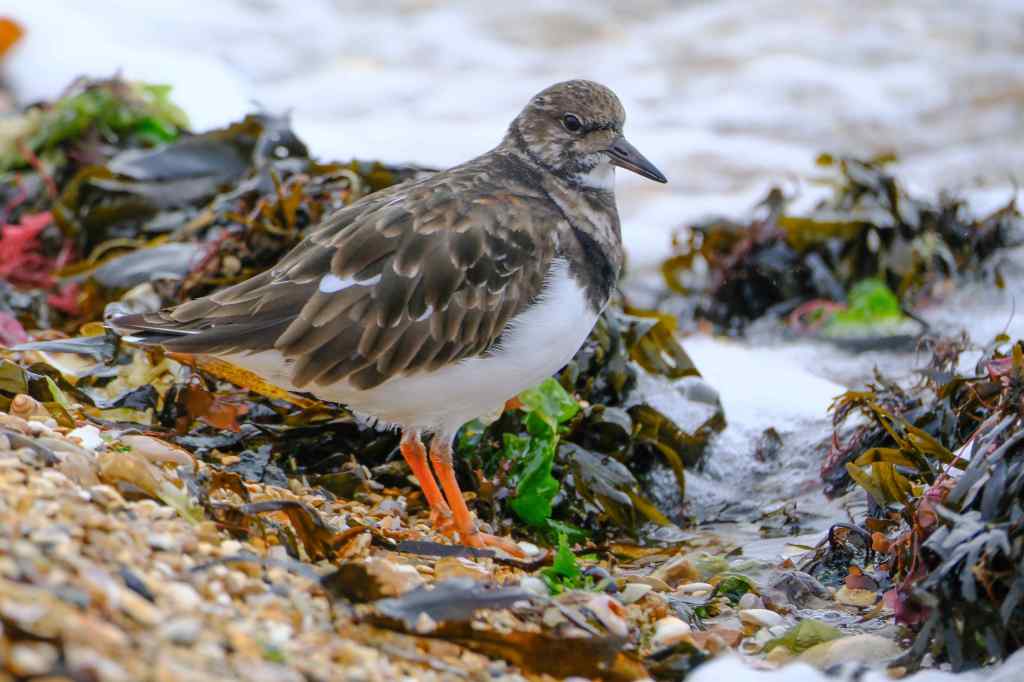
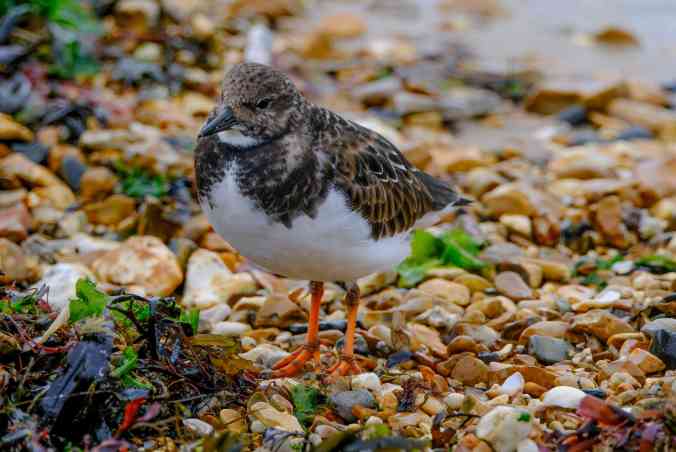
Like little Bulldozers on the beach, turning over seaweed and stones, looking for little invertebrates on the tideline, Turnstones do what their name suggests.
Turnstone on Meonshore.
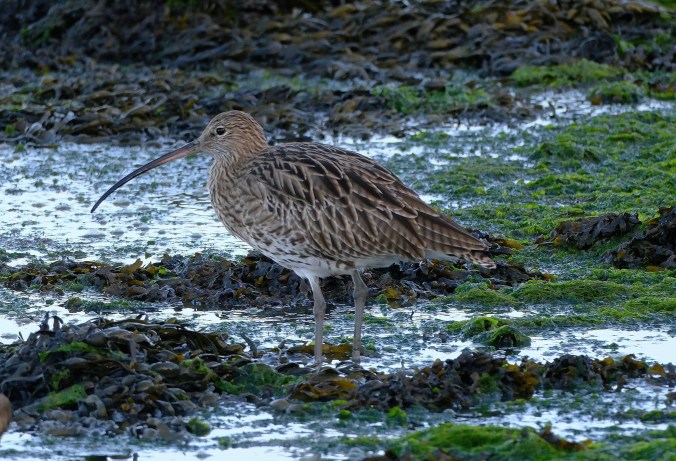
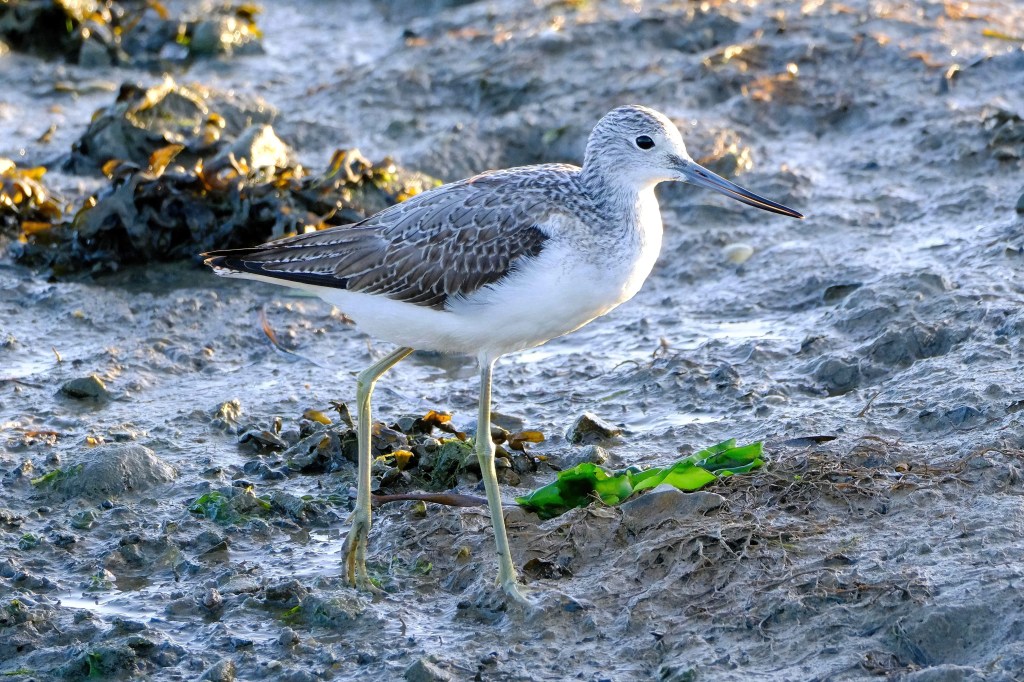
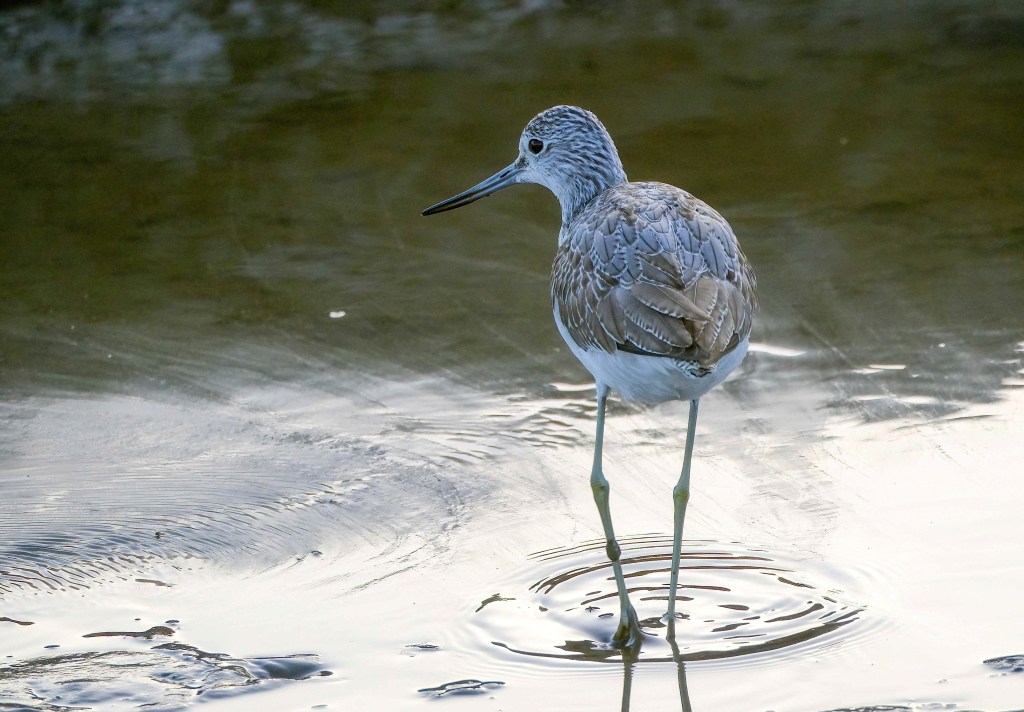
An early morning walk up the Hamble River. This part of the river is tidal, so it is always good for waders. The light at this time of day presents some challenges in taking pictures with the sun low. As always, lots to see, Curlews and Greenshanks are regularly on the river here, and always a favourite to get photographs of.
Curlew.
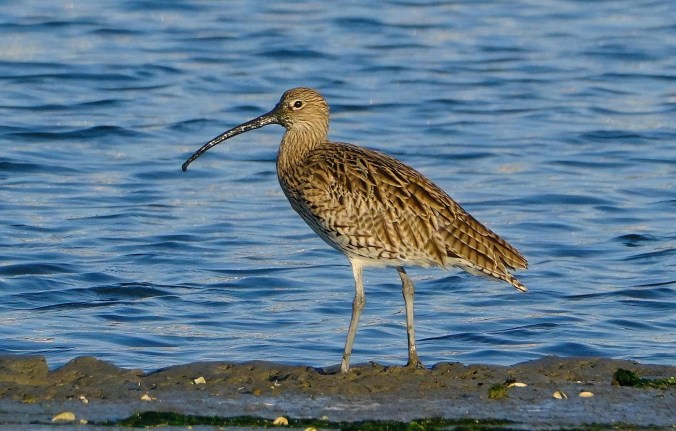
Greenshank,
Blacktailed Godwit numbers are increasing on the Hamble as we move towards Winter; they are less colourful this time of year.


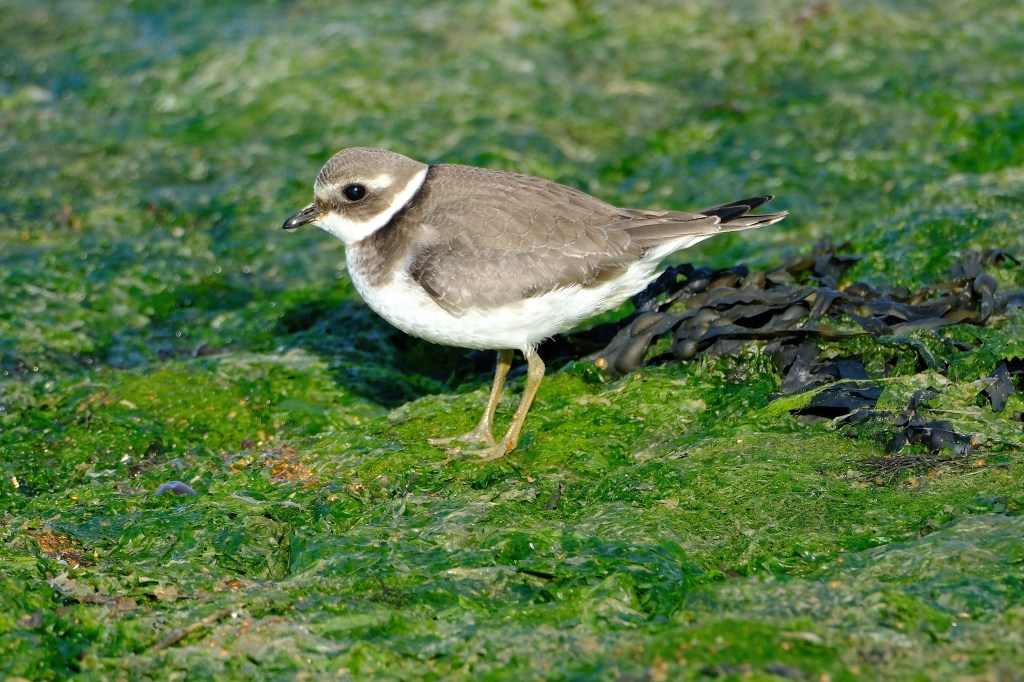
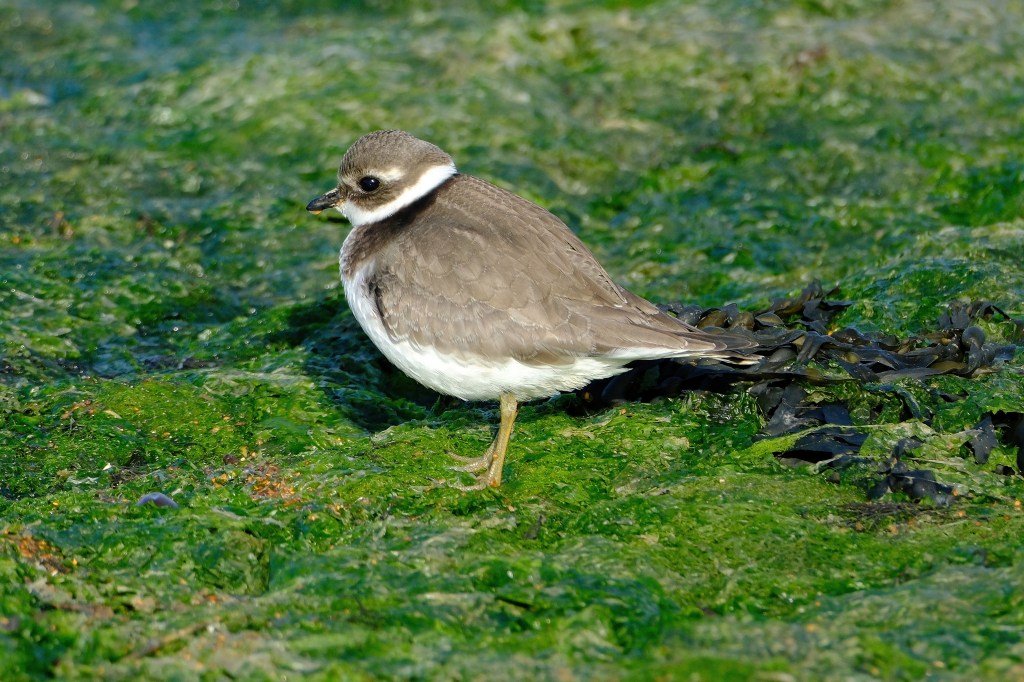
This lone Juvenile Ringplover came quite close as the tide came in.
This Curlew took objection to the approaching Godwit!

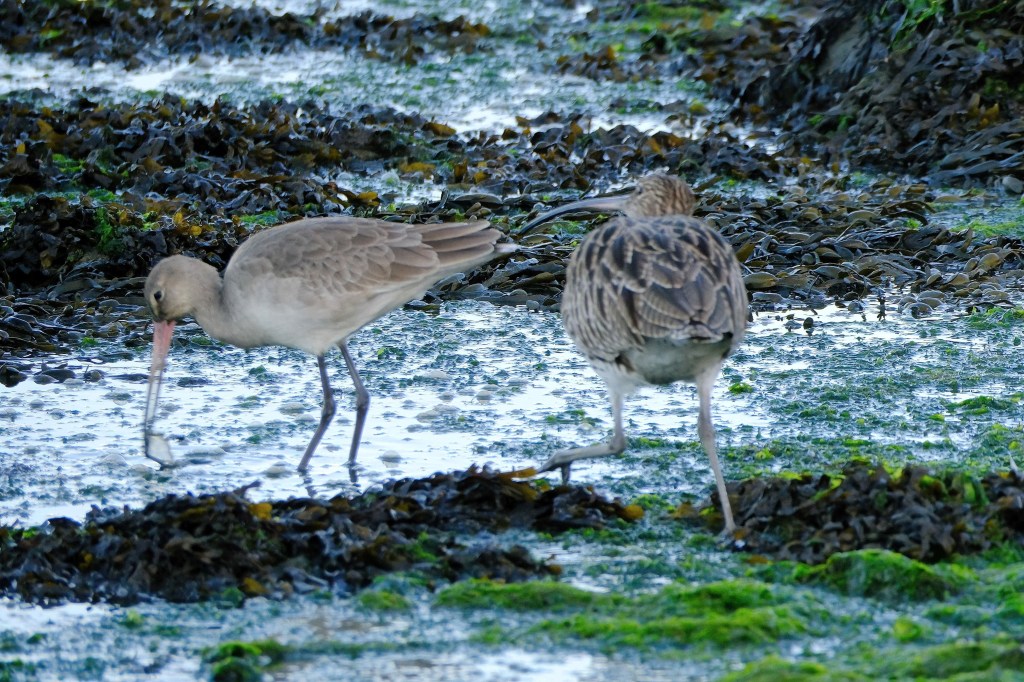

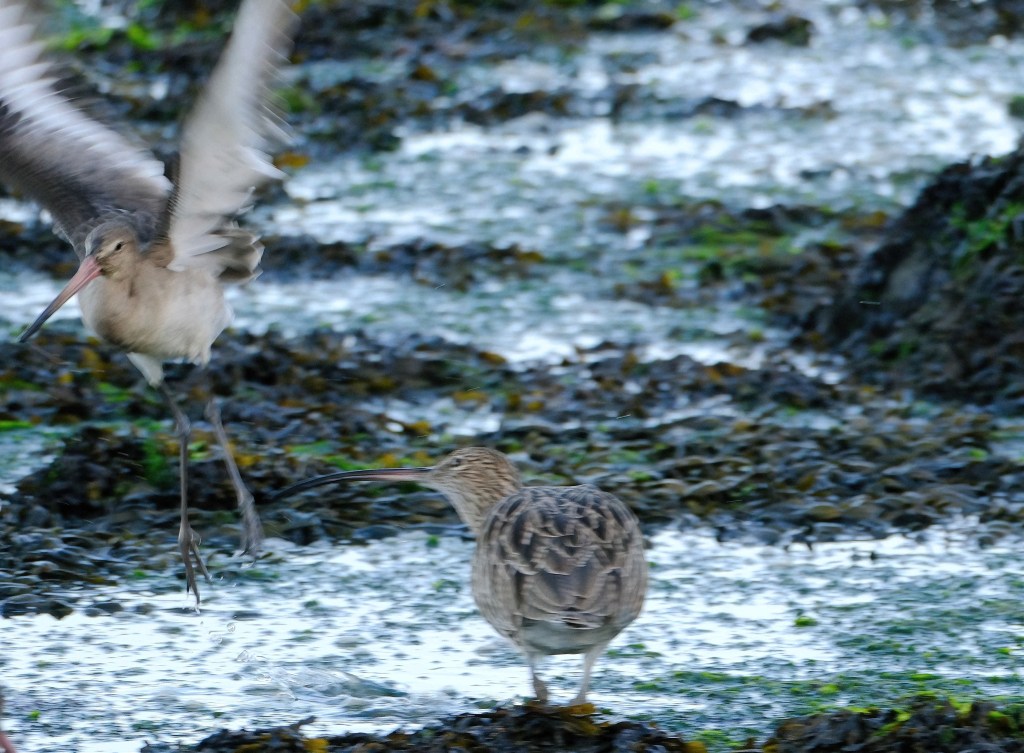
I have seen reports since the Lockdown of Seals on the river at this point, but until this walk, I had not seen one. Normally, what I think is a Seal turns out to be a mooring buoy.


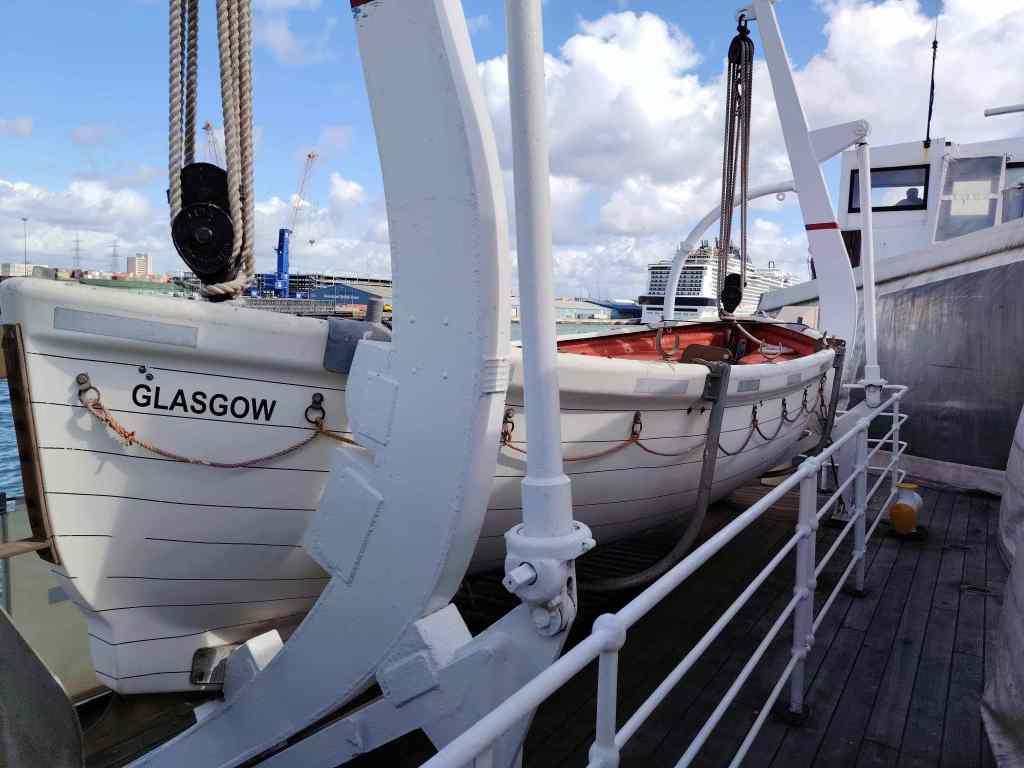
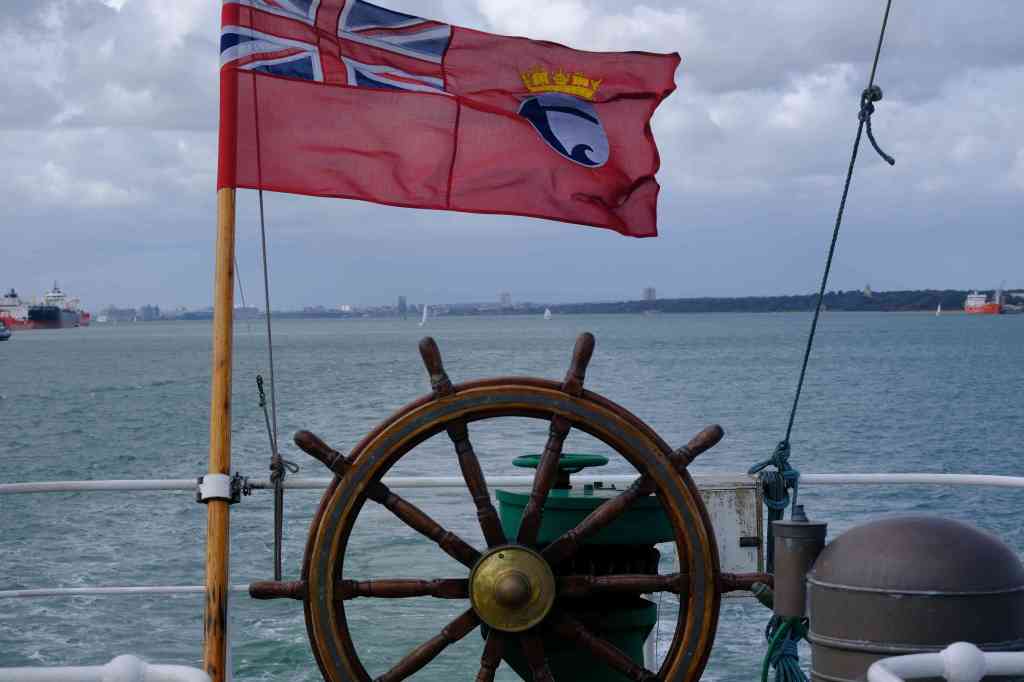
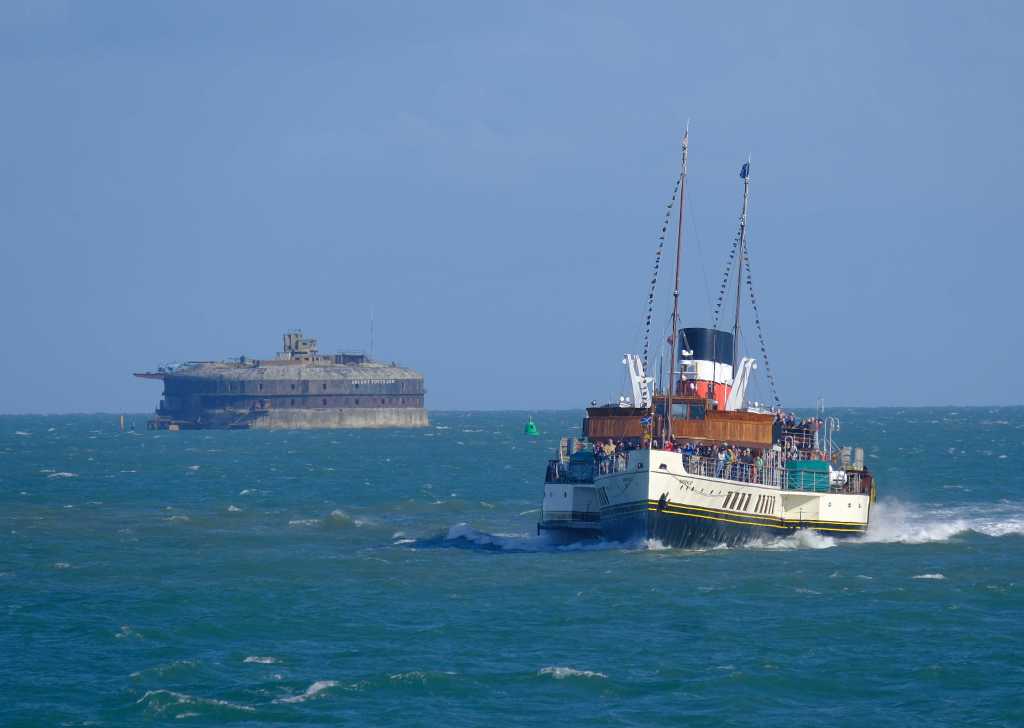
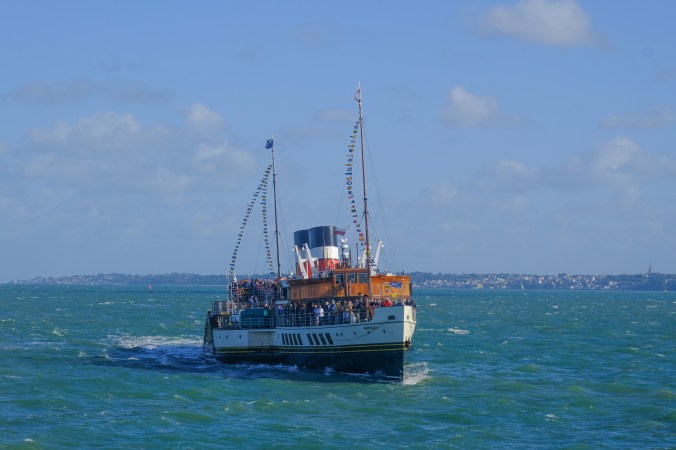
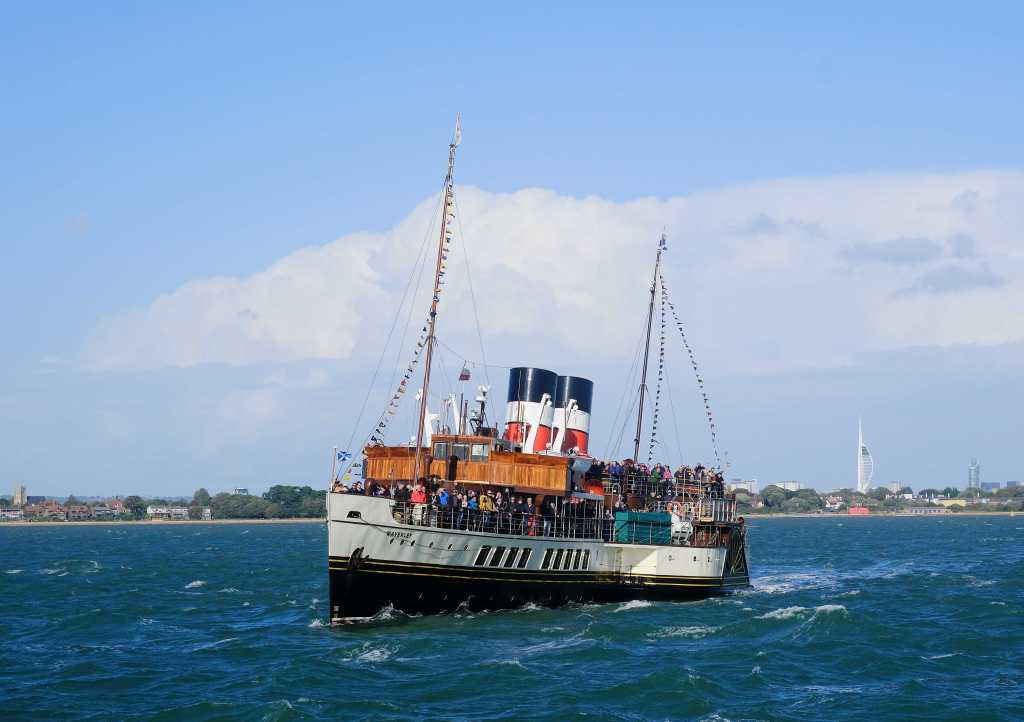
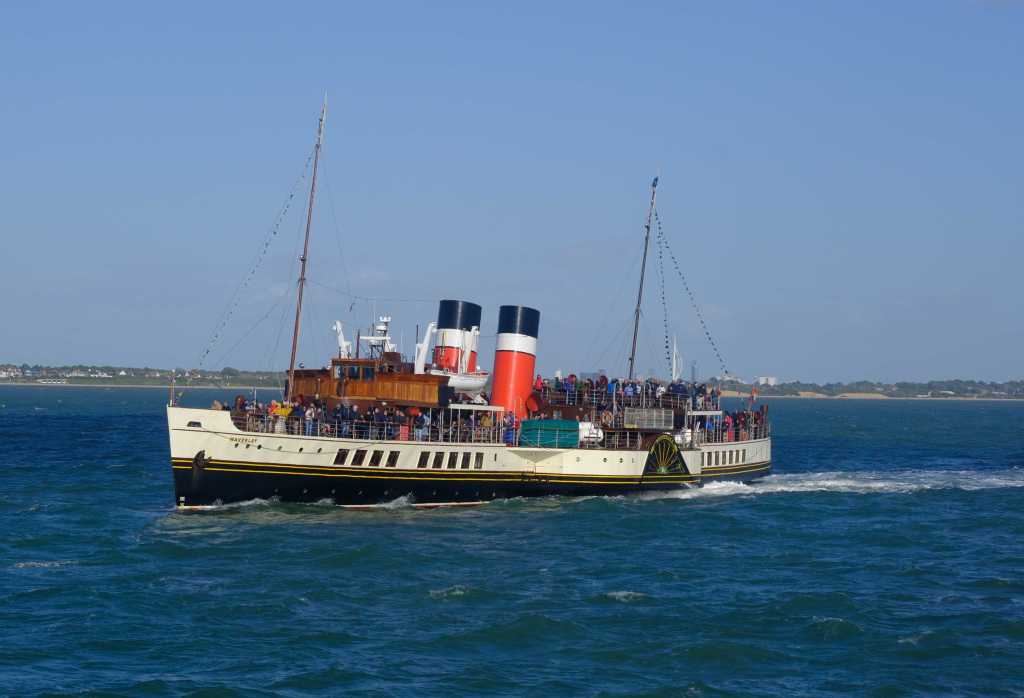
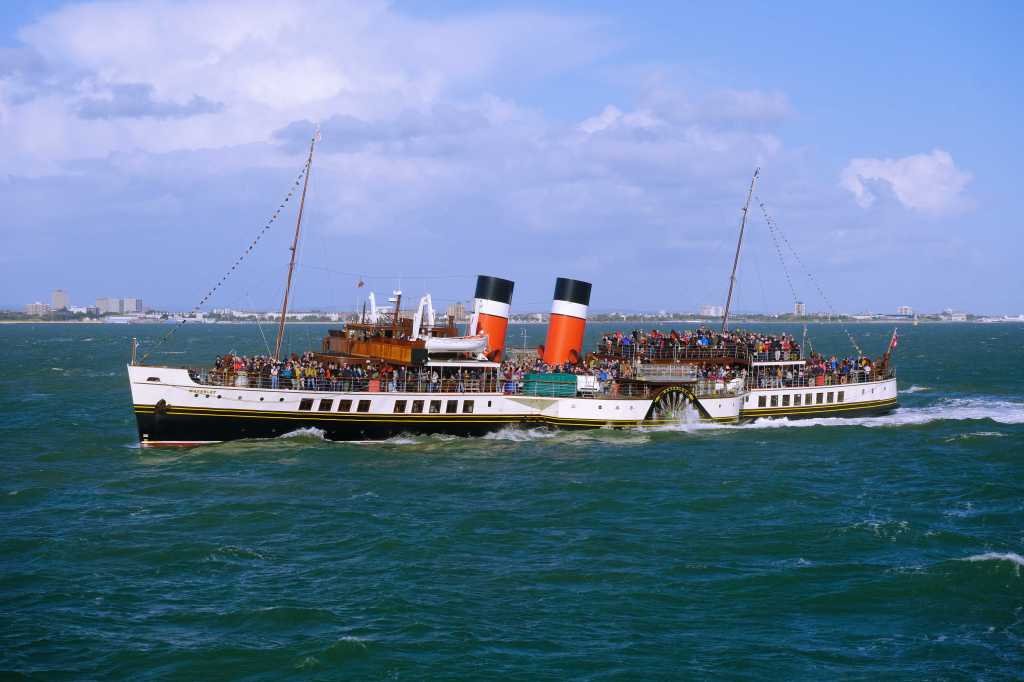
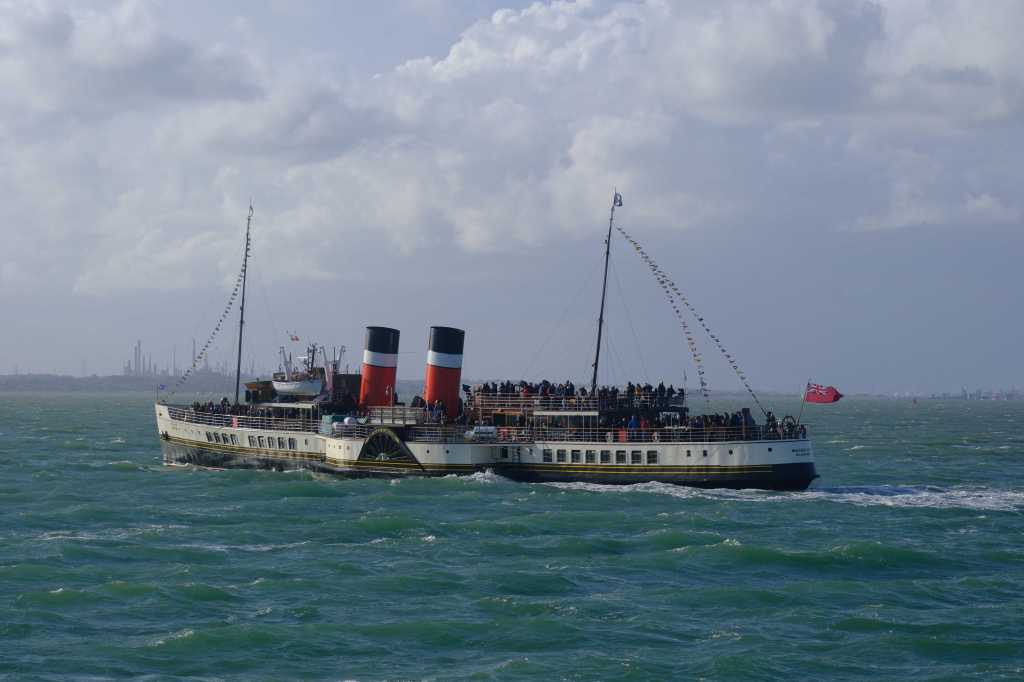
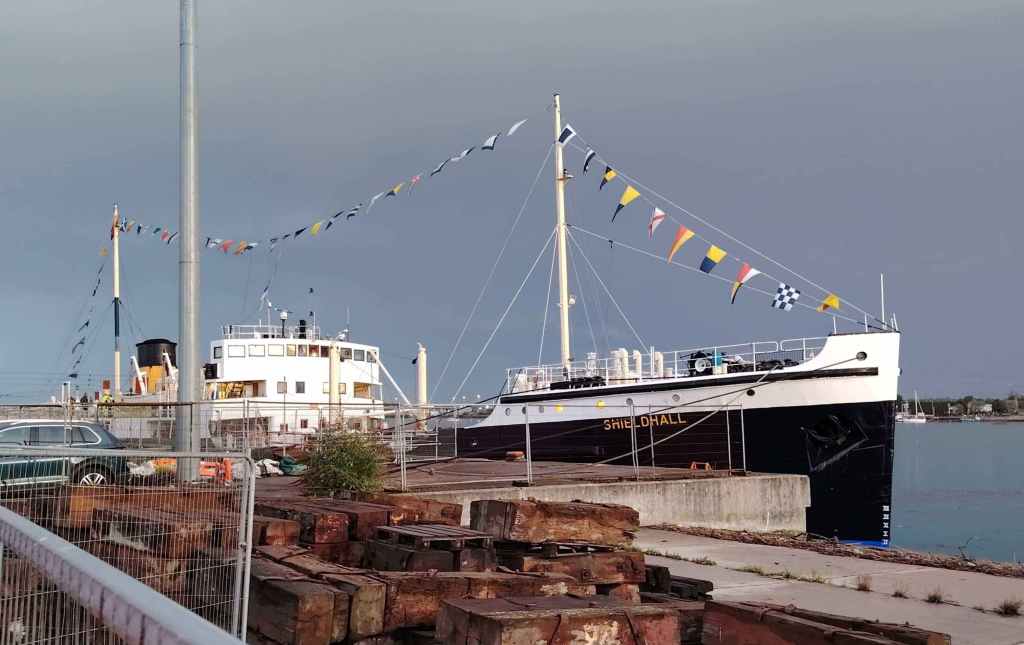
Back in the Spring, we booked a trip on the SS Shieldhall yesterday, the weather held, and the promised rain held off. We had a 7-hour trip – 2025 is set to be a special year for Shieldhall, built in 1955, as she celebrates her 70th birthday. SS Shieldhall is the largest working steamship in Britain. The trip was down Southampton Water and into the Solent. We met up with the historic Paddle Steamer Waverley just off the Isle of Wight. PS Waverley was built in 1946 and is the last seagoing passenger-carrying paddle steamer in the world. She is also steam-powered. Both ships are on the National Historic Fleet Register. In the past, I have sailed on both these ships, but it is always a treat to step back in time and travel at a slower pace.
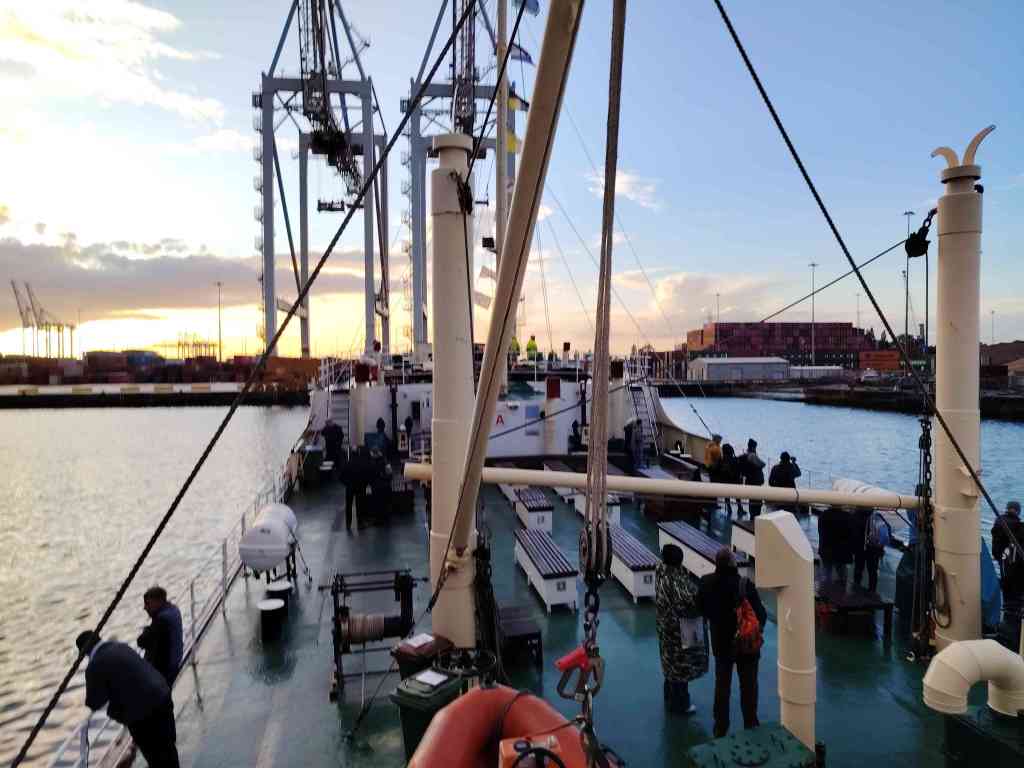
Part 1: Leaving Southampton Docks and heading down Southampton Water.
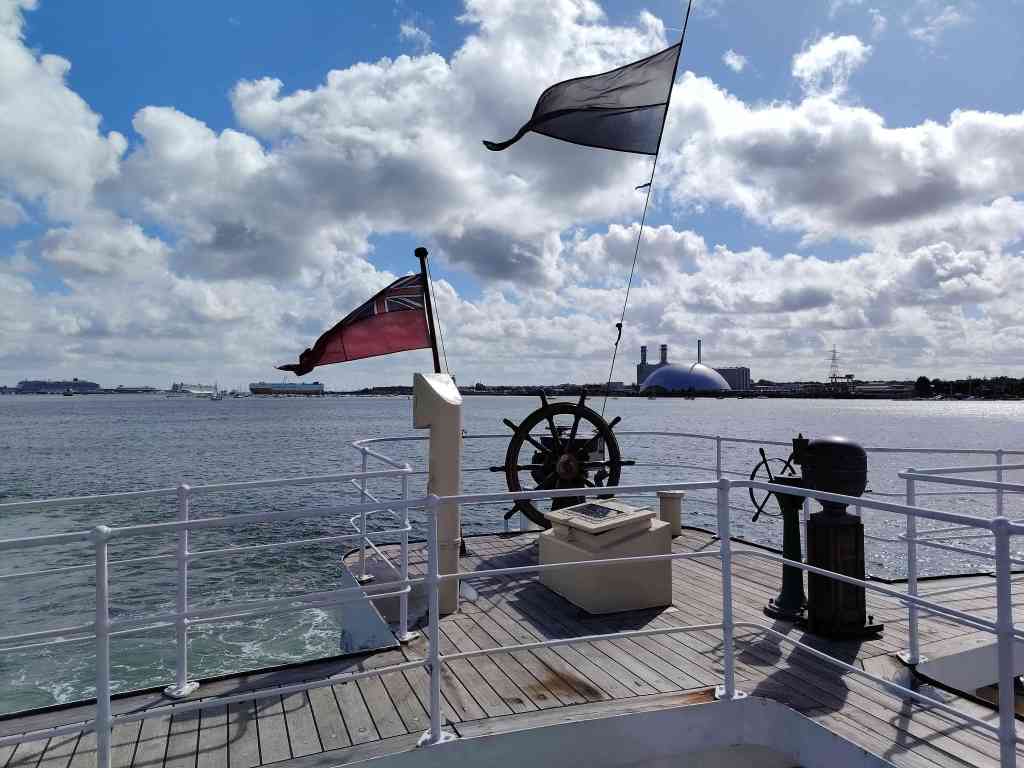
Leaving 110 Berth, Southampton Docks. View of the emergency steering gear.
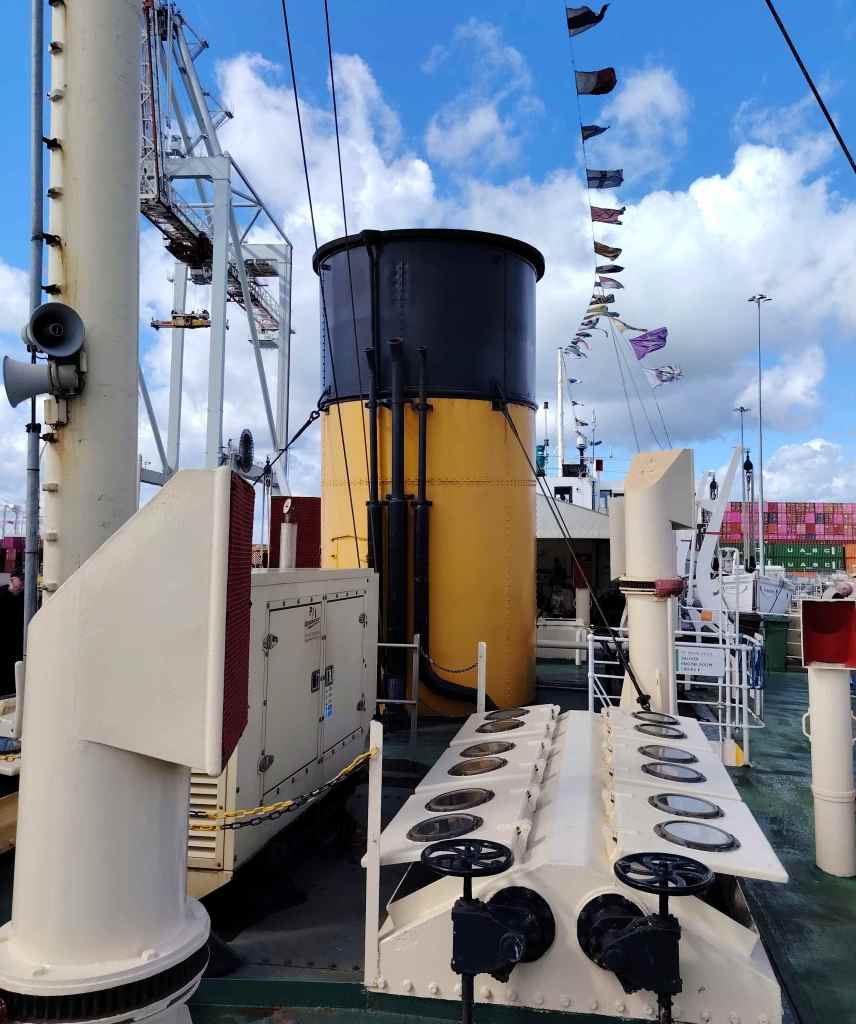
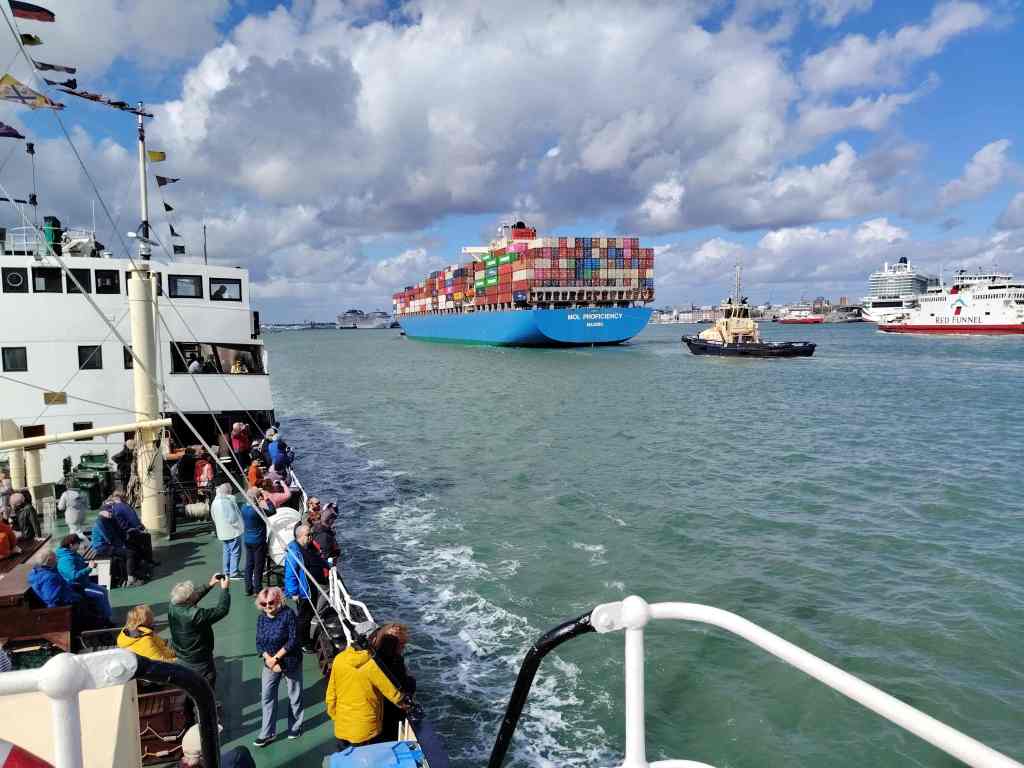
Passing shipping in Southampton Water. Container Ship and Isle of Wight Ferry.
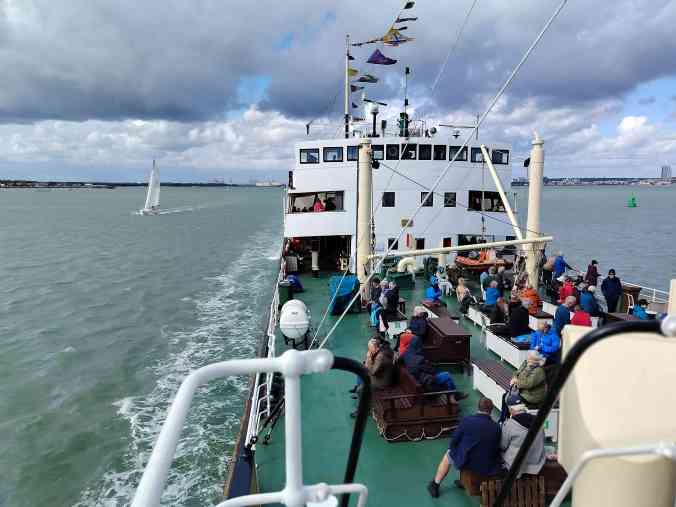
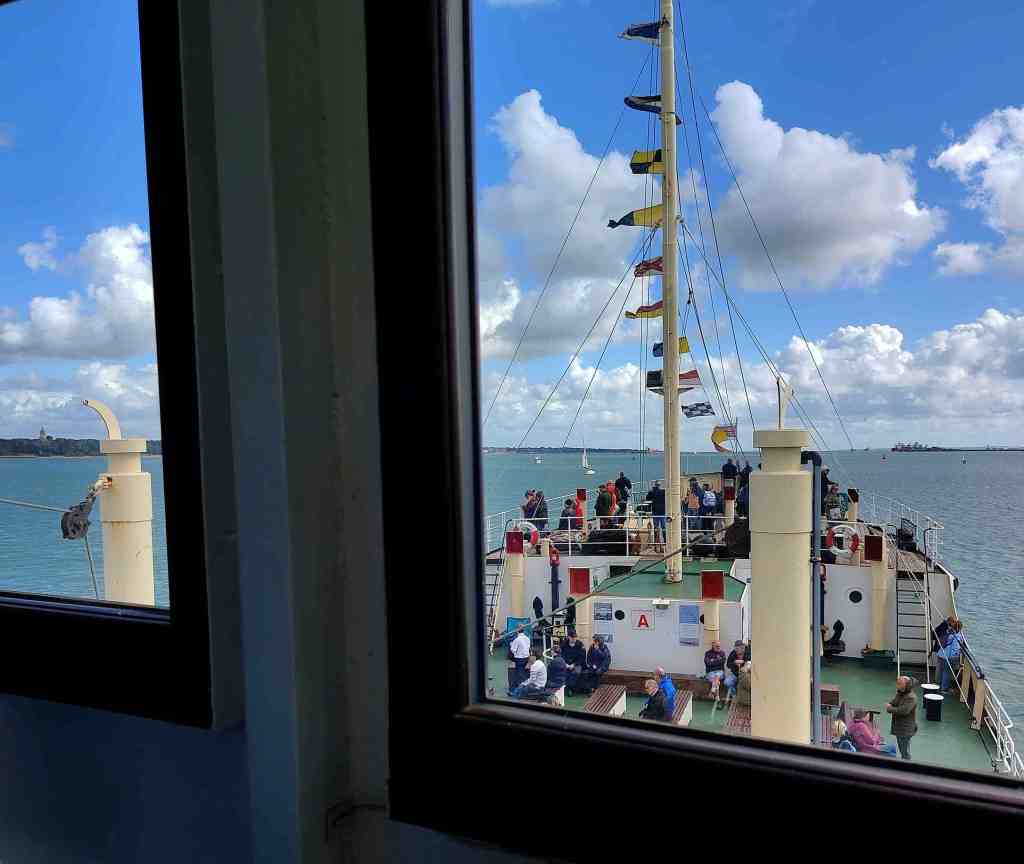
The Bridge.


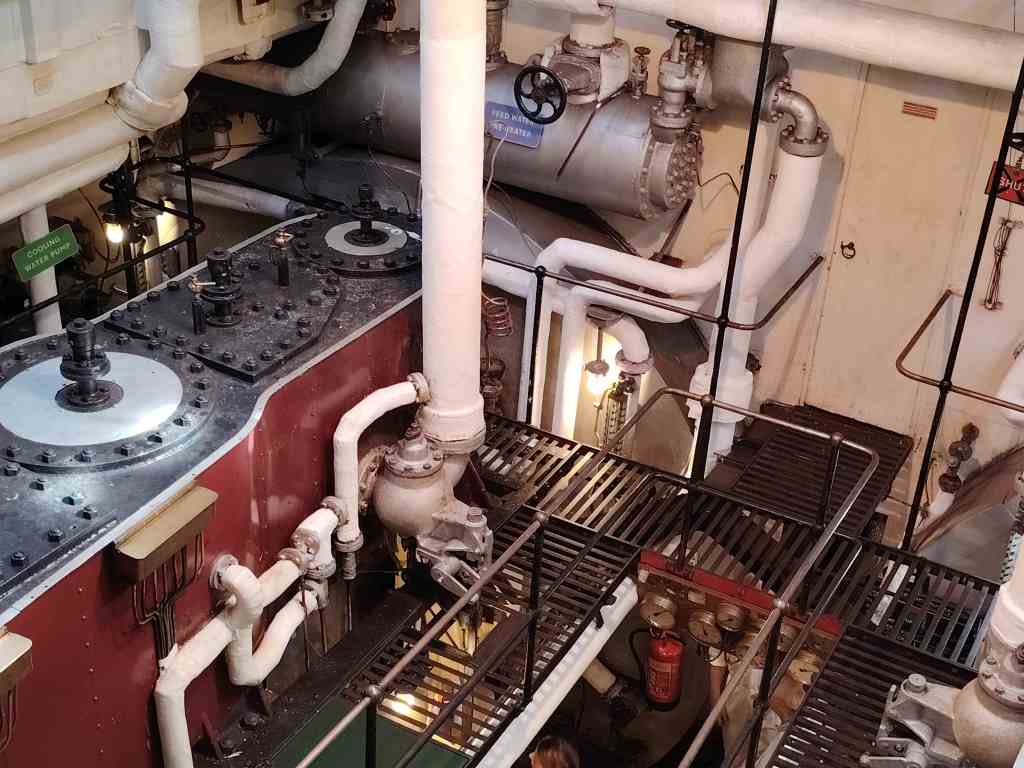
Engine room.
Lifeboat.
Part 2: Meeting Paddle Steamer Waverley.

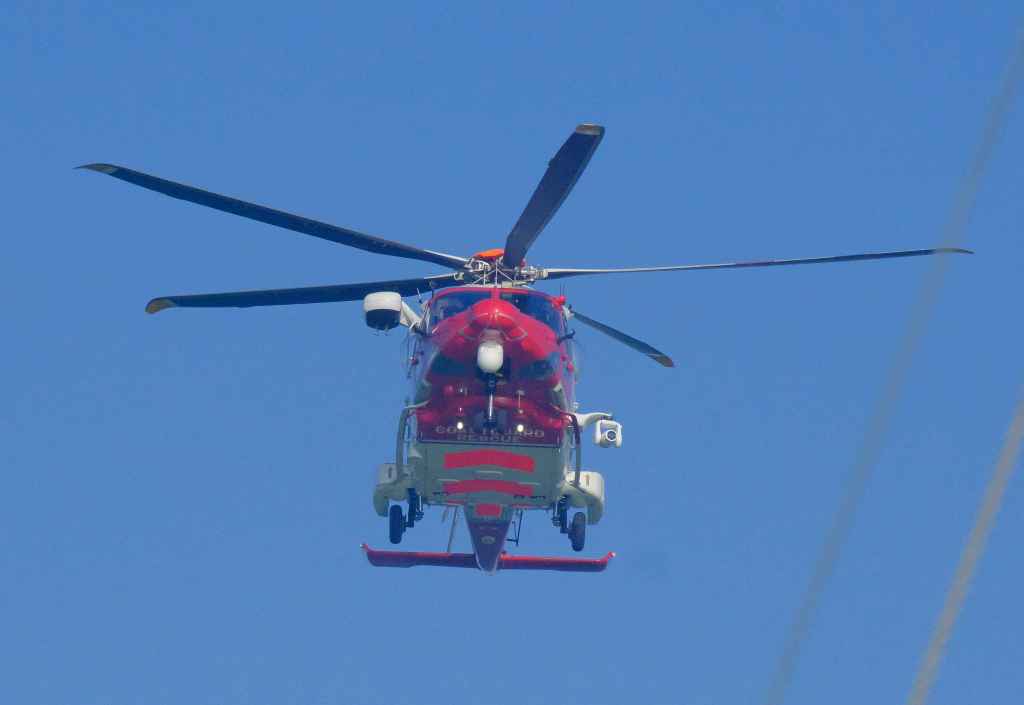
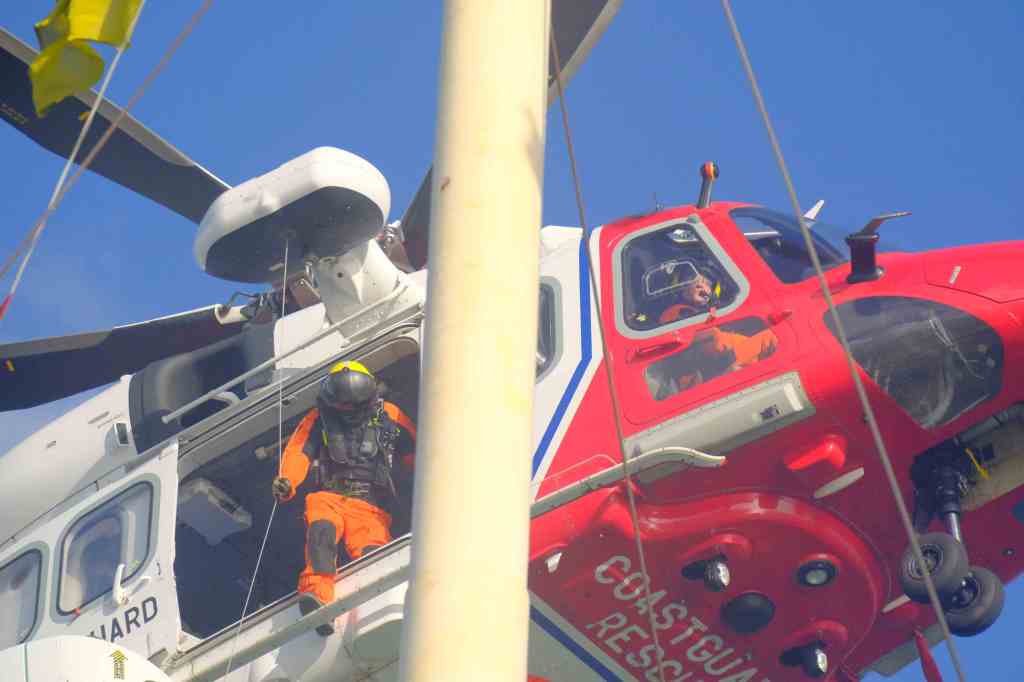
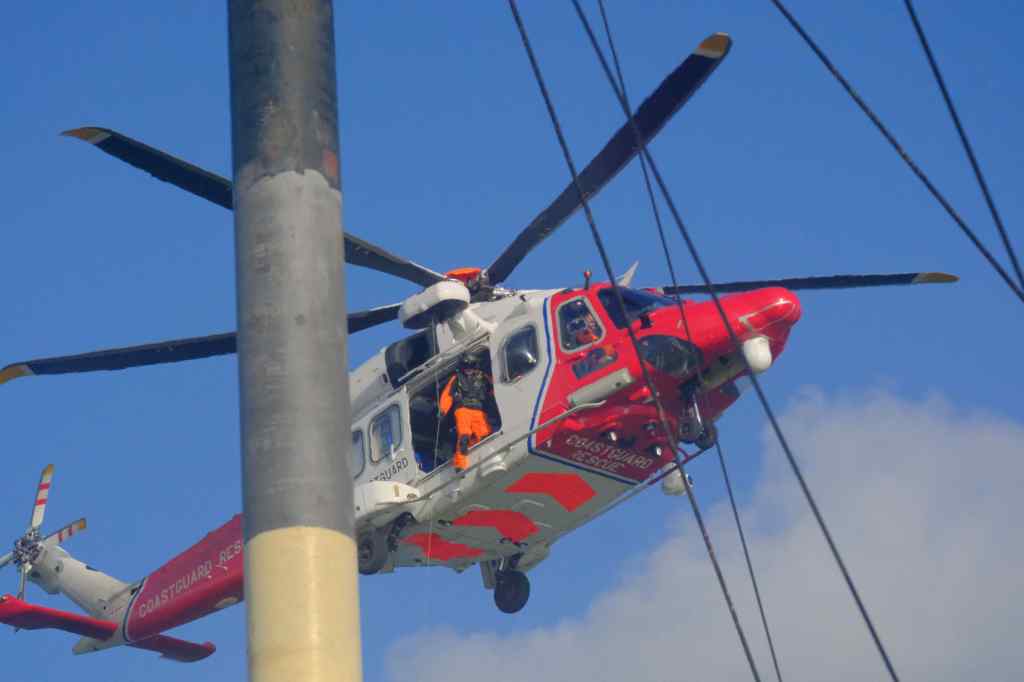
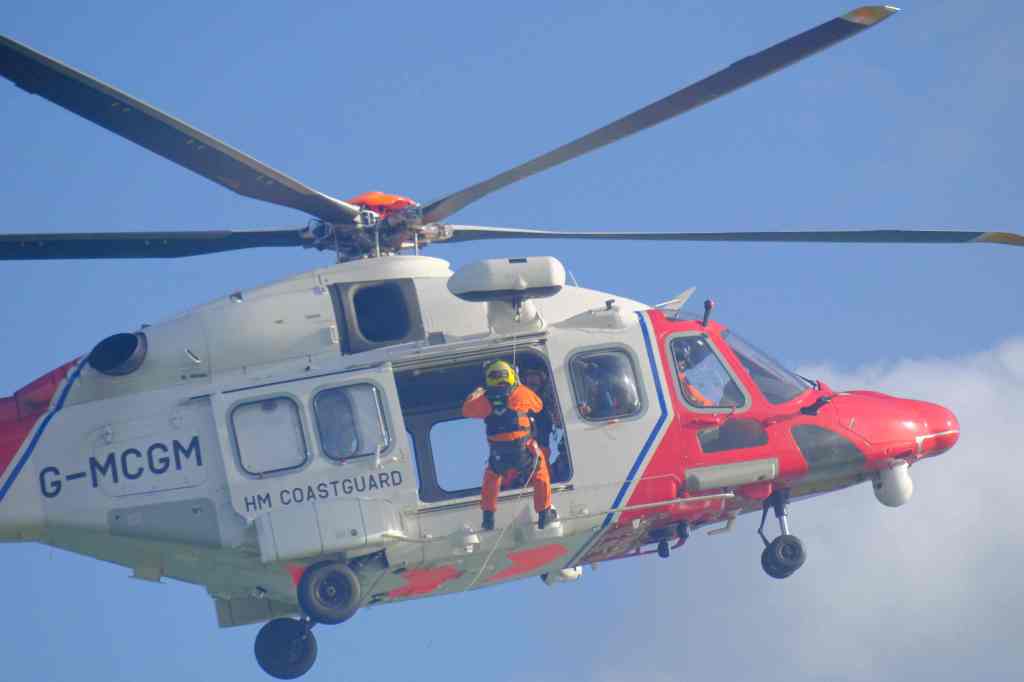
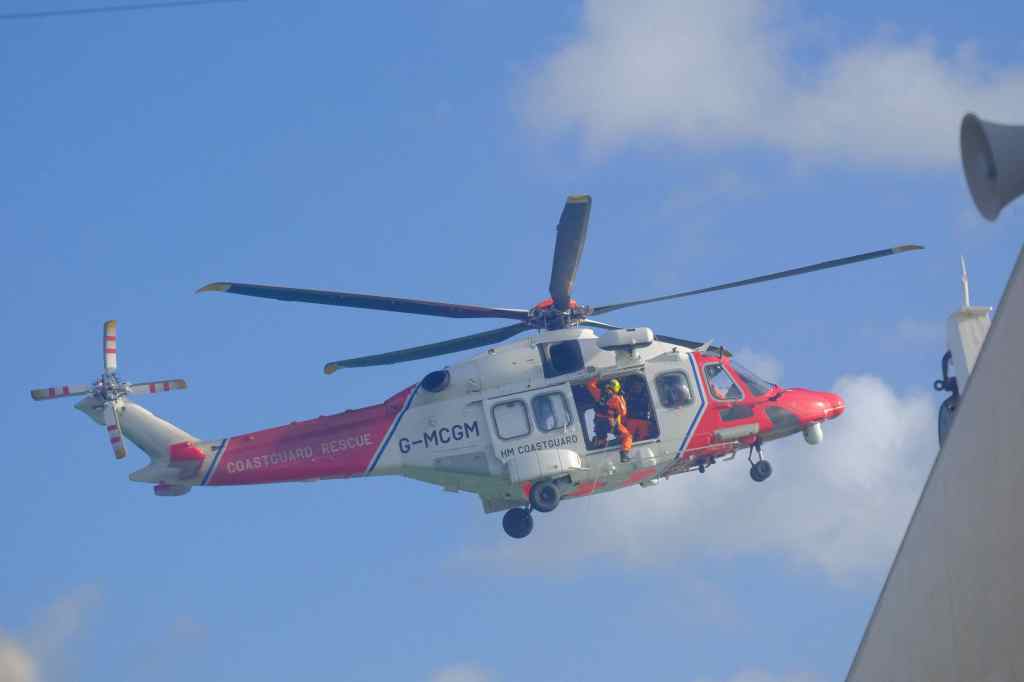
Part 3: A Visit from the Coastguard.
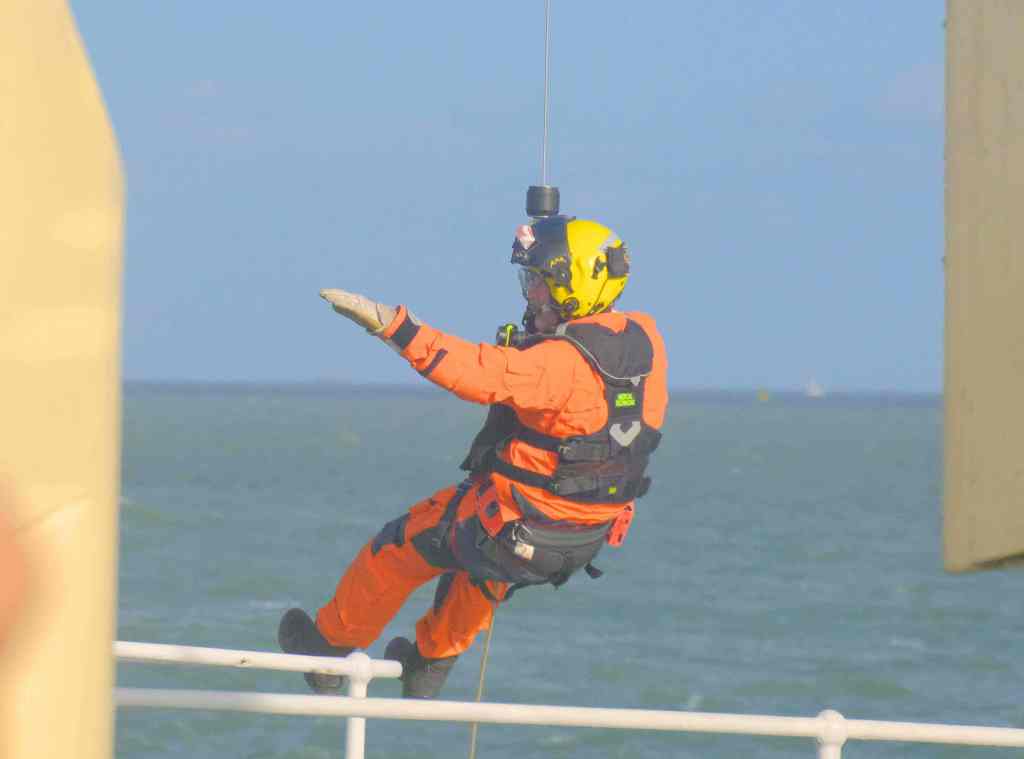
The Team on the Shieldhall have a good rapport with Solent Coastguard and undertakes exercises with them. We were lucky to have an exercise with the Solent Coastguard helicopter. The unit, currently operates two Leonardo AW189 helicopters and is staffed and maintained by Bristow Helicopters Ltd under contract with the Maritime and Coastguard Agency. These aircraft are available 24/7 to respond to coastal and maritime emergencies, often working with lifeboat crews and other emergency services. They operate from their base at Lee on Solent.
You must respect both the skill of the aircrew in putting a winchman on the deck of a moving ship with all the wires and superstructure.


Part 4: Return to port.
After a great trip, once the helicopter departed, we sailed back to Southampton. In the last hour of the trip, the weather broke, and heavy rain came in. We arrived in port at approximately 1900 hours.

Spotted the Leucism Oystercatcher today at Titchfield Haven, see old blog – he has been around since 2017. So nice to spot him again.


After a successful evening watching Common Terns off the Beach at Meon Shore on Friday, this morning we return for a few hours of bird watching.
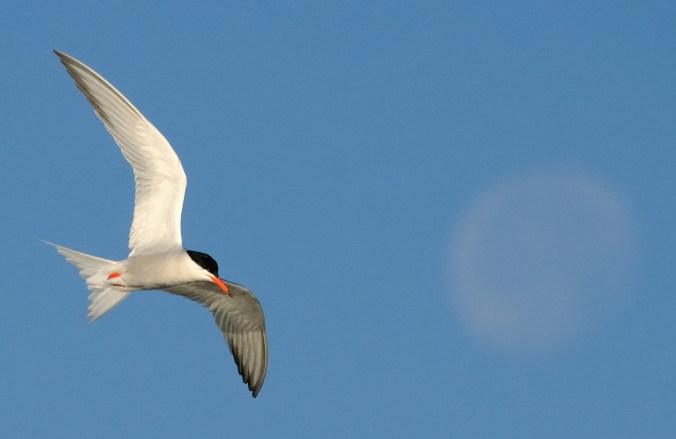


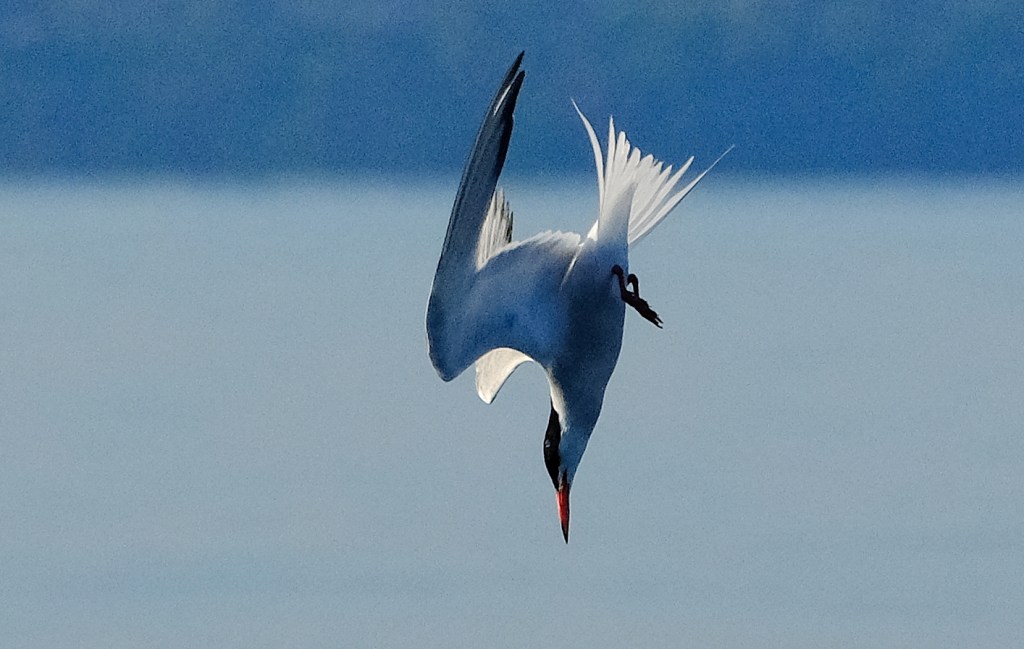

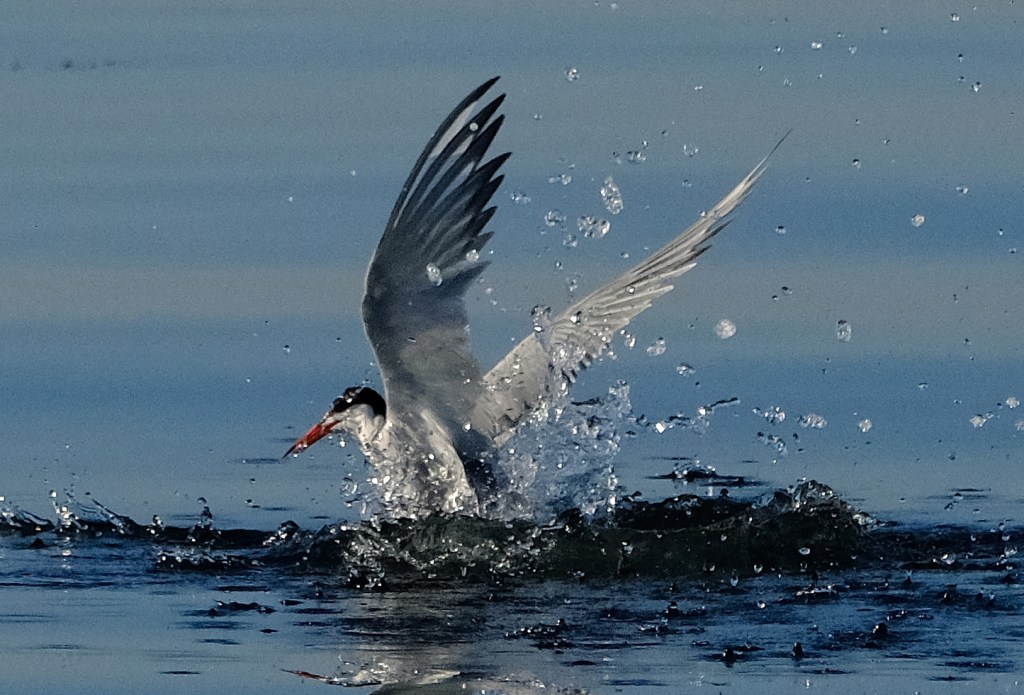


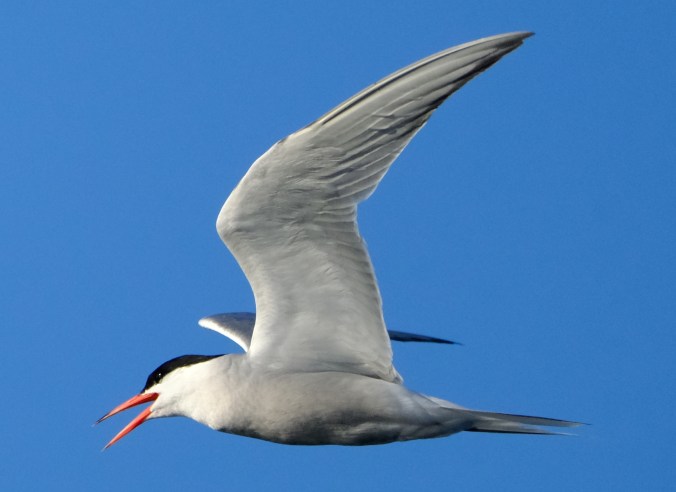
Families of Common terns fishing off Meon Shore. Adult birds have orange bills, while juvenile birds have black and Yellow Bills
.
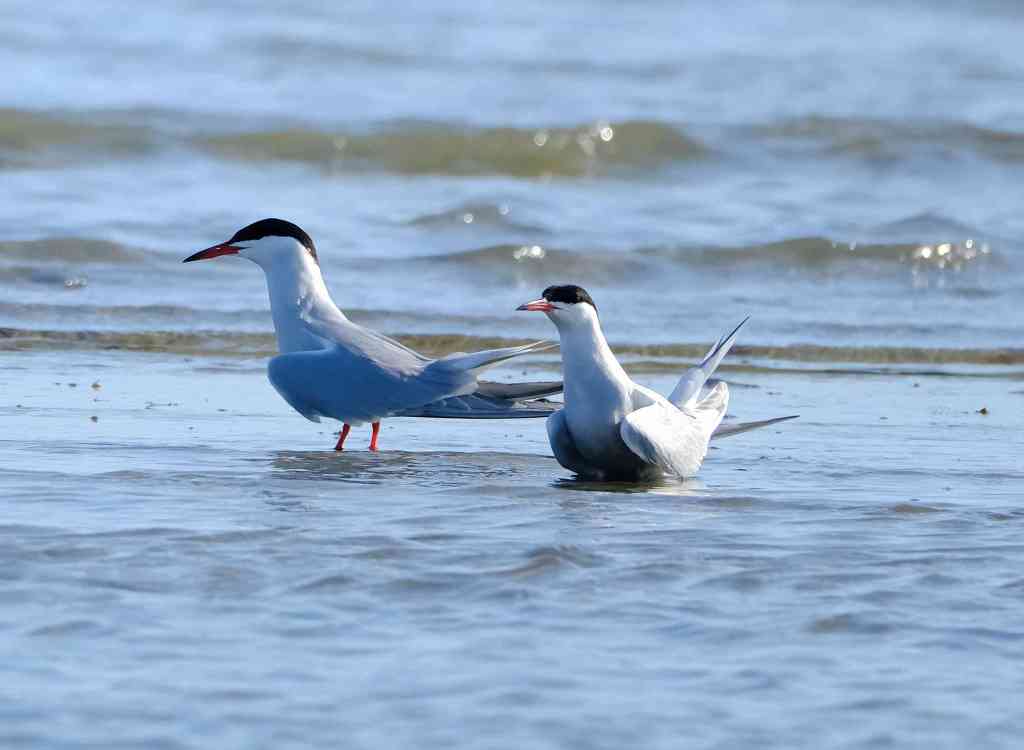

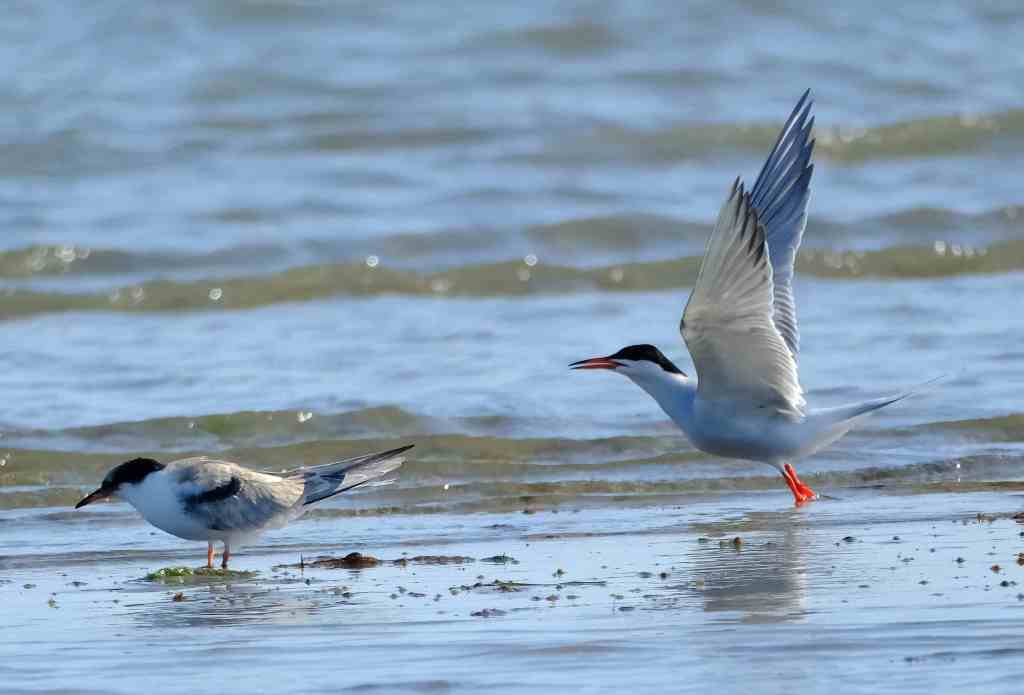
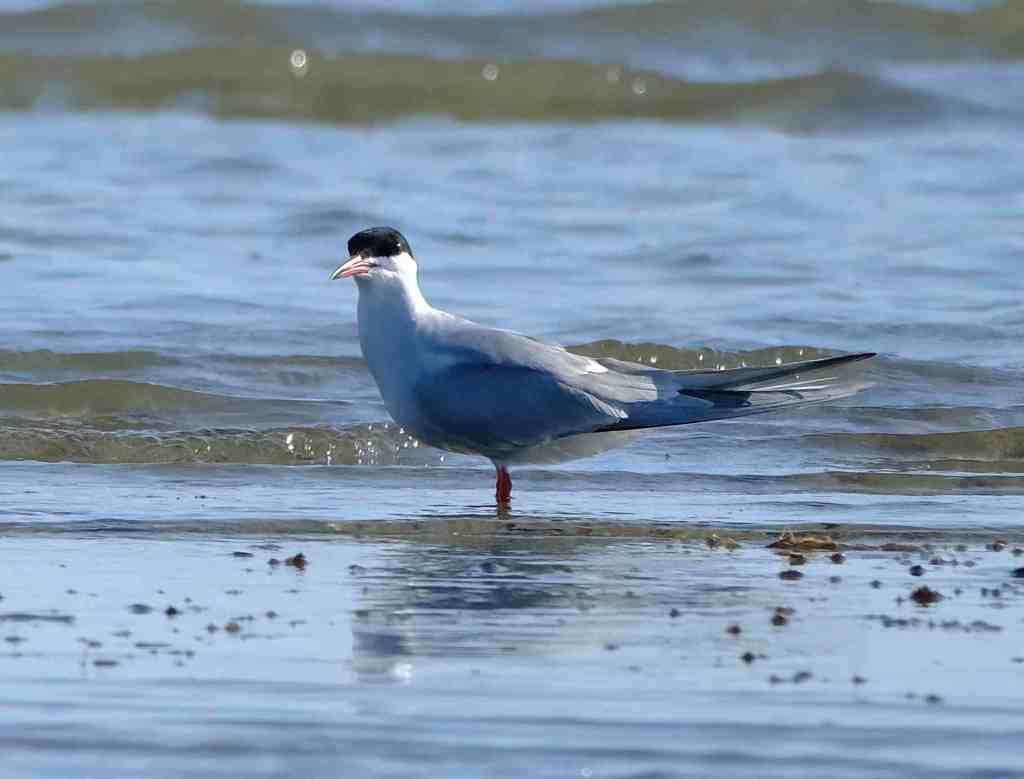


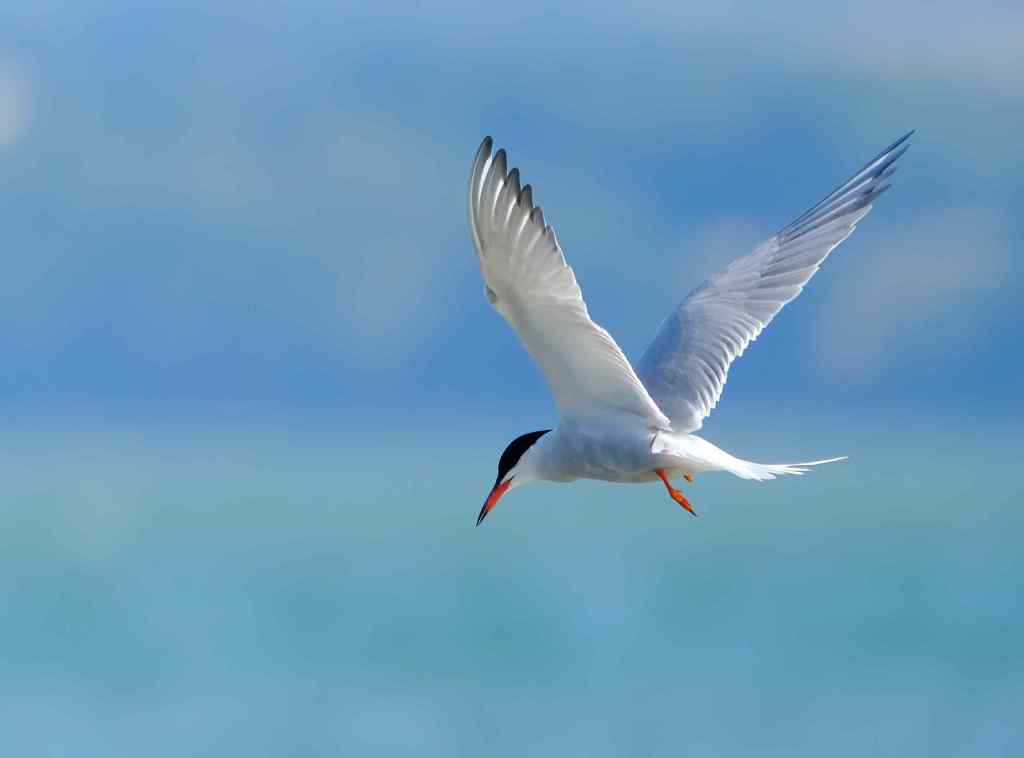


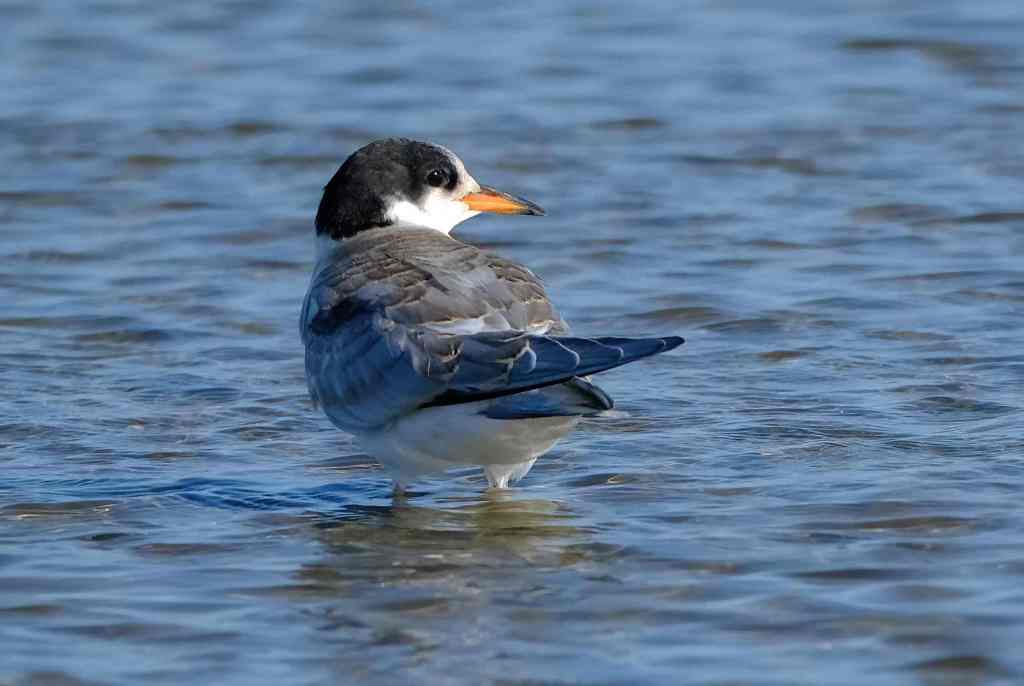
With the heat wave earlier in the week we stayed by the sea to catch the cooler sea breeze . Common Terns were fishing off the beach.


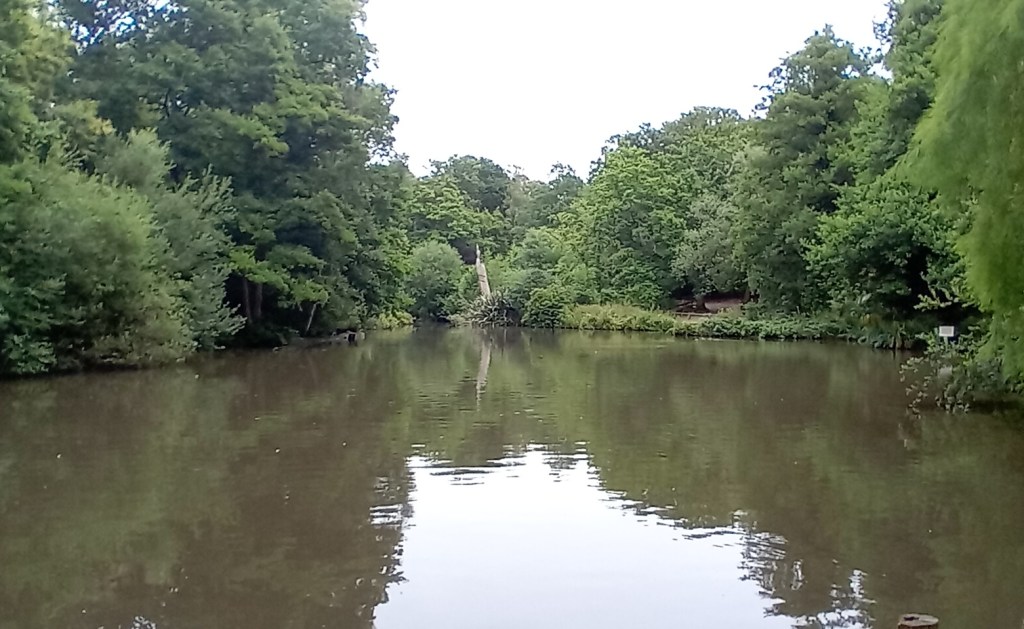
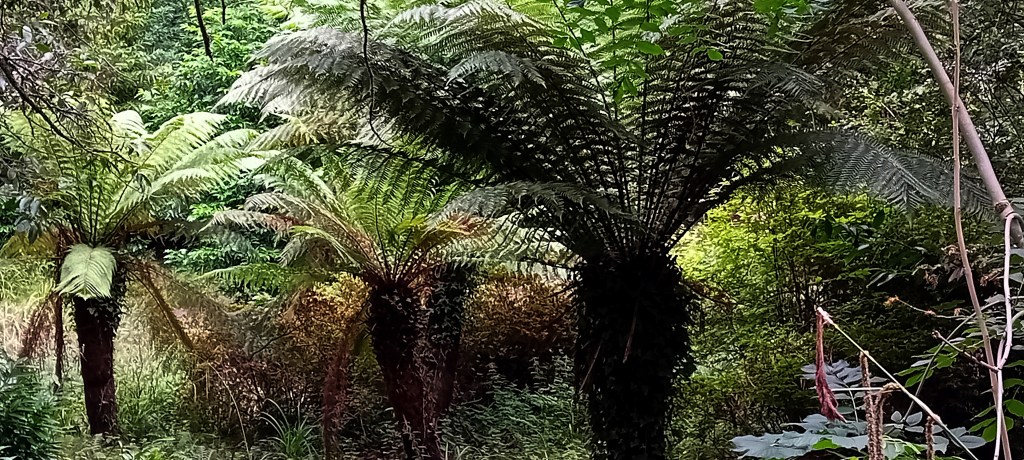
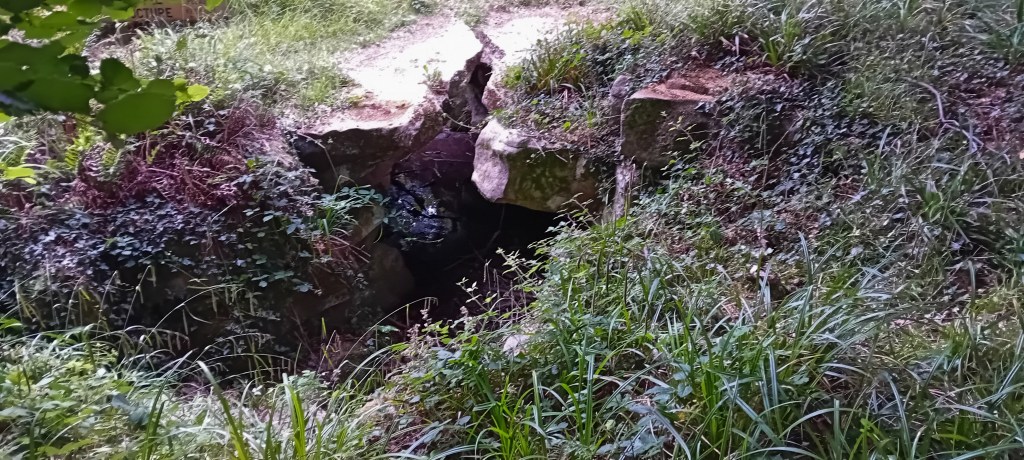
Holly Hill Park is situated on the eastern banks of the River Hamble, north of Warsash. The land is now owned by the council but was once the gardens of a long-lost mansion. As part of this, the mansion the grounds were landscaped, the stream was dammed to form a large lake and further damming was done to create a series of terraced lakes within the valley, rocky outcrops, cascades, and a grotto were made by Pulham Company. They made artificial rocky outcrops with their ‘Pulhamite’ mixture of Portland stone and cement poured over rubble, and individually moulded into shape. {date around 1870} A sunken garden was added in 1936 on the site of a large glasshouse. The building suffered from neglect and was eventually demolished. Fareham Borough Council purchased Holly Hill in 1954.



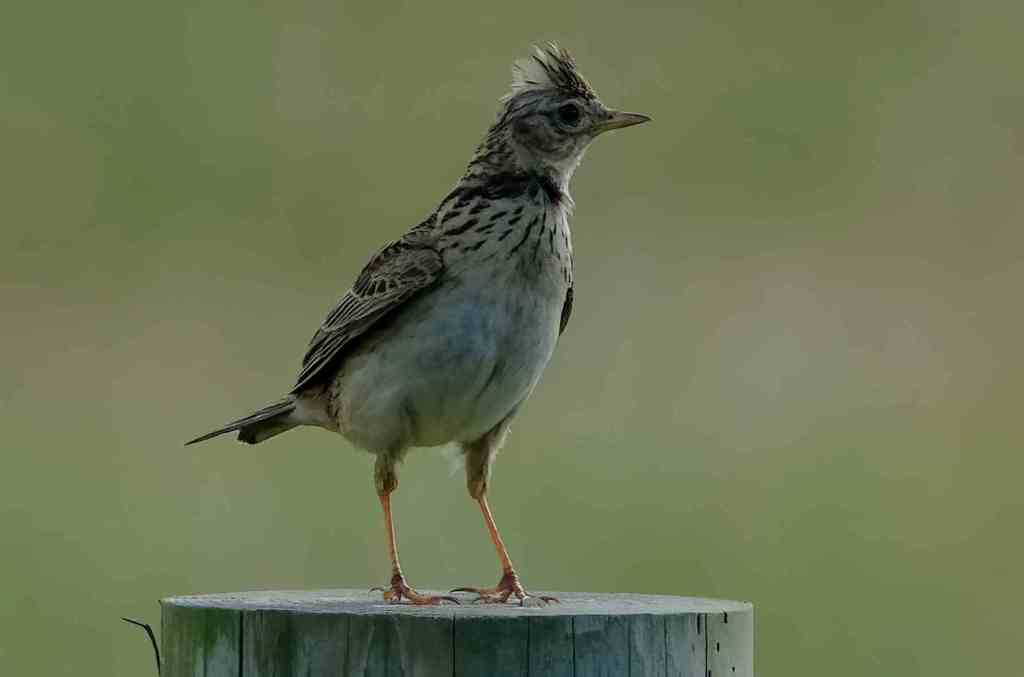
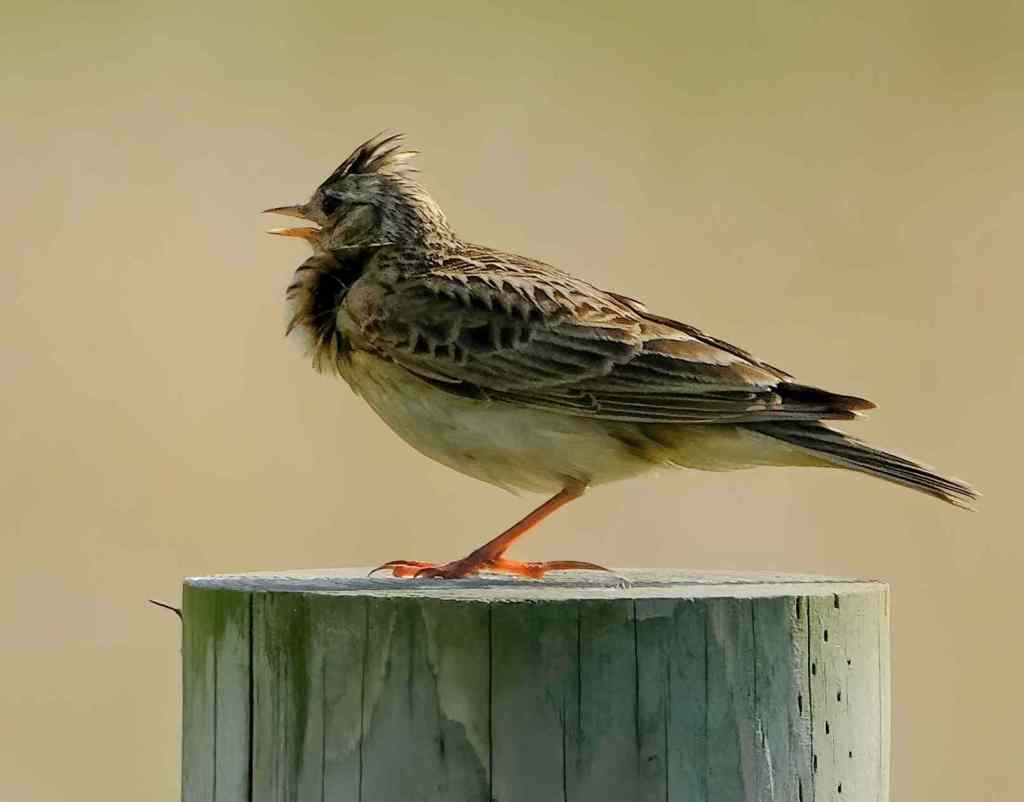
Male skylarks will rise almost vertically from grassland, salt marshes and moorland. They hover effortlessly, singing from a great height. Normally, a speck in the sky, but a treat to hear. This bird was keeping its feet on the ground, singing like mad.
UK Conservation status: Red



After nice bright weather for a couple of weeks, we had a wet, grey day today, and the forecast says it is with us until early next week. On the positive my water butts in the garden are now full of water.
So, pictures today from Titchfield Haven are more like pictures from a winter’s day. Not very nice under sail in the Solent.

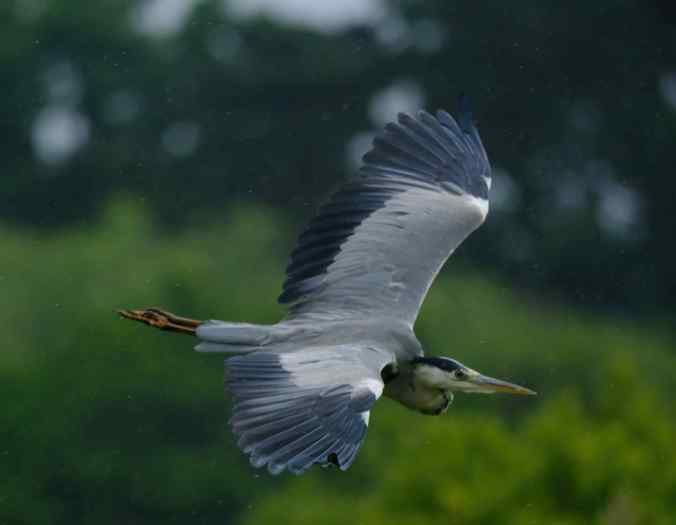
Grey Heron.
Little Egret.

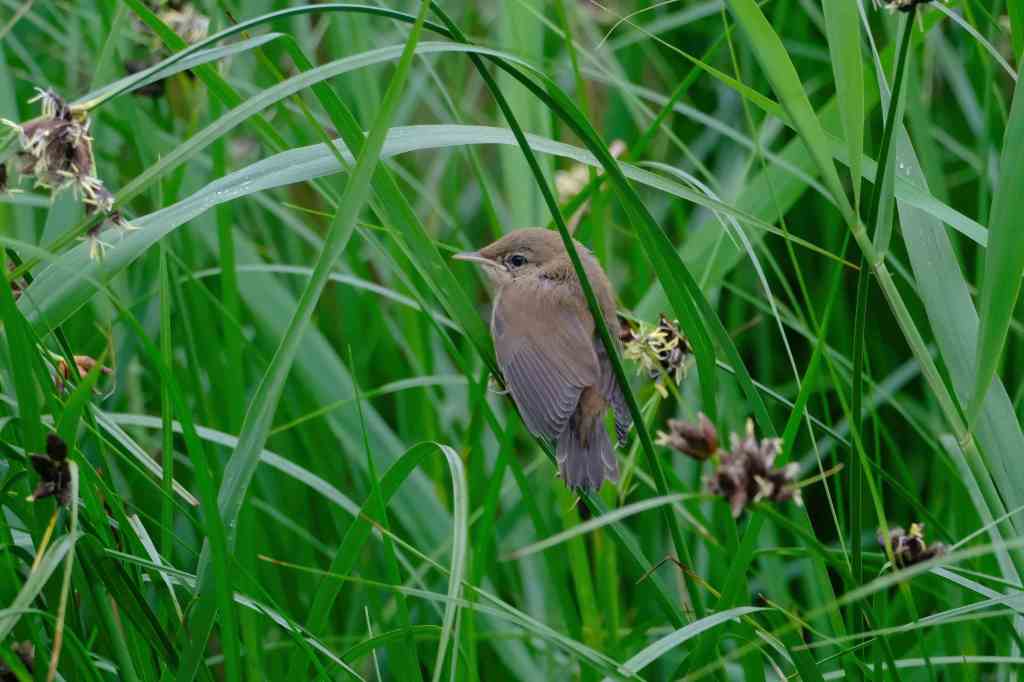
fledgling Reed Warbler.


 Continued Reflections from my World.