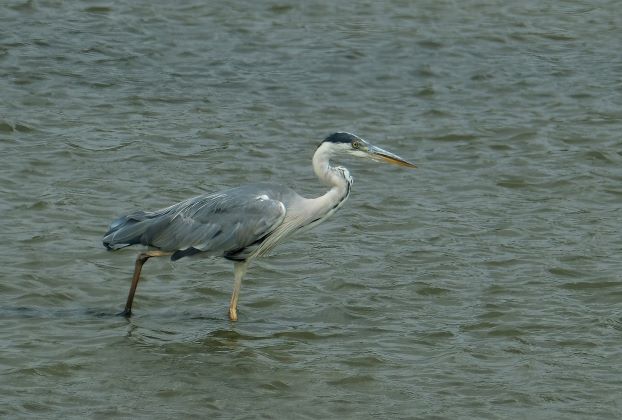
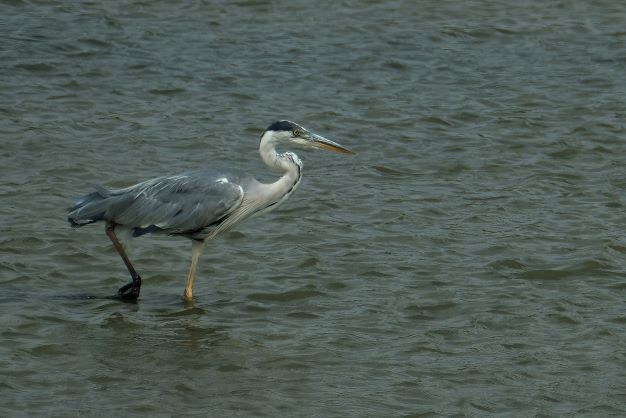
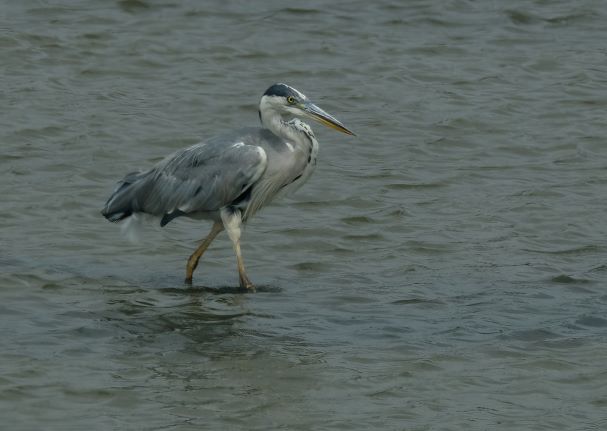
Heron fishing.

Local Heron and an eel.

The Eel has recently suffered dramatic declines and is a protected species. It is famous for its mammoth migration from its freshwater home to the Sargasso Sea where it breeds. I have regularly seen eels being taken by Herons at Titchfield Nature Reserve. I have also found some on the beach.

Statistics

Length: up to 1m
Weight: 0.5-5kg
Average Lifespan: 15-70 years

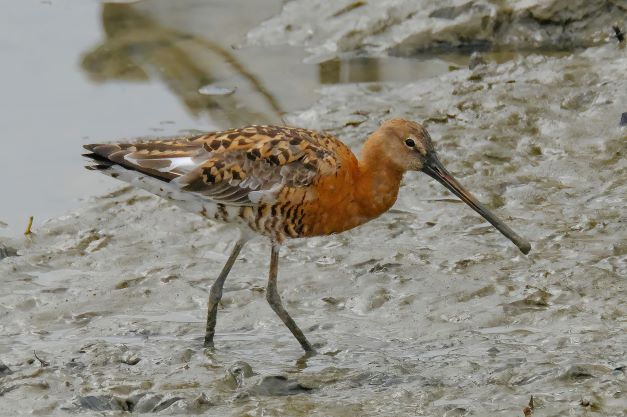
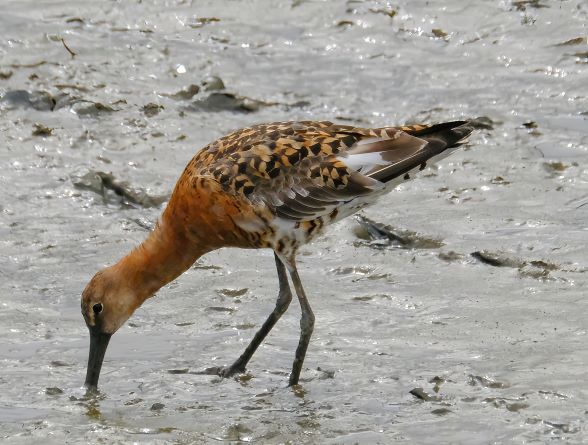
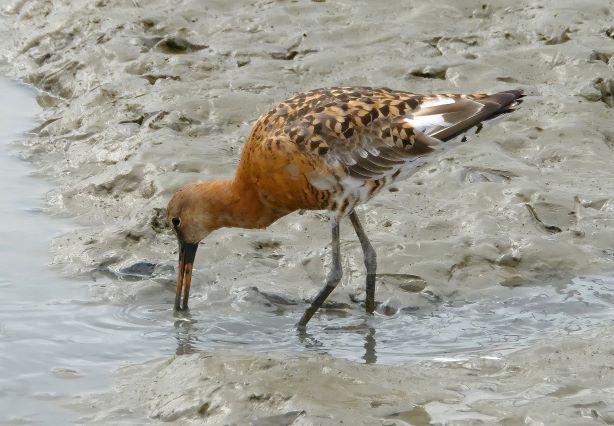
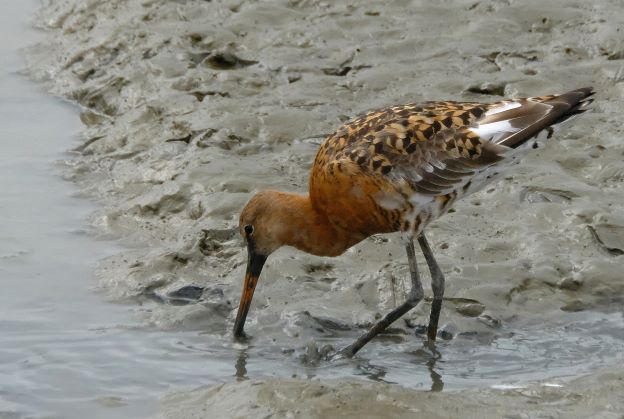
Black-Tailed Godwit

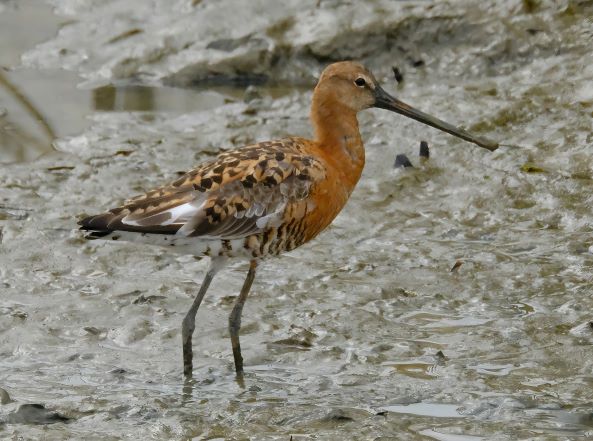
A lone Black-Tailed Godwit (male) at Titchfield Harbour.

This Godwit colour varies depending on its age and the time of year. The male in summer has a stunning colour pattern with a chestnut brown head and neck. The underside is barred with dark brown stripes.

More Terns

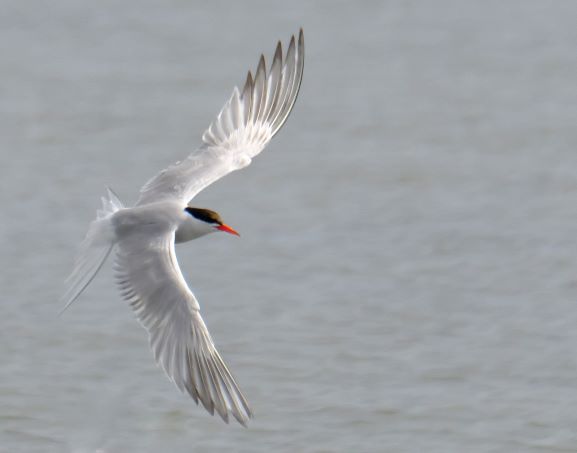
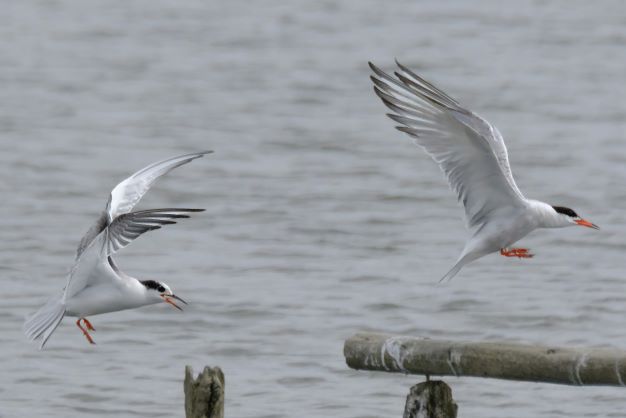
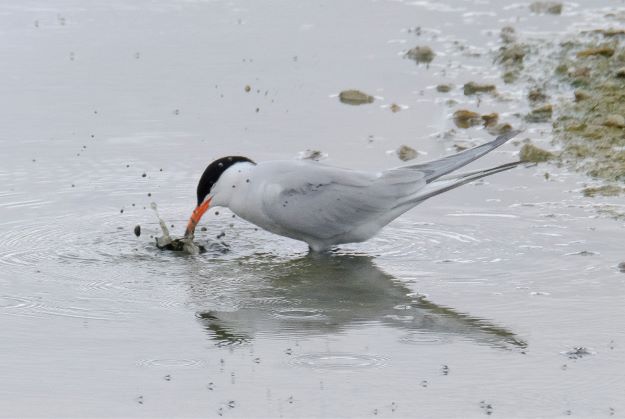
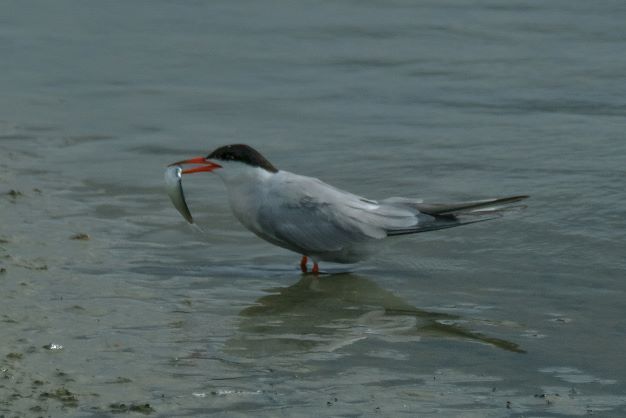
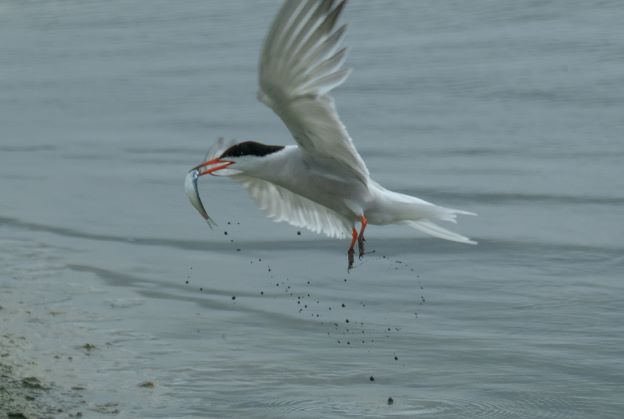
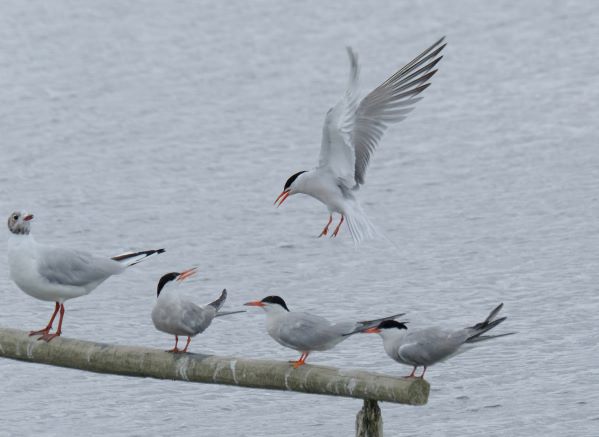
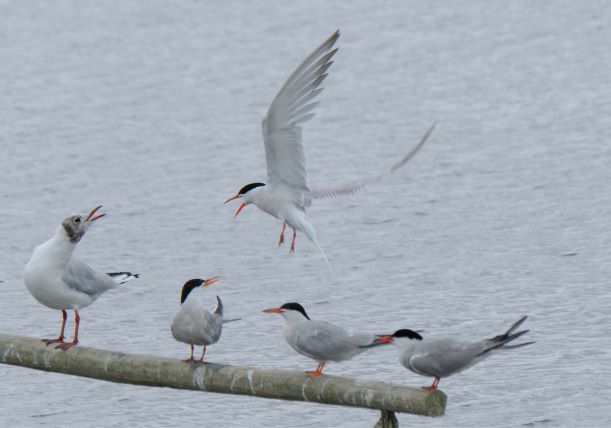
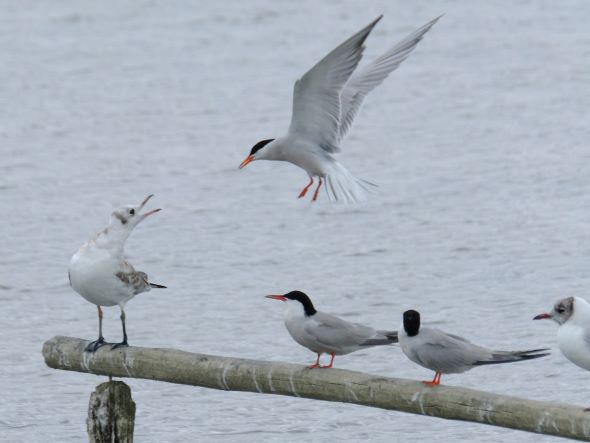
Common Terns.

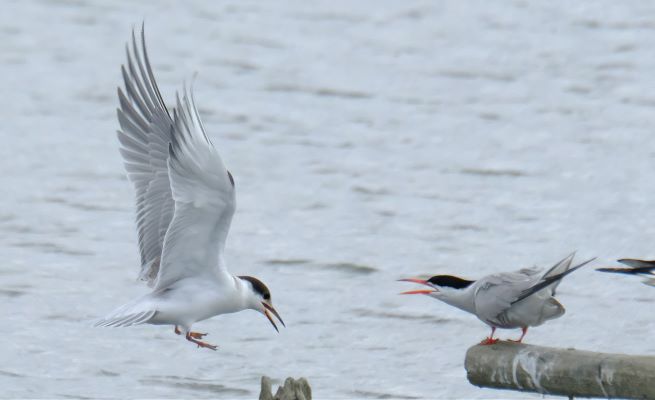
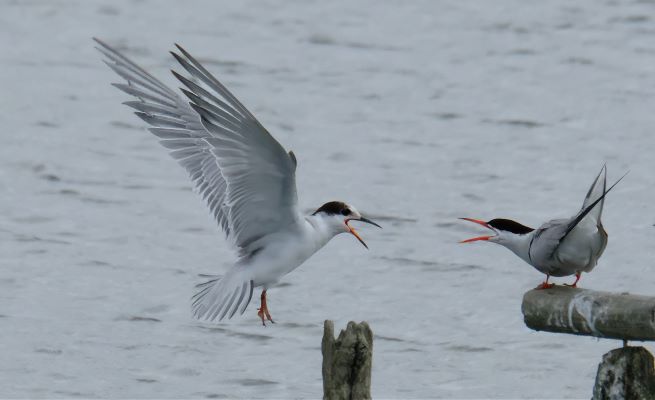
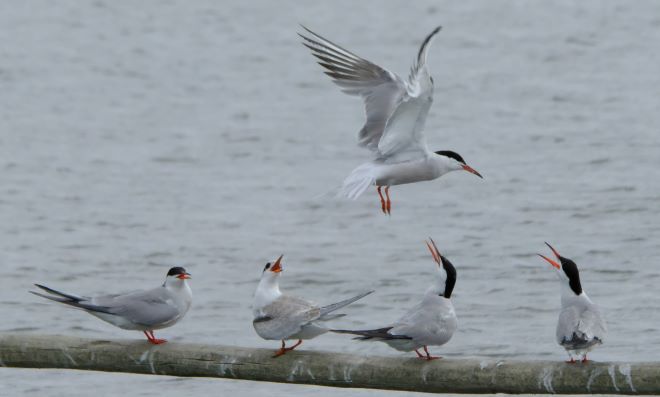
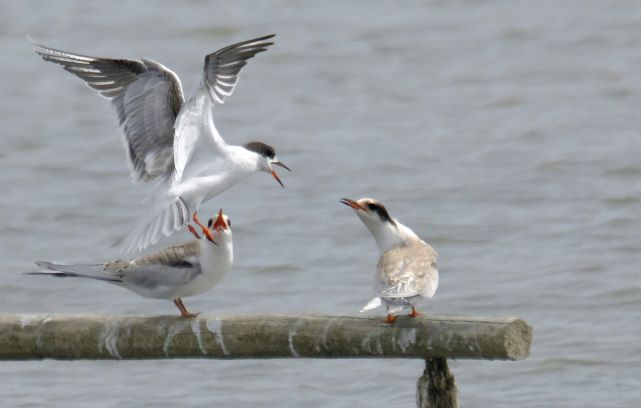
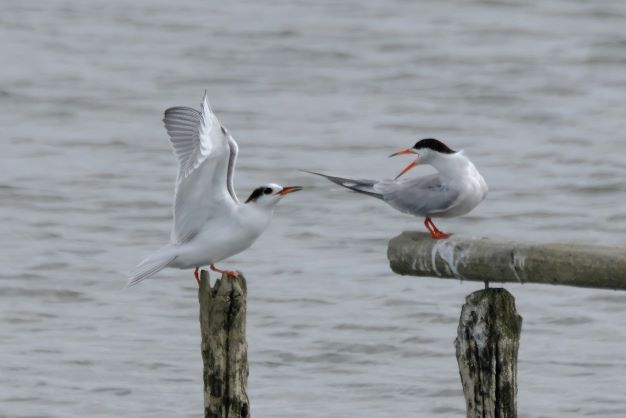
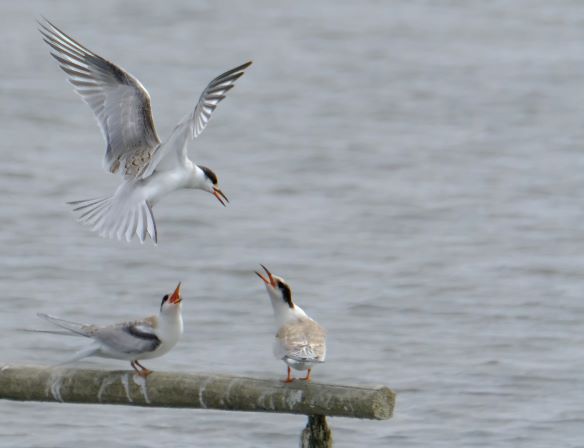
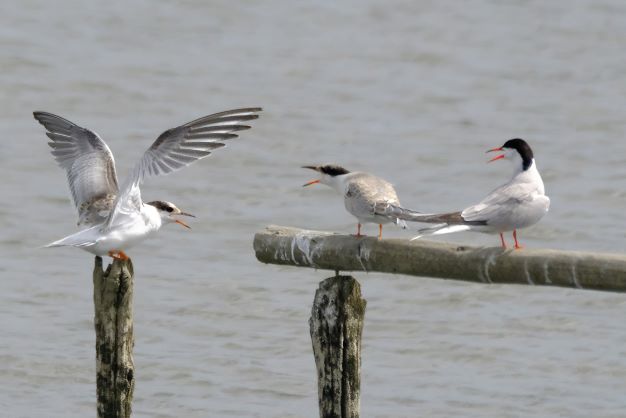
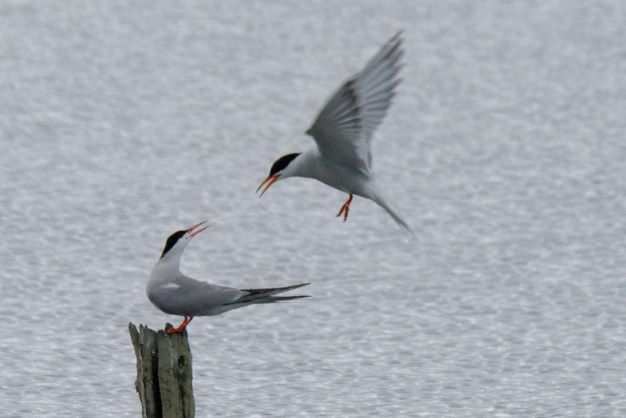
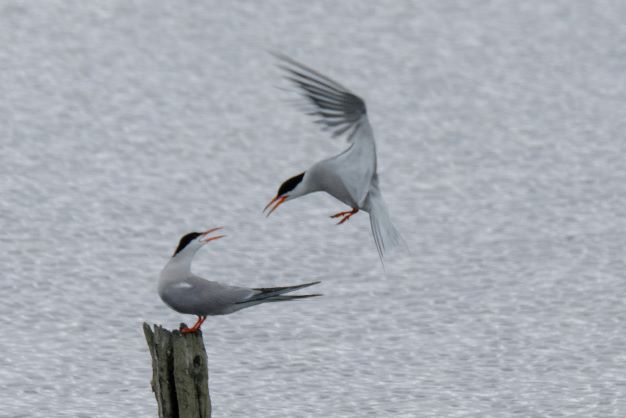
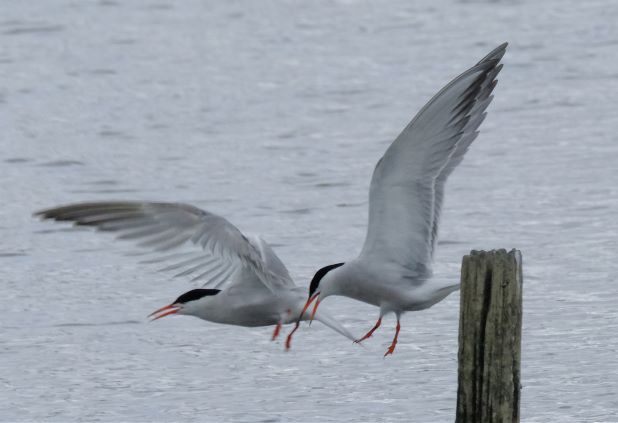
Another visit to Titchfield Haven nature reserve today to watch the Terns. As well as the adult birds lots of juvenile birds learn the ropes before they leave and head off to Africa from their parents.

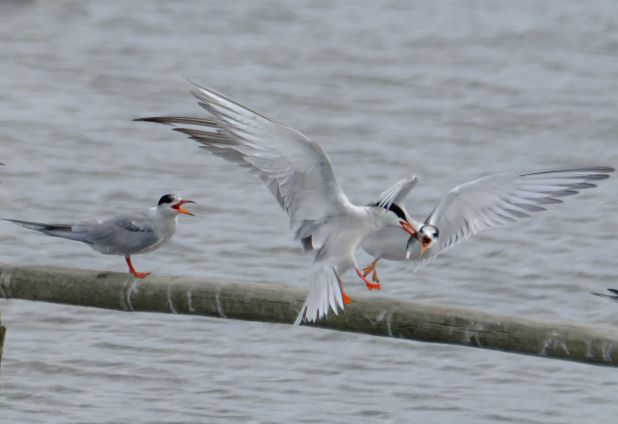
The juvenile bird is on the left note the black cap not fully developed.

The Terns are the stars.

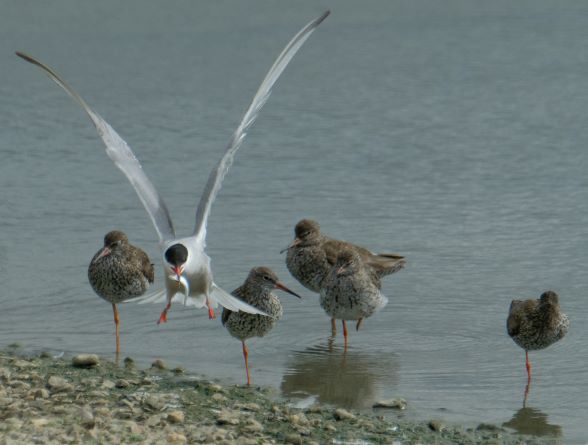
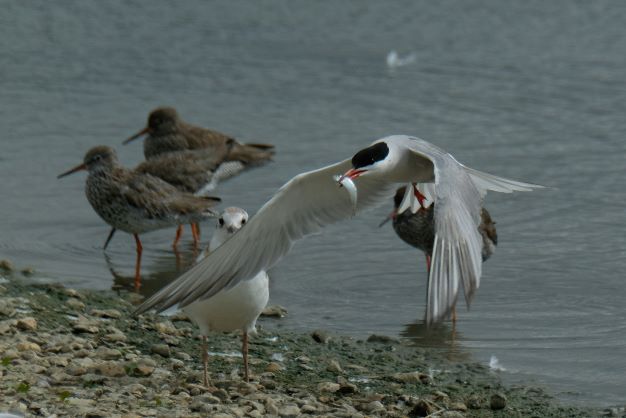
Common Terns at Titchfield Haven Nature reserve. A picture-heavy post. (includes some Red Shank & Black-headed gulls).

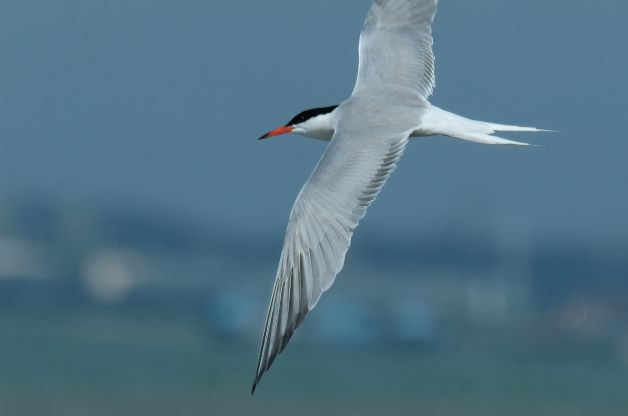
Common Terns are silvery-grey and white birds with long tails that have earned them the nickname sea-swallows They are graceful flight and frequently hover over water before plunging down for fish. They are often noisy. Each year nesting colonies are good at Titchfield Haven. UK breeding:12,000 pairs. I always look forward to their arrival in April and notice their absence when they leave in late August or early September. They migrate South to Africa after the breeding season.

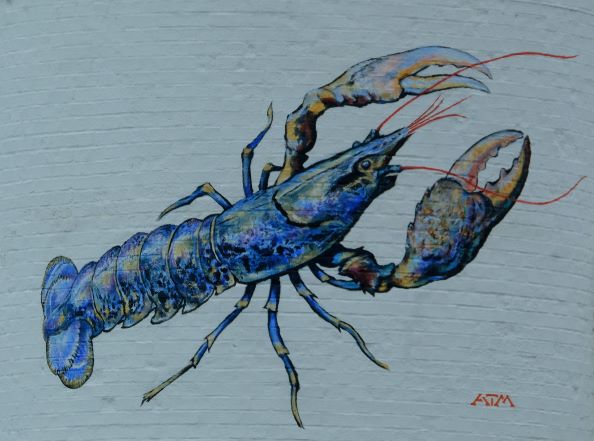
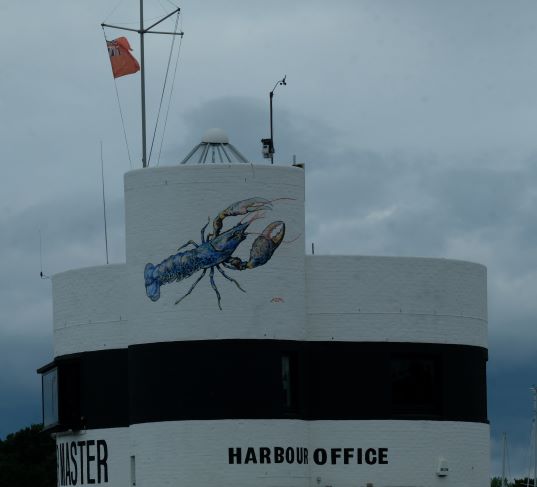
New paint job.

One of 6 murals which have been painted across Hampshire, all depicting sea creatures.

As well as this lobster on the harbour master’s office at Warsash on the River Hamble other sea creatures are at Hythe Pier, & Ocean Village in Southampton and others on the Isle of Wight.

Is this the end of the world as we know it?

We have survived a heatwave last 3 days the weather has caused a total meltdown here in the UK. Being obsessed with the weather we Brits have been totally preoccupied with what the temperature is and our infrastructure failings however we have short memories and in a few weeks, we will have forgotten what the effects of extreme heat are and climate changes are and we will return to our selfish ways.

A major fire swept through Hook nature reserve on Southampton Water near Washash.

We have been spending a lot of time during the heatwave by the sea at our usual spot on Meon Shore. The sea breeze helped cool the air and allow some comfort.

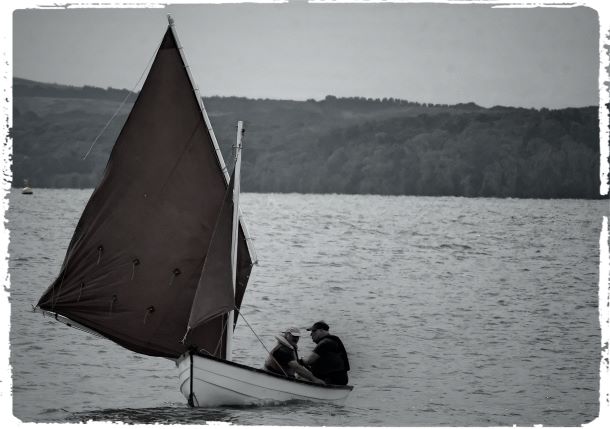
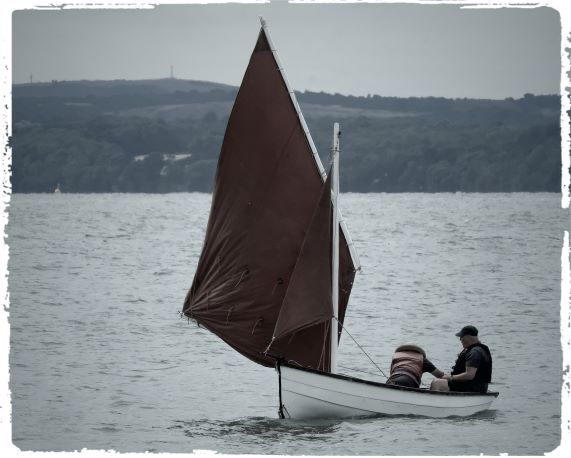
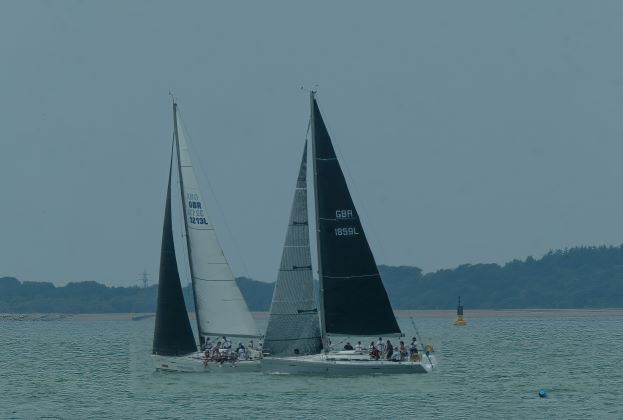
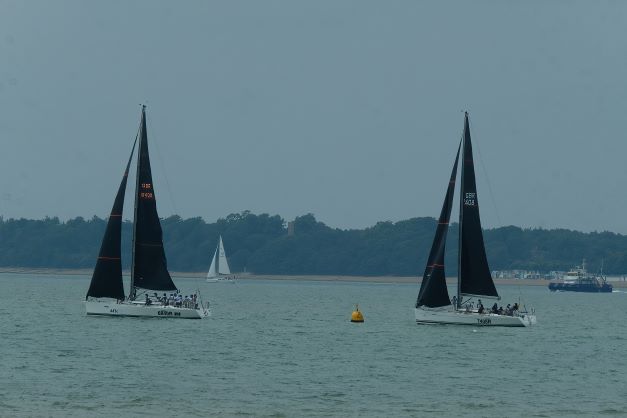
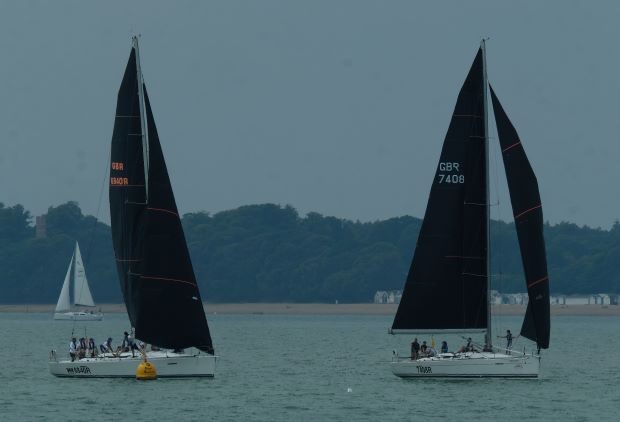
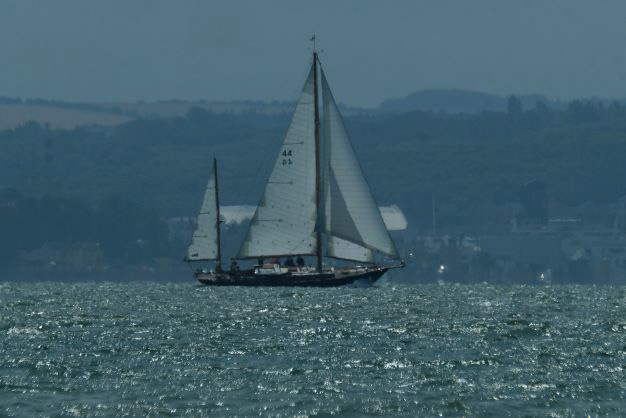
Probably the coolest place in the UK was on the water sailing in a yacht out in the Solent. These were sailing off Cowes on the Isle of Wight. Pictures were taken through a heavy heat haze from Meon Beach

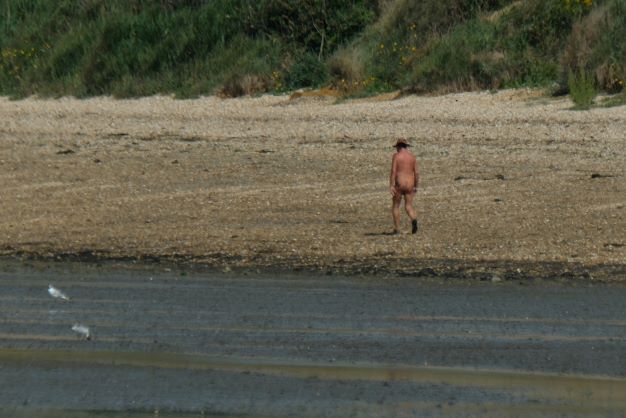
Some people found other ways of keeping cool! Please note a hat is essential.

Some bird watching from the water’s edge. Despite the number of people on the beach birds were plentiful.

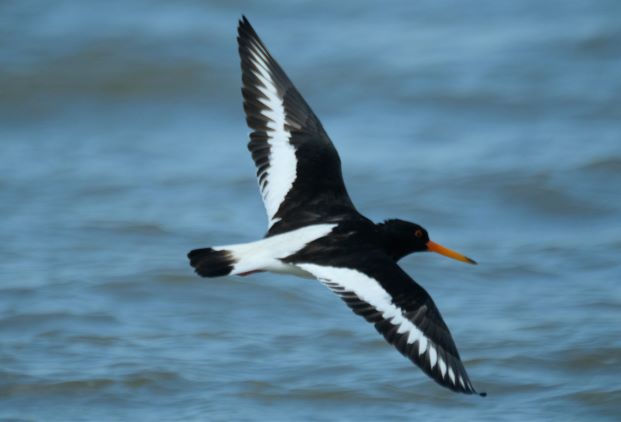
Oystercatchers.

Turnstones.

Herring Gull. (With attitude.)

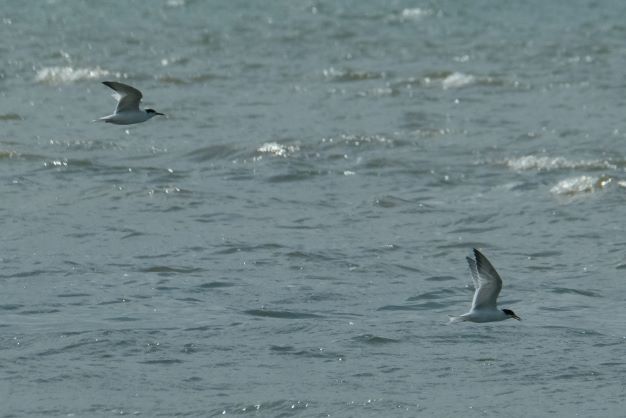
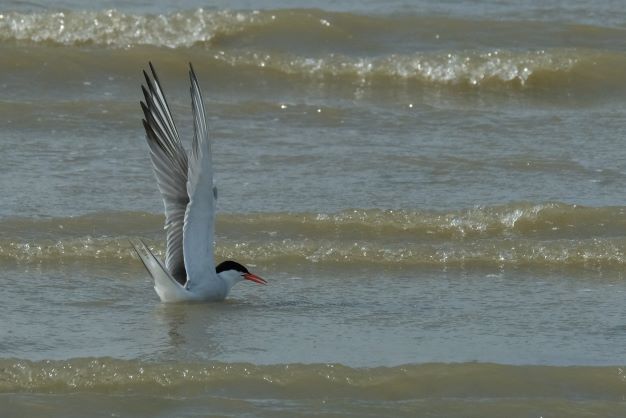
Common Terns.

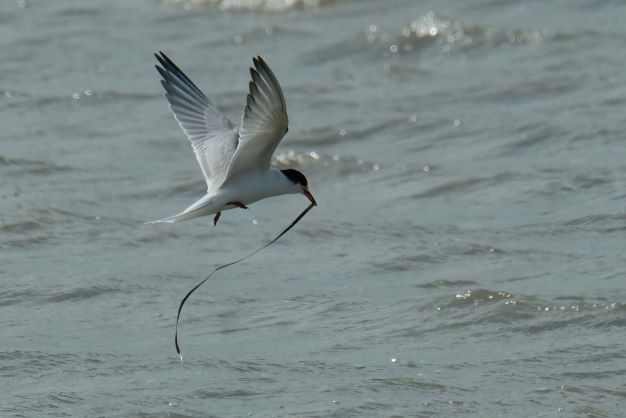
A young tern thinks he has caught a big fish!

Work goes on for others whatever the weather.

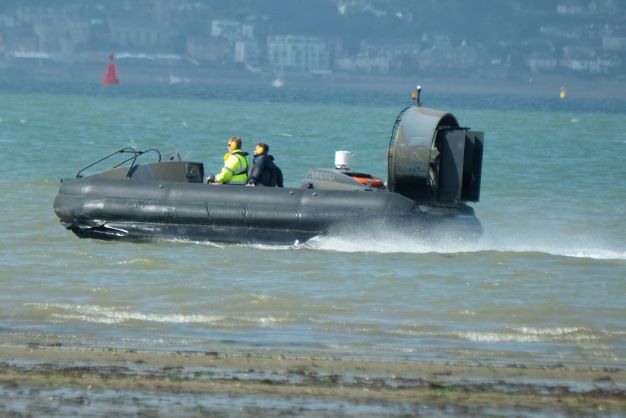
Experimental Hovercraft.

Shipping leaving port.

Search and Rescue Helicopter on patrol.

Thunderstorms and cooler weather are now forecast.
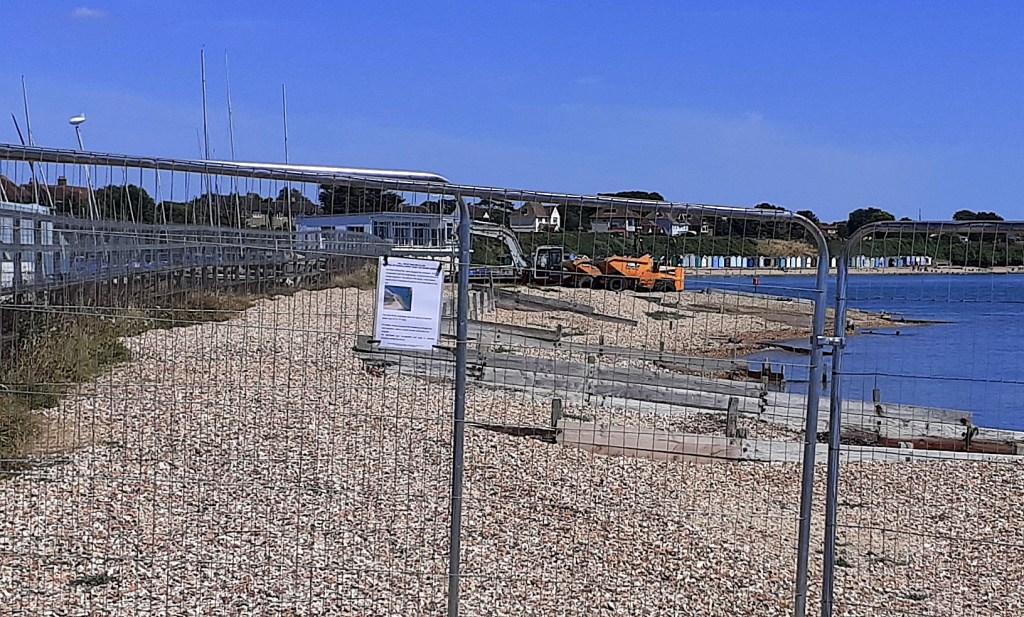
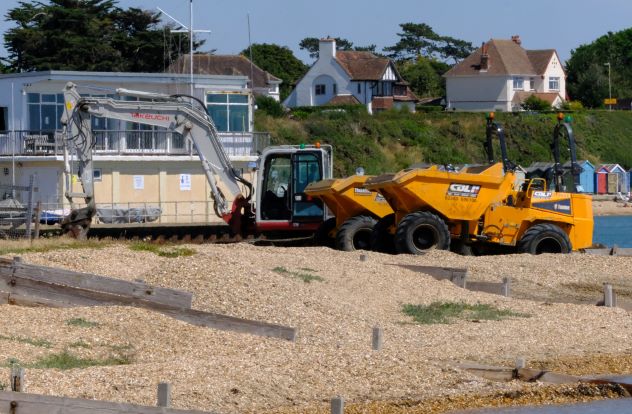
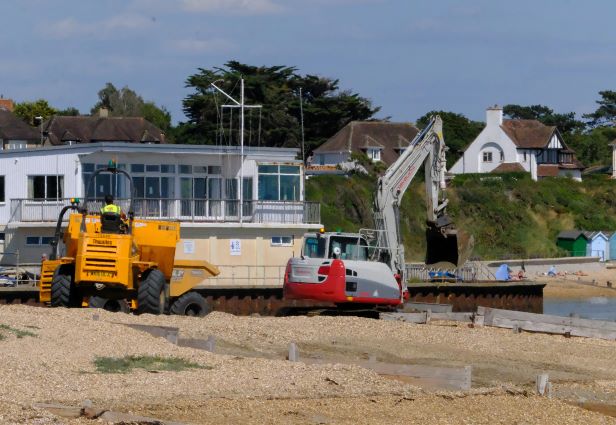
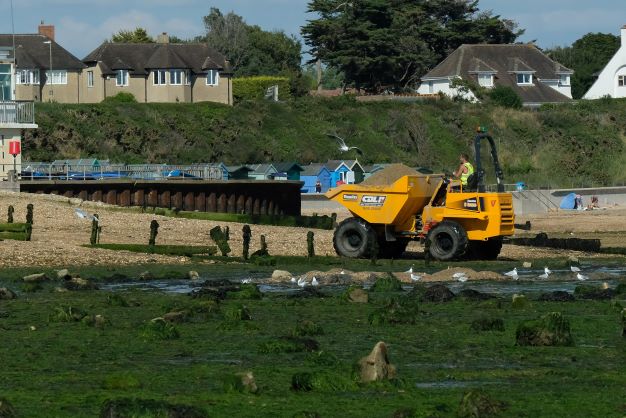
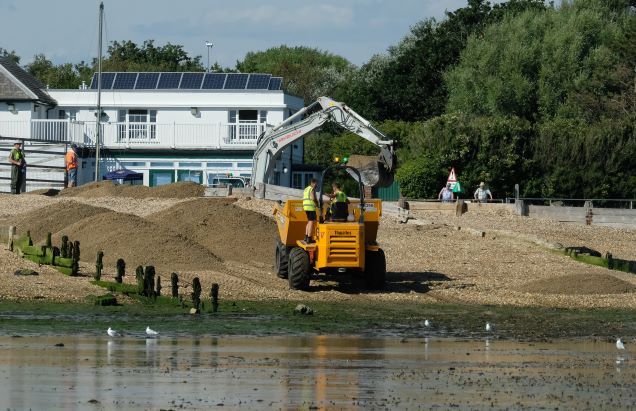
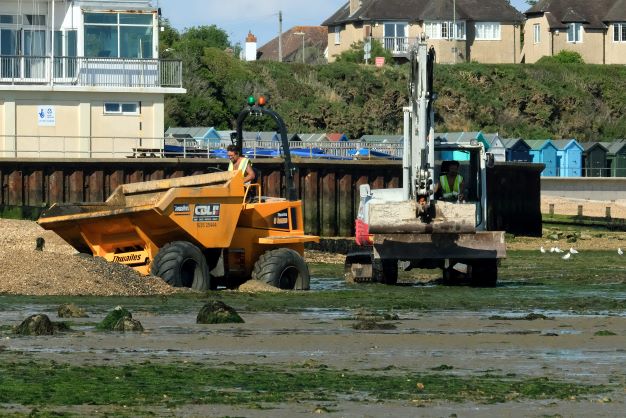
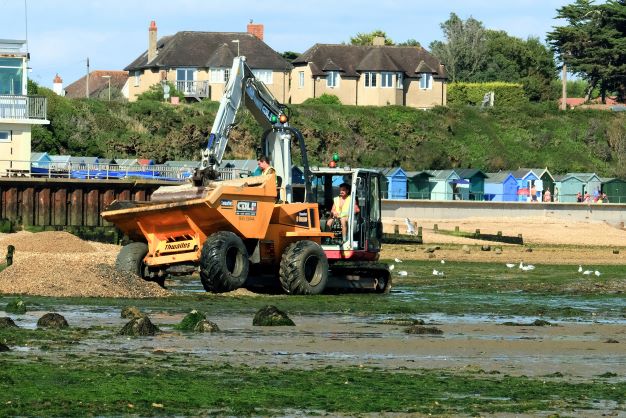
The Beach is partly closed.

The River Meon allowed sea-going vessels to reach the important trading centre of Titchfield with its large Abbey. Titchfield’s history stretches back to the 6th century. It operated as an important port and market town during medieval times. Ships entered the river at Hill Head and navigated their way up to Titchfield {about 2 miles inland} until as late as the start of the 17th century when silting started to restrict the passage. As the river continued to silt up the Titchfield Canal was built opening in 1611. It was only the second canal existing in Britain at the time. Soon the canal also suffered from silting and the sea trade moved away from Titchfield to nearby Southampton. At the same time as the canal was constructed, the outfall of the River Meon to the sea was dammed, creating the wetlands that now form the Titchfield Haven Nature Reserve. Around 1900 Hill Head consisted of only a few small cottages and fishermen’s wooden sheds located at Titchfield Haven. Over the years a small harbour was constructed for small pleasure boats, where the River Meon continues to flow into Southampton Water. Every few years the mouth of the harbour blocks up with silt and shingle and requires removal to allow its continued use. Over the next few days, the build-up is being removed, and the beach around the spit should be open by early next week.