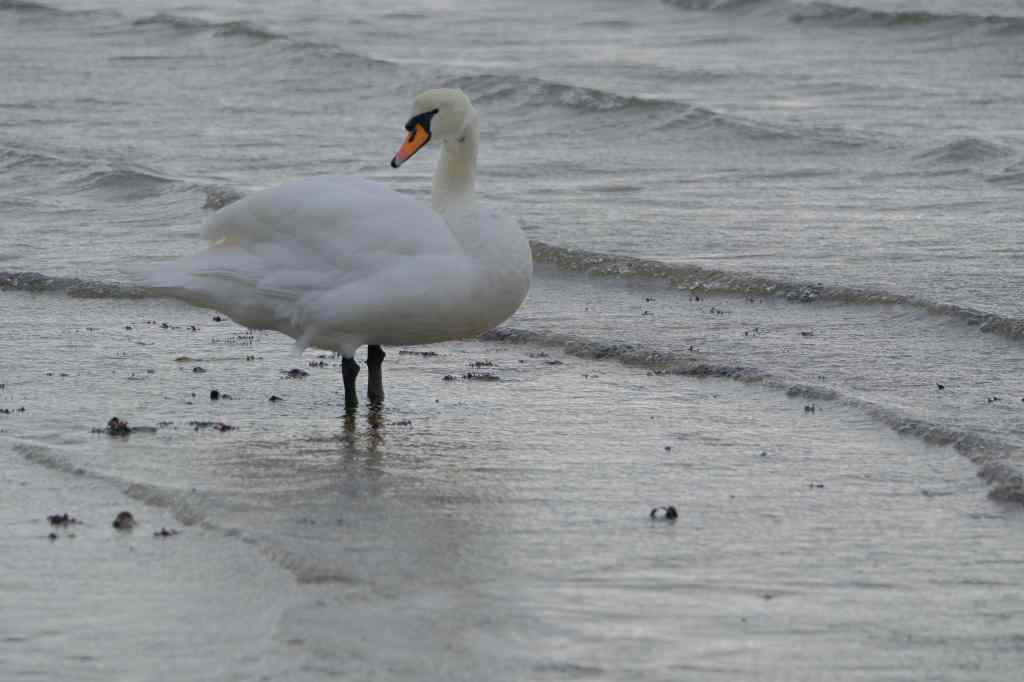
Mute Swan in the choppy swell off Meon Beach Hampshire.
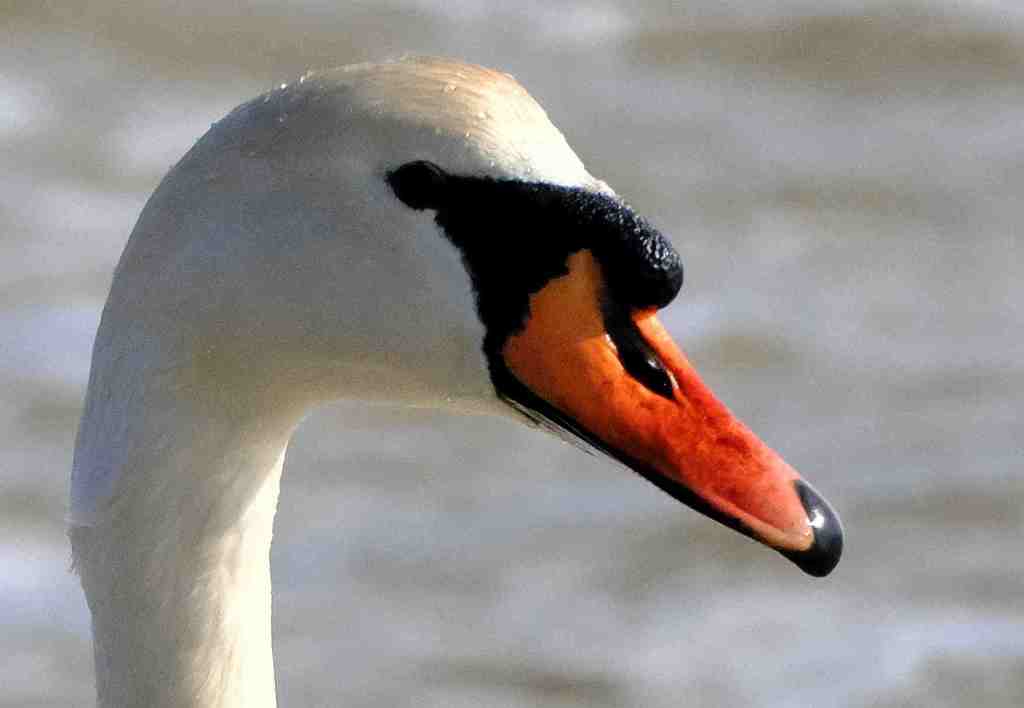


Mute Swan in the choppy swell off Meon Beach Hampshire.
#Wordless Wednesday.
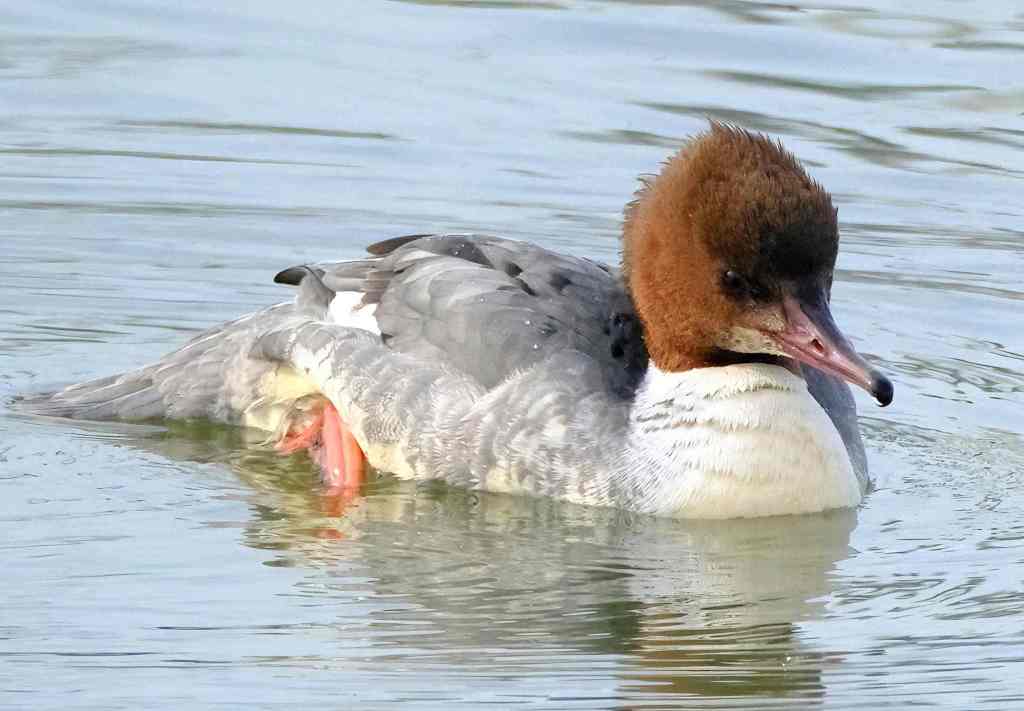
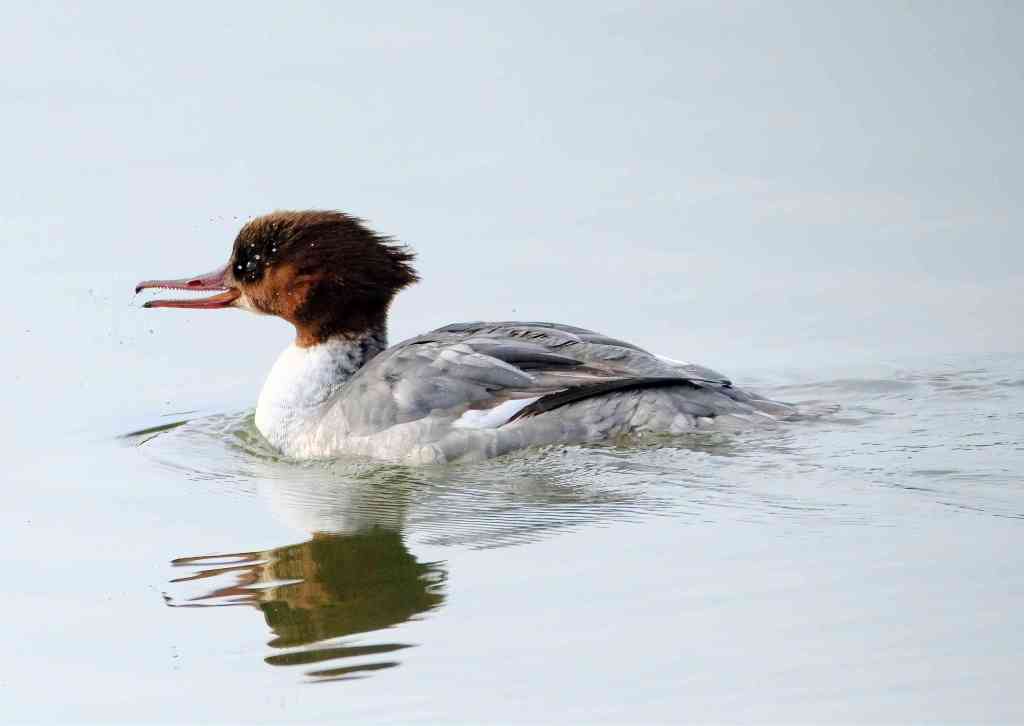
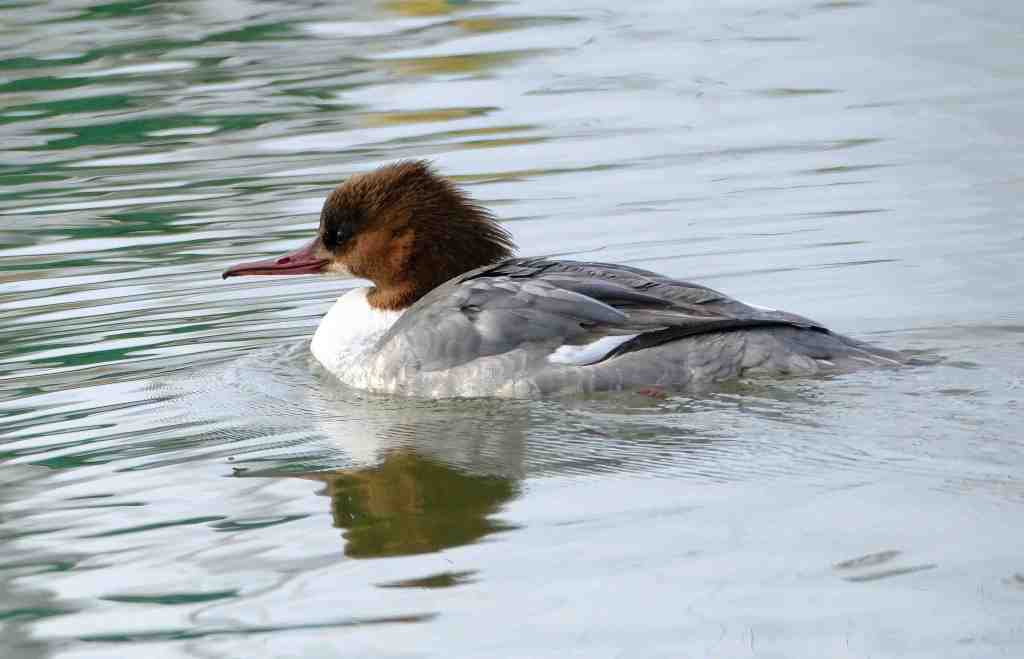
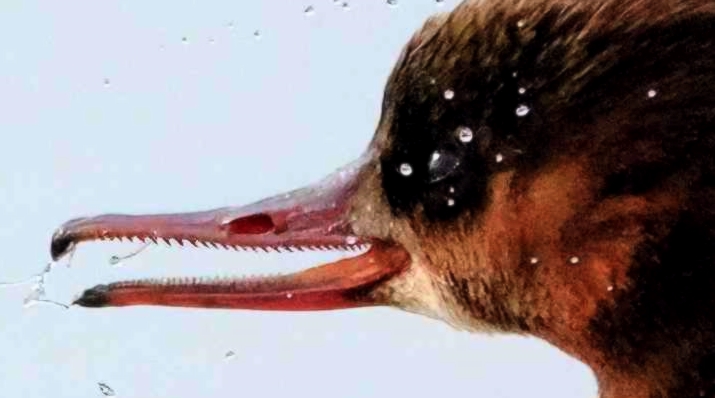
This diving duck is a member of the sawbill family, named for their serrated bills, that they use for catching fish. A largely freshwater bird, the Goosander first bred in the UK in 1871. This female was in the harbour at Titchfield Haven {the male has a green head and their body has more white}


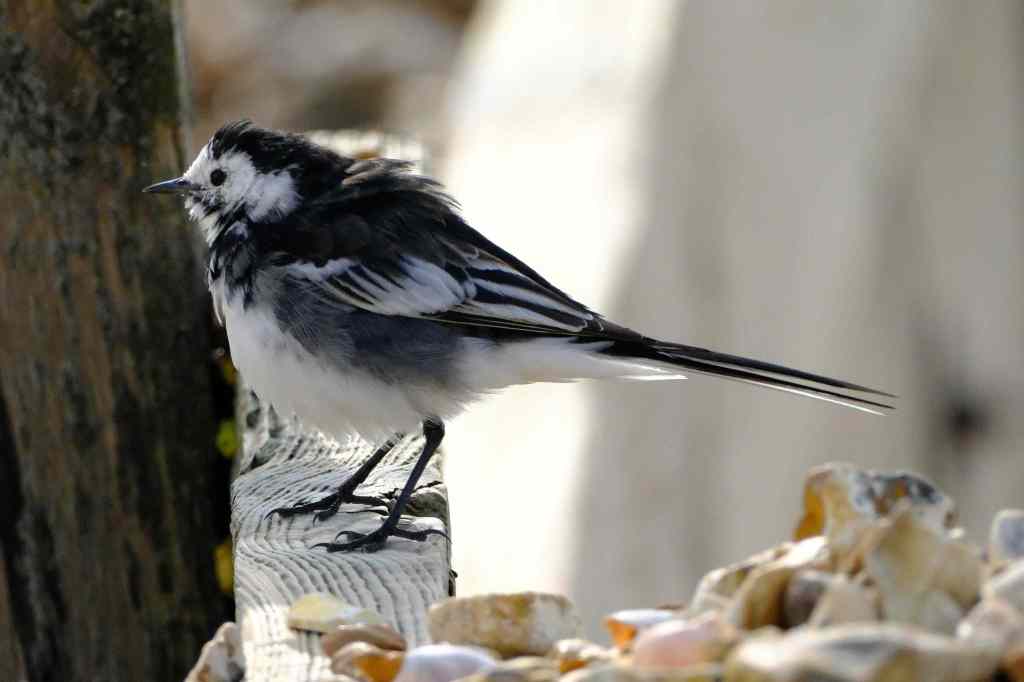
A Pied Wagtail on Meon Shore Beach. Frantically wagging their long tail up and down is an easy way to ID these little birds. I regularly see Pied and Grey Wagtails and very occasionally Yellow Wagtails. Their favourite food is insects.
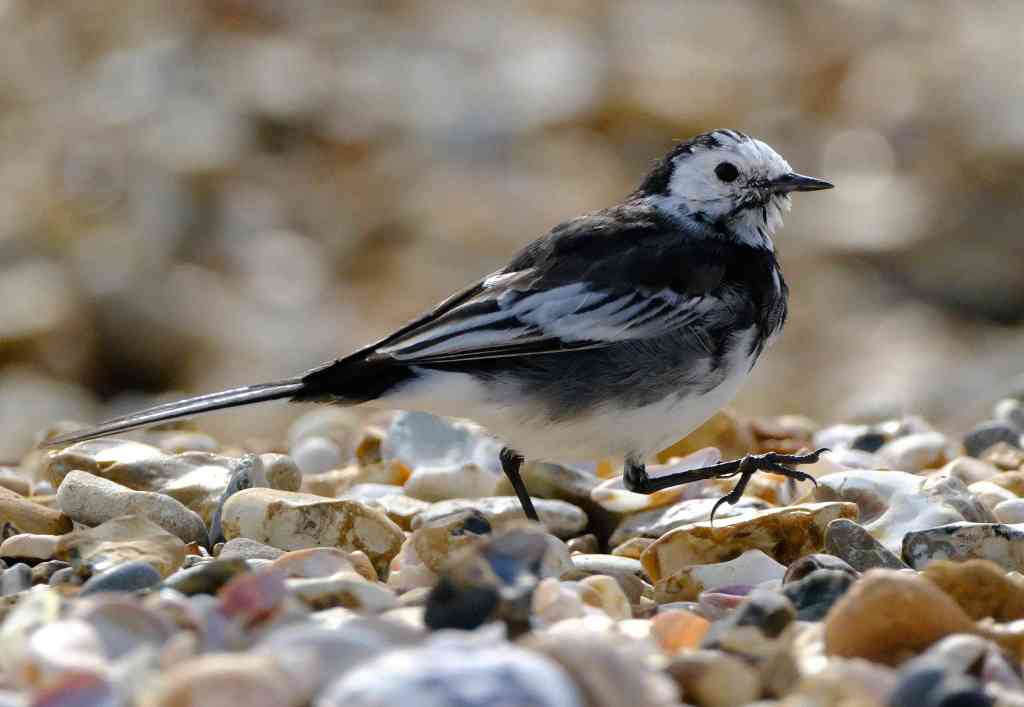
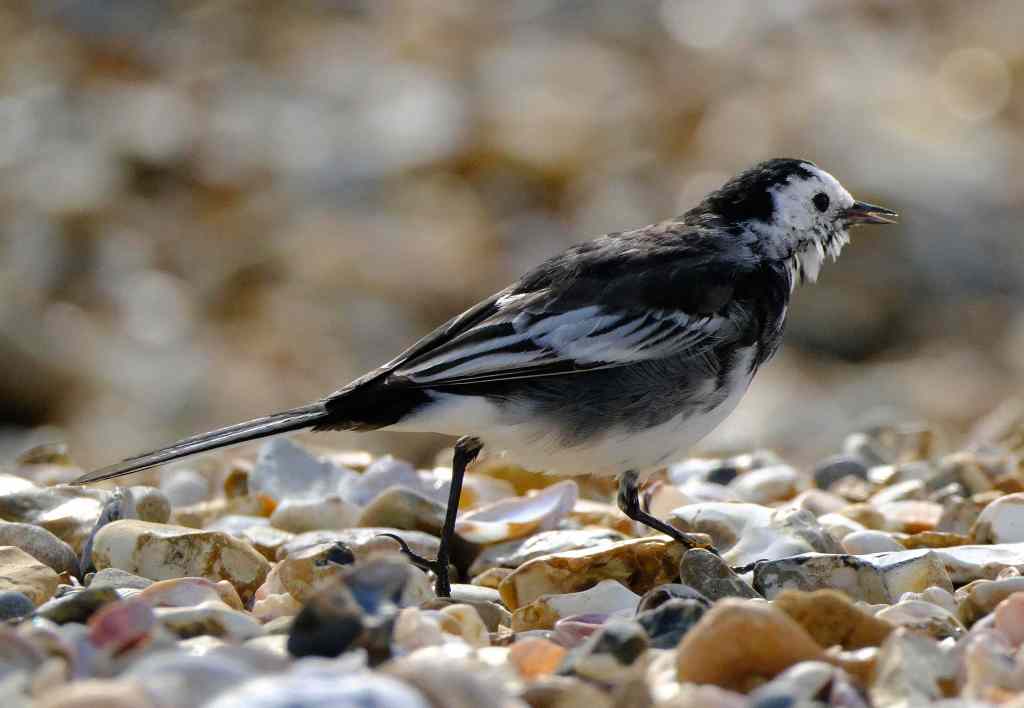

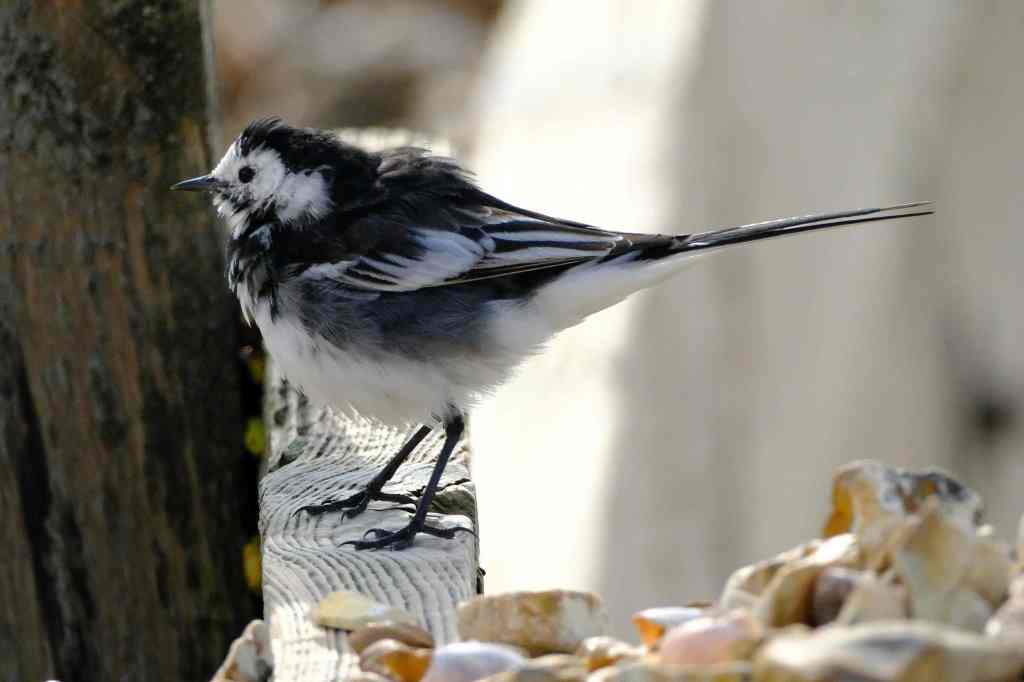
Still, the photographs below are stitched together and run fast to show tail wagging.
Cormorants are great divers for fish -although this one was unlucky while I watched the action.
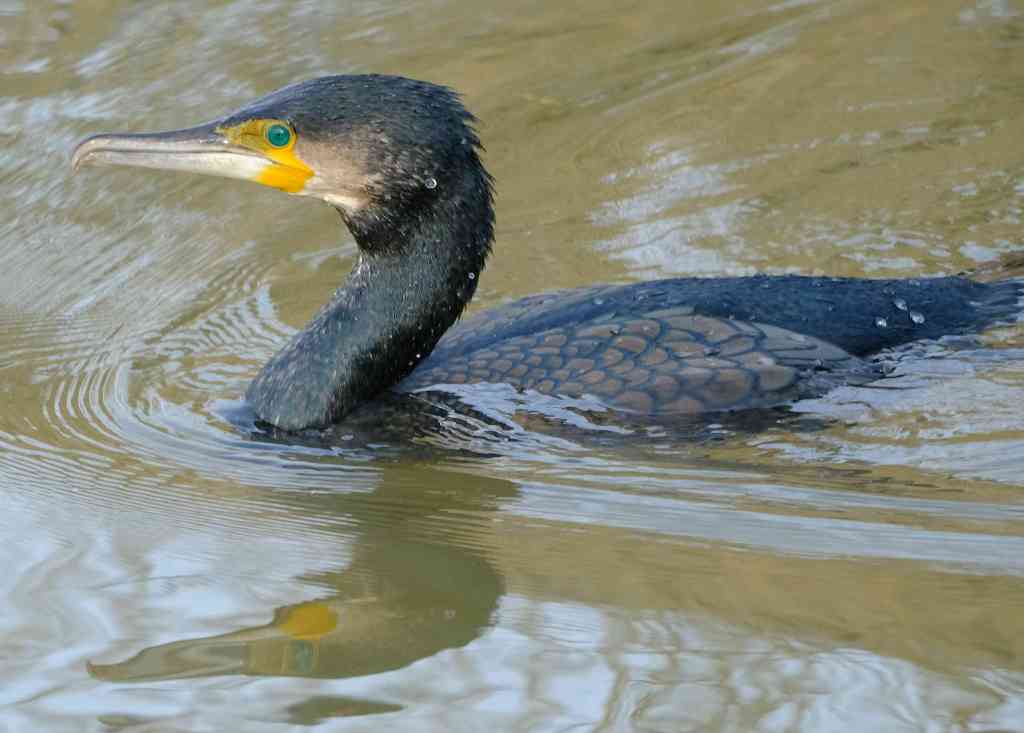

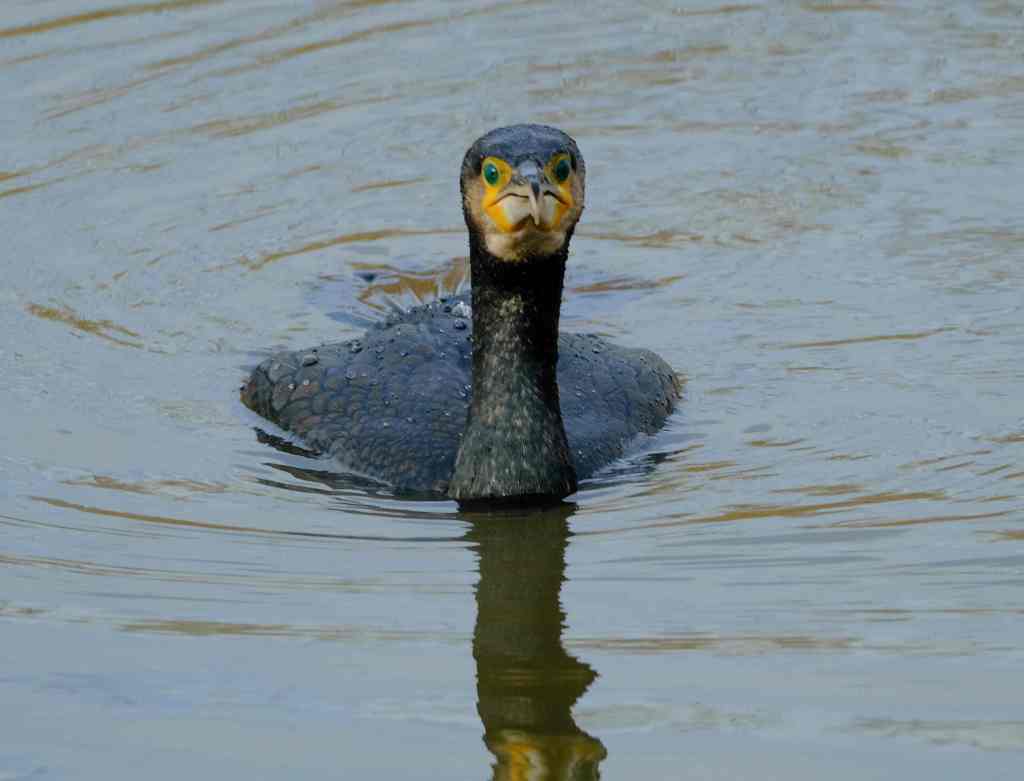
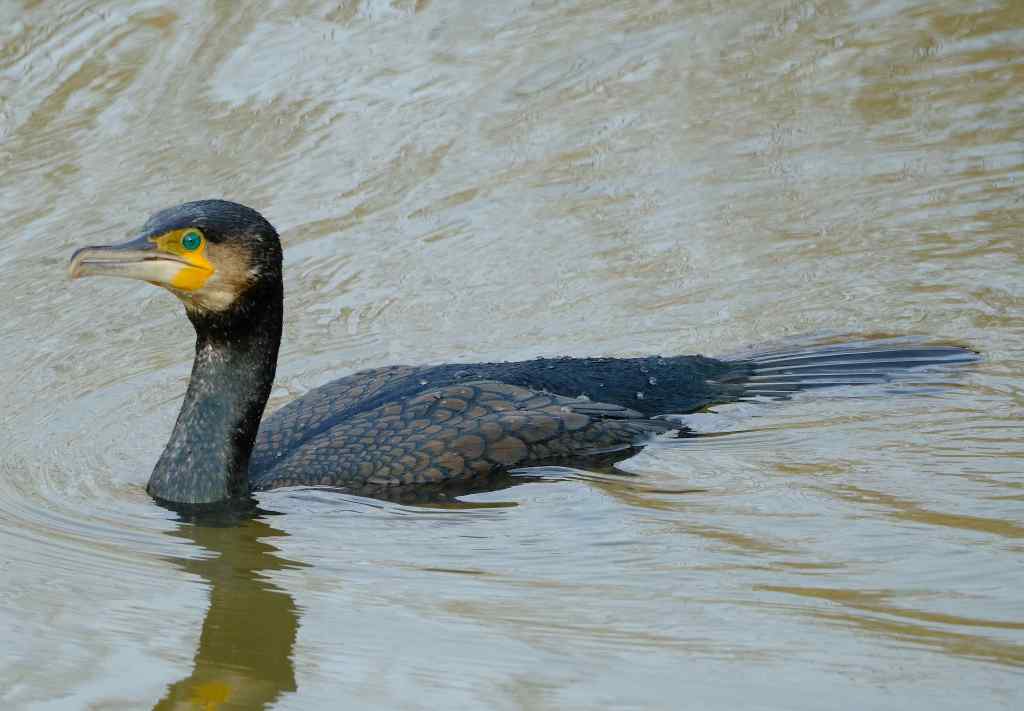
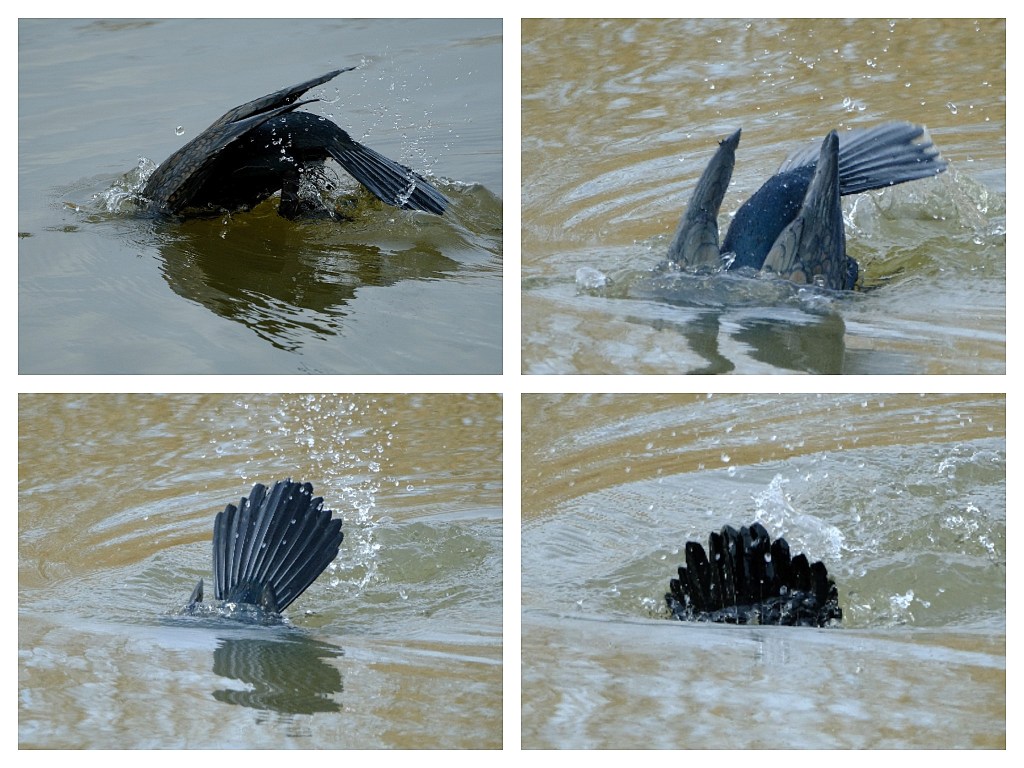
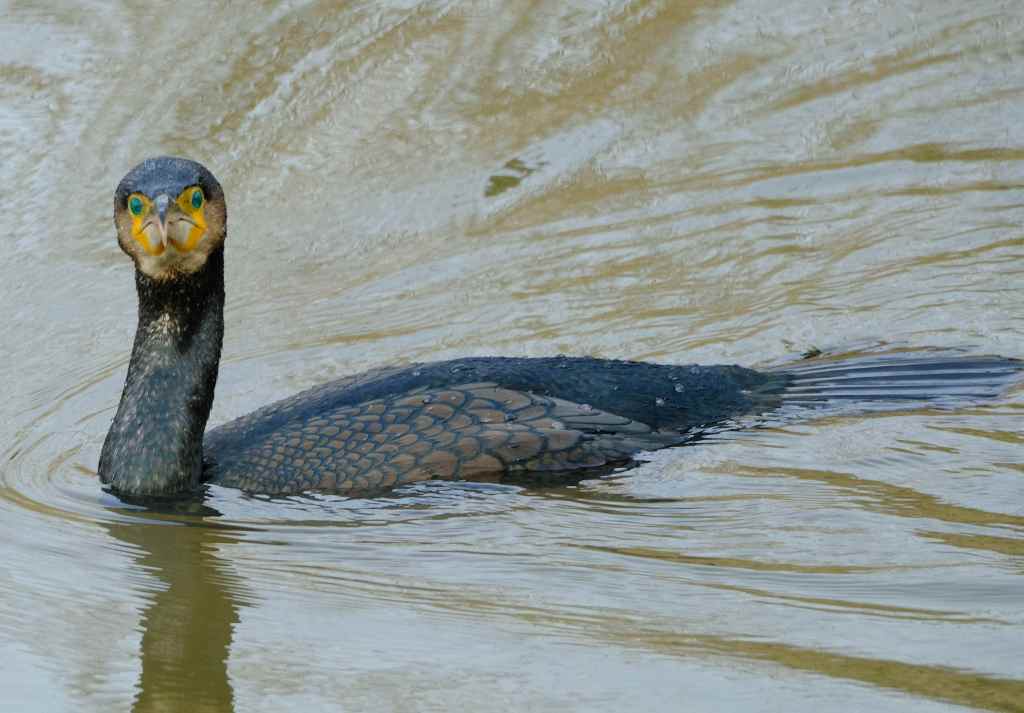
Cormorant fishing is a traditional fishing technique that fishermen have used in China and Japan. They train the birds to catch fish. It was once a successful fishing method, today it serves the tourism industry. It is no longer used anywhere except in southwestern China.
To control the birds, the fishermen tie a loose rope near the base of the bird’s throat. The snare does not stop the bird from swallowing small fish but prevents the bird from swallowing larger fish, these are held temporarily in their gullet. When a cormorant has caught a fish in its throat, the fisherman brings the bird back to the boat to regurgitate the catch.
The Pied Wagtail is the most common wagtail species in Britain & Ireland. Distinctive with its black, white and grey plumage and bobbing tail.

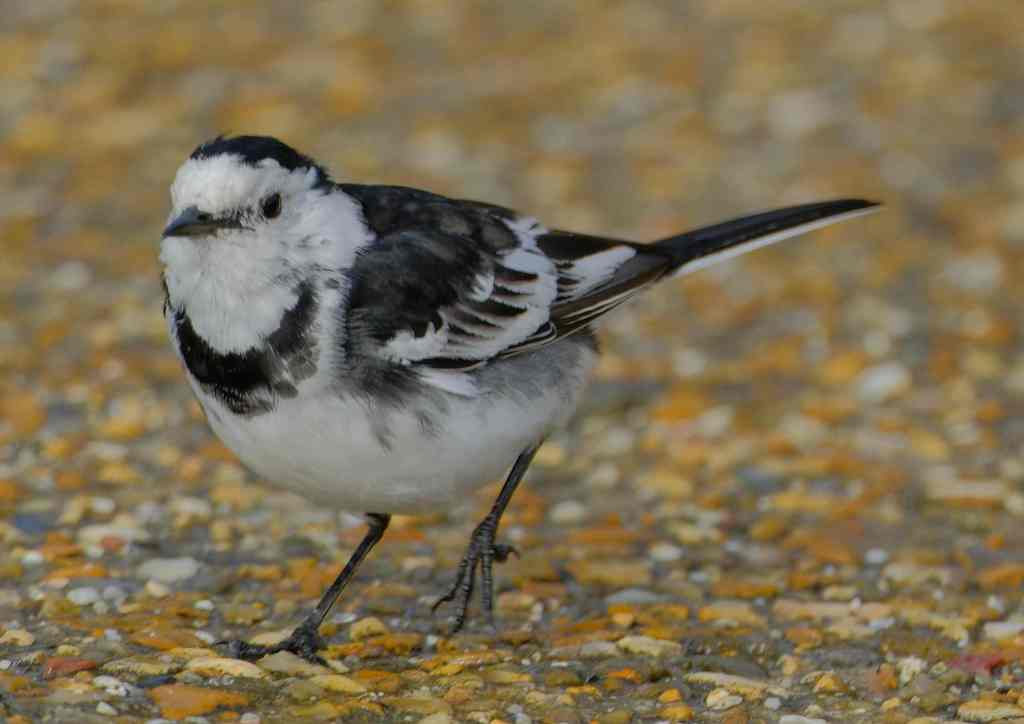

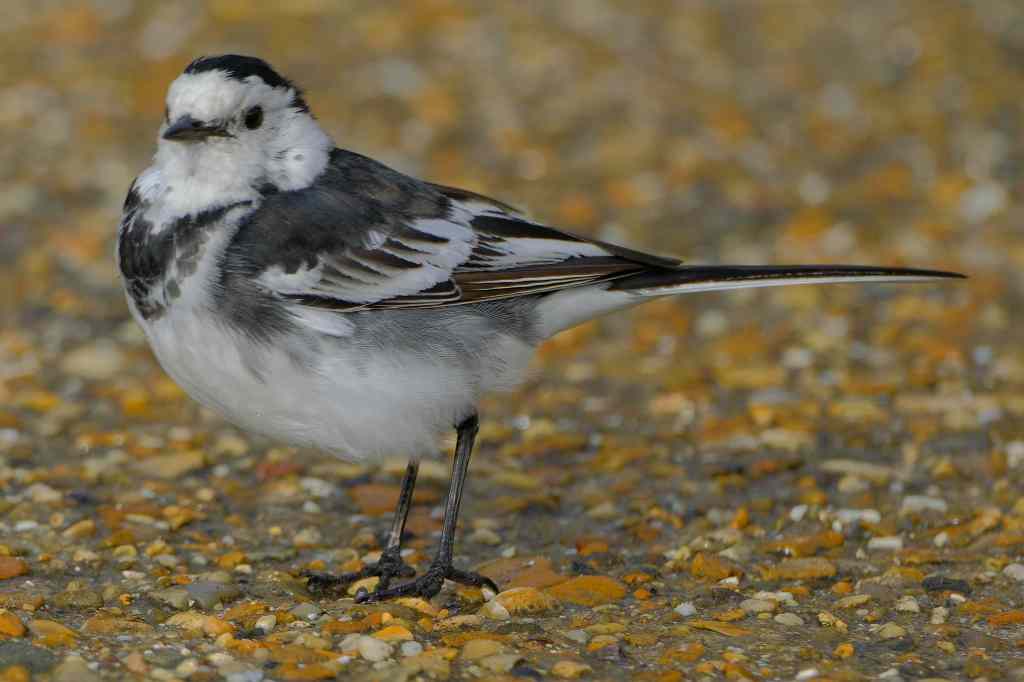
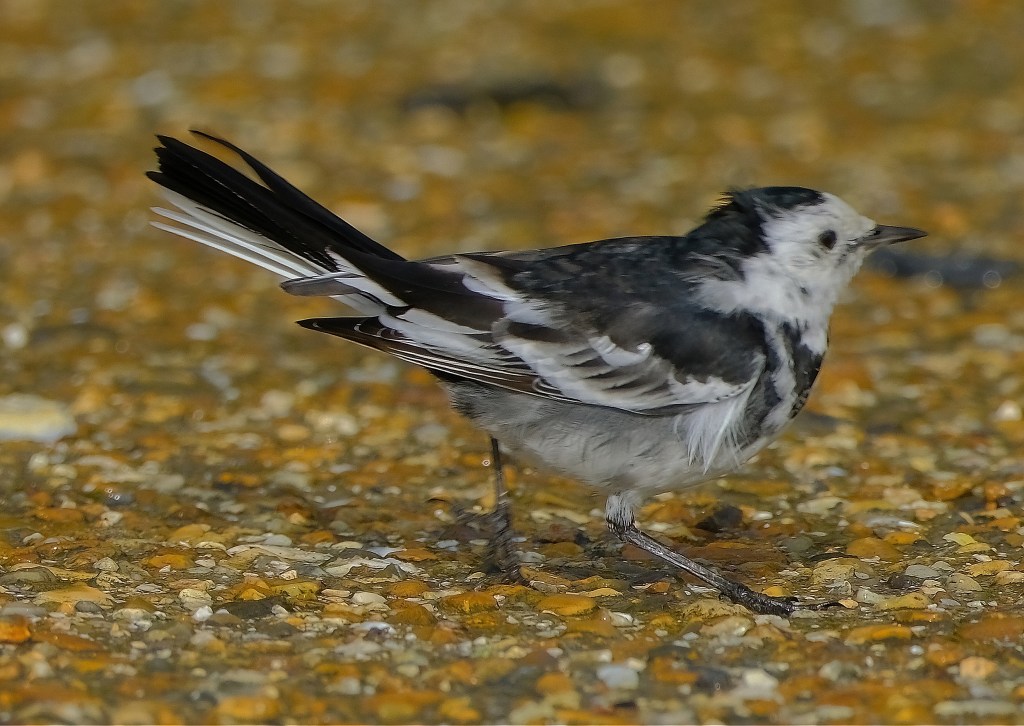
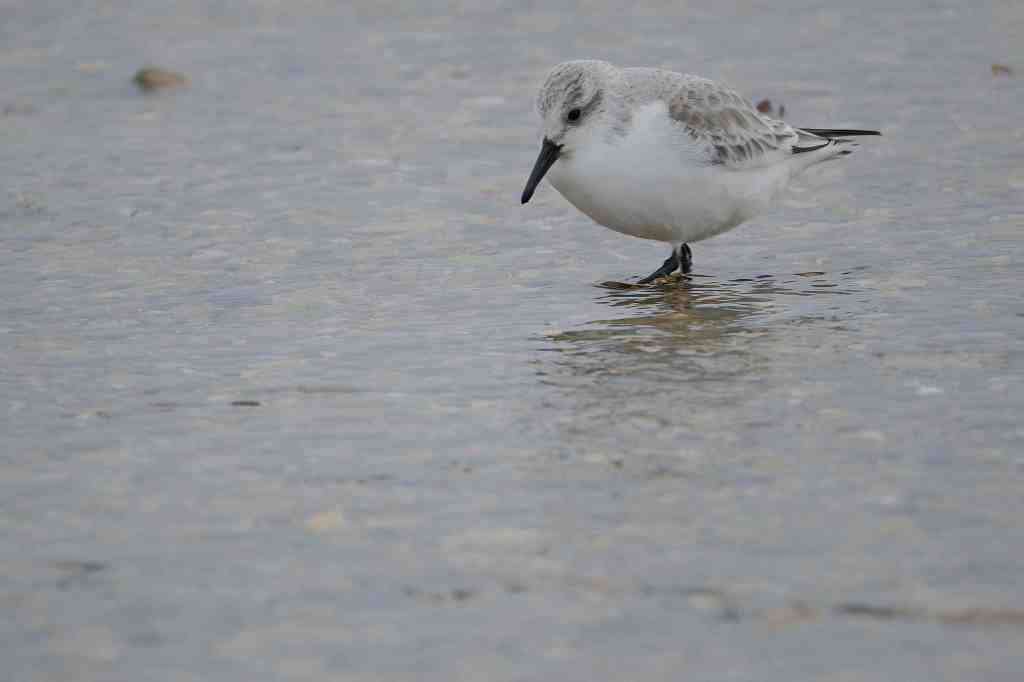
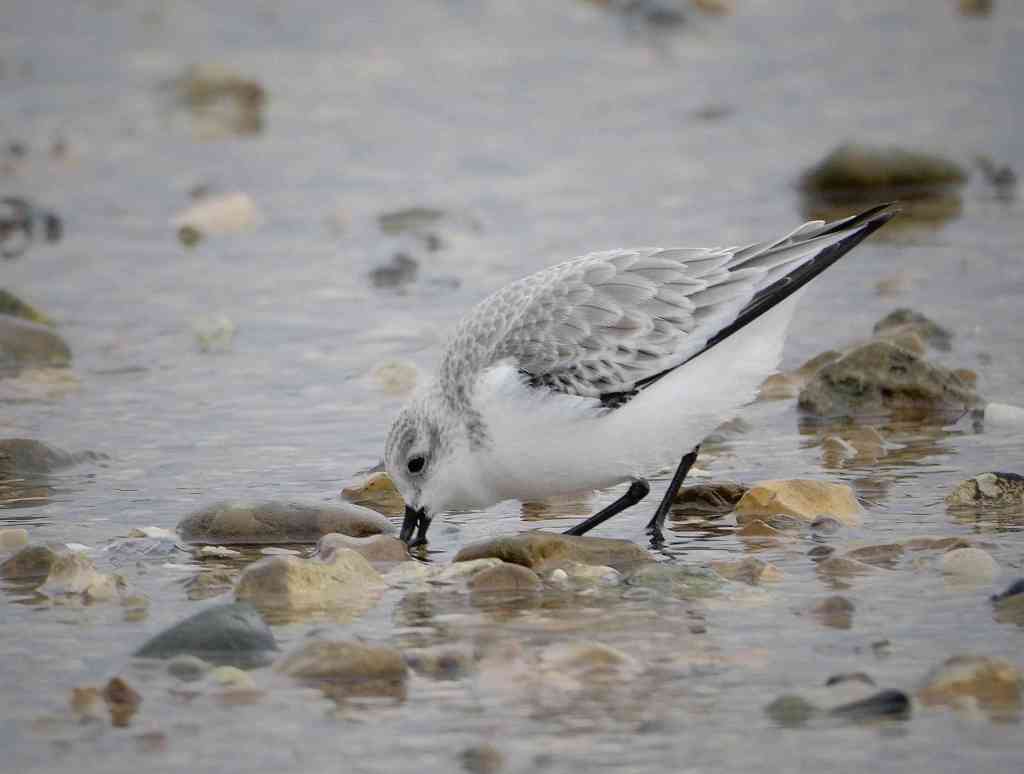
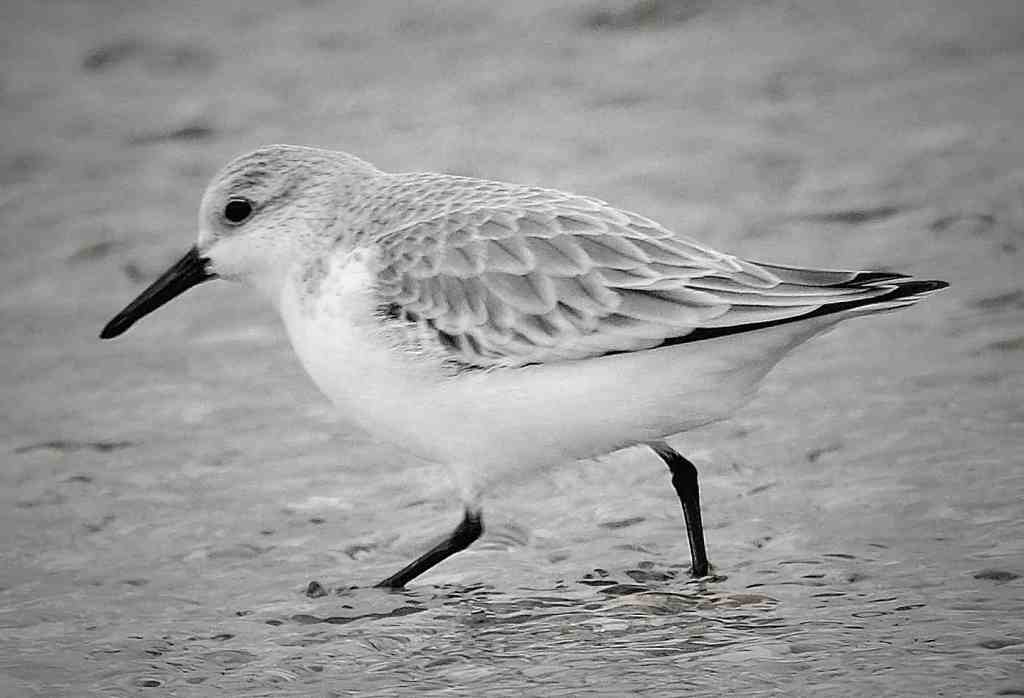
Watching the birds on the shoreline this morning on a very dull day it struck me how white is a great camouflage when the weather so so grey.



At Peel Common roundabout between Lee-on-the-Solent and the naval base HMS Collingwood. This is a statue of Daedalus standing eight metres high on the grounds of what used to be the Royal Naval Air Station Lee-on-Solent, also known as HMS Daedalus.
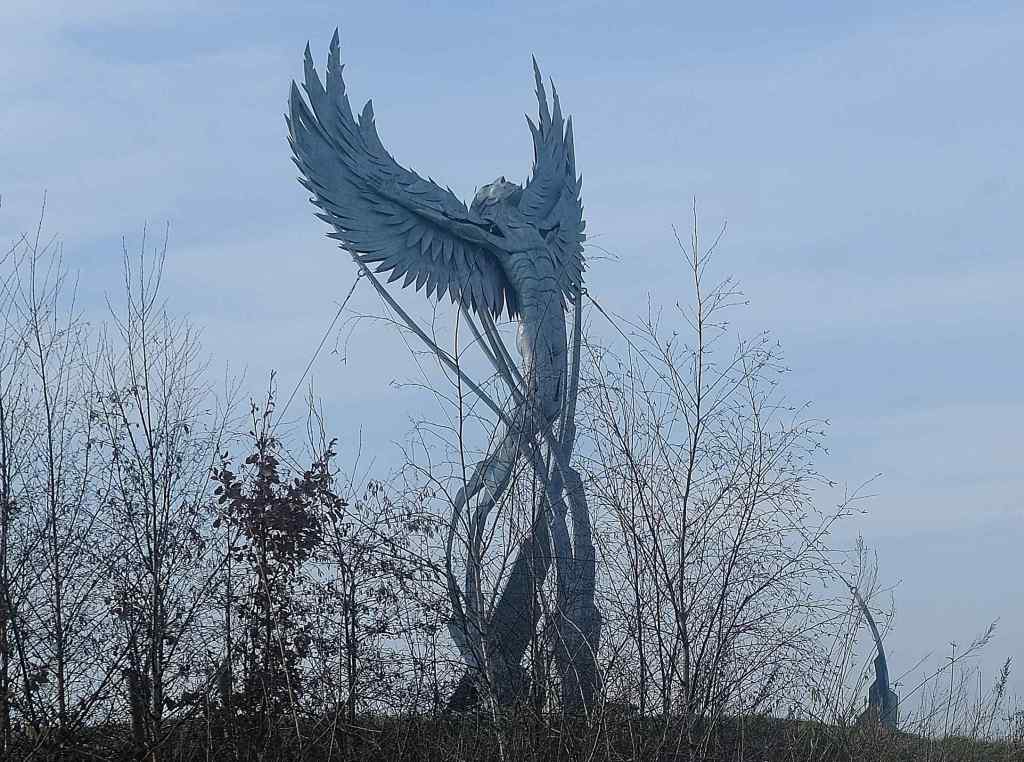
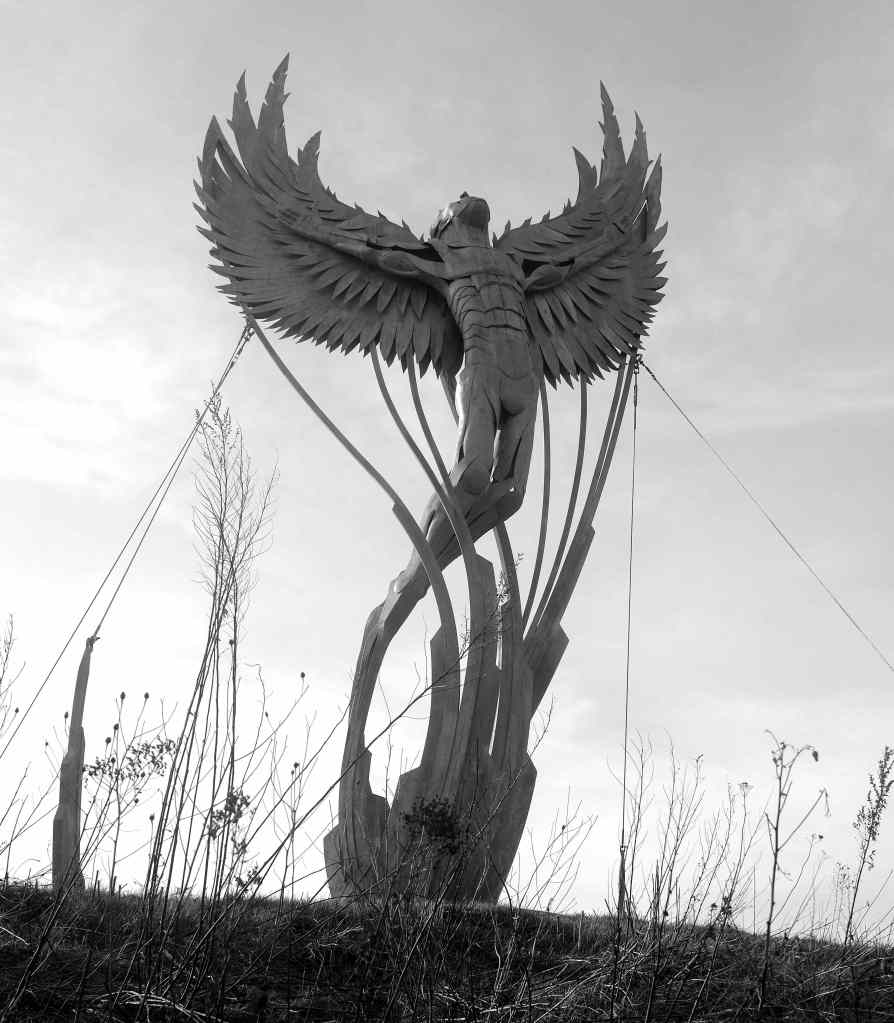
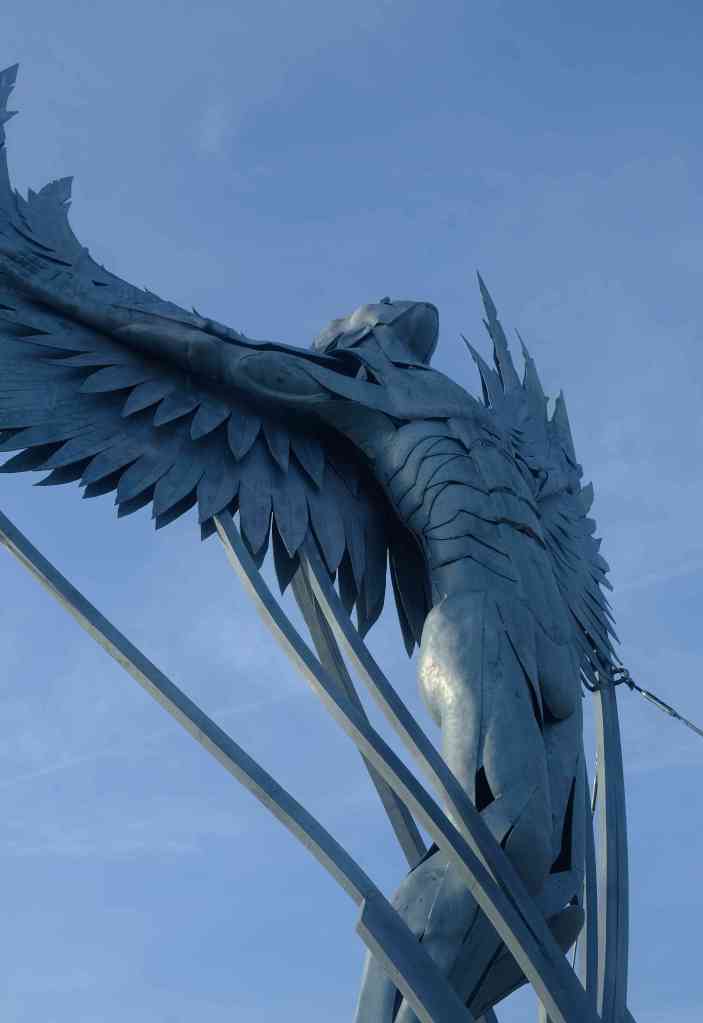
In Greek mythology. Daedalus constructed wings for his son, Icarus, from feathers of various sizes, thread, and beeswax – he shaped them to resemble a bird’s wings. When both were prepared for flight, Daedalus warned Icarus not to fly too high, because the sun’s heat would melt the beeswax holding his feathers together, Icarus disobeyed his father and began to soar upward toward the sun. Without warning, the sun melted the wax and they fell off. Icarus kept flapping his “wings”. But he realized he had no feathers left. He was only flapping his featherless arms. The feathers fell like snowflakes, and down, down, and down he went to this death into the sea.
,
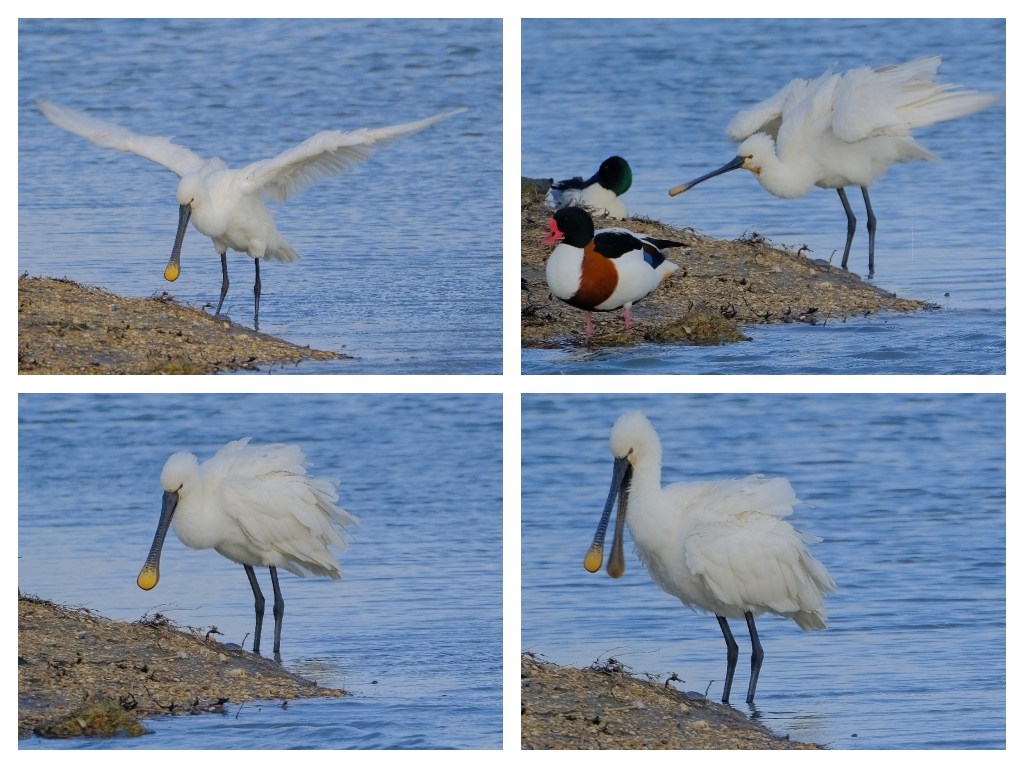
Nice to see a Spoonbill at Titchfield Haven this morning perhaps one from the group of 12 I saw at Pennington Marshes a few weeks ago blown of course in last night’s storm.


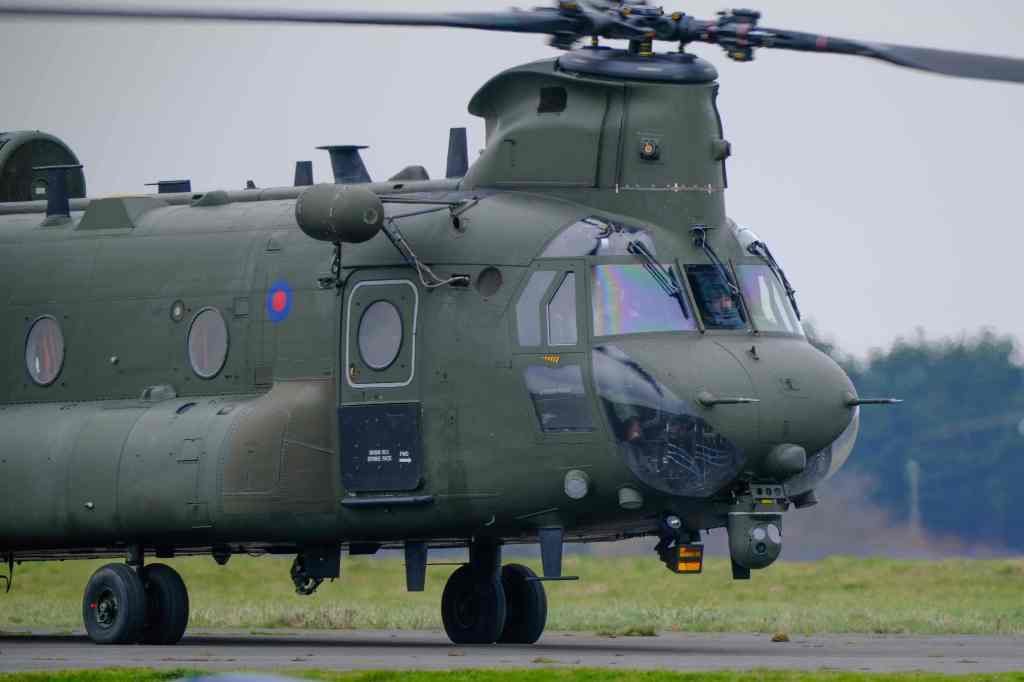
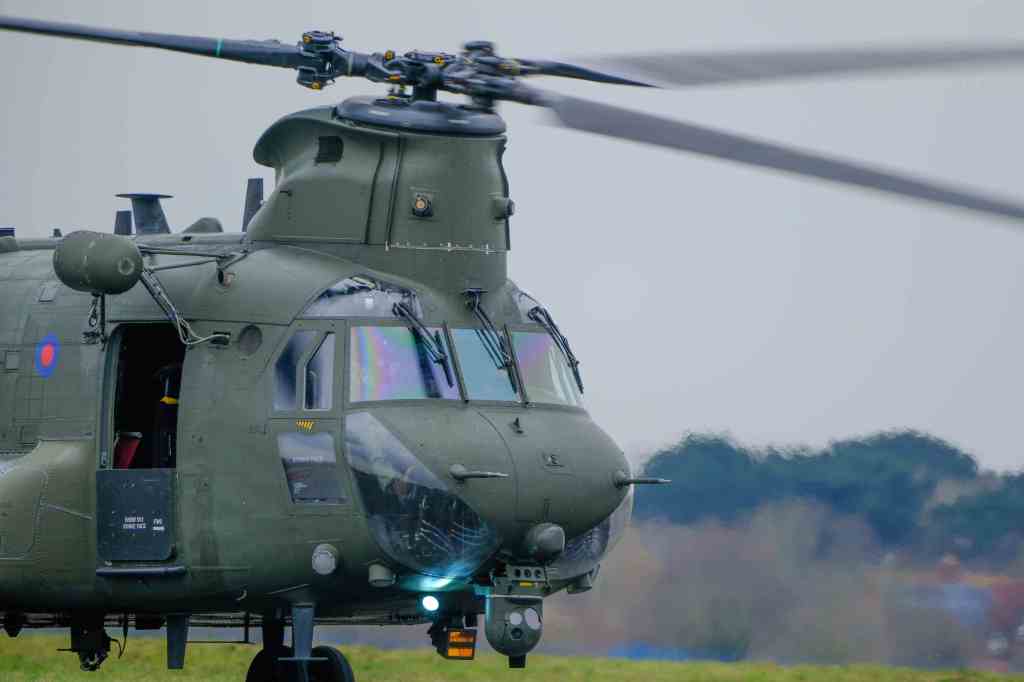
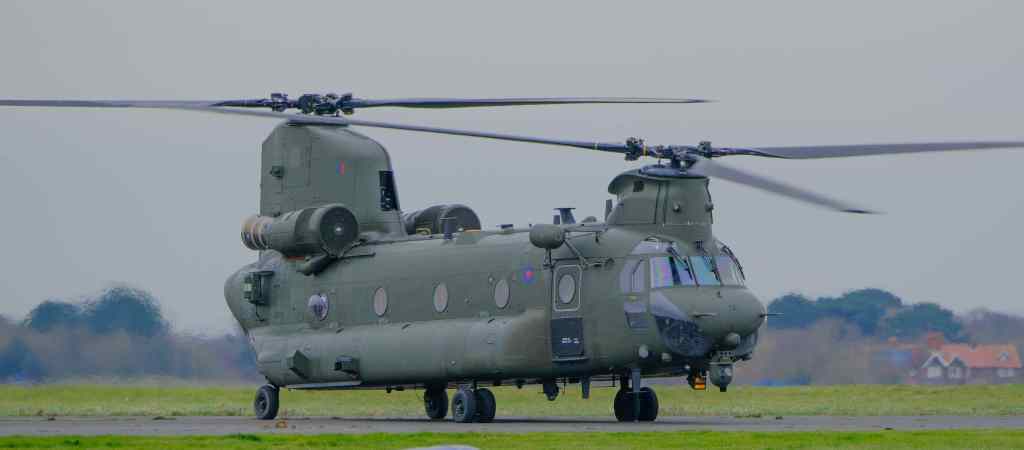
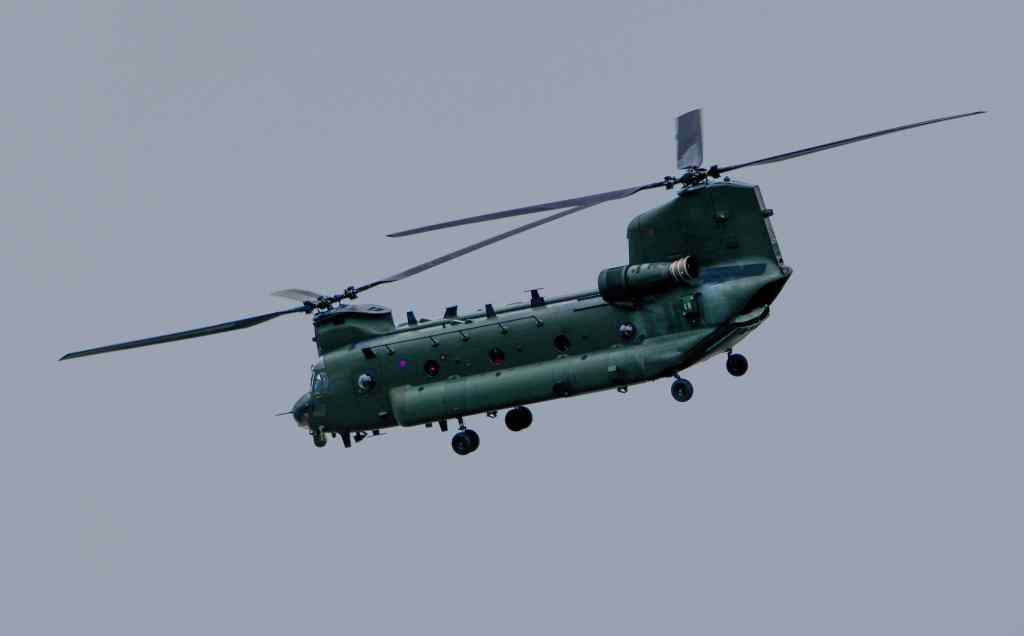
Chinook ZK561 Lee on Solent airport this afternoon 17th Jan 2024. Having taken the Photographs of the Starlings in a car park on the seafront at Lee on Solent and watched a Chinook heading down Southampton Water to wards the airport I decided to pop into the car park on the way home to see if I could get a closer look at the helicopter as I got out of the van it was taking off but managed to get some quick pictures.

 Continued Reflections from my World.