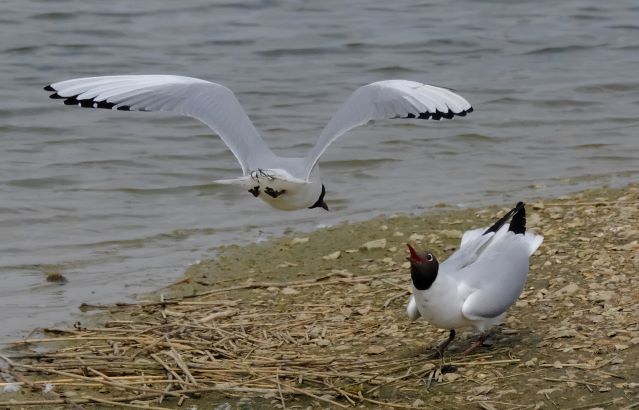
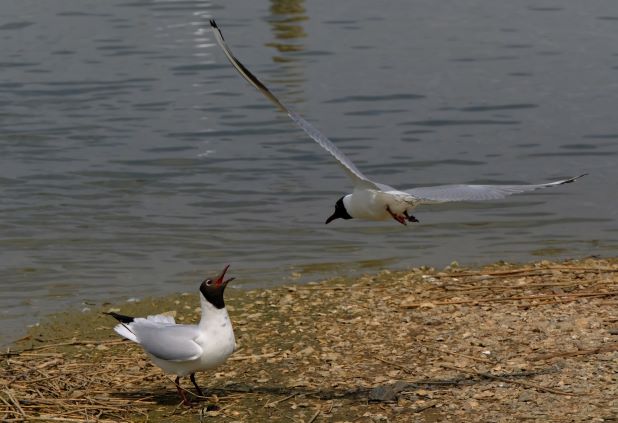
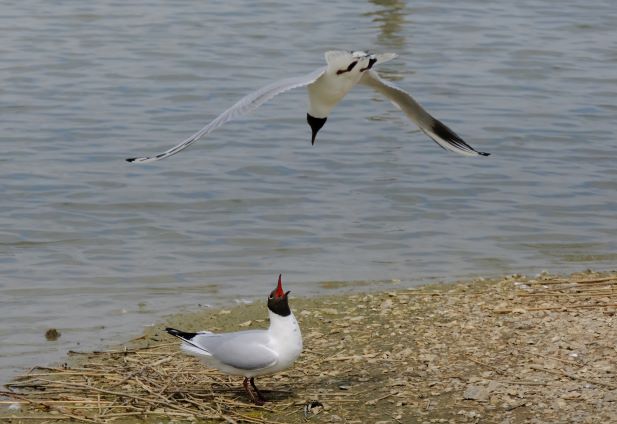
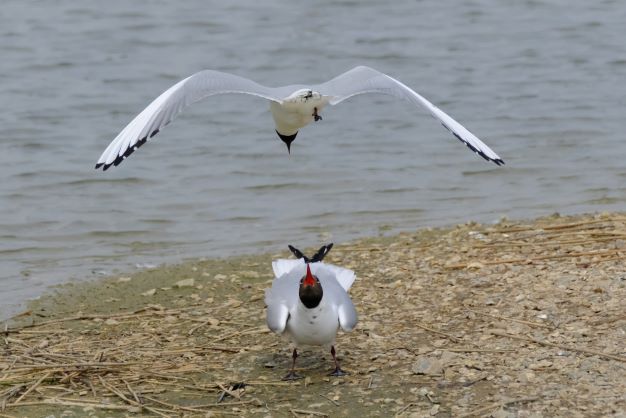
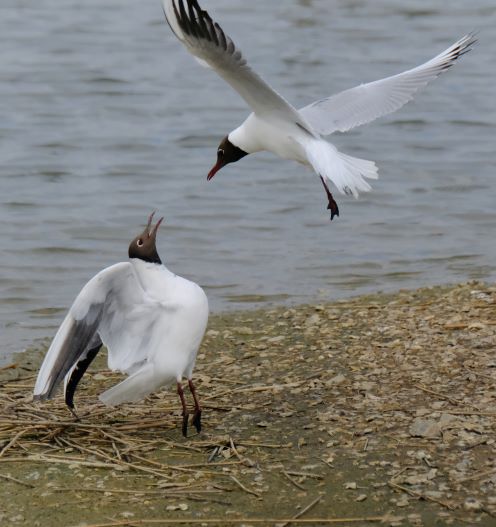
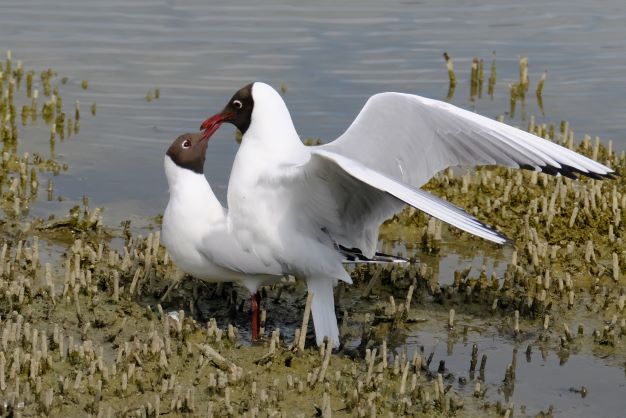
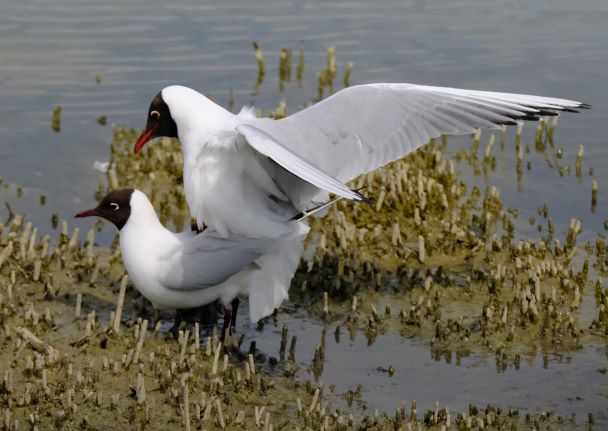
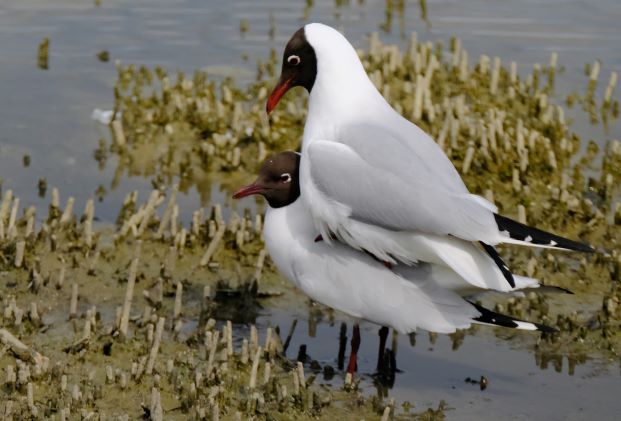
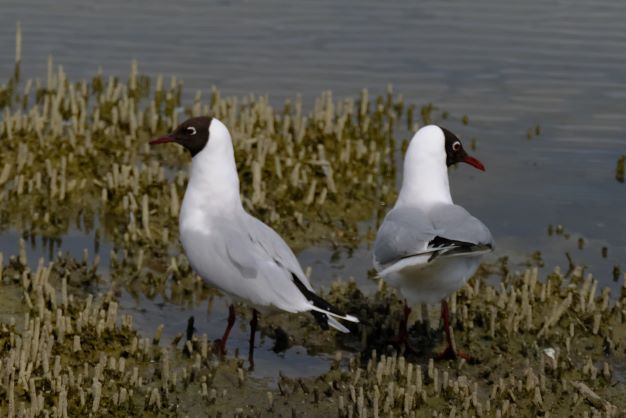
Full-blown scrap over nest site! Black-headed gulls.

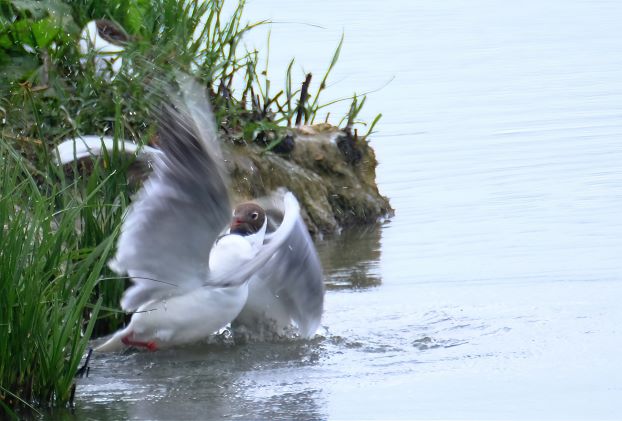


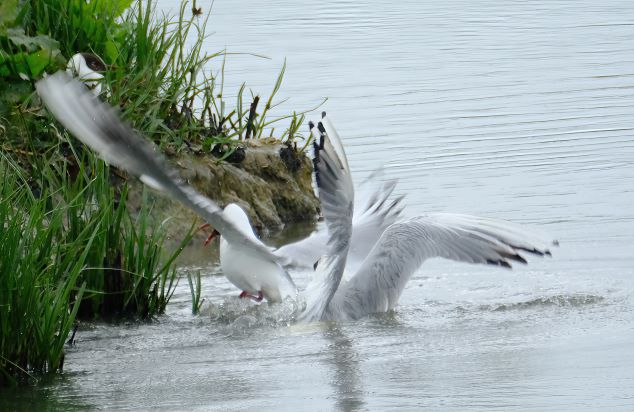
Full-blown scrap over nest site! Black-headed gulls.
#Wordless Wednesday
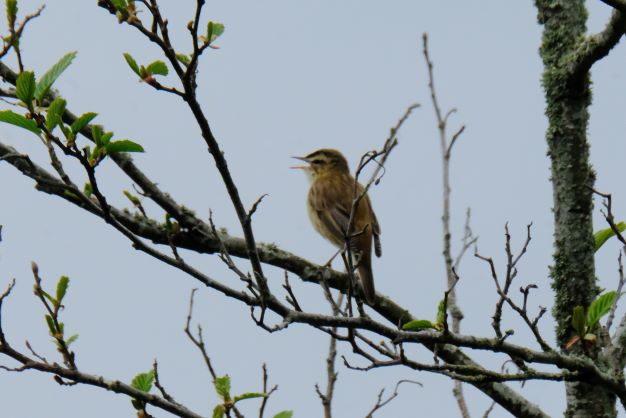
Often heard singing deep in reedbeds, this morning I got a good view of this medium-sized Warbler. This is a bird of the reedbeds and wetlands When spotted singing they are often perched on reeds or in willow bushes.


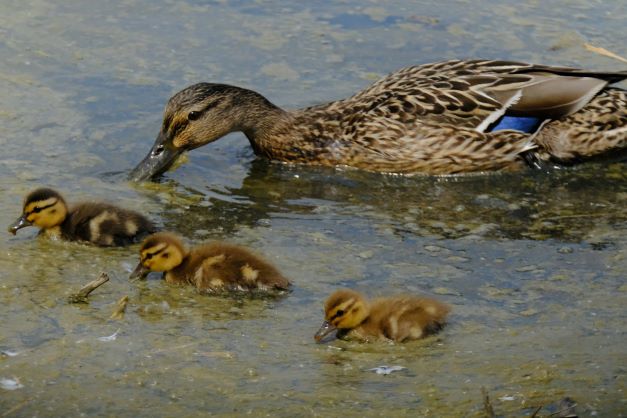
Mallard with ducklings Titchfield Haven.
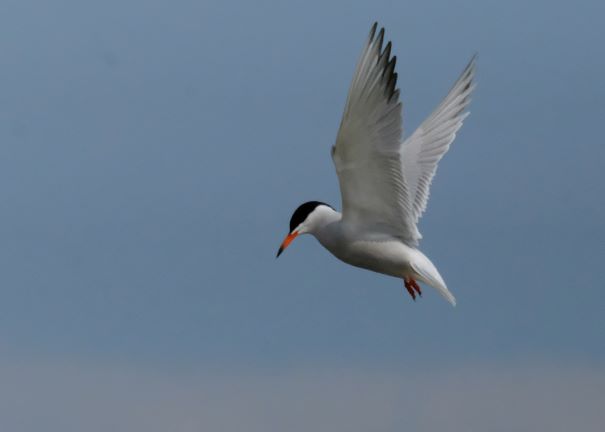
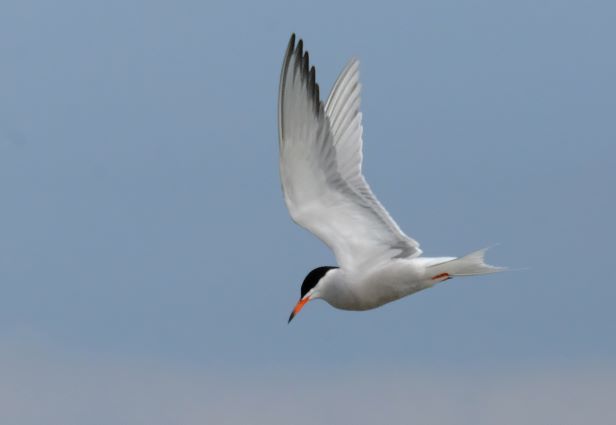
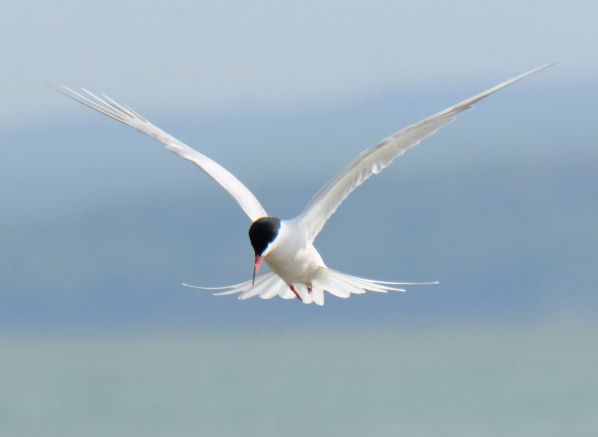
The terns are back in town. Common Terns have arrived back at Meon Shore on the Solent and will be heading into Titchfield Haven Nature Reserve soon to nest.



The black-headed gull is the UKs commonest small gull. The black-headed gull has actually a chocolate-brown head in the breeding season (In the winter their heads turn to mainly white ). I have posted pictures many times before as they are a common sight both on the coast and inland area where we live. There is a large breeding colony within Titchfield haven nature reserve. Now we are into April the colony is noisy with birds displaying pairing up and squabbling over nest spots. Many bird watchers will overlook this spectacle for rarer birds that visit our shores. Apart from the noise each year I look forward to this gull’s breeding season.
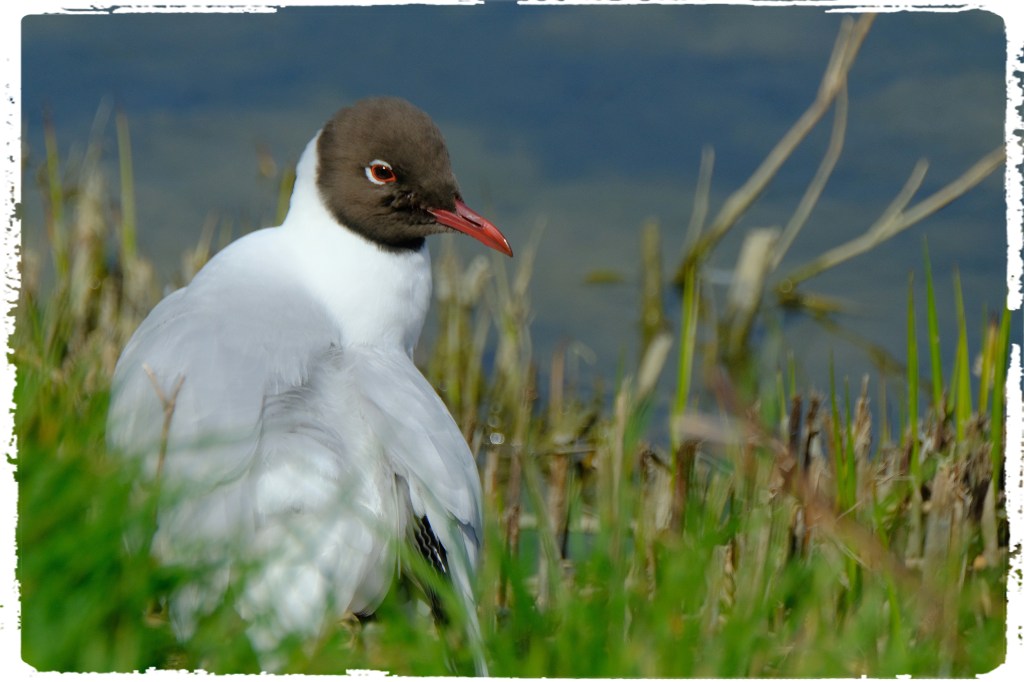
Length: 35-38cm
Wingspan: 1m
Weight: 250-330g
Average lifespan: 11 years



Black-headed Gulls are opportunistic feeders, they will eat most things taking invertebrates and plant materials, seeds bread, and are fond of chips thrown by tourists at the seaside.


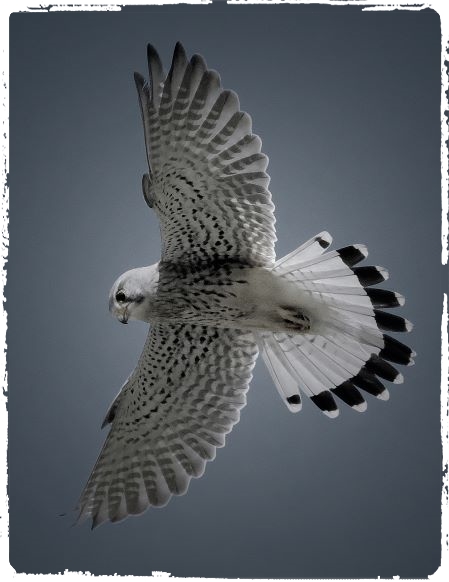
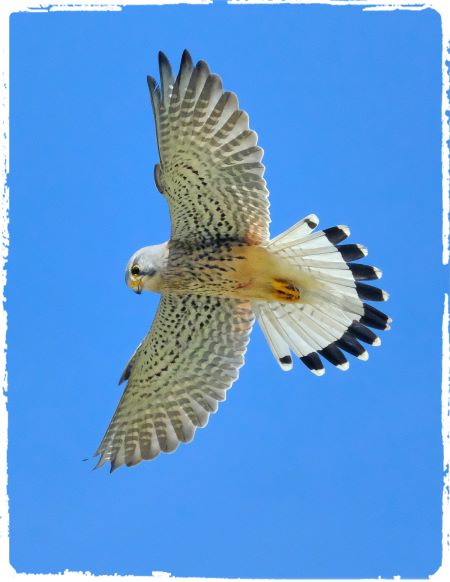
Kestrels are small, chestnut brown birds of prey. They are often seen hovering over fields or by the sides of roads. They feed on small mammals, such as voles, shrews, mice, and small birds. They also feed on invertebrates and worms.
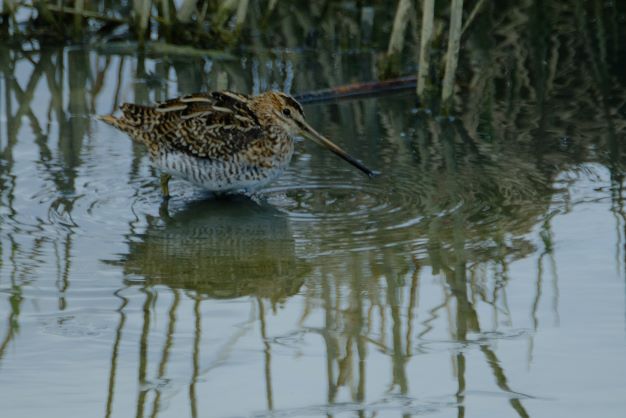
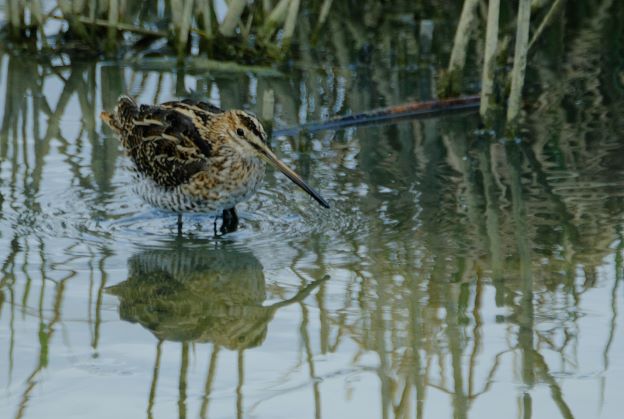

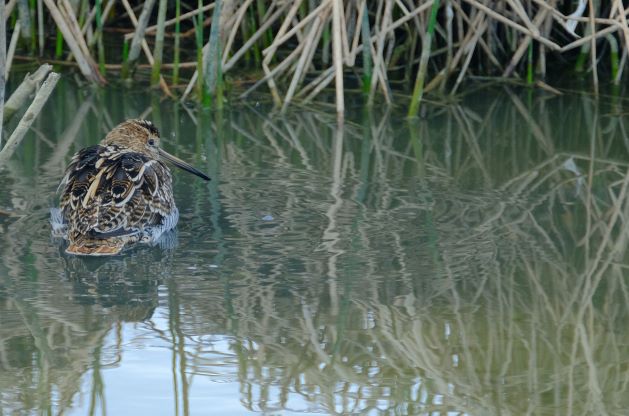
Further Pictures of Black-tailed Godwits
In April or early May, wintering Black-tailed Godwits will soon undertake their journey back to their breeding ground in Iceland. Most will have left by mid-April or early May. Before this journey, they will need to build up their energy and the rather boring grey plumage, is discarded, to be replaced by their summer colourful, feathers. The rich breeding colours act as camouflage in the habitats of the bird’s nesting grounds.

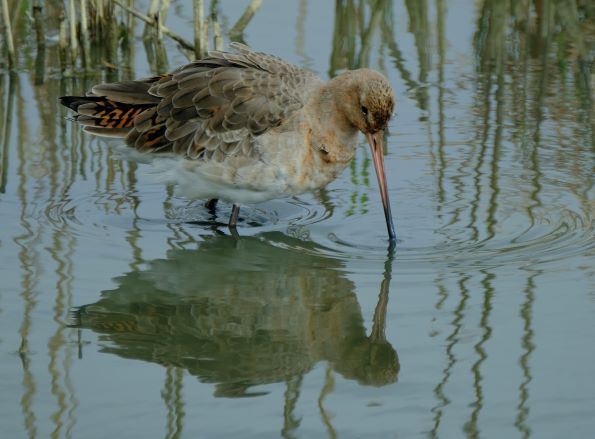
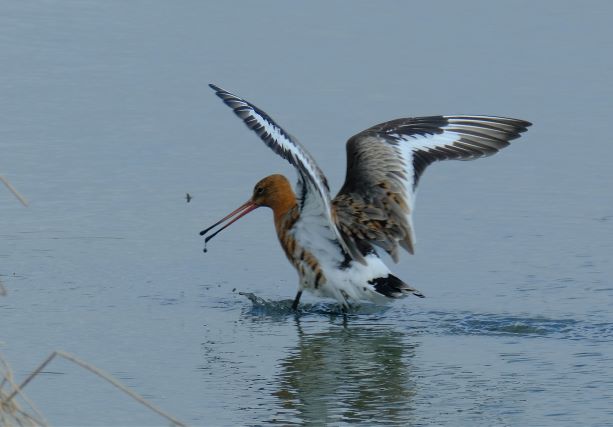
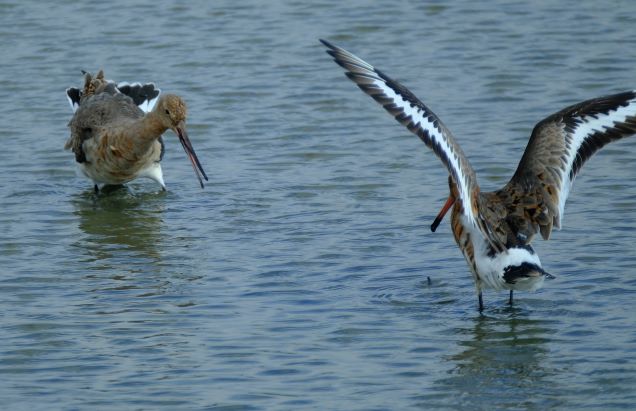
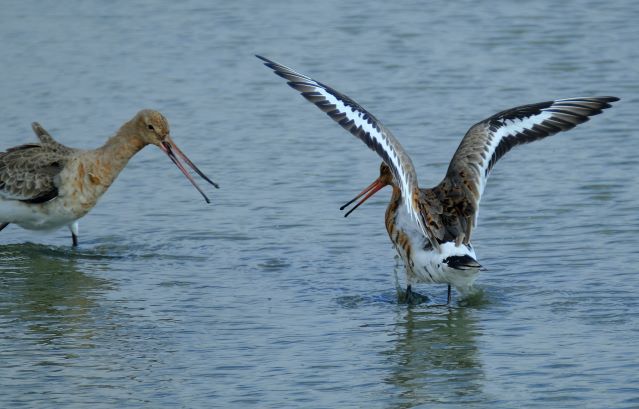
Godwits get quite vocal and have little spats over the areas where they are feeding especially if they encroach on each other’s space.
 Continued Reflections from my World.