Getting to know you.

Black-headed gulls have started to pair up – and hence the “noise” has returned To Titchfield Haven. The screech of their call extends all around the reserve and will dominate until nesting season ends at the end of the summer.
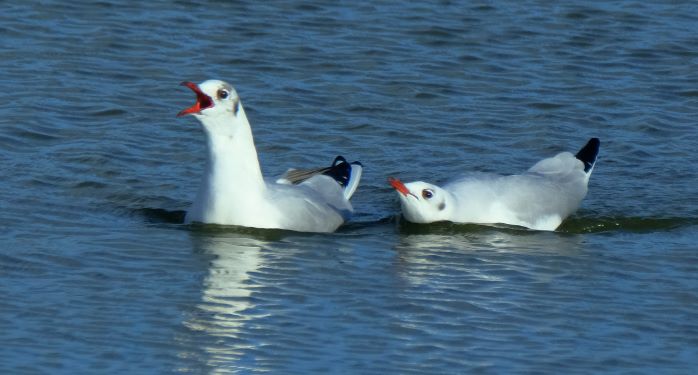
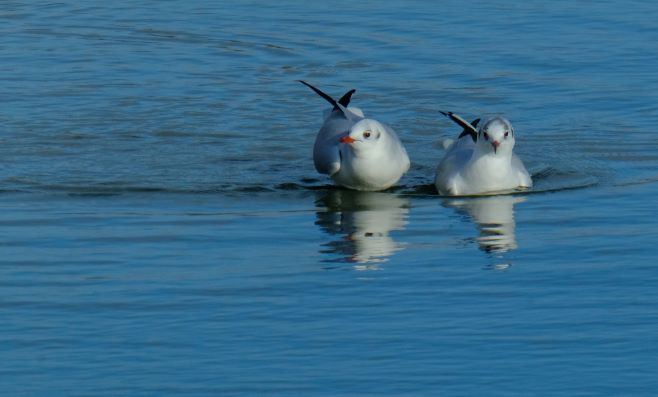
Some of the birds are starting to get the breeding colours – their heads are changing to dark brown -which at a quick glance appears black and where these birds get their name from.

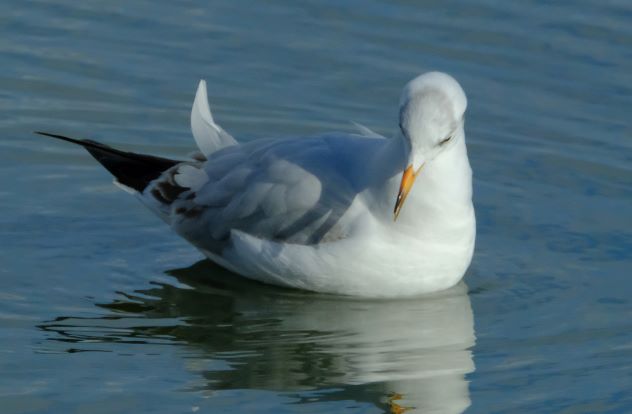
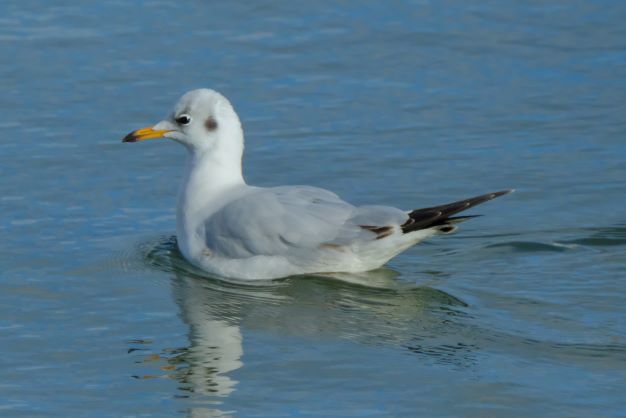
The bird below with yellow bill and legs almost caught me out as to what it was but it is a Black-headed gull in first winter colours so probably one of the chicks from last year returning to its nest site.
A rare spot.
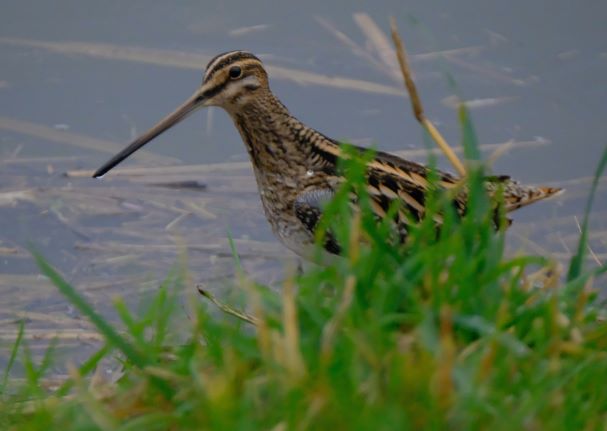
I had only ever seen a Bittern once before many years ago and that was a fleeting glimpse but Friday at Titchfield Haven I saw another, this time was a good fly past and I was able to get a few distant photographs.

The Bittern is a member of the Heron family. They are said to be Britain’s loudest bird, Male bitterns begin to boom as early as late January to establish territories and attract mates.

The recorded numbers of Bittern’s in the UK is small at 80 males with at total population of about 600 birds in Winter.

Heron on a grey day.

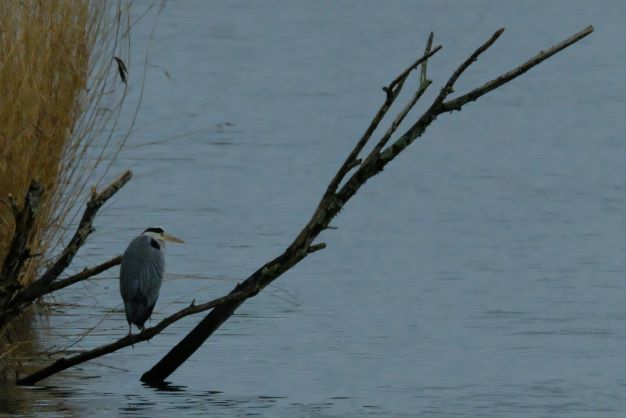
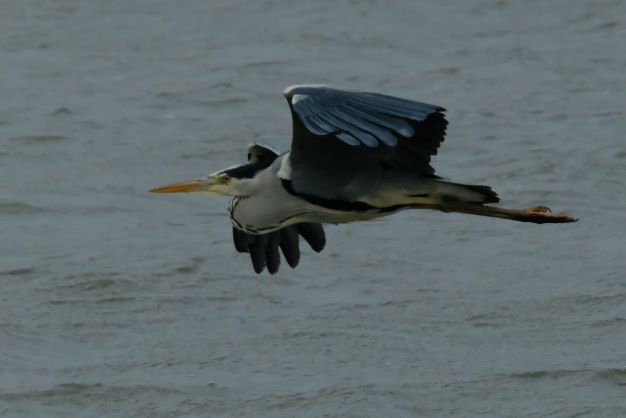
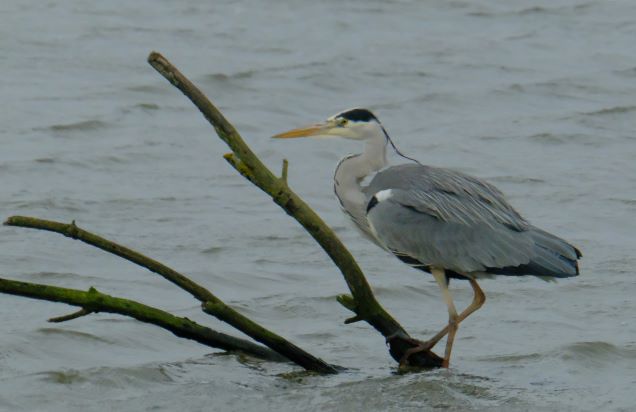
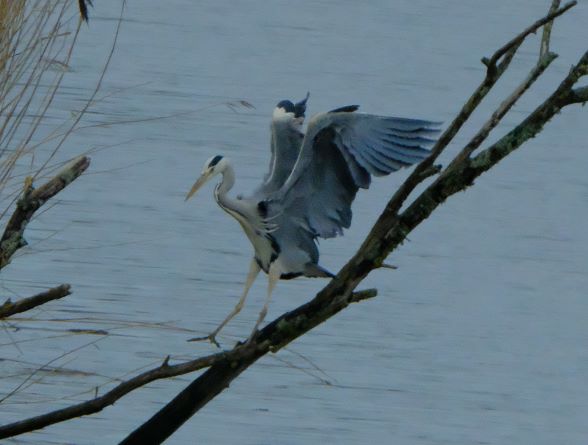
A pair of Grey Herons spotted at Titchfield Haven, these large gangly birds have quite a character and remind me of a prehistoric creature from the times of the dinosaurs.

Length:90-98cm Wingspan:175-195cm Weight:1.5-2kg

According to the RSPB, some 13000 birds nest in the UK each year, their numbers increase in the winter months to 63,000 birds (October to March).

Herons nest in colonies called ‘Heronries’. In the top of trees, they make large nests out of twigs. They lay 3-4 eggs. The young birds will fledge after about 8 weeks.