1st Light.

Without (much) hesitation, and with a weather forecast giving a bright Sunday morning until around lunchtime, when my brother suggested a 04:30 hrs start to see if we could spot the Barn Owl we had spotted on the South Downs a few weeks earlier, it was a “go”!

As we left for the half-hour drive, it was already getting light. However, a noticeable chill was in the air, so I opted for a fleece over a waterproof jacket.

25 years ago, the Government were stating they were going to bury the electricity cables in places of natural beauty such as national parks, well it never happened and we are told more pylons will be needed to link solar farms to the national grid as they are too expensive to go underground. I see WordPress now has an AI section, so I asked it to generate a picture of Pylons at Stonehenge! {NB-1st and last time I will post a A1 picture}

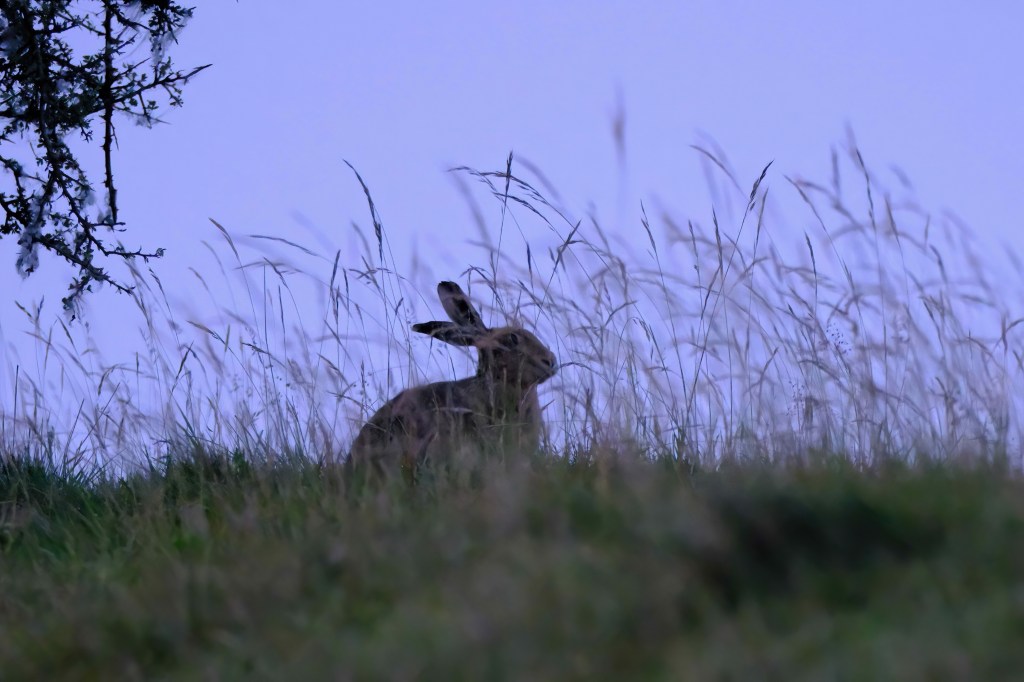
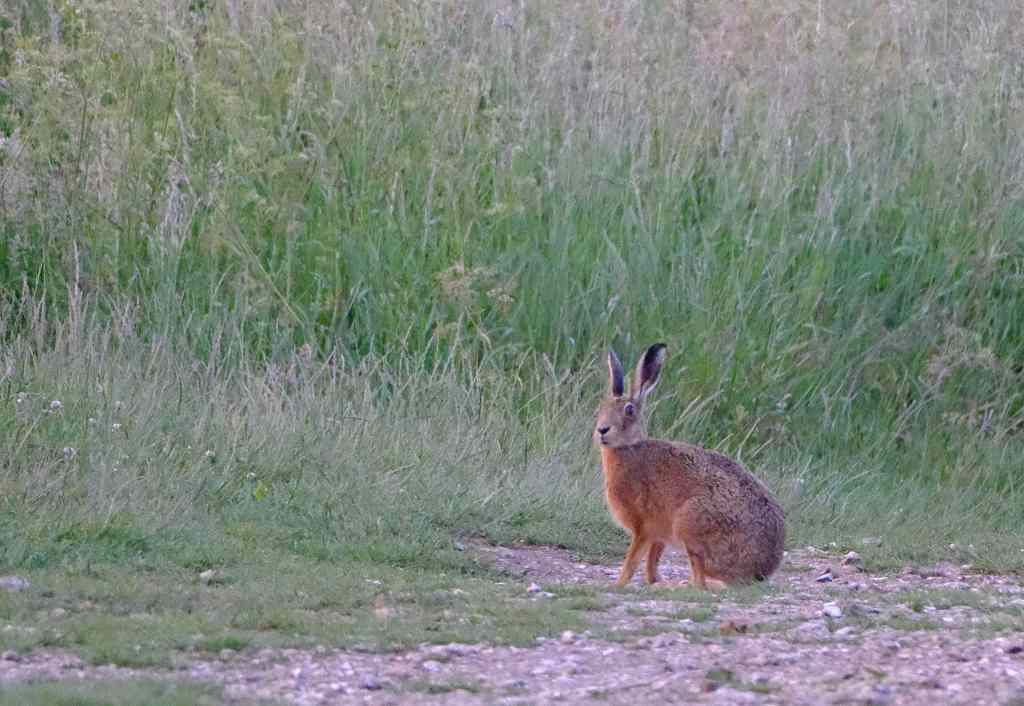
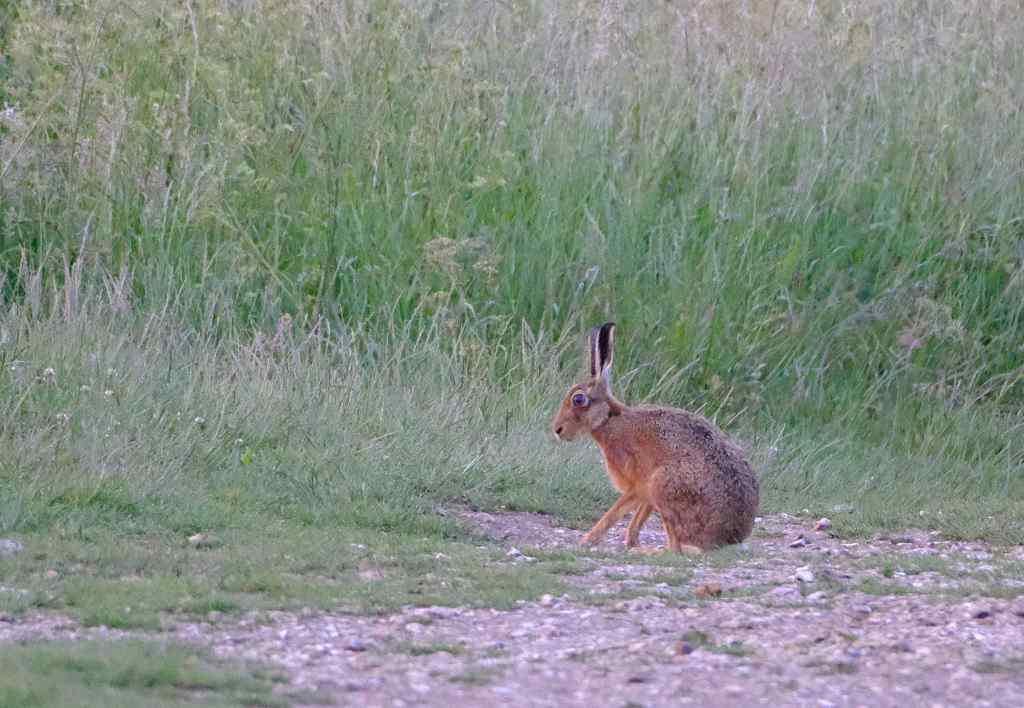
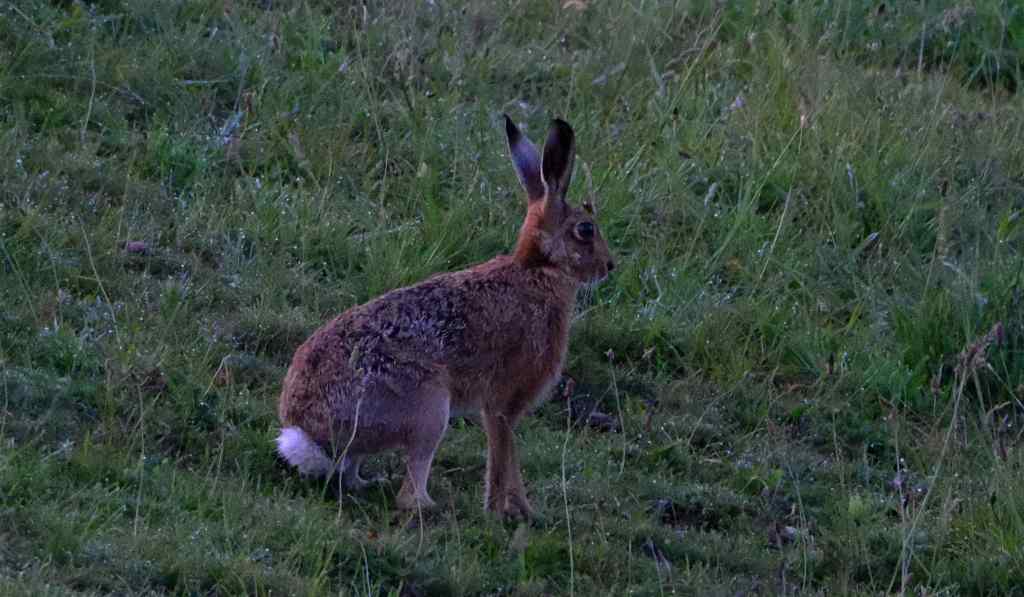
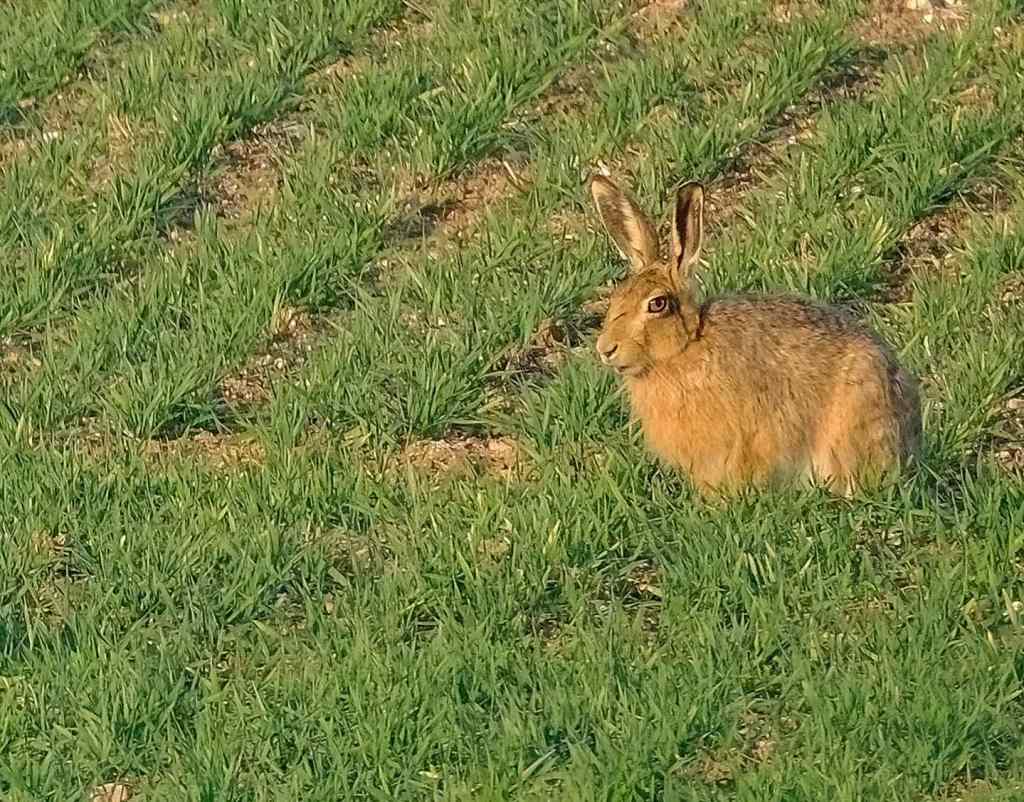
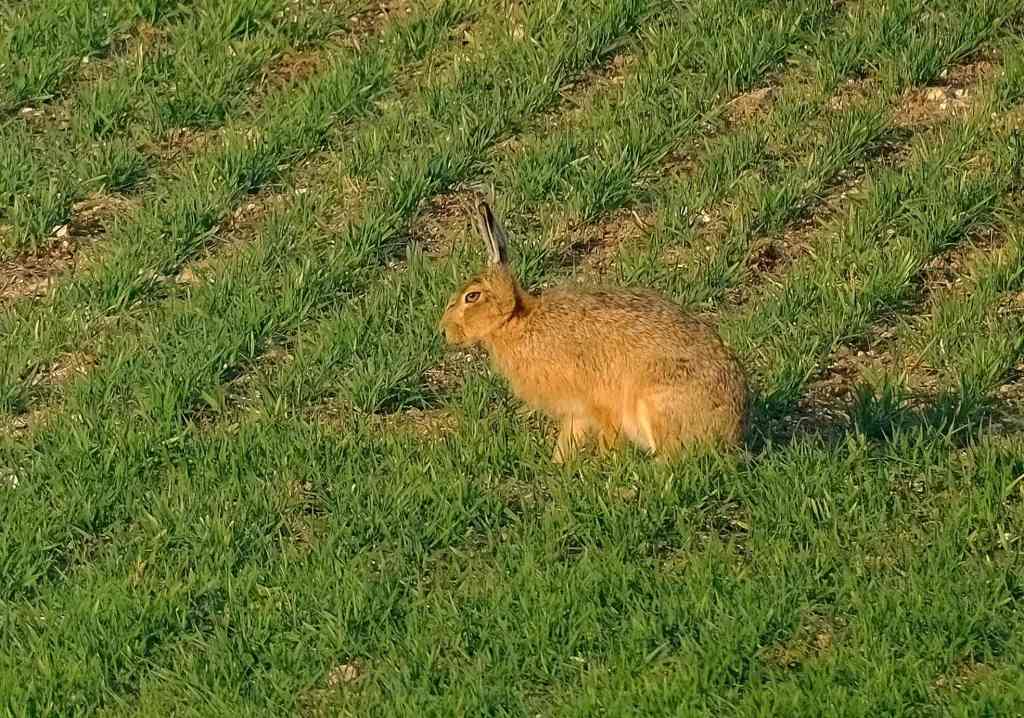
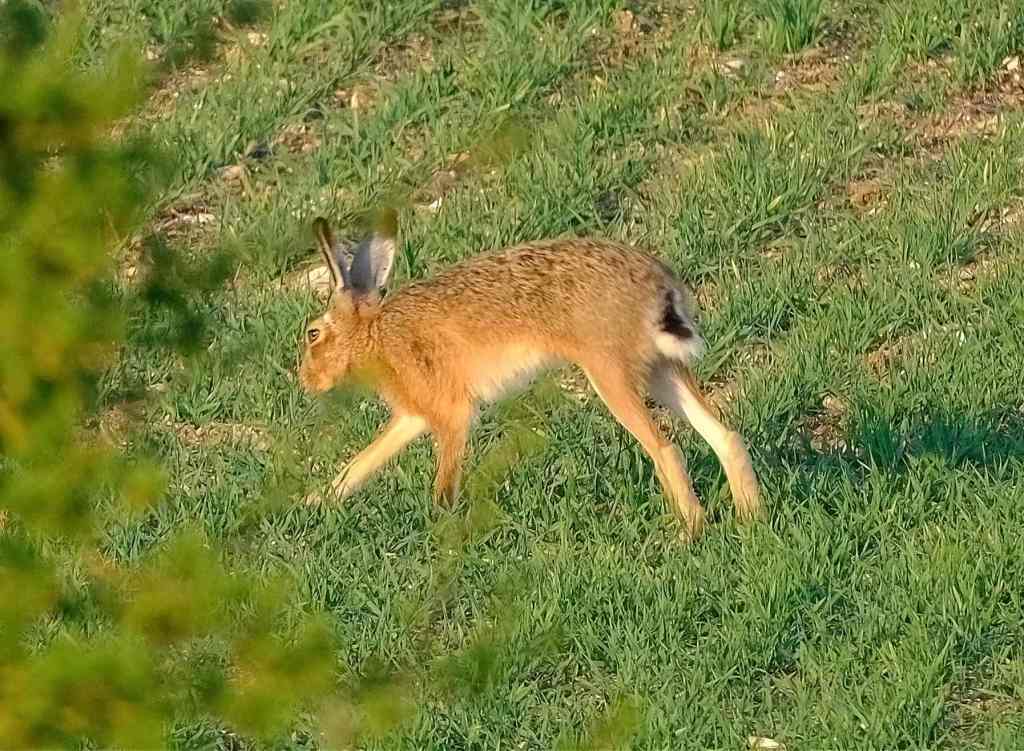
Sadly, no Barn Owl was out morning hunting, but good numbers of Brown Hares were about.

The next hare was a Rabbit!

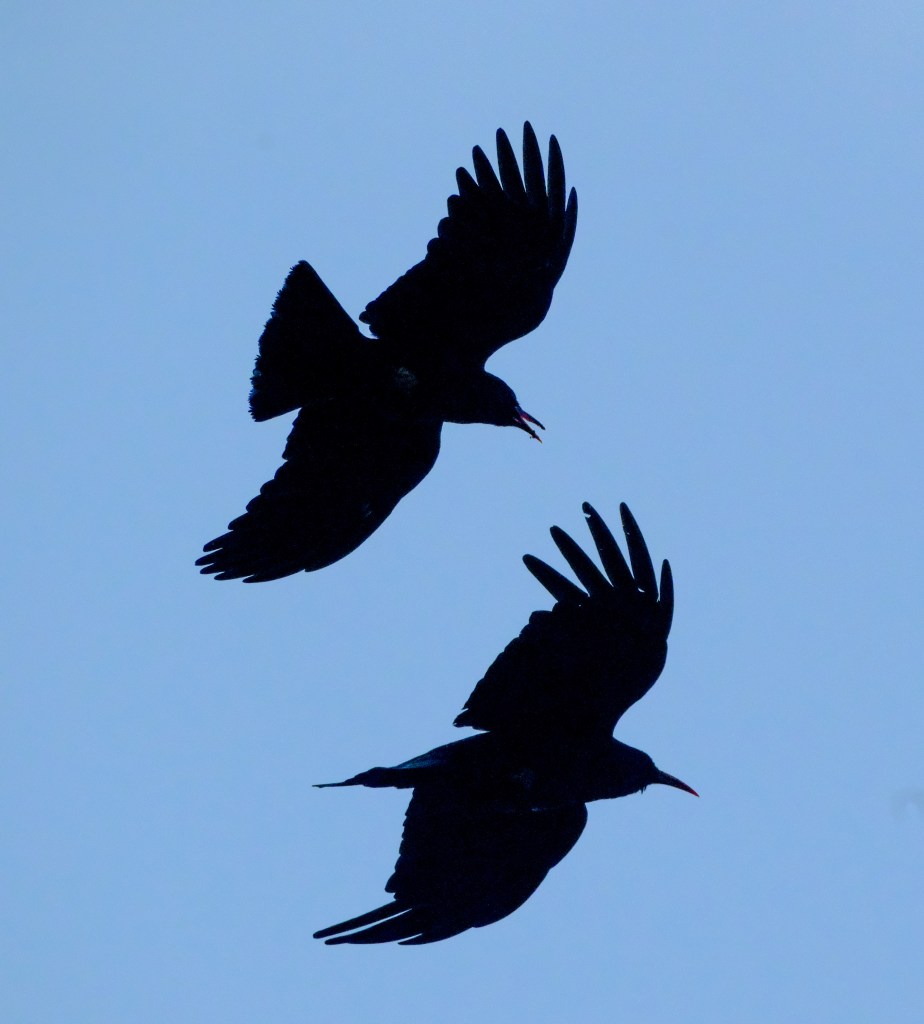
Turning to head back, rain clouds were heading in. All the crows just landed, sadly, I missed them in the air as it was a great sight with that sky.

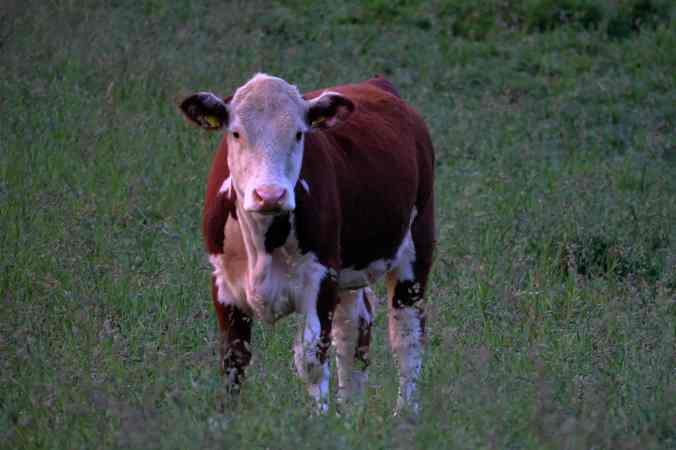
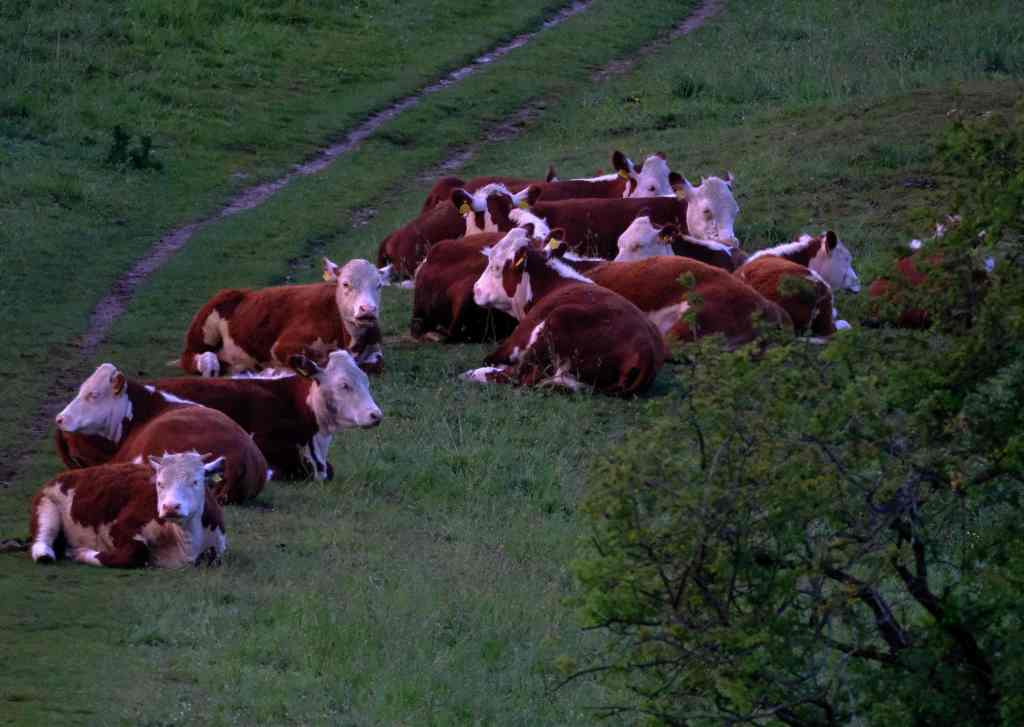
With a few rather interested in us, Hereford Cattle, we took a wide detour off the footpath close to farm buildings.

This allowed us the opportunity to look into the barn where we had seen the Owl in flight previously.

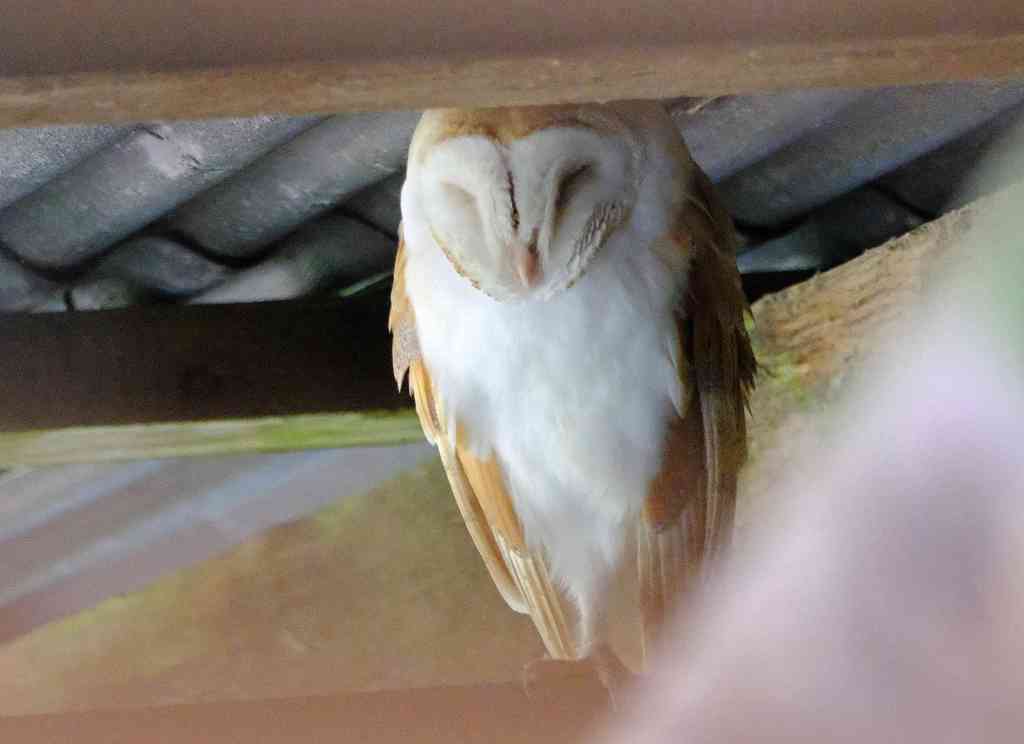
Looking through a hole in the barn wall (marked with a yellow arrow) was the Barn Owl on the other side, fast asleep. Obviously, despite our early start, it was not early enough!

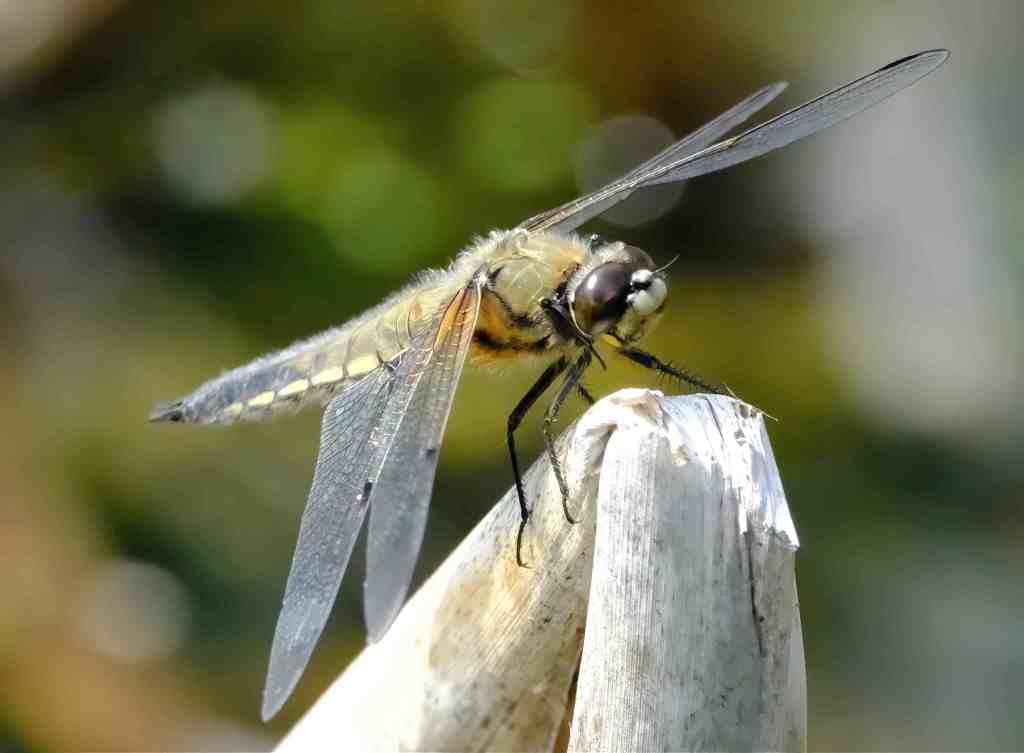
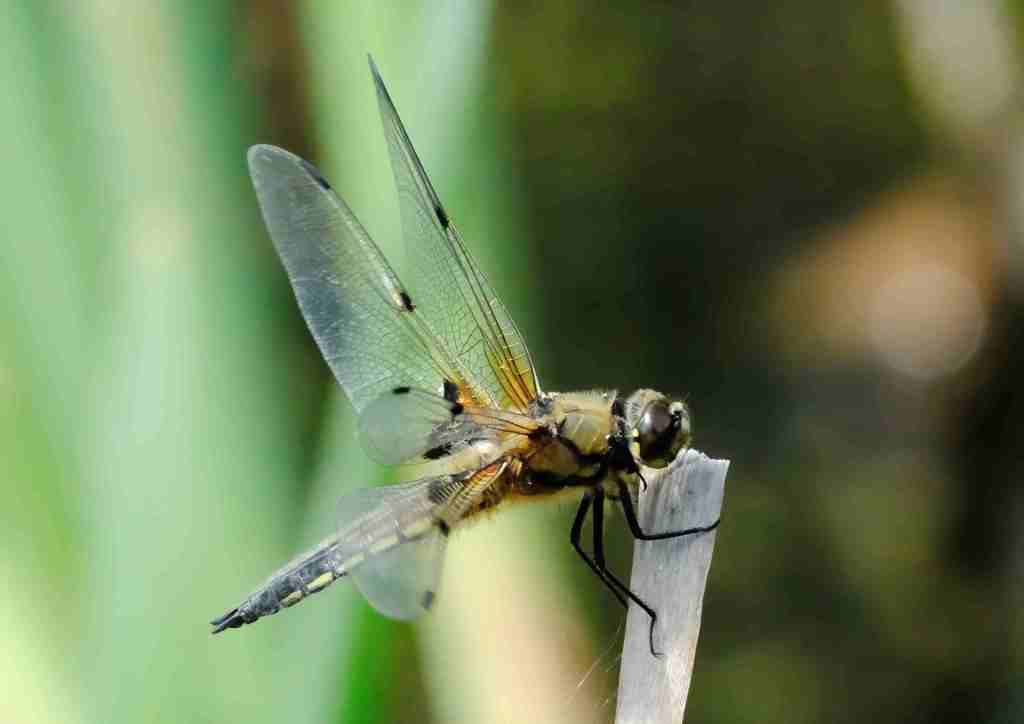
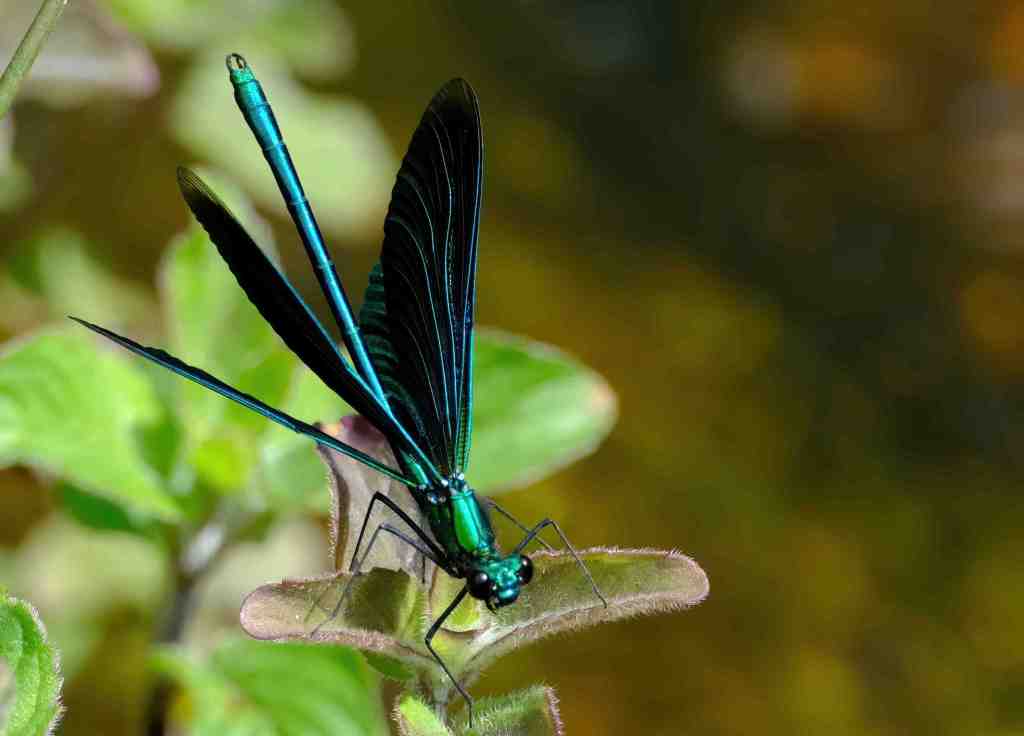
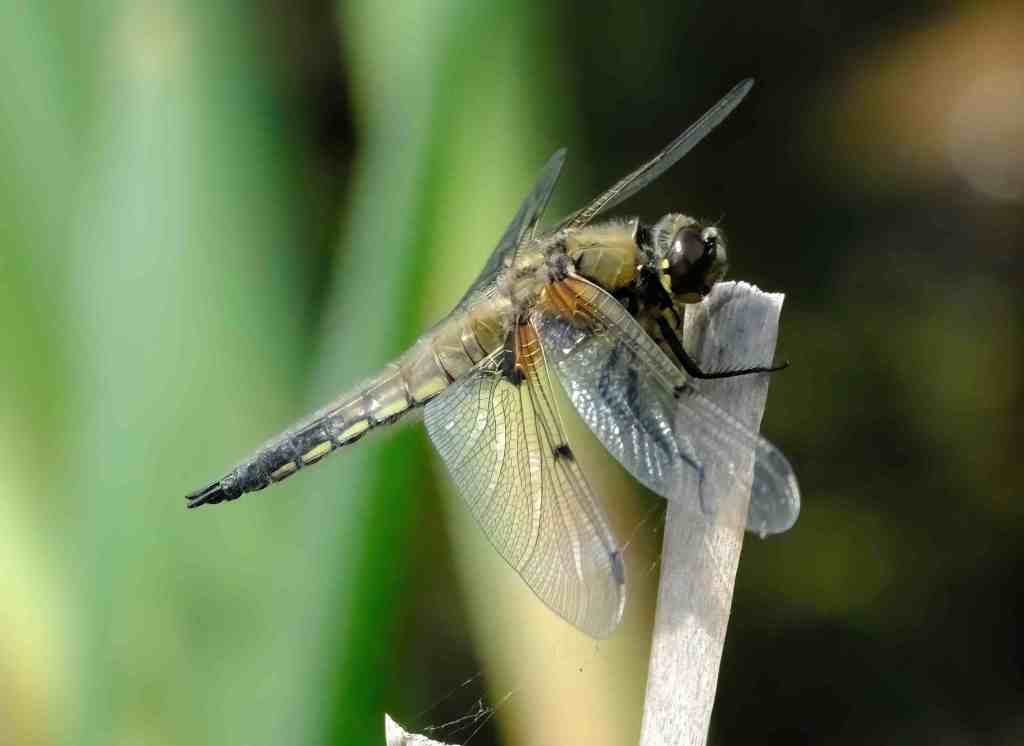
four Spots.

The Four-spotted chaser dragonflies seen here at Titchfield Haven Nature Reserve are easily recognised. Each wing has two dark spots on the leading edge. These spots give this species its name.

Old Winchester Hill.

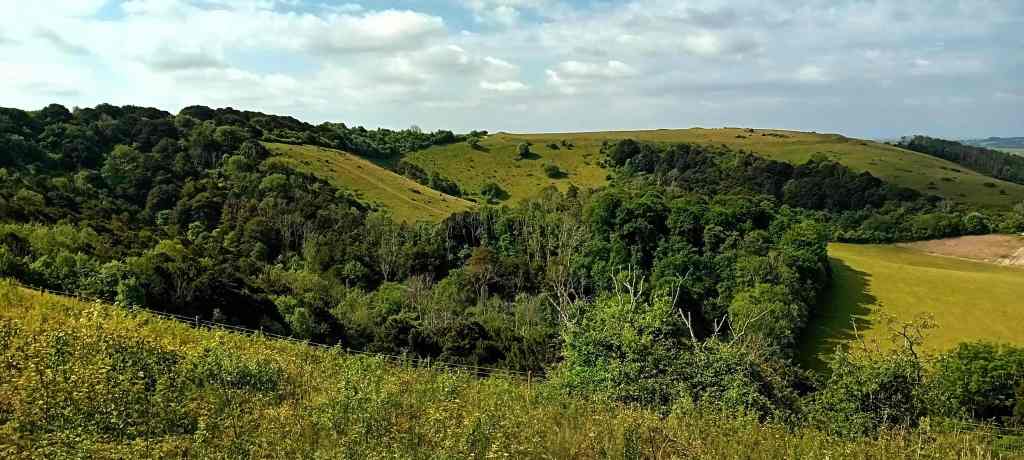
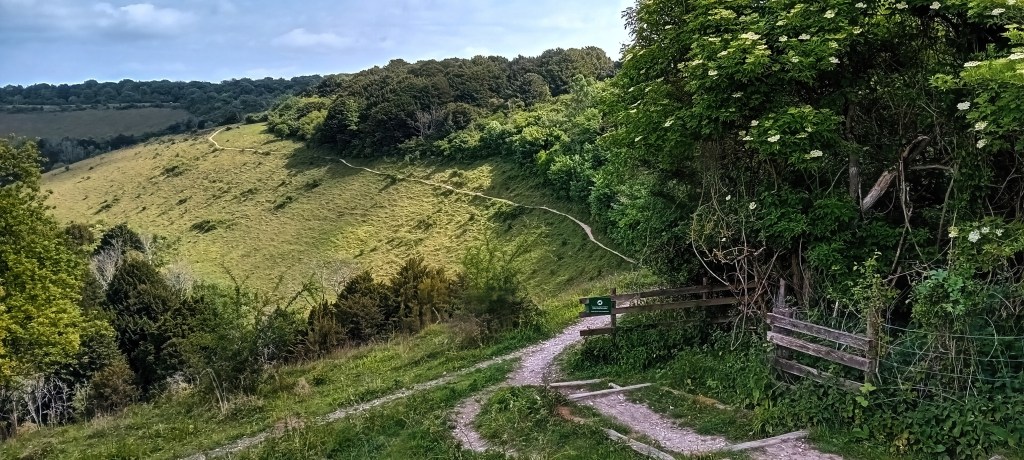
An uphill walk around a local nature reserve on Thursday morning

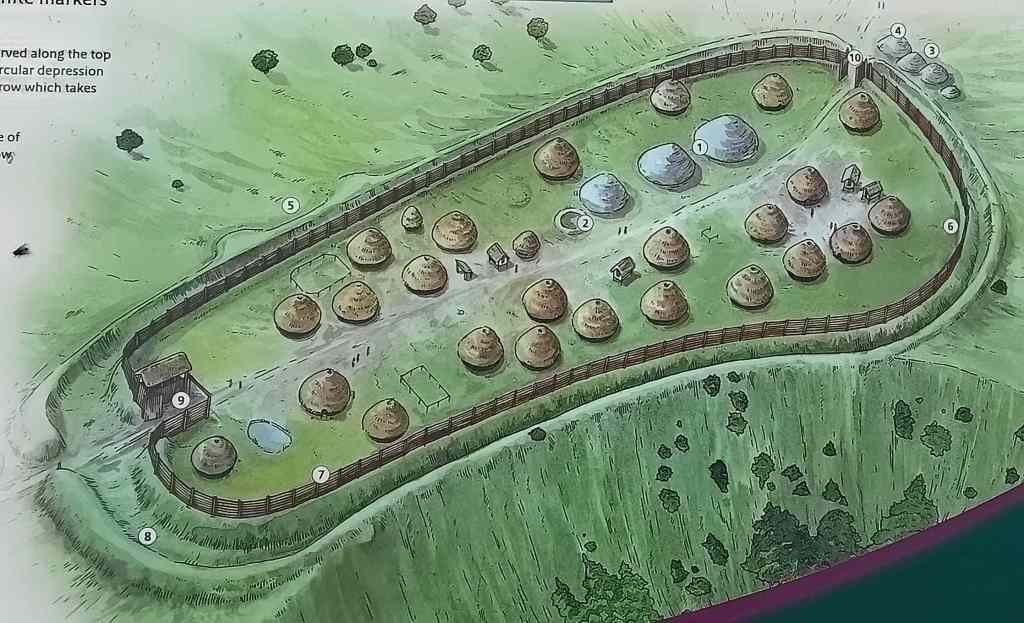
Old Winchester Hill is a 164-acre Site of Special Scientific Interest in Hampshire. Part of it is a scheduled monument. On the summit of the hill is an Iron Age hill fort. Within the hill fort, Bronze Age barrows dating between 2100 and 750 BC can be found. The fort itself was probably built in the Early or early–Middle Iron Age, 600–300 BC.

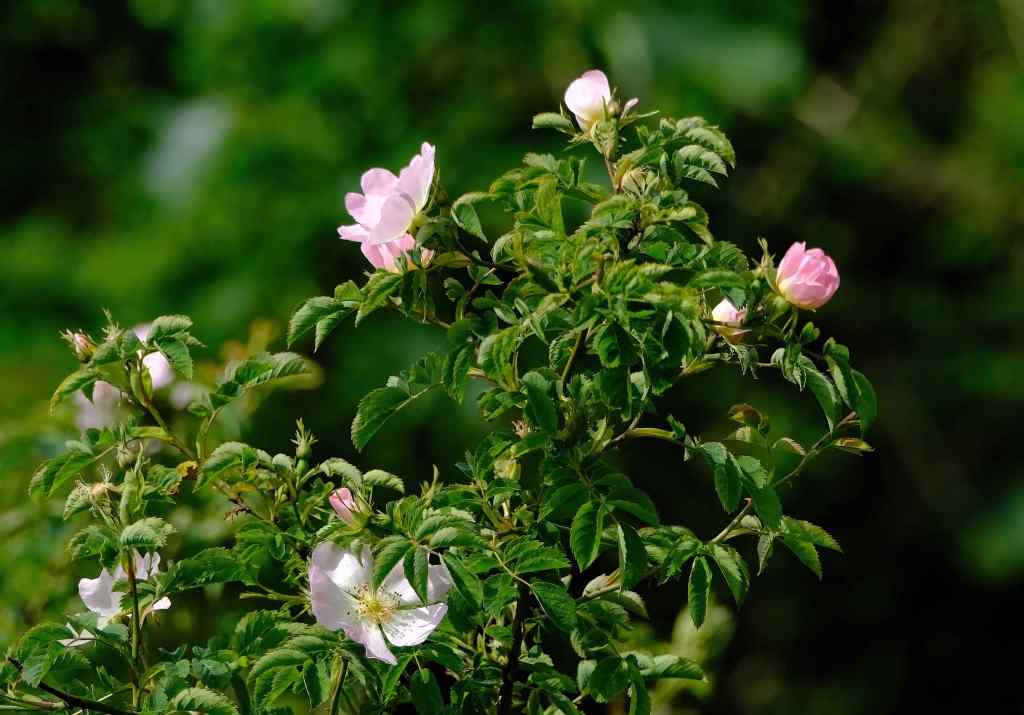
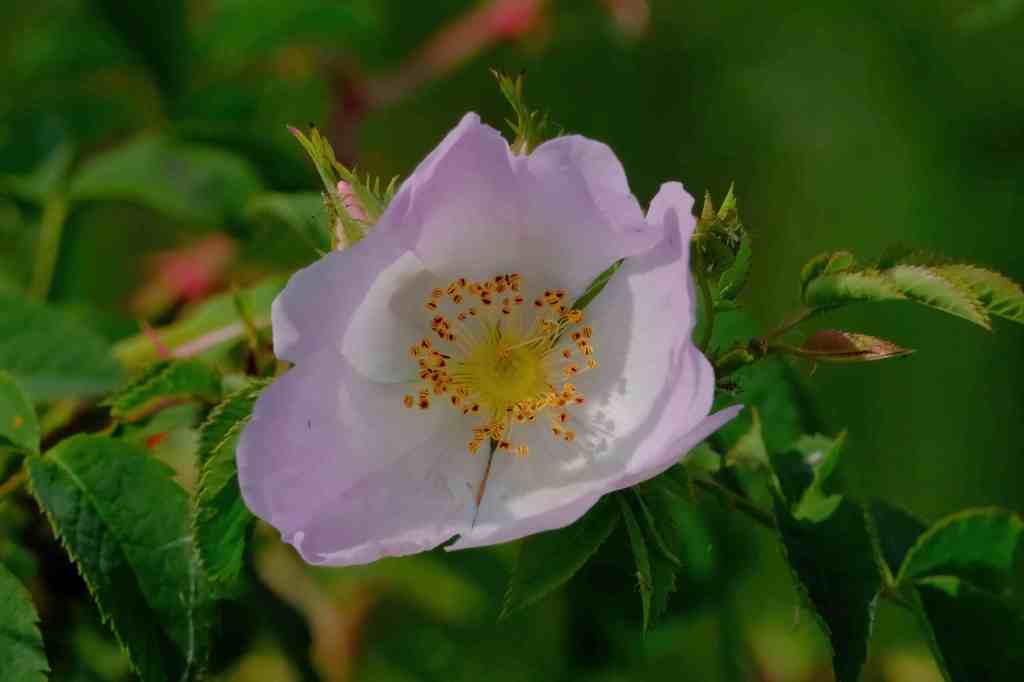
Dog Roses.

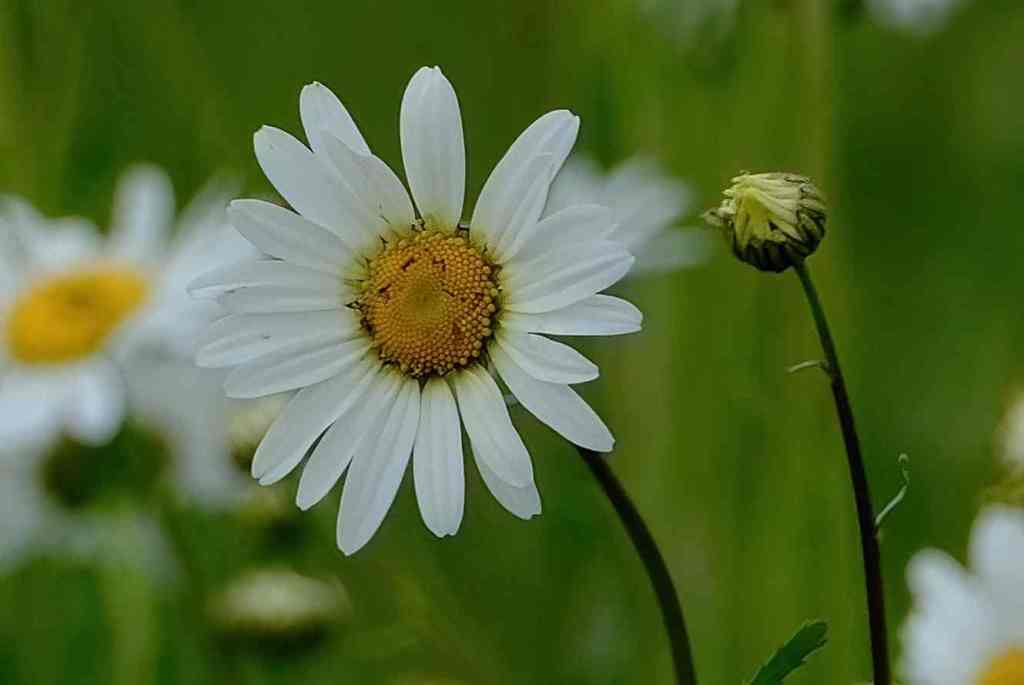
Ox-eye daisies.

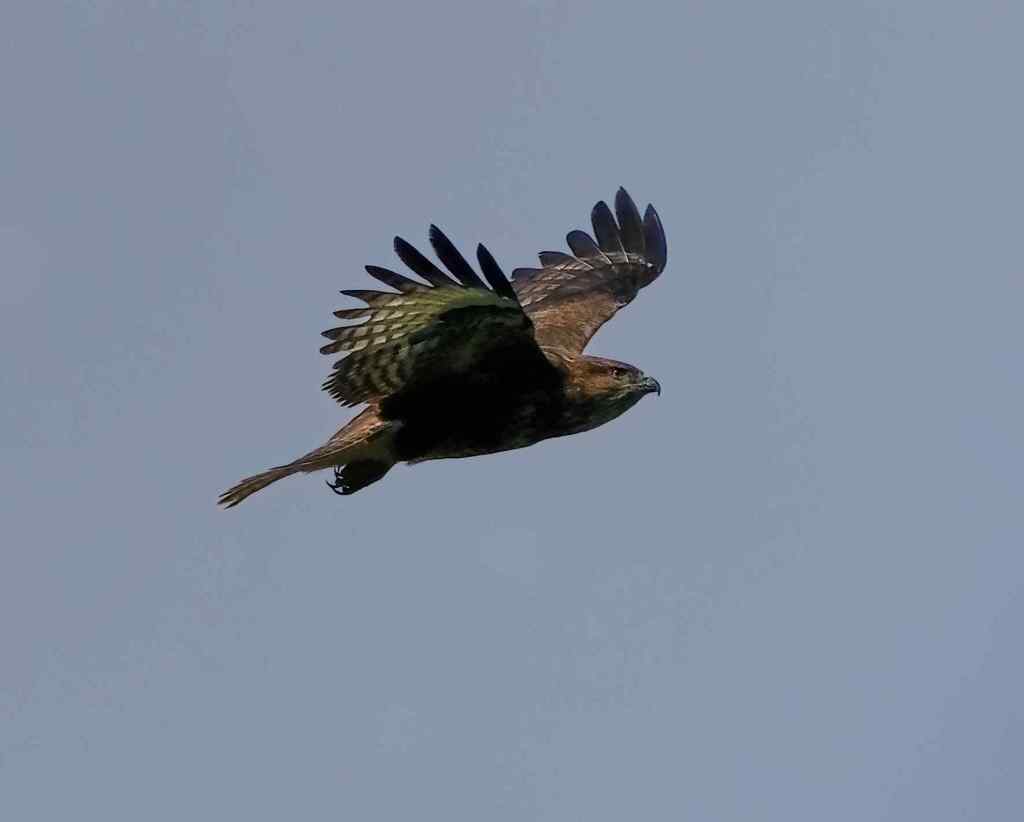
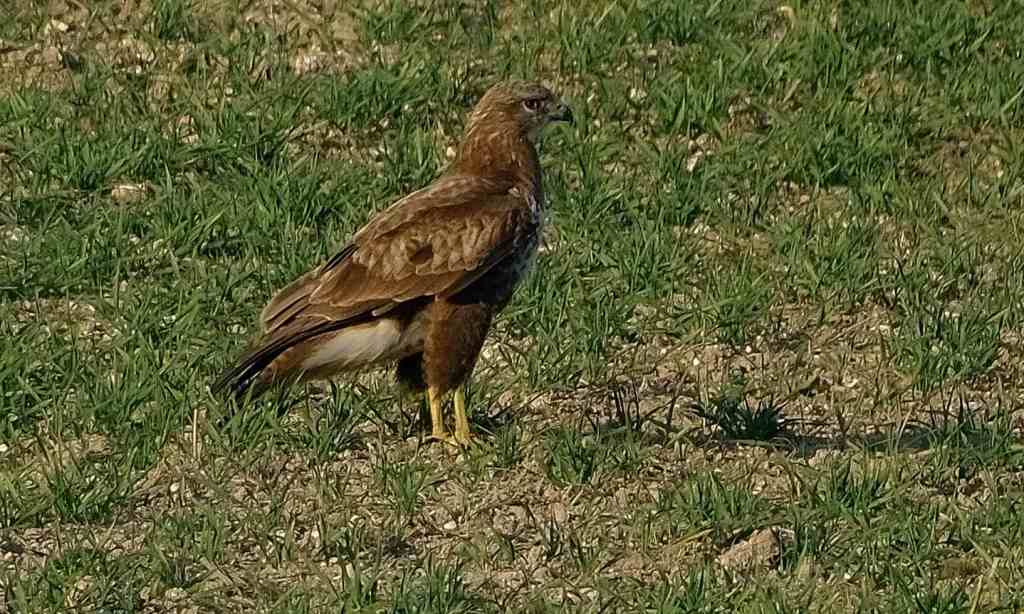
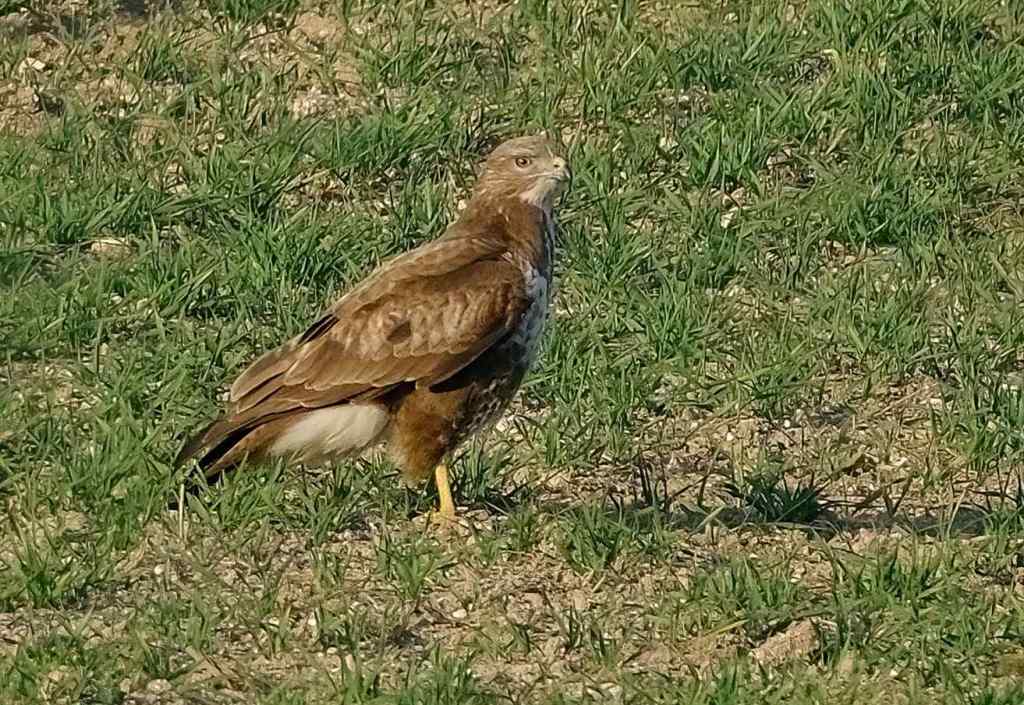
Buzzard.

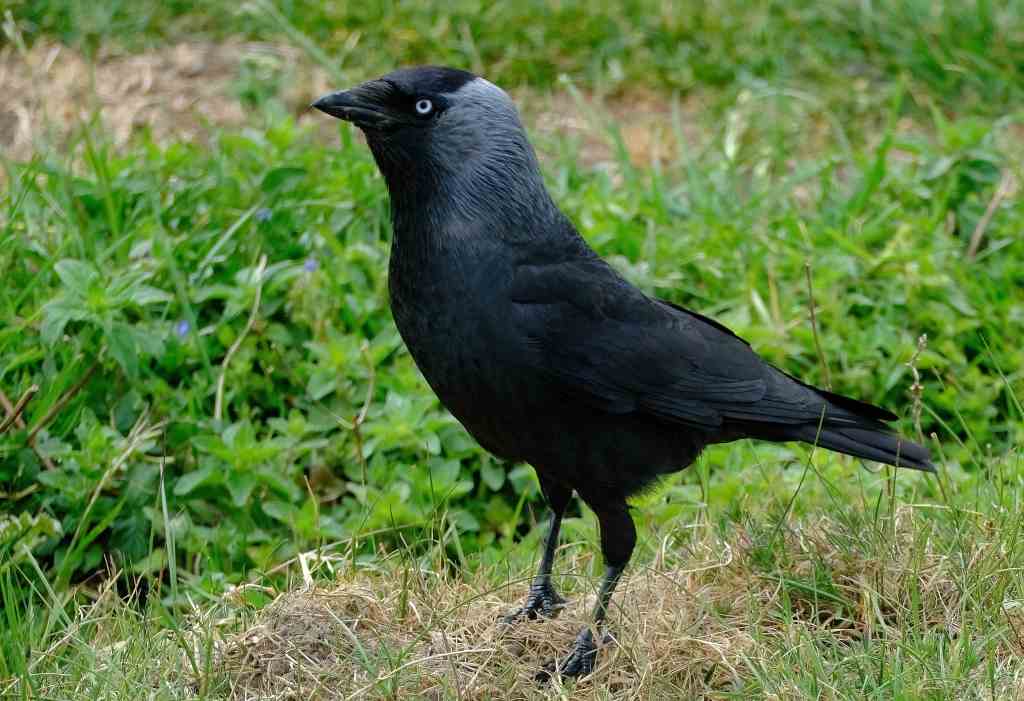
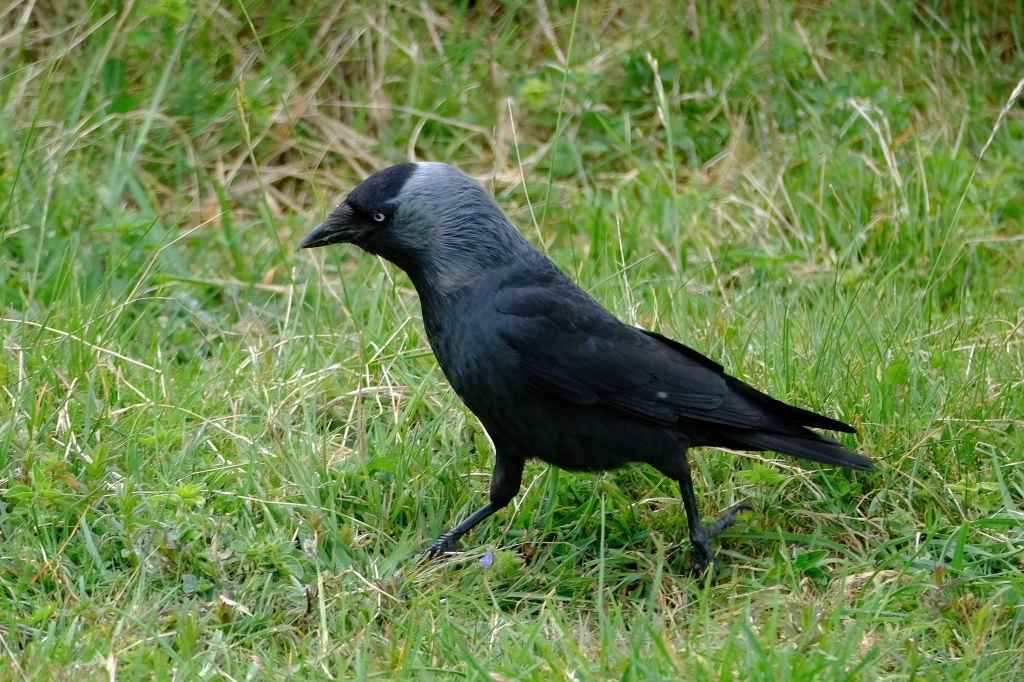
Jackdaw.

Air Ambulance passing over I think they were using the hill fort as a reference on their route

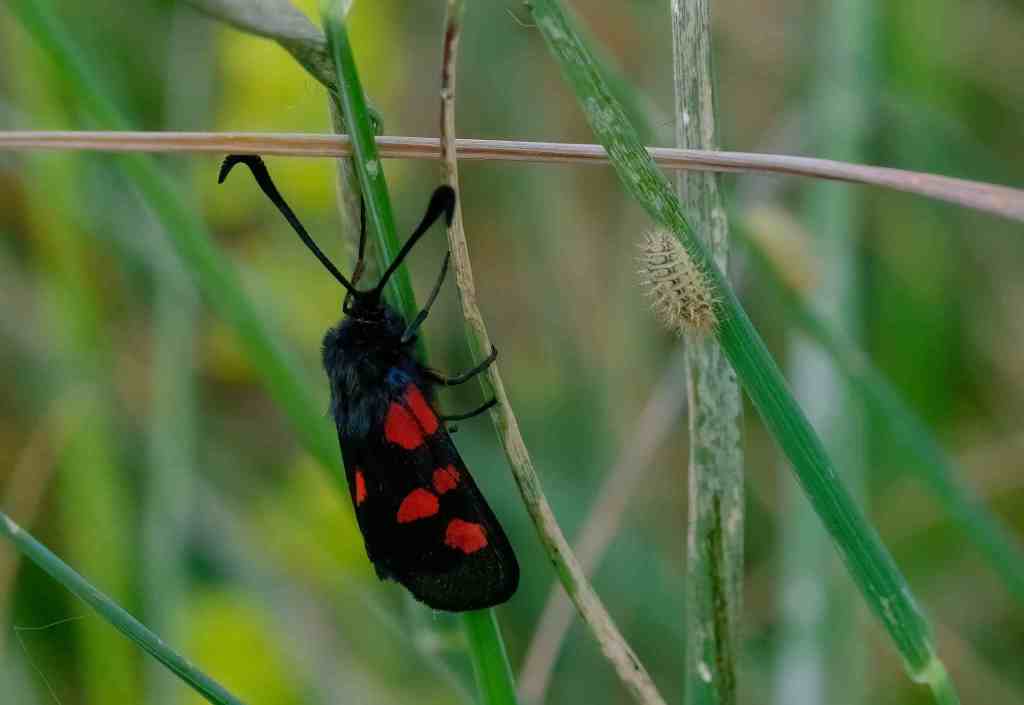
Not many Butterflies were spotted while on the hill. Only one distant Blue Butterfly and a couple of Six-spot burnet moths were seen. They’re a day flying moth.
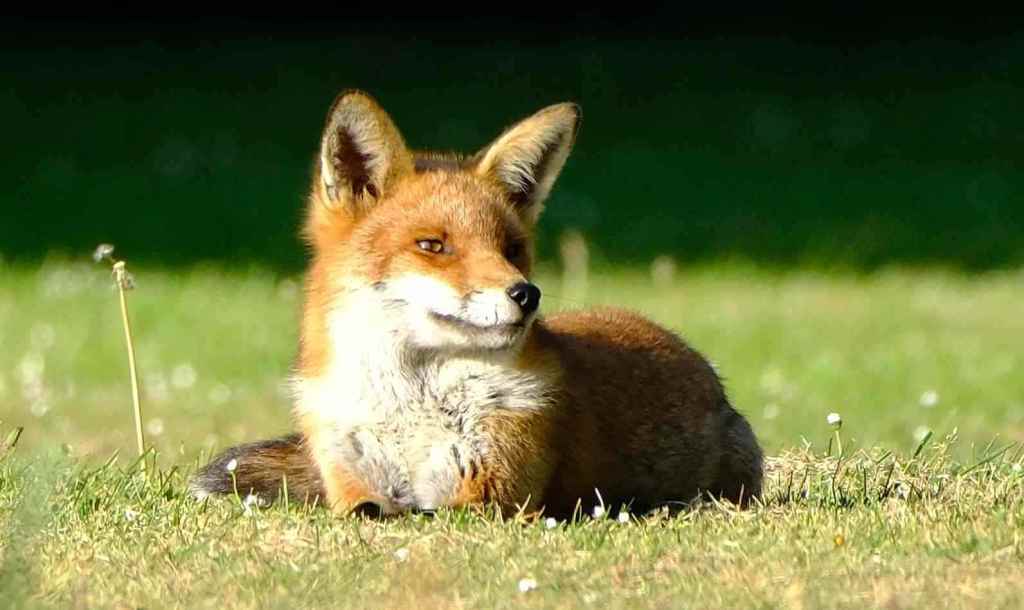
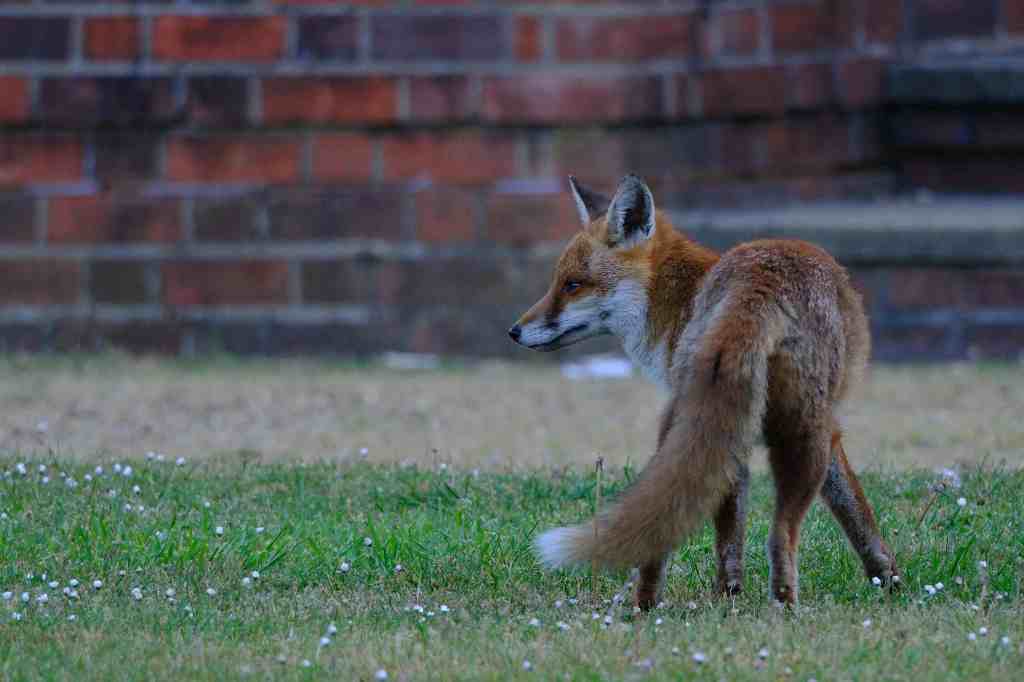
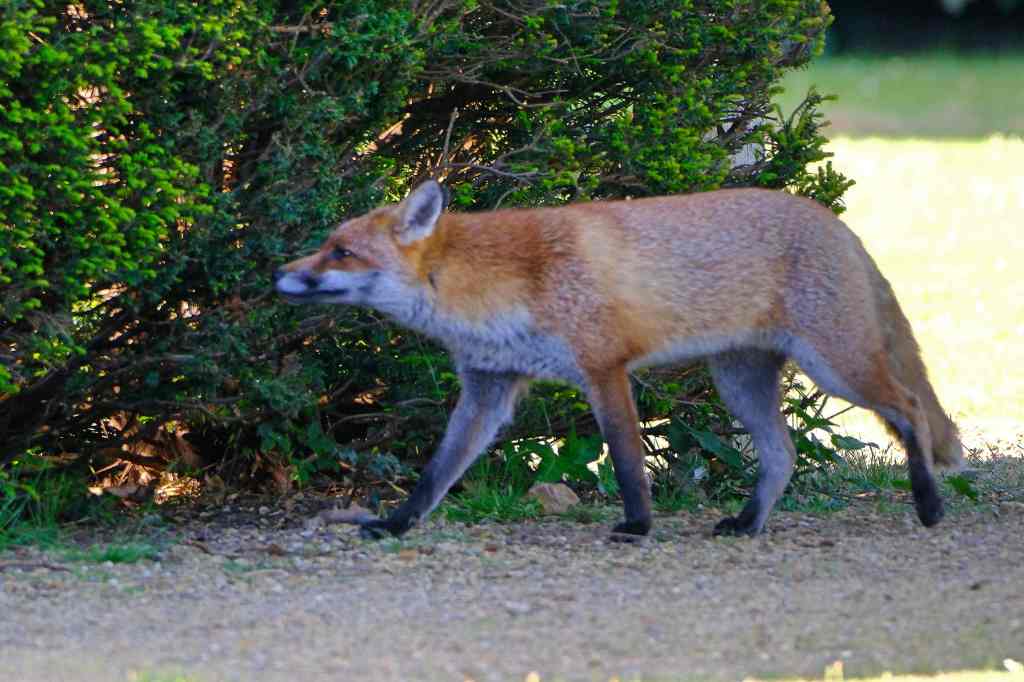
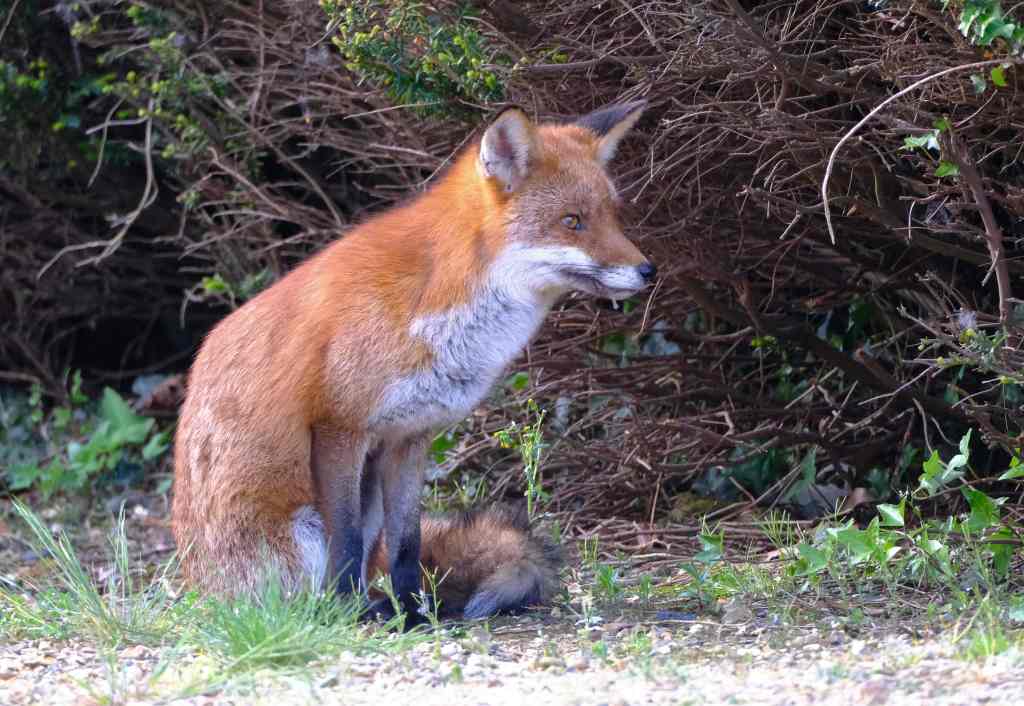
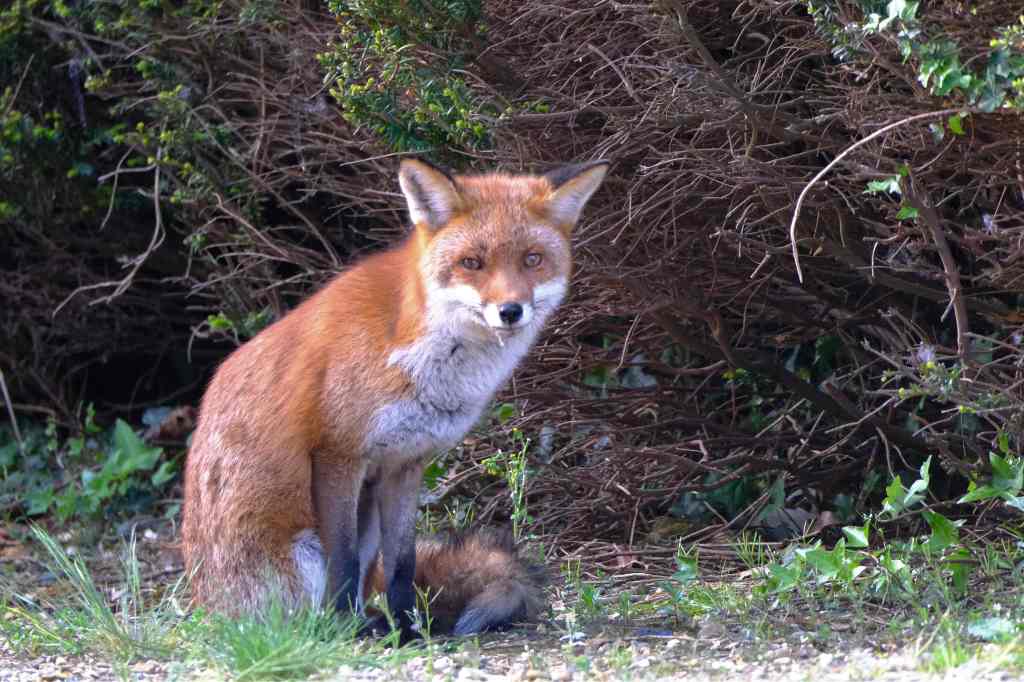
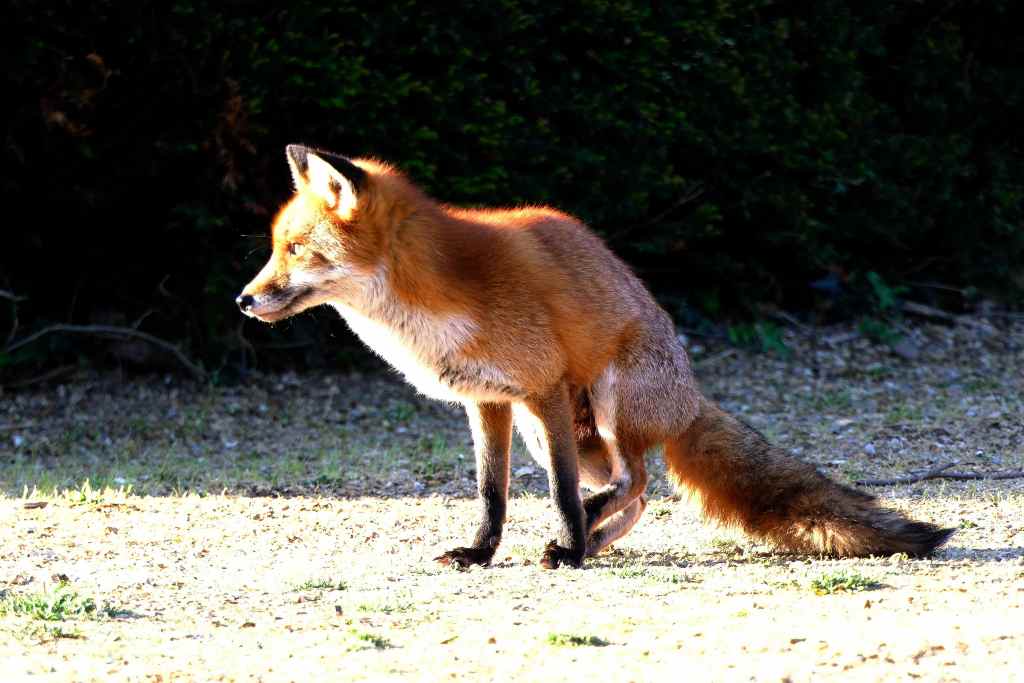
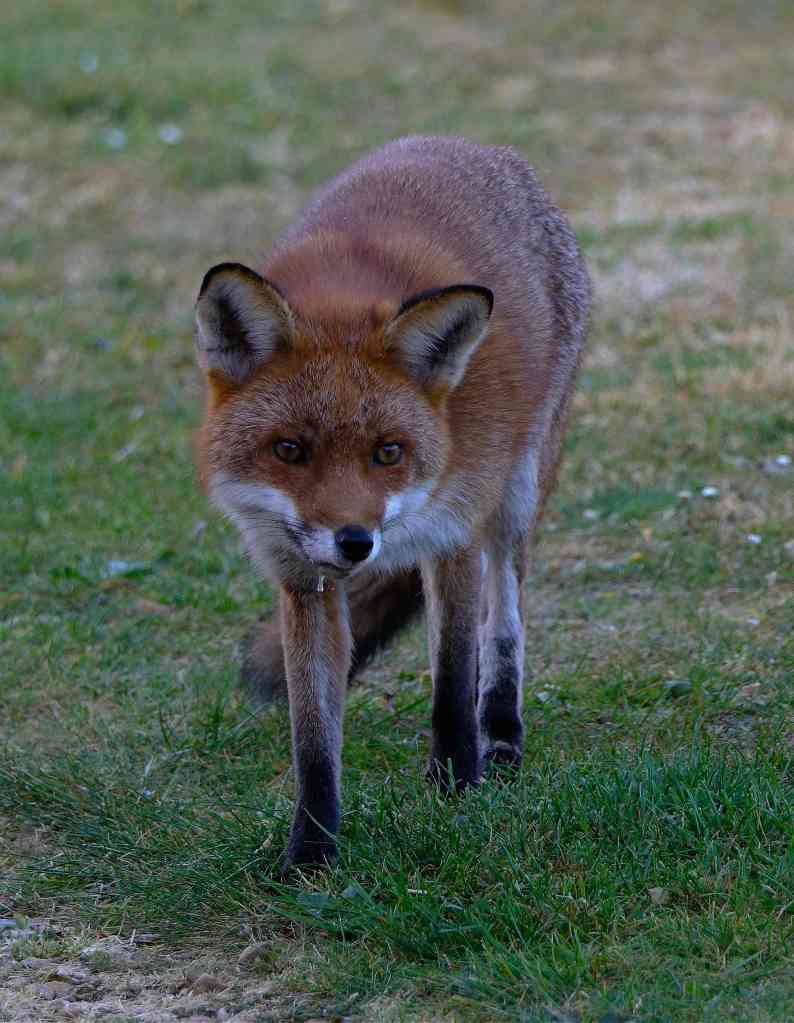
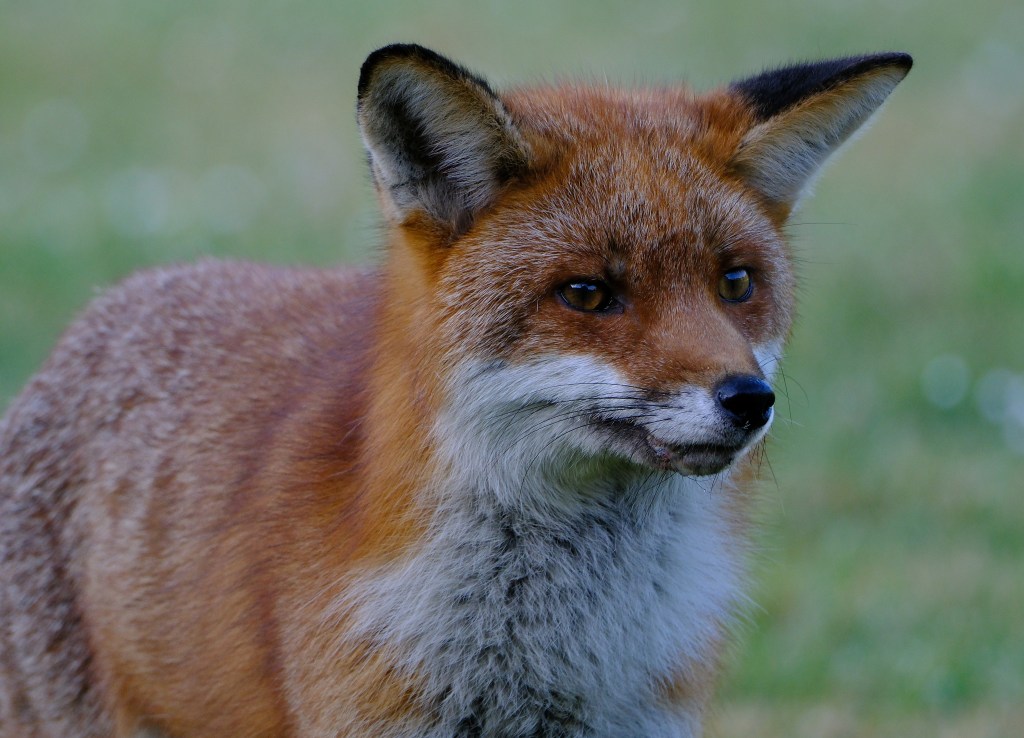
Fox.

Our fox is equally at home within our woodland and farmland, or city streets. At the top of the countryside food chain, they consume a variety of animals. Their diet includes everything from birds and beetles to rabbits and rats. In the city, they scavenge around human activity waste bins and abandoned fast food is a favourite.

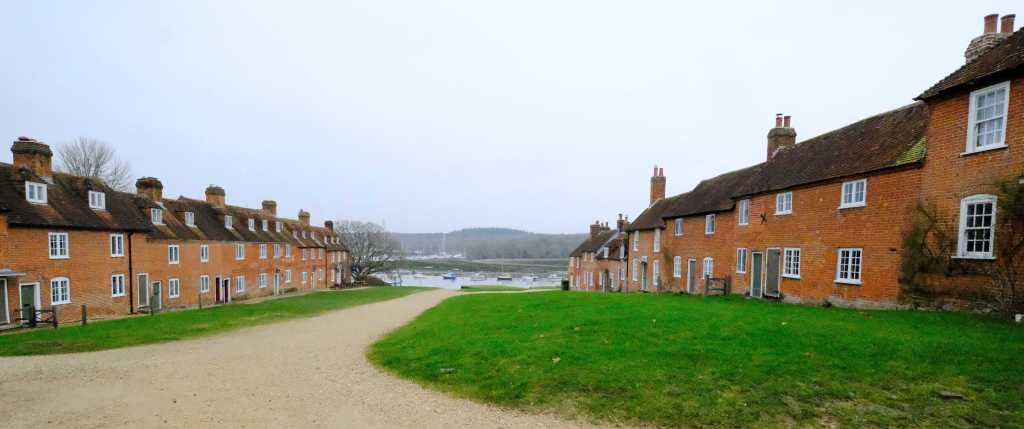
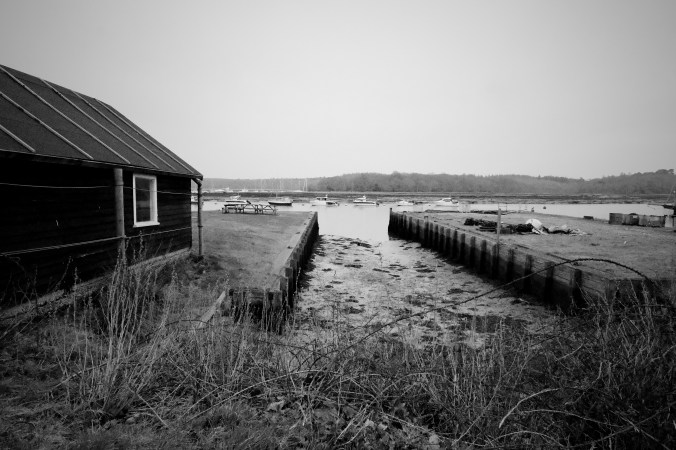
Bucklers Hard.

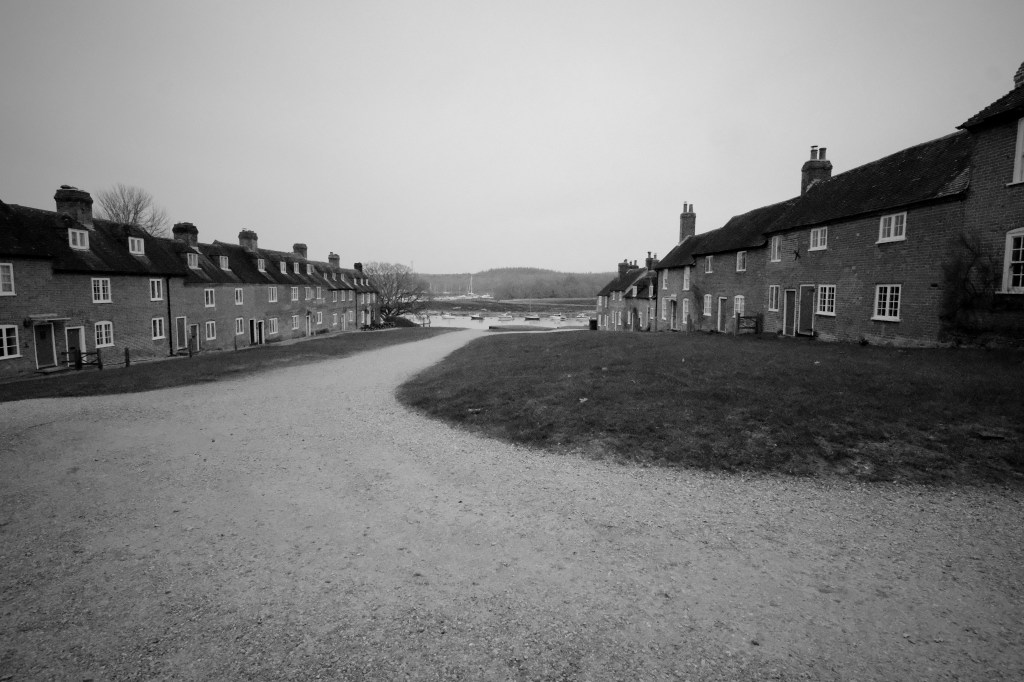
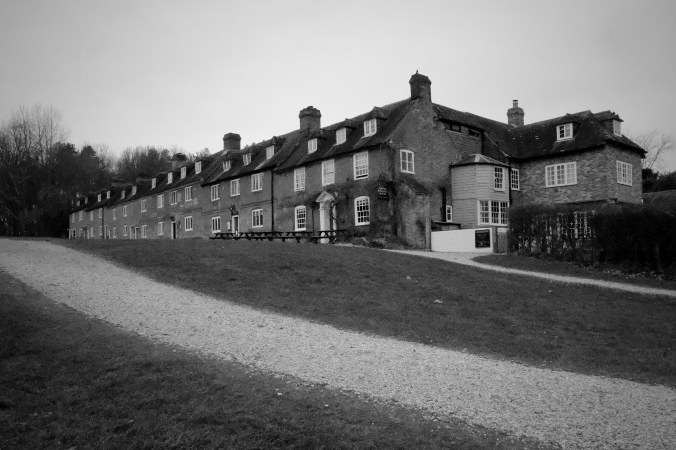
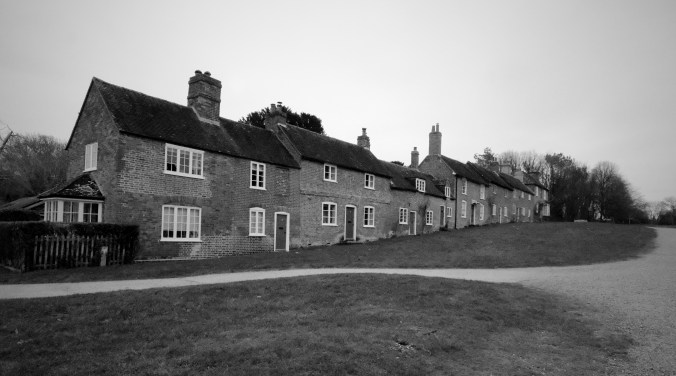
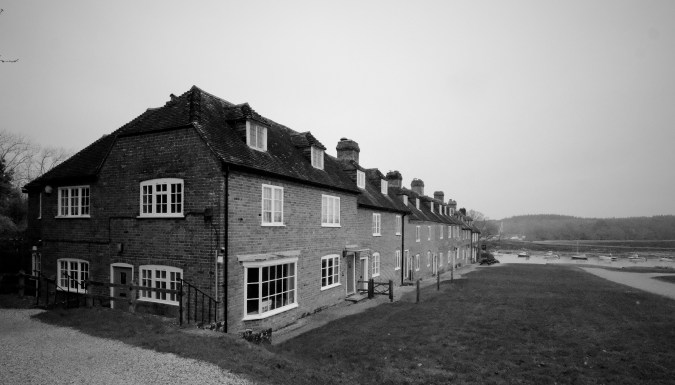
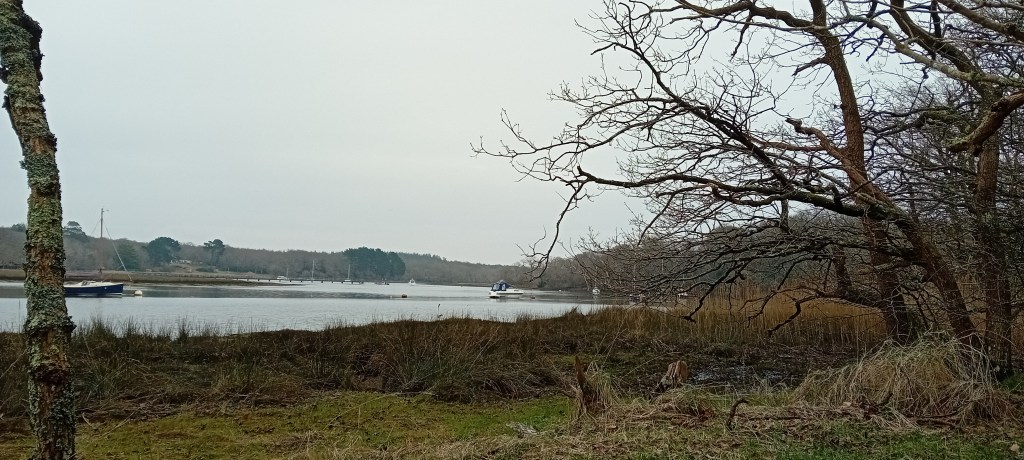
Today, a walk along the banks of the Beaulieu River leads to the historic village of Bucklers Hard. It is a village stuck in time. It was a hub of past shipbuilding. More than 50 wooden ships were built for the Royal Navy from New Forest oak. Vessels built included HMS Agamemnon, HMS Euryalus, and HMS Swiftsure; they all fought at the Battle of Trafalgar in 1805. When the Napoleonic Wars ended, shipbuilding at Buckler’s Hard declined markedly. This decline was also due to the new iron warships.

Today the Hard is a peaceful haven.