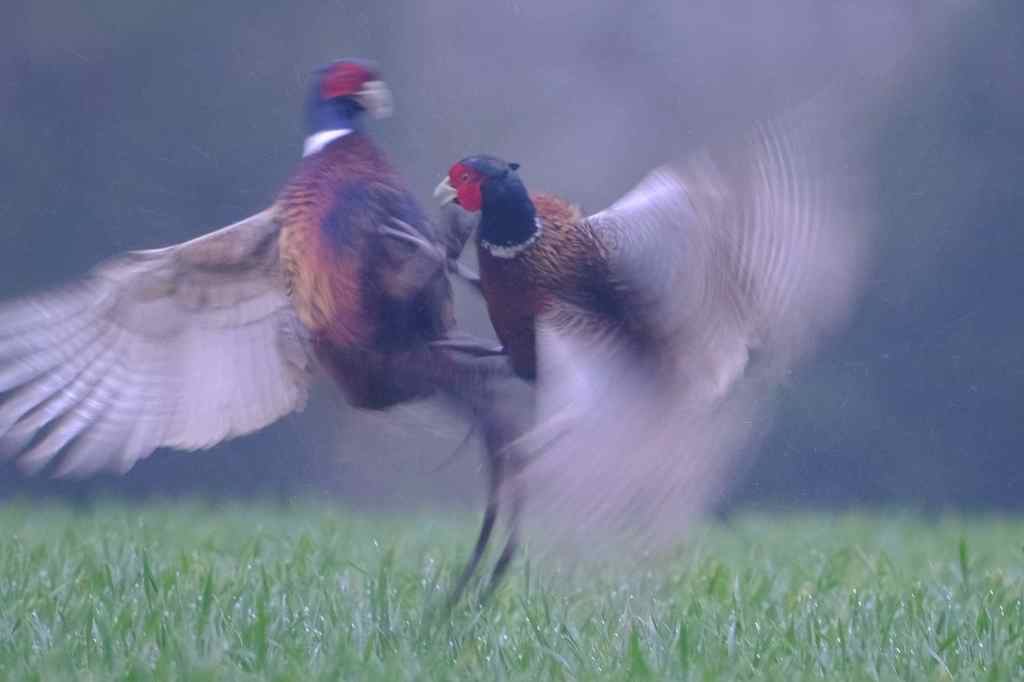
St Catherine’s Hill

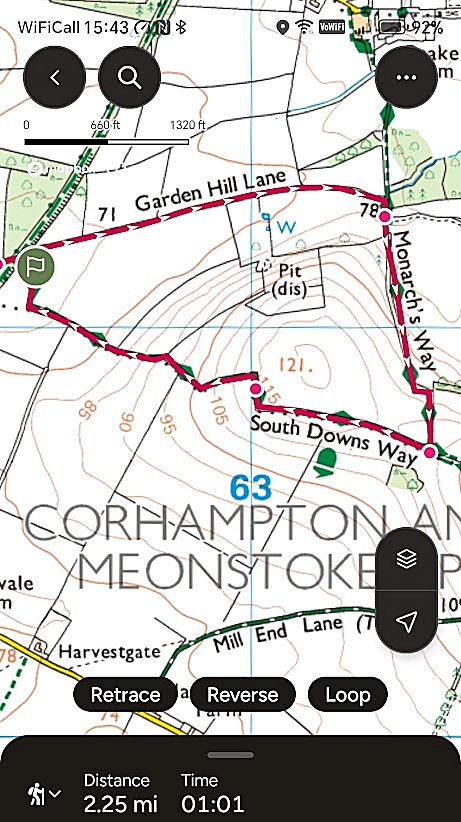
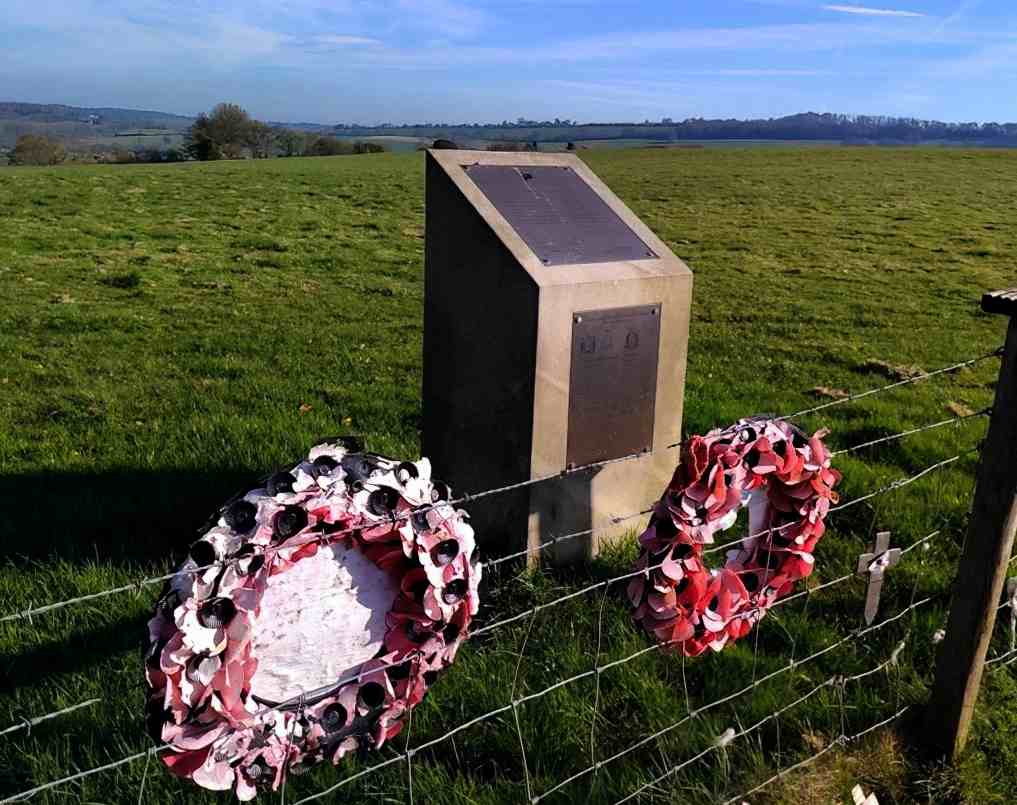
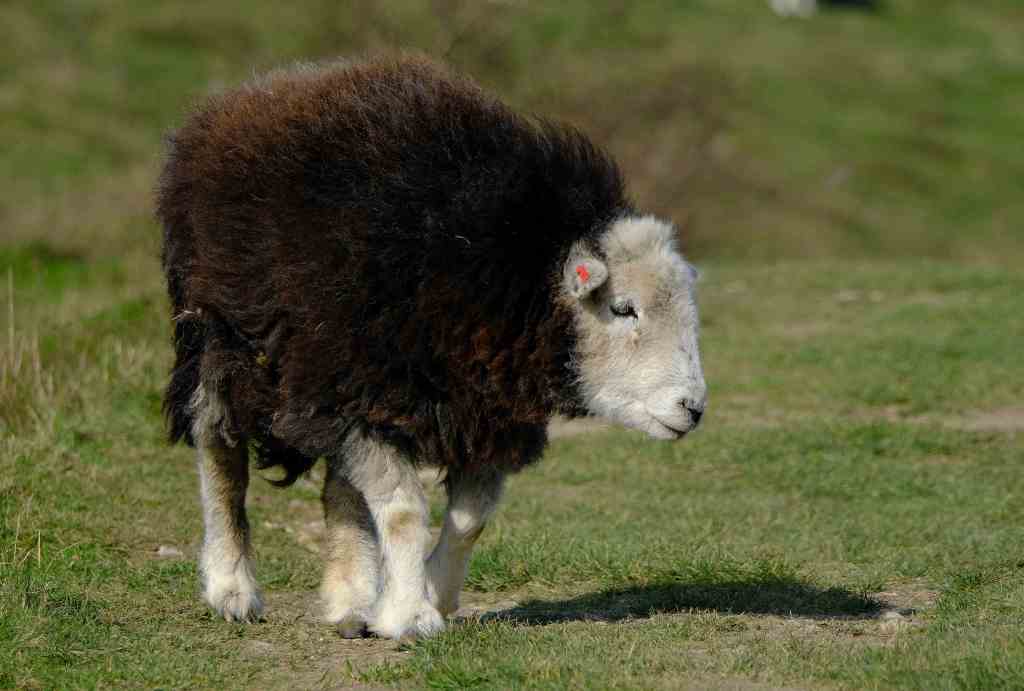
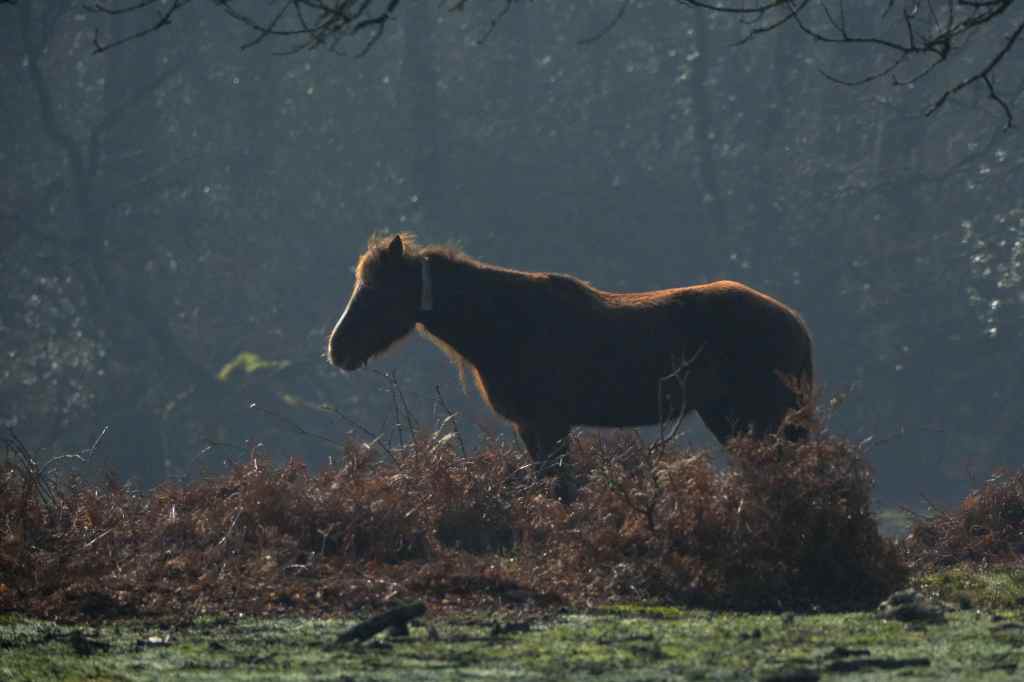
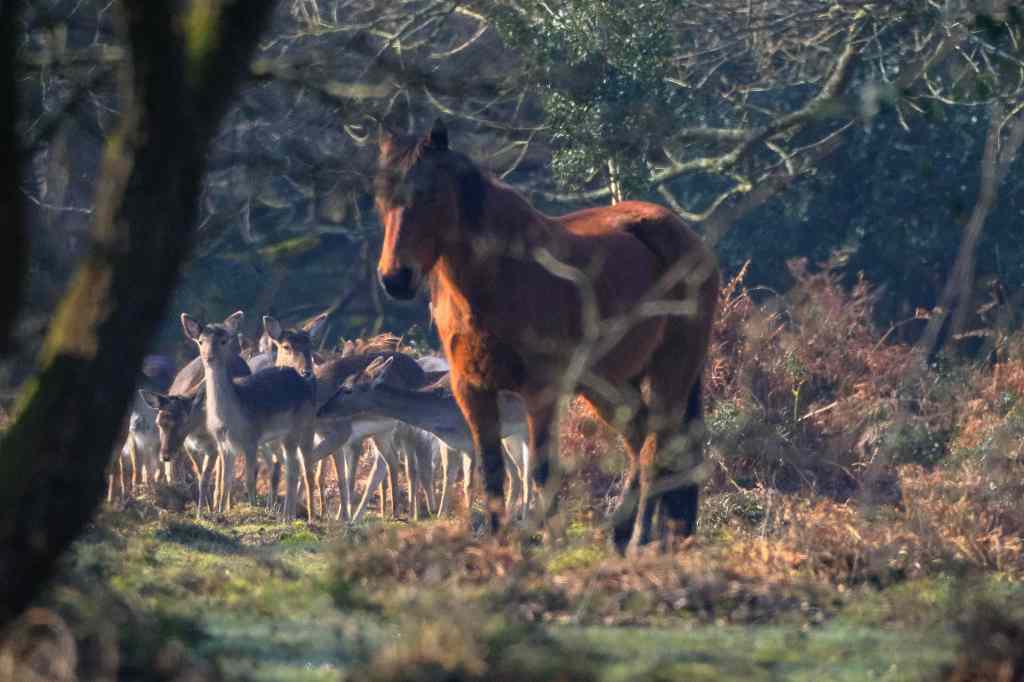
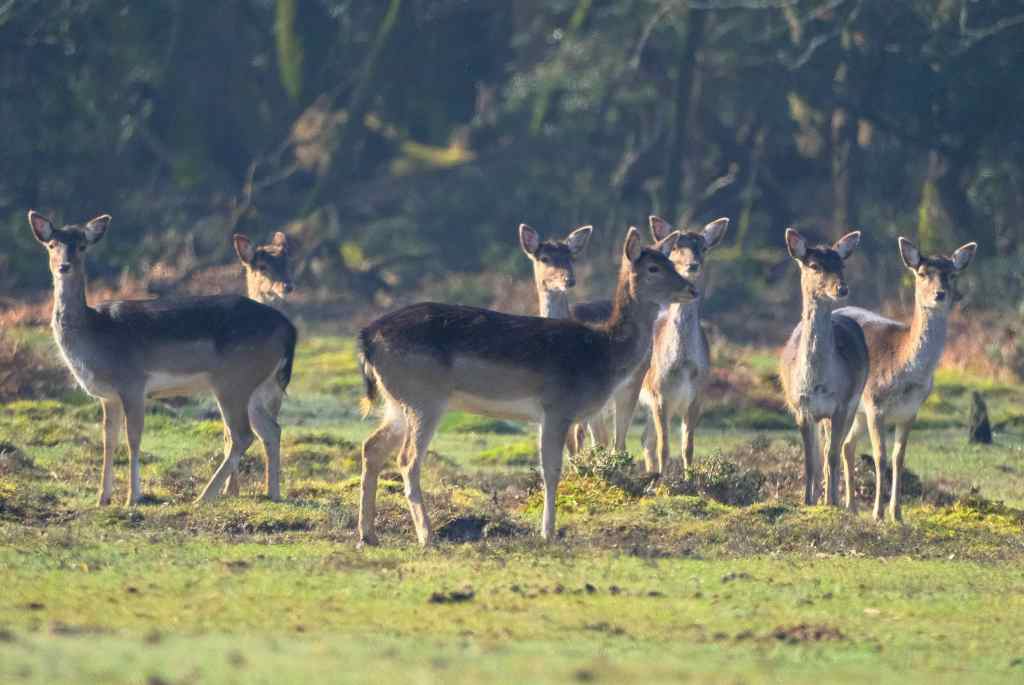
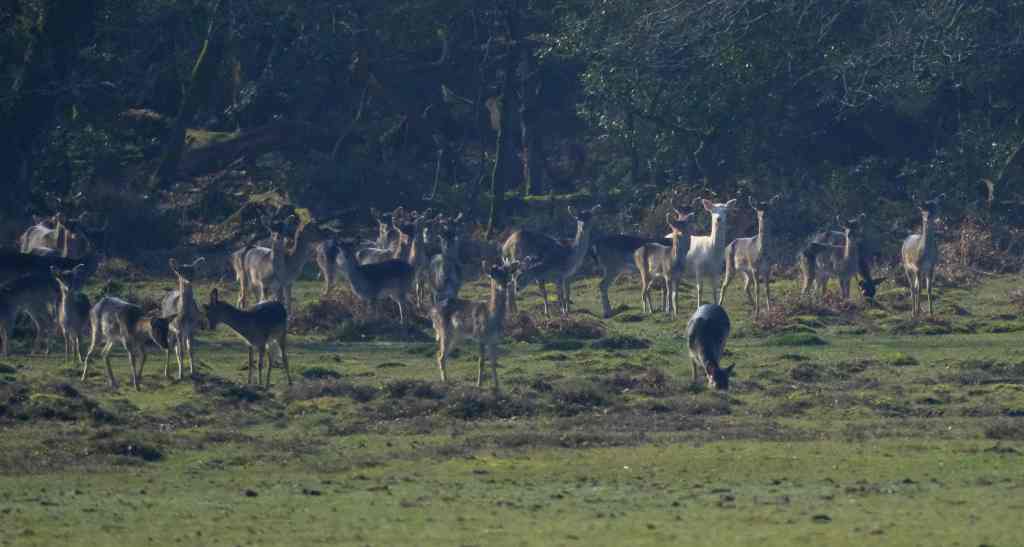
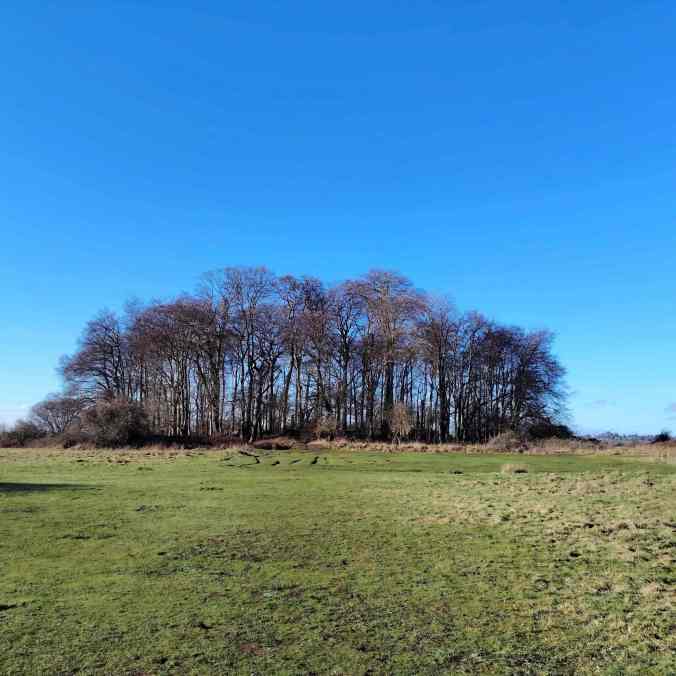
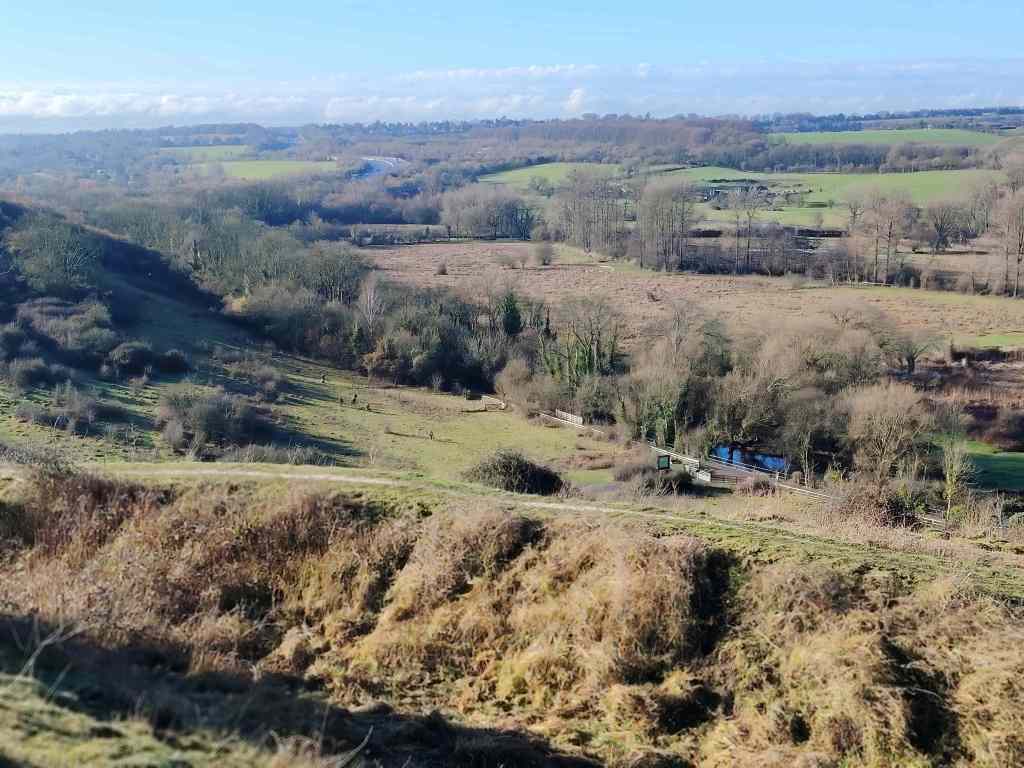
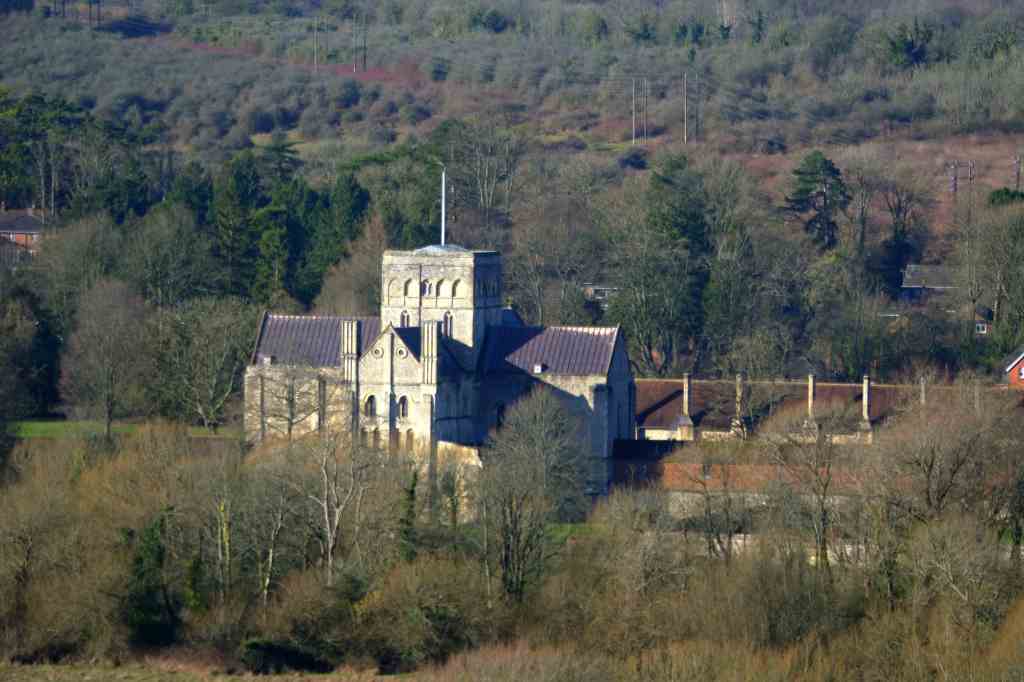
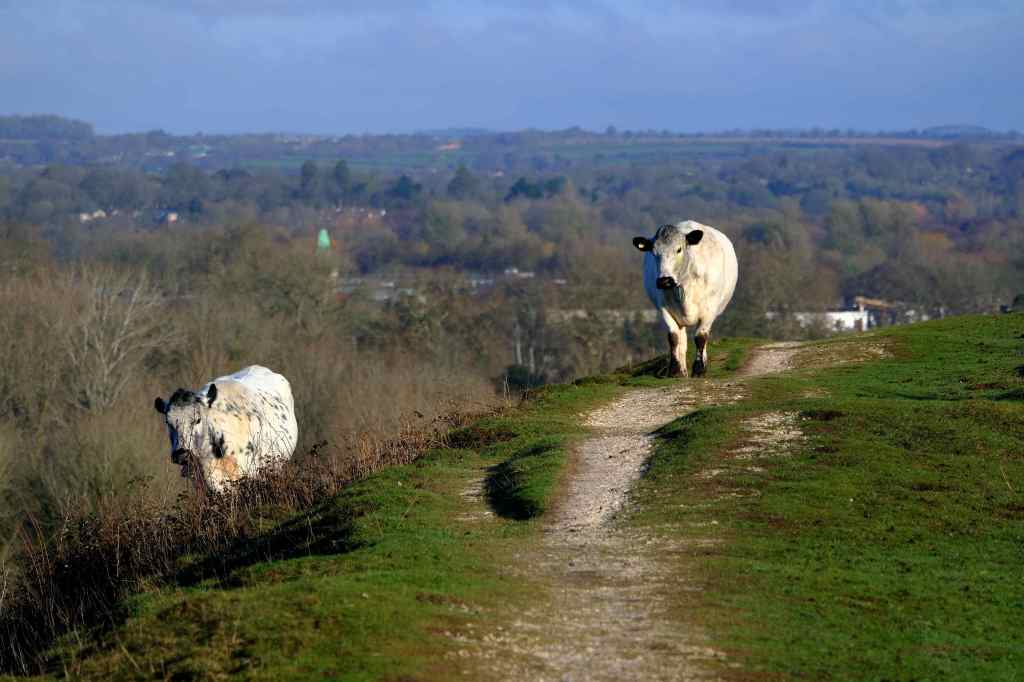
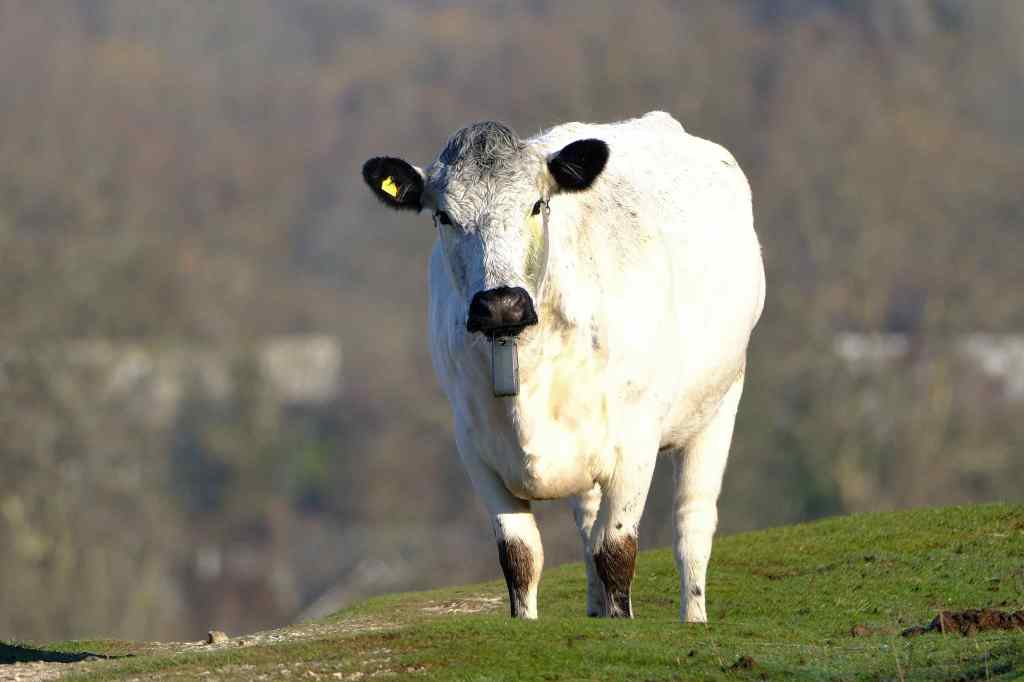
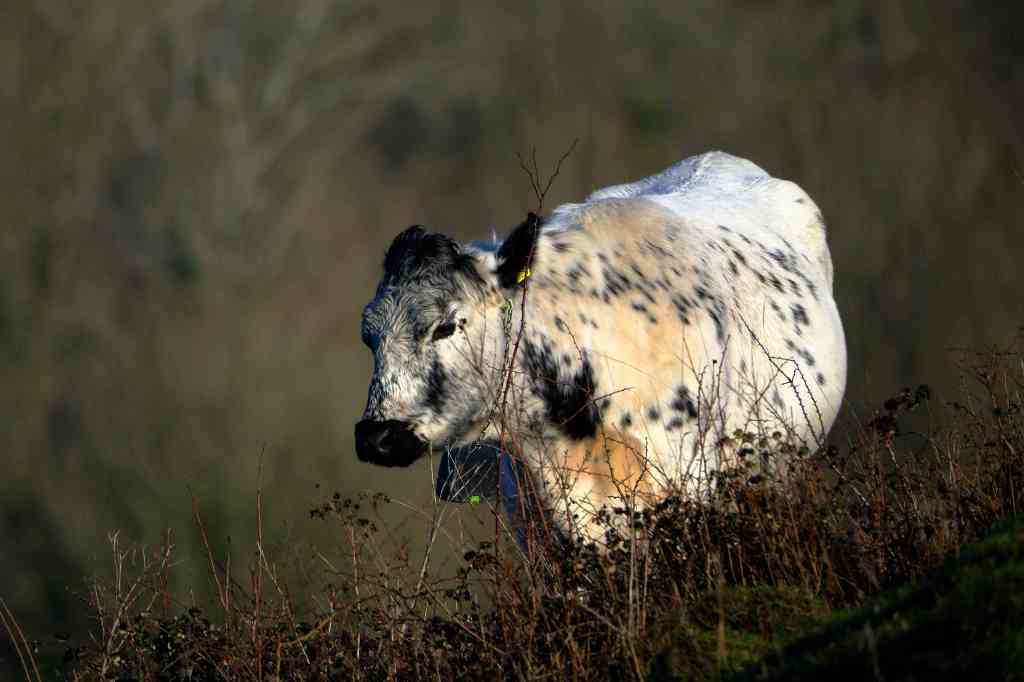
St Catherine’s Hill, Winchester, is a 58-hectare chalk grassland. It is a nature reserve managed by Hampshire & Isle of Wight Wildlife Trust. There are ramparts of the Iron Age hill fort cut into the 70m high hill, buried ruins of the Norman chapel that gives the site its name and several rectangular burial mounds along Plague Pit Valley, which mark the location of mass graves. It offers views over Winchester, the Itchen Valley and the surrounding countryside. As part of the management of the chalk grassland, cattle are used to help prevent scrub from building up.

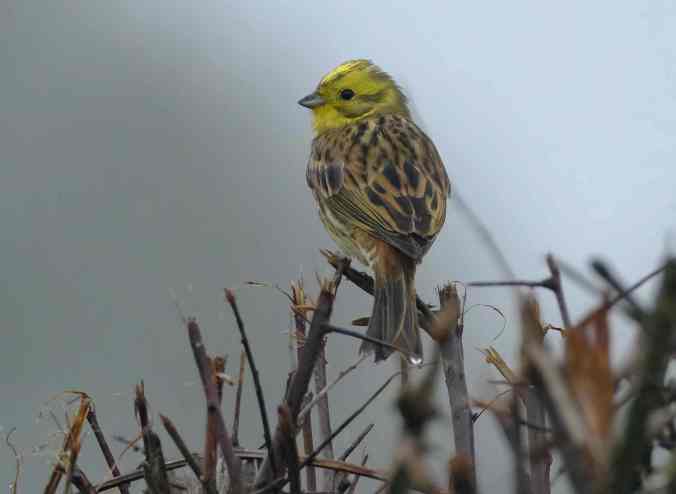
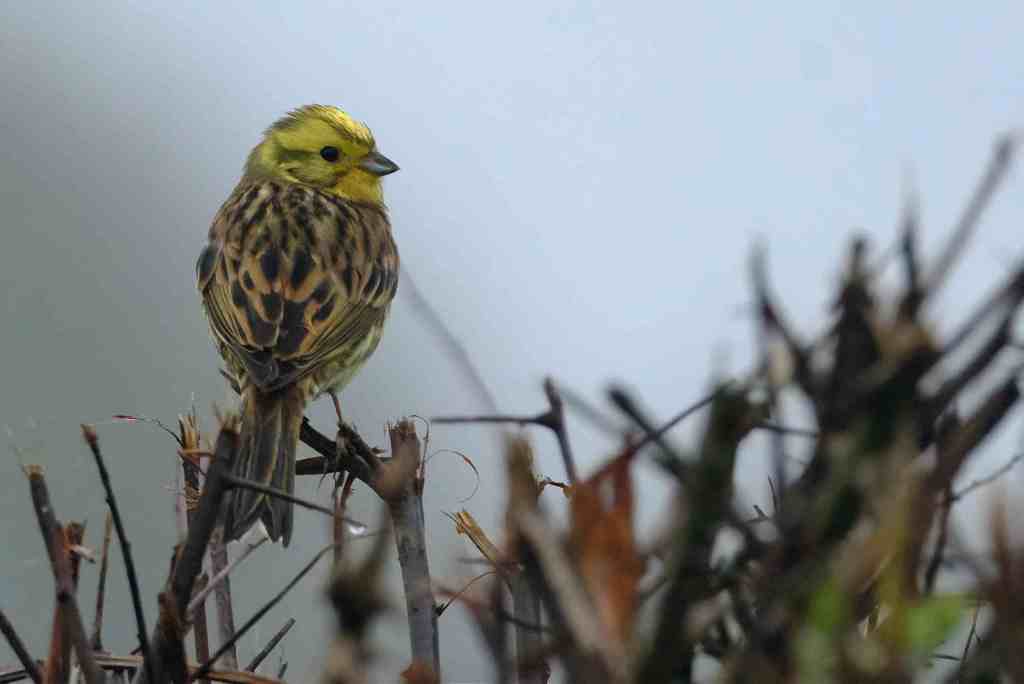
Tiny!

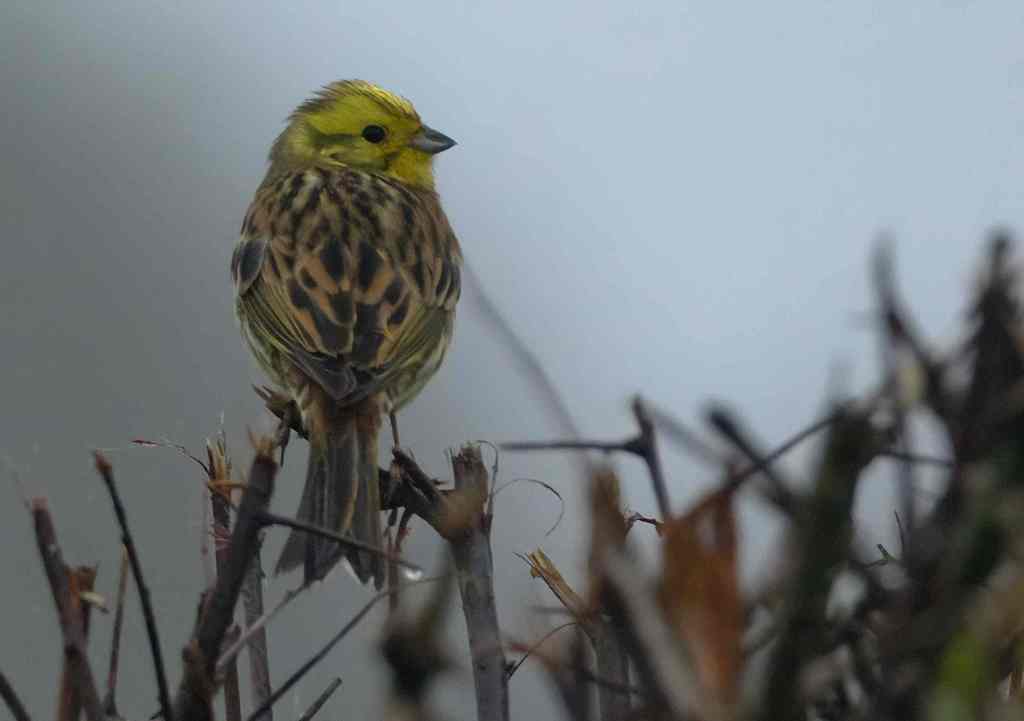
Walking the old toll path on Titchfield Canal, I spotted this little bird. Goldcrests are the UK’s smallest birds. With an average weight of 6 grams (the equivalent of about six paperclips!)

A lost village.

Today, being the last day of 2025, we decided to have a day out and headed to the village of Imber on Salisbury Plain. About an hour and a half’s drive from home, but well worth the trip.

All the residents of the village of Imber were evicted from their homes during ww2 in 1943 with just 47 days’ notice. The village and land formed part of the training grounds for American troops. Land was first purchased for military training on Salisbury Plain in late 1890s. Within 5 years, the total area in the hands of the War Department had risen to 43,000 acres. Permanent barracks were started at Tidworth in 1905. After the First World War, the War Department resumed buying land on Salisbury Plain. The Larkhill Royal School of Artillery was built in 1920. The village of Imber and its surrounding terrain were acquired between 1928 and 1932. The villagers became tenants of the War Department. After the evictions at the end of the war, it was never returned and remains, to this day, a training ground for urban warfare within the larger military training area of the Plain.

Today, the village is open for visits on a few days a year.

A walk around the village’s old homes and more modern killing houses.

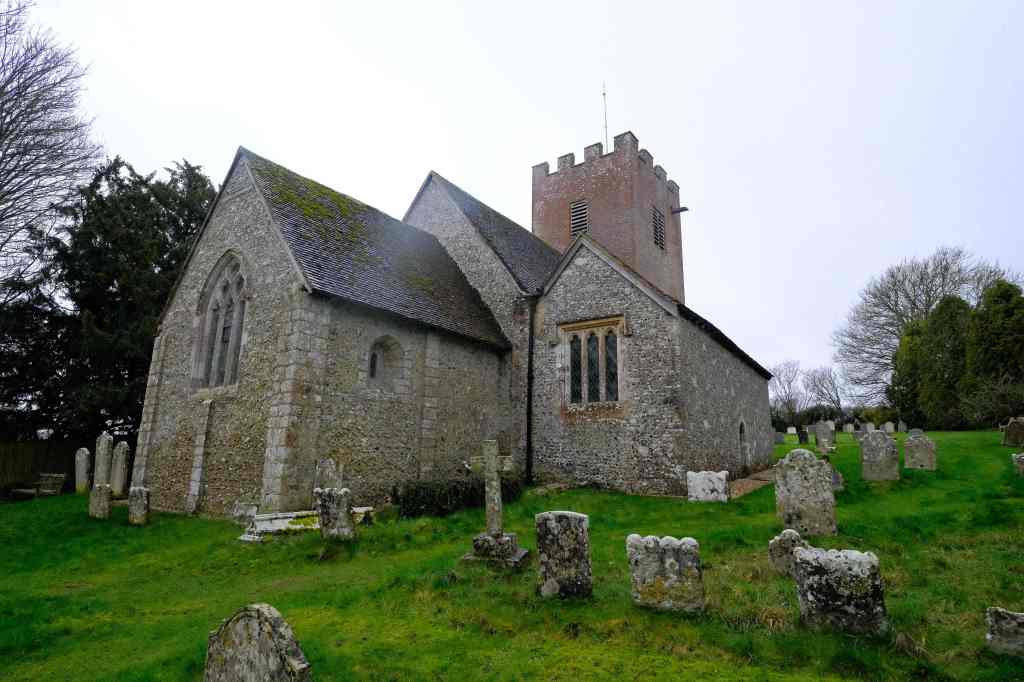
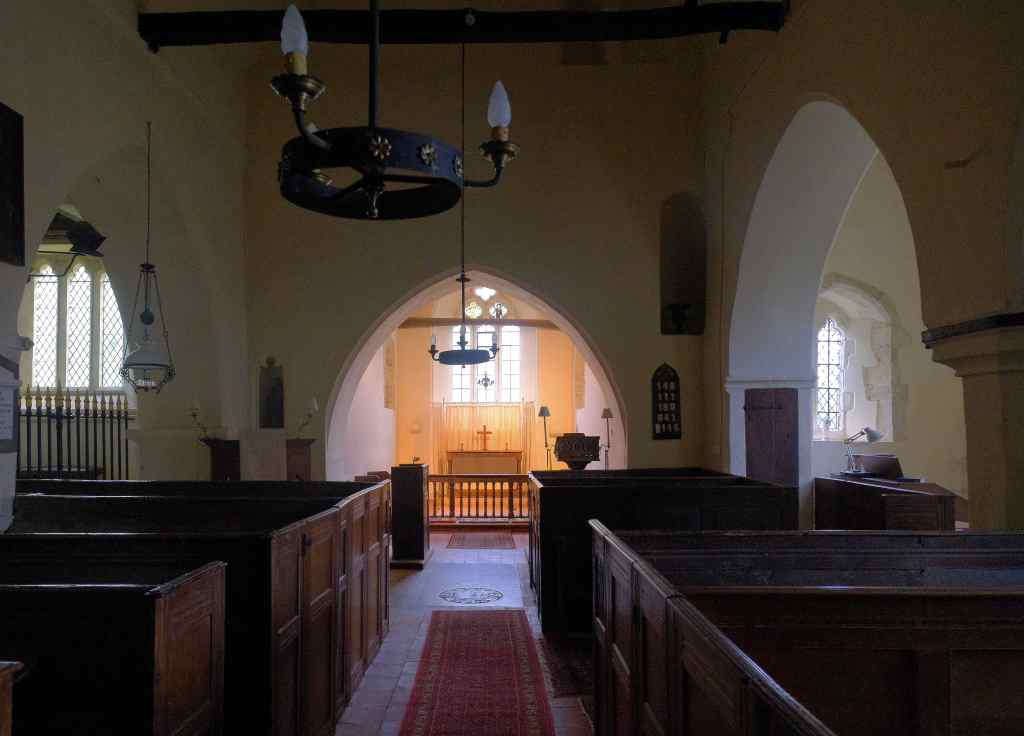
The church of St Giles occupies the site of an earlier building dating from the mid-12th century. The nave was rebuilt towards the end of the 13th century, and around 1400,the addition of the north and south aisles, plus the tower and north porch. At this time, the nave roof was reconstructed. The chancel was rebuilt in 1849, at which time the north-east vestry was built.
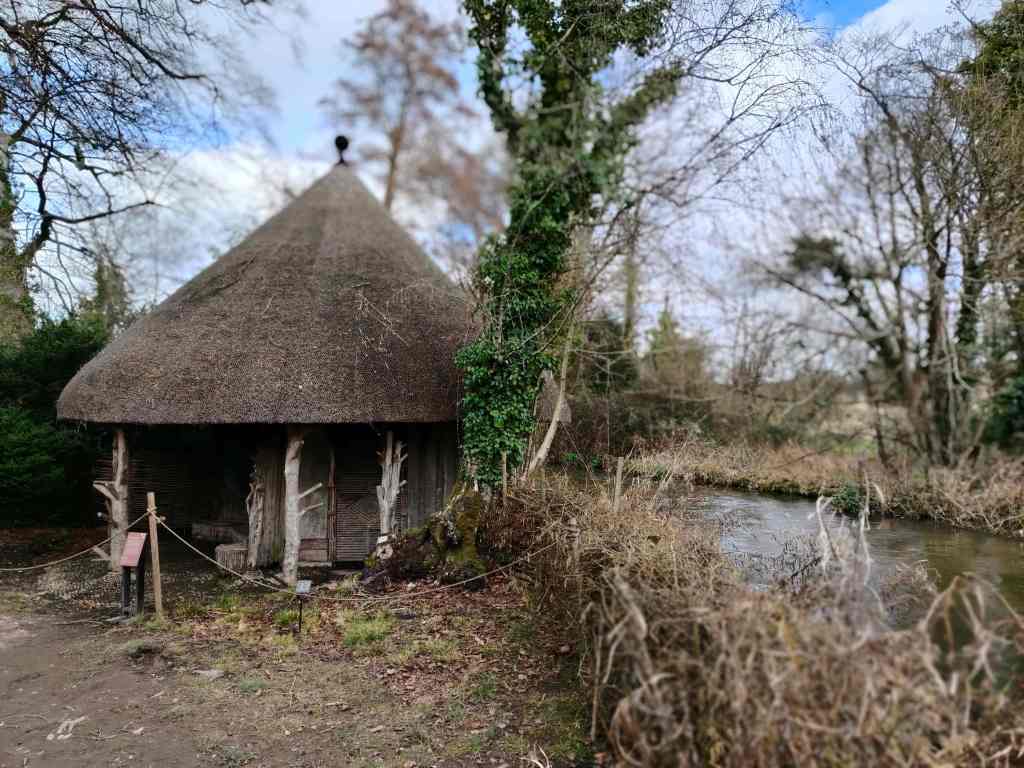
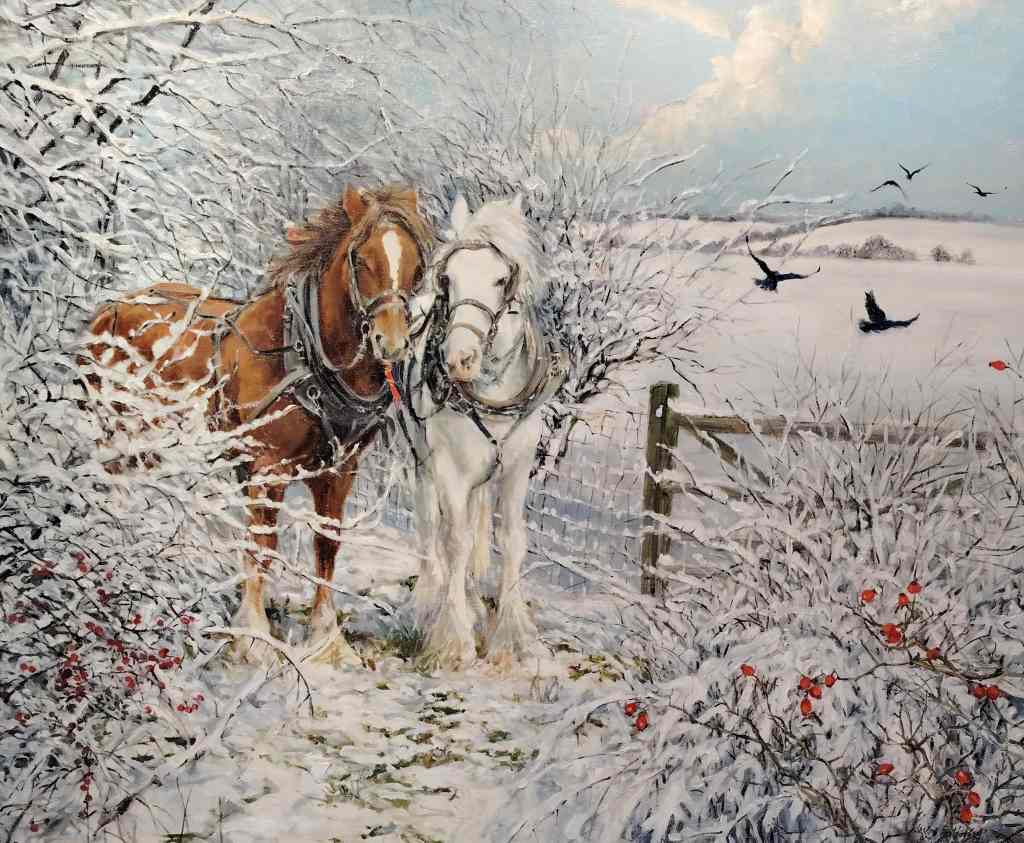
First light.

An early morning walk up the Hamble River. This part of the river is tidal, so it is always good for waders. The light at this time of day presents some challenges in taking pictures with the sun low. As always, lots to see, Curlews and Greenshanks are regularly on the river here, and always a favourite to get photographs of.

Curlew.

Greenshank,

Blacktailed Godwit numbers are increasing on the Hamble as we move towards Winter; they are less colourful this time of year.

This lone Juvenile Ringplover came quite close as the tide came in.

This Curlew took objection to the approaching Godwit!

I have seen reports since the Lockdown of Seals on the river at this point, but until this walk, I had not seen one. Normally, what I think is a Seal turns out to be a mooring buoy.

Sunday.

An early morning start to look for Barn Owls, but no luck this time. This area had been a good place in the past, but not this week. A good number of Red Kites were taking advantage of the views from the high electricity cables.

Boats, Dog Walkers, Joggers & Birdwatchers.

A Sunday morning walk up the Hamble River from Warsash, with the tide coming in, and some good views of waders.

The well-made-up footpath is a Sunday morning favourite for many from Joggers, walkers, dog walkers and cyclists. The cafe in the boat yard at each end of the walk does a good trade in cakes and coffees. As the tide comes in, many waders move closer to the path and seem not too bothered by the people hurrying along the path. For bird watches, this gives us a chance to get some close views of birds that may normally be far off on the tide line.

Curlew. The Curlew is the largest European wading bird, found on estuaries in winter and moors in summer. 

Little Egret. 5 or so Little Egrets were along our walk today, a bird 1st recorded in the UK in 1989. Today, over 600 pairs breed and 4500 winter here. I still recall when they were a rare sight.

A Greenshank with a Spotted Redshank in winter plumage, fishing for small invertebrates.

Cormorants drying their wings.- As their wings are less waterproof than other waterbirds, they are often seen drying their wings.