Birds from this morning’s walk along the River Itchen and Itchen Navigation near Winchester.
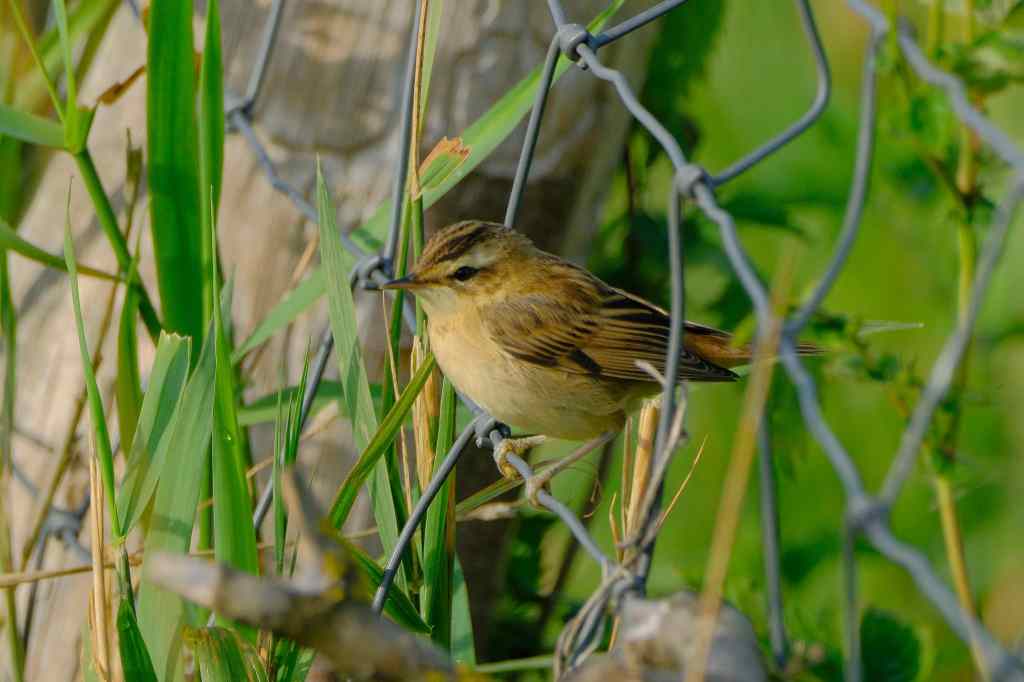
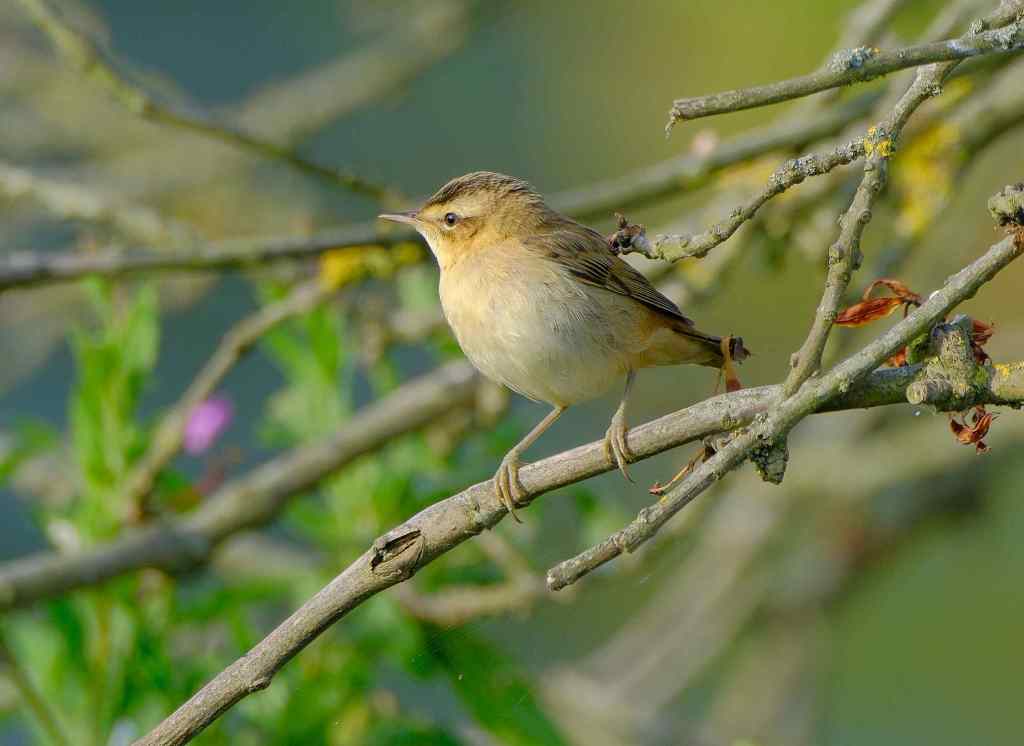
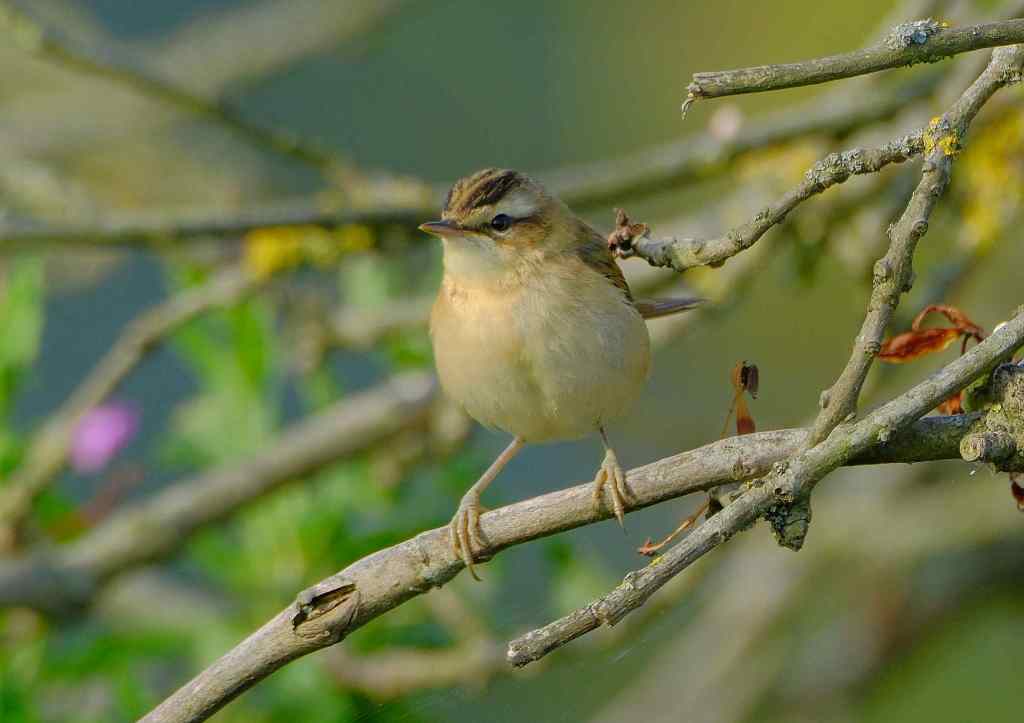
Sedge Warbler.
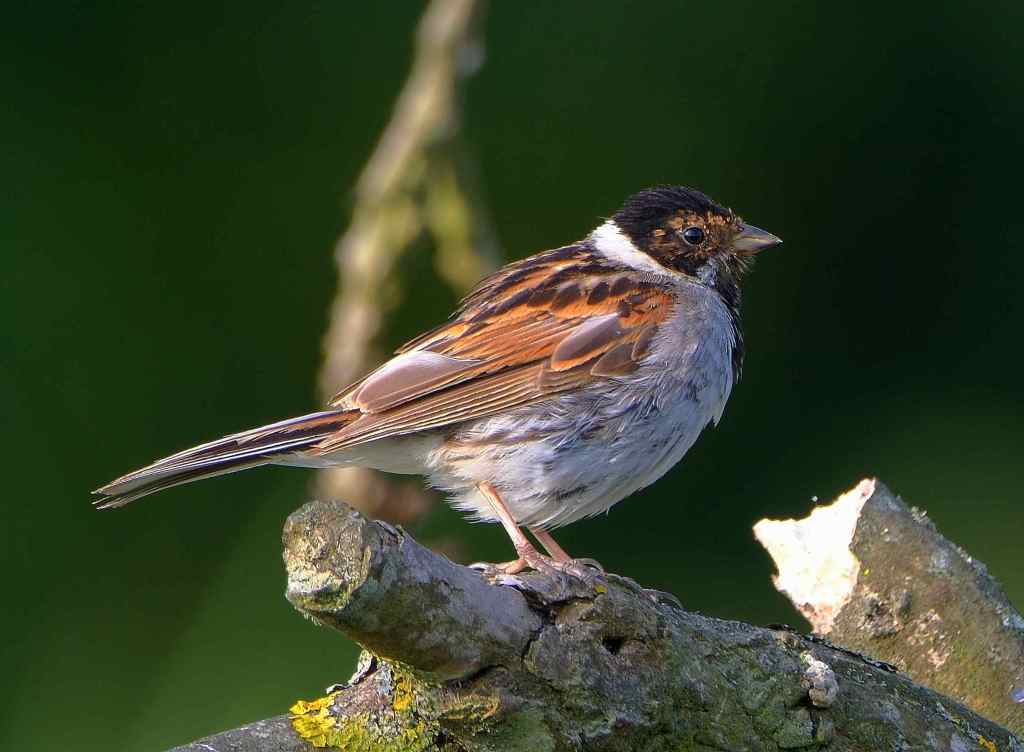
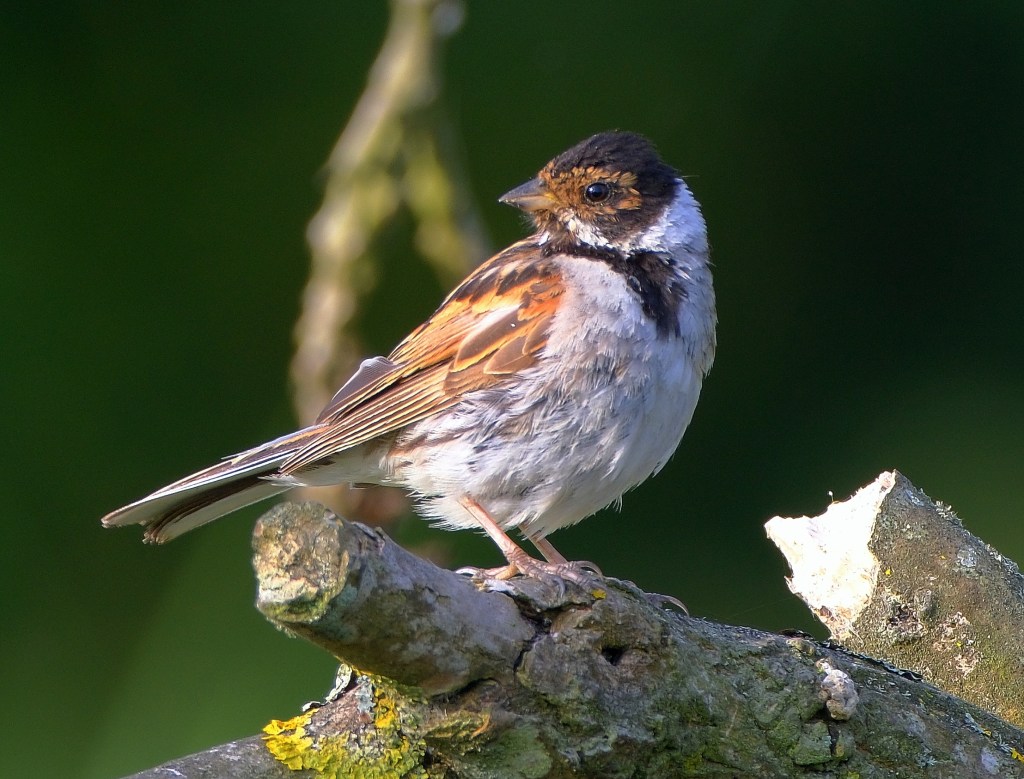
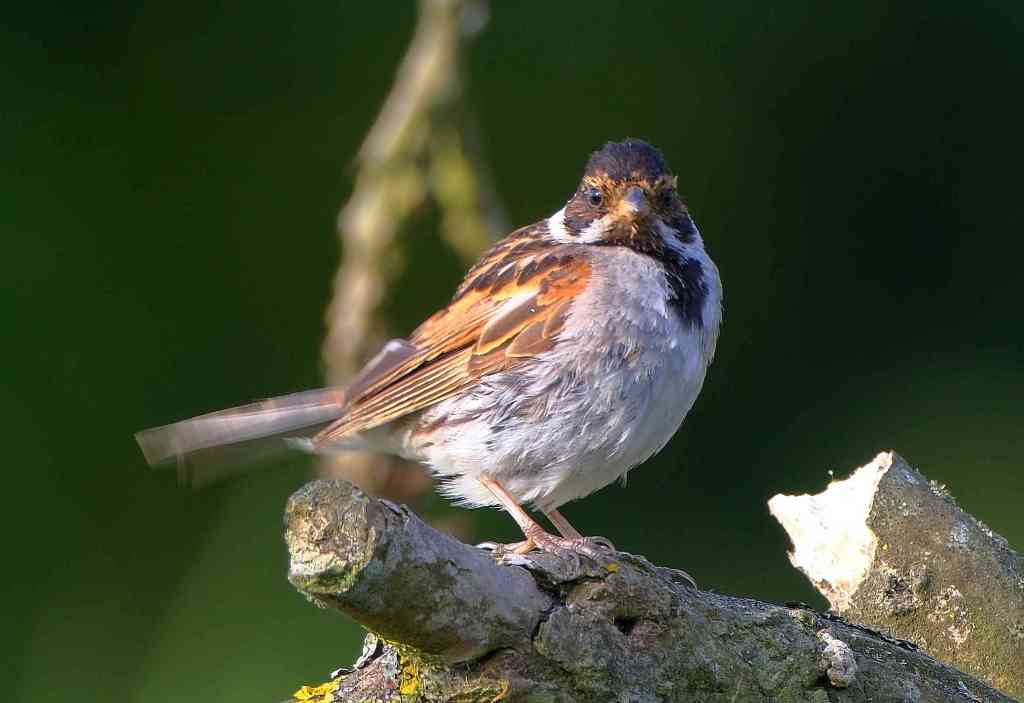
Reed Bunting. (male)
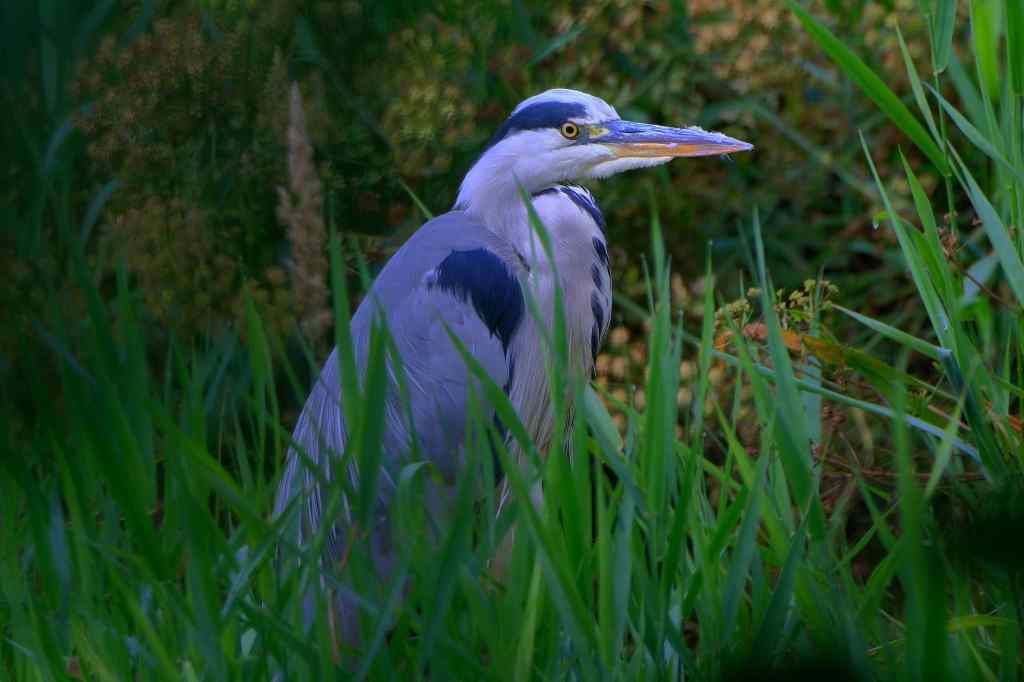
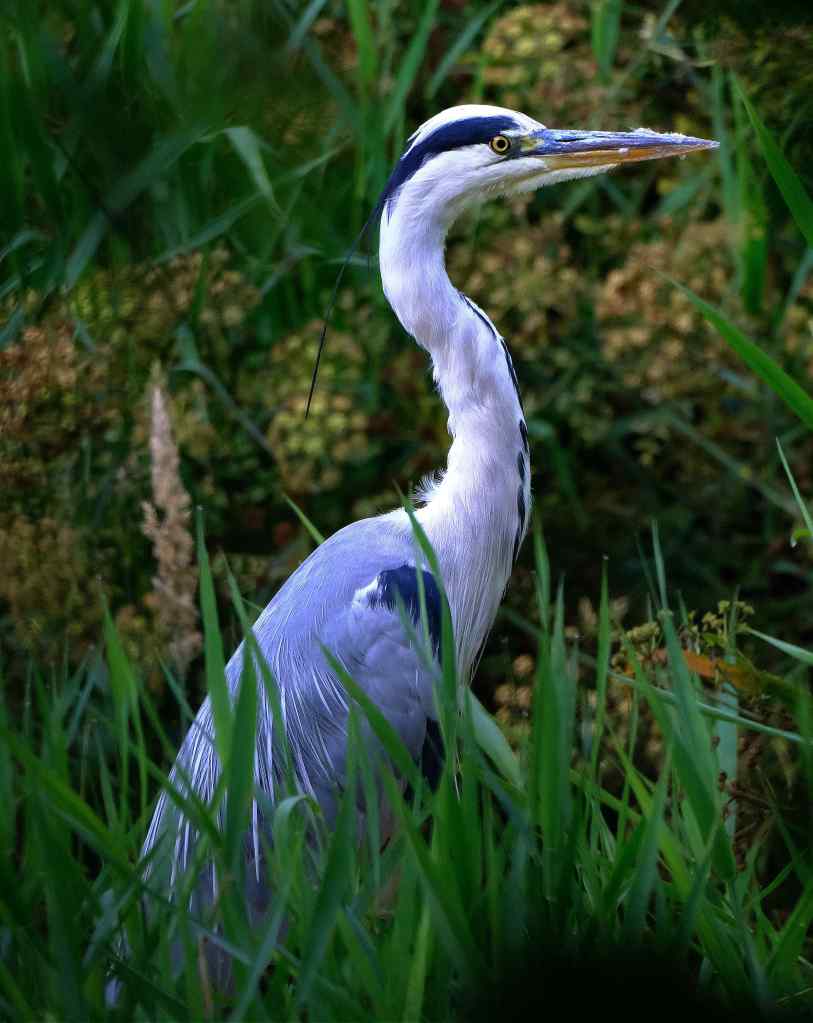
Grey Heron.
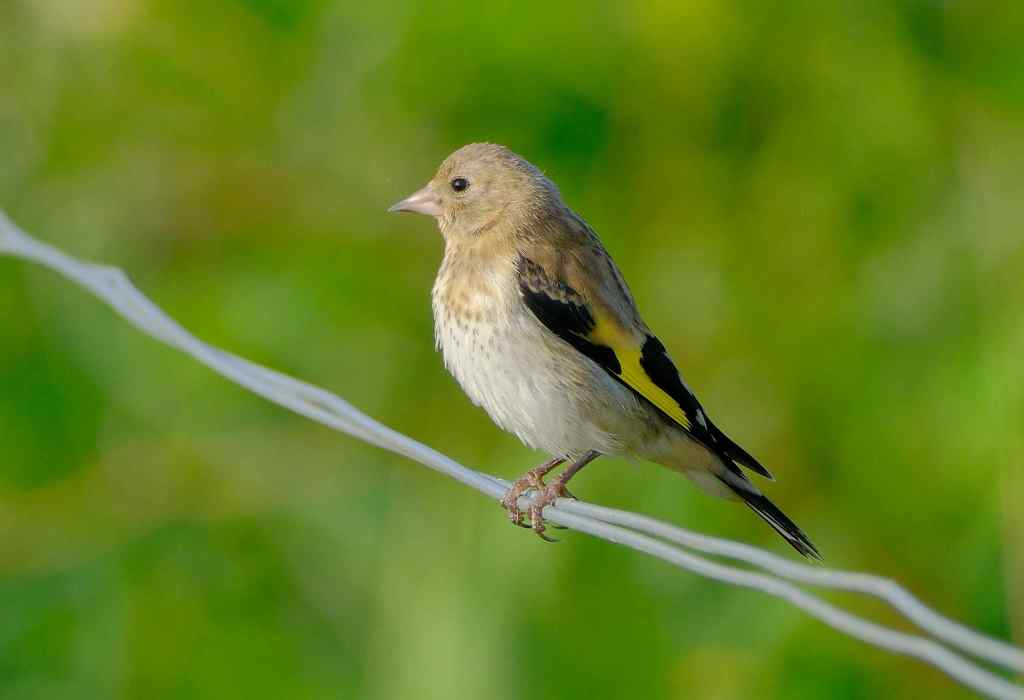
Goldfinch. (juv)
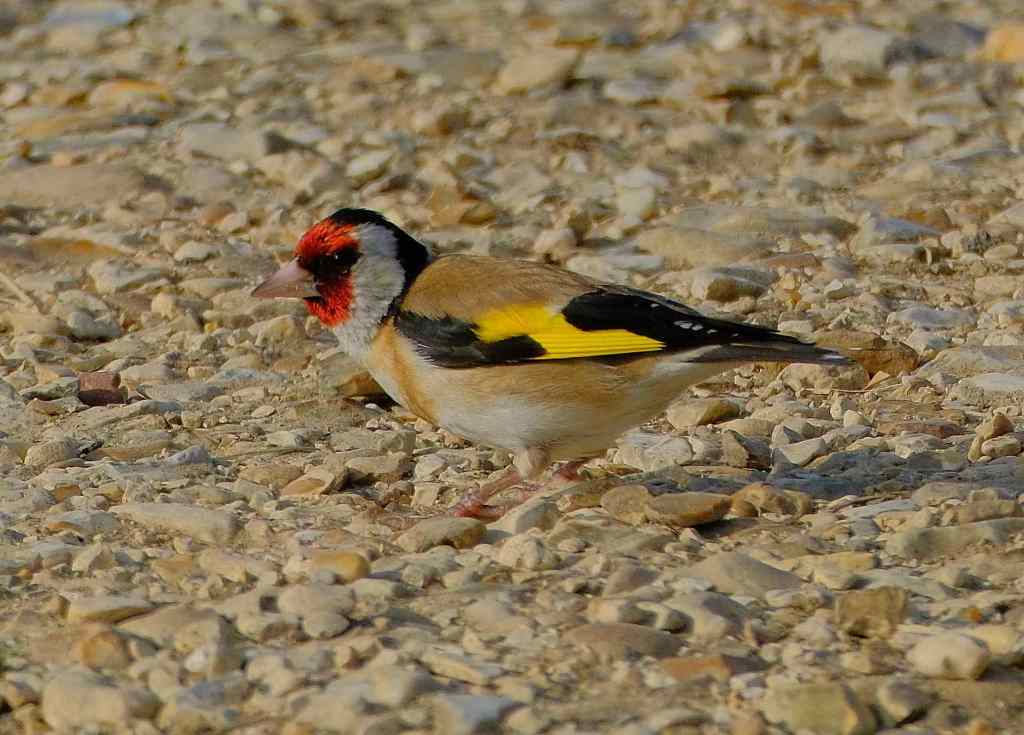
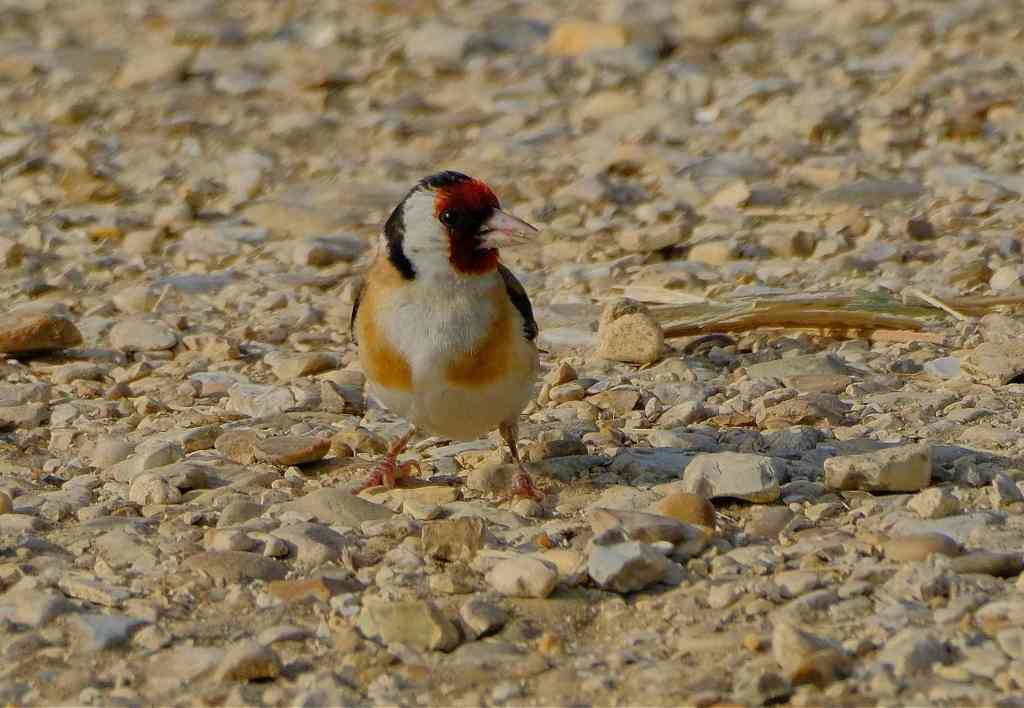
Goldfinch.
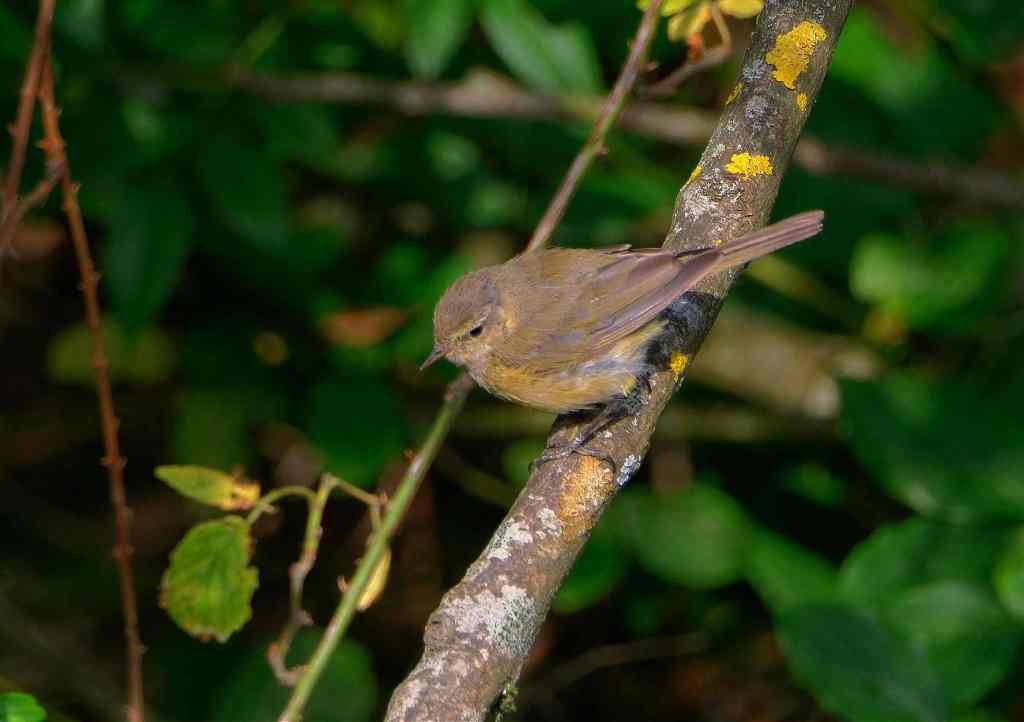
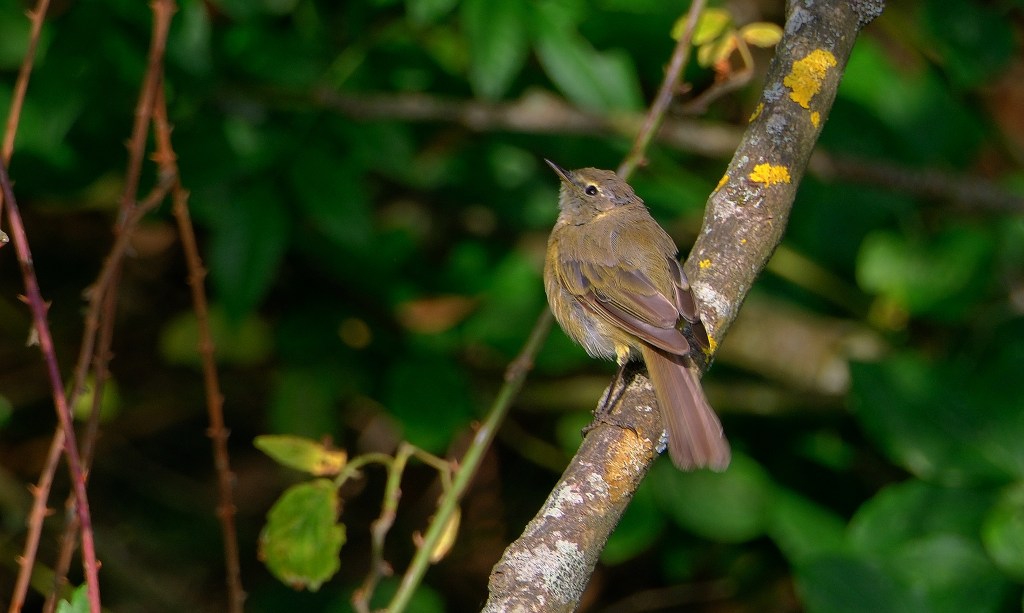
Chiffchaff.
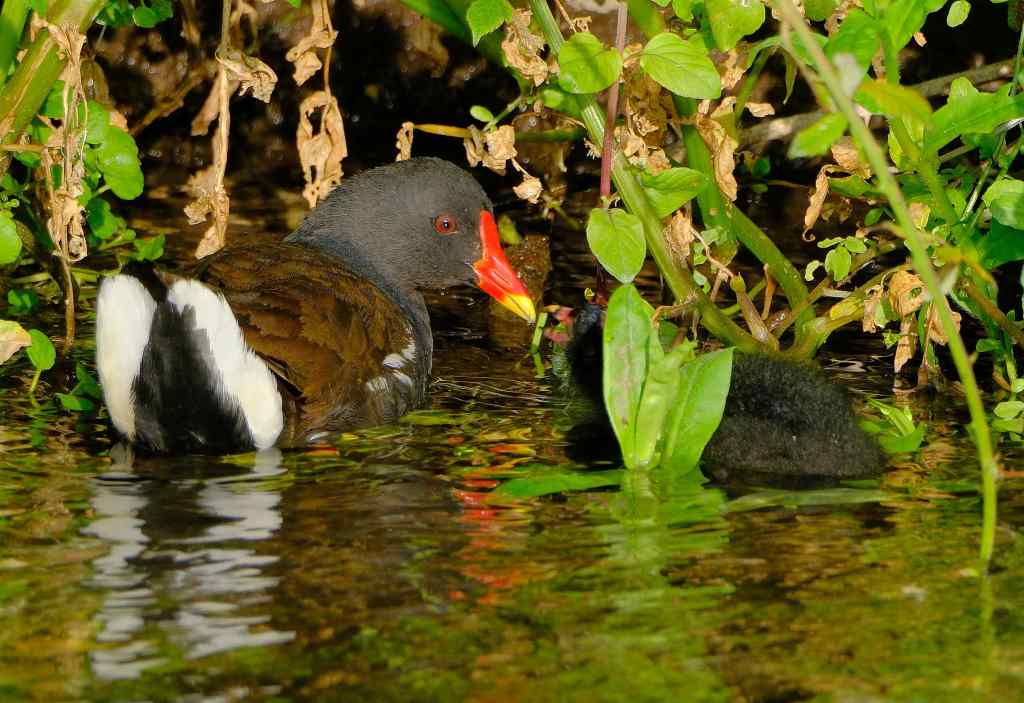
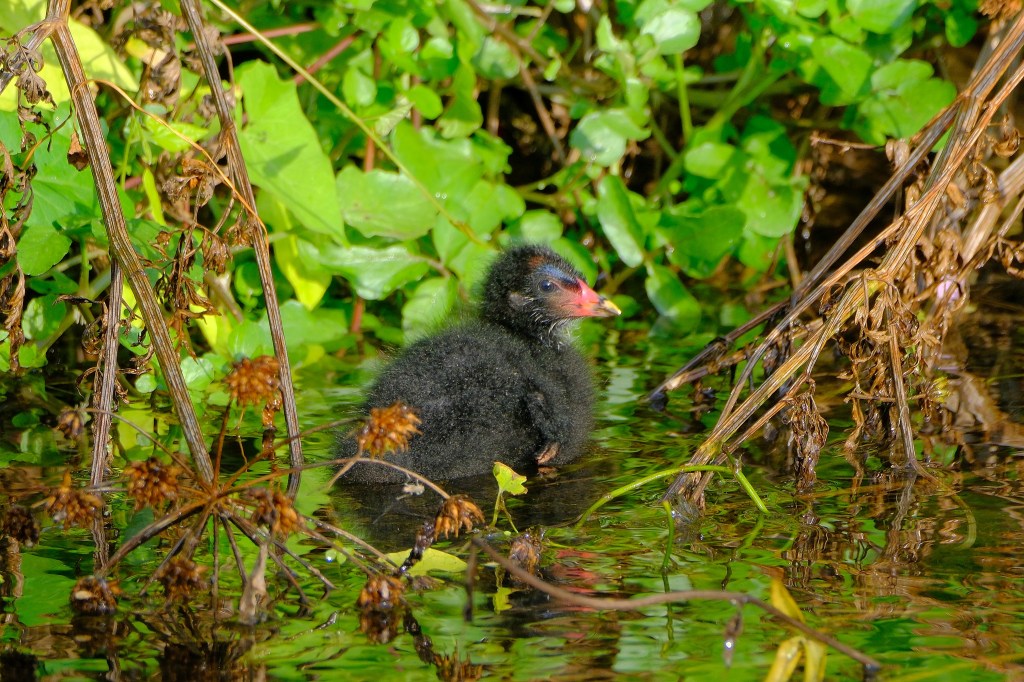
Moorhen.
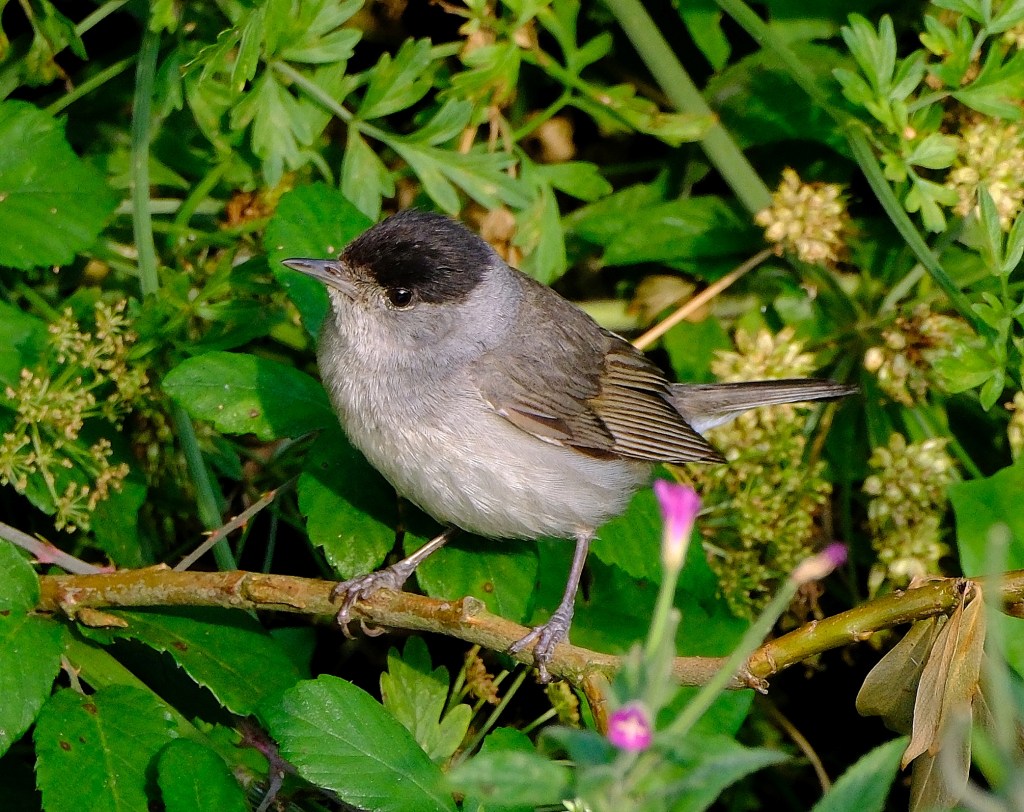
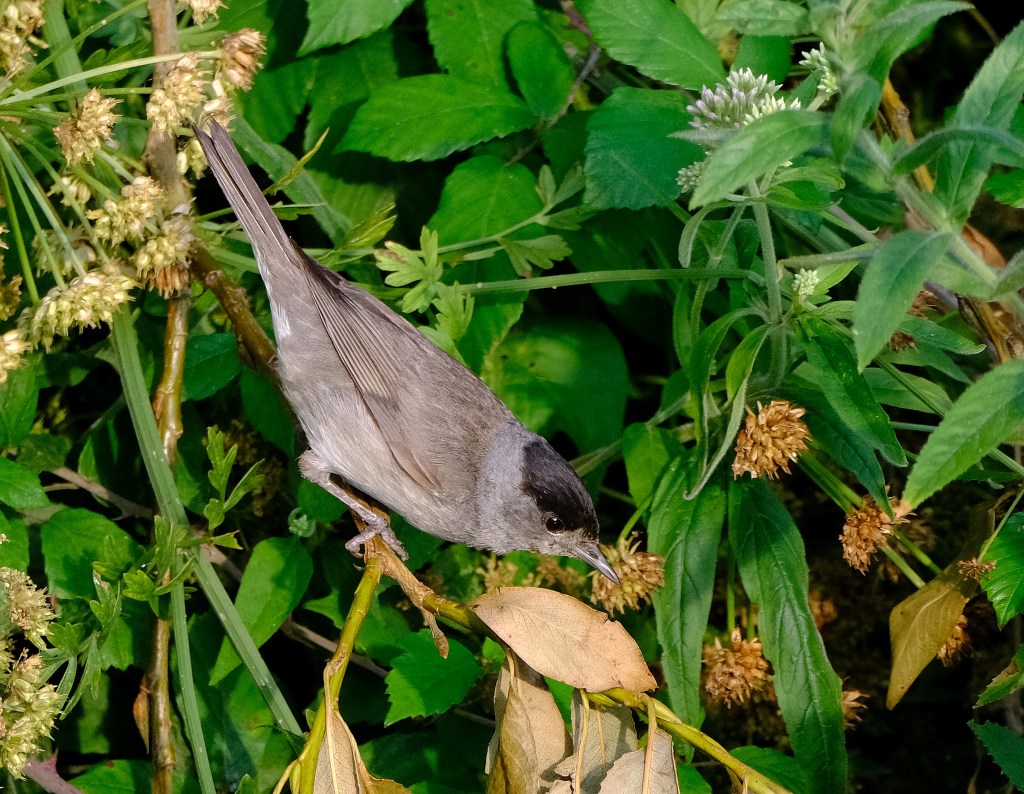
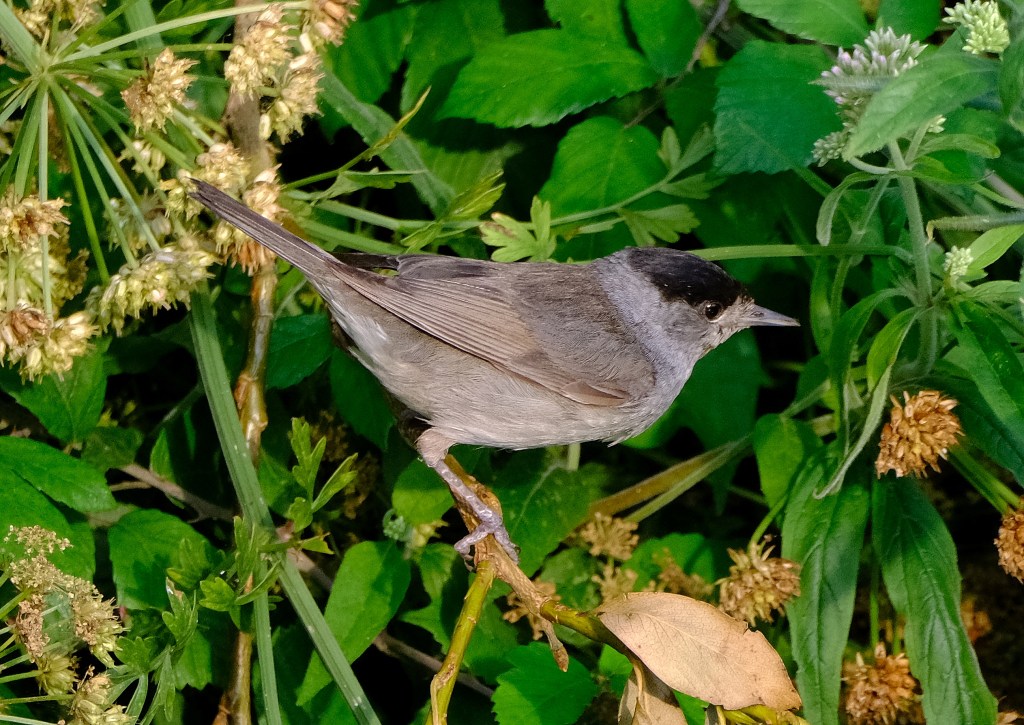
Blackcap (male).
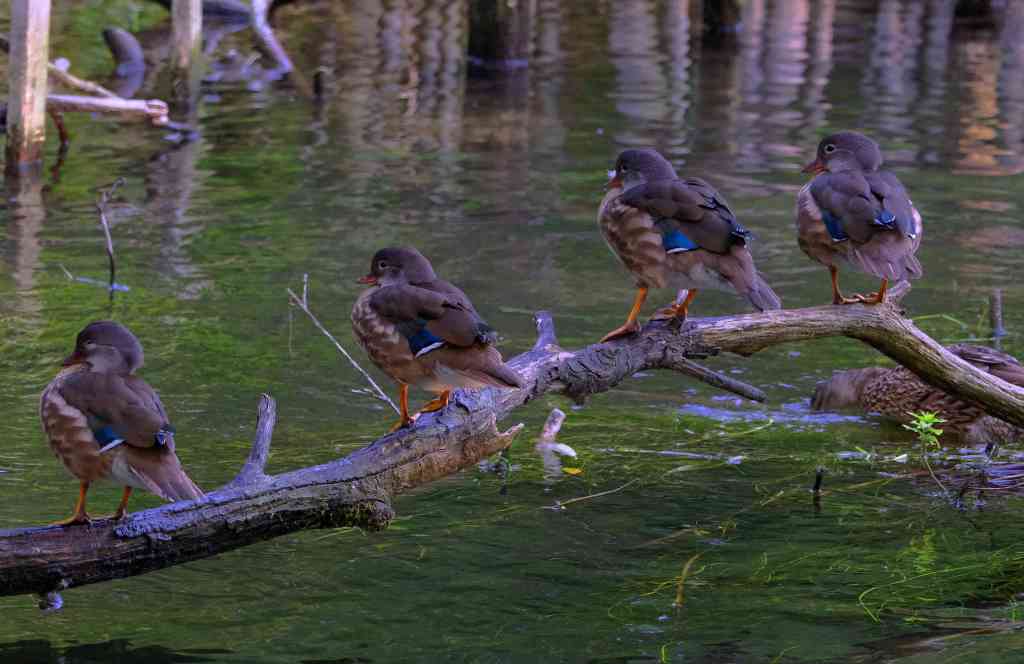
Manderin Ducks. (juv)
Birds from this morning’s walk along the River Itchen and Itchen Navigation near Winchester.
Sedge Warbler.
Reed Bunting. (male)
Grey Heron.
Goldfinch. (juv)
Goldfinch.
Chiffchaff.
Moorhen.
Blackcap (male).
Manderin Ducks. (juv)
Ratty is the nickname of the Water Vole character in Kenneth Grahame’s classic 1908 novel, The Wind in the Willows.
Water voles are one of the UK’s most endangered mammals. A common sight in my childhood, their numbers have plummeted by over 90% since the 1960s. Due to habitat loss and predation by invasive American mink, many of which were deliberately released by animal rights activists. They are classified as endangered on the UK’s Red Lists
The water vole has chestnut-brown fur, a blunt, rounded nose, small ears, and a furry tail. It is much bigger than other vole species.
Water voles are primarily herbivorous rodents that consume waterside plants, including reeds, roots, grasses, and fallen fruit. Because their plant-based diet is low in nutrients, they must eat about 80% of their body weight every day,
A 0600hrs start this morning along the River Itchen and the old Navigation near Winchester paid off, as we spotted a Water Vole. Pictures were a bit difficult as he was into the morning sun.


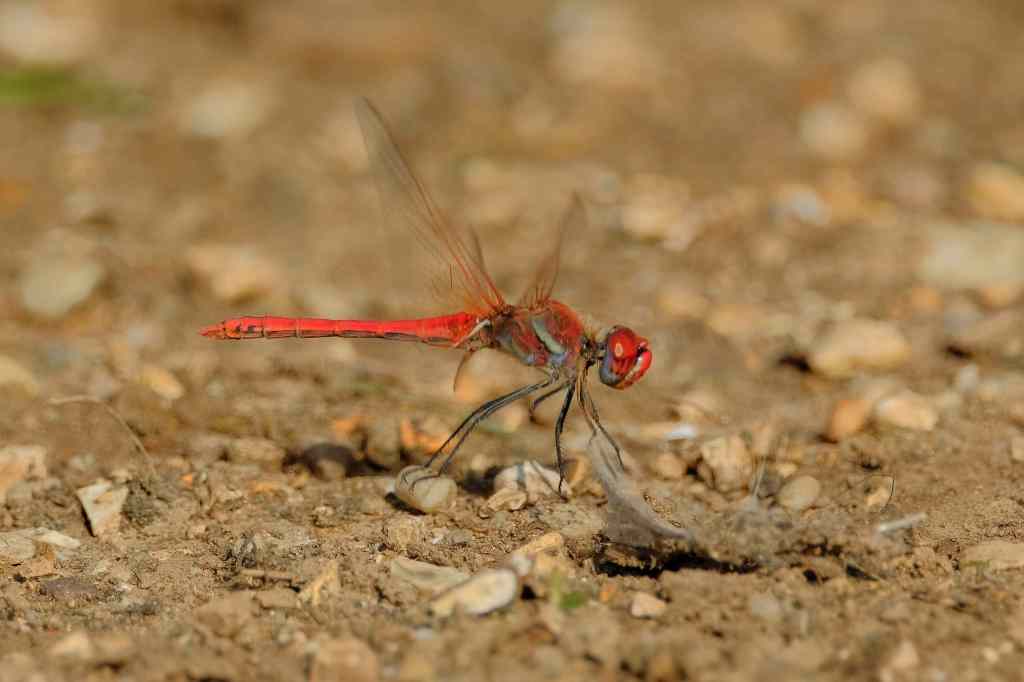
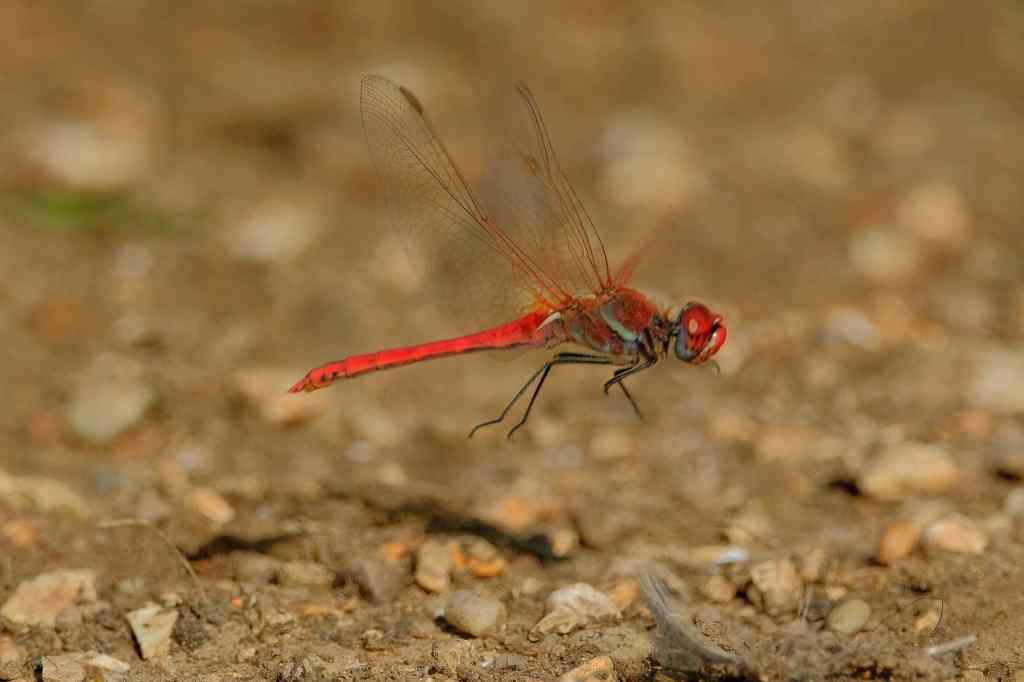
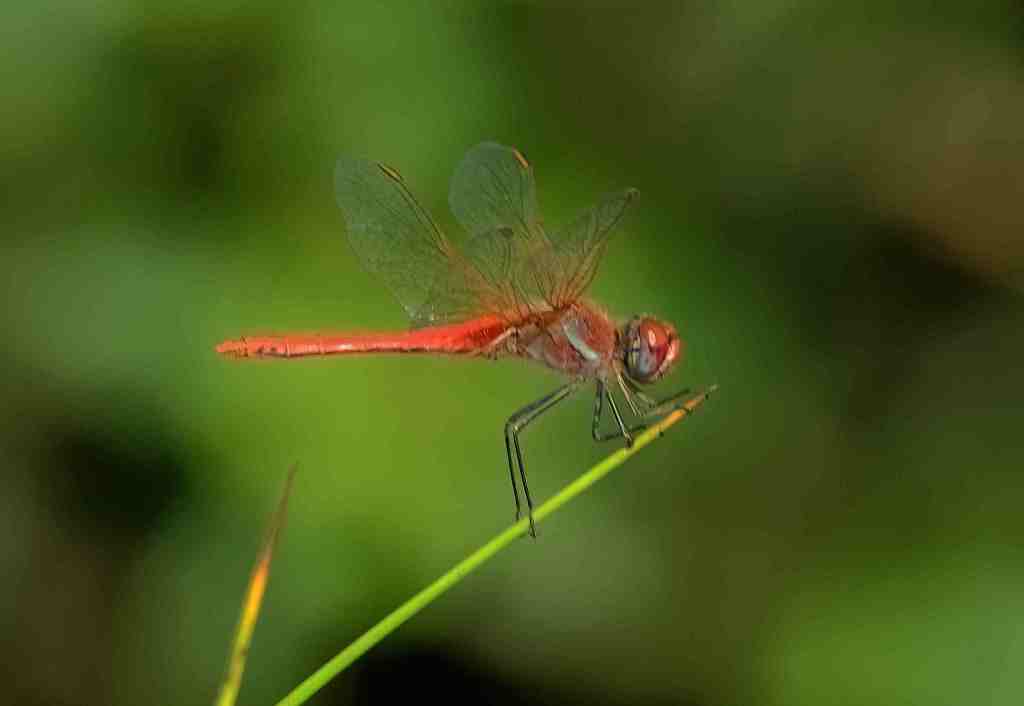
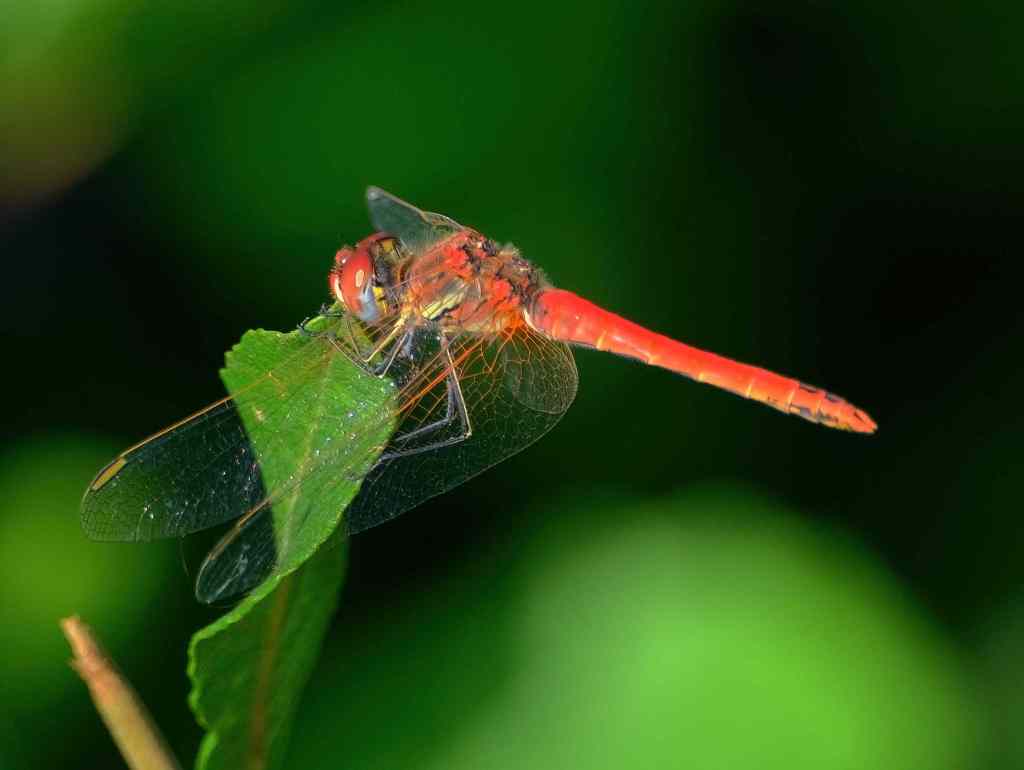
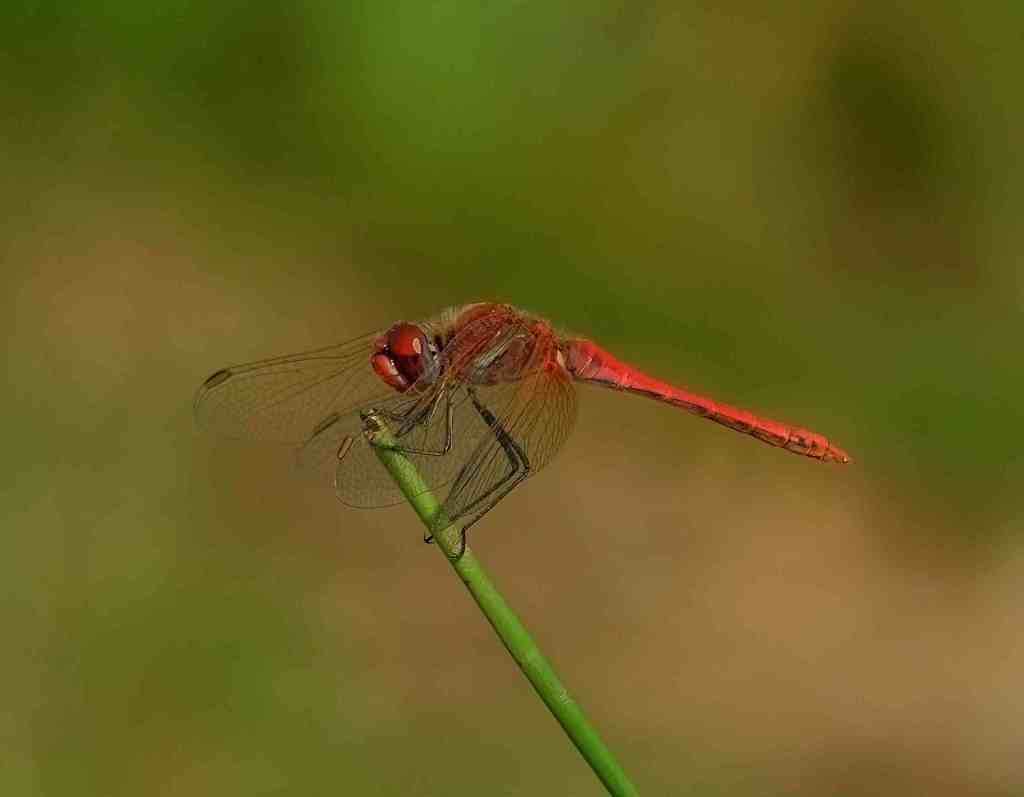
A hot walk in the New Forest during a “heatwave” and spotted a new dragonfly, 1st for me. Red-veined Darter. According to the British Dragonfly Society, this dragonfly is a fairly frequent migrant, principally to southern Britain, with scattered sightings elsewhere. Numbers spotted have been increasing since the 1980s. Breeding has been observed regularly, but the colonies are not yet stable.
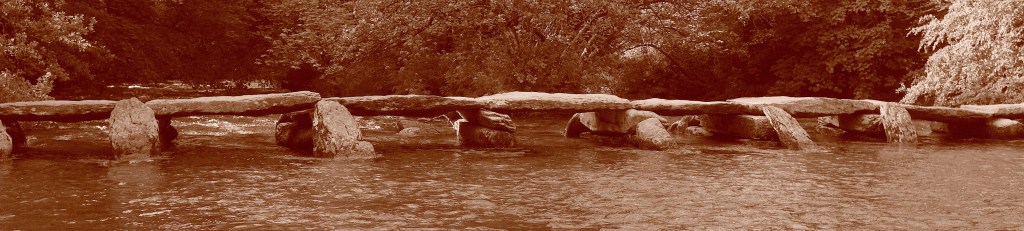
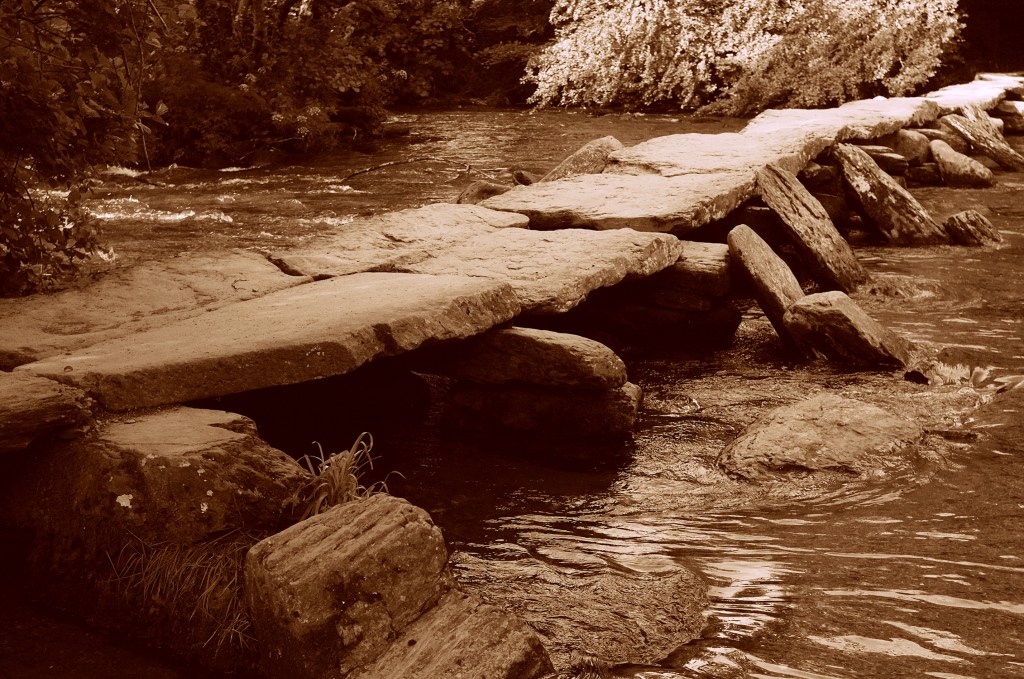
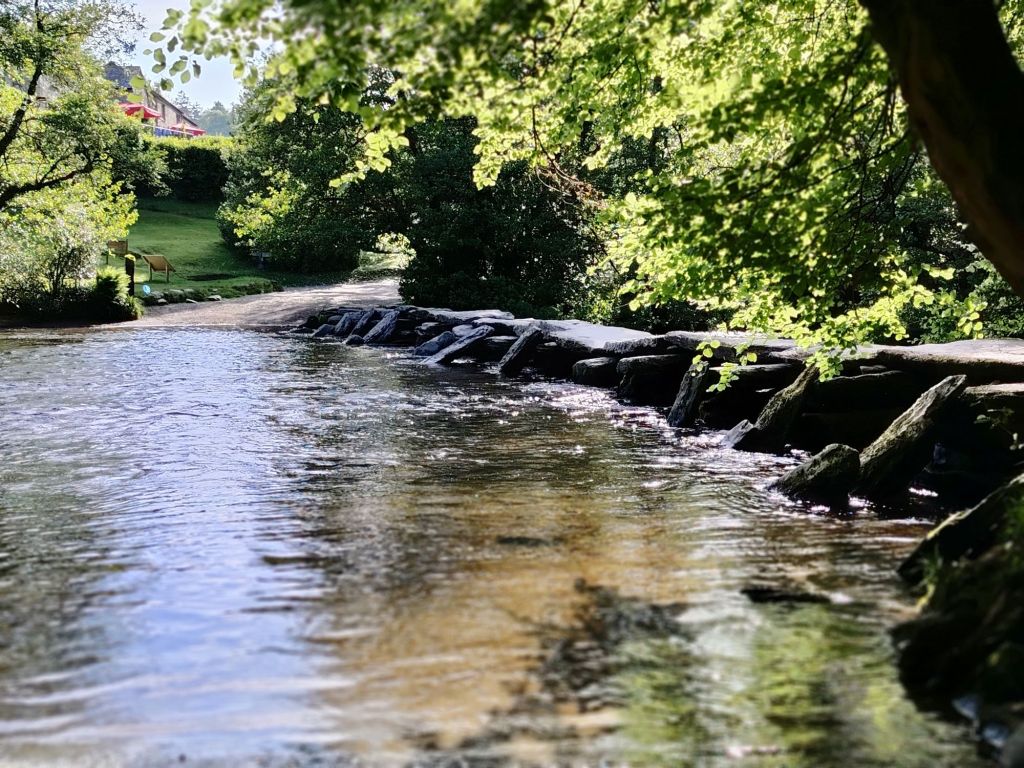
A visit today to see this remarkable historic clapper bridge, constructed from massive stone slabs; it proudly spans the River Barle in Exmoor National Park.
I was looking for Dipper’s in the river but only saw one flying down stream.

The weather changed to heavy showers and constant drizzle yesterday, the only acceptable nature photos were the Siskins feeding in the car park. I posted yesterday.
The dragon and damselflies were not flying, but we spotted some distant birds, including both a Cuckoo and Redstarts.
A view from a sit-down under some trees, “A New Forest View”.
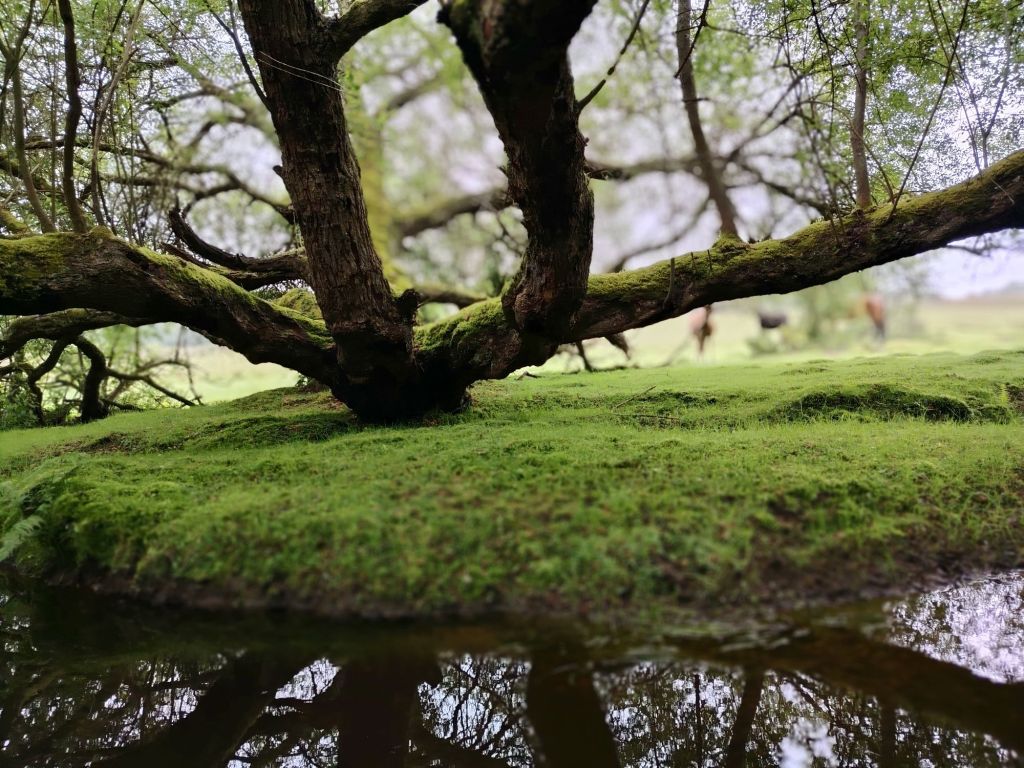
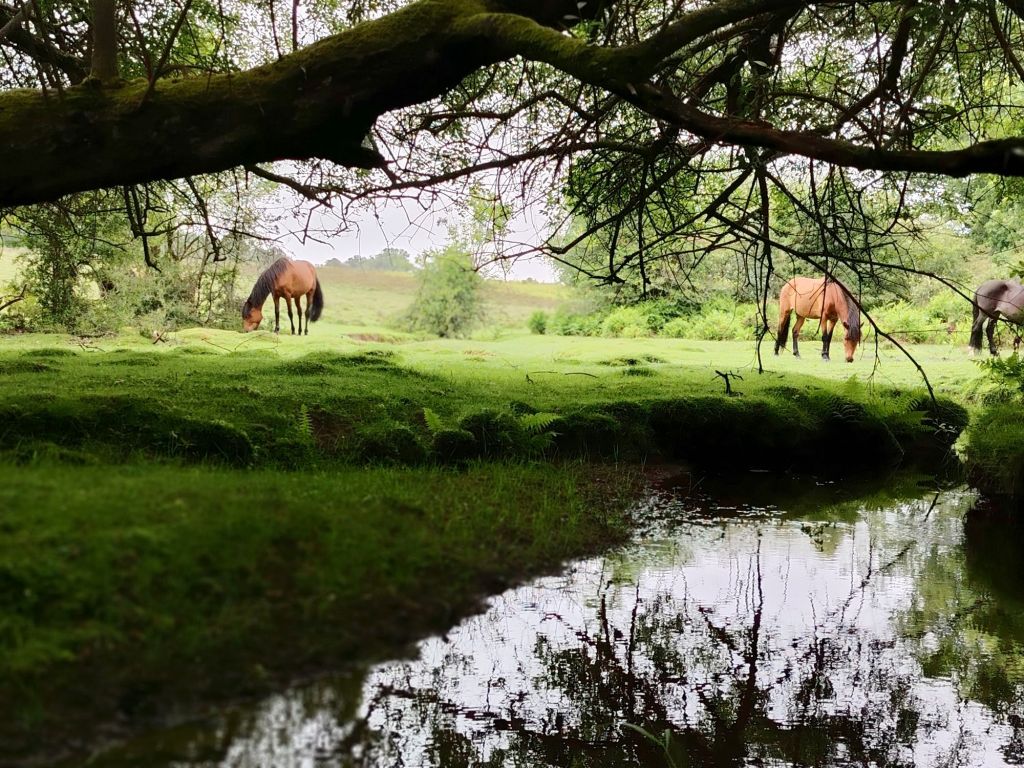
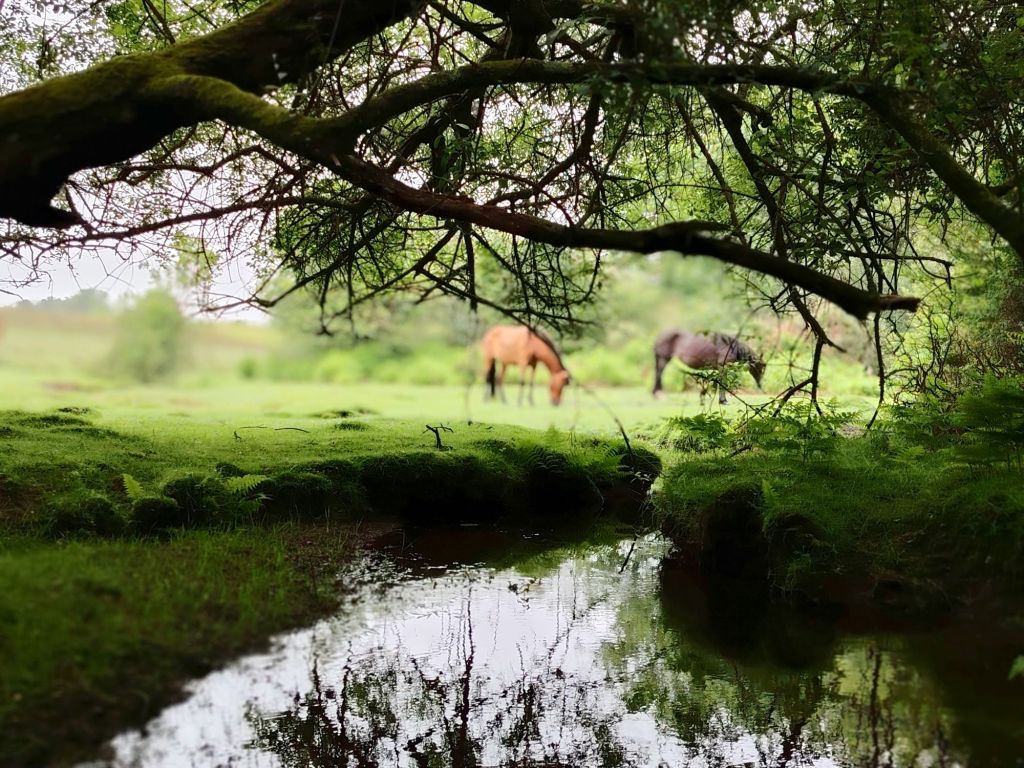
Today’s pictures are all a bit closer.
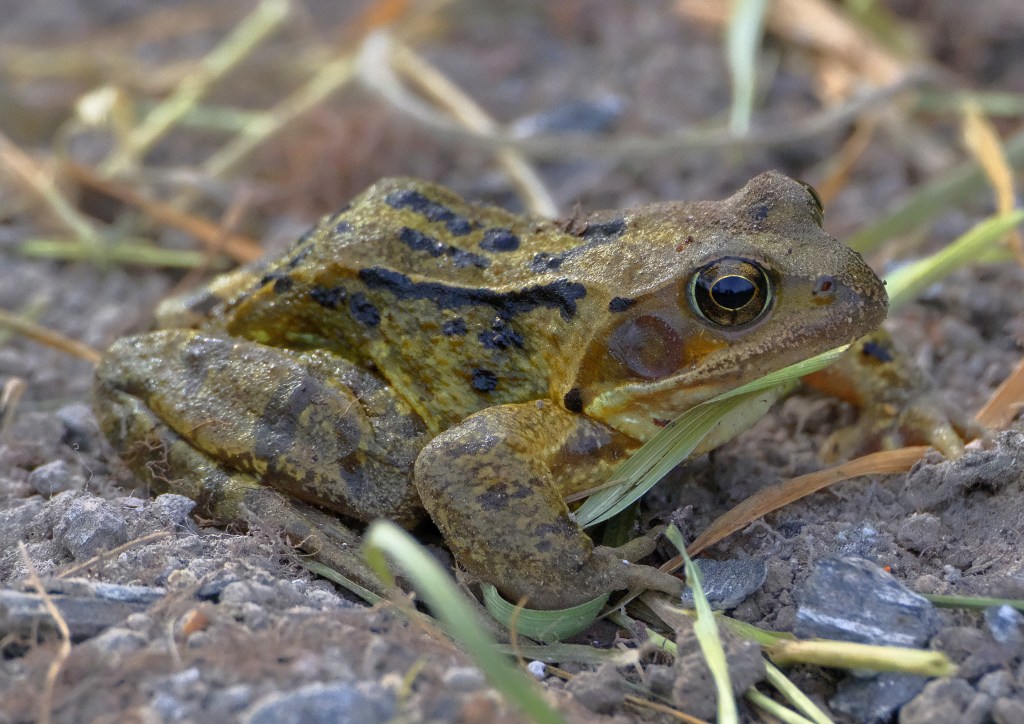
Looking under some corrugated froofing sheet, I was hoping to see some snakes or slow worms, but it was a surprise to see a Common Frog.
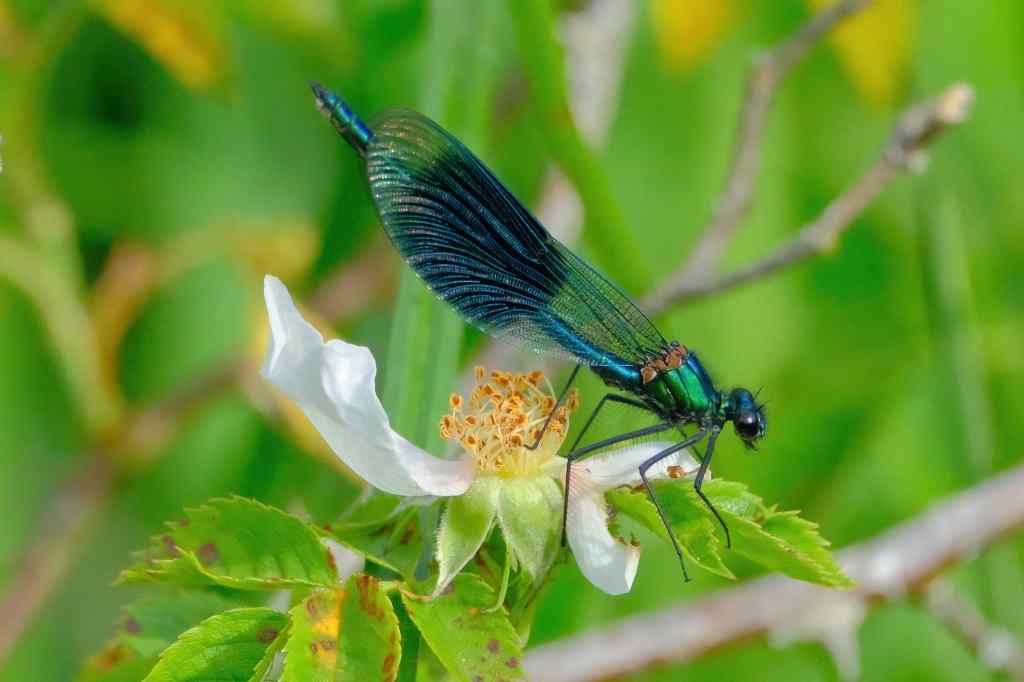
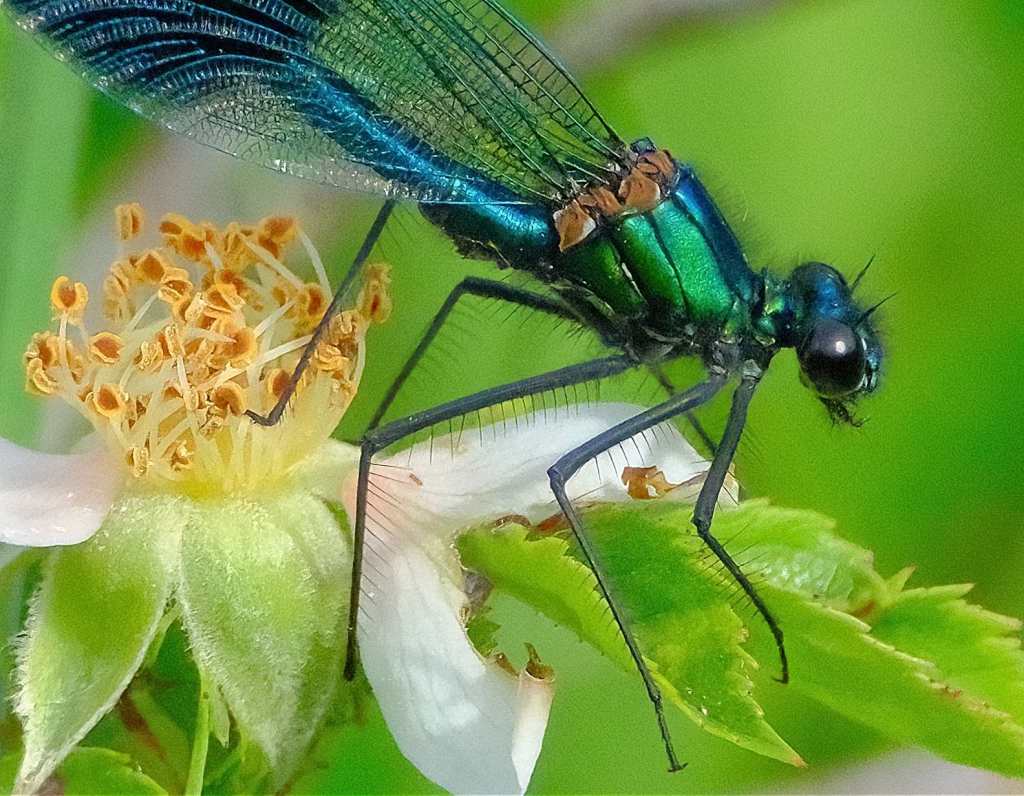
Banded Demoiselle (male)
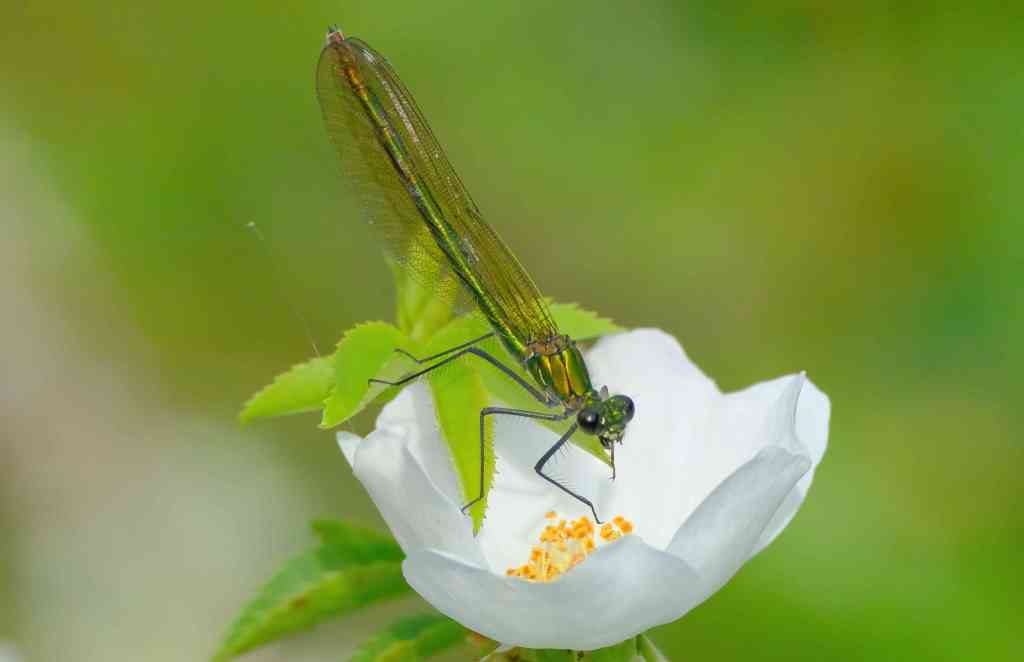
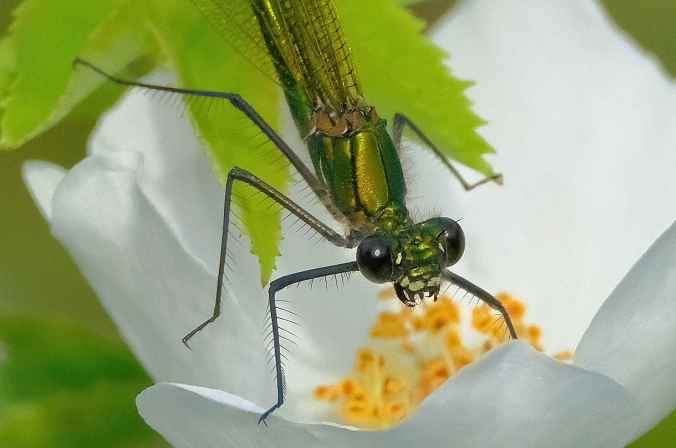
Banded Demoiselle (female)
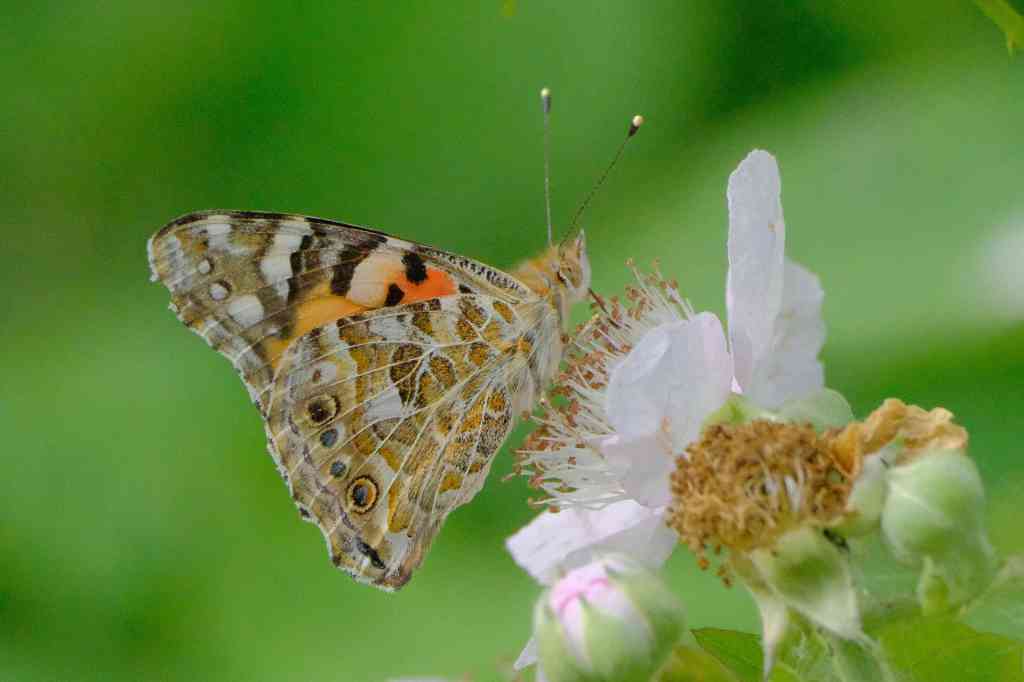
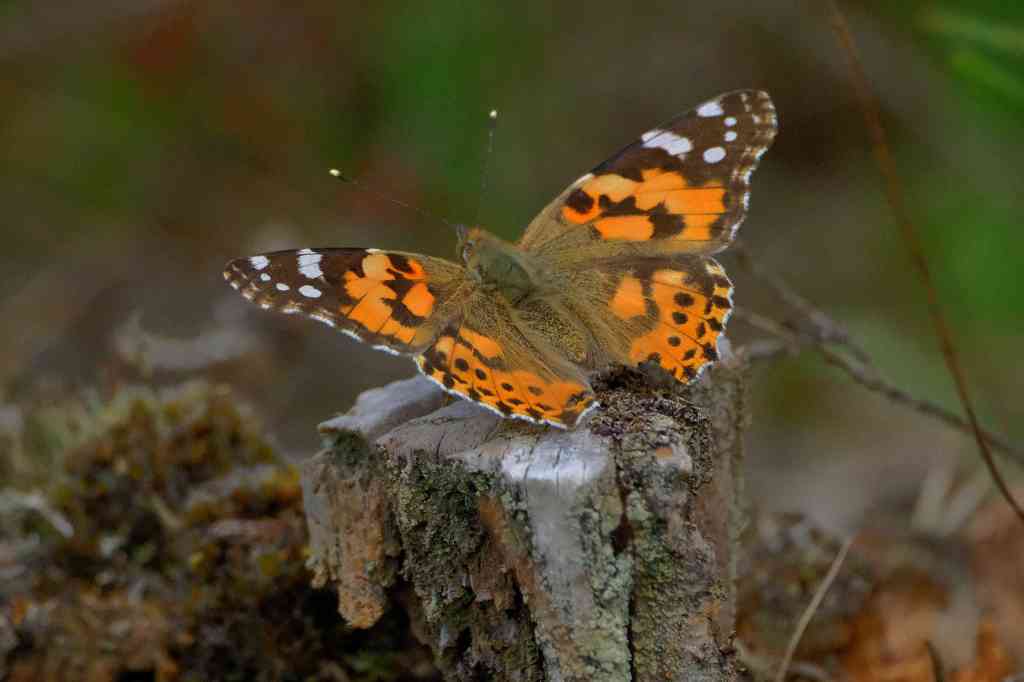
Painted Lady, this year seems to be a good year for this large butterfly. A summer visitor to the UK, their numbers fluctuate drastically. British winters are too cold for them to survive, so large numbers migrate annually from North Africa and southern Europe, arriving from late spring through early autumn.
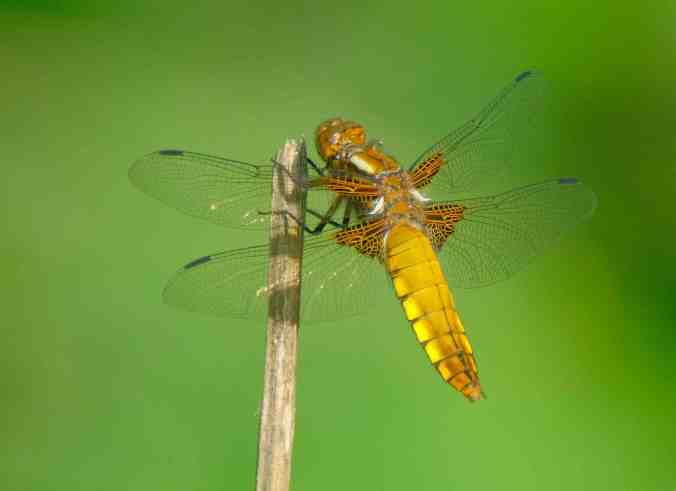
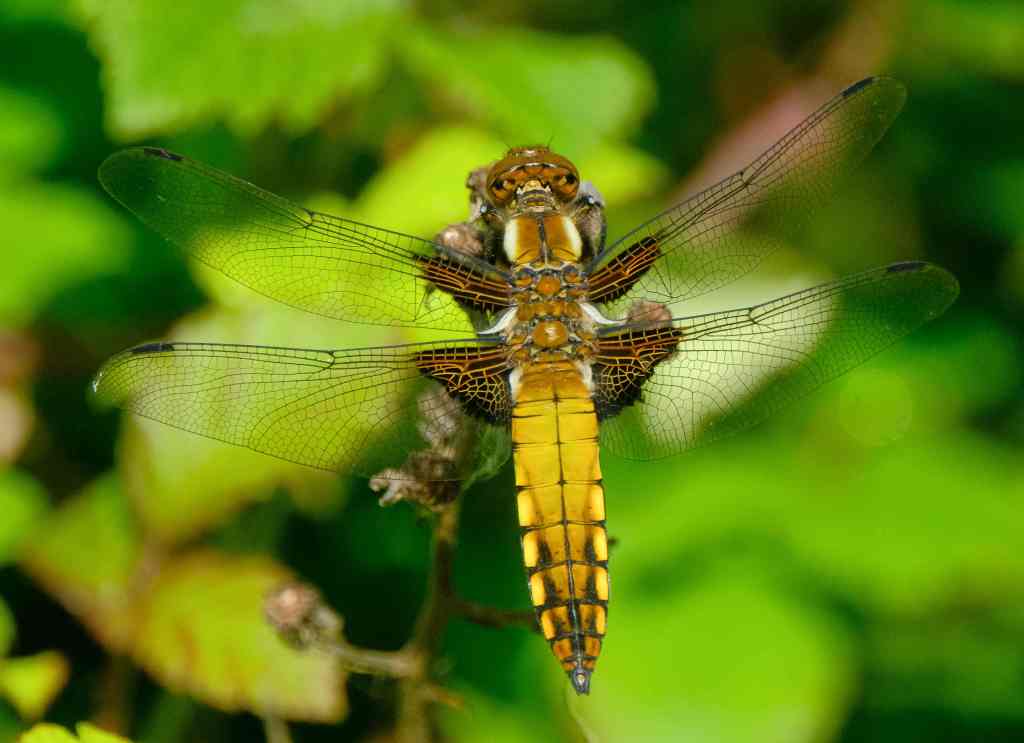
Broad-bodied Chaser female
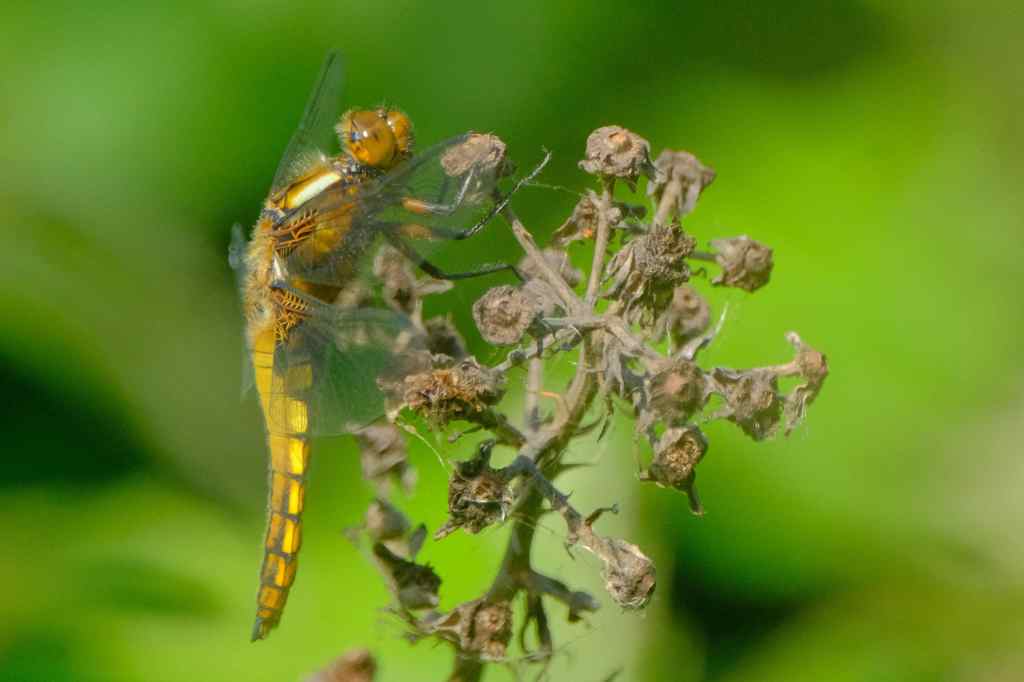
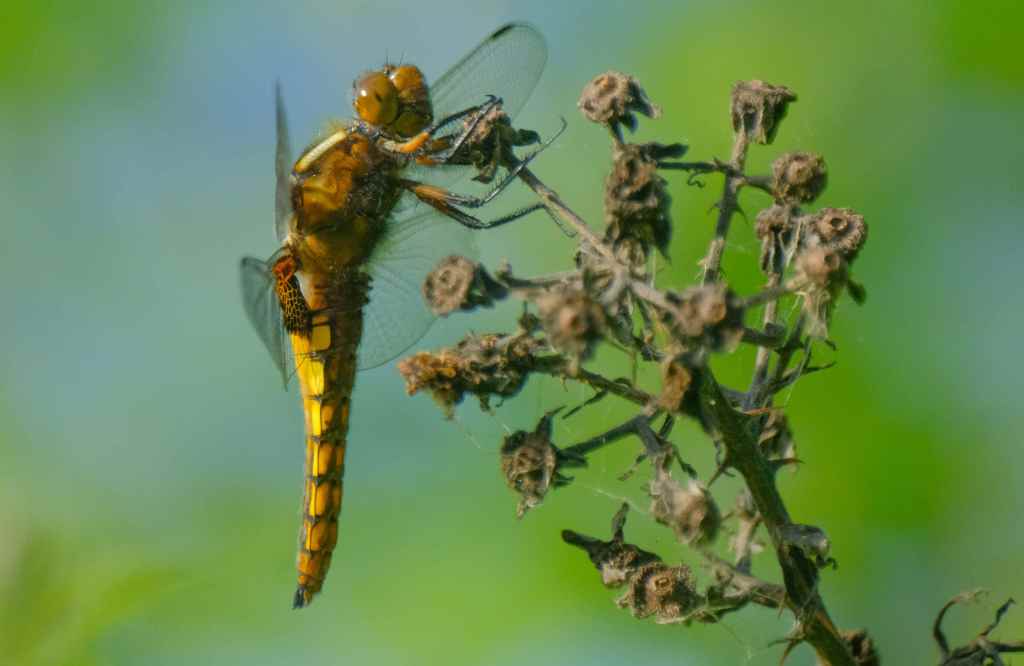
An early start up on the South Downs before the sun gets too high, especially as it looked like we had another hot day ahead, with some good light early as well for photographs.
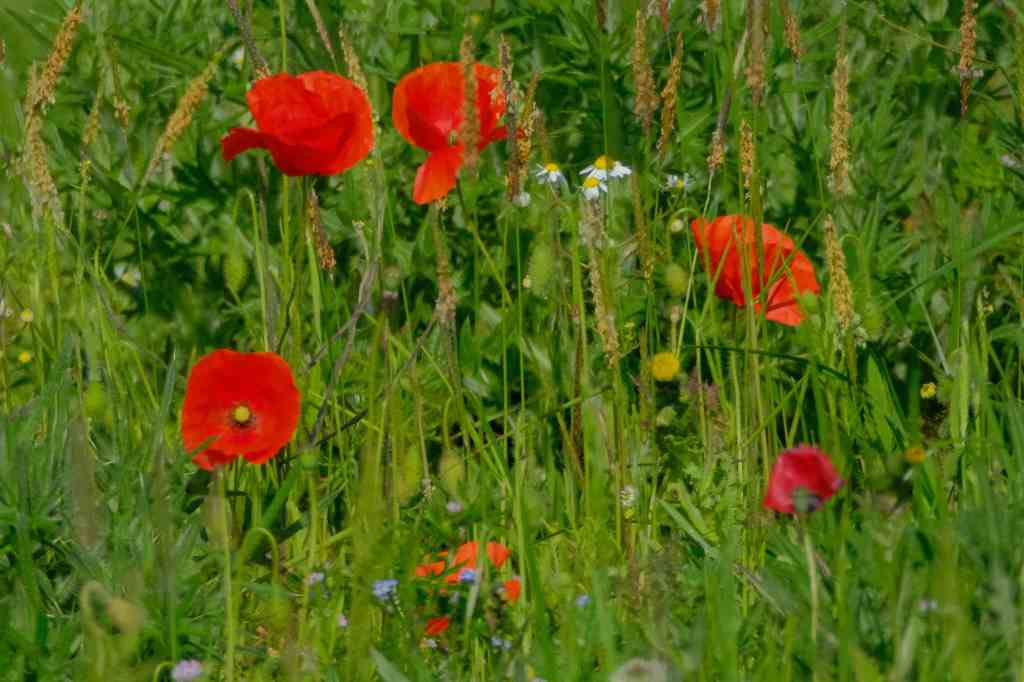
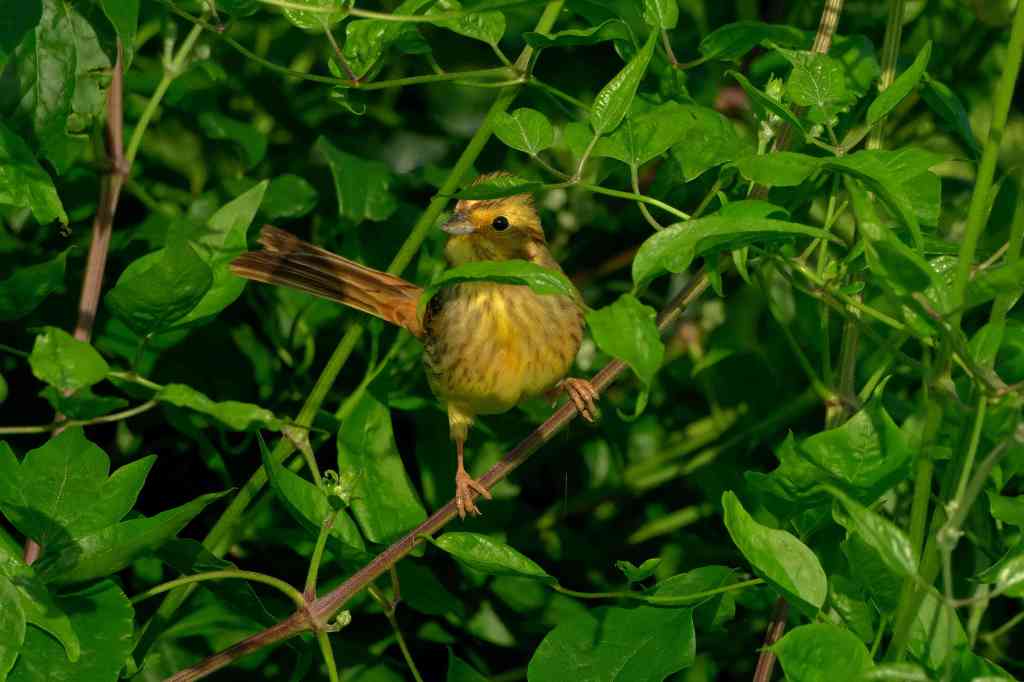
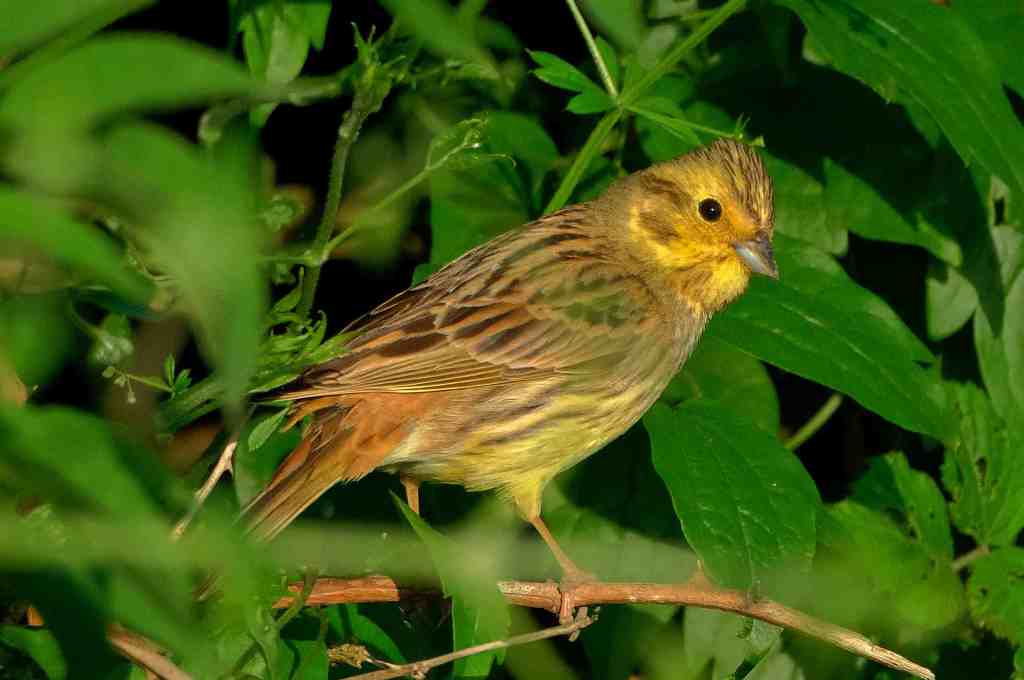
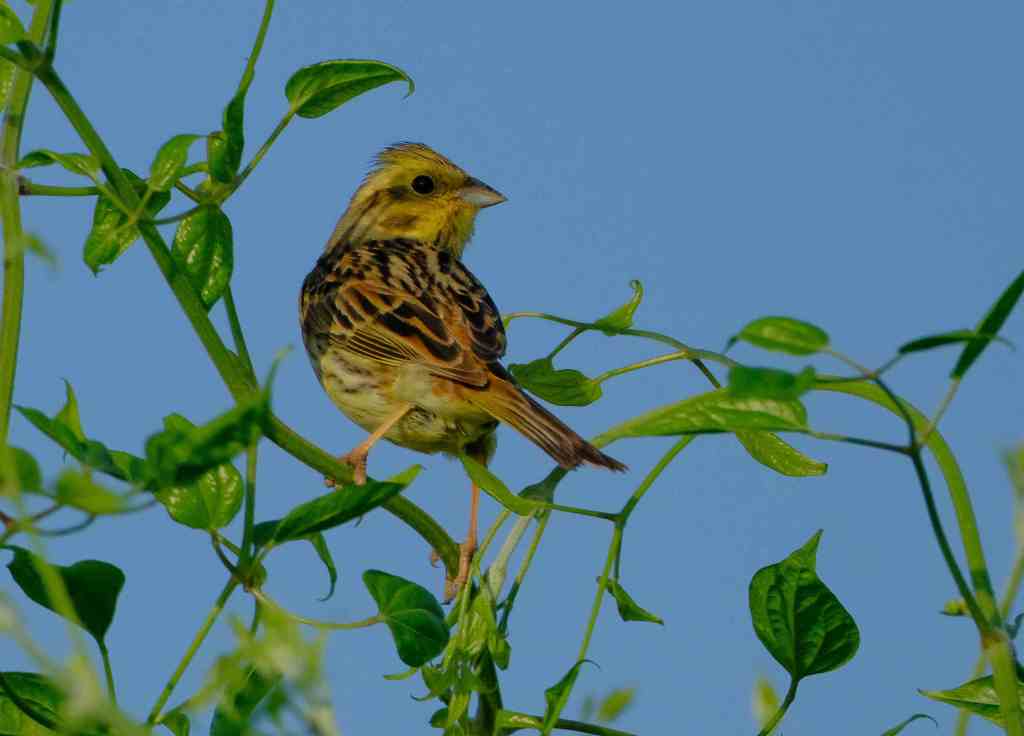
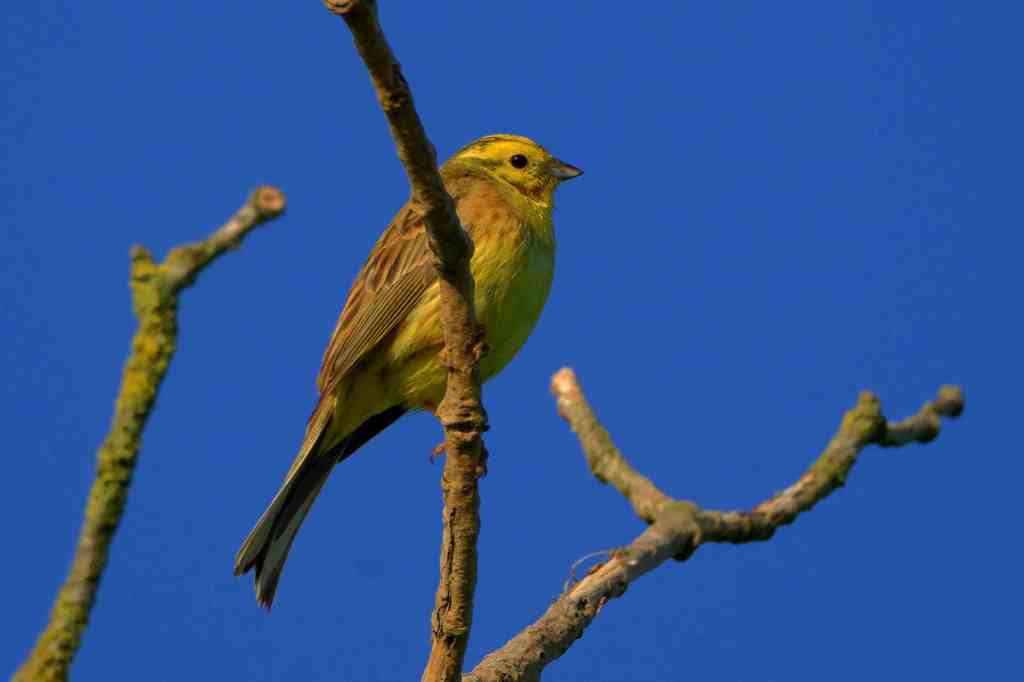
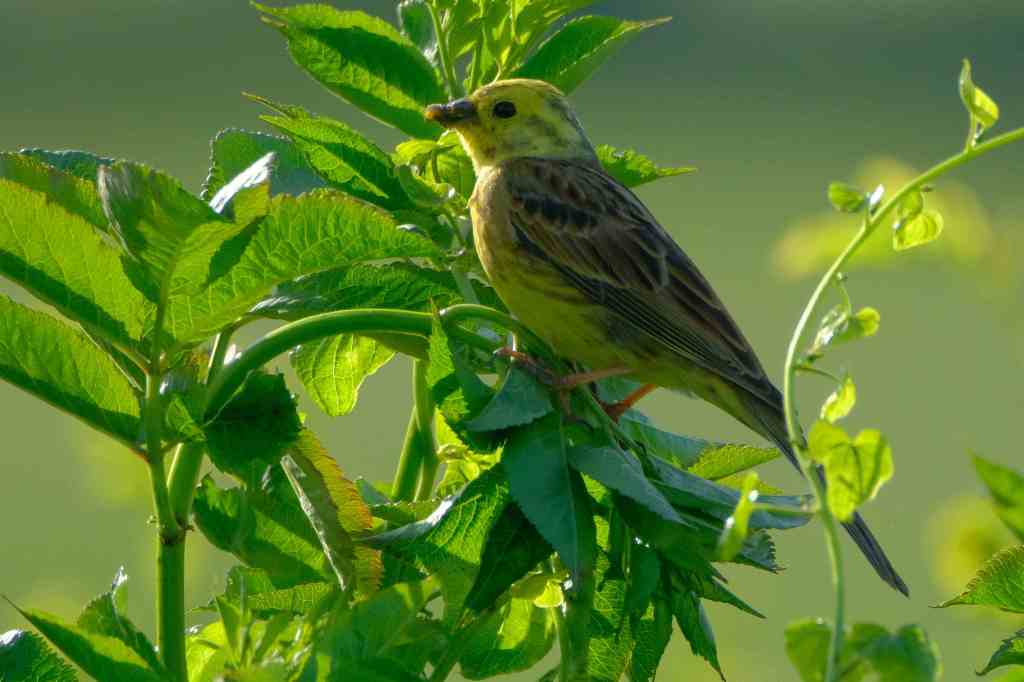
Yellowhammers were fairly abundant before it got too hot. The yellowhammer is a passerine bird in the bunting family; it is a bird of farmland.
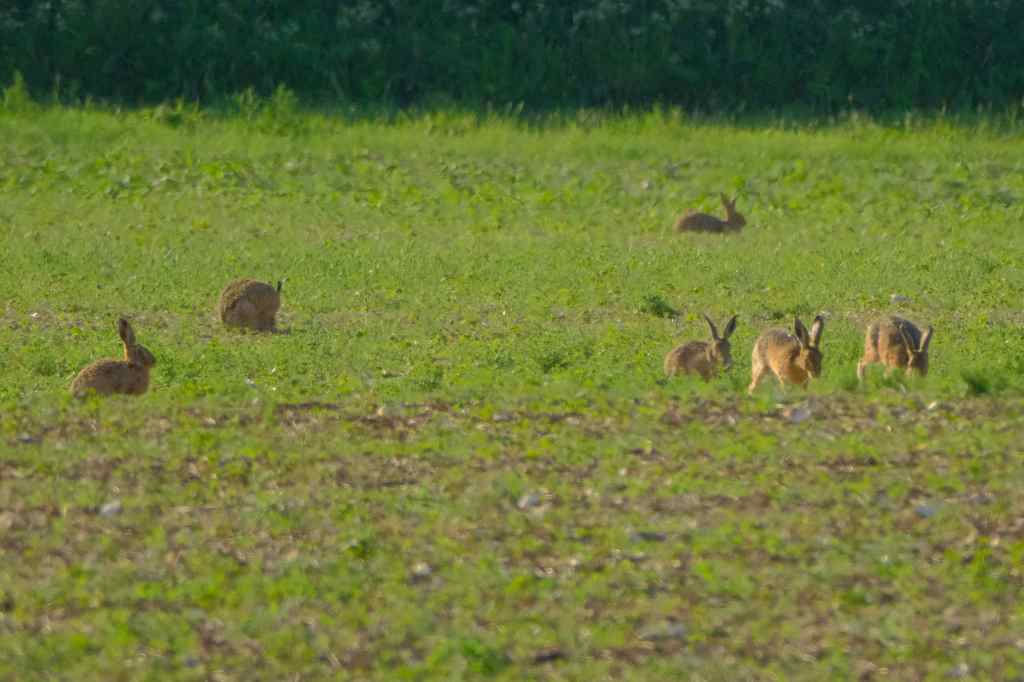
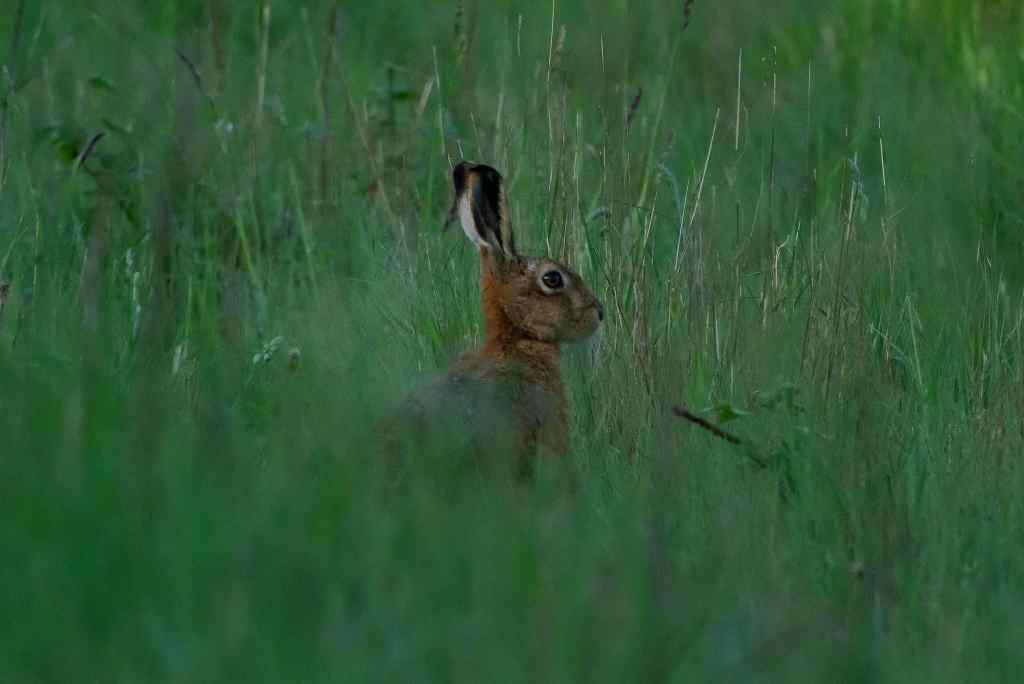
Brown Hares.
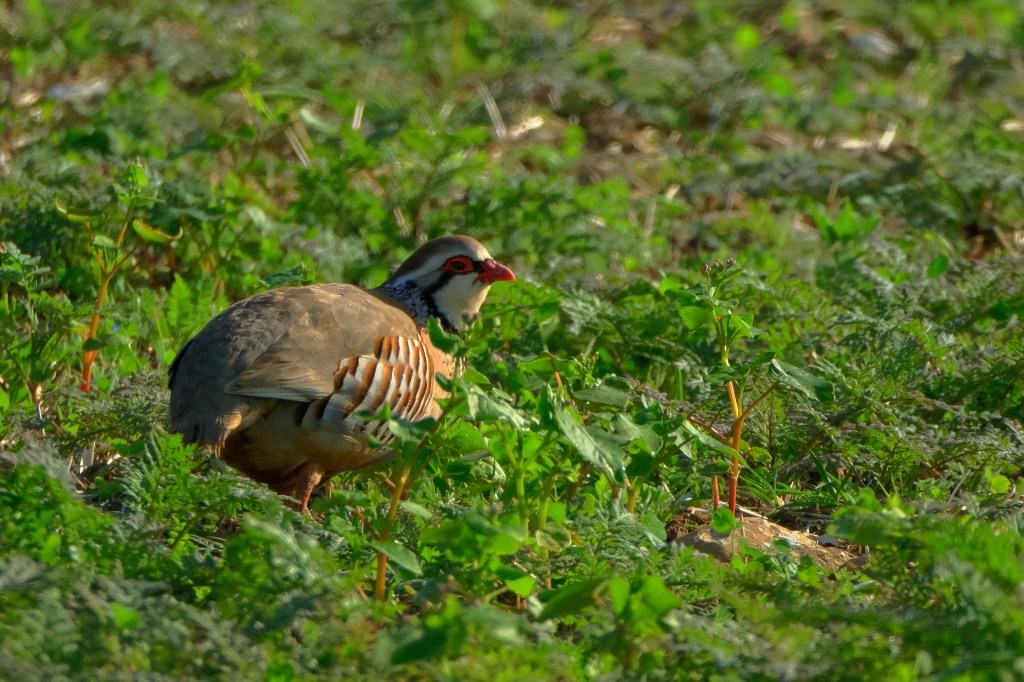
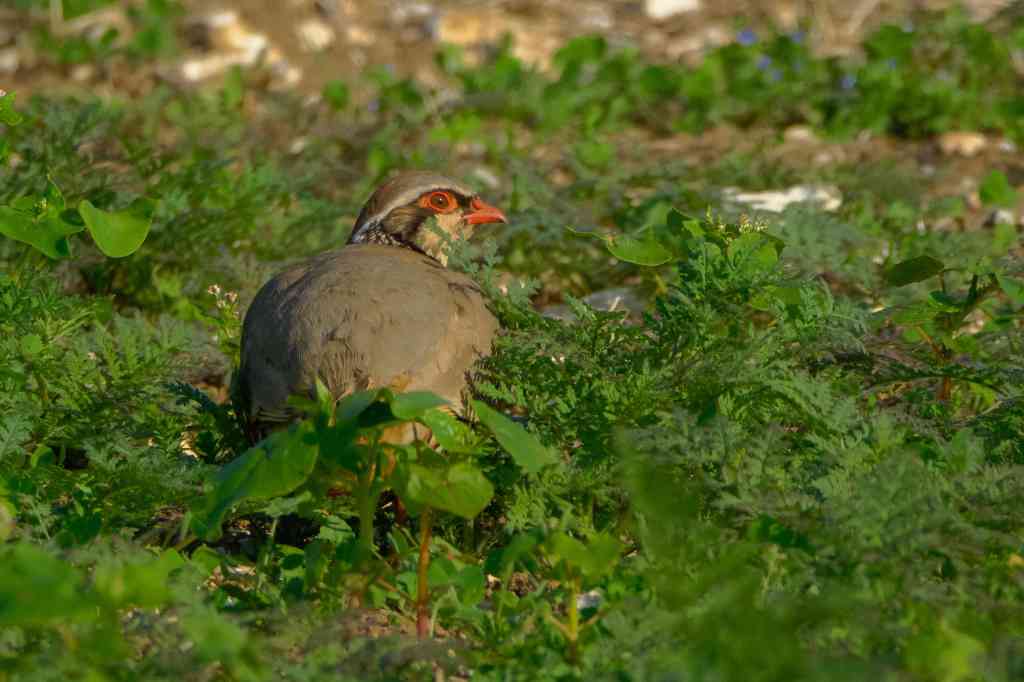
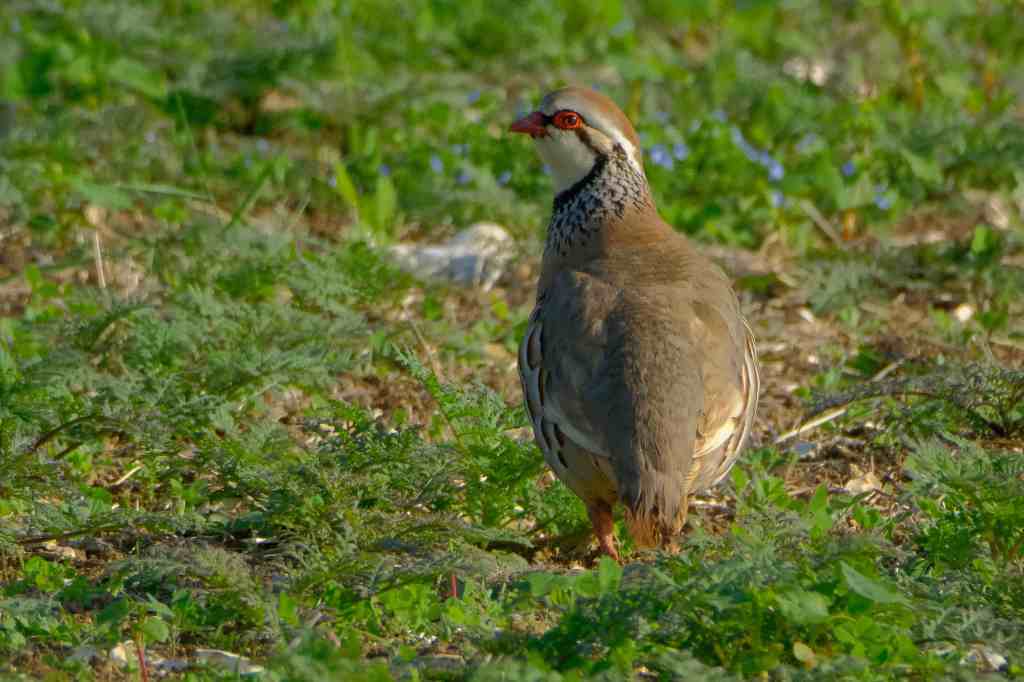
Red Legged Partridge.
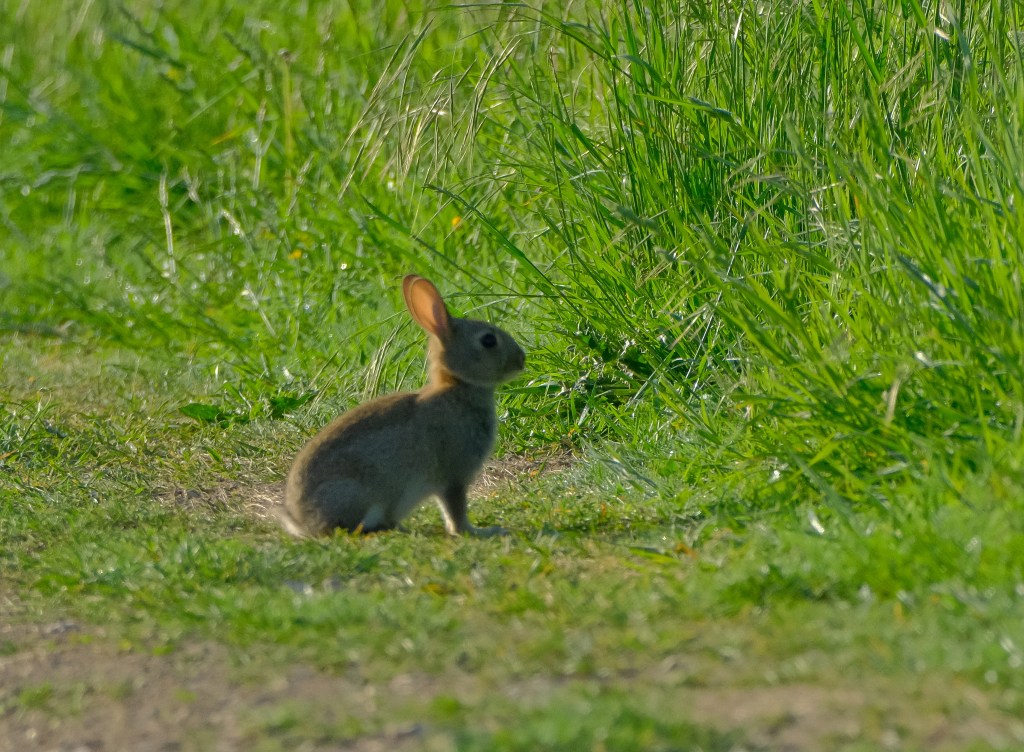
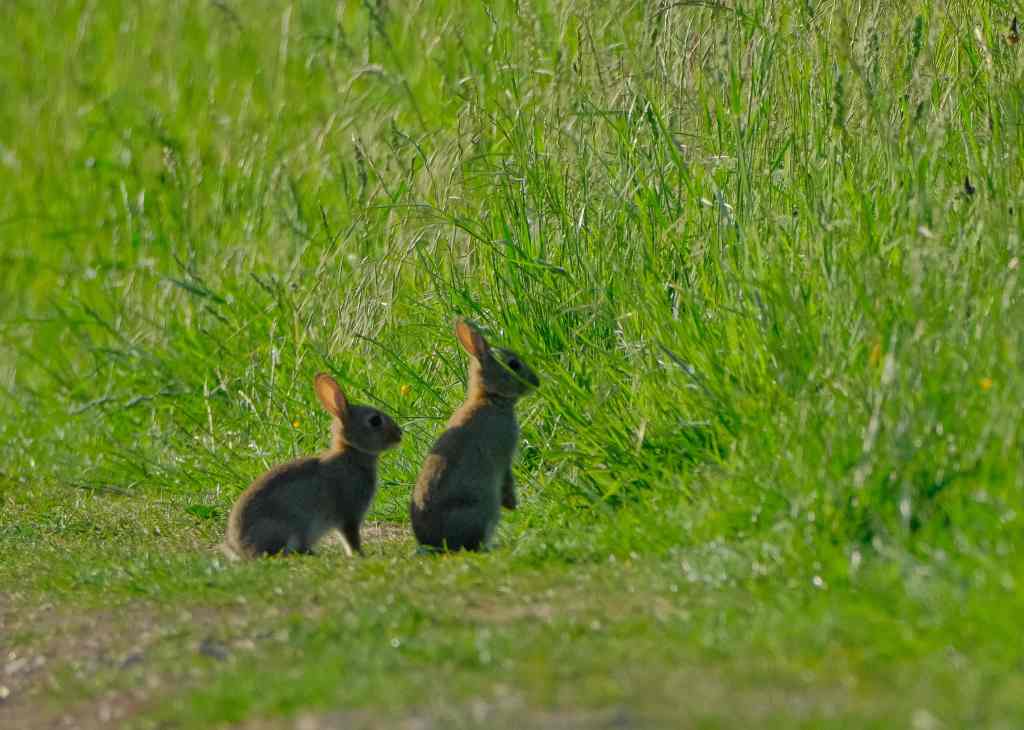
Baby Rabbits.
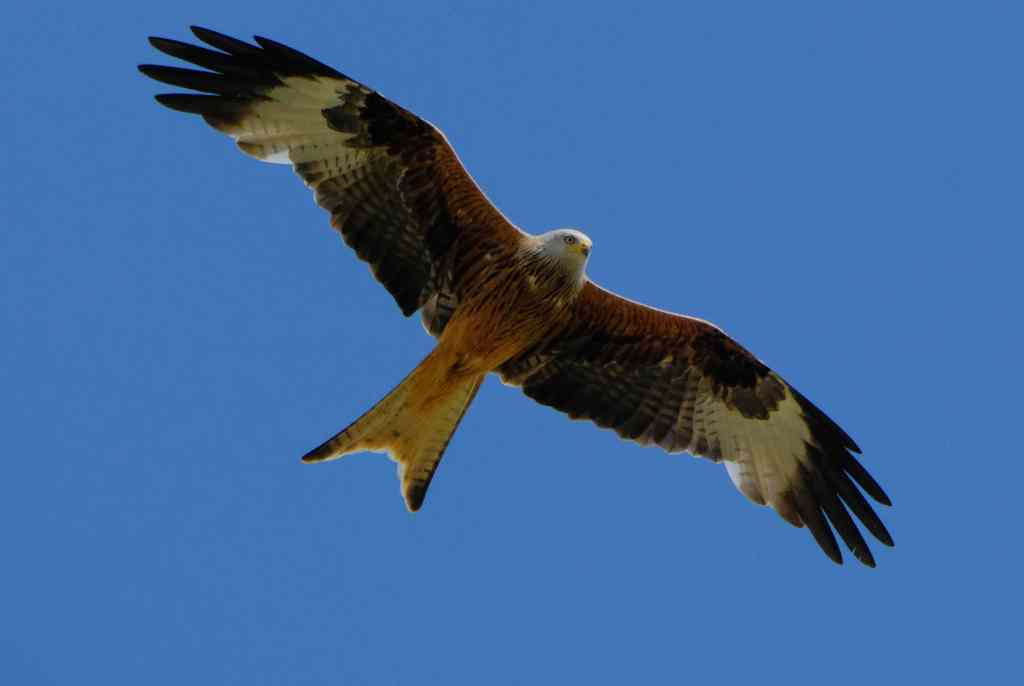
Red Kite.
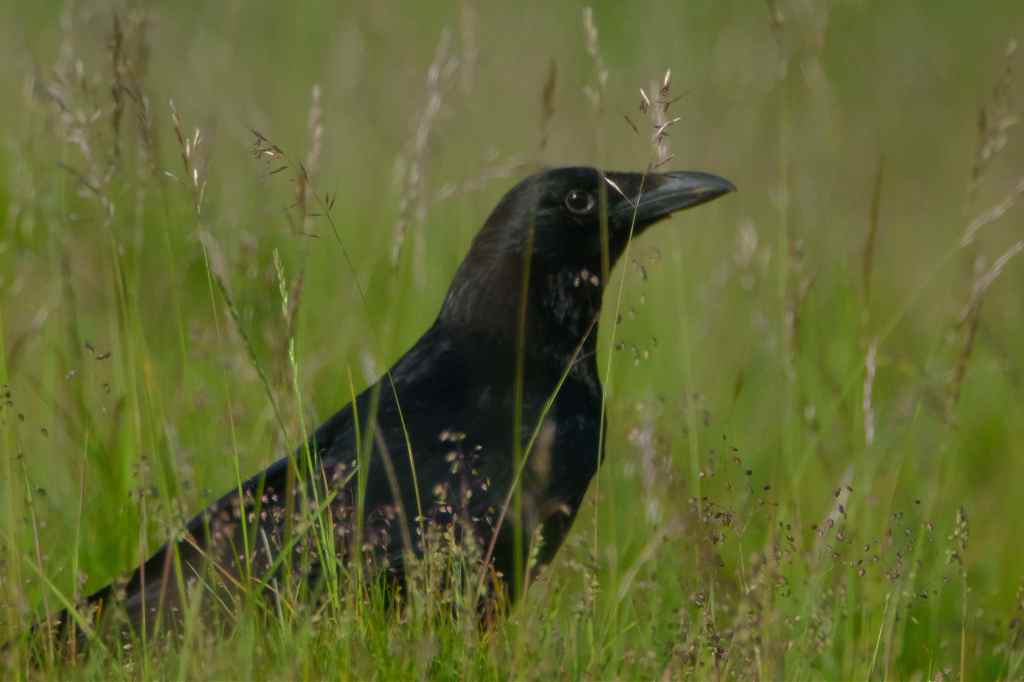
Crow.
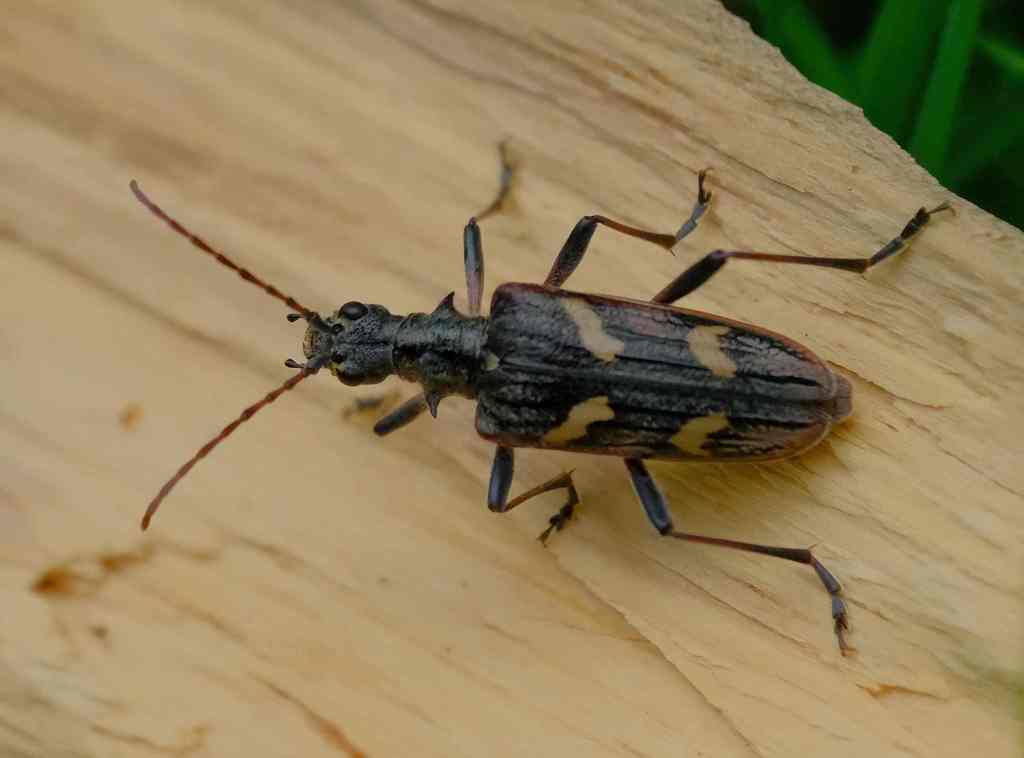
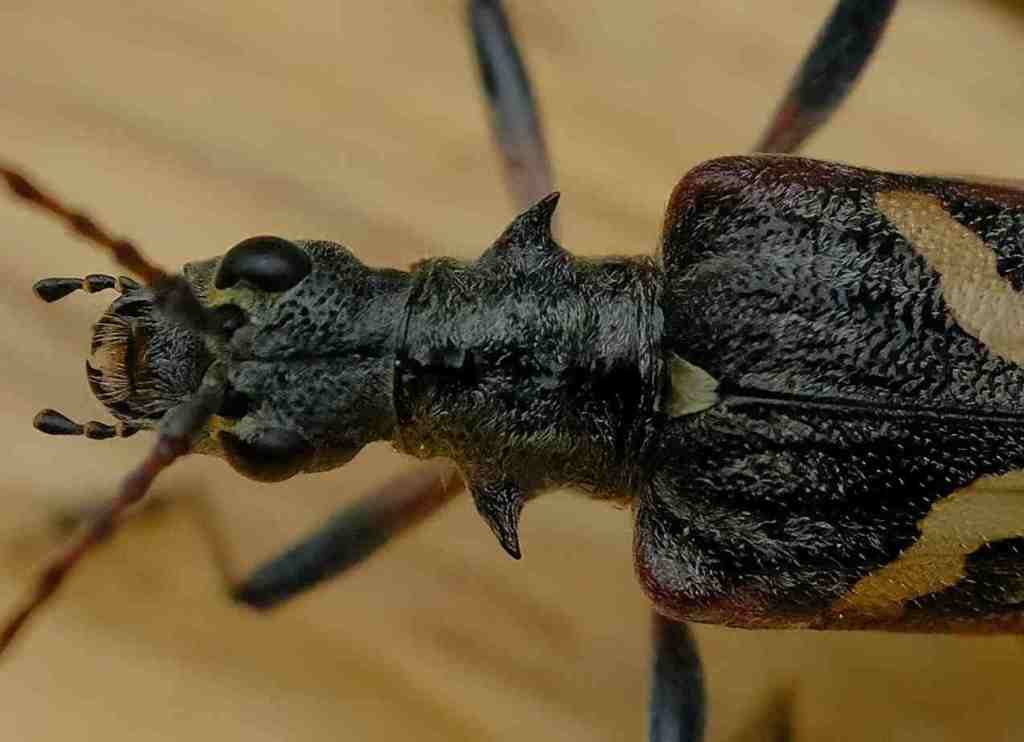
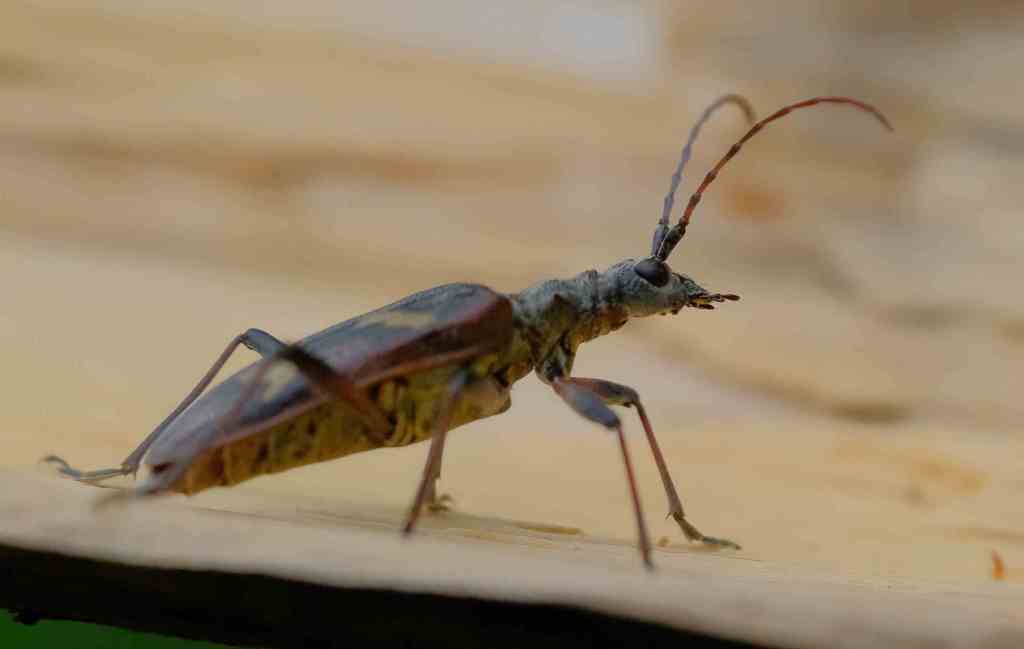
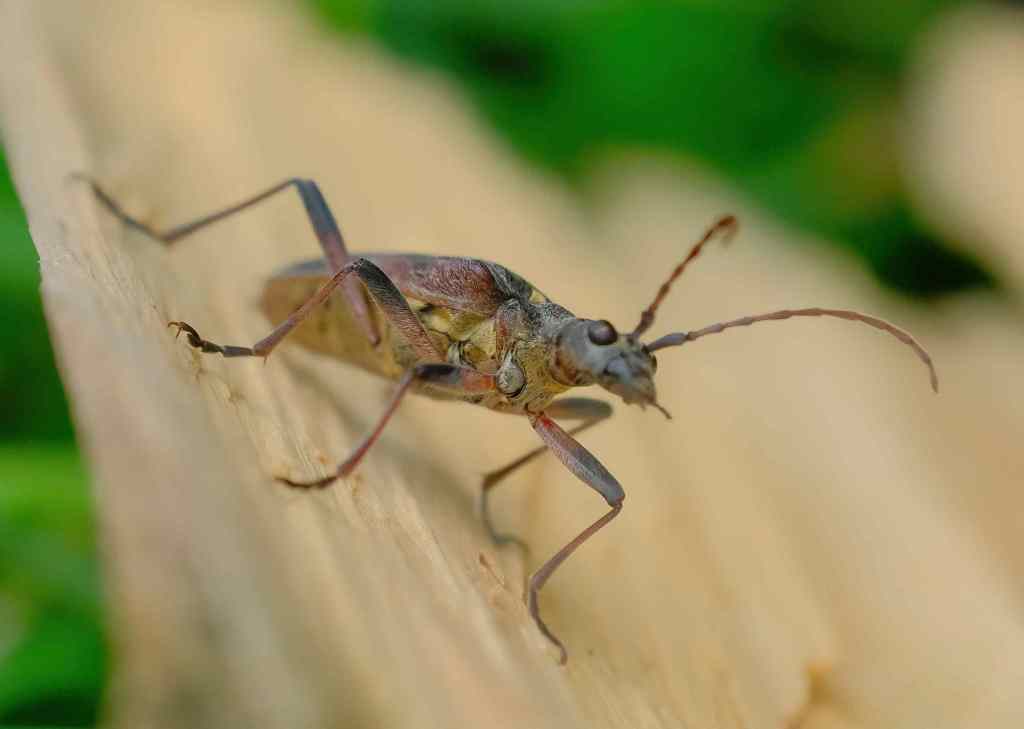
The Two-banded Longhorn Beetle (Rhagium bifasciatum). in the New Forest.
Little things spotted at Titchfield Haven Nature Reserve while on a Sunday morning walk.
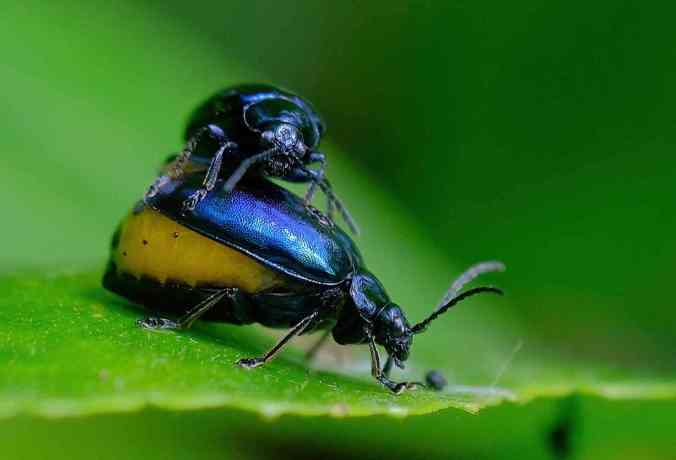
Alder Beetle – mating pair.
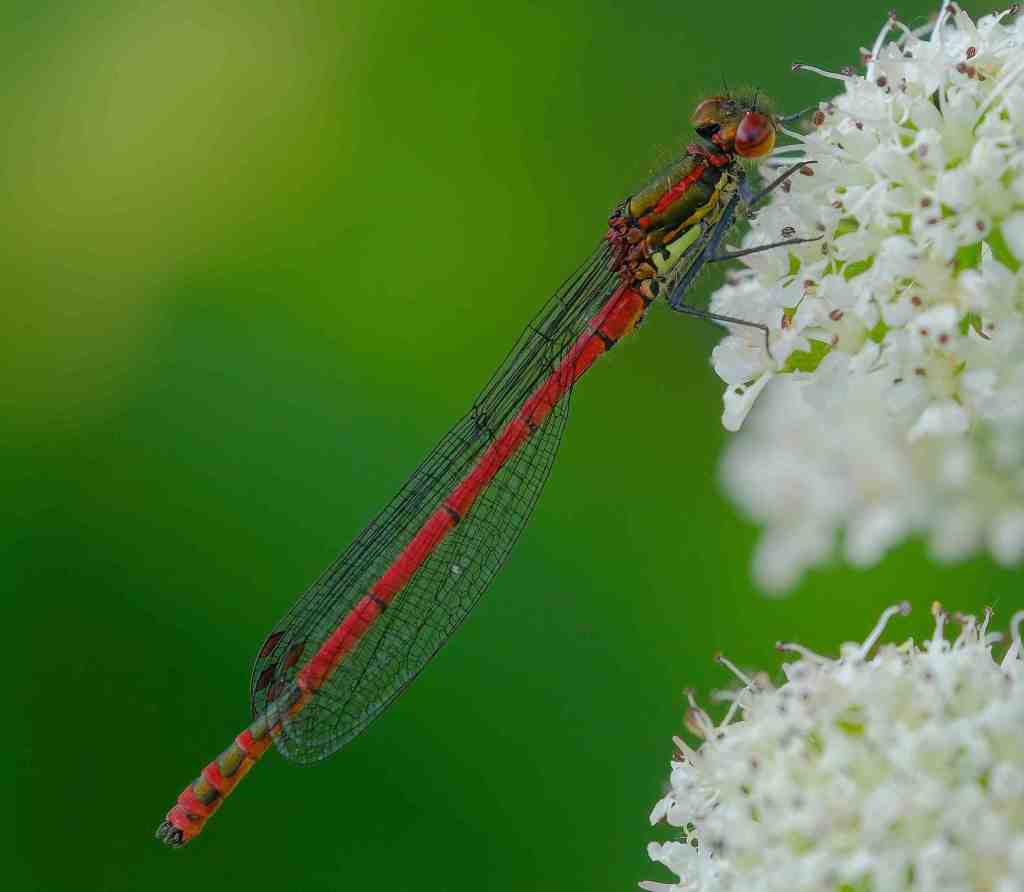
Large Red damselfly.
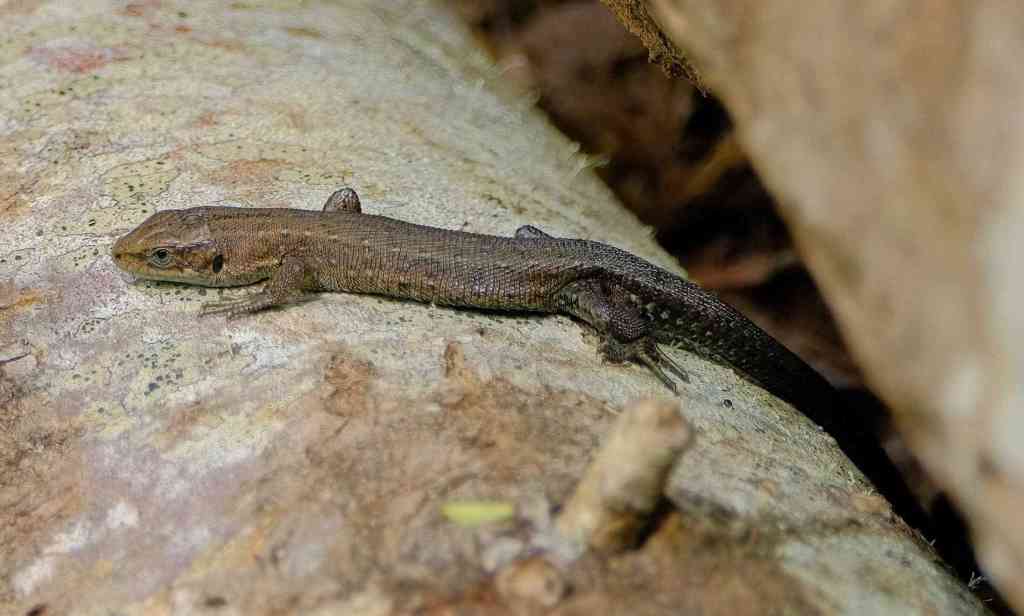
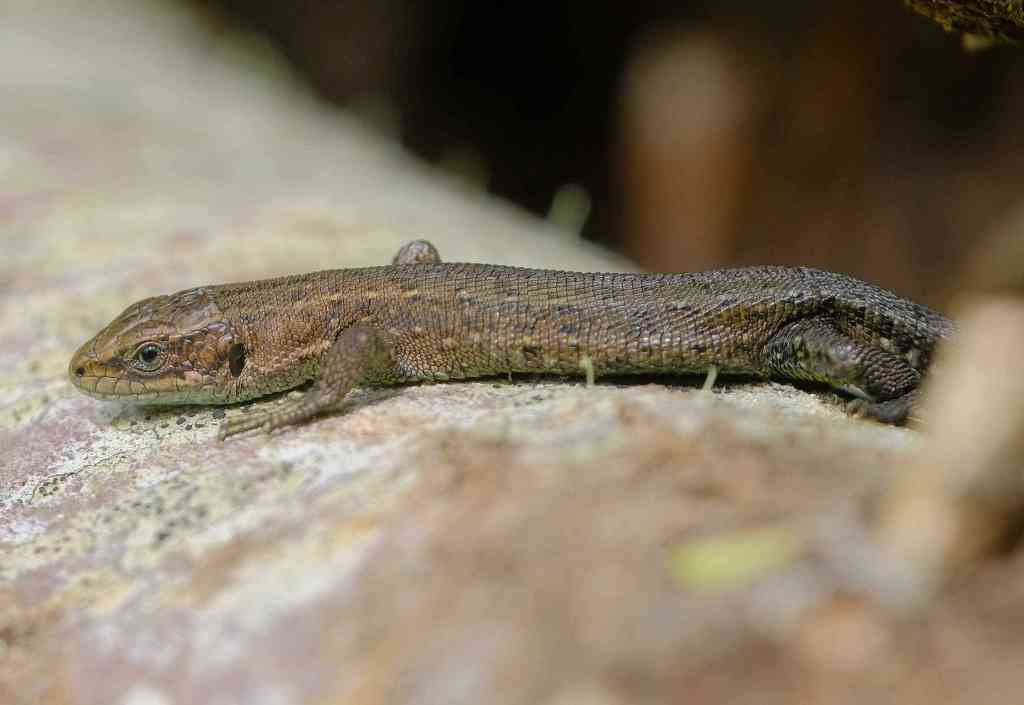
Common Lizard enjoying some sun.
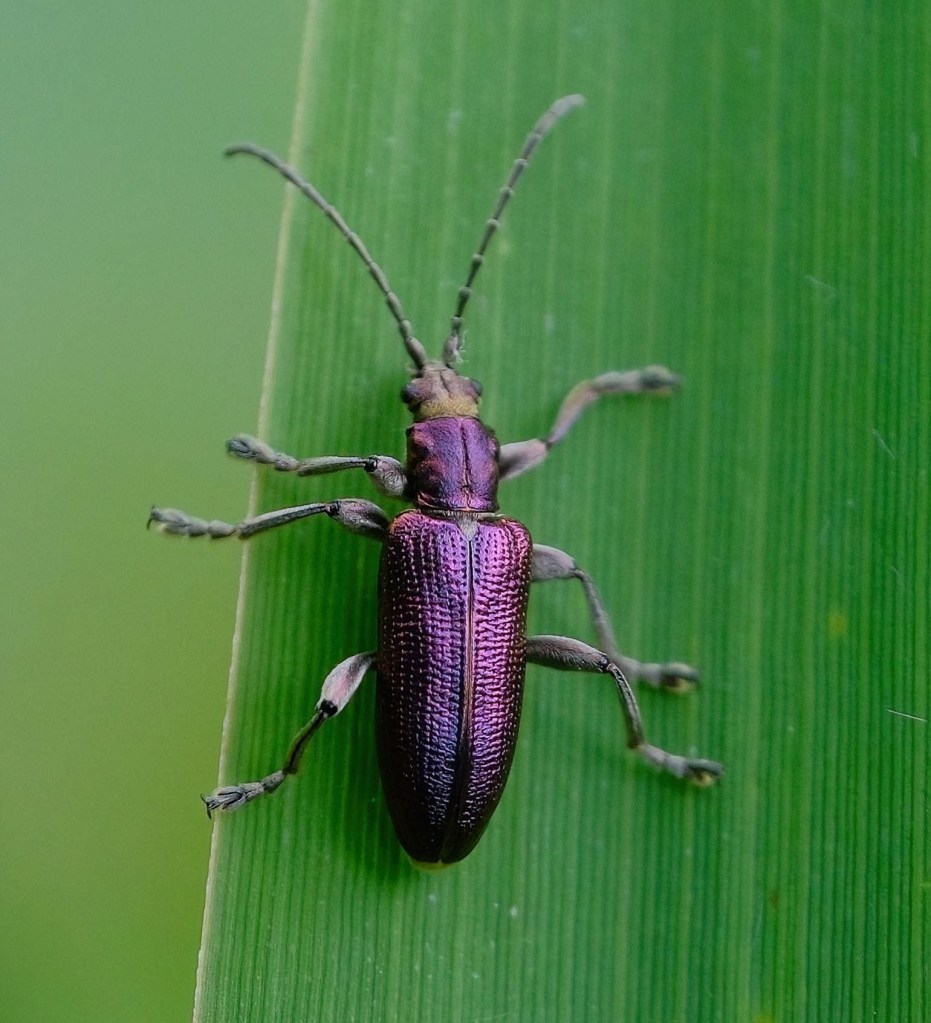
I believe this is a Little Reed Beetle.
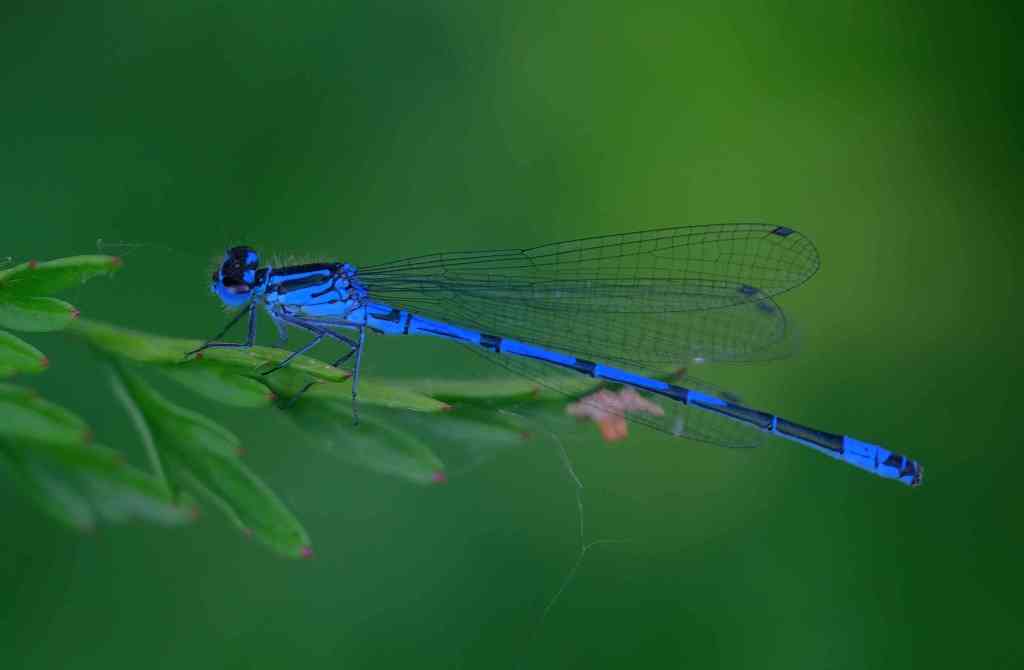
Azure Damselfly {male}.
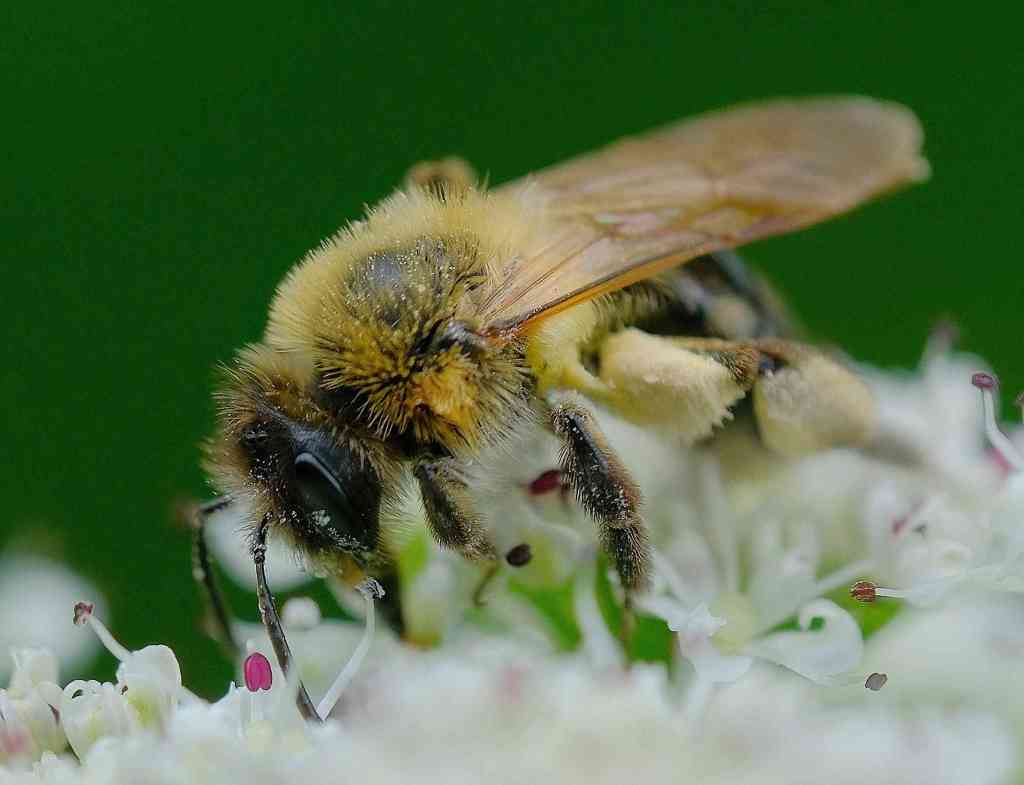
Bee.
Something a bit larger.
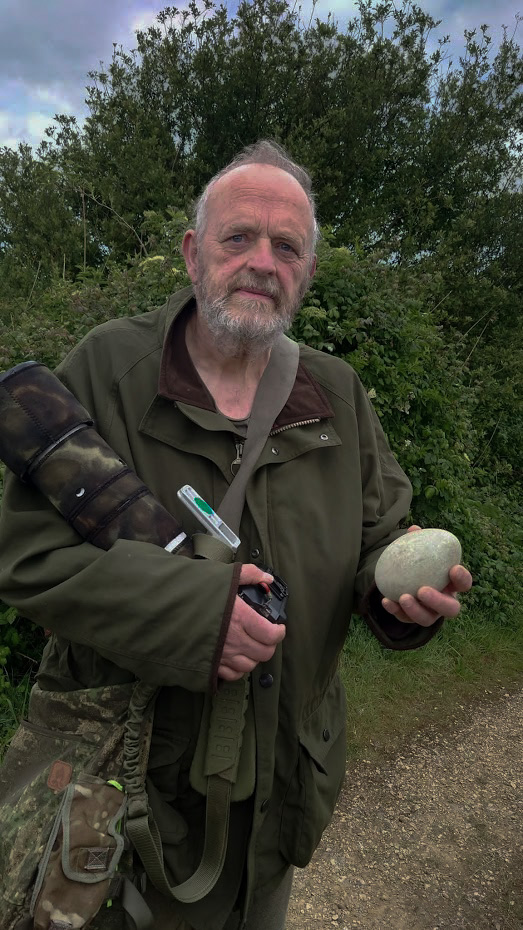
Picked up a Mute Swan egg on the path.