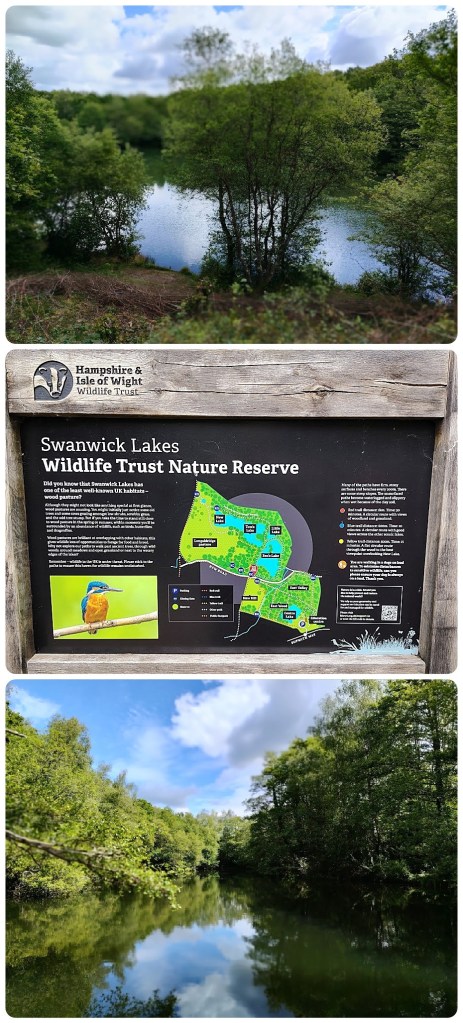
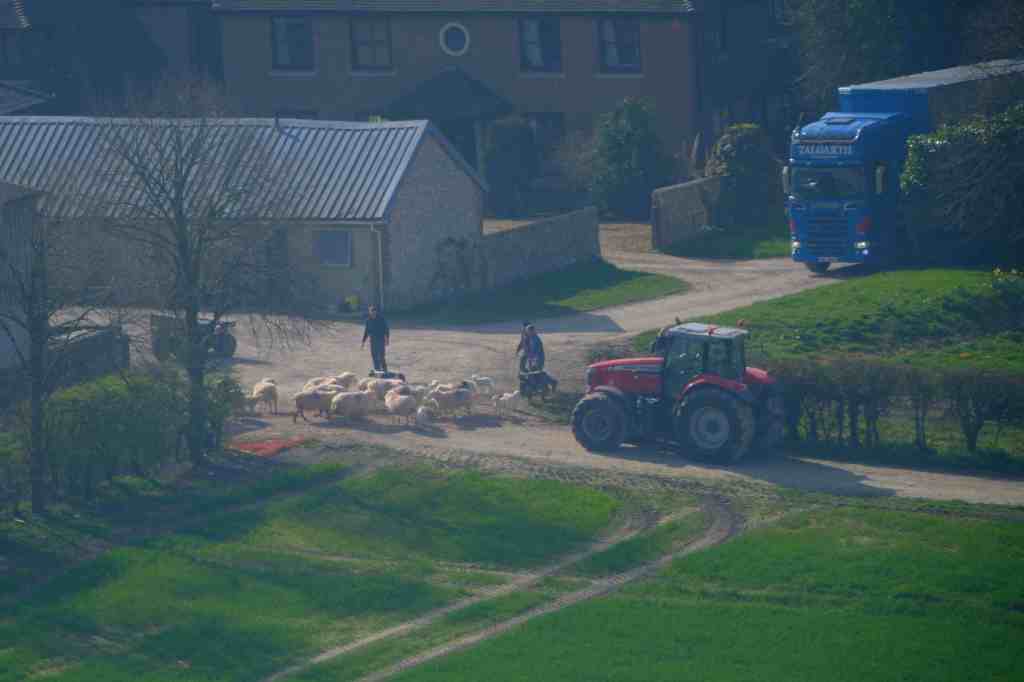
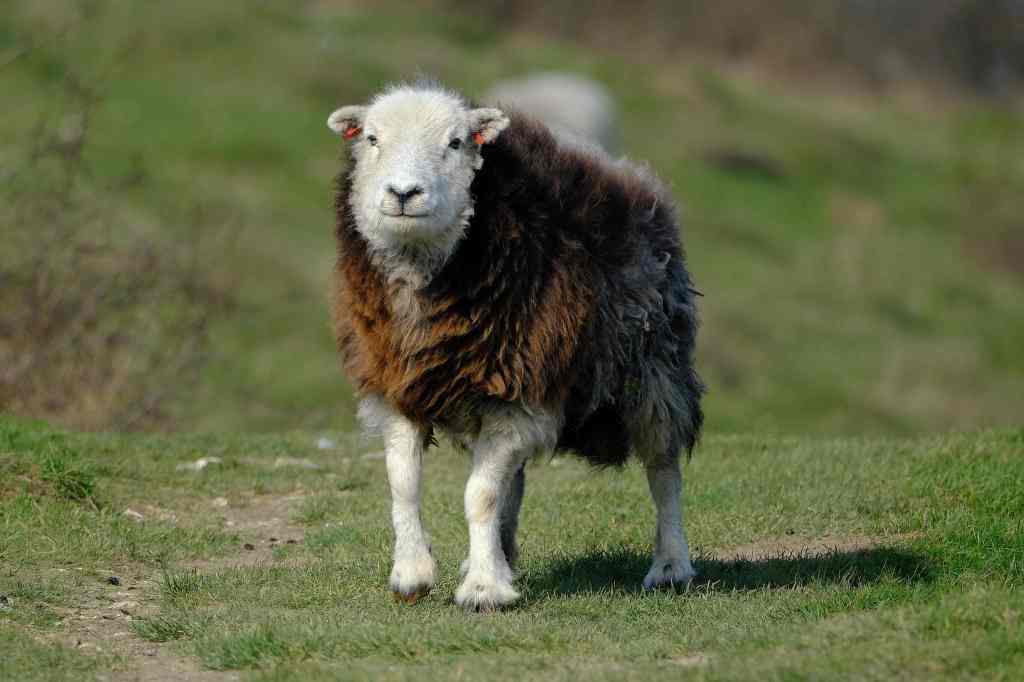
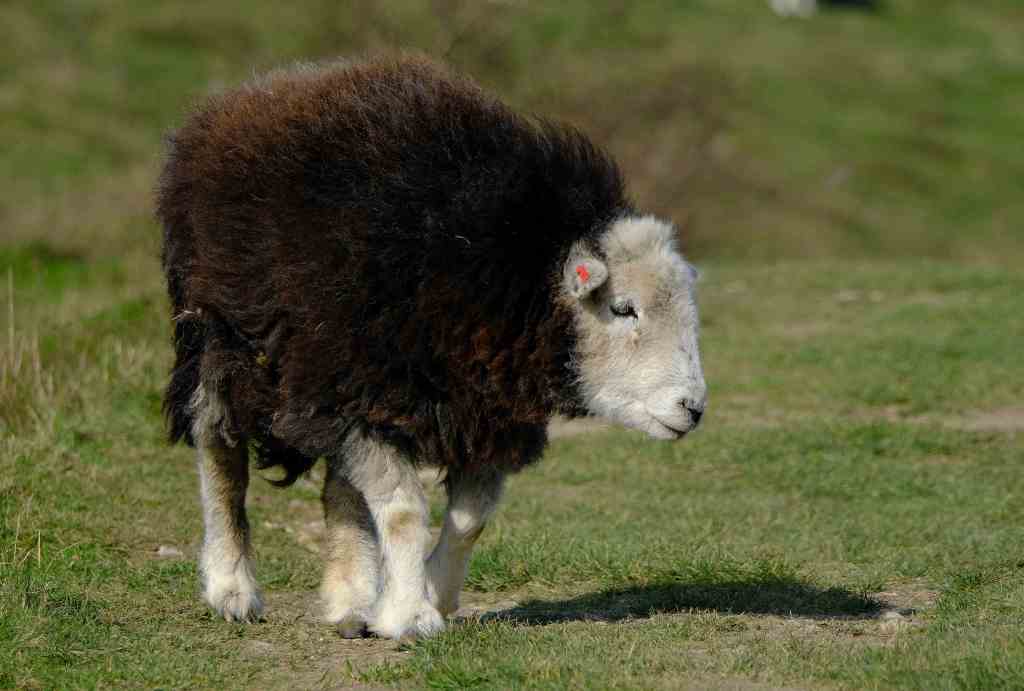
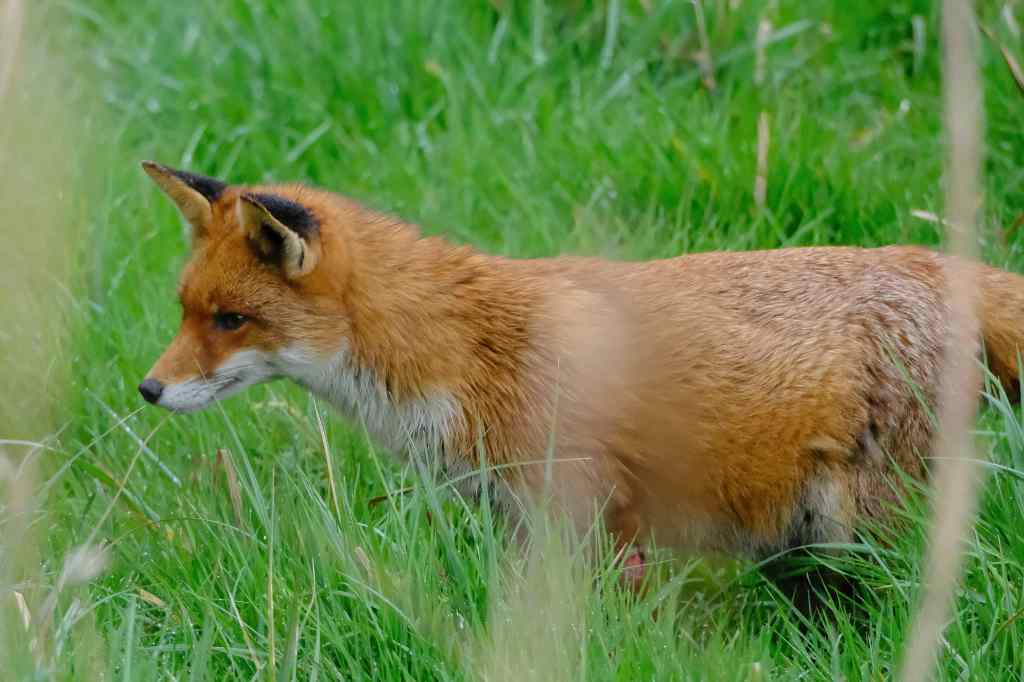
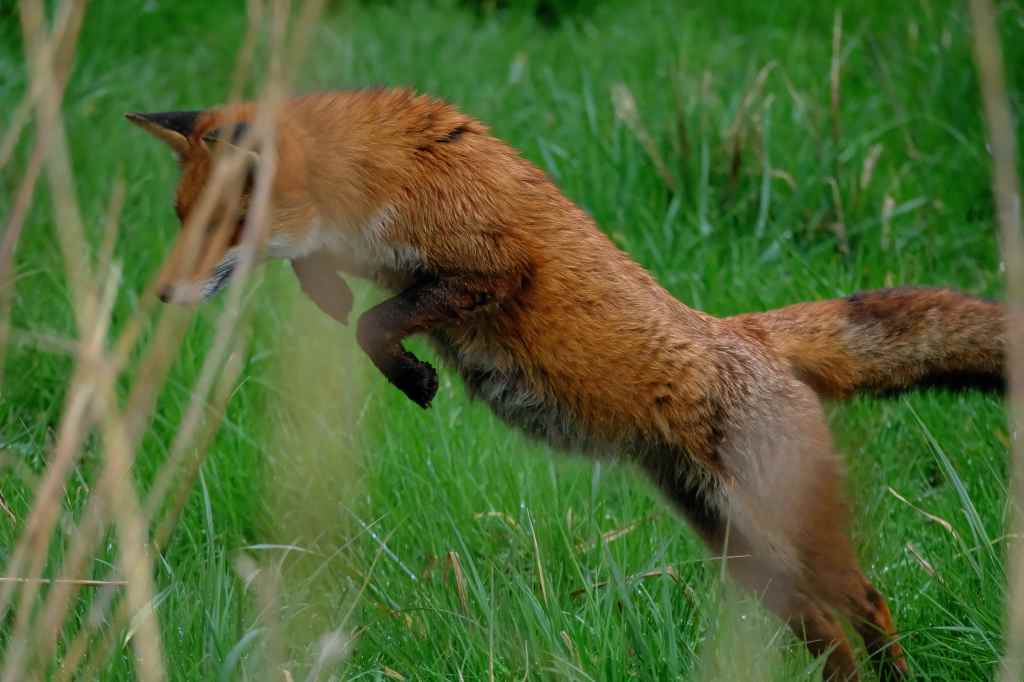
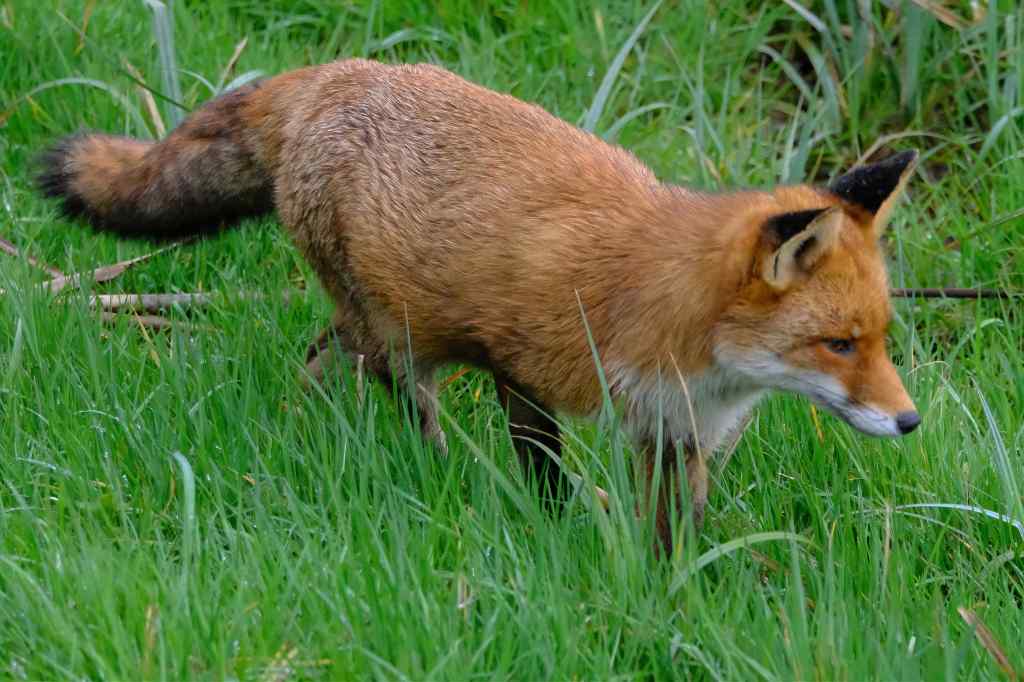
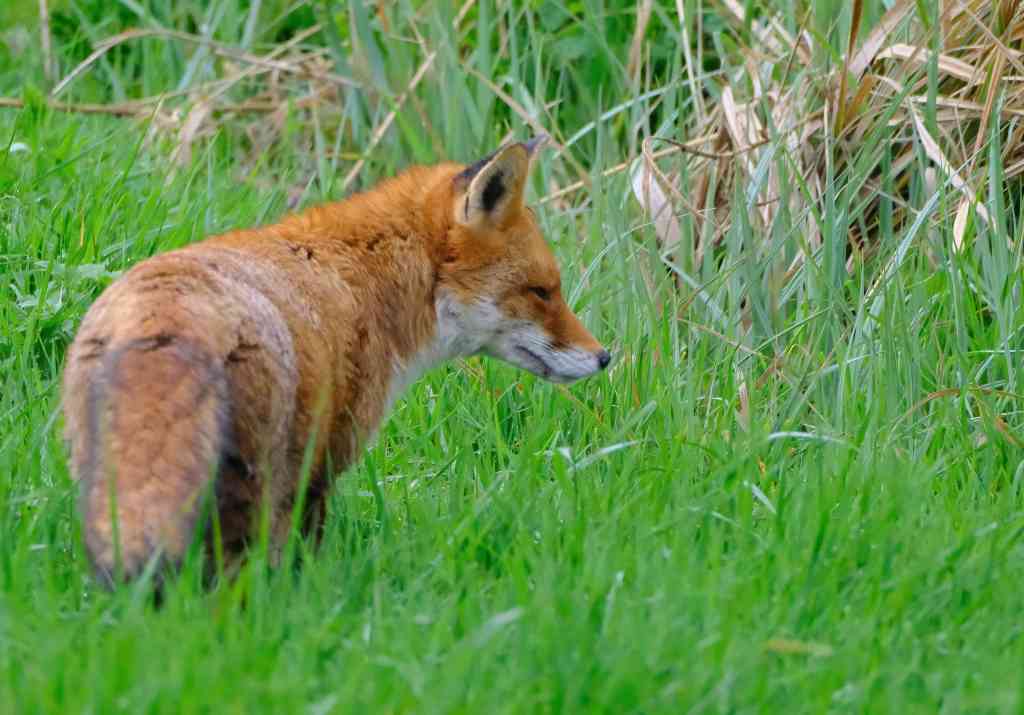
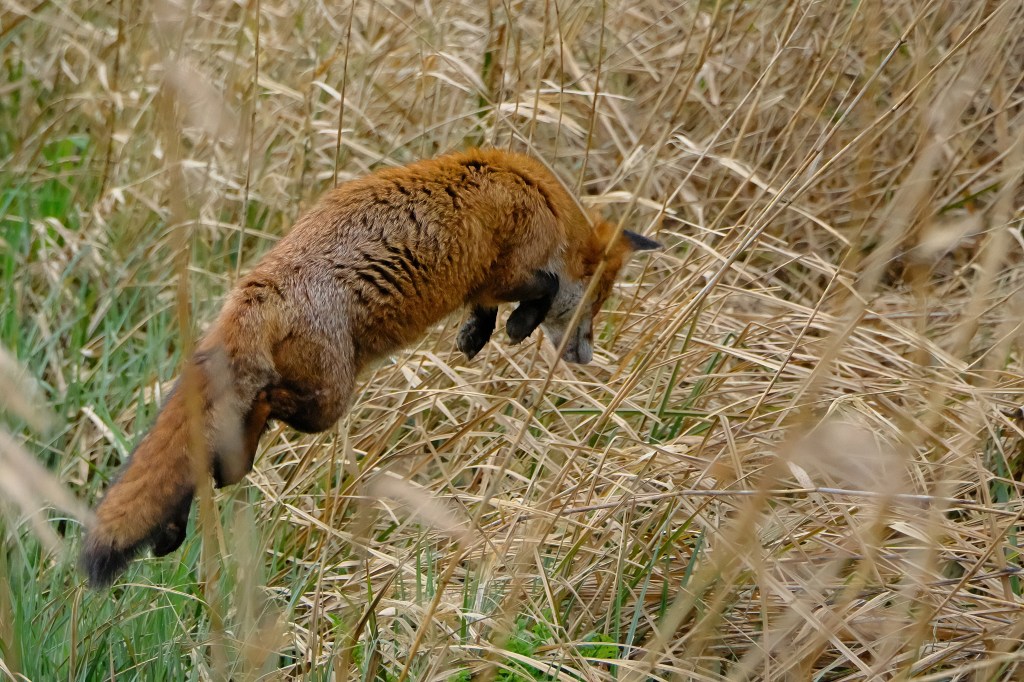
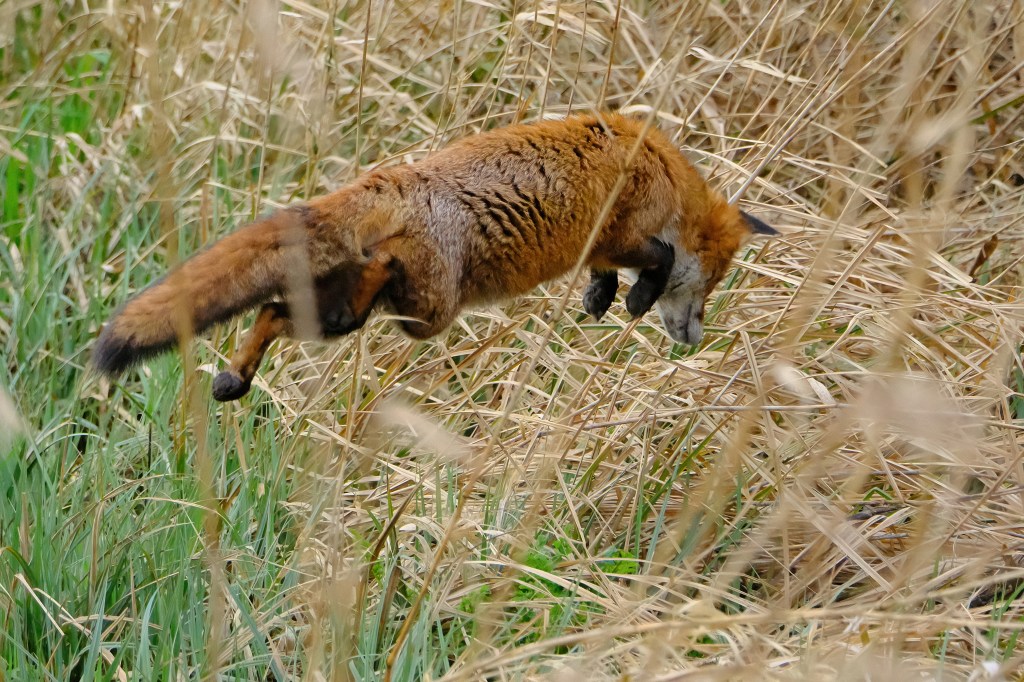
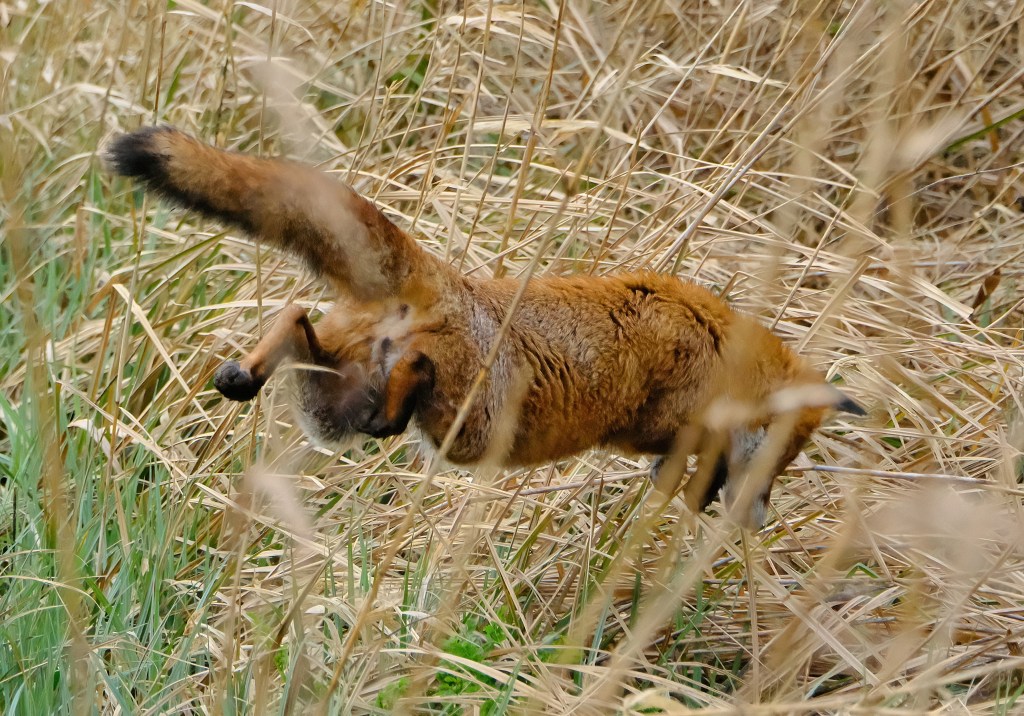
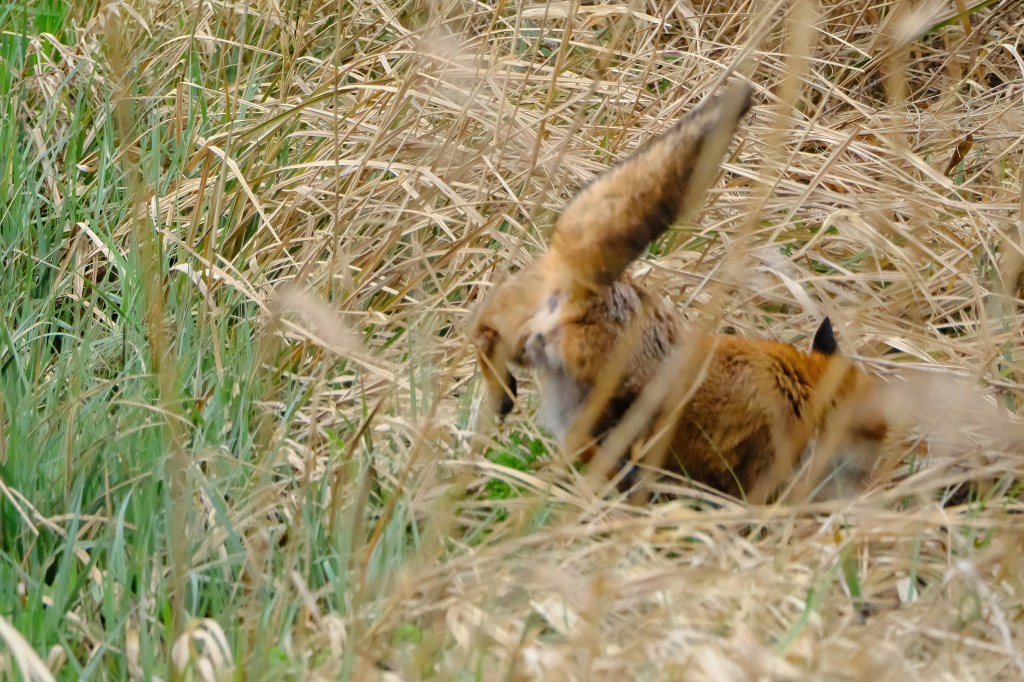
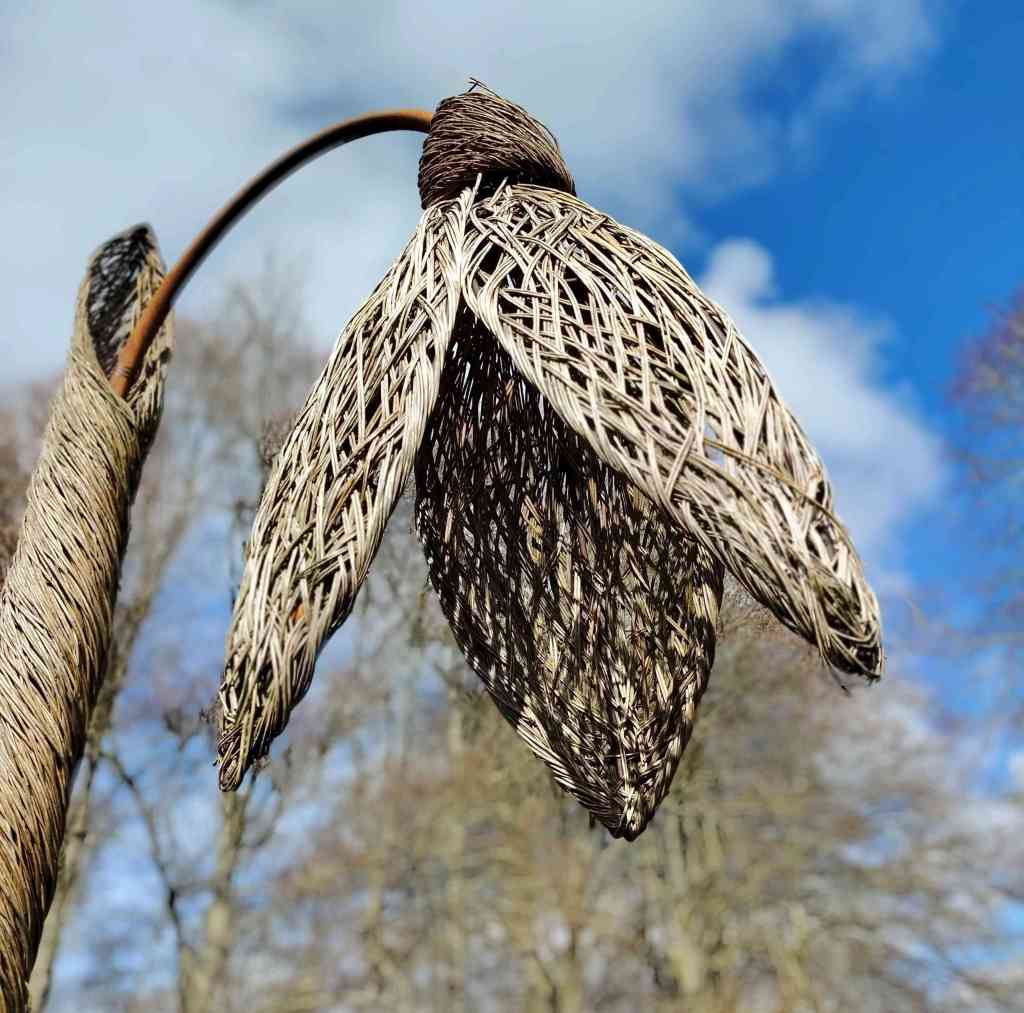
After Thursday’s visit to Swanick Lakes, we returned today for a longer walk. The site is 36 hectares.
Clay has been extracted in the area since the late 19th century, with the first pit dug on the site in 1948. When extraction finished in 1974, woodland developed over much of the reserve.
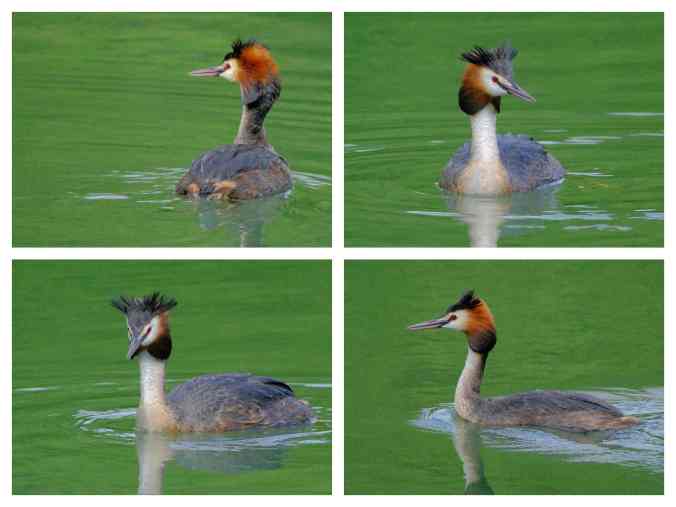
I filmed a Great Crested Grebe on a lake. The interesting part was when the bird spotted an insect, likely a dragonfly, and caught it, which I had never seen before. It was also nice to film how the bird lowers its crest before diving.
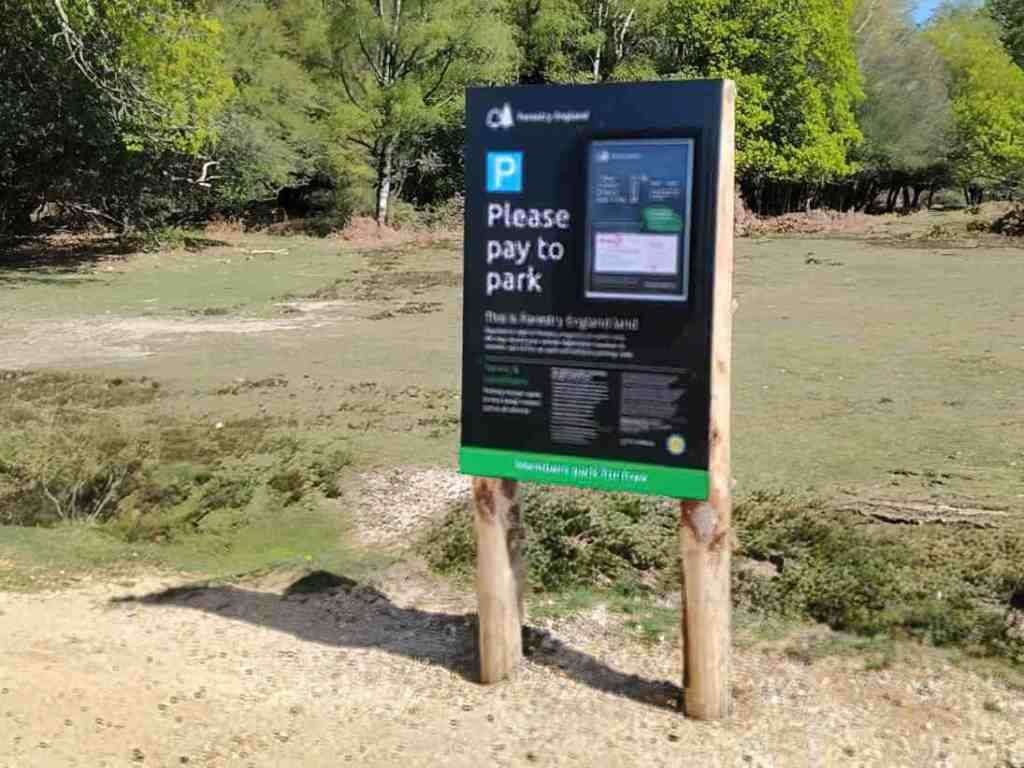
From yesterday, the Forestry Commission has introduced parking charges for cars parking in the New Forest, so no longer a free day out when we visit the forest.
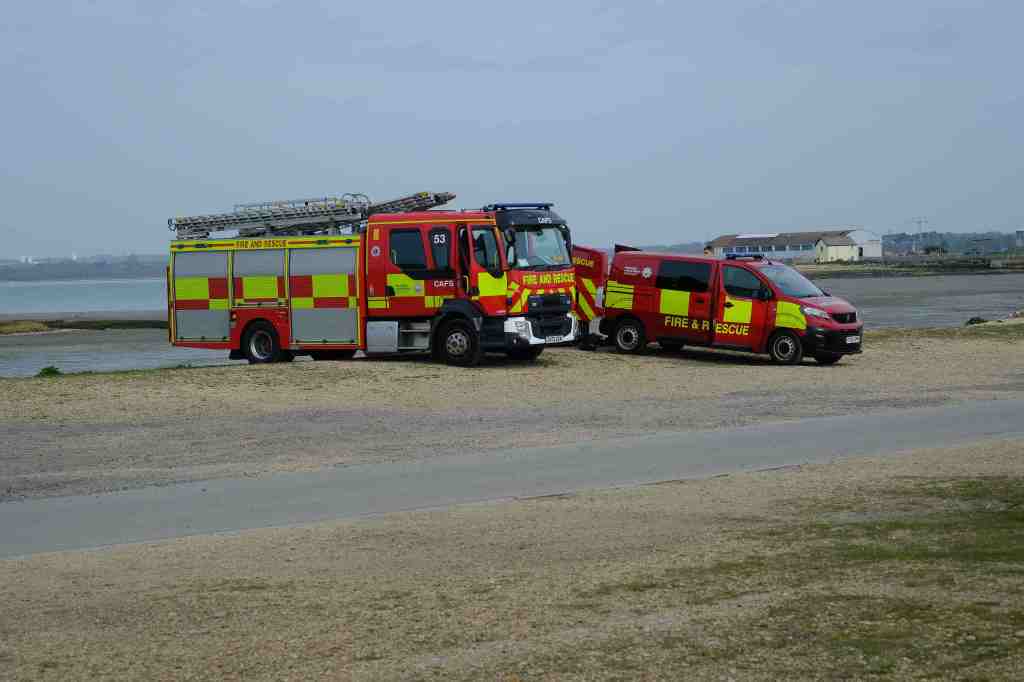
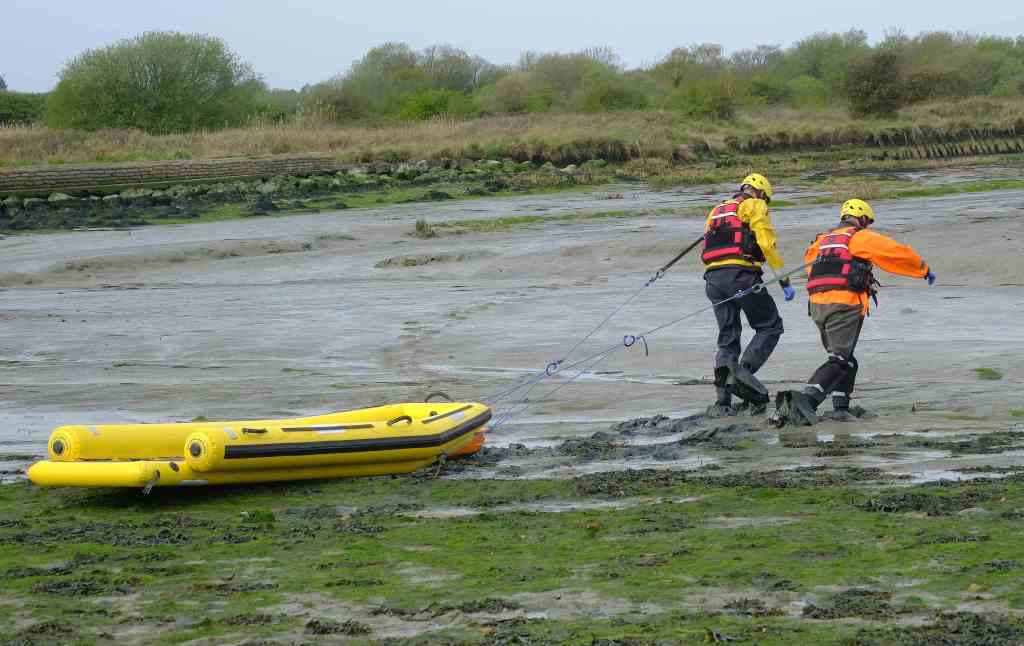
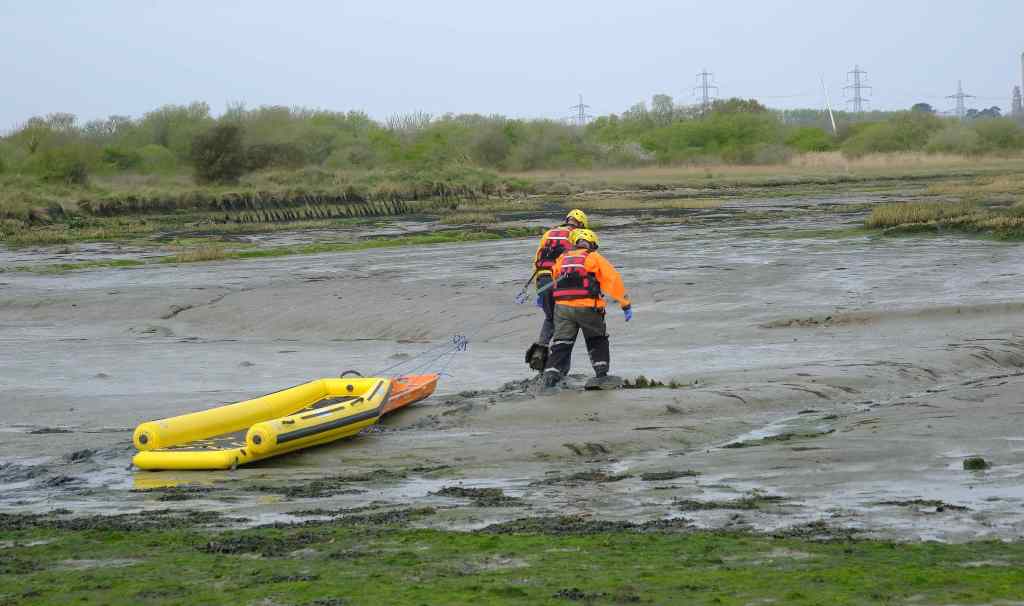
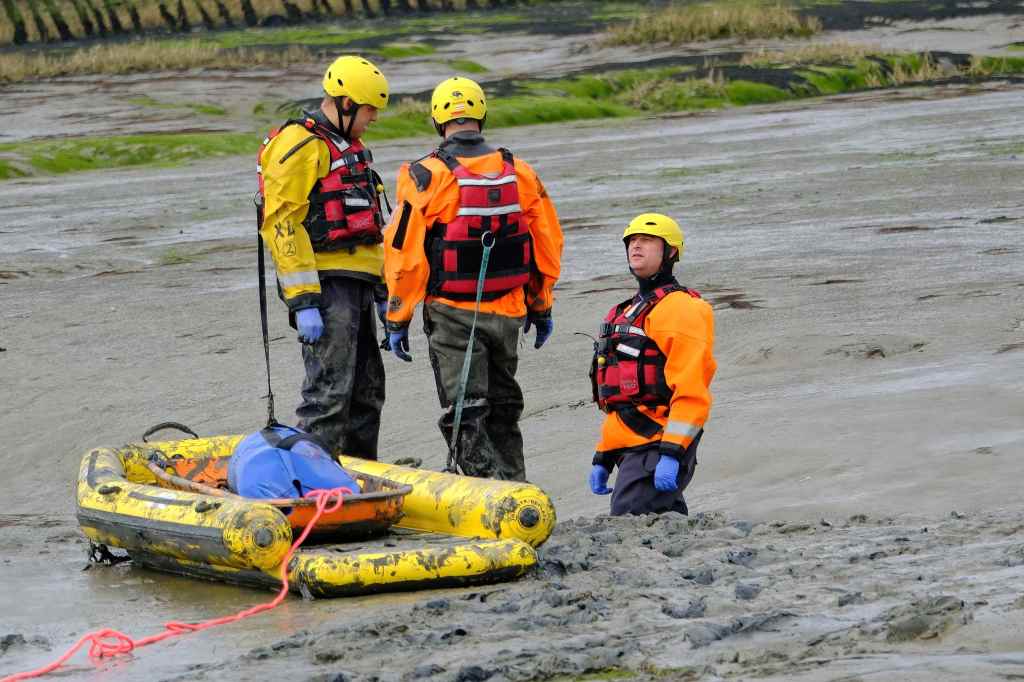
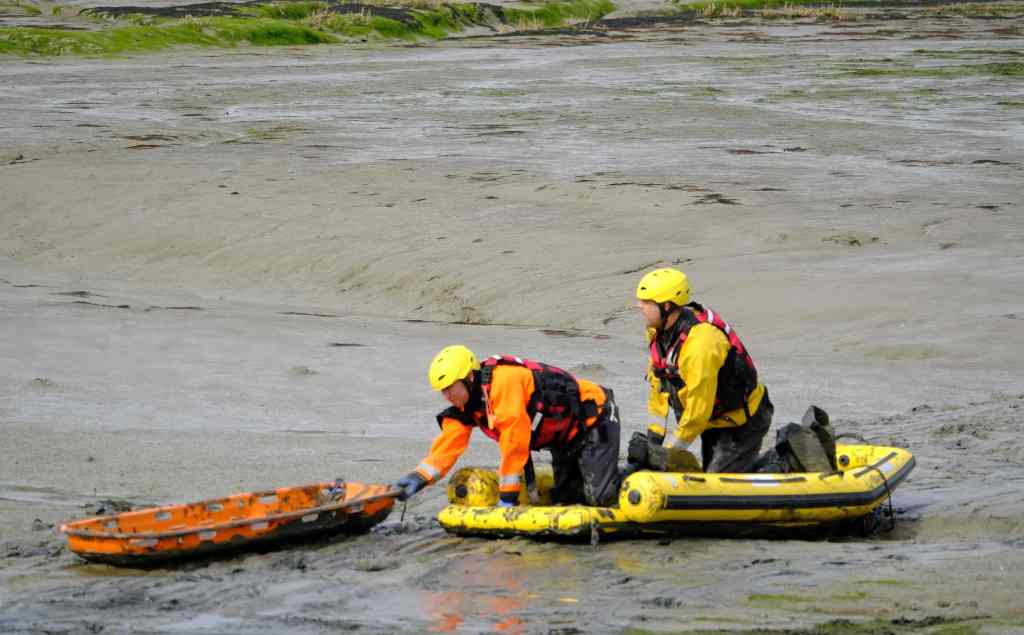
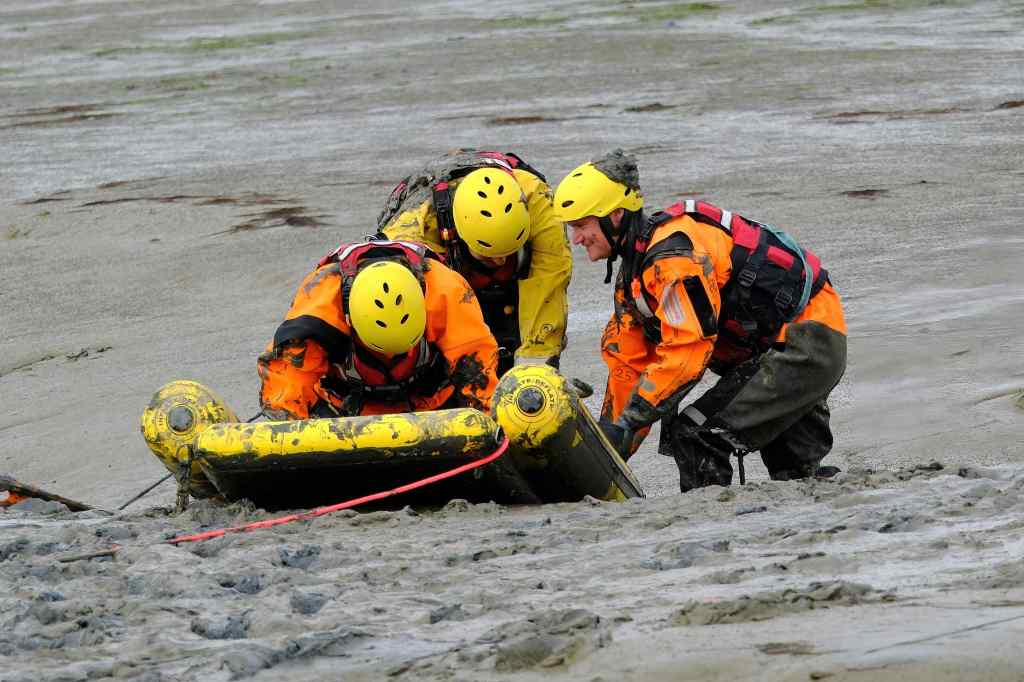
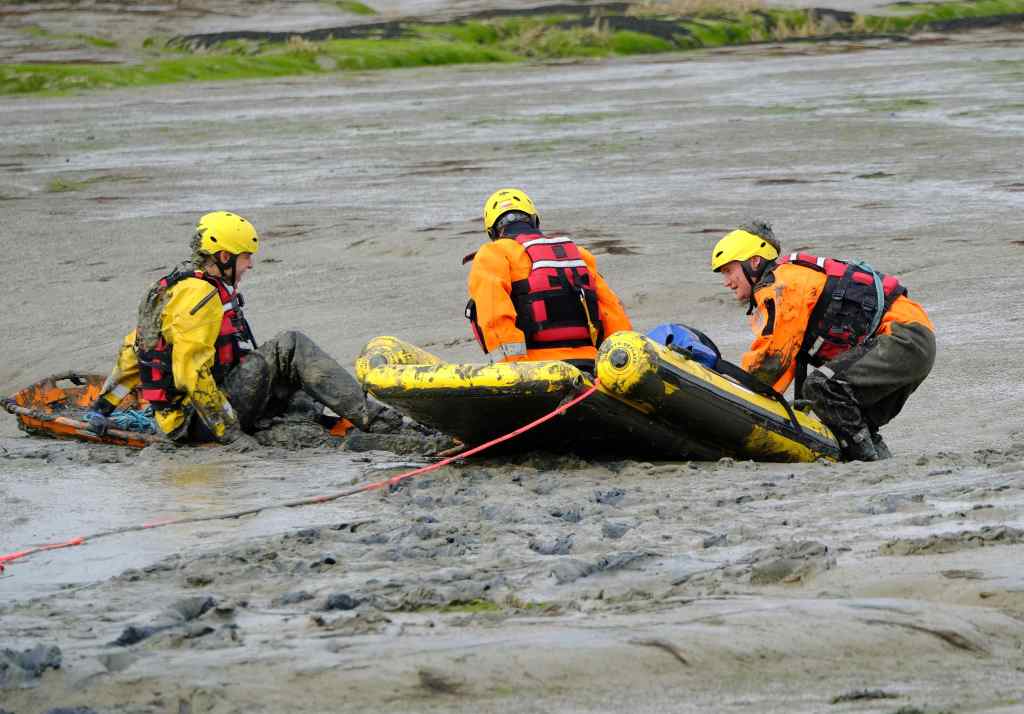
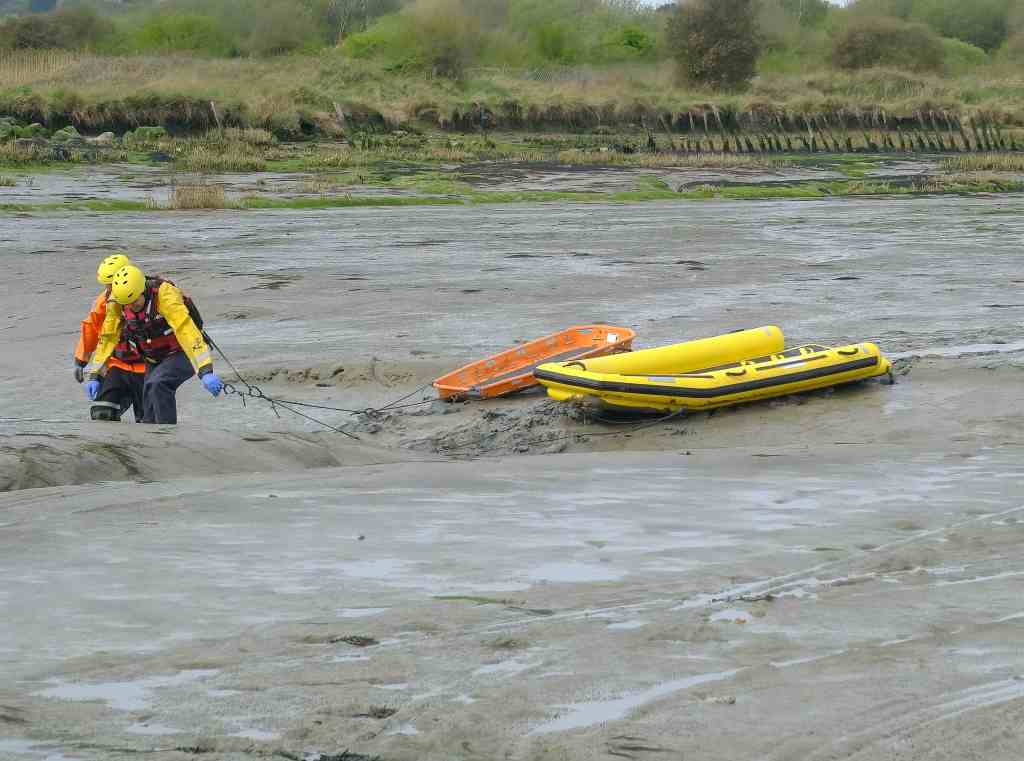
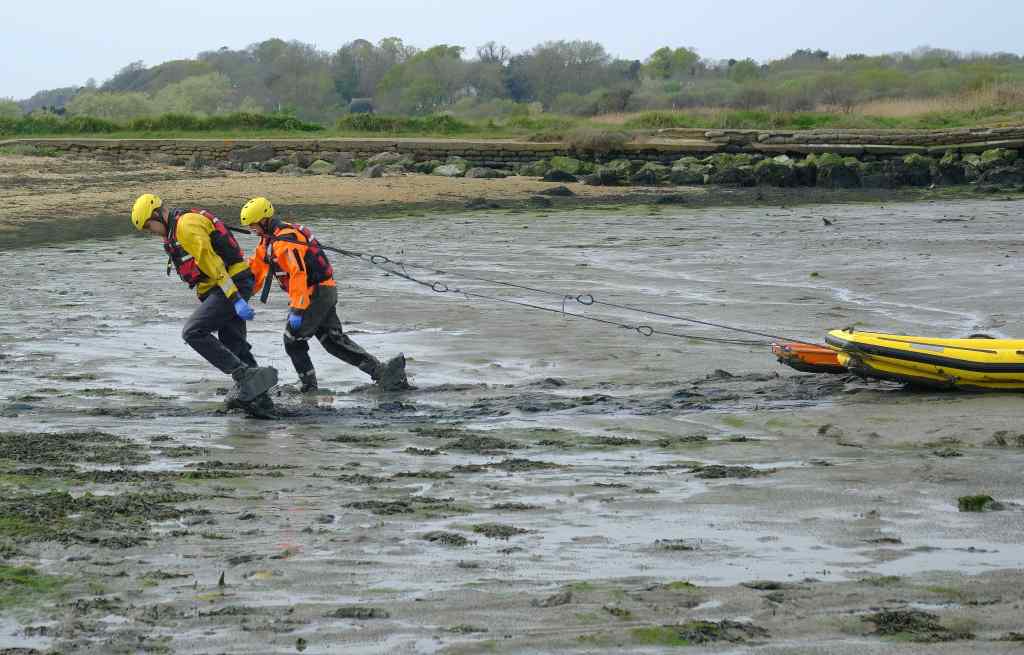
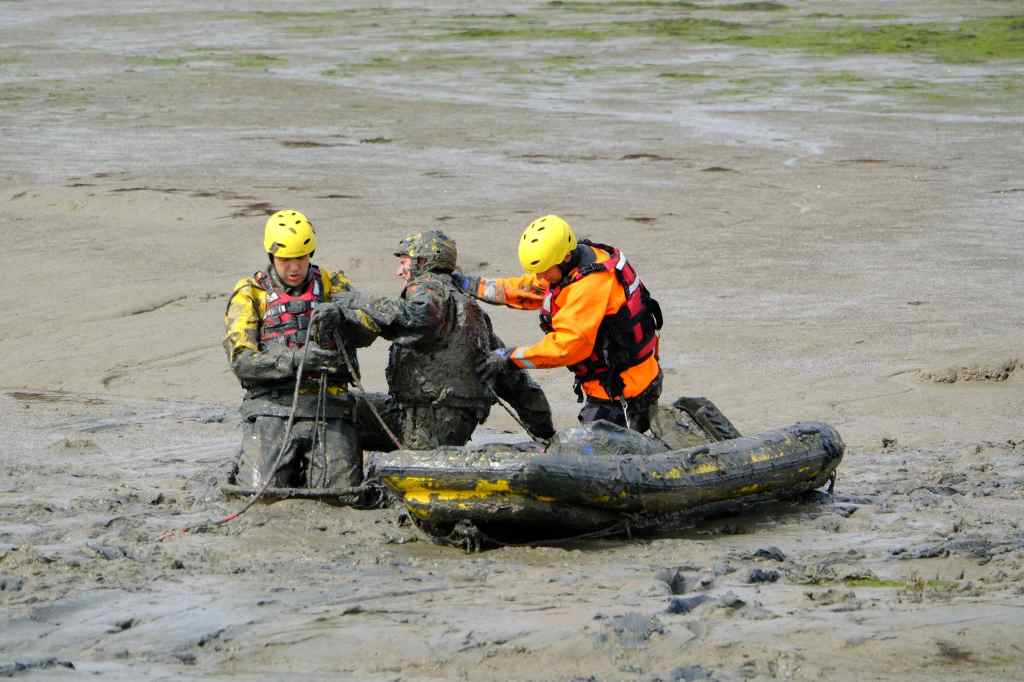
Hampshire Fire & Rescue mud rescue training on the mud flats at Calshot Point this morning. Mud rescues are undertaken by several agencies in the UK. Fire Service, The Coastguard and The RNLI.
We stumbled across this training exercise and took up a vantage point to watch.
Watching, it becomes evident how hard work walking through the mud is, with each step requiring immense effort as feet sink into the thick, slippery mud.
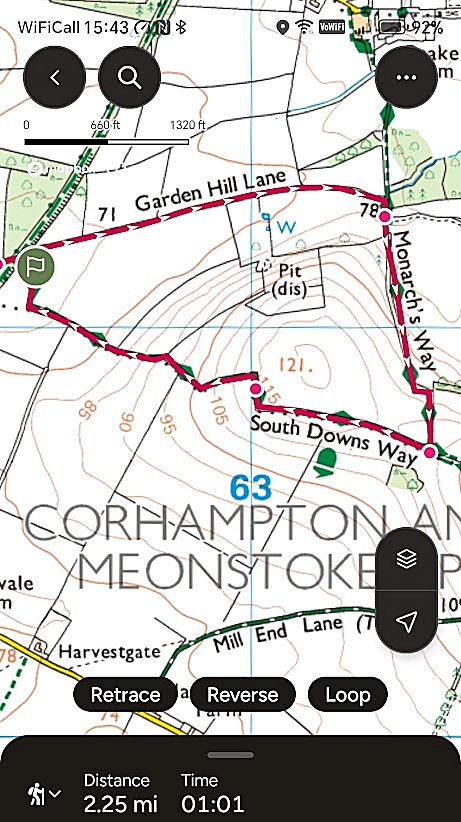
Another circular Sunday morning walk on the South Downs.
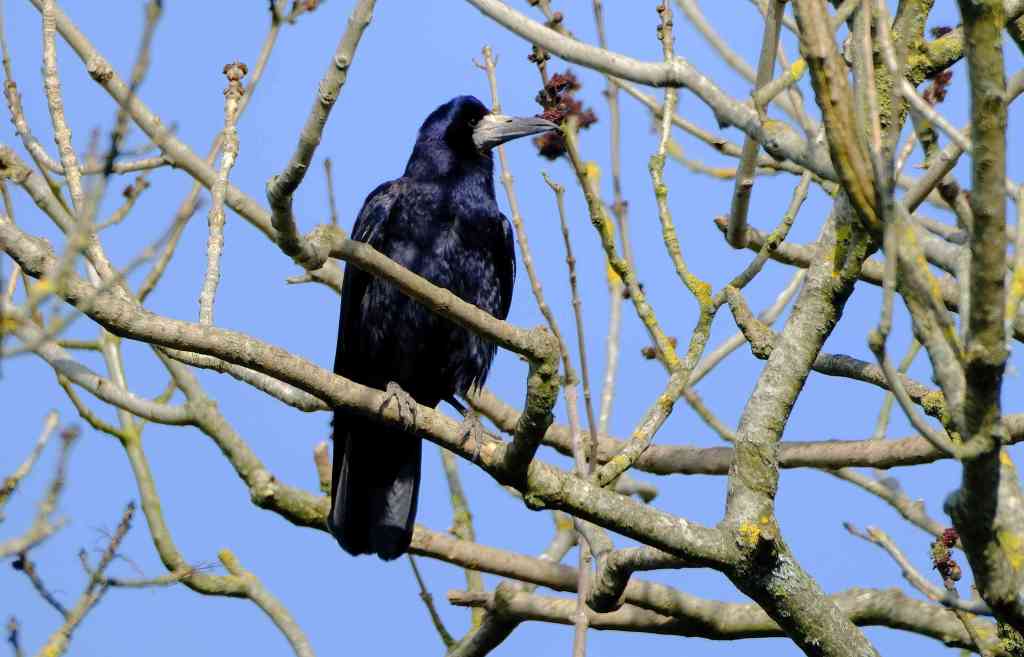
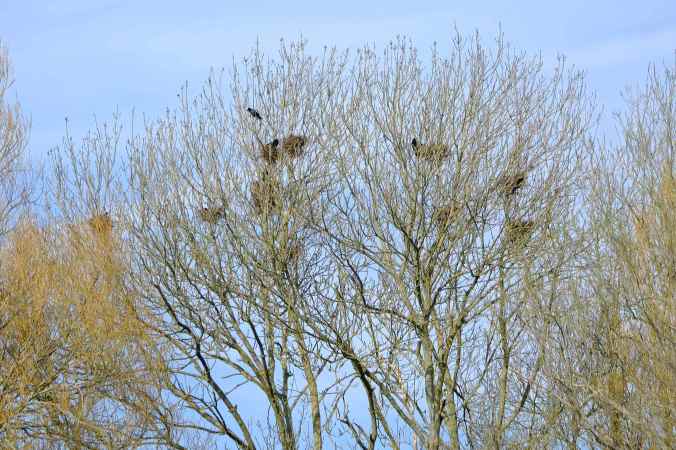
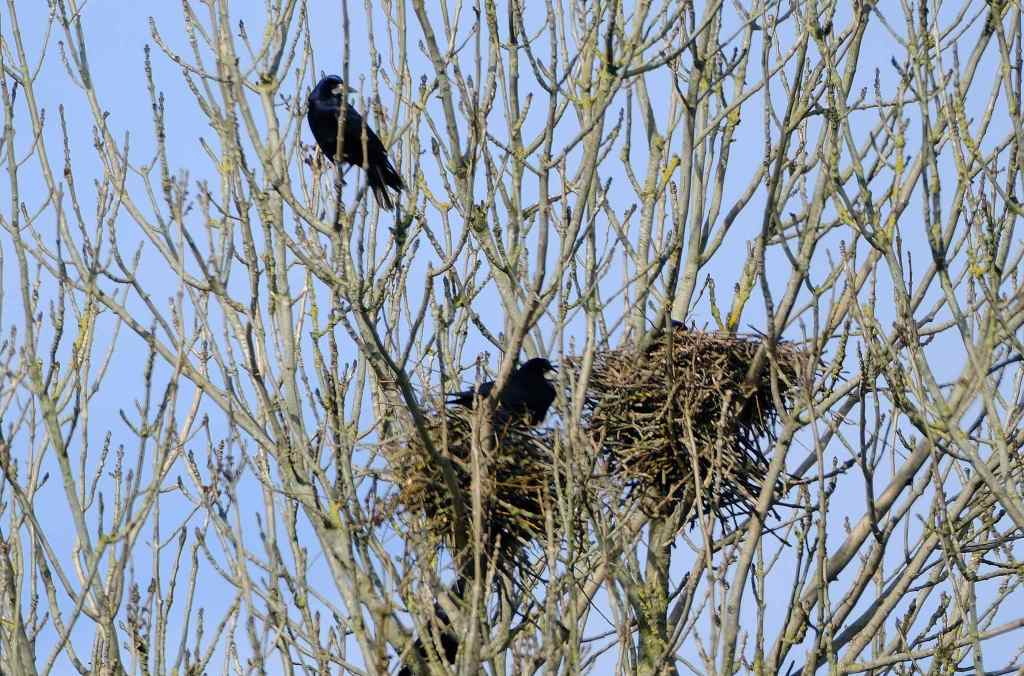
This time of year, Rooks are re-establishing their nest sites. Rookerys are known for high noise levels, territorial disputes, and intense activity during nesting season.
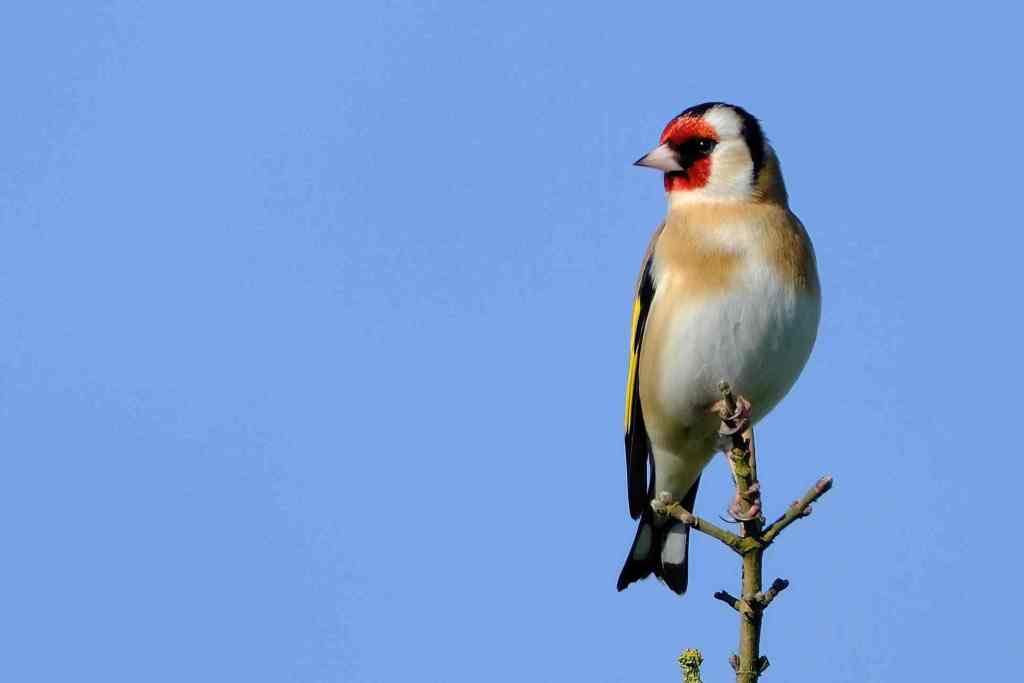
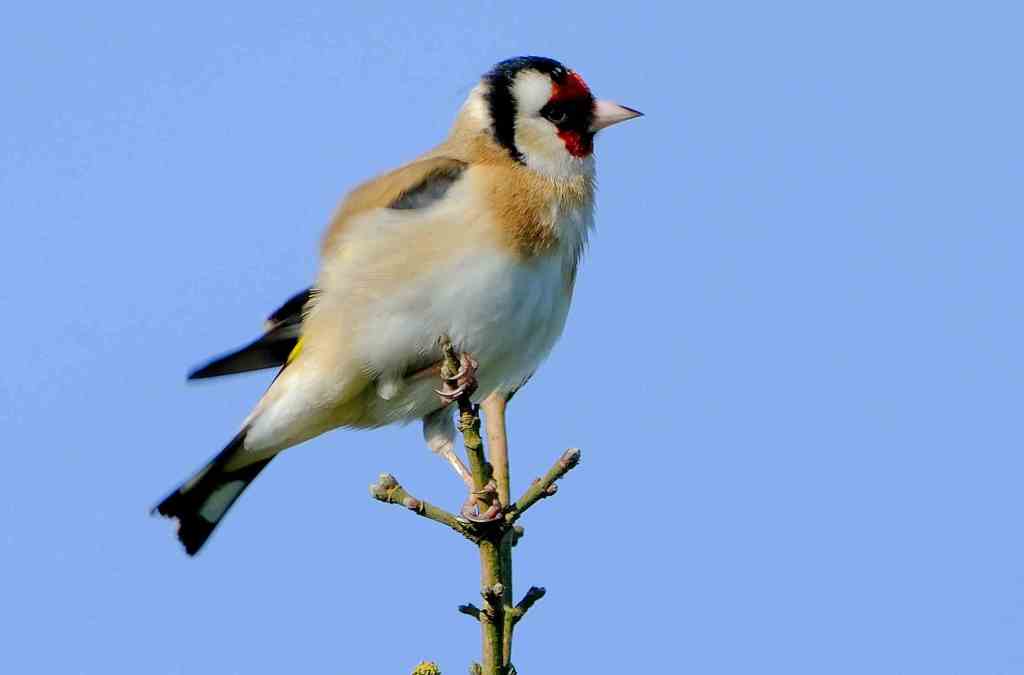
Goldfinch.
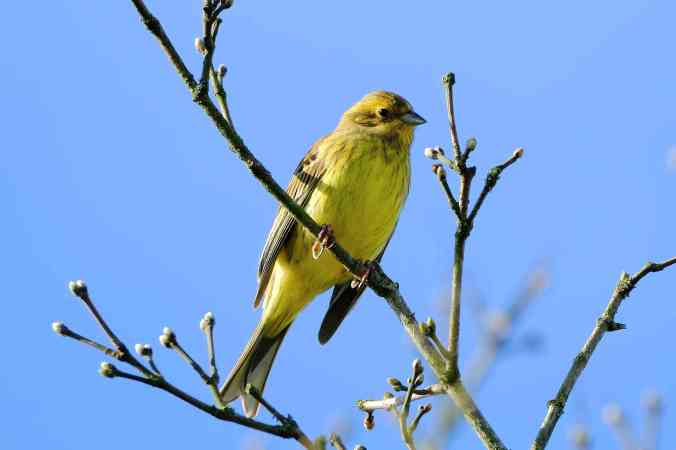
Yellowhamer.
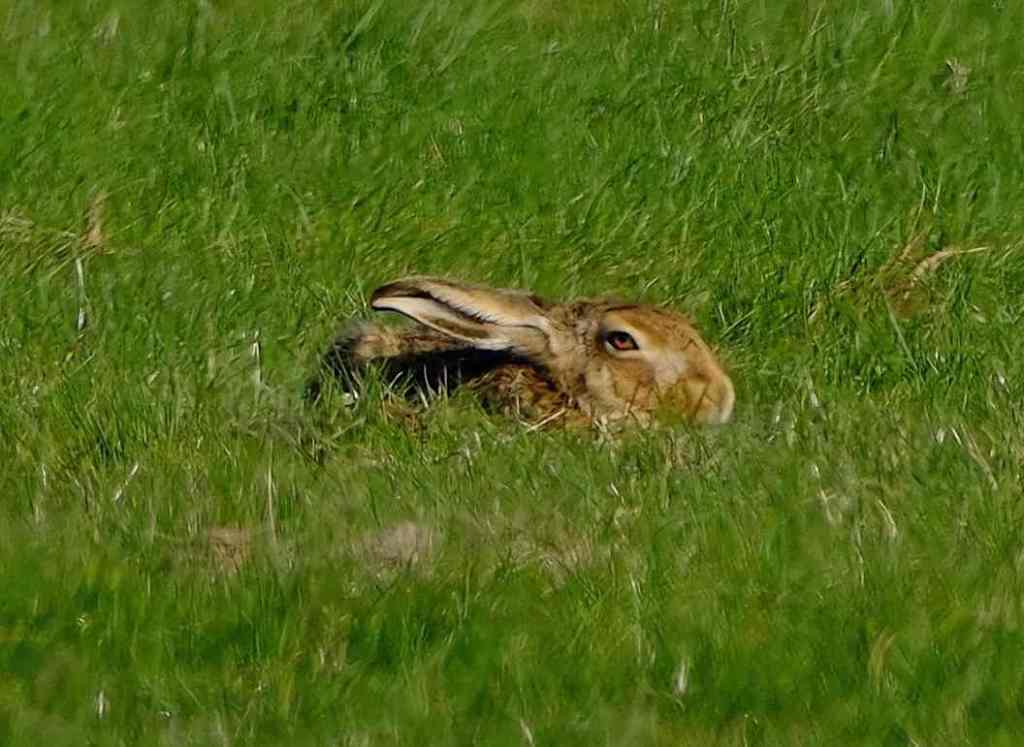
Brown Hare,
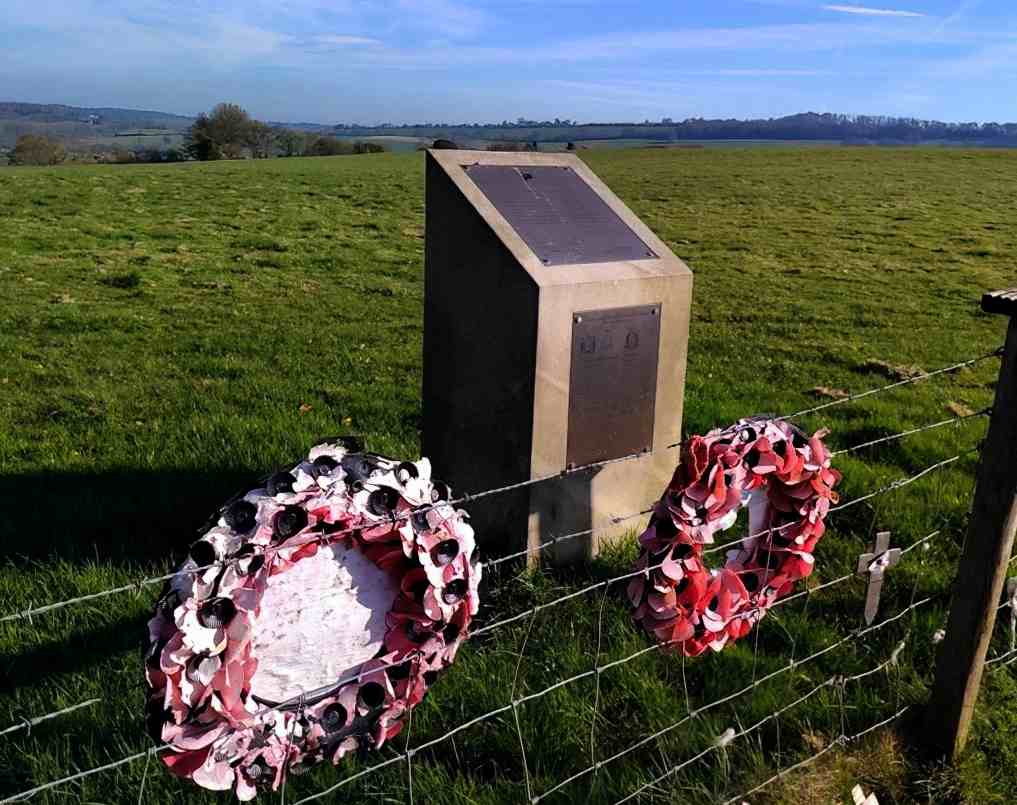
On the route, there is a memorial to a WW2 accident where 33 were tragically killed.
In early 1944, numerous training exercises were being undertaken in preparation for the Allied invasion of D-Day.
On the 4th April 1944, 1 HGSU, Horsa 1 glider, LG999 towed by Stirling IV LJ-842 of 196 Squadron took part in a large-scale glider exercise code-named ‘Exercise Dreme’.The night exercise of various legs was to take 3.5 hours, and the gliders were to be released over Brize Norton in Oxfordshire. The glider occupants were two glider pilots and members of No. 3 Platoon, ‘A’ Company, 7th (Airborne) Division, King’s Own Scottish Borderers.
Low cloud was reported in the Lewis area and on the leg from Lewis to Winchester. As the towing Stirling descended through the clouds, it hit a tree. The glider released immediately and crashed in Warnford. All 27 men on board the Horsa LG999 were killed. The Stirling flew on for another 15 minutes when it stalled, and crashed at 21:00 hours one-mile south-west of Romsey, some 18 miles from the site of the glider crash, and all six crew members were killed.
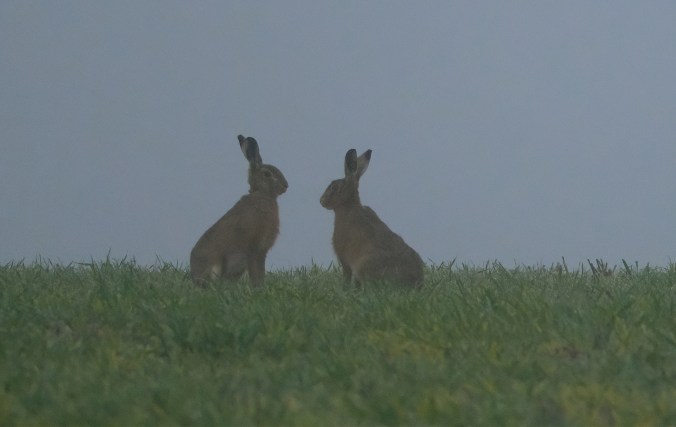
A misty Sunday walk on the South Downs. Hares were about, but some distance off.
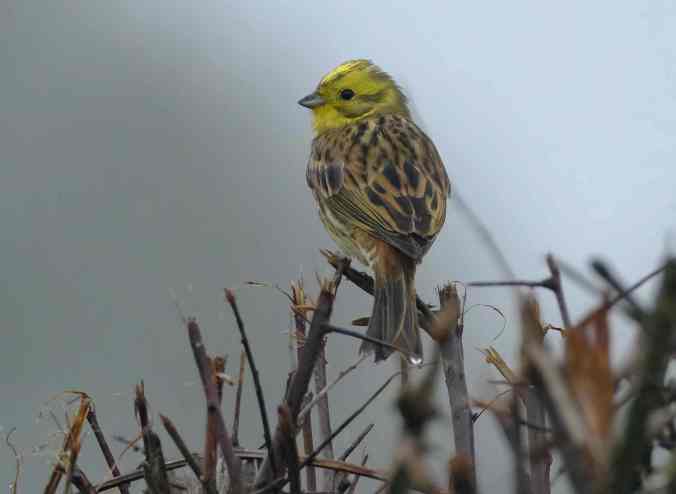
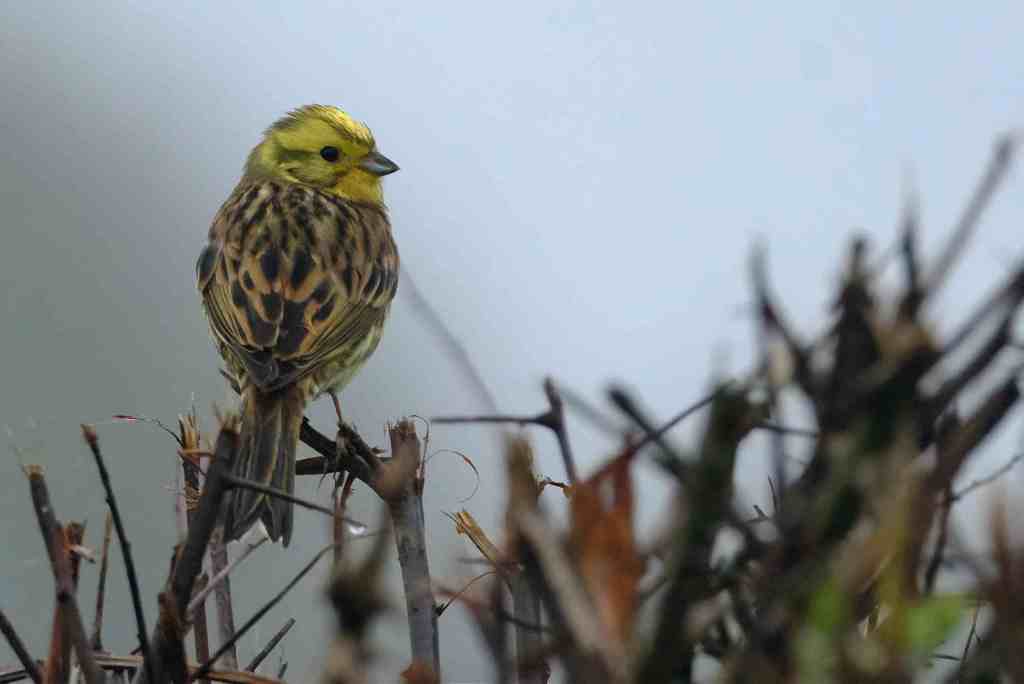
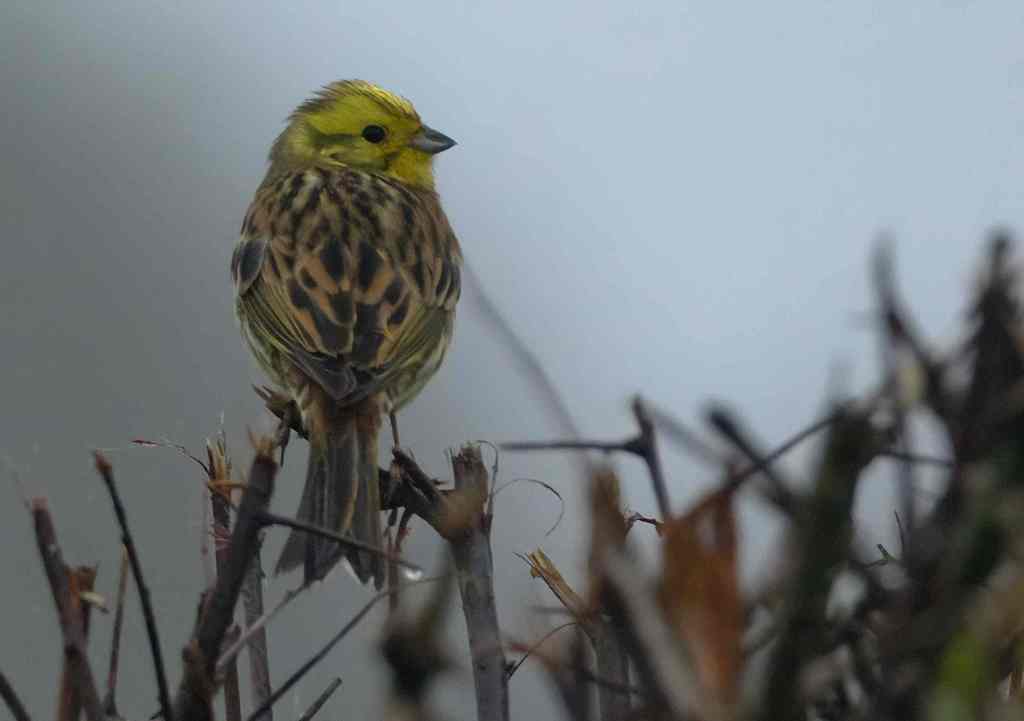
A splash of colour in the grey weather was brought by many Yellow Hammers.
The yellowhammer is a sparrow-sized bird, they are a member of the Bunting family. A bright yellow bird of woodland edges, hedgerows, heath and farmland feeding on seeds and invertebrates.
With the first blue sky for a couple of weeks, it was nice to take a walk and get some photos without grey skies.
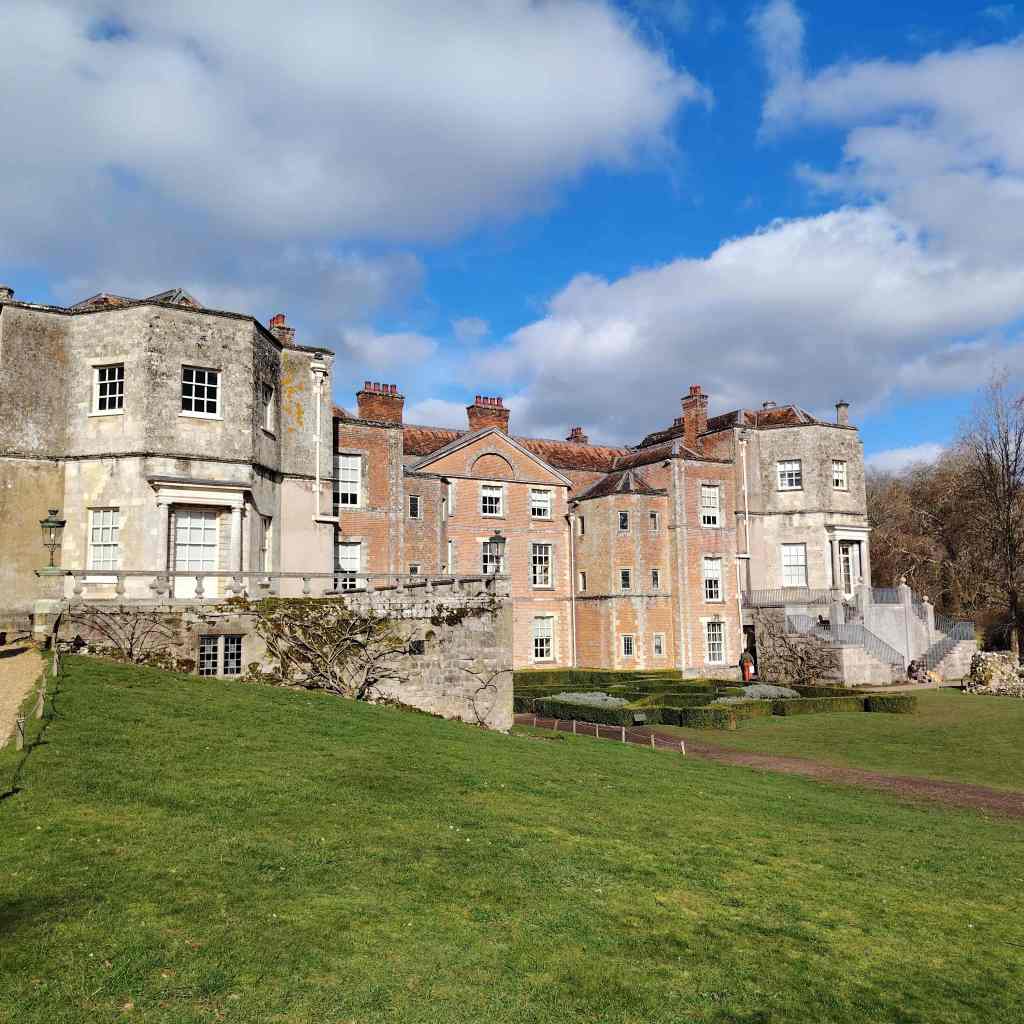
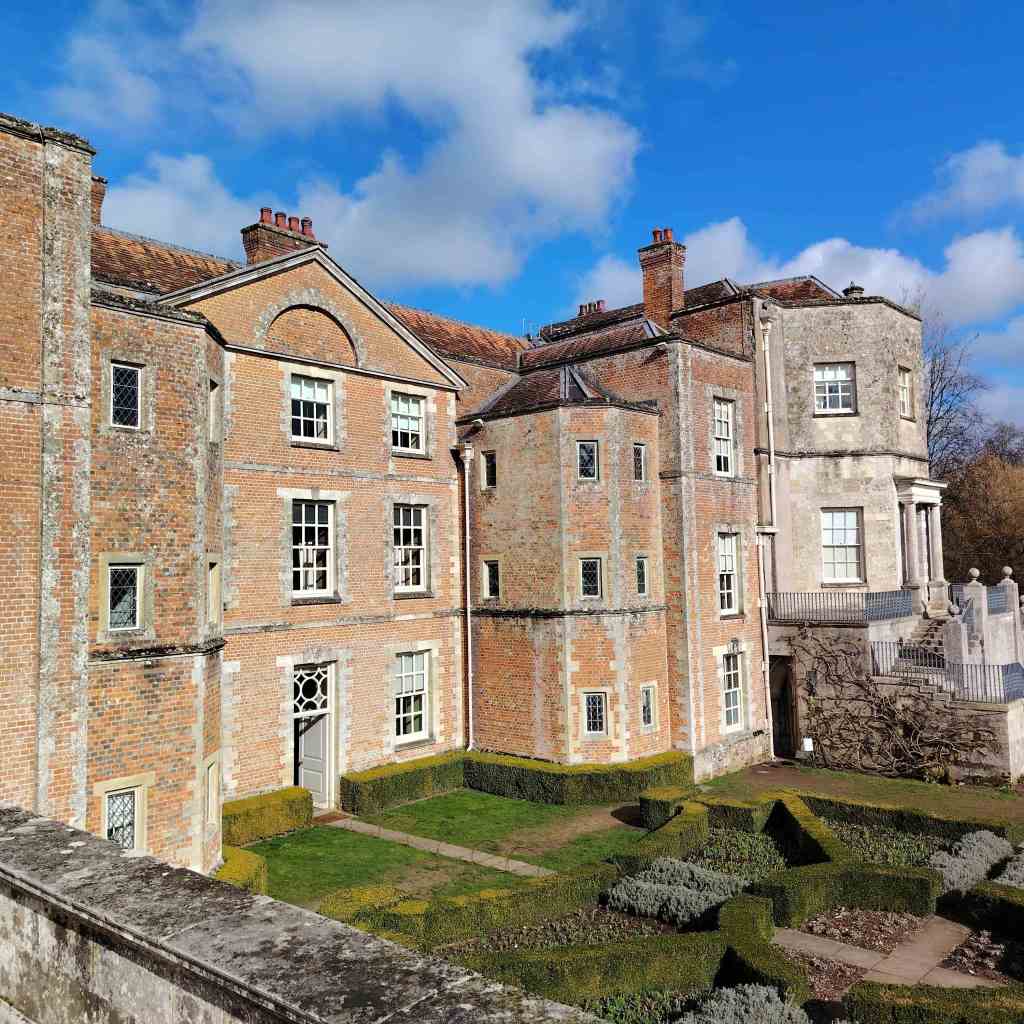
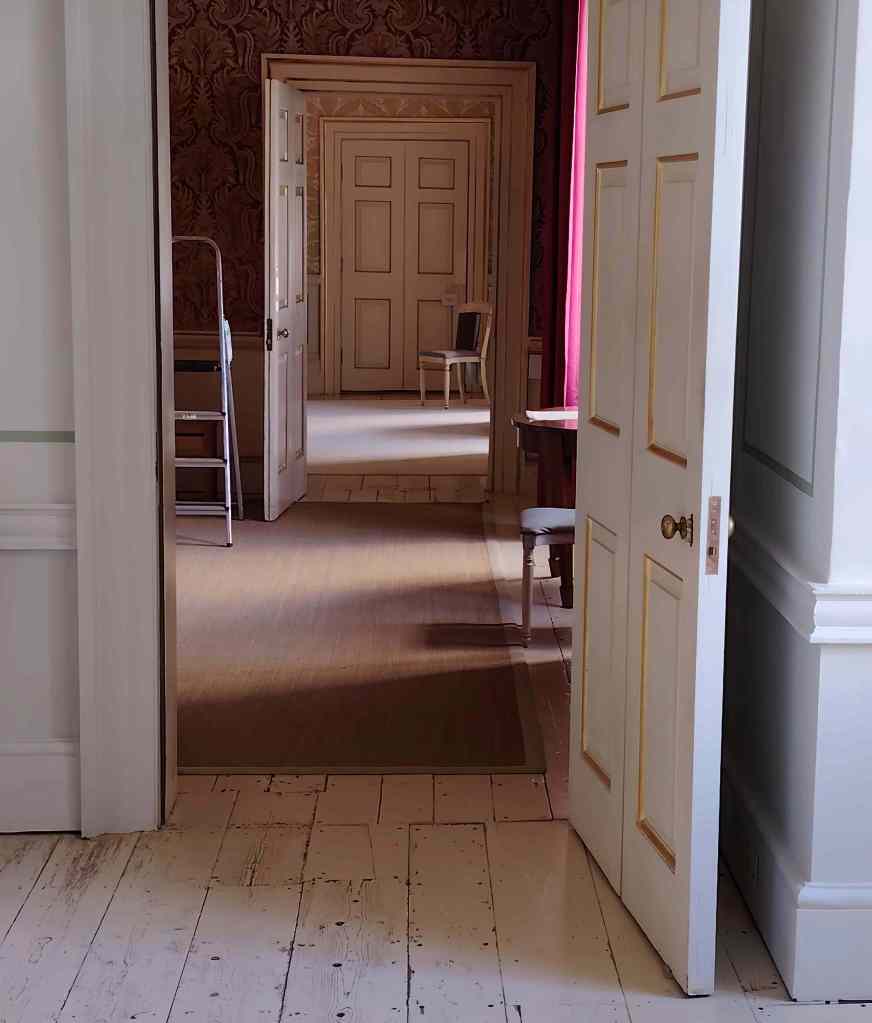
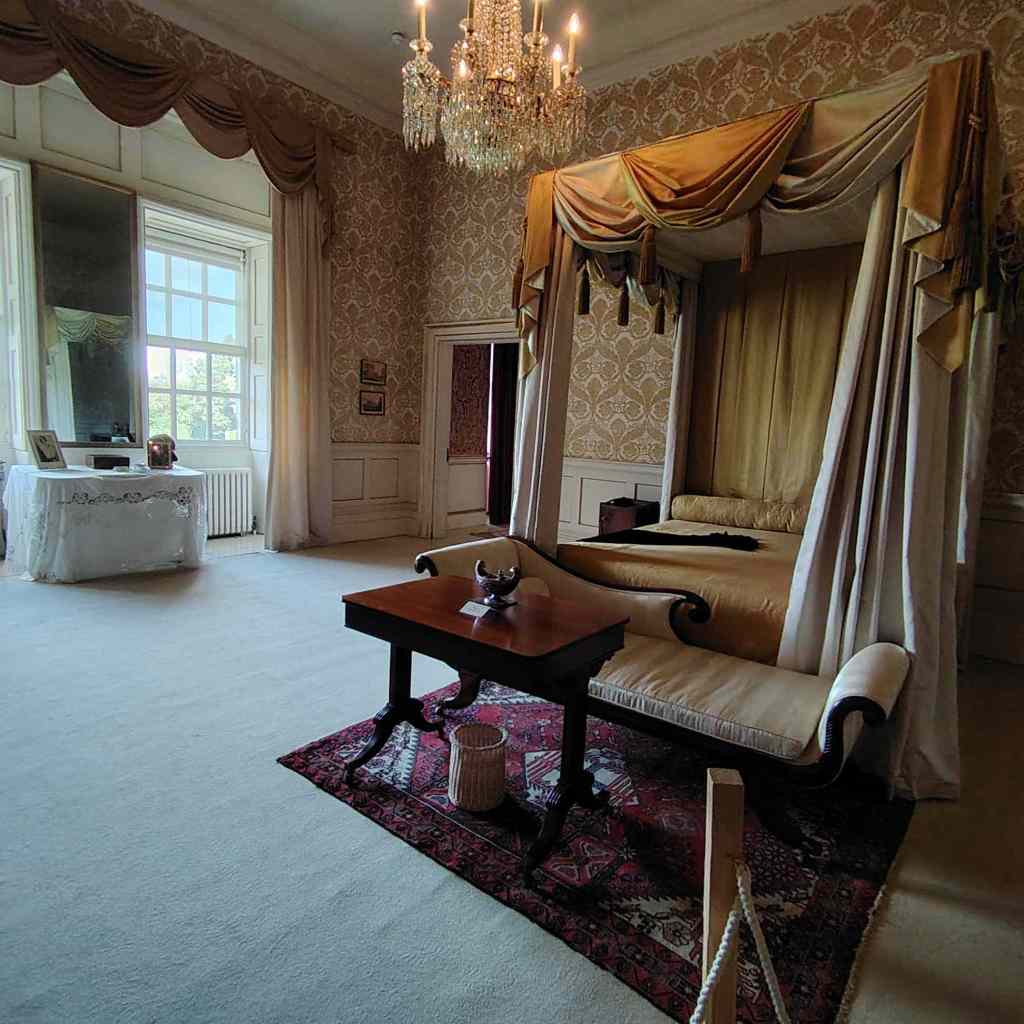
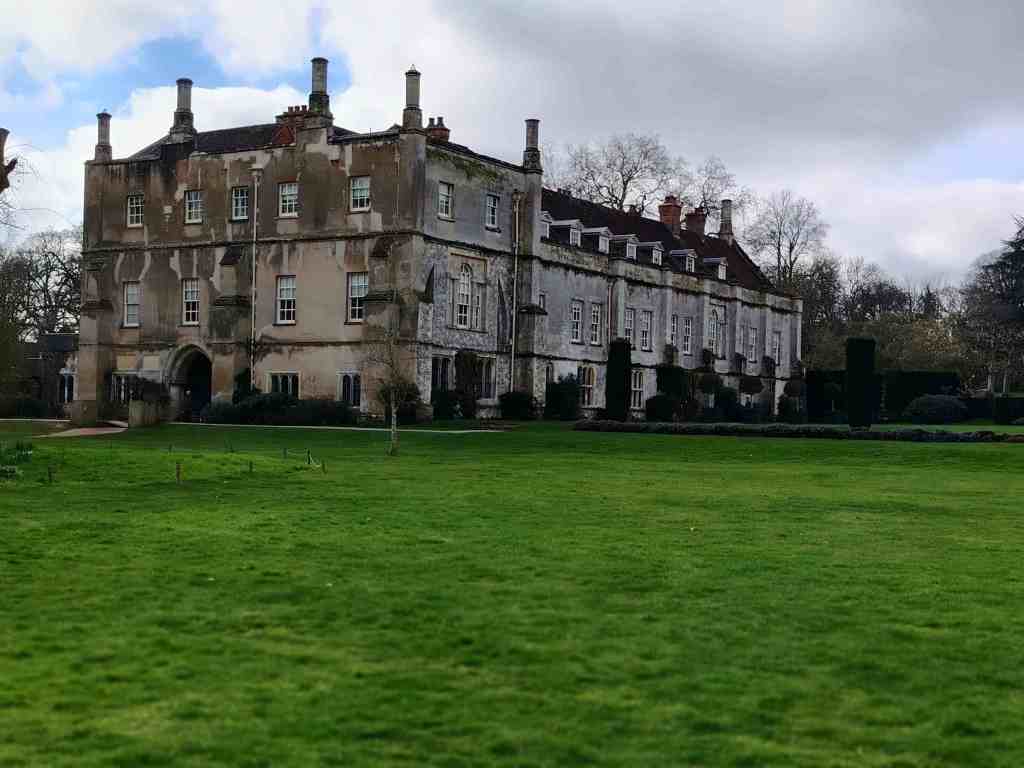
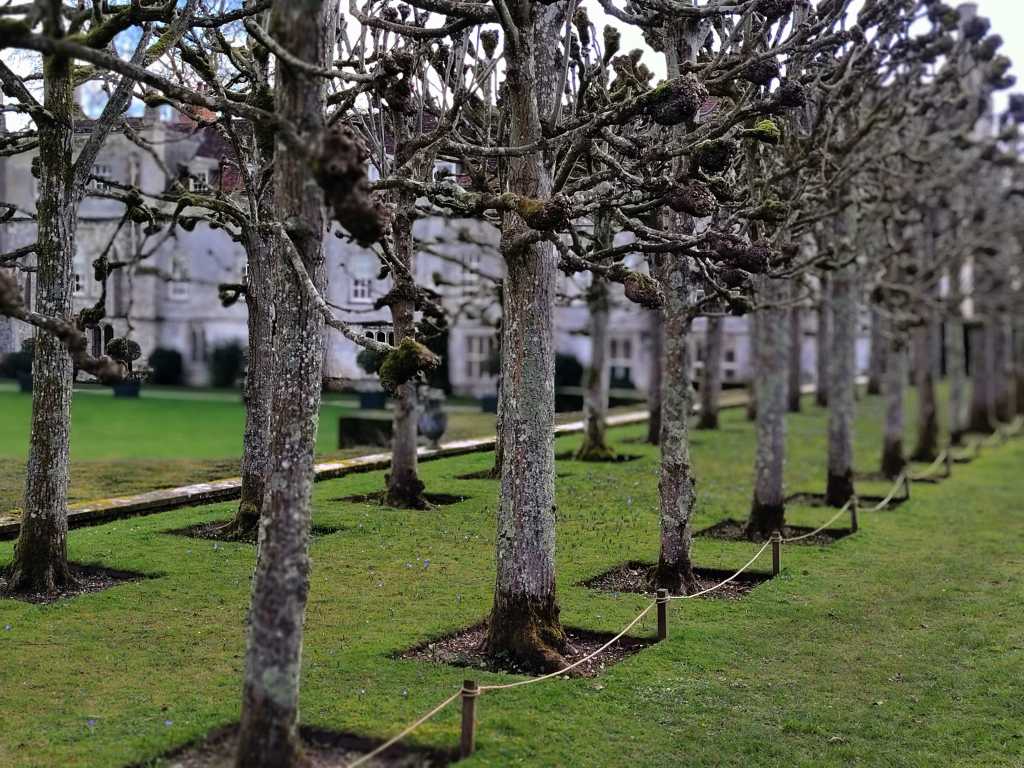
Mottisfont Abbey is a historical priory and country estate in Hampshire, now operated by the National Trust. The site features a historic house museum with changing art exhibitions, the abbey has a rich history that dates back to the 12th century, initially founded as a house for Augustinian canons. Over the centuries, it has transitioned from a monastic building to a country house, particularly during the 18th century when it was remodelled in the Gothic Revival style. The abbey is now recognised not only for its architecture but also for its beautiful gardens, which showcase a collection of old and rare roses, drawing visitors from around the world to experience its tranquil beauty and historical significance.
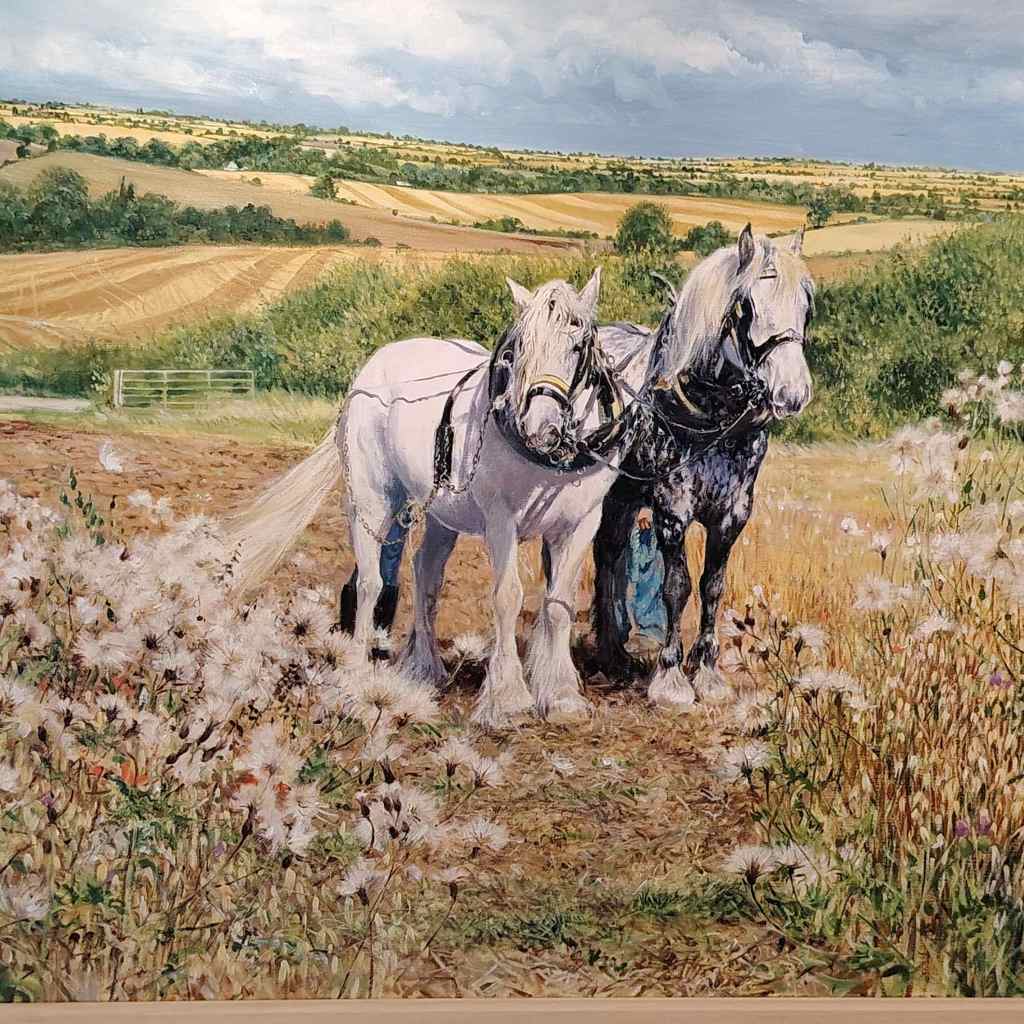
Two paintings from the current Town and Country: A Journey Through the Seasons are part of the current art exhibition at Mottisfont. These two were my favourites.