Frozen pond in the New Forest.


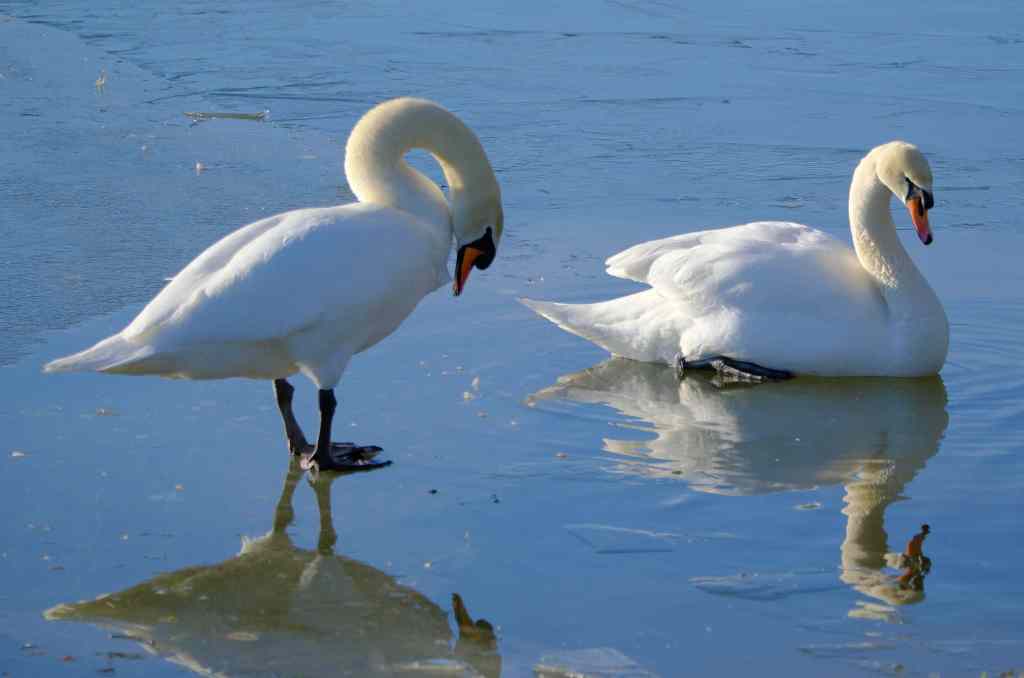

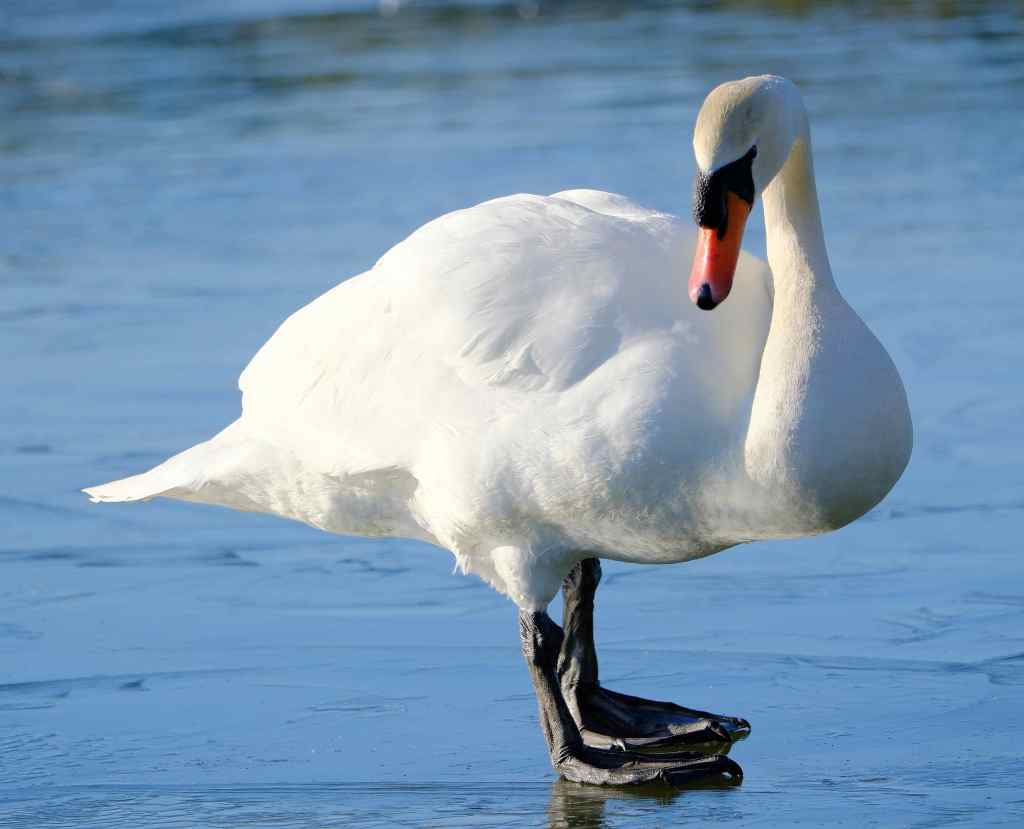
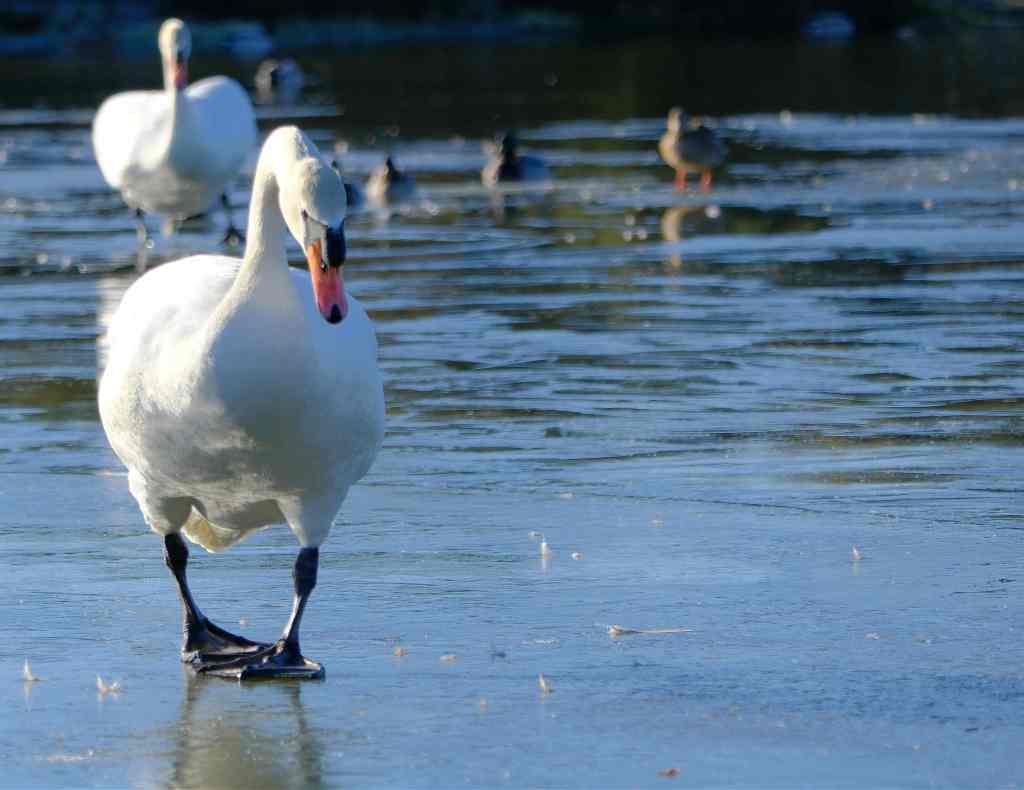

Frozen pond in the New Forest.
Well, we did not go far today a couple of hours into the City. Not for the shops but for a walk around one of Southampton Parks.
Berlin Express leaving the container port. Wishing her a safe trouble free trip. This German-flagged containership is heading for Algeciras in Spain.


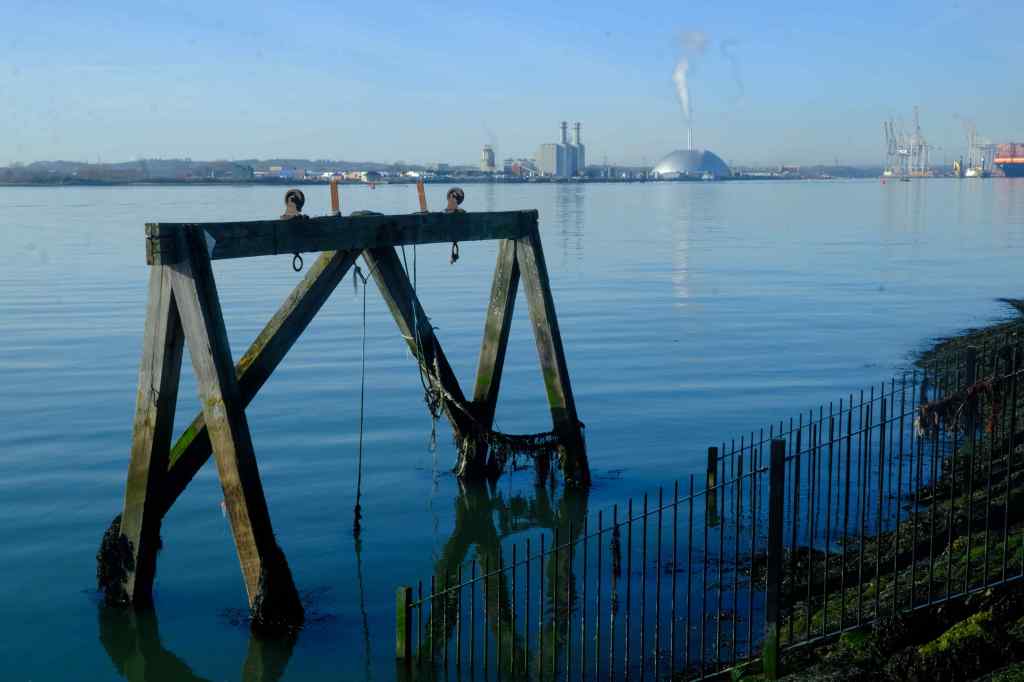
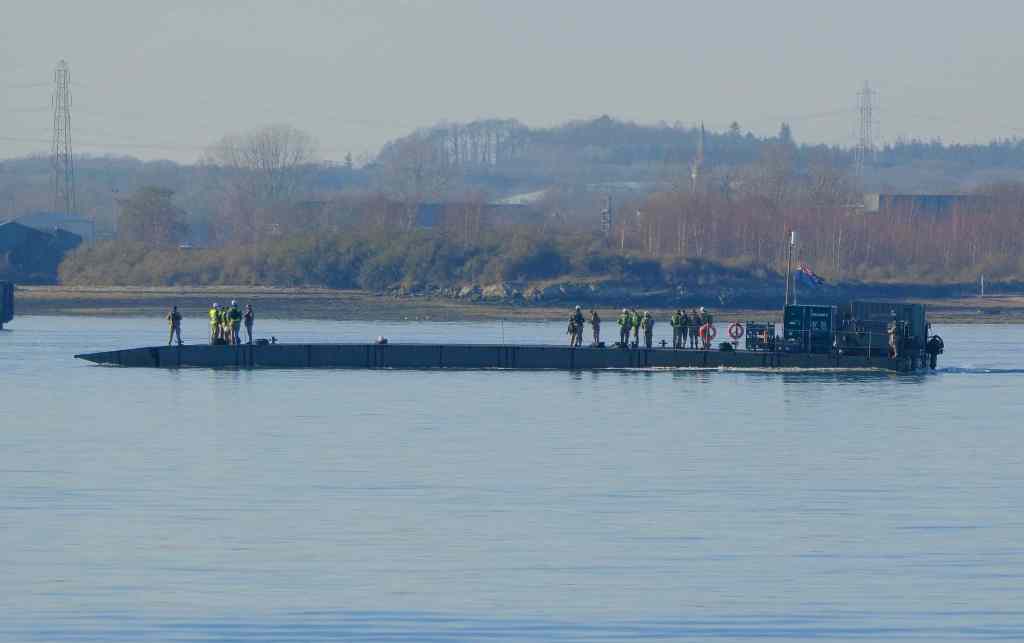
Some views of Southampton Water from Mayflower Park.

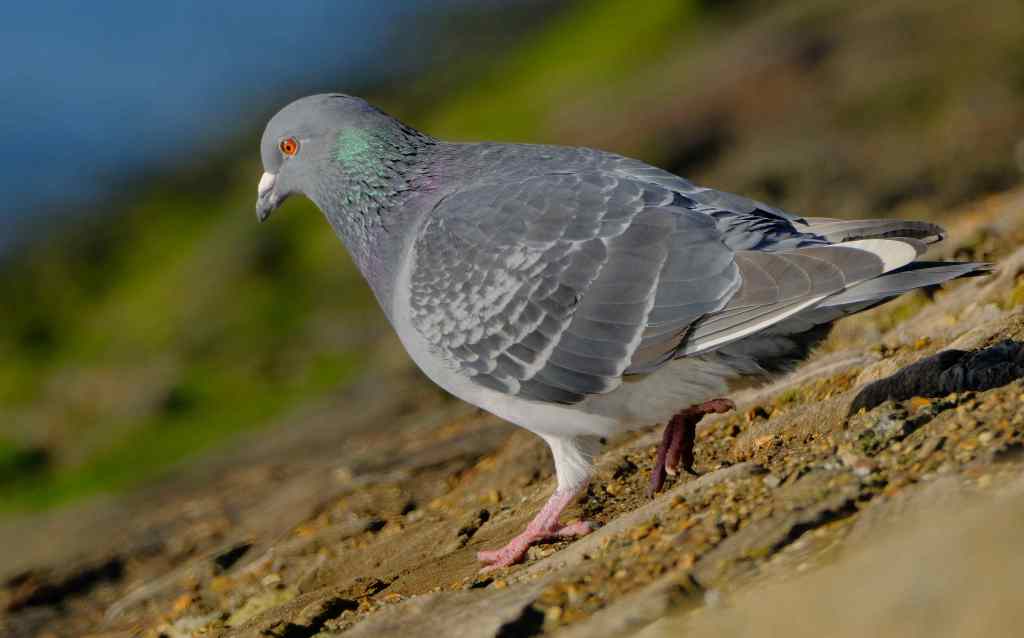
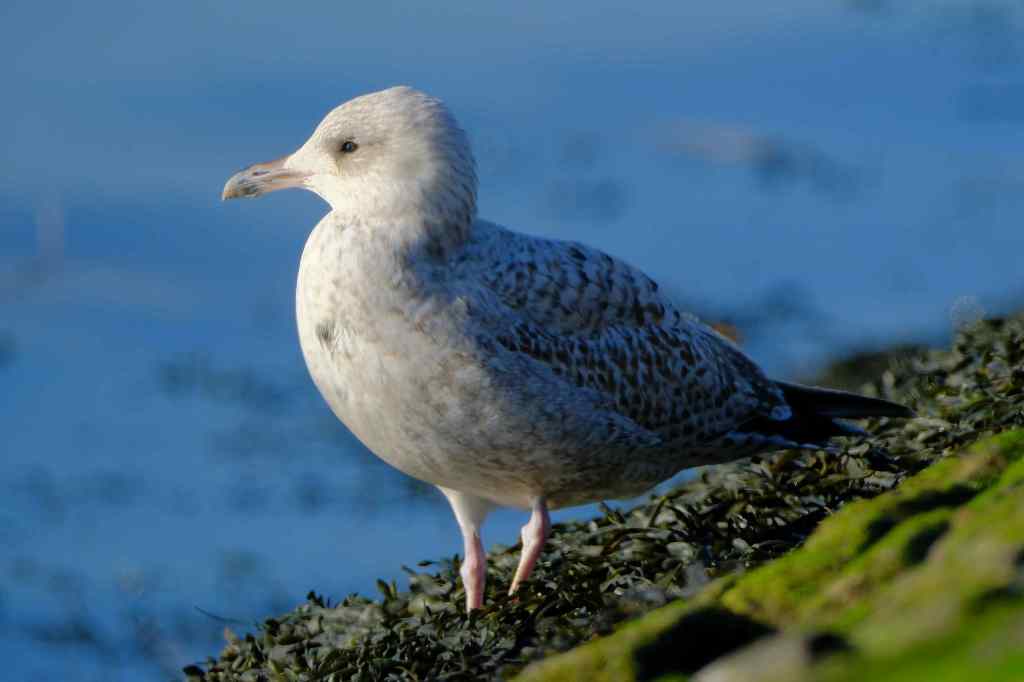
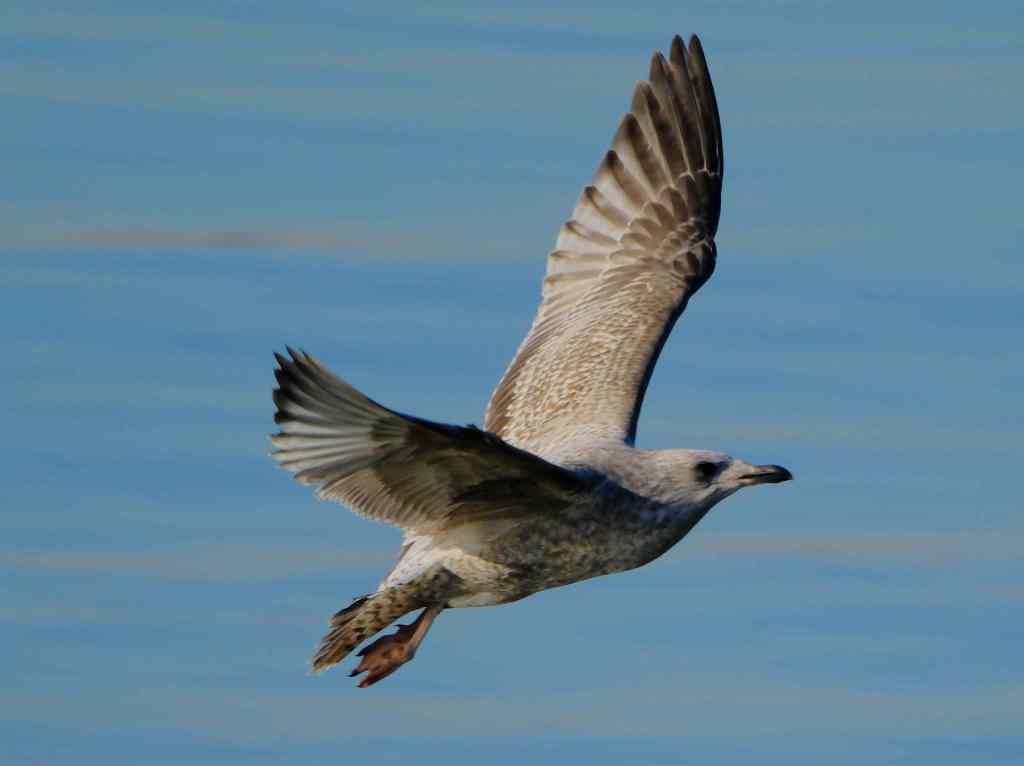
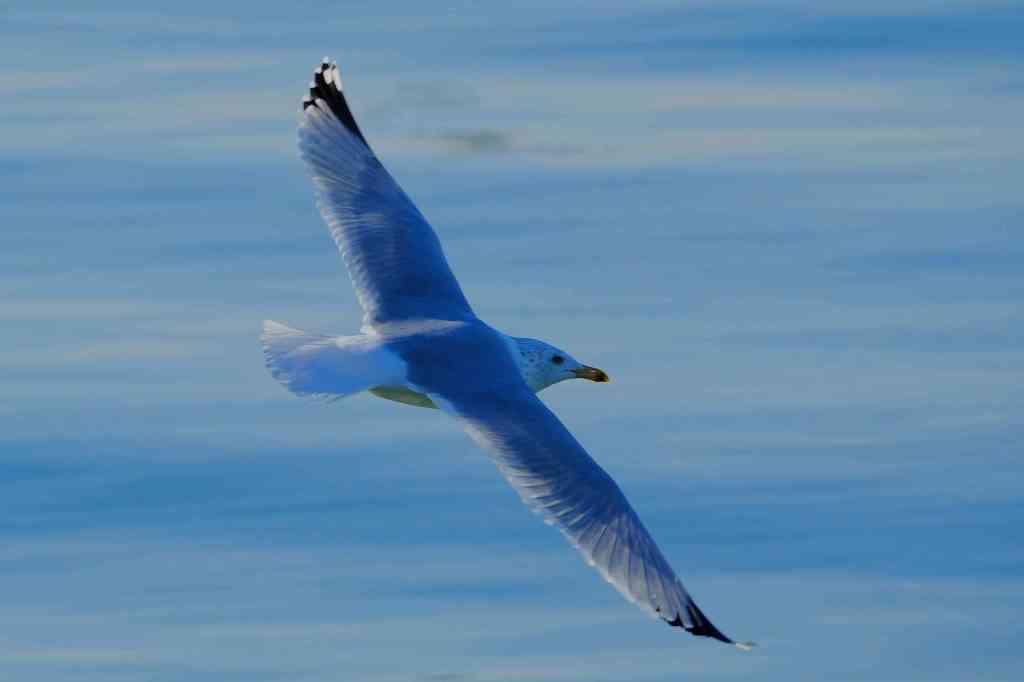
City Birdlife.


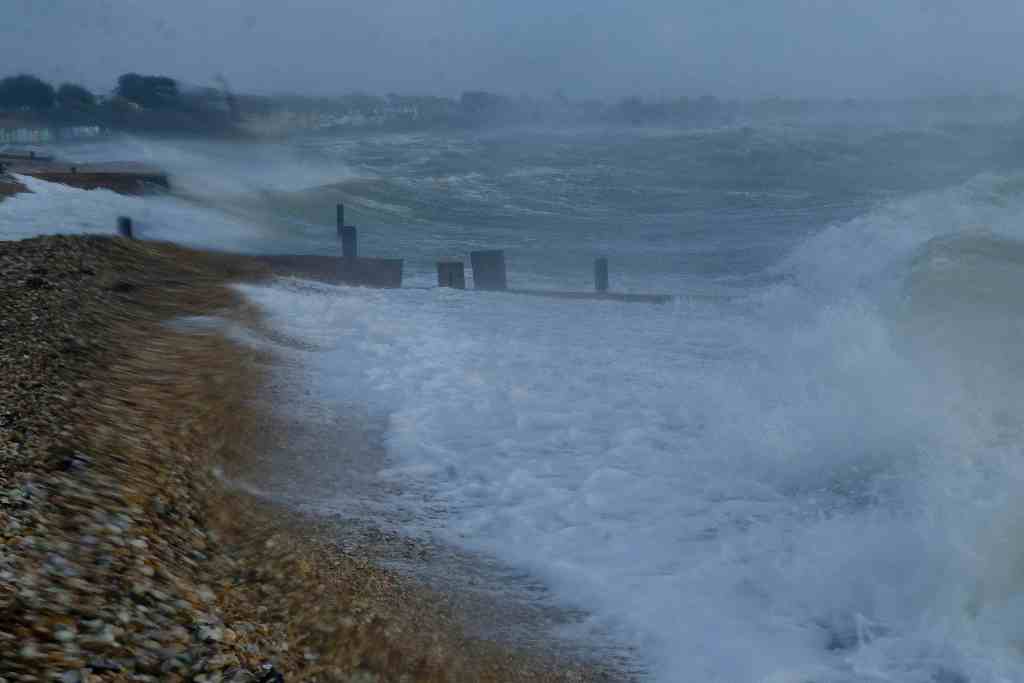
The edge of Storm Henk gives us a bashing, along the Solent Coast.
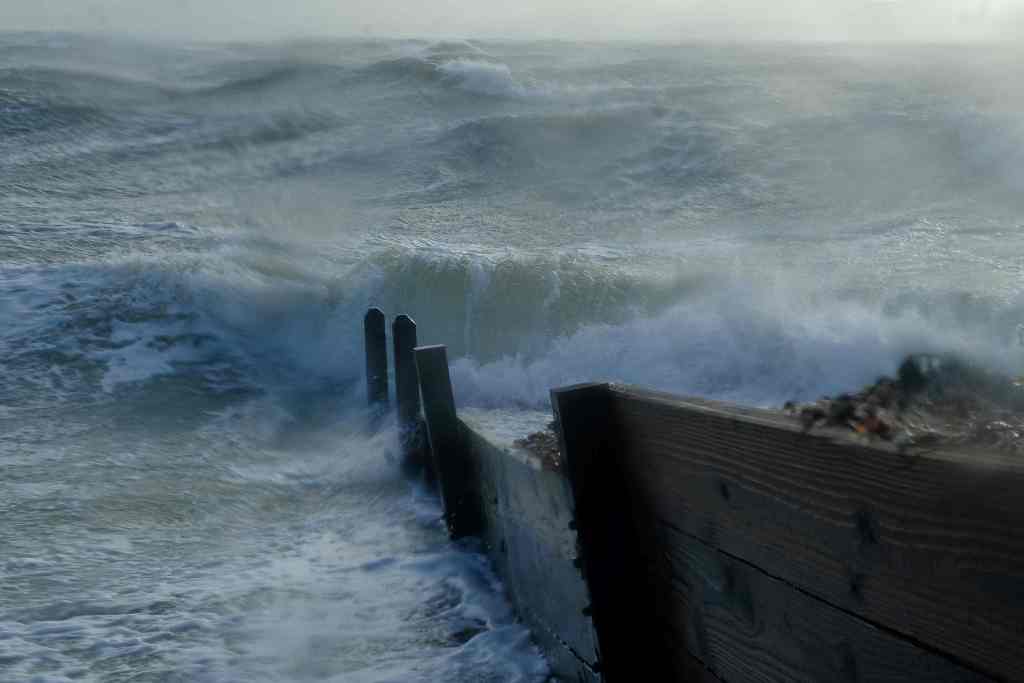
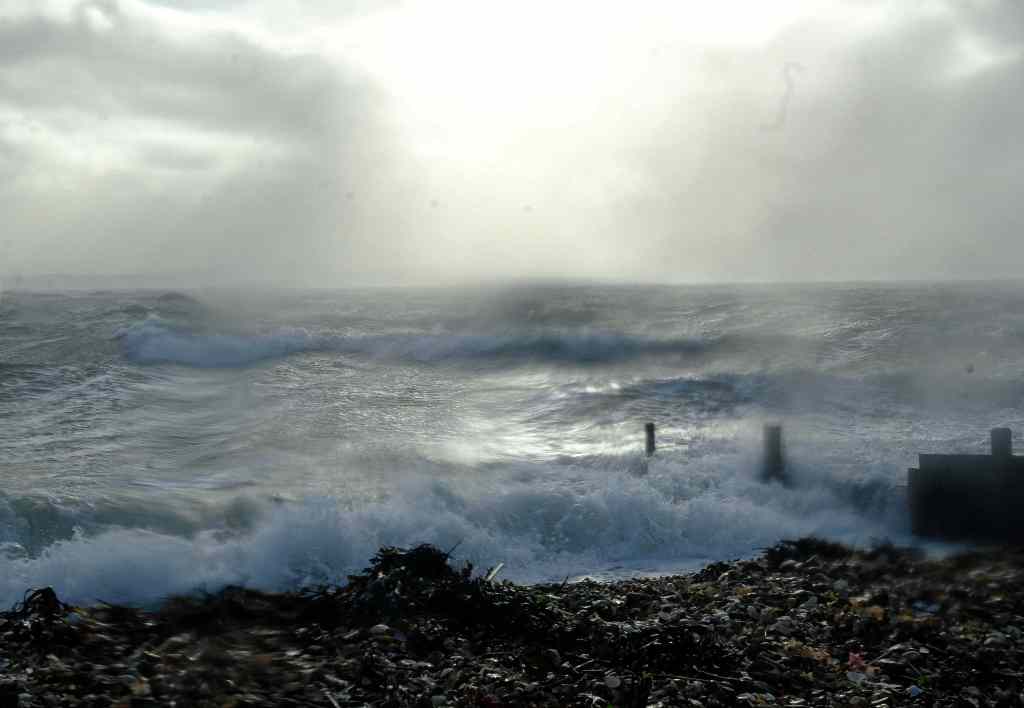
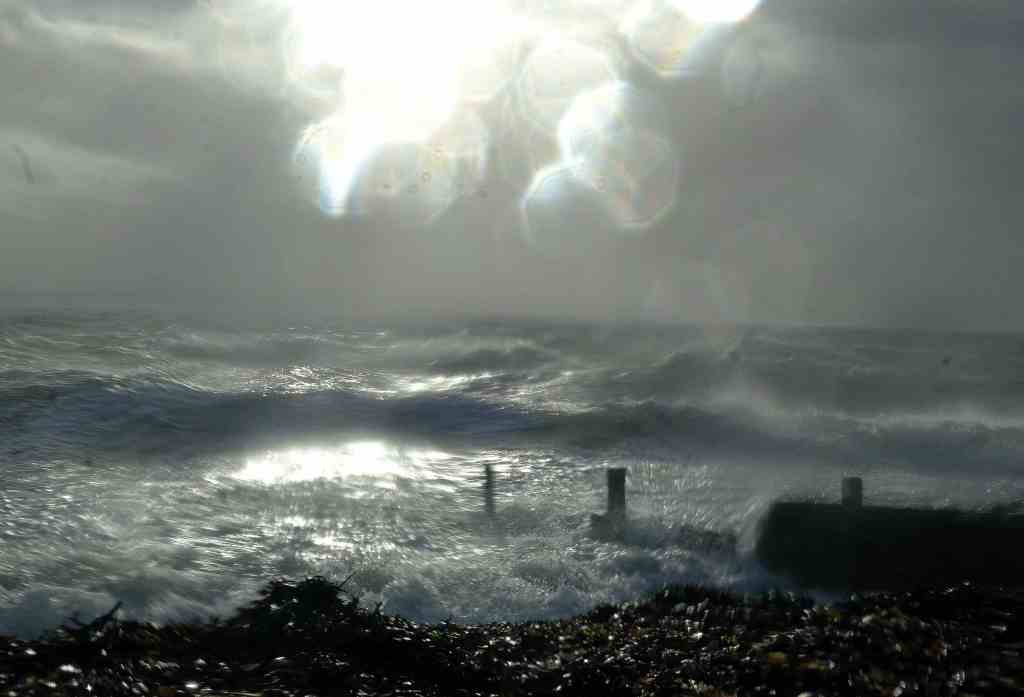
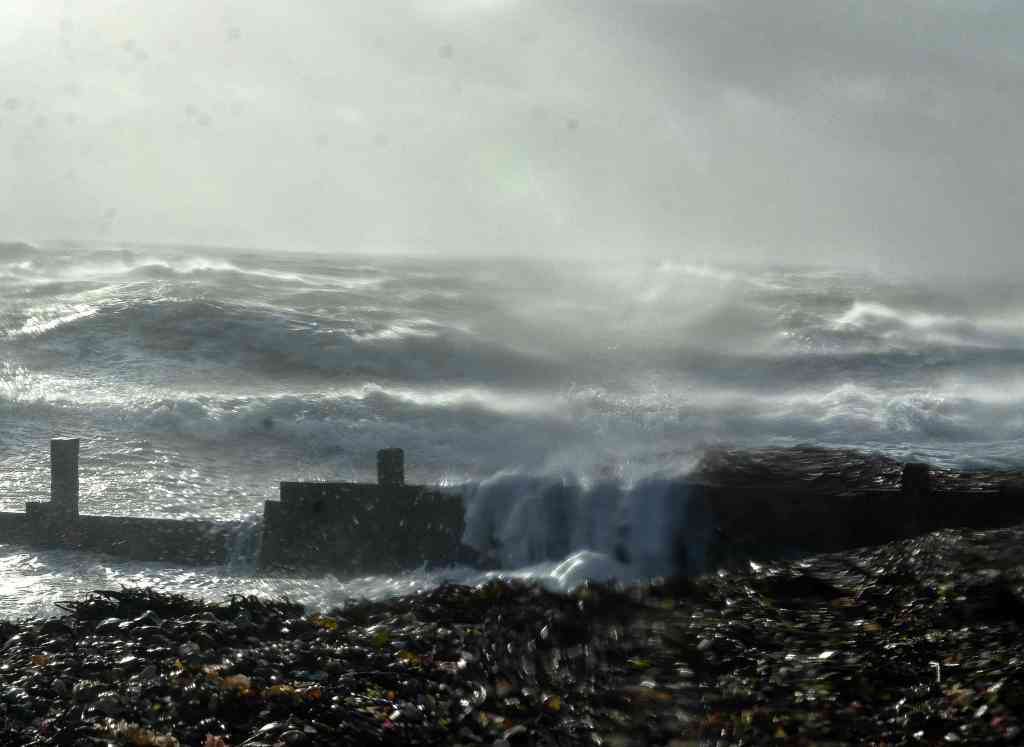
Another storm touched landfall this morning Storm “Gerrit” hit Meon Shore off Titchfield Haven at about 10.30 this morning. Sanderlings struggle with a very high tide simultaneously as the storm force wind.
Photography in extreme conditions!
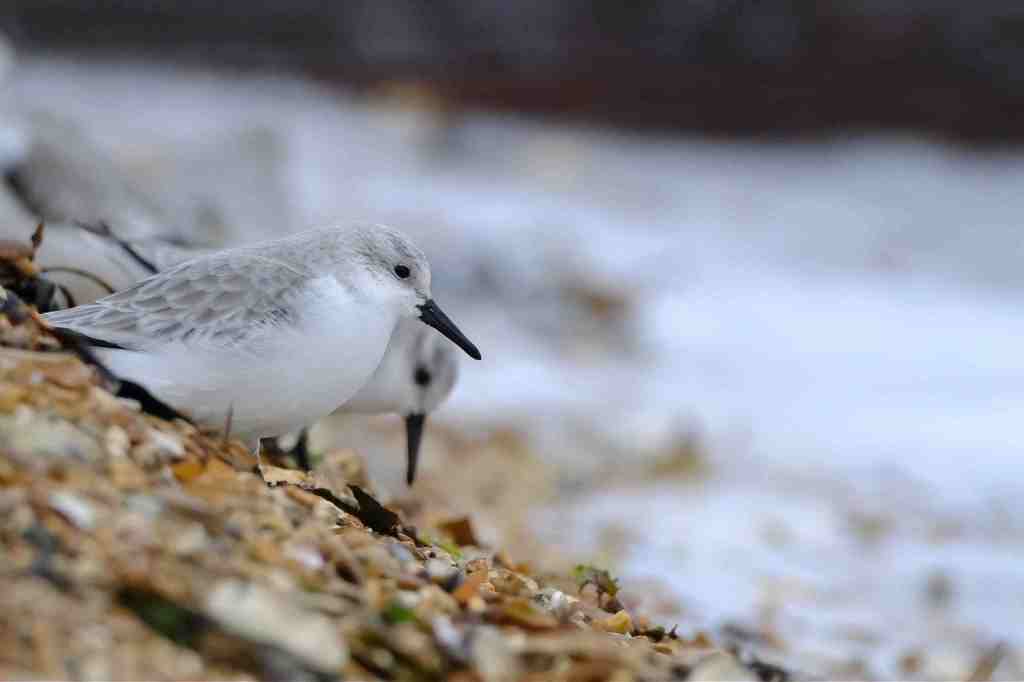


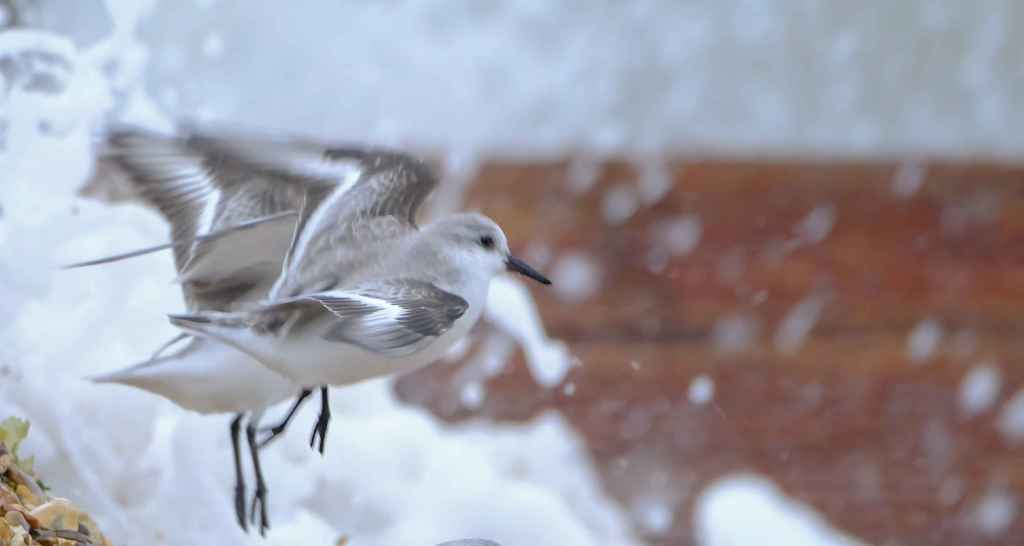
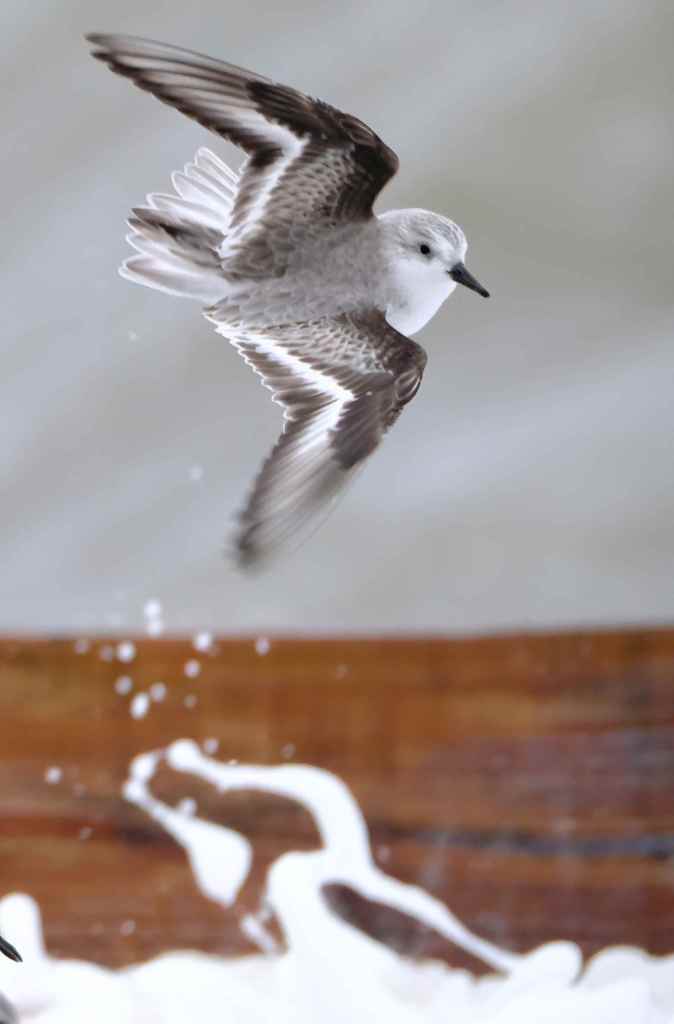

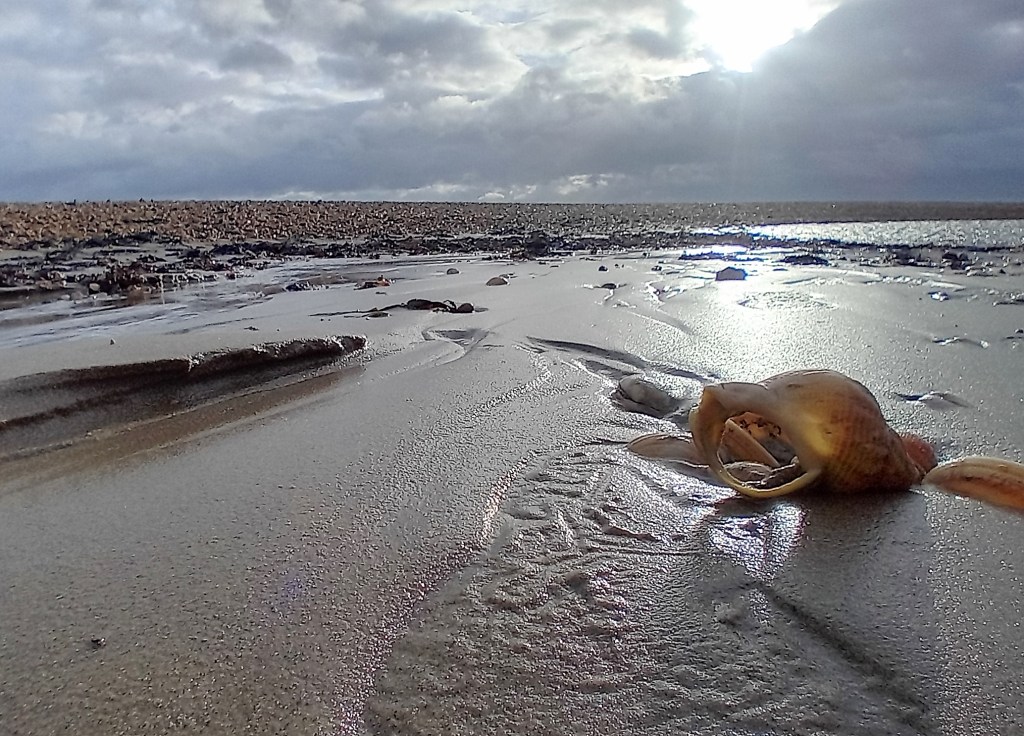
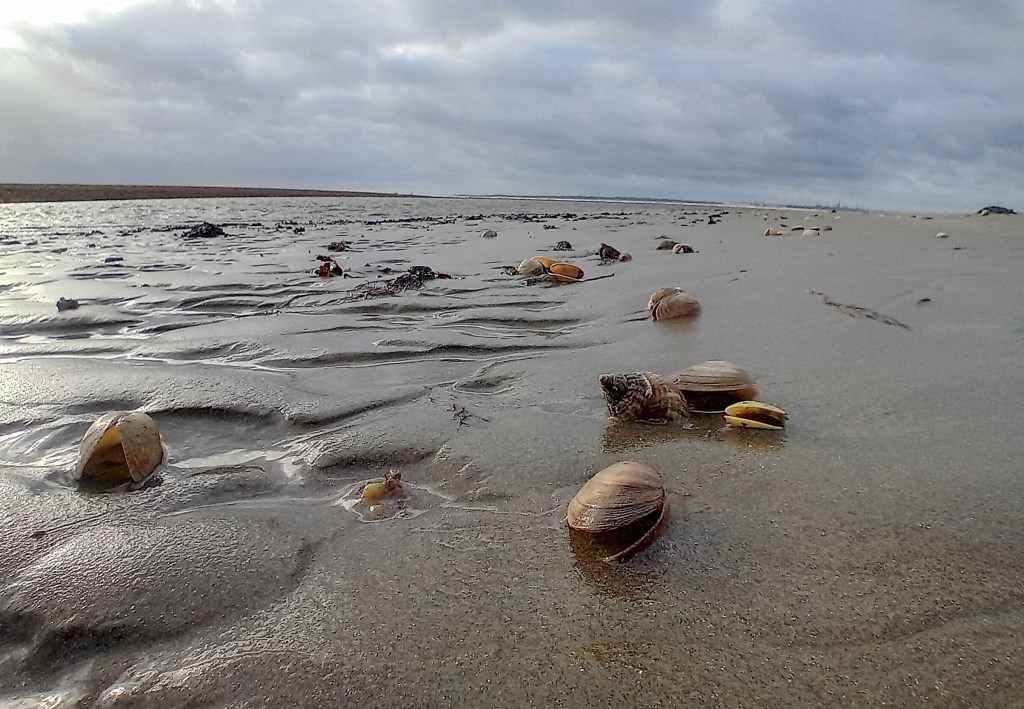
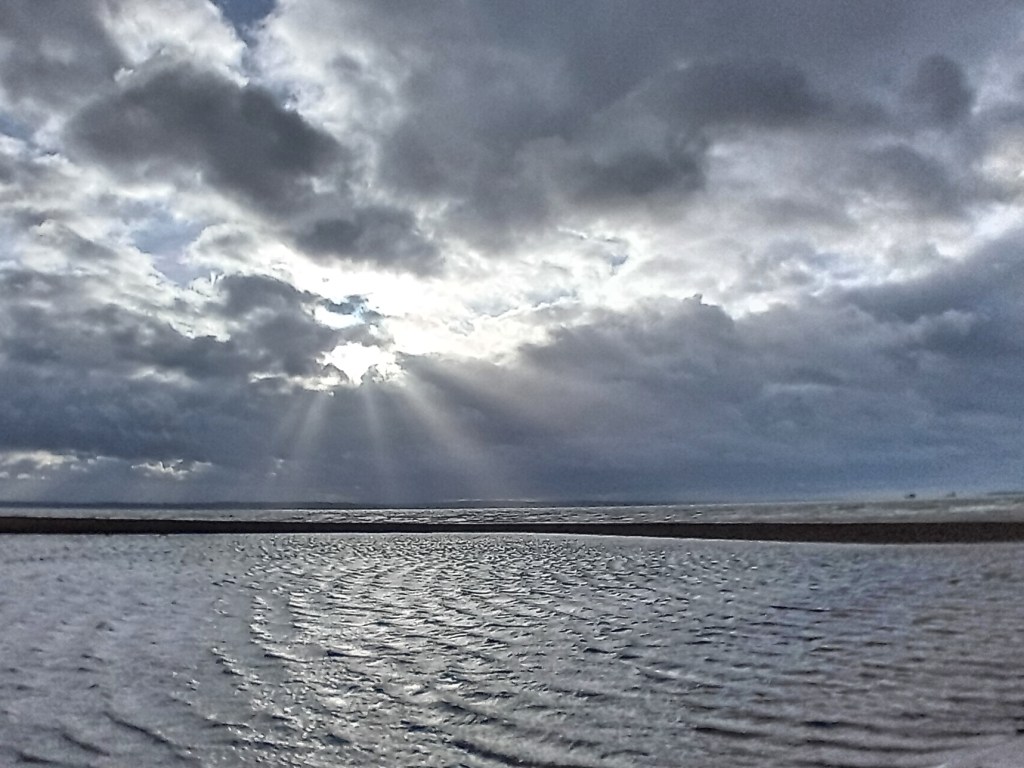
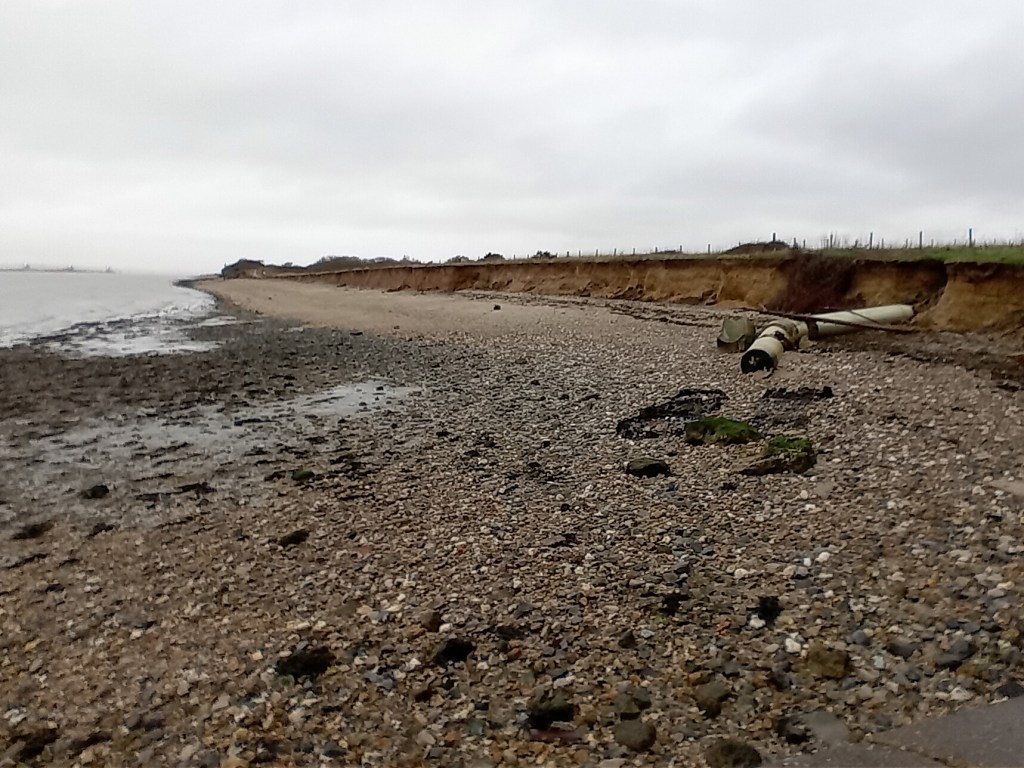
Dull morning walk on the beach at Meon Shore. Pictures recorded with a smartphone.

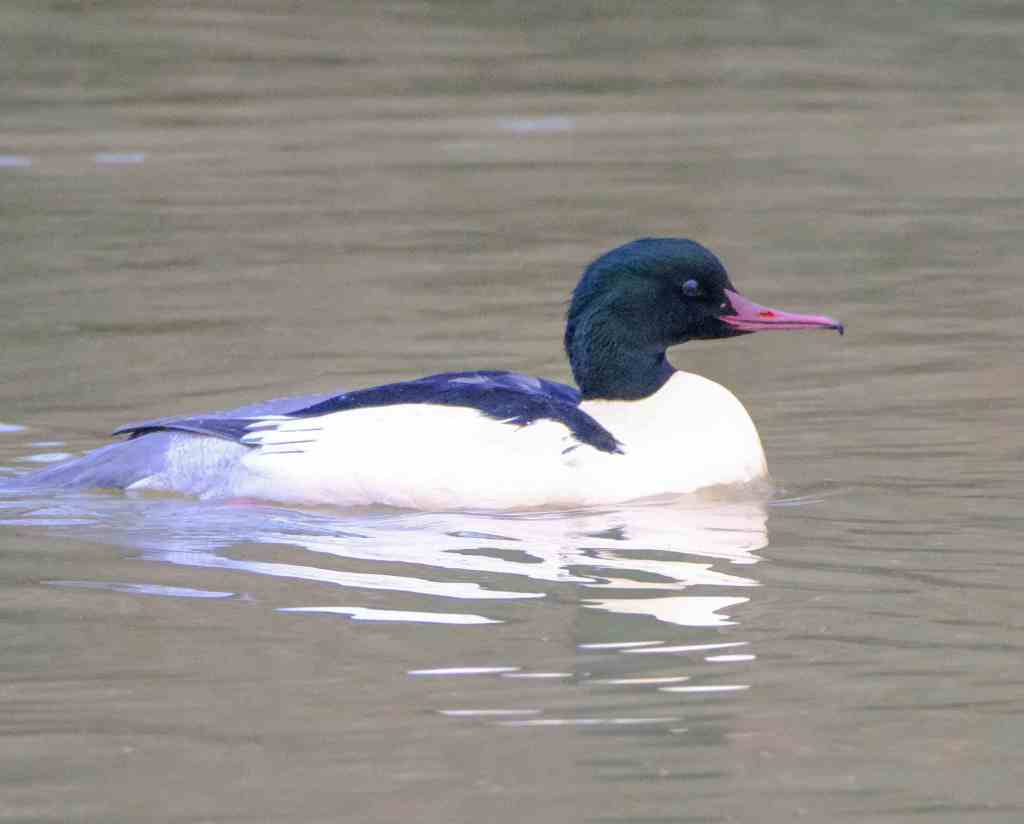
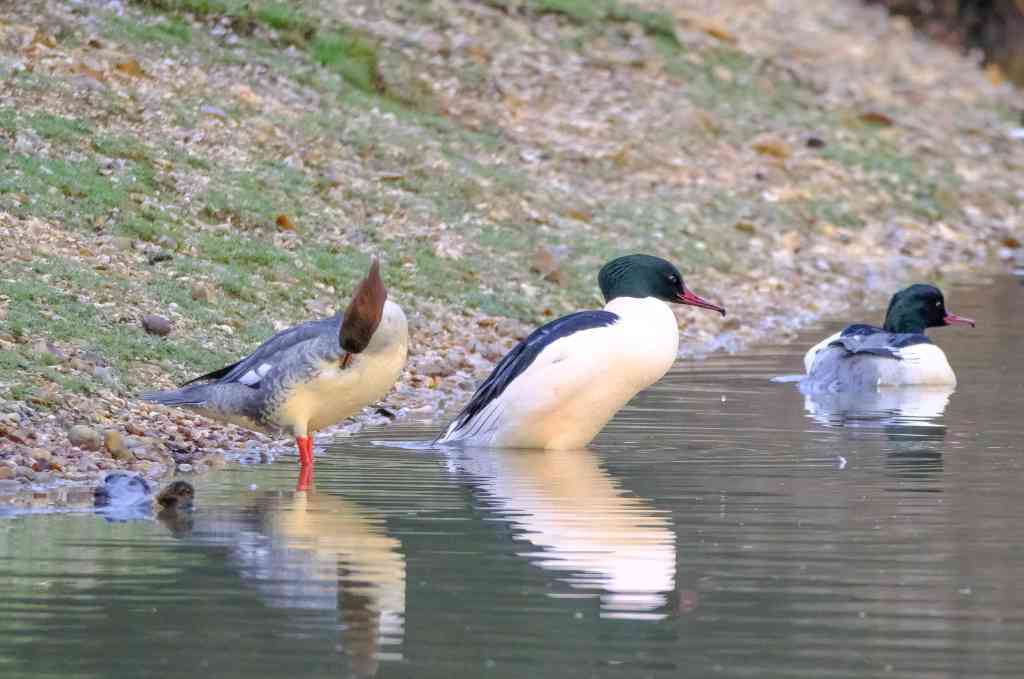
On one of the New Forest ponds I visit, there were several Goosander’s last week. Although I was able to get some photographs it was raining hard so I decided to return today in the hope they were still there and with better weather picture opportunities would be better. The Goosander is a diving duck which is a member of the sawbill family, named because of its serrated bill, which they use for catching fish. Mainly a freshwater bird, the Goosander first bred in the UK in 1871. Goosander’s are known as Common Mergansers in some parts of the world.
Two male birds with green heads. (the females have brown heads).





Entering December our weather has jumped fully into winter. This morning was cold damp and misty. A walk along Southampton Water from the Village of Warsash on the River Hamble to Solent Breezes was rather dark and windswept.
The warmest thing was the view across Southampton Water to Fawley Refinery where a flare is burning.

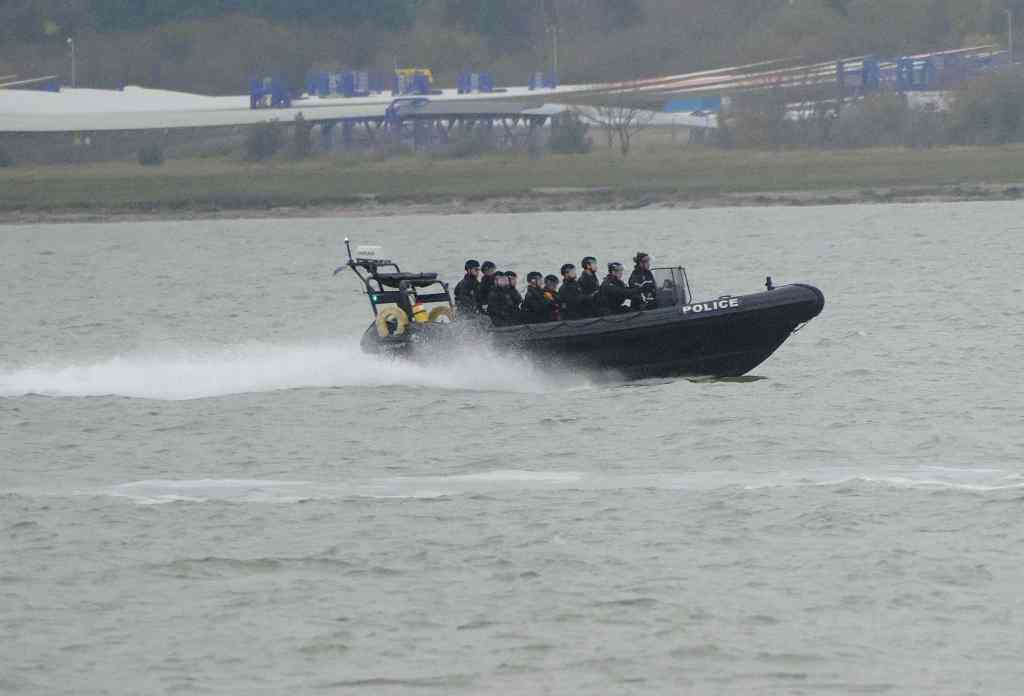
Two boats of Hampshire Police Marine unit in action.


Beach views.
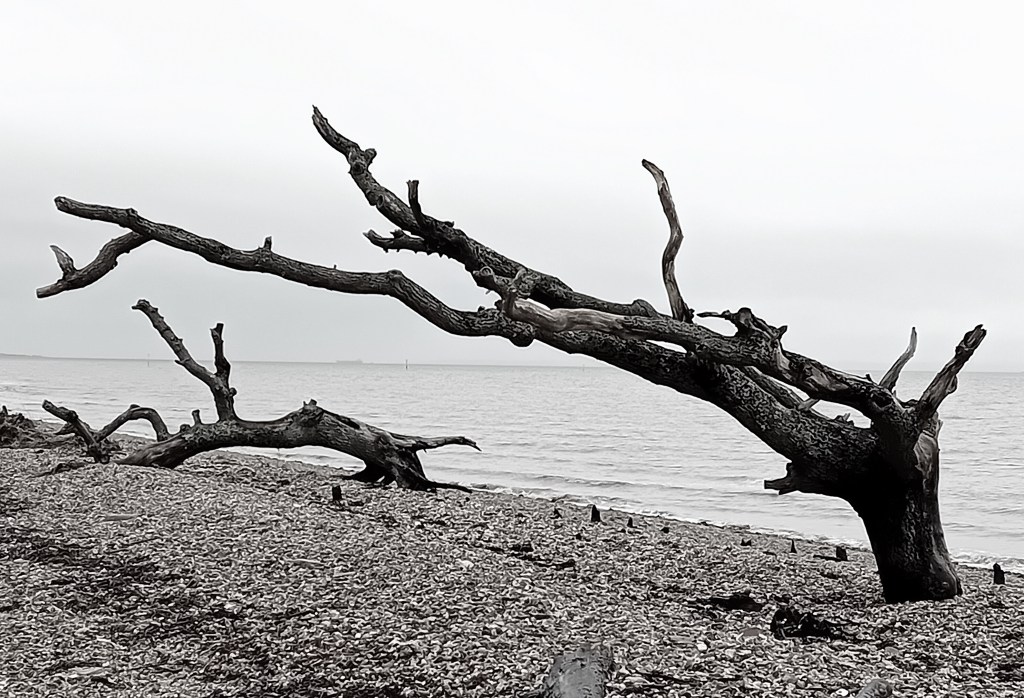
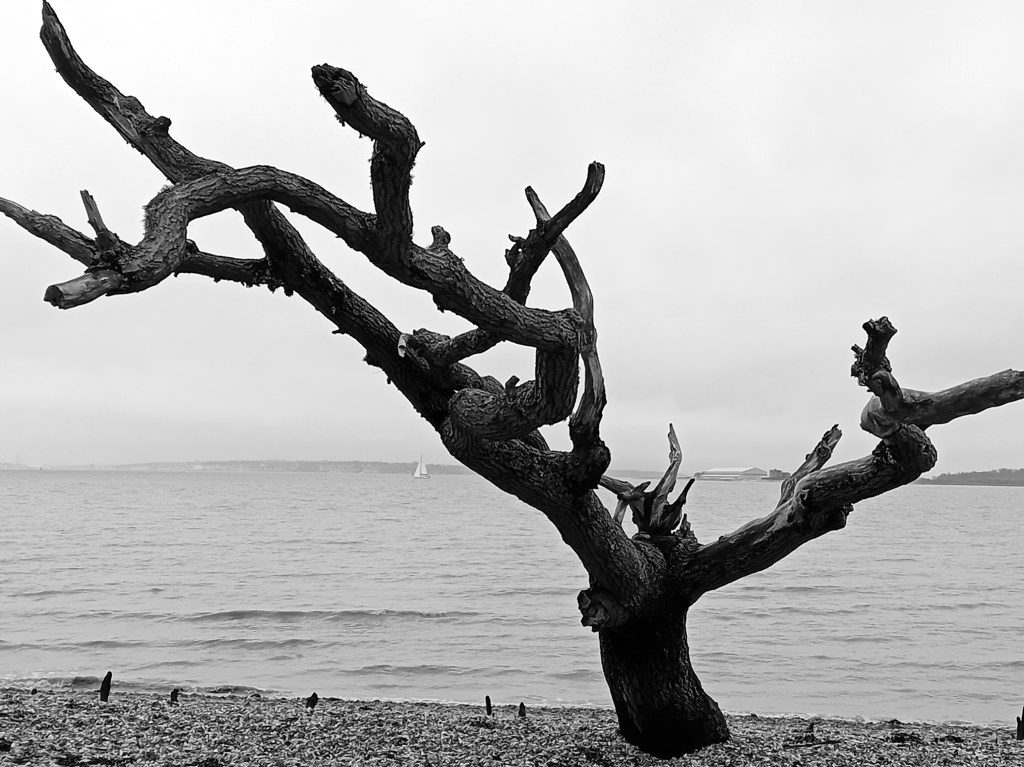
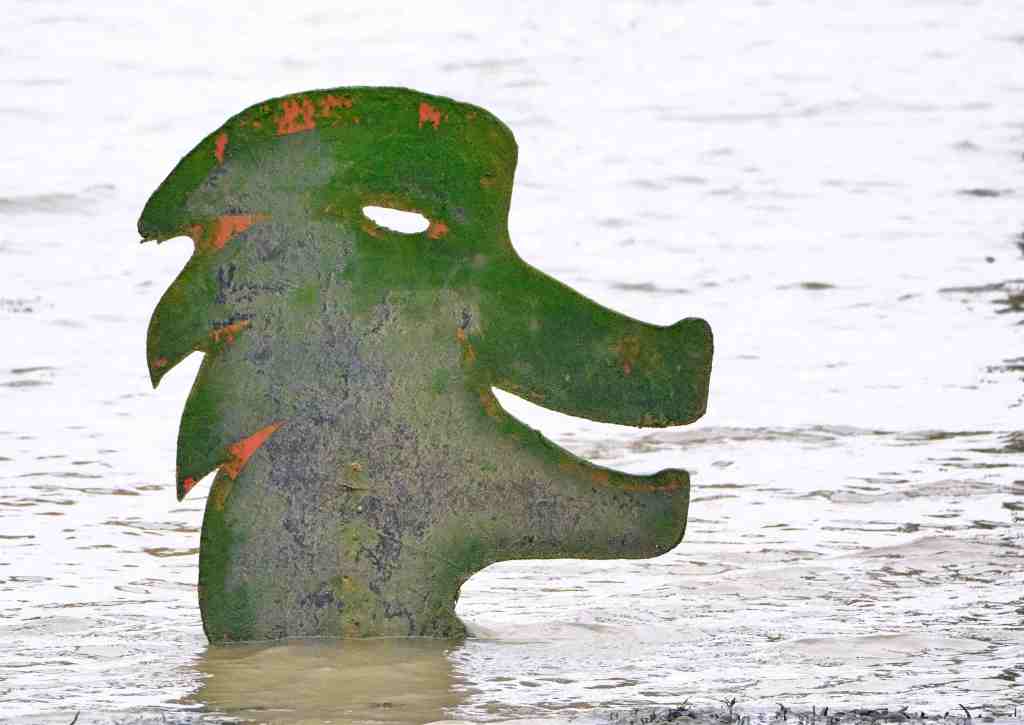
Sea Monster!
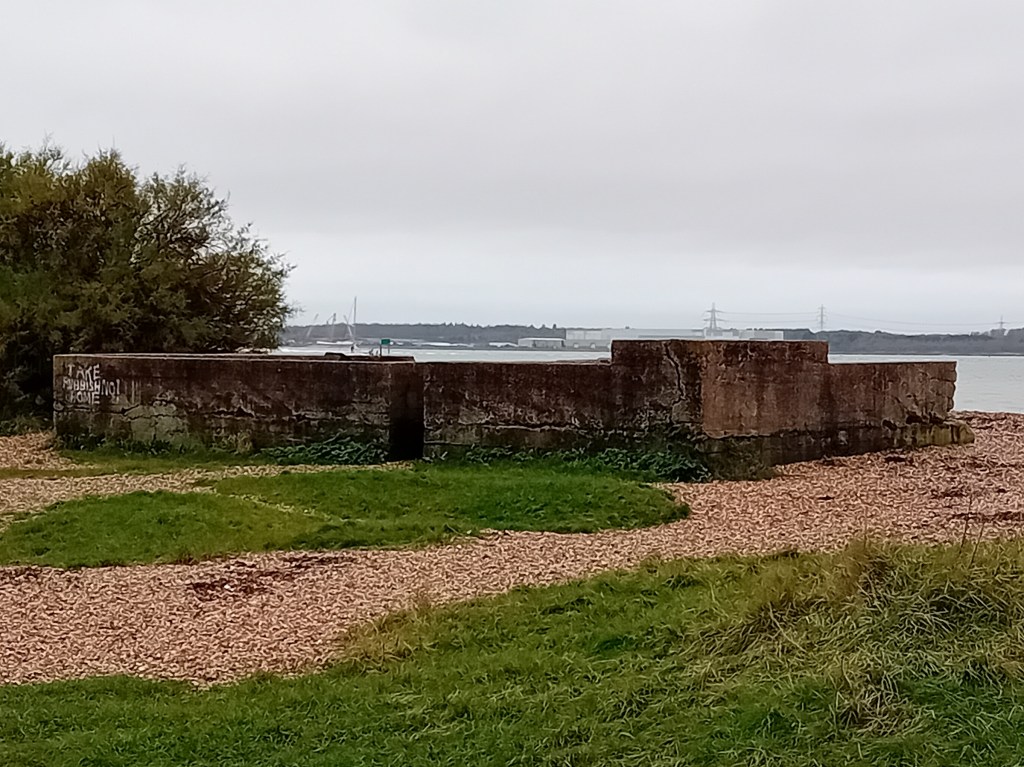
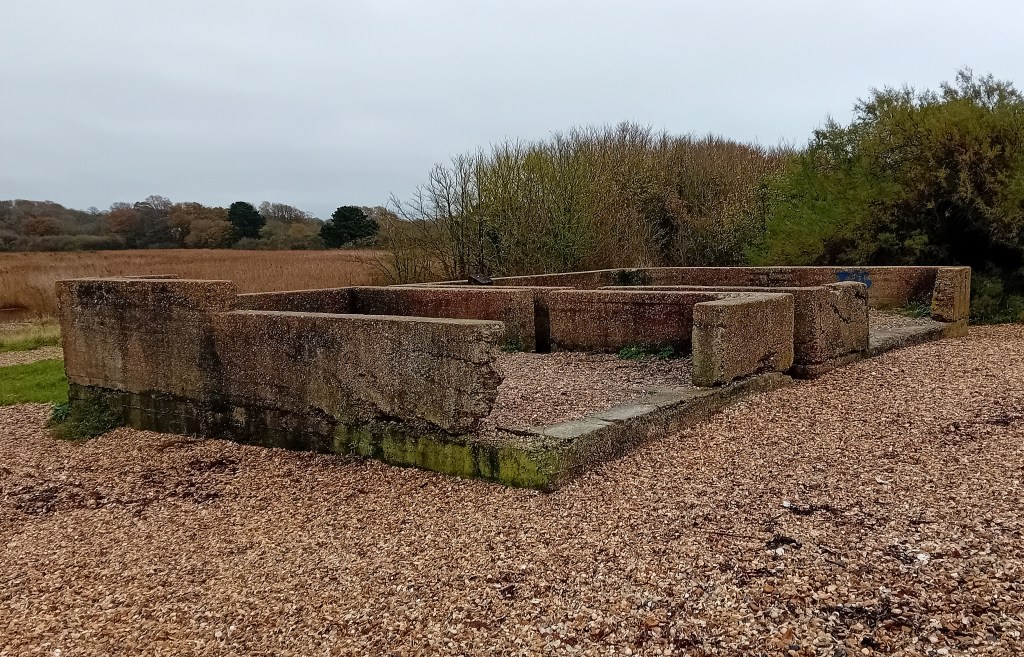
WW2 Bofurs anti-aircraft and range finder platform gun platform. Positioned at the mouth of the River Hamble where it joins Southampton Water. Another platform is further up the Hamble River and a third is at Hamble Point. The German Luftwaffe navigated using the river to reach Southampton and the Docks.
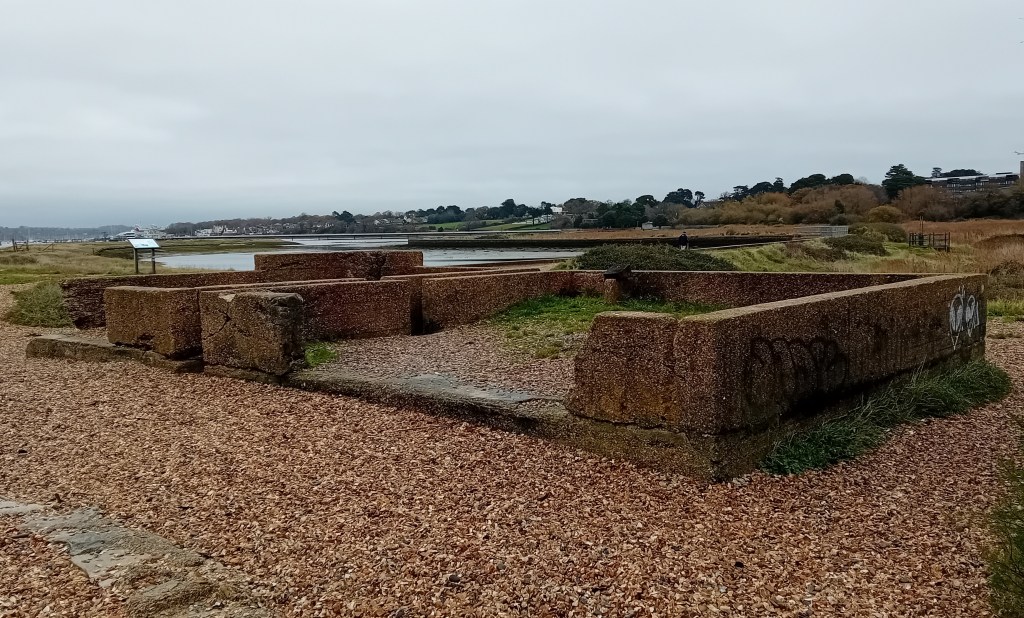
The storm passed through without incident over Southampton but our coast got a bashing.
So with the calm a few hours back in the New Forest.


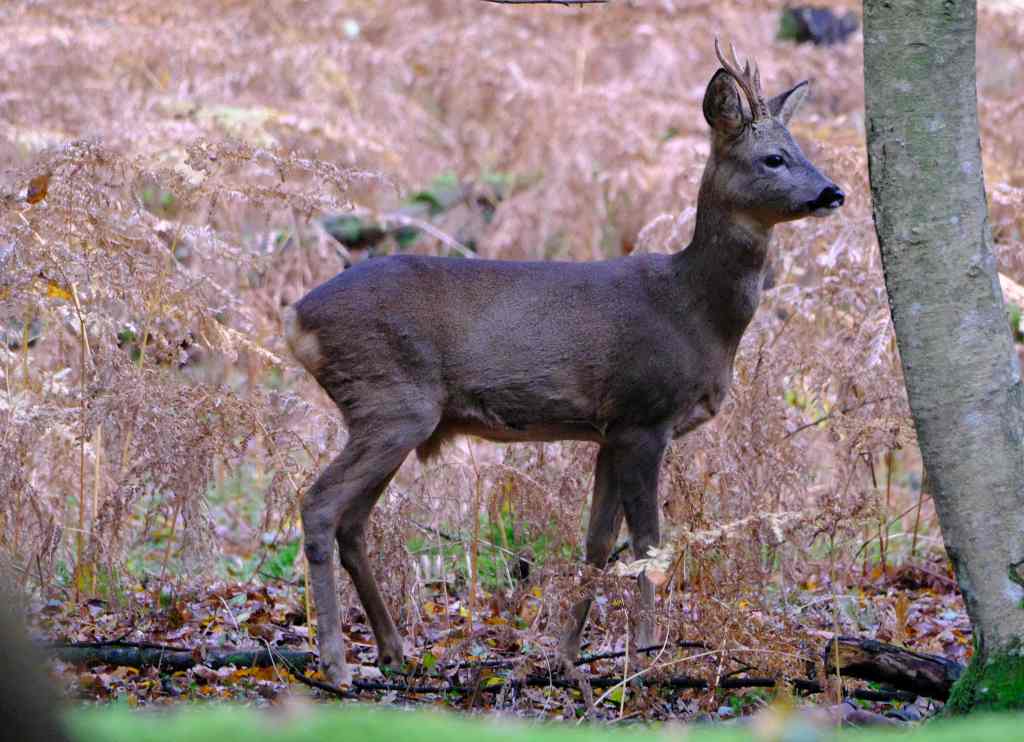
A good-looking Roebuck.

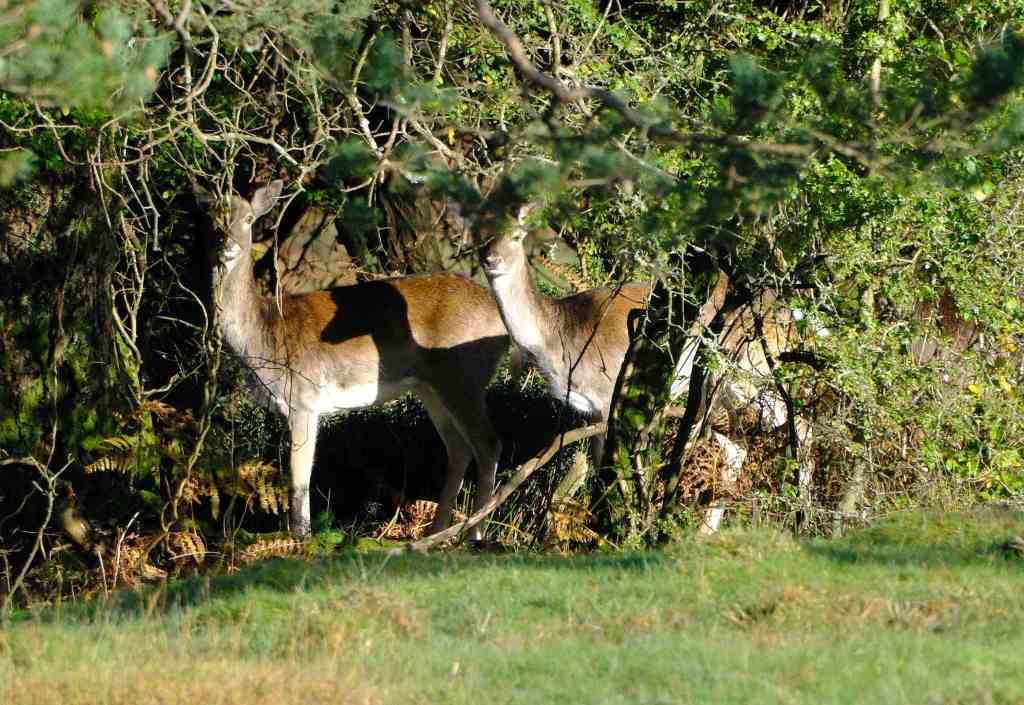
And a small heard of young Fallow Deer.

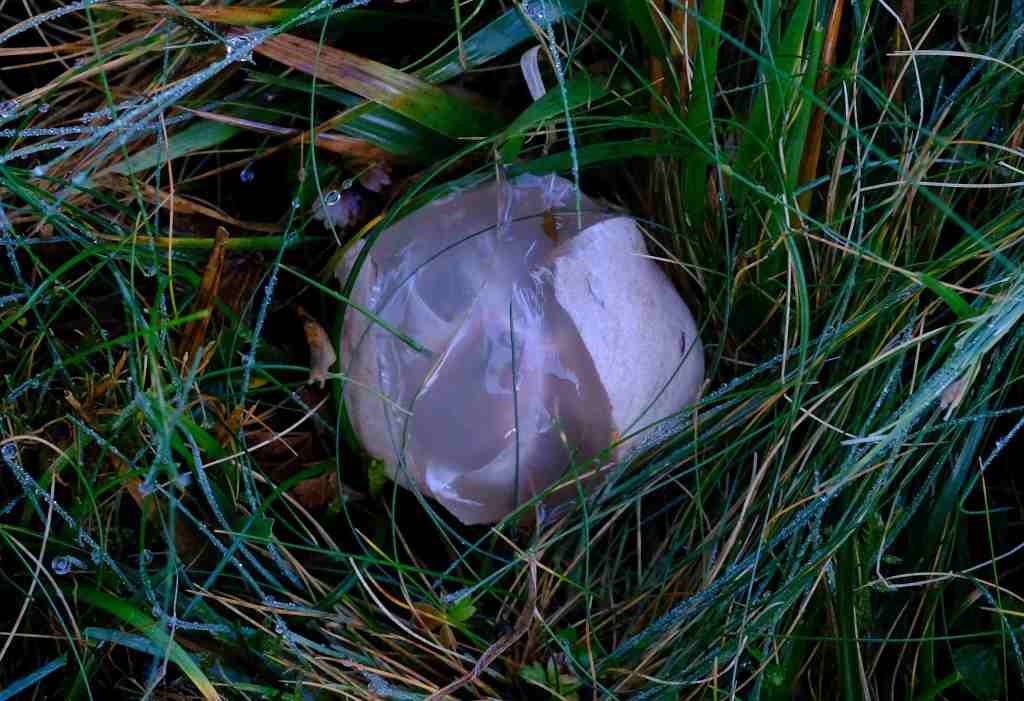
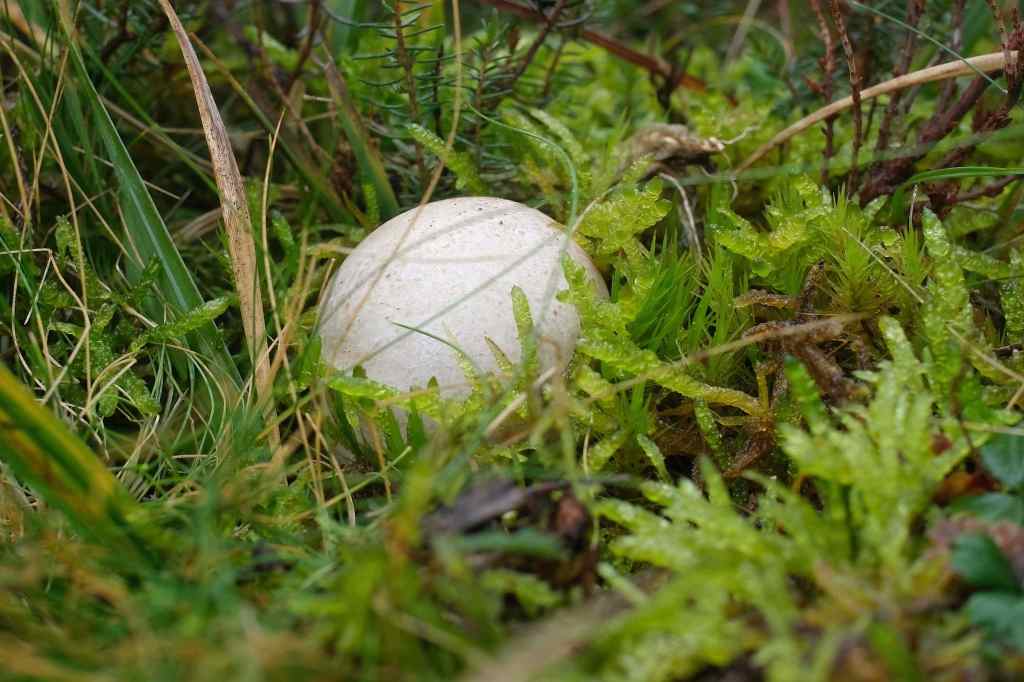
I wanted to take another look at the Devil’s Fingers fungus to see if any more of the eggs had erupted. There were about 10 eggs last week but only one had “hatched”. Normally fungi develop quickly so I thought more would have been showing – perhaps the cold wet weather had slowed down their development, so I will try again next week to see if there is more movement.
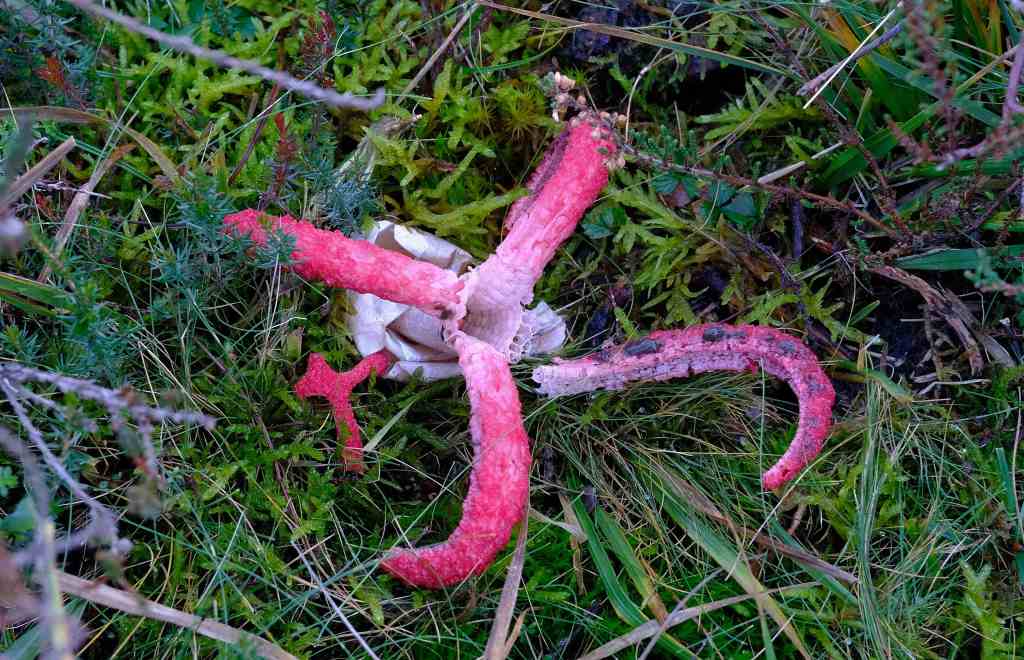
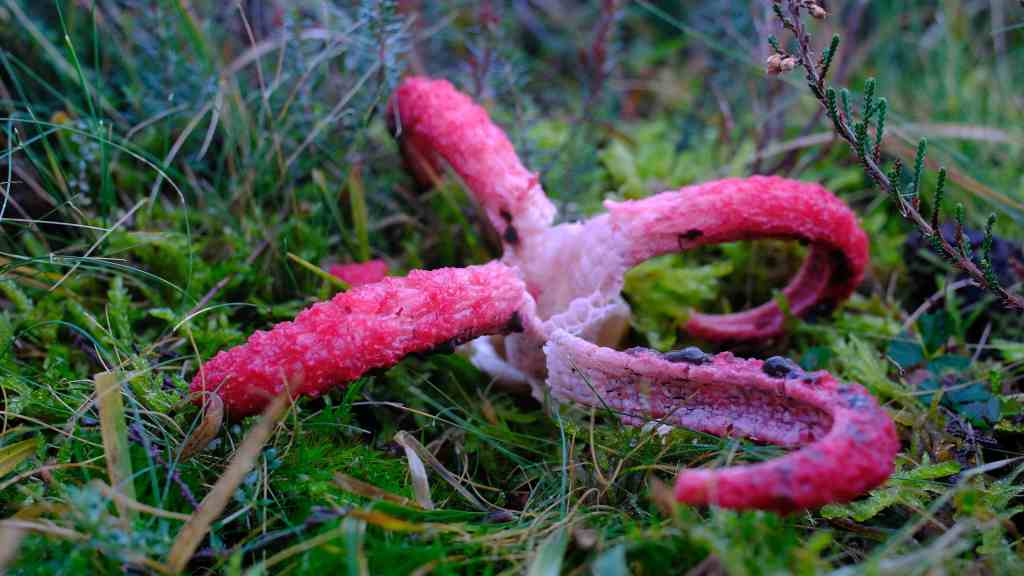
I spent a few hours this morning in the New Forest which is showing the effects of the last 48hours rain fall. It was worth the wet feet as I found a fungus I had only seen once before but today I came across a good sized clump of them.


Devil’s Fingers (Clathrus archeri) is a rare fungus that was first found in the New Forest in around the year 2000. It is also known as octopus stinkhorn. At that time in had only been observed in one small area in the southwest in the UK.

The ‘egg’ part of the fungi has the size and shape of a golf ball lying on the ground, but is attached to an underground network of mycelium threads by a long thick strand.
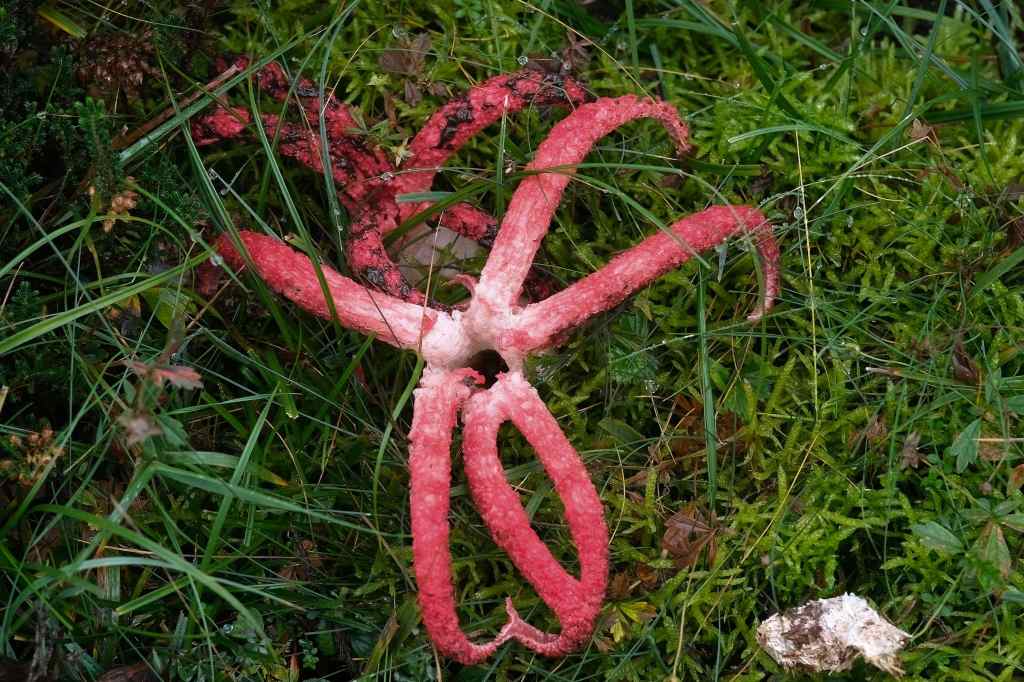
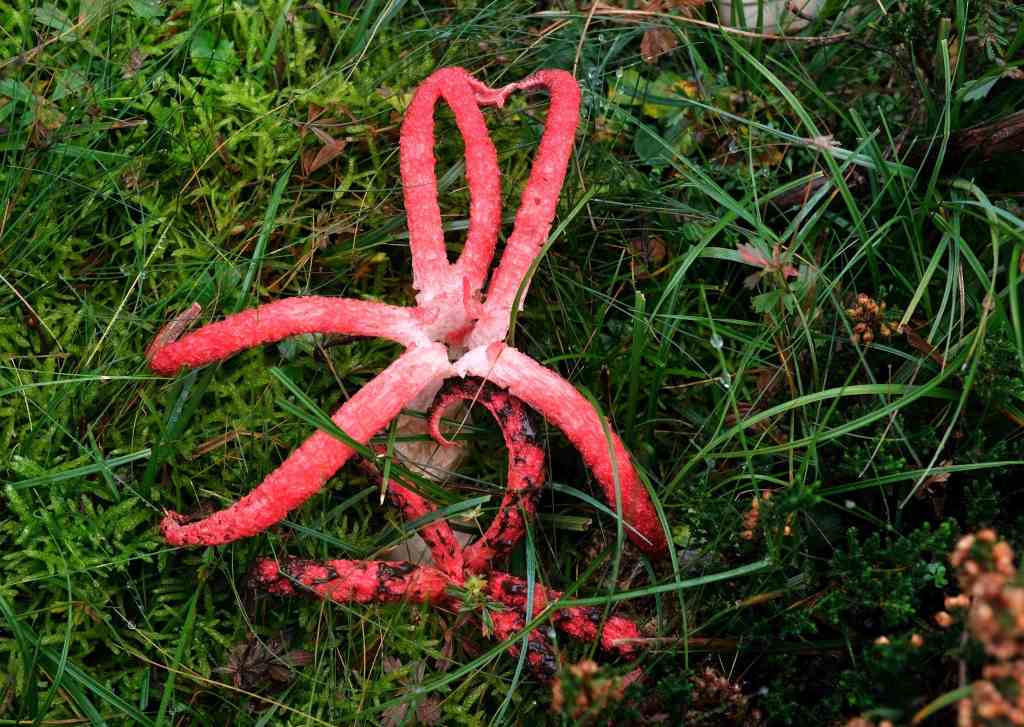
The red tentacles emerge, initially joined at the tip they then bend backwards into a star shape. There are always at least three or four tentacles, however sometimes they have as many as seven or eight. The upper surface is covered with a olive-coloured, slime which contains the spores and smells of rotting flesh. Flies and beetle are attracted to the smell the slime sticks to them when they come into contact with it. The spores are dispersed far and wide.

It is thought Devils Fingers were introduced to Europe with various war supplies, about 1914. The New Forest was used intensively in both world wars which is probably why it is hotspot for these fungi.
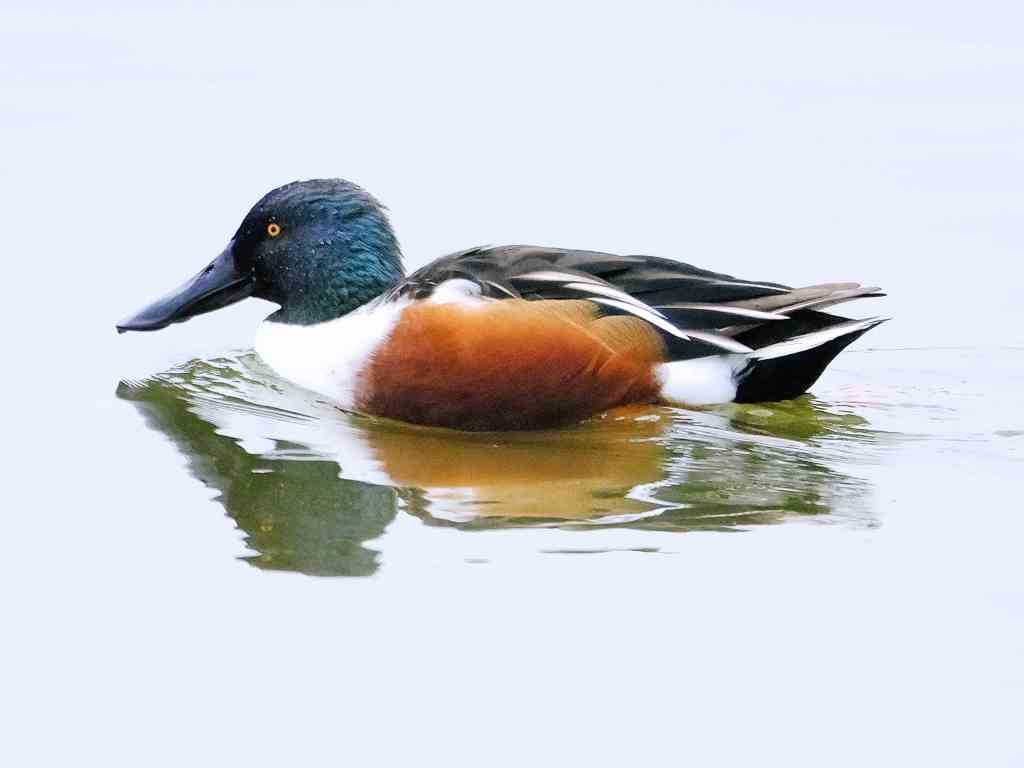
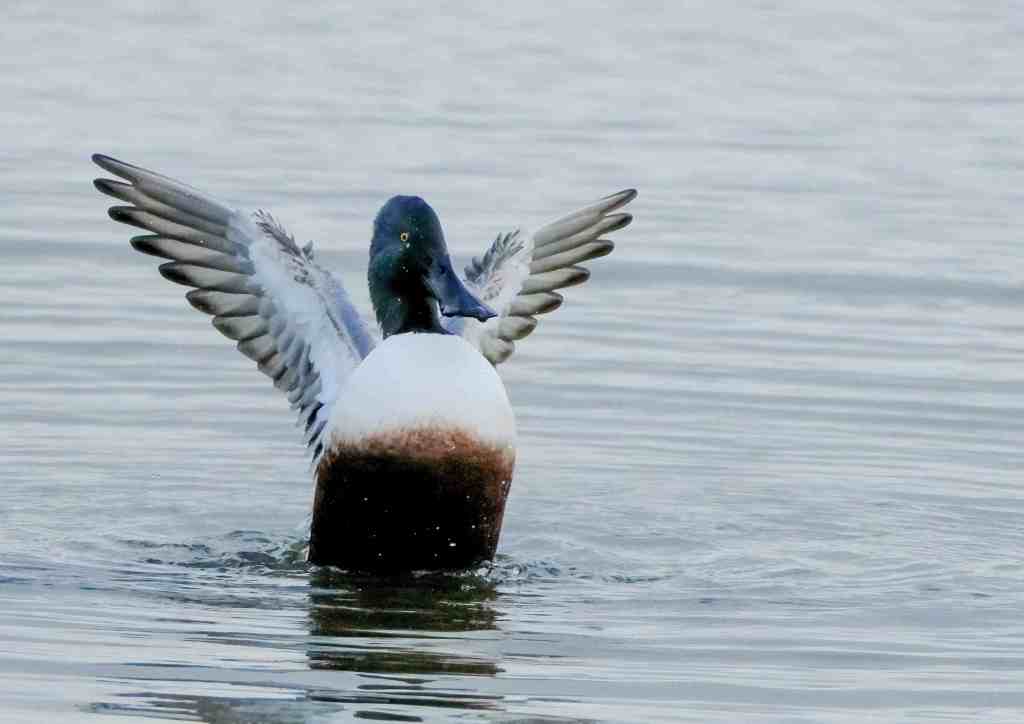
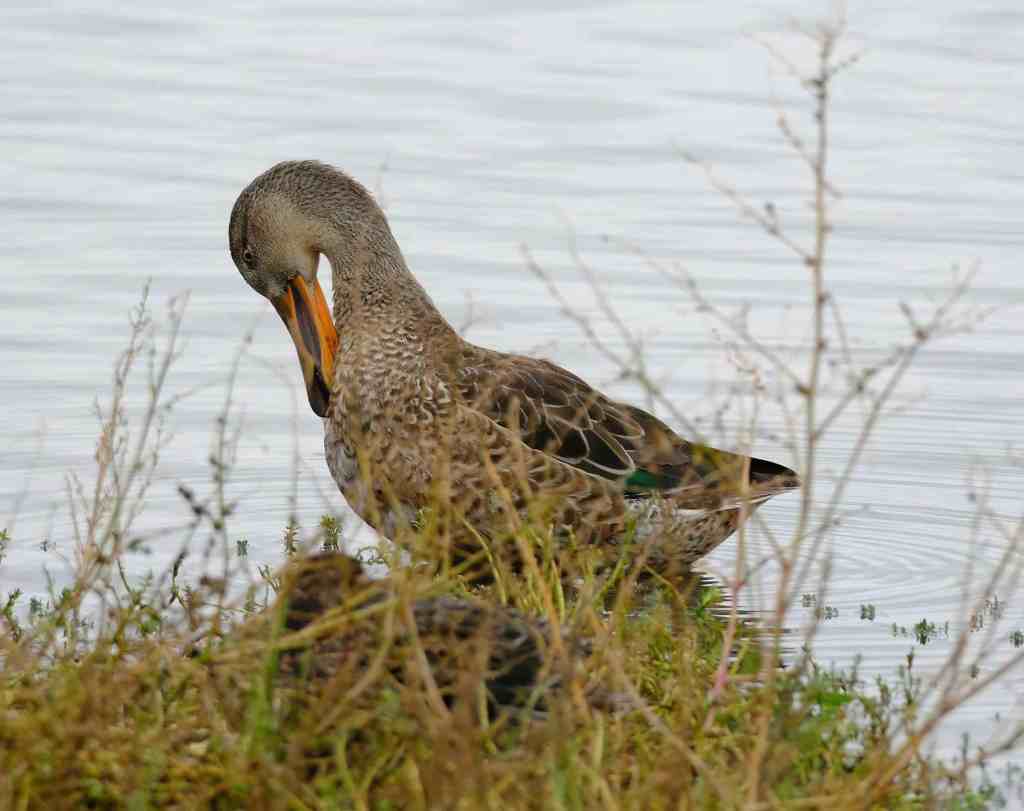
The northern shoveler, known simply in the UK as the shoveler, they are a common and widespread duck. A male and female duck wet morning at Tichfield Haven yesterday.
 Continued Reflections from my World.