Devil’s Fingers.

I spent a few hours this morning in the New Forest which is showing the effects of the last 48hours rain fall. It was worth the wet feet as I found a fungus I had only seen once before but today I came across a good sized clump of them.

Devil’s Fingers (Clathrus archeri) is a rare fungus that was first found in the New Forest in around the year 2000. It is also known as octopus stinkhorn. At that time in had only been observed in one small area in the southwest in the UK.

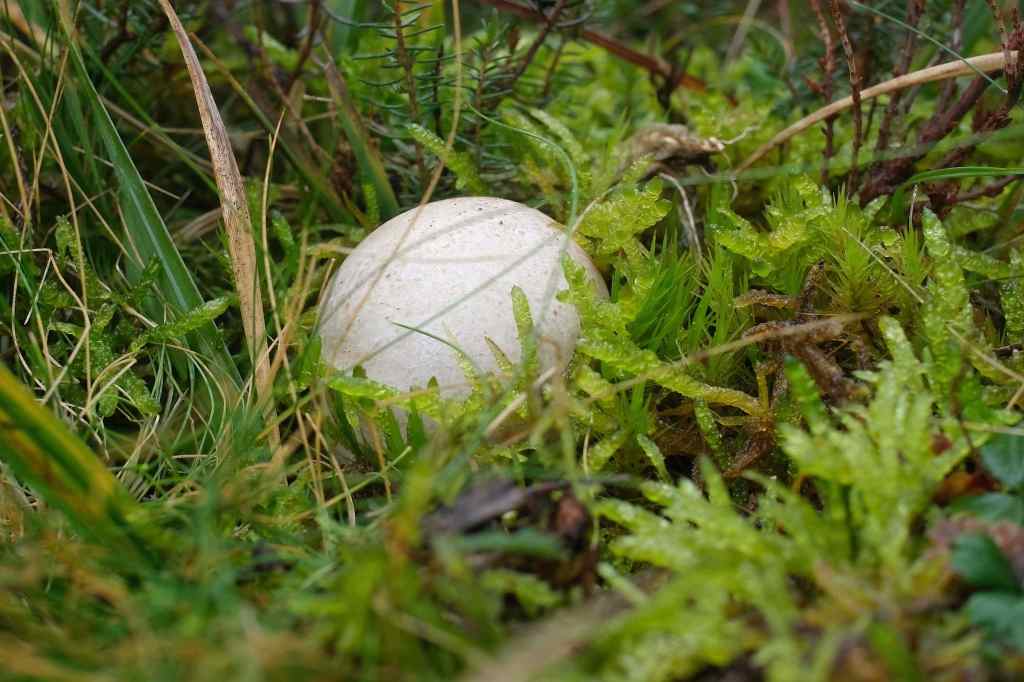
The ‘egg’ part of the fungi has the size and shape of a golf ball lying on the ground, but is attached to an underground network of mycelium threads by a long thick strand.
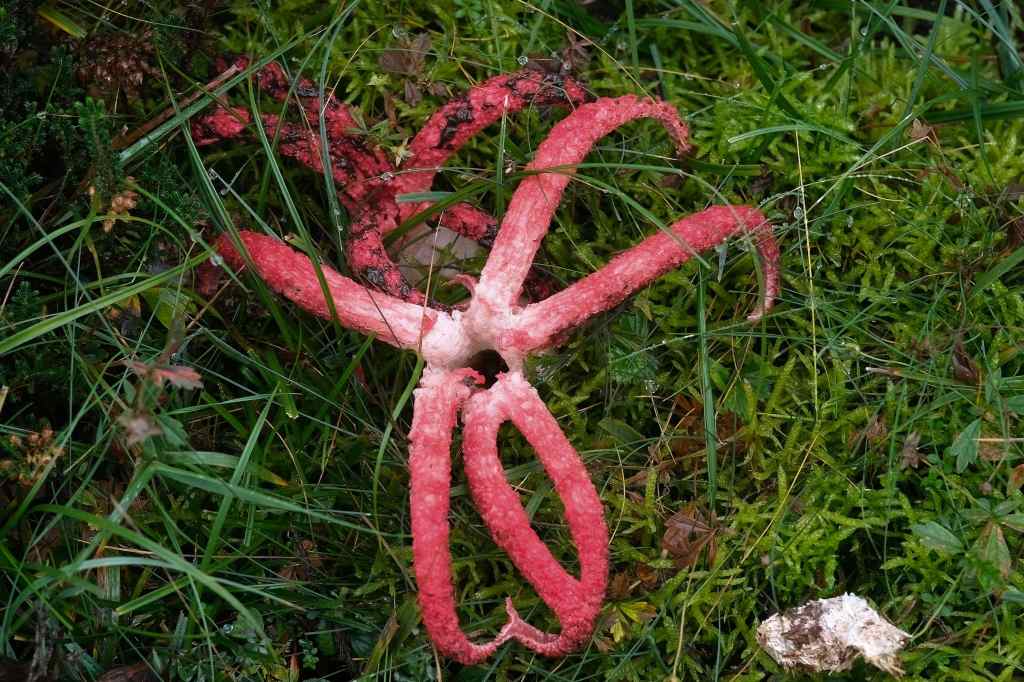
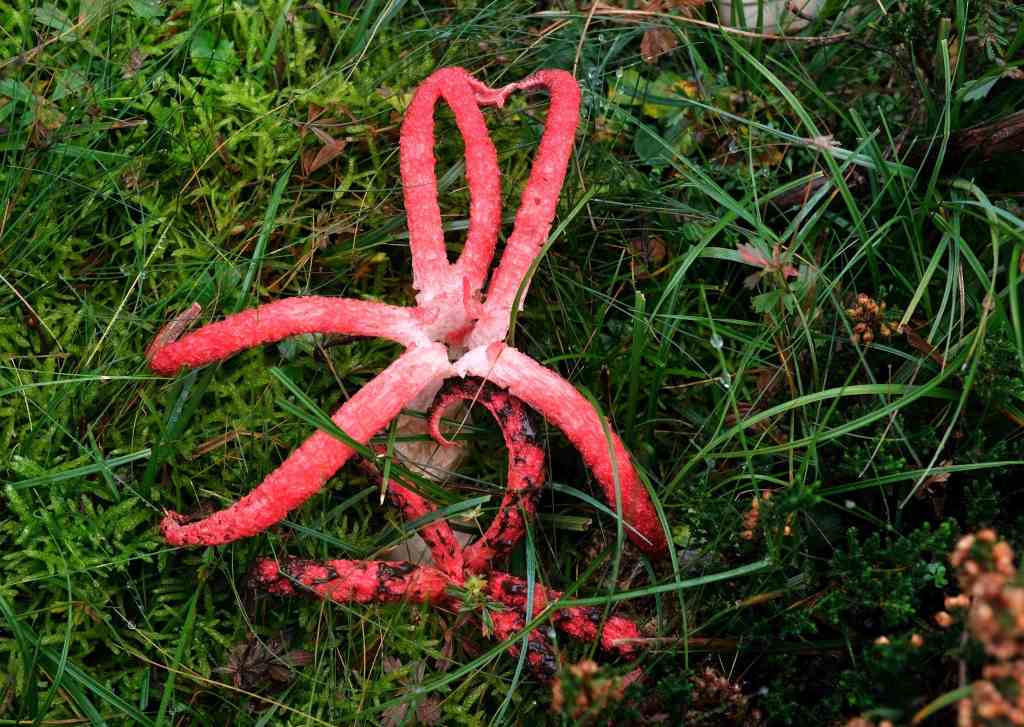
The red tentacles emerge, initially joined at the tip they then bend backwards into a star shape. There are always at least three or four tentacles, however sometimes they have as many as seven or eight. The upper surface is covered with a olive-coloured, slime which contains the spores and smells of rotting flesh. Flies and beetle are attracted to the smell the slime sticks to them when they come into contact with it. The spores are dispersed far and wide.

It is thought Devils Fingers were introduced to Europe with various war supplies, about 1914. The New Forest was used intensively in both world wars which is probably why it is hotspot for these fungi.
Walking the Downs.
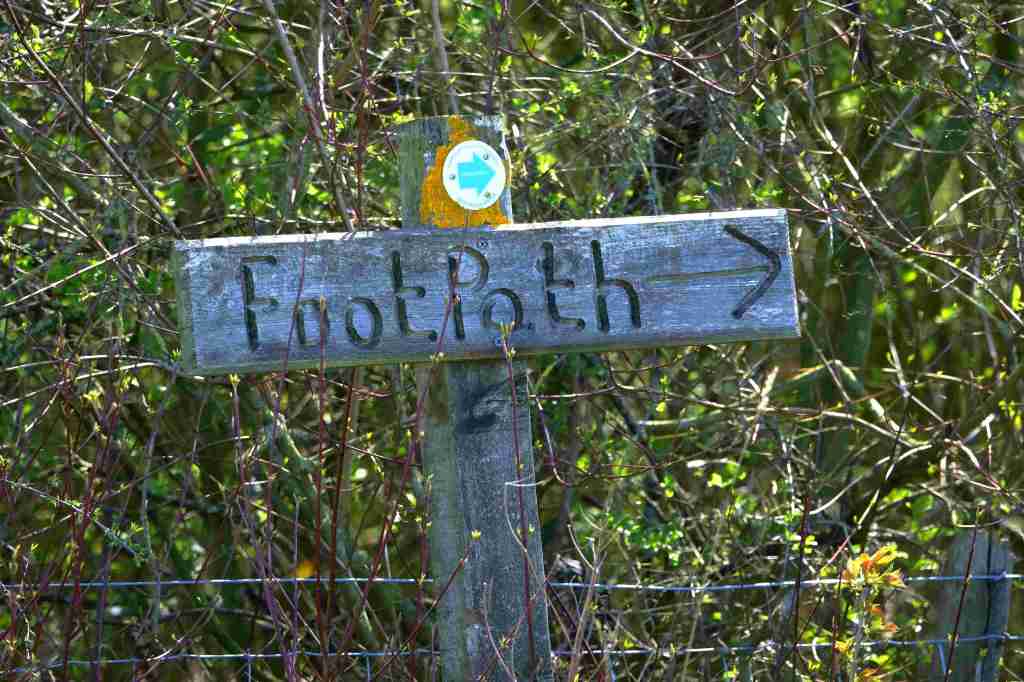
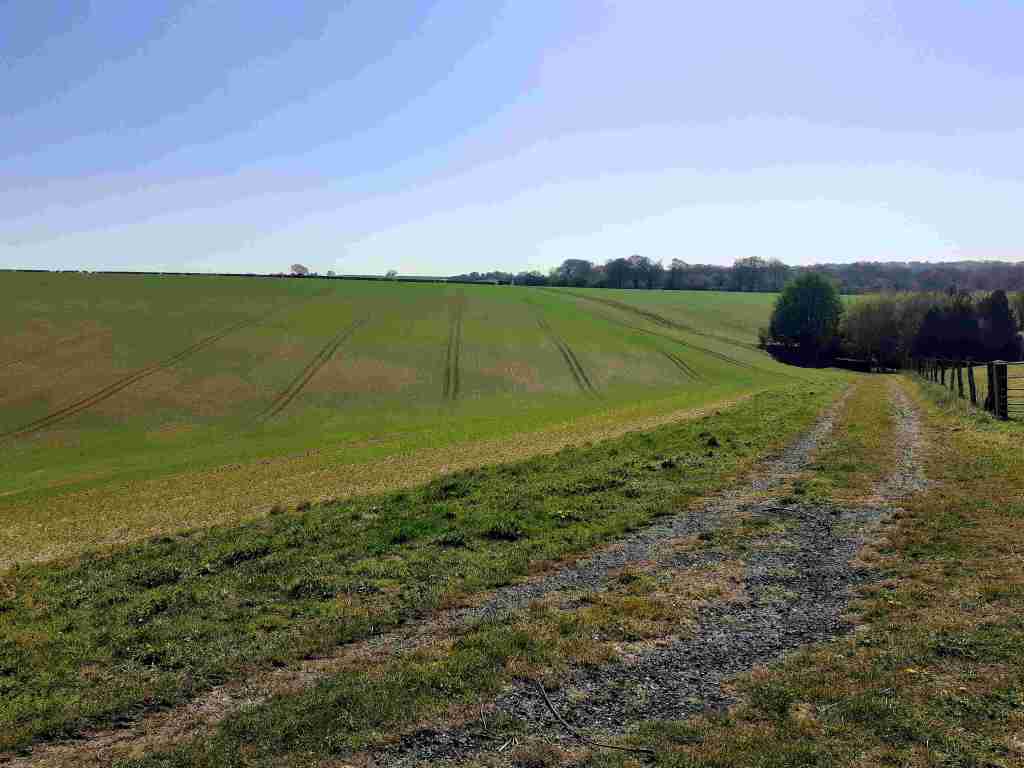
Another walk on the South Downs, paths are well marked and marked where not to go!

The land is well-managed and farmed fairly intensively but there are wildlife strips and borders but not an area where you can wander off the paths.

Tank rides and driving are available for those that want to make a noise.

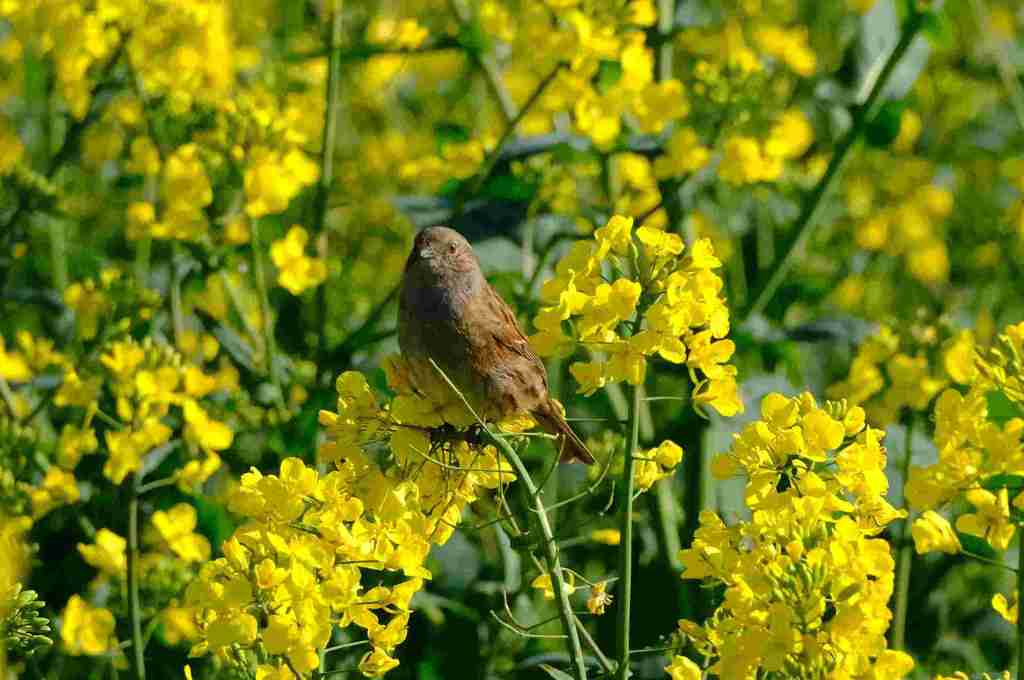
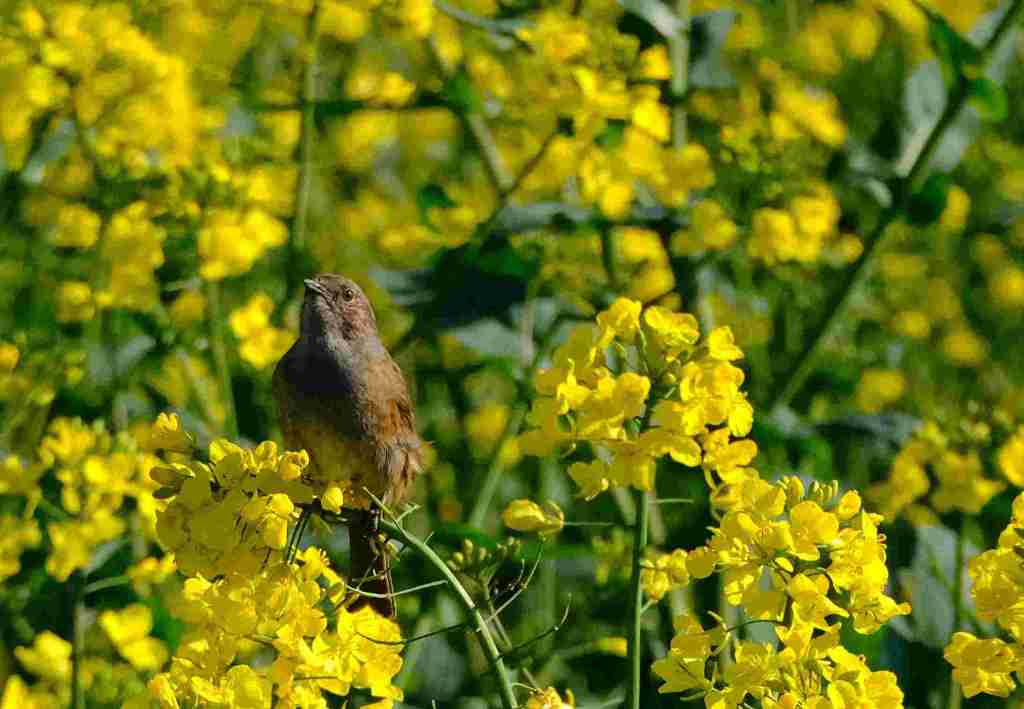
Dunock in the oilseed rape flowers.

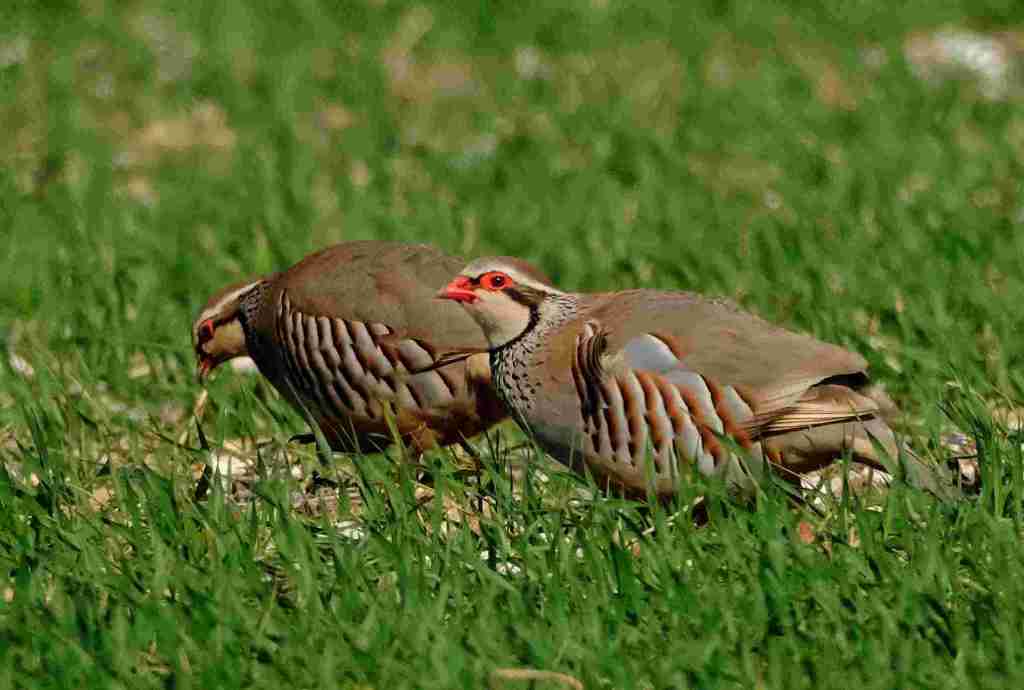
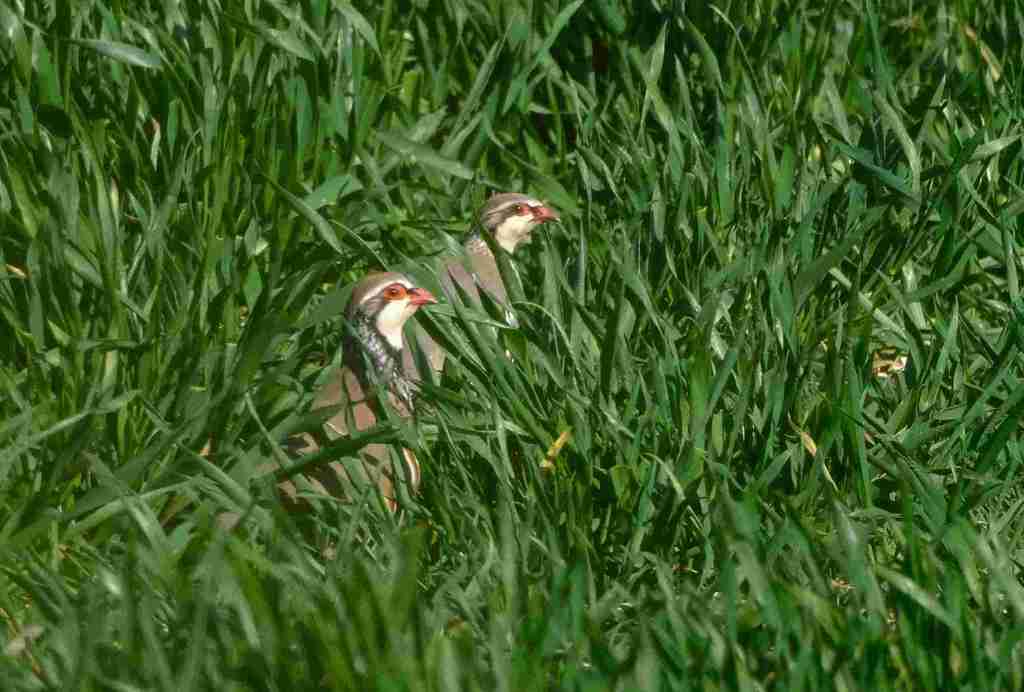
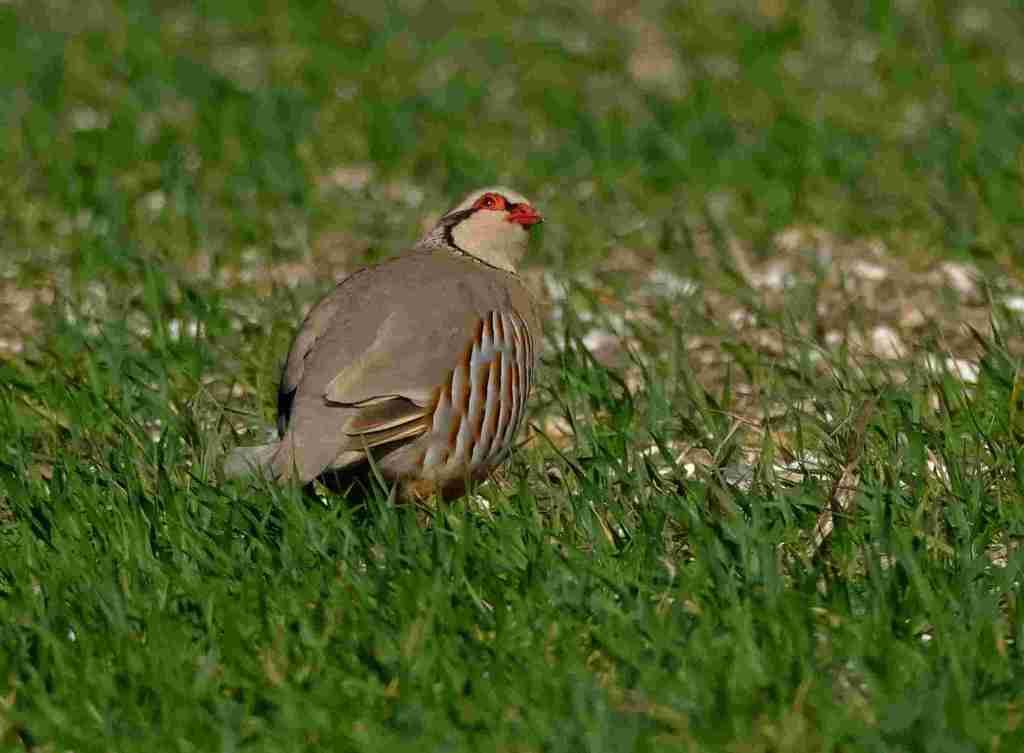
Red-legged Partrages – The red-legged partridge is a gamebird a member of the pheasant family.  They were introduced to Britain in the 1600s by Charles II, and they are now relatively common and can be spotted in its favoured open scrub and farmland habitats. They often run rather than fly when disturbed.

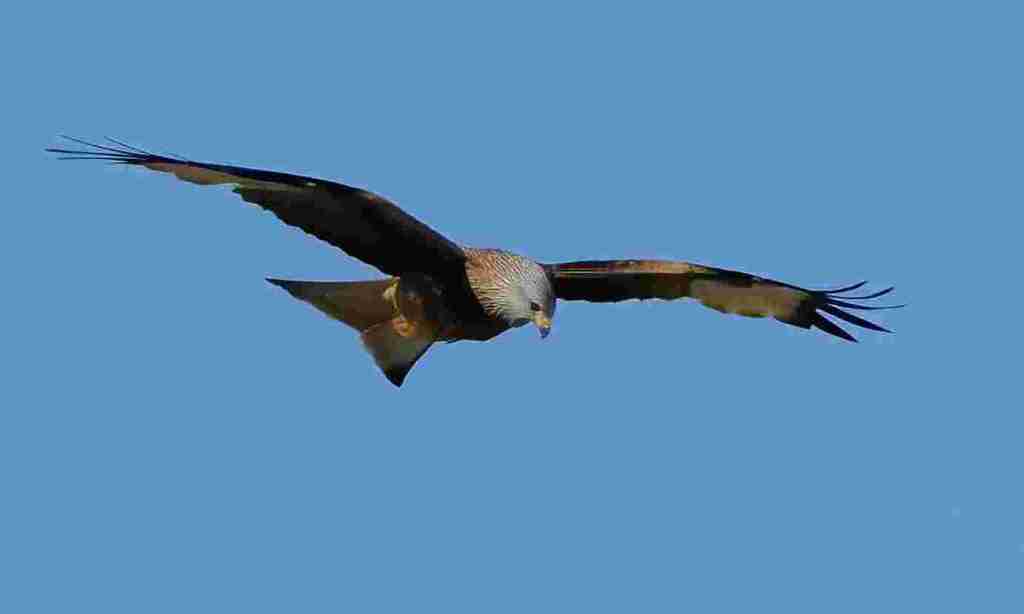
This bird spotted something above.

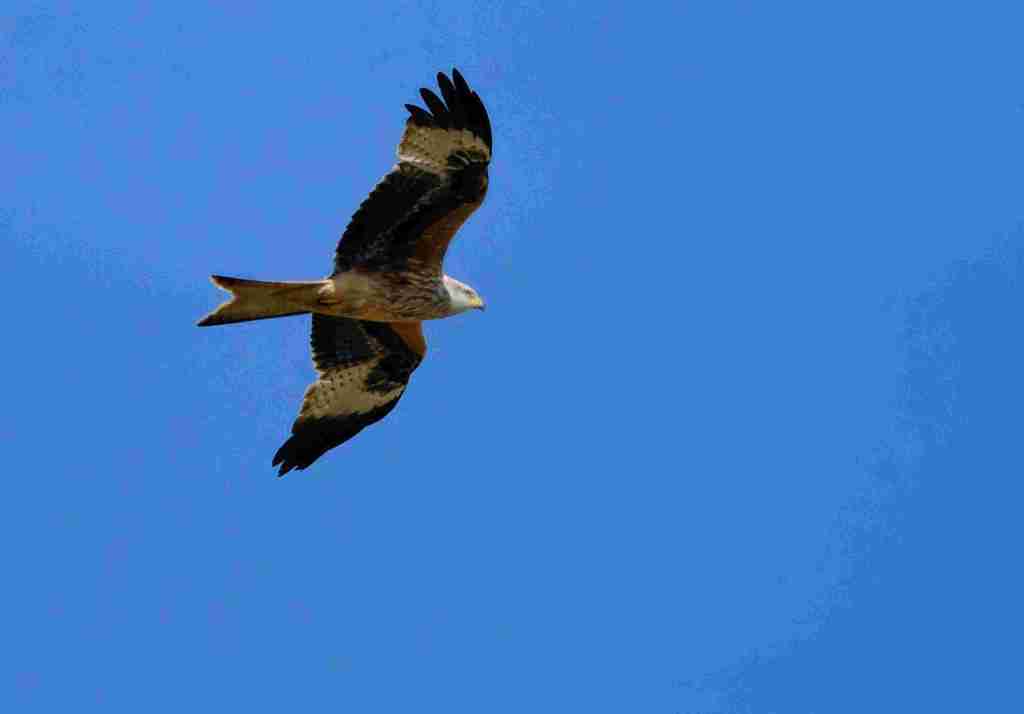
A Red Kite. On the hunt.

The Red Kite feeds mainly on carrion and worms but is opportunistic and will occasionally take small mammals. Today the RSPB states there are an estimated 4,400 pairs in the UK. I recall 1st seeing these magnificent birds in South Wales in the 1980’s when there were only 25 pairs in the UK mainly in Wales.

This bird picked up something for lunch.

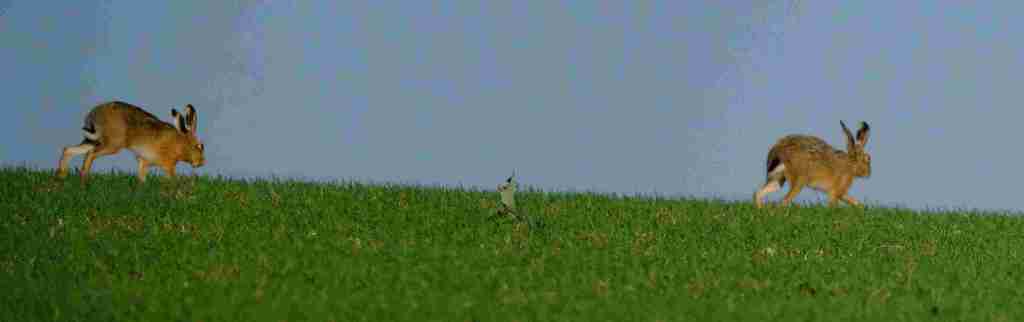
Good Hare country as earlier in the week.

Goldfinch.

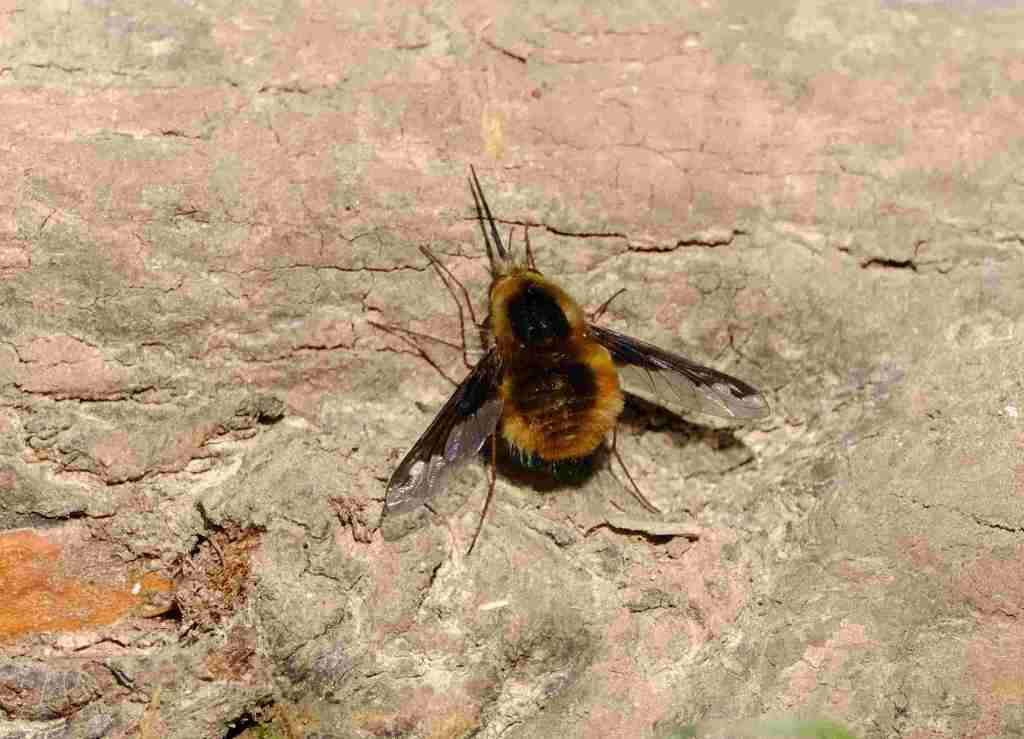
Insects are starting to come out as the weather warms up. This Bee-fly landed on the path. At a glance, it’s easy to mistake one for a bee.

Birdwatching in the wet.

Some days when the weather is not good and rain prevails it is a real washout. Today was one of those days so I went for a short walk at a small local nature reserve not expecting to see much let alone take some photographs.

However, despite the rain, and fairly low light it was a successful nature walk.

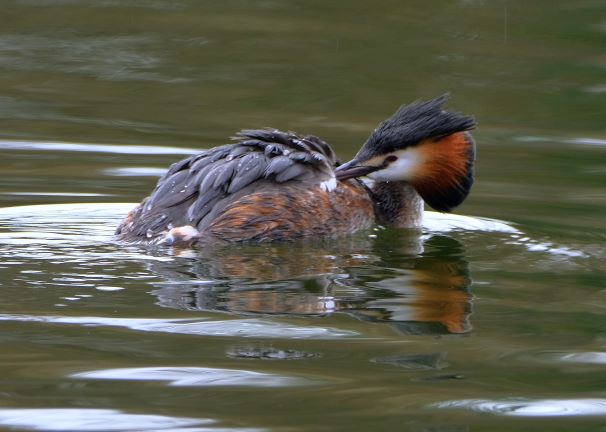
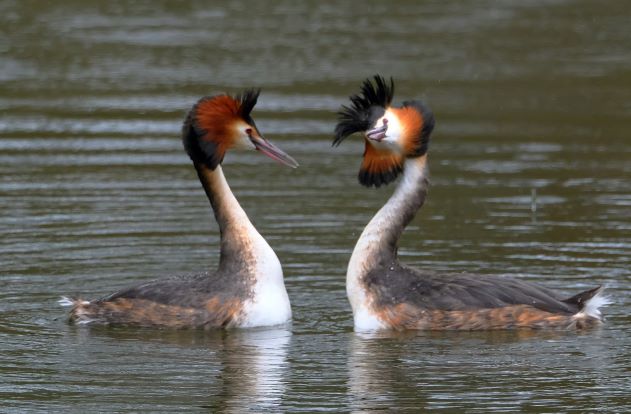
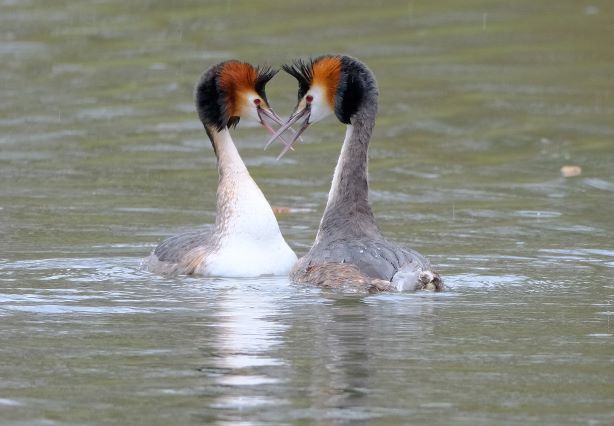
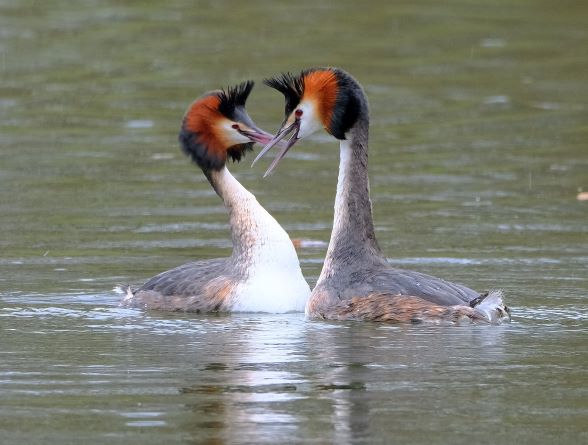
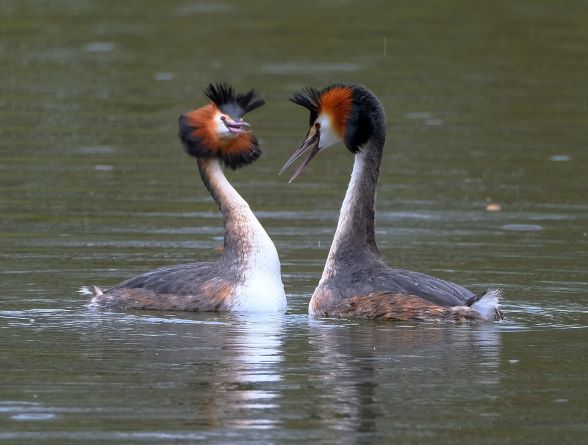
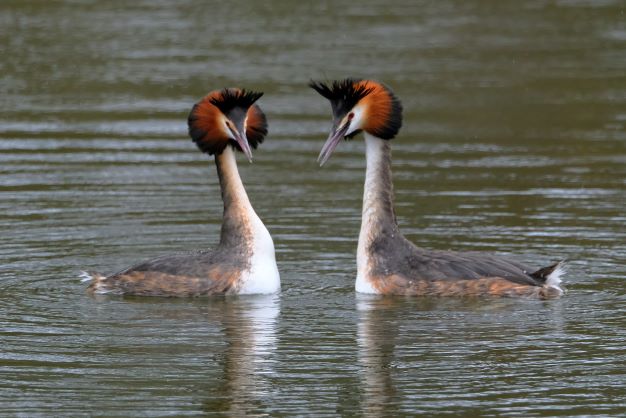
On one of the small gravel pits were a number of Great-Crested Grebes which added a splash of welcome colour.

These grebes are well-known for their elaborate courtship dance, during which they rise out of the water and shakes their heads. During the breeding season, they have an impressive plume on their heads and orange ruff around their necks.

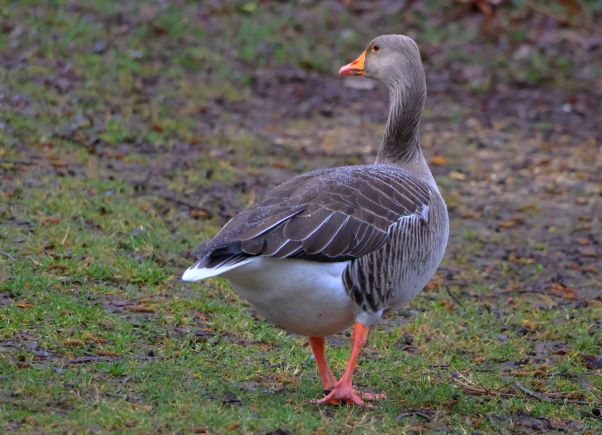
A number of Greylag geese were also in one of the pits. They are the largest and bulkiest of native wild geese found in the UK and Europe.

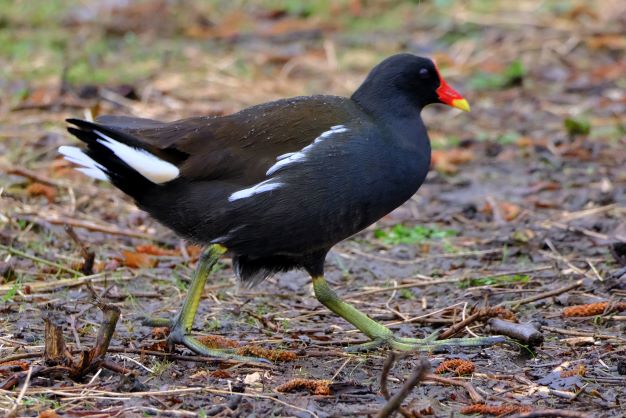
A Moorhen making a run for it back towards the water.

Dull end to the year.

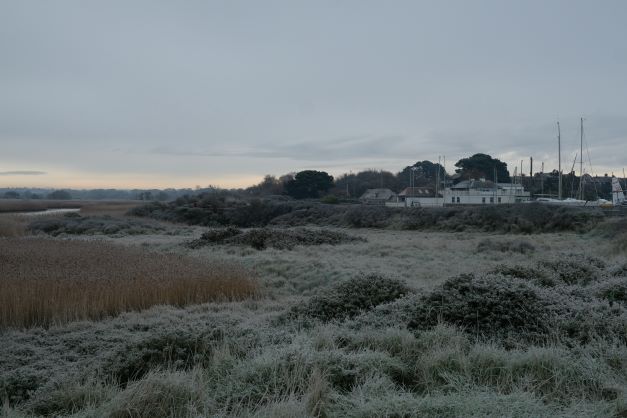
The last bird-watching trip of 2022. A walk around Titchfield Haven in the wind and rain on a really dull morning. Not good for taking photographs with slow shutter speeds and poor colours due to the conditions. Although a nice walk around with few other people venturing out.

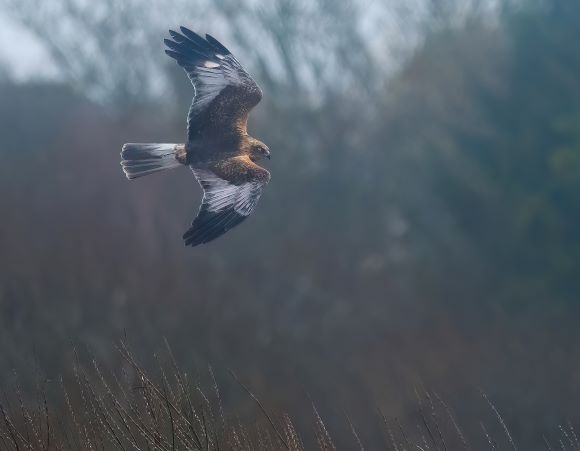
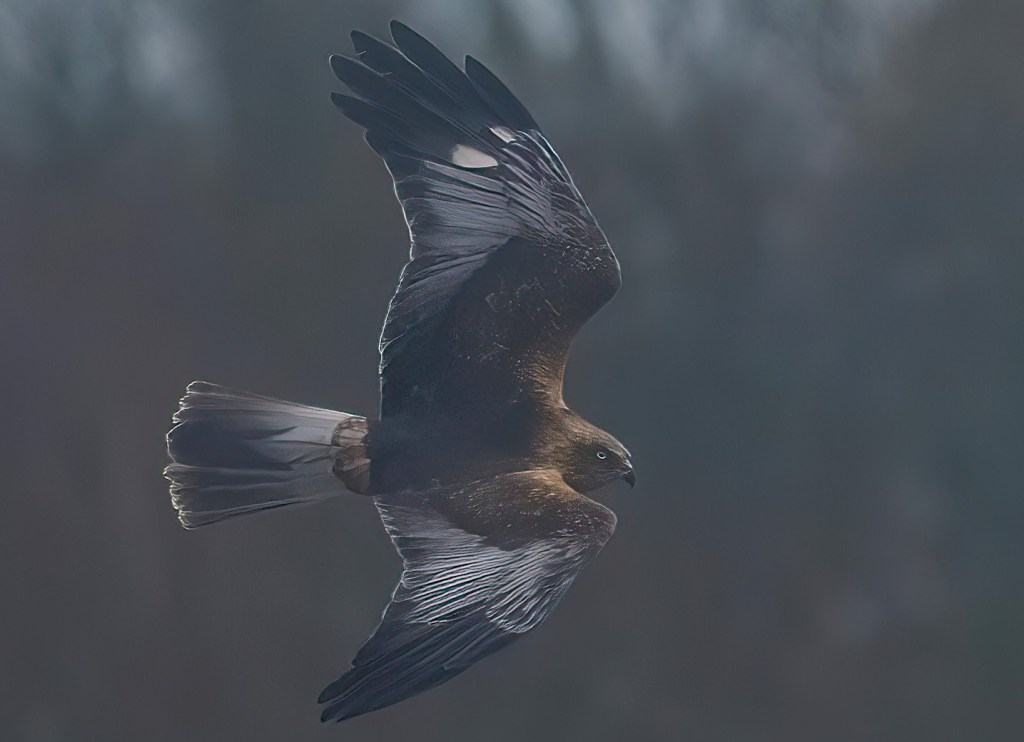
A Marsh Harrier hunting the small waders.

The Mash Harrier has a wingspan of about 4 feet. There are only about 600 pairs in the UK. This bird is a male. (the female has a creamy head).

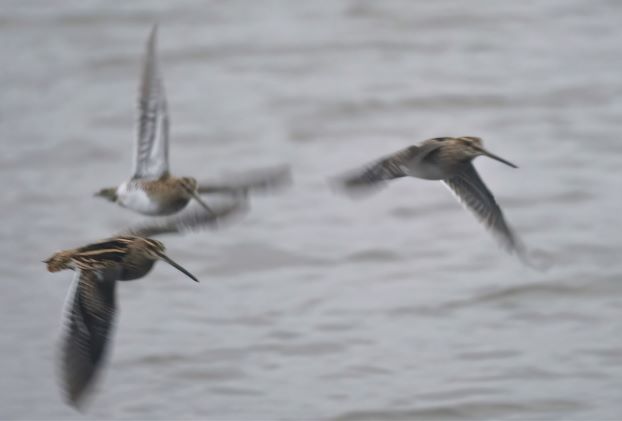
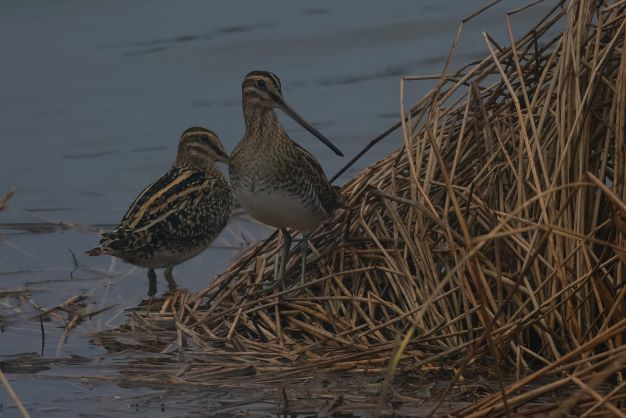
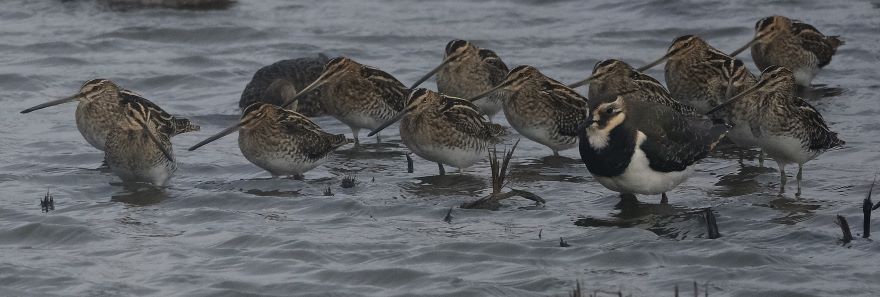
High numbers of Common Snipe were on the ponds today. In the UK some 66,500 pairs are present in the breading season however these numbers increase to 1.1 million birds during our winter months.

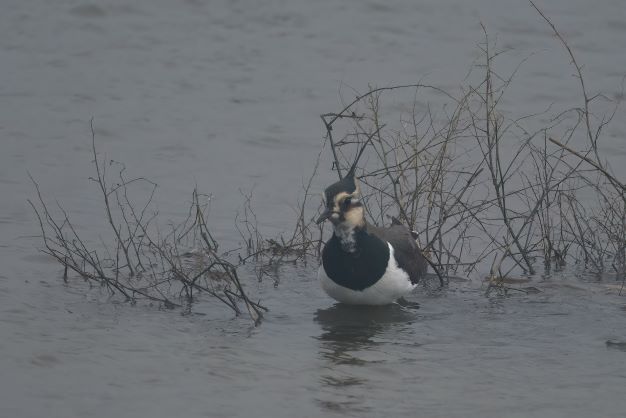
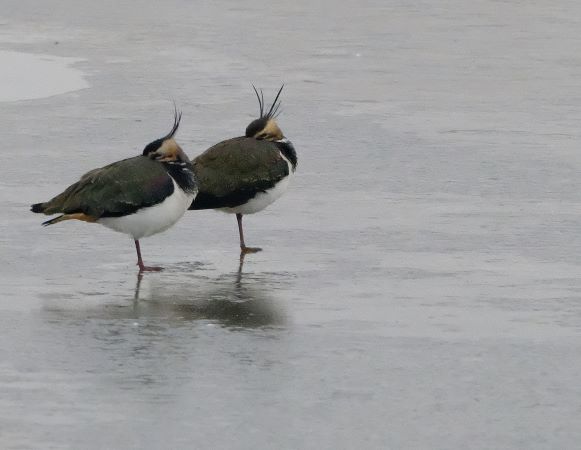
As well as the Snipe Lapwing numbers also increase during the Winter to some 635,000 birds.

See you next year.

After the rain.

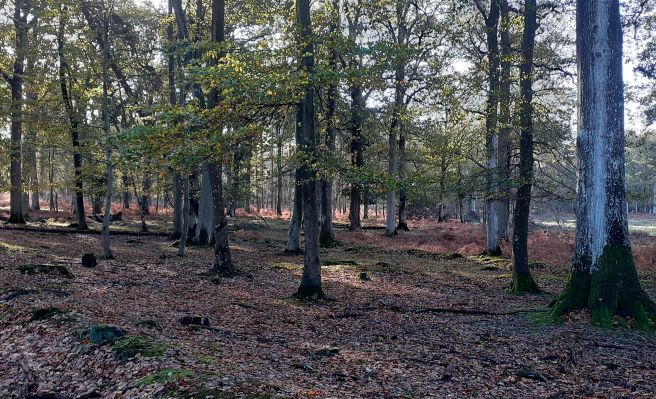
We left home in heavy rain this morning and it looked like my walk into the New Forest may be a washout however the BBC weather forecast was correct and by 9.30 the sun was out and the Autumn colours were looking good.

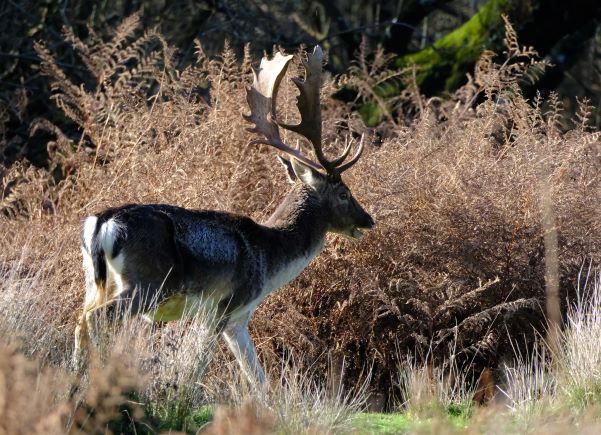
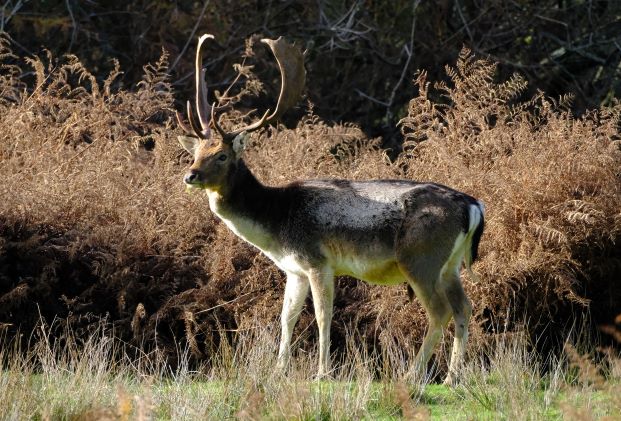
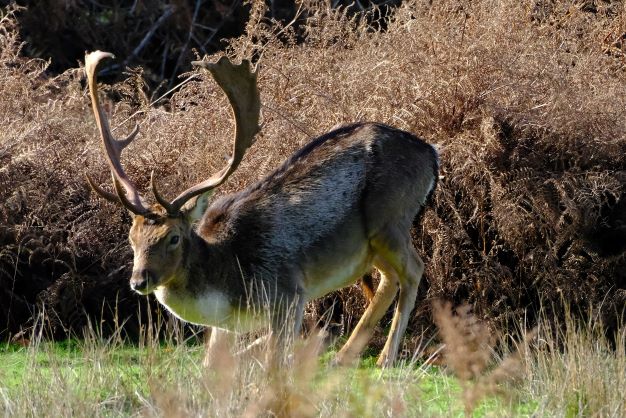
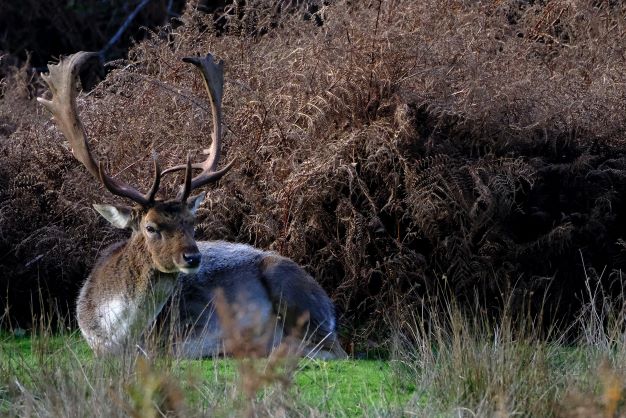
Fallow Deer are the deer that most visitors to the New Forest see. Although not a native species, to the forest. The New Forest was William the Conqueror’s first hunting forest in England, and the hunting of fallow stags took place for over 900 years until it was outlawed in 1997.

I only saw one Stag but he was worth spotting and decided to sit down rather than move on!