Some birds are as good underwater as they are in the air.
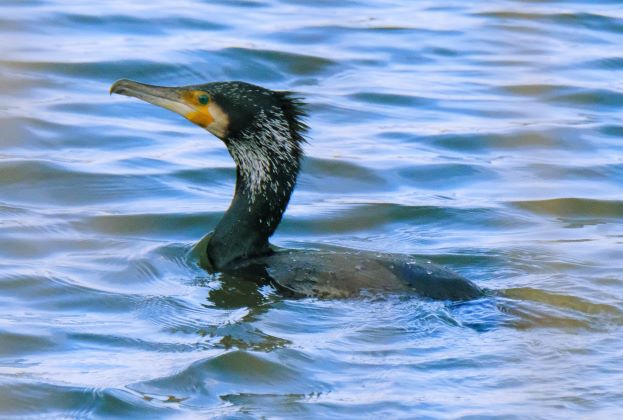
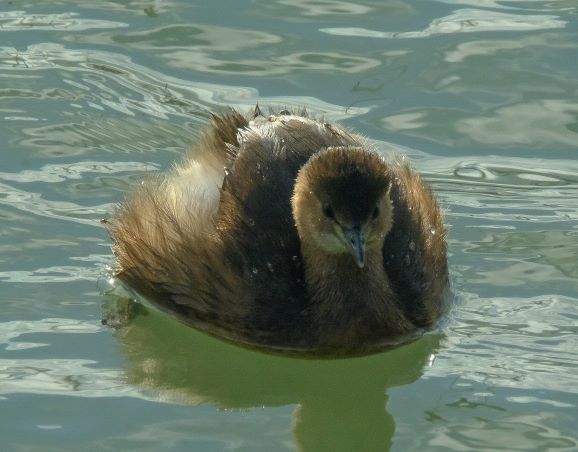
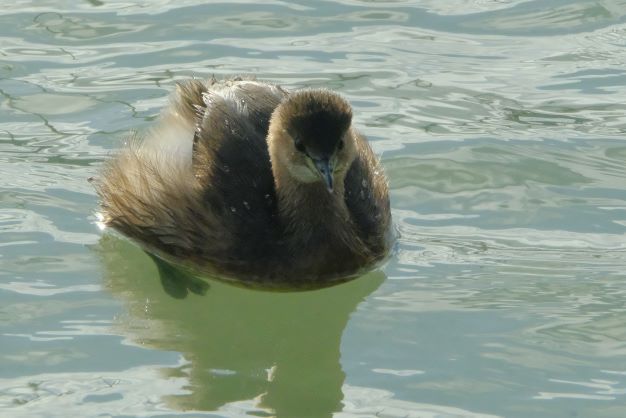
A Cormorant and a Little Grebe at Titchfield Haven Nation Nature reserve today.
Some birds are as good underwater as they are in the air.
A Cormorant and a Little Grebe at Titchfield Haven Nation Nature reserve today.
#Wordless Wednesday

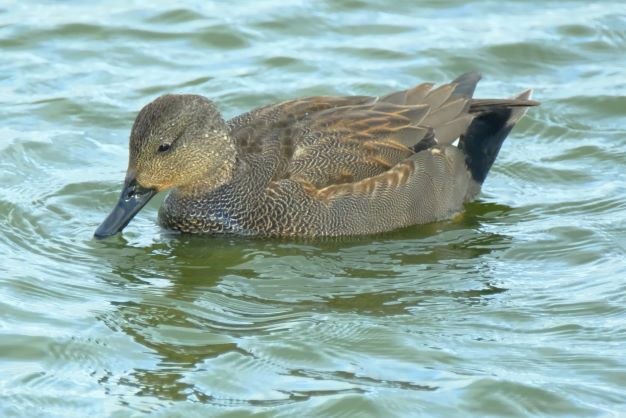
The Gadwall is a grey-coloured dabbling duck. They are a little smaller than the Mallard.
Very few nest in the UK (only 1200 pairs).
UK wintering: 25,000 birds.



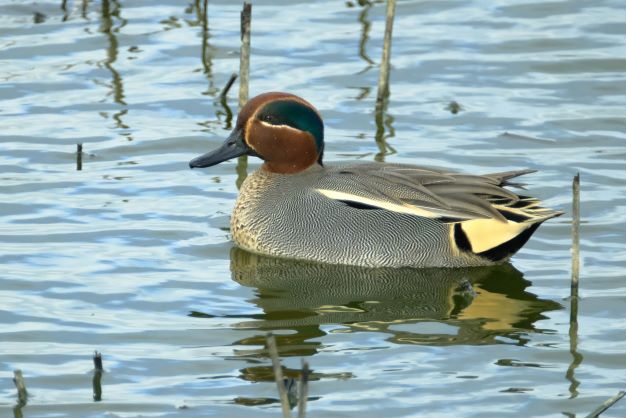
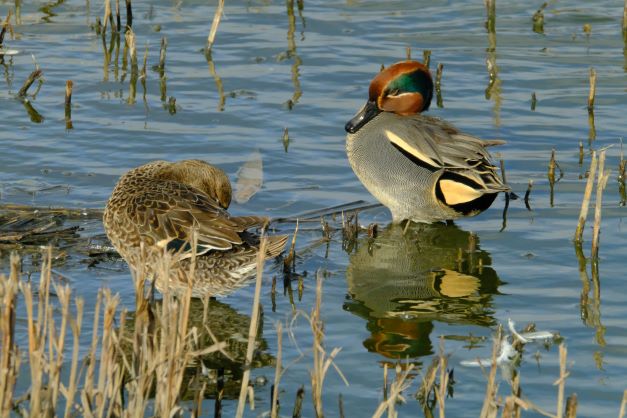
Teal are small dabbling ducks. There are about 2100 breeding pairs found in the UK but the wintering numbers increase to 210,000 birds many of these are continental birds from around the Baltic and Siberia.


A circular walk today in the New Forest starting and ending at Eyeworth pond.
History.
The pond was created by the Schultze Gunpowder Company as a reservoir to hold the water needed during the manufacturing process – it is estimated it held 6 million gallons of water. Work started on the factory in 1860. By the late 1890s the Company employed upwards of 100 people and there were some 60 buildings. The factory continued in operation under new ownership until 1921. The manufacturing of explosives deep in the forest away from the local population reduced the risk to the public. Today the reservoir remains although the factory has gone, it remains as a feature and wildlife habitat. Little other evidence of the factory survives, although the superintendent’s and gatekeeper’s houses remain and are private residences.
Birds. on the pond.
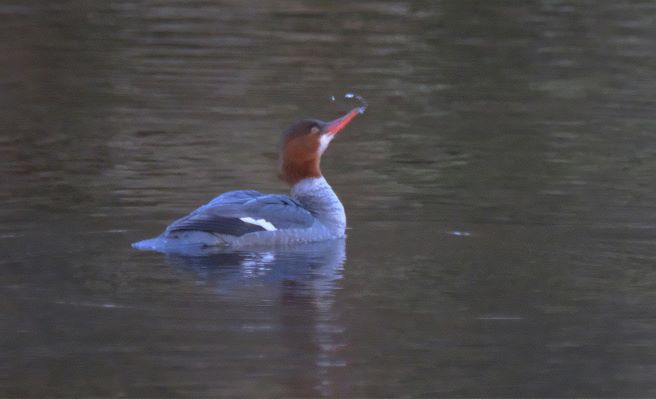
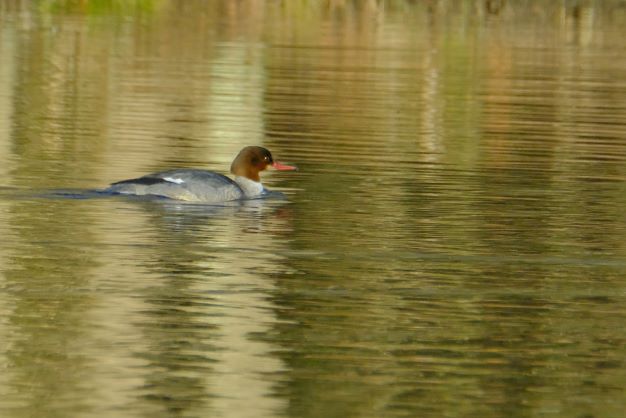
2 female Goosanders were on the far side of the pond ( I have seen males here as well in the past but not today). Goosanders are diving duck, they have long, serrated bills, used for catching fish. They 1st bred in the UK in 1871. ( These ducks are known as Common Merganser in the USA).

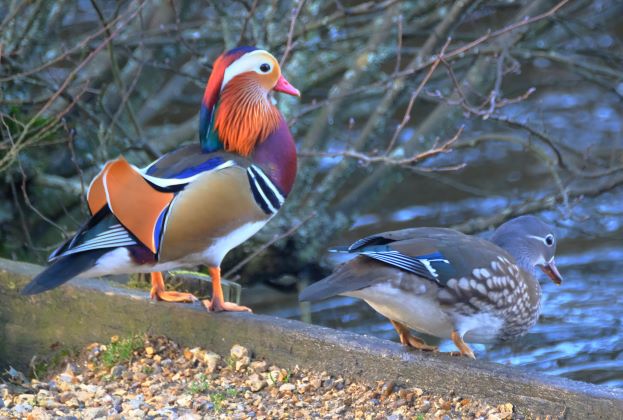
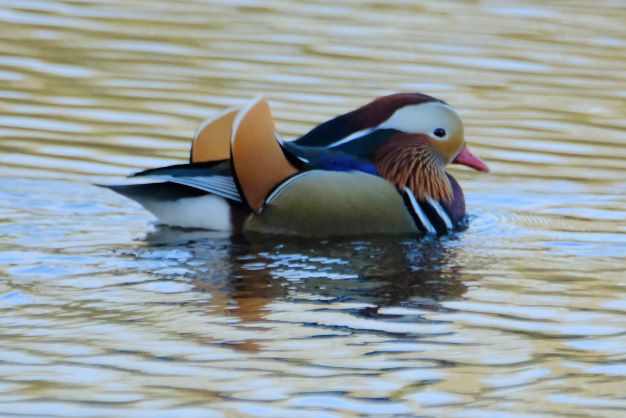
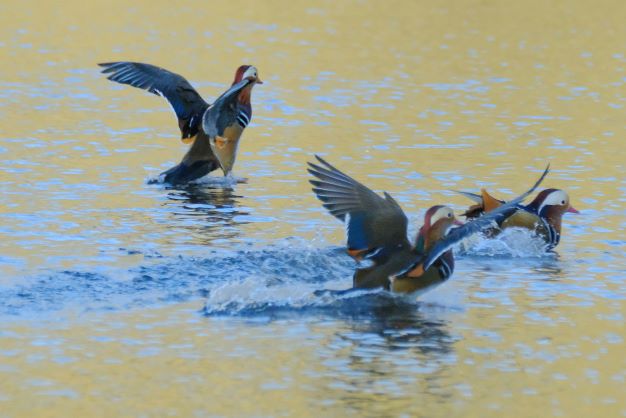
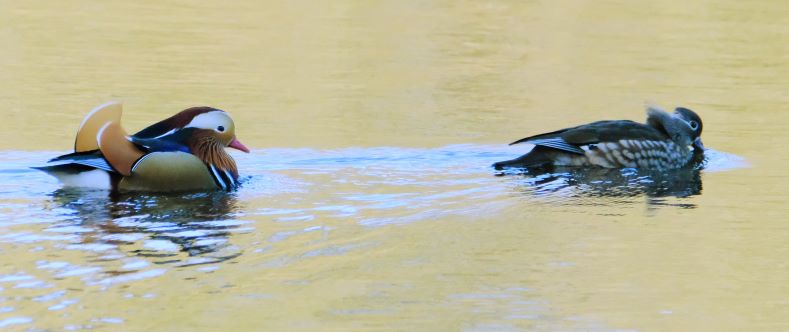
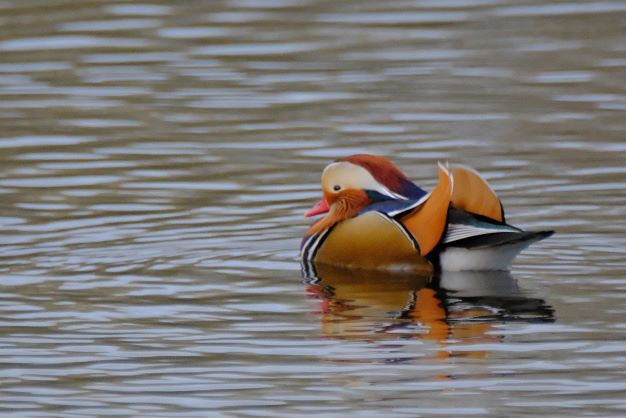
Mandarin ducks have for many years been a regular bird on Eyeworth pond. They always draw a crowd, they were introduced to the UK from China in the 20th century and have become established following escapes from captive collections. In the UK there are now said to be about 2,300 pairs and according to Wikipedia the population in China is only 1000 pairs.


Moorhen.

Woodland Birds. around the pond.
A woodland favourite is the Blue Tit.


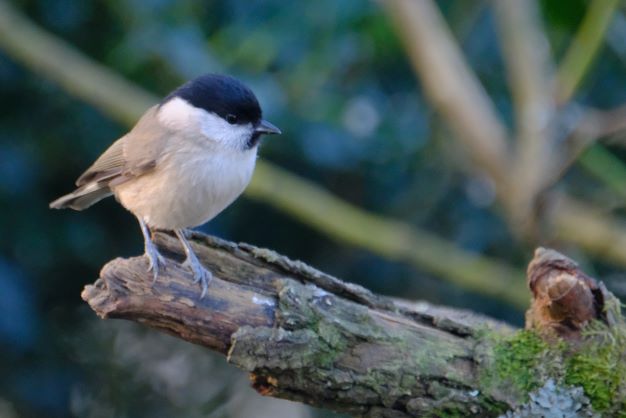
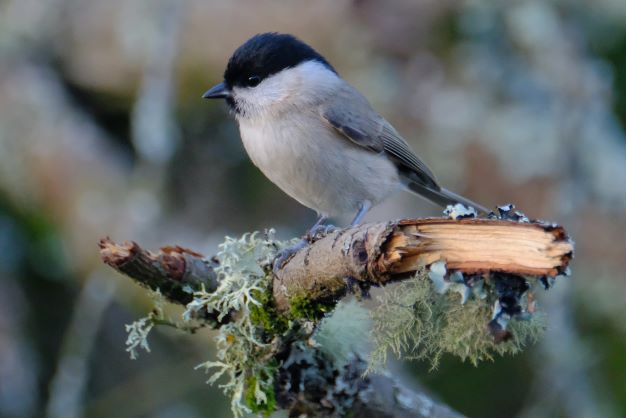
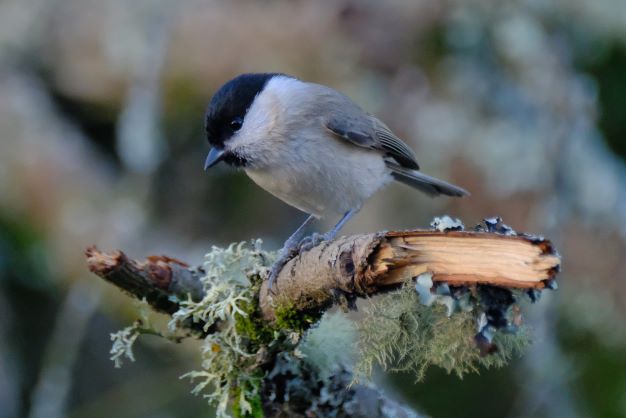
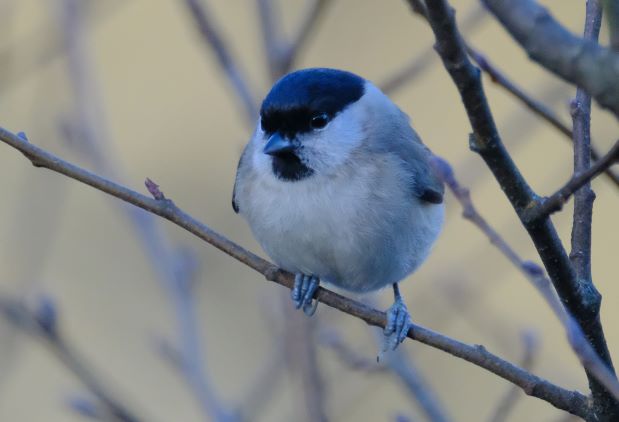
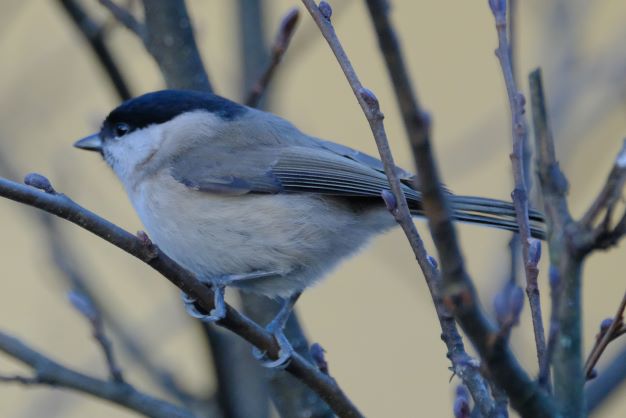
Marsh Tit.
Great Tit.

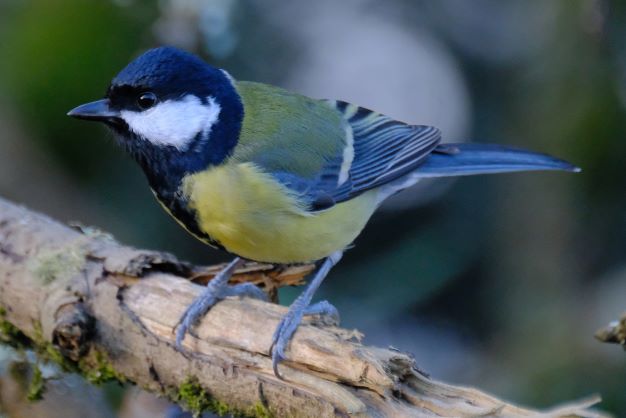
Robin.


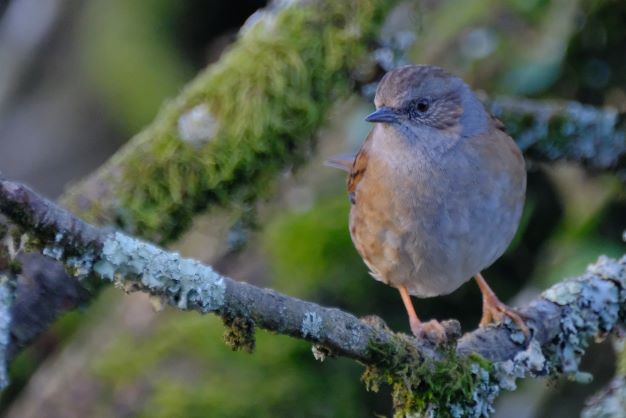
Dunnock
Dunnocks are also known as the ‘hedge sparrow’, although they are not actually a sparrow. They’re actually the only UK member of a bird family called the accentors. The dunnock is also commonly mistaken for a female house sparrow. Dunnock is derived from the Old English word for ‘little brown’. This is because they do look drab from a distance but close up they are quite pretty with a mottled blue-grey breast and face.


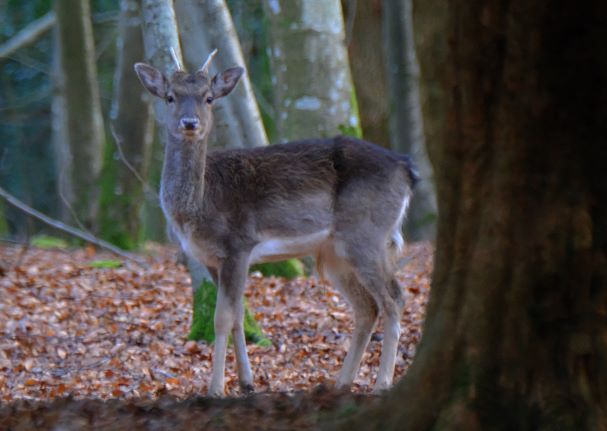
Deer.
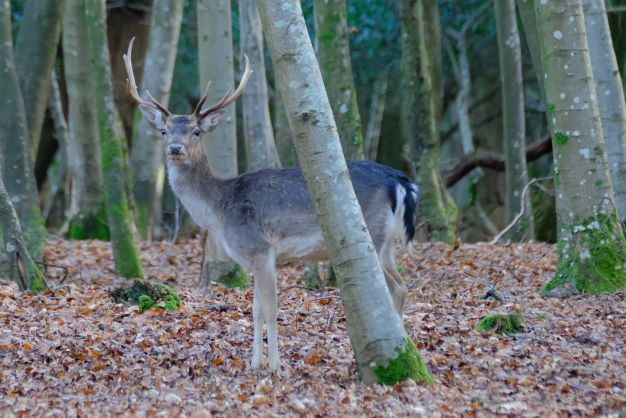
Fallow deer are the most commonly seen deer in the New Forest currently numbers are maintained at about 1,300 Following the Norman Conquest of Britan ,the New Forest was proclaimed a royal forest, in about 1079, by William the Conqueror. Fallow deer were brought into the forest for the hunt. Forest Law, reserving the pursuit of beasts within it exclusively for the king and his officers.


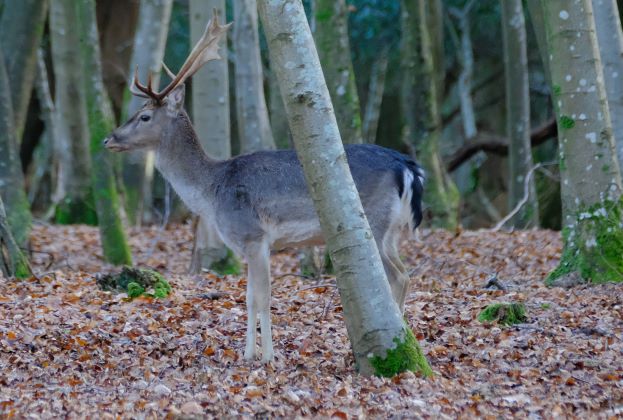

One of our trail cameras gave some good views this week. Uploaded on the below clip – it is a long clip but worth the watch if you have a spare 1/2hour to watch nature on your computer. A Robin also pops in.
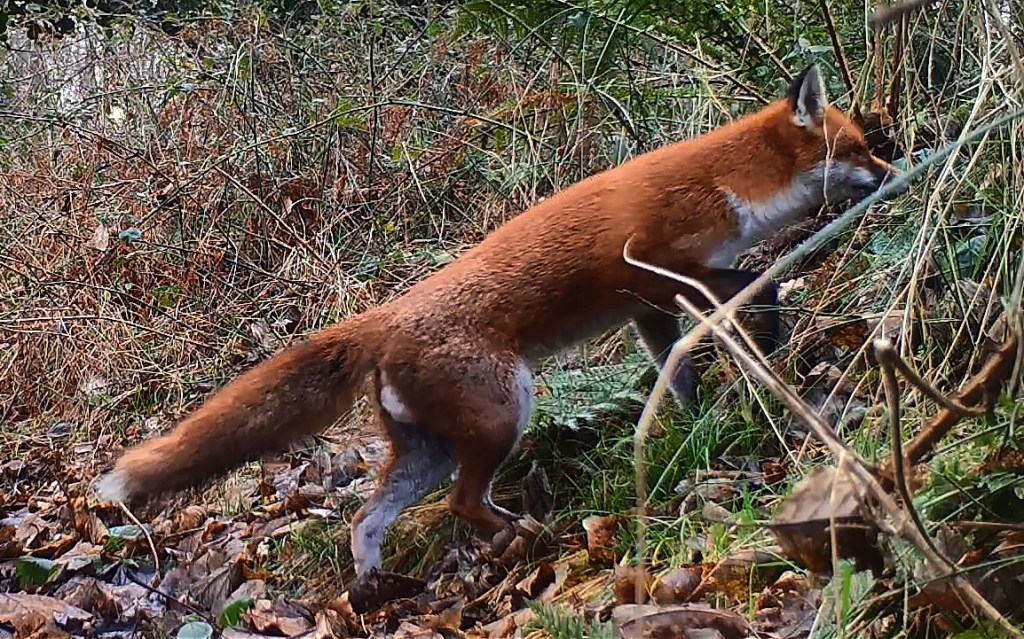
some stills from film footage.


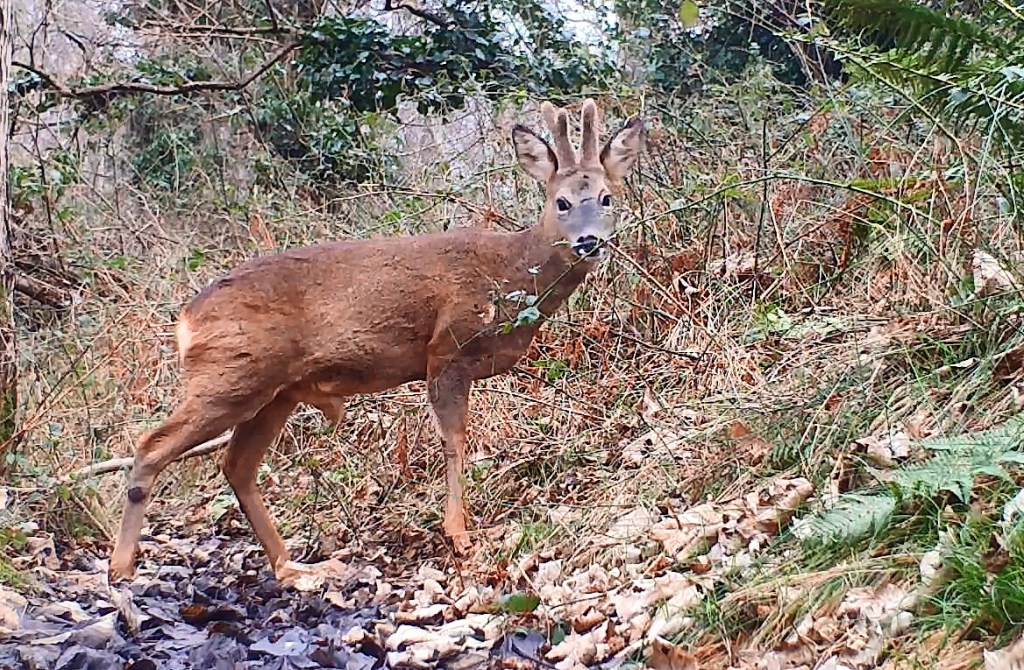


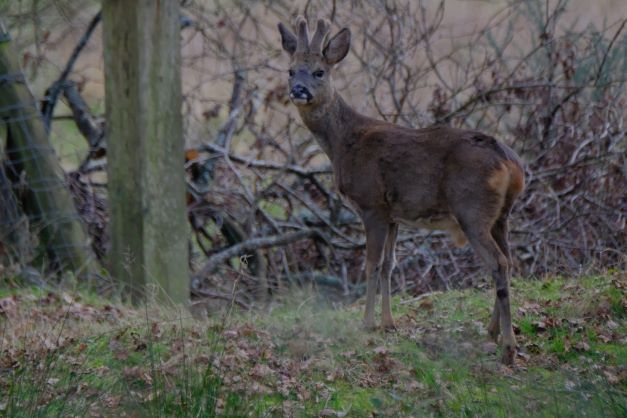
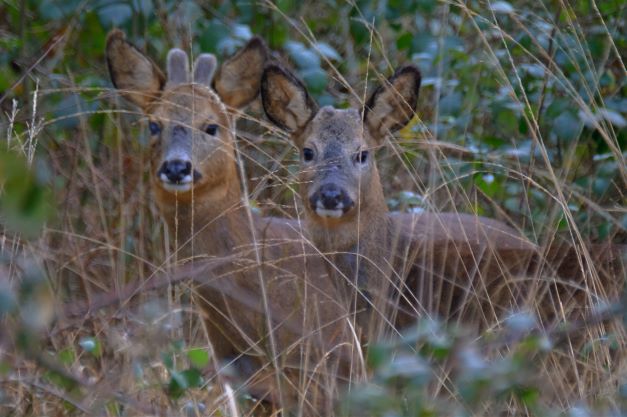
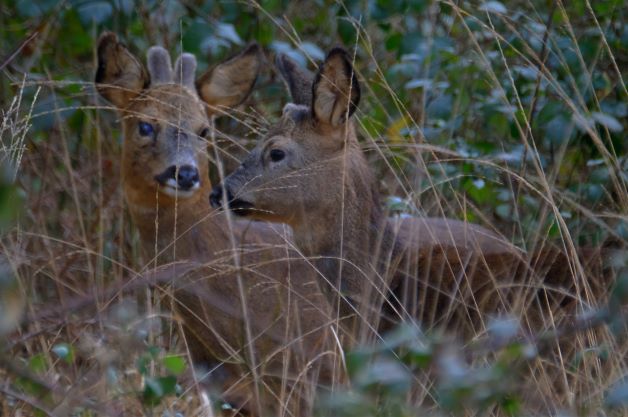
Some great deer spotting today 3 young Roebuck allowed us to approach and pass where they were resting. Each deer had different sized antlers and it was good to see them “in velvet”. I am sure our local deer know us and tolerate us walking in their habitat they quietly watch us pass I am sure they are thinking “it’s those chaps with cameras again stand still and they will walk past”.
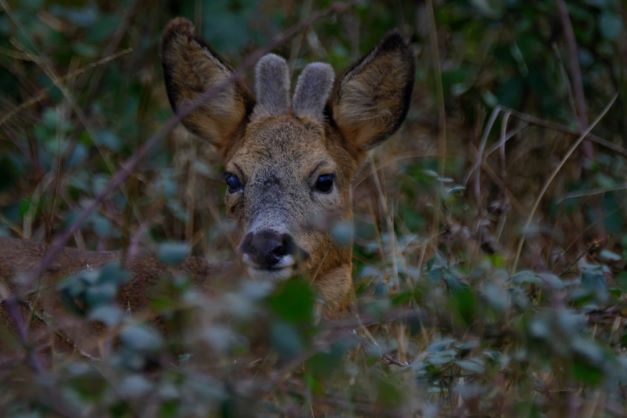
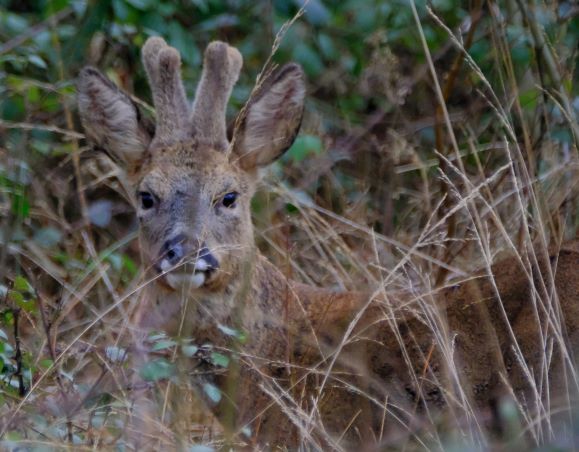
The appearance of Roe deer changes throughout the year. They have a bright red-brown fur in summer, fading to a duller shade of brown in winter which is how they appear at the moment. These deer looked strong and healthy despite it being the end of the winter.






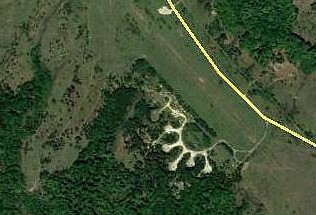
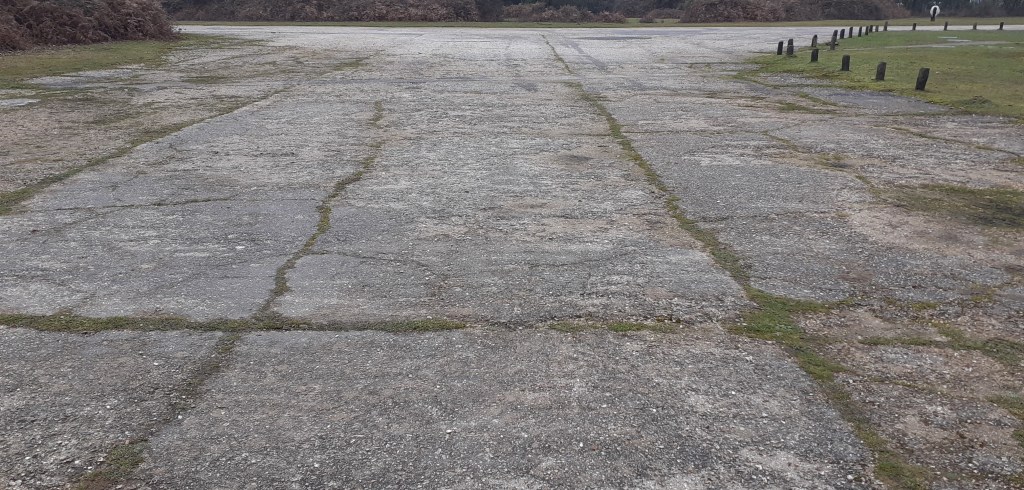
A return visit to Stoney Cross airfield to try and take some pictures of the remaining parts of the aerodrome. Parts of the aircraft dispersal hardstandings were not removed when the runways were broken up and are now used as a campsite as we are in the winter months it was a good time to take pictures without holidaymakers on site. Below is a view from above shoving the remaining structures.
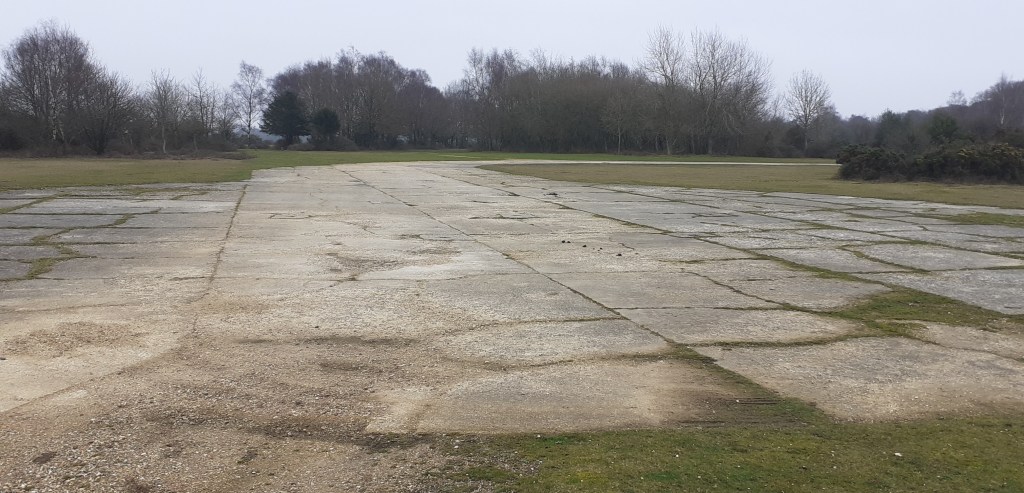
From ground level, it is hard to believe what was parked up on these concrete bases back in WW2 – Bombers and fighters of the RAF and USAF and thoughts are for those who failed to return following actions in the skies above Europe.




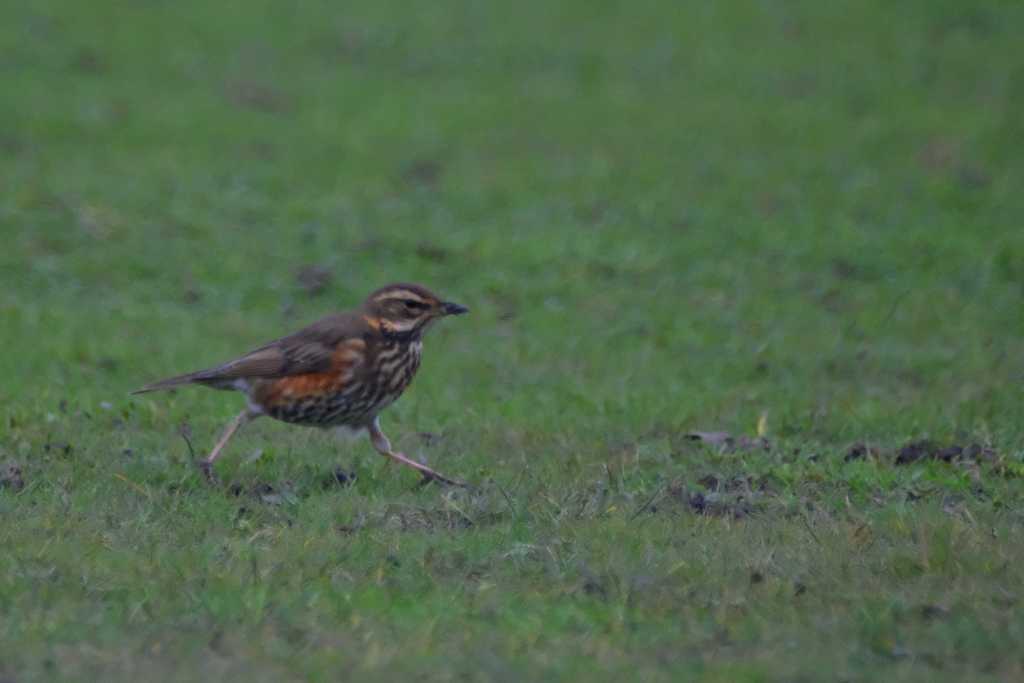
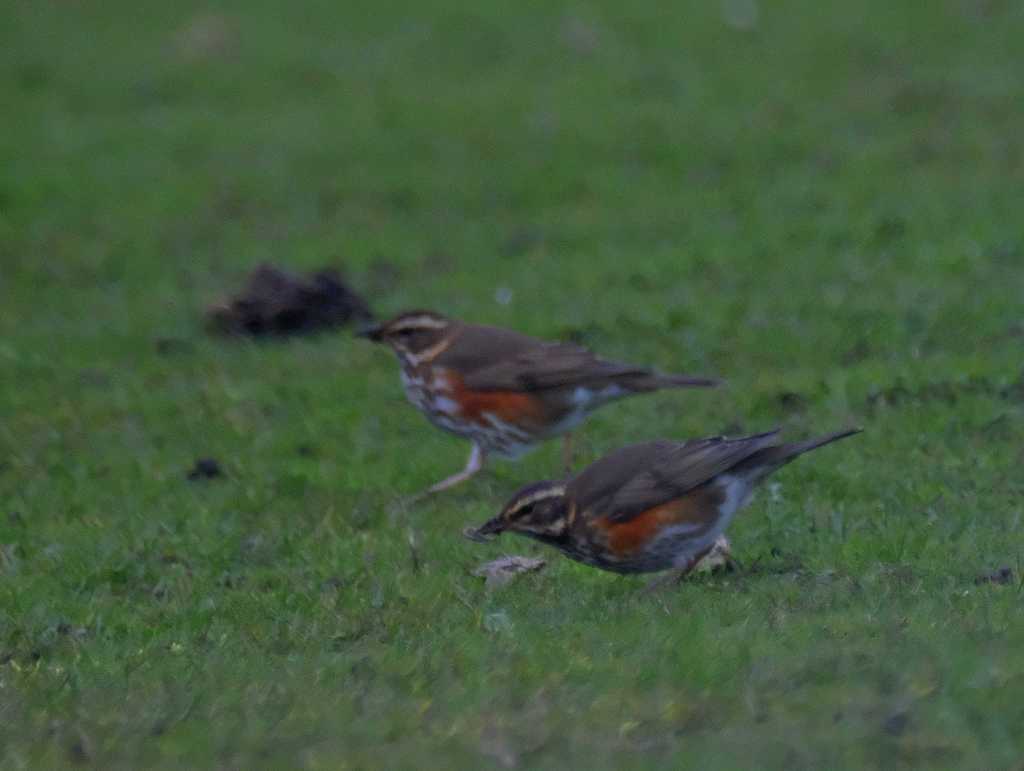
Flocks of Redwings were feeding on the site of the old runways.


(Part 2 Birdwatching). More from a walk today from Warsash up the river Hamble to Bursledon. Today’s birdwatching observations on a rather dark and gloomy day

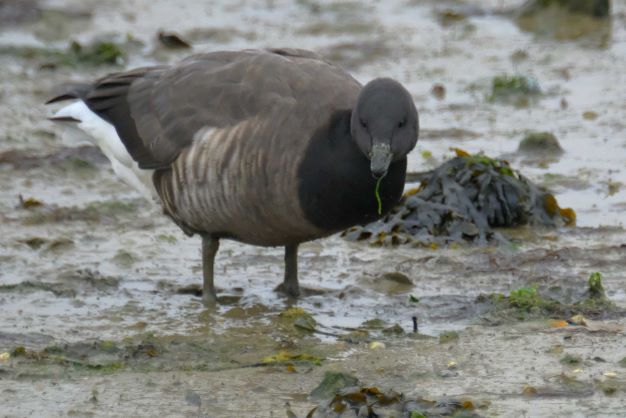
Brent Goose. These small geese are a similar size to a mallard. They have a black head and neck and greyish back, with either a pale or dark belly, depending on the race, most of the birds I see. local to me have a dark belly. I always find them difficult to get a decent photograph of them due to their dark colour on the mud, their eyes seem to disappear! I was quite pleased with these 2 shots despite the dull conditions.
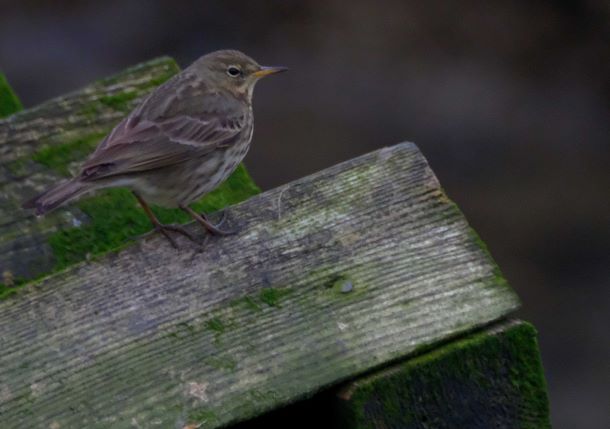
A Meadow Pipit.
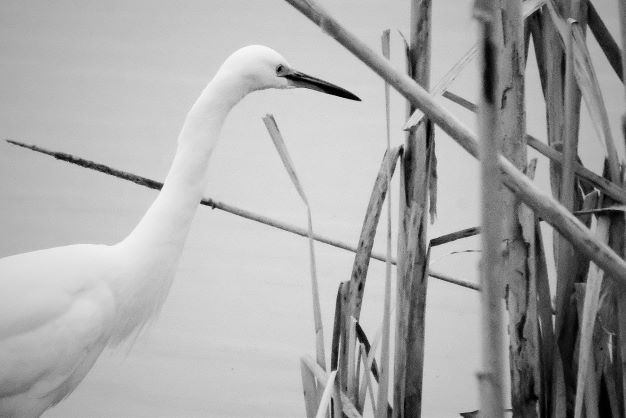
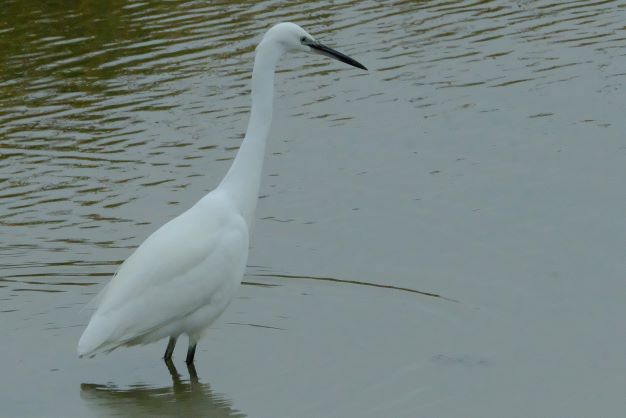
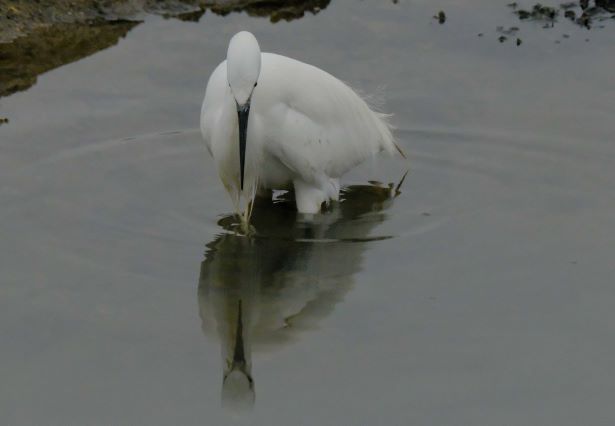
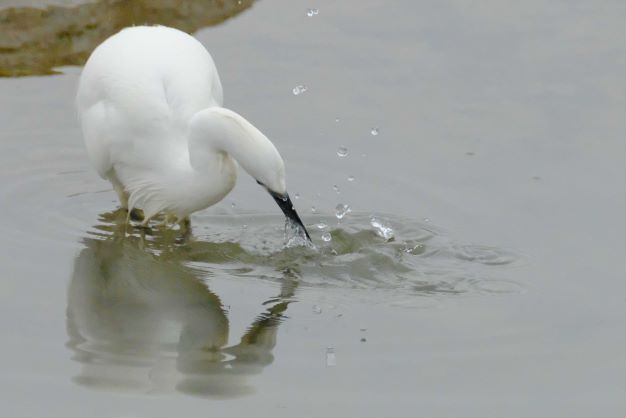
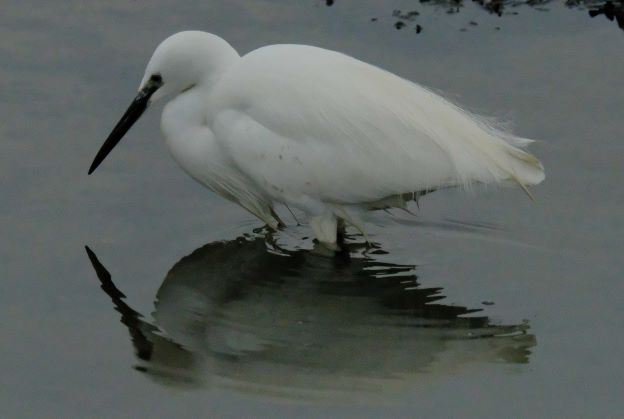
Little Egret. This bird was fishing alongside the footpath.

A Curlew;
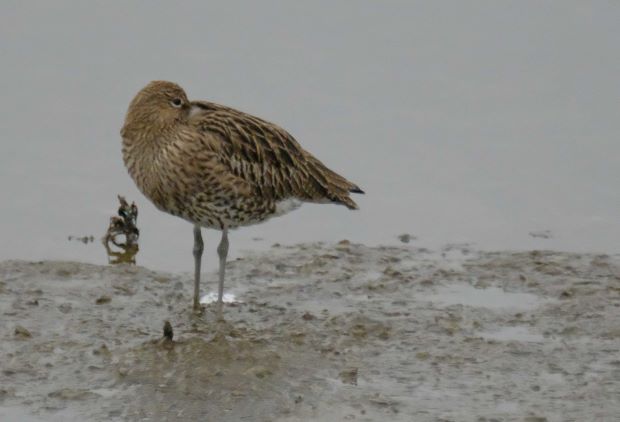
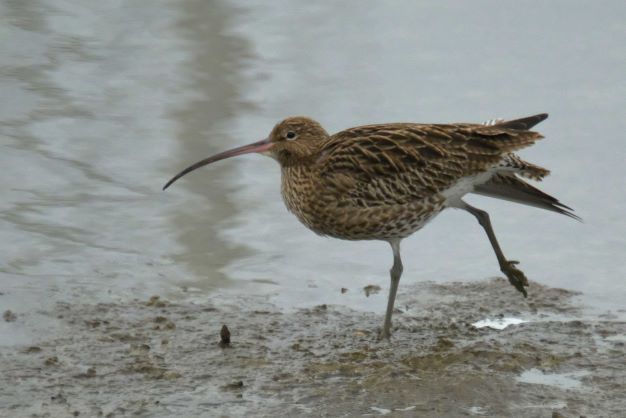


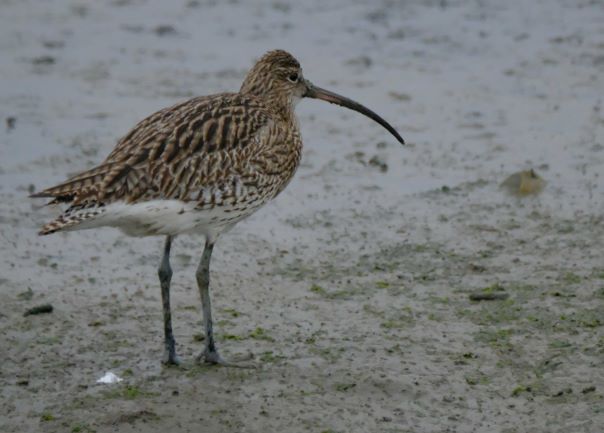
Redshank.

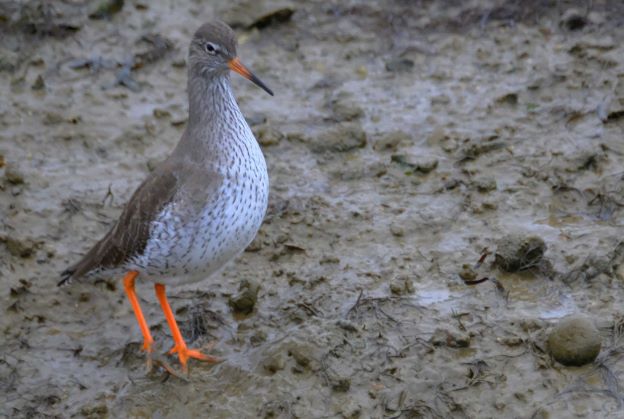

Many of the birds were a long way off on the mud, a large flock of Dunlin a couple of Shelduck and some gulls.

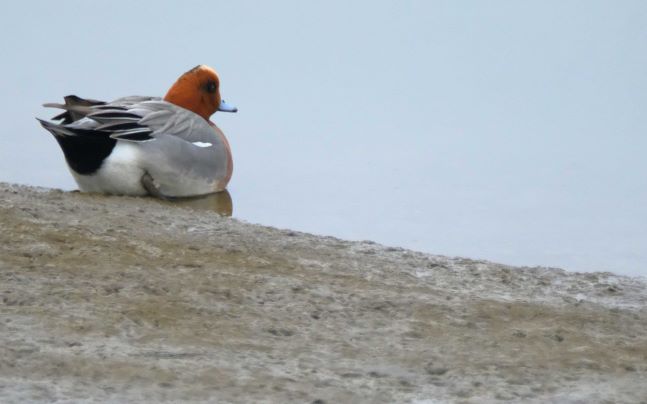
A male Wigeon.
 Continued Reflections from my World.