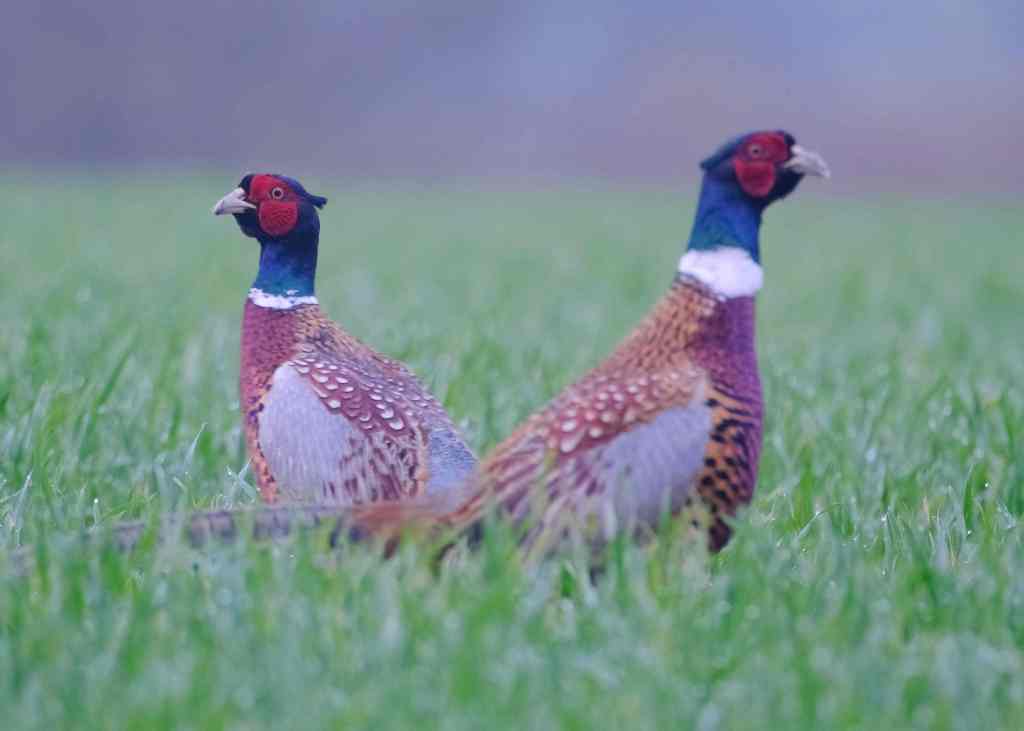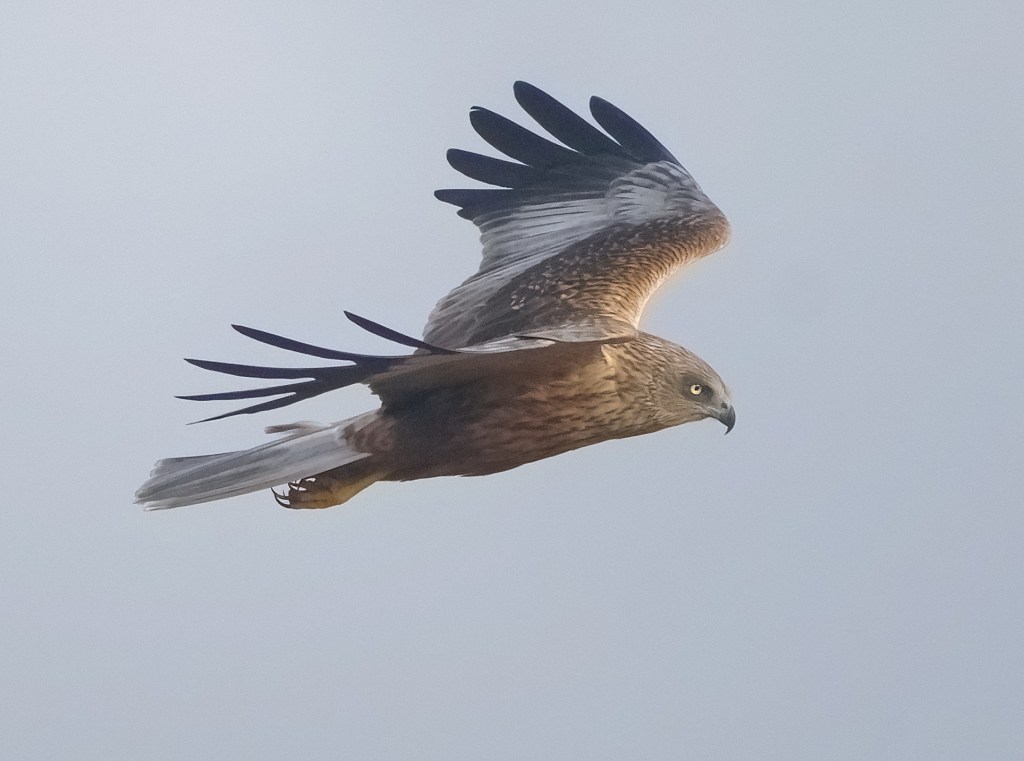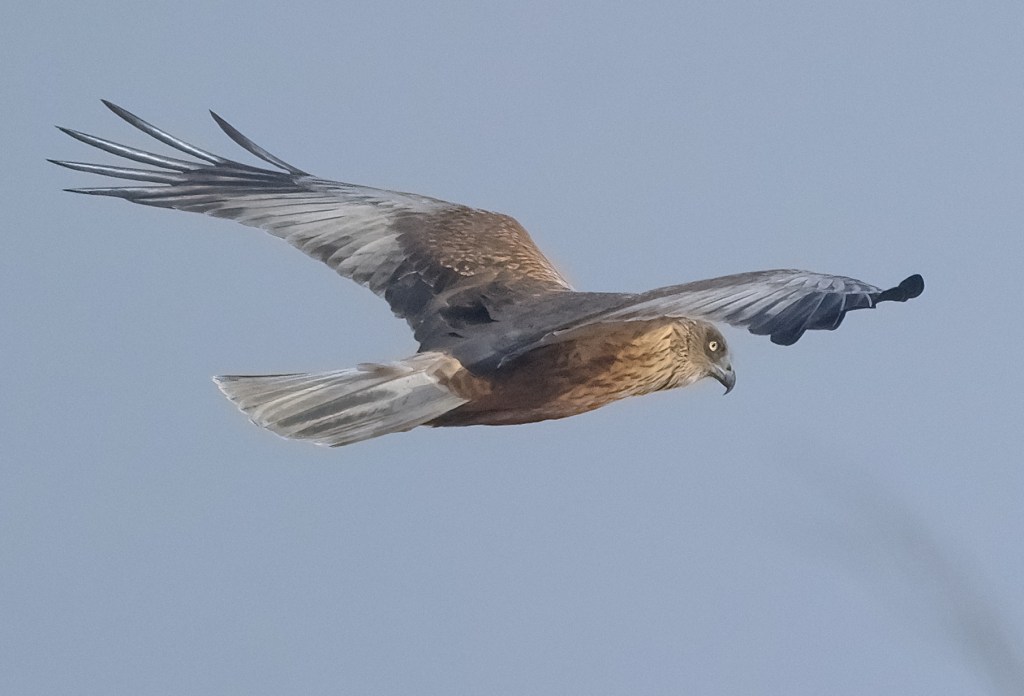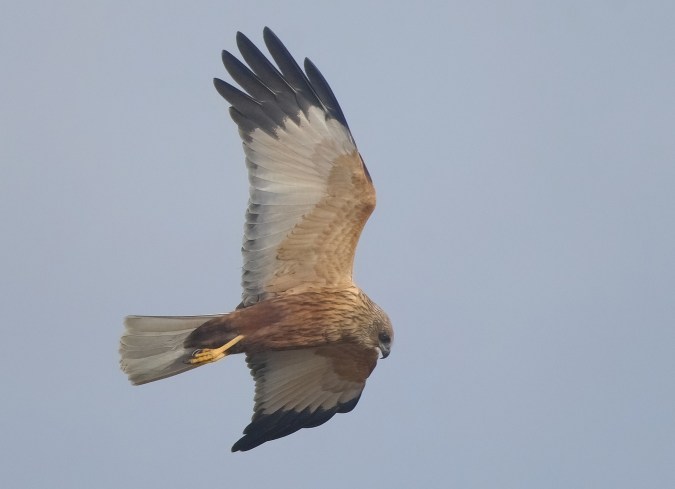
Driving back from our Sunday walk, we came across a Buzzard enjoying breakfast from a road-killed pheasant.


Driving back from our Sunday walk, we came across a Buzzard enjoying breakfast from a road-killed pheasant.


Walking the old toll path on Titchfield Canal, I spotted this little bird. Goldcrests are the UK’s smallest birds. With an average weight of 6 grams (the equivalent of about six paperclips!)


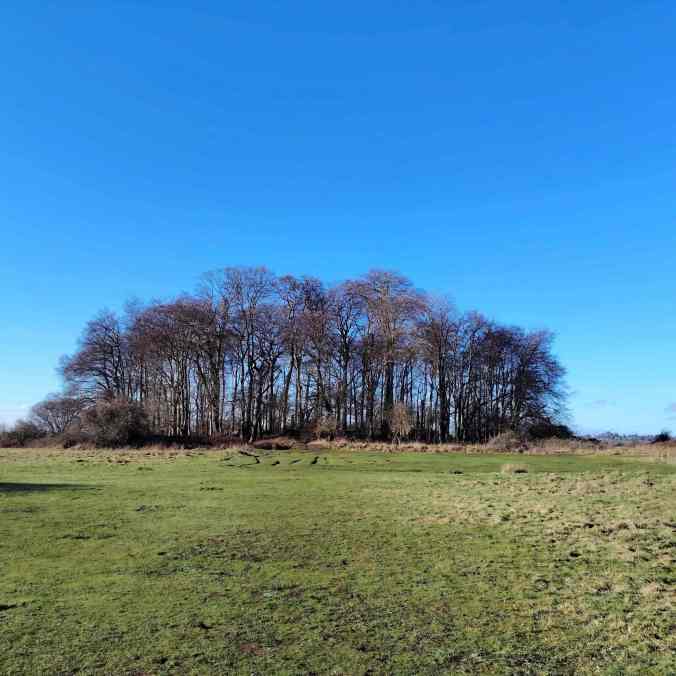
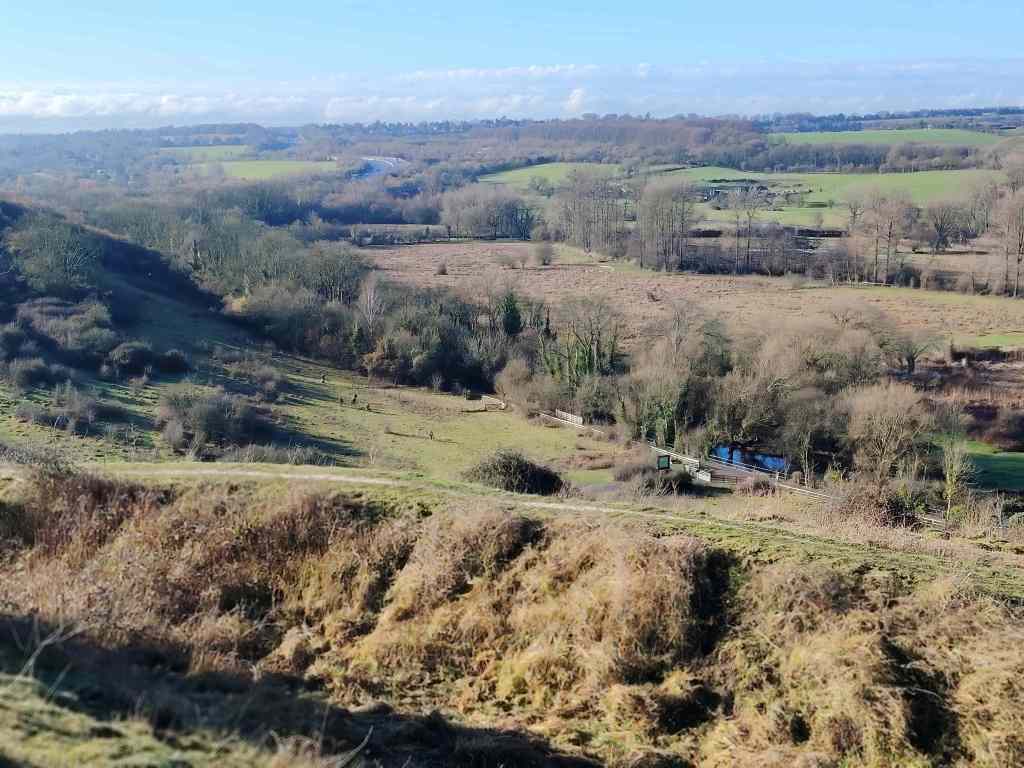
Today, being the last day of 2025, we decided to have a day out and headed to the village of Imber on Salisbury Plain. About an hour and a half’s drive from home, but well worth the trip.
All the residents of the village of Imber were evicted from their homes during ww2 in 1943 with just 47 days’ notice. The village and land formed part of the training grounds for American troops. Land was first purchased for military training on Salisbury Plain in late 1890s. Within 5 years, the total area in the hands of the War Department had risen to 43,000 acres. Permanent barracks were started at Tidworth in 1905. After the First World War, the War Department resumed buying land on Salisbury Plain. The Larkhill Royal School of Artillery was built in 1920. The village of Imber and its surrounding terrain were acquired between 1928 and 1932. The villagers became tenants of the War Department. After the evictions at the end of the war, it was never returned and remains, to this day, a training ground for urban warfare within the larger military training area of the Plain.
Today, the village is open for visits on a few days a year.

A walk around the village’s old homes and more modern killing houses.


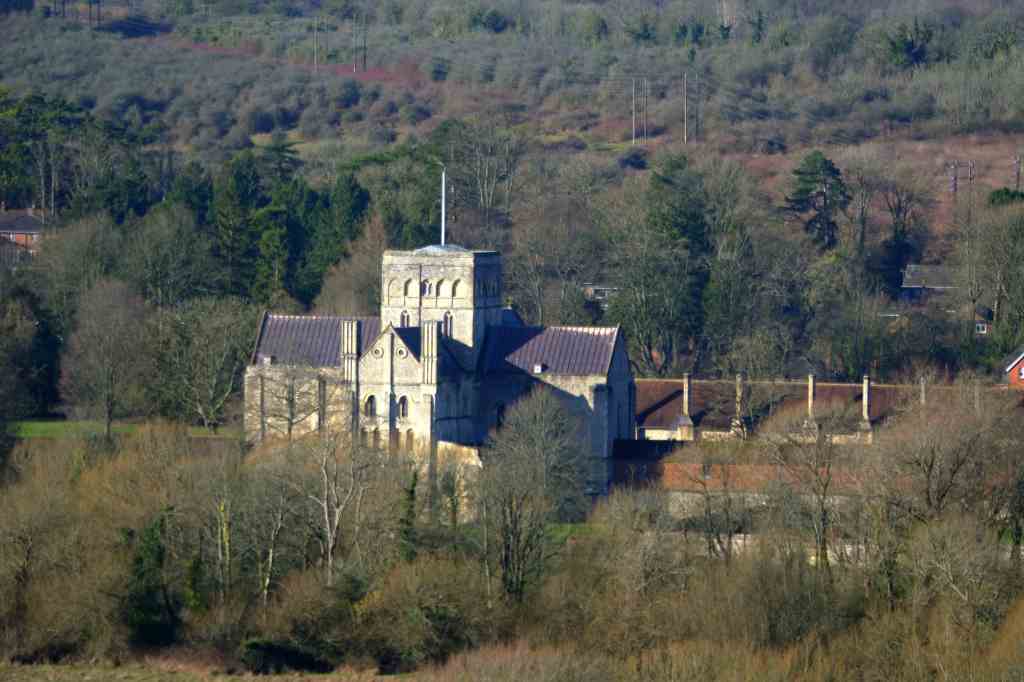
The church of St Giles occupies the site of an earlier building dating from the mid-12th century. The nave was rebuilt towards the end of the 13th century, and around 1400,the addition of the north and south aisles, plus the tower and north porch. At this time, the nave roof was reconstructed. The chancel was rebuilt in 1849, at which time the north-east vestry was built.


Christmas morning by the sea.


#Wordless Wednesday.


1st light on the Hamble River Sunday morning.
Curlew and Spotted Redshank.
Sunday morning walk up the Hamble River. With the arrival of the Brent Geese and large numbers of Wigeon, we can conclude winter has arrived. The Dunlin have lost their black chests and now sport their winter plumage.
BRENT GEESE.


WIGEON.


DUNLIN.


REDSHANK.


TURNSTONE.


CURLEW.


LITTLE GREBE.


Hamble River bird films.
This Water Rail is making a dash from cover in the reeds. Although they are usually secretive, they are often heard but rarely seen. Today. I was lucky to see this bird break cover.


Still photos taken from trail camera footage.

Some more Badger trail camera footage from The New Forest. This demonstrates good interaction between up to three animals. They seem to be playing; if the rolling around was in anger, I am sure that with their strong jaws and claws, there would be injuries. Our trail cameras are often knocked over, you can see how!

Badgers are the UK’s largest land predator and are one of the most well-known British species. They are famed for their black and white stripes and sturdy bodies, using their strong front paws to dig for food and to perfect their burrows, called ‘setts’.
Length: 75-100cm
Tail: 15cm
Weight: 8-12kg
Average lifespan: 5-8 years
Badgers are protected in the UK under the Protection of Badgers Act, 1992, and the Wildlife and Countryside Act, 1981.