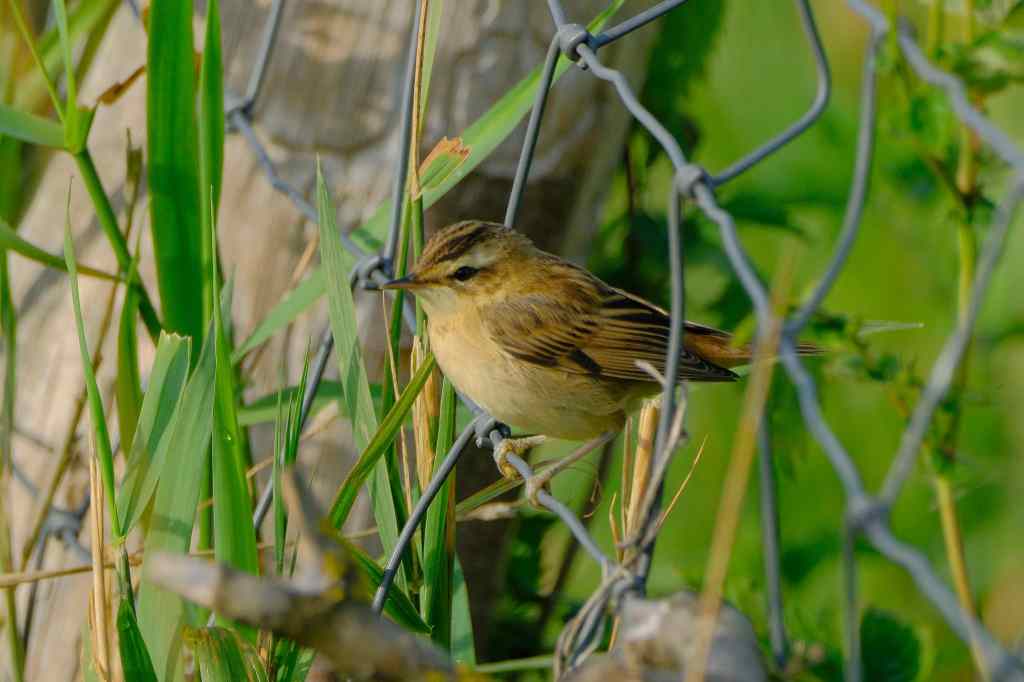
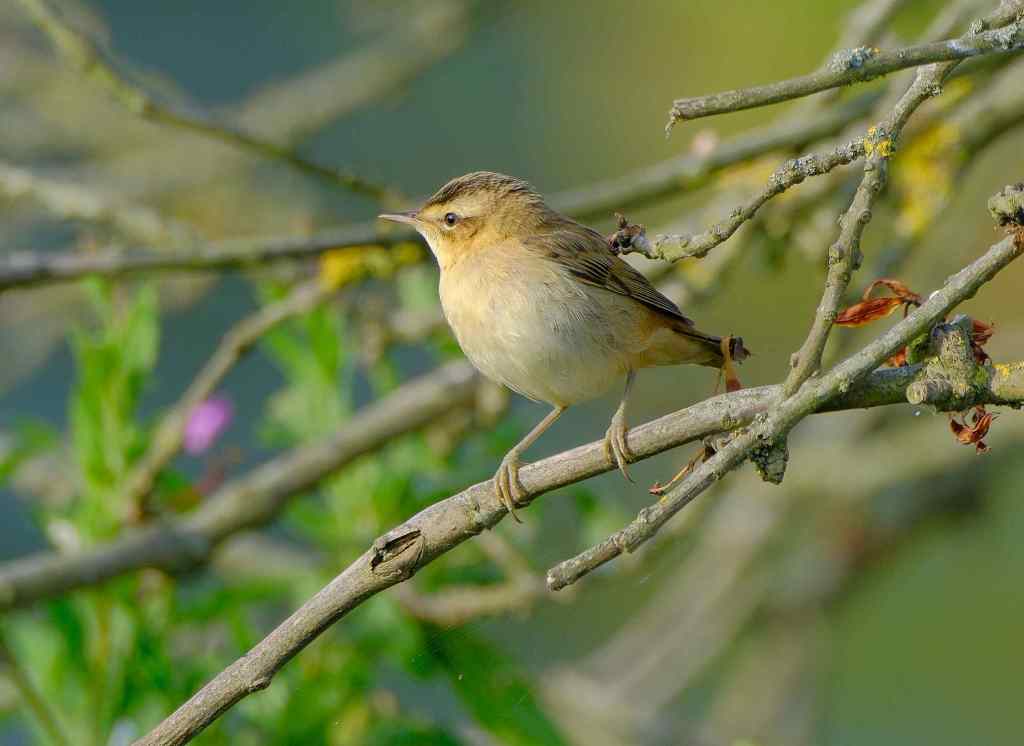
Birds from this morning’s walk along the River Itchen and Itchen Navigation near Winchester.
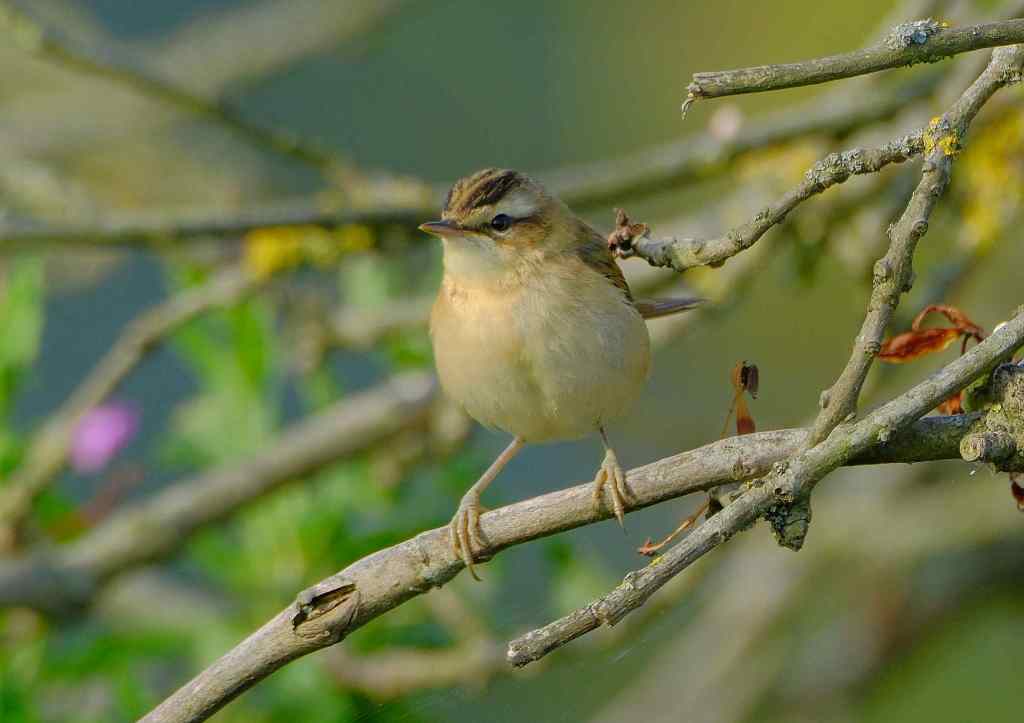
Sedge Warbler.
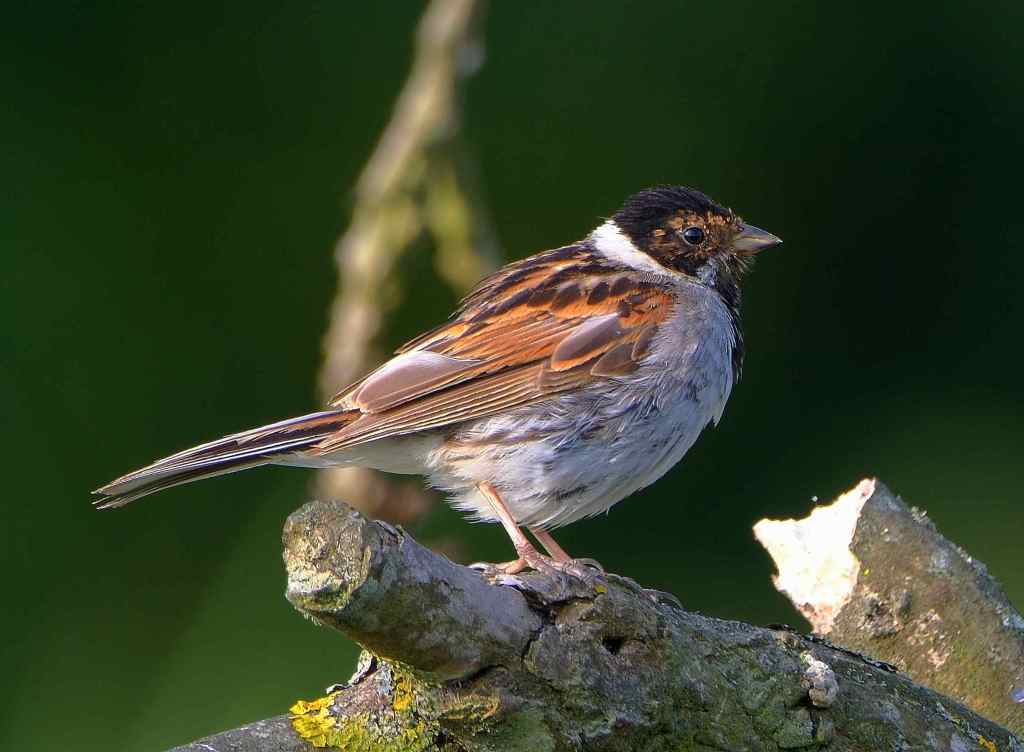
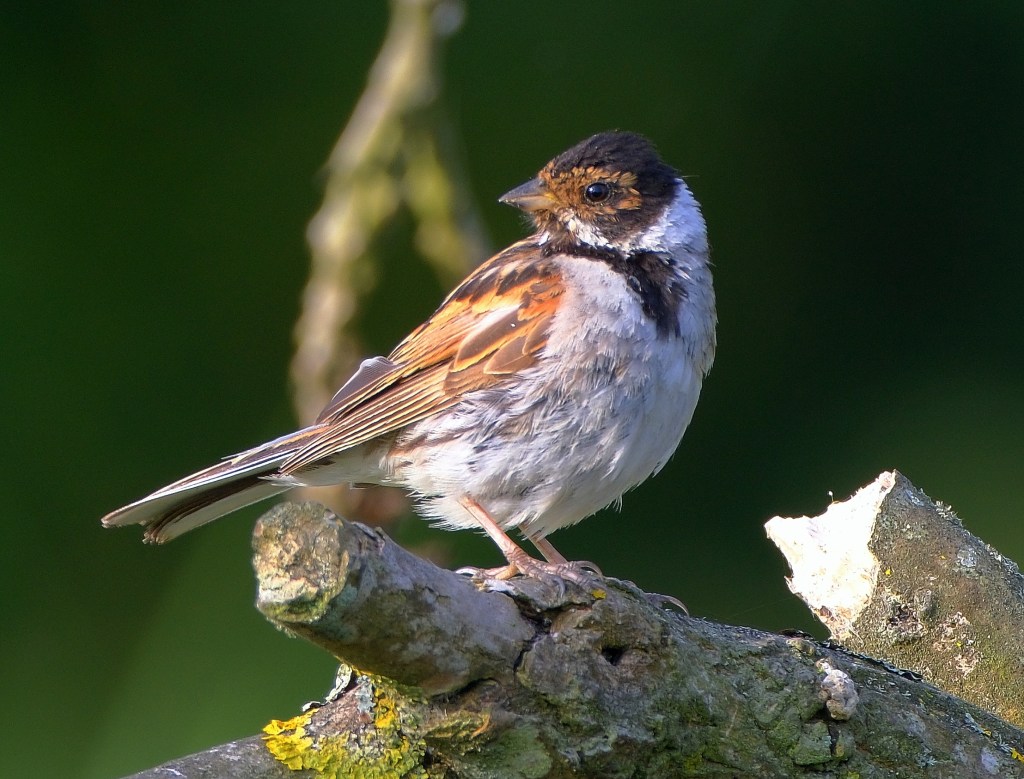
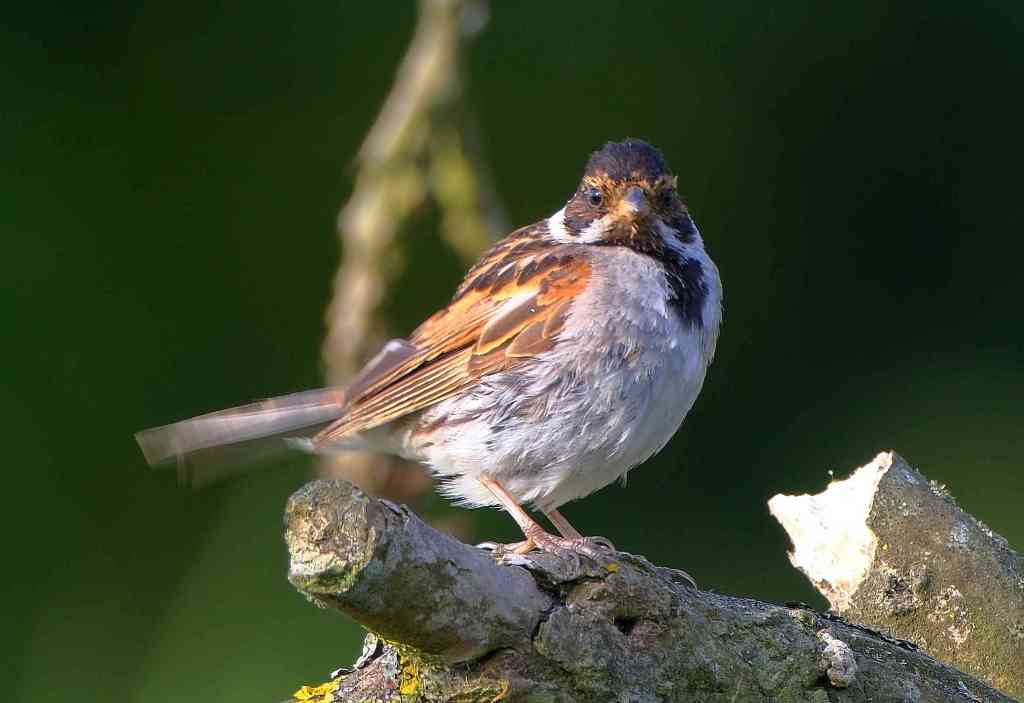
Reed Bunting. (male)
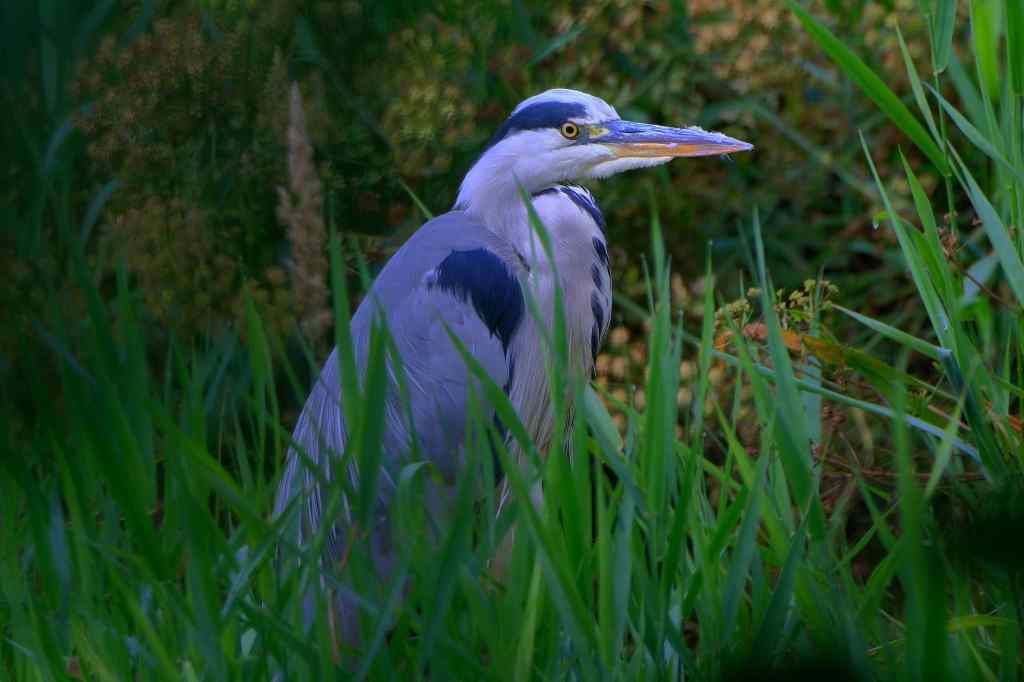
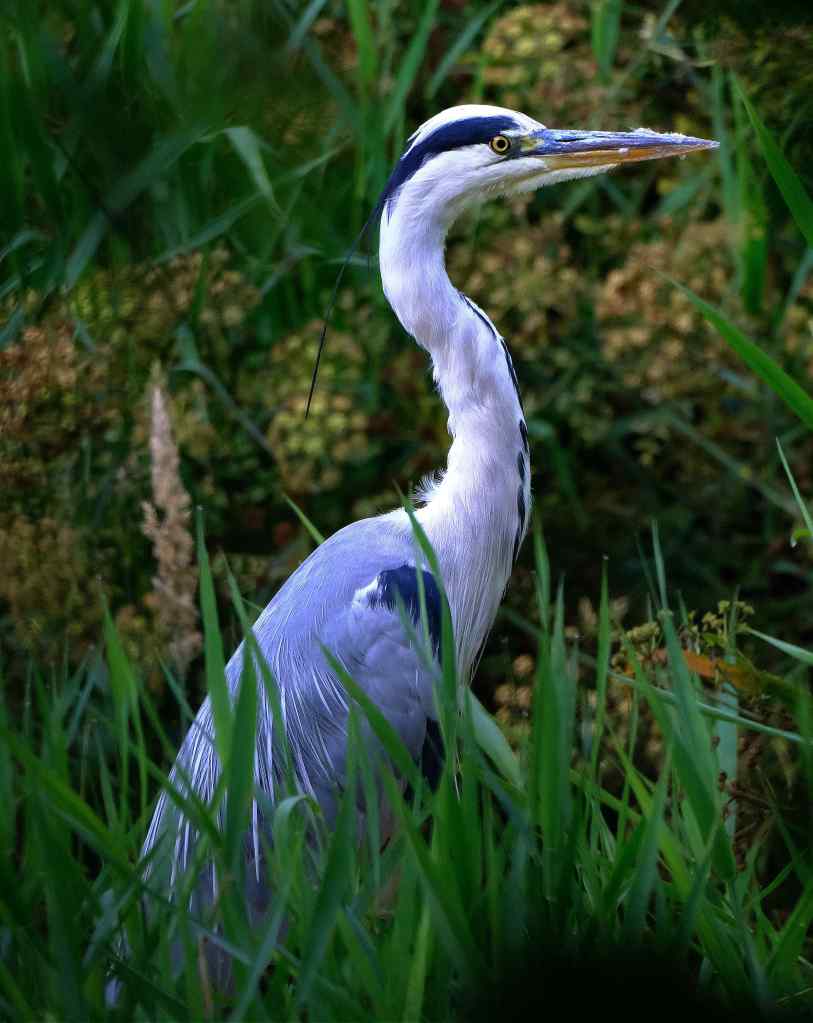
Grey Heron.
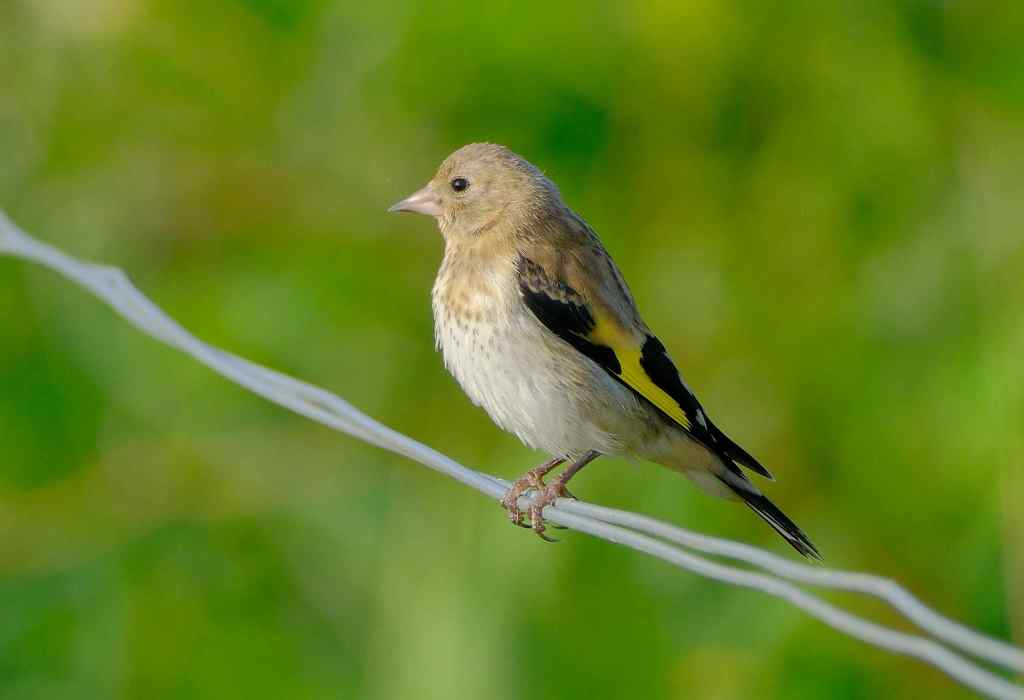
Goldfinch. (juv)
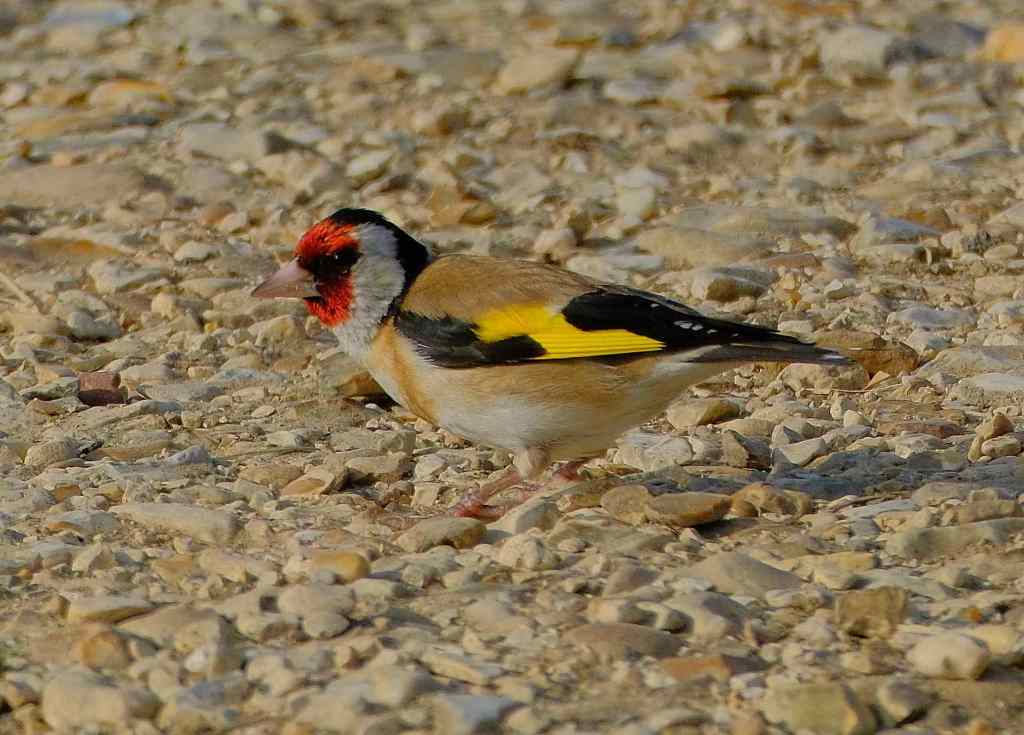
Goldfinch.
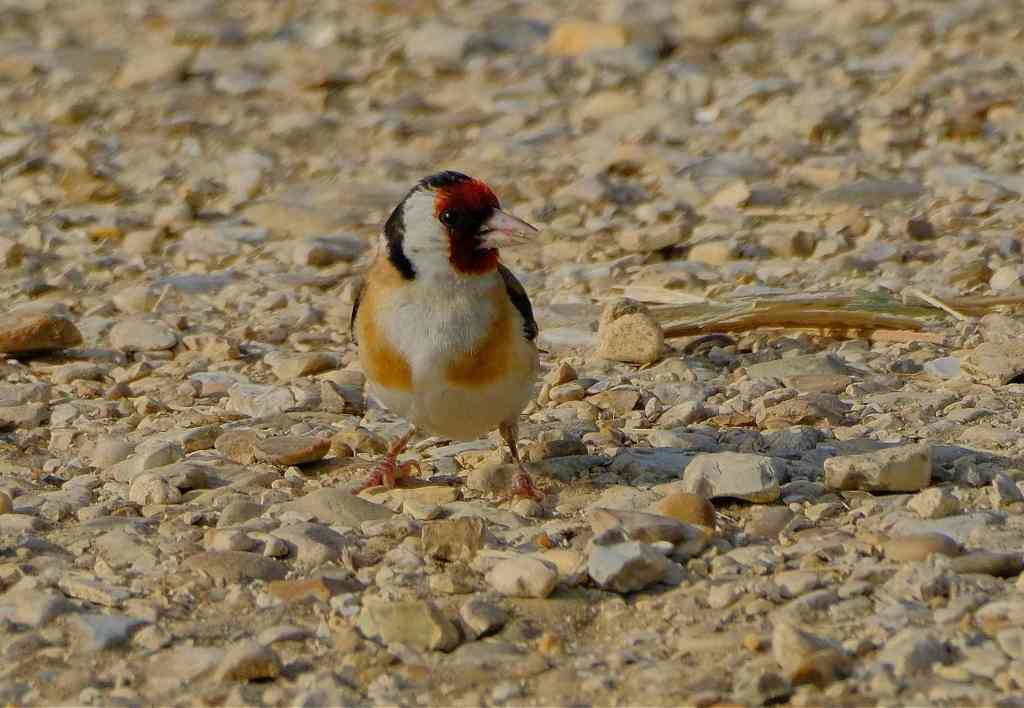
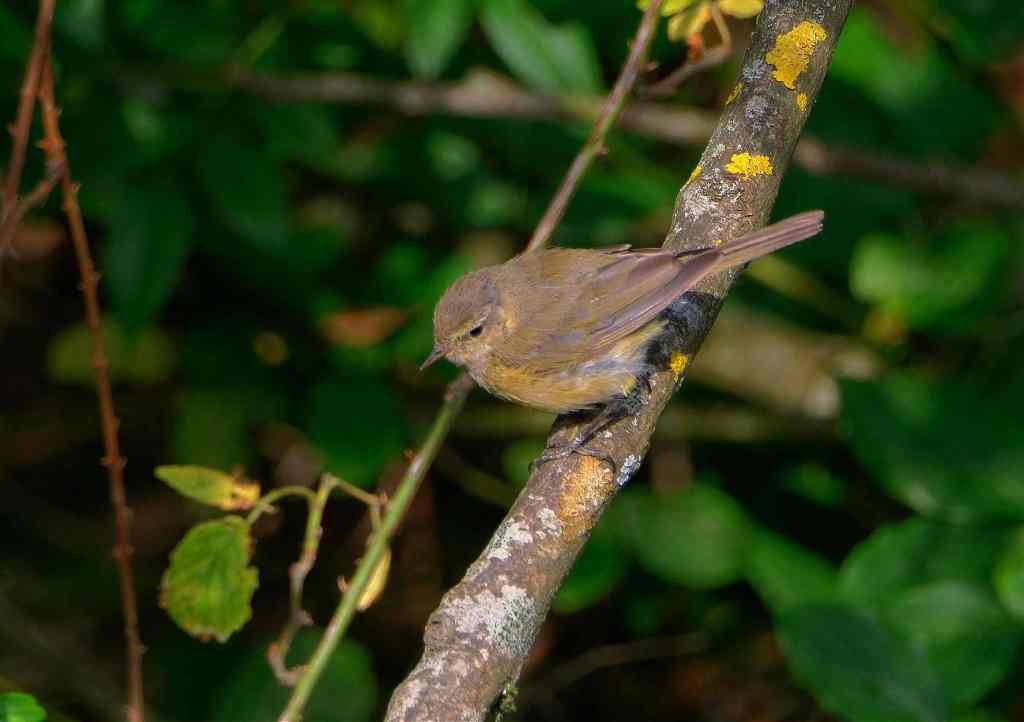
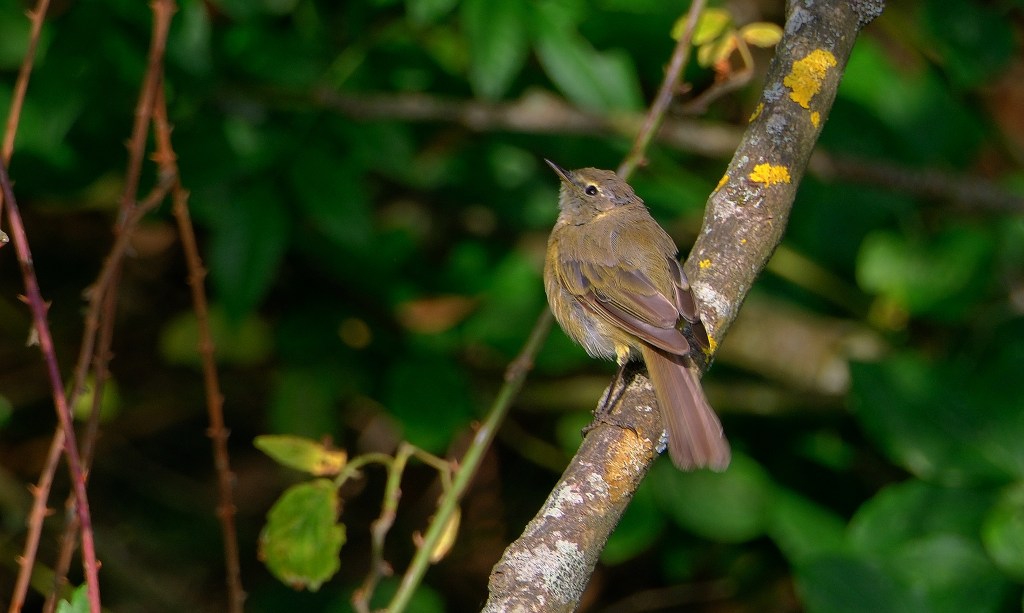
Chiffchaff.
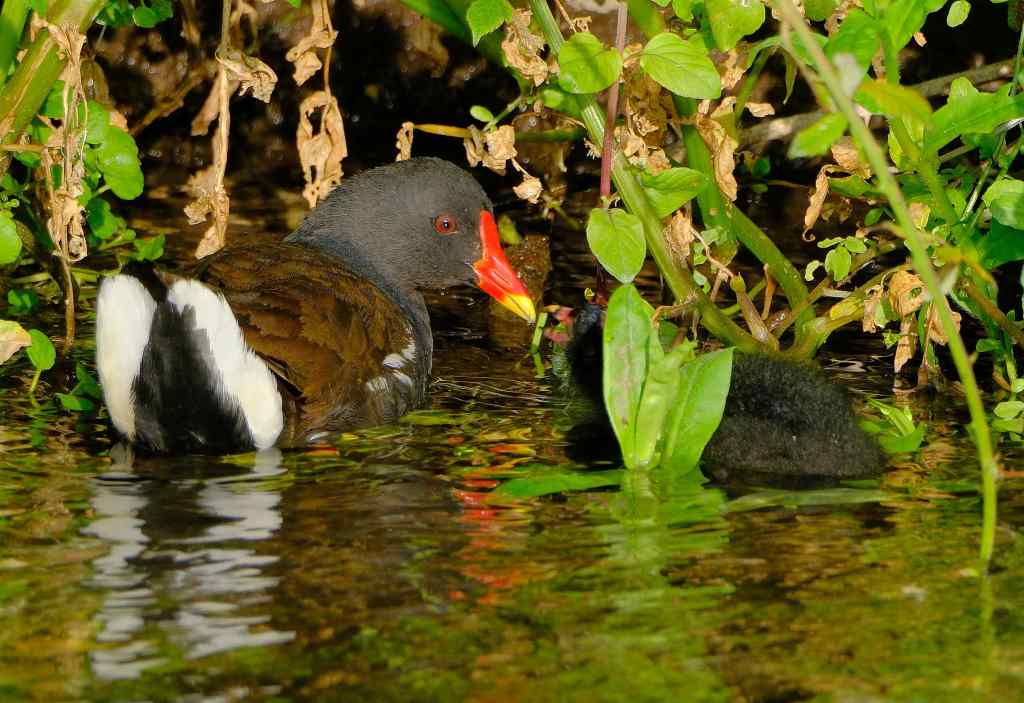
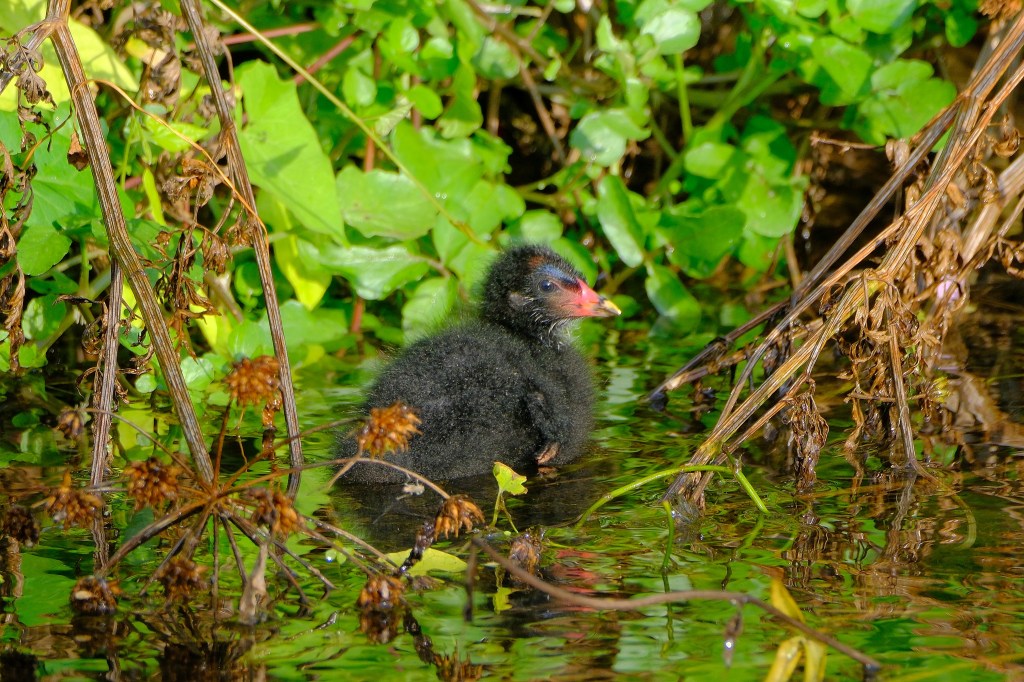
Moorhen.
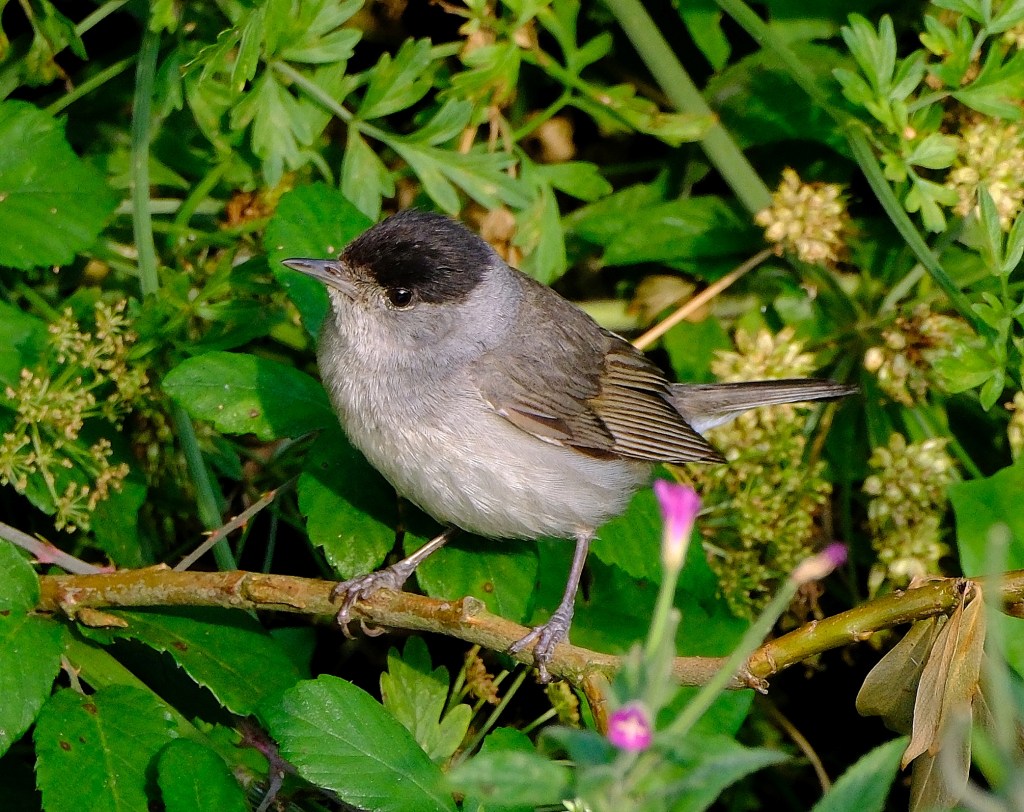
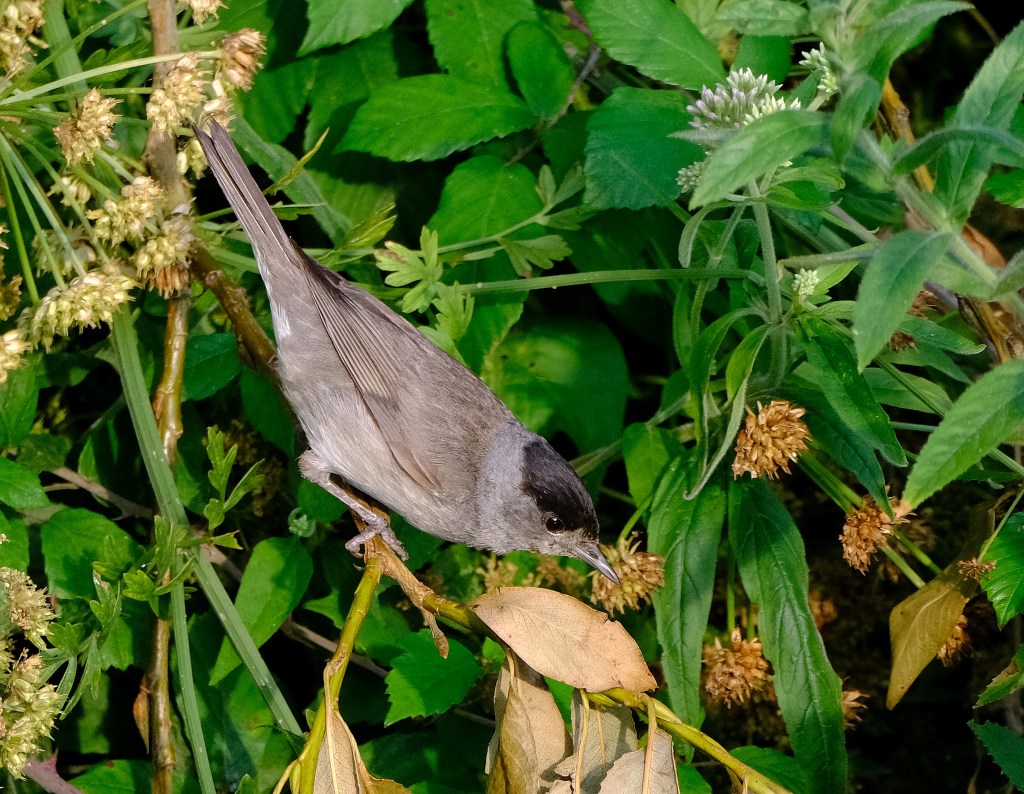
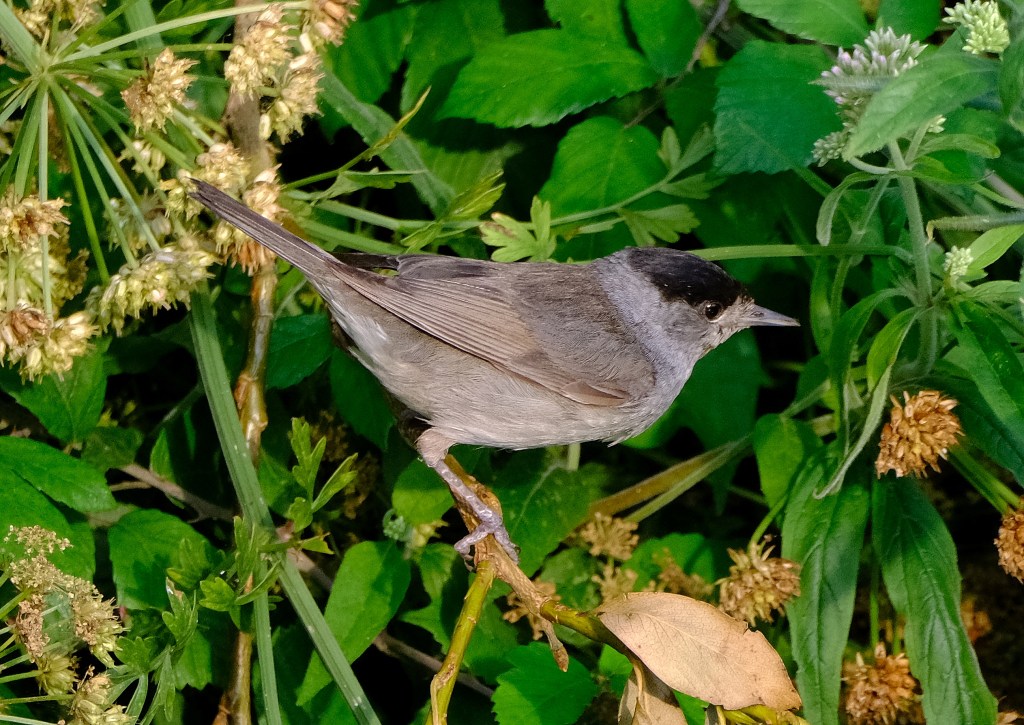
Blackcap (male).
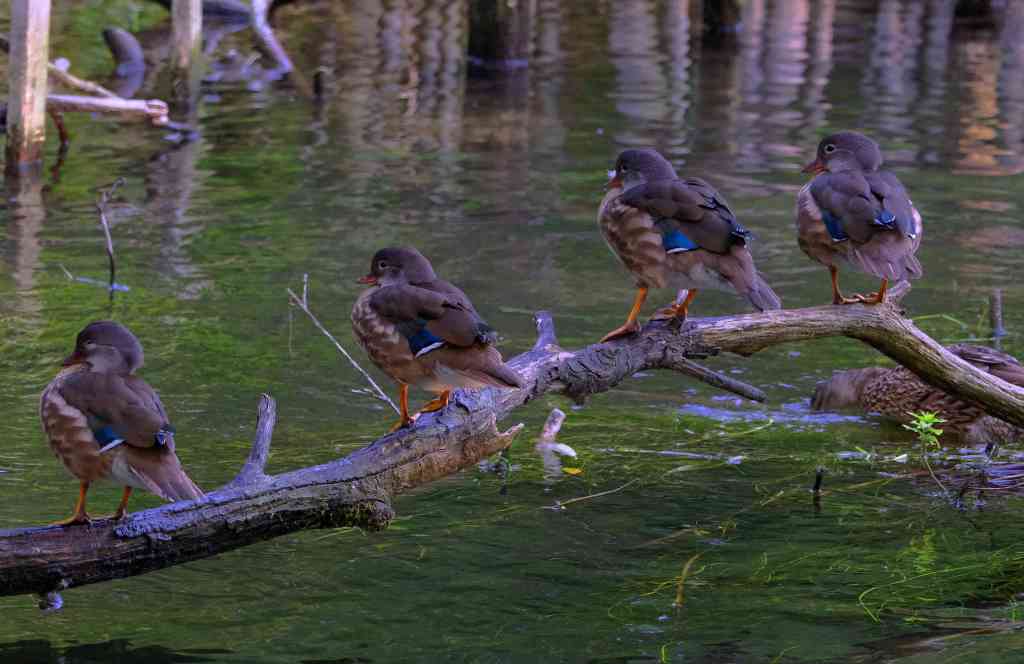
Manderin Ducks. (juv)
Birds from this morning’s walk along the River Itchen and Itchen Navigation near Winchester.
Sedge Warbler.
Reed Bunting. (male)
Grey Heron.
Goldfinch. (juv)
Goldfinch.
Chiffchaff.
Moorhen.
Blackcap (male).
Manderin Ducks. (juv)
Ratty is the nickname of the Water Vole character in Kenneth Grahame’s classic 1908 novel, The Wind in the Willows.
Water voles are one of the UK’s most endangered mammals. A common sight in my childhood, their numbers have plummeted by over 90% since the 1960s. Due to habitat loss and predation by invasive American mink, many of which were deliberately released by animal rights activists. They are classified as endangered on the UK’s Red Lists
The water vole has chestnut-brown fur, a blunt, rounded nose, small ears, and a furry tail. It is much bigger than other vole species.
Water voles are primarily herbivorous rodents that consume waterside plants, including reeds, roots, grasses, and fallen fruit. Because their plant-based diet is low in nutrients, they must eat about 80% of their body weight every day,
A 0600hrs start this morning along the River Itchen and the old Navigation near Winchester paid off, as we spotted a Water Vole. Pictures were a bit difficult as he was into the morning sun.


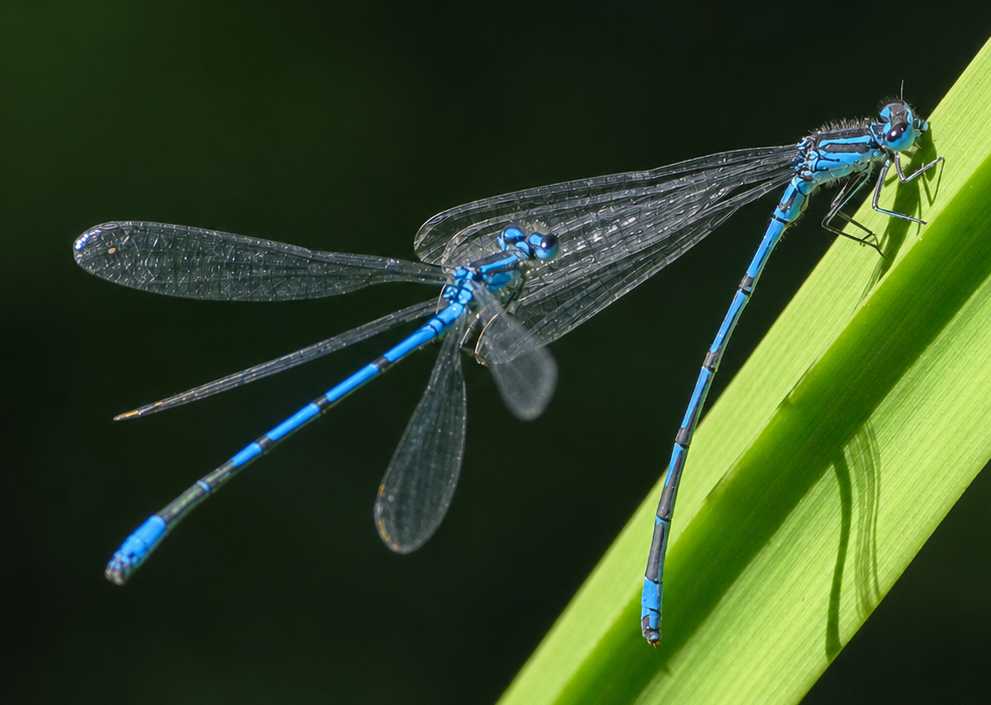
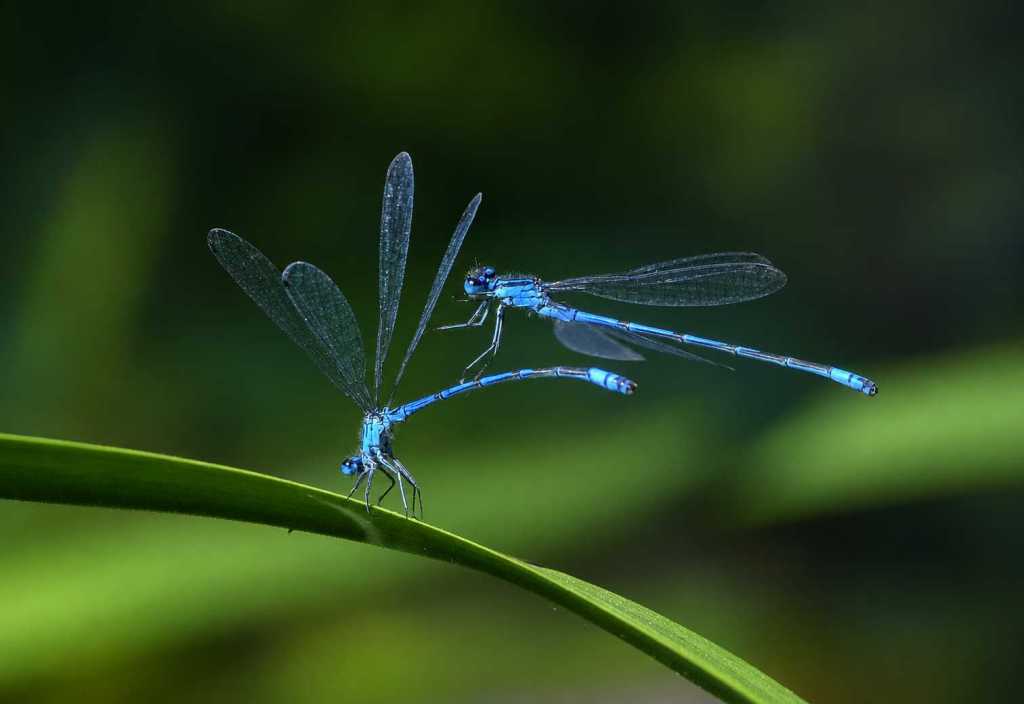
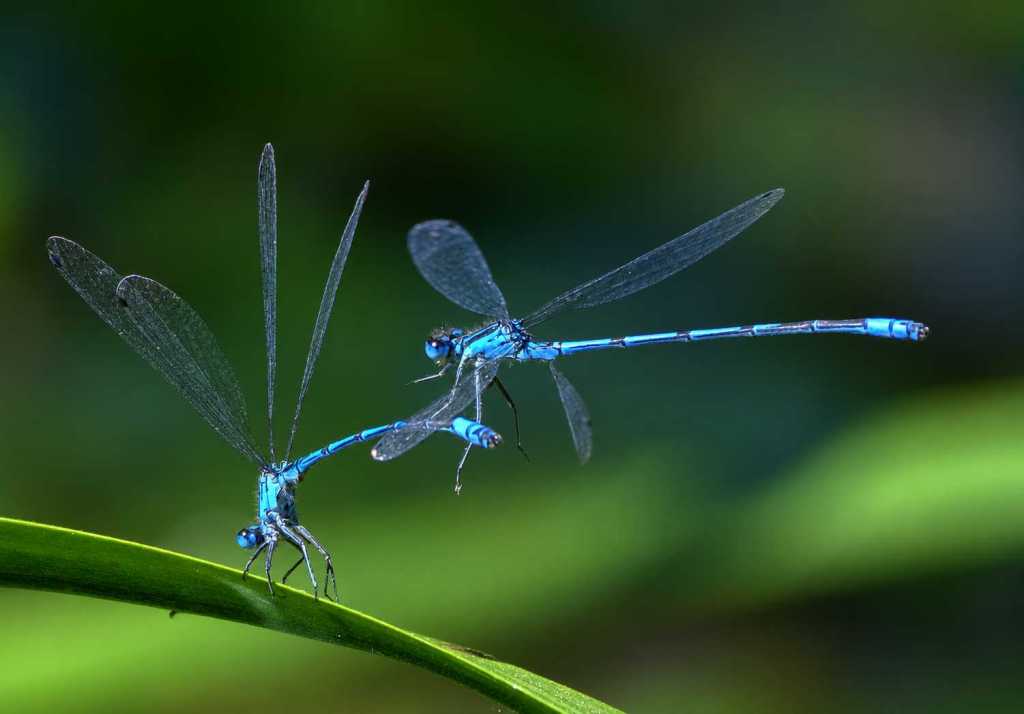
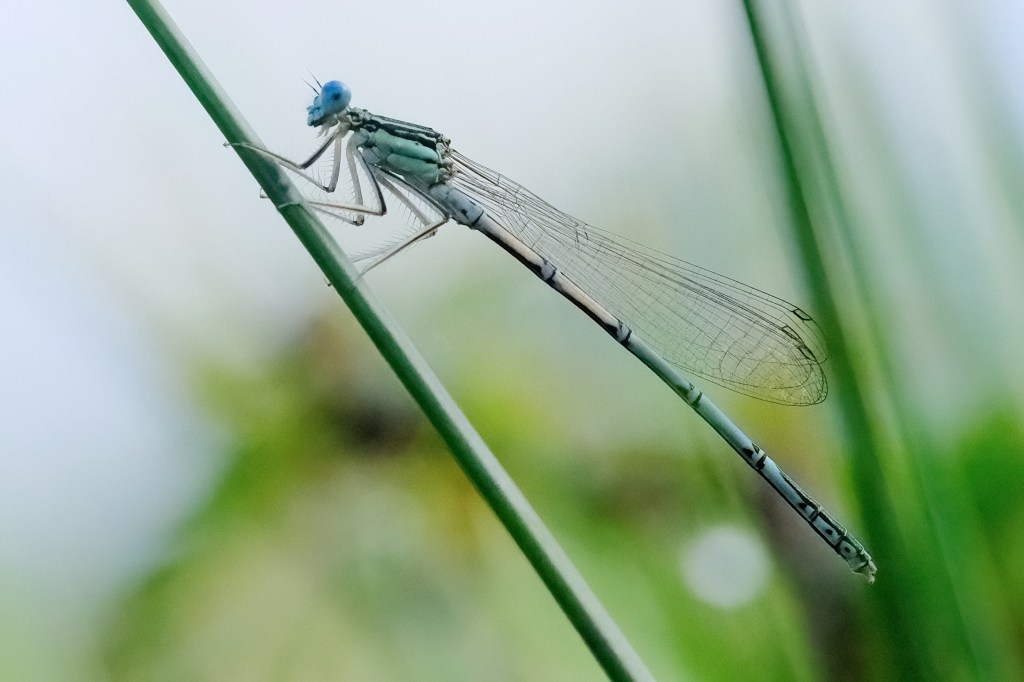
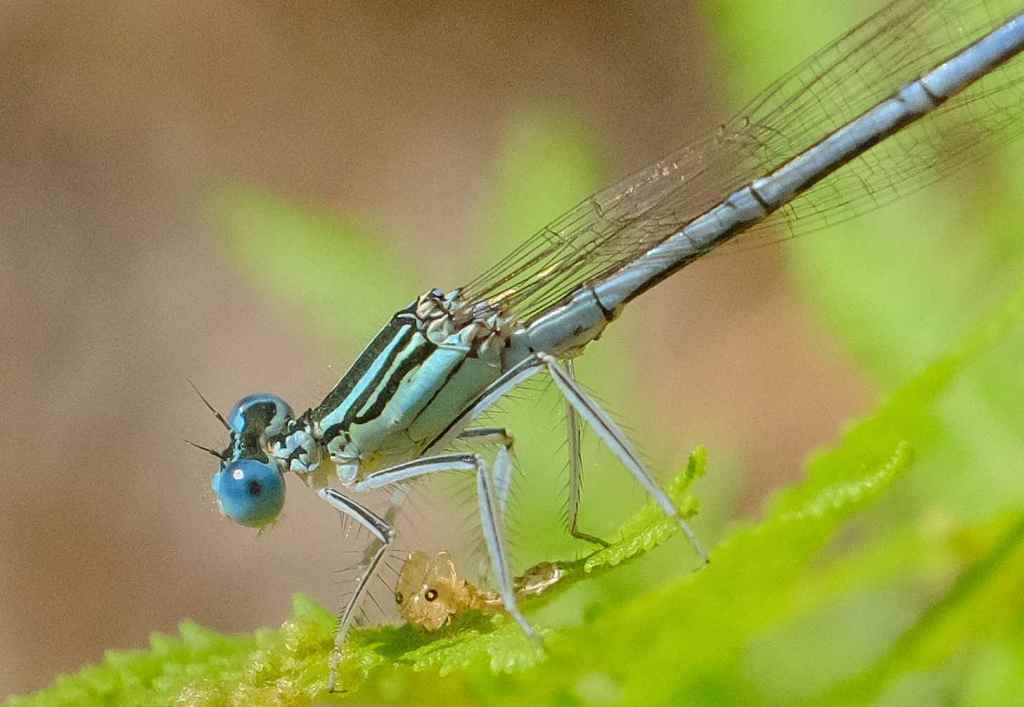
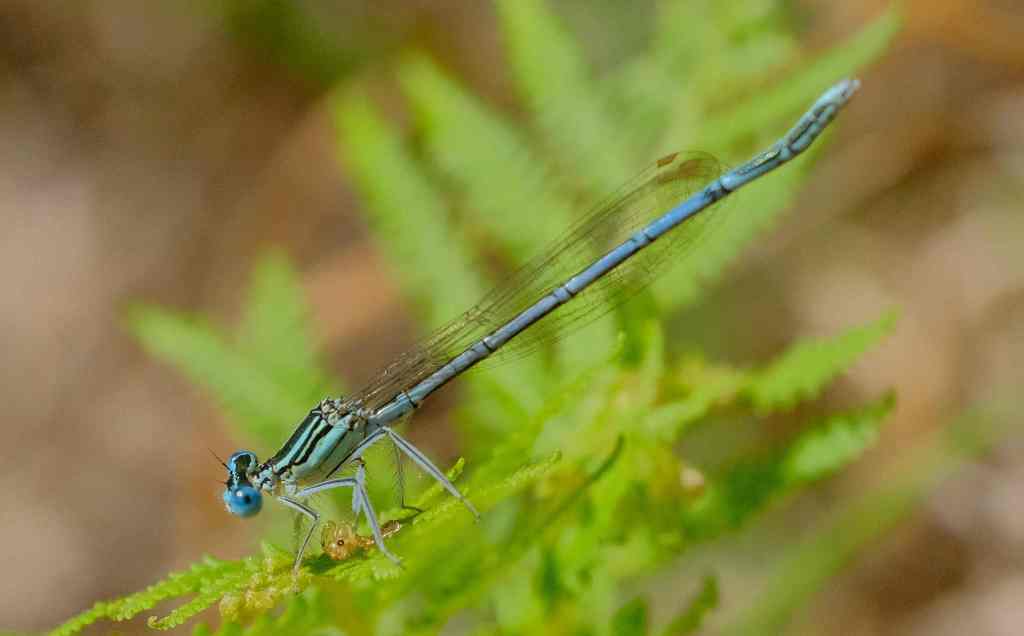
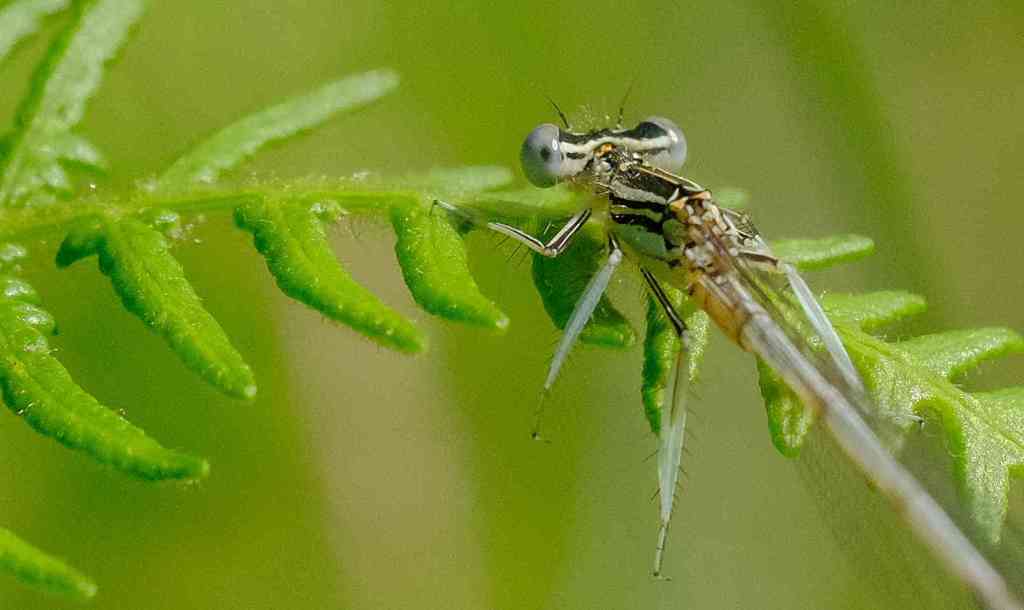
I think these are Azure damselflies. Many were flying this morning at Titchfield Haven Nature Reserve, but bird spotting is not so good at the moment, as the season is between the winter visitors and the summer nesting.


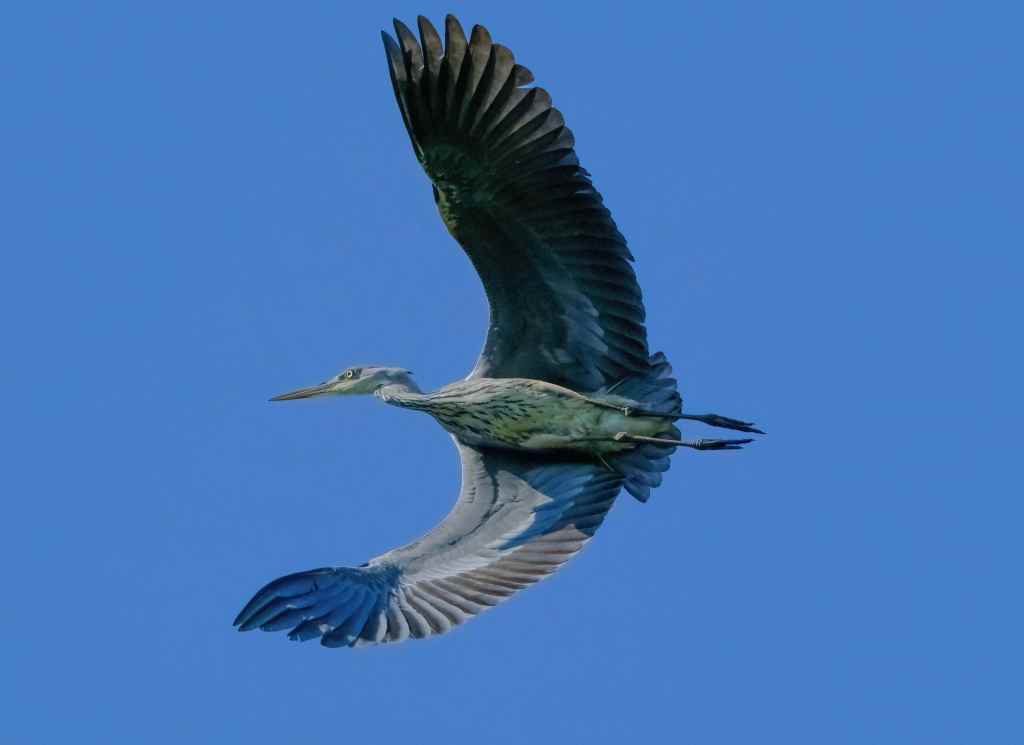
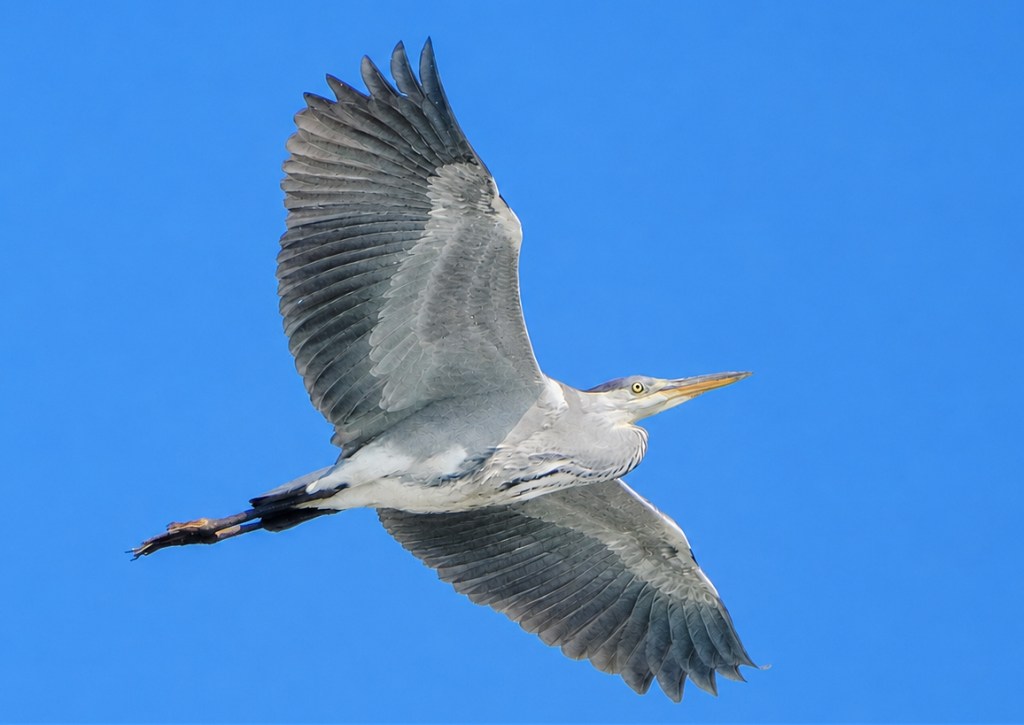
Grey Heron flying high in the New Forest.
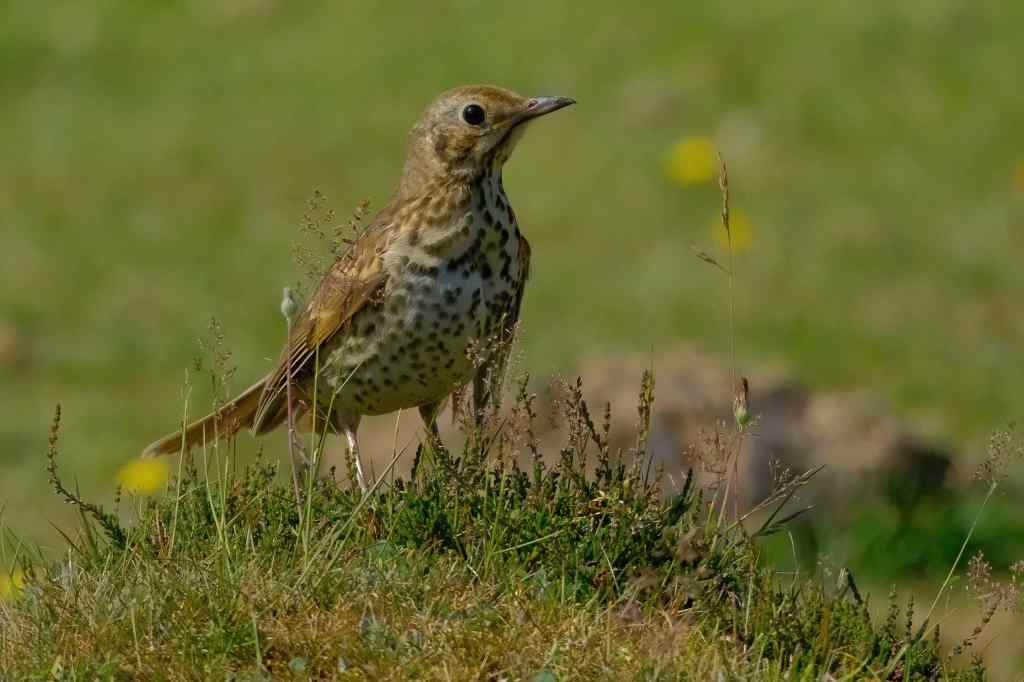
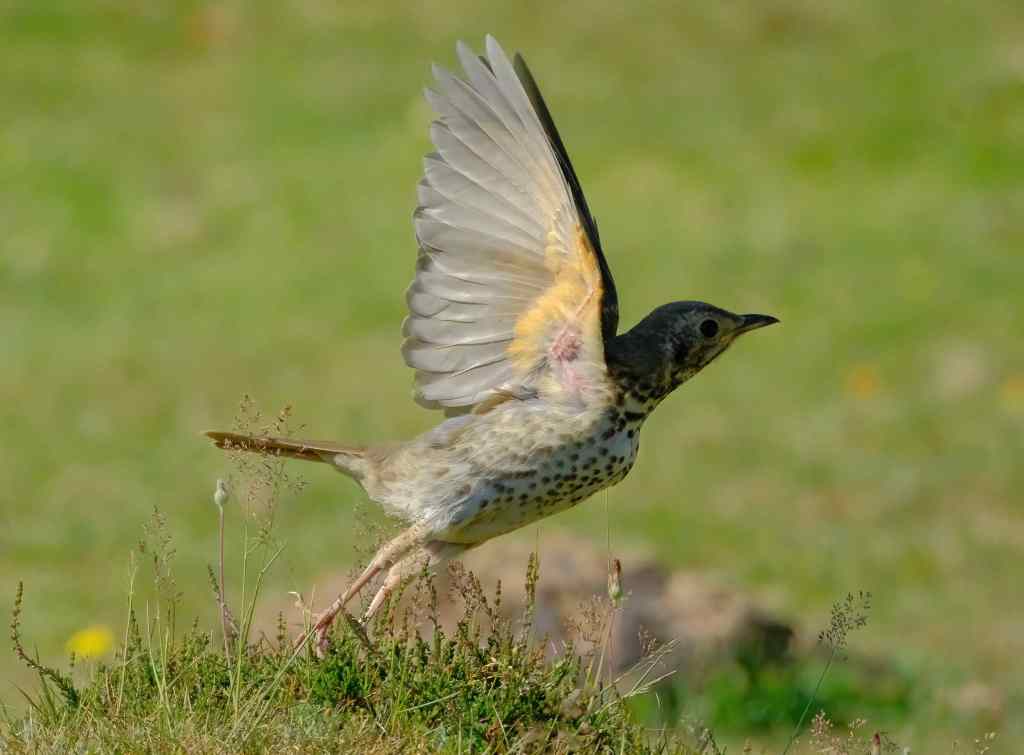
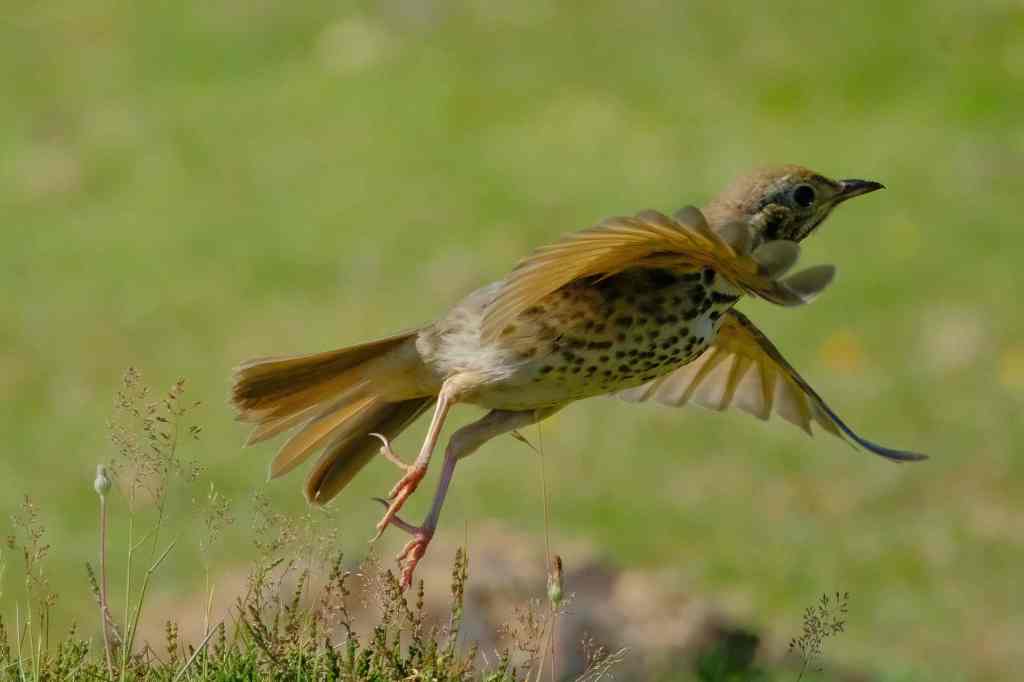
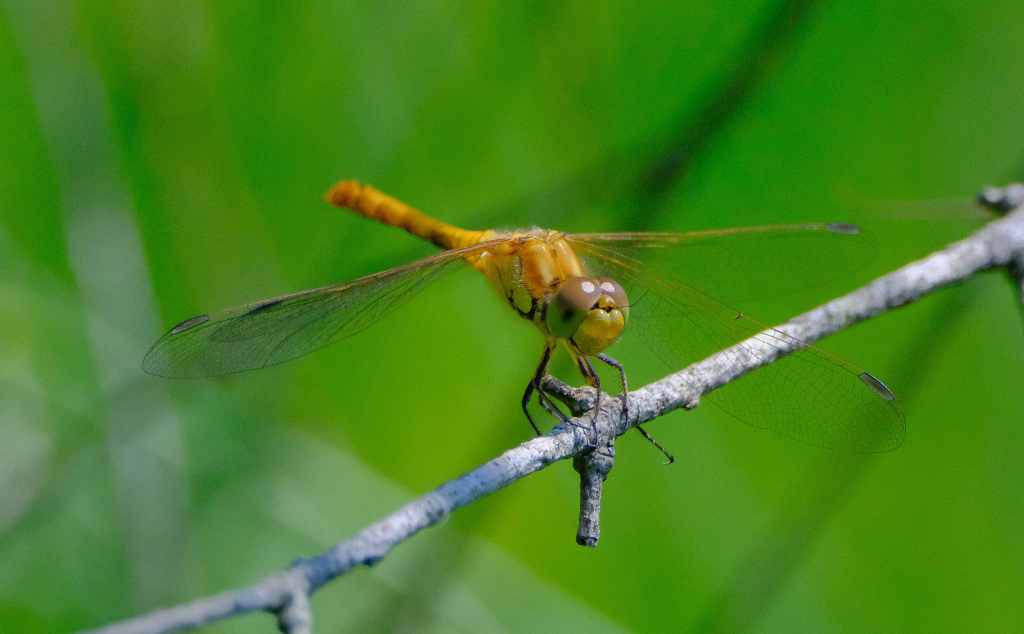
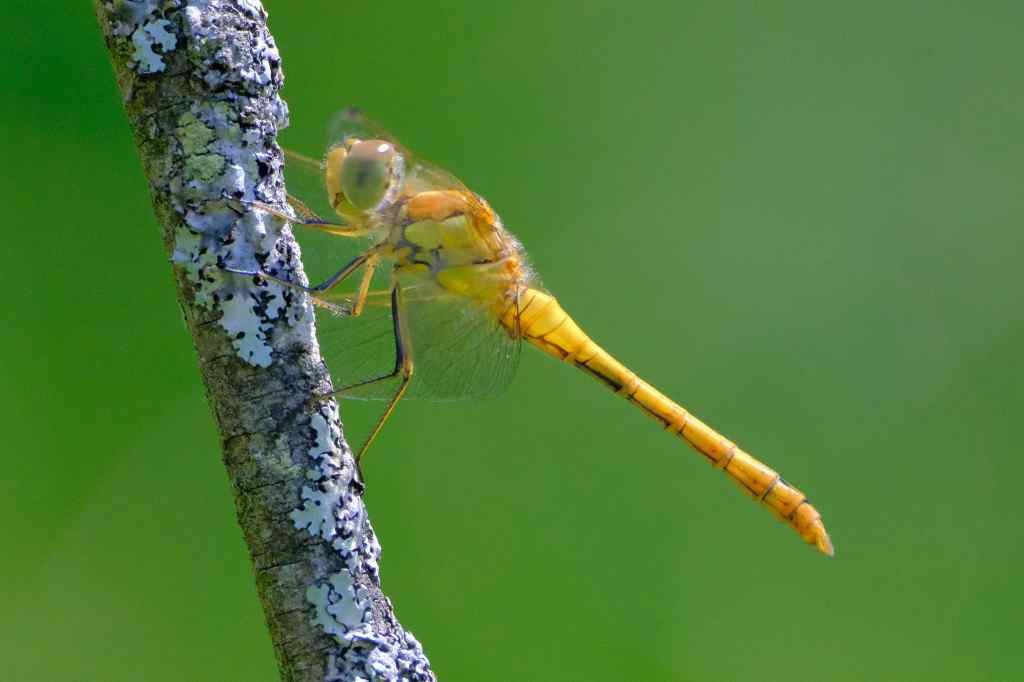
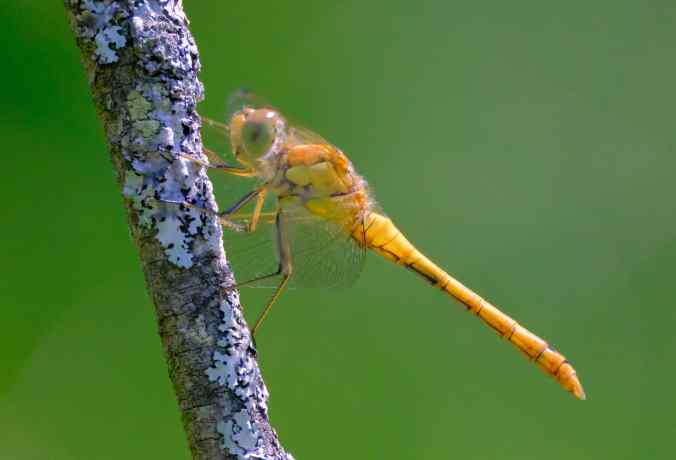
The Common Darter is a small, narrow-bodied dragonfly that is typically on the wing from July to October.
Yesterday’s New Forest walk was a bit of a surprise as we found another Raft Spider stronghold. We found a nest full of newly hatched spiderlings. What was different about this nest was that it was being guarded by a parent spider. I had not seen this before.
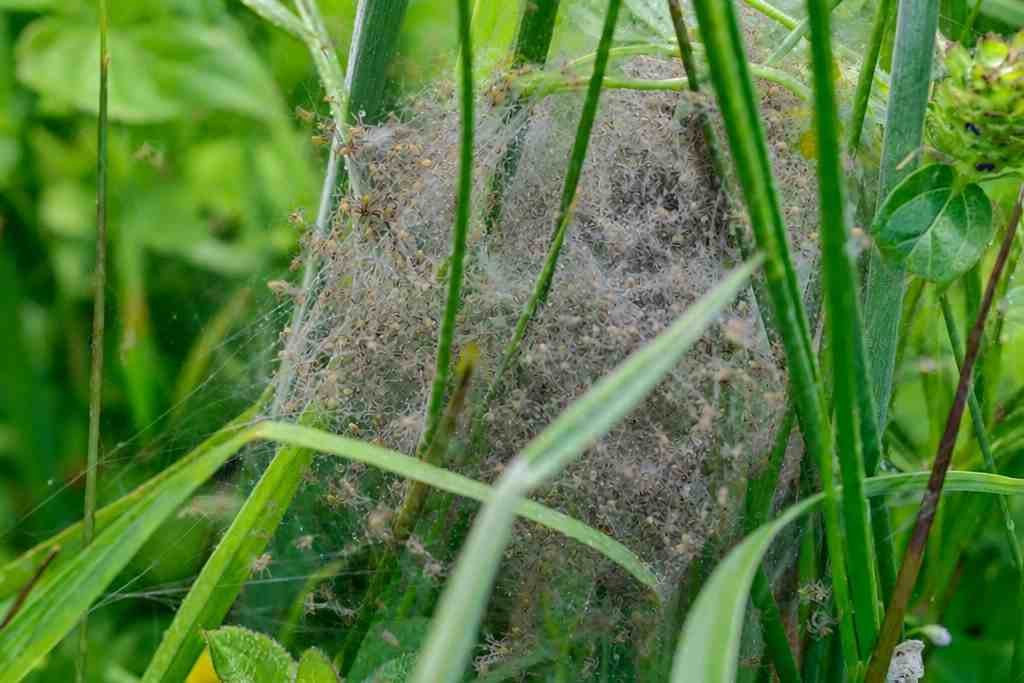
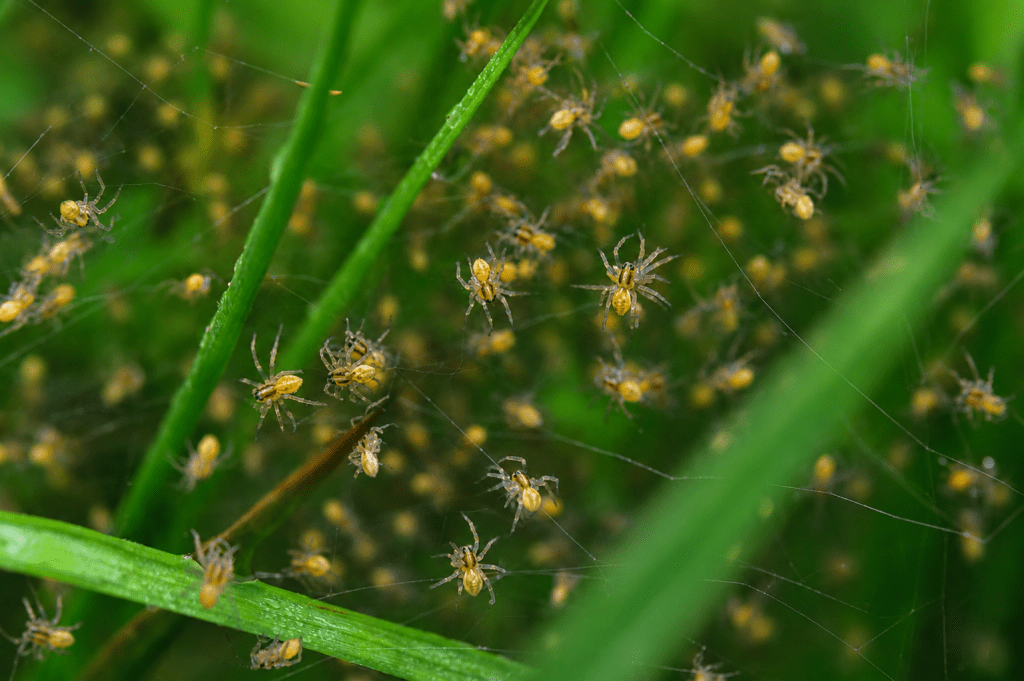
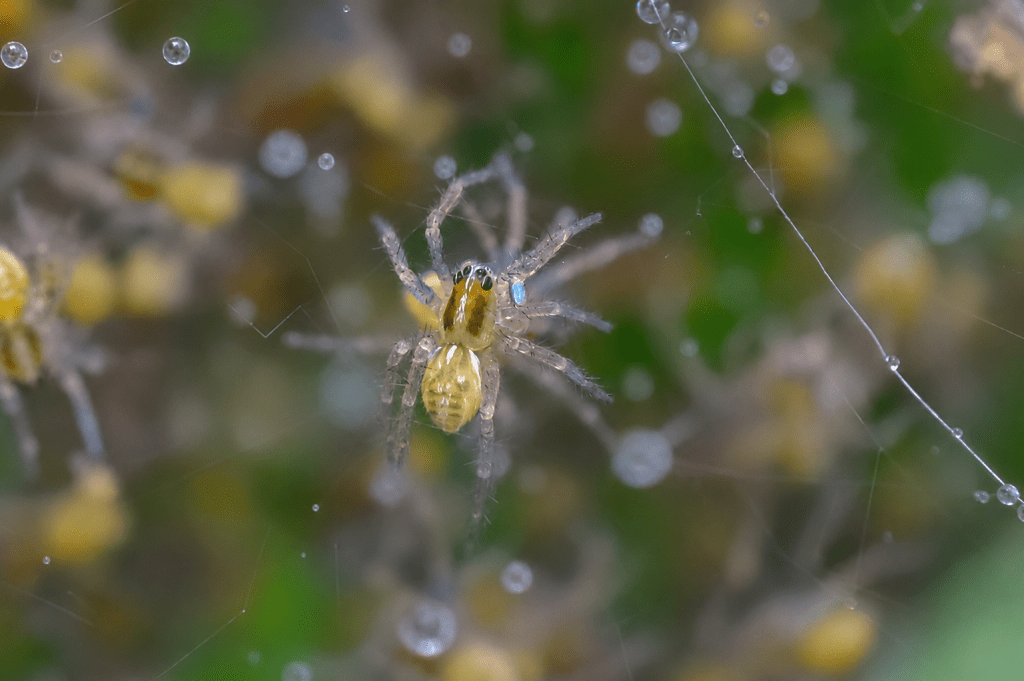
Adult on guard.
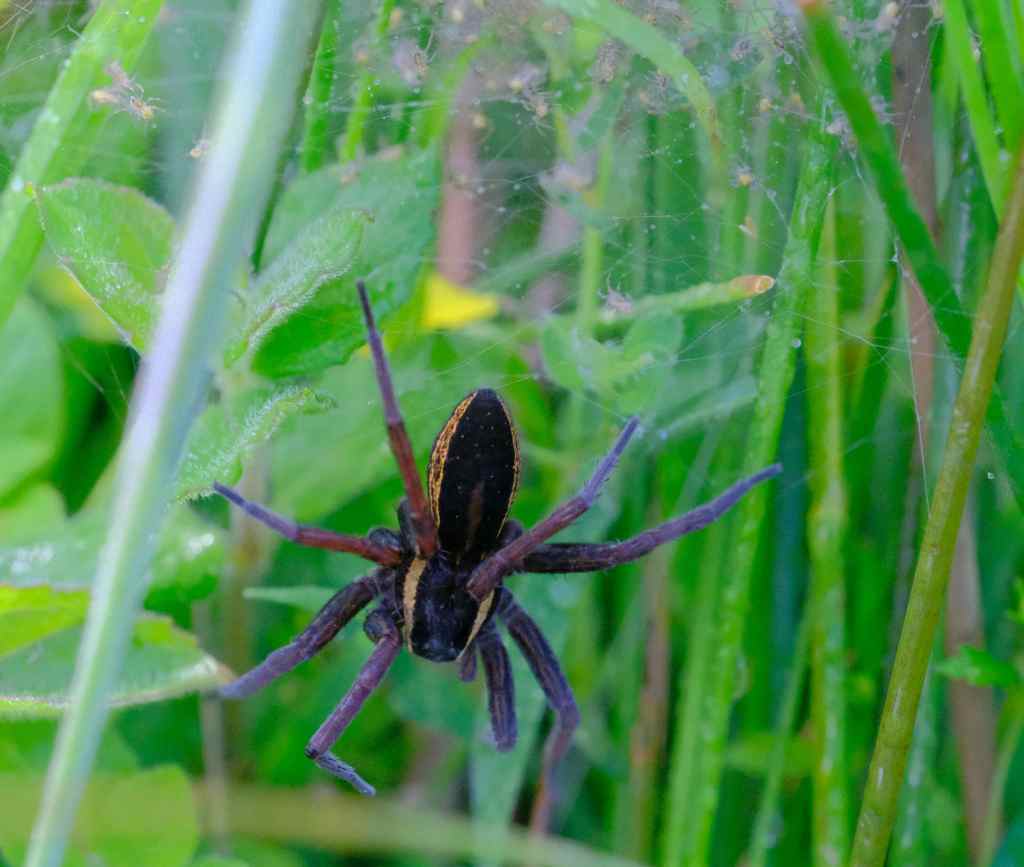
Raft spiders do not spin webs to catch insects; they grab and catch their prey.
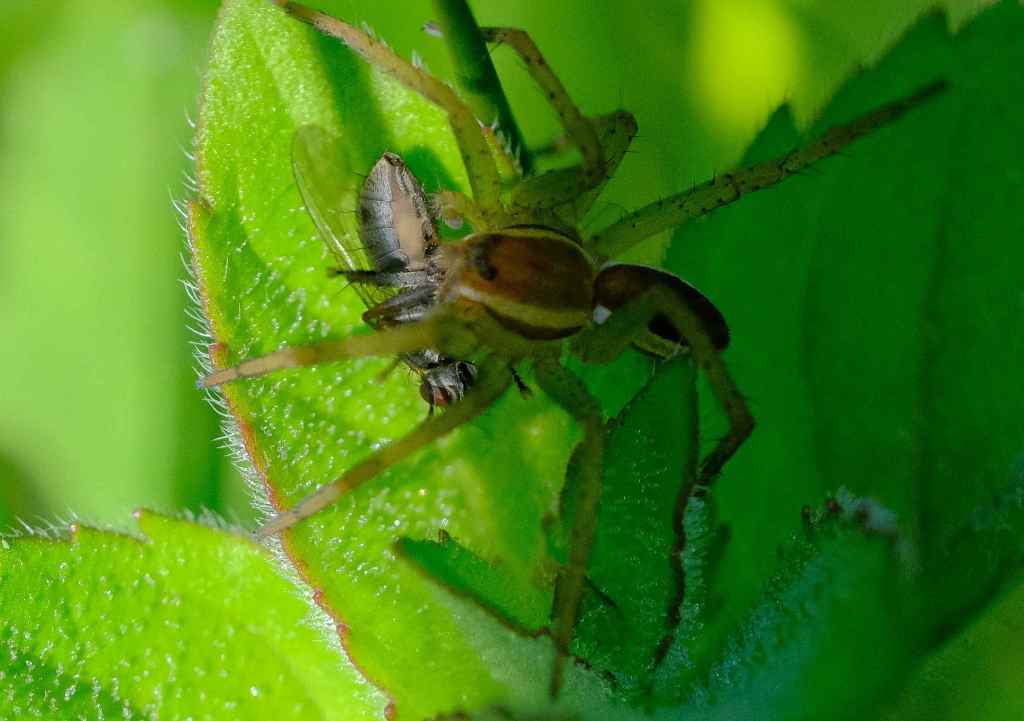
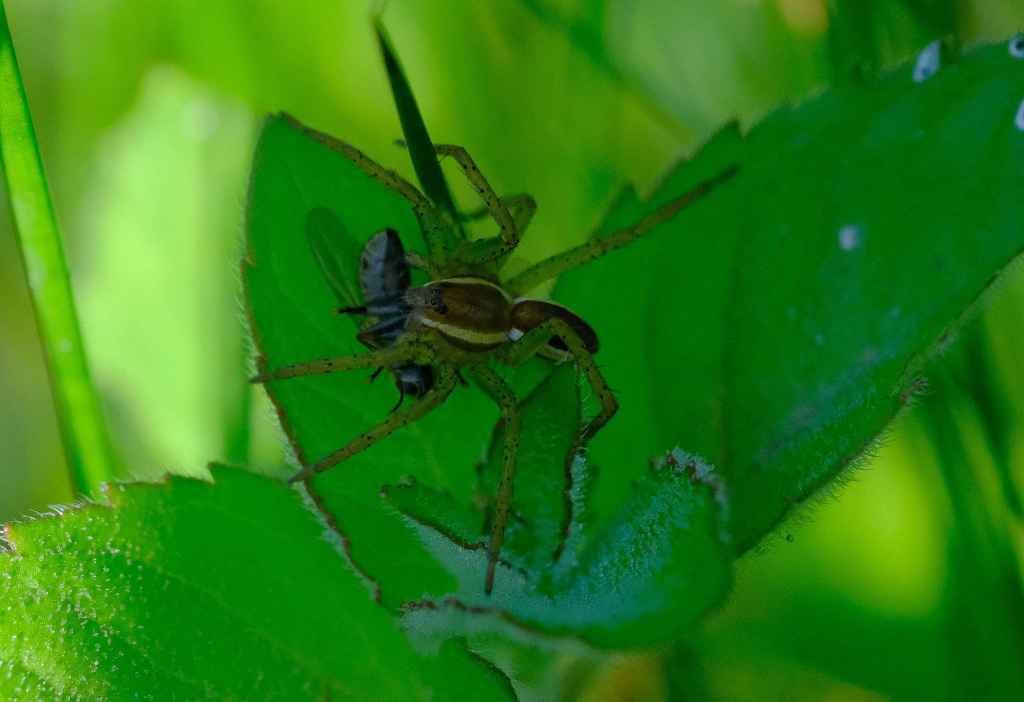
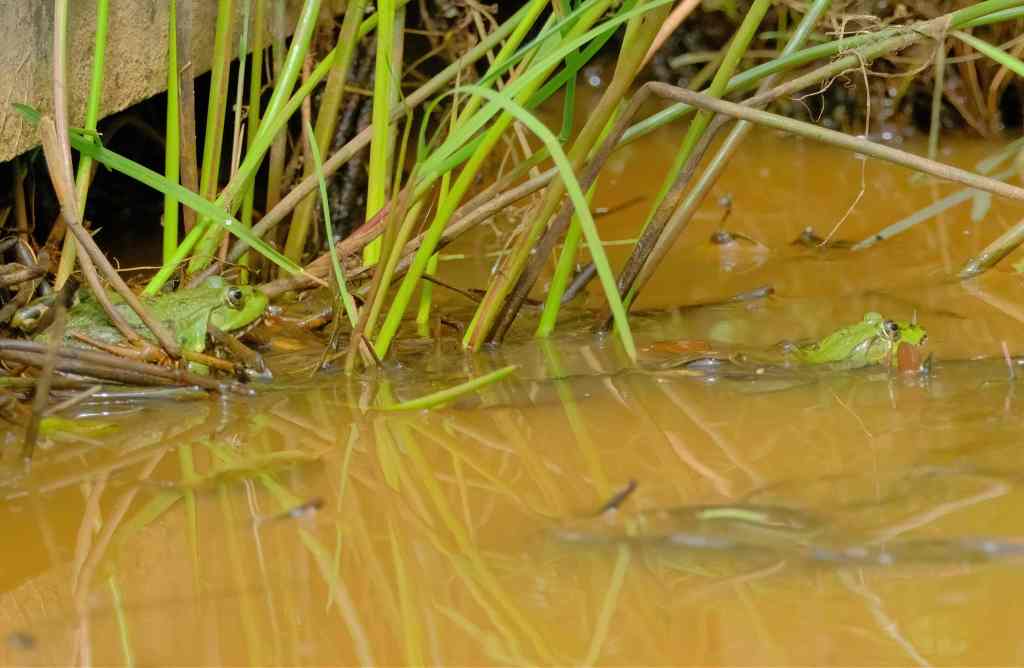
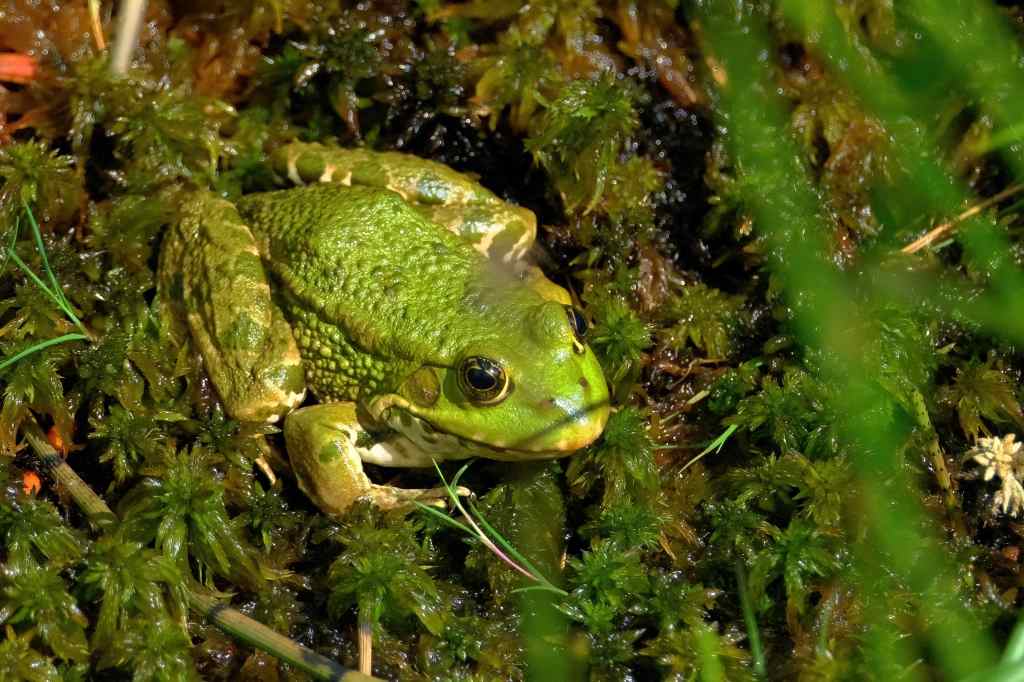
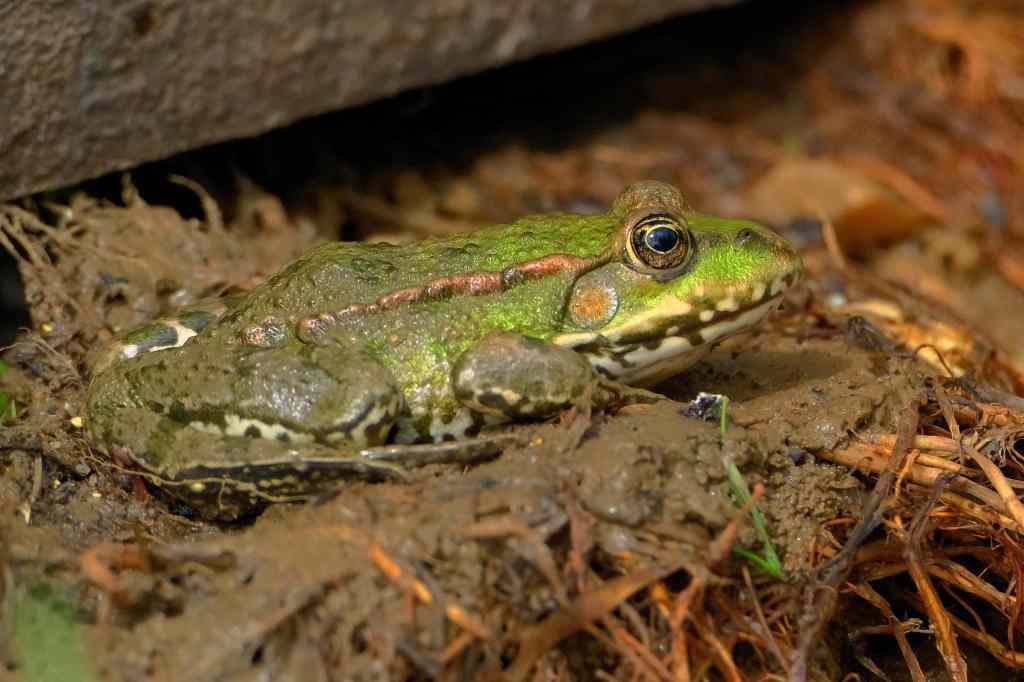
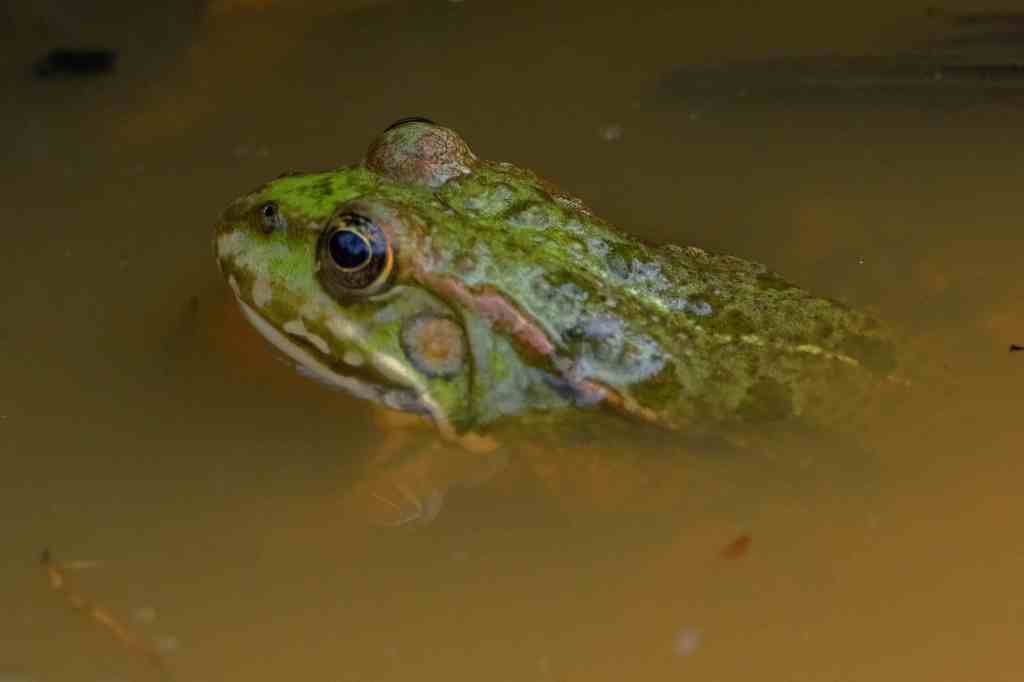
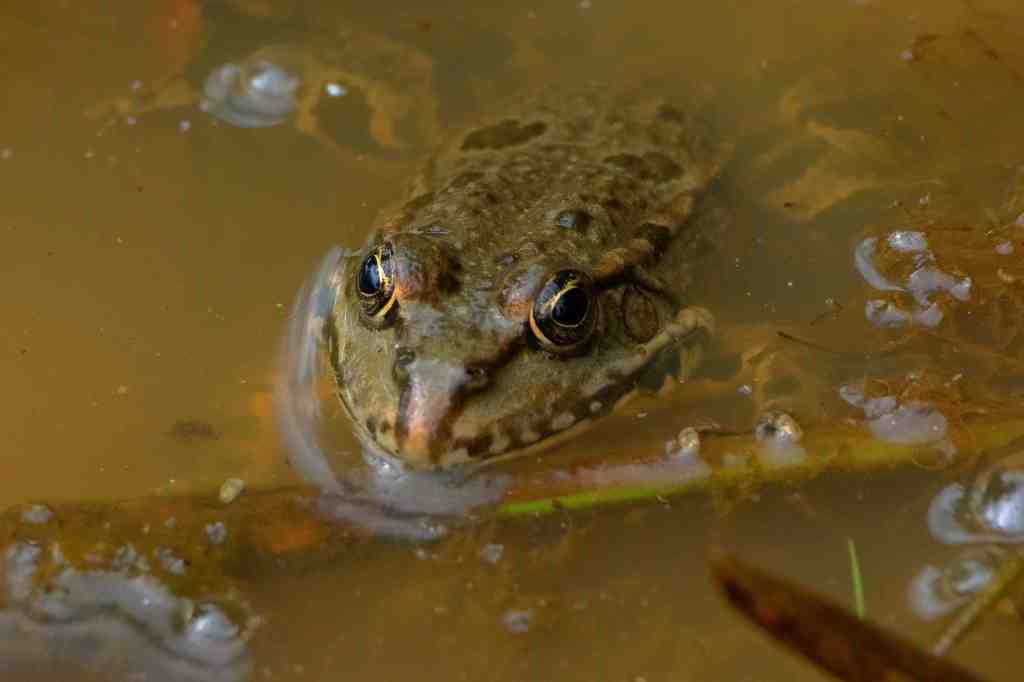
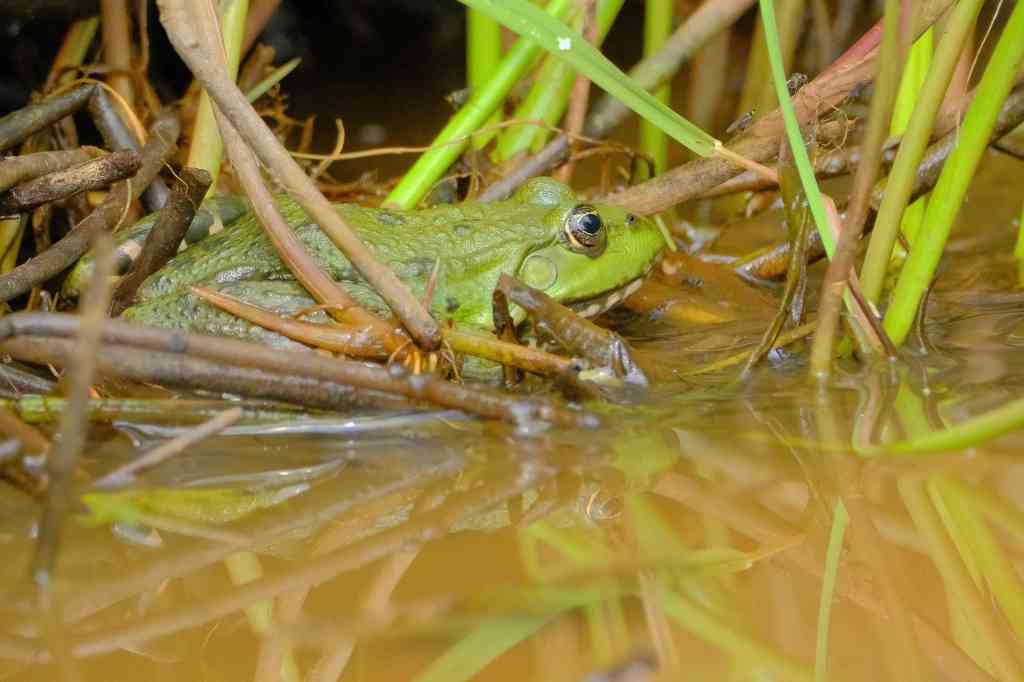
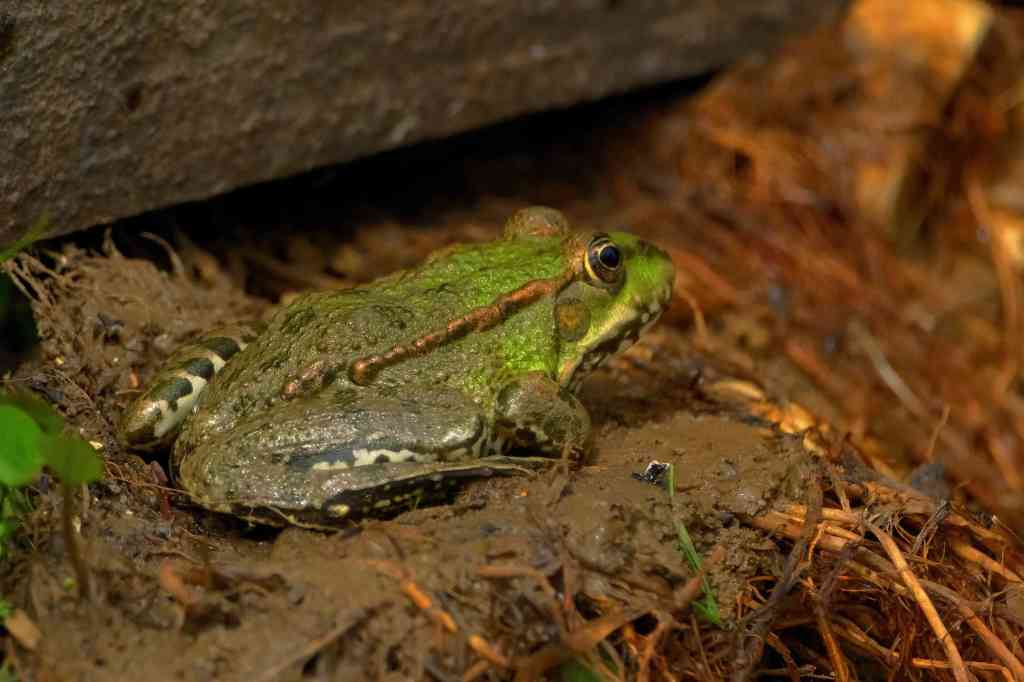
Marsh frogs (Pelophylax ridibundus) are Europe’s largest native frog species; they are not native to the UK. There is a colony in the New Forest, and I try to see if I can spot some at this time of year. They are colourful frogs with a range from brown to green.

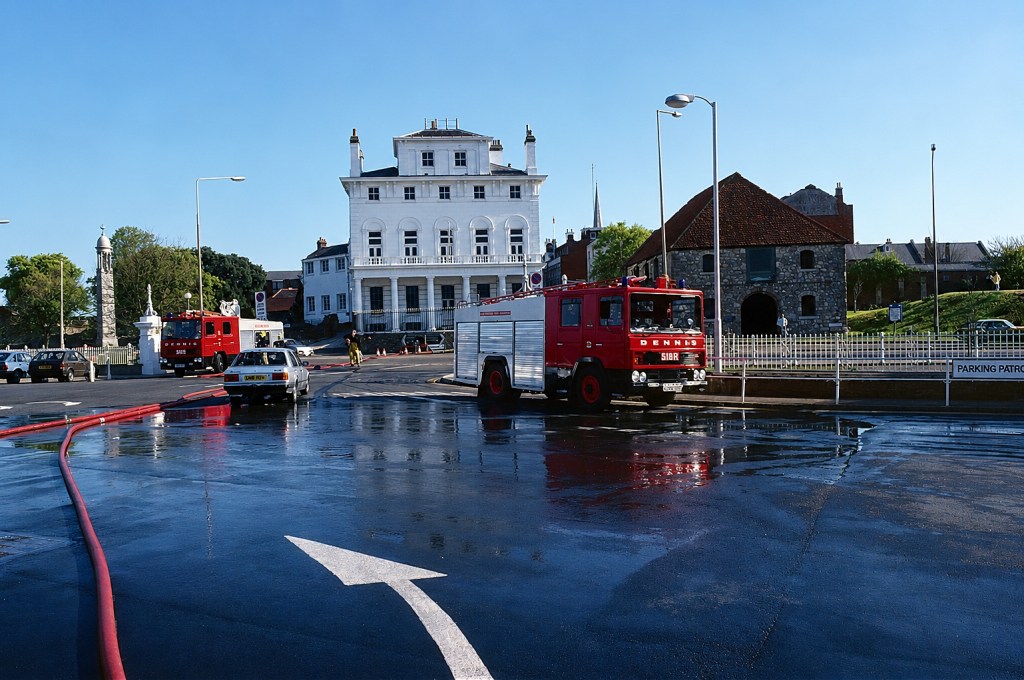
Victoria Pier, later known as The Royal Pier or just Southampton Pier. The 900-foot (270 m) pier was opened on 8 July 1833 by the then Princess Victoria. The pier was built to provide steamer services somewhere to dock. Before the construction of the pier, steamer passengers had to either transit the muddy foreshore or make use of Town Quay. Prior attempts to fund a pier at Southampton failed. In November 1829, the harbour board agreed to construct one. The Southampton Pier Act of 1831 authorised the pier, and the construction was funded through a mortgage. The pier was designed by Edward L. Stephens, a Royal Navy officer. In 1847, a horse-drawn tramway was constructed to link the pier to Southampton Terminus railway station and by 1871, the tramway had been extended to the end of the pier, 5 years later, the trams were replaced by light steam locomotives.
As a child, I remember visiting Mayflower Park with my father when my mum would be shopping in the city centre, and we would often walk to the end of the pier. Dad would show me the Supermarine S.6A seaplane on display partway down the pier, a veteran of the 1929 Schneider Trophy. He was interested in flying boats, as he had worked for one of the operators in the 1950s, which had a Terminal near the pier.

Over the years, the pier fell into disrepair and closed at the end of 1979. The 1930s “wedding cake” style gatehouse replaced the Victoria gatehouse, which was reopened as a restaurant in 1986.
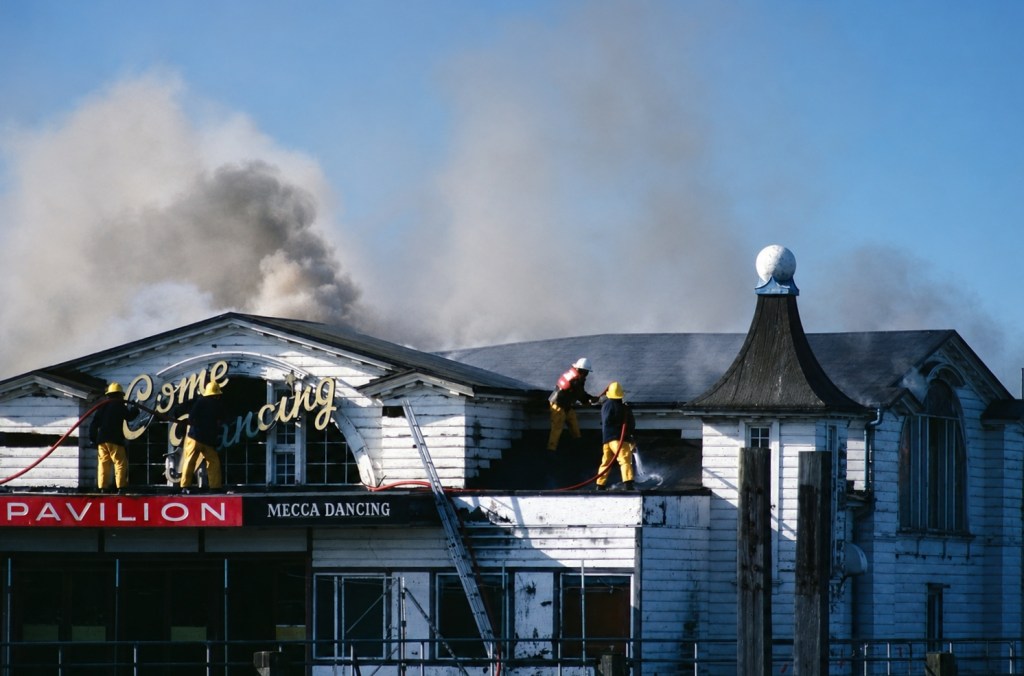
Sorting through some of my old photographs on 35mm slides, I came across some pictures of the fire that destroyed Southampton pier. On the morning of 4 May 1987, fire destroyed many of the structures at the end of the pier. I was living in our 1st house in Sholing when I learnt from Radio Solent local news that the pier was on fire. I took my camera and went across the Itchen Bridge to Mayflower Park. From there, I took a series of photographs documenting the death of our pier. I have posted the one picture of the fire on the odd Facebook feed in the past and seen it reposted without any credit for it!
My brother copied my original pictures from 35mm slides to digital files. I then cleaned the images with software, as nearly 40 years of storage had added dust and marks to the pictures. I was pleased with the results.