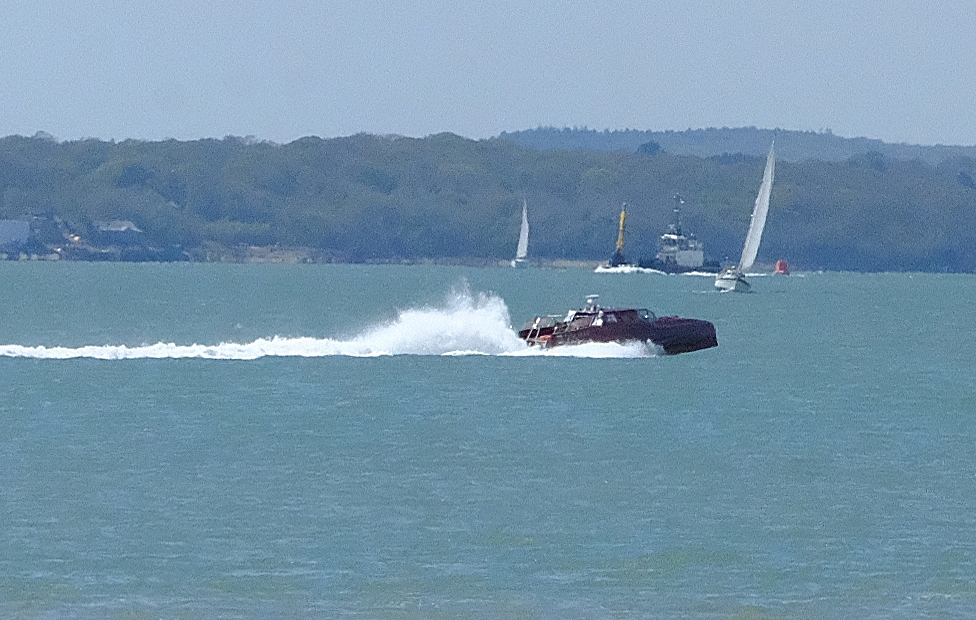
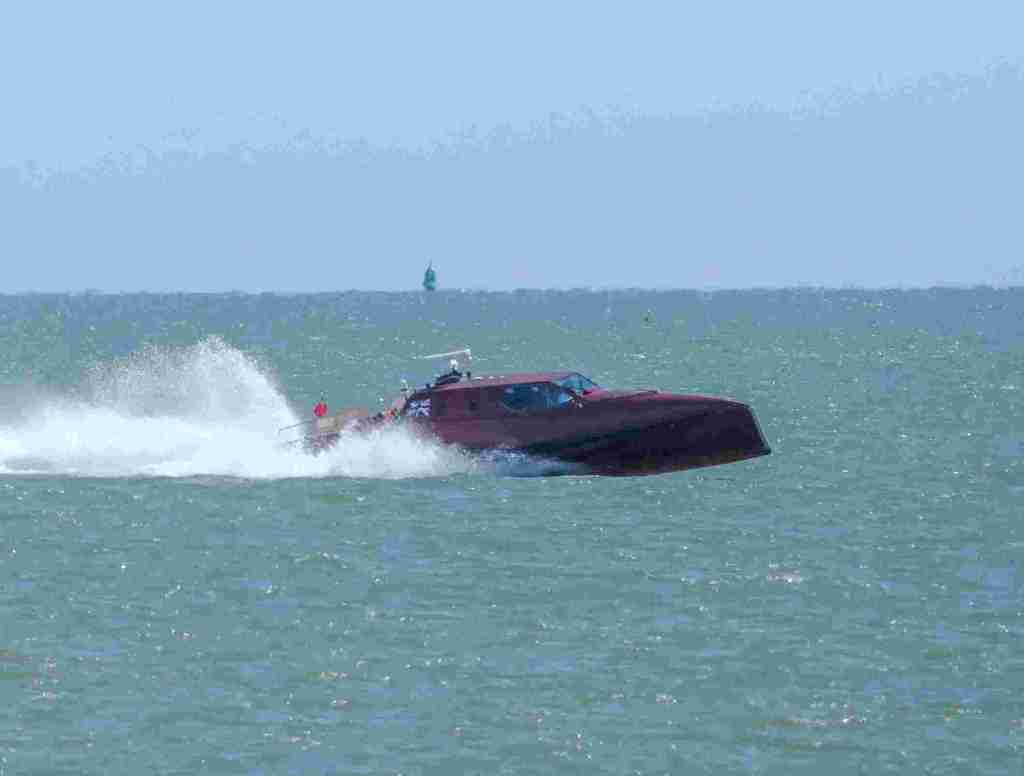
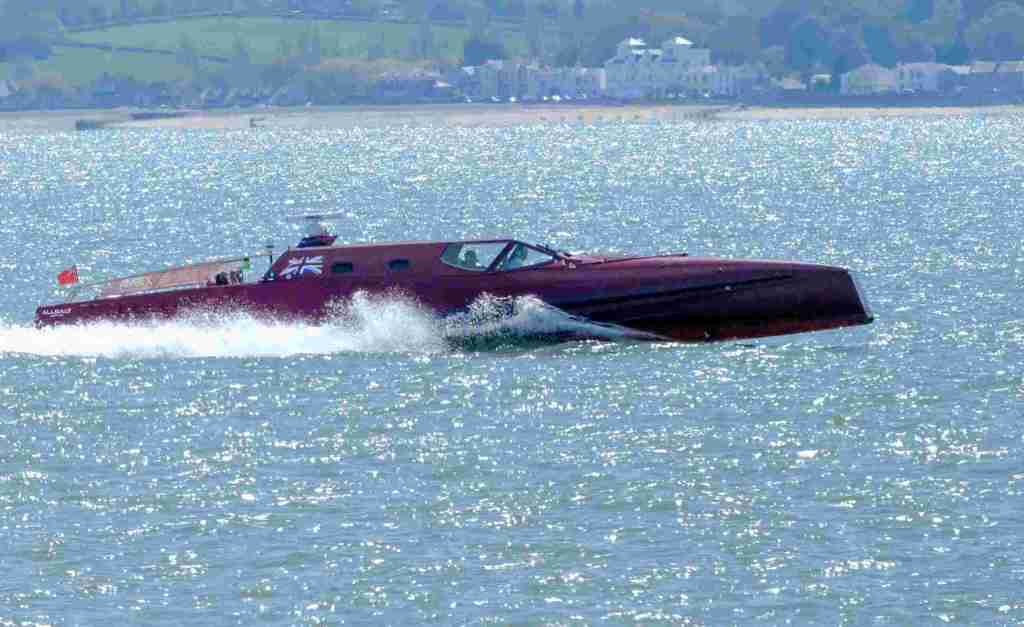
What goes on the Water at nearly 60 mph and prefers to pierce waves rather than jump over them. The Very Slender Vessels concept is simple – instead of slamming across the top of waves, it is designed to slice through them. Adopted by several military and enforcement services around the world. It had a hull low to the water, making it harder to detect on radar.
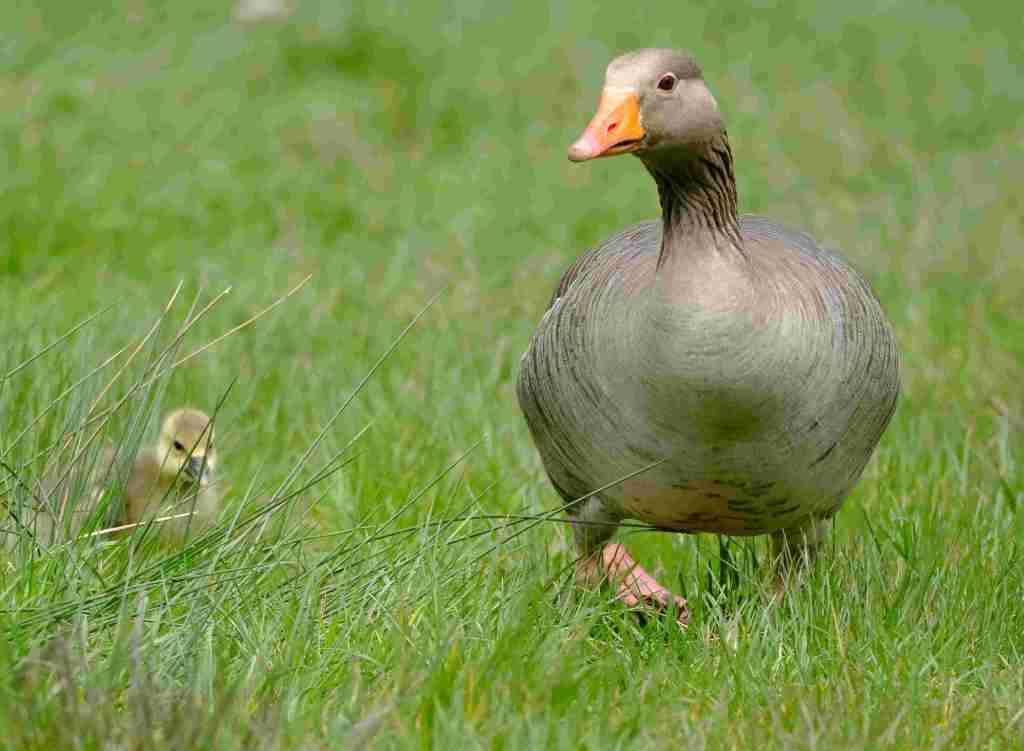
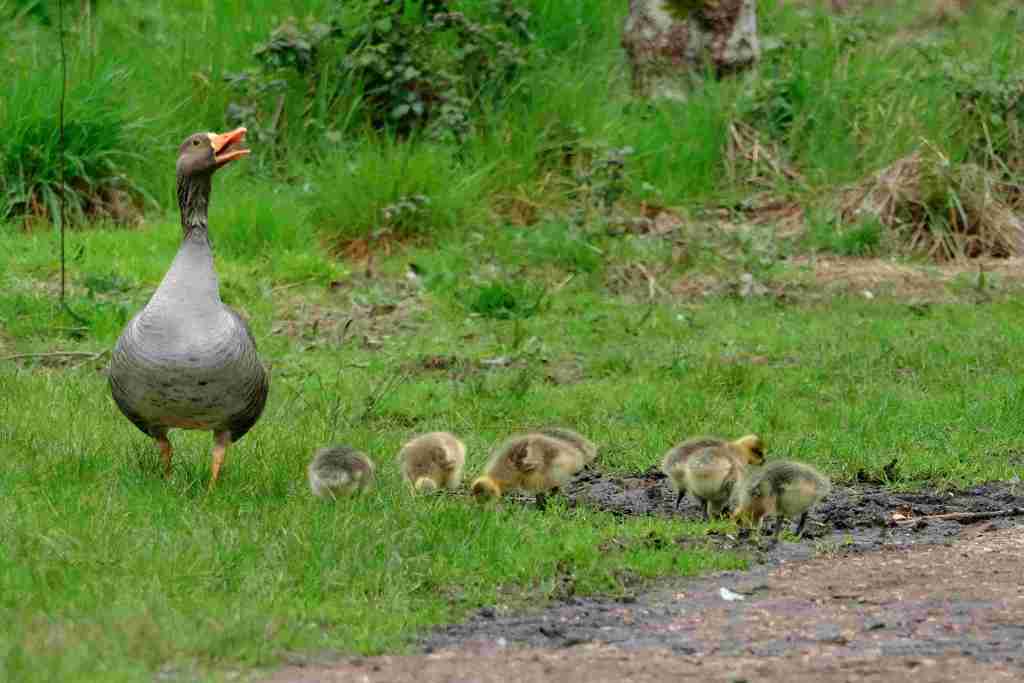
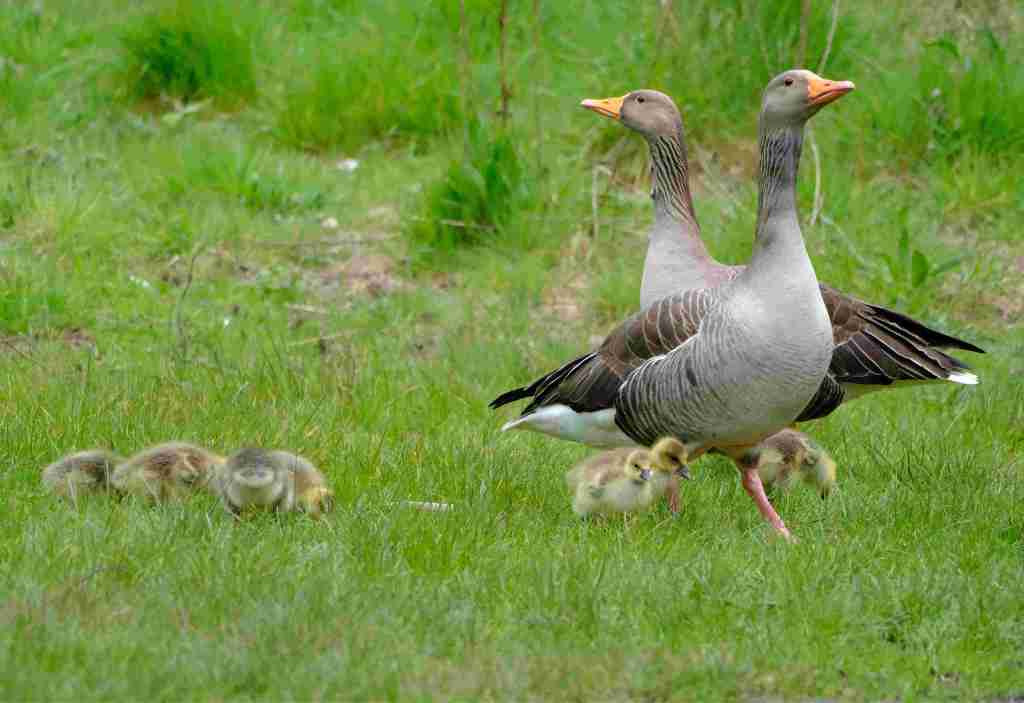
The ancestor of most domestic geese, the greylag is the largest of the wild geese native to the UK and Europe. Nice to see some of this years 1st goslings.
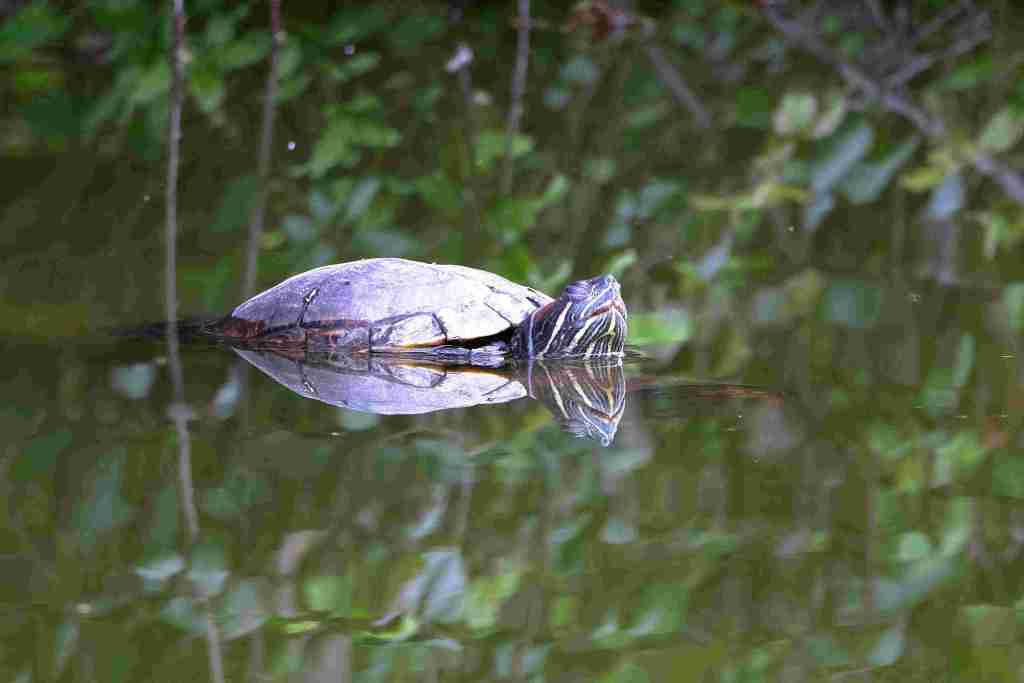
Red-eared slider – kept as a pet in the UK many have been irresponsibly released into the wild. They are ill-equipped to survive in the damp British climate.- however, will global climate increases change this. What effect do these invasive animals have on our wildlife? What effects on our native waterfowl’s eggs and insects lava does releasing these unwanted pets have?
Red-eared sliders are considered an invasive species, they are seen as a pest in many countries including here in the U.K. the U.S.A and Australia as they can outcompete and predate upon native fauna.
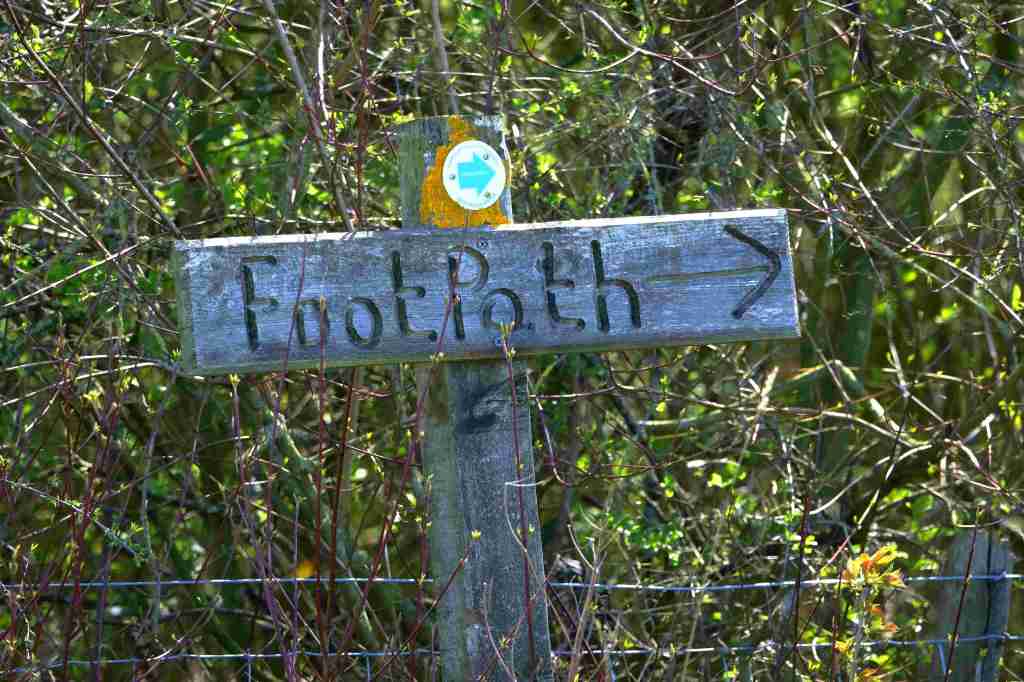
Another walk on the South Downs, paths are well marked and marked where not to go!
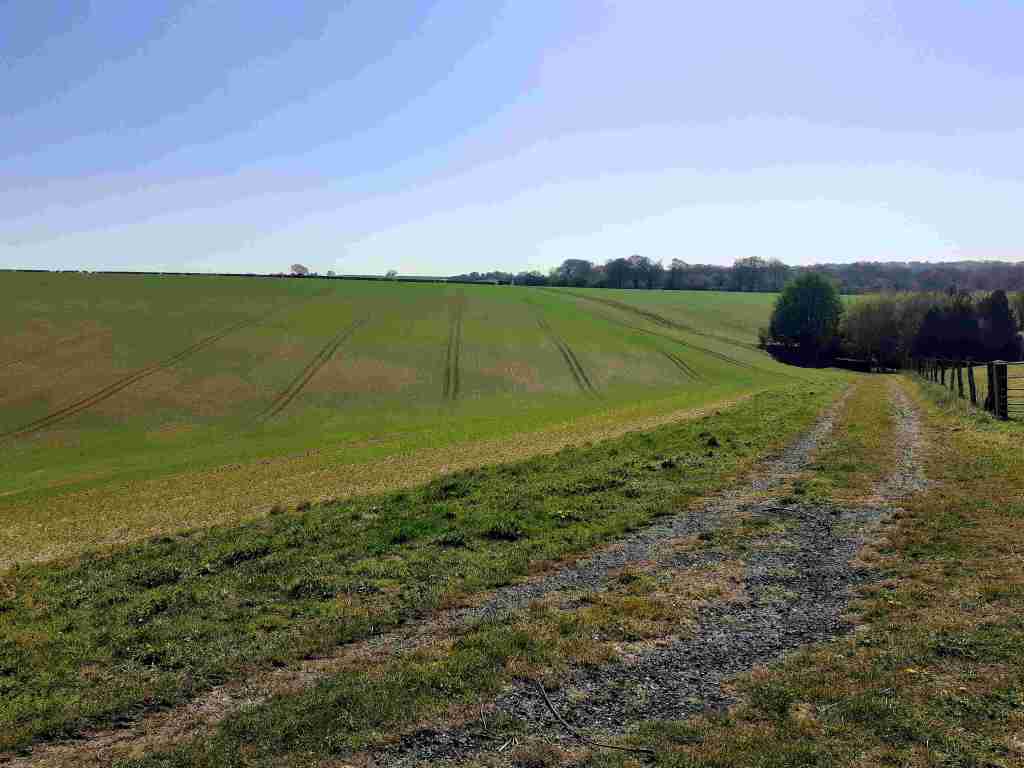
The land is well-managed and farmed fairly intensively but there are wildlife strips and borders but not an area where you can wander off the paths.
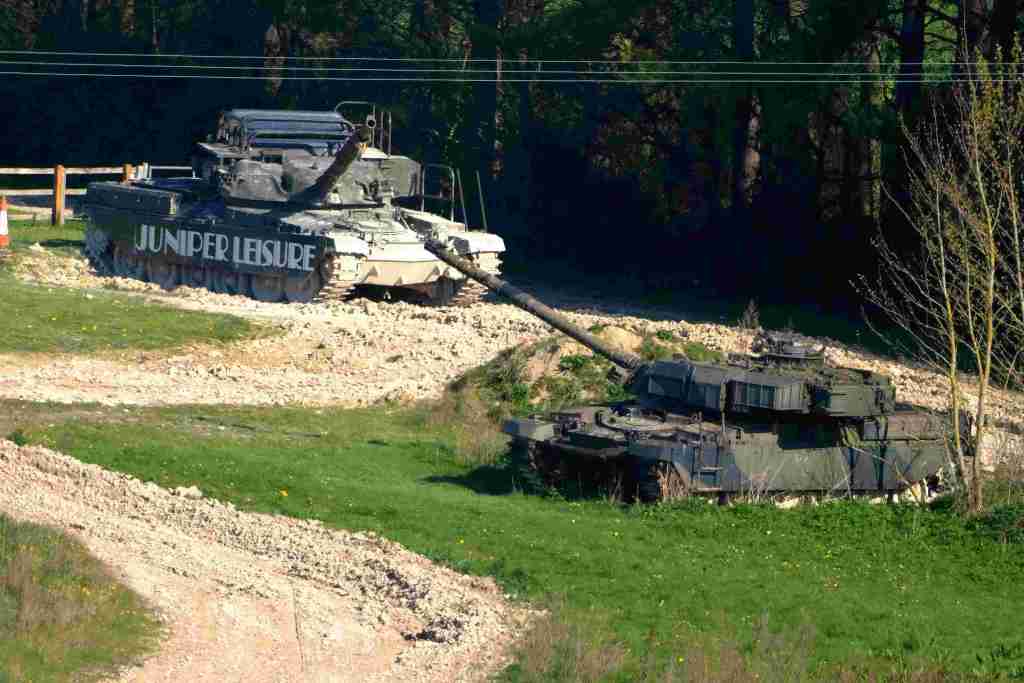
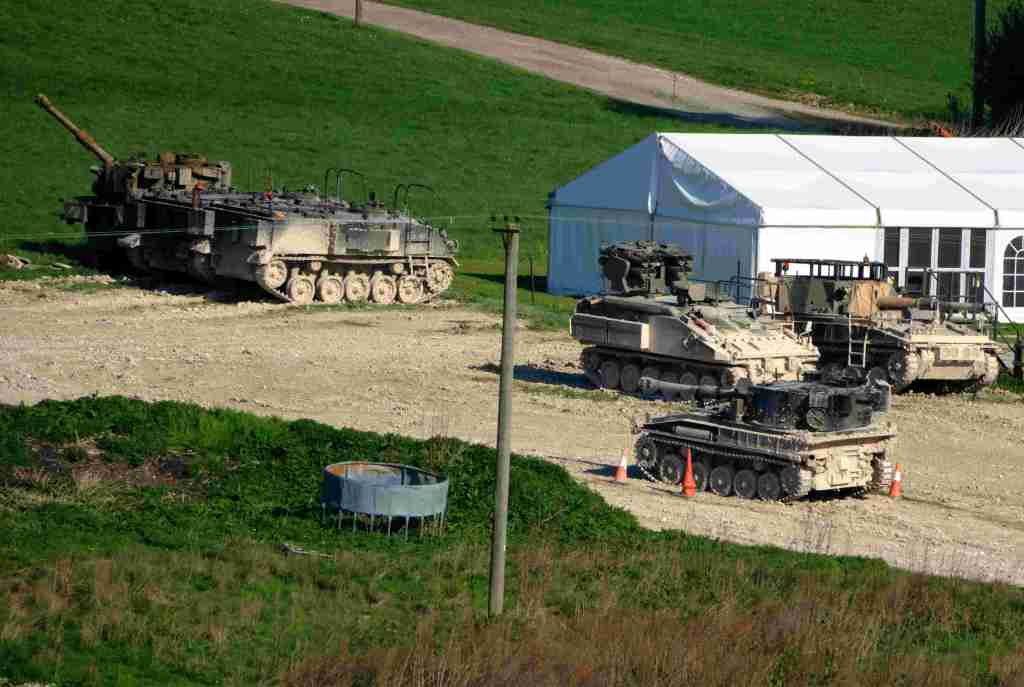
Tank rides and driving are available for those that want to make a noise.
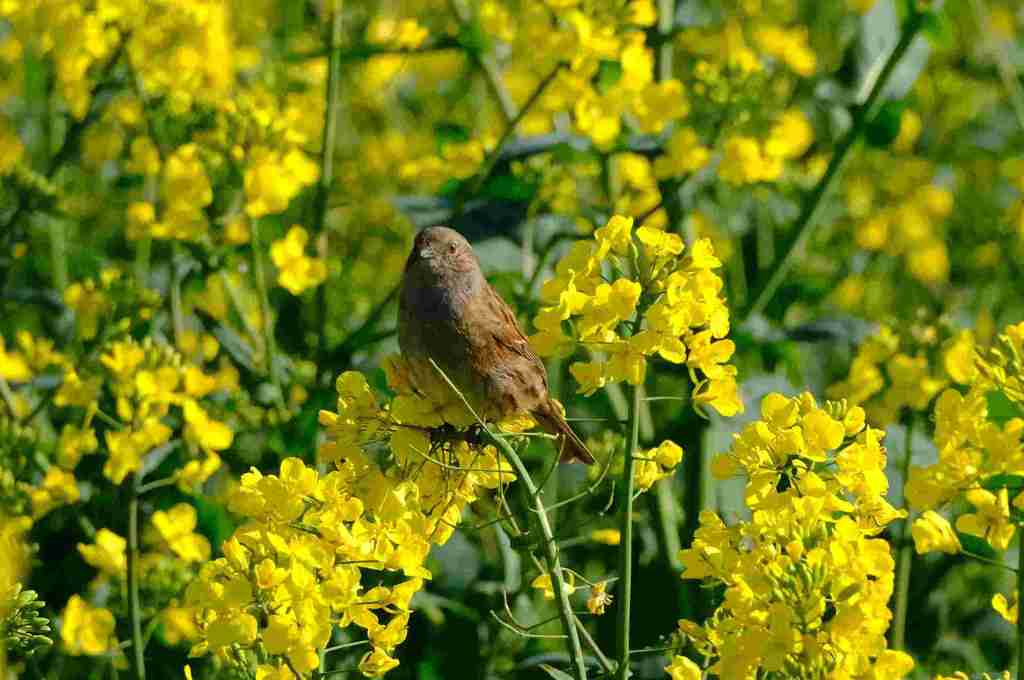
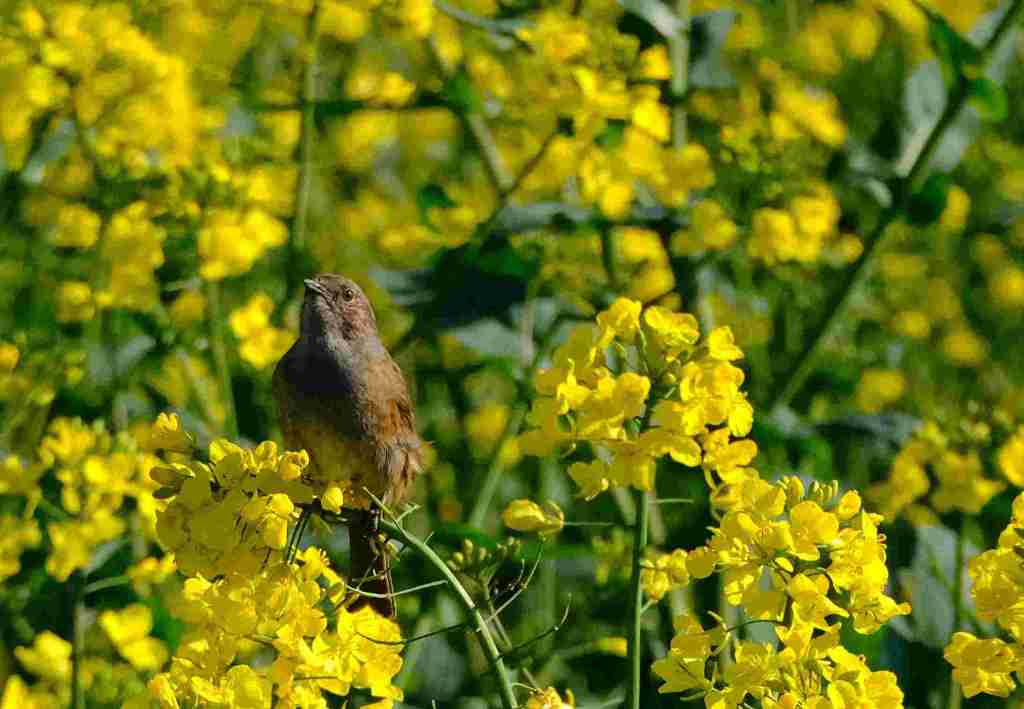
Dunock in the oilseed rape flowers.
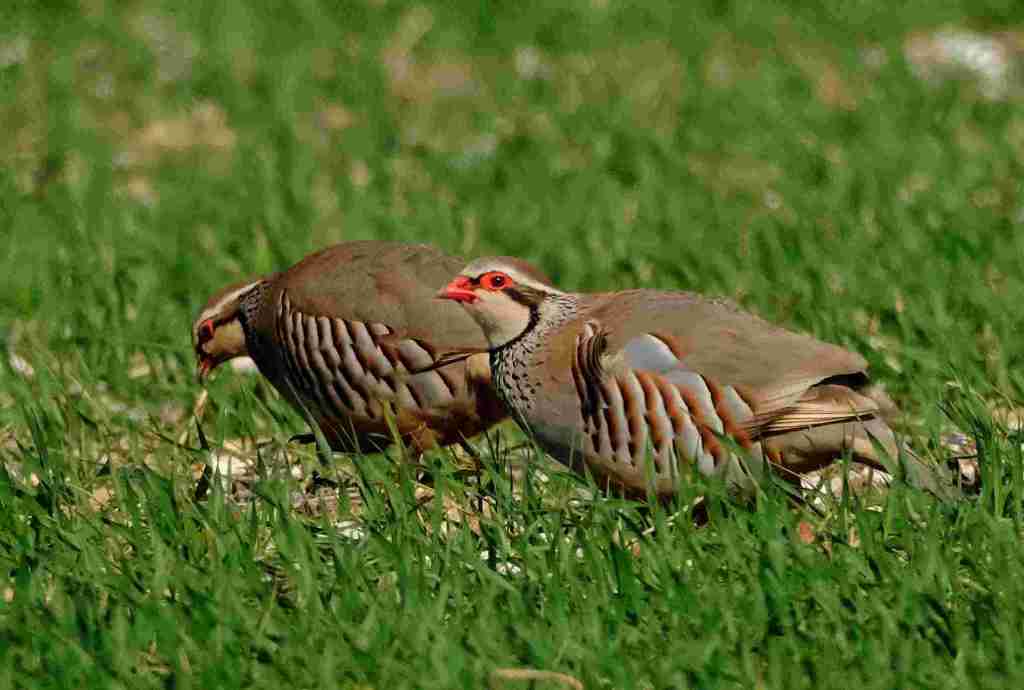
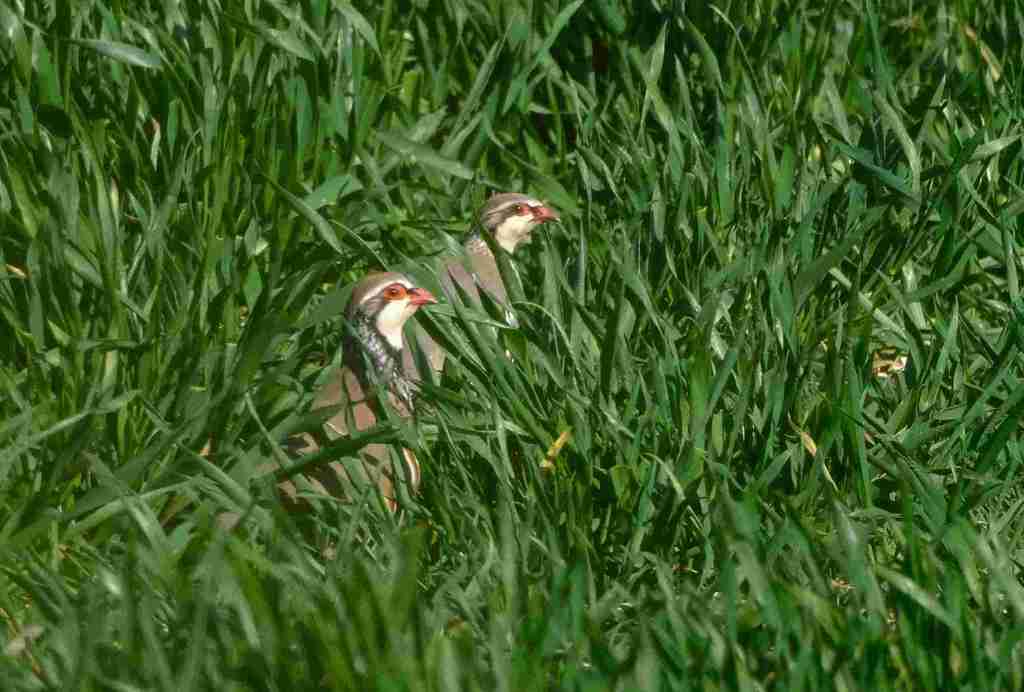
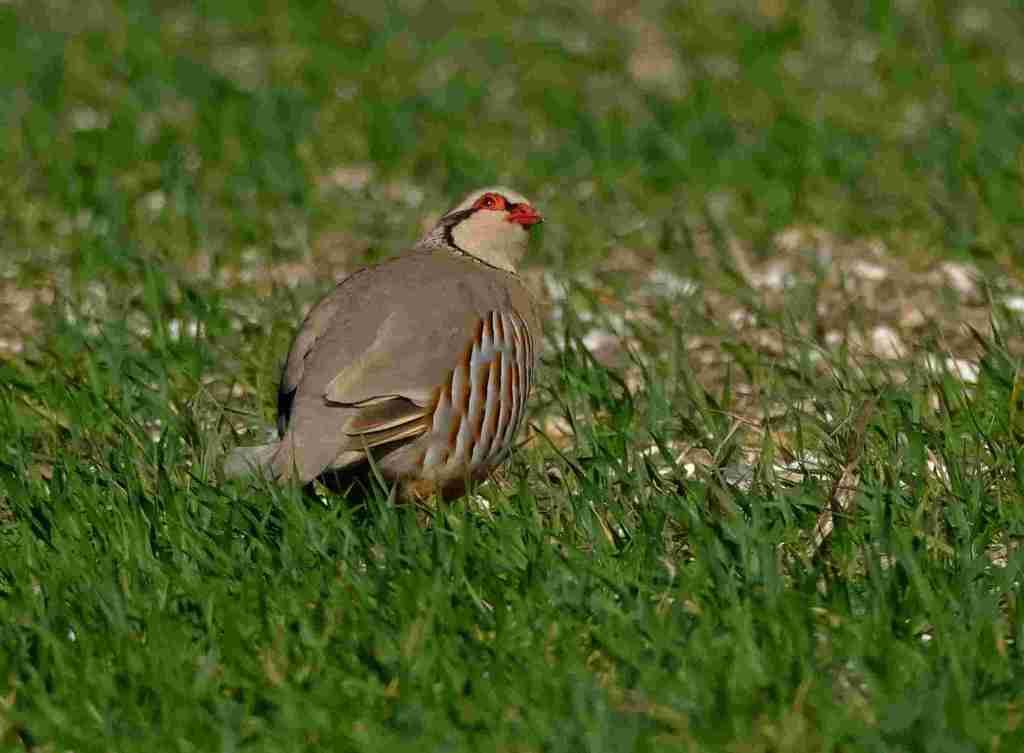
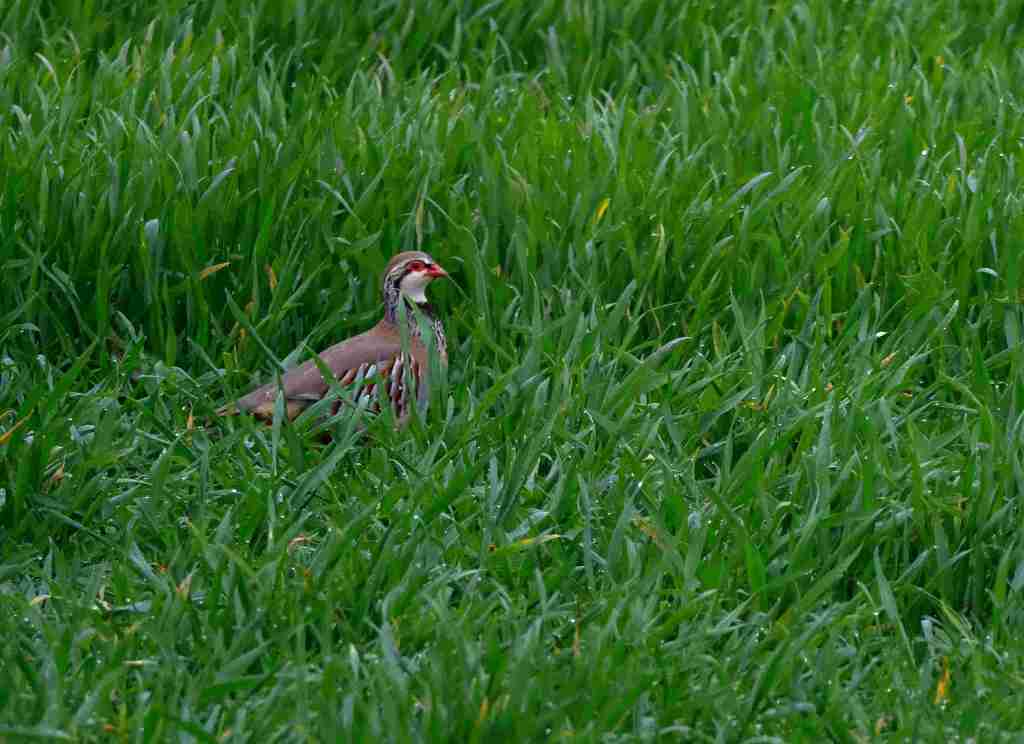
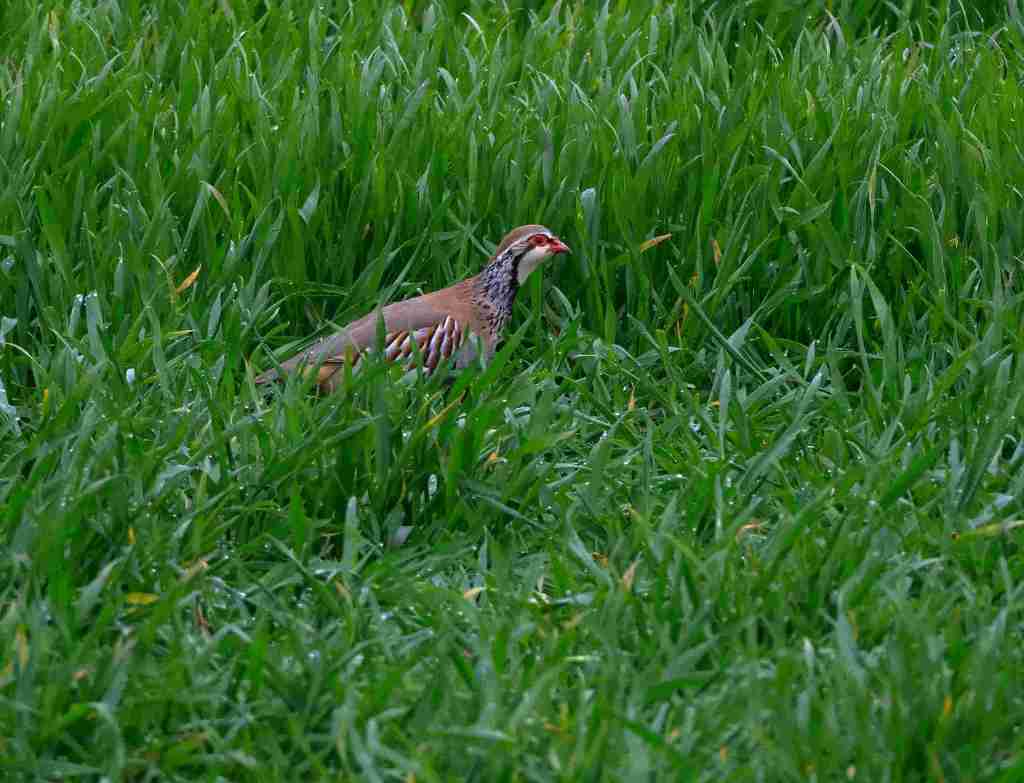
Red-legged Partrages – The red-legged partridge is a gamebird a member of the pheasant family. They were introduced to Britain in the 1600s by Charles II, and they are now relatively common and can be spotted in its favoured open scrub and farmland habitats. They often run rather than fly when disturbed.
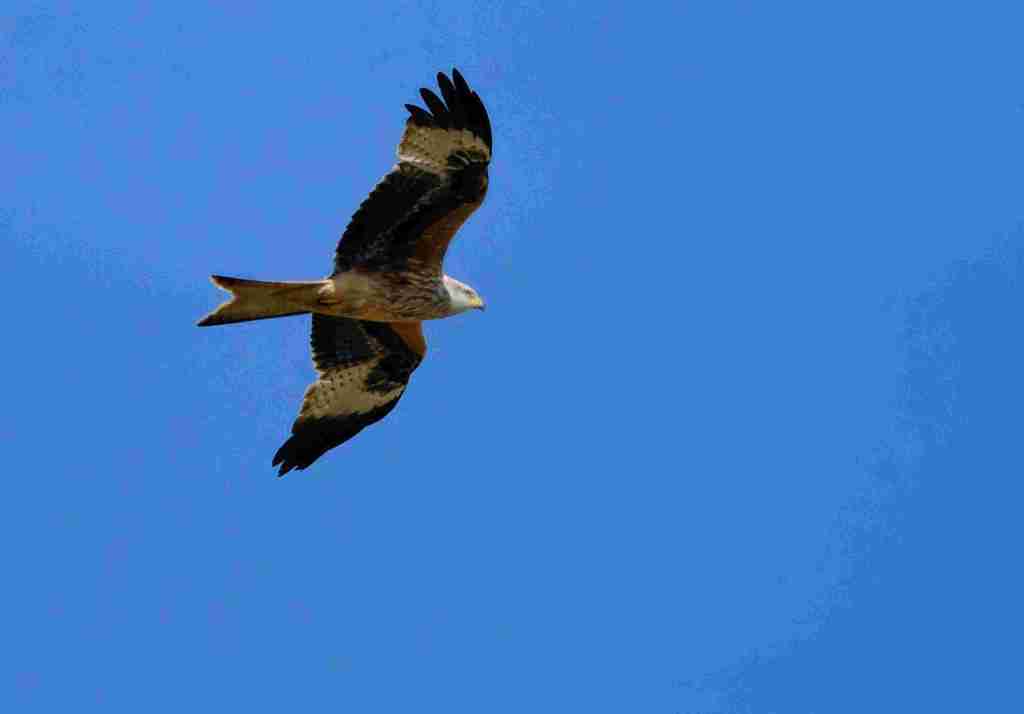
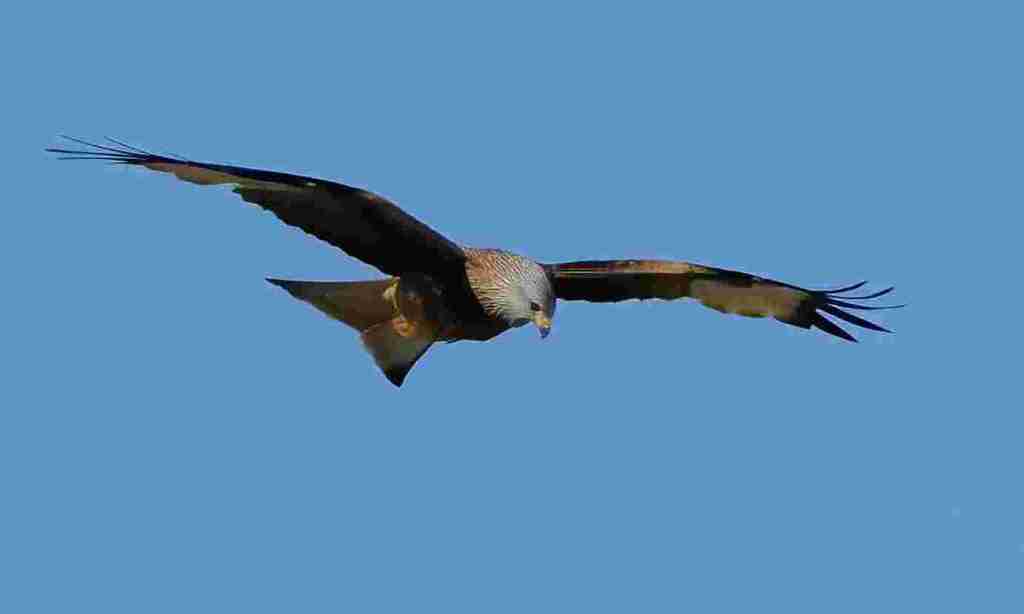
This bird spotted something above.
A Red Kite. On the hunt.
The Red Kite feeds mainly on carrion and worms but is opportunistic and will occasionally take small mammals. Today the RSPB states there are an estimated 4,400 pairs in the UK. I recall 1st seeing these magnificent birds in South Wales in the 1980’s when there were only 25 pairs in the UK mainly in Wales.
This bird picked up something for lunch.
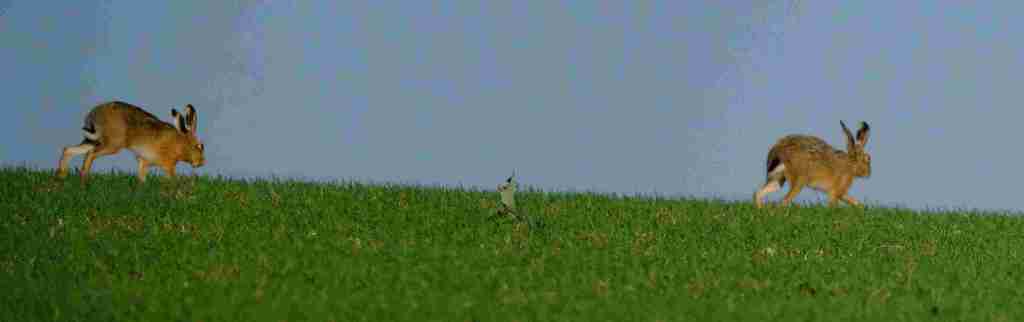
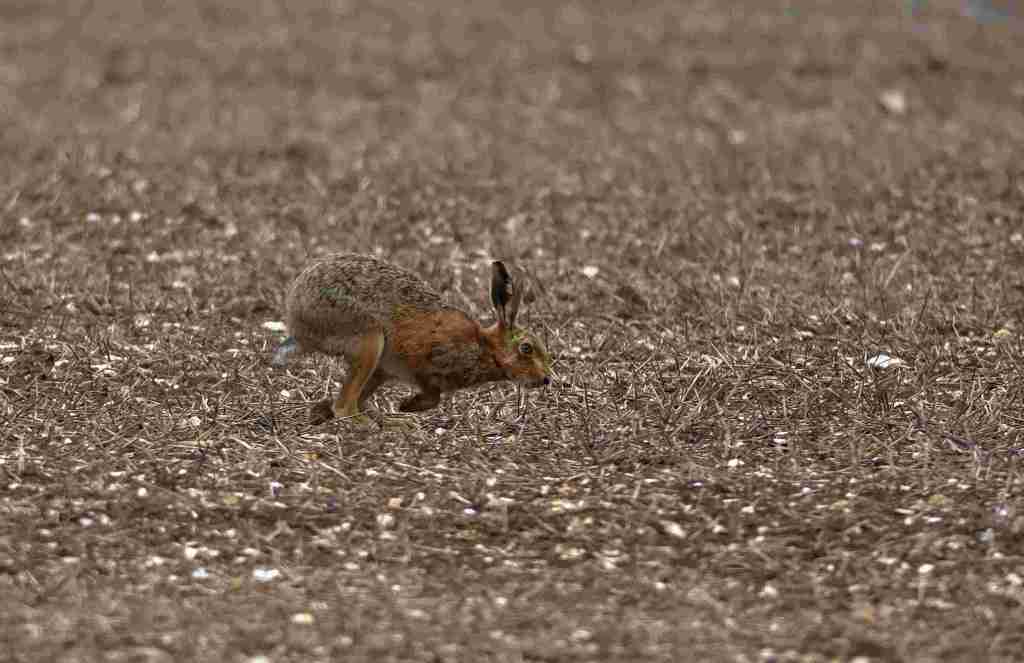
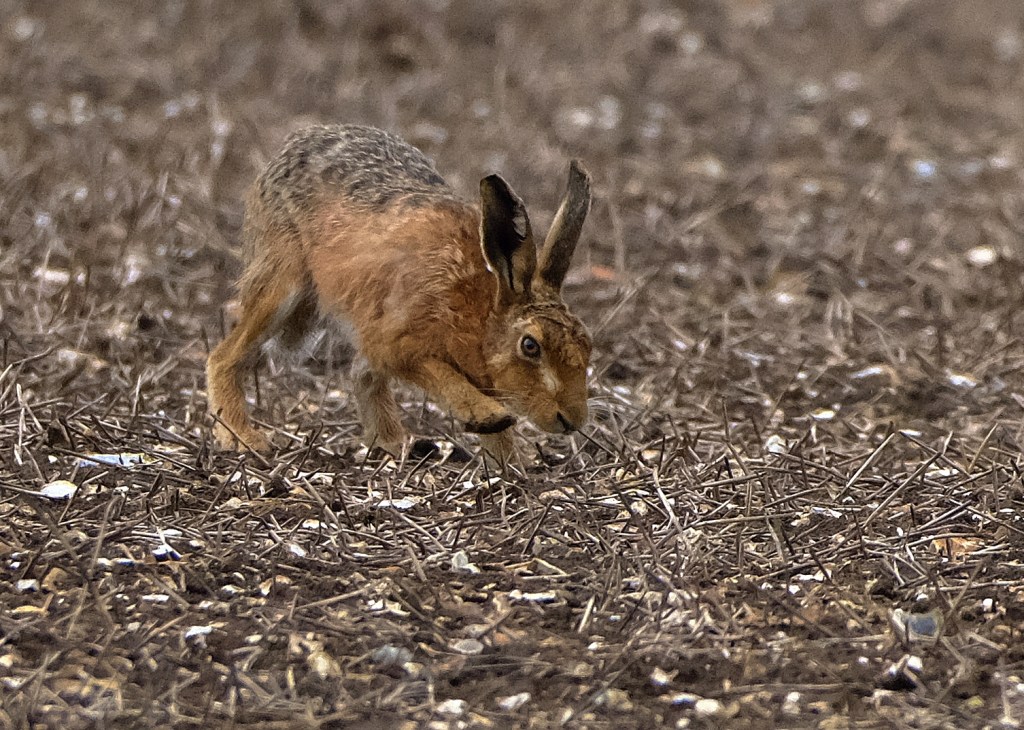
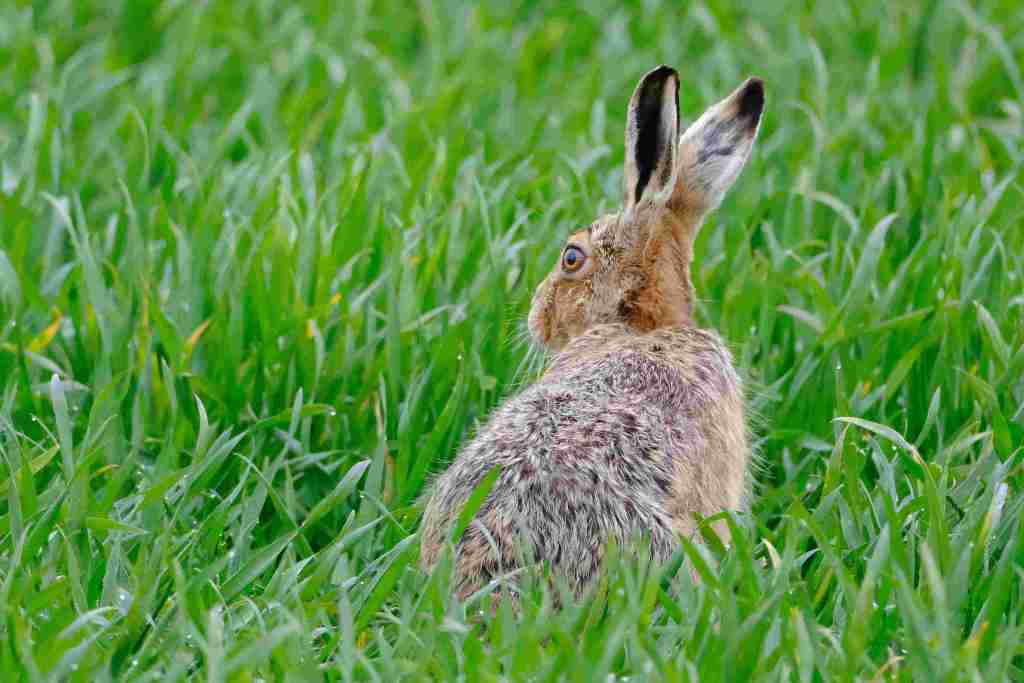
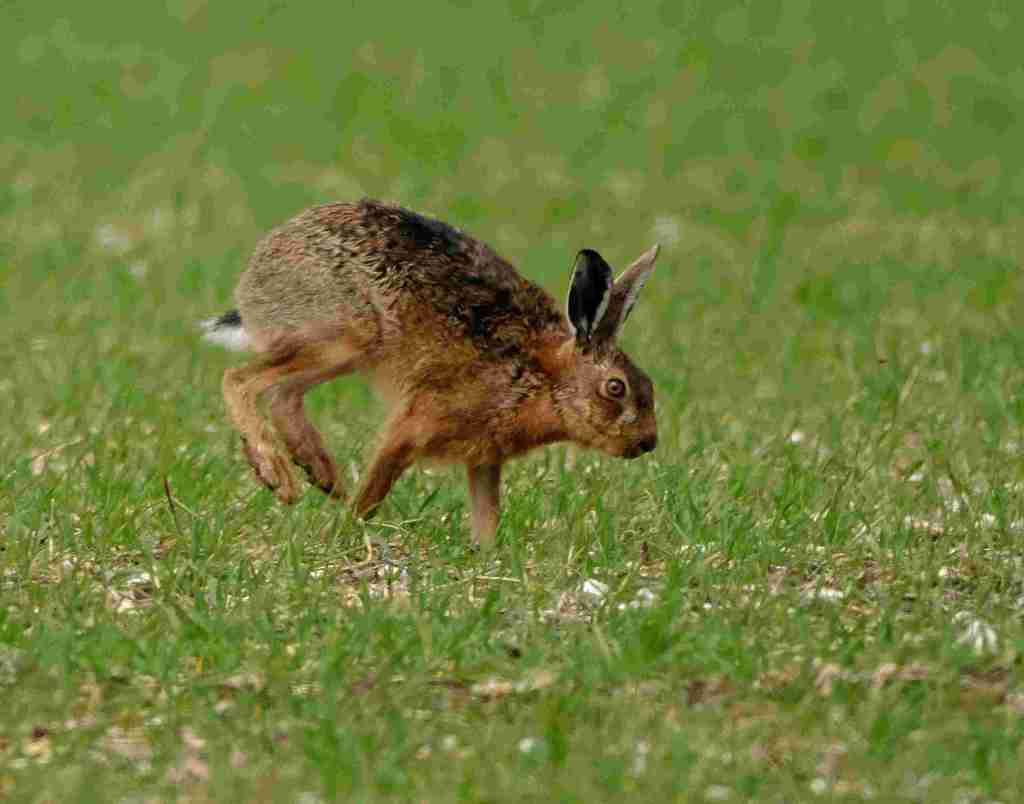
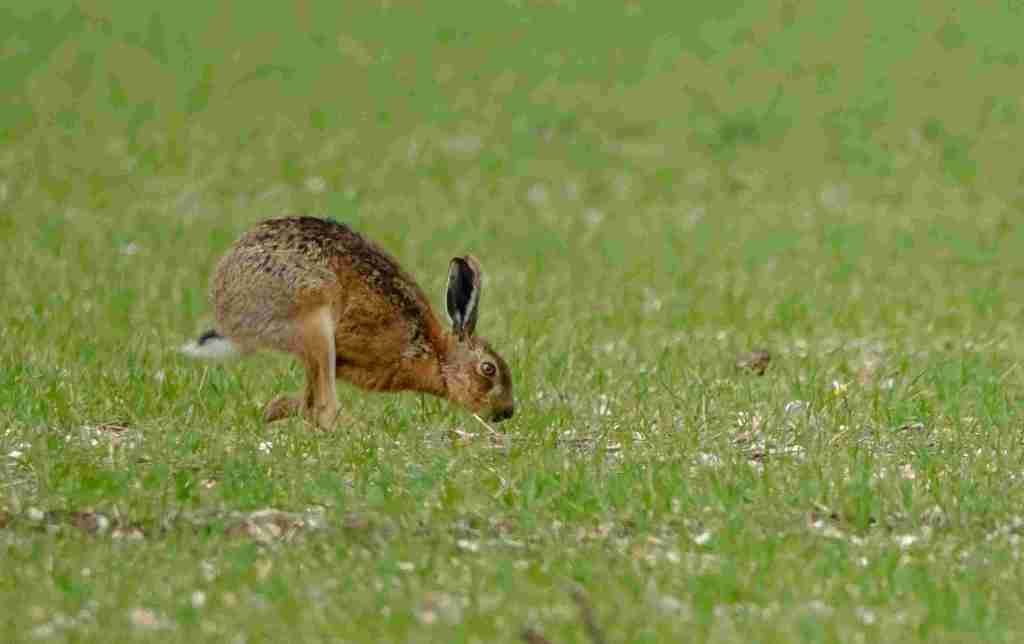
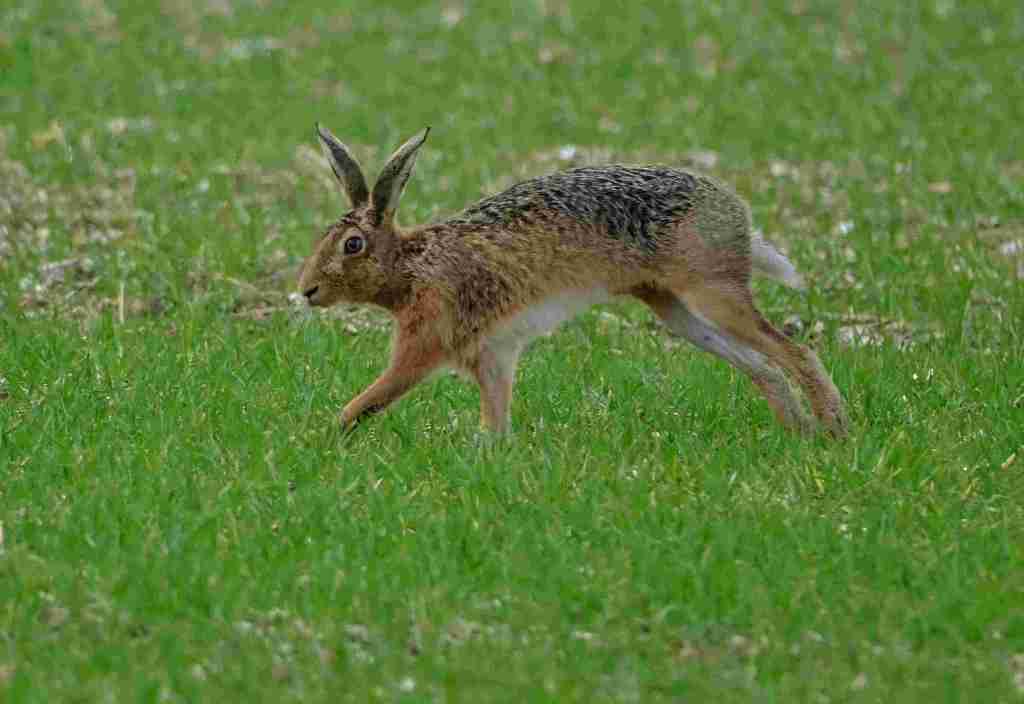
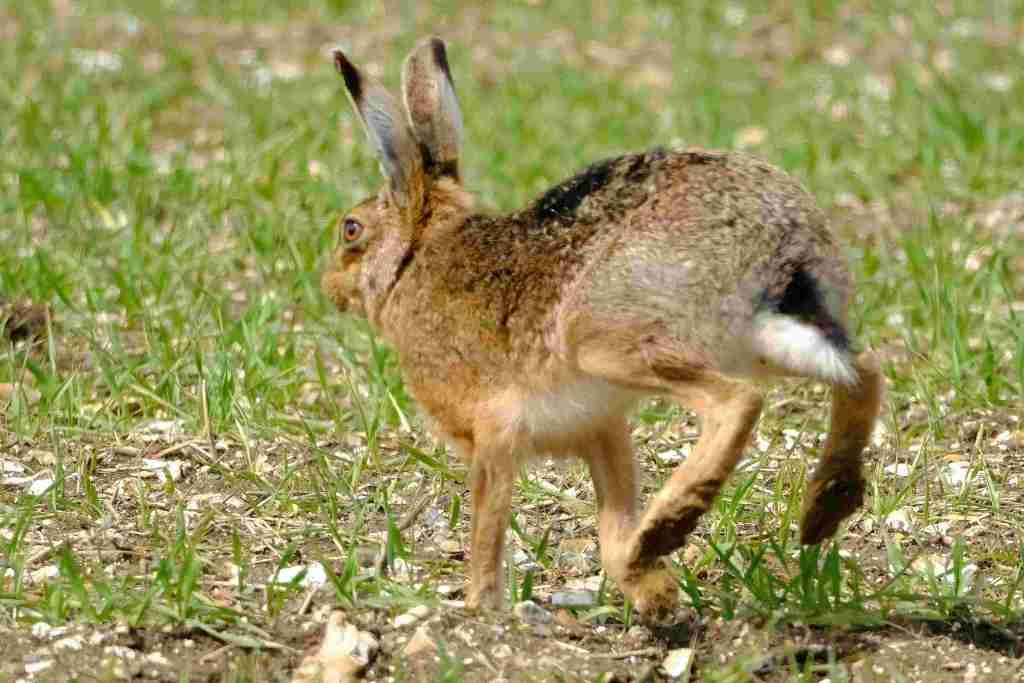
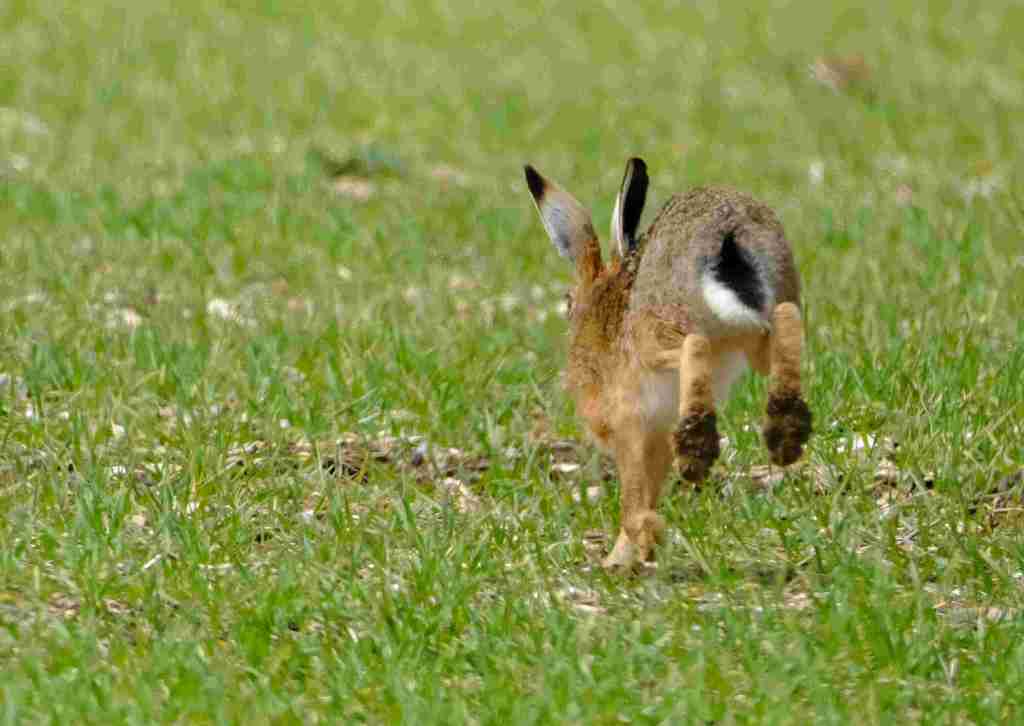
Good Hare country as earlier in the week.
Goldfinch.
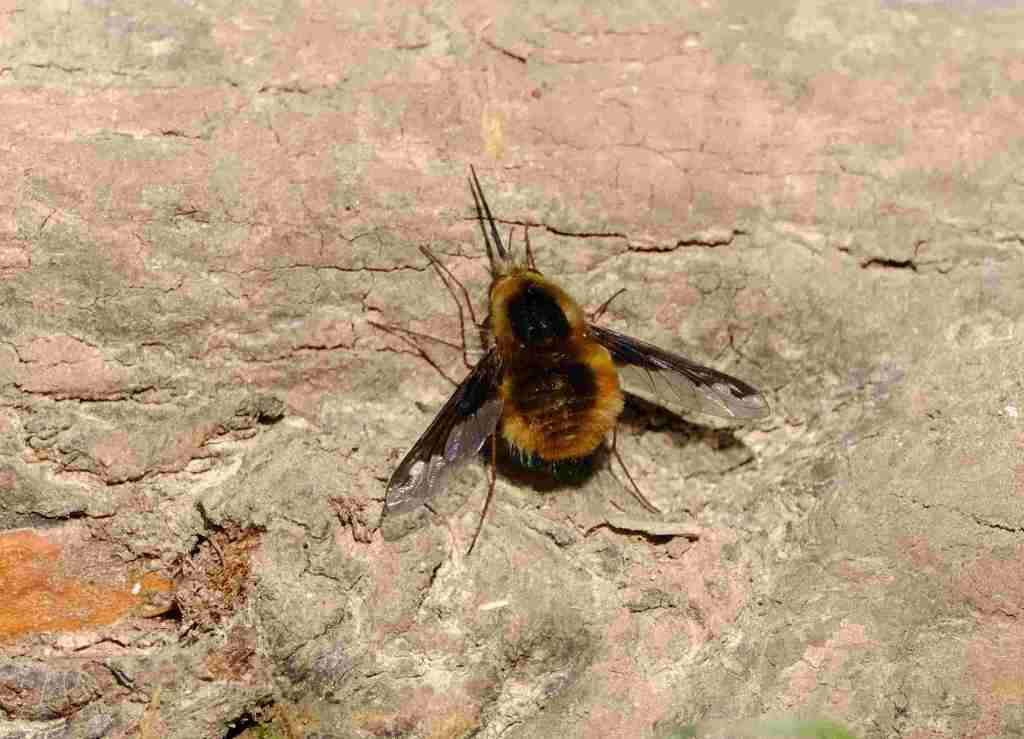
Insects are starting to come out as the weather warms up. This Bee-fly landed on the path. At a glance, it’s easy to mistake one for a bee.
The South Downs Way is one of 15 National Trails in England and Wales. It stretches from the once capital city of England and the cathedral city of Winchester in the West, nearly 100 miles to the city of Eastbourne in the East.
Further to my post yesterday focusing on Hares here are some further Hare photographs, views and other wildlife on the South Downs Way.
Brown Hares are said to have been introduced into the UK in Roman times, they are now considered naturalised. They are found on open farmland, in grassland habitats and at woodland edges. They graze on vegetation and the bark of young trees and bushes. Brown hares do not dig burrows, but shelter in ‘forms’, which are shallow depressions in the ground or grass. When disturbed, they can be seen running across open land reaching the speed of 45mph – they are Britain’s fastest wild mammal. Brown hares are most visible in early spring when the breeding season encourages fighting or ‘boxing’. Females can produce three to four litters of two to four leverets {young} a year.
Today a visit to some open farmland on the edge of the South Downs National Park gave us some good views of this sacred and mystical animal. In folk law, they were believed to have connections to the “otherworld.” They were treated with great respect and never eaten.