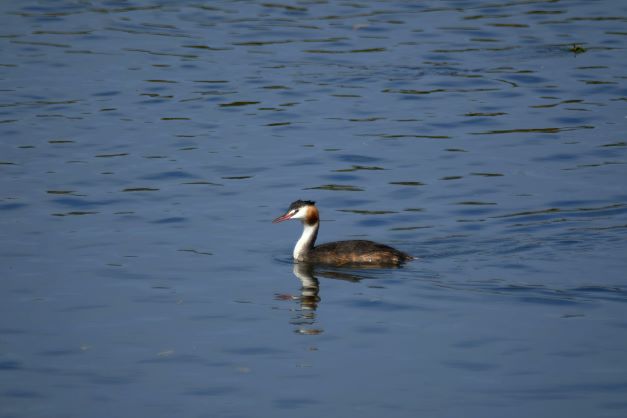
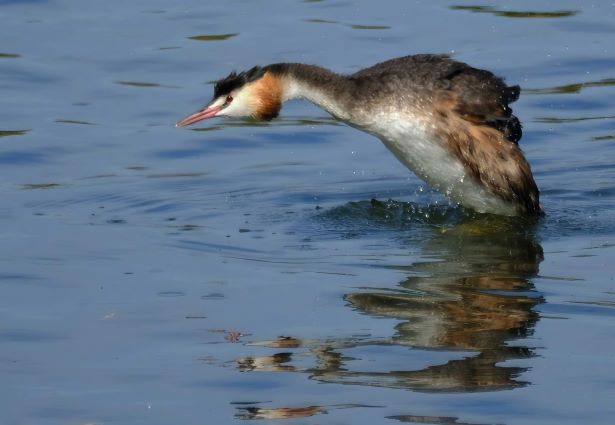
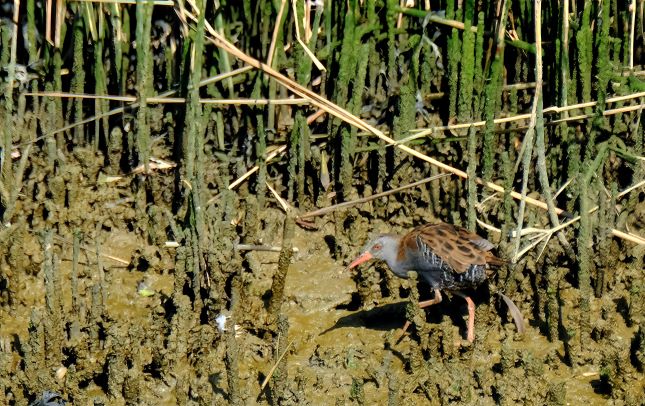
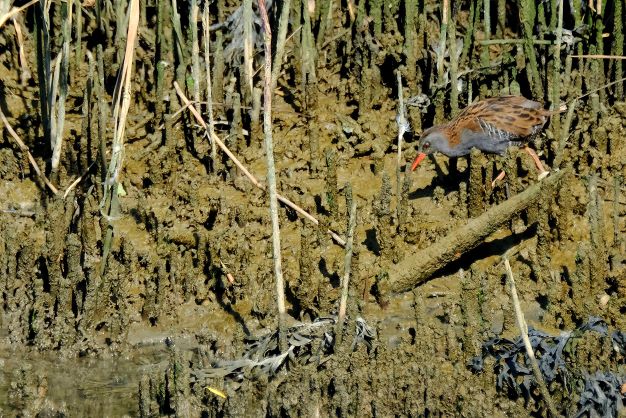
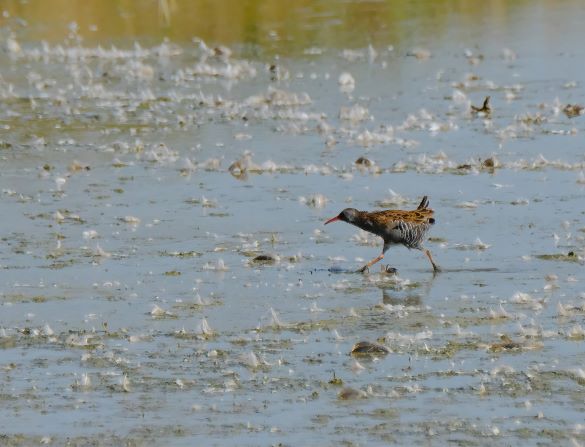
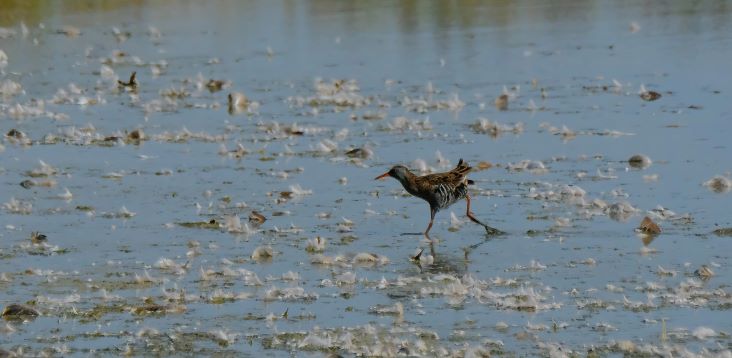
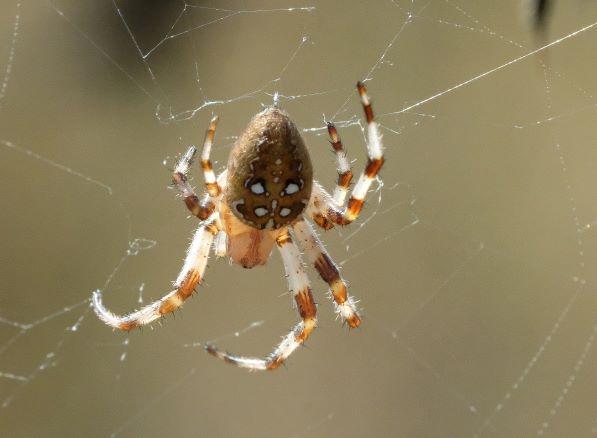
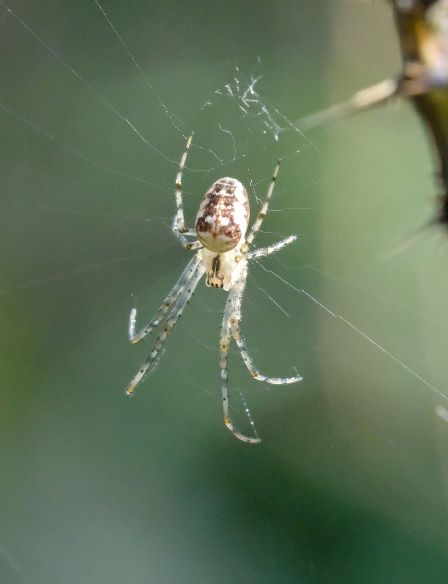
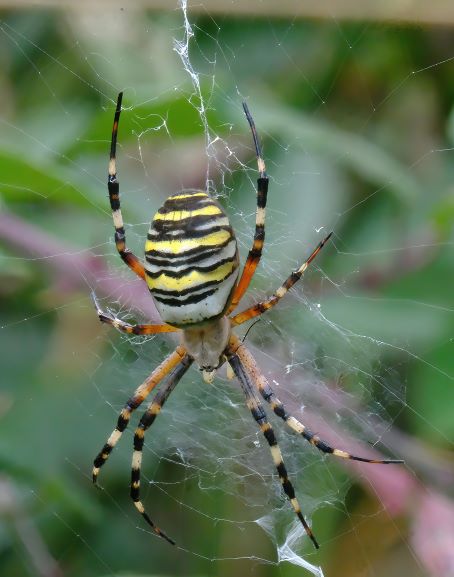
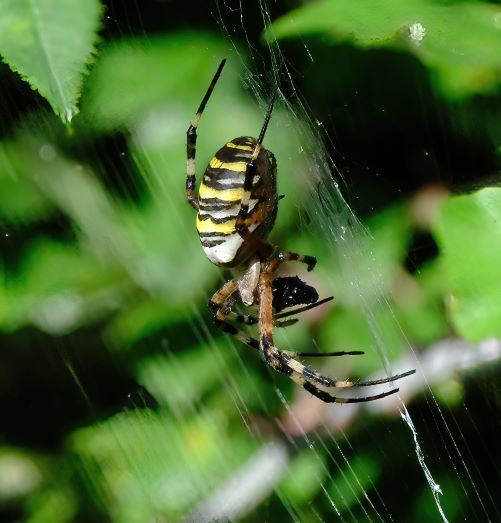
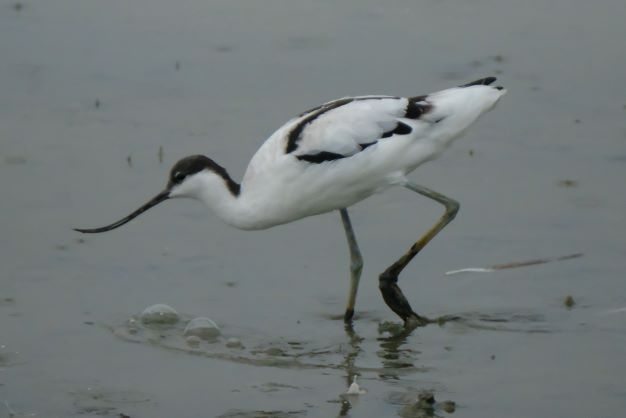
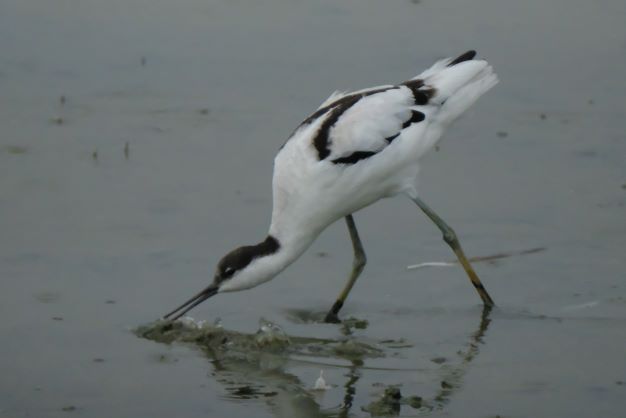
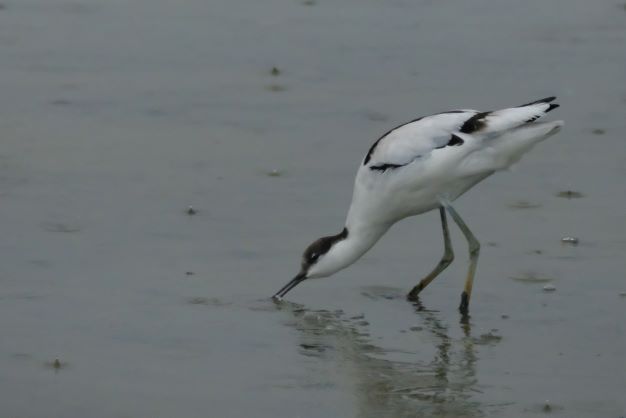
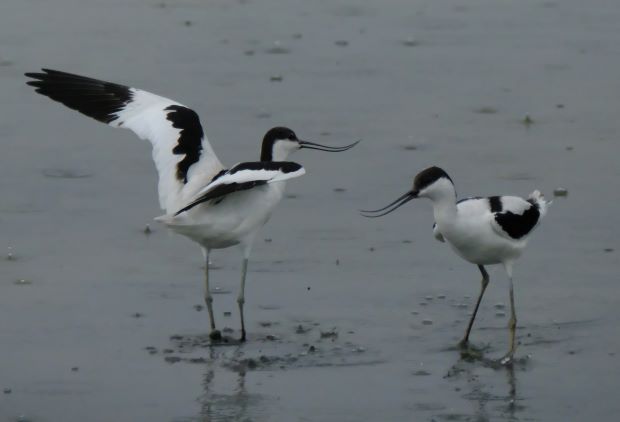
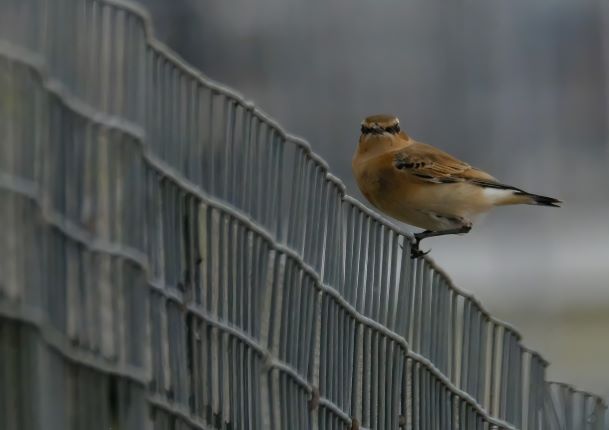
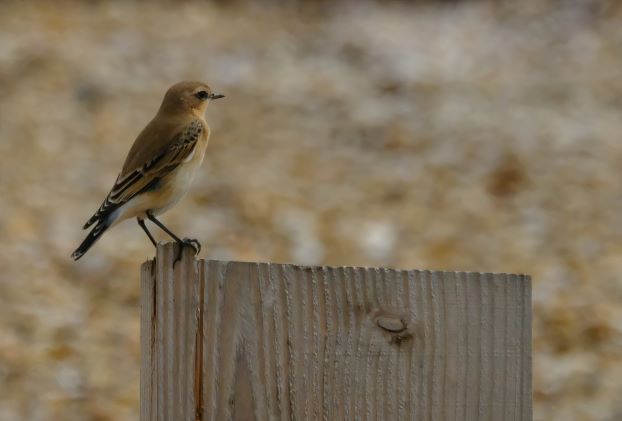
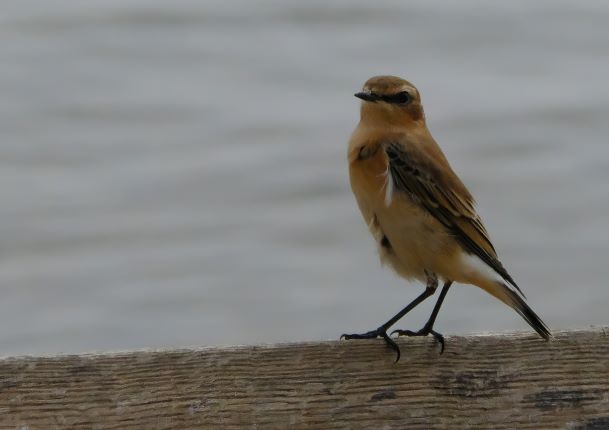
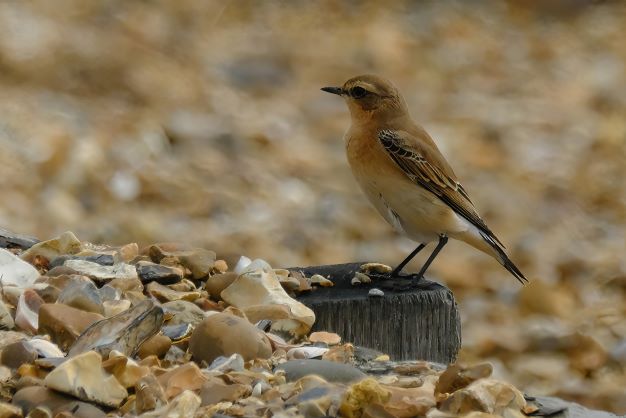
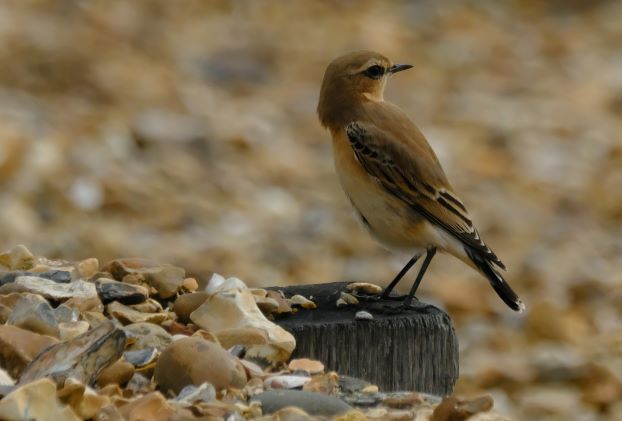
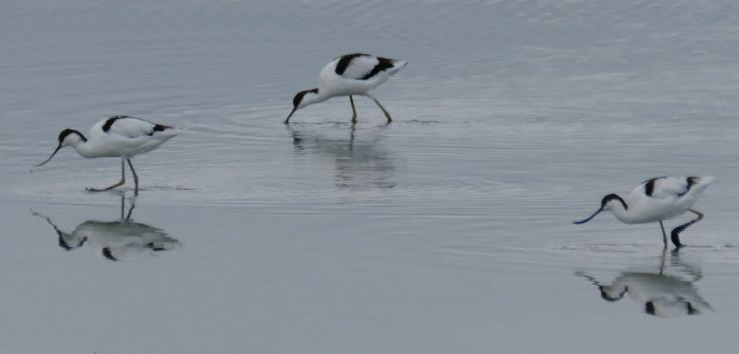
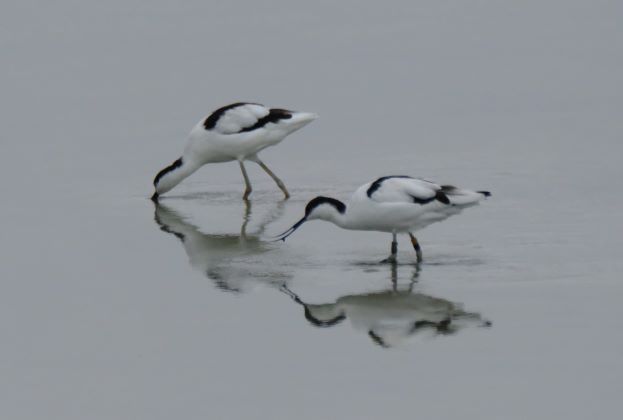
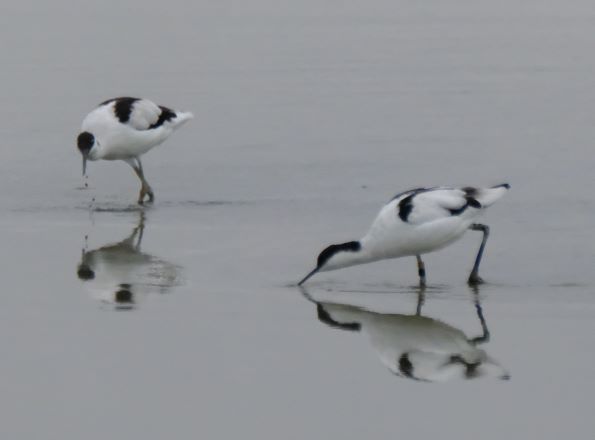
#Wordless Wednesday.
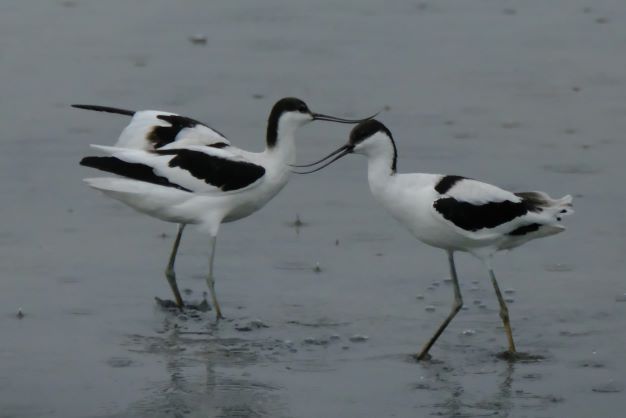


#Wordless Wednesday.


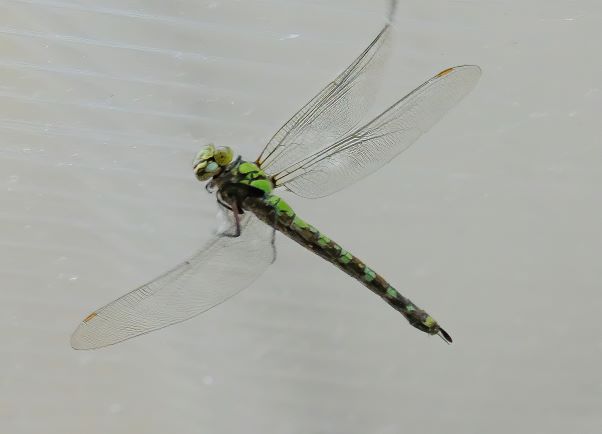
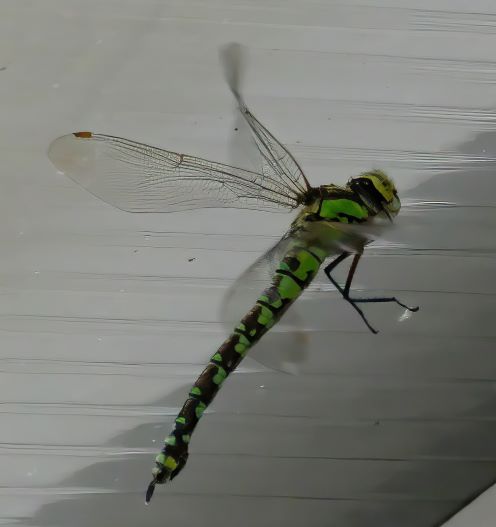
The Four-spotted chaser is easily recognised by the two dark spots on the leading edge of each wing – these spots give this common dragonfly its common name. It can be seen on heathlands and near ponds
Scientific name: Libellula quadrimaculata.


Male Stonechat on New Forest Gorse.


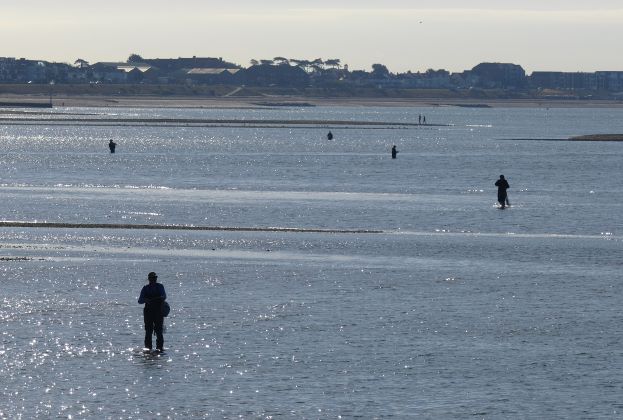
Early Saturday evening and a few hours down on the beach enjoying the fresh air and watching windsurfers and kitesurfers.


While sitting on the beach two of the local Mute Swans came out of the water to say hello so I popped back to the van to get some bird seed and my small underwater camera.
T4C ringed bird I have known this bird for several years. The unringed bird with him took a liking to my arm!


A Moorland walk in the New Forest this morning.
Common cotton grass has fluffy, white seed heads that dot boggy moorlands and heaths its bright heads show up across the landscape which looks like something has been dropped until you get close enough to see it is a seedhead. Despite its name, common cotton grass is a member of the sedge family, rather than being a true grass.


In the winter we came across a small pond on the moor and decided to return in the summer as it
looked like a good site for Dragonflies, we returned today and it was.


Female Broad-bodied Chaser.


Male Broad-bodied Chaser.

Male Emperor Dragonfly.


Female Emperor Dragonfly. Egg-laying.

A Male Stonechat keeping its distance from the pond.

Foxgloves are now in full flower.


Fallow Deer are never far away on a New Forest walk.


The Black-tailed Godwit is a large, long-legged, long-billed shorebird. ( it is one of Europe’s larger wading birds). A number of these remain in the UK all year rather than migrate to their breeding grounds in Iceland. We are lucky to have a number of these birds all year round in Titchfield Haven


It has been a while since I have had the chance to observe a Little Egret fairly close to me – so I was pleased to see this bird today and get some pictures.


Over the water – on the water – and under the water. A few hours at Swanick lakes, once a clay pit for Bursledon brickworks. Today the area is a nature reserve with a mixture of woodland, lakes and meadows. The site is managed by Hampshire and Isle of Wight Wifelife Trust and is spread over 35-hectares.
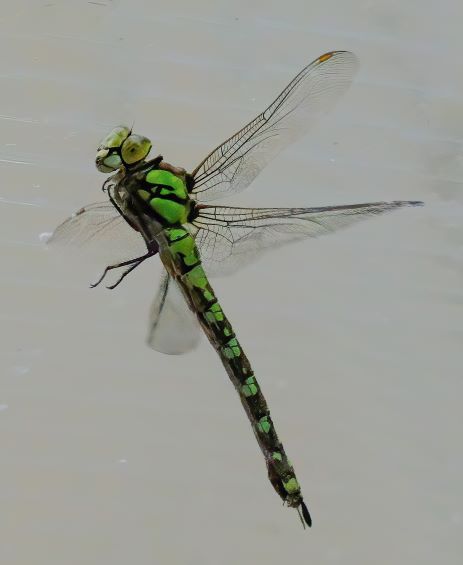
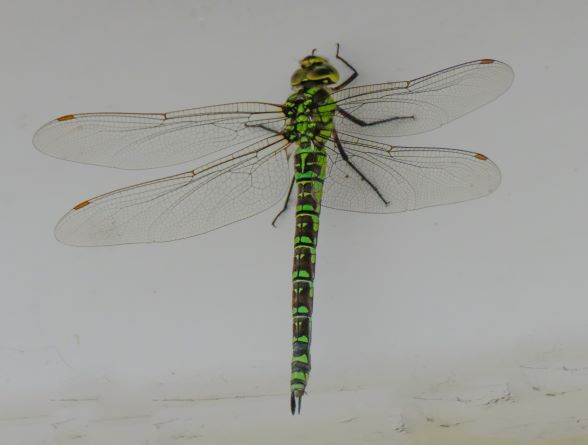
Dragonflies and Danselflies


Coot.


Fish. I have never fished and I do not know which species of fish this is. They are large about 2 feet long.


#Wordless Wednesday.