How things have changed in the world. #Wordless Wednesday


How things have changed in the world. #Wordless Wednesday
Water remains short in our local patch due to the drought grass is brown and many of the water holes and ditches have dried up boggy areas are much dryer than this time last year. One advantage appears to be the lack of Ticks as I have only had one or two on me this year whereas last year I was getting those numbers per day!
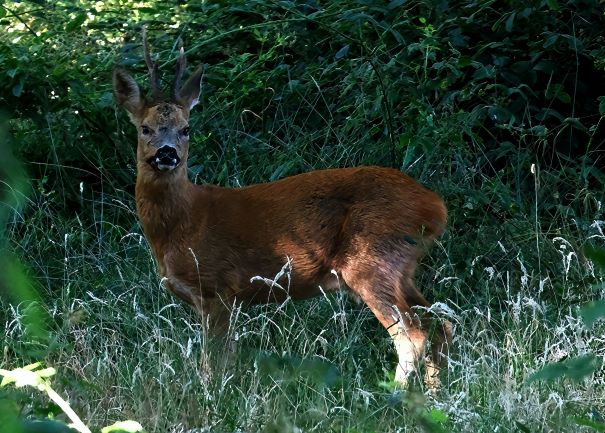


The lack of water for the wildlife got us thinking about using water as a way to attract animals to our trail cameras. Last week we sunk a washing-up bowl in a local ditch where we had placed cameras in the past and filled it with water. In 2021 our trail cameras at this spot had filmed a Buzzard bathing in the ditch. It worked – see footage below it starts with 2021 Buzzards bath and moves on to last weeks recording at the same spot with a dry ditch.
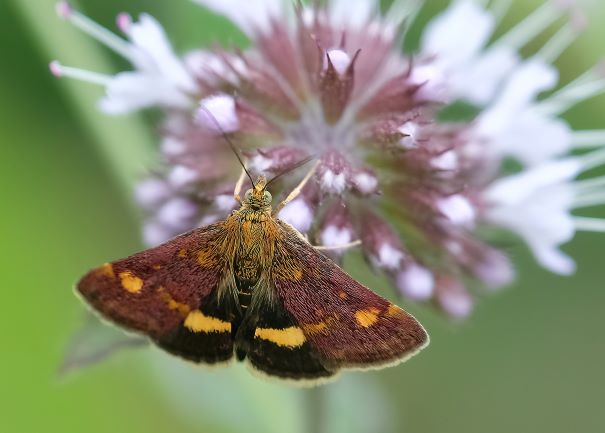
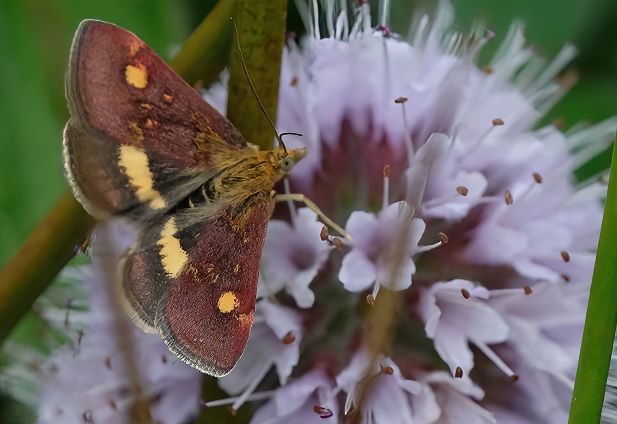
The mint moth is a day-flying moth. I have seen these tiny moths on our garden mint plants. Mint moth caterpillars feed on mint plants. These pictures were taken in our local wet meadows on wild water mint plants.
The Keeled skimmer is a medium-sized dragonfly. Males are pale blue, with grey-blue eyes; females are yellowy-brown with a black line down the middle. This male dragonfly was in the New Forest this morning. It is a dragonfly of heathland with shallow pools. They are on the wing from June to September.


A walk in one of our local nature reserves a pocket of land squeezed between 1980s housing developments.
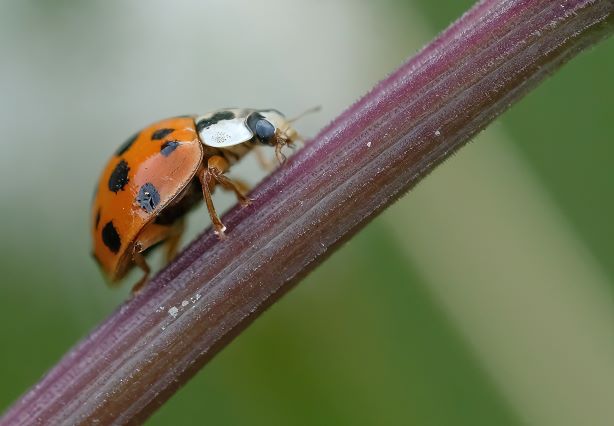
Ladybirds.
In the UK we call these little bugs ladybirds I know in other parts of the world they’re known as Ladybugs.

Common Darter Dragonflies.


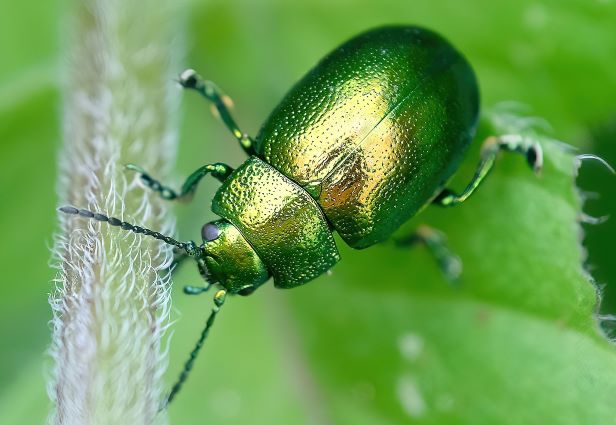
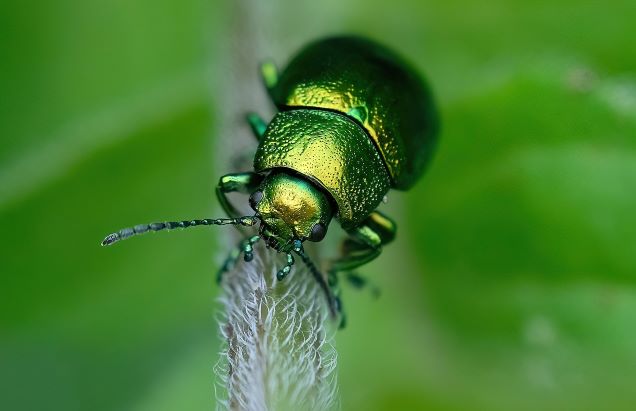
Green Dock Beetle.
Ruddy Darter dragonfly.

Common frog.

#Wordless Wednesday
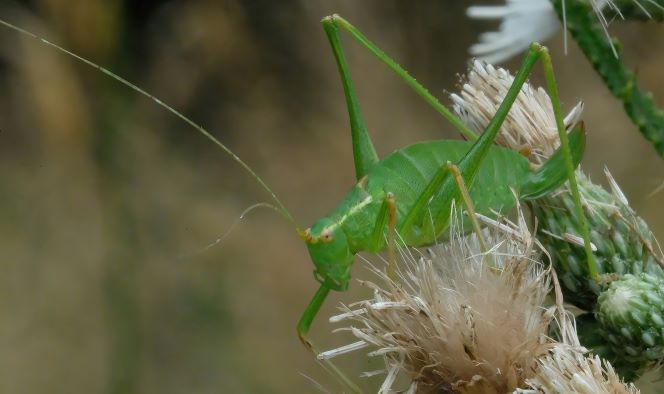
#Wordless Wednesday
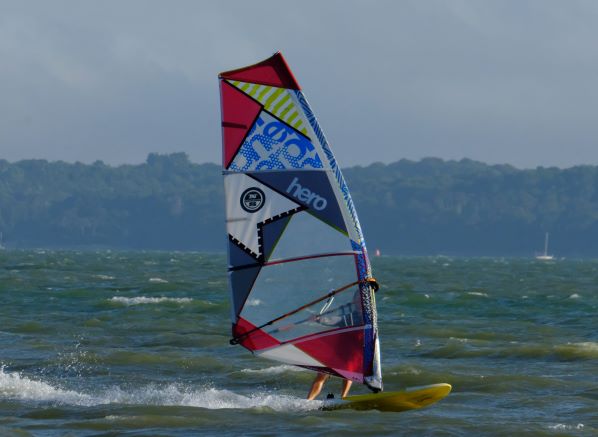
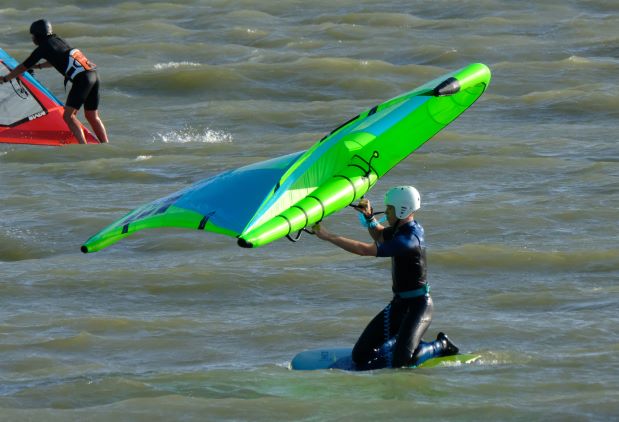

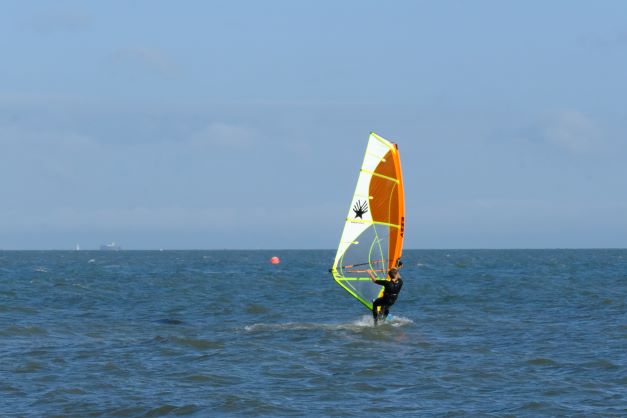
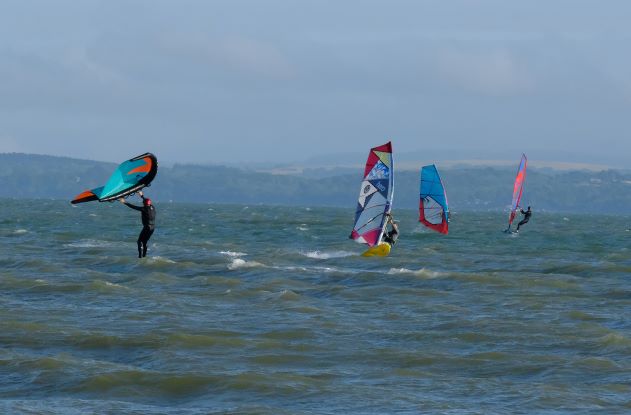
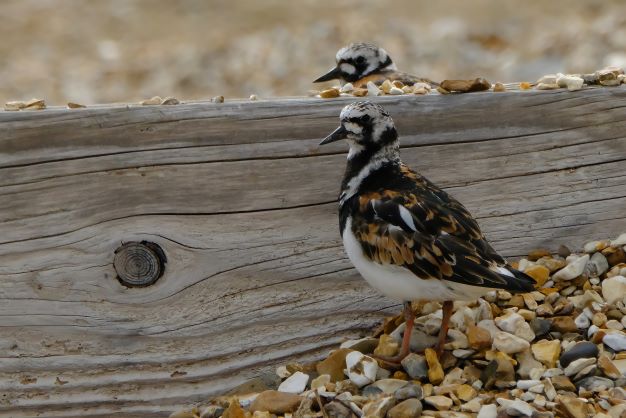
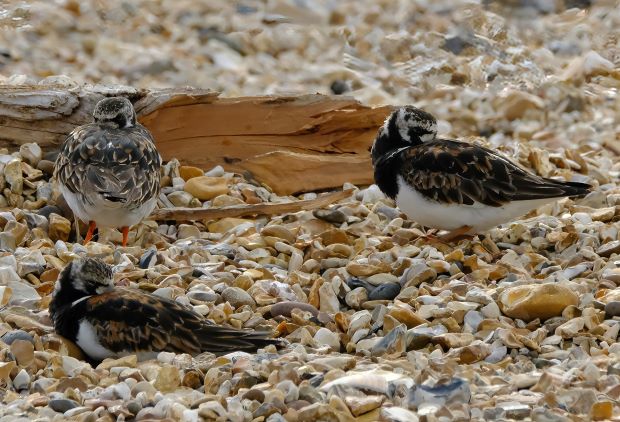
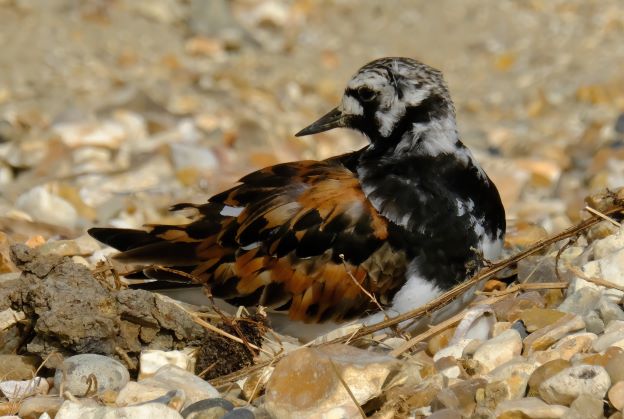
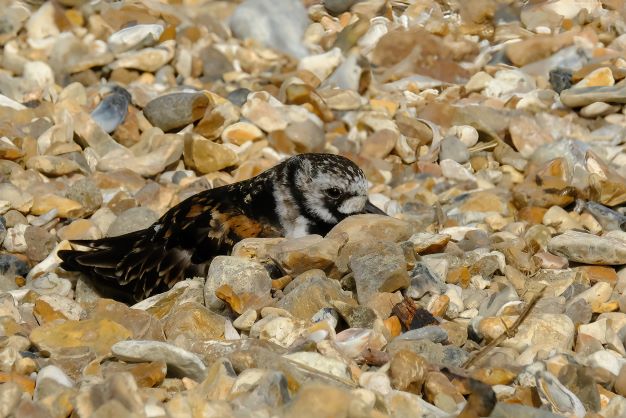
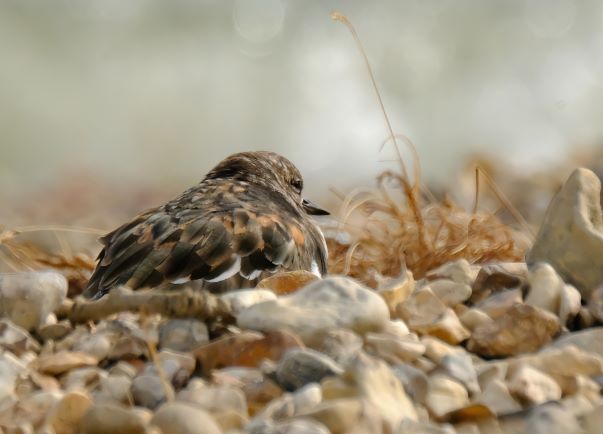
A few hours by the sea this evening and most of the day trippers have gone home. The beach is now empty apart from the Turnstones have taken over their shingle spit and are relaxing as the day ends.



Local Heron and an eel.
The Eel has recently suffered dramatic declines and is a protected species. It is famous for its mammoth migration from its freshwater home to the Sargasso Sea where it breeds. I have regularly seen eels being taken by Herons at Titchfield Nature Reserve. I have also found some on the beach.
Length: up to 1m
Weight: 0.5-5kg
Average Lifespan: 15-70 years
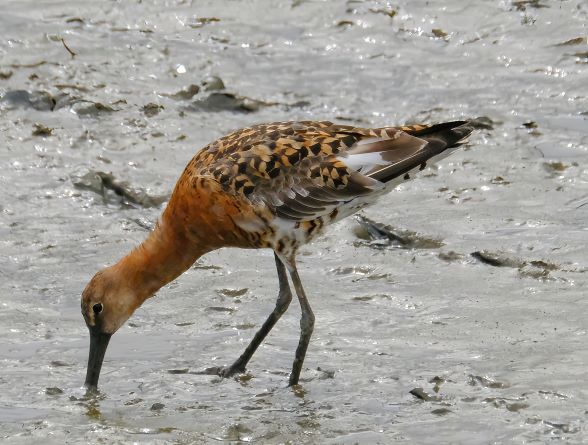
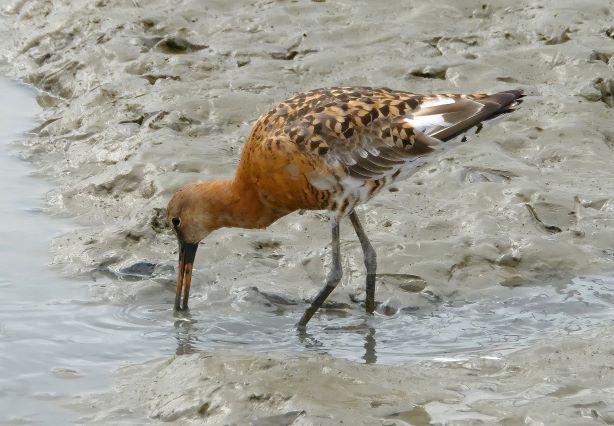
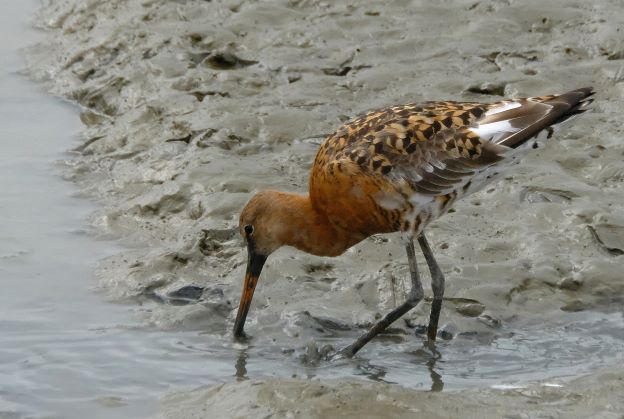
A lone Black-Tailed Godwit (male) at Titchfield Harbour.
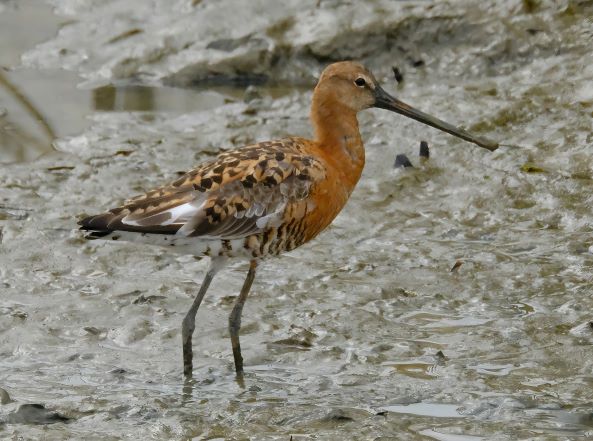
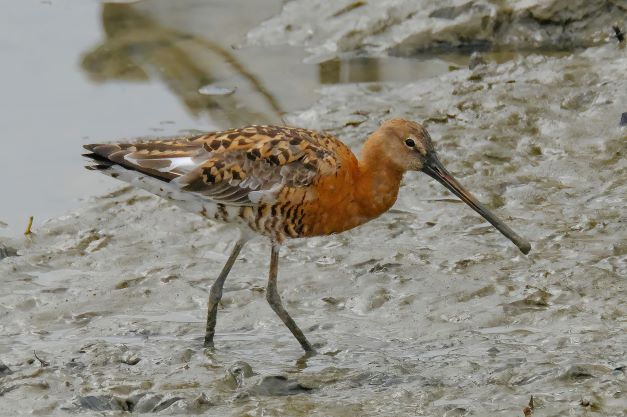
This Godwit colour varies depending on its age and the time of year. The male in summer has a stunning colour pattern with a chestnut brown head and neck. The underside is barred with dark brown stripes.