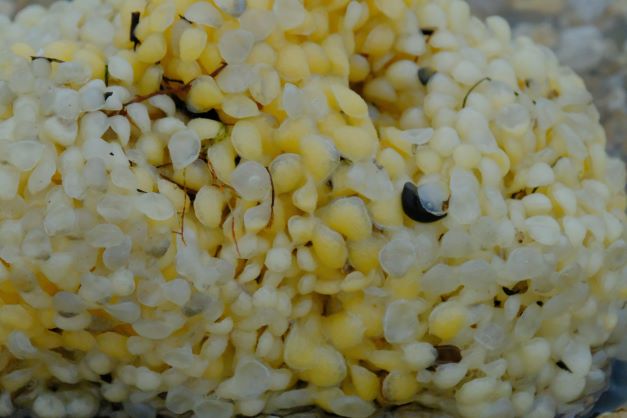
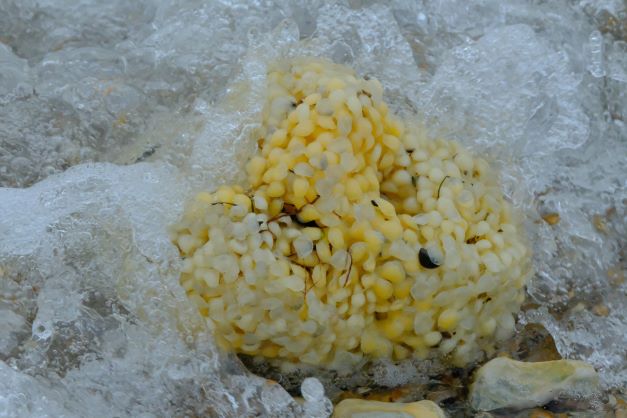
Whelk eggs.

The common whelk is the largest sea snail found in the sea around the UK.

They lay their eggs in a spongy mass of up to 2000 eggs on the seabed. Once hatched, these balls of empty egg capsules often wash up on the shore.

The first whelks to hatch will eat their developing siblings to give themselves extra energy to help them survive.

This large mass of eggs shows most of the whelks have not yet hatched. Empty egg capsules dry and the lightweight balls blow up the beach, in the past, it has been said sailors used them like a sponge.
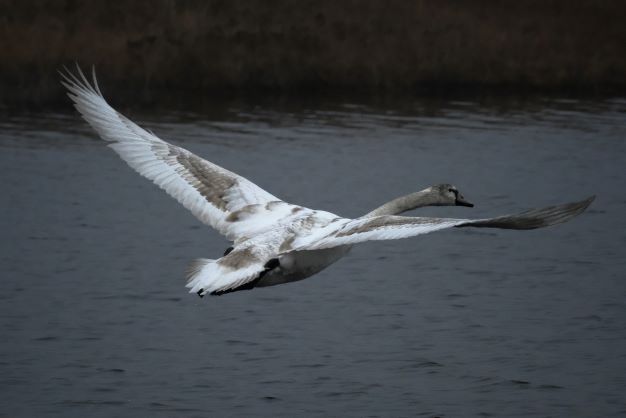
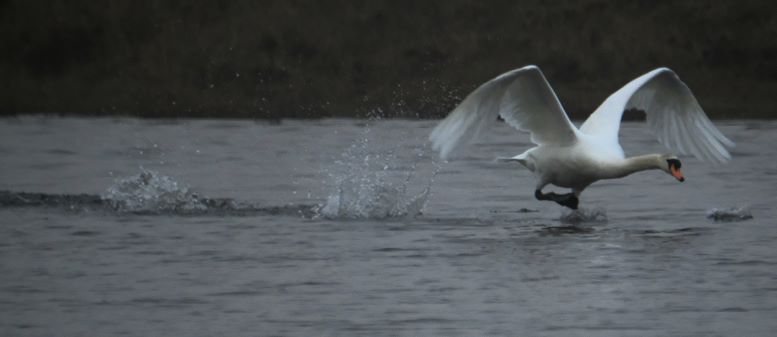
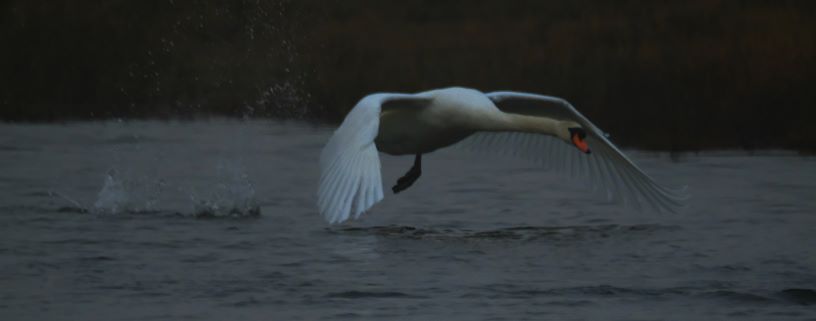
Early morning flight.

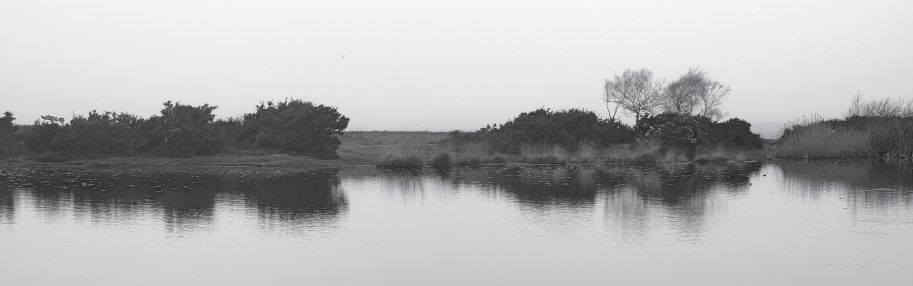
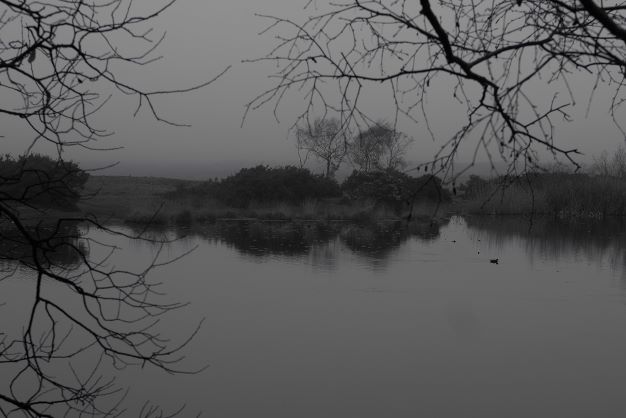
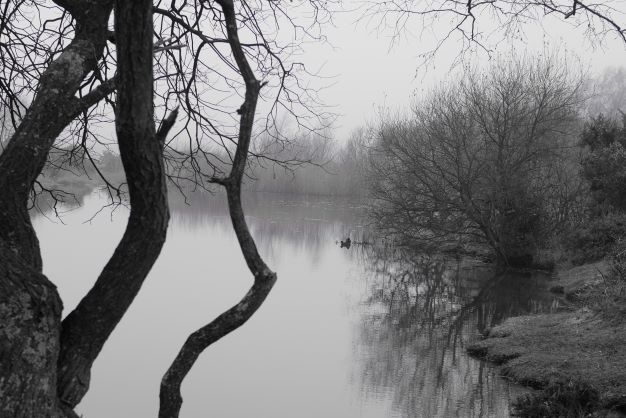
A still and calm – quiet morning until the morning flights startup!

With a wingspan of 208-238 cm – about 7 to 8 feet a Mute Swan is a large bird in flight its wing flapping sounds like a gate that needs a good oil – you can hear the power and these morning flight break the silence of calm over the pound.

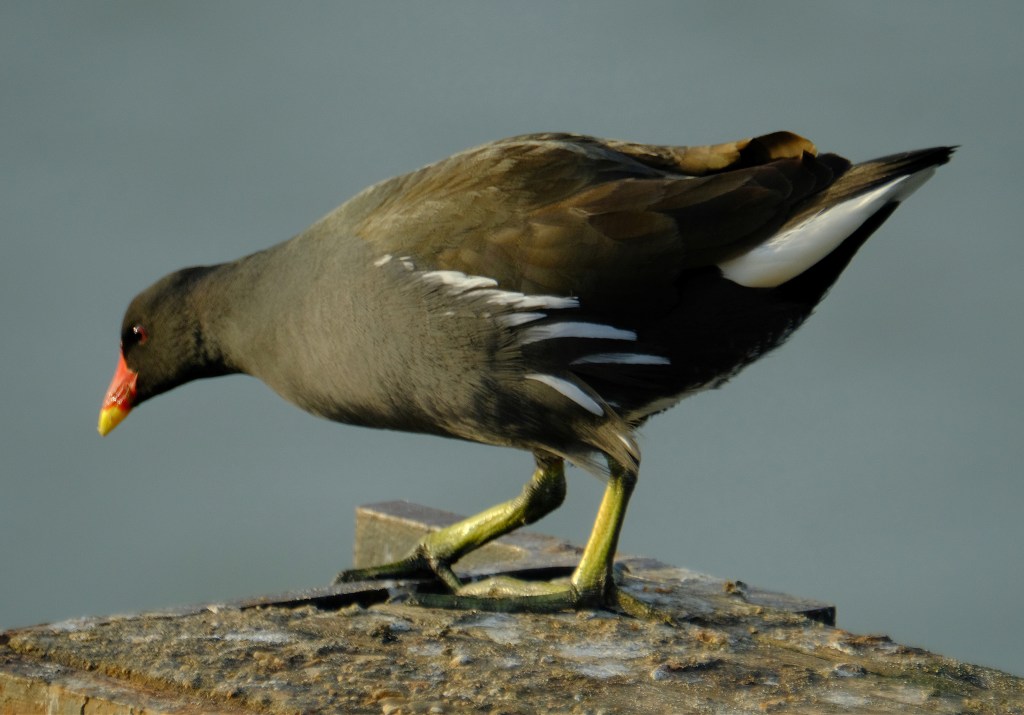
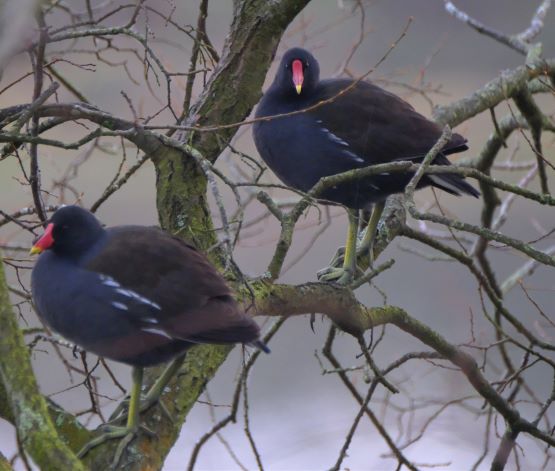
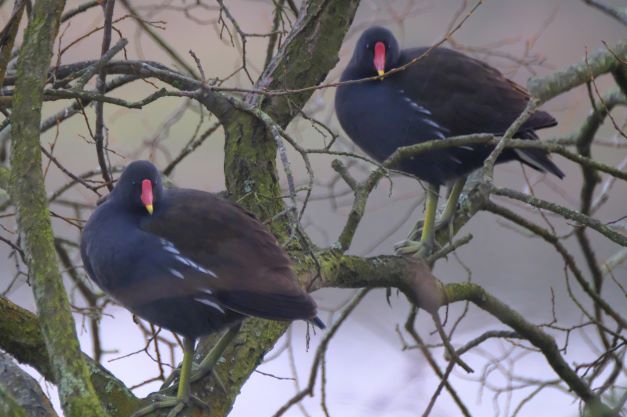
Two Moorhen waiting for their departure slot! I have not seen Moorhen’s up a tree before.

Seaside Ambush.

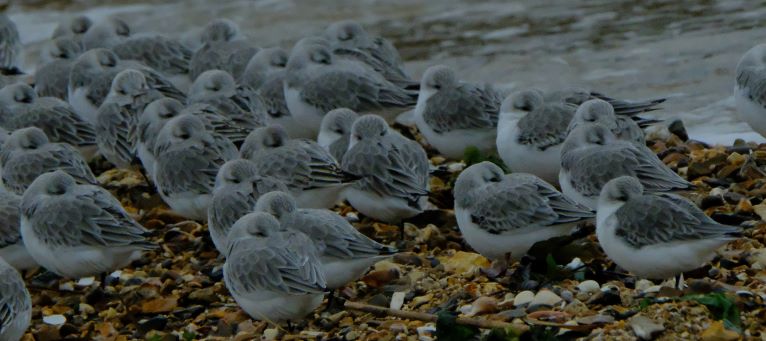
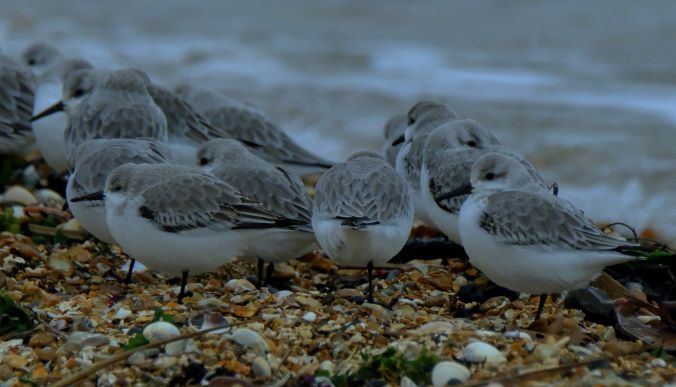
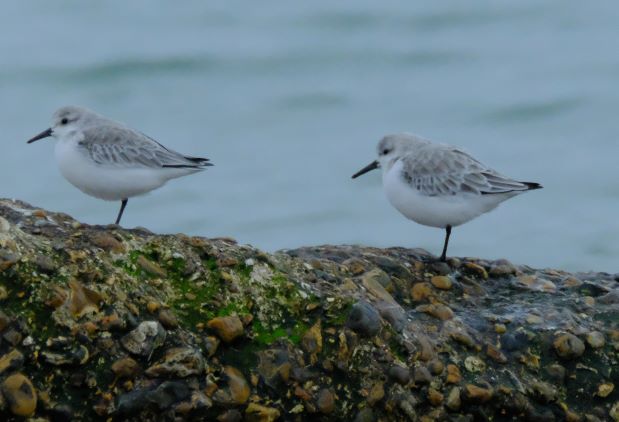
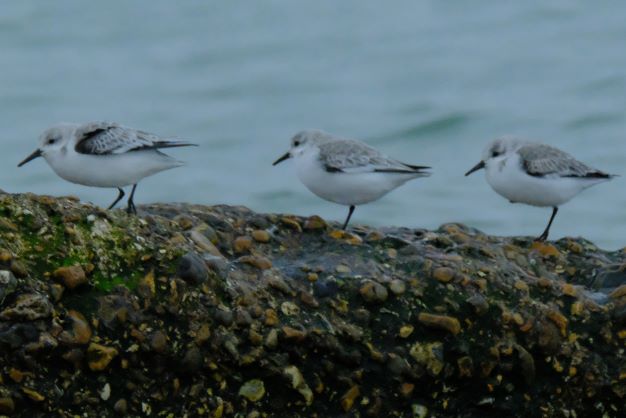
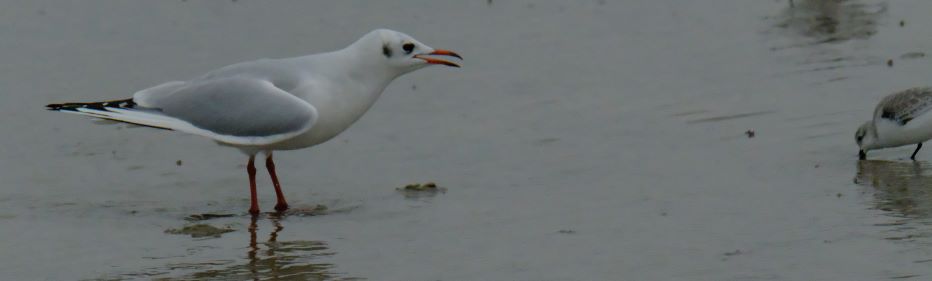
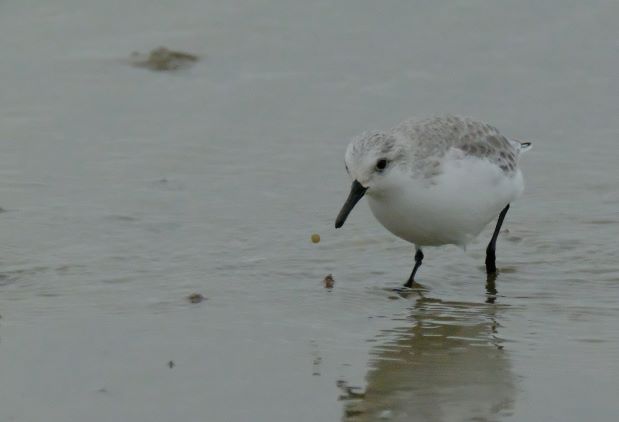
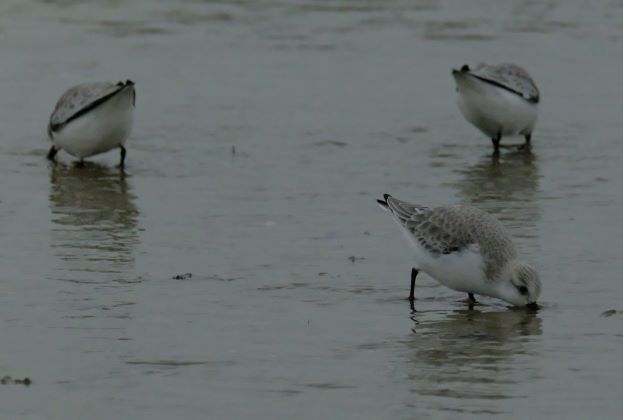
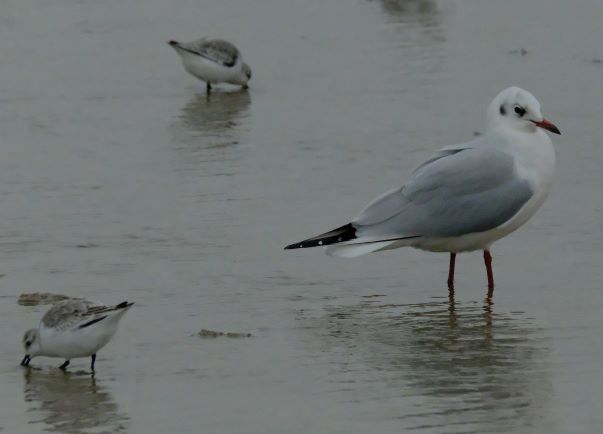
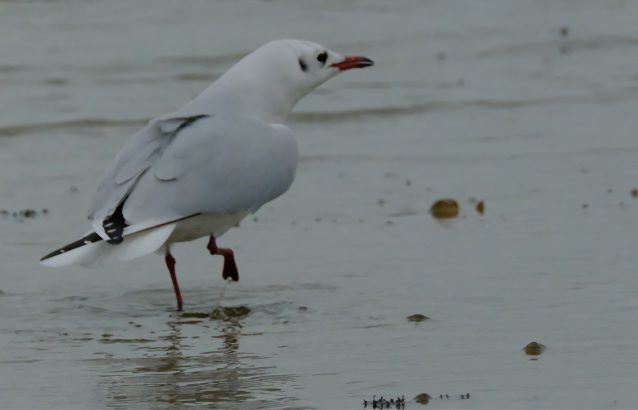
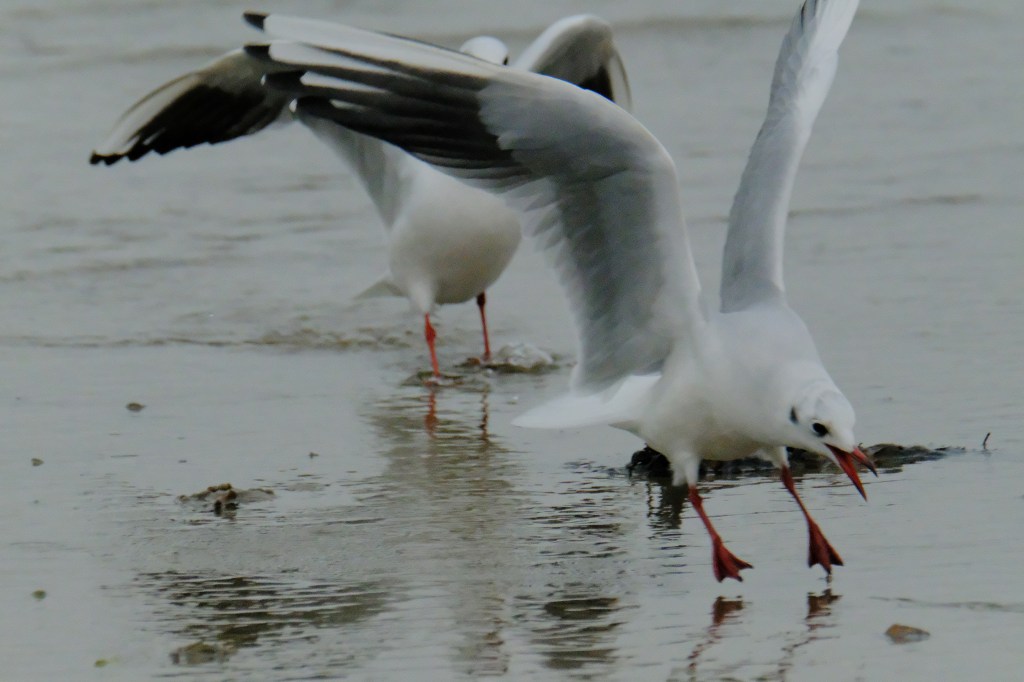
The drama unfolds on the shore often over food. Sanderlings feed on little invertebrates, worms and shrimps at low tide. The Black-headed gulls have worked out it is easier to steal a meal rather than catch their own.

A Sanderling weight is 50 -60 grams and a Black-headed gull’s weight is 200-400g so the gull is the bully but the Sanderling is extremely fast so they do not give up their meal that often.