The Common Gull looks like a smaller version of the Herring Gull, with greenish/blue legs and a yellow bill. Despite its name, it is not common.
Conservation status: Red
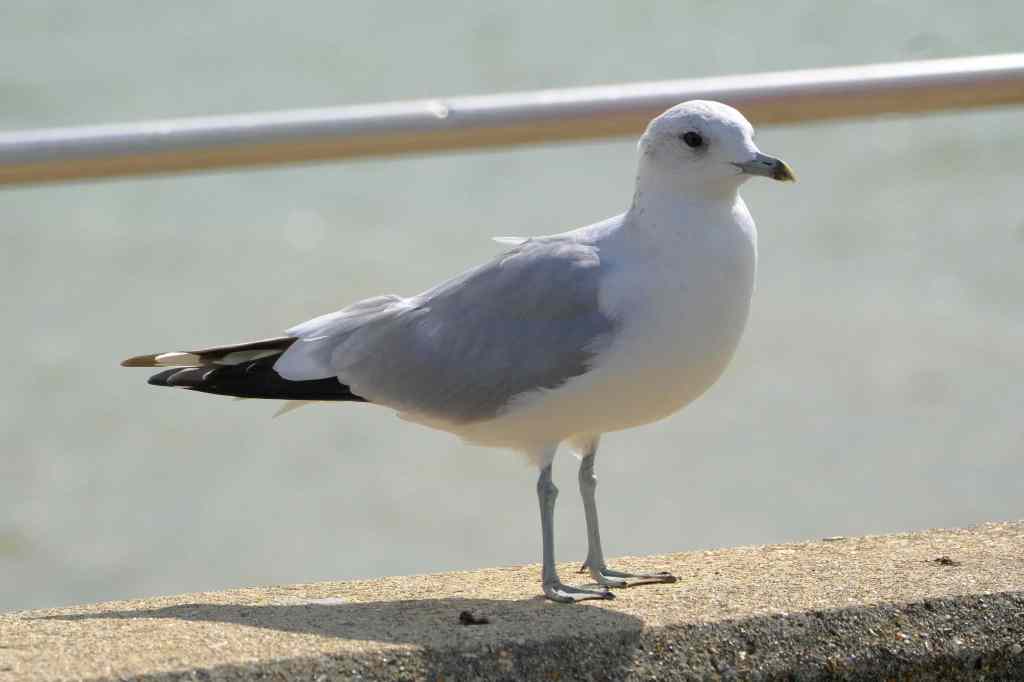
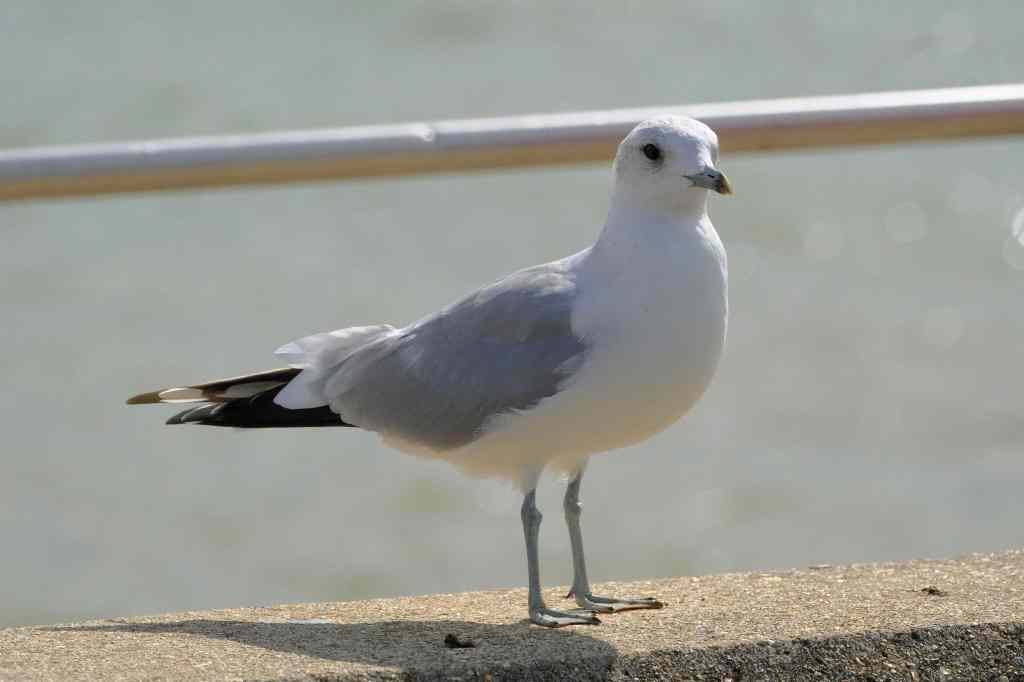
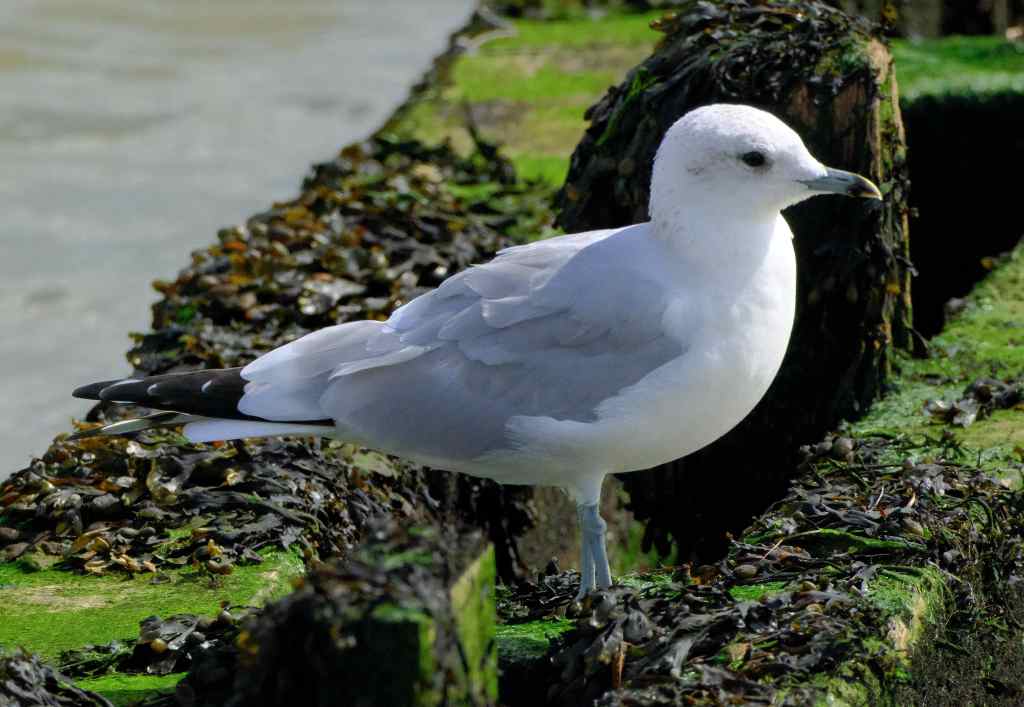
The Common Gull looks like a smaller version of the Herring Gull, with greenish/blue legs and a yellow bill. Despite its name, it is not common.
Conservation status: Red
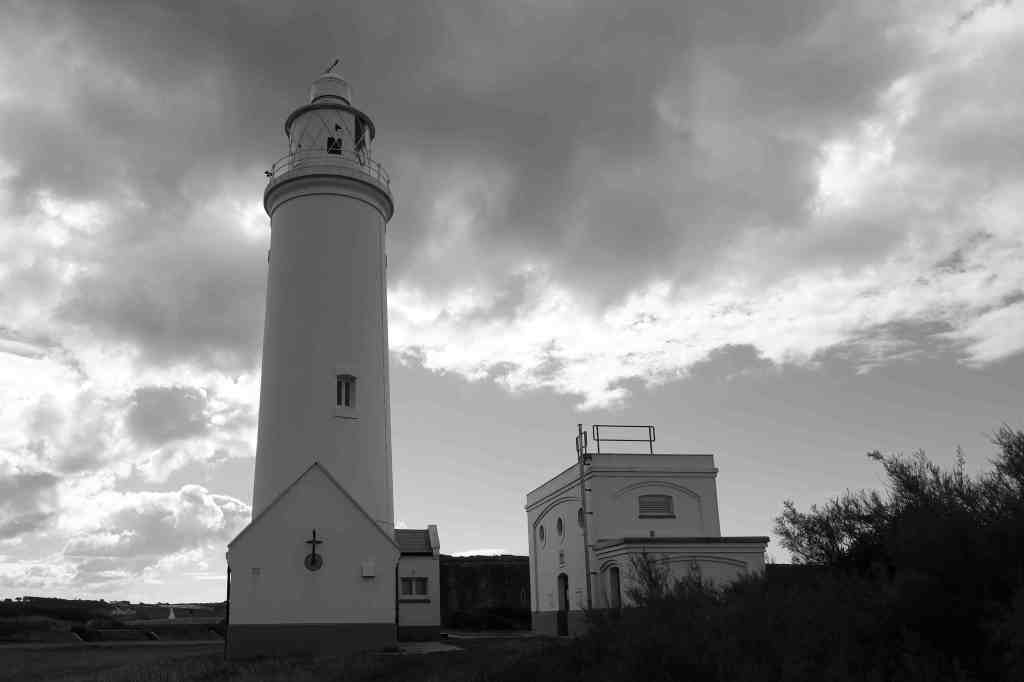
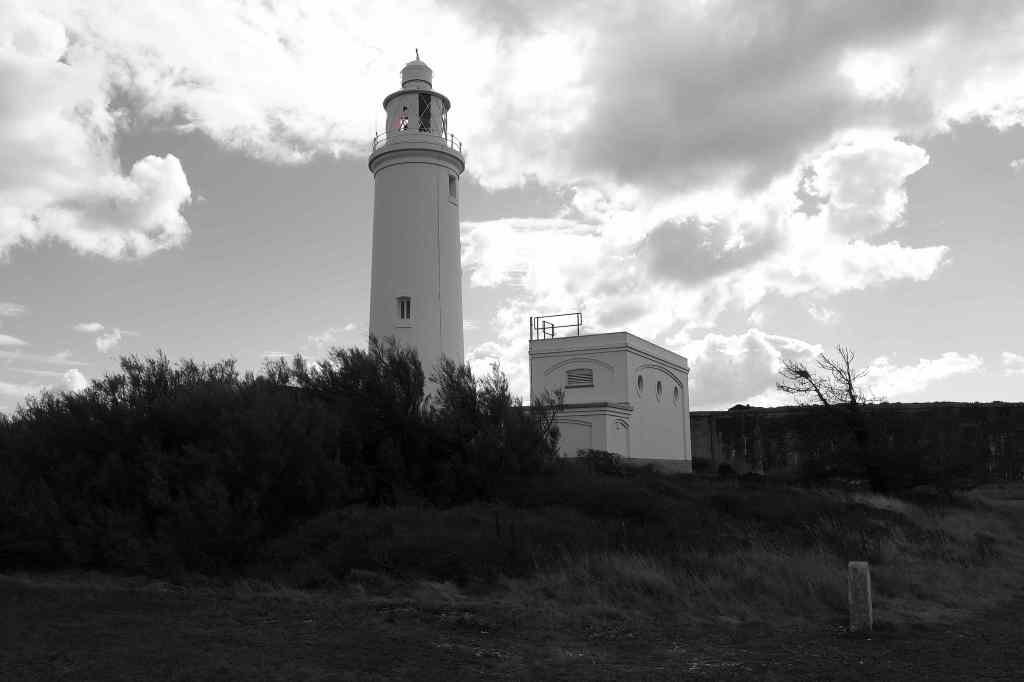
Today we took a small ferry to Hurst Castle. On the spit, there is a lighthouse.
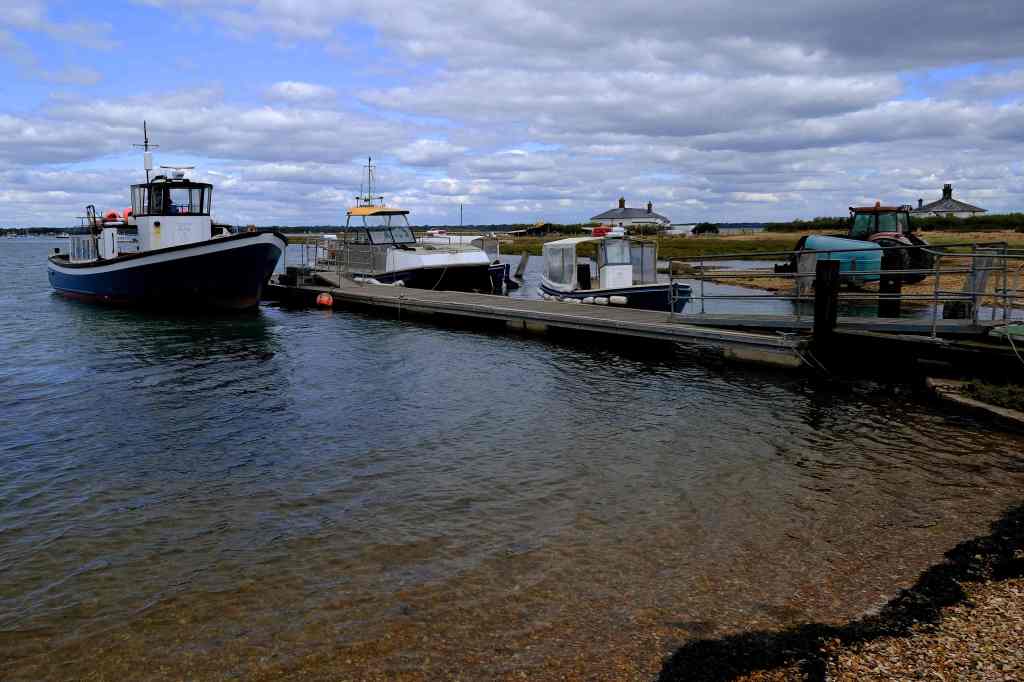
Hurst Point Lighthouse was built by Trinity House in 1867 to guide vessels through the hazardous western approaches to the Solent
The lighthouse was automated in 1923 and is now monitored and controlled from Trinity House’s Planning Centre in Harwich, Essex.
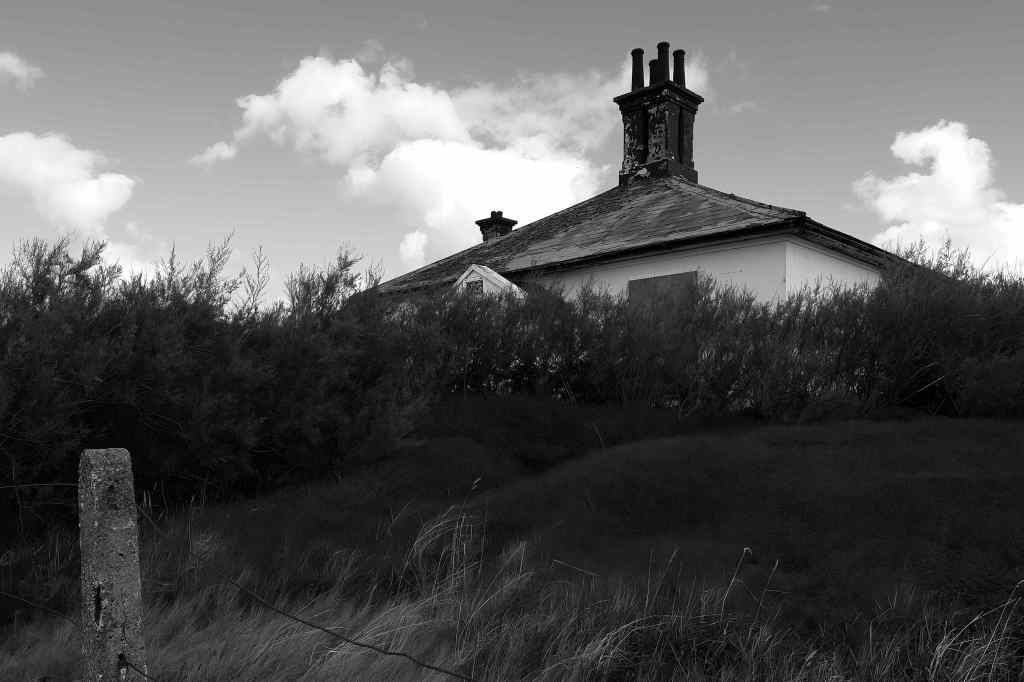
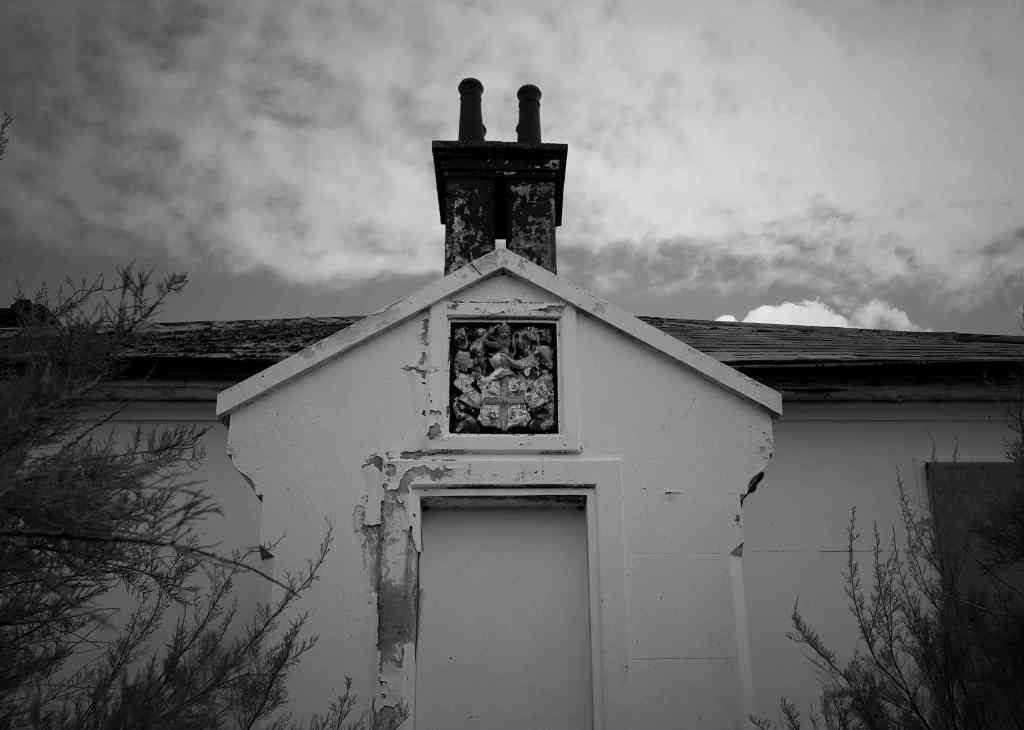
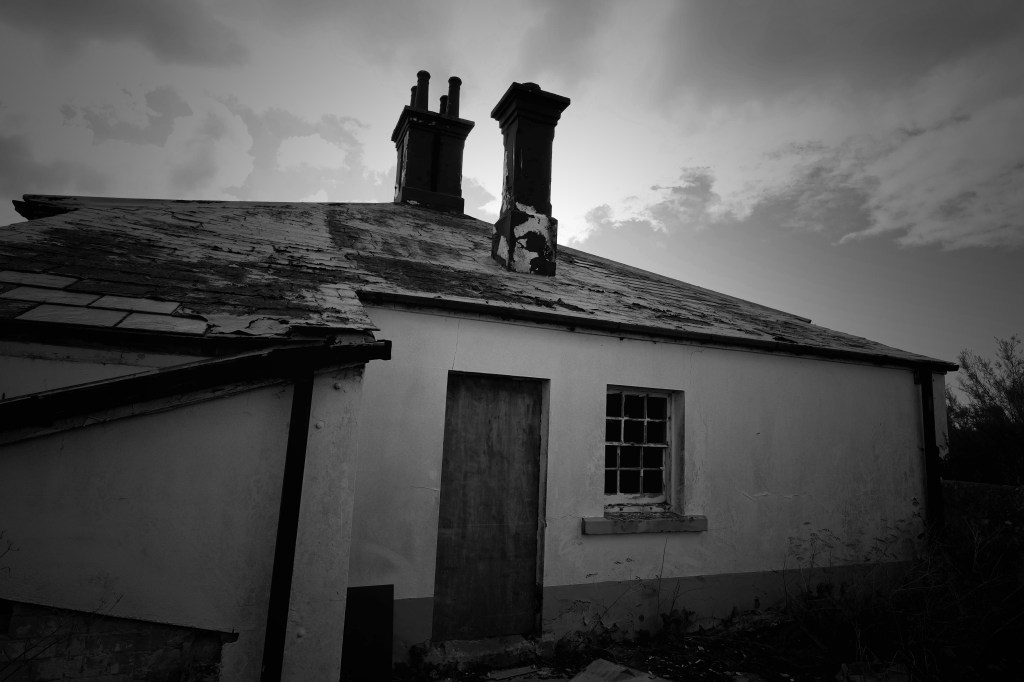
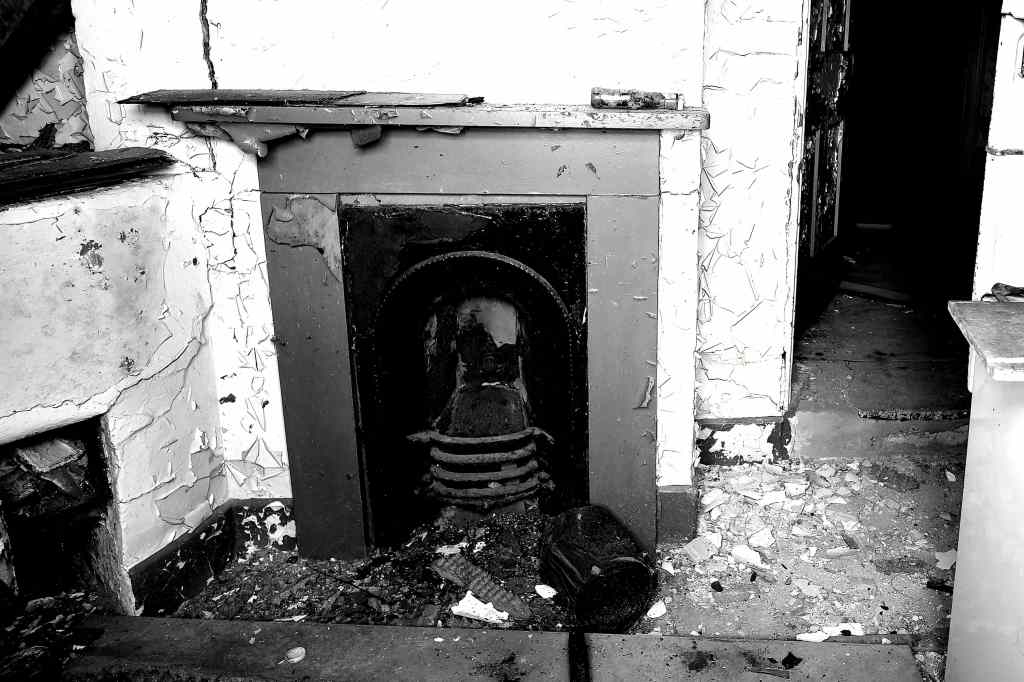
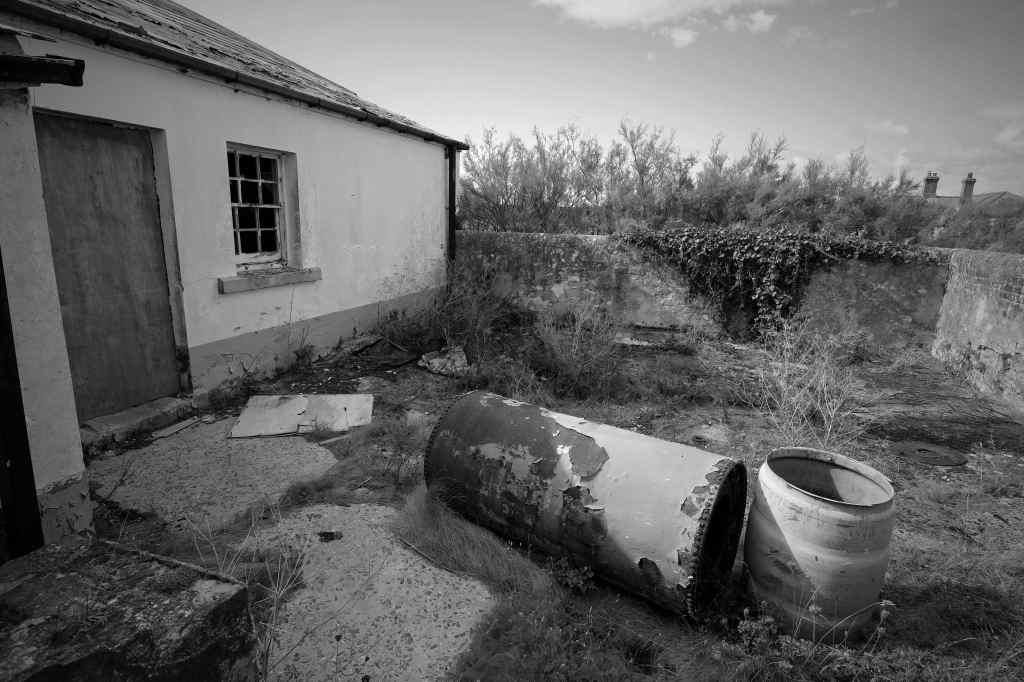
The old keeper’s cottages have fallen into disrepair.
Along the River Hamble from Warsash, a favourite short walk for Sunday morning. Nothing new today but some old favourites
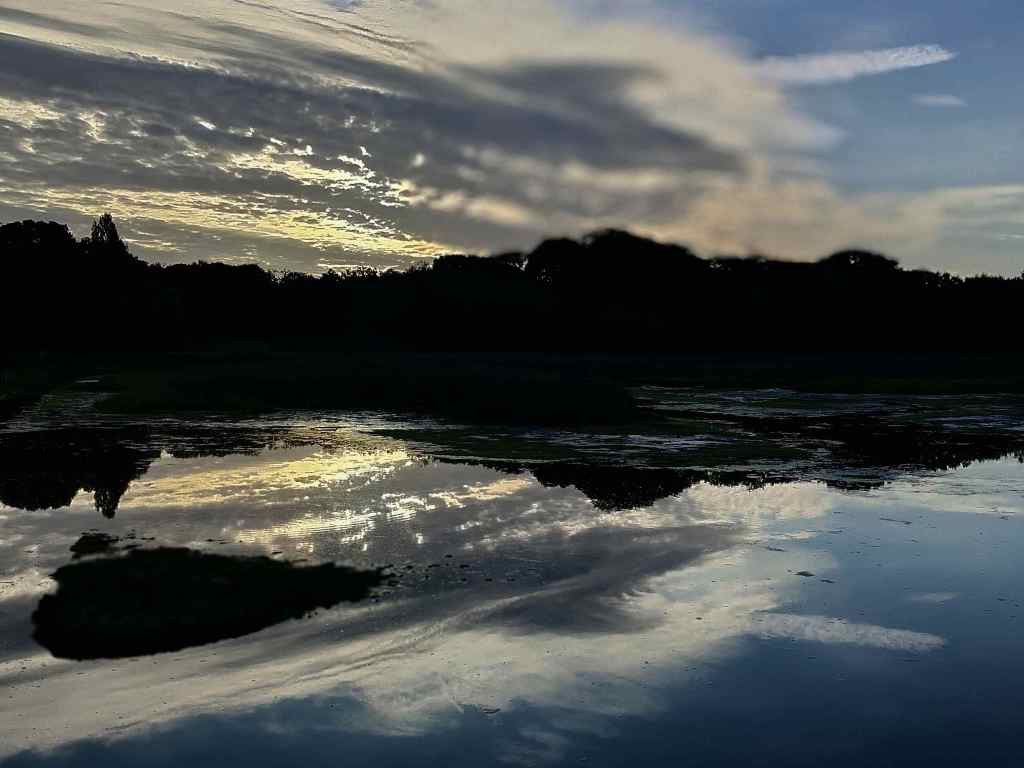
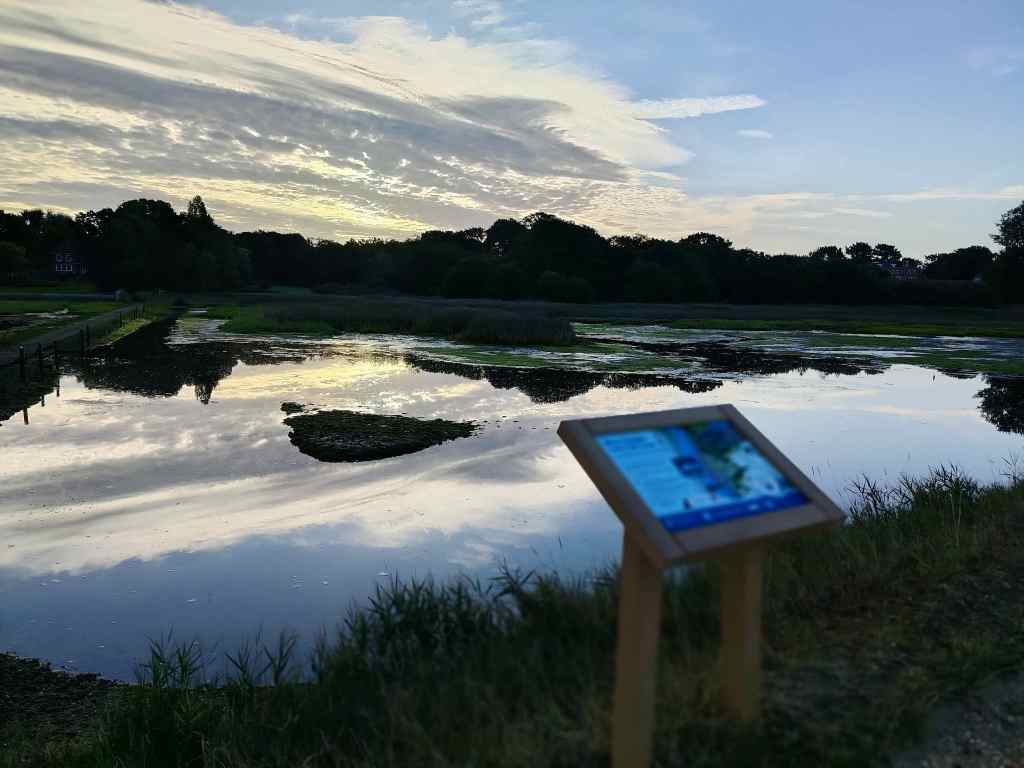
The tide was on the turn and starting to come in.
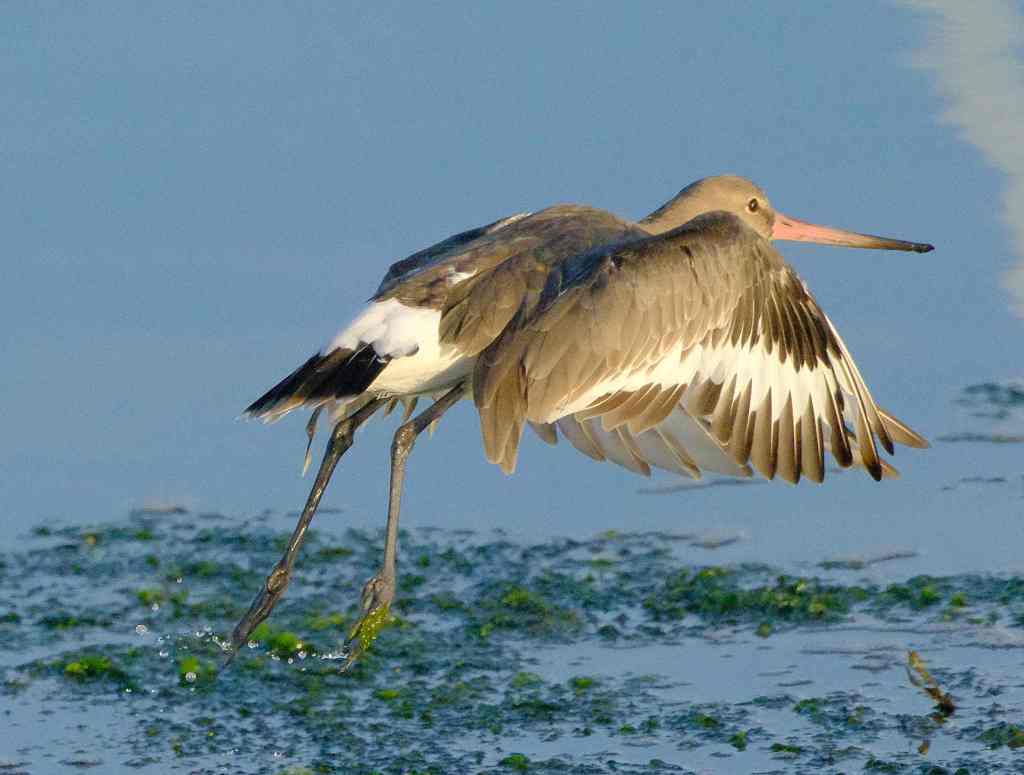
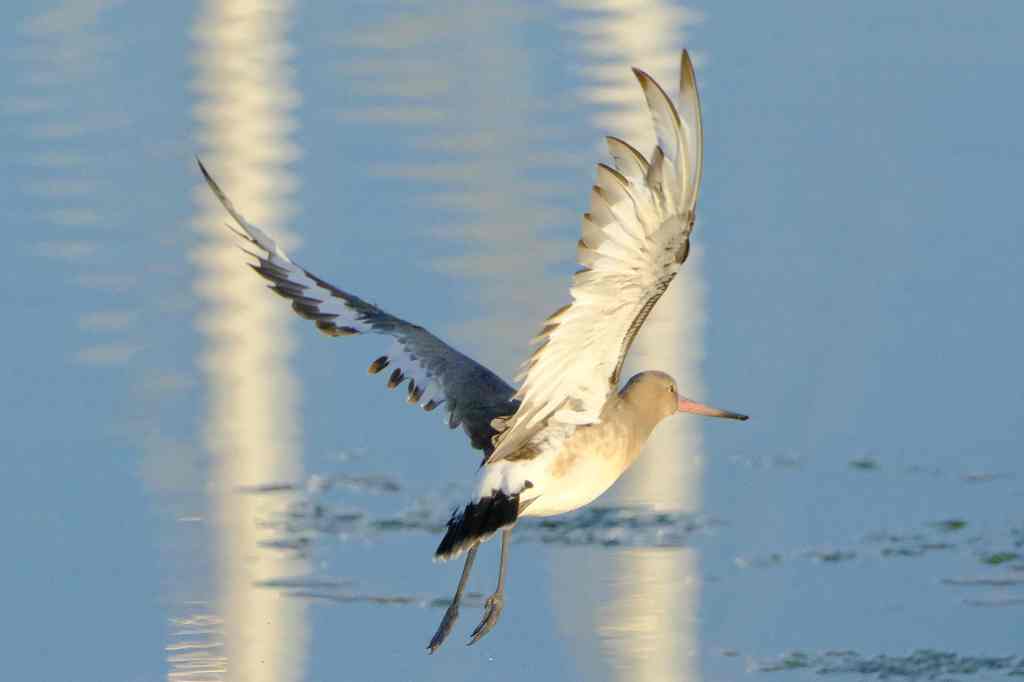
Blacktail Godwitts – there were good numbers of these waders, which have now lost their summer breeding plumage.
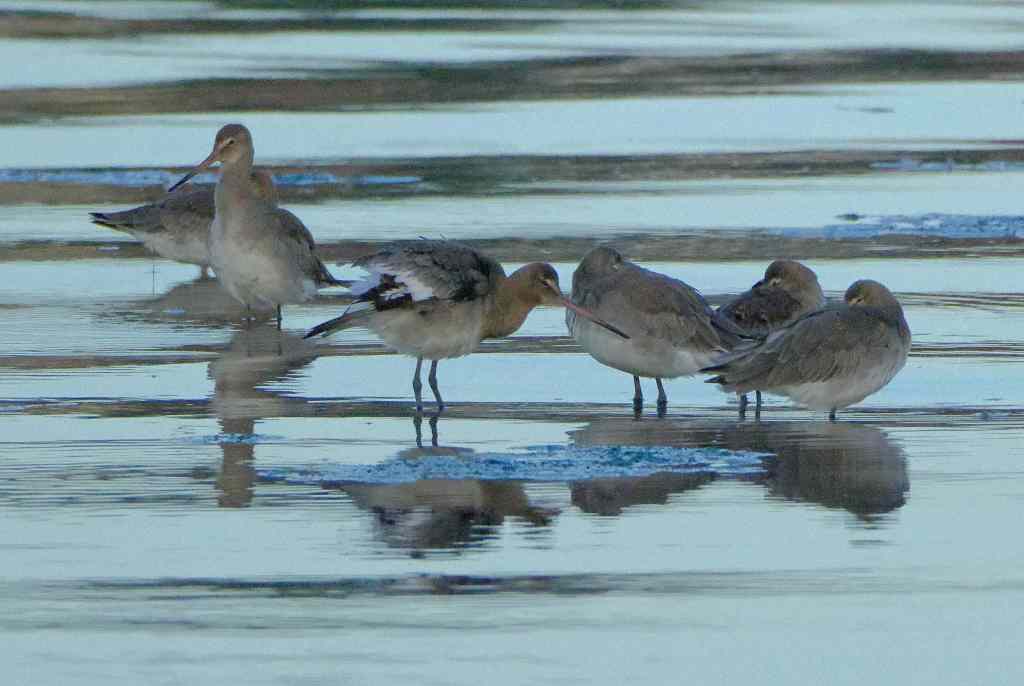
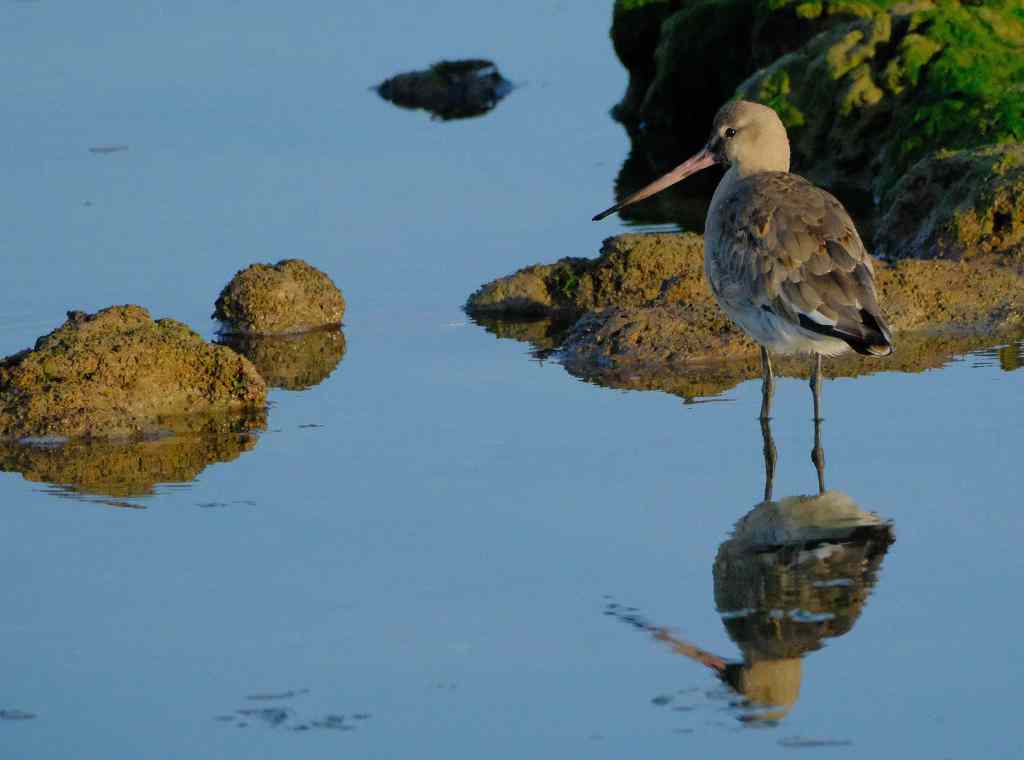
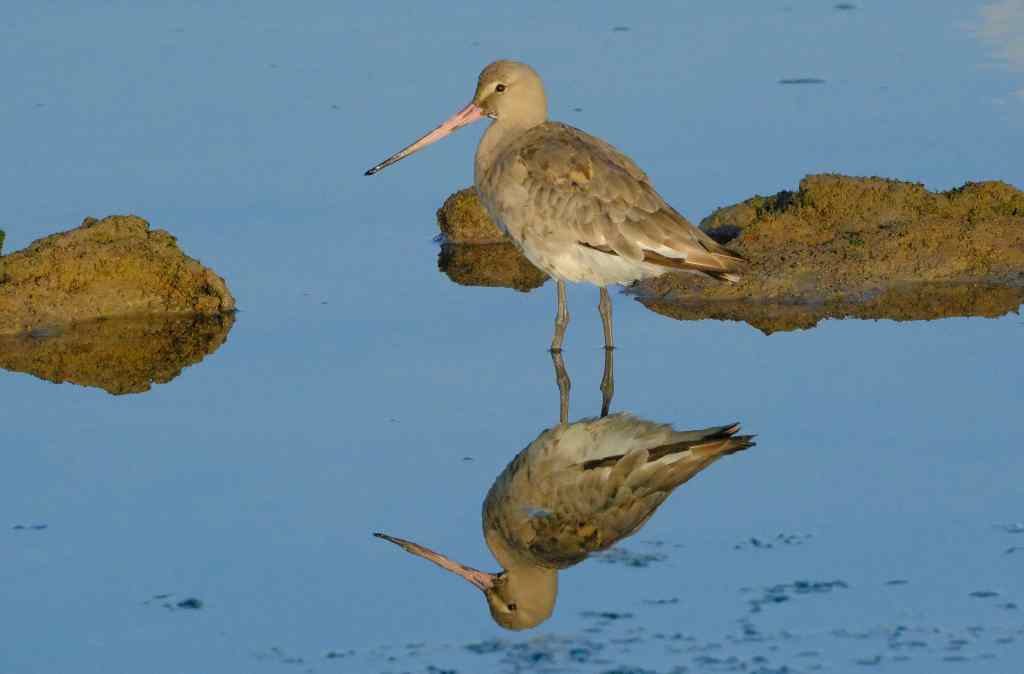
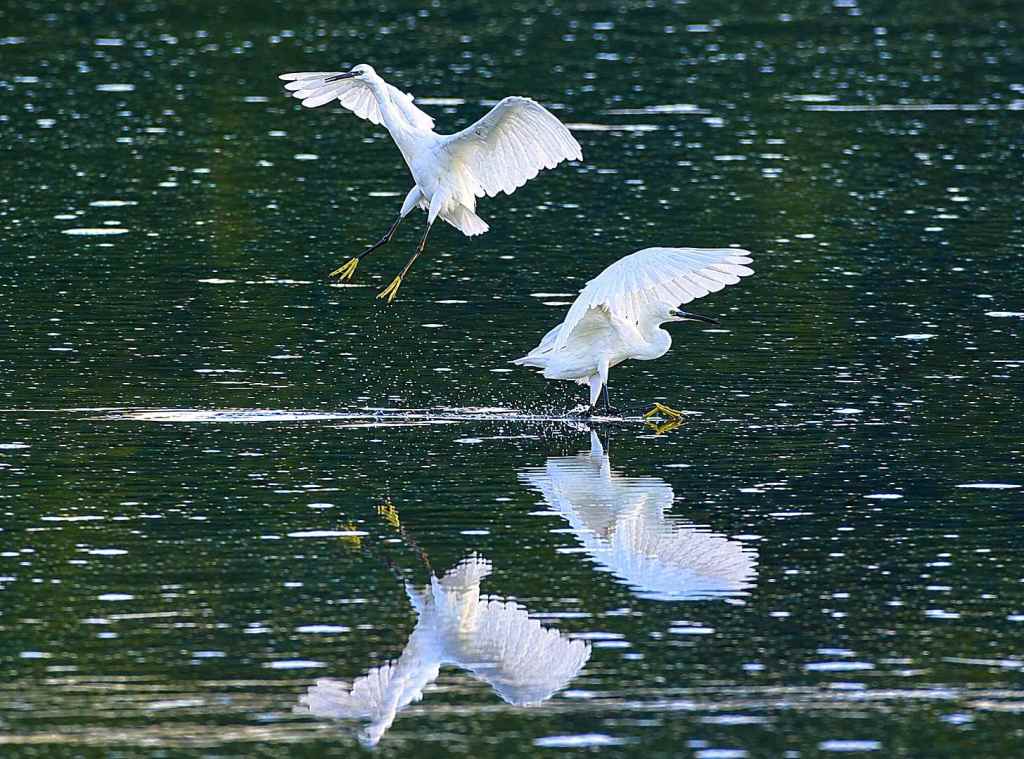
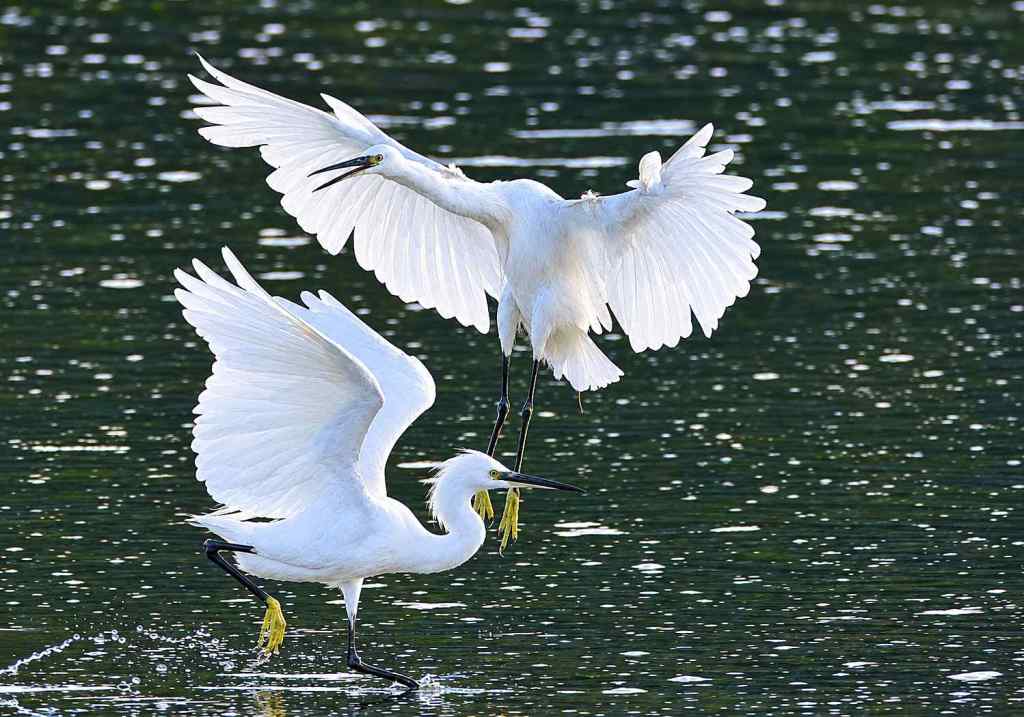
A high number of Little Egrets were on the river and in the surrounding areas.
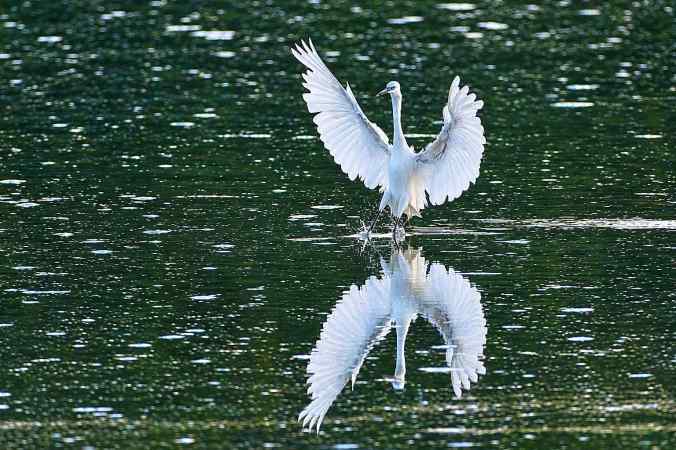
Turnstone
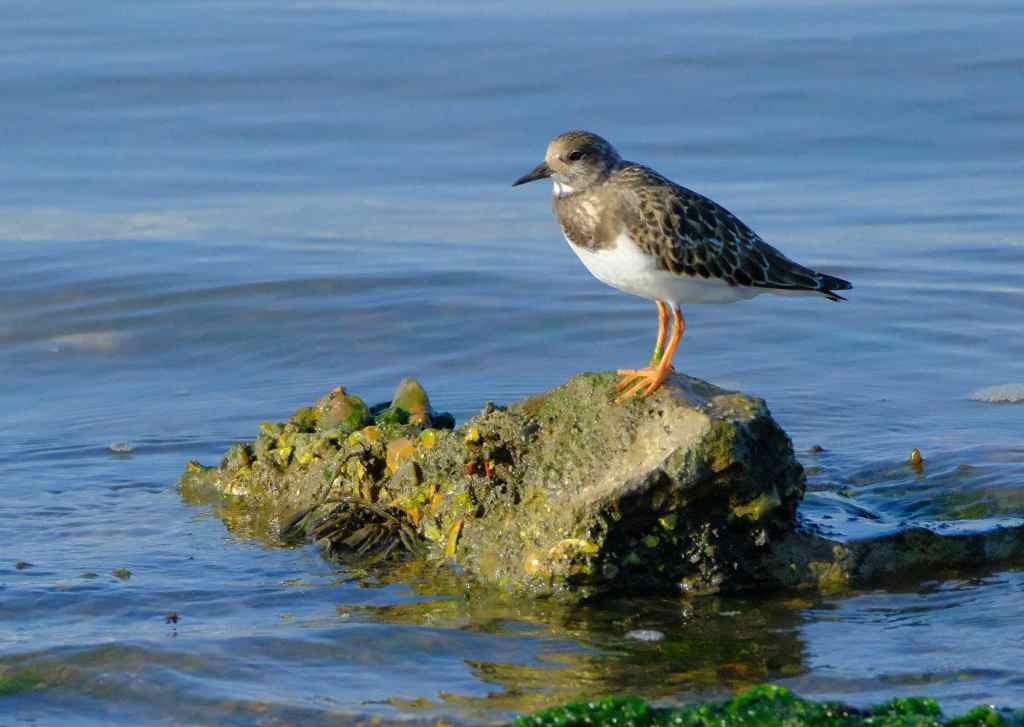
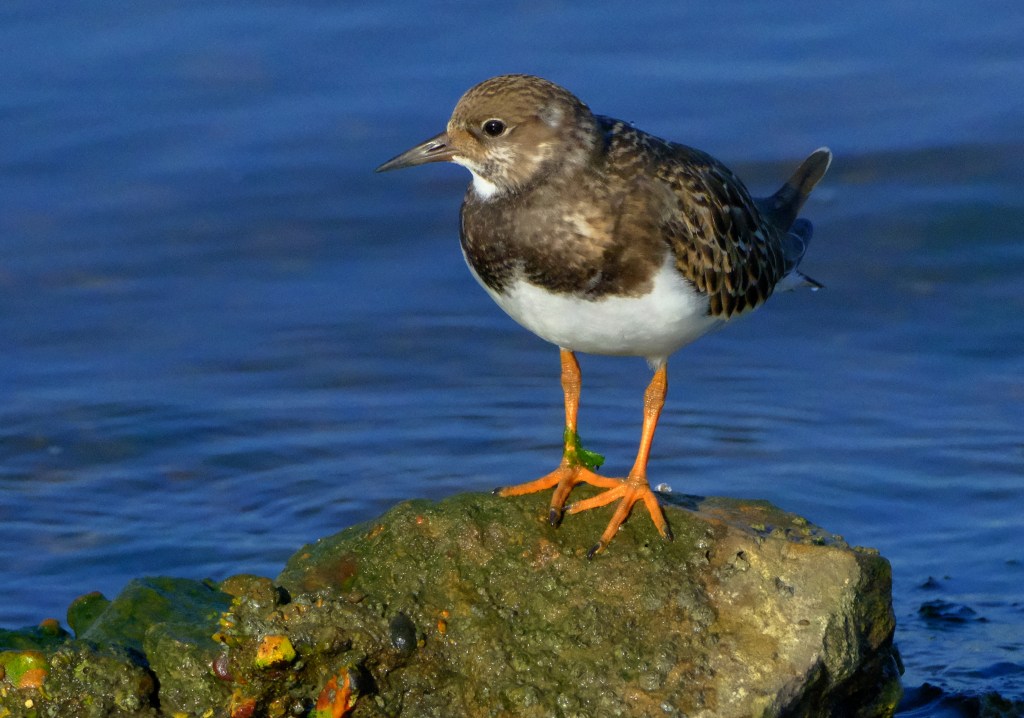
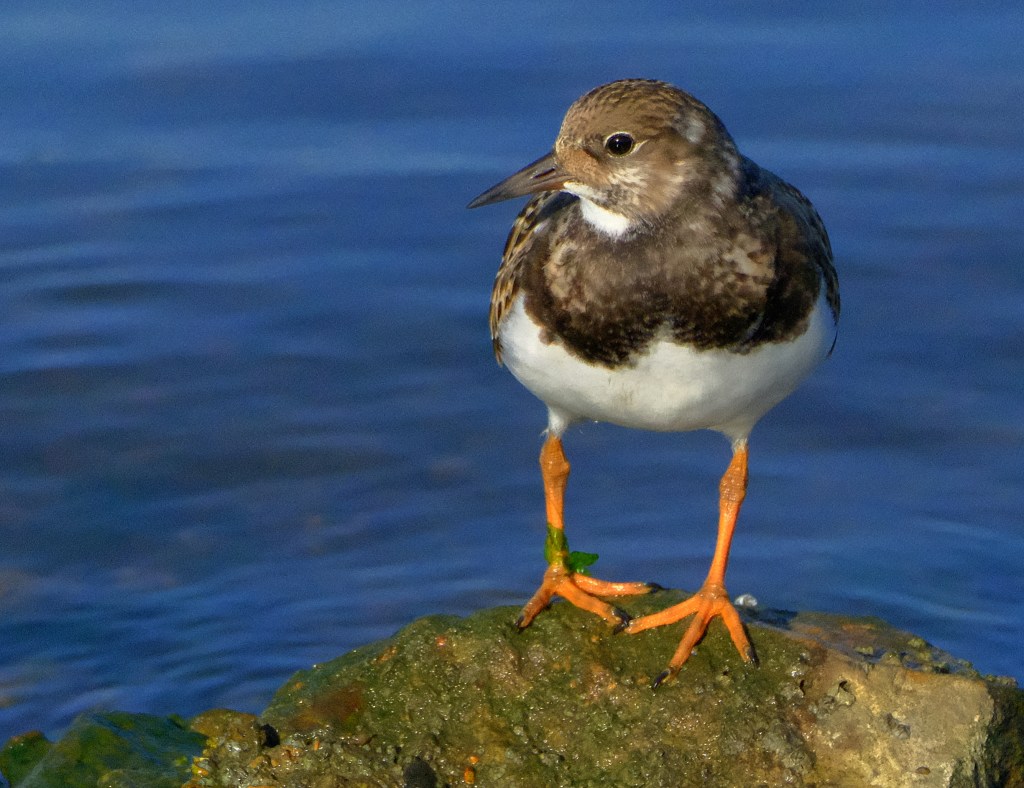
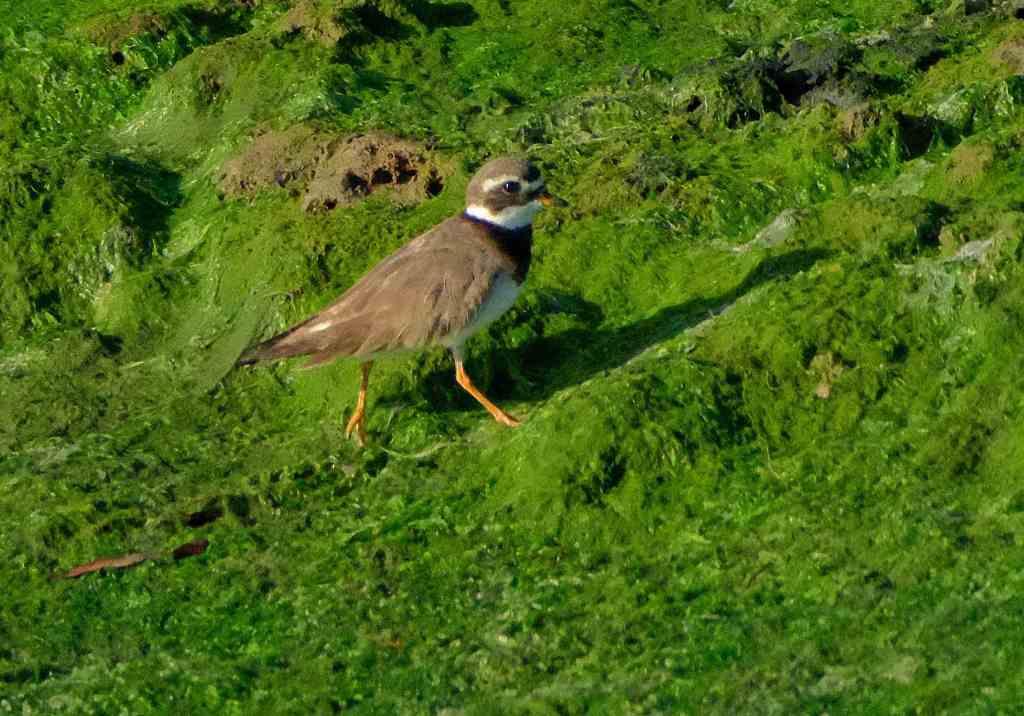
Ring Plover.
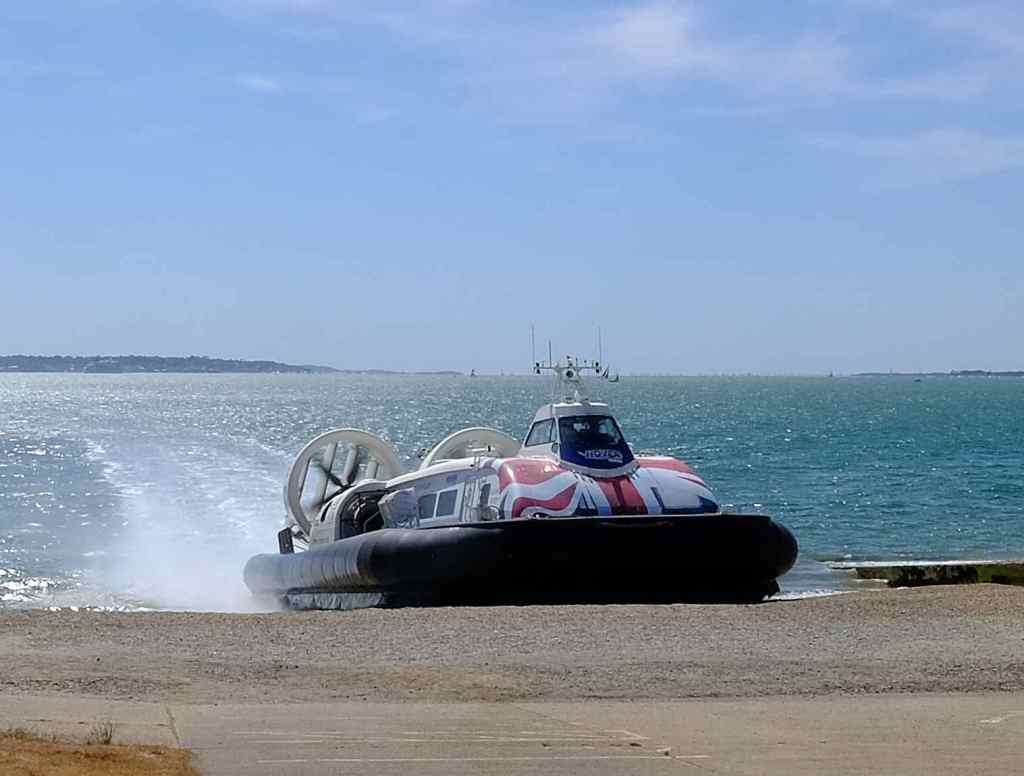
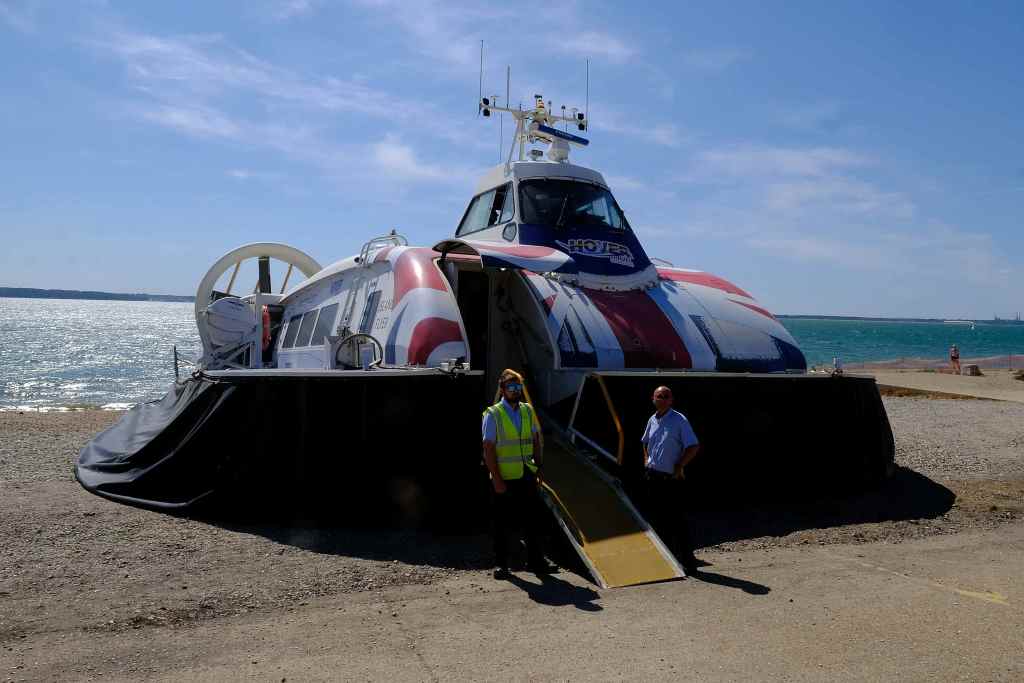
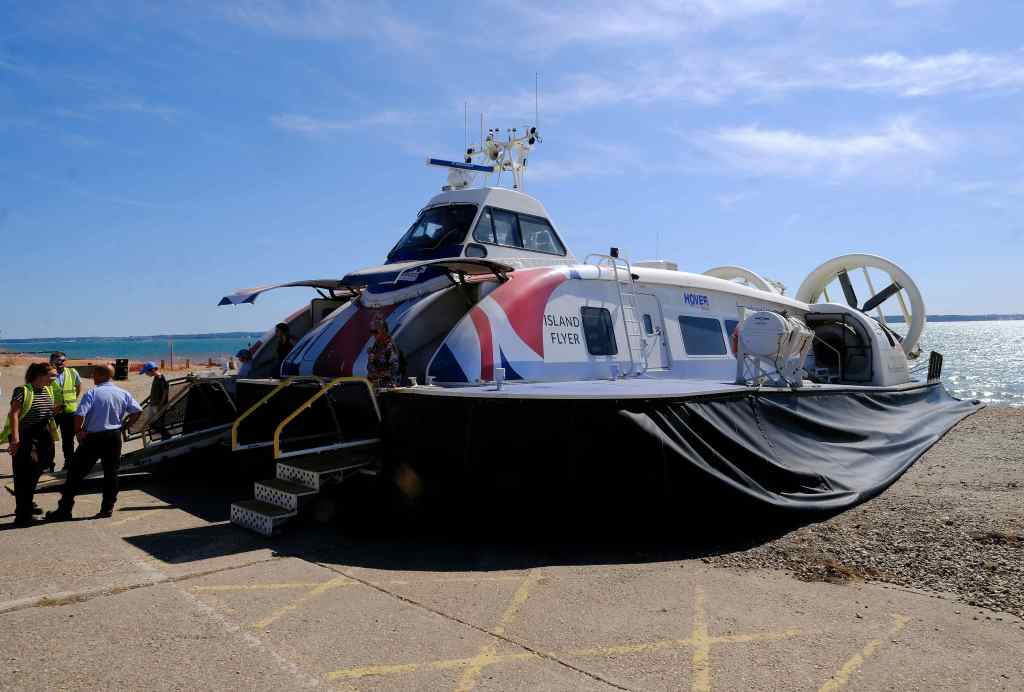
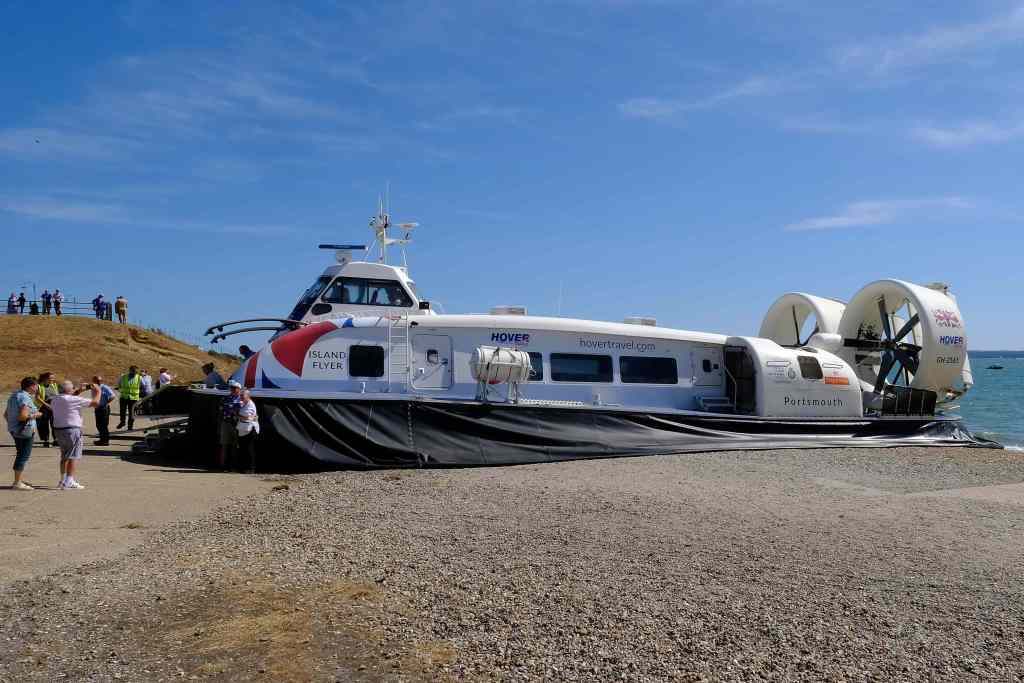
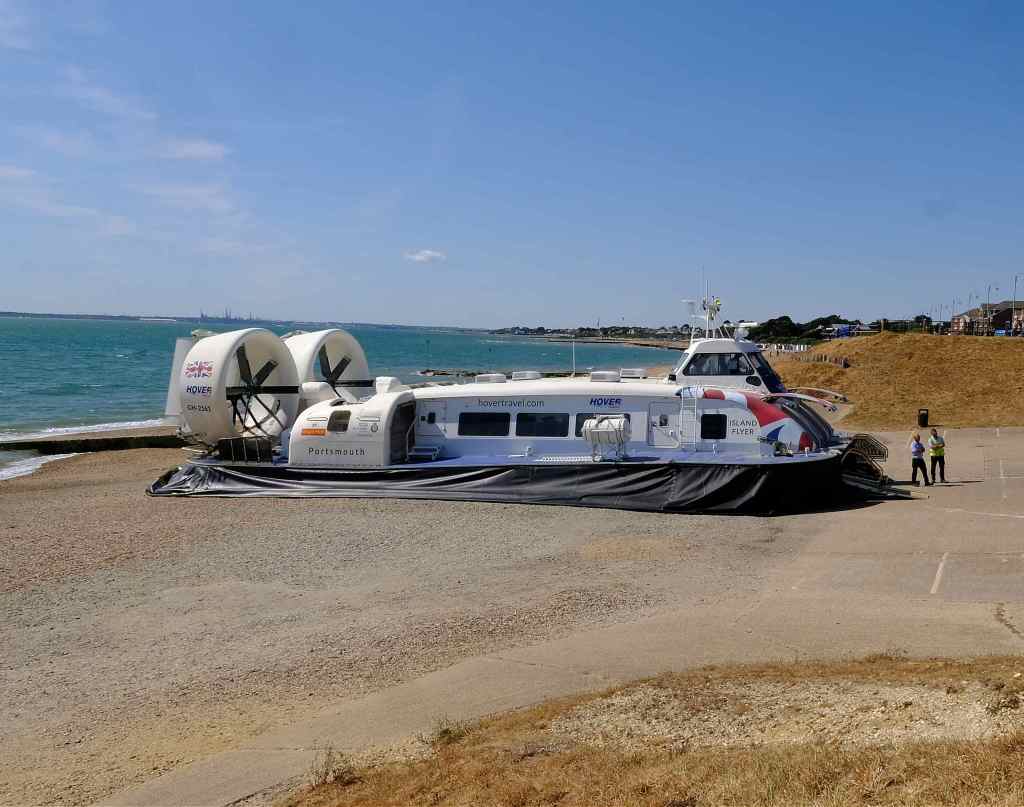
Hovertravel is the world’s longest-running commercial hovercraft service and is the only scheduled passenger hovercraft service in Europe. The service runs across the Solent between Southsea, Portsmouth and Ryde, on the Isle of Wight.
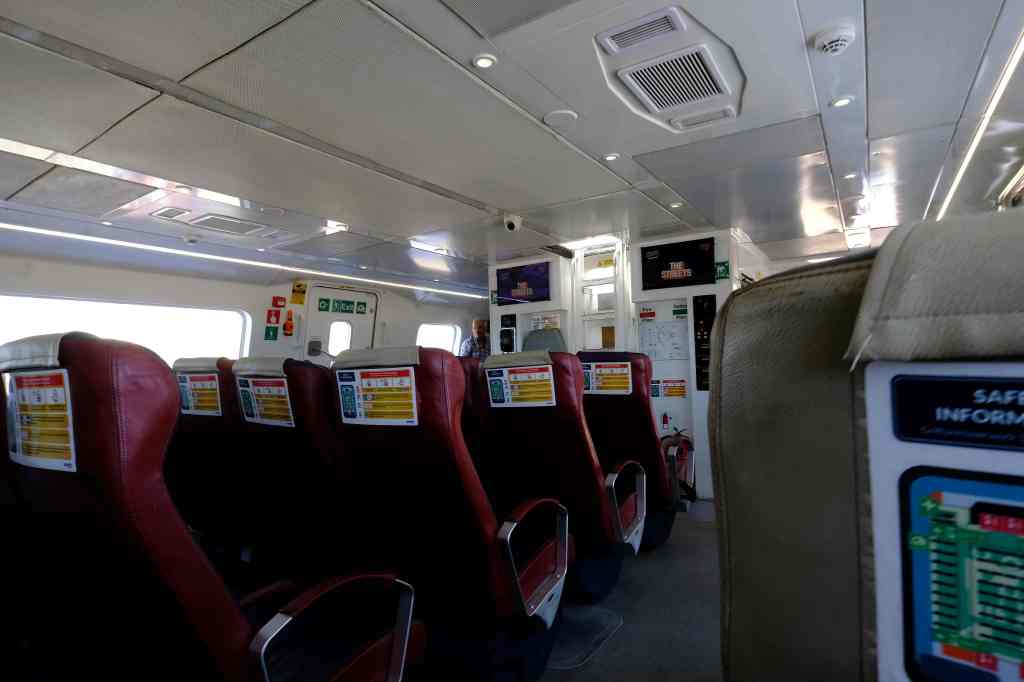
I have never traveled on a Hovercraft until today. Hovertravel has been running a few trips from Lee on the Solent, so I booked a 10-minute trip across the Solent.
Current craft operated are Griffon Hoverwork 12000TD
The Hovercraft began its life in 1955 when inventor Sir Christopher Cockerell tested out his idea for a floating/flying craft by putting a cat food tin inside a coffee tin. To test his ‘hover’ theory, the inventor then blew a jet of air through the gap between the two tins to create a cushion of air, and the Hovercraft was born.
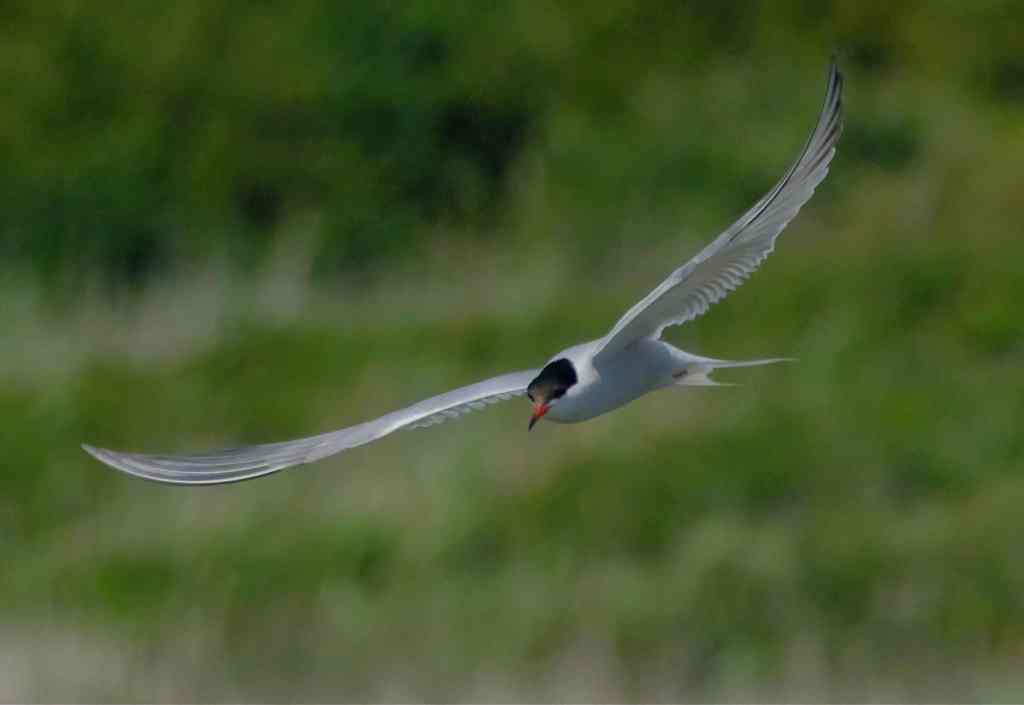
Common Tern Hill Head.
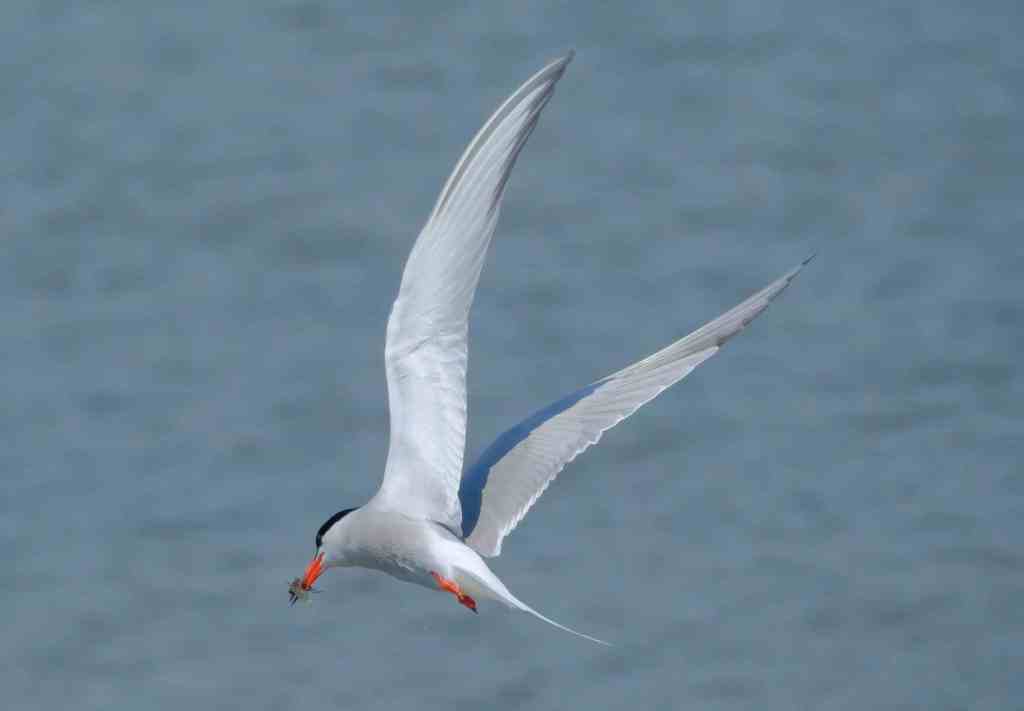
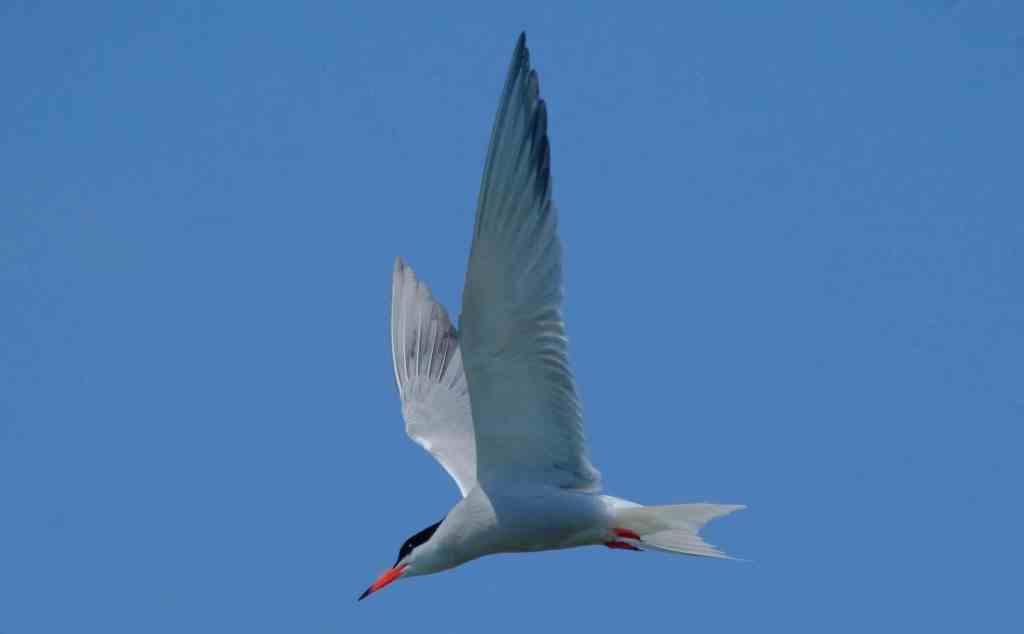
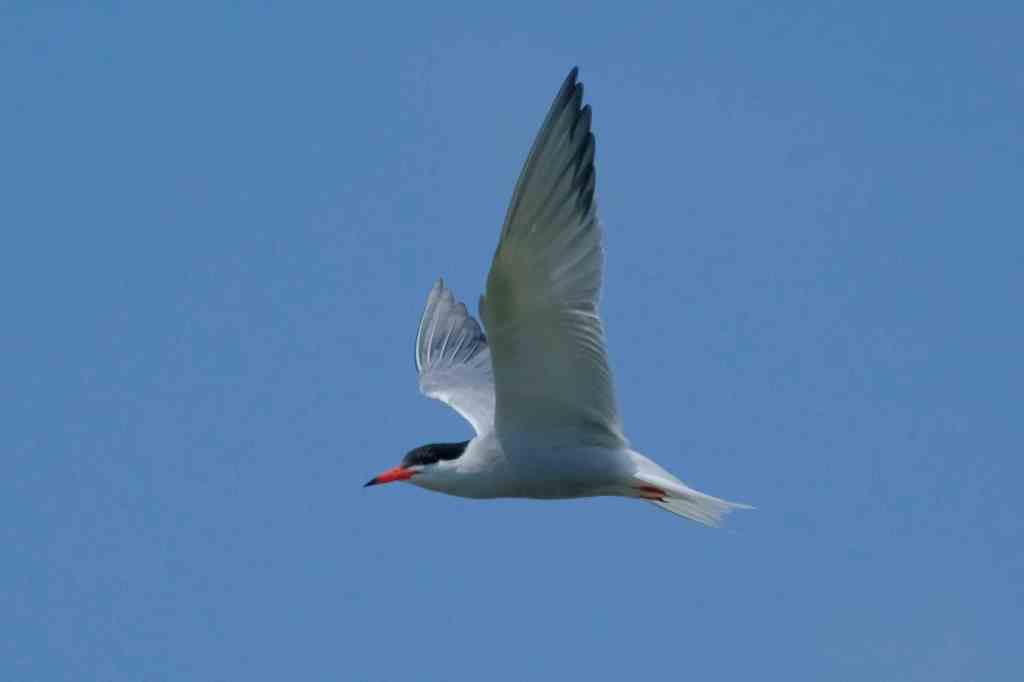
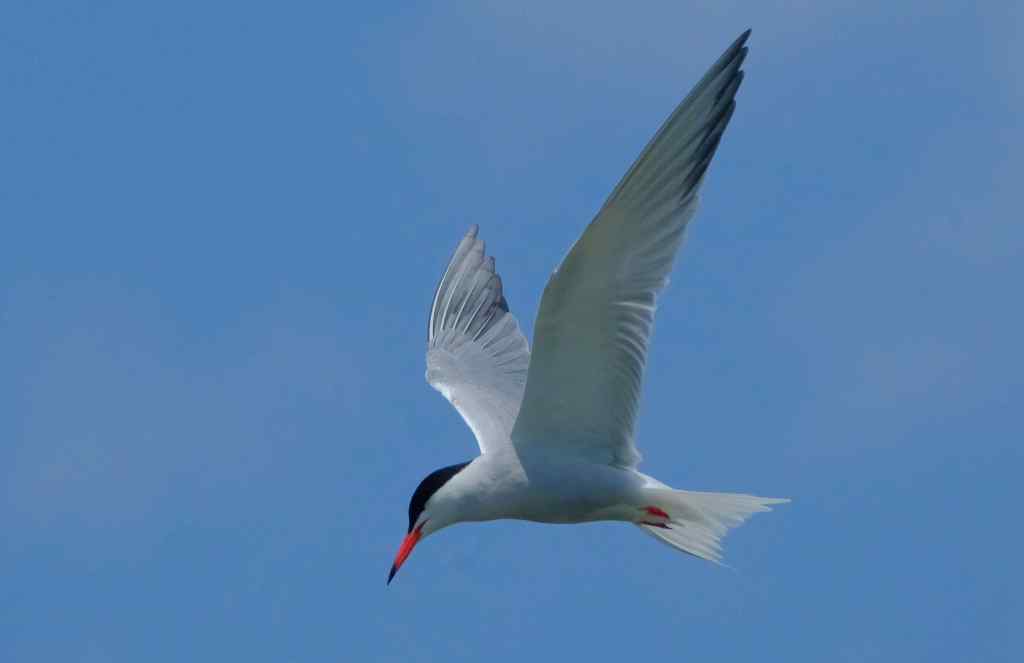
A picture {or afilm says a 1000 words!}
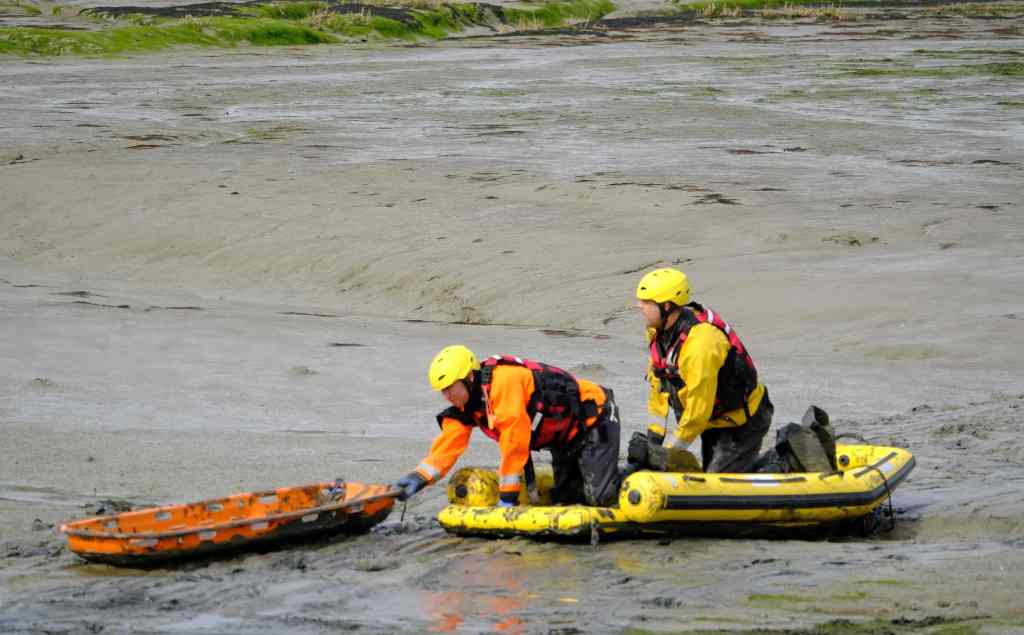
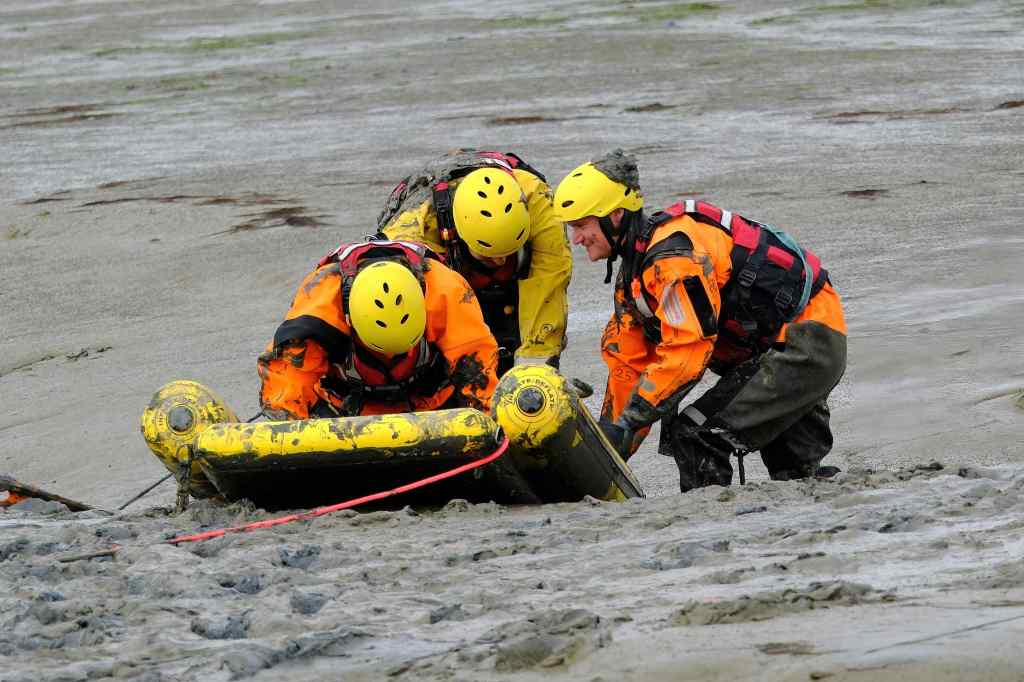
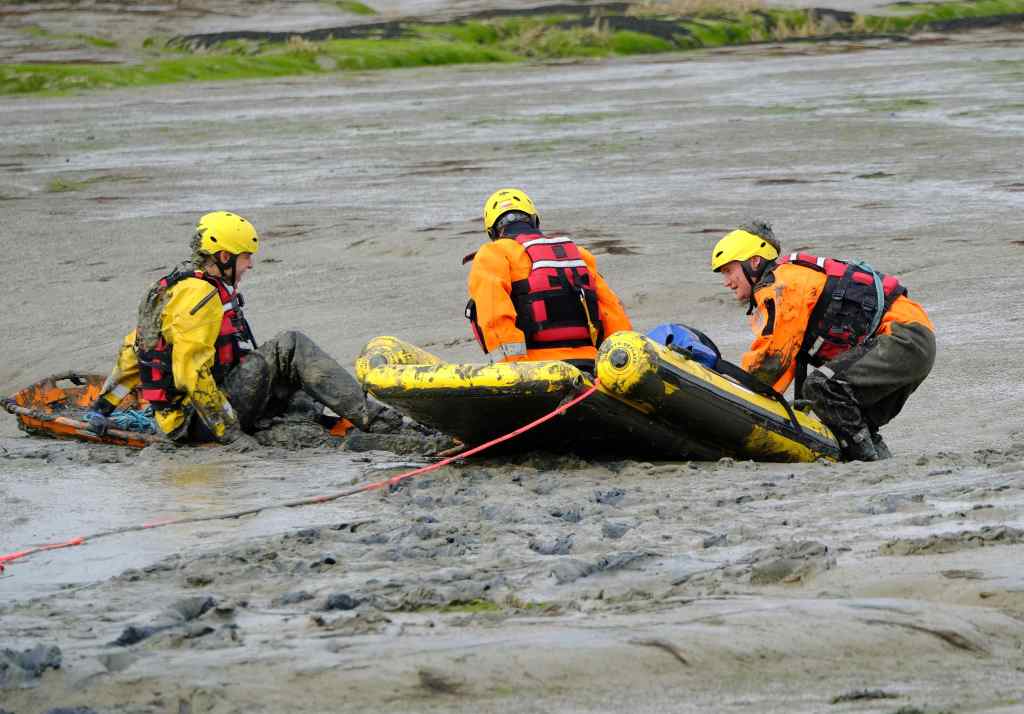
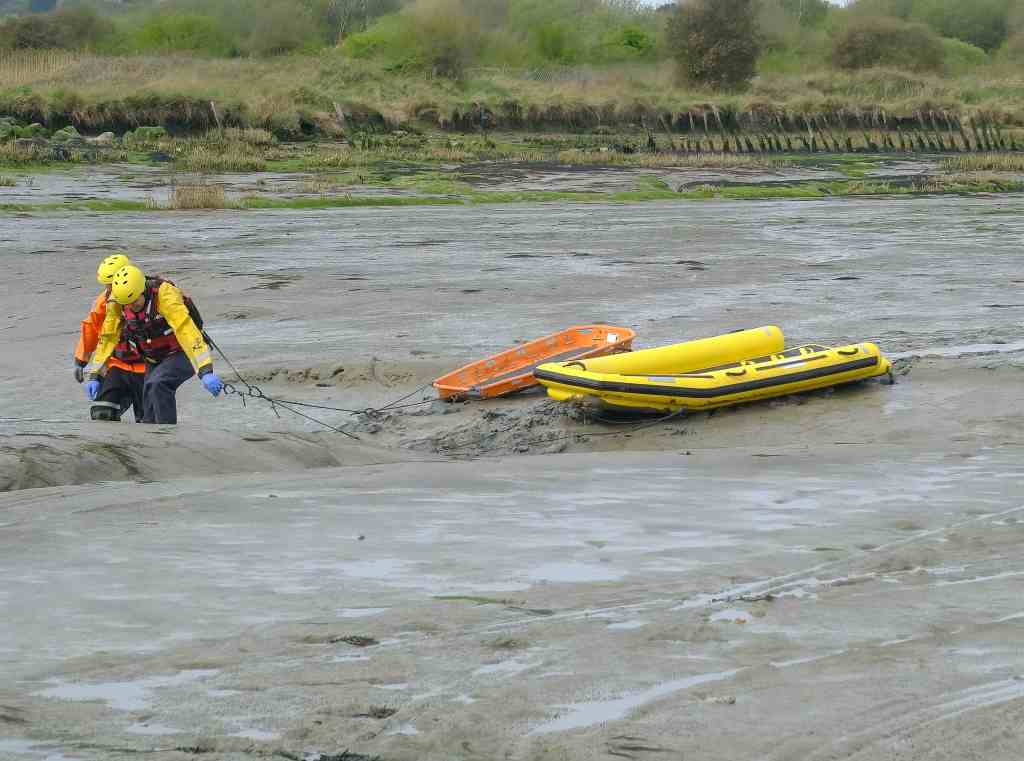
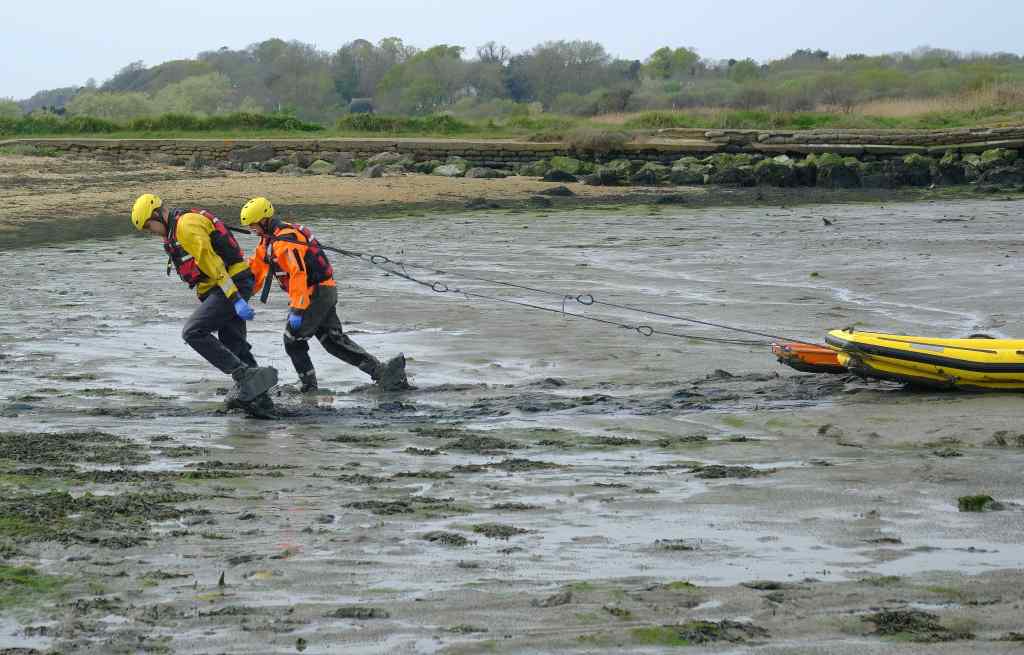
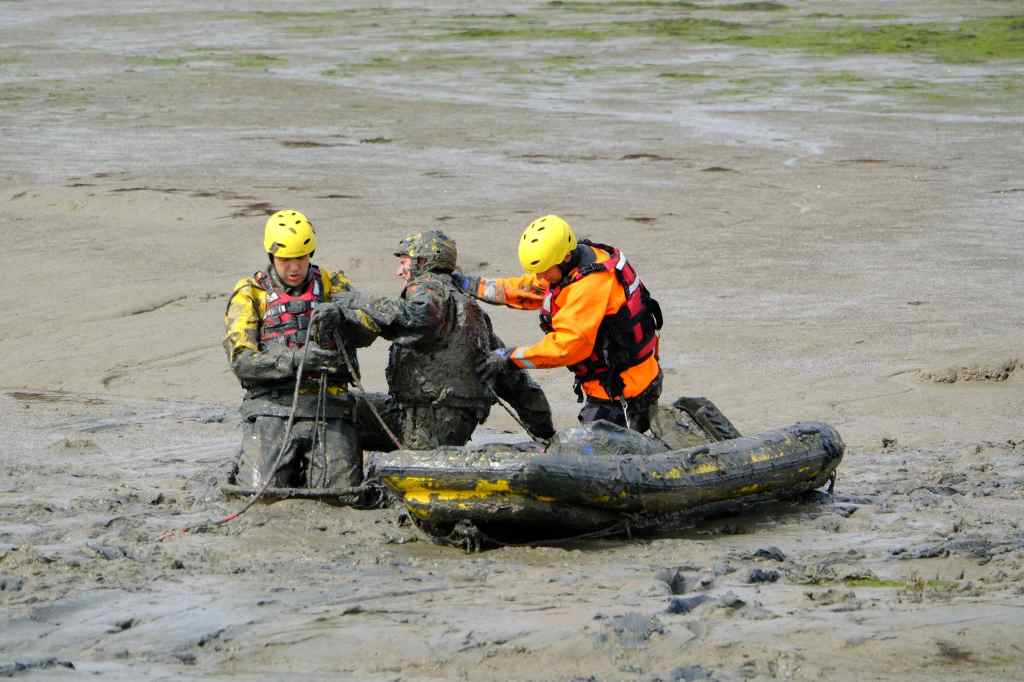
Hampshire Fire & Rescue mud rescue training on the mud flats at Calshot Point this morning. Mud rescues are undertaken by several agencies in the UK. Fire Service, The Coastguard and The RNLI.
We stumbled across this training exercise and took up a vantage point to watch.
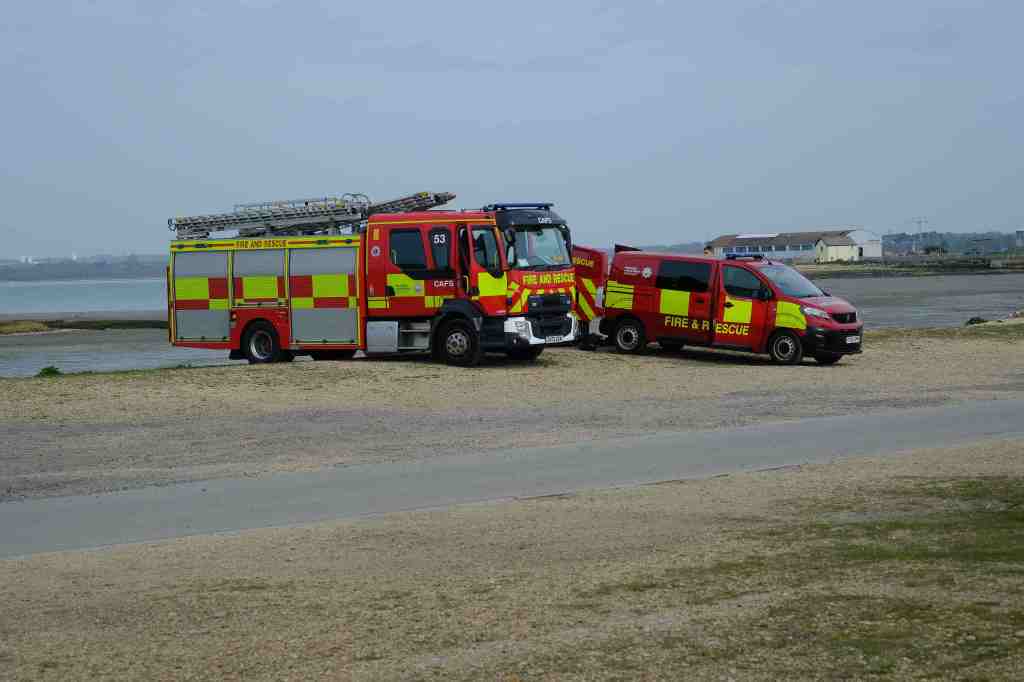
Watching, it becomes evident how hard work walking through the mud is, with each step requiring immense effort as feet sink into the thick, slippery mud.
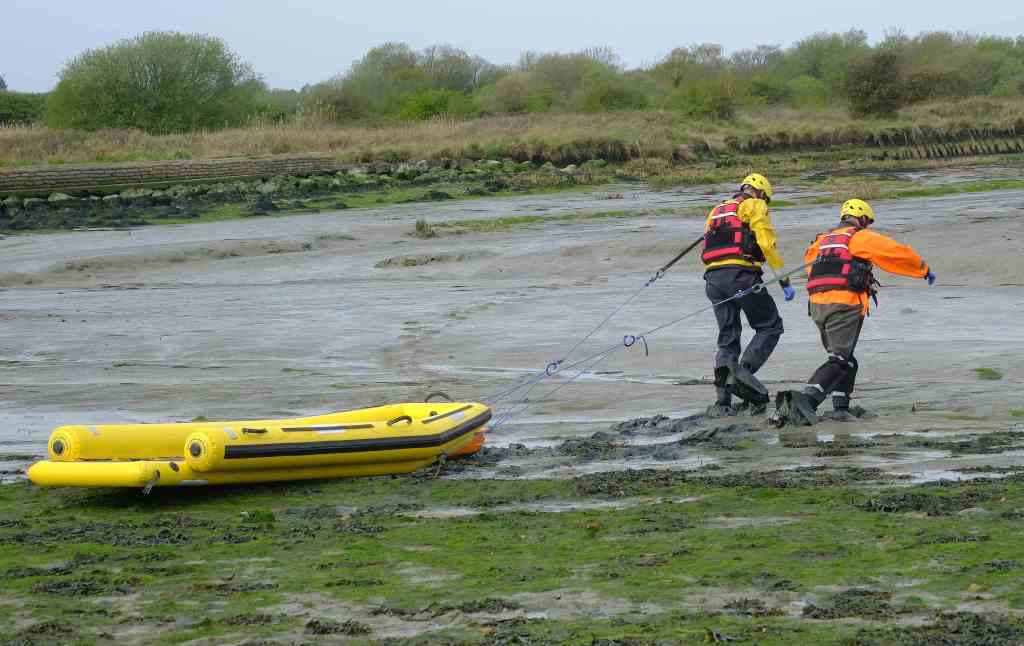
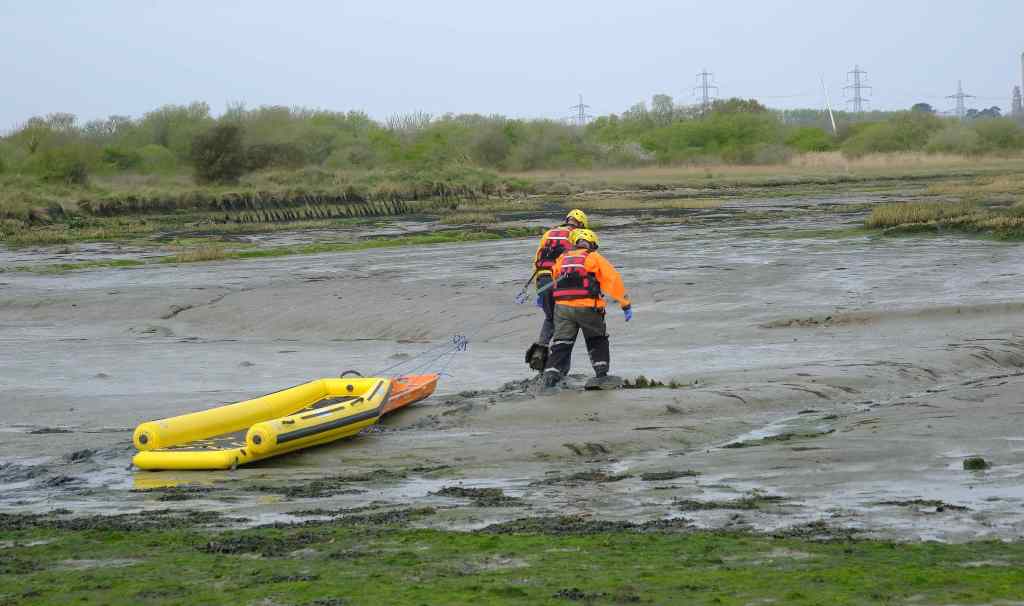
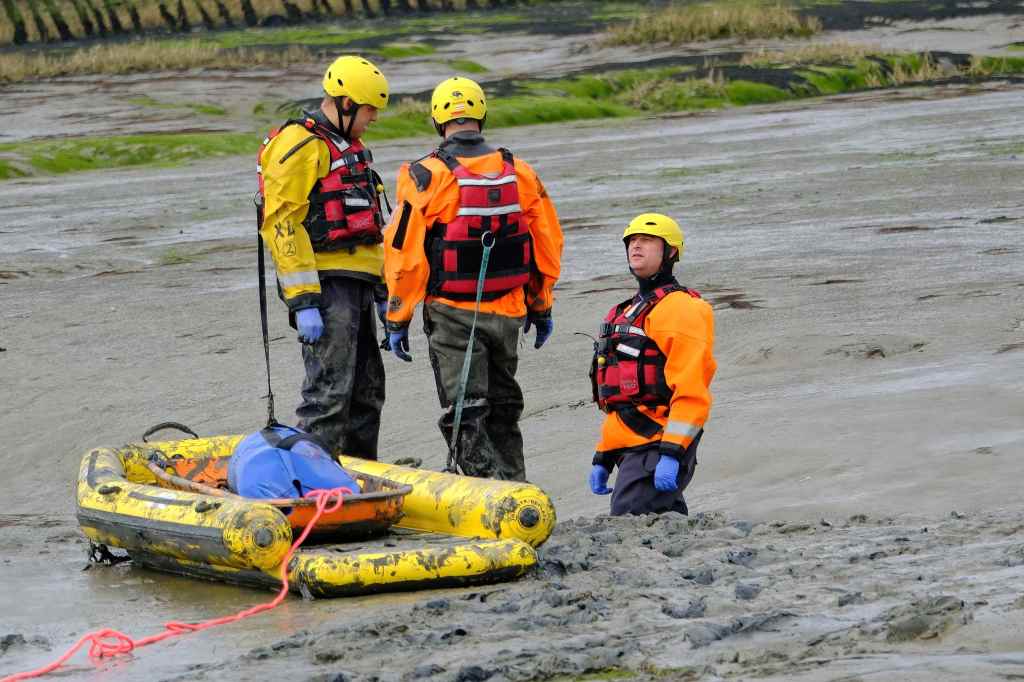
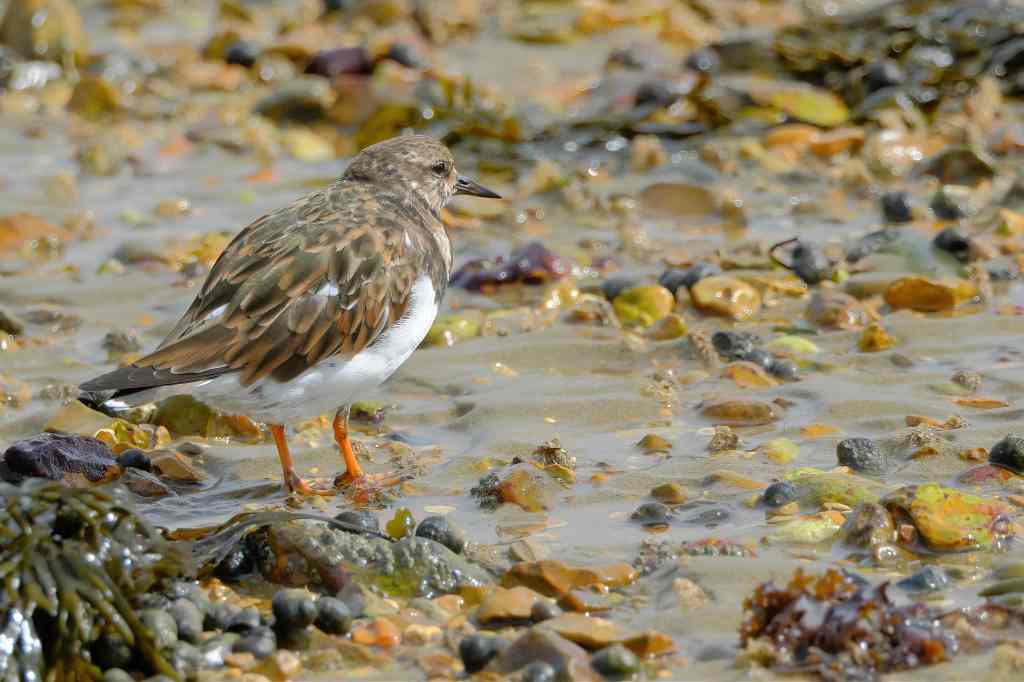
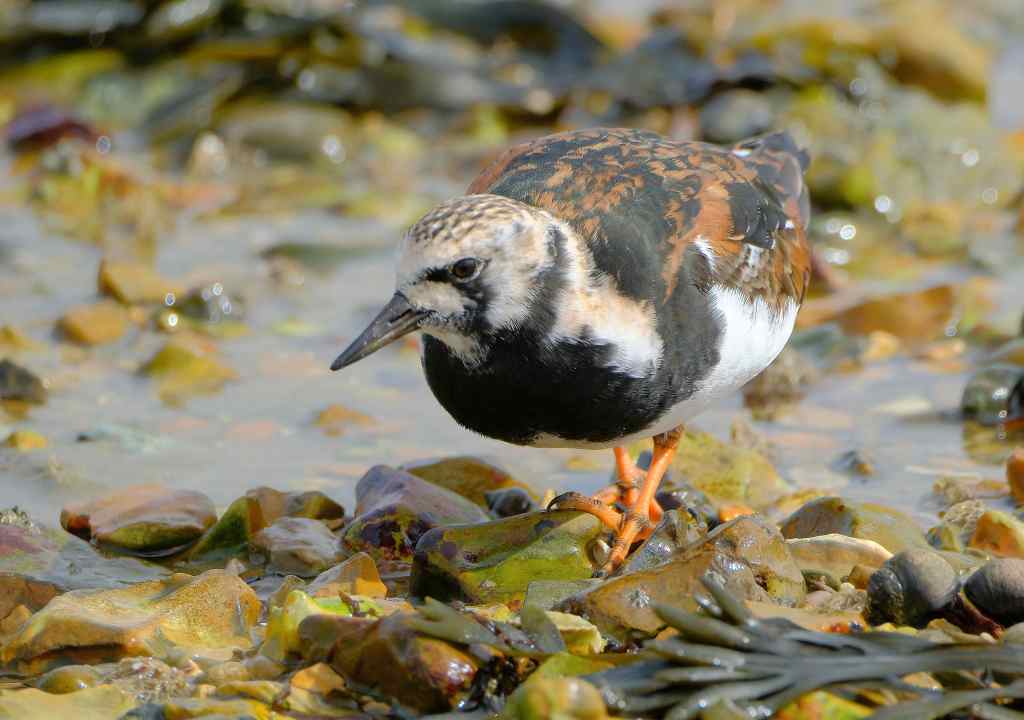
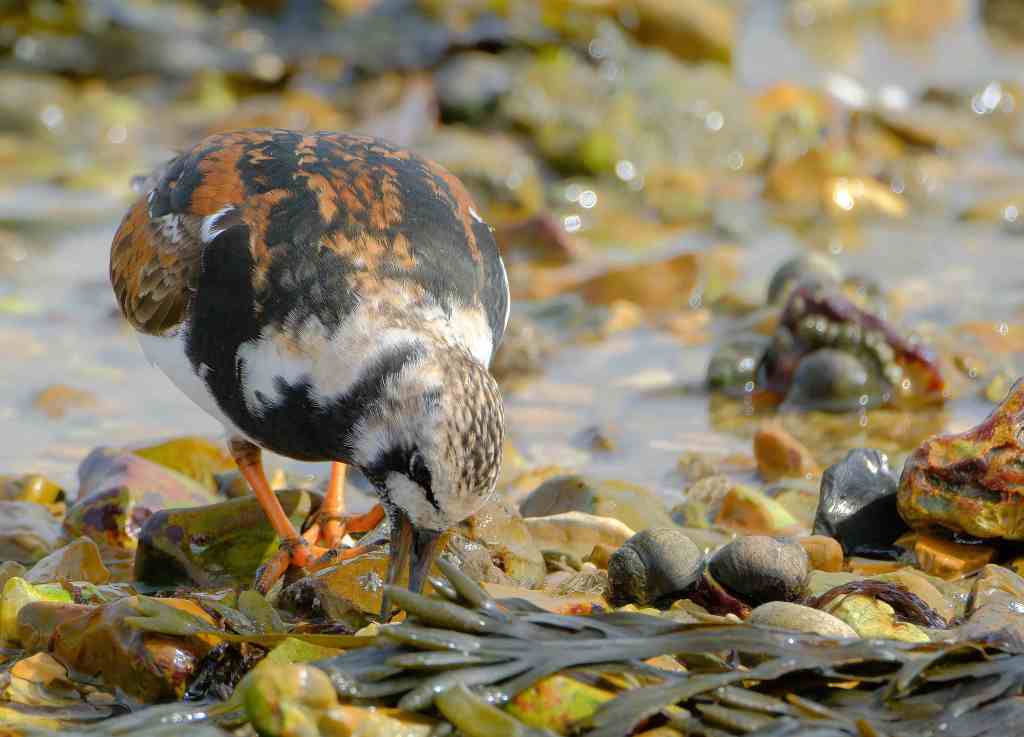
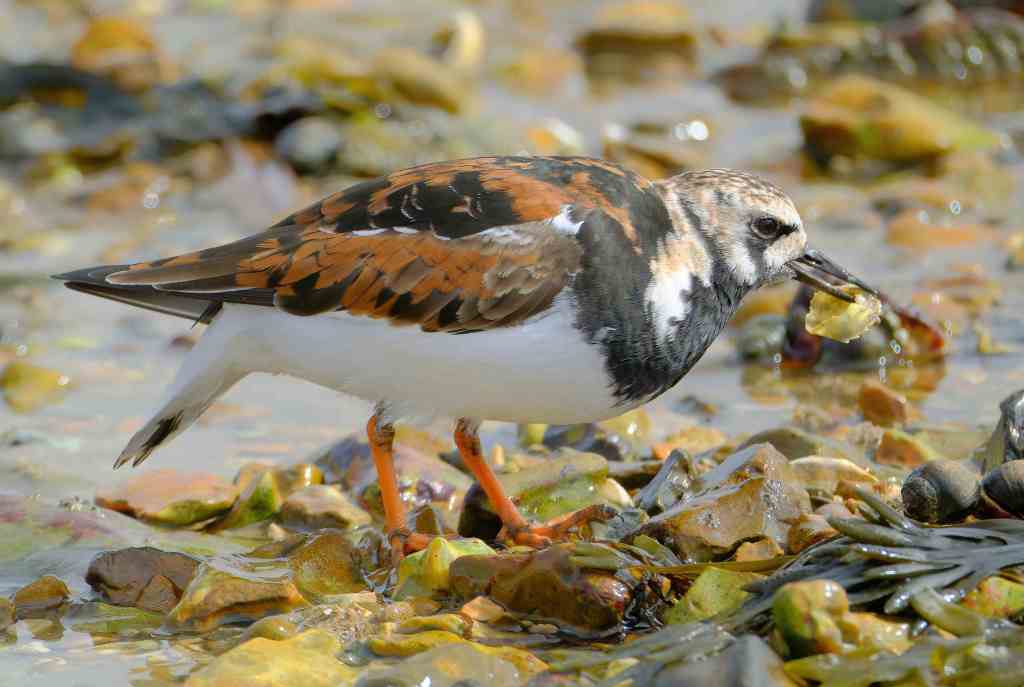
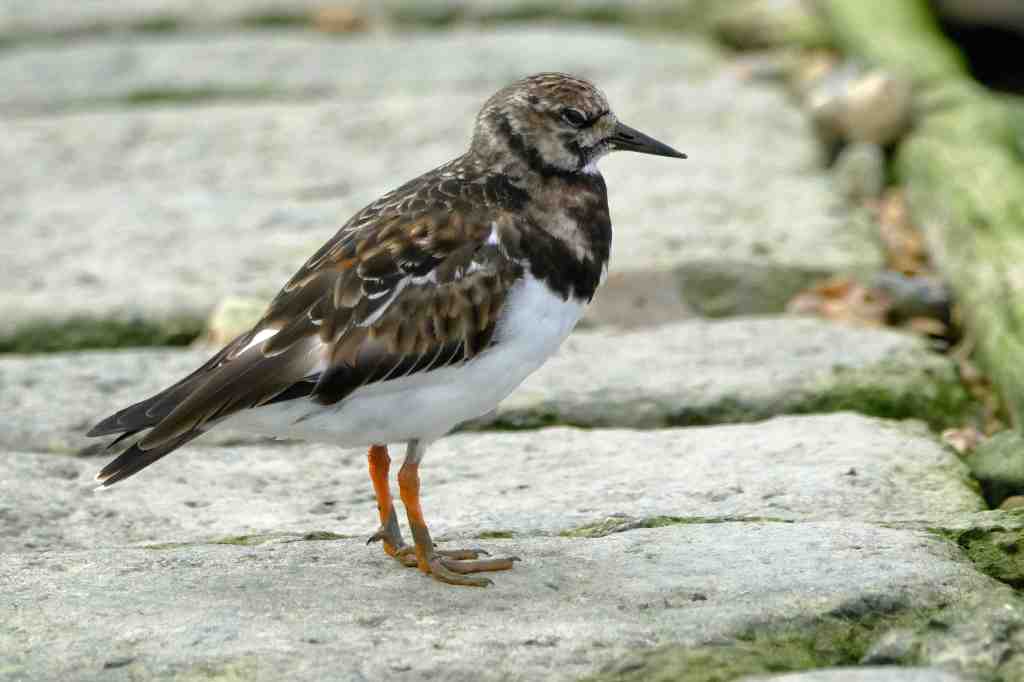
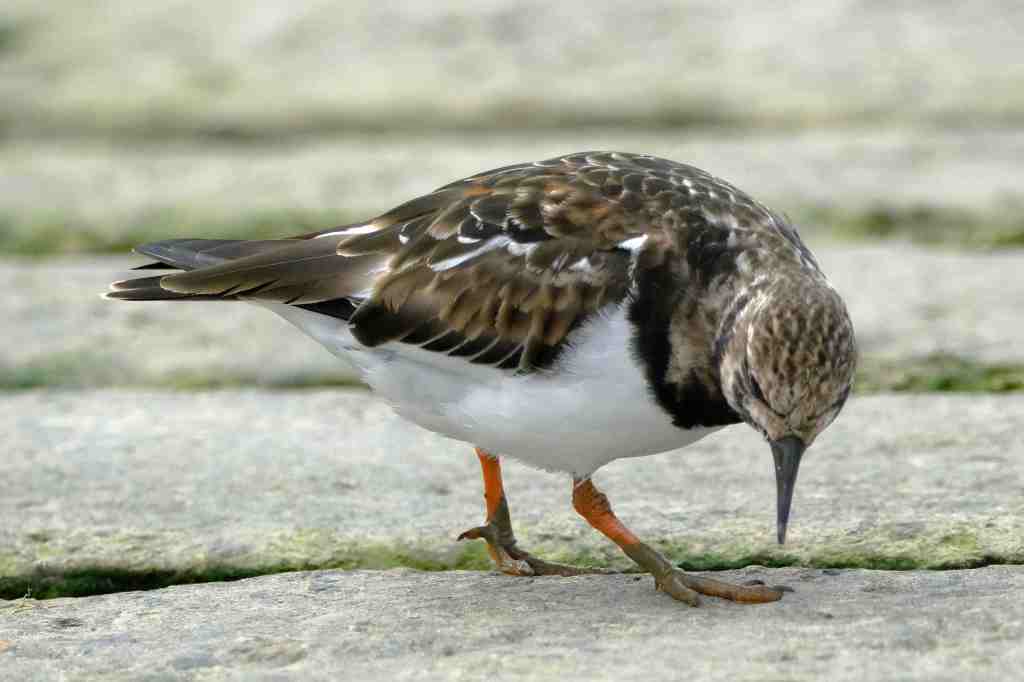
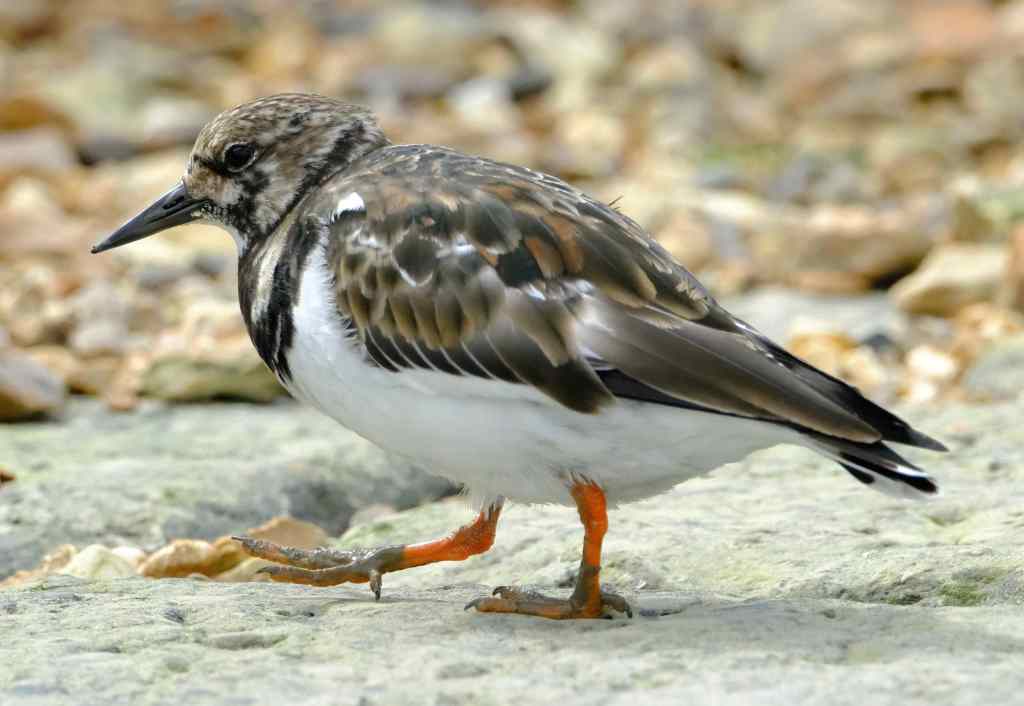
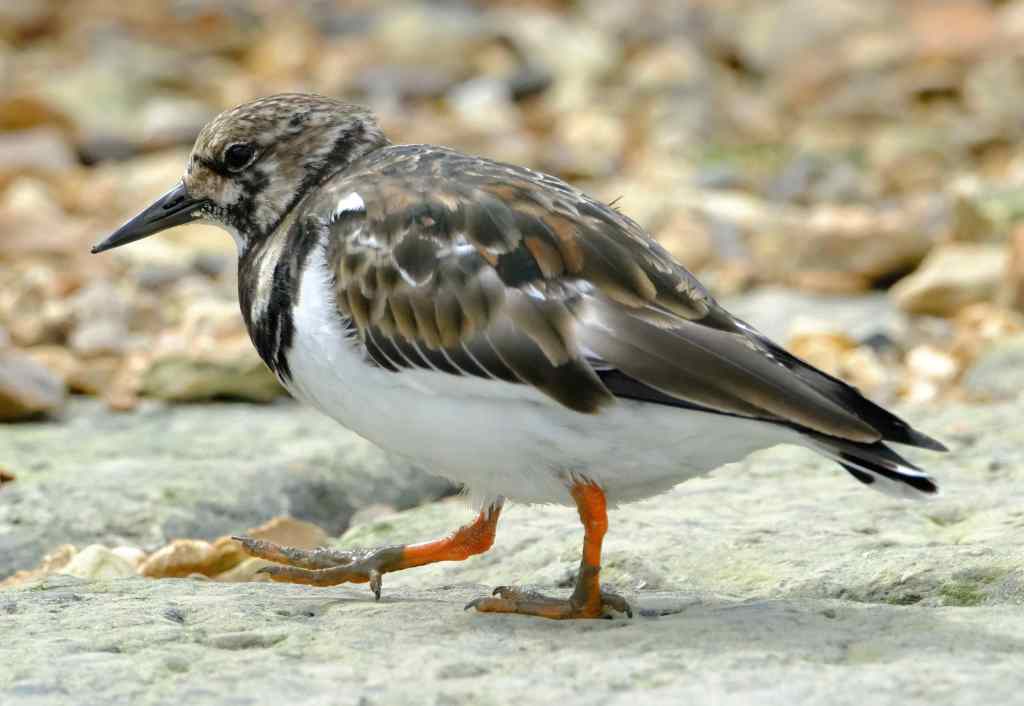
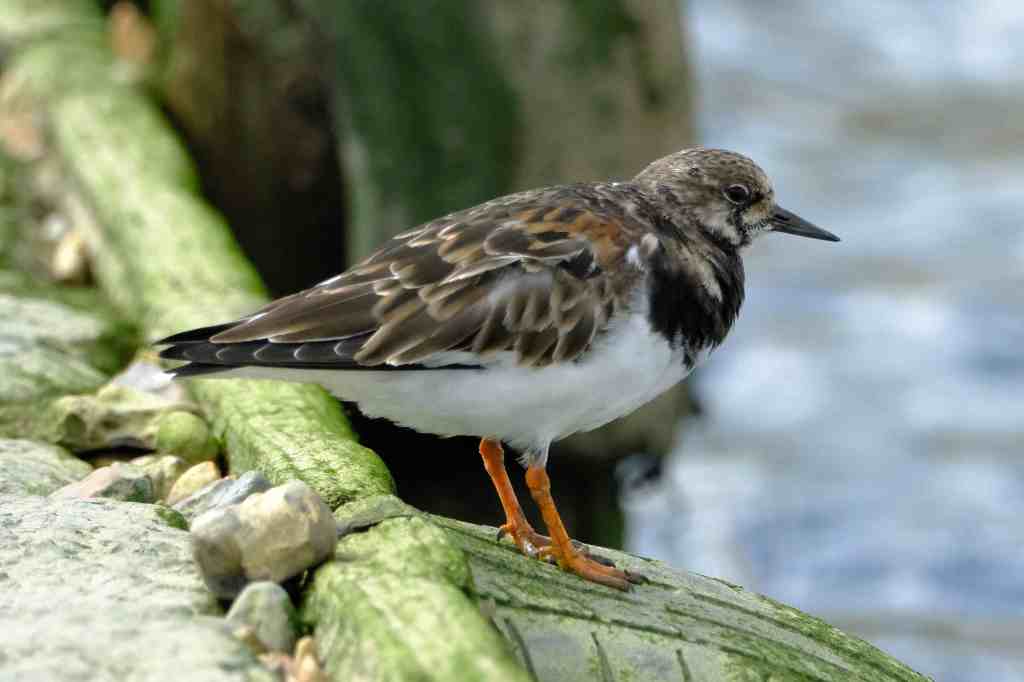
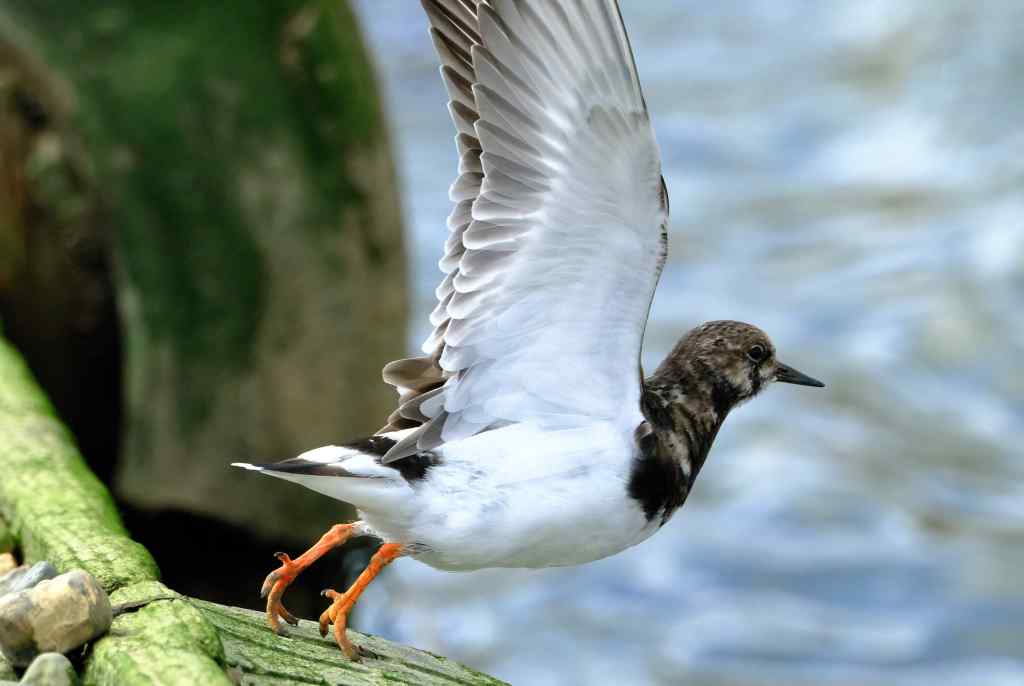
A couple of hours watching Turnstone around the harbour at Titchfield,
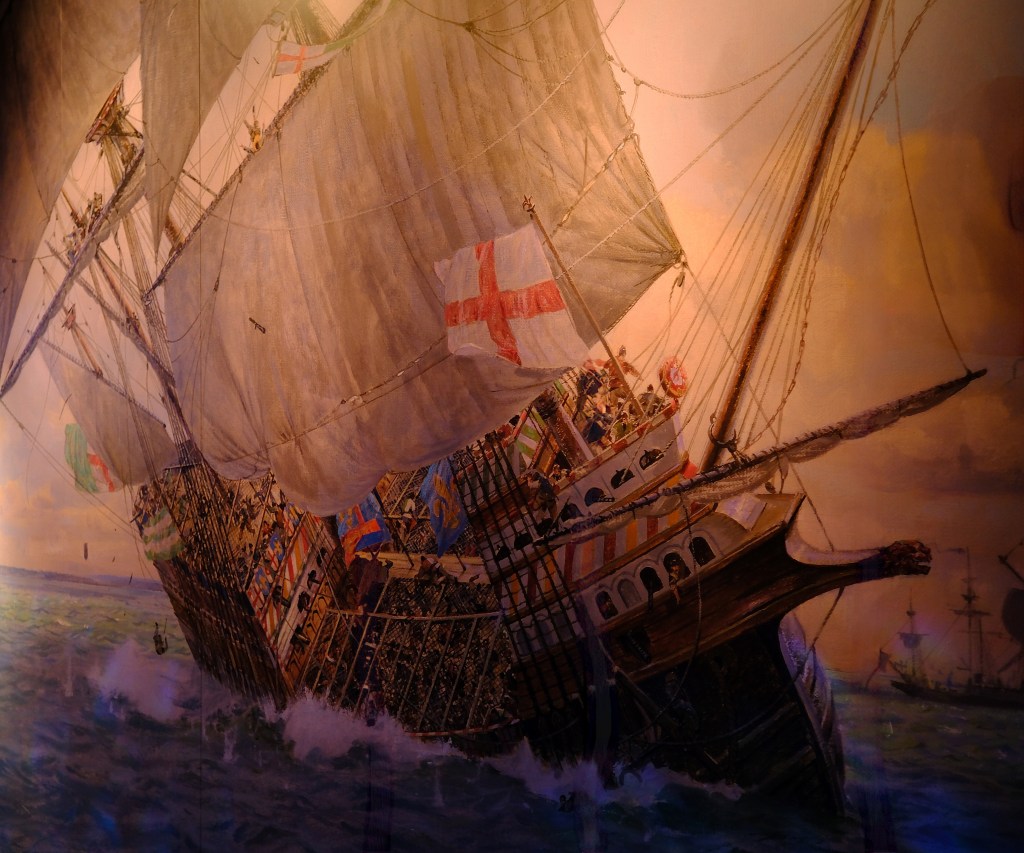
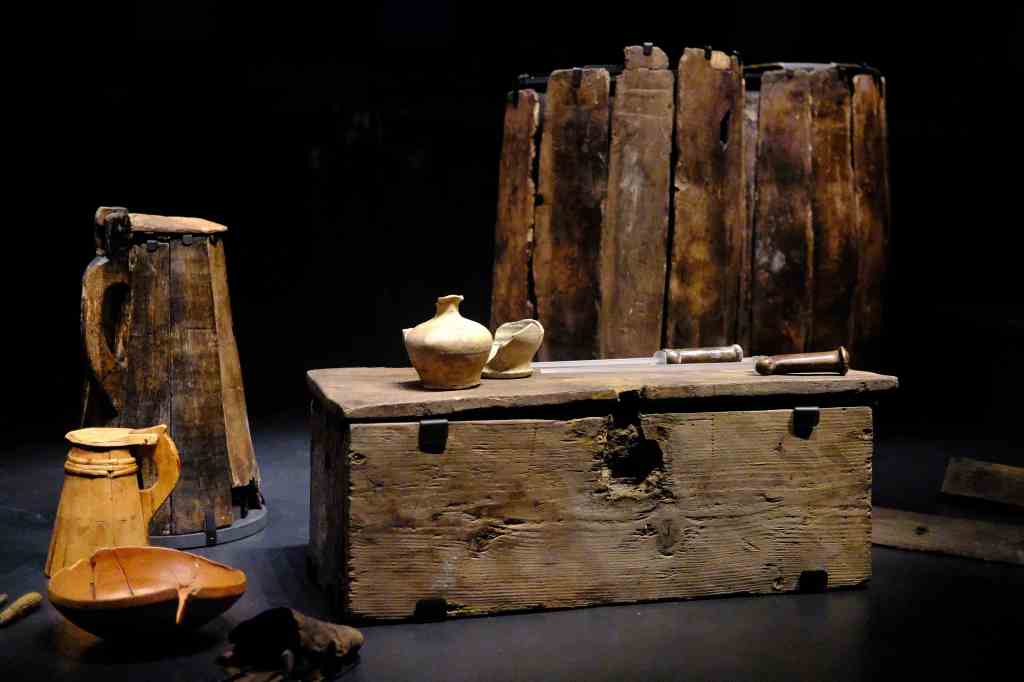
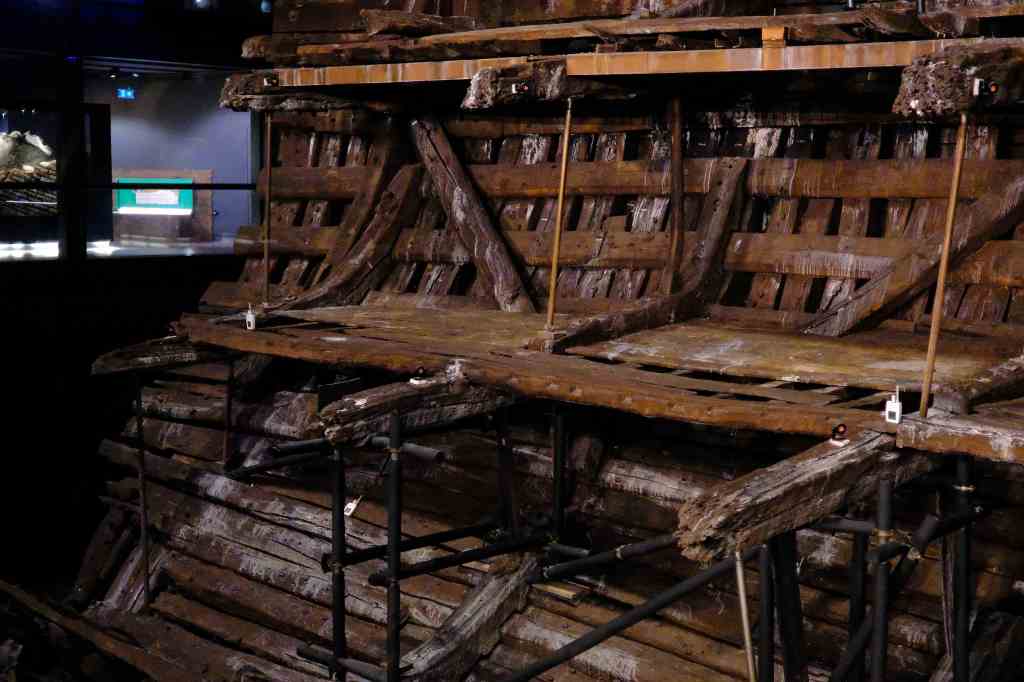
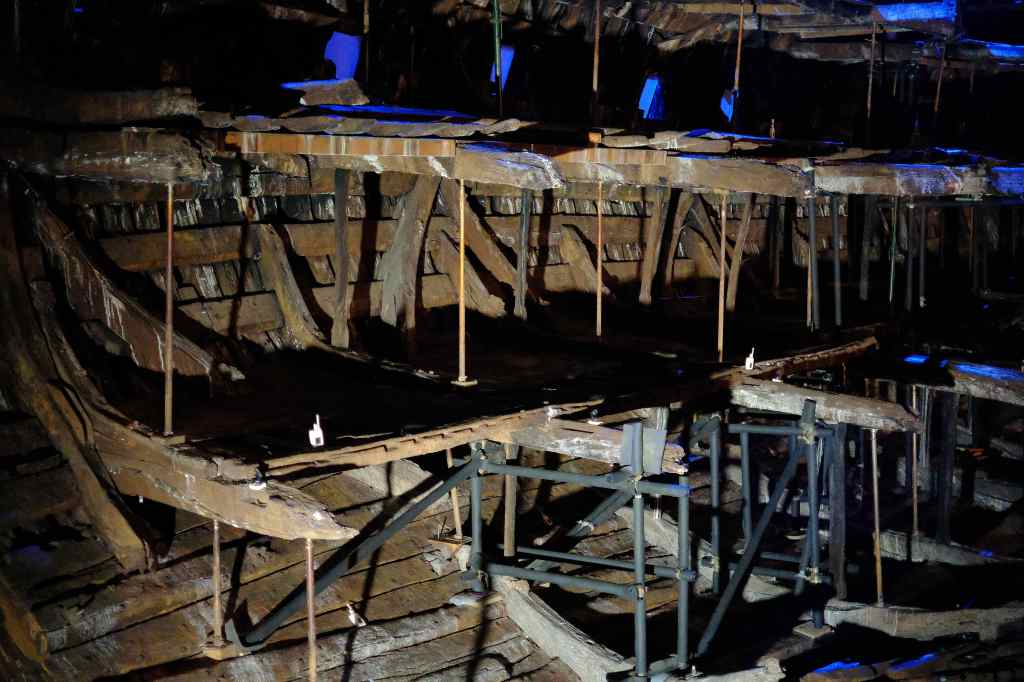
The Mary Rose was Henry VIII, flagship, built in 1511. She famously sank in the Solent in 1545 in full view of Southsea Castle. She took most of her crew of 500 souls with her. She was rediscovered in 1971 and raised in 1982. The part of the wreck that had become buried in the silt survived, and thousands of recovered Tudor artefacts, including personal items and weapons, were recovered.
In 1982, at the age of 22, I watched the raising operation of the Mary Rose live on TV with my grandfather. I remember his comment at the time. “What a waste of money to get a load of firewood off the seabed”!
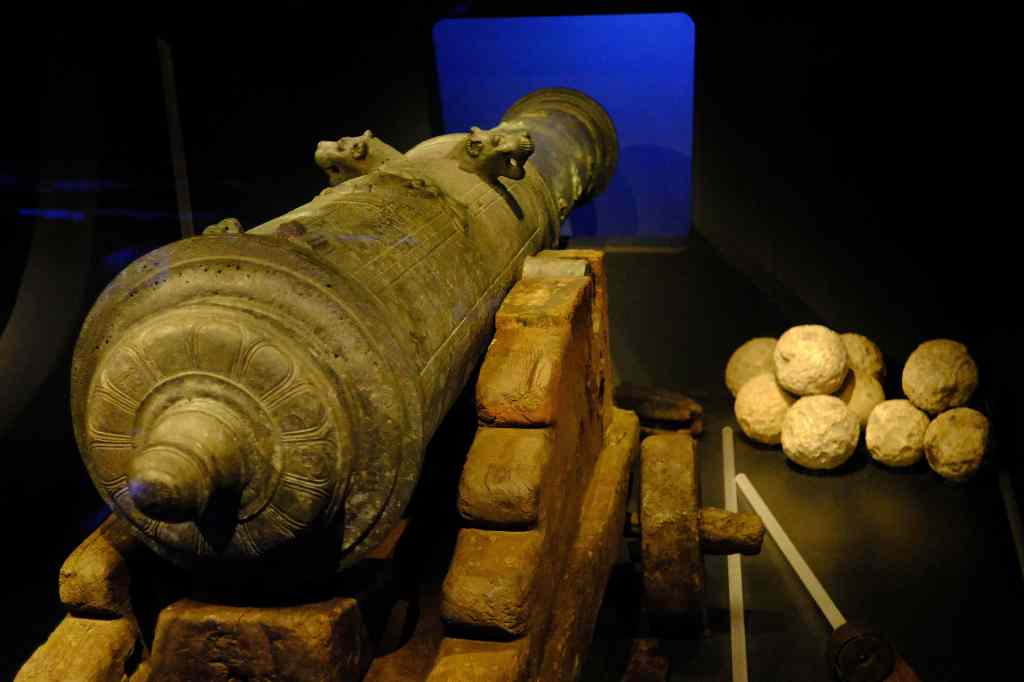
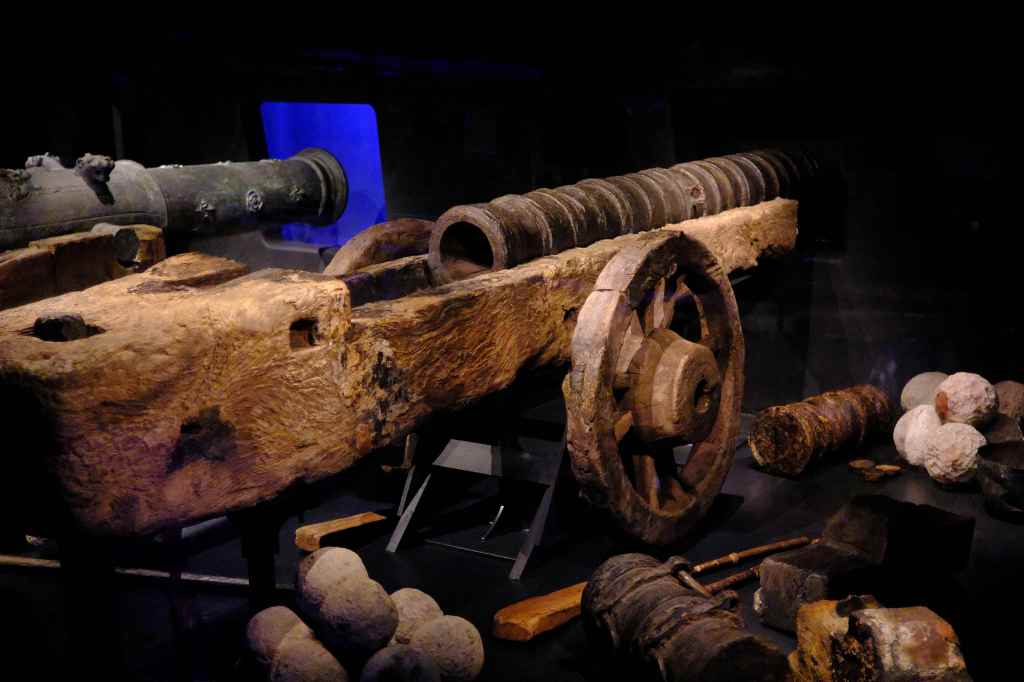
The museum in Portsmouth Dockyard demonstrates that the salvage of the Mary Rose was a unique opportunity to snapshot into Tudor history. Over 19000 artefacts, along with the remains of the ship and crew, were recovered from the wreck site.
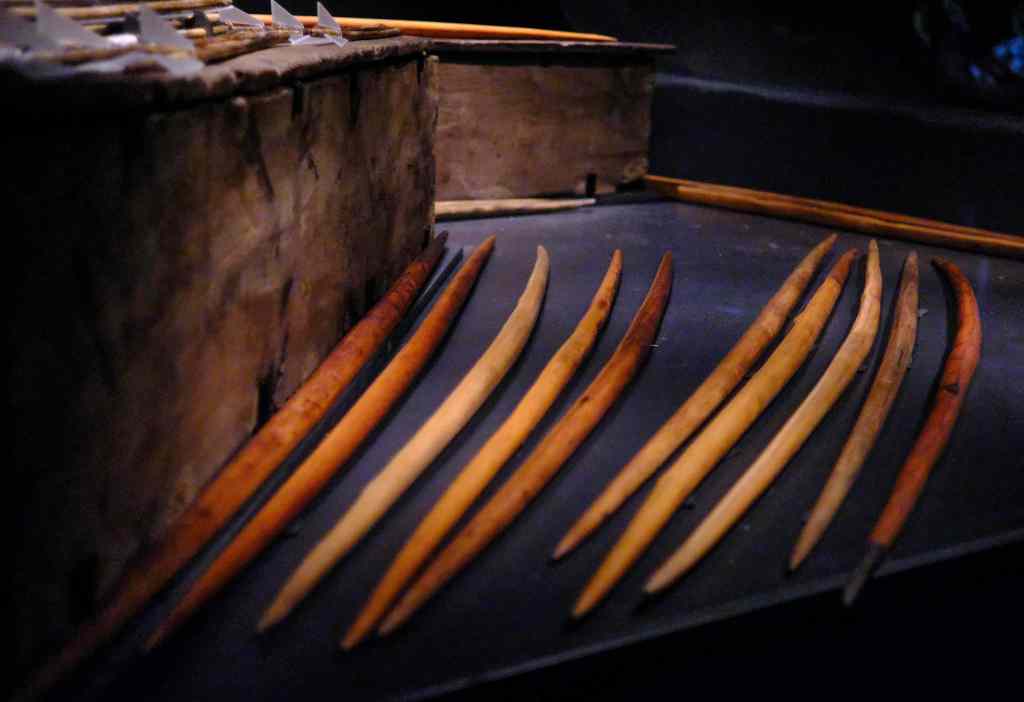
Archaeologists recovered 137 whole longbows and 172 part bows. There were also 3,500 arrows. Before the recovery of the Mary Rose, there were just 5 surviving longbows from medieval England known to exist.
link to the Museum,
The Curlew is one of my favourite waders. I never tire of watching these large waders, whether on our coast in winter or on the moors during their nesting season. Not only are they a pleasure to see, but their call over the mashes is also a joy to hear. Just one picture today, and a video – something I have not captured before, a Curlew catching a Ragworm.


