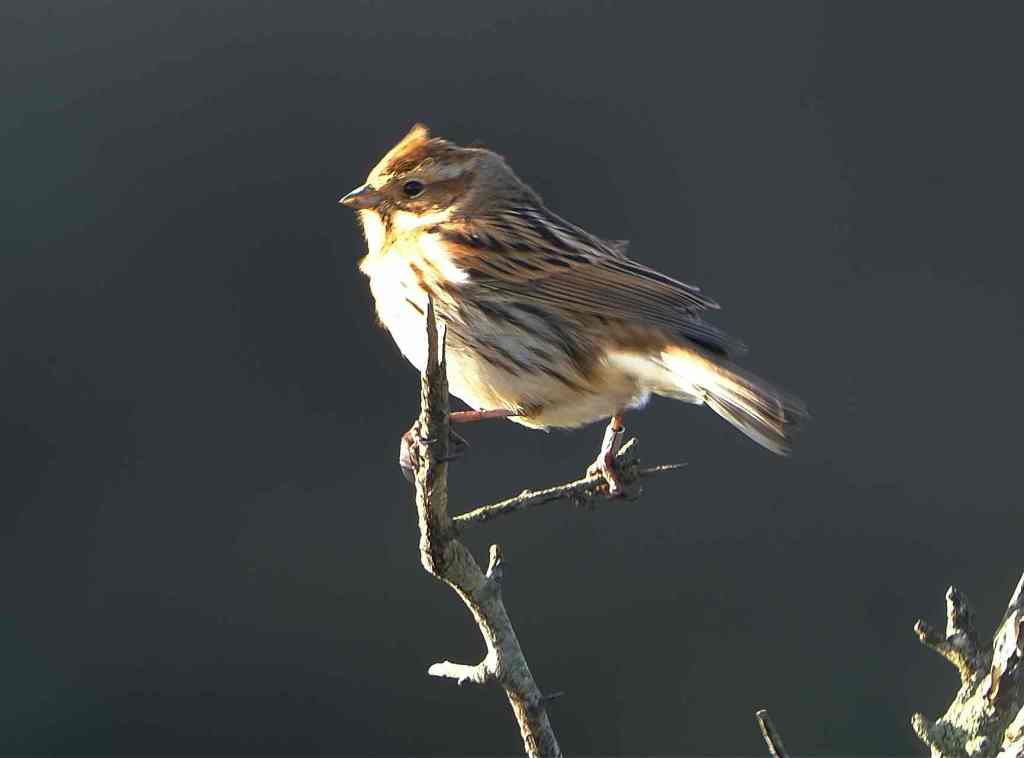
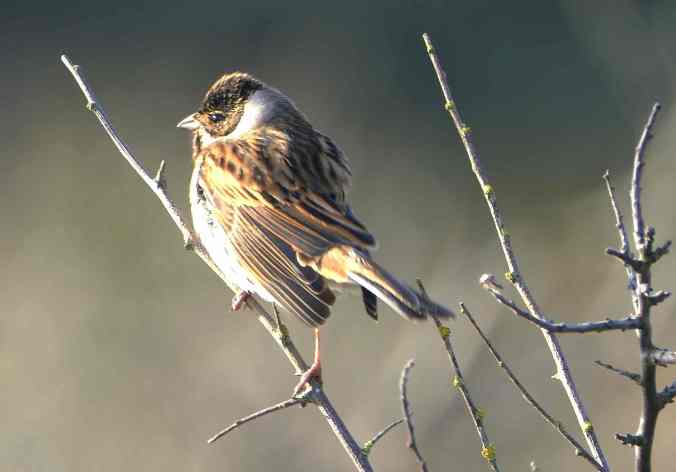
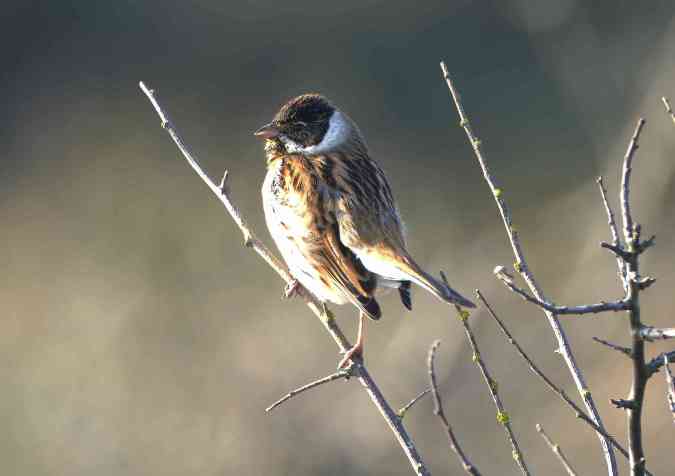
A pair of Reed Buntings. The male bird sports a striking black head in the breeding season, but as we are now in winter, this has become duller. Females are brown, making them harder to distinguish from females or other brown birds. Note the female bird in my picture is ringed.
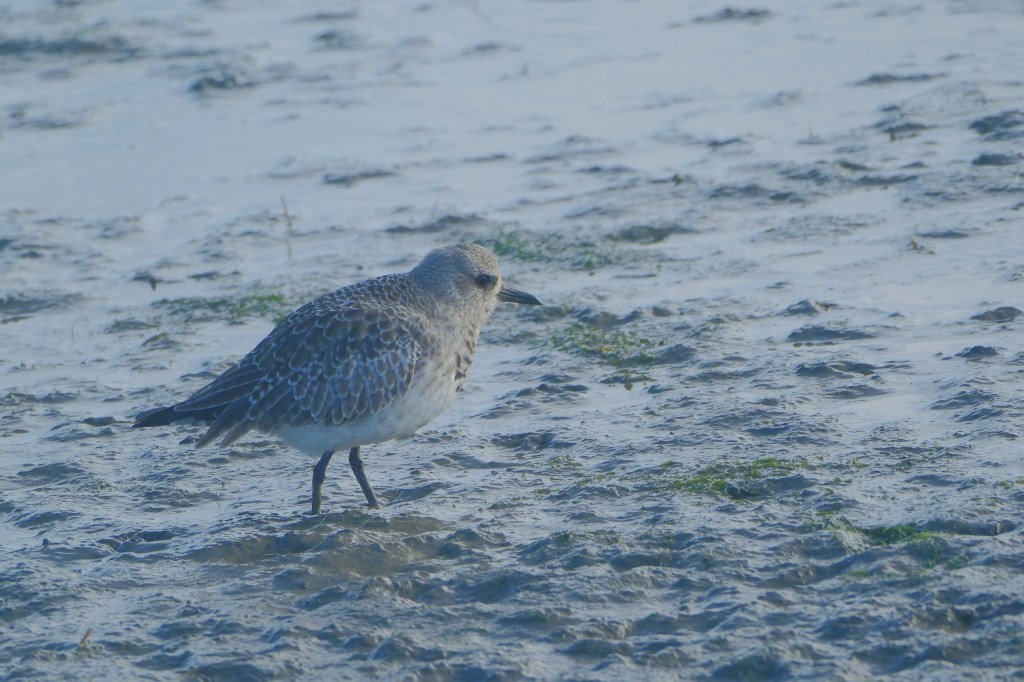
Spotted a few Grey Plovers on Keyhaven Marshes near Lymington, Hampshire yesterday. I also see them regularly on the mud on the River Hamble. I have only seen them in their winter plumage; usually, I find them fairly difficult to photograph decently due to how far off they are.
In summer, they have silver and black spotted upperparts, a black face, neck and belly. In winter, they lose the black feathers and take on a grey look.
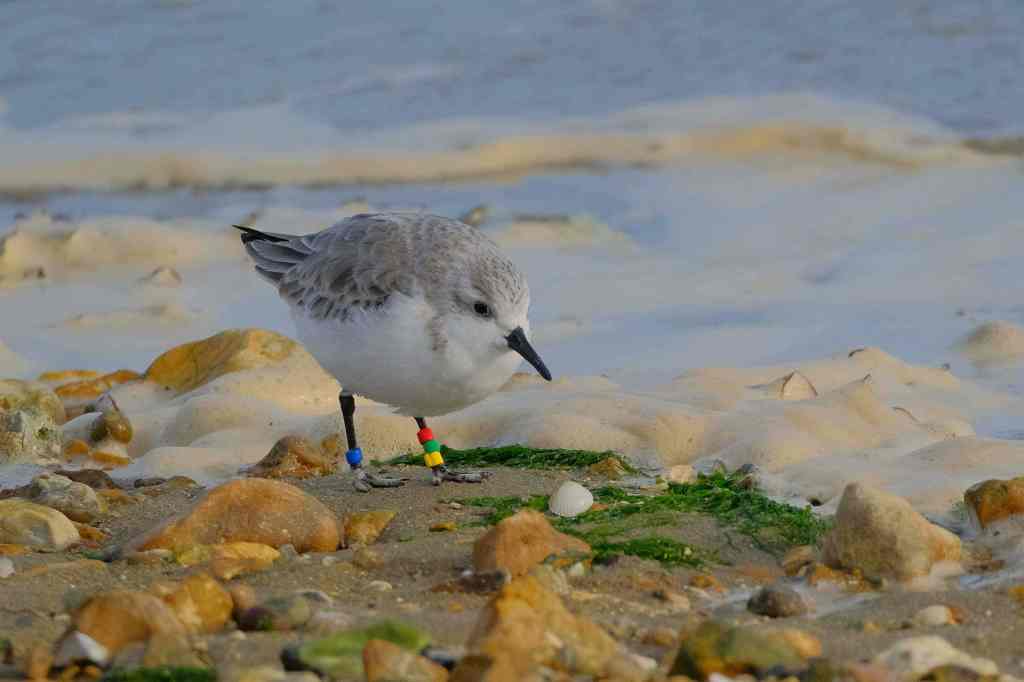
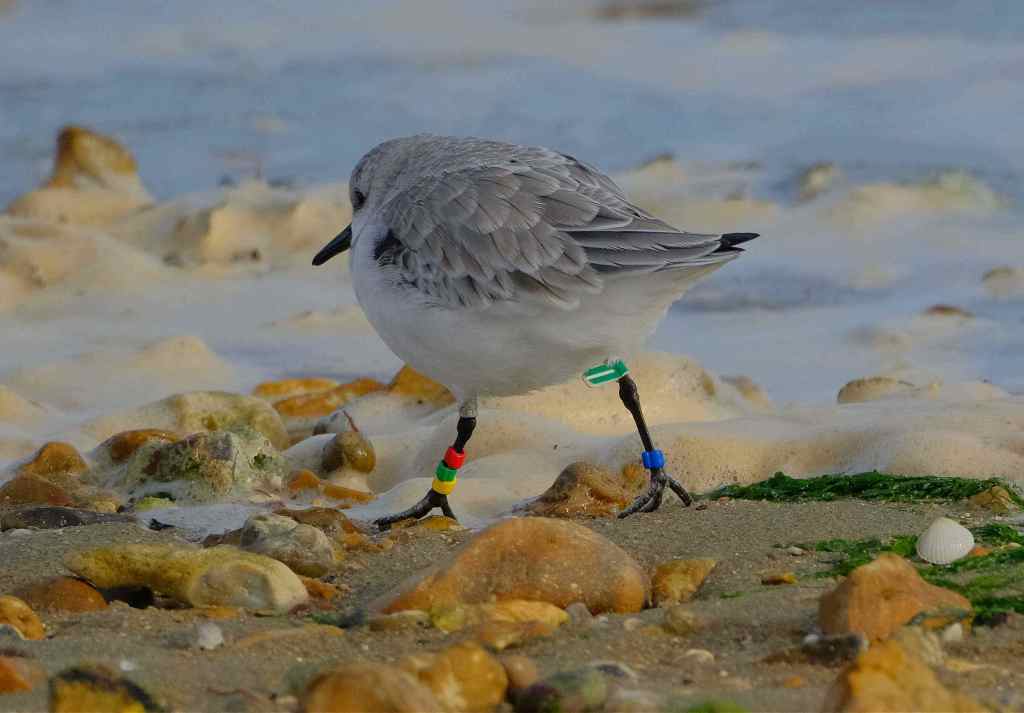
As winter approaches, the number of Sanderlings increase on Meon Shore. This is because the small number of resident birds increased with migratory birds from their breeding grounds in the Arctic Circle arriving.
This ringed bird
This ringed bird has been on the beach for a few weeks. Ringed as an adult bird on a nest in NE Greenland on nesting grounds in summer 2025. I am always amazed at how a bird weighing just 60 grams makes this journey each year, then returns to their breeding grounds in the spring.
Were the River Test meets Southampton Water is the small town of Eling. Eling is now part of the city of Southampton, has a long history of its own. The quay dates back over a thousand years; a medieval tidal mill was the centre of settlement it was once a hub for industries such as shipbuilding and timber. Today, the mill is open to the public, the area has light industry, and private boat mooring.
A walk early this morning, started from Eling and followed Southampton Water down towards Marchwood. The unofficial path follows the water opposite the city’s container terminal, giving both views of the workings of the docks and mudflats.
Engineers need a head for heights for pilon work!
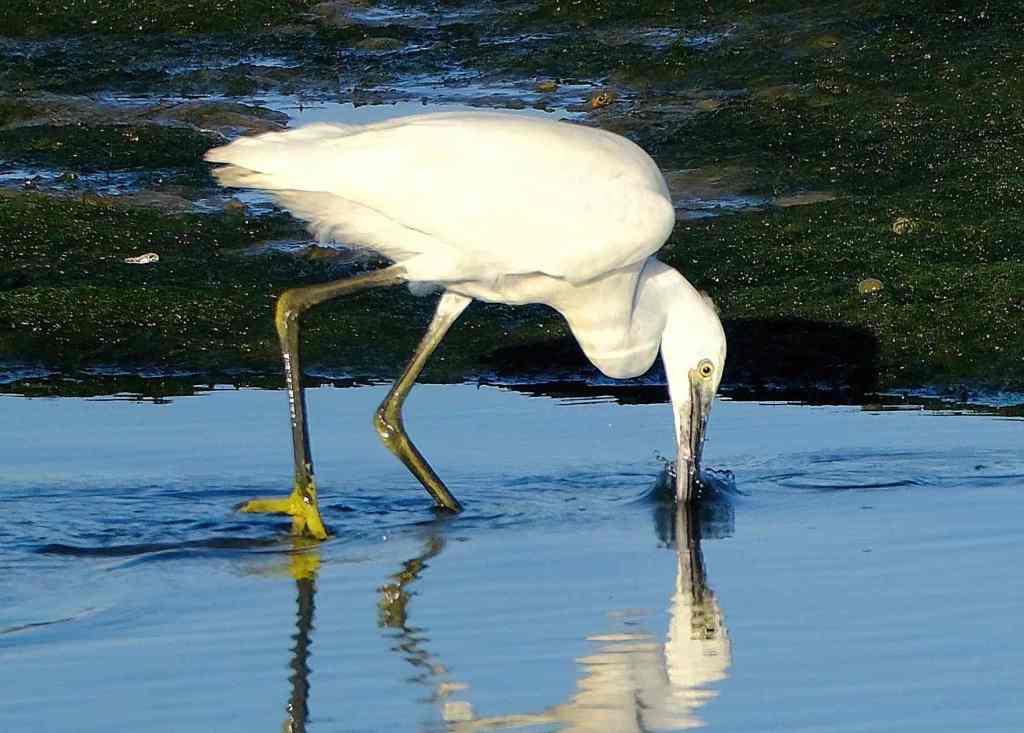
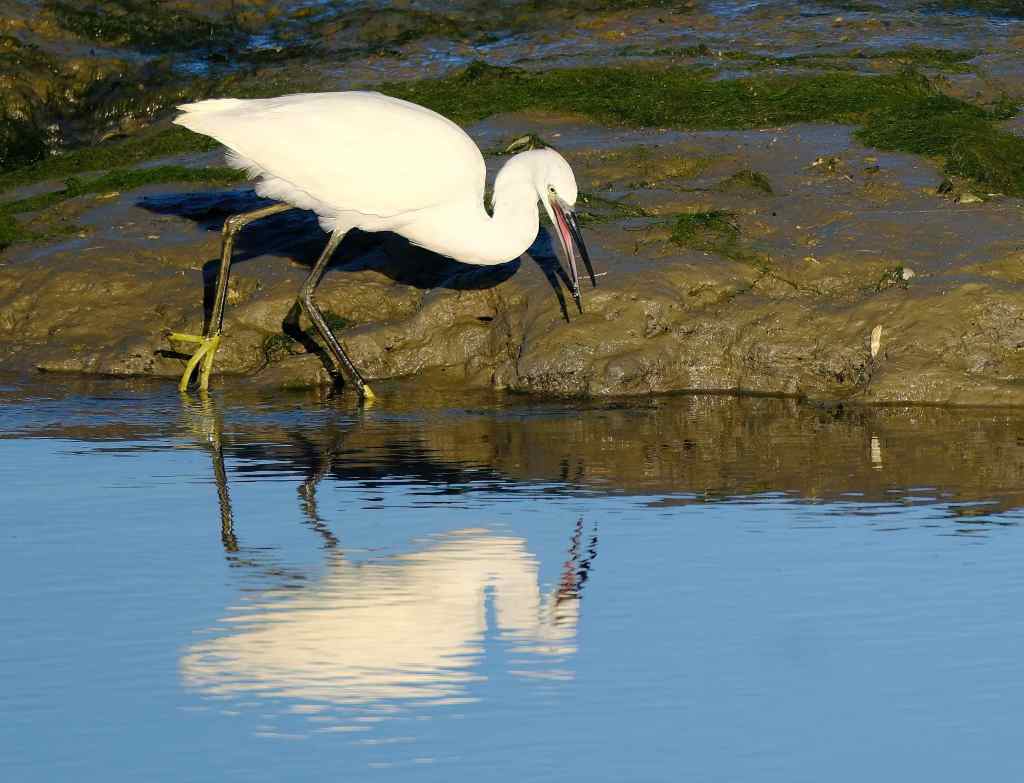
Some interesting wildlife on the walk. Starting with Little Egret.
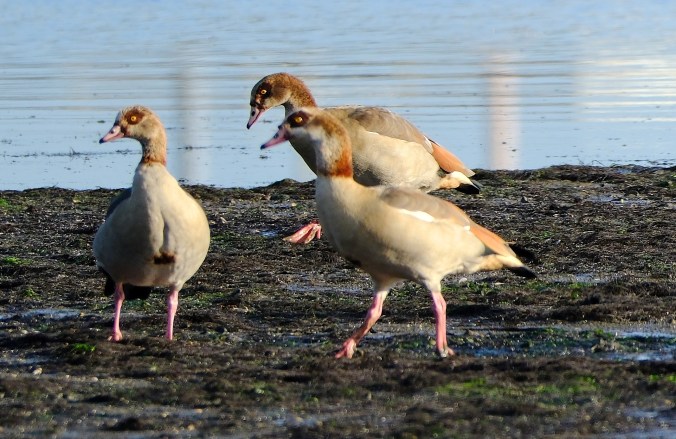
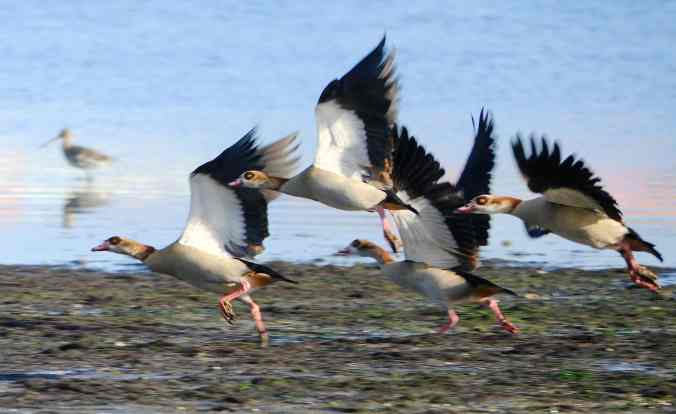
Egyptian geese. This goose is related to the Shelduck. It was introduced to ornamental ponds, but escaped into the wild, where it’s now successfully breeding. In 2009, it was officially declared a non-native species.
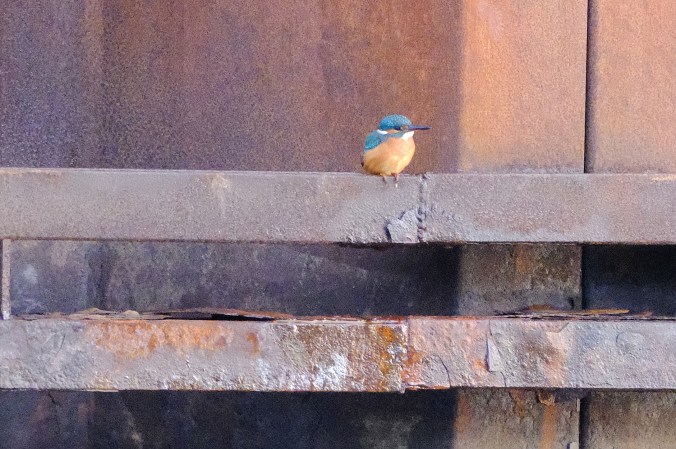
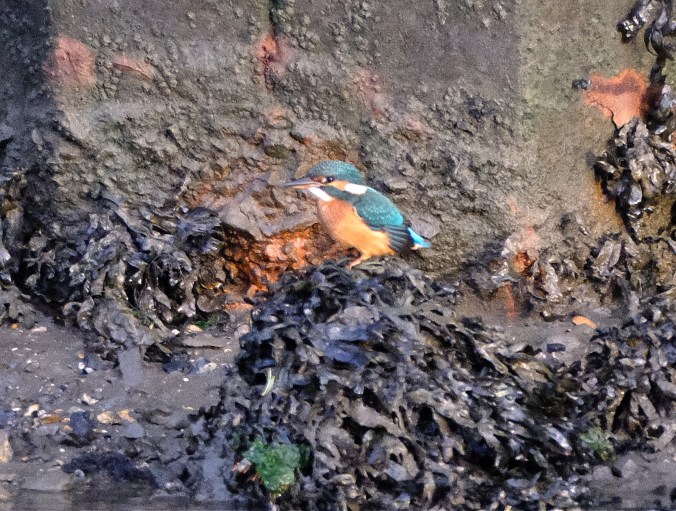
Very distant Kingfisher.
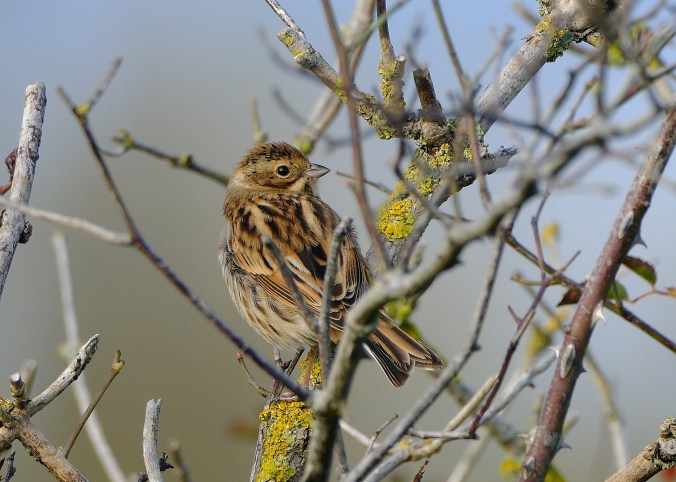
Female Reed Bunting.
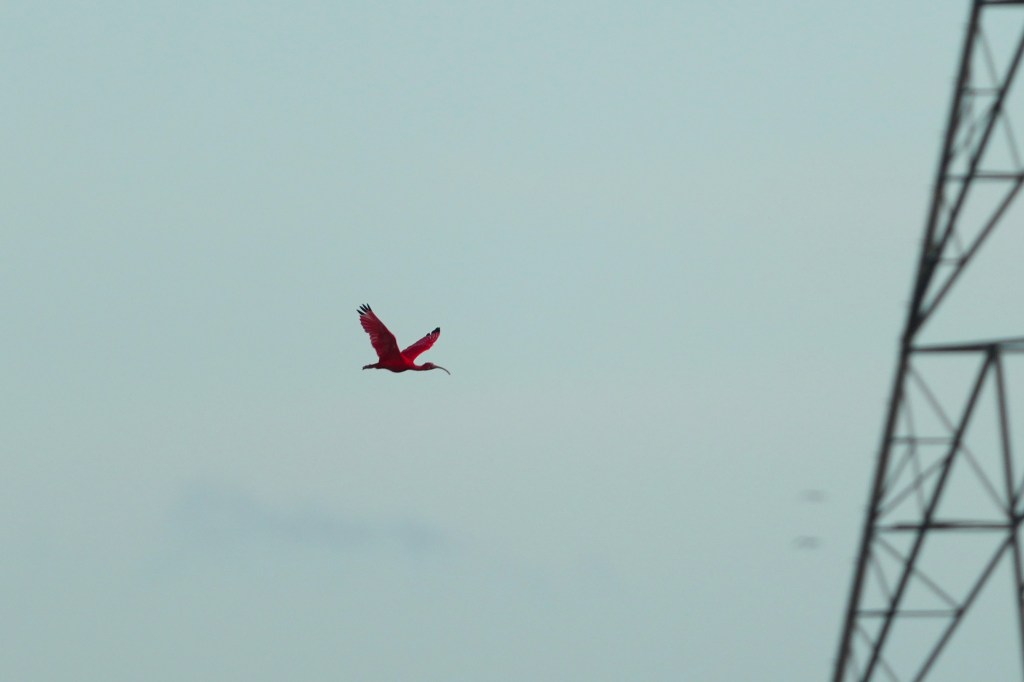
Scarlet Ibis, not very clear pictures, but this bird was some distance off. A surprise sighting of a non-native Scarlet Ibis! It seems several of these South American natives escaped from a local bird park a few months ago.
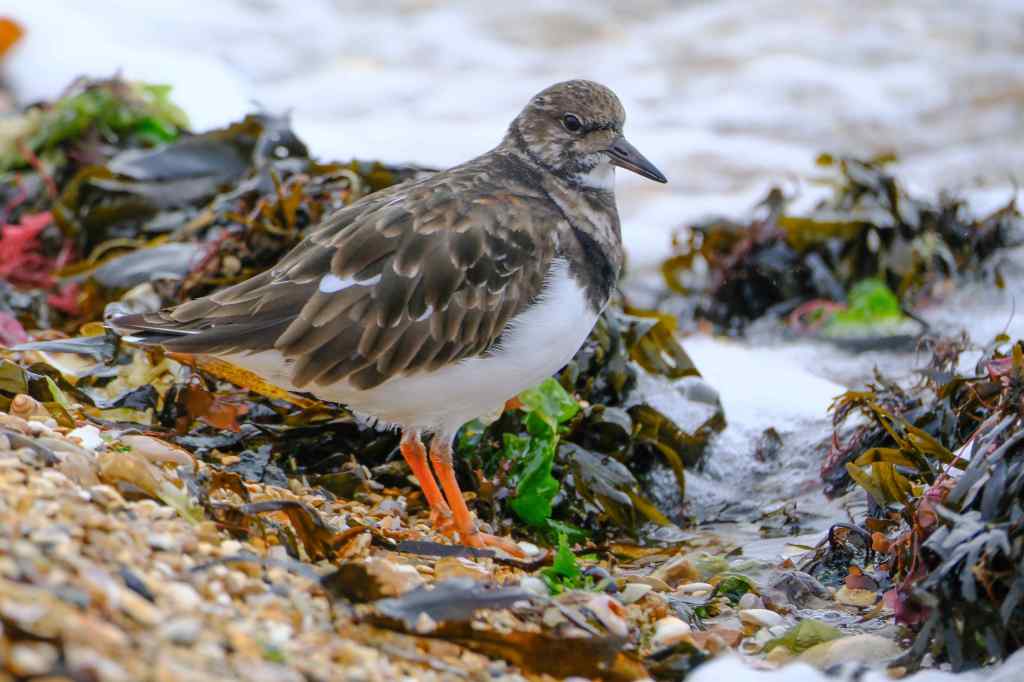
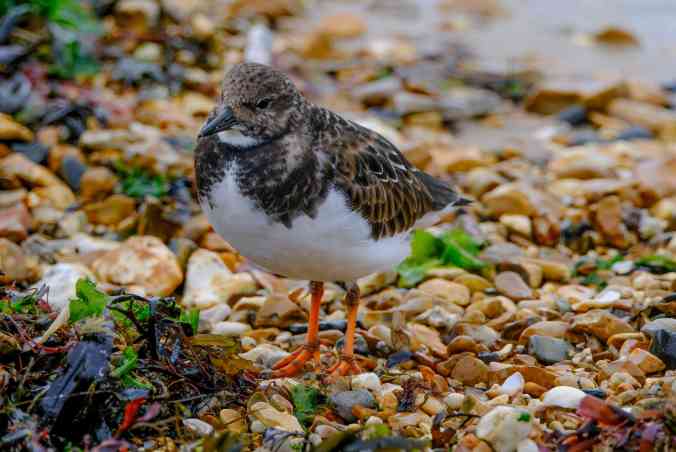
Like little Bulldozers on the beach, turning over seaweed and stones, looking for little invertebrates on the tideline, Turnstones do what their name suggests.
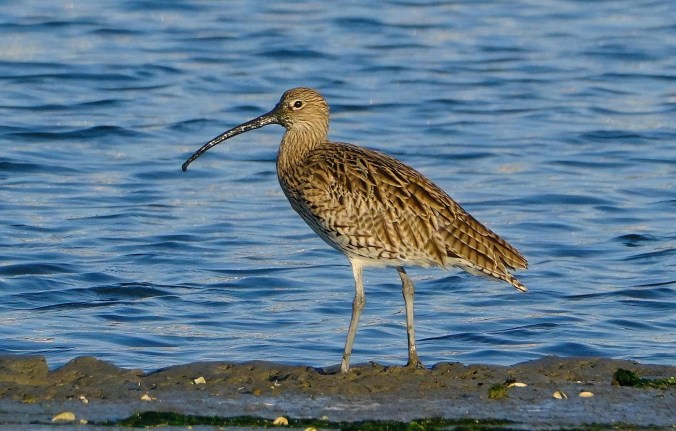
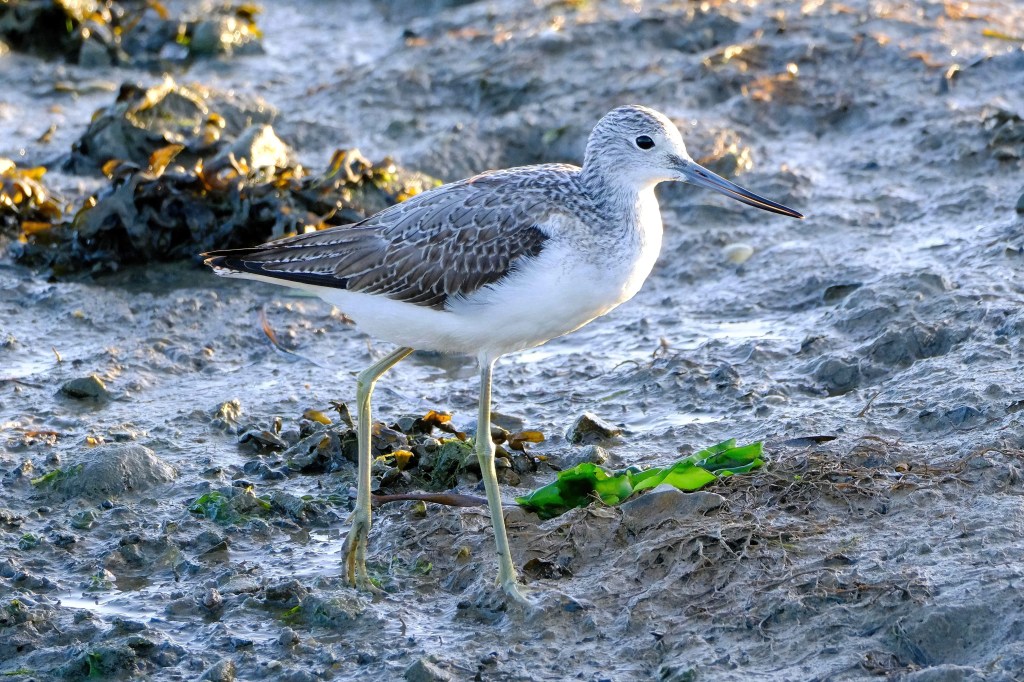
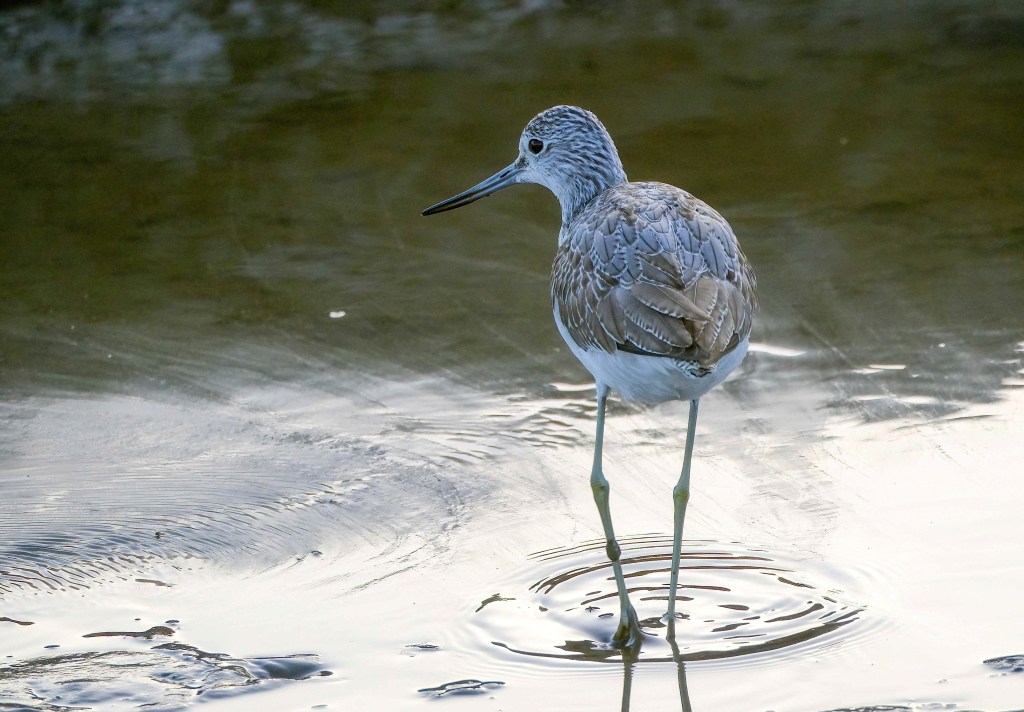
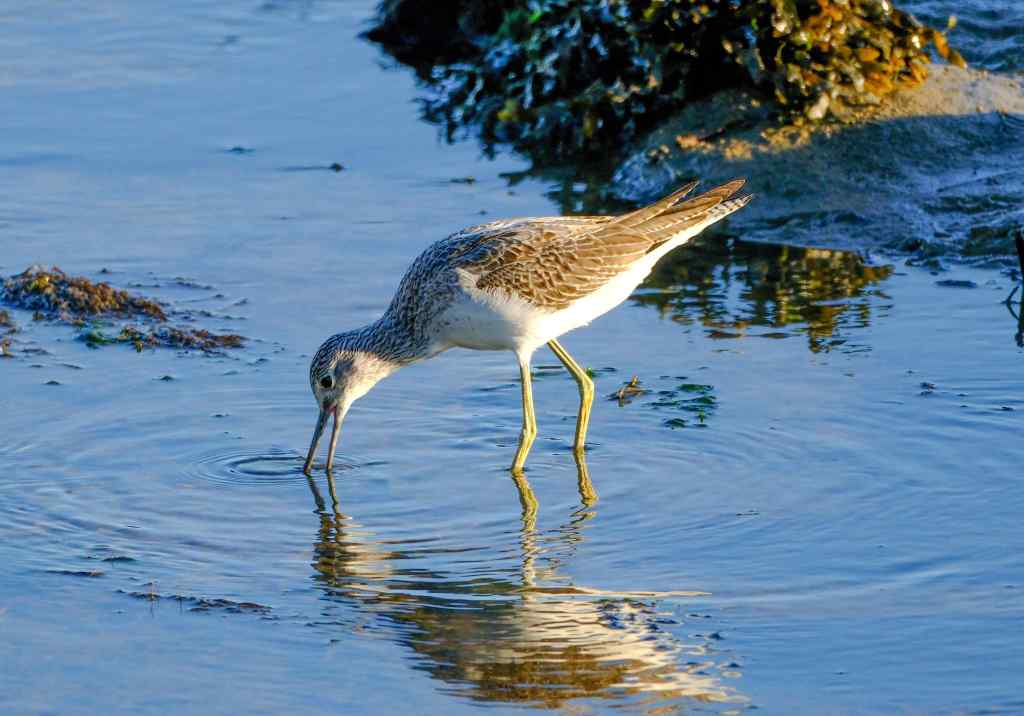
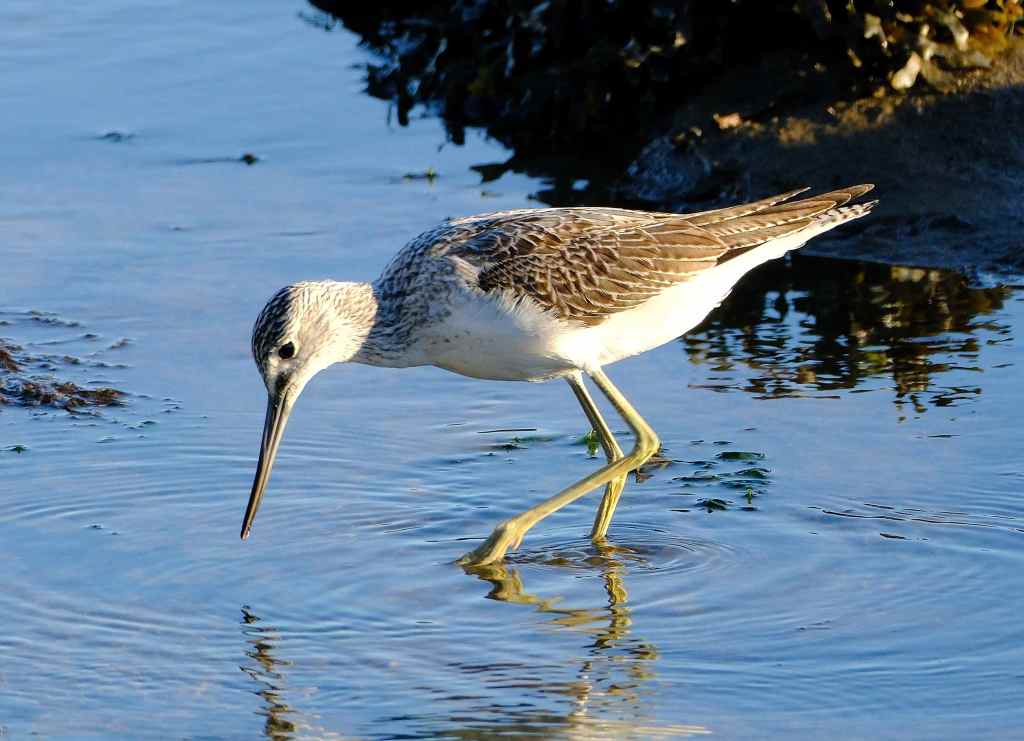
An early morning walk up the Hamble River. This part of the river is tidal, so it is always good for waders. The light at this time of day presents some challenges in taking pictures with the sun low. As always, lots to see, Curlews and Greenshanks are regularly on the river here, and always a favourite to get photographs of.
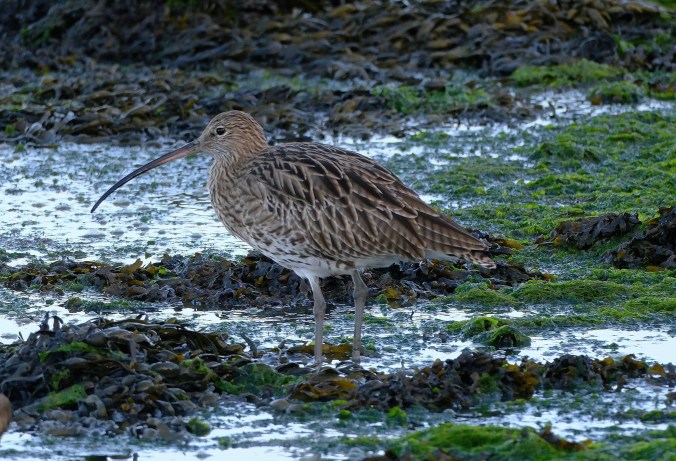
Curlew.
Greenshank,
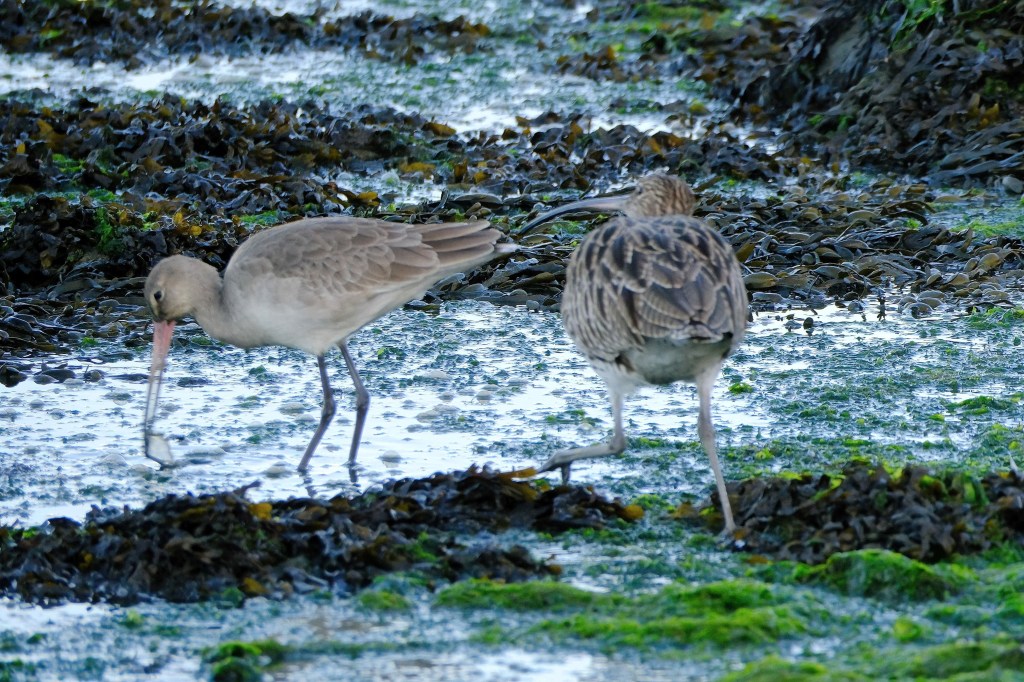
Blacktailed Godwit numbers are increasing on the Hamble as we move towards Winter; they are less colourful this time of year.
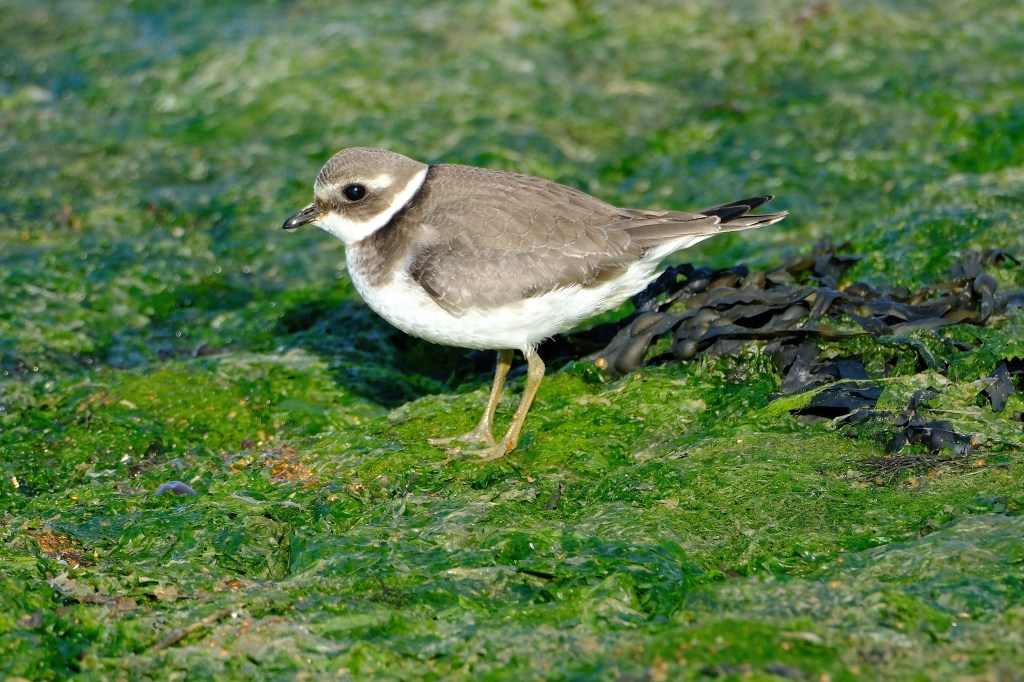
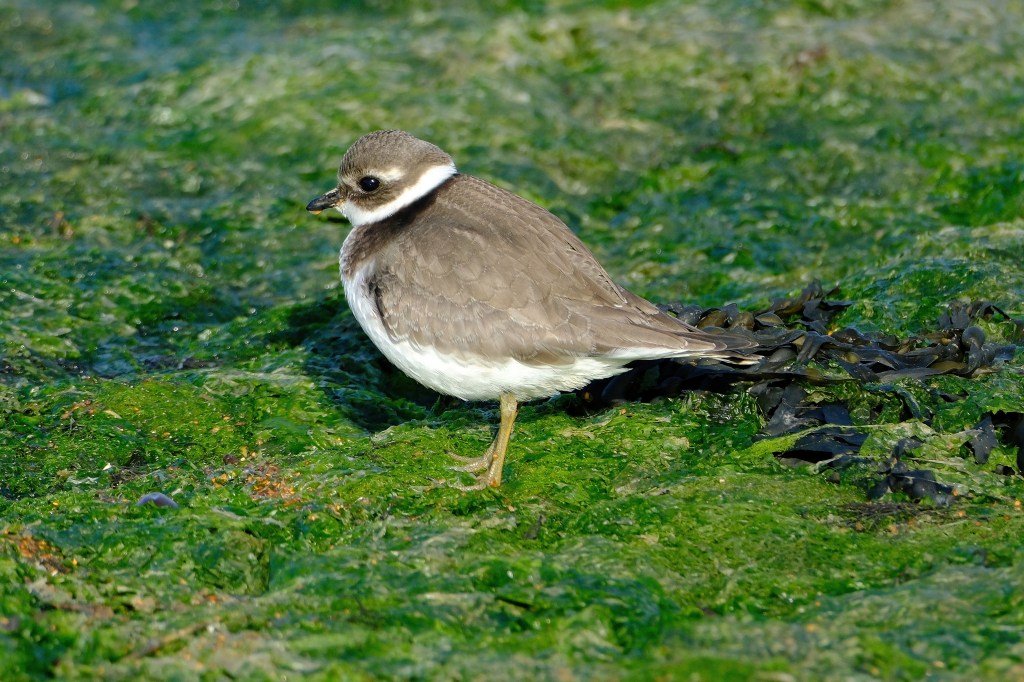
This lone Juvenile Ringplover came quite close as the tide came in.
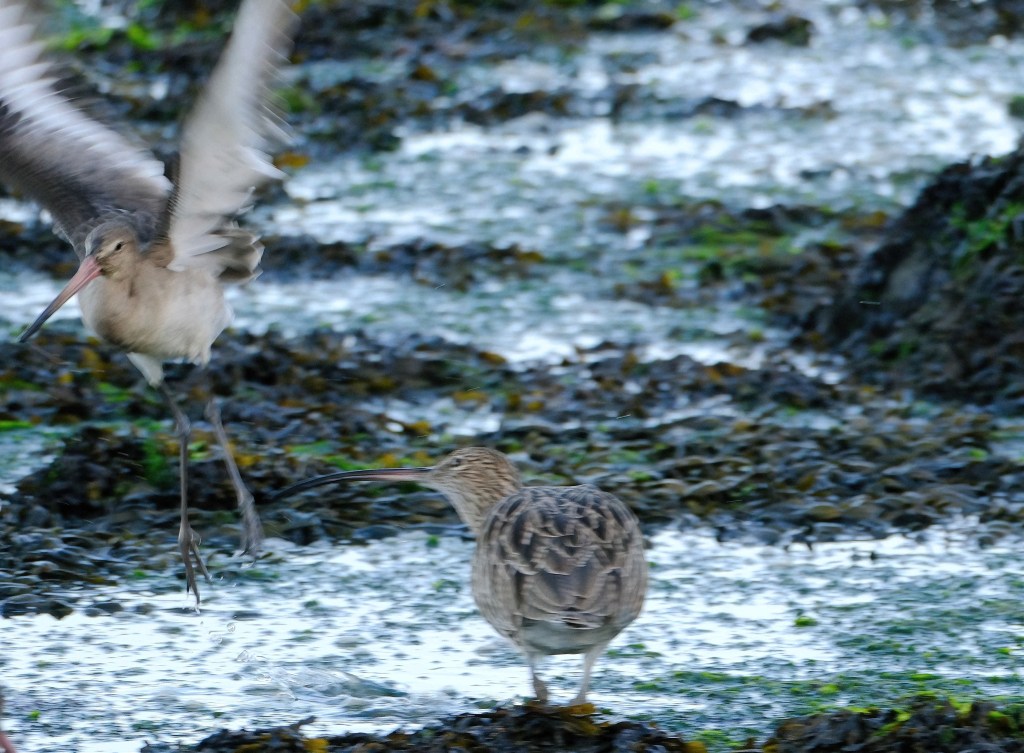
This Curlew took objection to the approaching Godwit!
I have seen reports since the Lockdown of Seals on the river at this point, but until this walk, I had not seen one. Normally, what I think is a Seal turns out to be a mooring buoy.
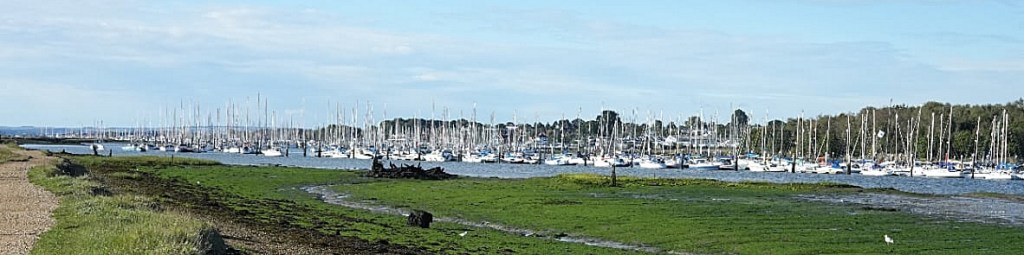
A Sunday morning walk up the Hamble River from Warsash, with the tide coming in, and some good views of waders.
The well-made-up footpath is a Sunday morning favourite for many from Joggers, walkers, dog walkers and cyclists. The cafe in the boat yard at each end of the walk does a good trade in cakes and coffees. As the tide comes in, many waders move closer to the path and seem not too bothered by the people hurrying along the path. For bird watches, this gives us a chance to get some close views of birds that may normally be far off on the tide line.
Curlew. The Curlew is the largest European wading bird, found on estuaries in winter and moors in summer.
Little Egret. 5 or so Little Egrets were along our walk today, a bird 1st recorded in the UK in 1989. Today, over 600 pairs breed and 4500 winter here. I still recall when they were a rare sight.
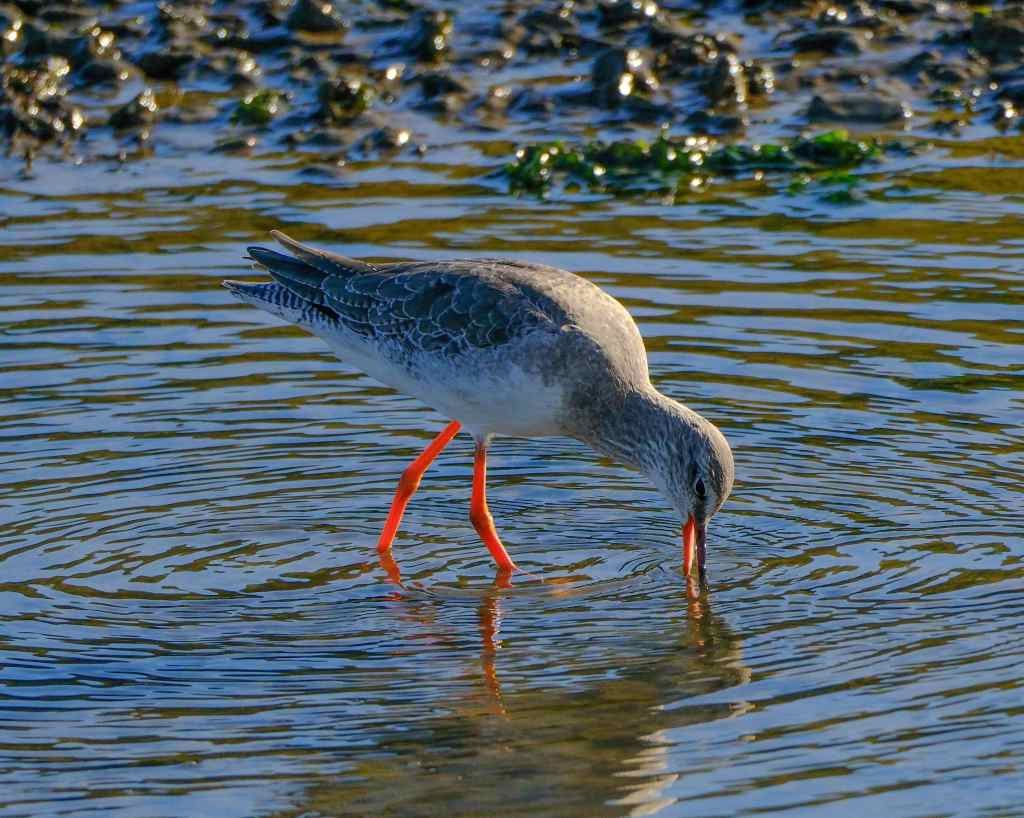
A Greenshank with a Spotted Redshank in winter plumage, fishing for small invertebrates.
Cormorants drying their wings.- As their wings are less waterproof than other waterbirds, they are often seen drying their wings.