First light.

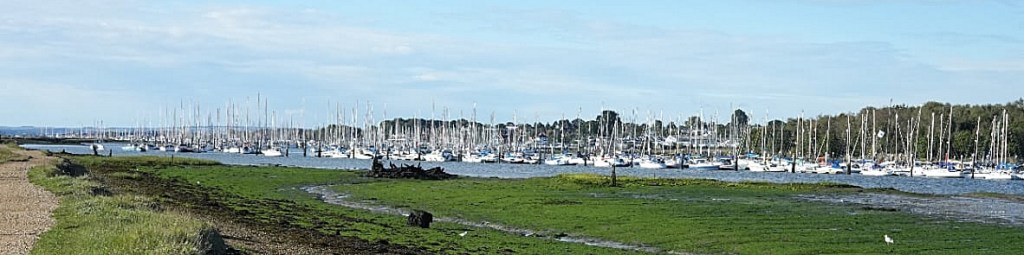
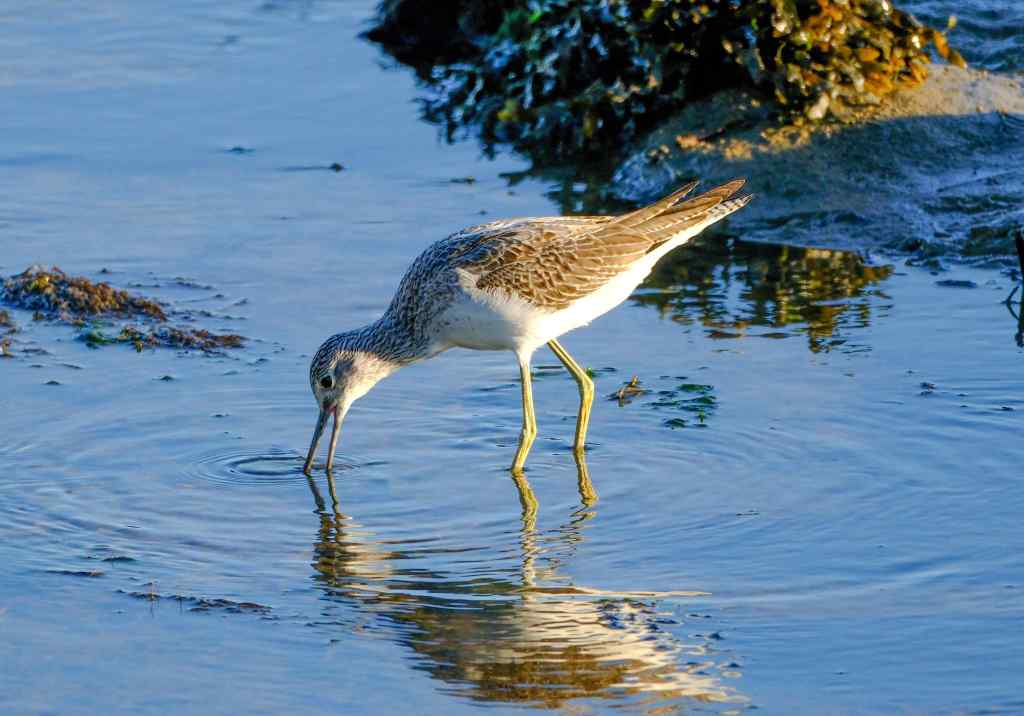
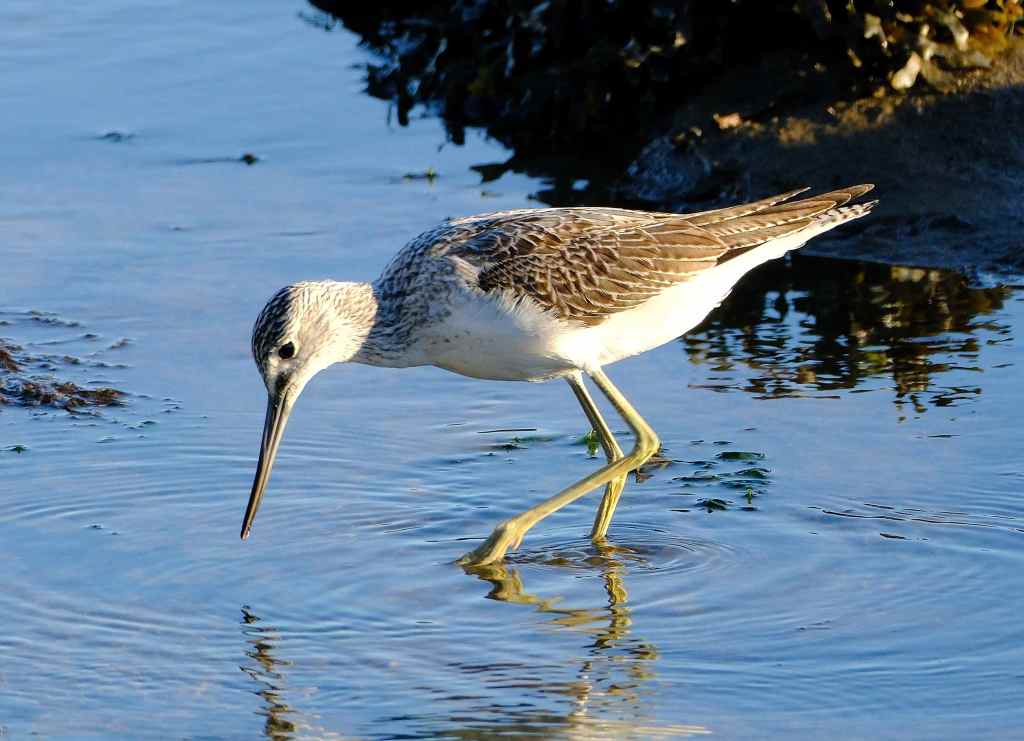
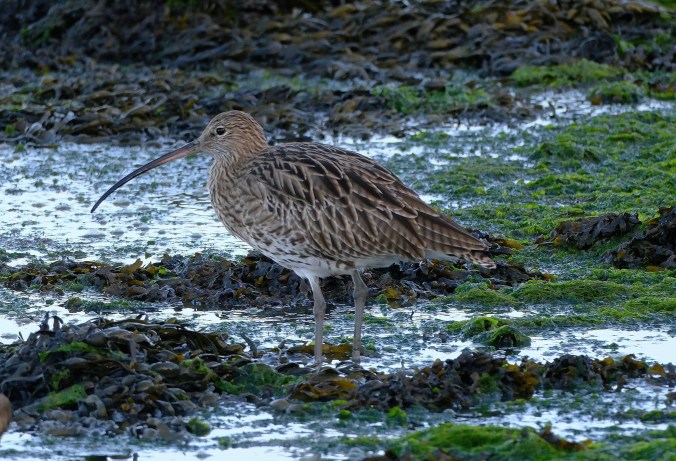
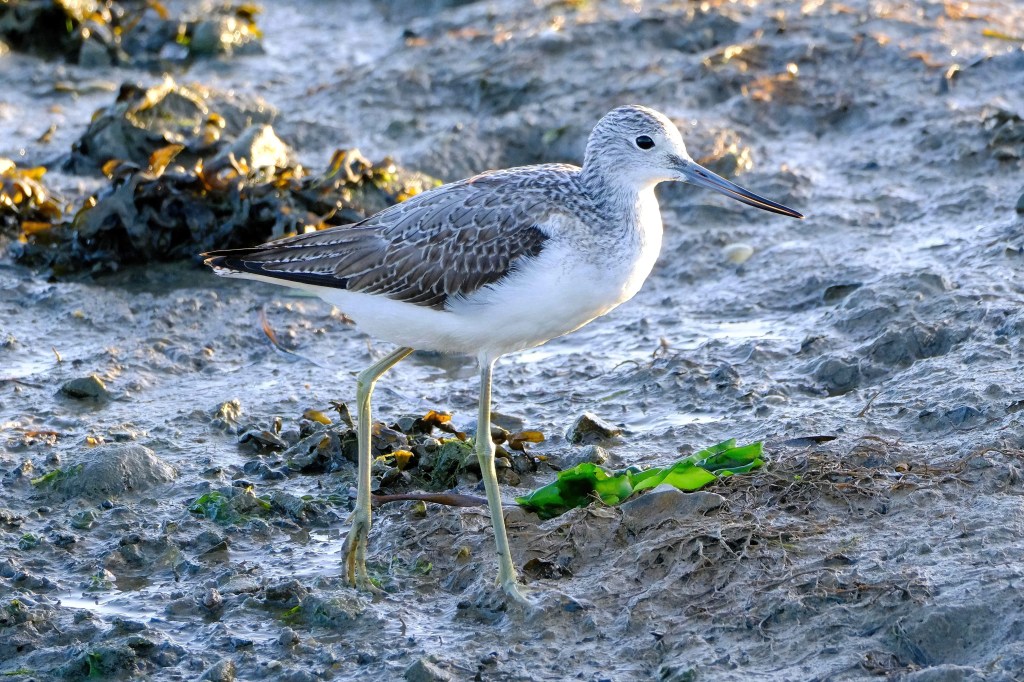
An early morning walk up the Hamble River. This part of the river is tidal, so it is always good for waders. The light at this time of day presents some challenges in taking pictures with the sun low. As always, lots to see, Curlews and Greenshanks are regularly on the river here, and always a favourite to get photographs of.

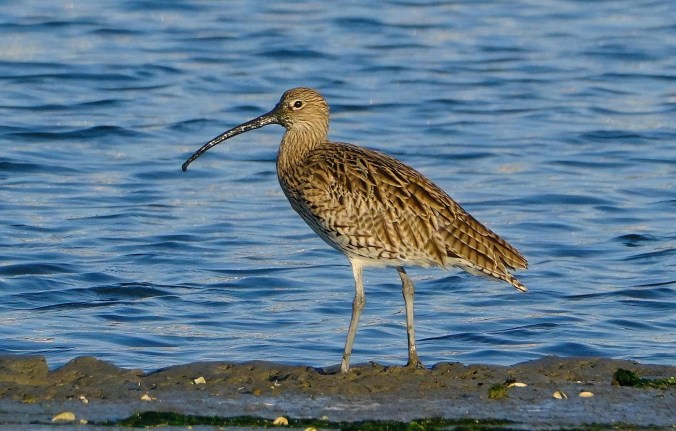
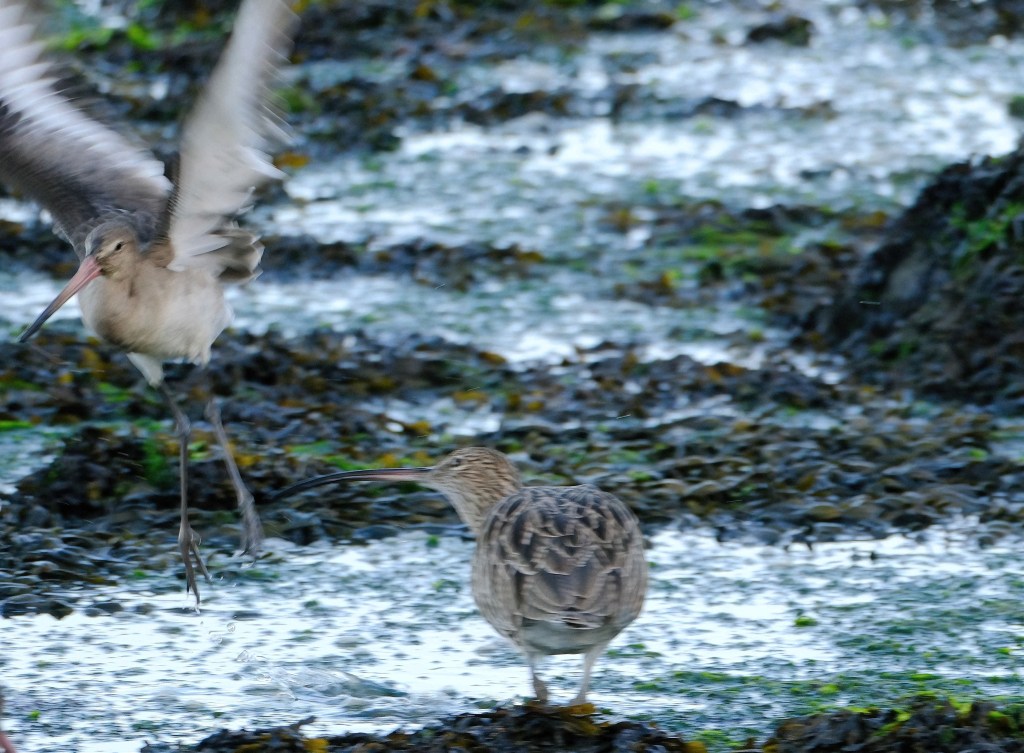
Curlew.
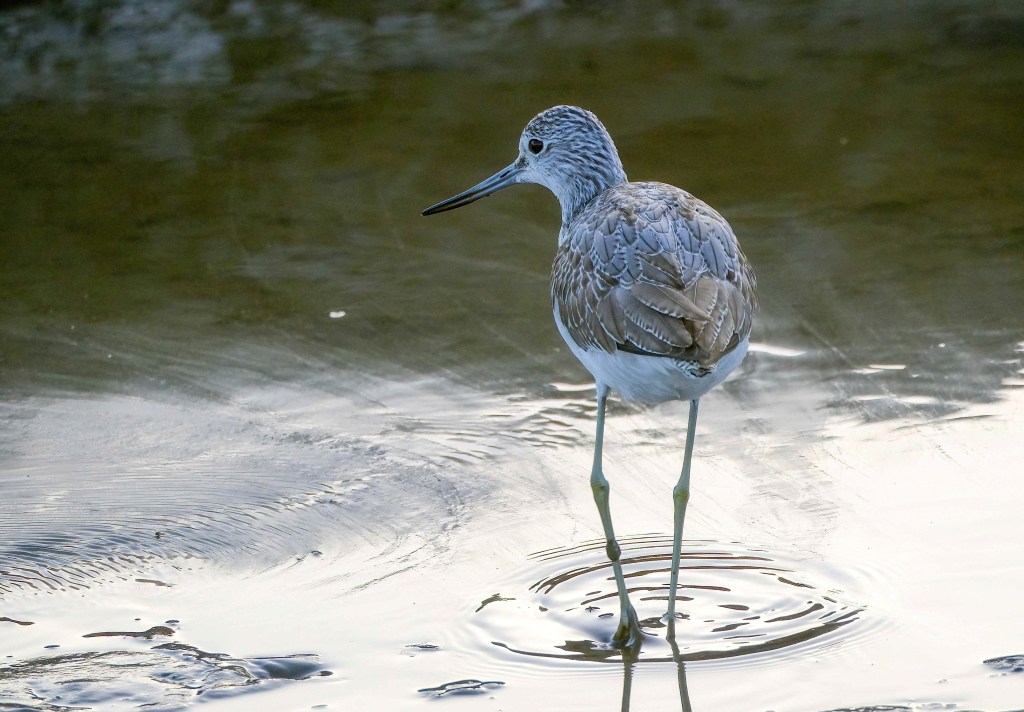
Greenshank,
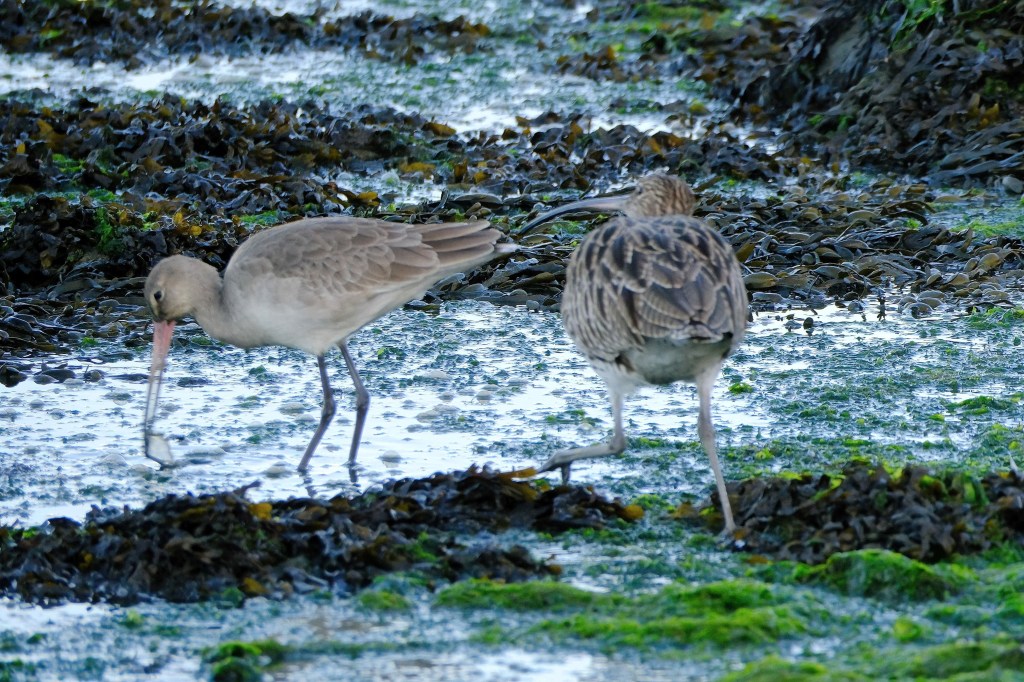
Blacktailed Godwit numbers are increasing on the Hamble as we move towards Winter; they are less colourful this time of year.

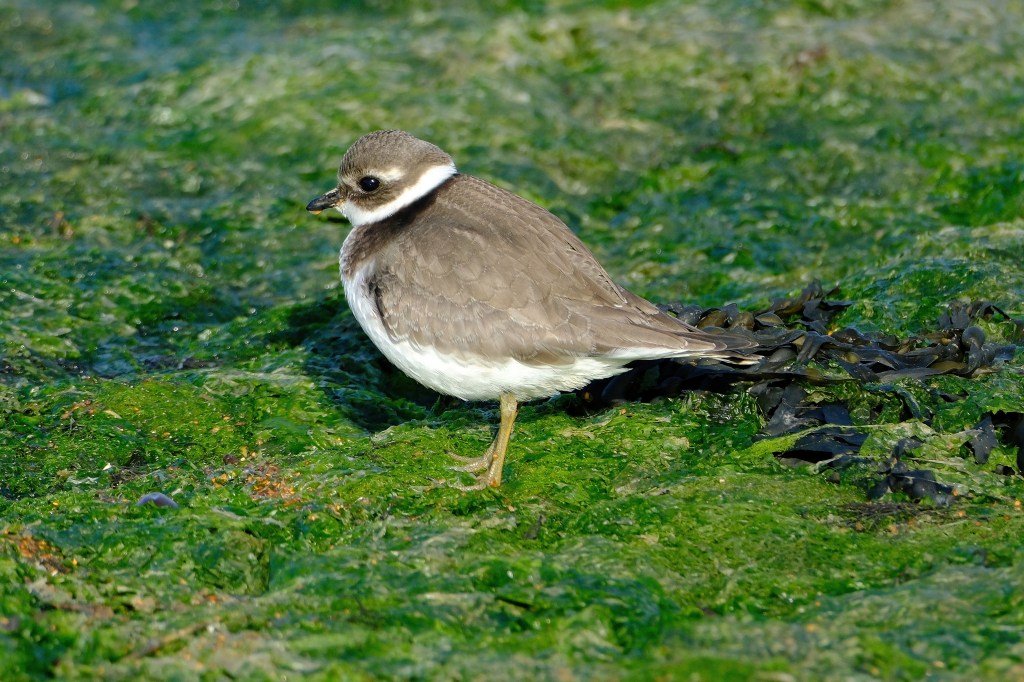
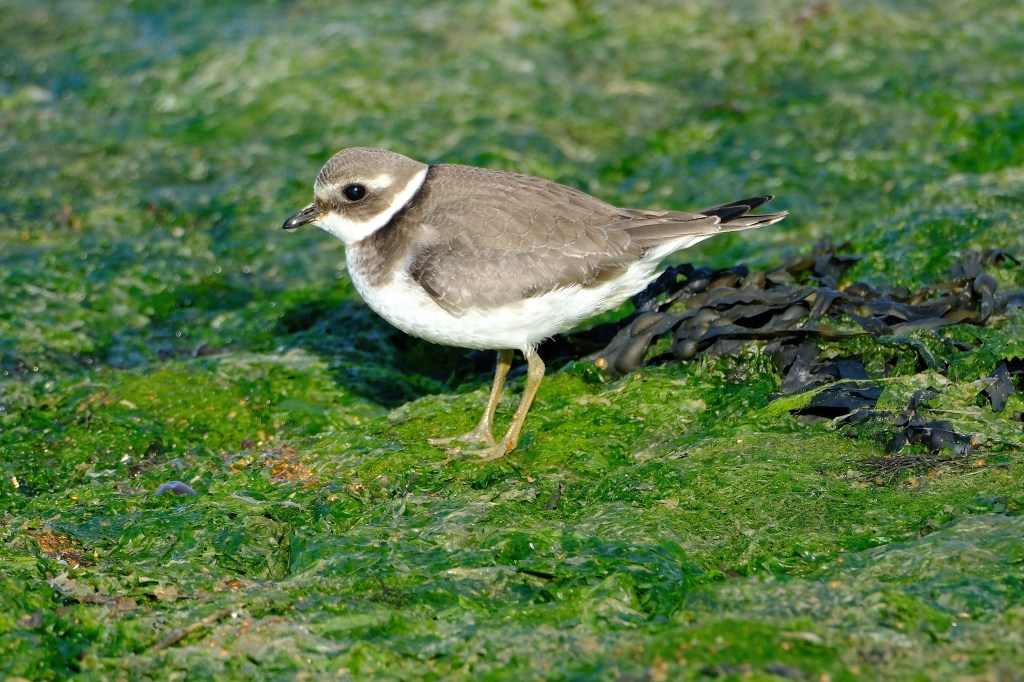
This lone Juvenile Ringplover came quite close as the tide came in.
This Curlew took objection to the approaching Godwit!

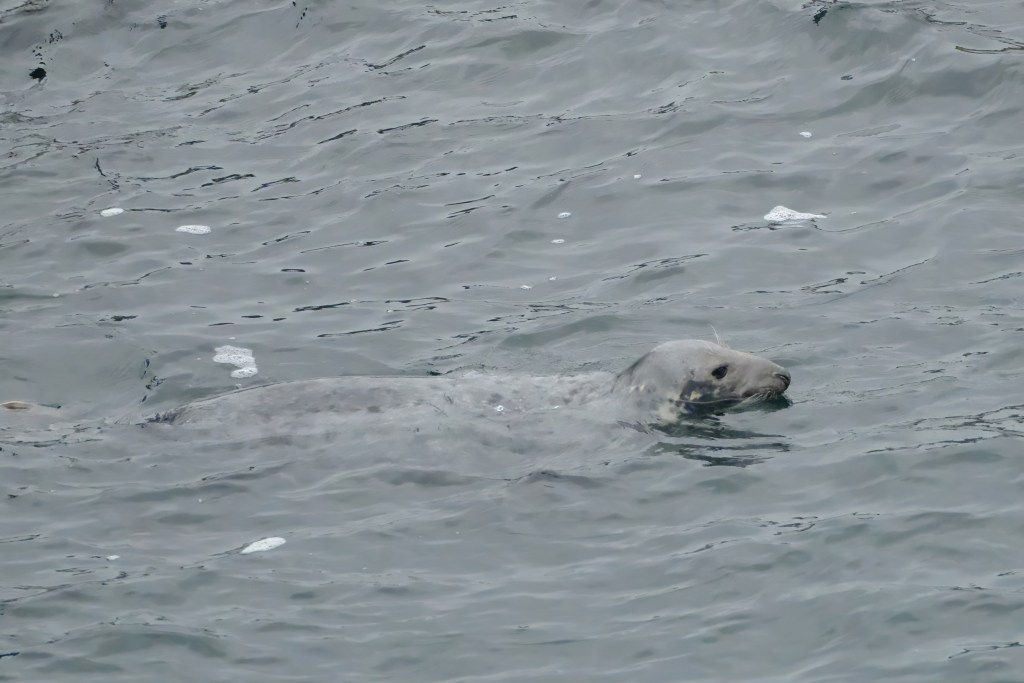
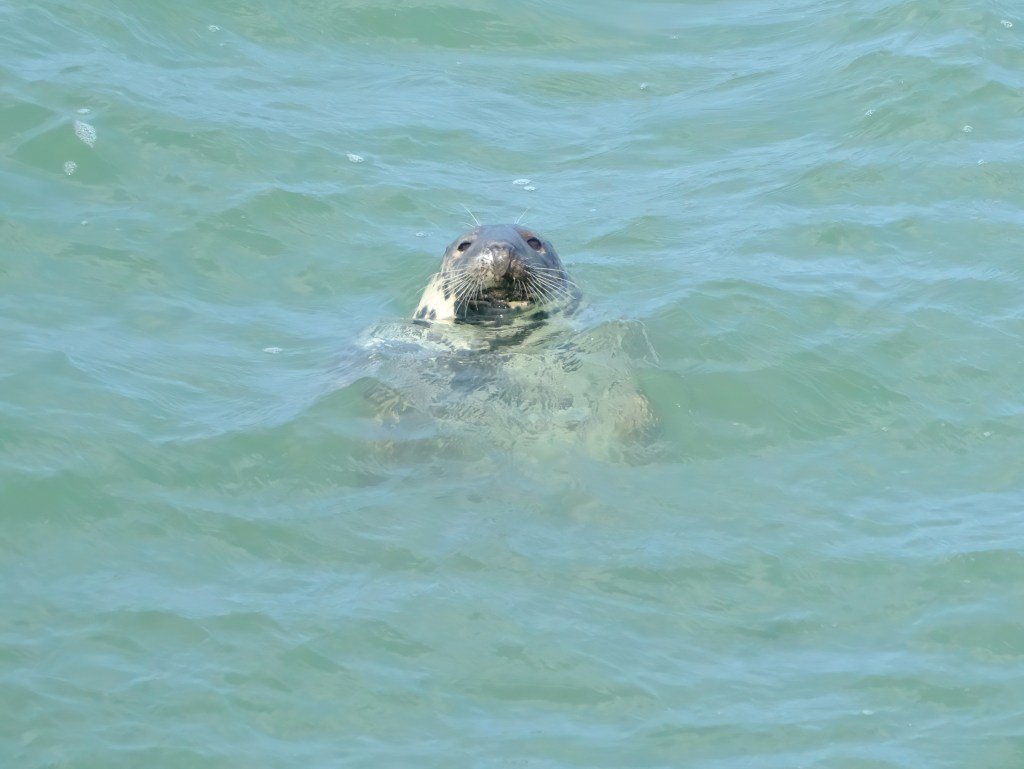
I have seen reports since the Lockdown of Seals on the river at this point, but until this walk, I had not seen one. Normally, what I think is a Seal turns out to be a mooring buoy.

Boats, Dog Walkers, Joggers & Birdwatchers.

A Sunday morning walk up the Hamble River from Warsash, with the tide coming in, and some good views of waders.

The well-made-up footpath is a Sunday morning favourite for many from Joggers, walkers, dog walkers and cyclists. The cafe in the boat yard at each end of the walk does a good trade in cakes and coffees. As the tide comes in, many waders move closer to the path and seem not too bothered by the people hurrying along the path. For bird watches, this gives us a chance to get some close views of birds that may normally be far off on the tide line.

Curlew. The Curlew is the largest European wading bird, found on estuaries in winter and moors in summer. 

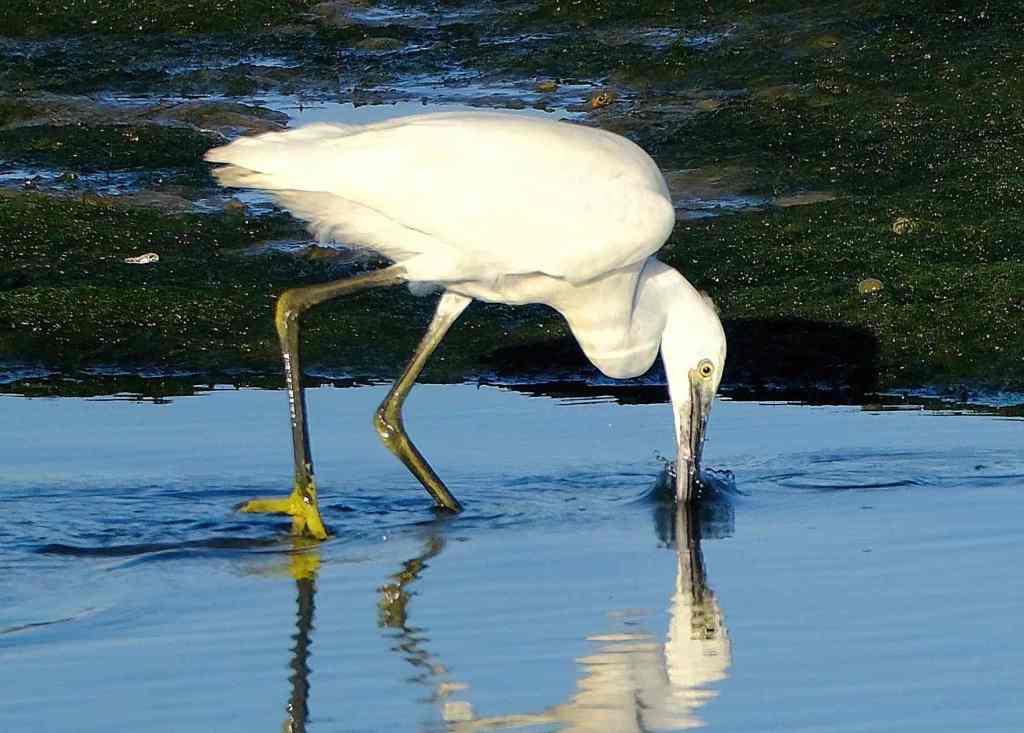
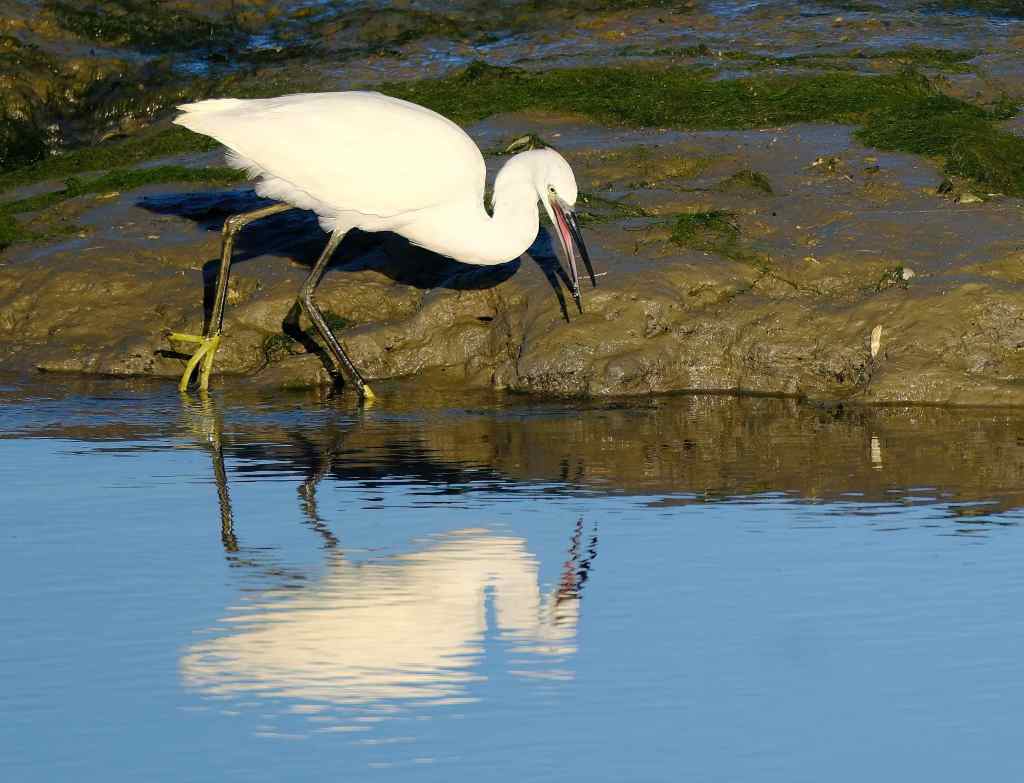
Little Egret. 5 or so Little Egrets were along our walk today, a bird 1st recorded in the UK in 1989. Today, over 600 pairs breed and 4500 winter here. I still recall when they were a rare sight.

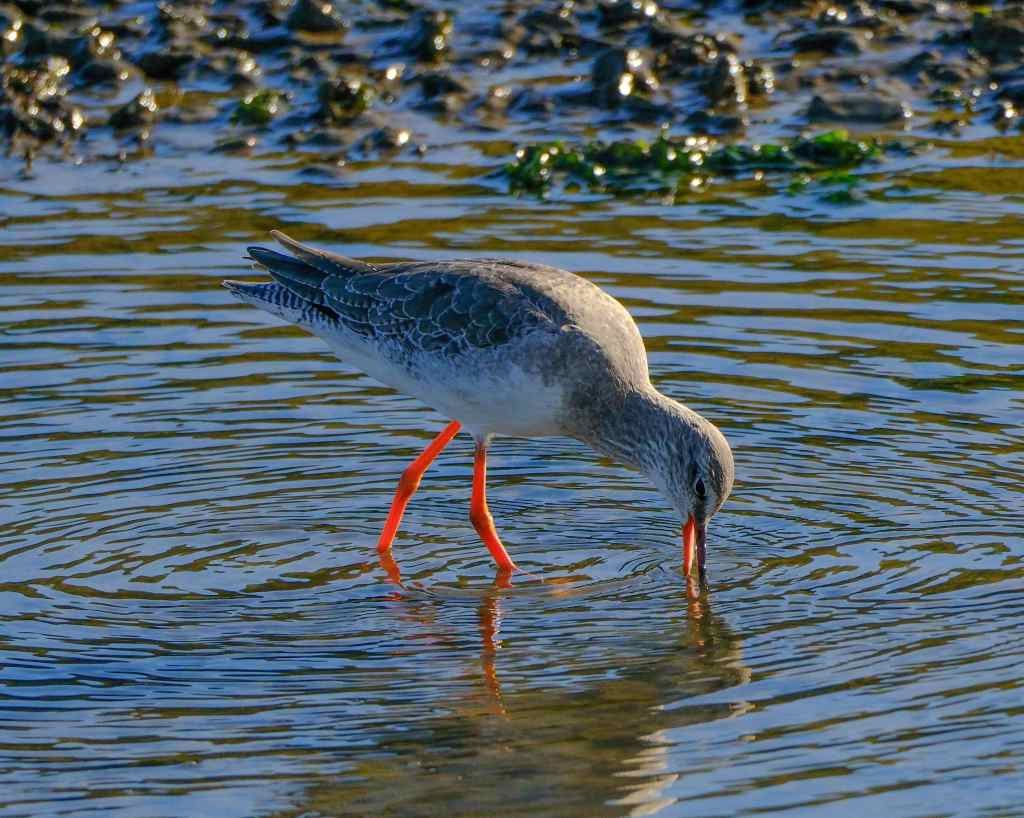
A Greenshank with a Spotted Redshank in winter plumage, fishing for small invertebrates.

Cormorants drying their wings.- As their wings are less waterproof than other waterbirds, they are often seen drying their wings.

Swanage.

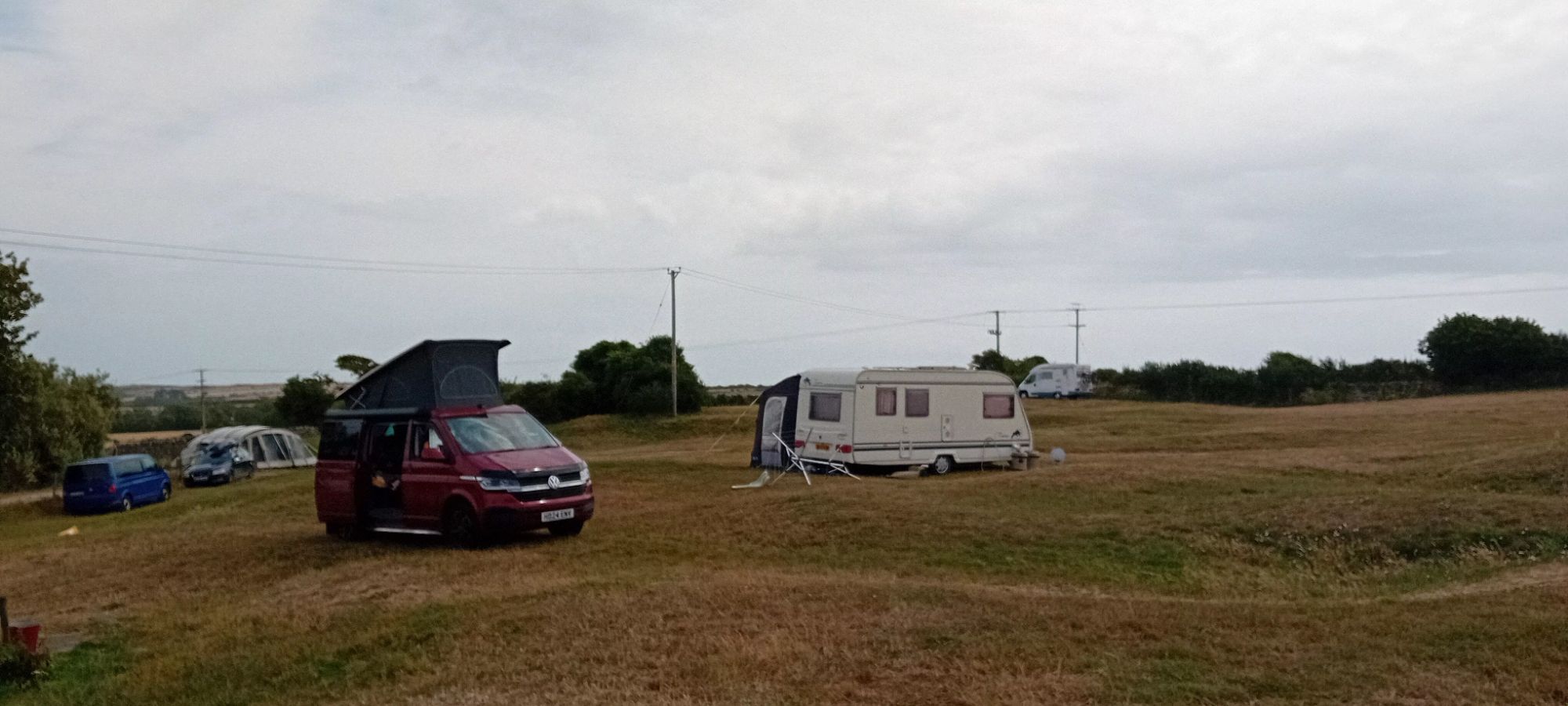
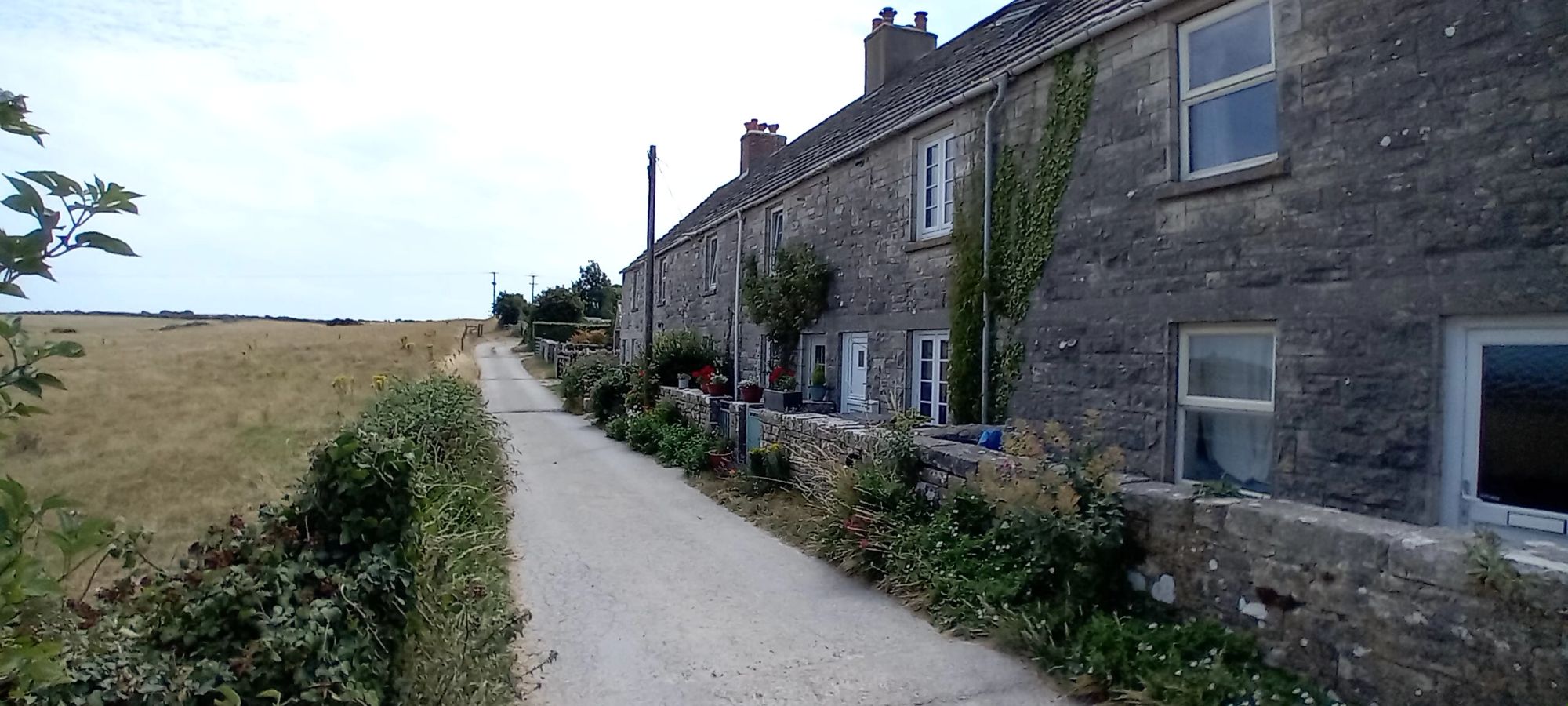
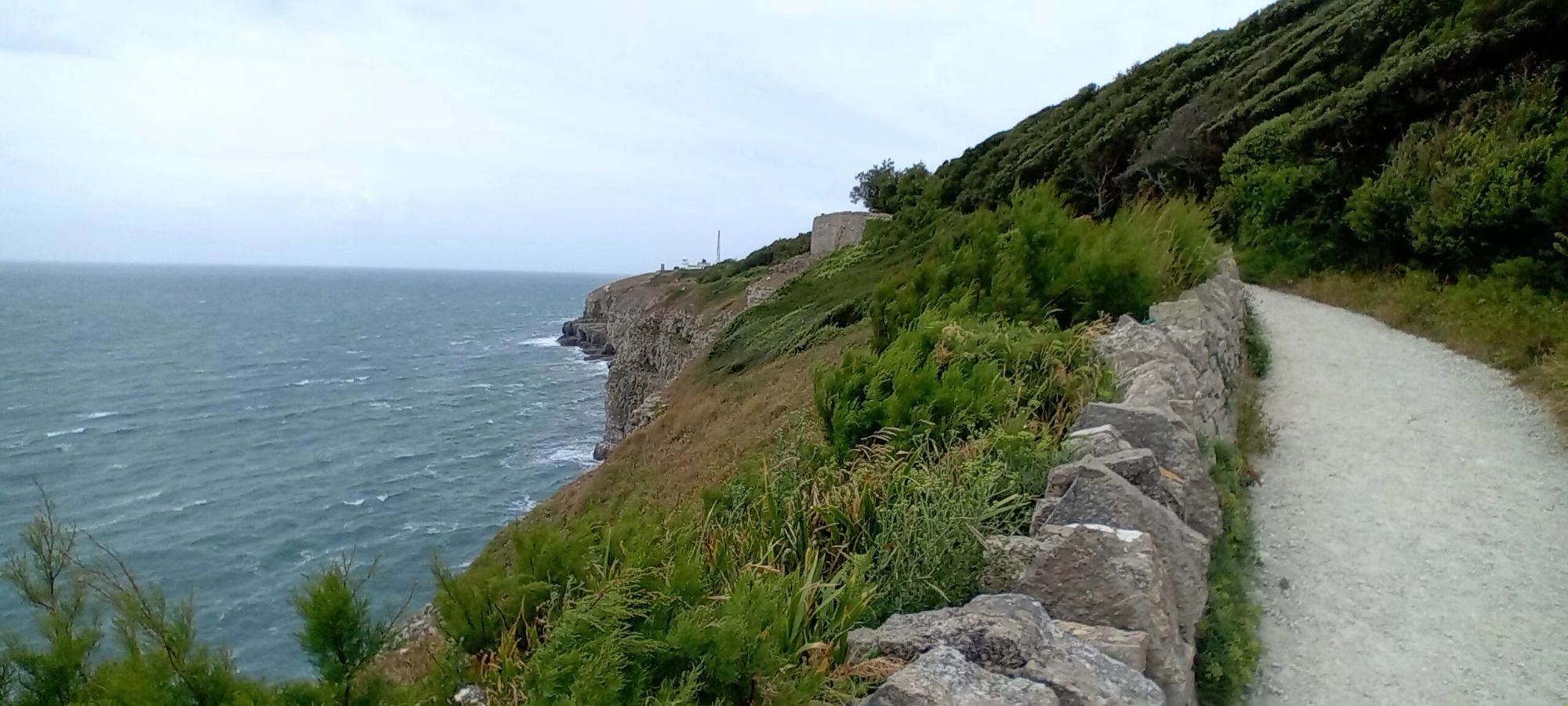
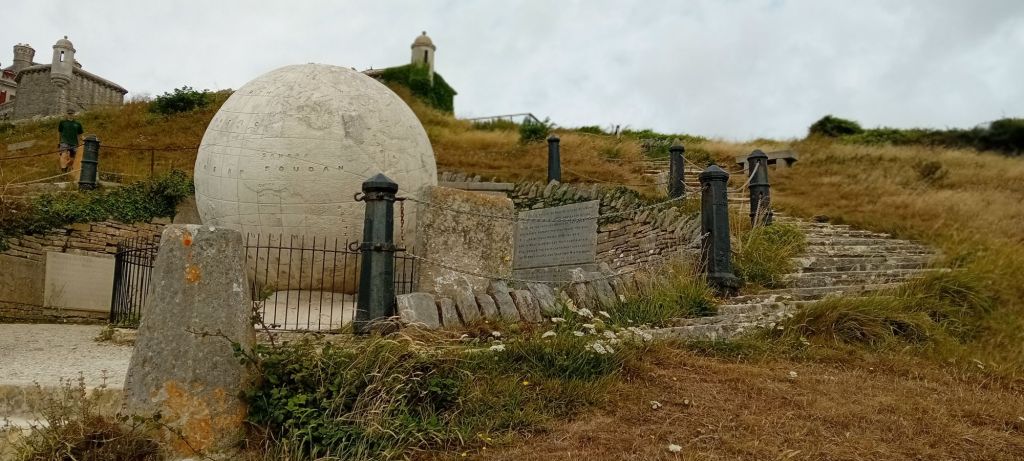
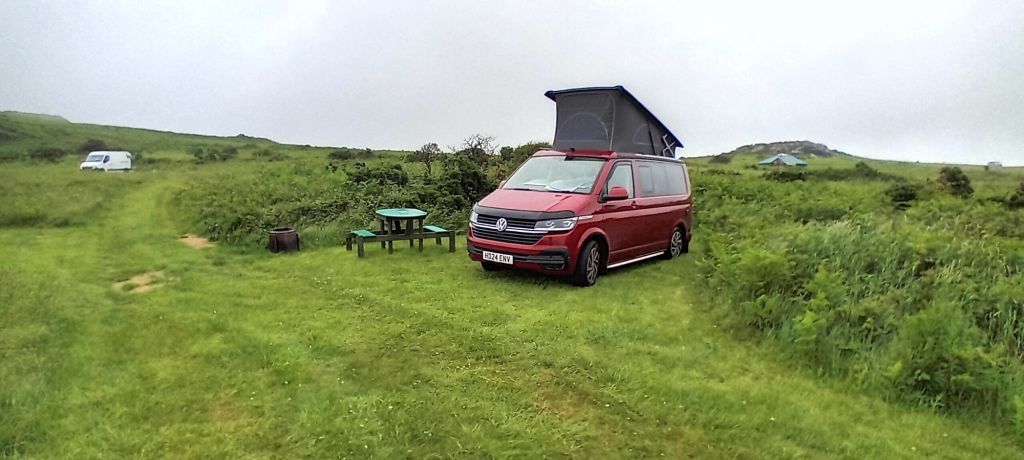
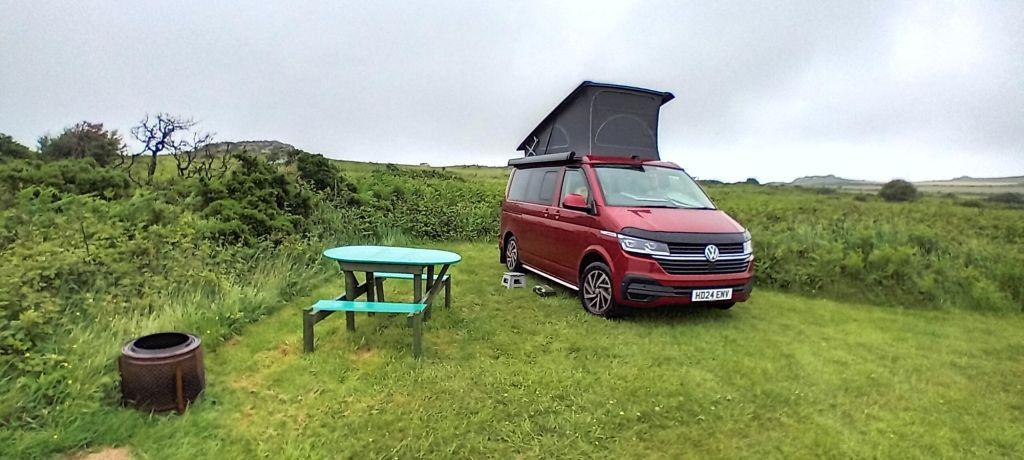
A couple of nights camping in the van at Acton fields campsite near Swanage Dorset. A chance to explore the coastal path near Worth Matraves about a miles walk from the campsite. The last time I was at  Acton fields I broke my shoulder when I fell at Kimmeridge Bay!

(Posted via smartphone).

Ruff.

I got to see several male Ruff at Slimbridge Wetland Centre yesterday. There is a small breeding population of ruff in the UK. The Ruff is a large Sandpiper; they get their name from the large ruff of feathers around the males’ neck when in breeding plumage. The colour of the ruff can be white, black or buff. I have seen a few of these birds in non-breeding plumage at the marshes locally to me in Lymington. These birds were fairly plain-looking waders – pale fawn-brown all over, with a paler belly.

Take off.

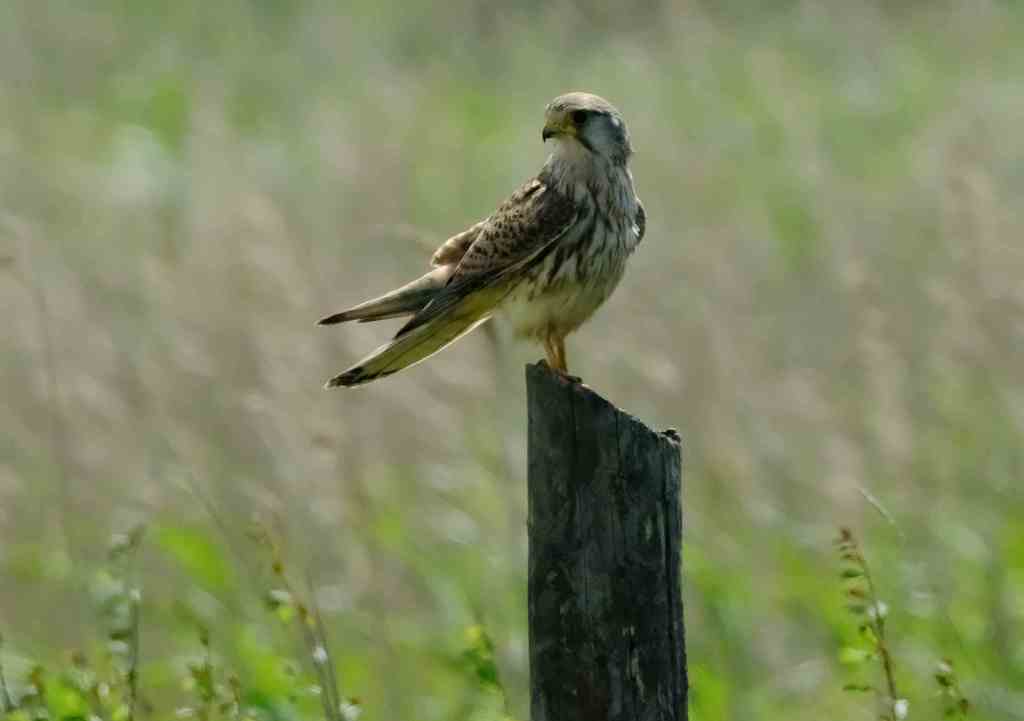
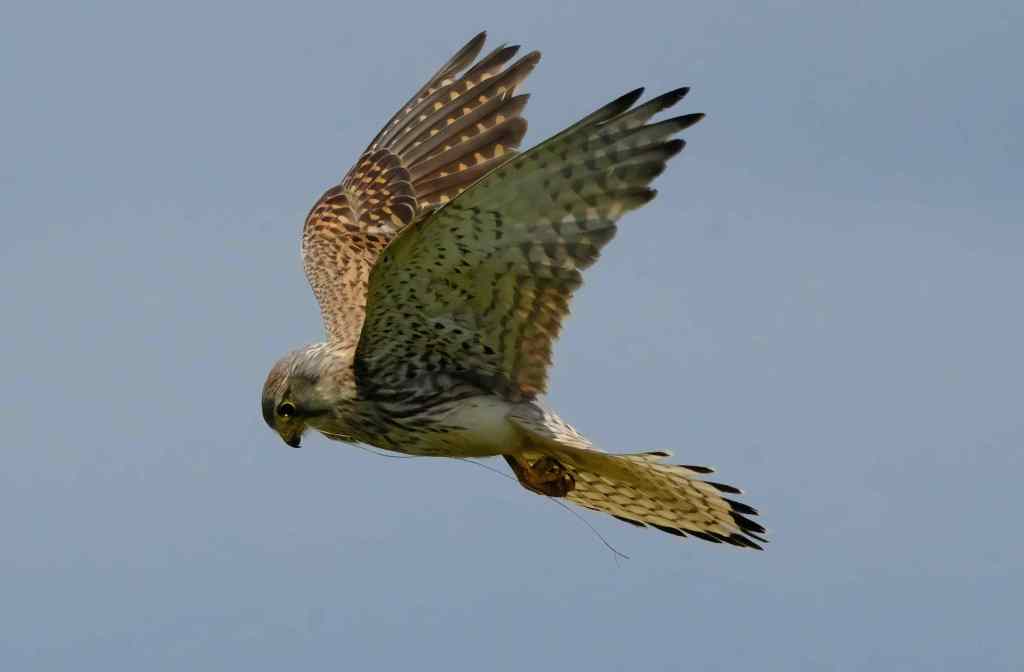
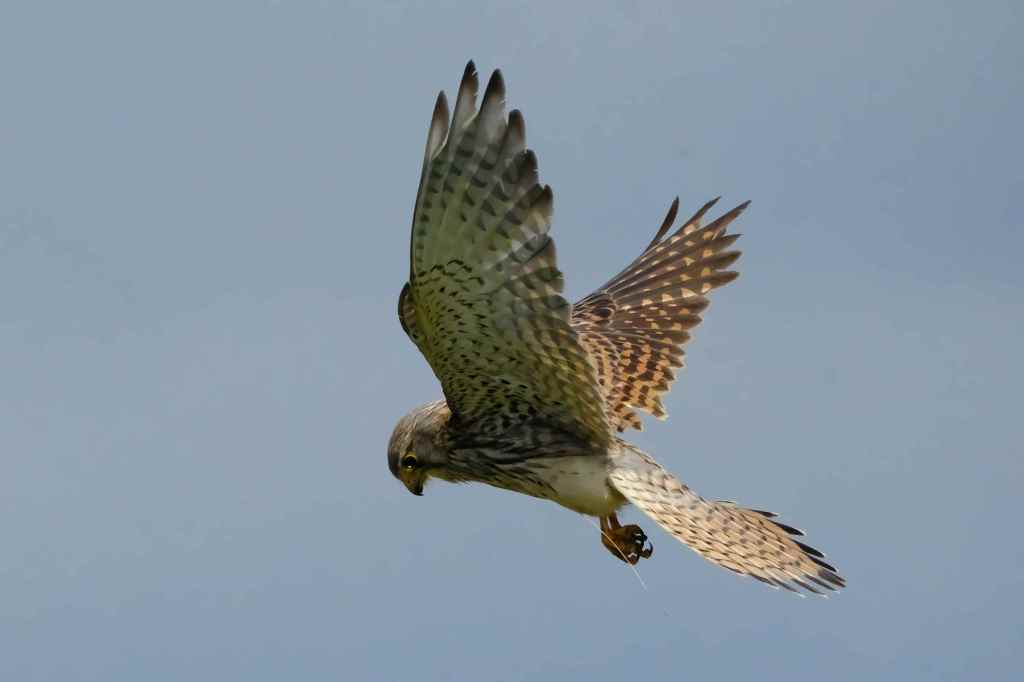
Kestrel hunting by the Beach at Titchfield Haven.

One of the few books I had to read at school.

A Kestrel for a Knave is a novel by English author Barry Hines, published in 1968. The book is set in an unspecified mining town in Northern England. It follows Billy Casper, a young working-class boy troubled at home and at school. He finds and trains a kestrel, whom he names “Kes”. It was made into a  film directed by Ken Loach and produced by Tony Garnett,

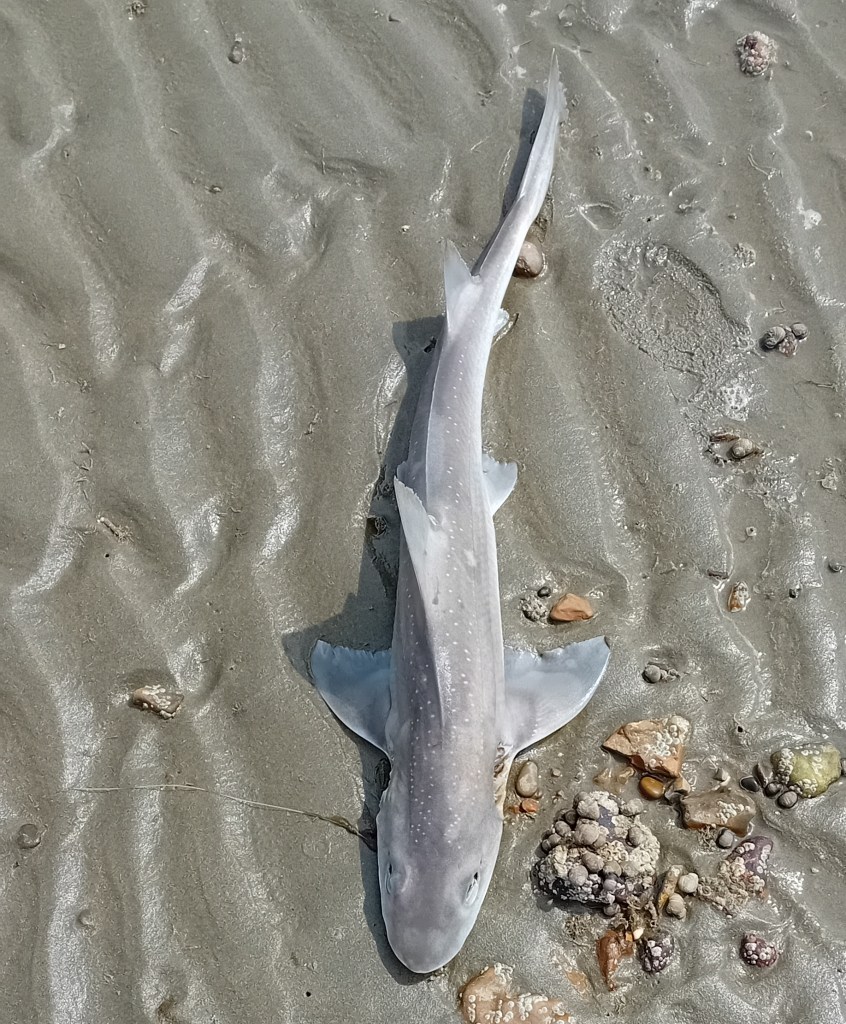
Sad find.

A dead 3-foot shark on the beach – A Smooth Hound, also known as Grumpy Shark and a Smut. Listed as vulnerable by the International Union for Conservation of Nature. Sadly, fishing killed this fish. It was held in the water by 4 lead weights and 30 feet of broken fishing line.

Fishing line is a major hazard on our local beaches, especially to waders and Swans.