War & Peace.

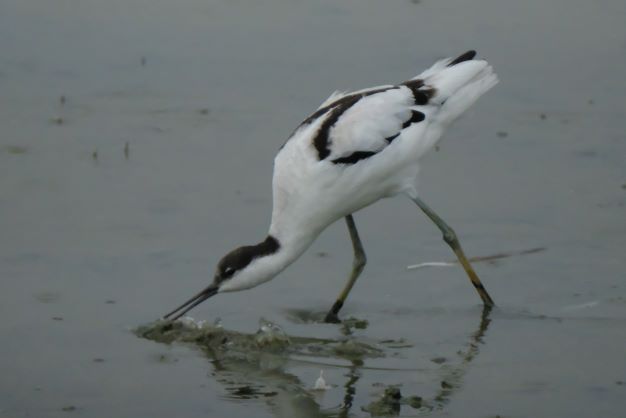
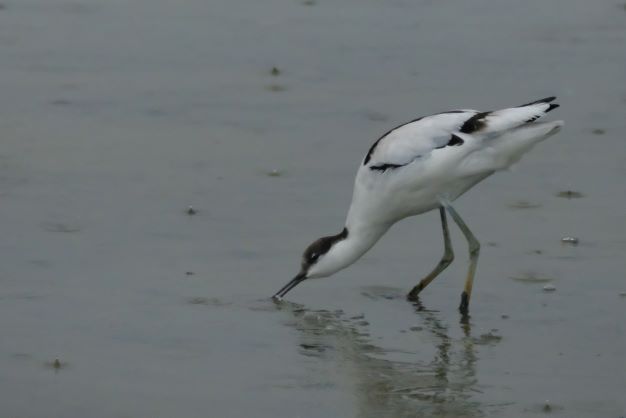
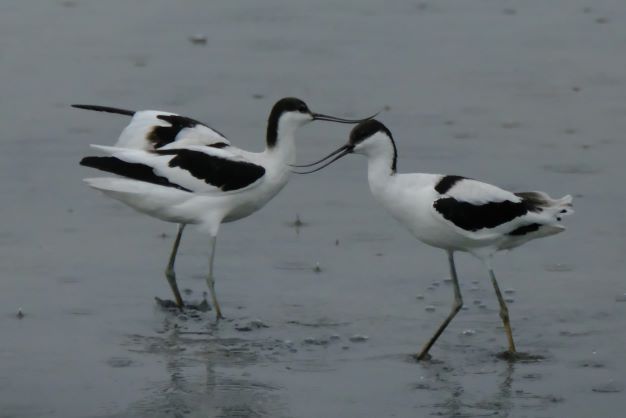
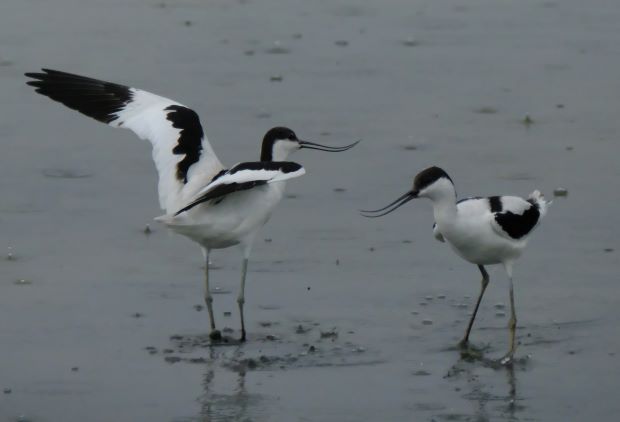
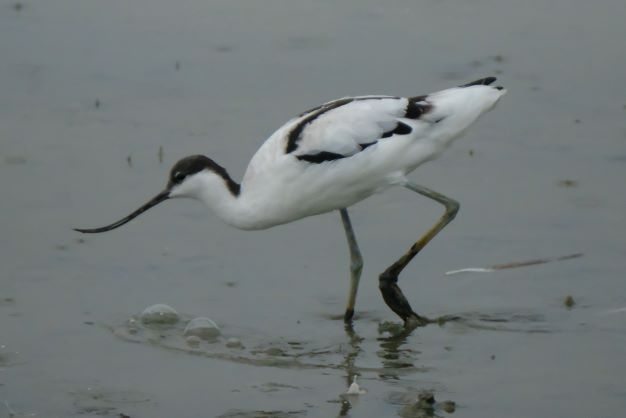
Extra Avocet pictures from Titchfield Haven Nature Reserve. Avocets are a great conservation success story during the 19th century, this beautiful bird was extinct in the UK. During WW2 coastal land and beaches in East Anglia were closed and flooded as a defence against invasion. This enabled Avocets to recolonise the area from war-torn Europe.

The population is now recorded as UK breeding:1,500 pairs UK wintering:7,500 birds in Europe:37-54,000 pairs.

Avocets are the emblem of the RSPB (Royal Society for the Protection of Birds) and they symbolise the bird protection movement in the UK. 
Portrait of a Wheatear.

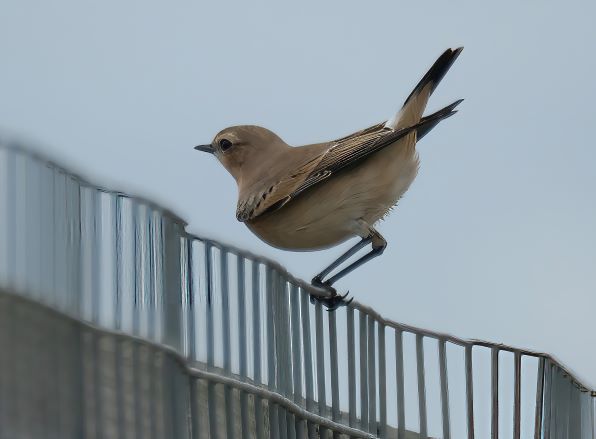
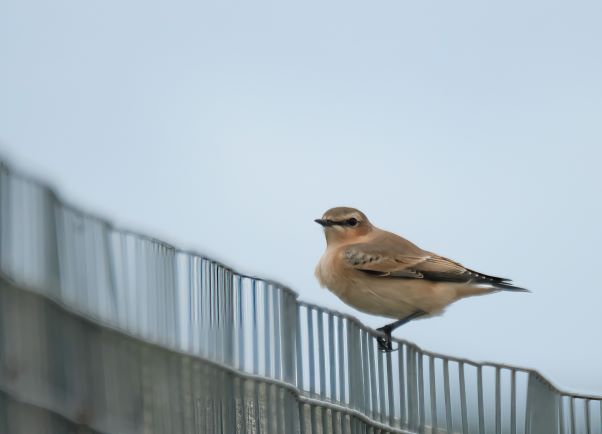
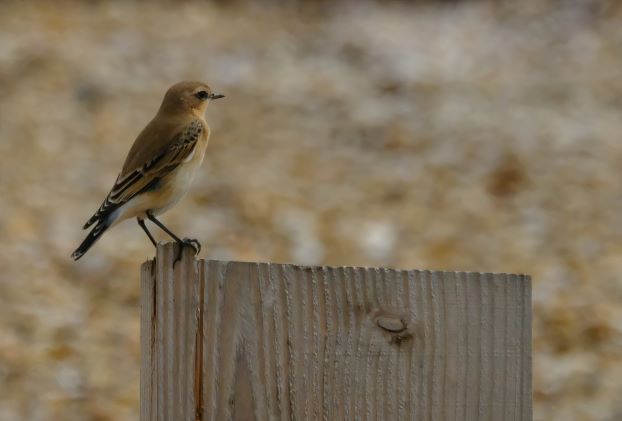
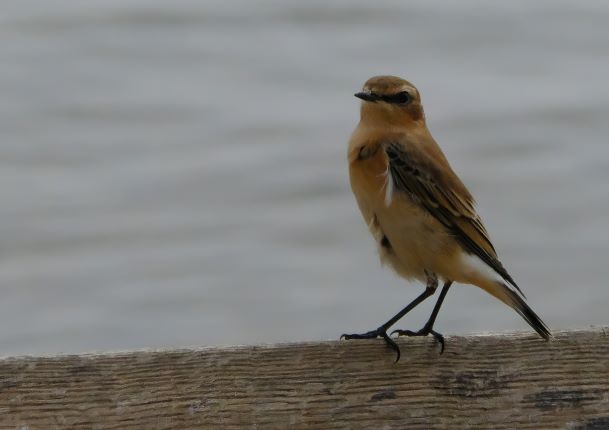
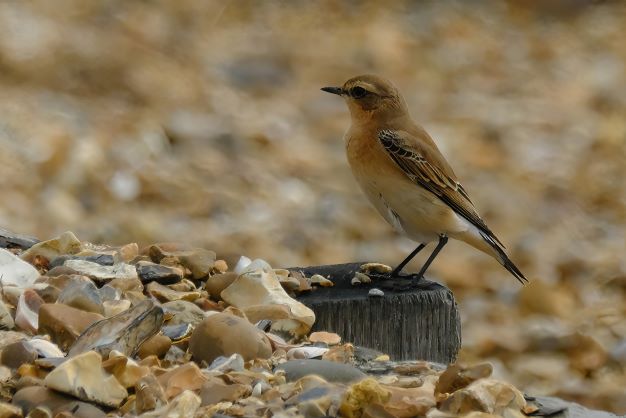
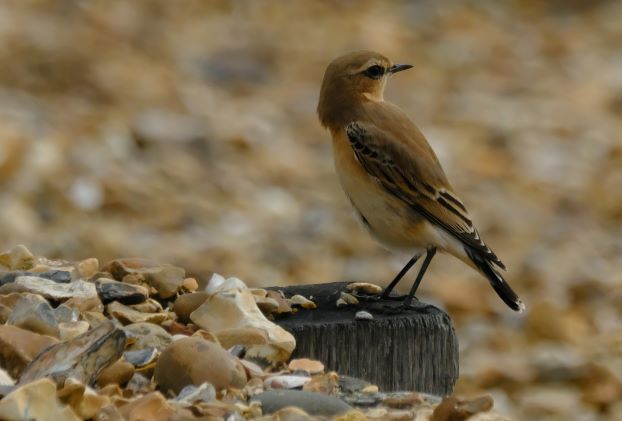
The wheatear is a small mainly ground-dwelling bird. It hops or runs on the ground popping up onto posts to get a better view. This bird was on the shingle at Meon Beach. They breed mainly in western and northern Britain and western Ireland. Small numbers do breed here in the south their numbers seem to increase locally this time of year. I think this is prior to them migrating to central Africa where they spend the winter.
Heather.

Heather is also known as ‘ling’ and is a common plant on heathland, moorland, and bogs. To do well it requires acidic or peat soils. It has delicate pink flowers that appear from August to October. Plants grow tightly packed together and can live for over 40 years

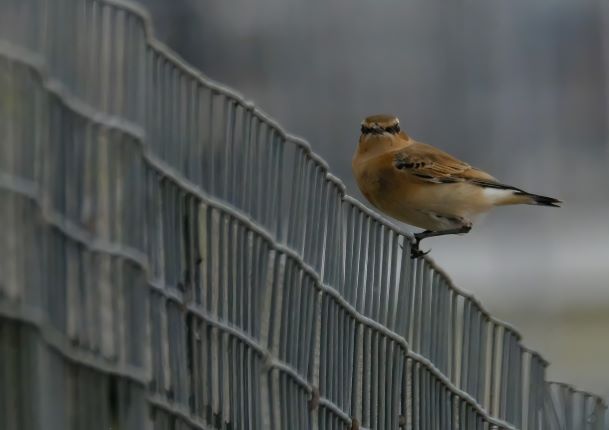
Walking on paths in the New Forest across Hatchet Moor several Wheatears were keeping just in front of us on the Heather.

These birds are female birds or juveniles. The male bird is a blue-grey above, with black wings and white below with an orange flush to the breast. It has a black cheek.

Sea fishing.

A solitary Little Egret quietly fishing as the tide comes in. This morning the rain arrived and the beach was almost empty of people I was able to sit down on the shingle and enjoy this egret going up and down and catching small fish.

Turnstones in August.

Turnstone on Meon Shore – The numbers of these little birds are increasing on our shores as they return from their arctic breeding ground to winter but they are present for most of the year in the UK as the non-breeding birds often stay through the summer. Birds from Northern Europe pass through in July and August and again in spring. Canadian and Greenland birds arrive in August and September and remain until April and May. Known in other countries as Ruddy Turnstone the “Ruddy” has been dropped here. Their colours are more muted in nonbreeding plumage. In the picture below the bird on the right shows breeding colours, the bird on the left colours has started to mute.

PLEASE NOTE, Any sponsored advertising that you see at the bottom of my posts is NOT endorsed by me and is a down to WordPress I advise you to ignore these unsolicited links.

Spoonbills.

Second sighting this year May adult birds were visiting Titchfield Haven.

Two juvenile Spoonbills at Titchfield Haven this morning. Although they bred in East Anglia during Medieval times,Β spoonbills had not bred in Britain for over 300 years until 2010,

Male and female are similar but the female is slightly smaller.

Juvenile spoonbills resemble adults in non-breeding plumage but their bills are pink and lack the yellow tip. black wingtips seen in flight also help identify them as juveniles.

They are quite a rare sight in the UK (50 to 70 ) and only appear in a few locations.

Length: 80 – 90 cm

Wingspan: 120 – 135 cm

Weight: 1.3 – 2 kg

PLEASE NOTE, Any sponsored advertising that you see at the bottom of my posts is NOT endorsed by me and is a down to WordPress I advise you to ignore these unsolicited links.

Feed me, please!

Common Terns.

Birding watching on Meon Shore as the tide comes in.

The Common Tern colony at Titchfield Haven Nature Reserve numbers have increased in recent weeks, and parent birds along with their youngsters from other areas have joined our local birds. The birds rest up on the islands in the nature reserve when the tide is high then when the tide is low they rest up on the shingle banks and on the beach. The young birds are now going out into the Solent, to feed diving for small fish and shrimps. The juvenile birds are quickly learning this skill, although their feeding is still being supplemented by their parents. The clock is ticking they have to feed up as they leave our coast towards the end of August and September and migrate toΒ Africa.

These picture shows that the mother knows best and she is undertakes the hard work of catching the meals to feed up one of her youngsters.

The juvenile birds have not fully developed their colouring – it is most noticeable that their black cap does not extend to the top of their bill.

I was pleased with the film I made of this young tern being fed by the adult bird, I thought once the youngster had eaten the large fish it would have been full but it had at least another 4 small fish.

PLEASE NOTE, Any sponsored advertising that you see at the bottom of my posts is NOT endorsed by me and is a down to WordPress I advise you to ignore these unsolicited links.

Buteo buteo.

The official drought has been declared in the South of England last week we extended the bath area and water supply for our local Buzzards. Packing a further 10 litres of water to the site we left the trail cameras in situ this film is an edited highlight of Buzzard’s visits – for the past week he visited daily. Note a Shrew is taken at the start of the film.

Stills are taken from the video footage.

Buteo buteo is the Scientific name of the Buzzard. Today they are the commonest and most widespread UK bird of prey in the UK. As a child I only saw them in Somerset and I still recall these early sightings. of the big bird on Exmoor.

Length:51-57cm.

Wingspan: 113-128cm

Weight:550-1,000g (male); 700-1,300g (female)

PLEASE NOTE,Β Any sponsored advertising that you see at the bottom of my posts is NOT endorsed by me and is a down to WordPress I advise you to ignore these unsolicited links.