Little Egret has a shake after half an hour of fishing.

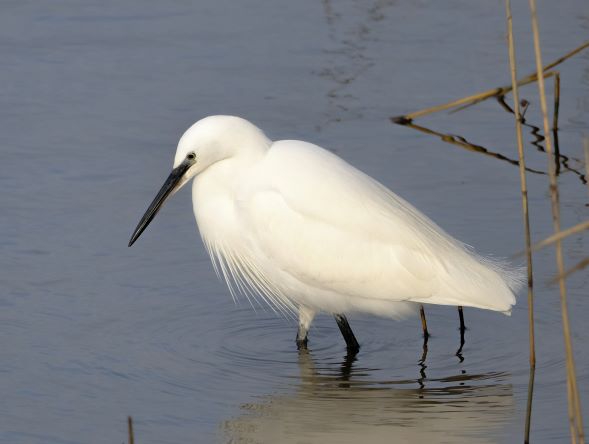
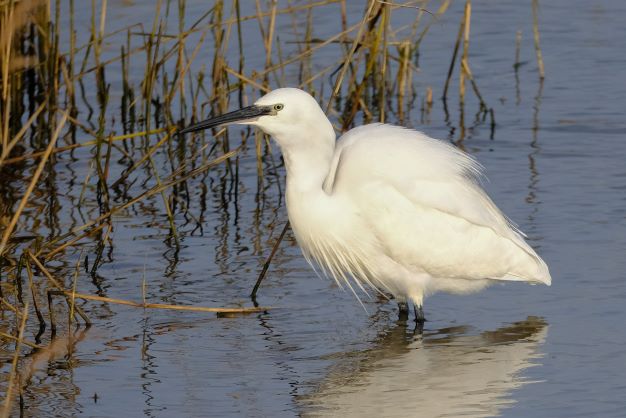
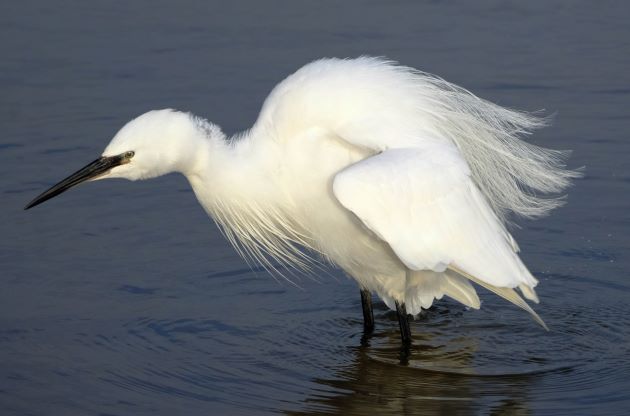
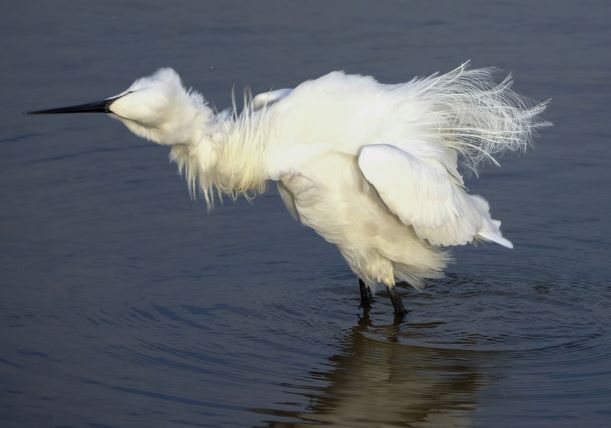

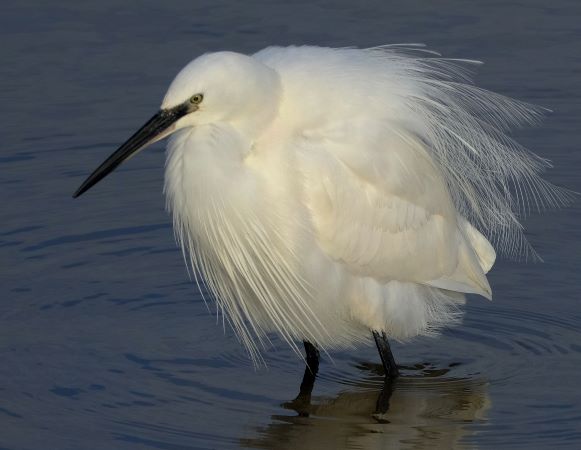
Little Egret has a shake after half an hour of fishing.
#Wordless Wednesday


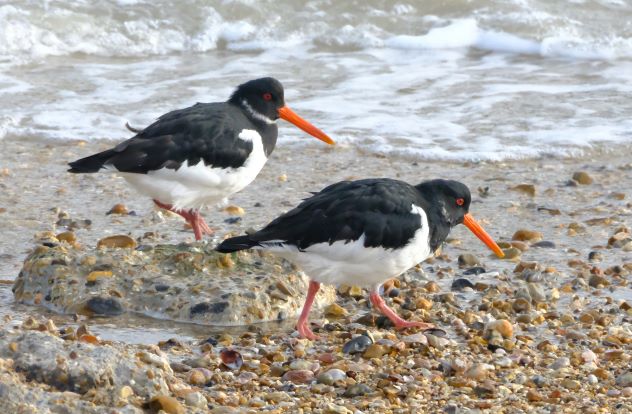
Oystercatchers Eastney Beach Portsmouth.


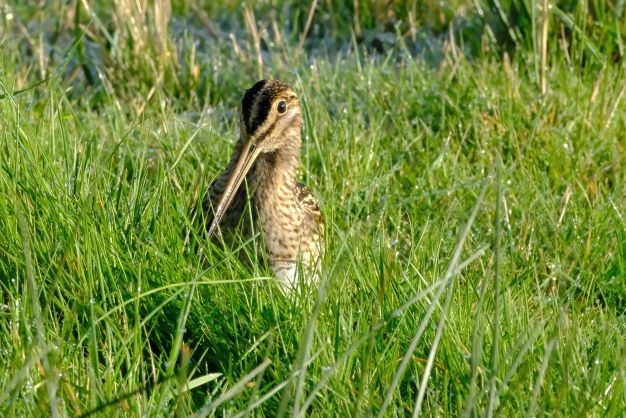
Snipe feeding on the field at Titchfield haven this morning.
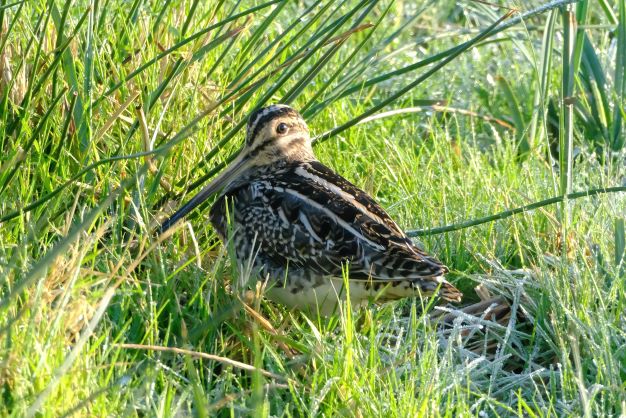
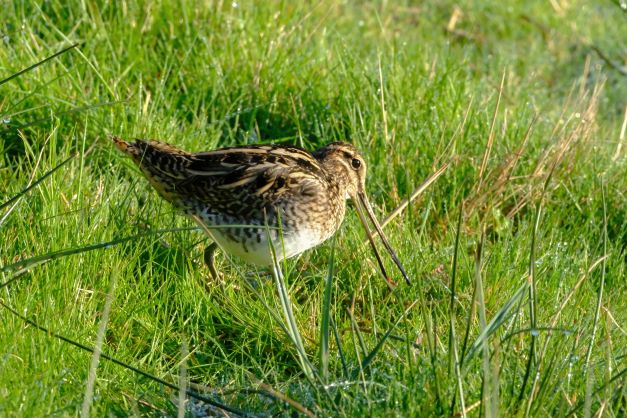
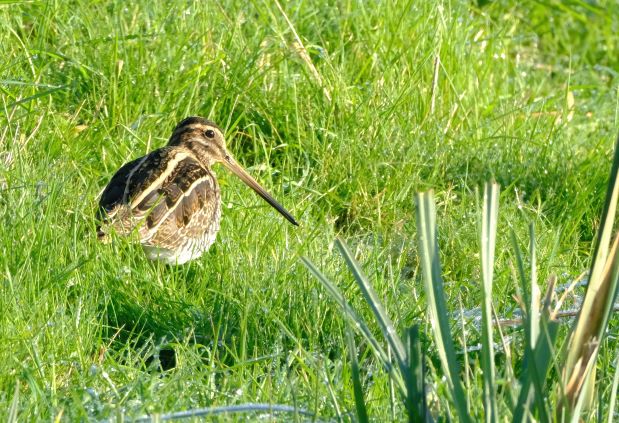

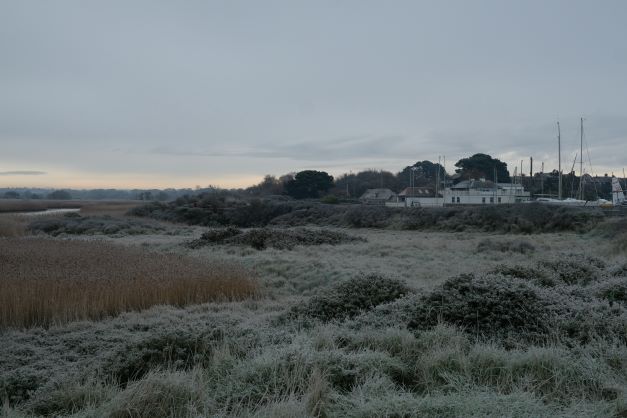
A cold and frosty morning at the coast this morning at 10.30 am but most people appear to be at home!
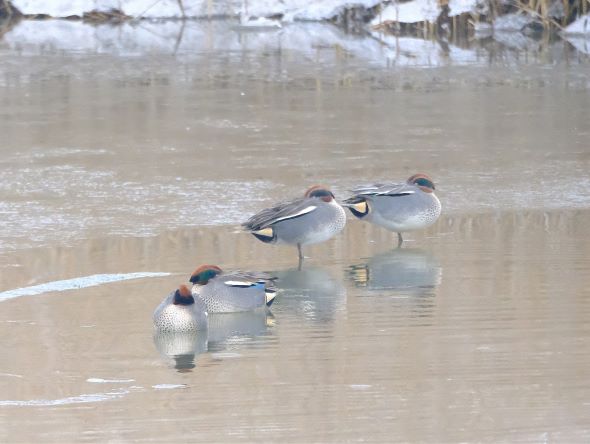
Teal
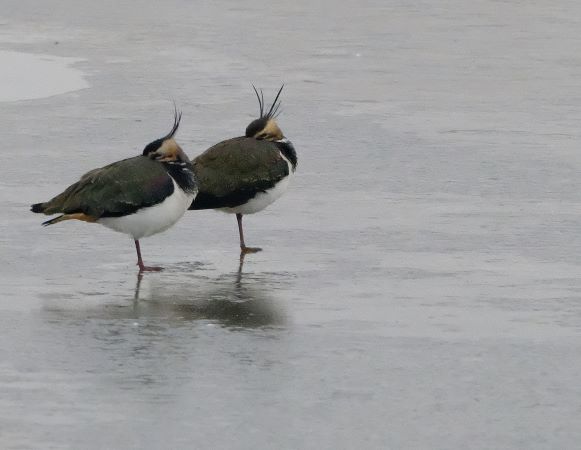
Lapwing.

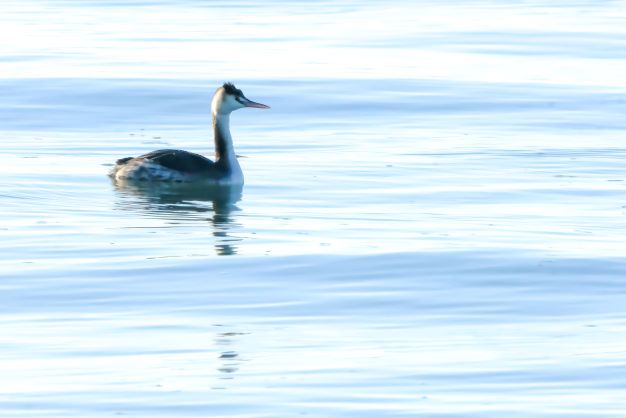
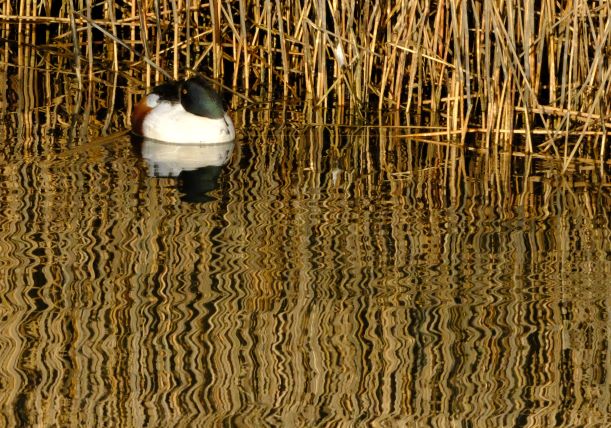
A cold bright morning Great Crested Grebe and a Shoveler Duck on calm water.

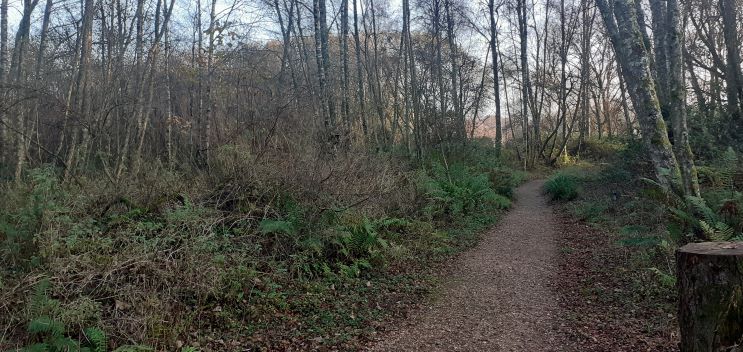
A trip out to some old gravel pits which are now filled with water and are now a nature reserve Blashford Lakes near Fordingbridge. The area is managed by Hampshire & Isle of Wight Wildlife Trust. Although only 30 miles from home this was my first visit to the reserve.


There is a suggested entrance fee of £4 good parking and a small information area the lakes are large and a telescope is useful as many of the waterfowl are a long way off. Post Code BH24 3PJ.


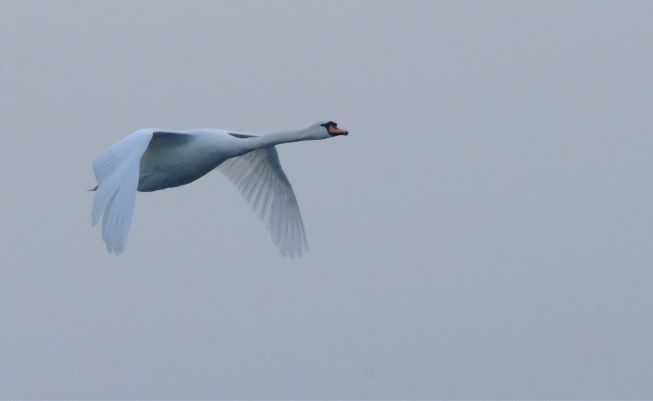
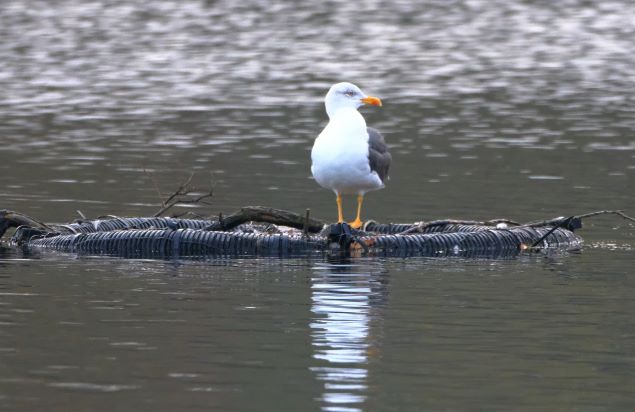
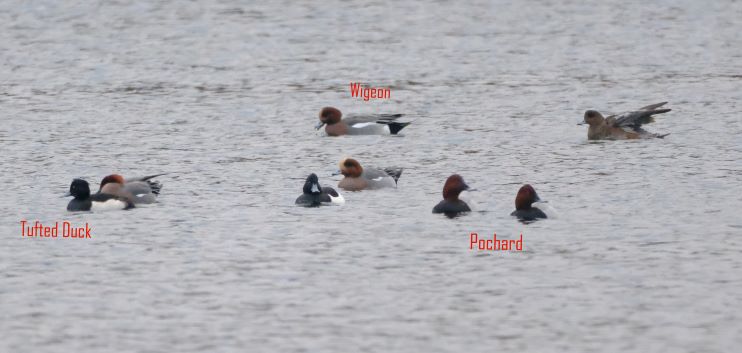
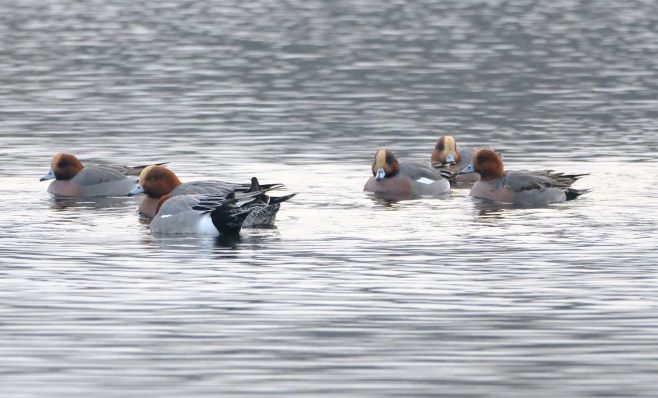
Some interesting bird spots included a Great White Egret {no Photo} Tufted Duck, Wigeon and Pochards as well as a pair of Egyptian Geese.


Great Crested Grebe in winter colours.

Cormorant.
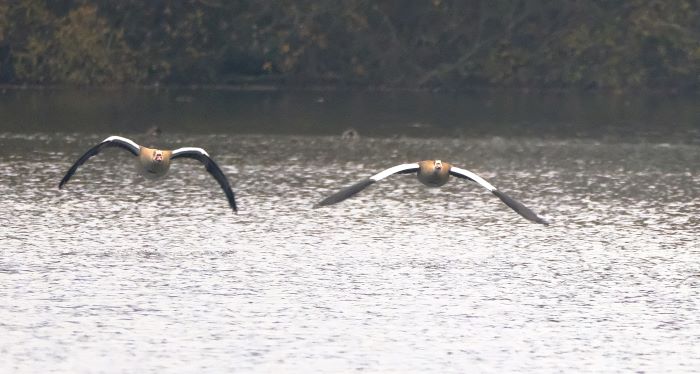
Egyptian Geese.

There was also a good number of woodland birds in the Reserve.
Goldfinch.
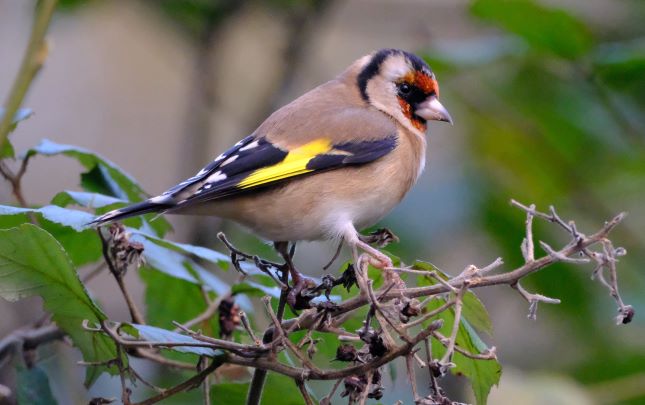
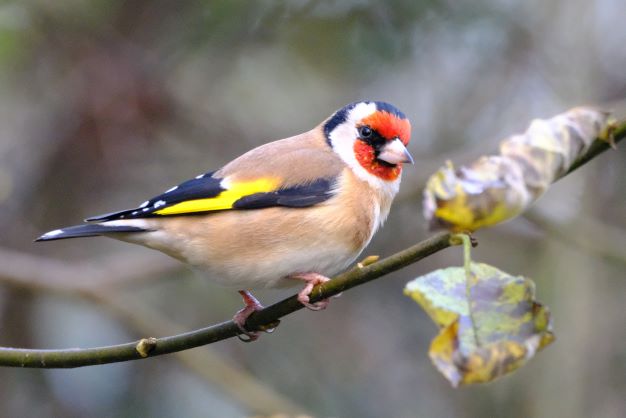

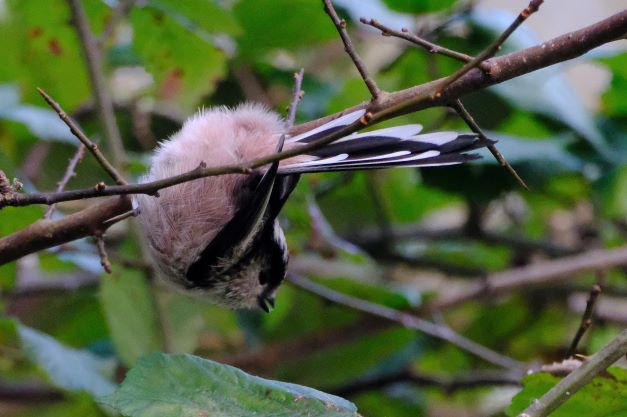
Long Tailed Tit.

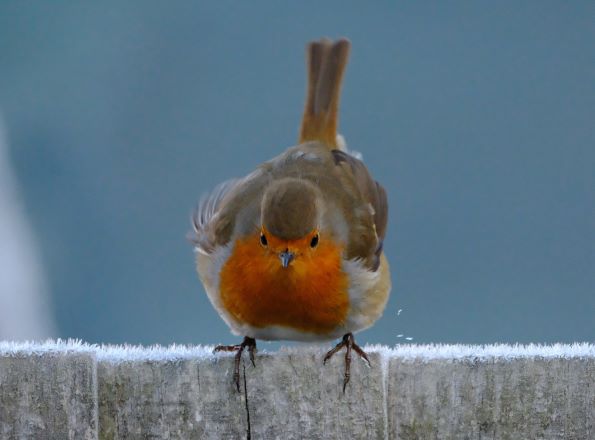
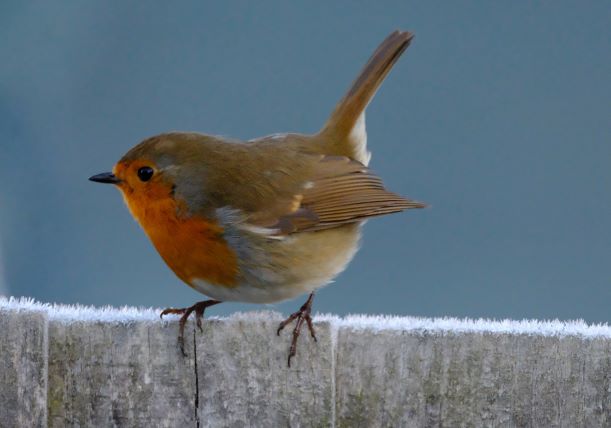
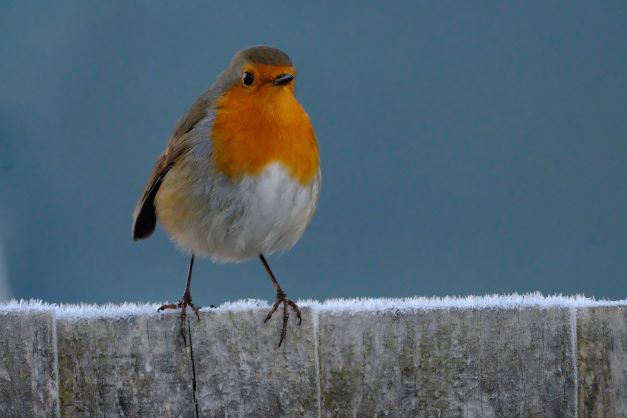
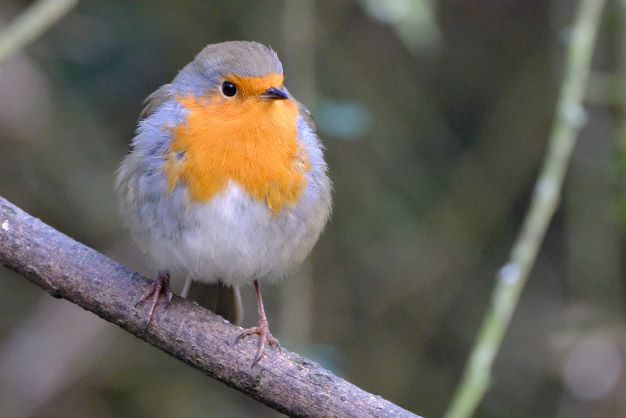
Robin.
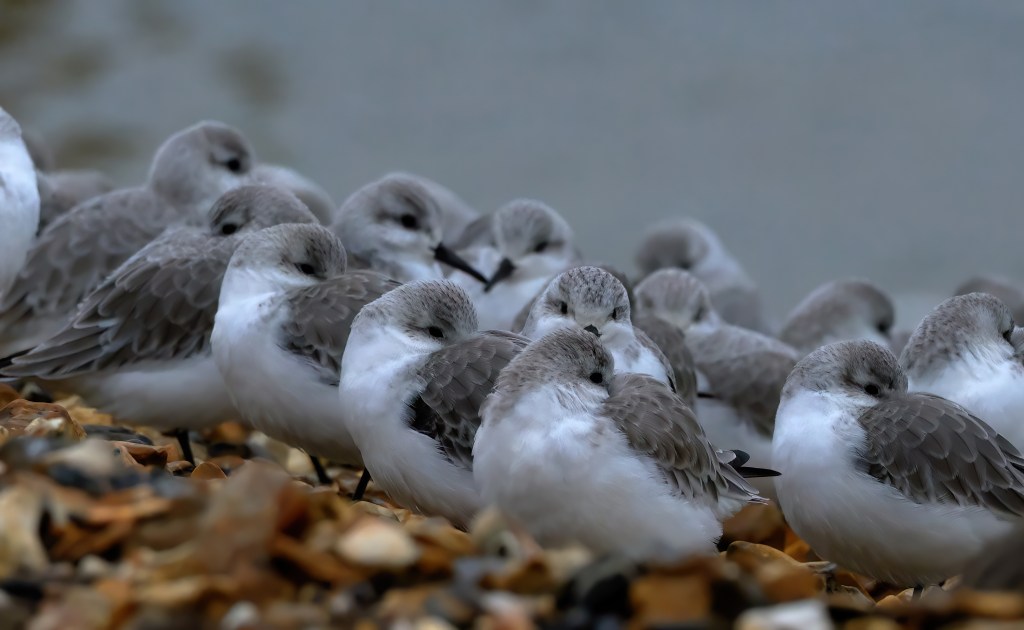
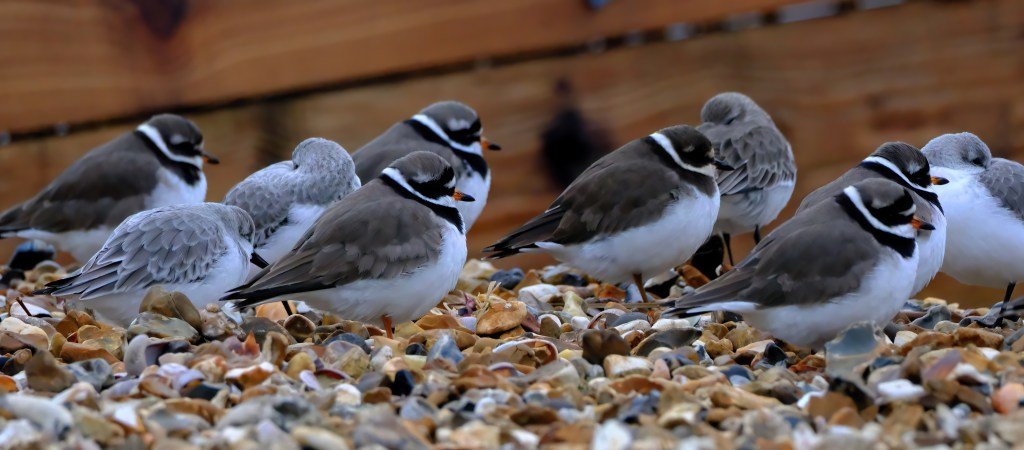
Ringed Plovers and Sanderlings gathering at high tide rest out of the wind





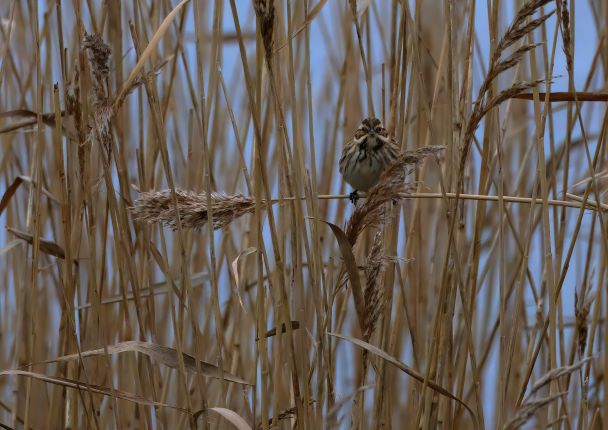
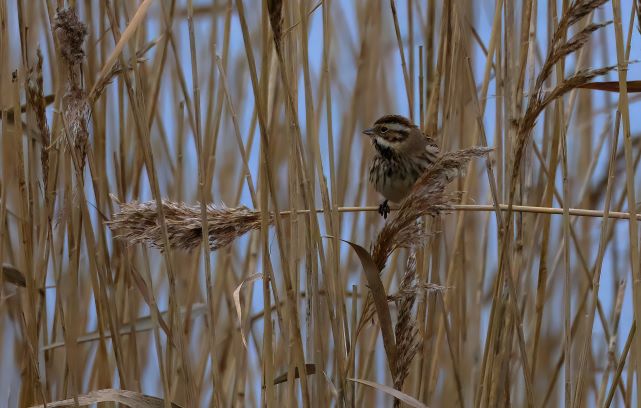
Just a glimpse in the reeds this morning a bit of brightness on a dull day.