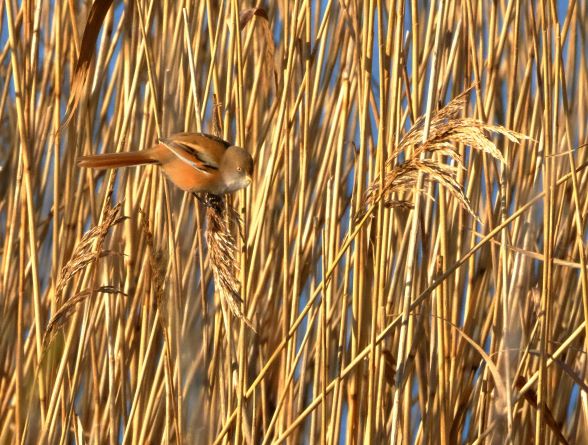
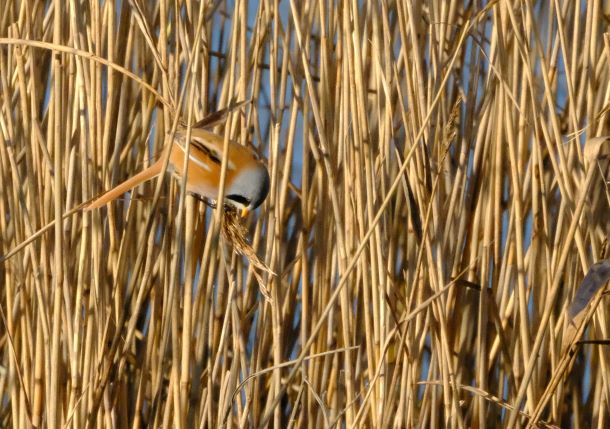
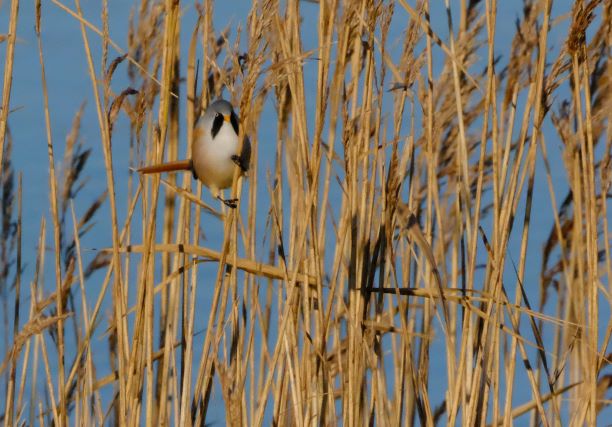
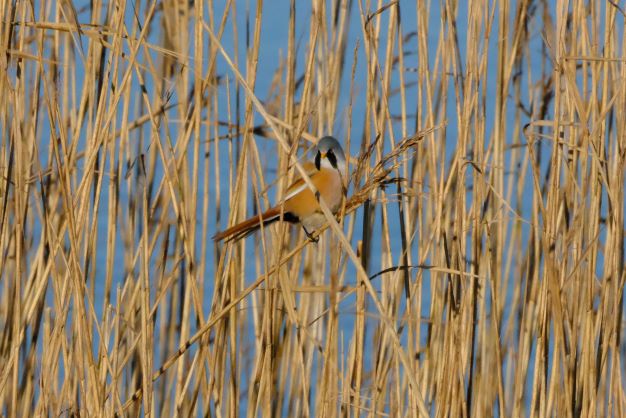
They are small brown, long-tailed birds, a bird of the reedbeds. Males have black ‘moustaches’.They are sociable and have a noisy, call.
With modern thinking – scientists have decided this is not actually related to the tit family. It was removed from the tit family and instead placed in the parrotbills, before further research revealed it belonged alone in its own family, “Panuridae”.
Now known as Bearded reedling or Bearded Parrotbill but to me, I will stick with what I know them as!
Thursday morning I was lucky to spot a flock of 16 birds at Titchfield Haven. They were some way off but I was able to capture some acceptable images of these pretty birds.
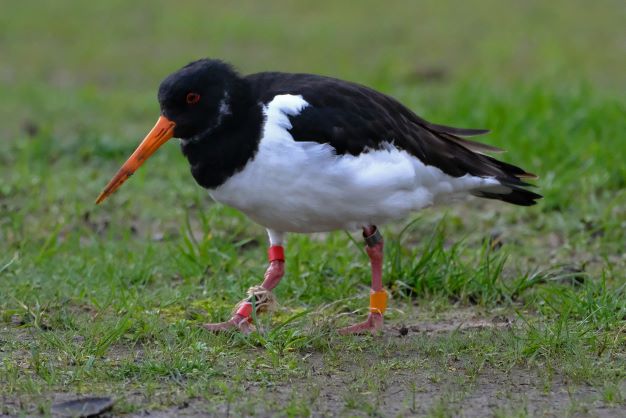
Further to my post last week regarding the ringed Oystercatcher I spotted at Mayflower Park I have had some feedback.
The bird was 1st ringed as an adult in January 2019 in Southampton Water all recordings have been in the local area and all in the winter sadly as yet no summer sighting. UK numbers of Oystercatchers increase in the winter when birds come south from Norway so this bird could be one of those wintering birds.
Many thanks for the sighting could you please send the photo as a jpg attachment so I can enlarge it to help work out the black/blue ring. However, I think it has to be the bird below with a black ring. It is a bird we ringed at Dibden Bay as an adult on 1st date below. All such sightings are most useful.
FP45007 N O+R//NB 25-Jan-19 Dibden Bay, Southampton Water, Hampshire, S England FP45007 S O+R//NB 15-Nov-19 Dibden Bay, Southampton Water, Hampshire, S England FP45007 S O+R//NB 09-Dec-19 Dibden Bay, Southampton Water, Hampshire, S England FP45007 S O+R//NB 09-Dec-19 Dibden Bay, Southampton Water, Hampshire, S England FP45007 S O+R//NB 22-Jan-20 Dibden Bay, Southampton Water, Hampshire, S England FP45007 S O+R//NB 22-Jan-20 Dibden Bay, Southampton Water, Hampshire, S England FP45007 S O+R//NB 13-Nov-20 Dibden Bay, Southampton Water, Hampshire, S England FP45007 S O+R//NB 13-Nov-20 Dibden Bay, Southampton Water, Hampshire, S England FP45007 S O+R//NB 13-Nov-20 Dibden Bay, Southampton Water, Hampshire, S England FP45007 S O+R//NB 11-Nov-21 Dibden Bay, Southampton Water, Hampshire, S England FP45007 S O+R//NB 11-Nov-21 Cracknore Hard, Marchwood, Southampton Water. FP45007 S O+R//NB 15-Dec-21 Cracknore Hard, Marchwood, Southampton Water. FP45007 S O+R//NB 30-Jan-22 Dibden Bay, Southampton Water, Hampshire, S England FP45007 S O+R//NB 23-Feb-22 Dibden Bay, Southampton Water, Hampshire, S England FP45007 S O+R//NB 06-Oct-22 Dibden Bay, Southampton Water, Hampshire, S England FP45007 S O+R//NB 06-Oct-22 Dibden Bay, Southampton Water, Hampshire, S England FP45007 S O+R//NB 06-Oct-22 Dibden Bay, Southampton Water, Hampshire, S England FP45007 S O+R//NB 03-Nov-22 Dibden Bay, Southampton Water, Hampshire, S England FP45007 S O+R//NB 24-Nov-22 Mayflower Park, Southampton, Hampshire, S England
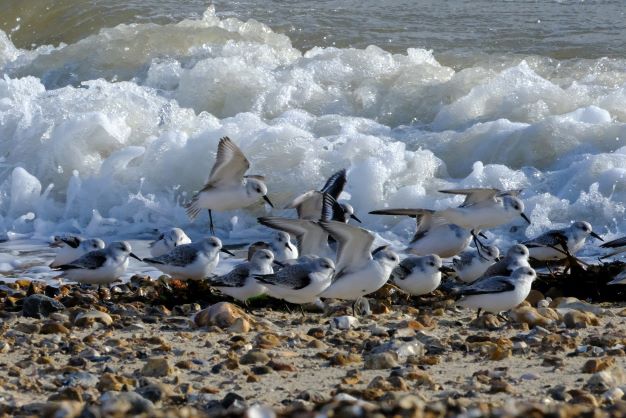
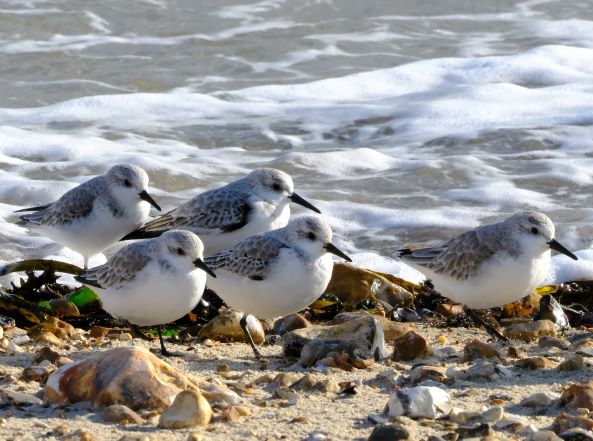
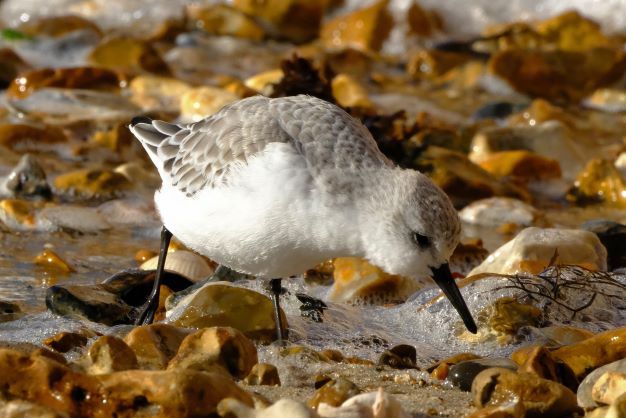
This little sandpiper runs up and down the beach ‘like a clockwork toy,’ dodging the spray and waves. There antics on the shore are always a joy to watch.
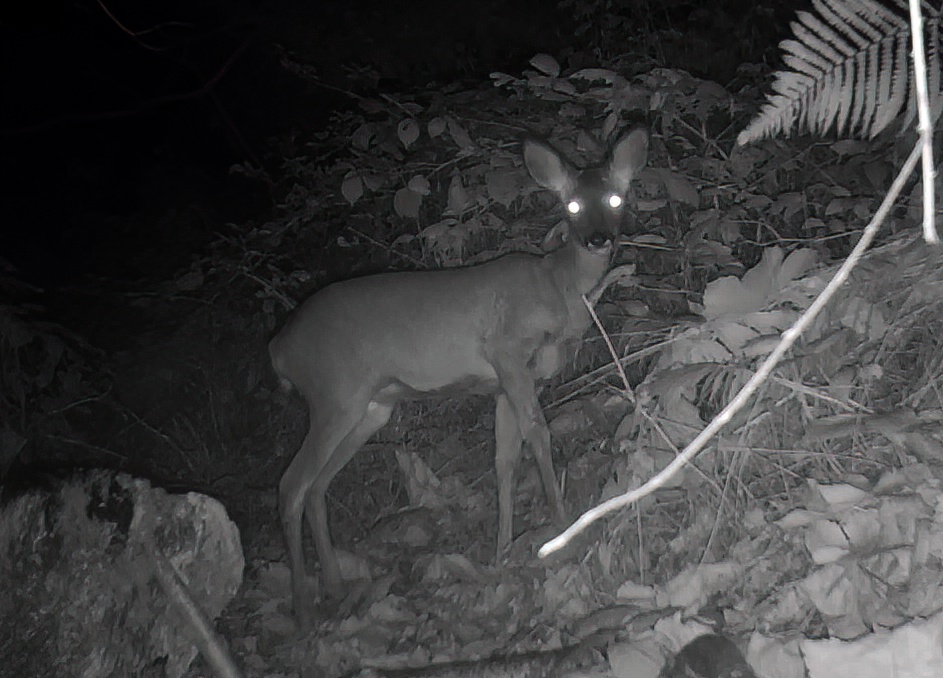
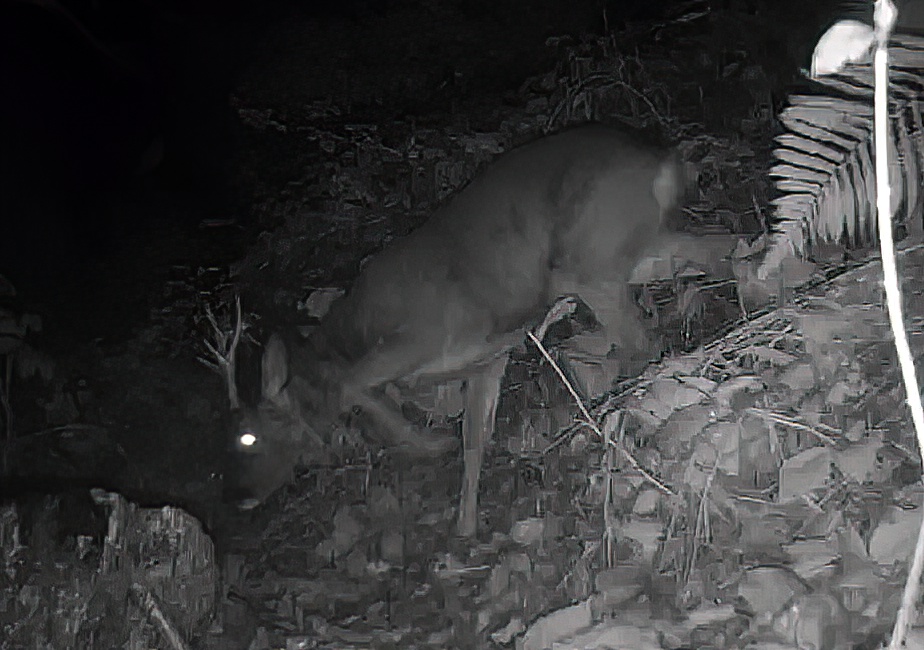
Day and night wet or dry there is always someone crossing the ditch. Trail camera footage and stills from the film.
Roe Deer.
Lots of Robins pass the camera with their bright red breast you would think they would stand out but in the autumn leaves, they are quite camouflaged .
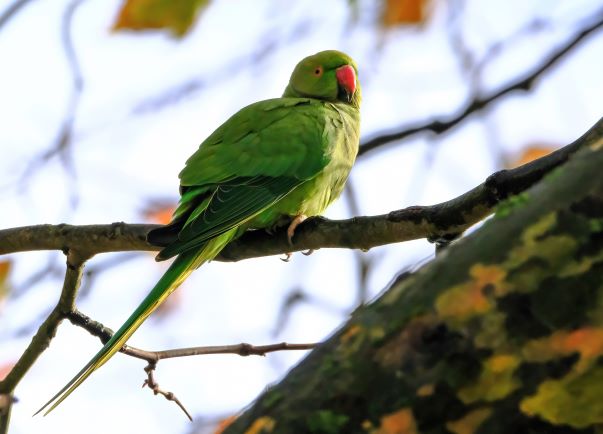
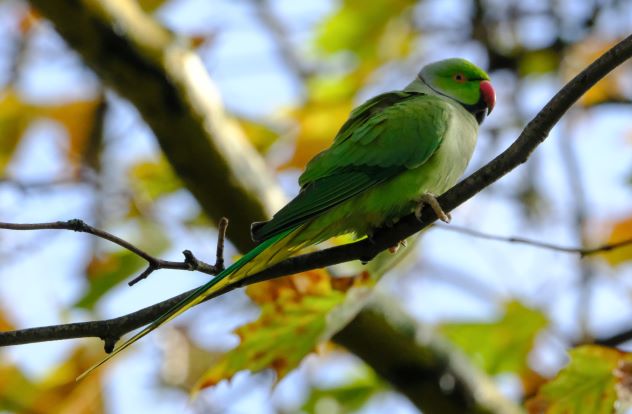
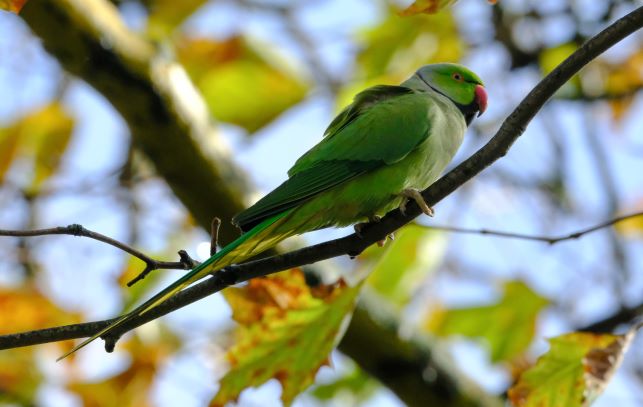
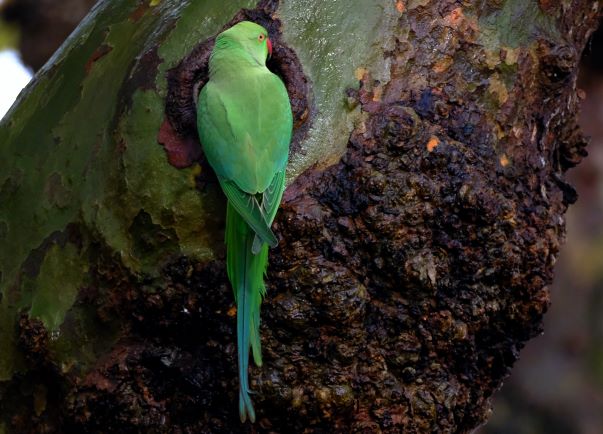
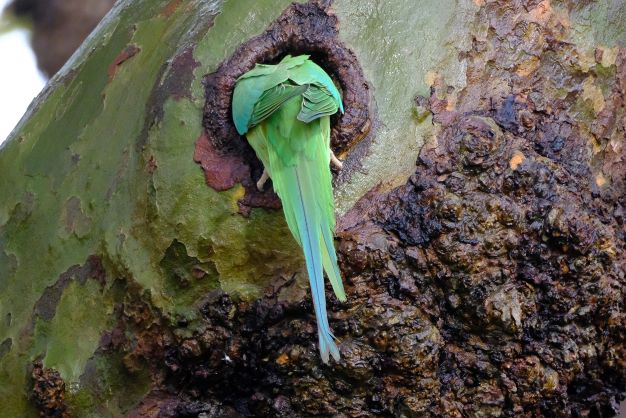
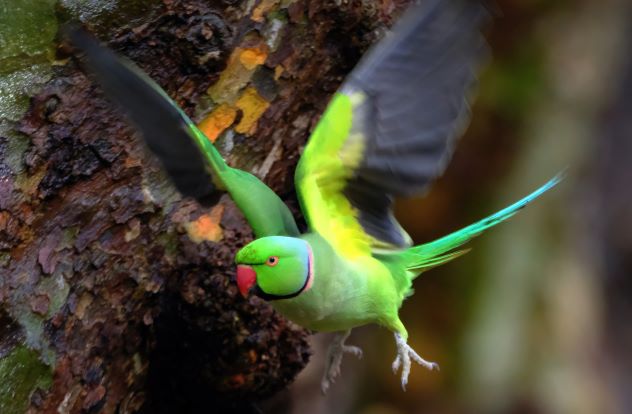
Back in February I posted some pictures of Parakeets in one of the parks in town (Southampton).
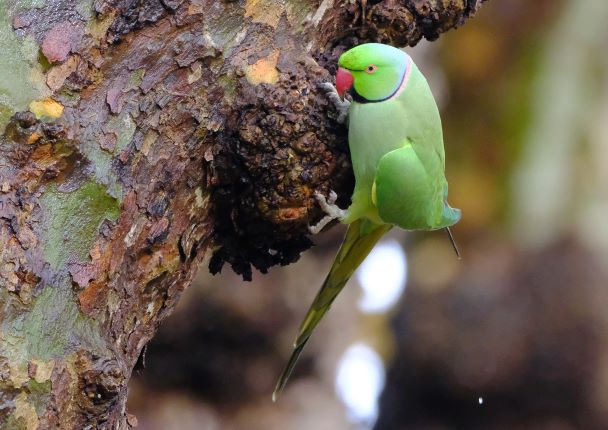
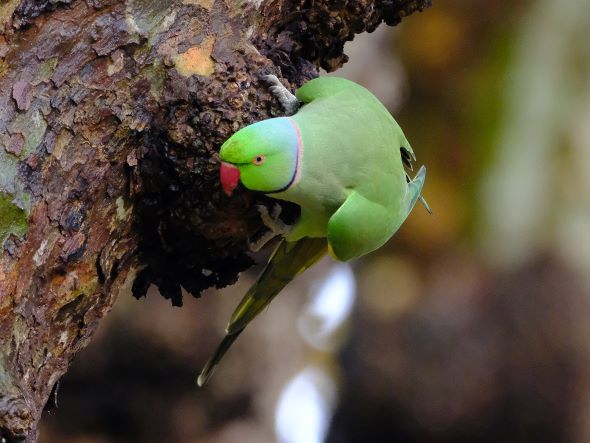
Today between heavy rain showers I decided as the leaves were thining on the trees to go back and see if the Parakeets were still about, before I reached the park I could hear them calling and flying through the trees. I spotted over 6 birds today – earlier in the year there was just a pair so it looks as if they successfully bred in the spring. Even though we are outside the breeding season one bird was showing a real interest in a nest hole this morning so hopefully the Southampton population will increase further next year.