Wasp Spiders.

My first Wasp Spiders I have seen for a while.

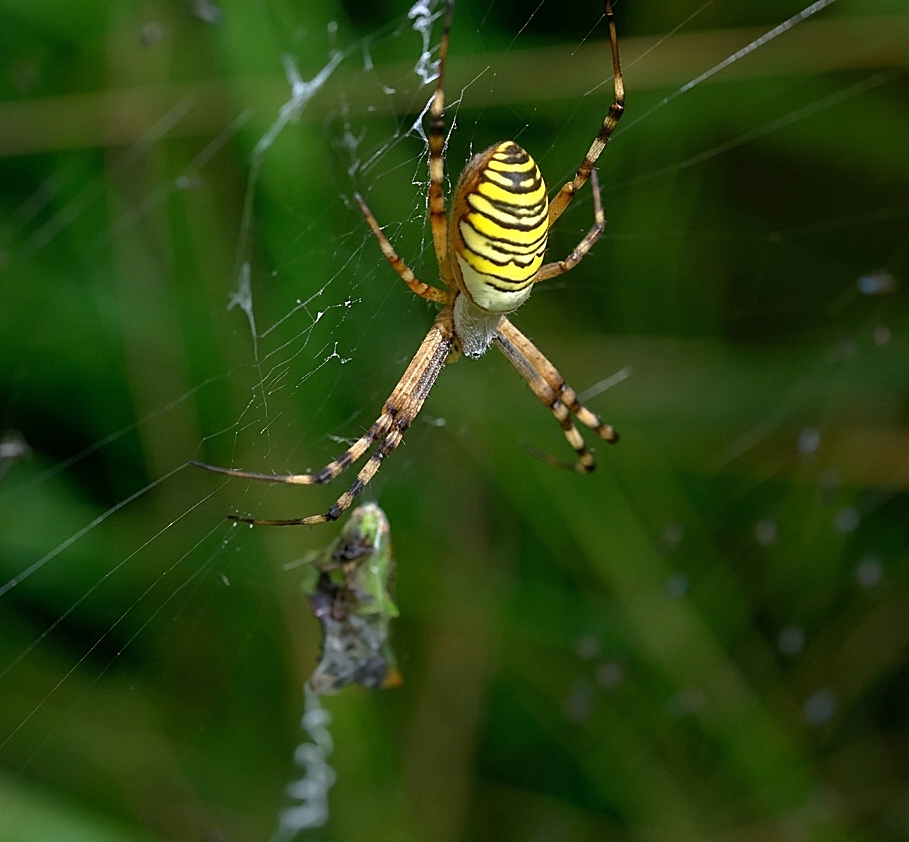
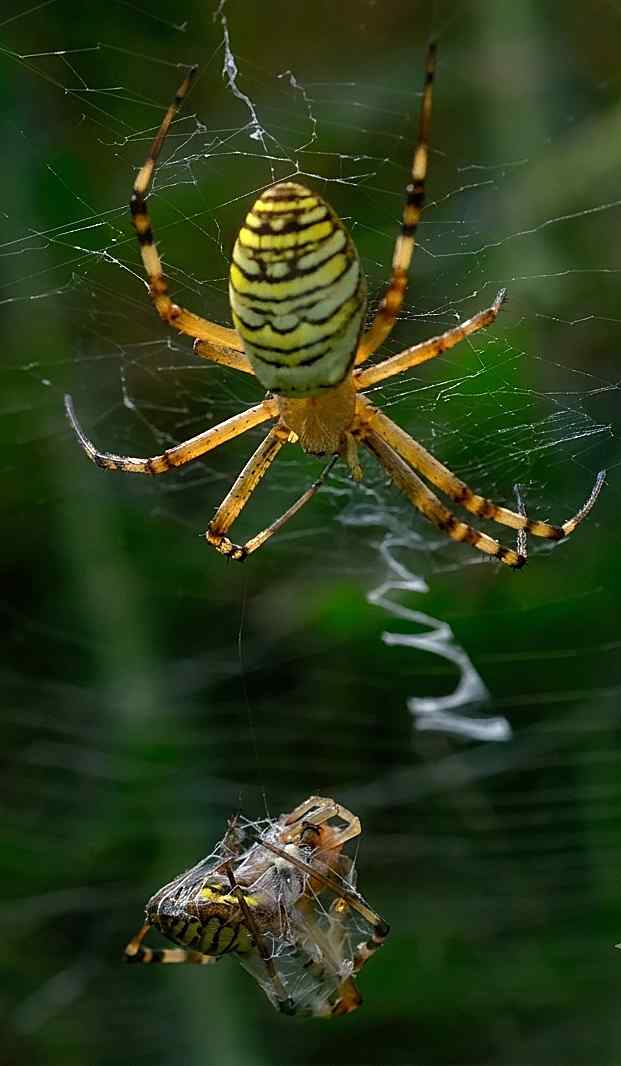
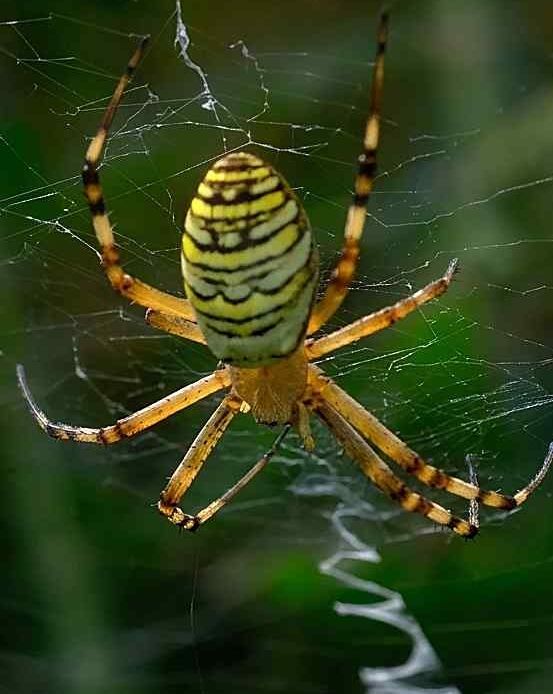
Today made up for it, and I saw a good number. The female wasp spider has yellow, black and white stripes, just like a common wasp. Its legs are also striped. The male is smaller and pale brown.

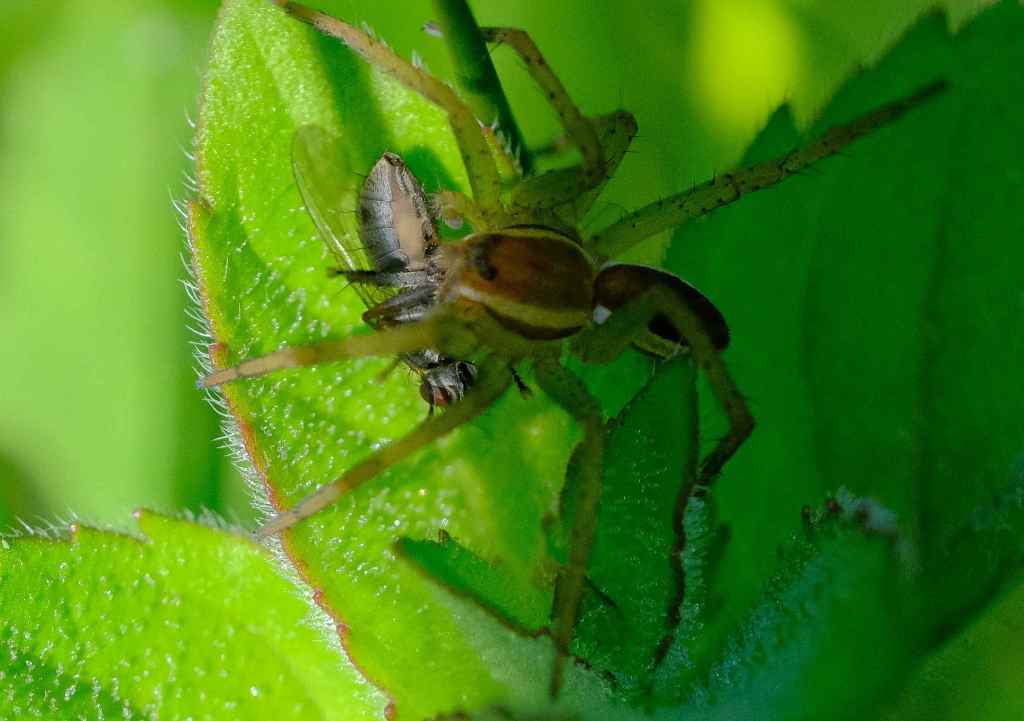
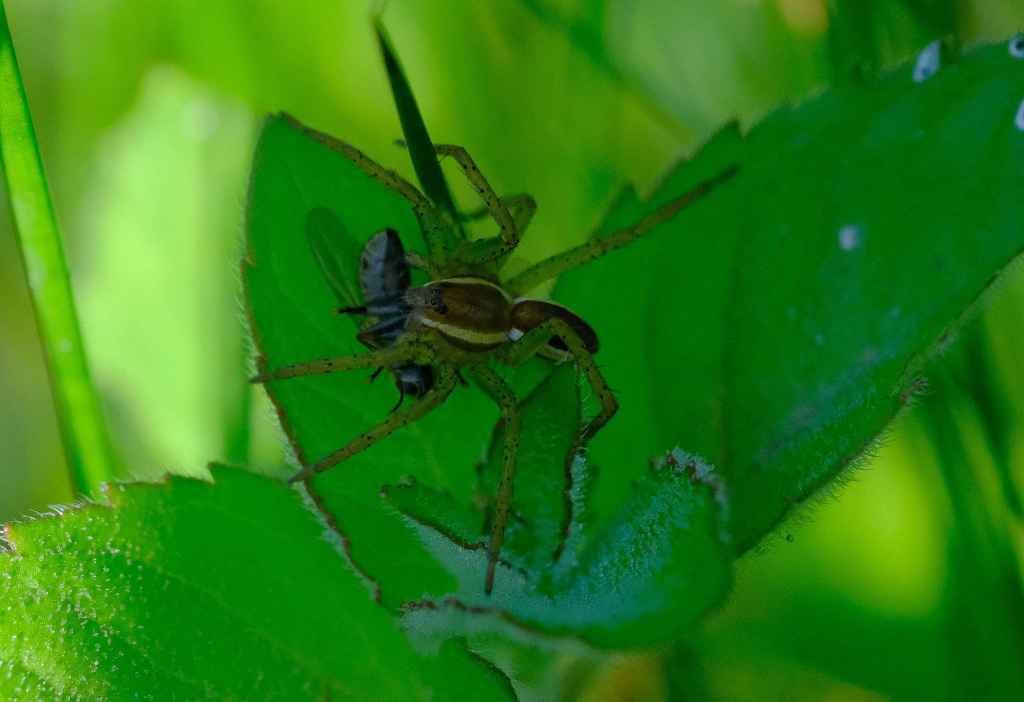
The 1st picture shows a female spider with a grasshopper wrapped up, ready to be eaten.

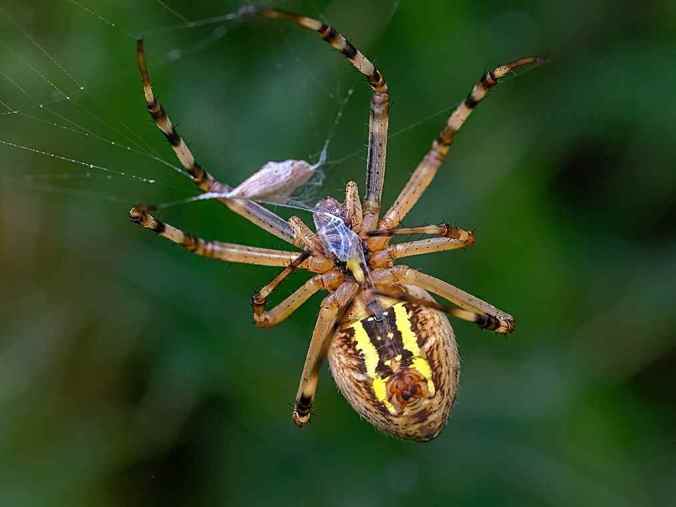
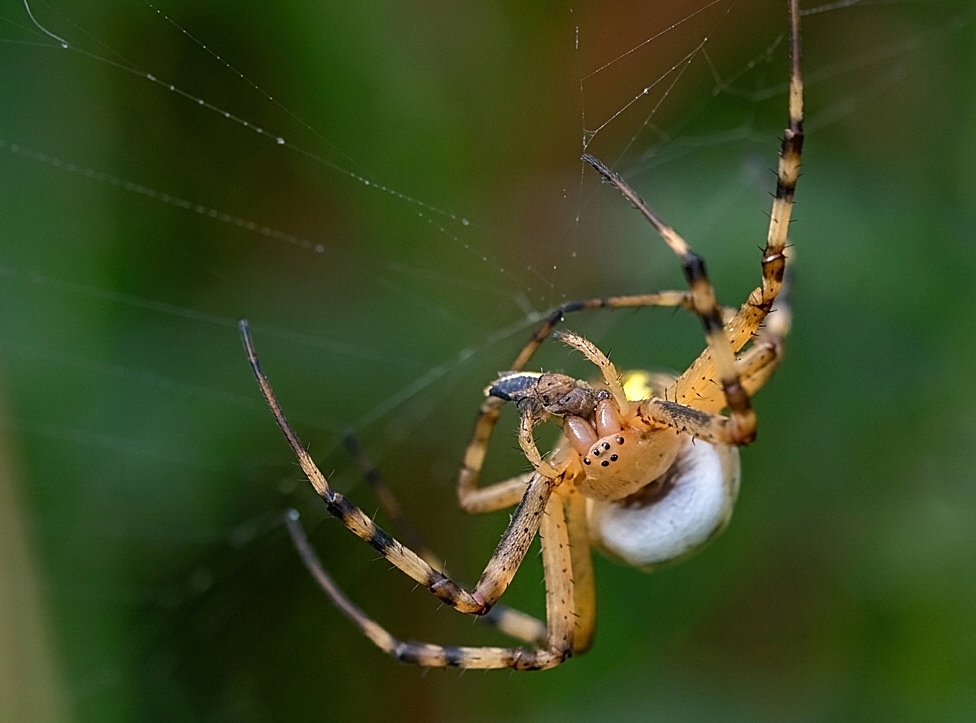
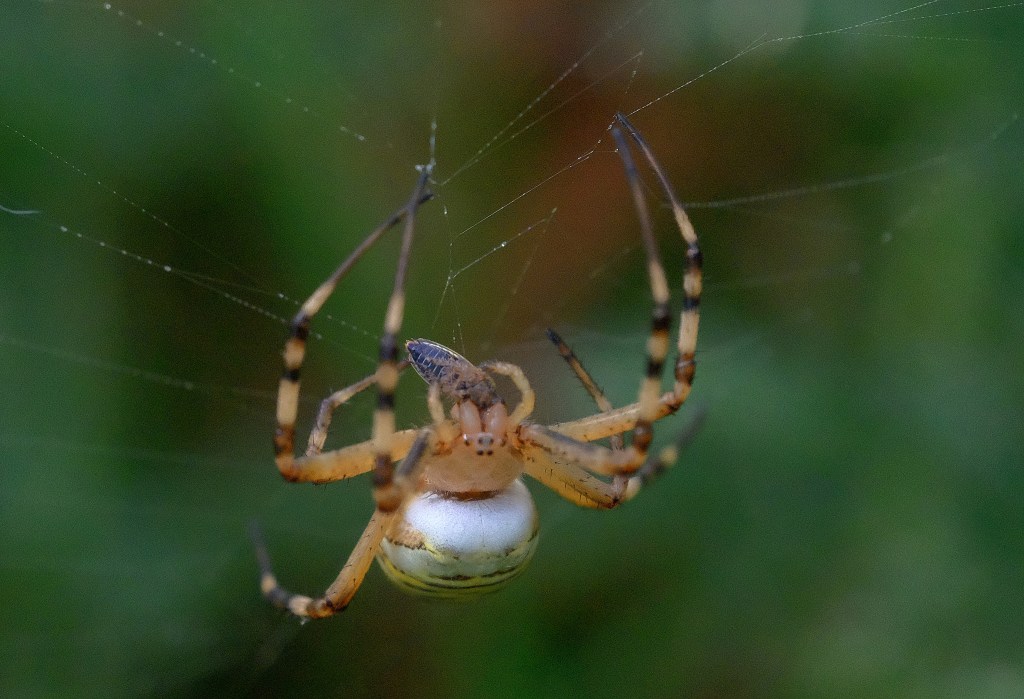
This time, an underside view with prey.

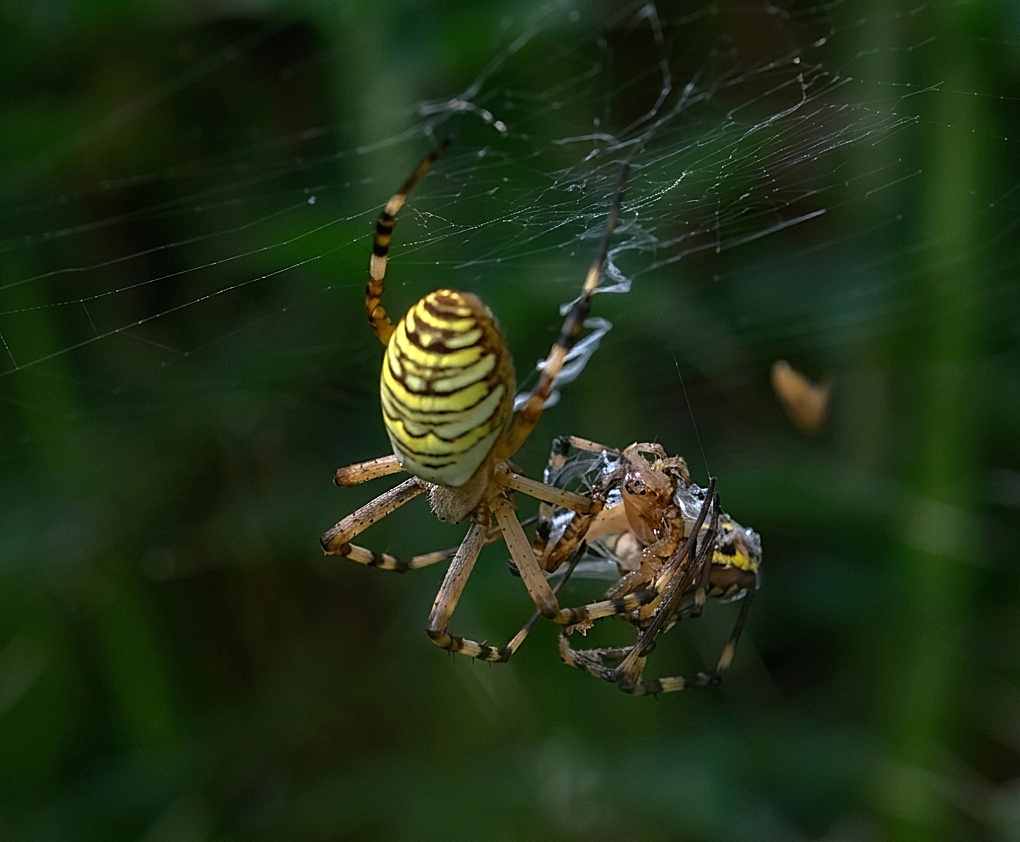
Mating is a dangerous game for males; they wait at the edge of the web until the female has moulted into a mature form, then take advantage of her jaws being soft and nip into mate. However, many males still get eaten during this time. (The male is smaller and pale brown.) The next pictures shows that this female has killed another and will be eating her, something I have not seen before.

Some smaller meals.

Footnote.

Theories About the Zig-Zag Pattern

Warning for large animals: The thick white silk makes the web easy to see so that passing birds, deer, or humans notice it and do not crash into it.(think this is a bit of a non-starter!)

Attracting prey: The silk reflects ultraviolet light in a way that might mimic flowers and lure hungry insects closer.

Camouflage: The design may break up the spider’s outline or hide its body from sharp-eyed predators.

A long-held misconception: People once thought the pattern added physical strength to hold up the web, but researchers found that the silk is too loosely attached to provide stability.

Wood Ants.

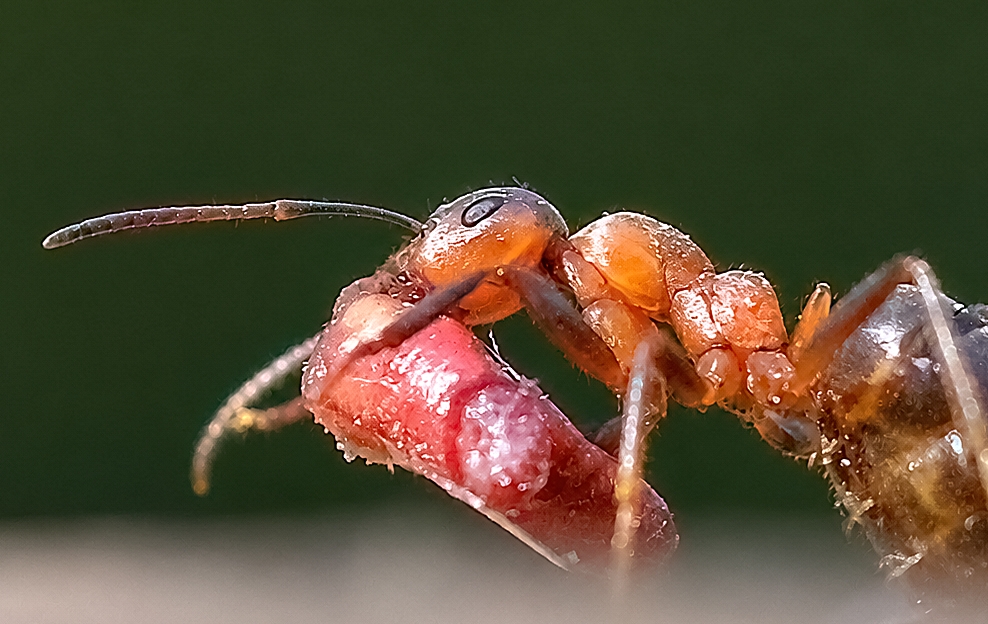
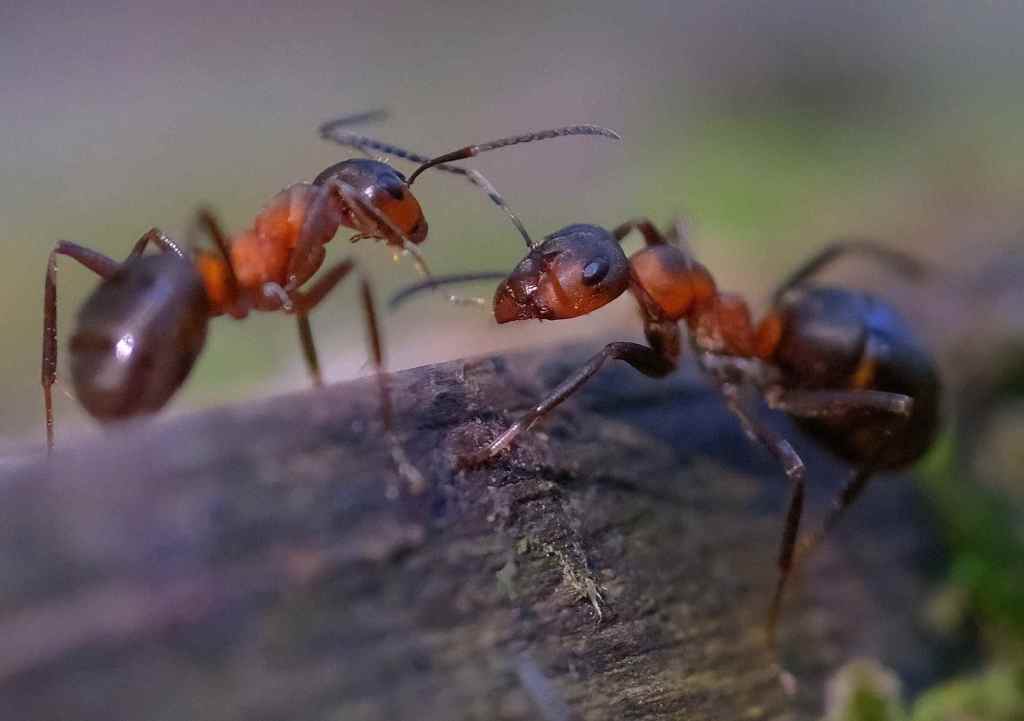
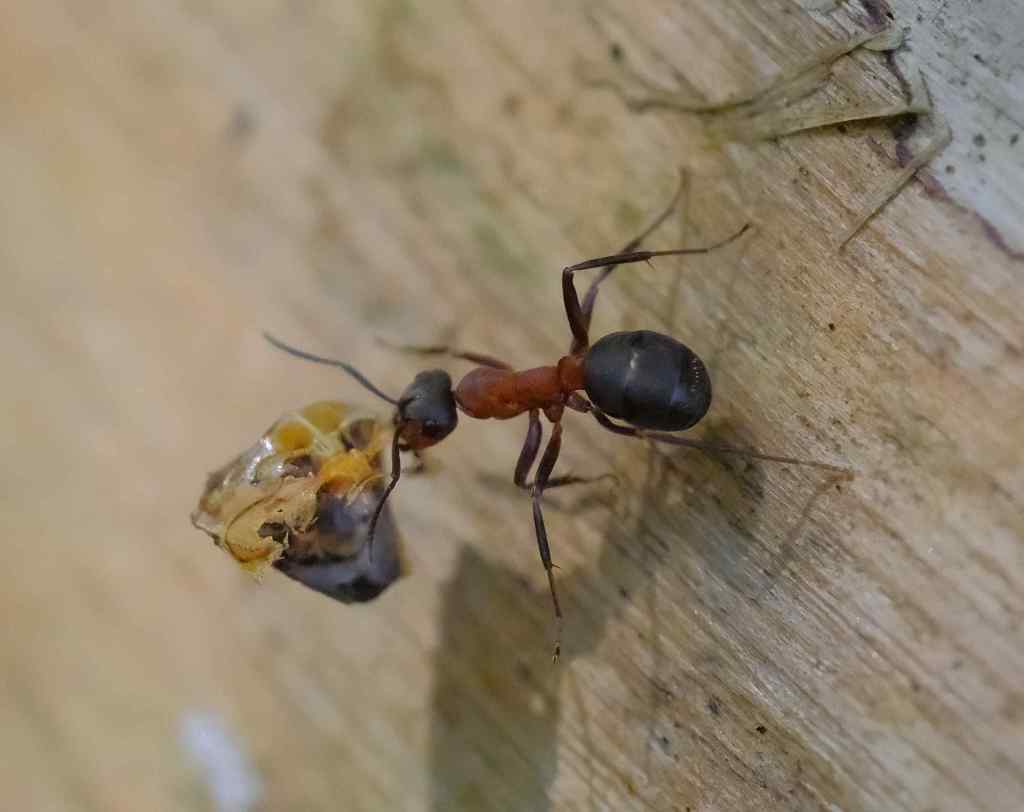
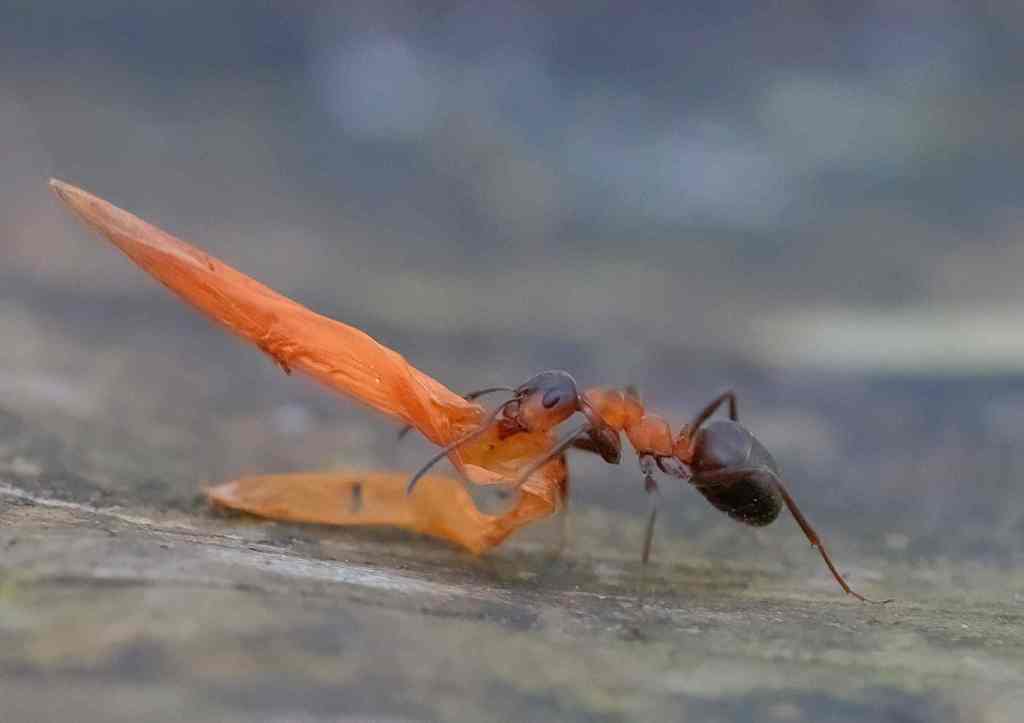
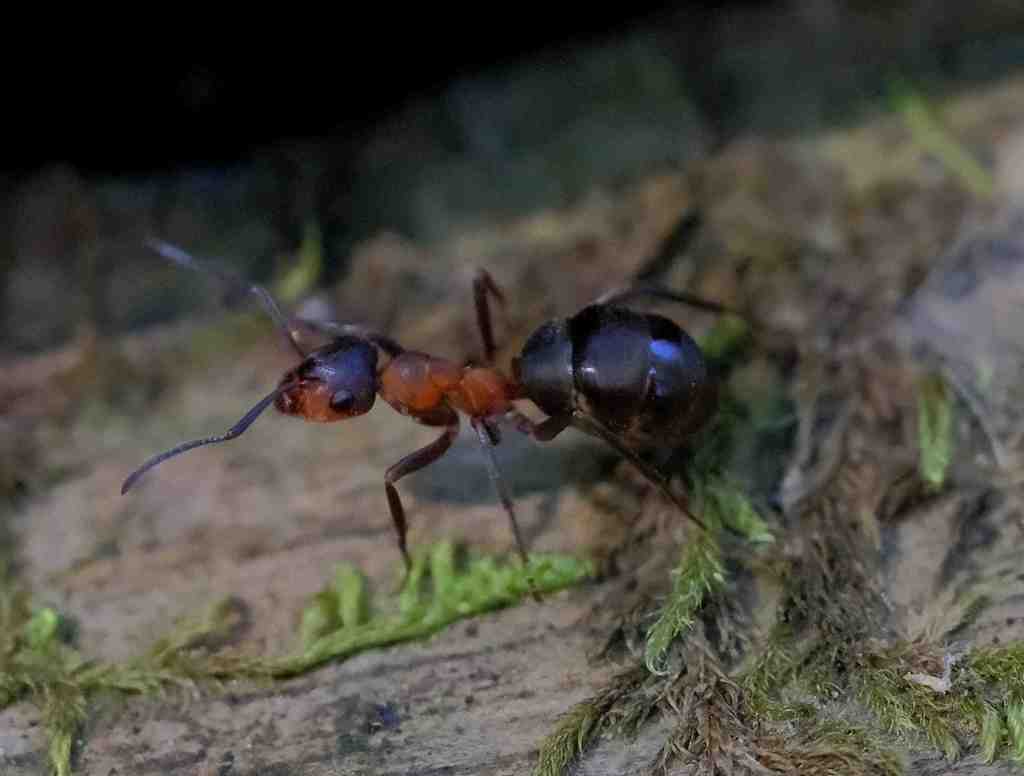
The southern wood ant is the UK’s largest ant species, with workers reaching up to 10mm in length and queens growing even larger at 12mm. These ants are easily identifiable by their distinctive reddish-brown colour and a contrasting black head and abdomen.

Wood ants are known for their formidable large mandibles, which they use effectively for foraging and defence of their nests. When threatened, they have a unique defence mechanism that involves spraying formic acid at potential predators. This acid not only acts as a deterrent but also serves to communicate alarm signals to other members of their colony.

They live in large colonies, which can number in the thousands, and exhibit complex social interactions that help maintain the health and functionality of their community.

Parenthood.

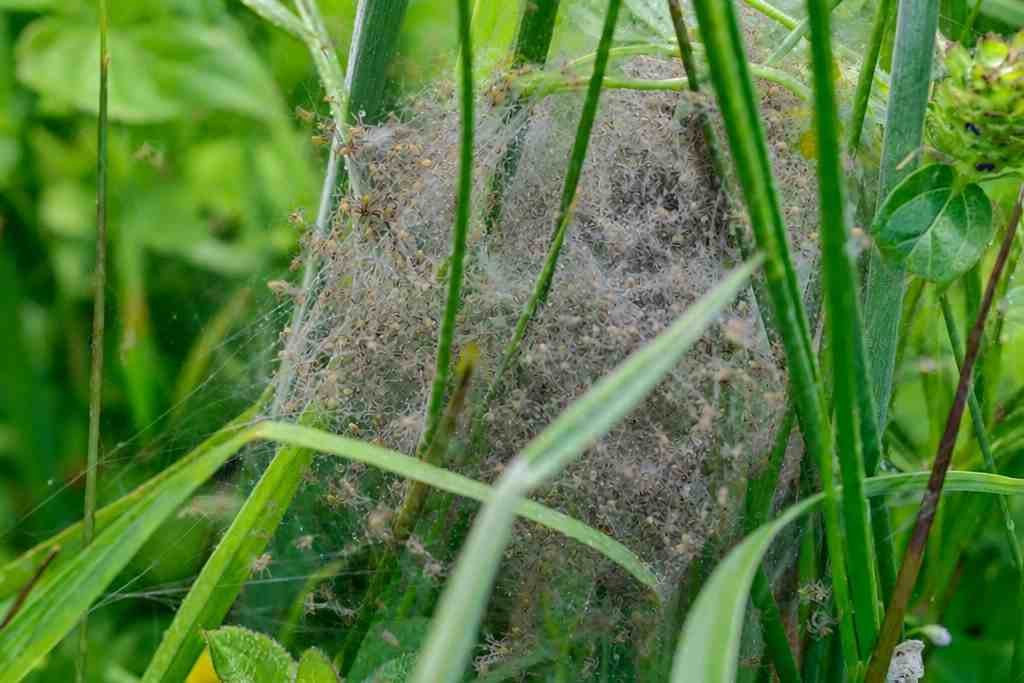
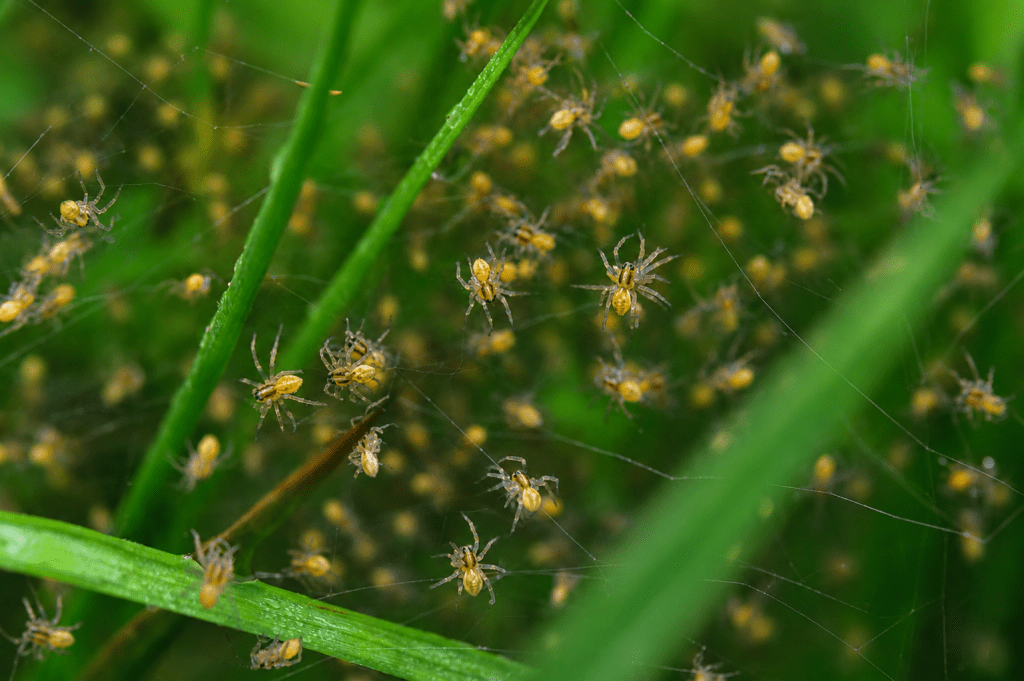
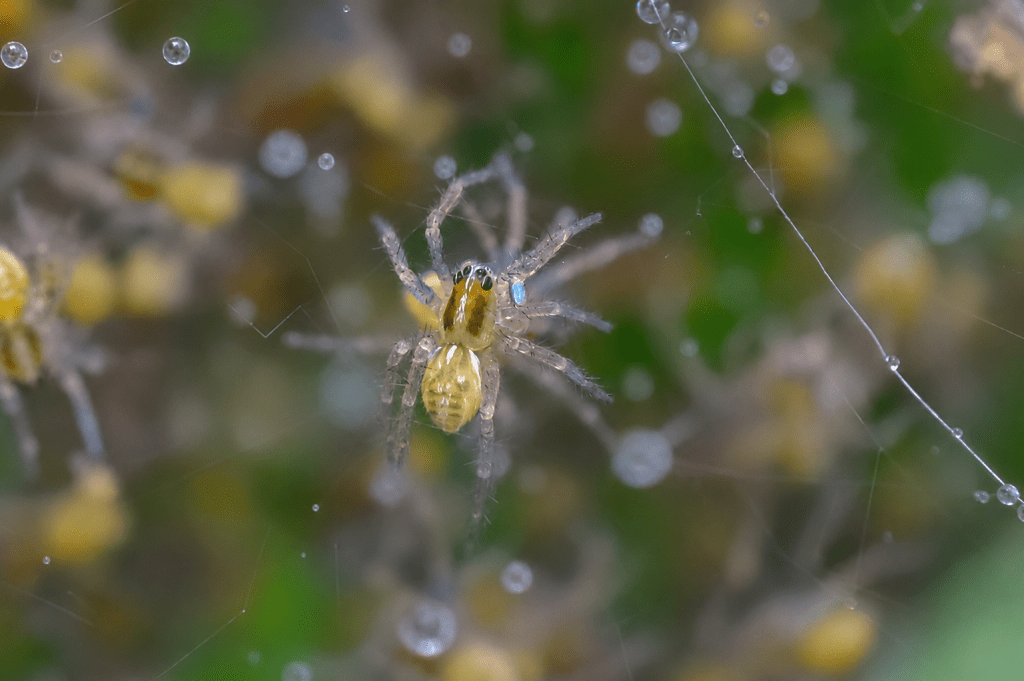
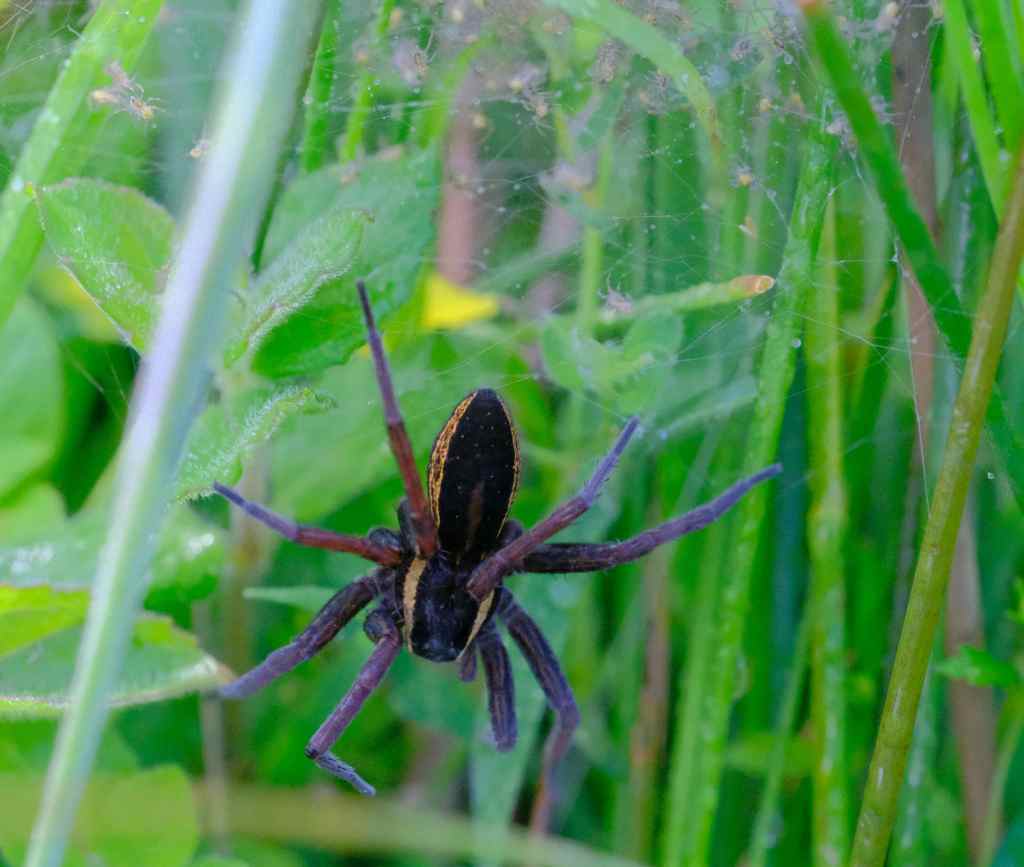
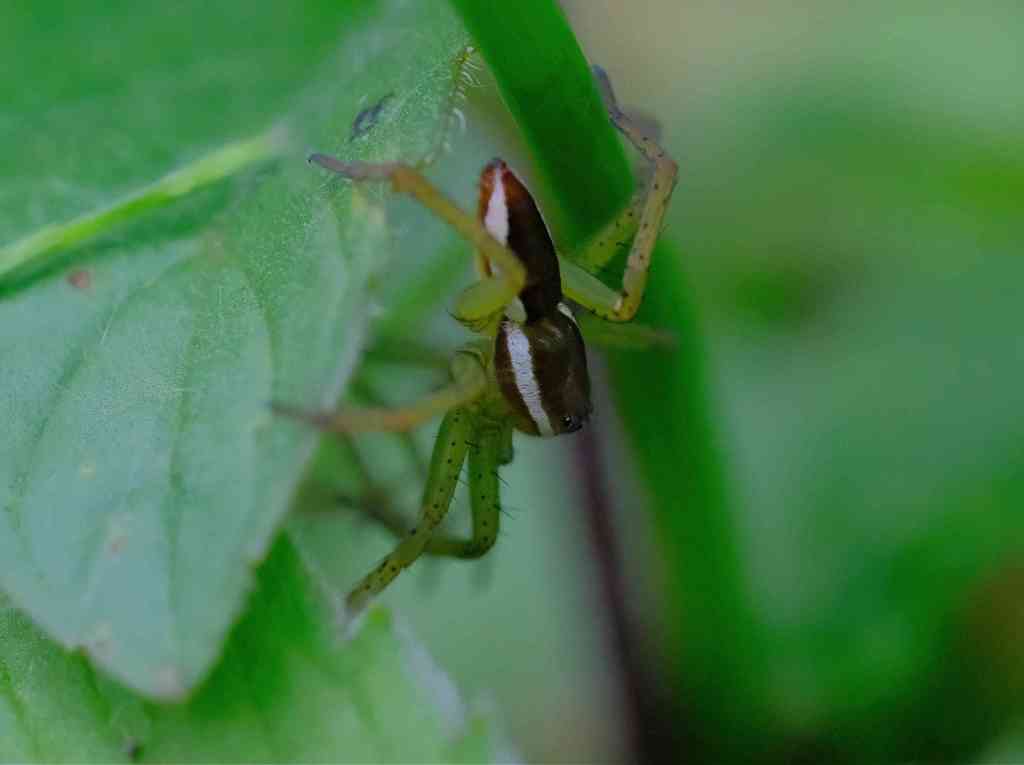
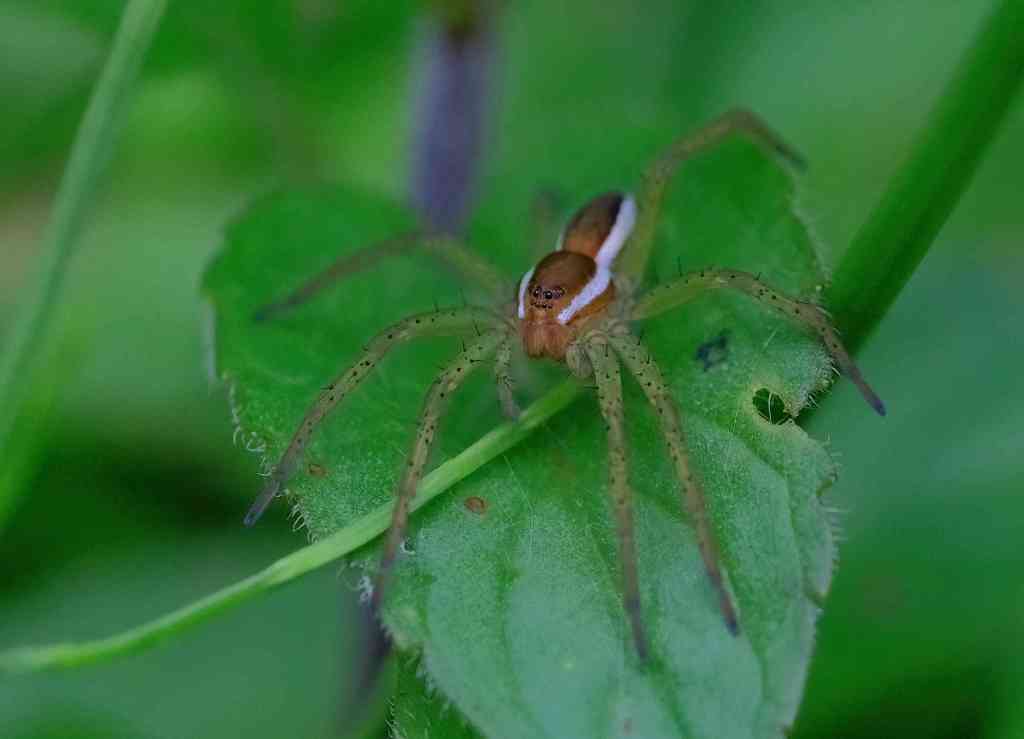
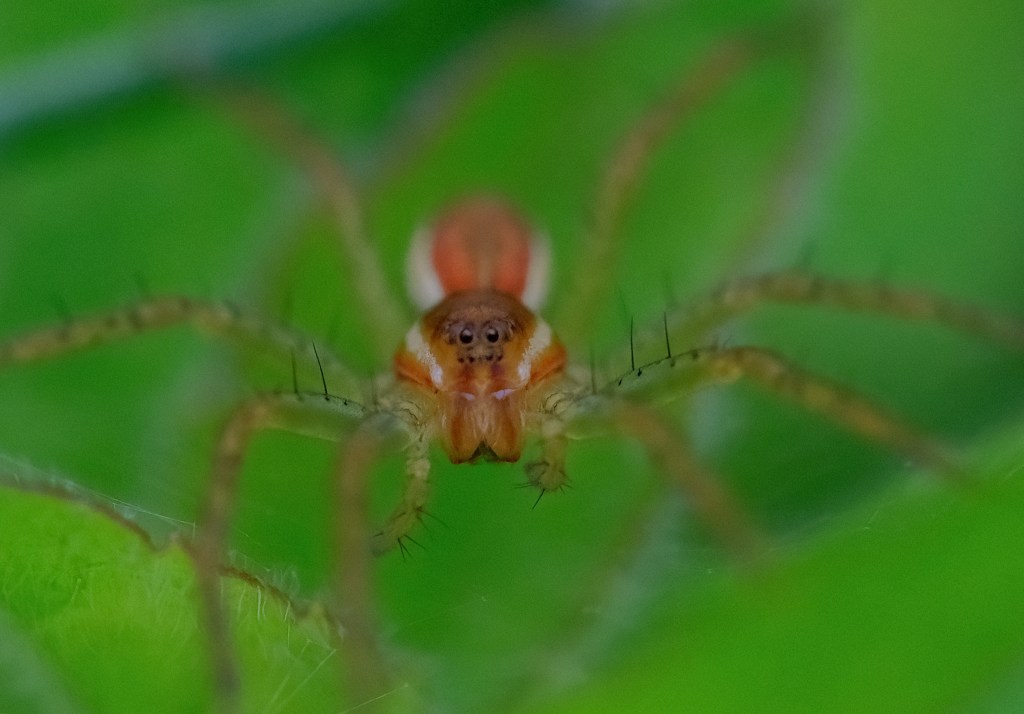
Yesterday’s New Forest walk was a bit of a surprise as we found another Raft Spider stronghold. We found a nest full of newly hatched spiderlings. What was different about this nest was that it was being guarded by a parent spider. I had not seen this before.

Adult on guard.

Raft spiders do not spin webs to catch insects; they grab and catch their prey.

Spiders.

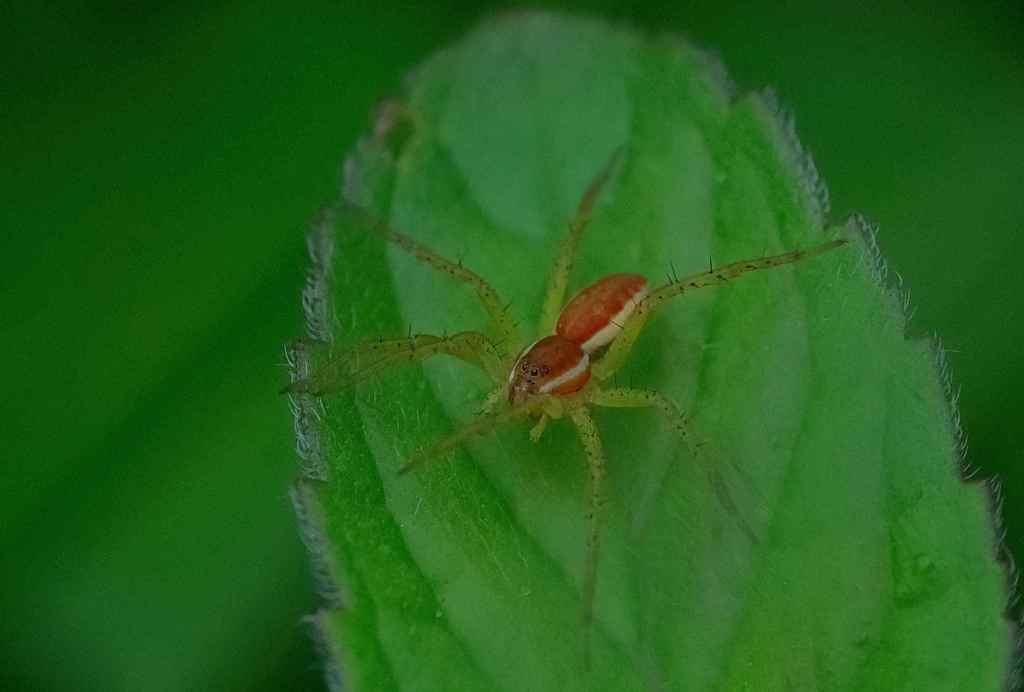
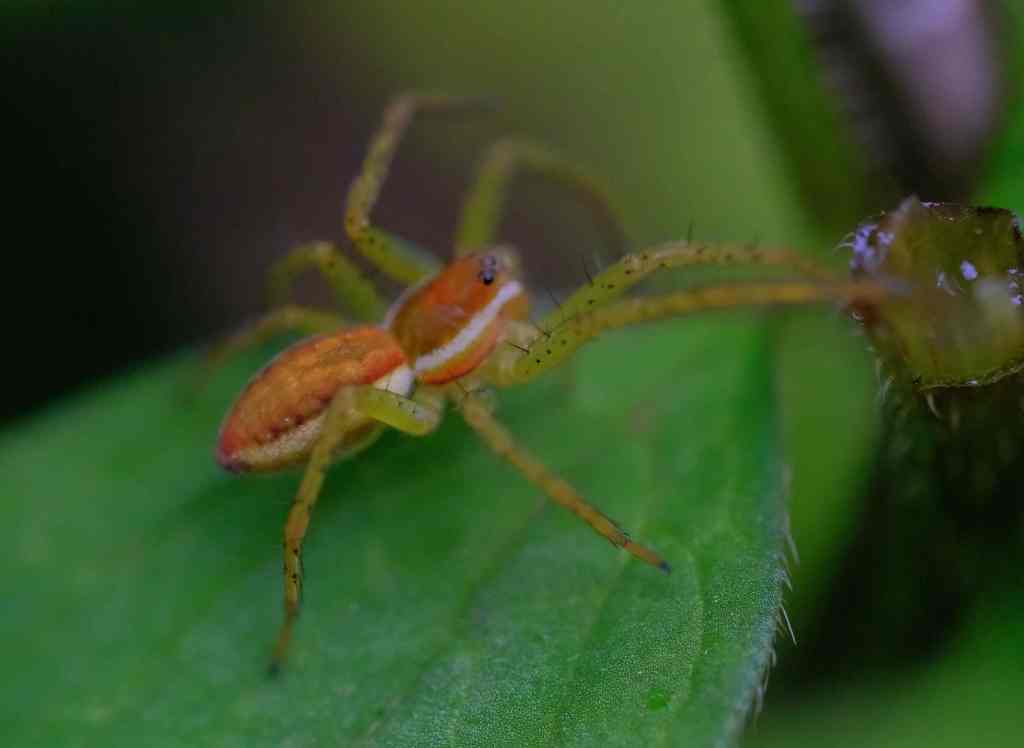
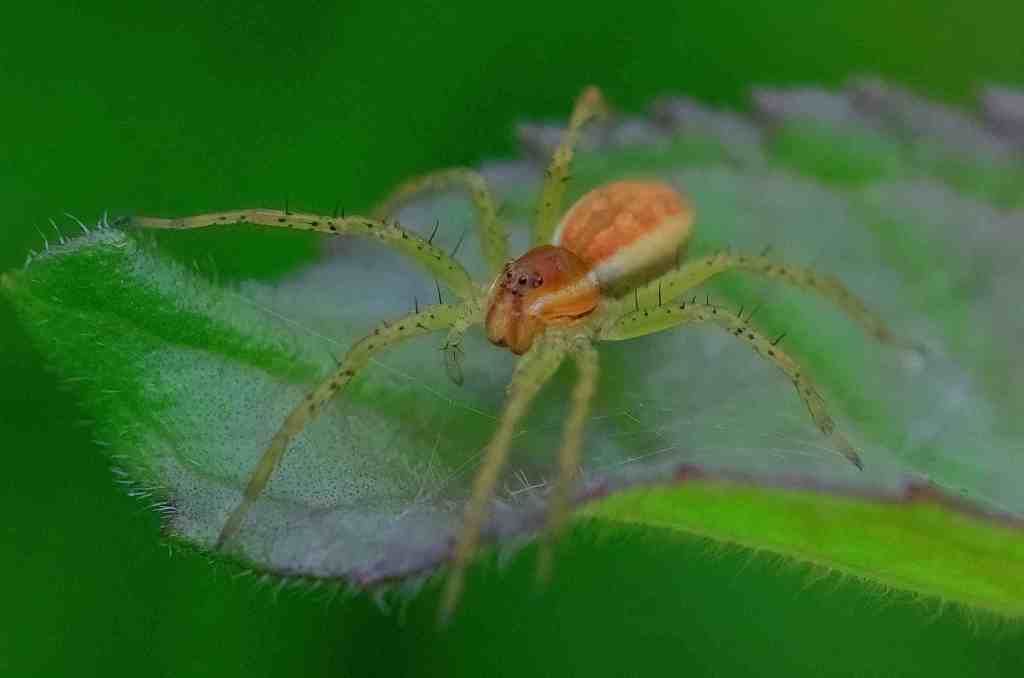
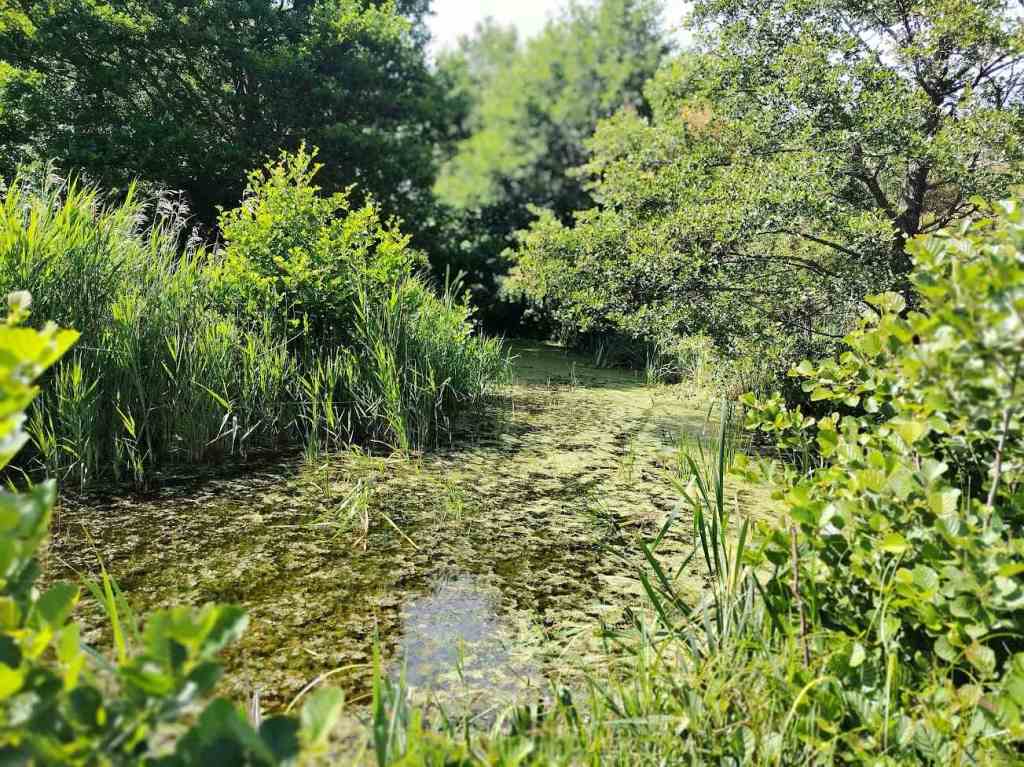
About 650 spider species are found in the UK, and about 450 live in the New Forest. One of my regular encounters in the summer is the Raft Spider. Its normal habitat is near water, where it can skate on the surface. The Raft Spider can also live underwater for up to about 20 minutes. They seem to favour wild mint plants to hide on in the area where we have found them.
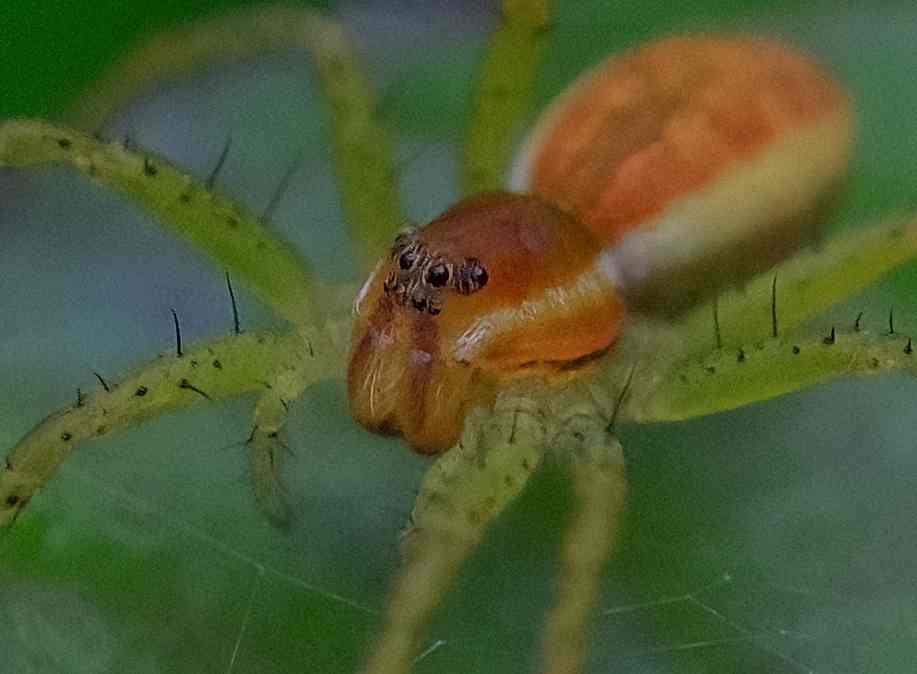
They are active from spring through autumn. The best time to see them is during the breeding season from May to July.

After the rain.

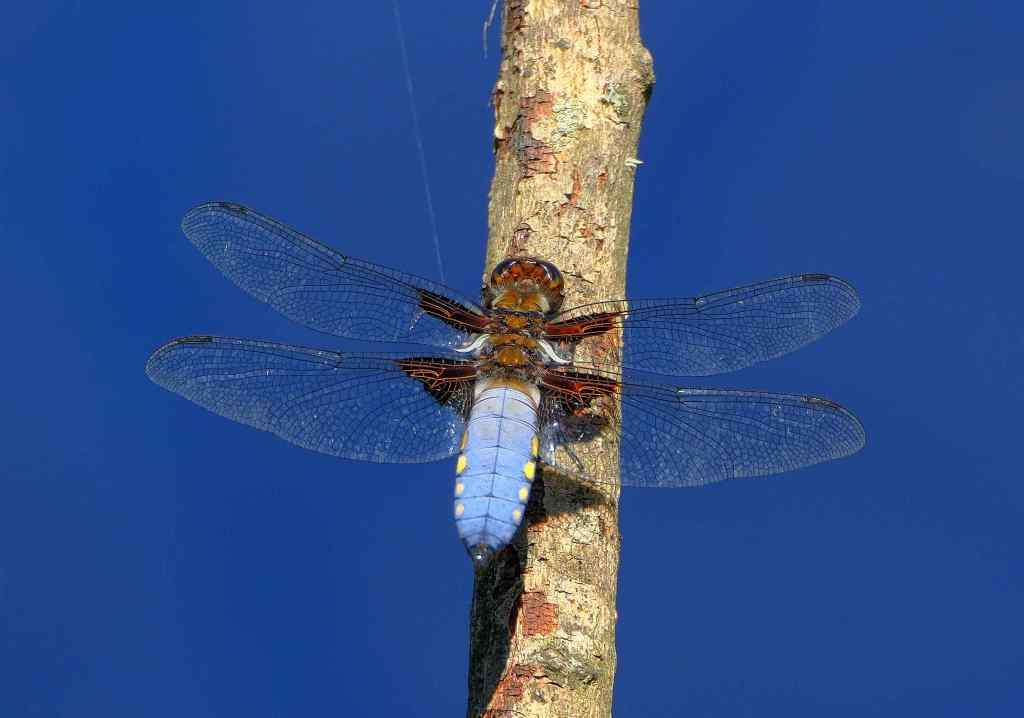
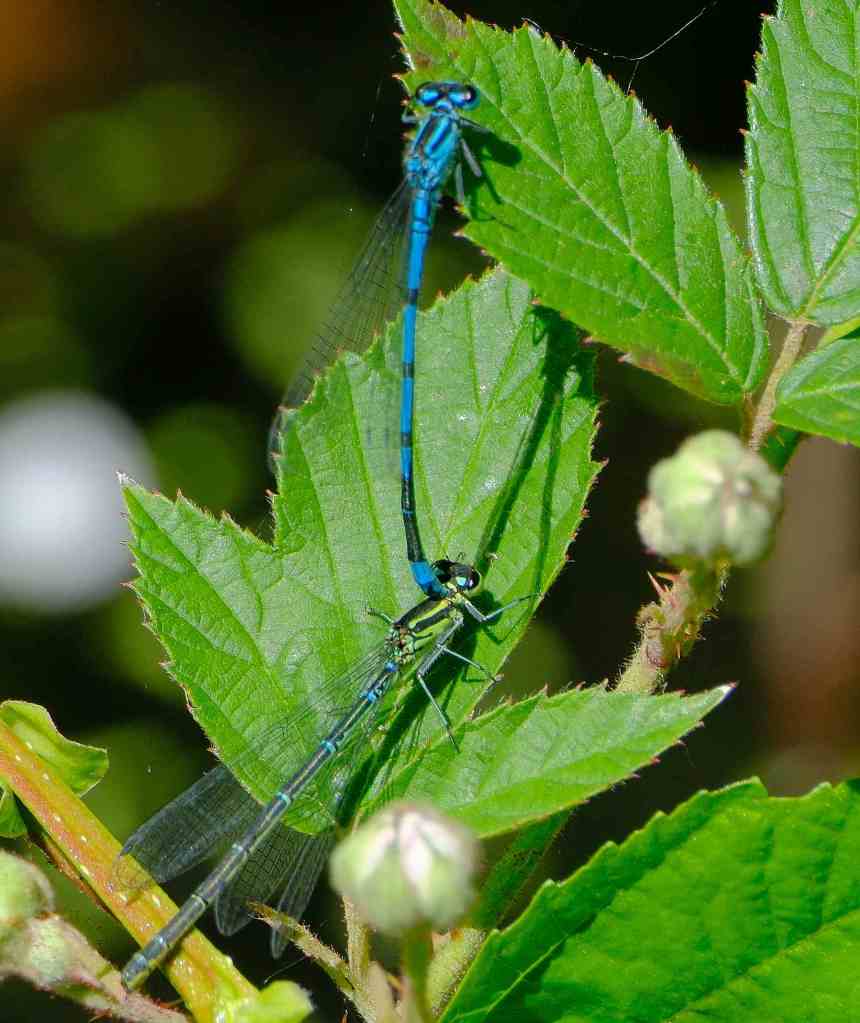
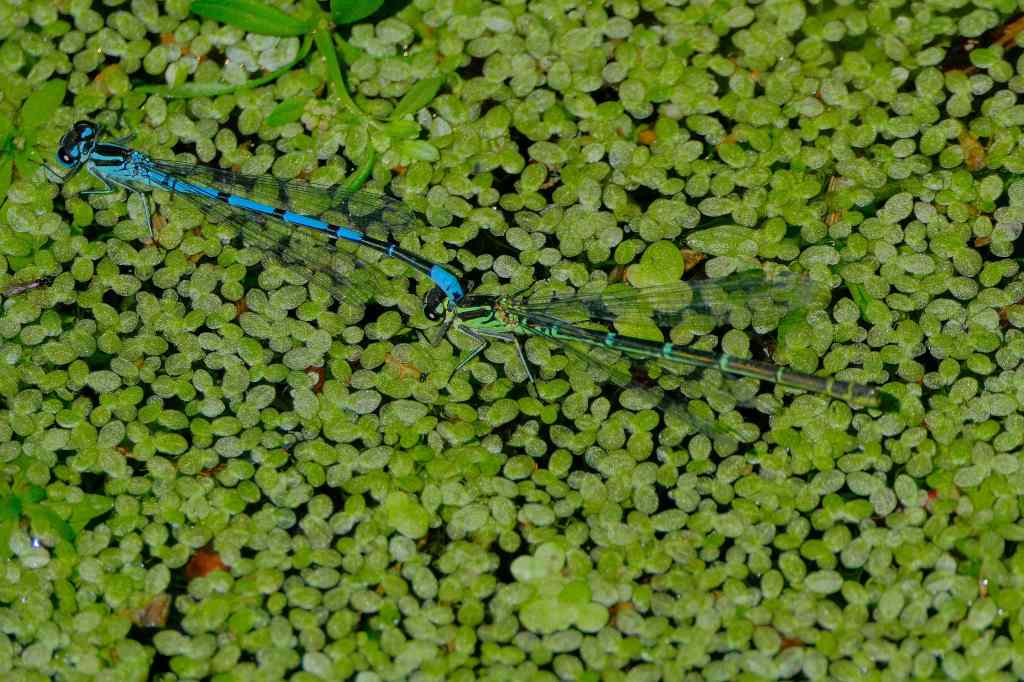
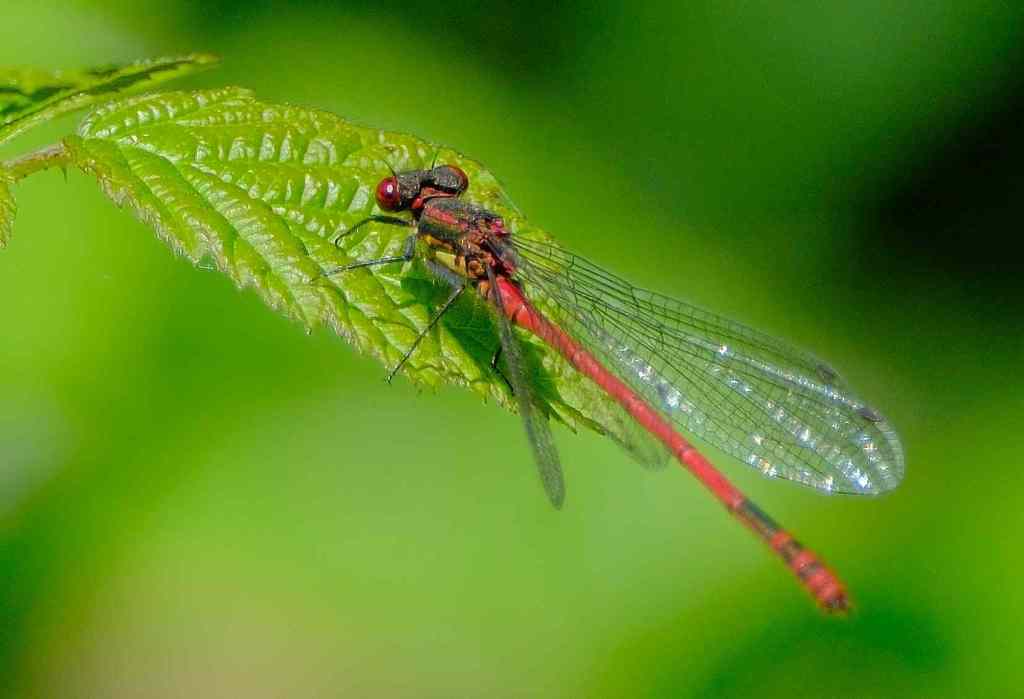
After a wet Monday and a Tuesday morning, the rain stopped, and the sun came out, so did the Dragonflies and Damselflies.
Titchfield Haven Nature Reserve.
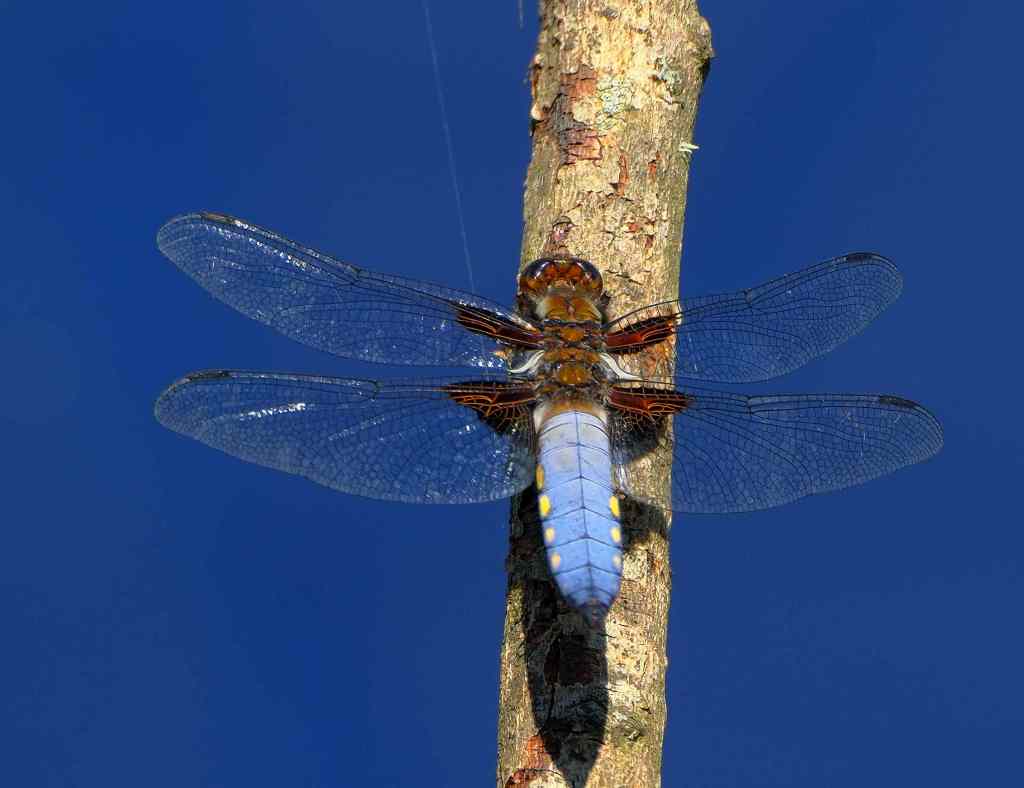
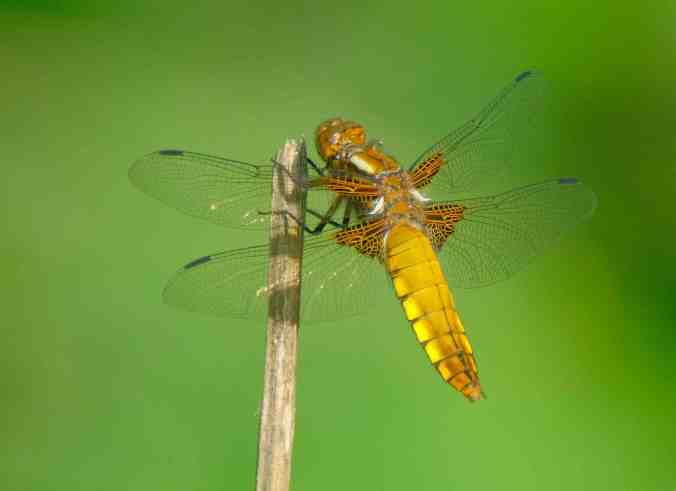
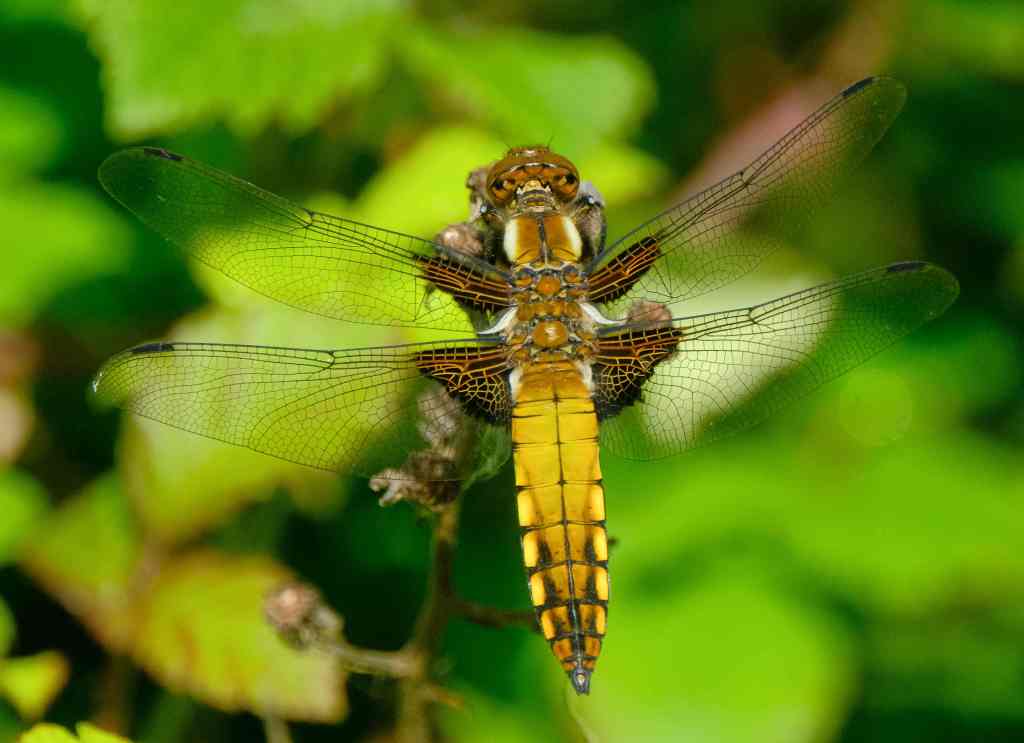
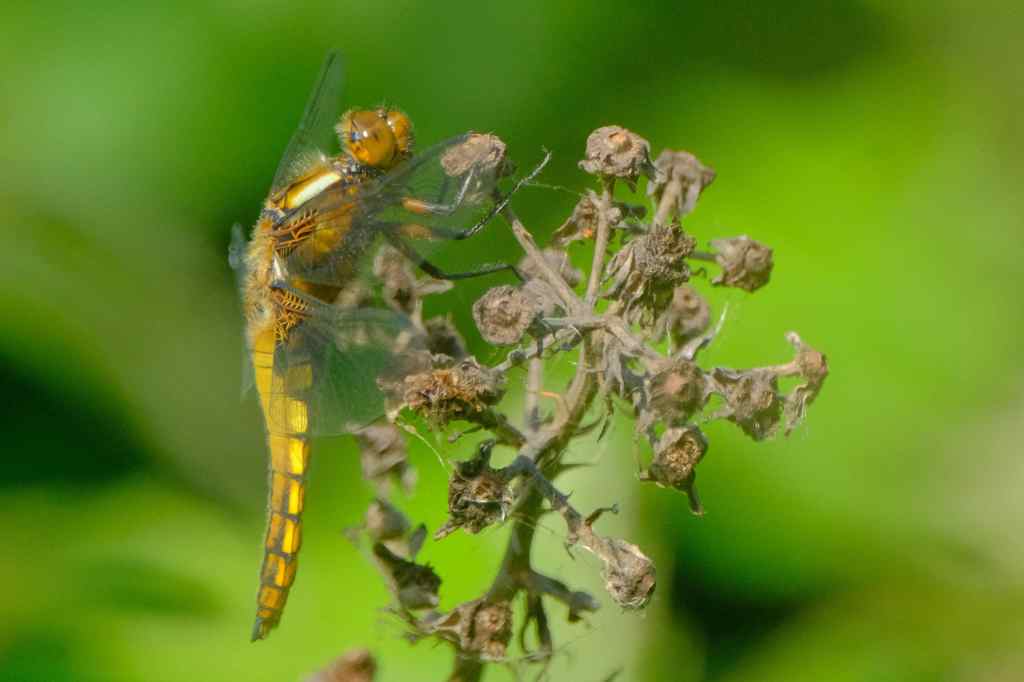
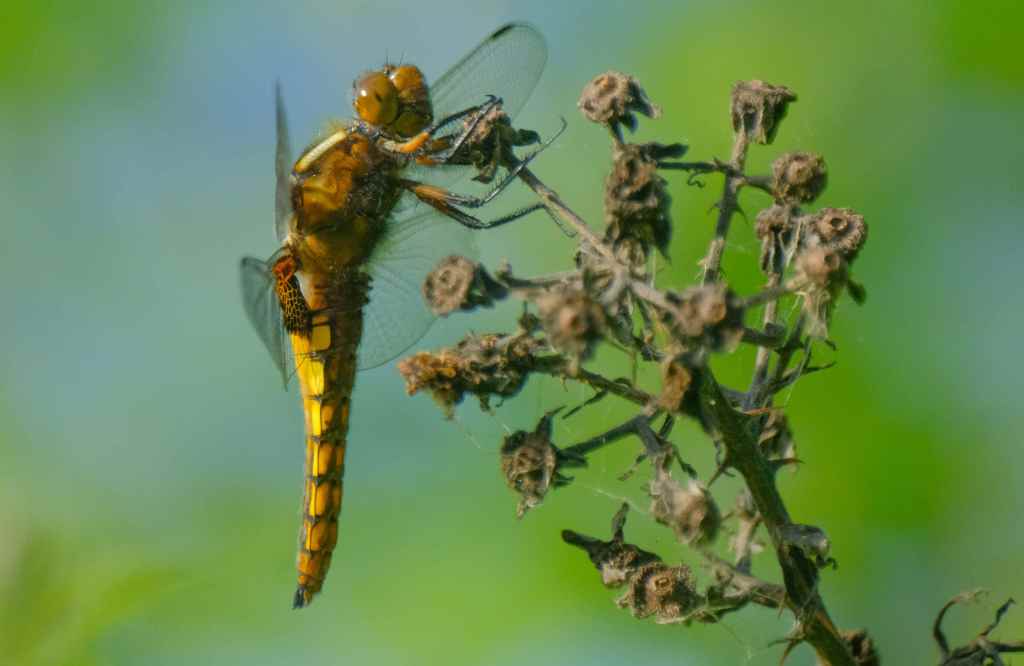
Broad-bodied Chaser (male)

Azure Damselflies.

Large Red Damselfly.

Norfolk Hawker.

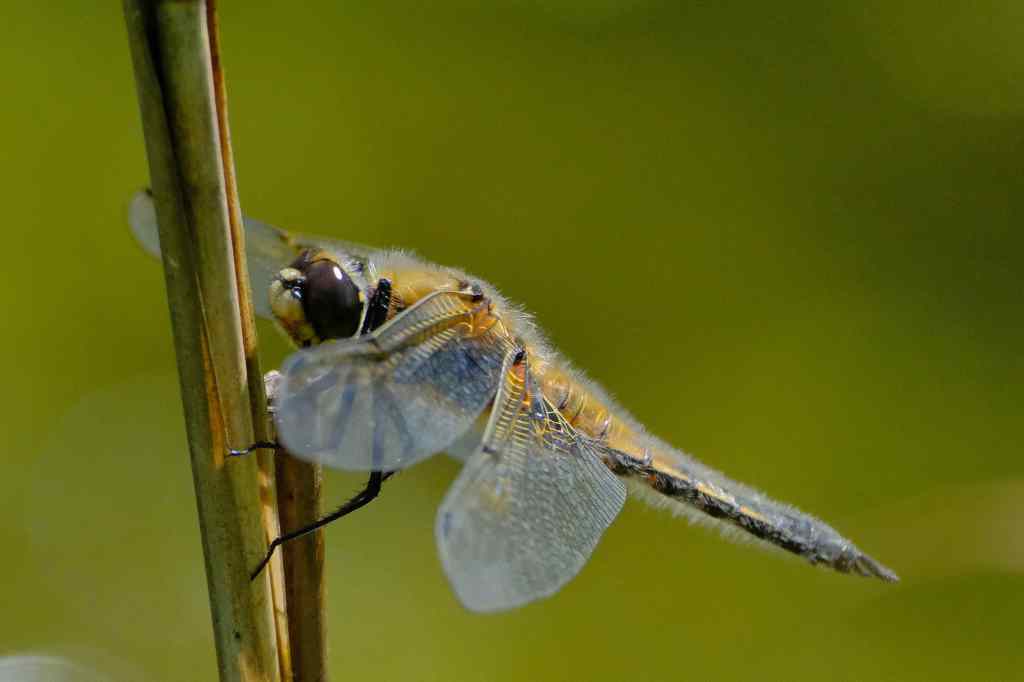
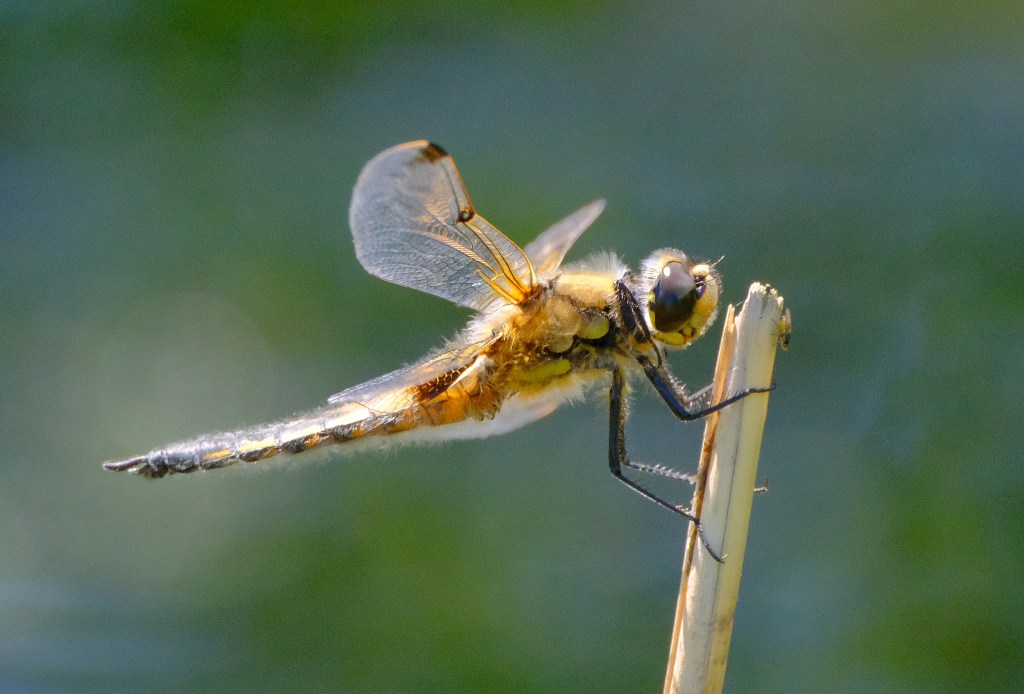
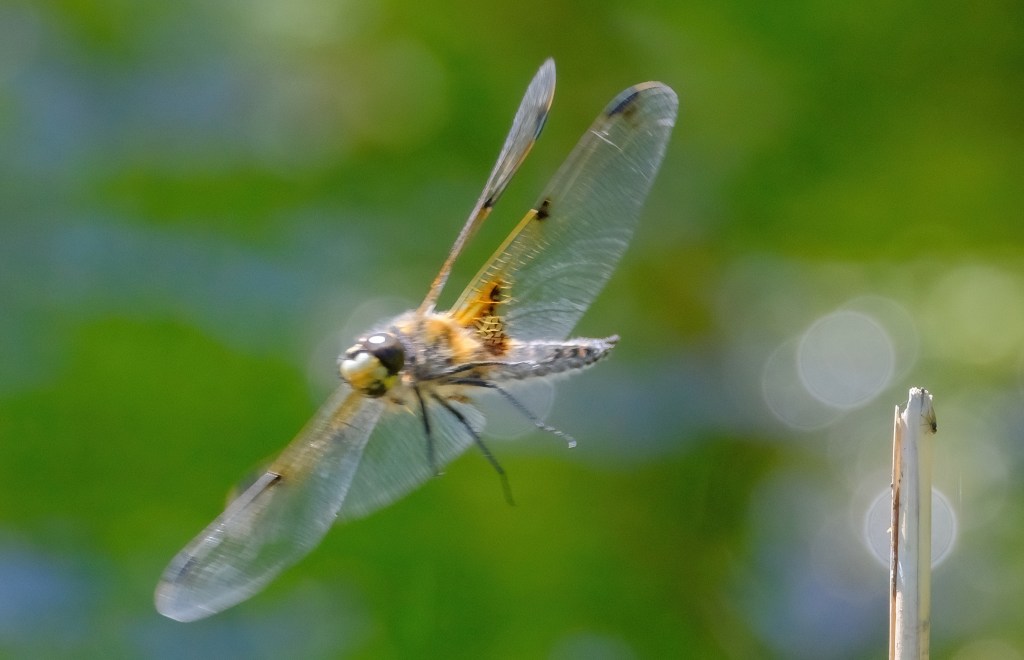
Four-spotted Chaser.

Itchen Valley.

Today’s pictures are all a bit closer.

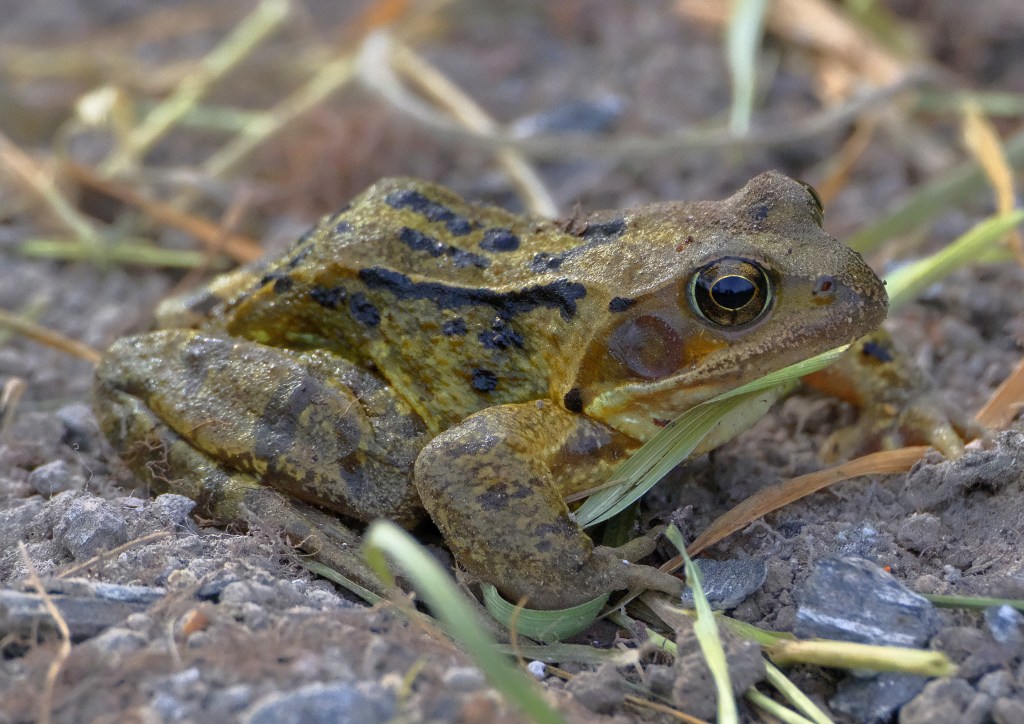
Looking under some corrugated froofing sheet, I was hoping to see some snakes or slow worms, but it was a surprise to see a Common Frog.

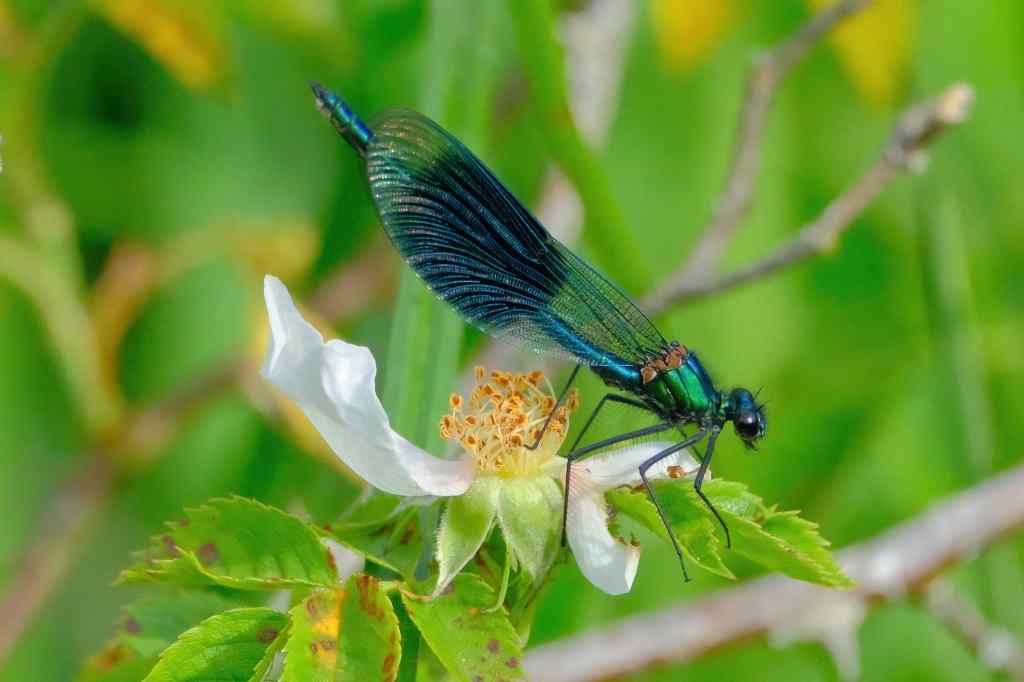
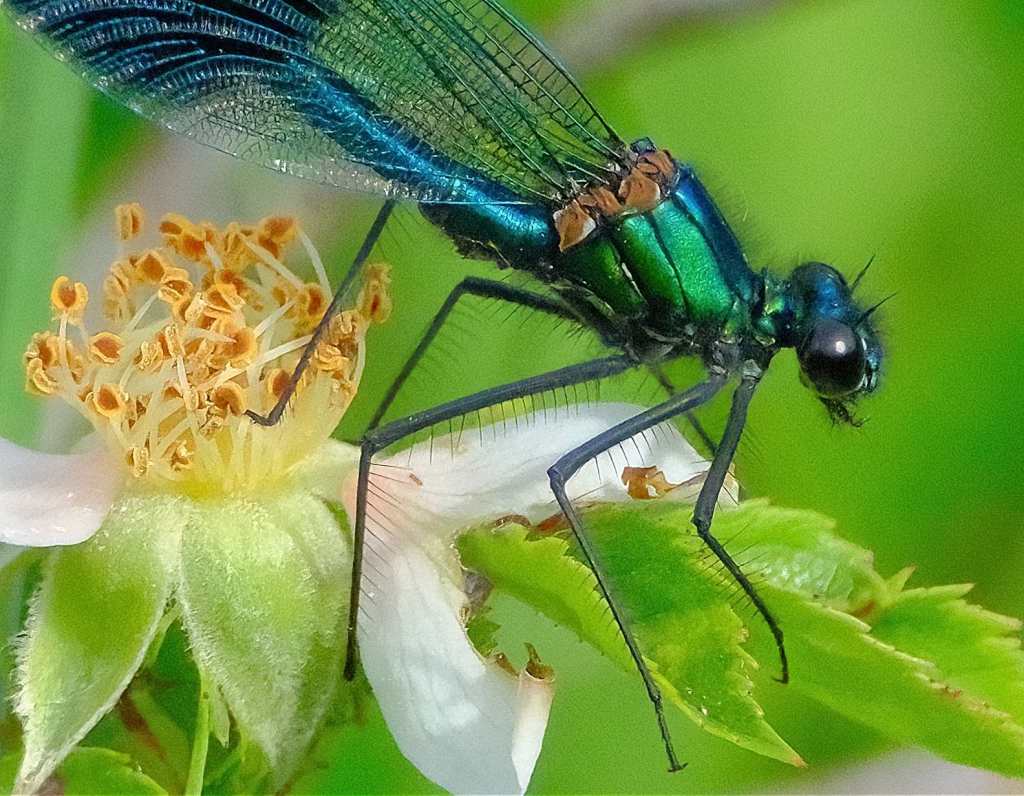
Banded Demoiselle (male)

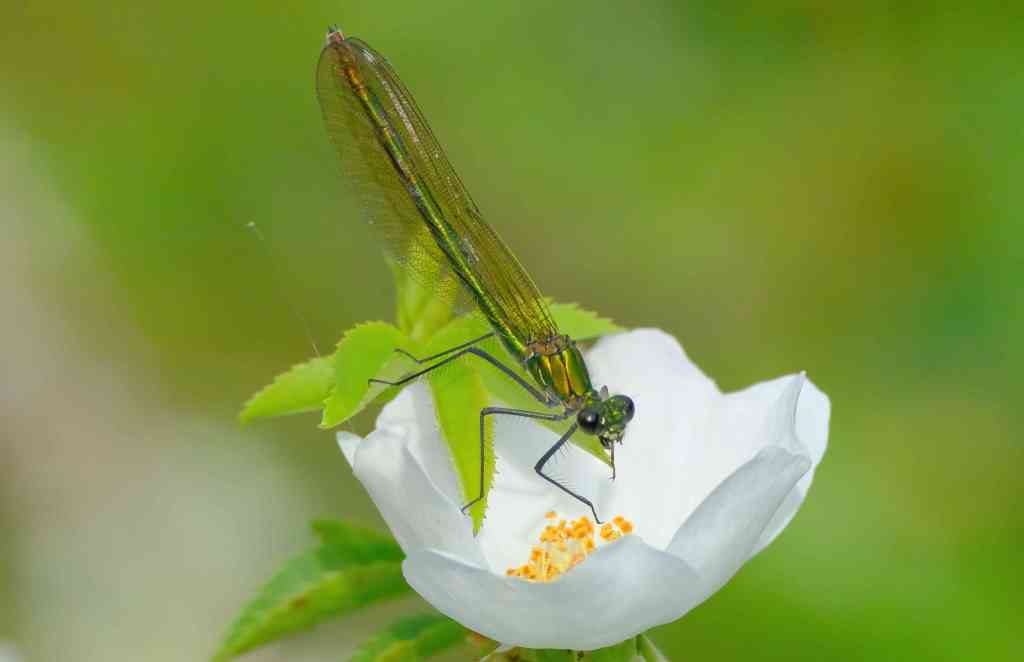
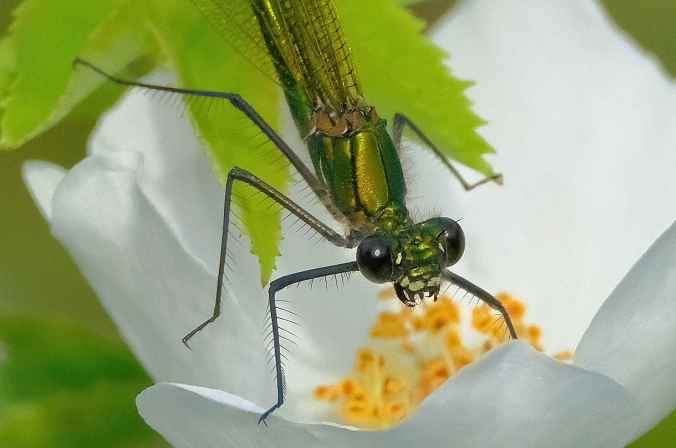
Banded Demoiselle (female)

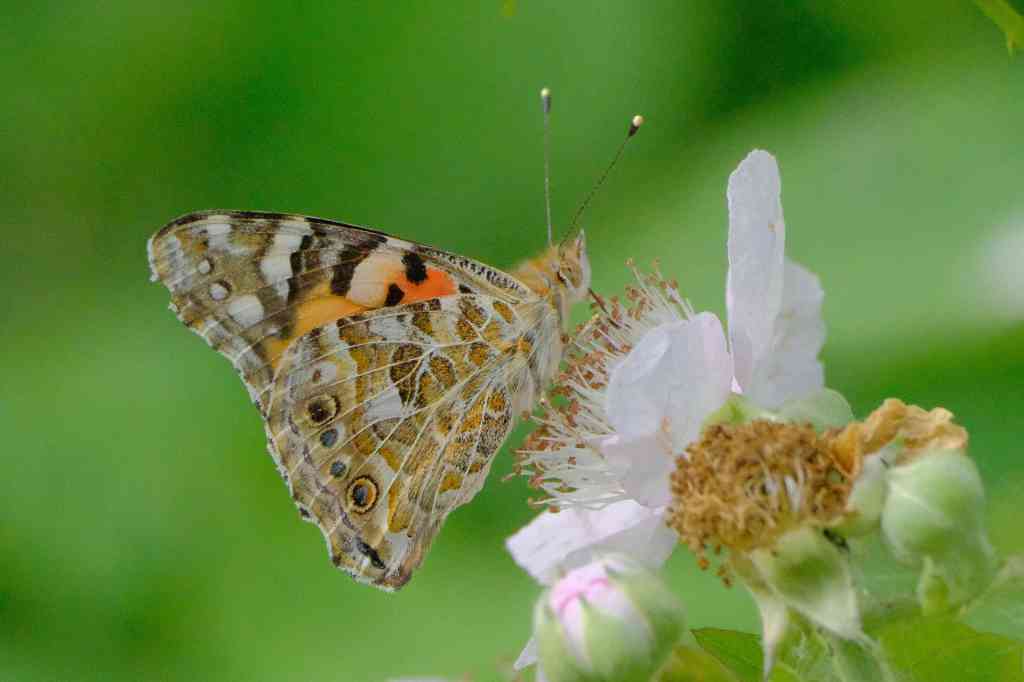
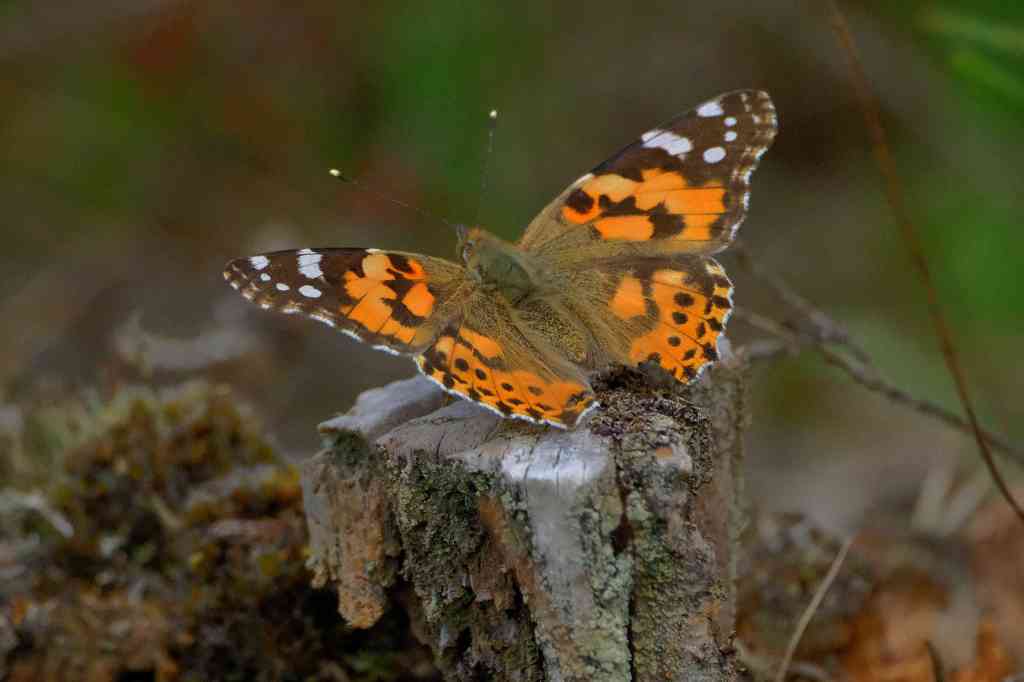
Painted Lady, this year seems to be a good year for this large butterfly. A summer visitor to the UK, their numbers fluctuate drastically. British winters are too cold for them to survive, so large numbers migrate annually from North Africa and southern Europe, arriving from late spring through early autumn.