Now we are into May, and the sun is out. Dragonflies are starting to appear.
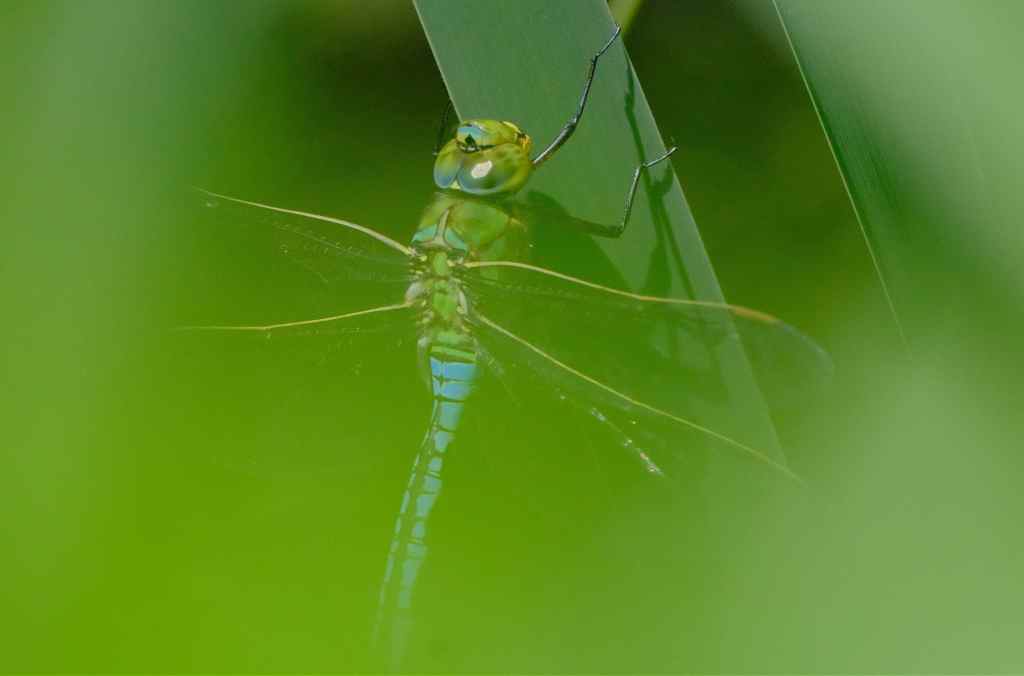
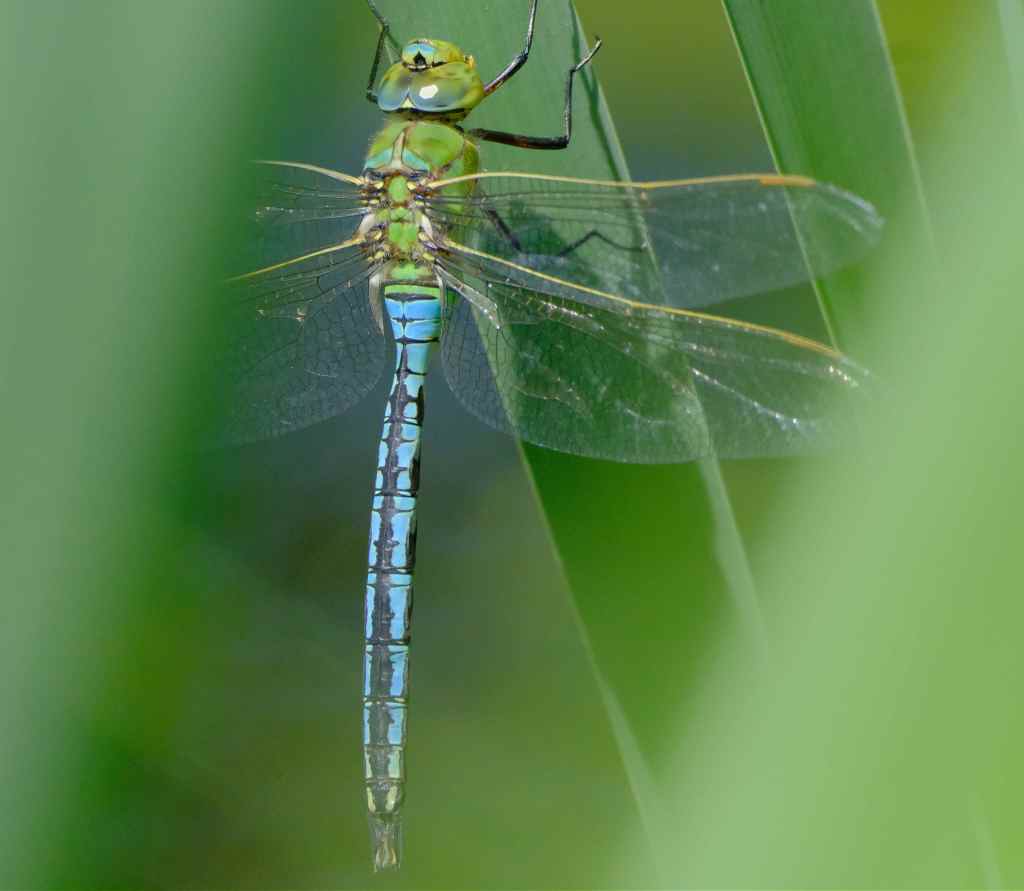
Emperor Dragonfly through the reeds.
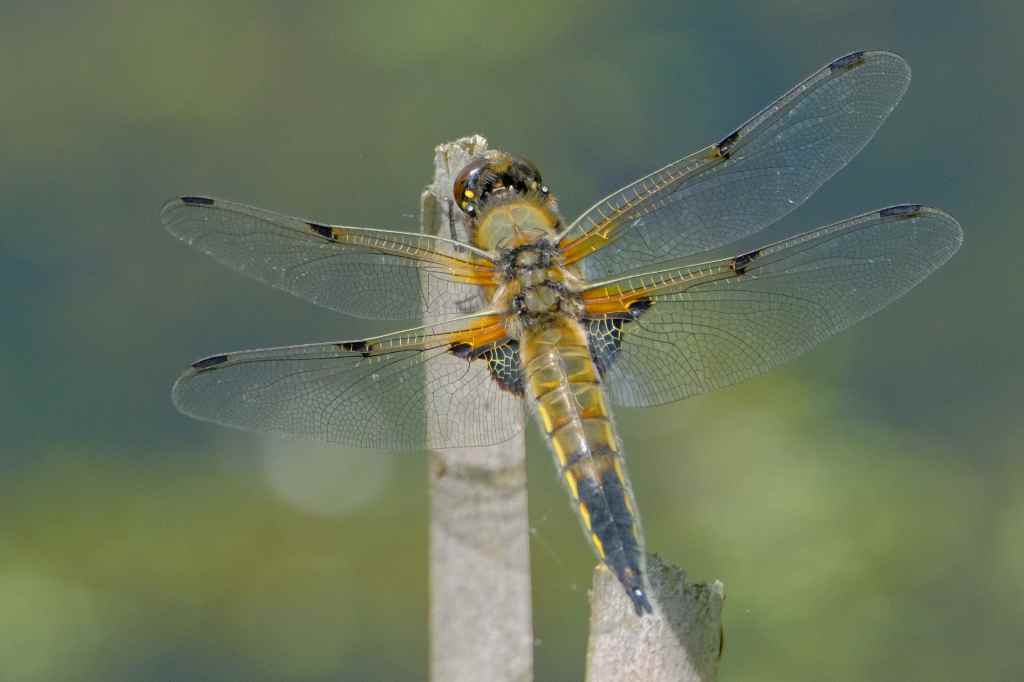
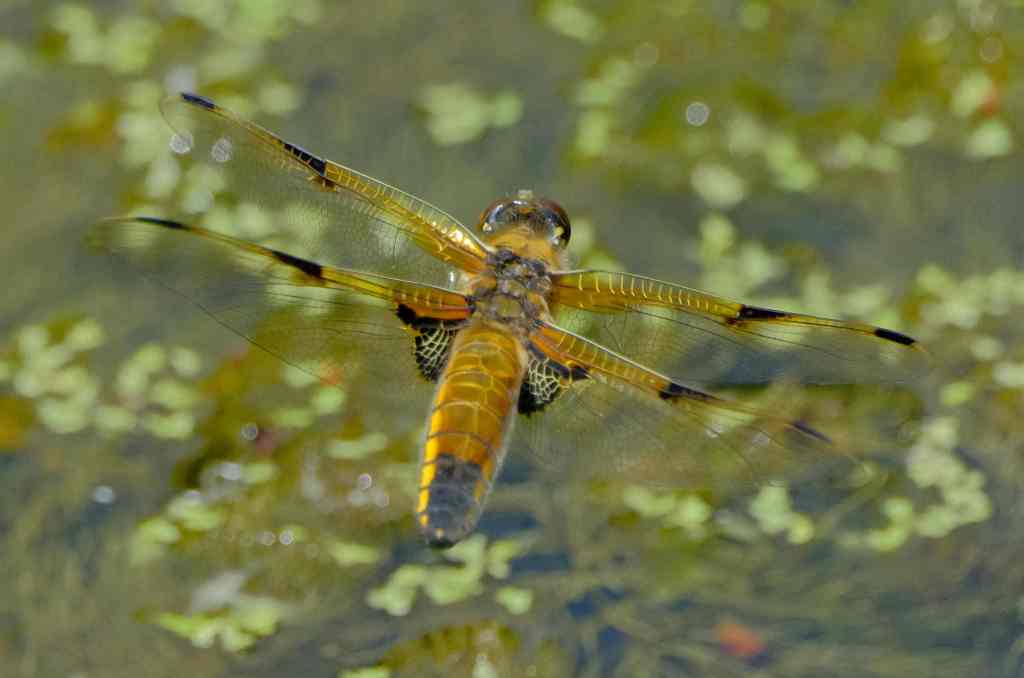
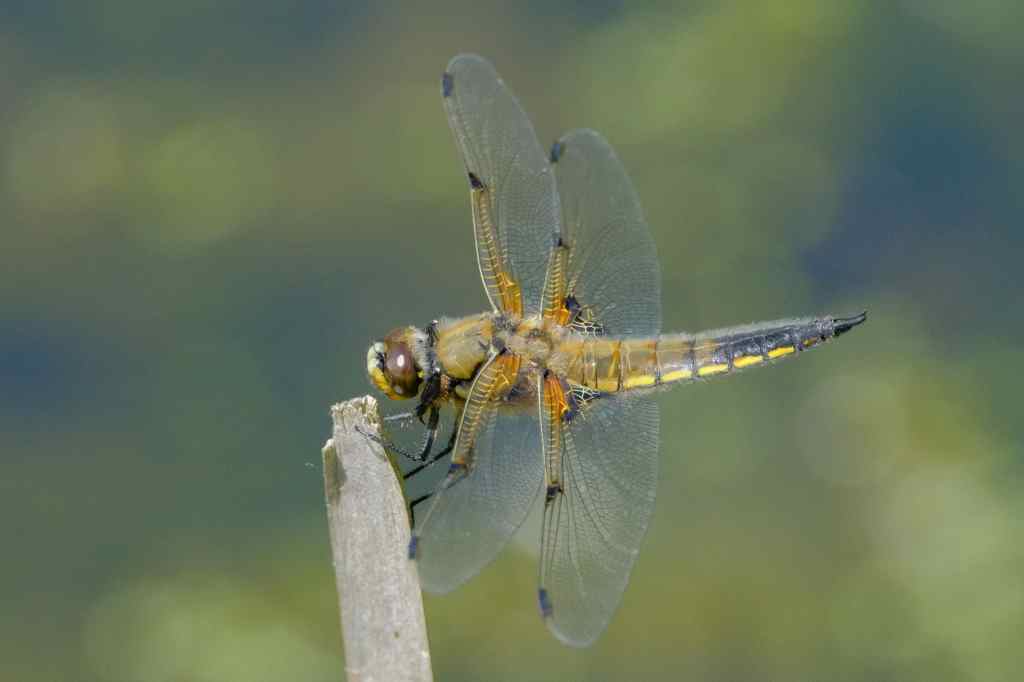
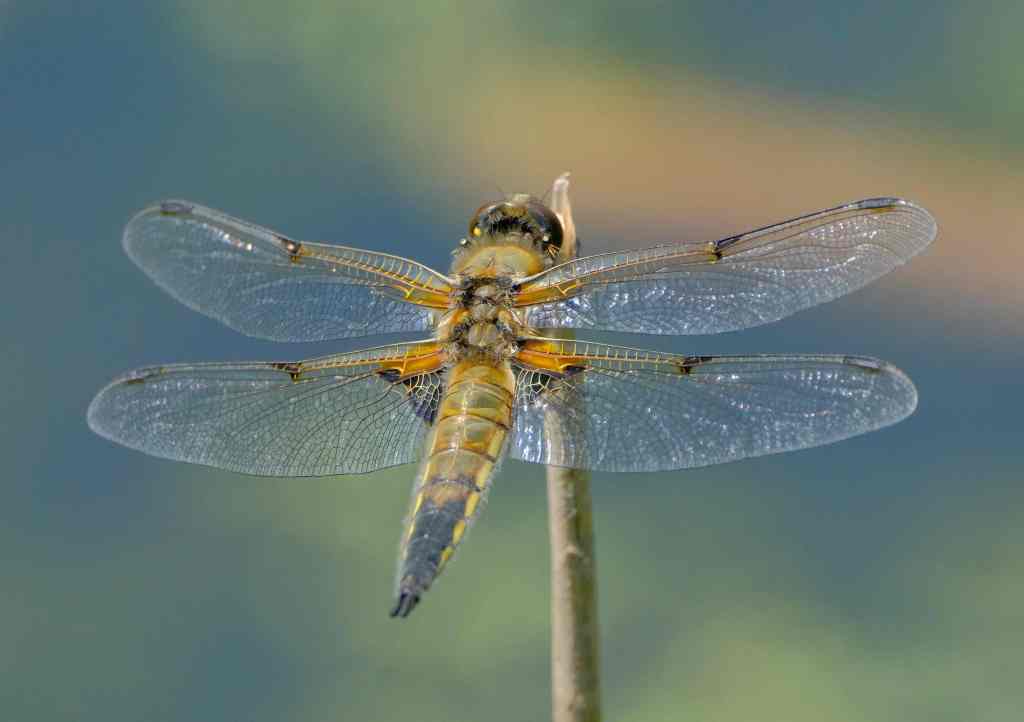
Four-spotted Chacer.
Now we are into May, and the sun is out. Dragonflies are starting to appear.
Emperor Dragonfly through the reeds.
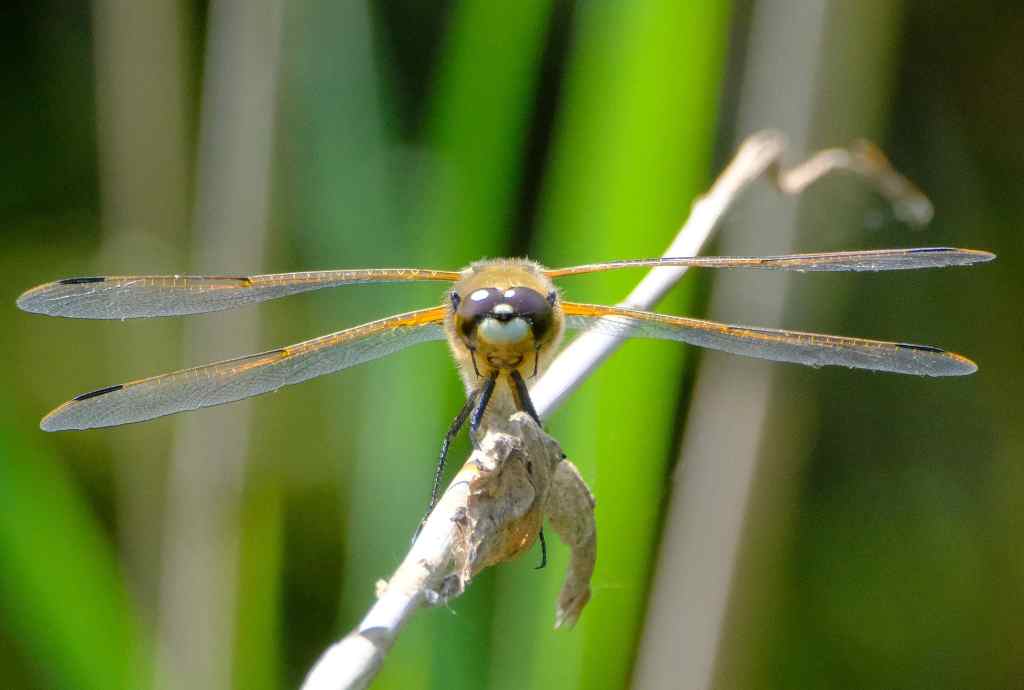
Four-spotted Chacer.
Little things spotted at Titchfield Haven Nature Reserve while on a Sunday morning walk.
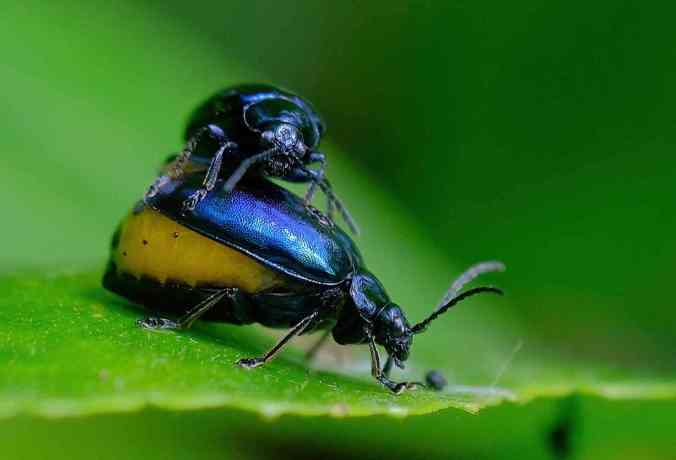
Alder Beetle – mating pair.
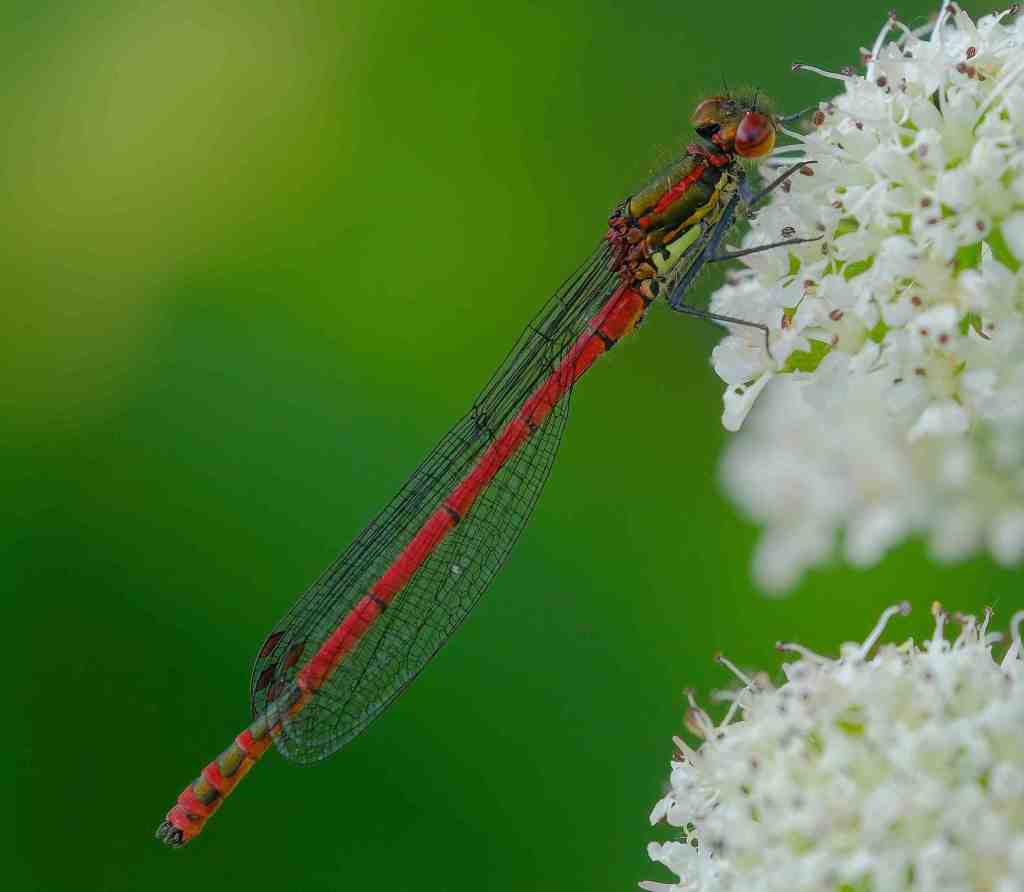
Large Red damselfly.
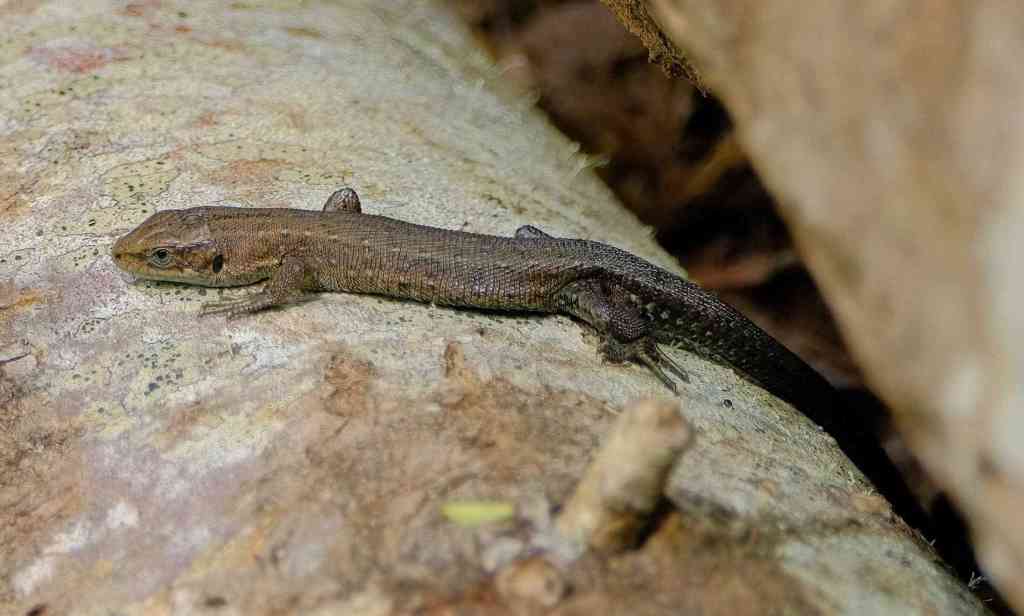
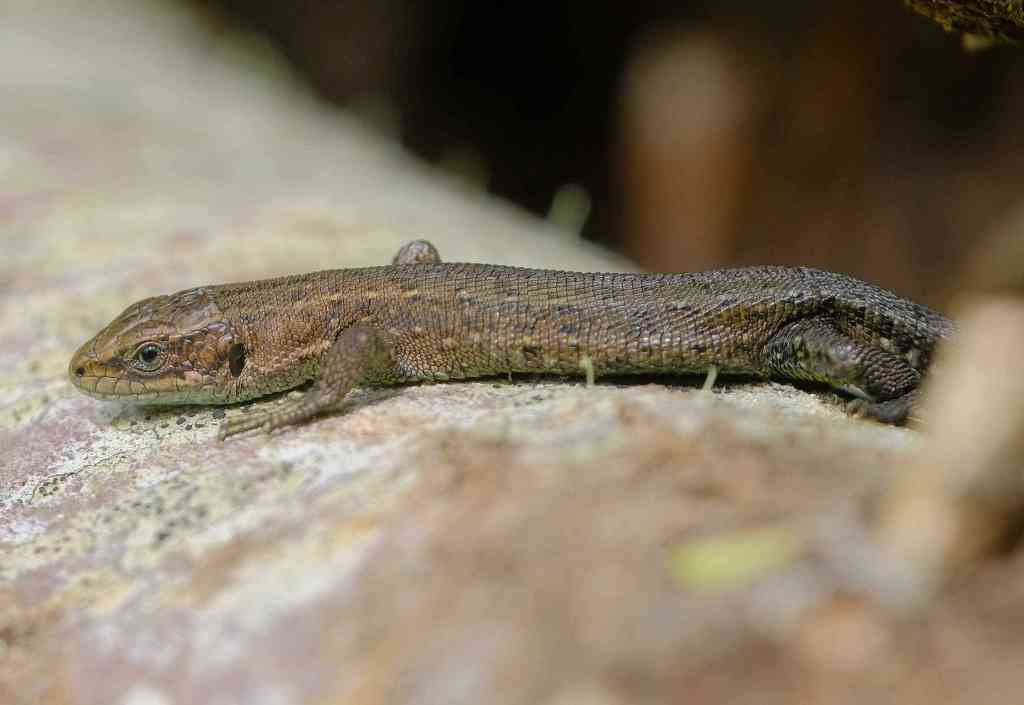
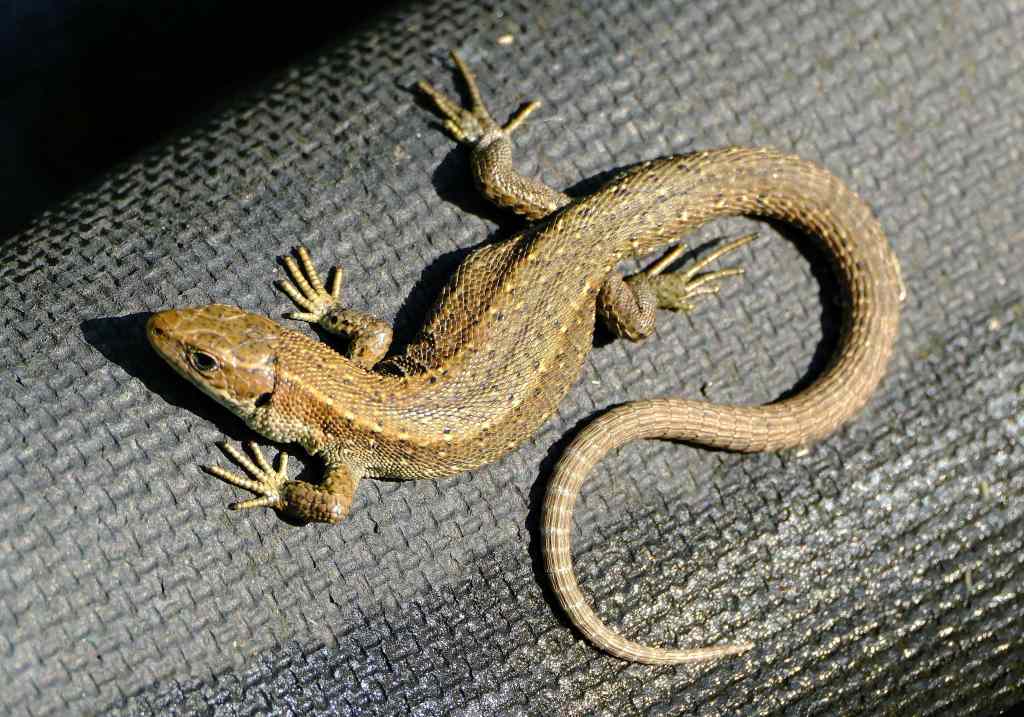
Common Lizard enjoying some sun.
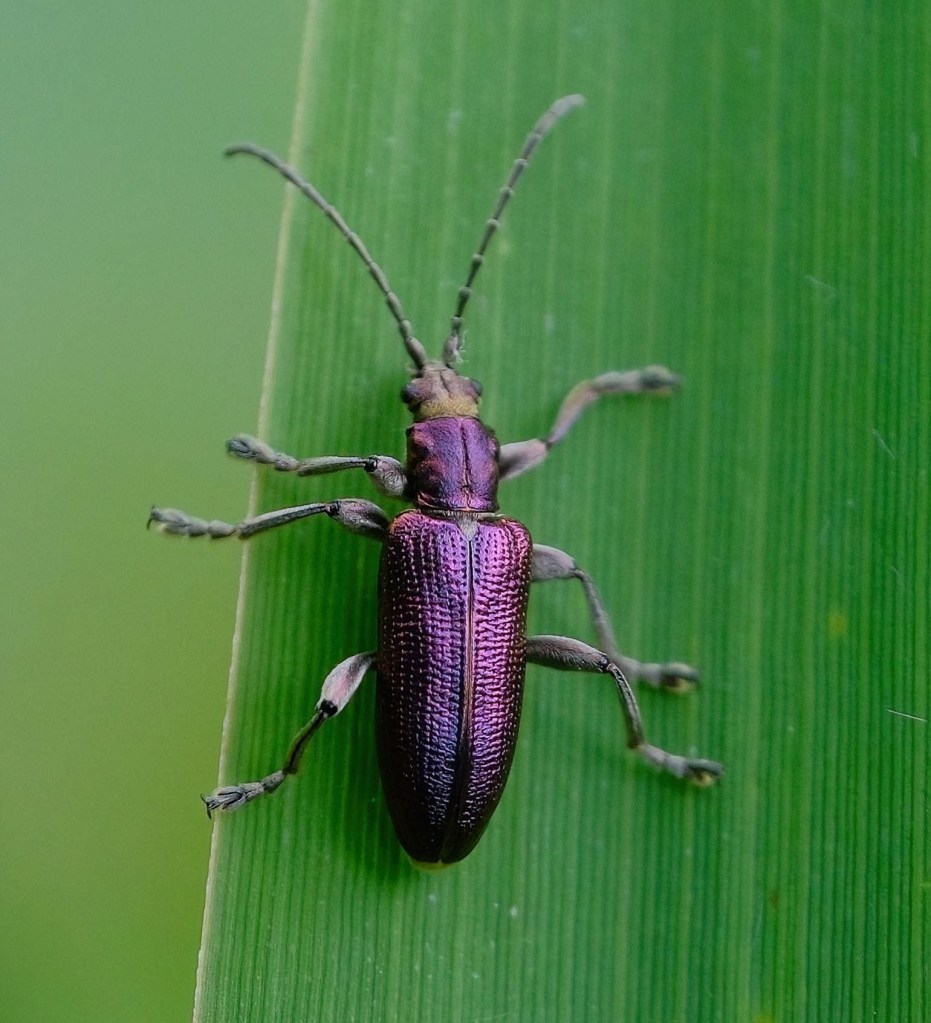
I believe this is a Little Reed Beetle.
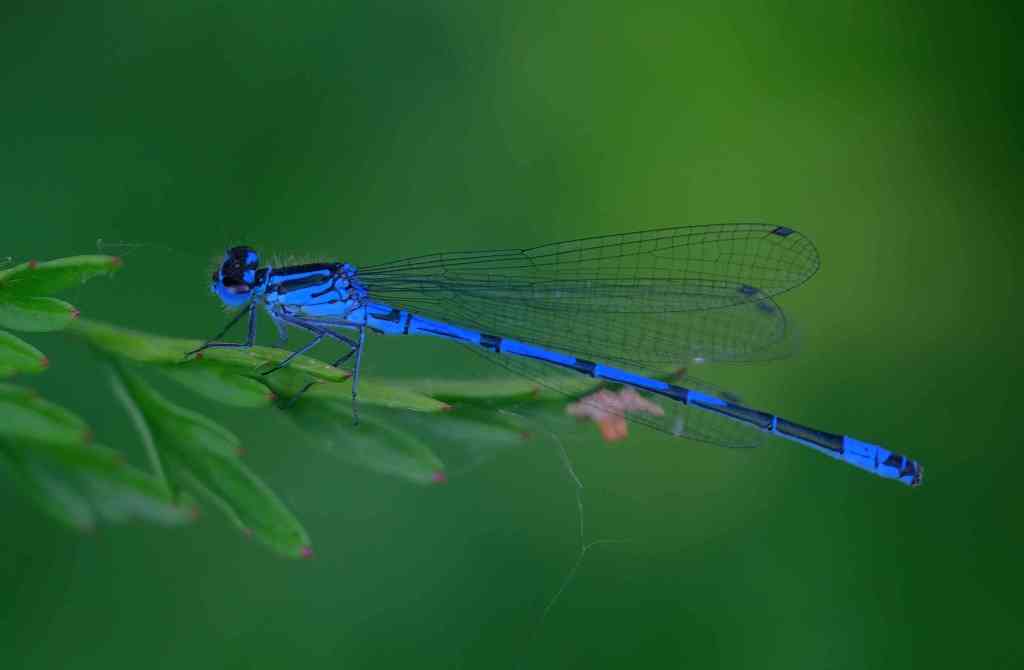
Azure Damselfly {male}.
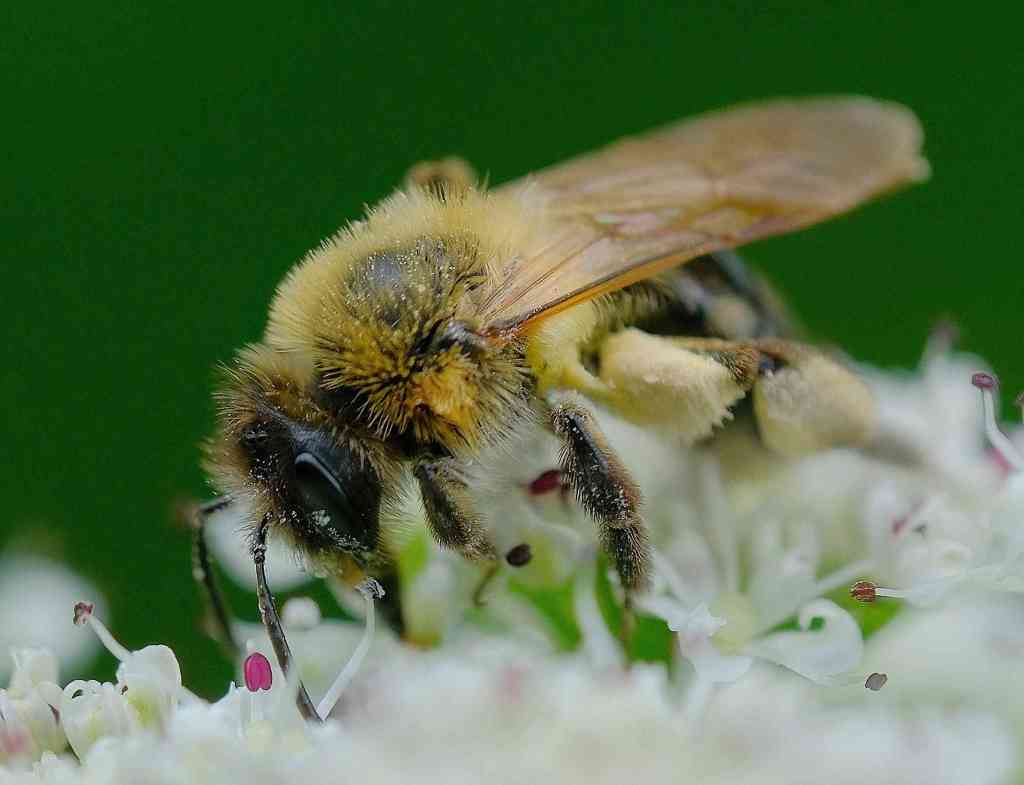
Bee.
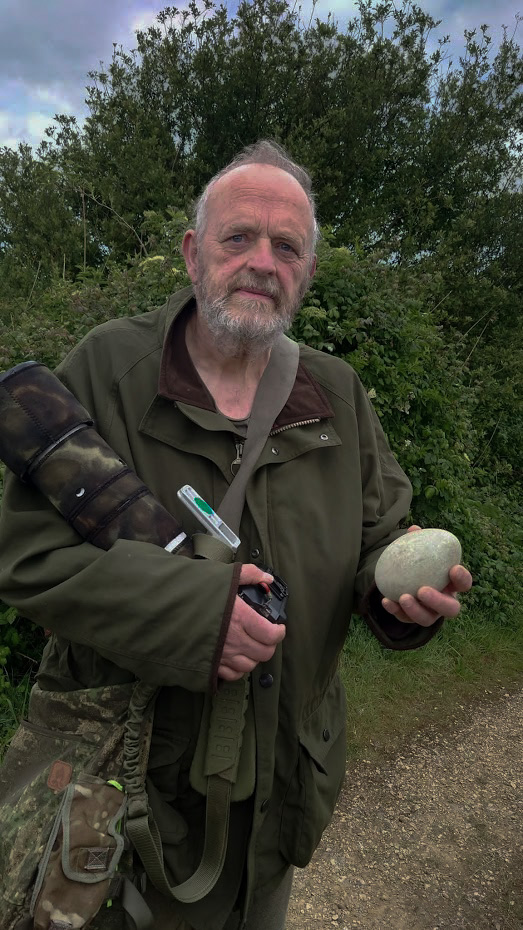
Something a bit larger.
Picked up a Mute Swan egg on the path.
A short film showing the difference between Toad and Frog spawn. {Recorded in the New Forest this week.
Another fungi walk in the New Forest this morning. All pictures today were taken with my phone, which it edited into a short film -so a bit of fun.
Sadly, too many people are foraging for fungi in the New Forest and spotting edible fungi is now difficult in many areas.
The fungi season has started, and now every walk I look down as well as up!


Amanita muscaria, commonly known as the fly agaric, is always a thrill to see, adding colour to the woodland floor.




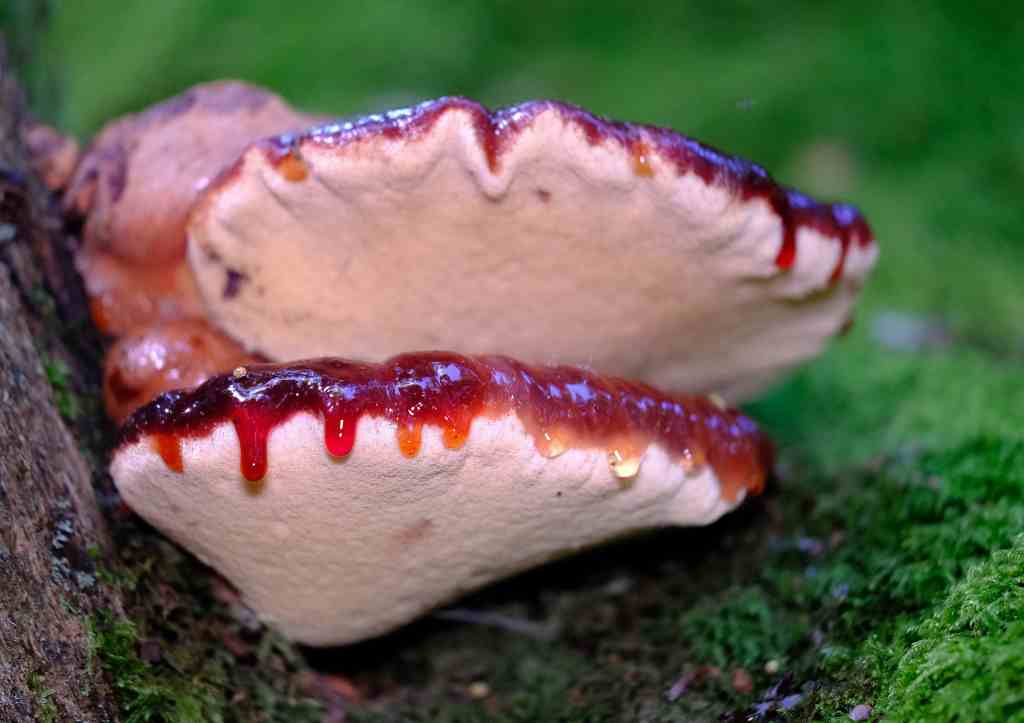
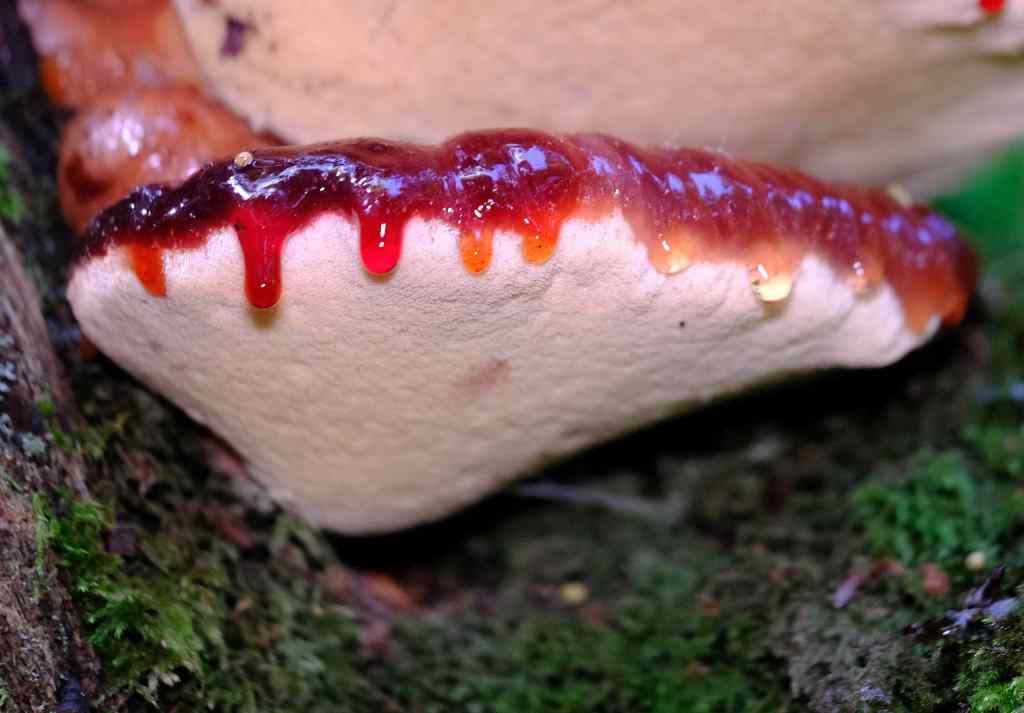
Fistulina hepatica
Another common name for this parasitic bracket is the Ox Tongue fungus. If you cut through the flesh, it does look like a slice of prime beef; however taste is said to be not as good as the appearance. They grow on broadleaved trees, especially oaks and sweet chestnuts, from late summer into autumn.


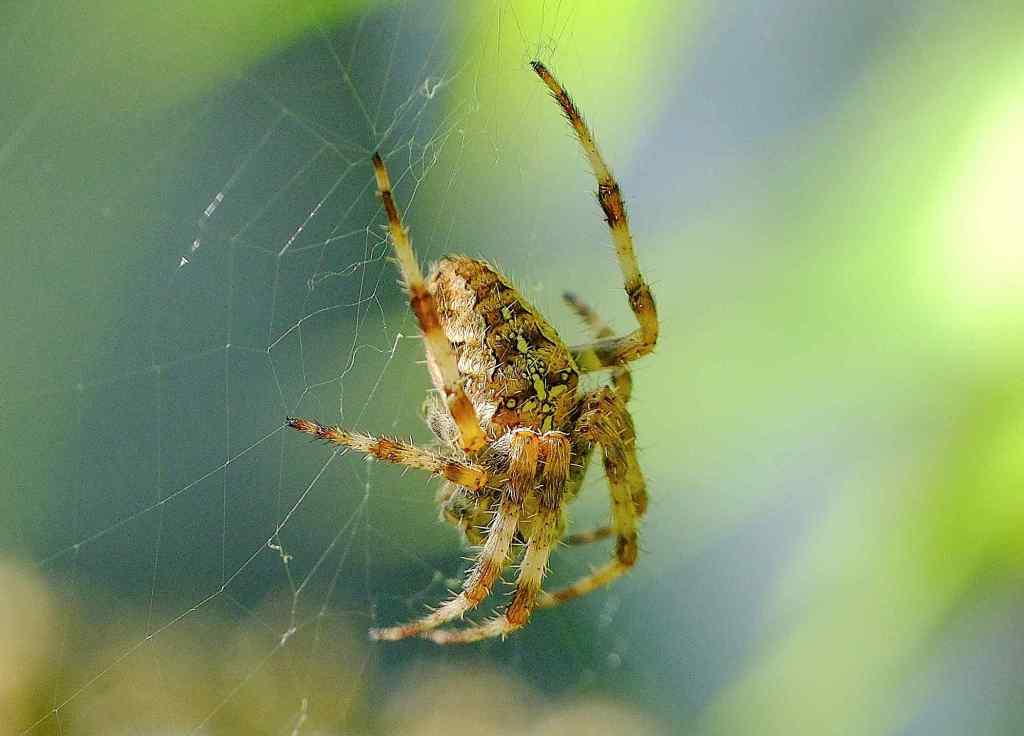
Garden Spider.
Garden spiders are the most common orb-web spiders in the UK. I start seeing small ones in our garden in late summer as the season moves into autumn, the spiders mature, and by late autumn, they are at their largest (approximately 13cm). Orb webs are spiral wheel-shaped webs.