Silver-studded Butterflies. A small butterfly is found mainly in heathland.


Silver-studded Butterflies. A small butterfly is found mainly in heathland.


Sundews are plants found in the New Forest, growing in wet, acidic soil, where they get nutrients from insects.
There are 3 types of sundew in the forest.
I have seen the round-leaved sundew and the oblong-leaved sundew, but I have not yet seen the scarce great sundew. These plants are specially designed to survive in areas with low nutrients. The round-leaved sundew has round, sticky leaves that form a rosette and catch insects. In contrast, the oblong-leaved sundew has long leaves covered in sticky hairs that also trap prey. The great sundew has bigger leaves. When insects touch the leaves, they get stuck quickly; the hairs bend towards the insect to stop it from escaping, and the whole leaf curls over to trap it.


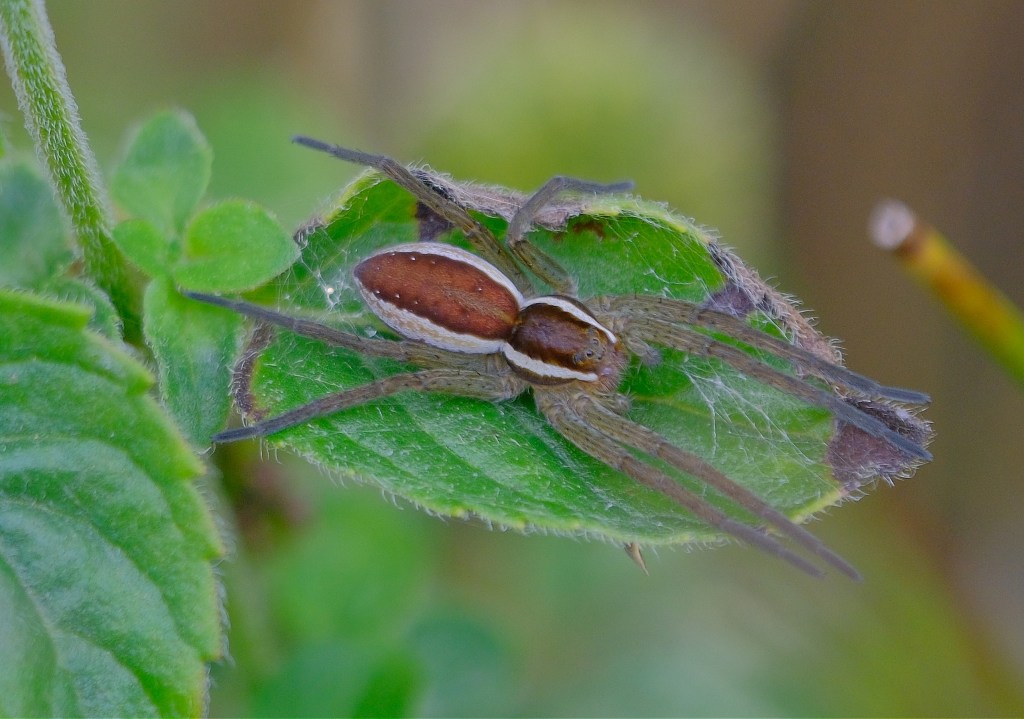
About 650 spider species are found in the UK, and about 450 live in the New Forest. One of my regular encounters in the summer is the Raft Spider. Its normal habitat is near water, where it can skate on the surface. The Raft Spider can also live underwater for up to about 20 minutes. They seem to favour wild mint plants to hide on in the area where we have found them.
They are active from spring through autumn. The best time to see them is during the breeding season from May to July.
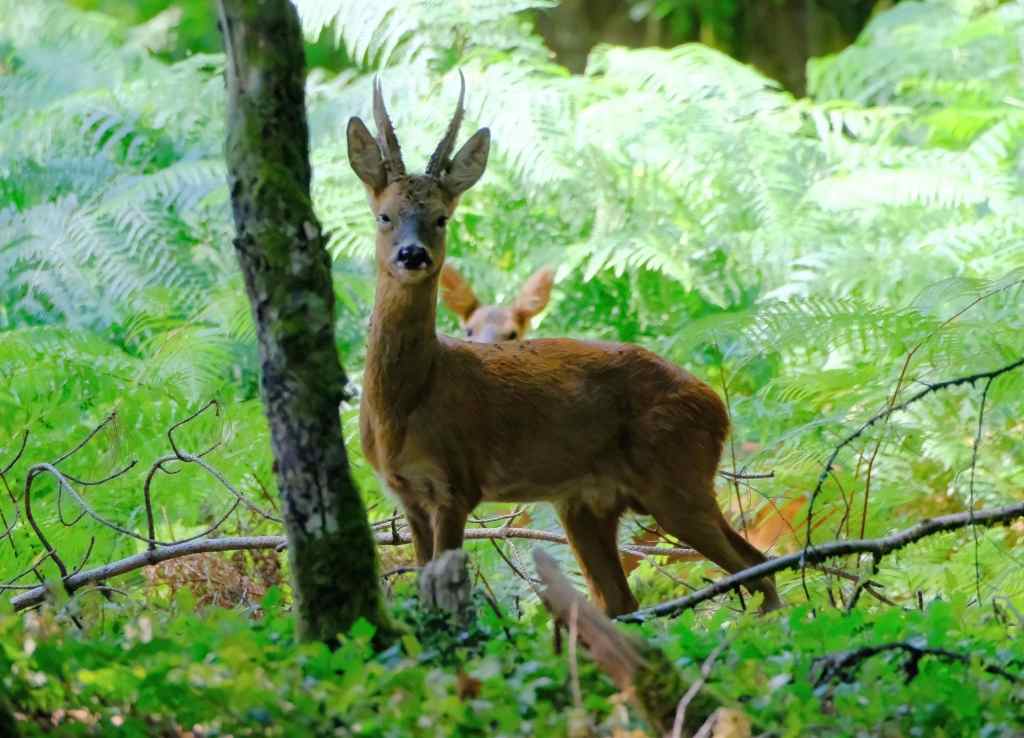
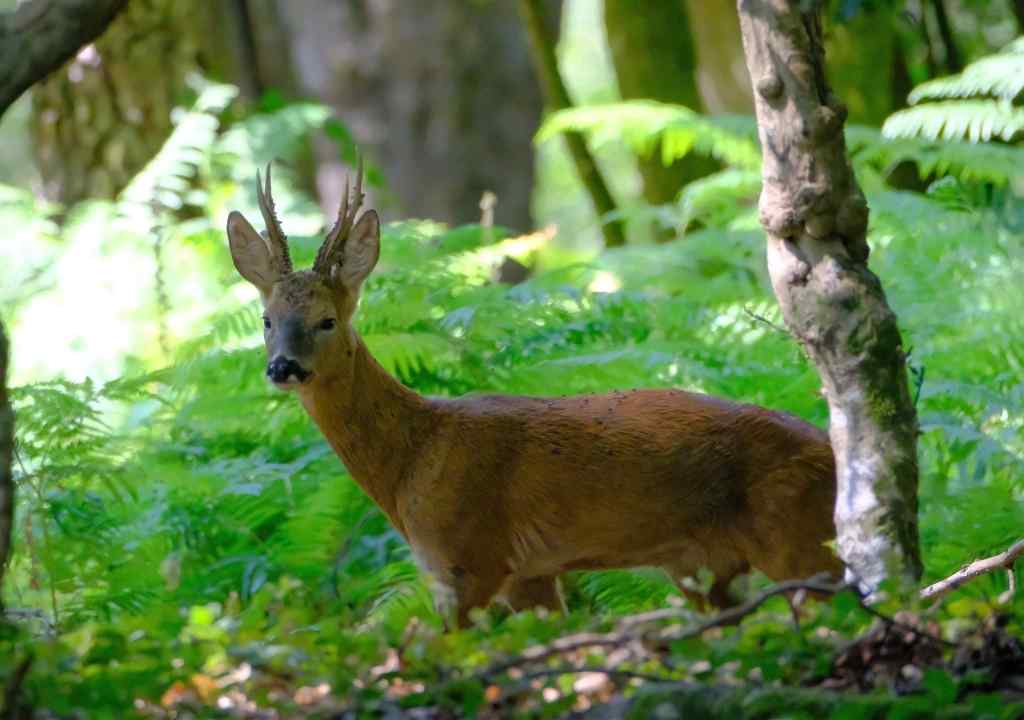


Today’s post is back to my current photographs. A walk across some of the heathland in the New Forest, lots of Orchids in flower – I am not a plant expert, and a lot of the Pink Orchids look very similar, and they also hybridise. I think these are Common Spotted Orchids, but I am happy to be corrected.


A nice specimen of Oyster Mushroom growing on an old tree.

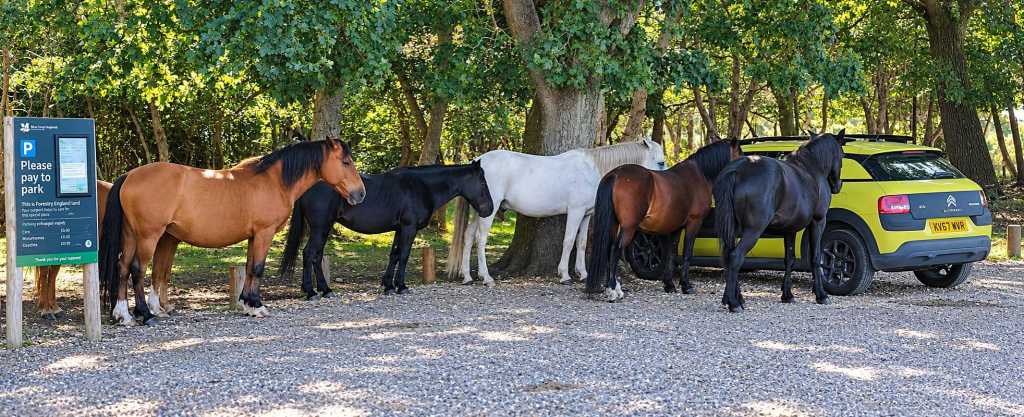
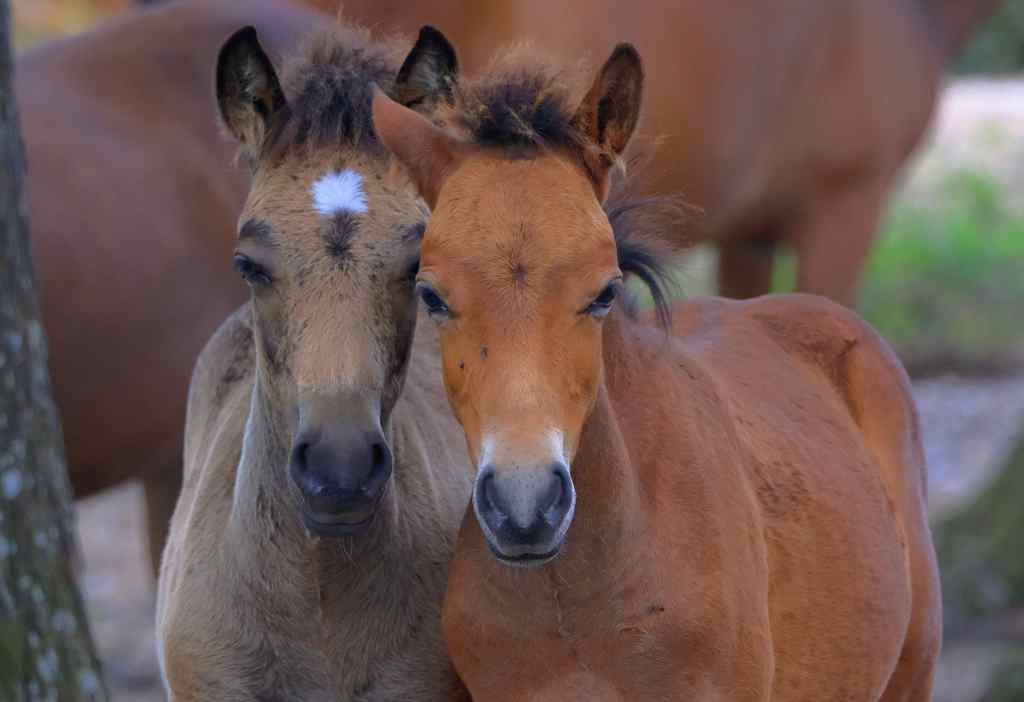
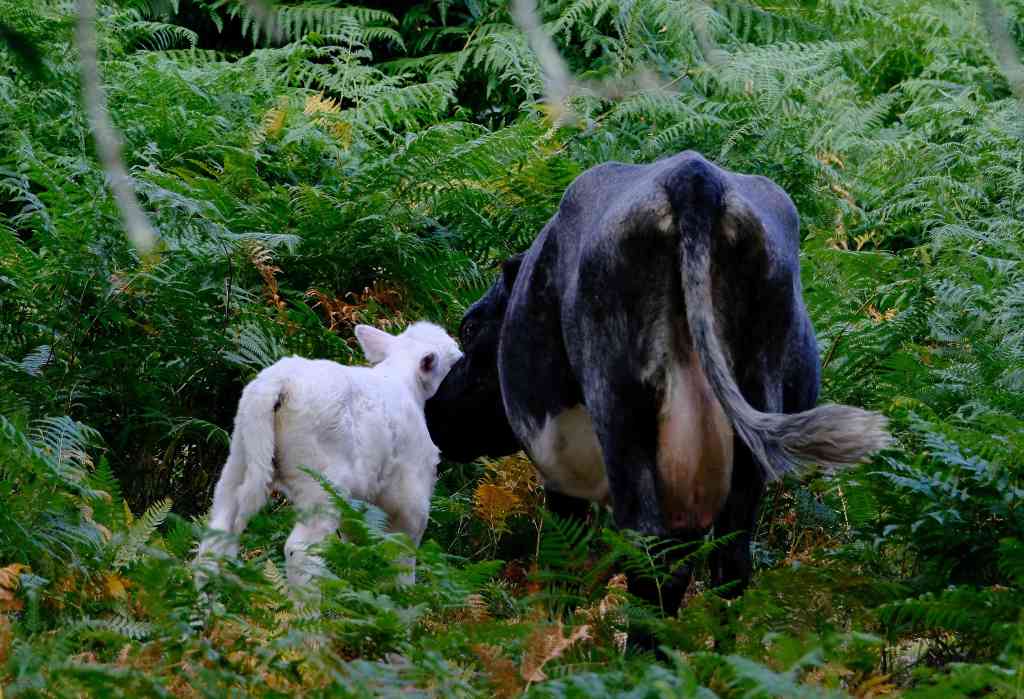
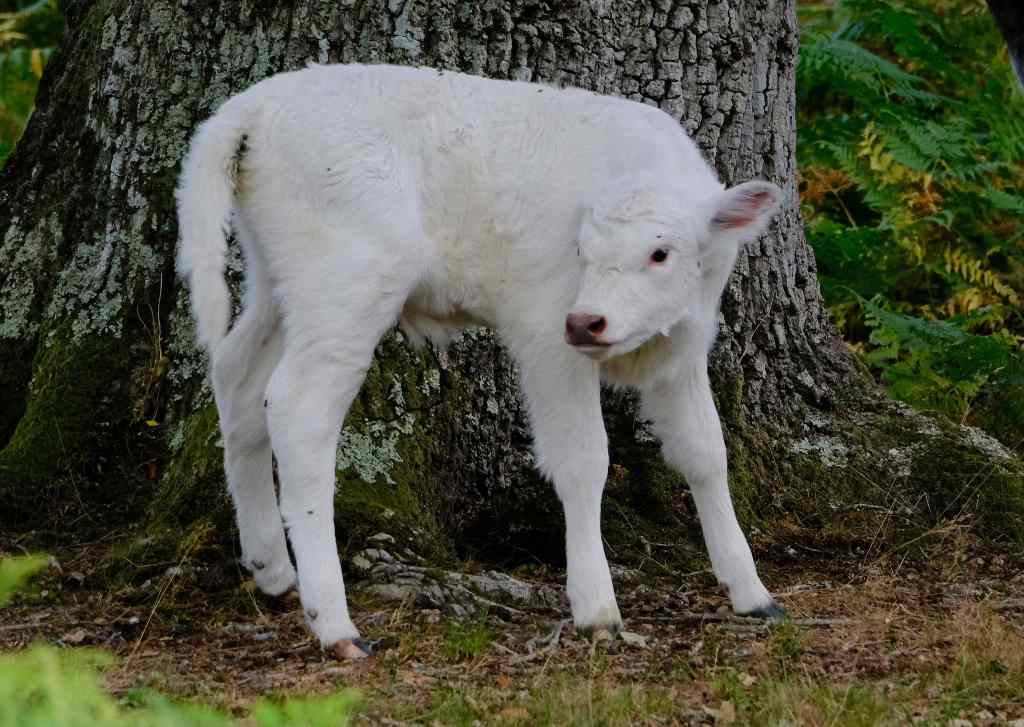
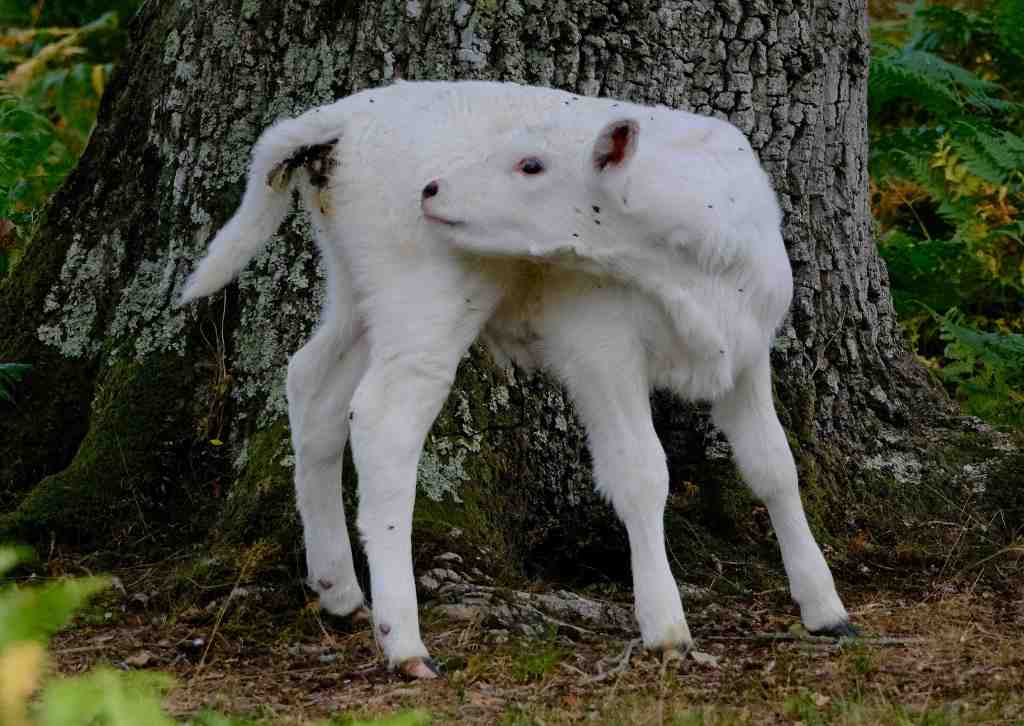
Now that we are into June, lots of foals have been born, both ponies and donkeys.


Numerous Cuckoos were both seen and heard on our walk, but all too far off to film. The highlight spot of the walk was several Redstarts. A summer visitor, the male is a handsome bird which is pinky-red below with a black face, silvery-white forehead, grey back and striking red tail. They were formerly classed as a member of the thrush family, but are now known to be a flycatcher.


The weather changed to heavy showers and constant drizzle yesterday, the only acceptable nature photos were the Siskins feeding in the car park. I posted yesterday.
The dragon and damselflies were not flying, but we spotted some distant birds, including both a Cuckoo and Redstarts.
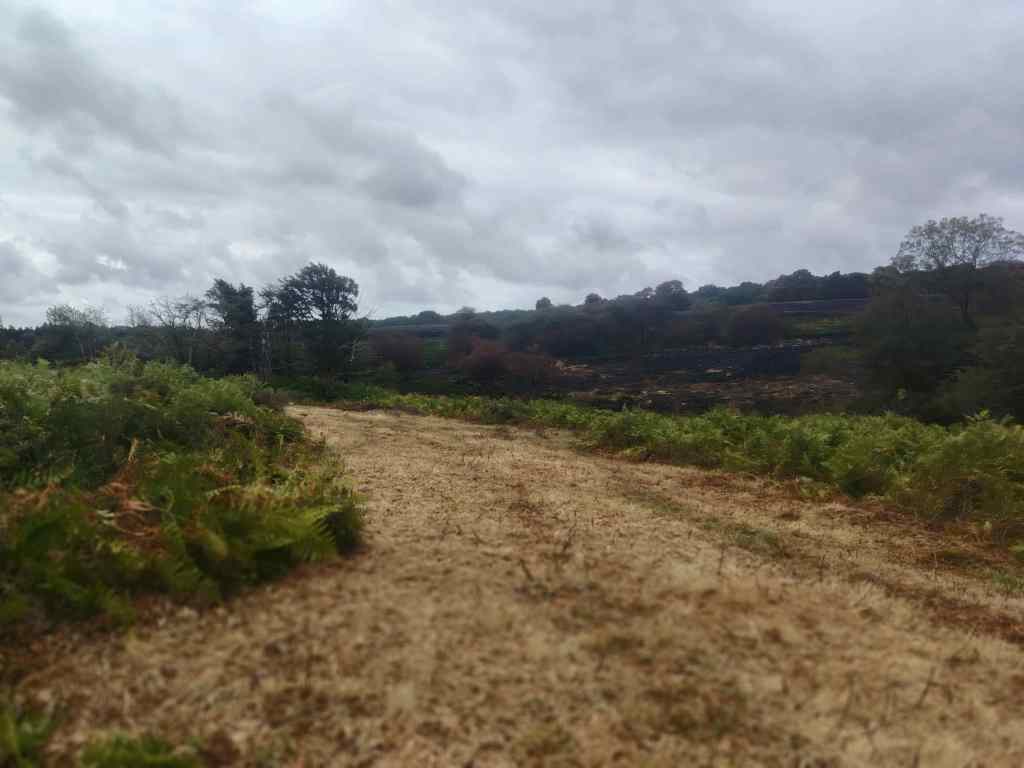
A view from a sit-down under some trees, “A New Forest View”.


A few hours around Hatchet Pond in the New FOREST
Bumble Bees on Water Lillie flowers. Thought I would try some in-flight shots.

There are 24 different species of bumblebee in the UK.


Canada Geese with just 1 gosling.


Great Spotted Woodpecker, New Forest.
Here in the UK, we have three resident woodpecker species.
1, The Great Spotted is the most common.
2, The Green Woodpecker.
3, The Lesser Spotted Woodpecker.


The Two-banded Longhorn Beetle (Rhagium bifasciatum). in the New Forest.


A little while ago, I posted pictures of a female Stonechat. https://skylid.travel.blog/2026/04/15/female-stonechat/
At the time, I could not get any pictures of a male bird, but yesterday I spotted this male Stonechat.