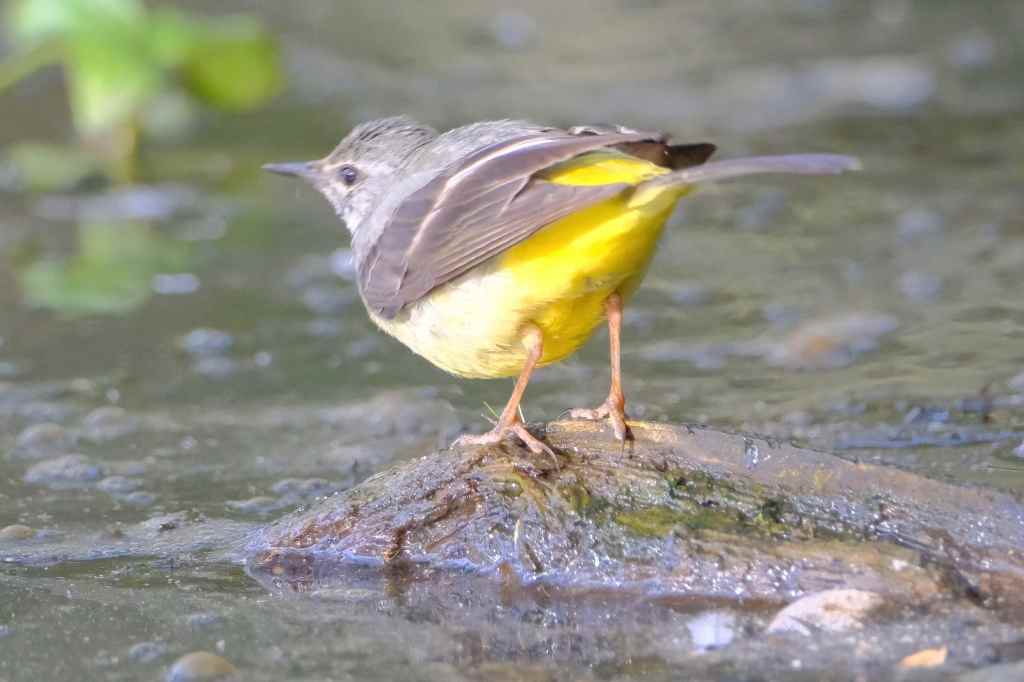
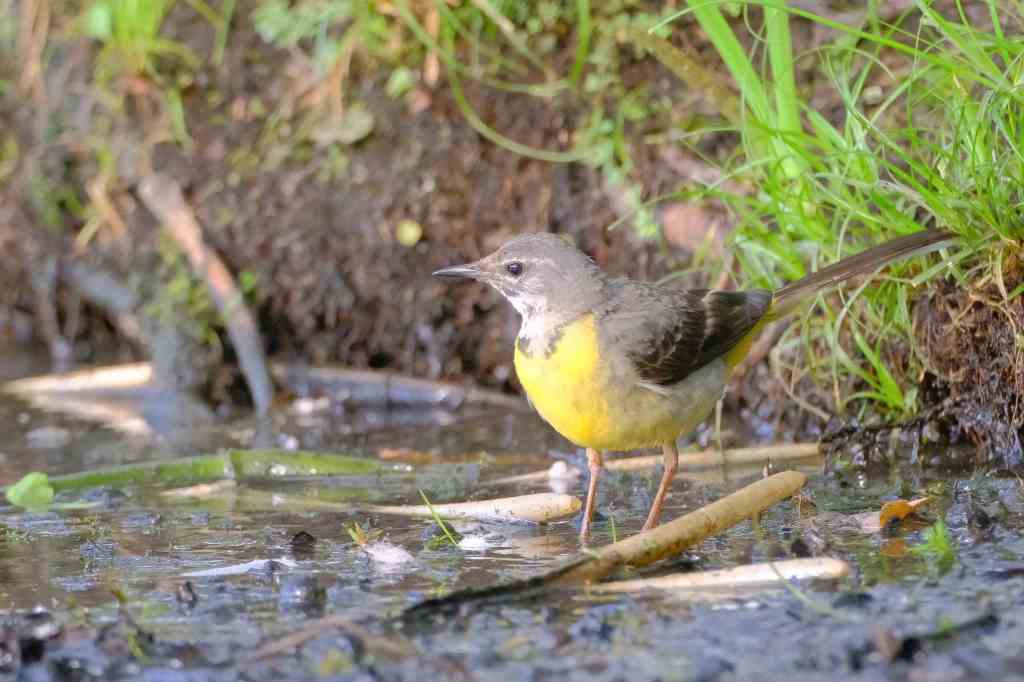
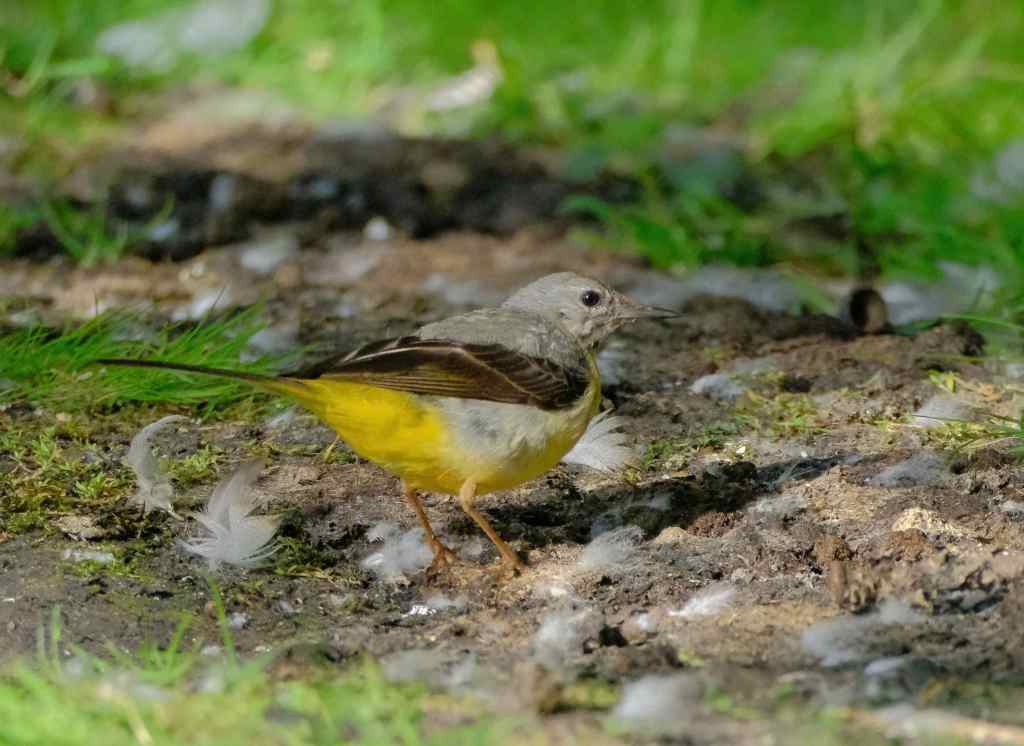
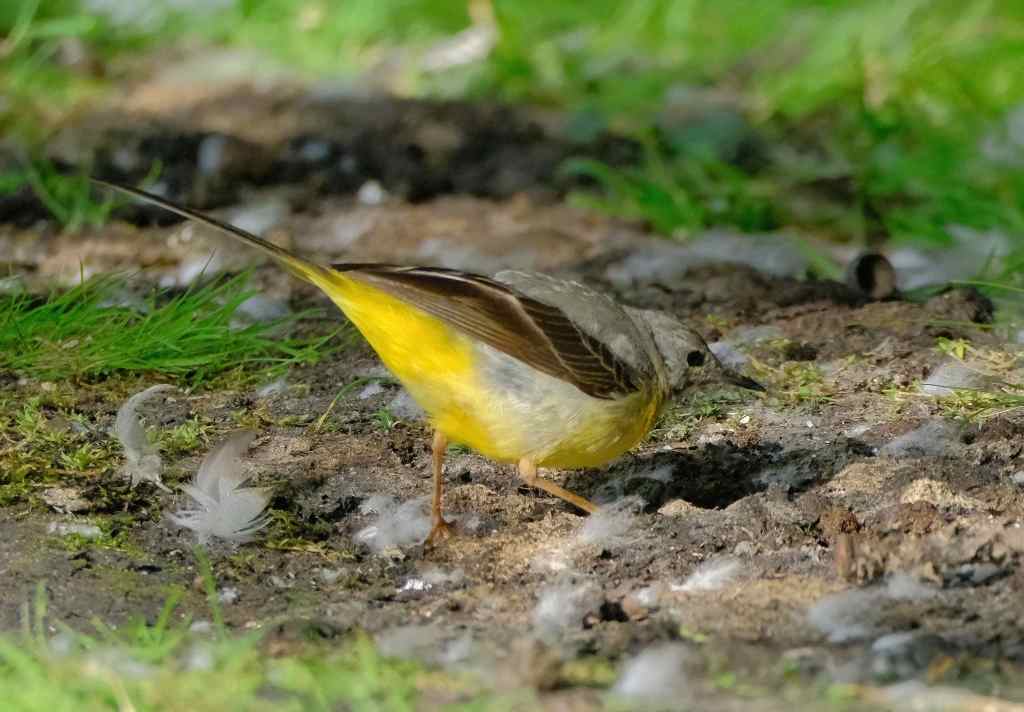
New Forest.
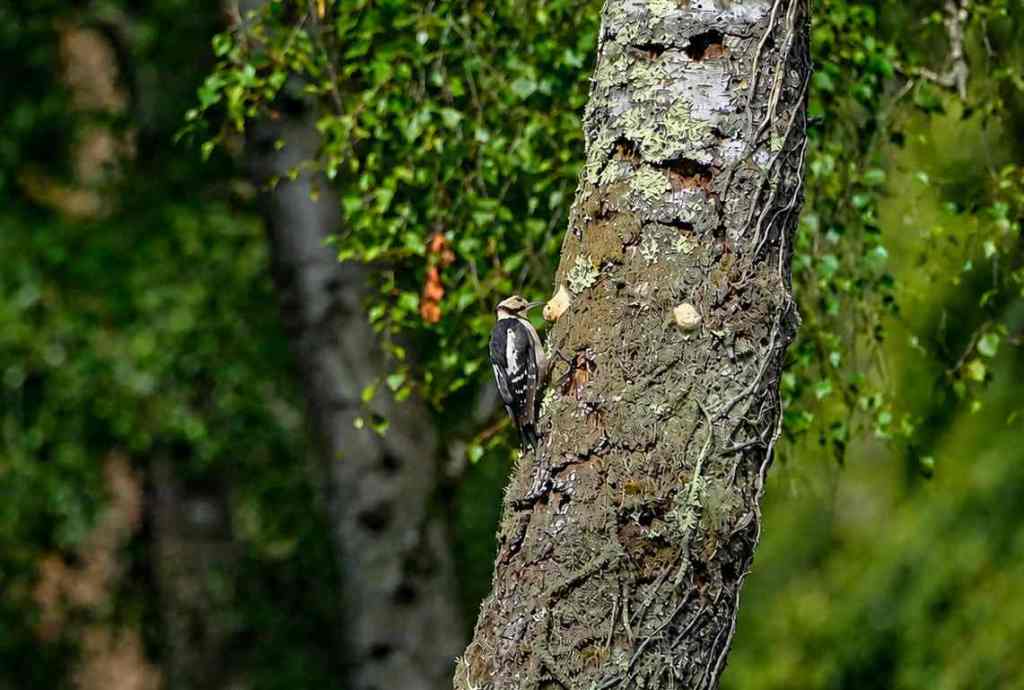
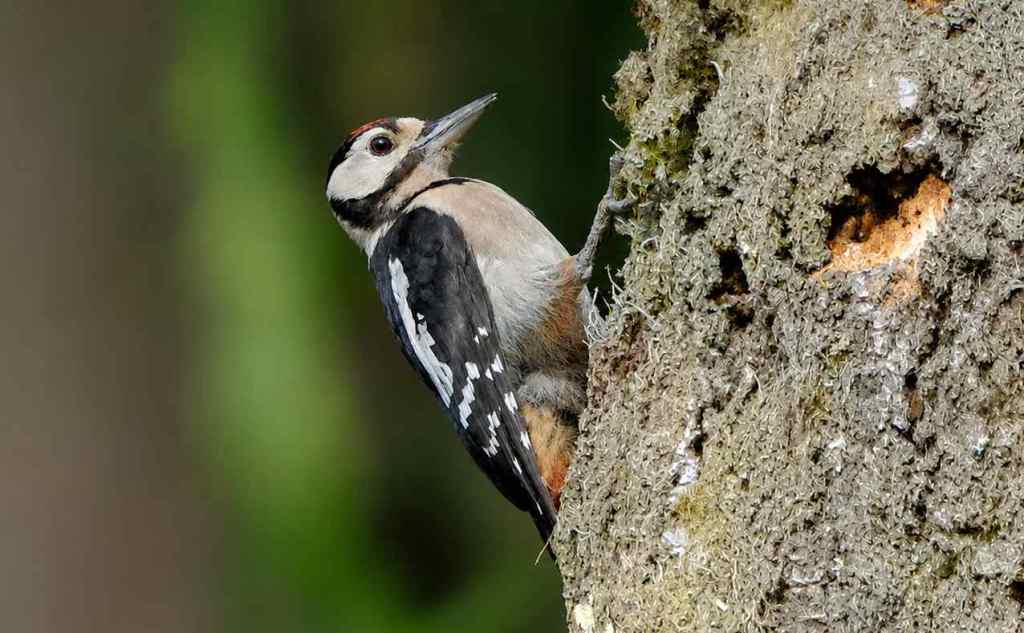
New Forest.
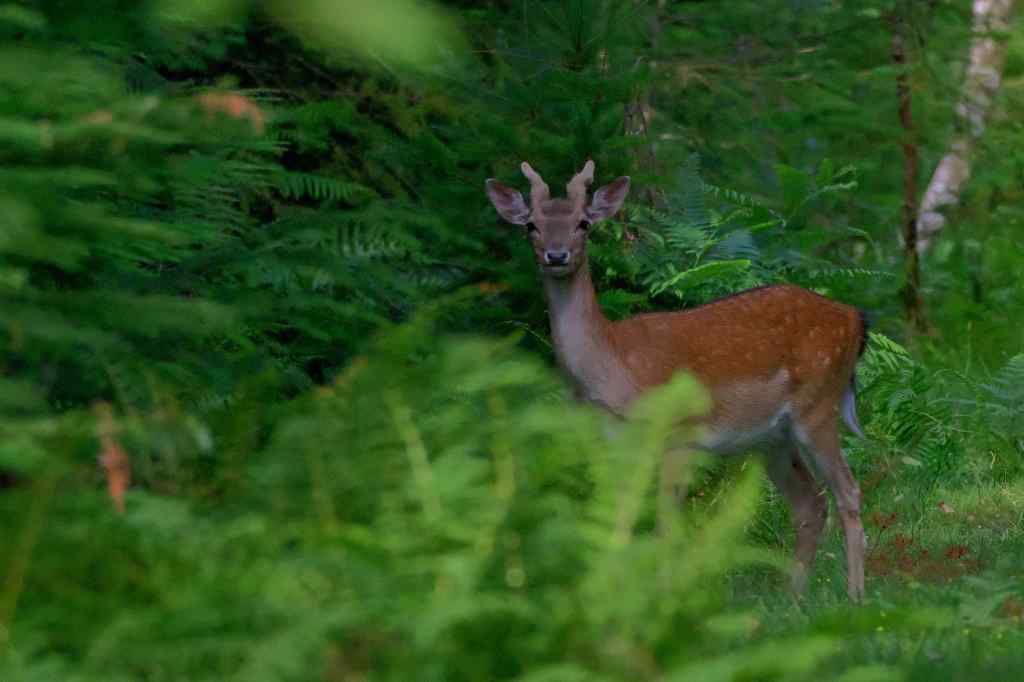
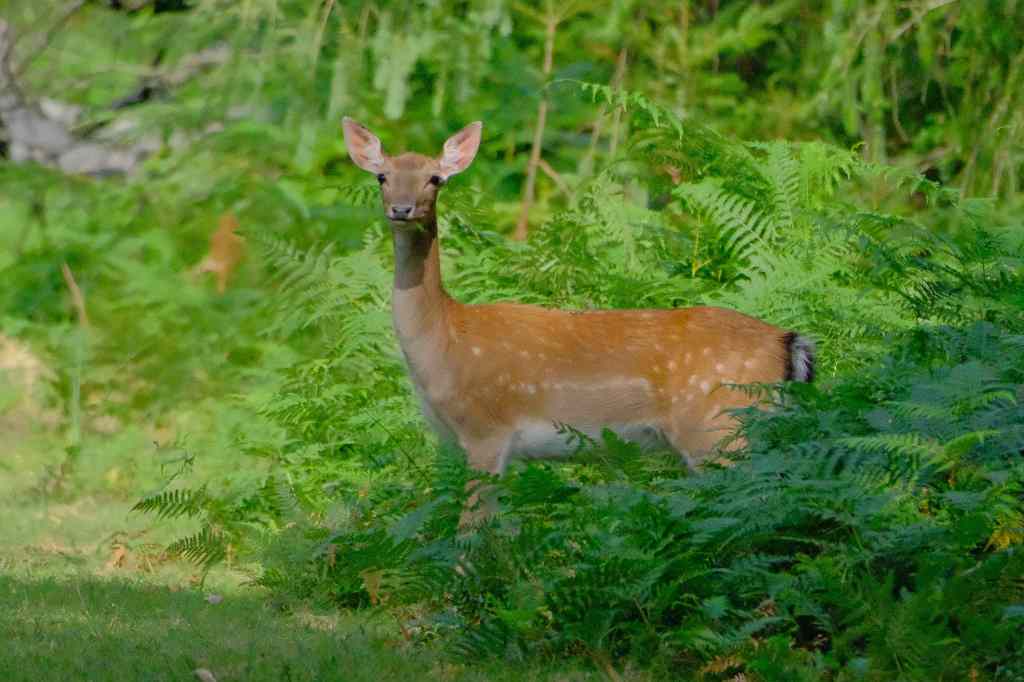
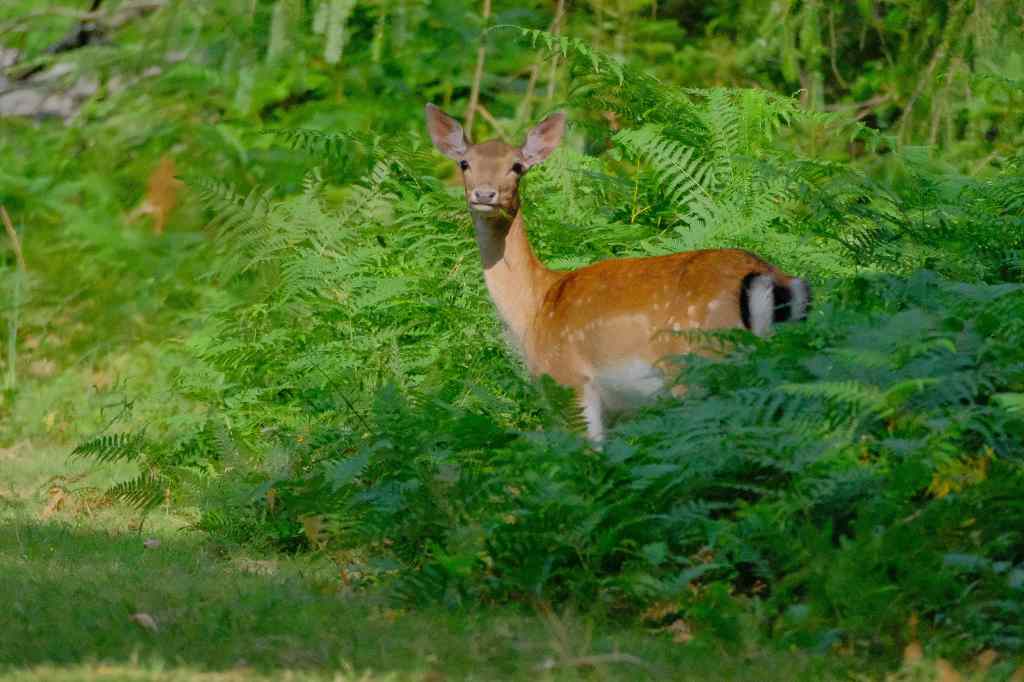
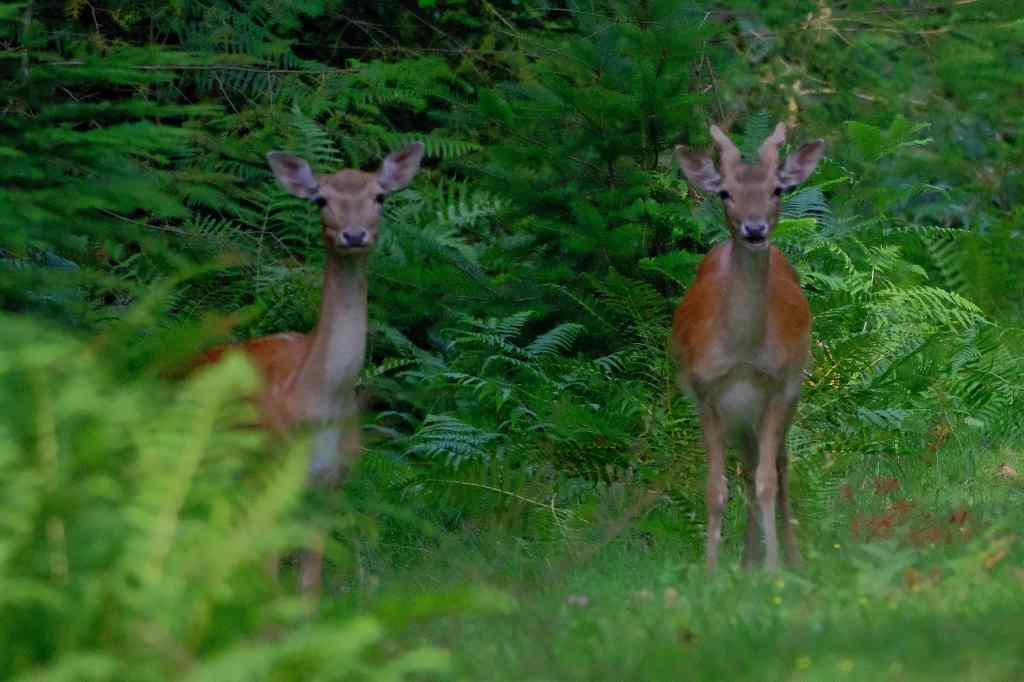
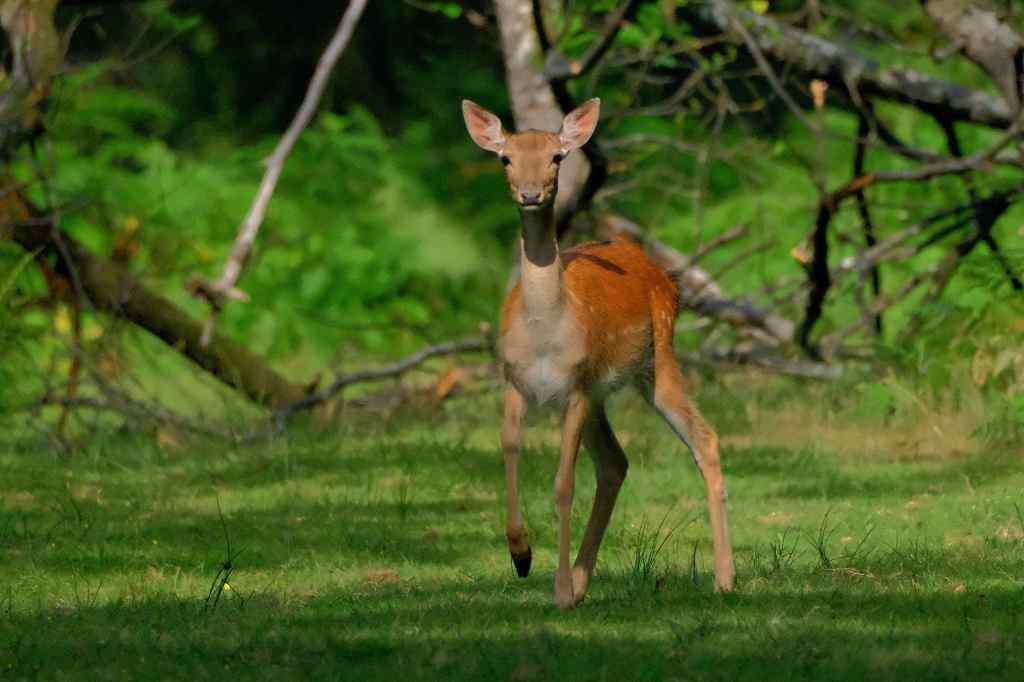
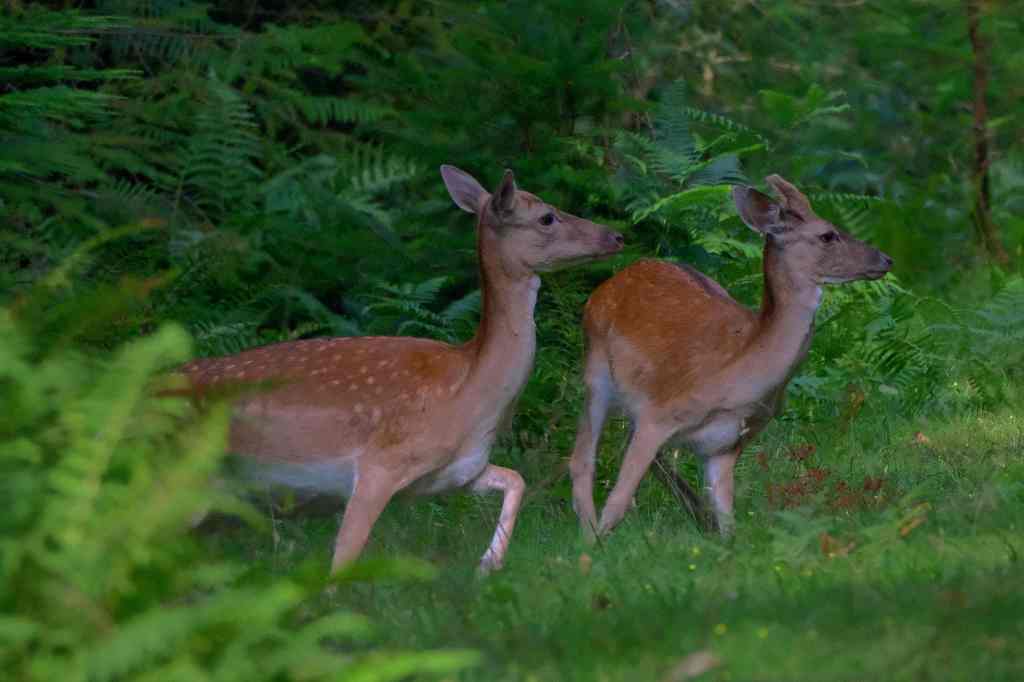
Fallow deer are looking good in the New Forest at this time despite the drought conditions.
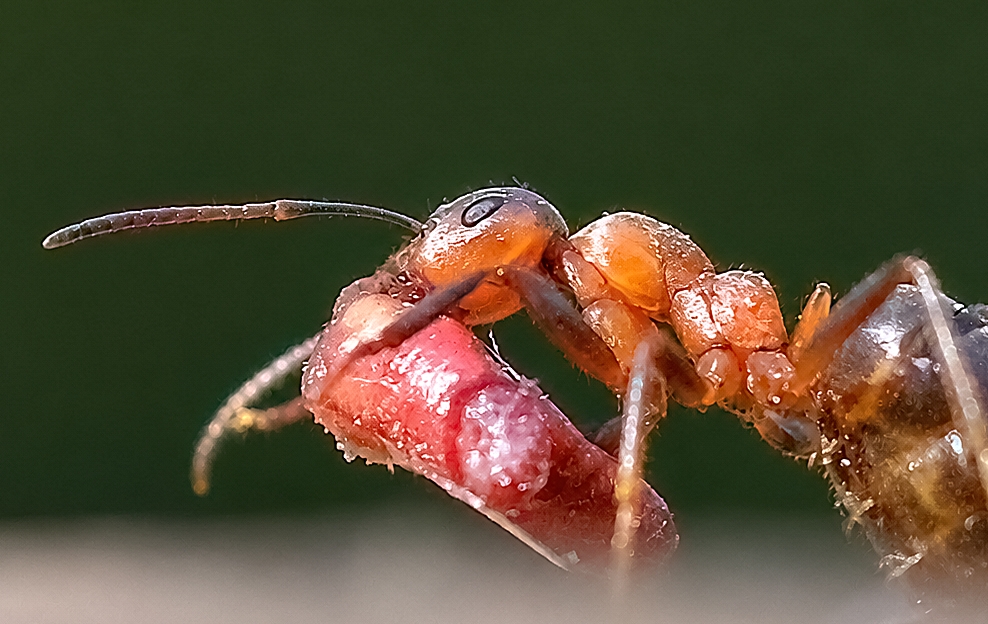
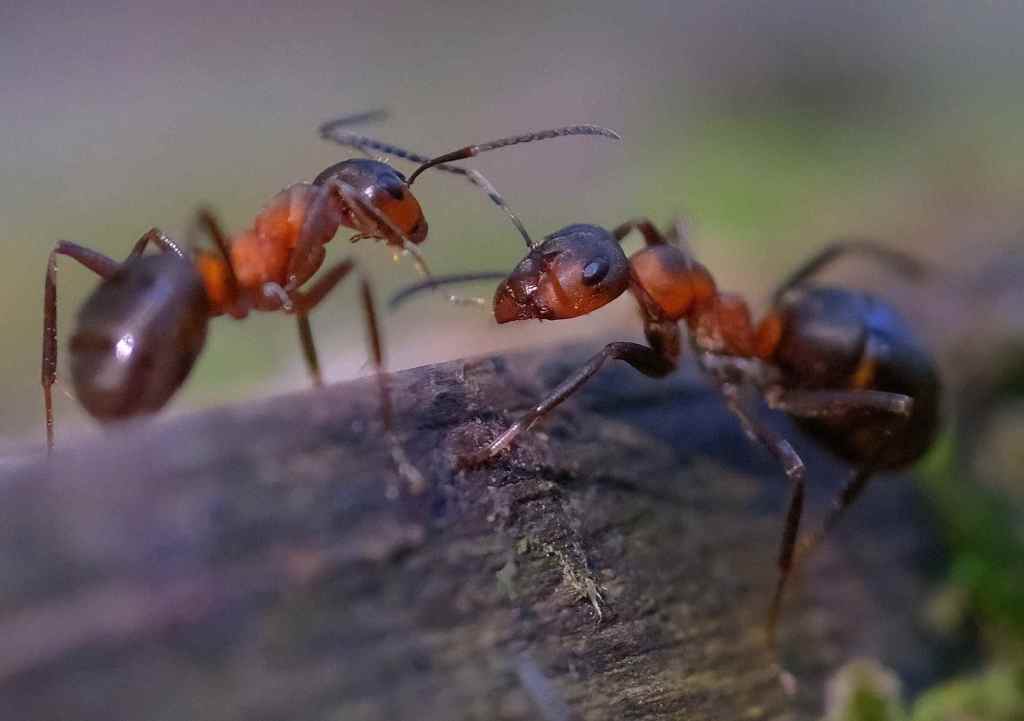
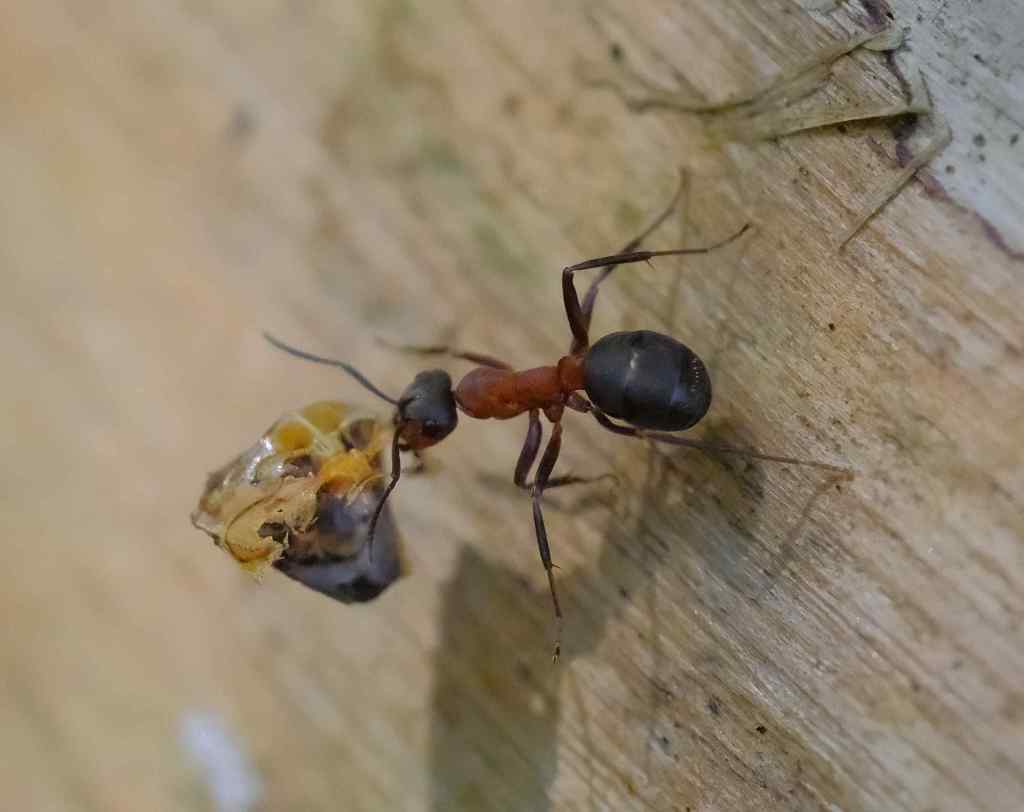
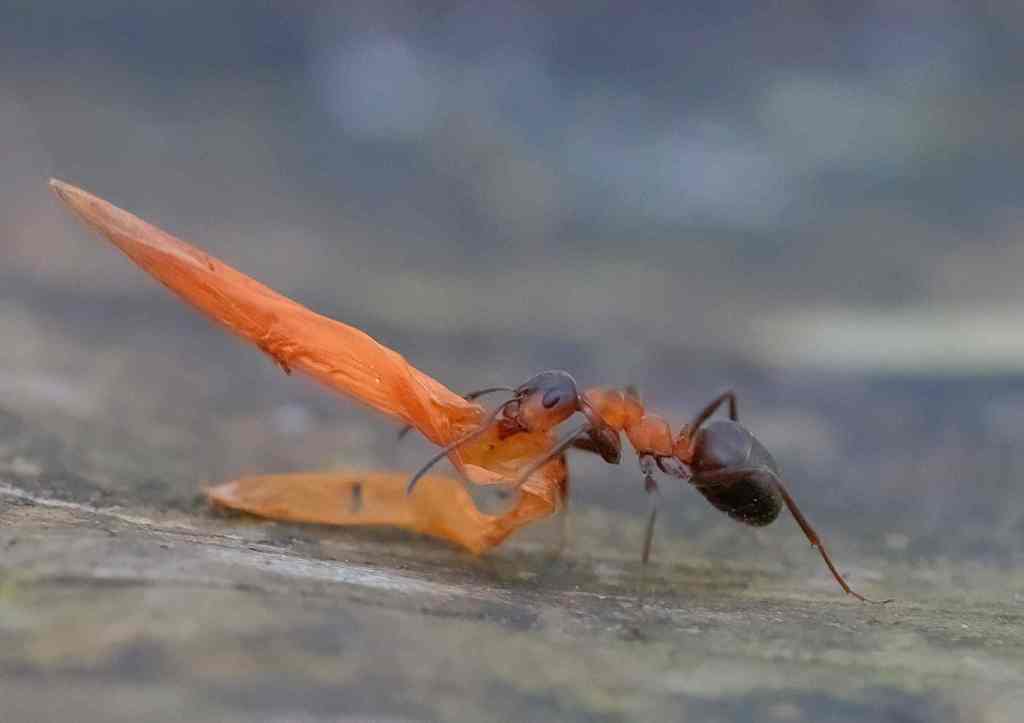
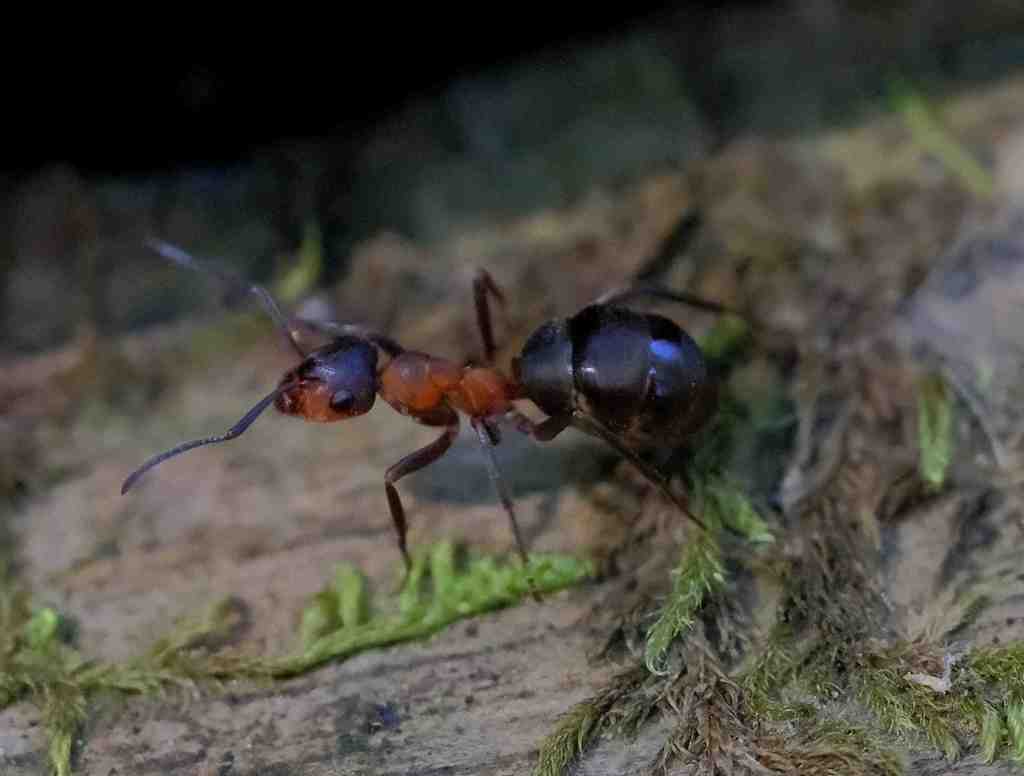
The southern wood ant is the UK’s largest ant species, with workers reaching up to 10mm in length and queens growing even larger at 12mm. These ants are easily identifiable by their distinctive reddish-brown colour and a contrasting black head and abdomen.
Wood ants are known for their formidable large mandibles, which they use effectively for foraging and defence of their nests. When threatened, they have a unique defence mechanism that involves spraying formic acid at potential predators. This acid not only acts as a deterrent but also serves to communicate alarm signals to other members of their colony.
They live in large colonies, which can number in the thousands, and exhibit complex social interactions that help maintain the health and functionality of their community.


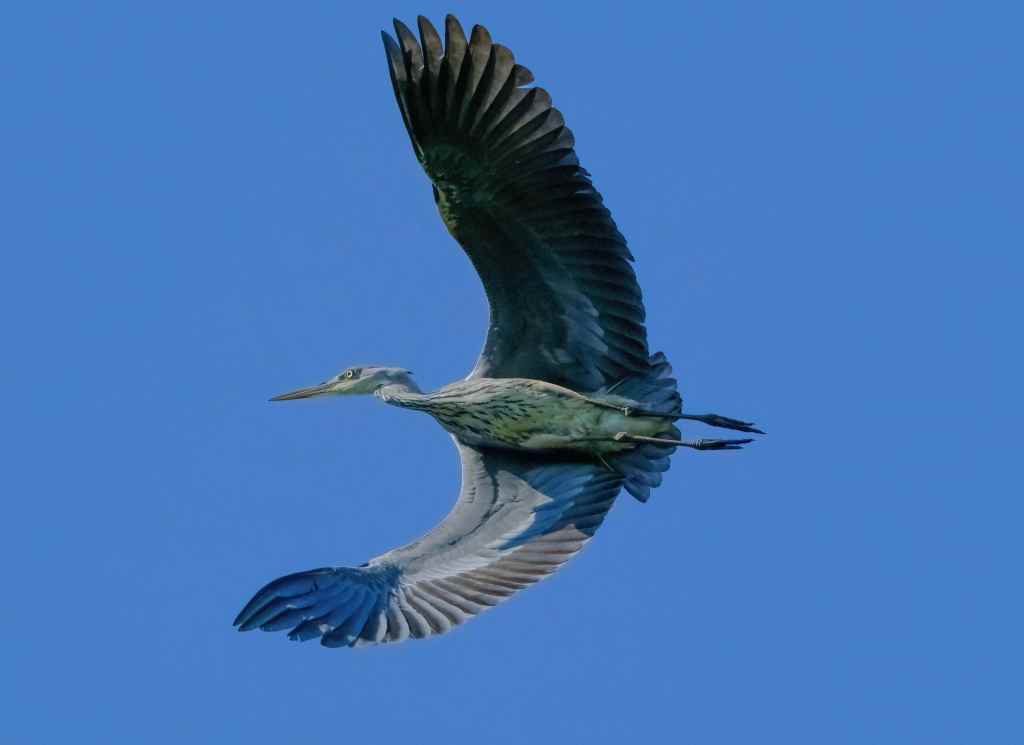
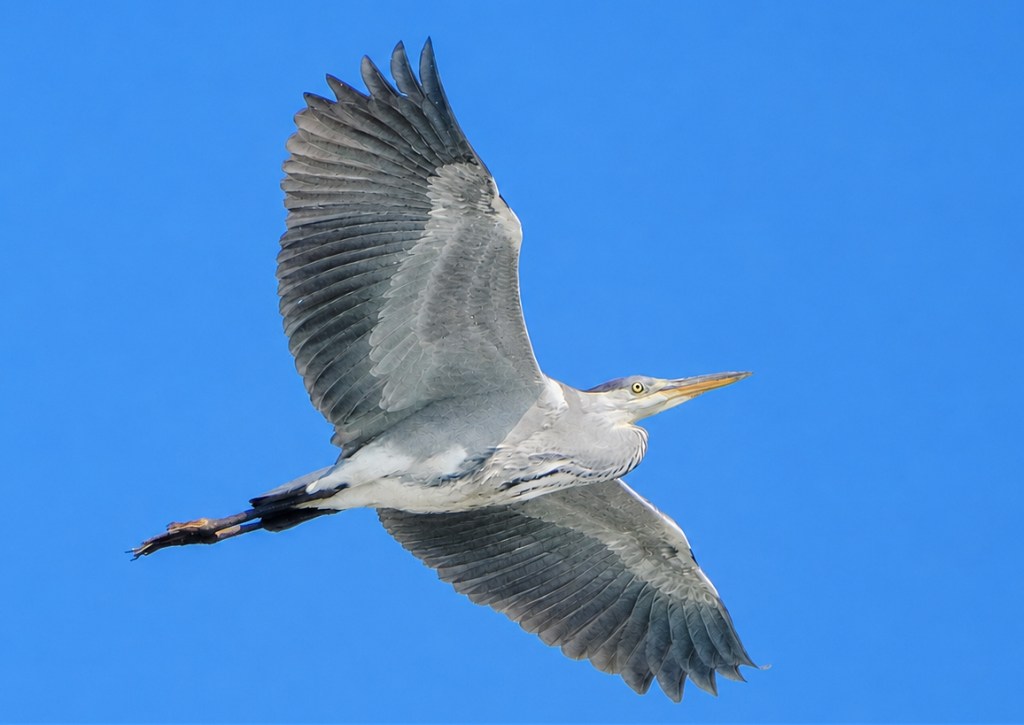
Grey Heron flying high in the New Forest.
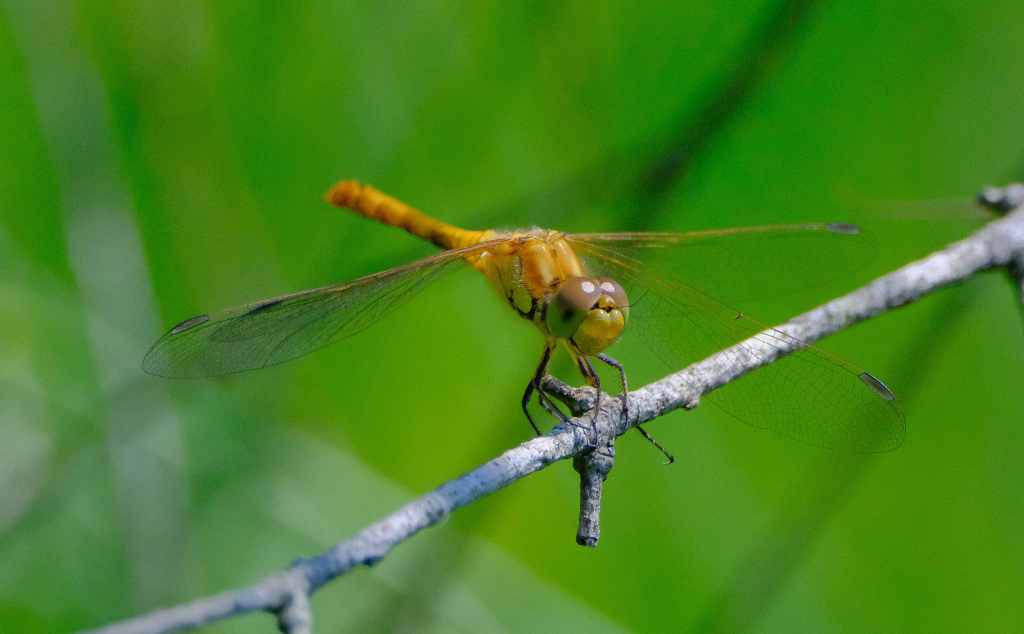
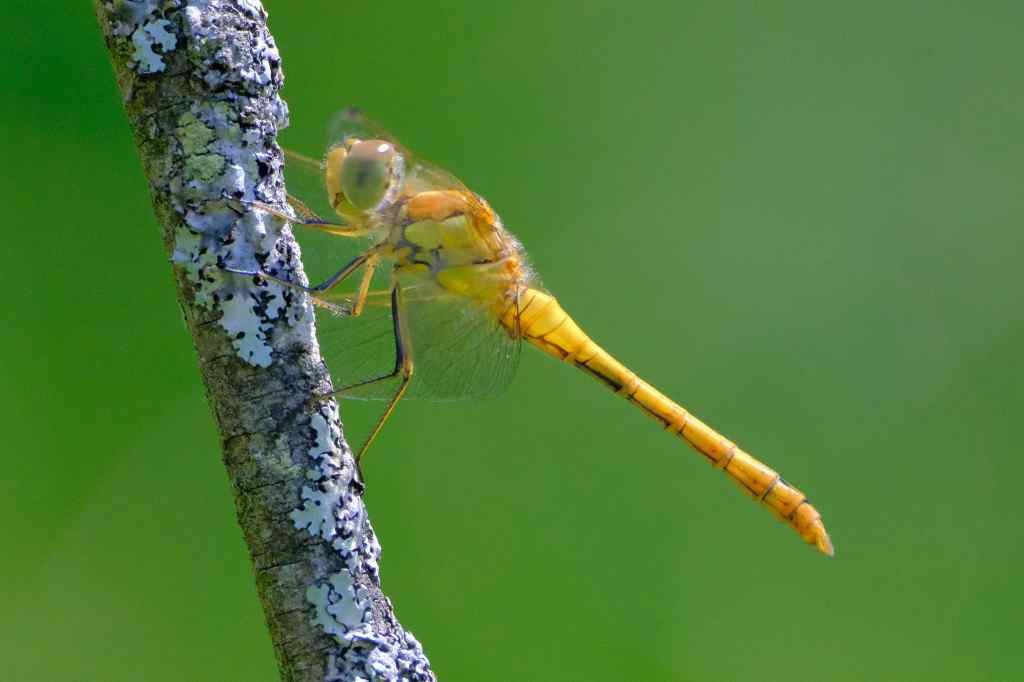
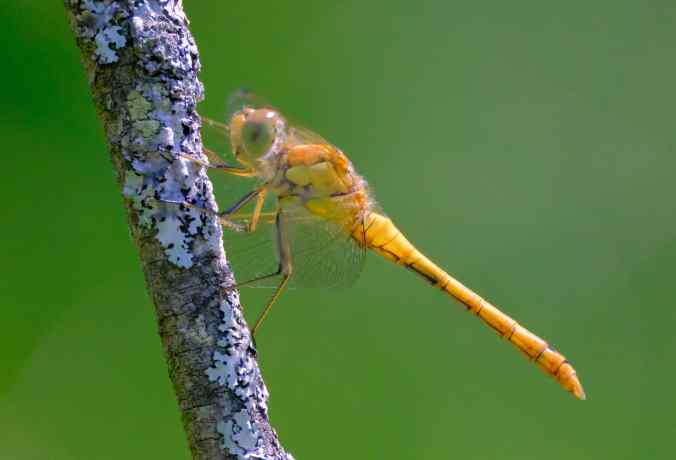
The Common Darter is a small, narrow-bodied dragonfly that is typically on the wing from July to October.
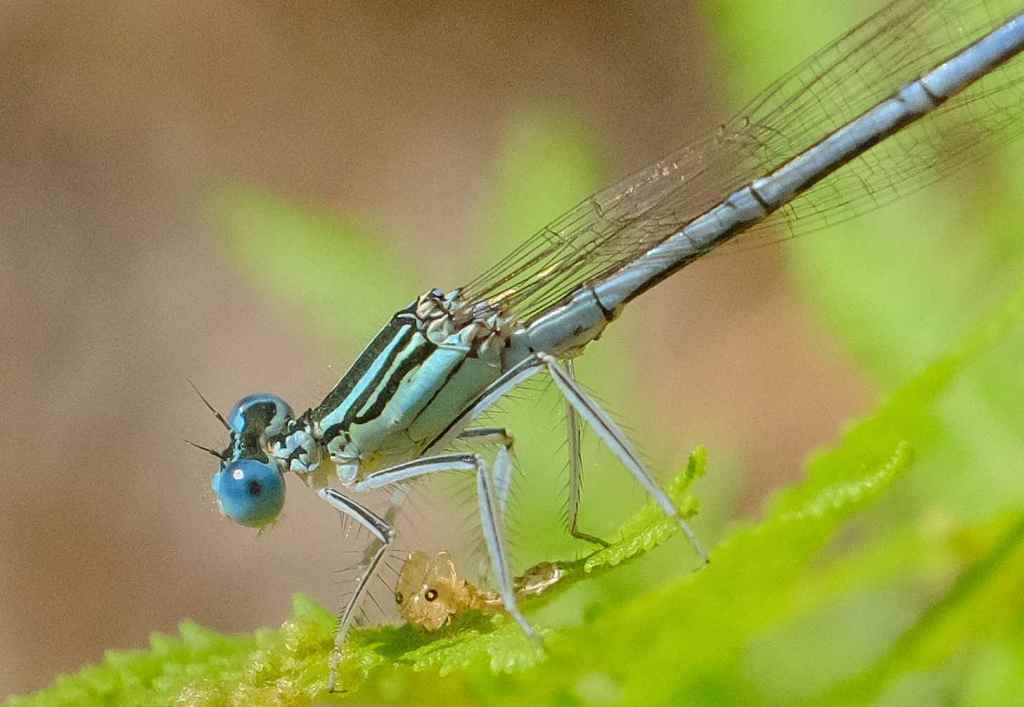
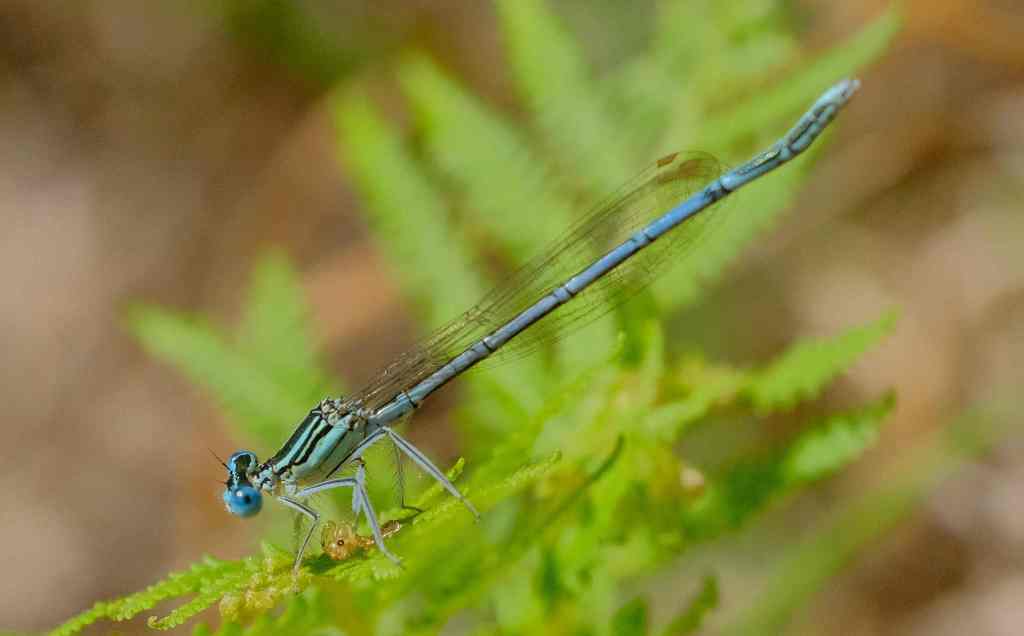
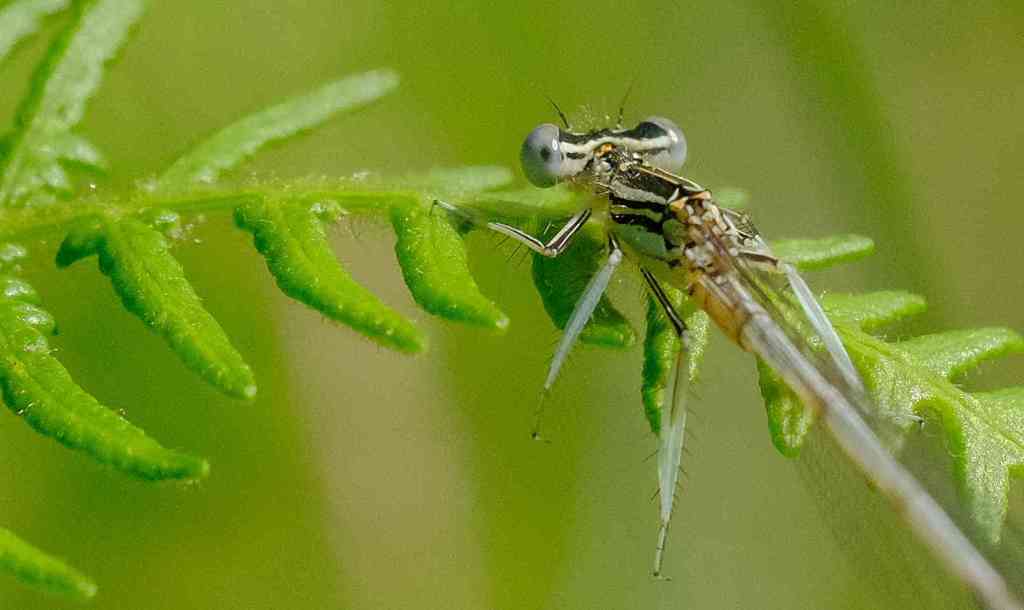
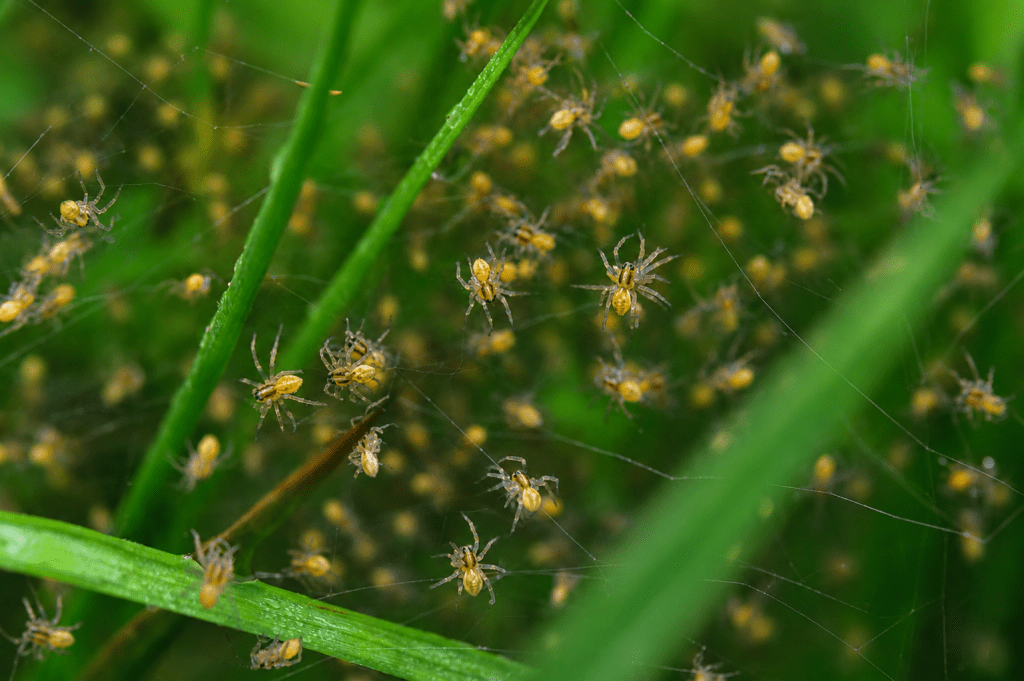
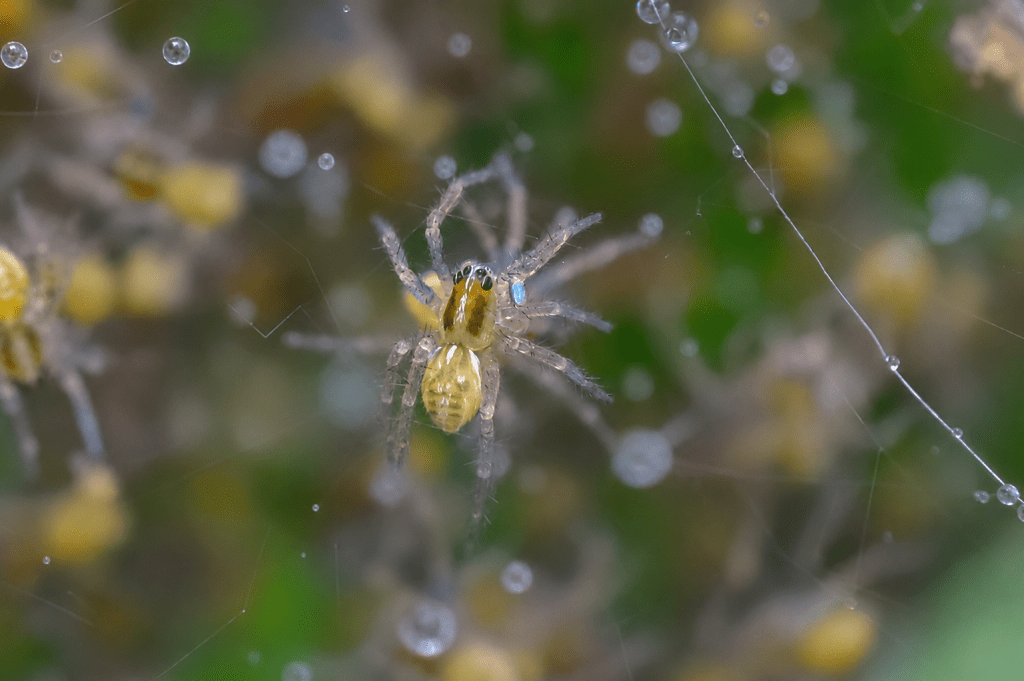
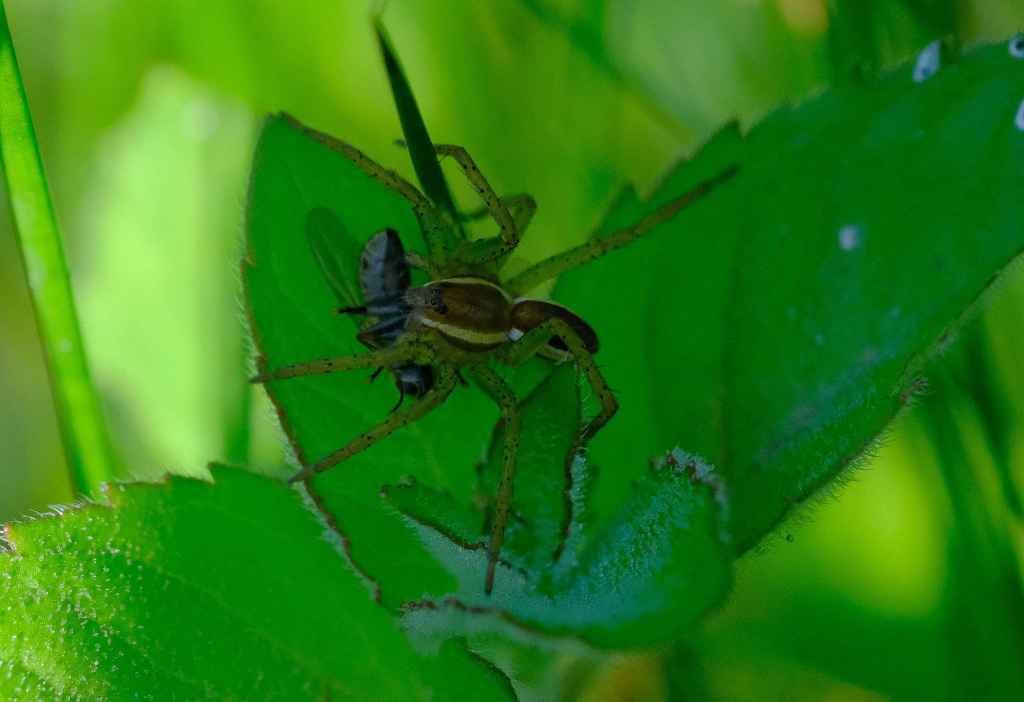
Yesterday’s New Forest walk was a bit of a surprise as we found another Raft Spider stronghold. We found a nest full of newly hatched spiderlings. What was different about this nest was that it was being guarded by a parent spider. I had not seen this before.
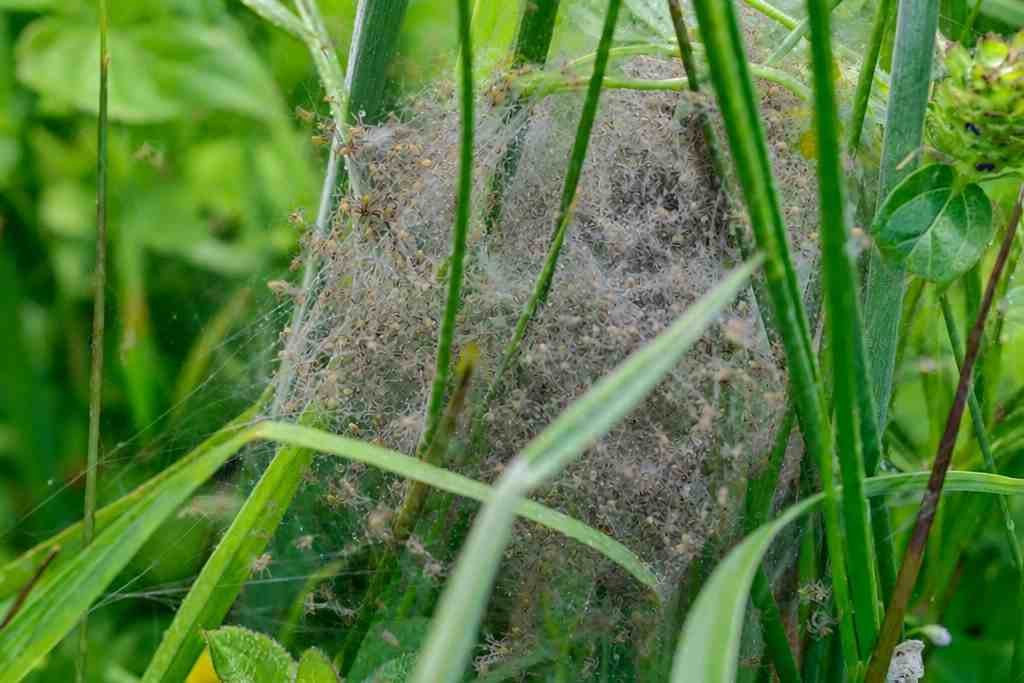
Adult on guard.
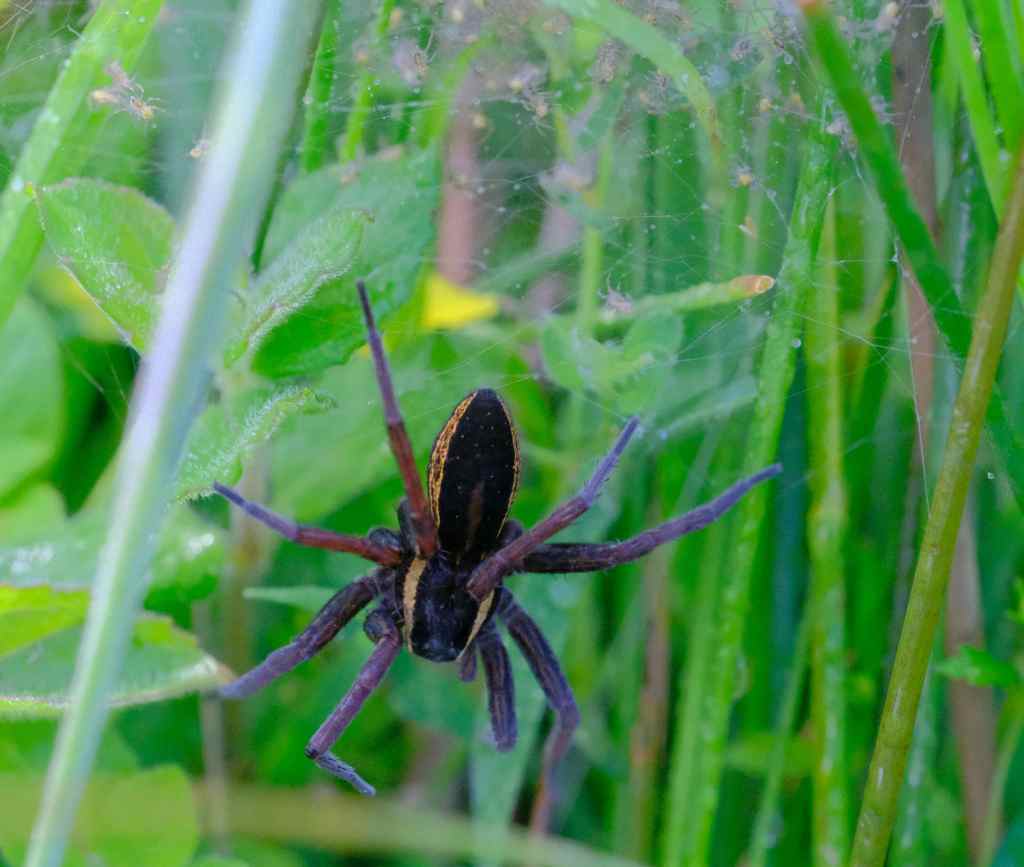
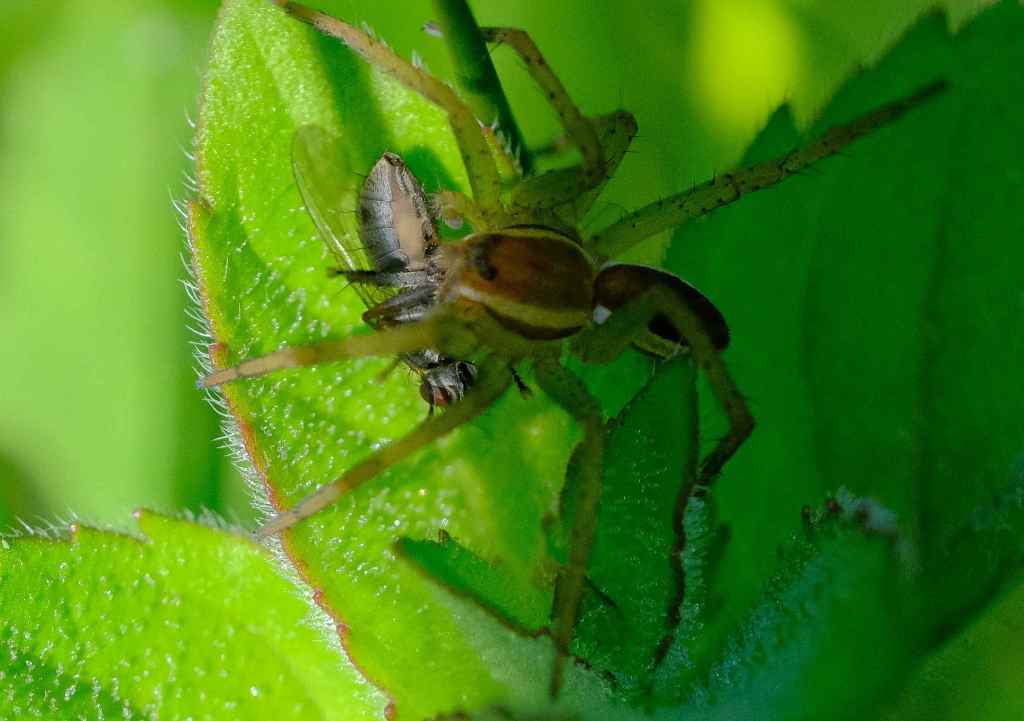
Raft spiders do not spin webs to catch insects; they grab and catch their prey.
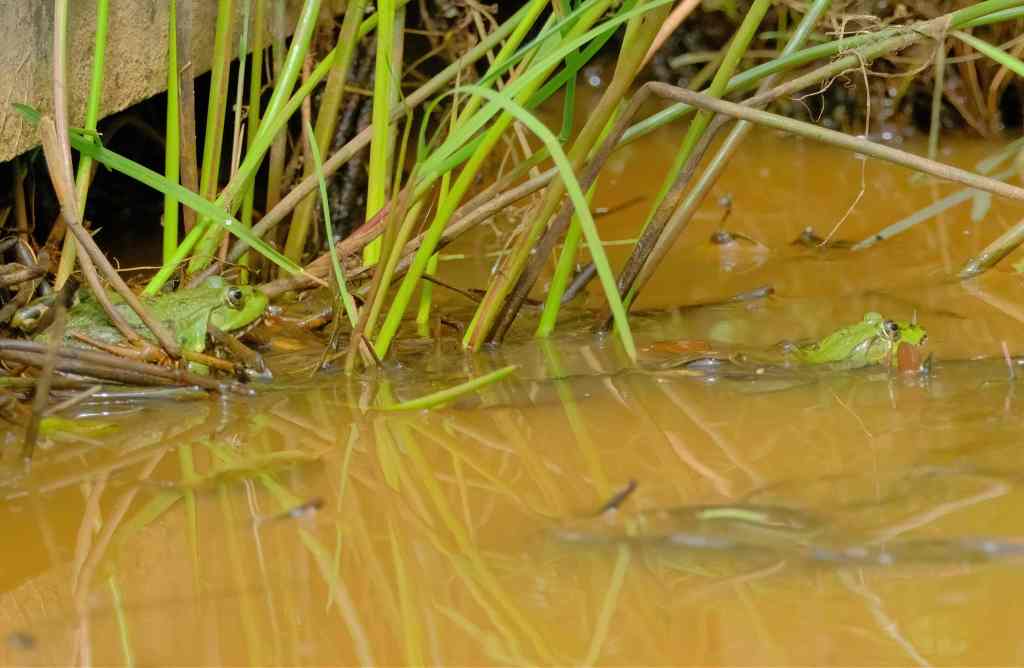
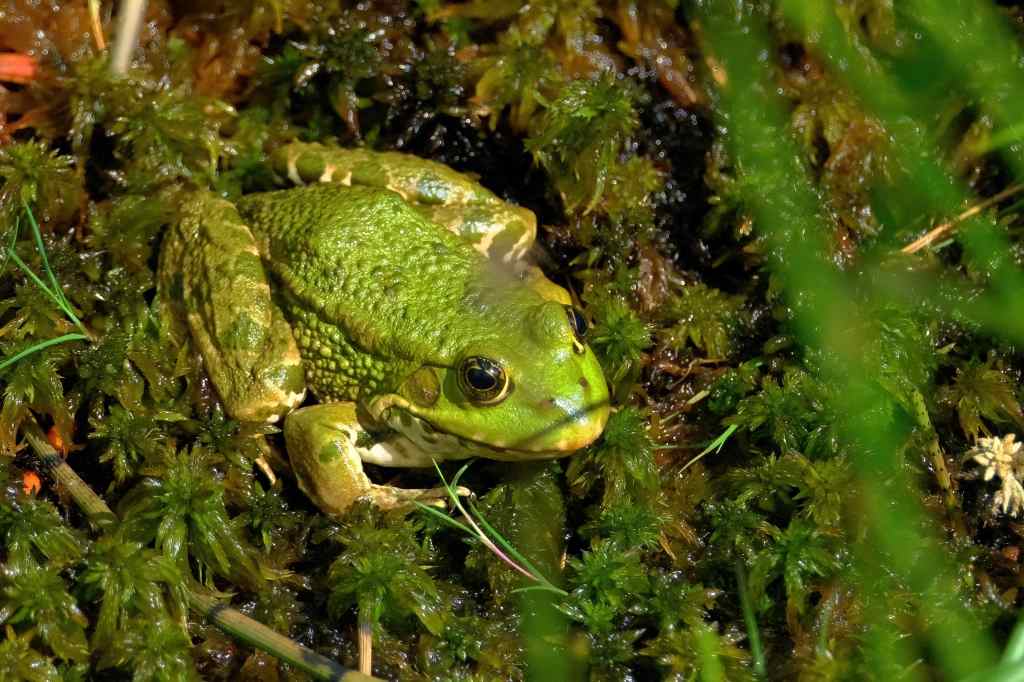
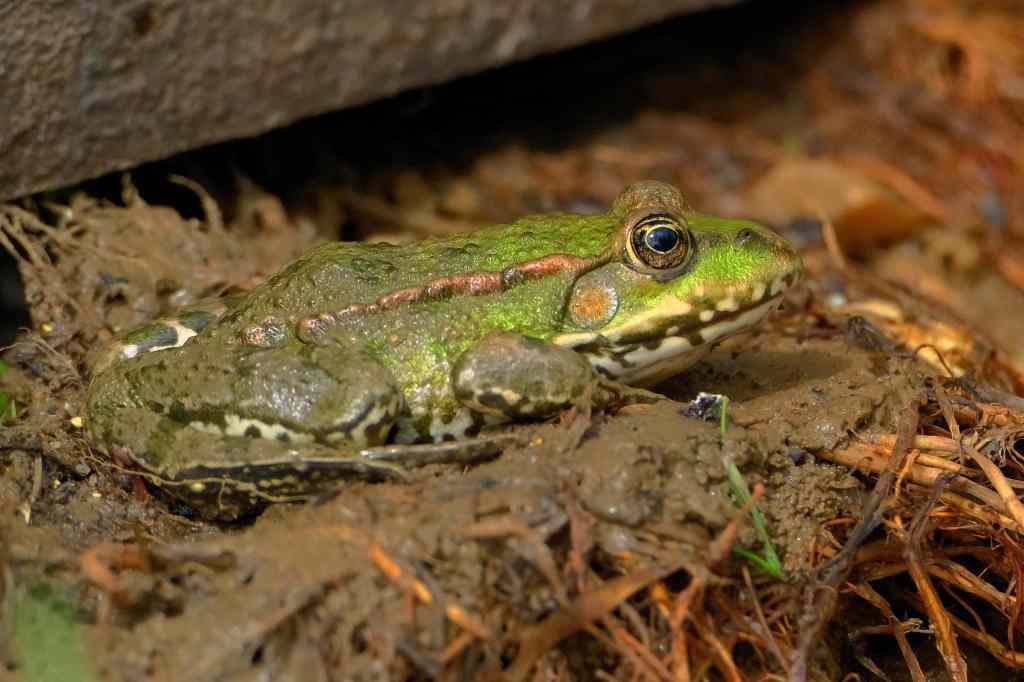
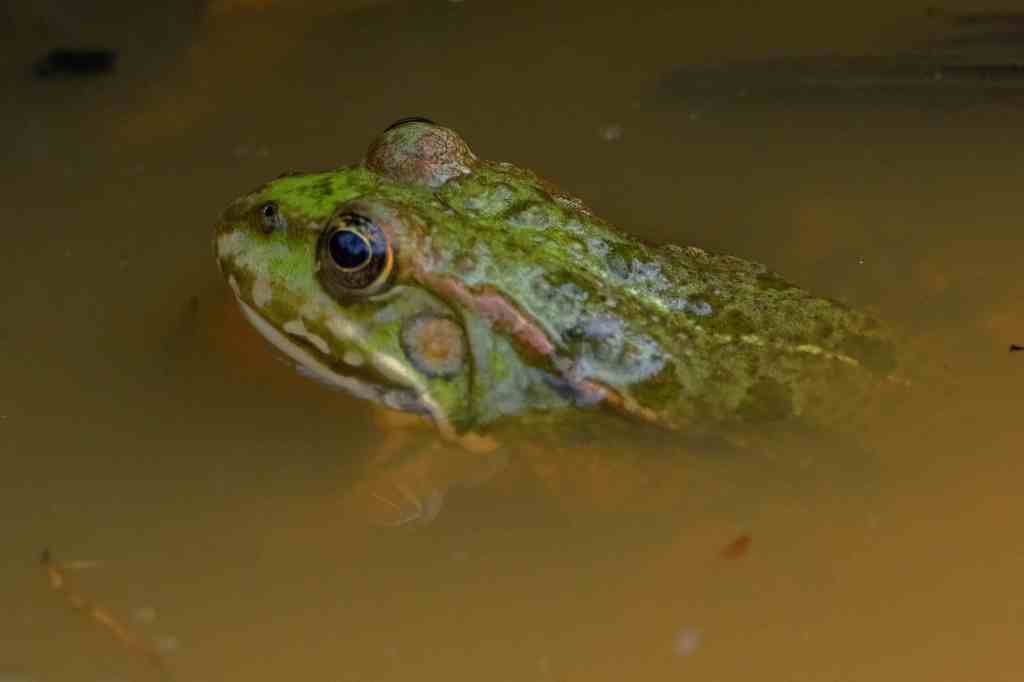
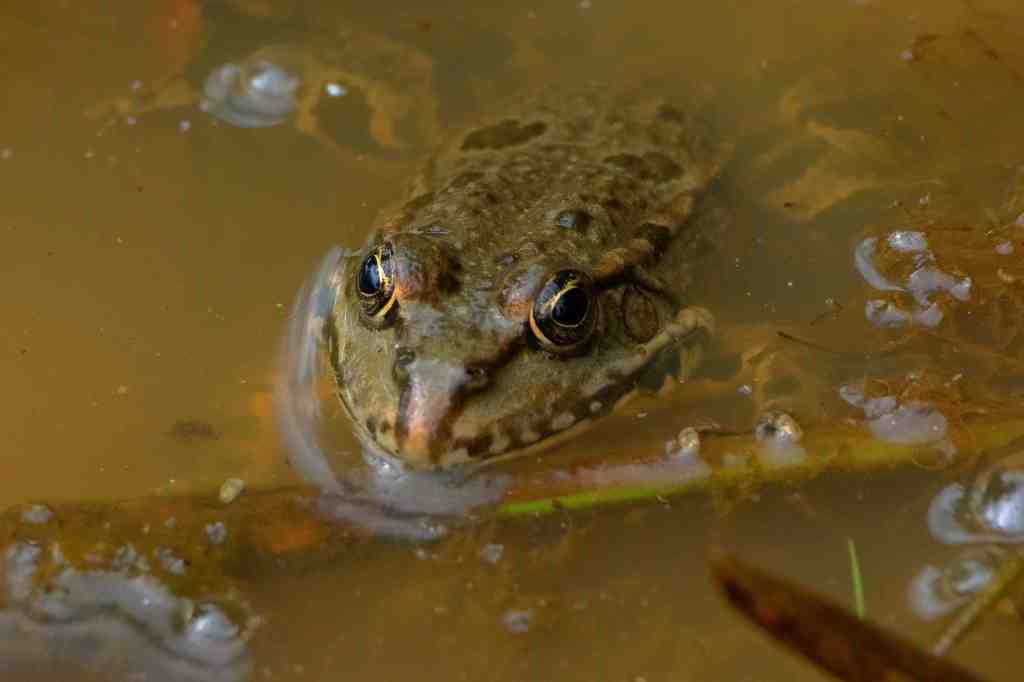
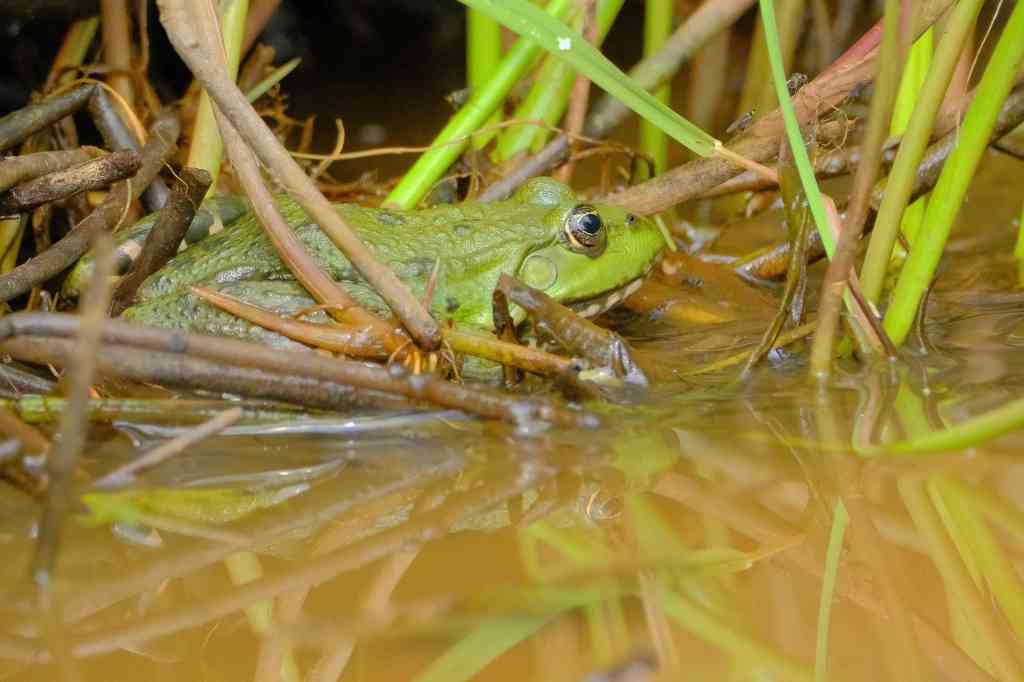
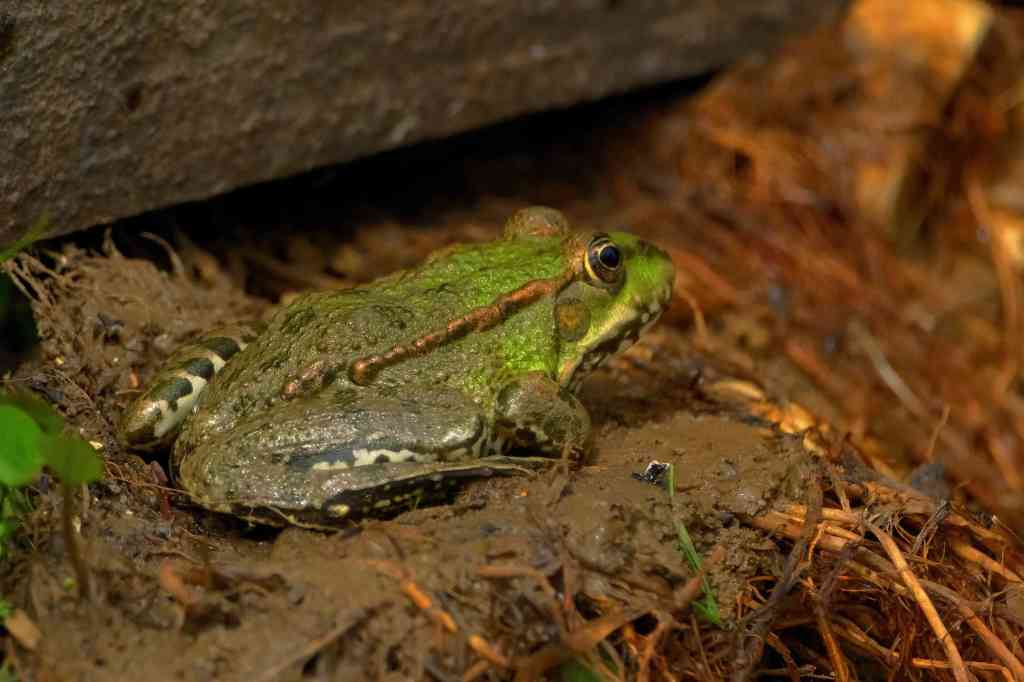
Marsh frogs (Pelophylax ridibundus) are Europe’s largest native frog species; they are not native to the UK. There is a colony in the New Forest, and I try to see if I can spot some at this time of year. They are colourful frogs with a range from brown to green.
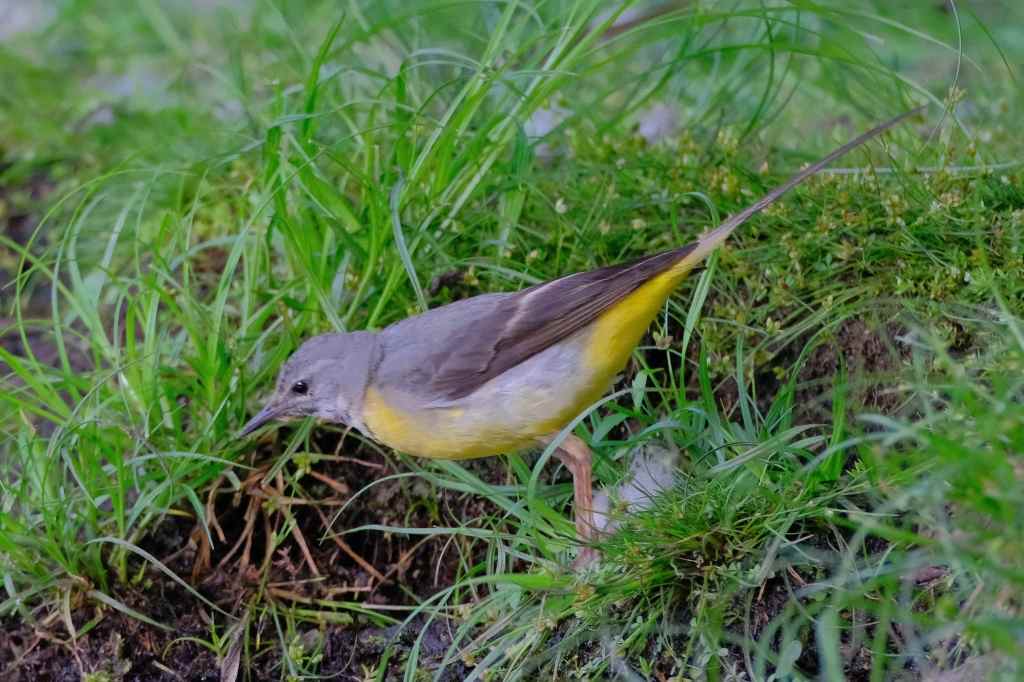
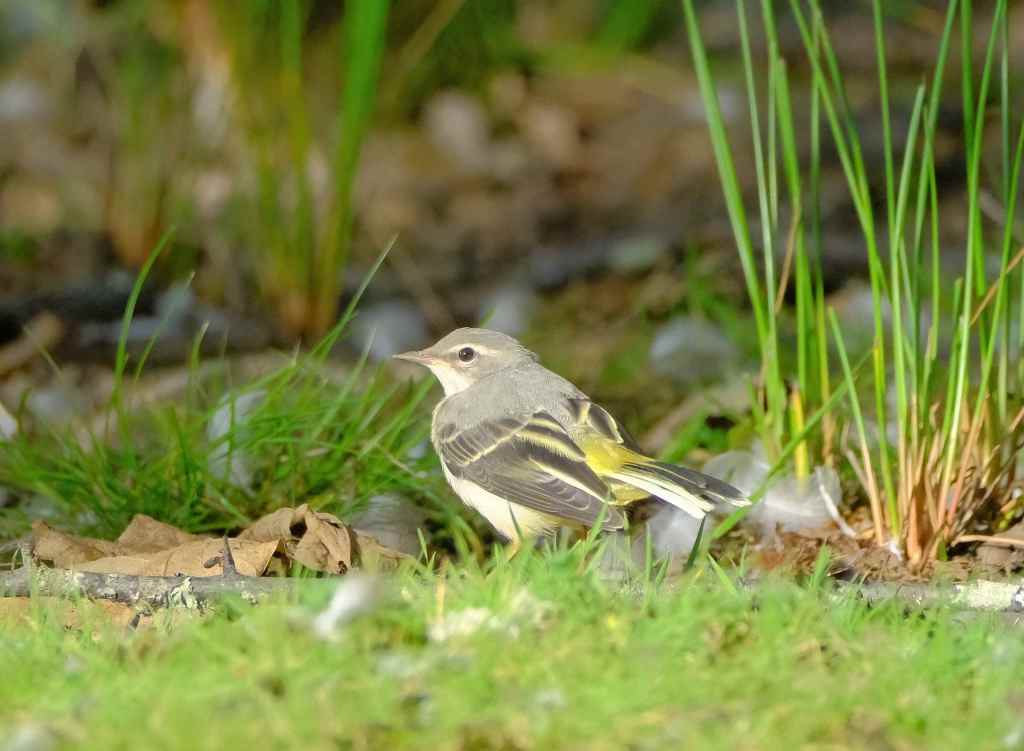
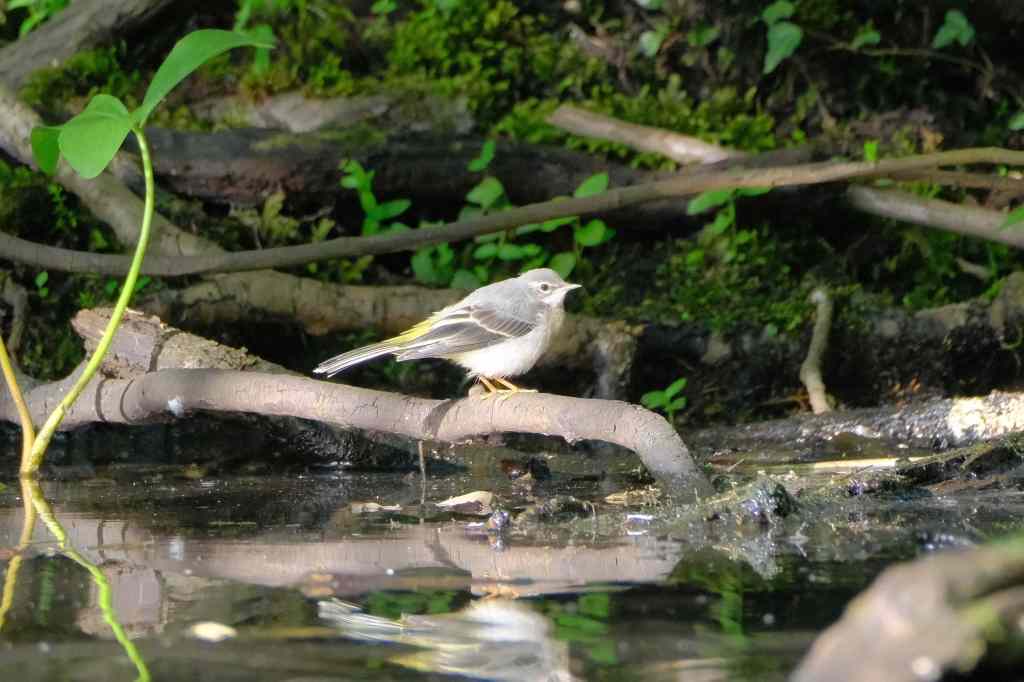
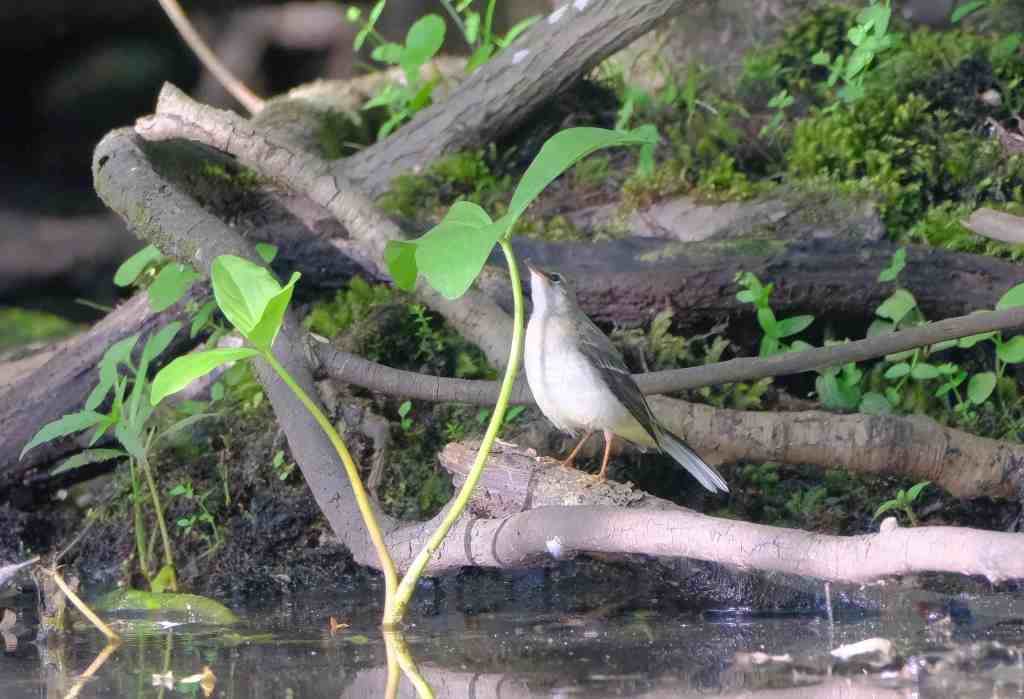
Grey Wagtail parent and one juvenile bird catching insects at Eyeworth pond, New Forest.