Lepe Beach D-Day Relics.

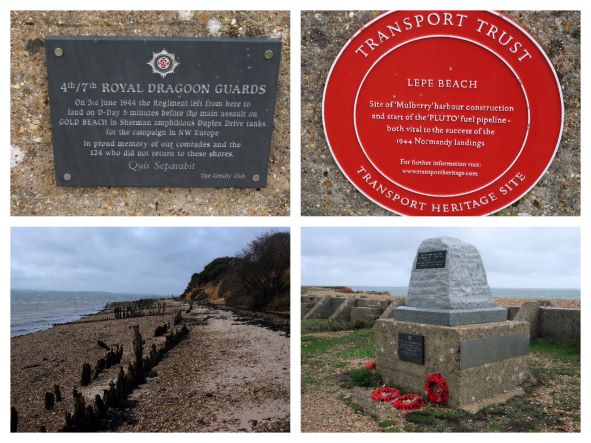
Lepe Beach and country park has many relics that date back to WW2 and link it with D-Day and the invasion of France in June 1944.

One of many Mulberry Harbour construction and launching sites was constructed at Lepe 6 concrete Phoenix Caissons that were simultaneously built on these platforms from January 1944 so that they could be directly launched into the sea by May 1944. They were towed up Southampton water for finishing.

Mulberry harbours were temporary portable harbours following D-Day, two prefabricated harbours were taken in sections across the English Channel from the UK with the invading army and assembled off Omaha Beach (Mulberry “A”) and Gold Beach (Mulberry “B”).

Many Allied troops waited for D-Day in camps in the New Forest. Some of these embarked from Lepe, and others used embarkation sites to the east or west. The group of camps was known as Marshalling Area B. On the beach, at Lepe, there was room for four Landing Craft Tank (LCT).

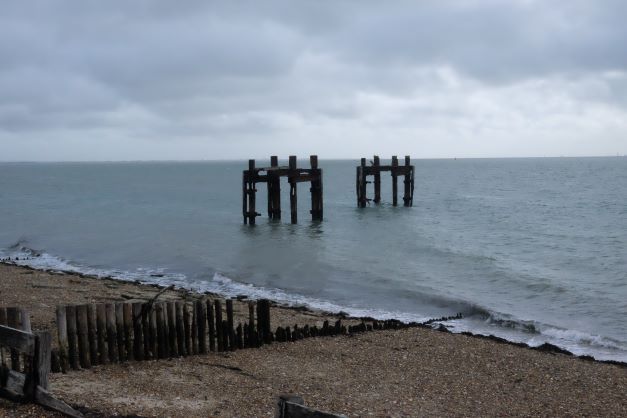
Remains of the “Dolphins” part of the pierhead which was used to load landing crafts.

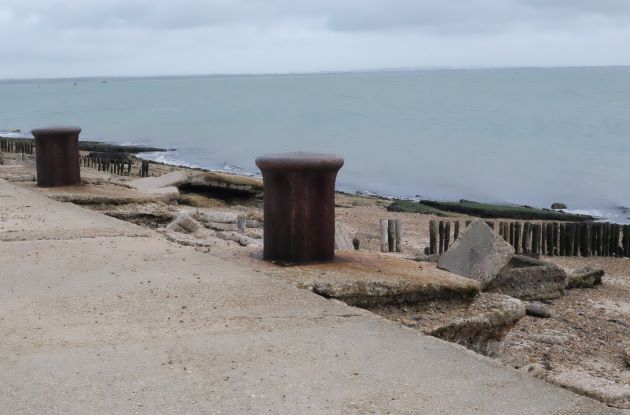
Large Bollards for tying up Landing craft.

Concrete blocks known as “chocolate Blocks ” were used to build a roadway over the beach for vehicles to load onto the landing craft without getting stuck on the soft sand and gravel.

Launch block blocks where the large caissons were winched into the sea.

Large contraction platforms where the caissons were constructed.

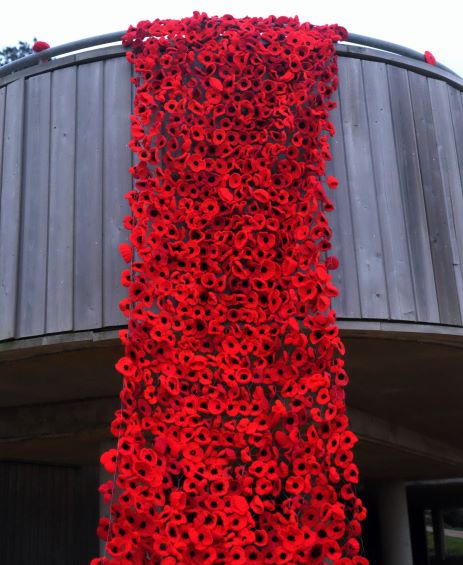
Monuments remembering D-Day and Poppy display in support of the Royal British Legion 2022 Poppy appeal.

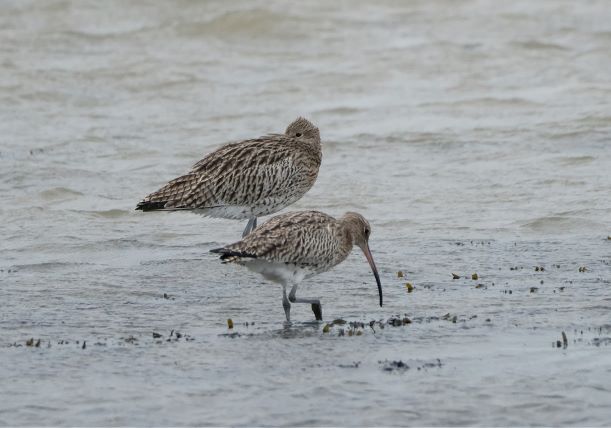
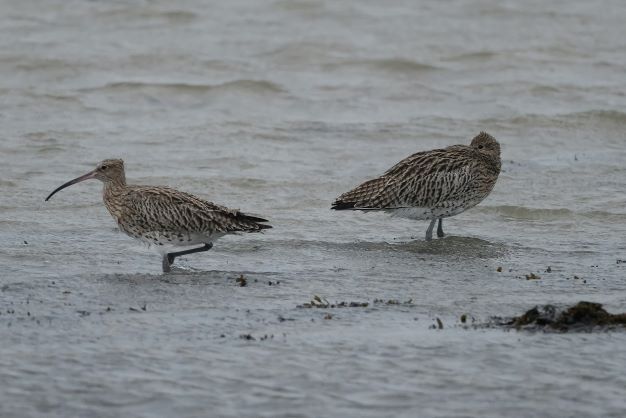
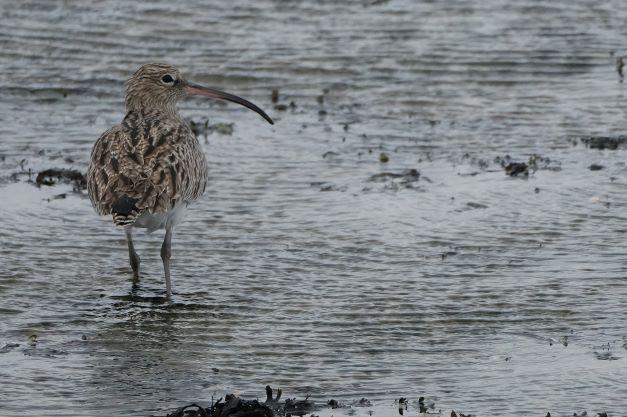
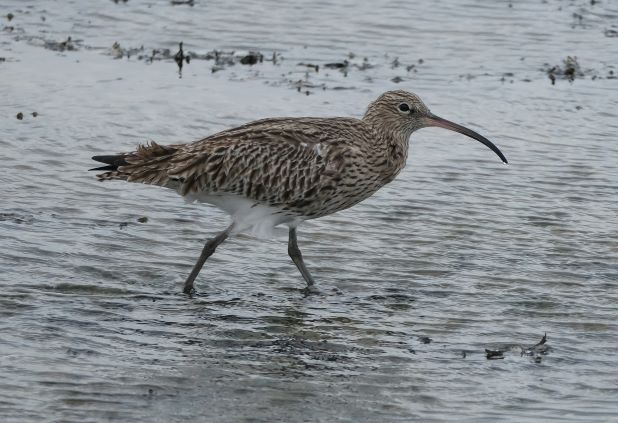
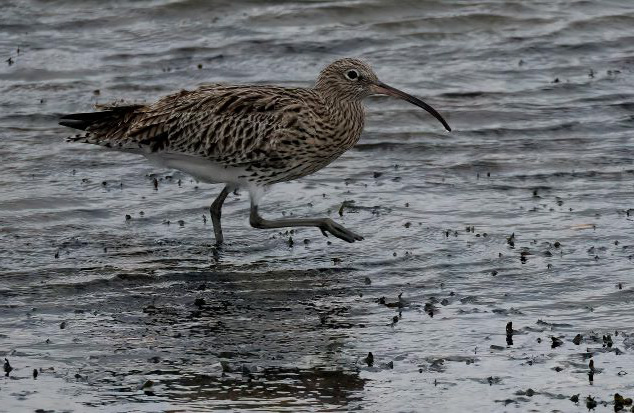
Curlew on the shore.

The curlew is the largest European wading bird. There were around 10 birds on the mudflats at the edge of the incoming tide catching small crabs at Lepe Beach on the edge of the New Forest. They also feed on worms, shellfish and shrimps. The UK breeding population is around 58,500 pairs and the wintering population increases to some 125,000 birds.

UK conservation status: Red.

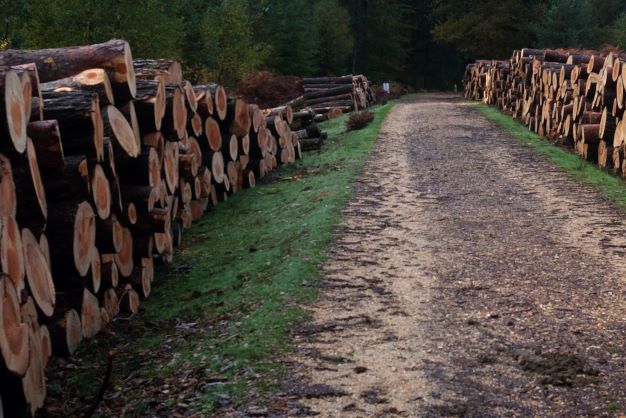
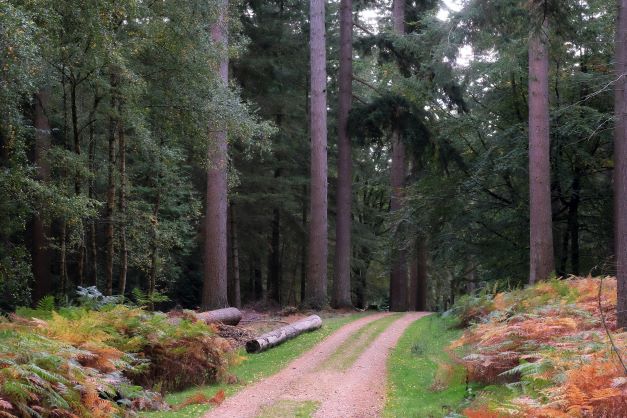
Timber from the New Forest.

At the start of World War, One much of the timber required by the UK came from Canada. By 1916 Canadian timber could no longer be imported on a large enough scale to meet requirements for the war effort as there were not enough freight ships for all the country’s munitions, food and other essential items. Timber production from English forests and woodlands had to be increased to meet the Canadian shortfall. Labour was short due to the war. To harvest local timber the First Battalion of Lumbermen was formed of 1500 Canadian workers who started coming to the UK. The Canadians brought over their own equipment an initial advance party of 15 Canadians set up in a camp near Lyndhurst. which quickly grew and later received help from Portuguese labourers.

The camp was some 4 to 5 acres in size and surrounded by fences It was like a self-contained village with over 25 huts. Including workshops and even a hospital. At the height of the camp’s usage, there were around 100 Portuguese and 200 associated workers on site. There was also a Light railway that helped speed up timber production. Other camps were set up mainly in Southern England.
Little remains of the timber camp today as most of the buildings were wooden.

Concrete remains of the sawmill.
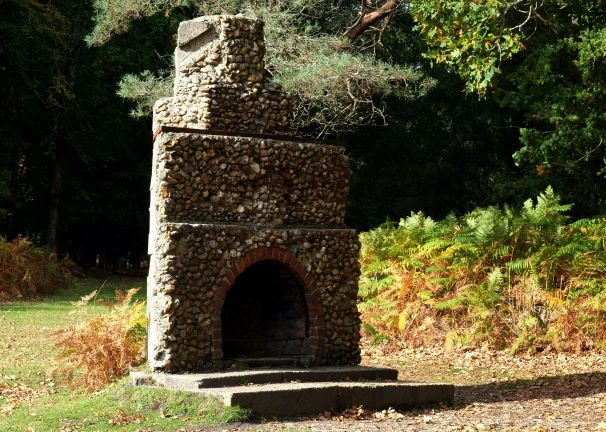
Now a monument “The Portuguese fireplace” is the chimney of the former cookhouse.
Timber Work in the New Forest is still being undertaken.

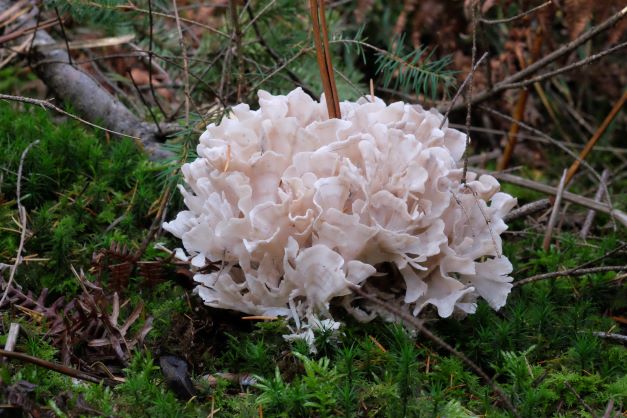
Cauliflower of the woods.

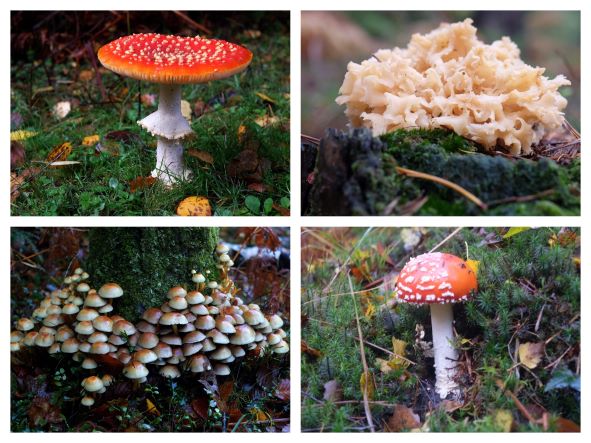
Cauliflower Fungus, Wood Cauliflower, and Brain Fungus are uncommon. the visible parts of this fungi above ground are fattened lobes in colour they can be light brown, buff to yellow/grey to creamy white. They have no gills, but this mushroom has tiny pores. It is found on conifer roots, especially pine. It is claimed they are good to eat.

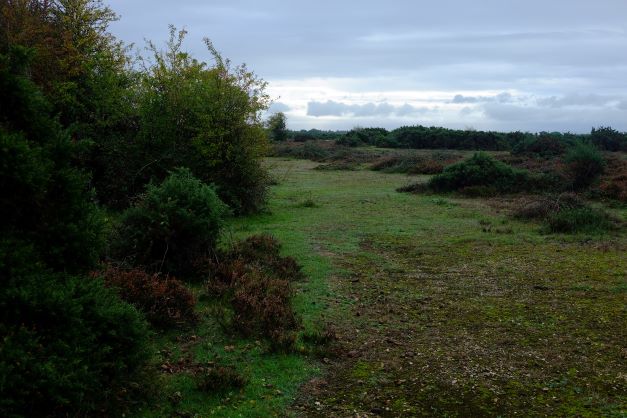
Runway walk.

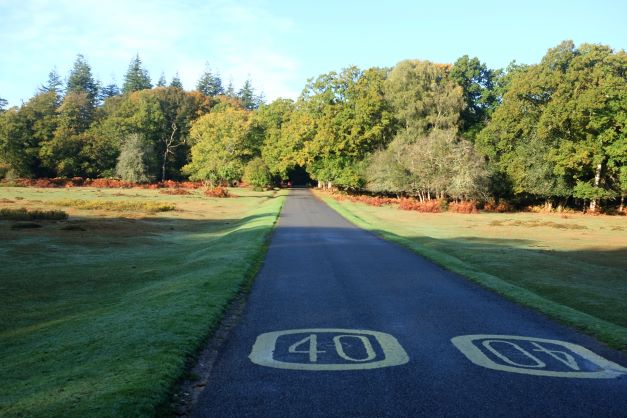
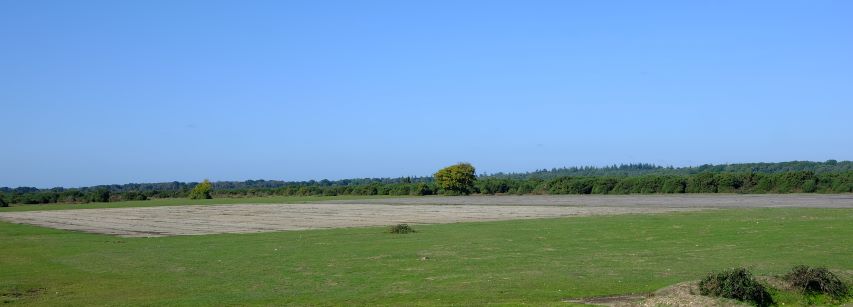
RAF Beaulieu was also known as USAAF Station AAF 408. It is located near the village of East Boldre, and about 2 miles west of the village of Beaulieu. The area had early links with flying. During the First World War, a Royal Flying Corps training airfield, RFC Beaulieu, at East Boldre was established this was closed in 1919. The World War 2 RAF Beaulieu was built on the opposite side of the road to the aerodrome it opened in 1942. During the war, it was used as a bomber and fighter airfield. After the war, it was used for experimental work before it was closed in 1959.

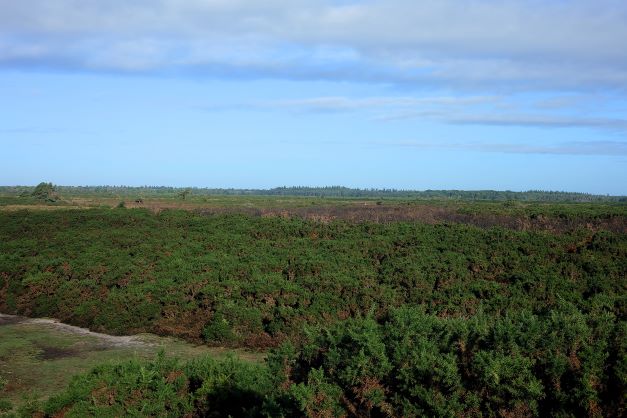
The area around the airfield is heath and made a good circular and flat walk this morning. Some areas of the runways remain but much has been removed.

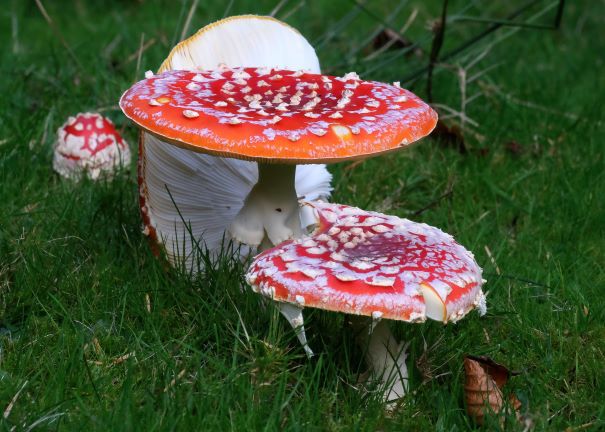
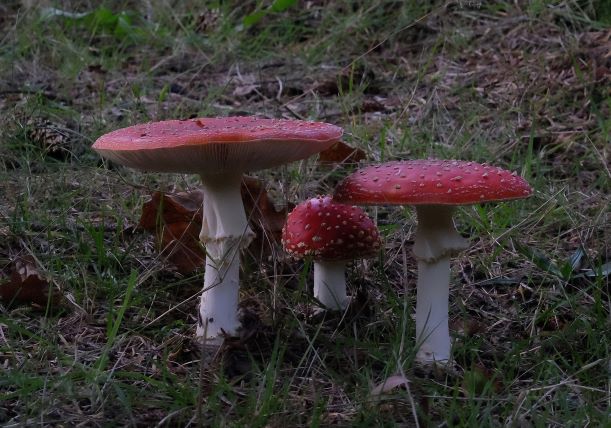
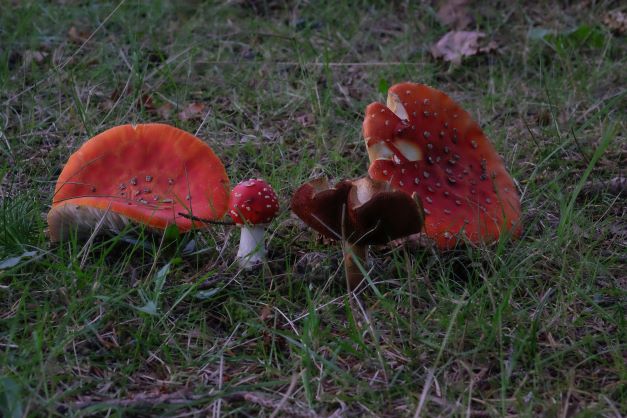
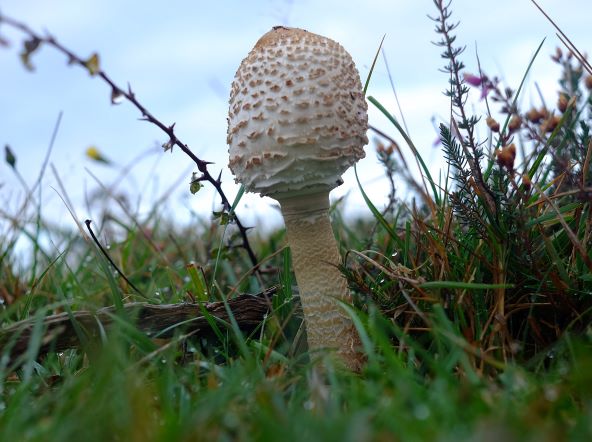
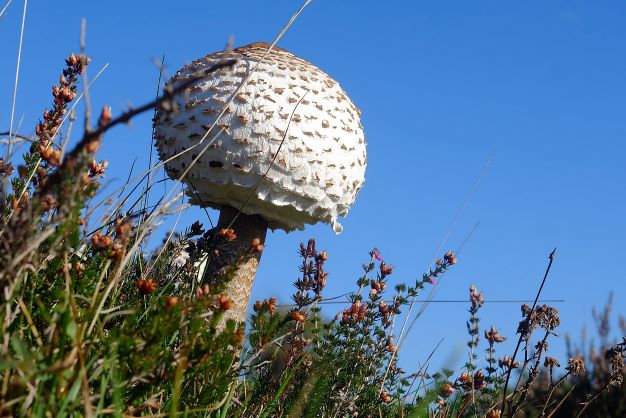
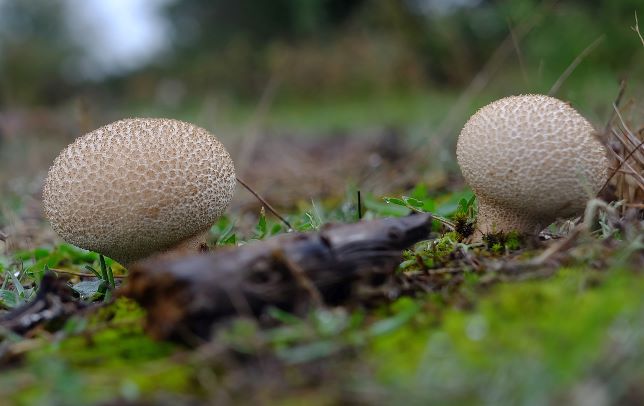
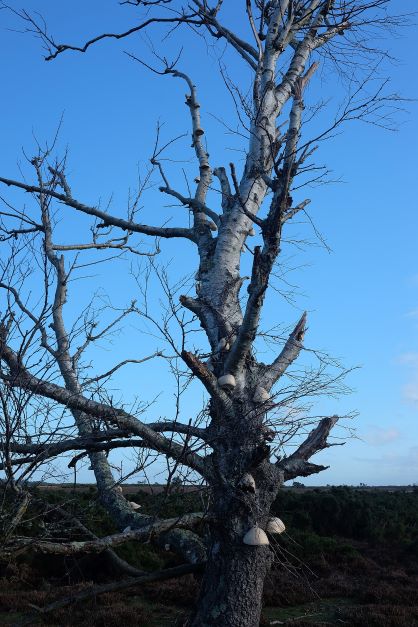
Lots of Fungi were starting to show.

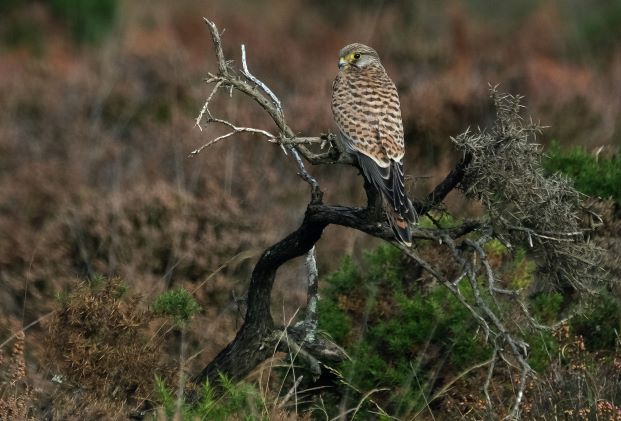
Kestrel. We later watched this bird catch a snake and fly off with it.

Deer stalk

Today we decided to go on a deer stalk but very soon decided it might not be such a good day for it as they were cutting the bracken where we were walking. Studies have shown that management of bracken stands should be reduced because the excessive build-up of bracken litter causes a decline in species diversity leading to a negative impact on the conservation interest of the bracken-dominated habitats.

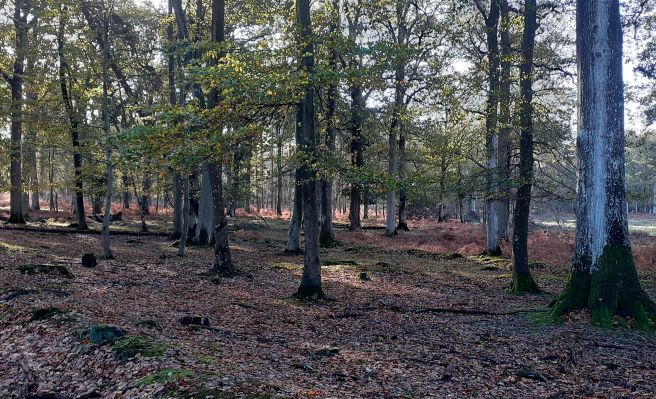
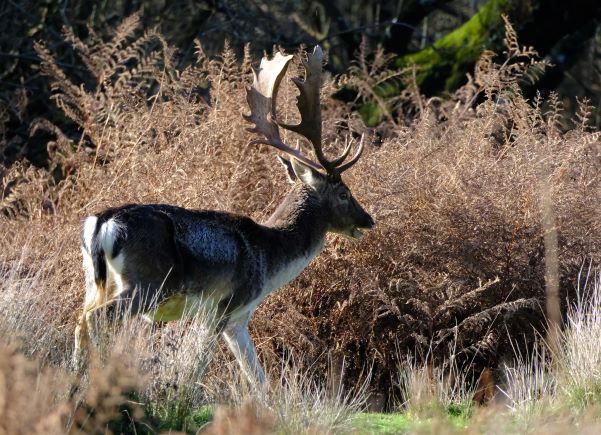
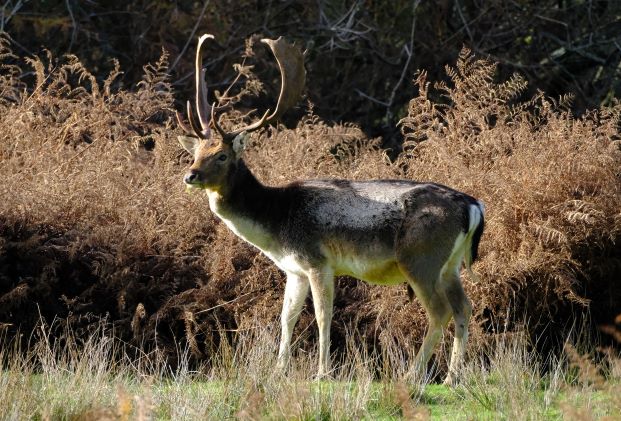
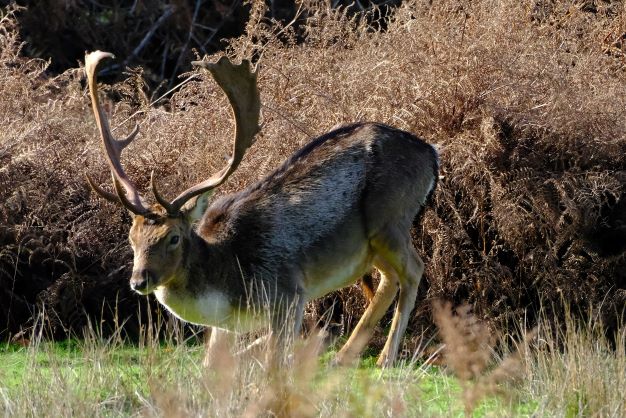
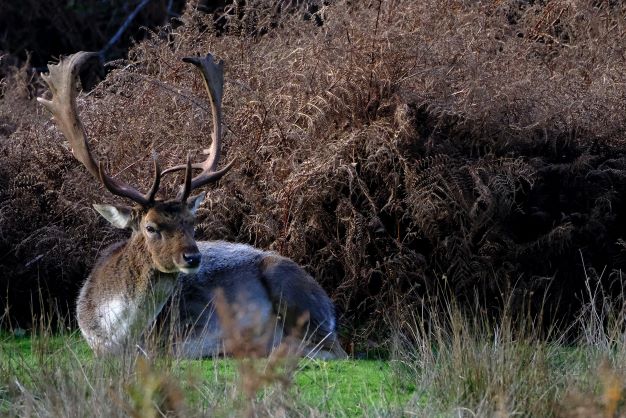
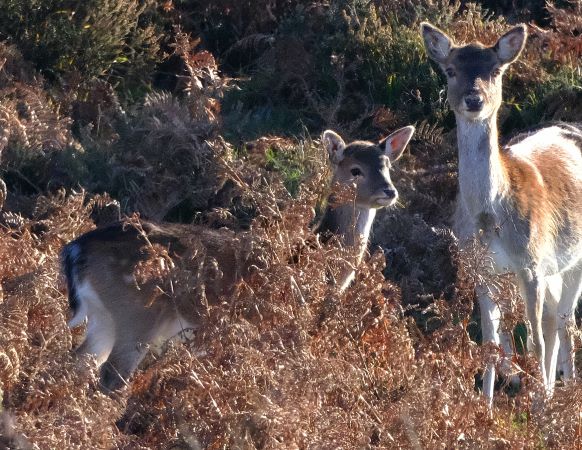
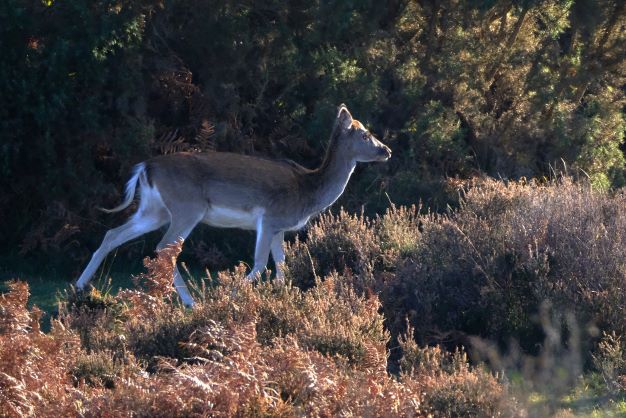
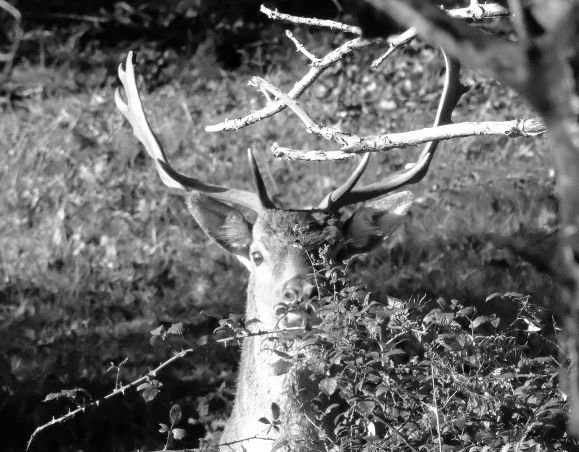
However walking deeper across the heath and in to small pockets of mature woodland we soon spotted a number of Fallow Deer. (Bucks)

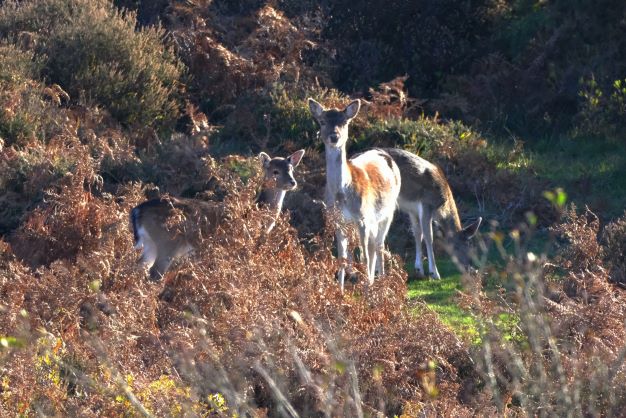
At first the herd moved away but settled down and watched us trying to blend in with our environment.

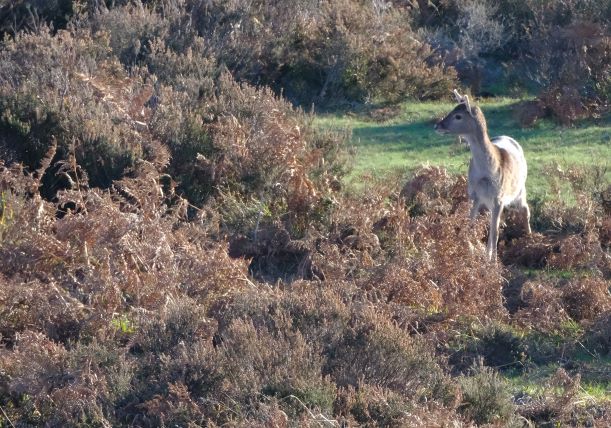
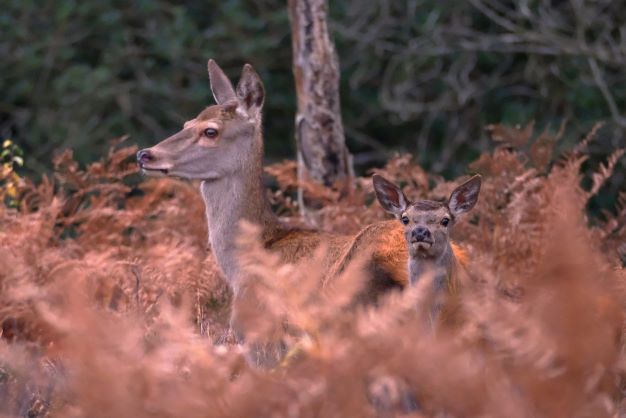
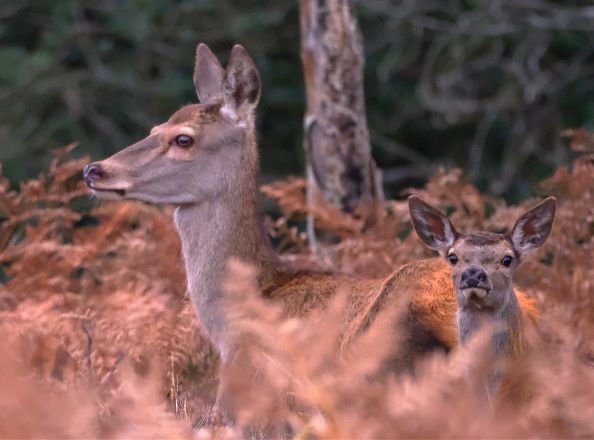
Further on after seeing this young bucks we spotted a small herd of hinds slipping away into deep woodland.