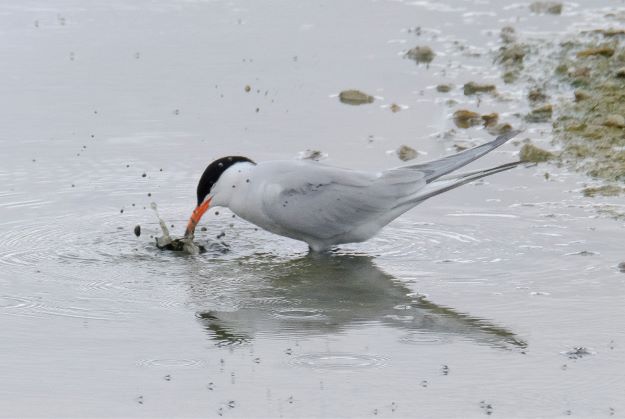
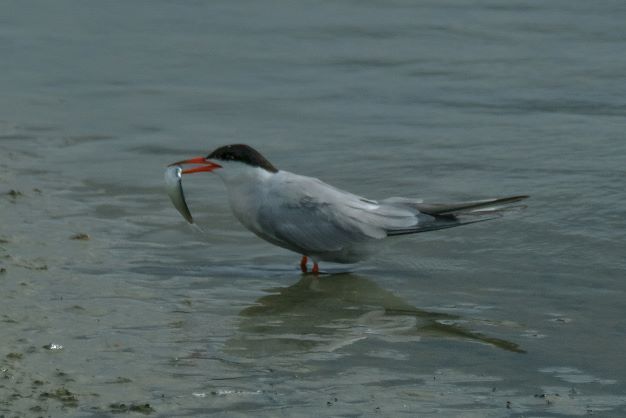
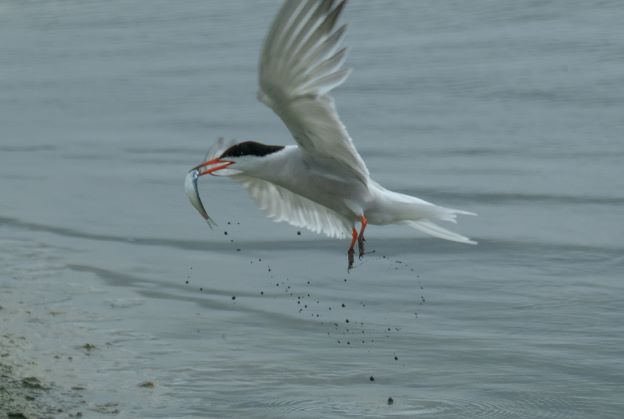
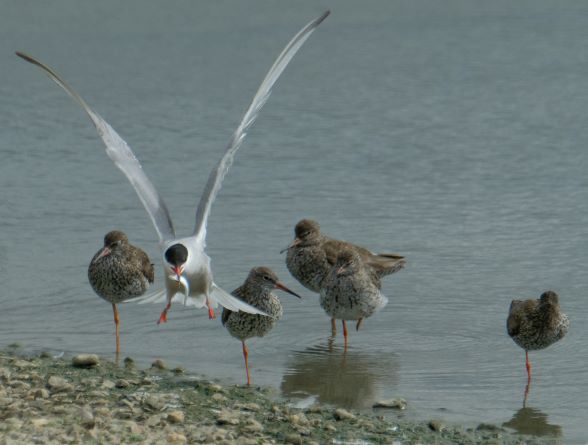
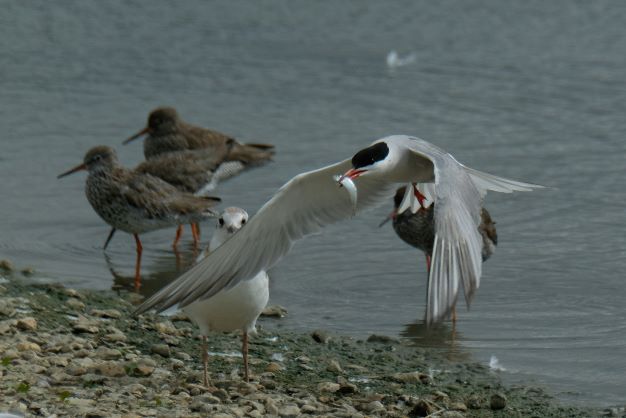
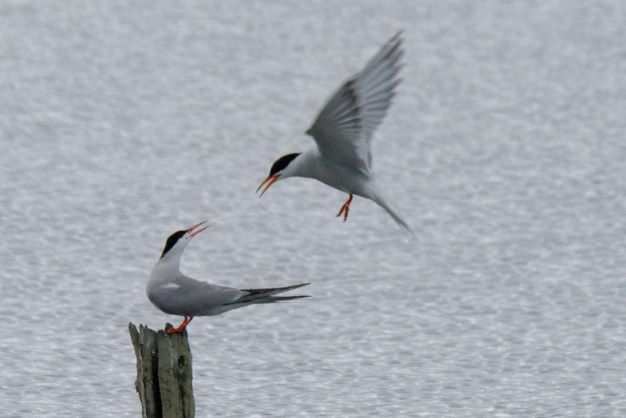
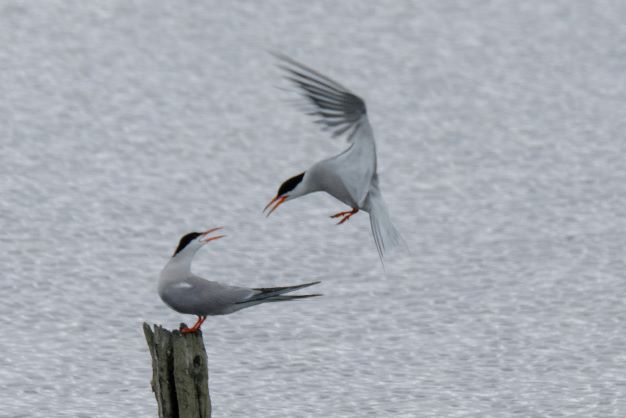
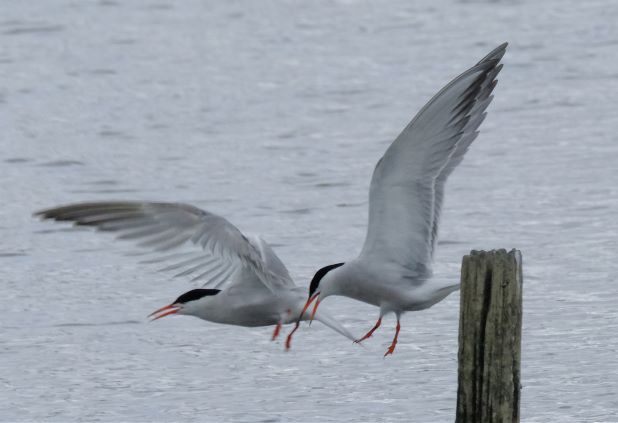
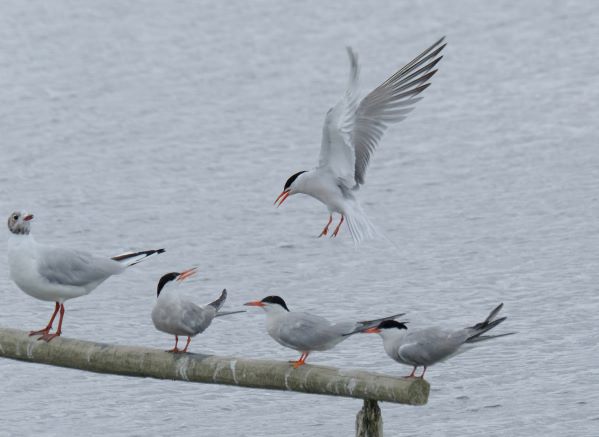
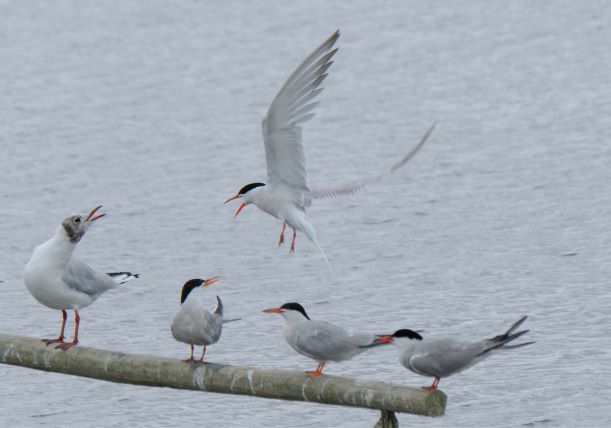
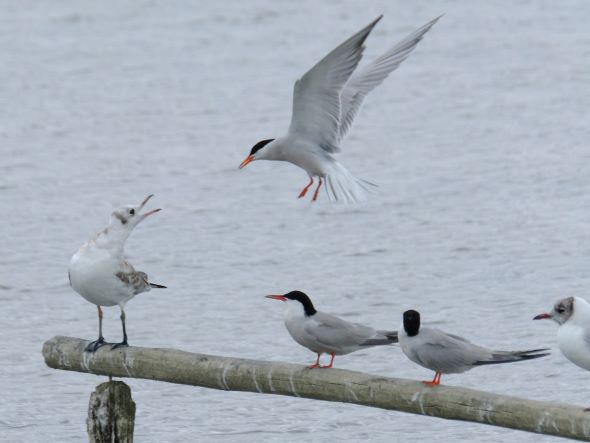
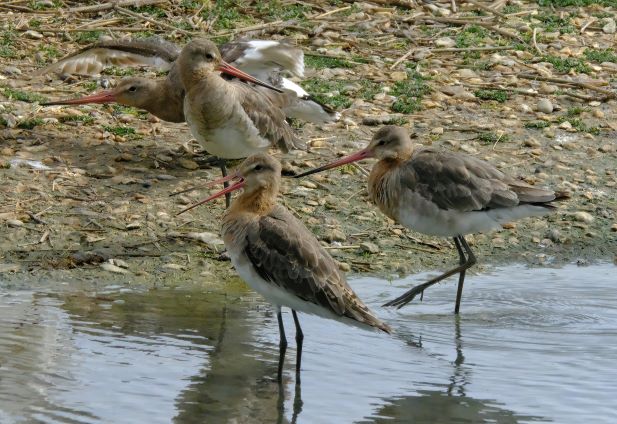
Common Terns at Titchfield Haven Nature reserve. A picture-heavy post. (includes some Red Shank & Black-headed gulls).
Common Terns are silvery-grey and white birds with long tails that have earned them the nickname sea-swallows They are graceful flight and frequently hover over water before plunging down for fish. They are often noisy. Each year nesting colonies are good at Titchfield Haven. UK breeding:12,000 pairs. I always look forward to their arrival in April and notice their absence when they leave in late August or early September. They migrate South to Africa after the breeding season.
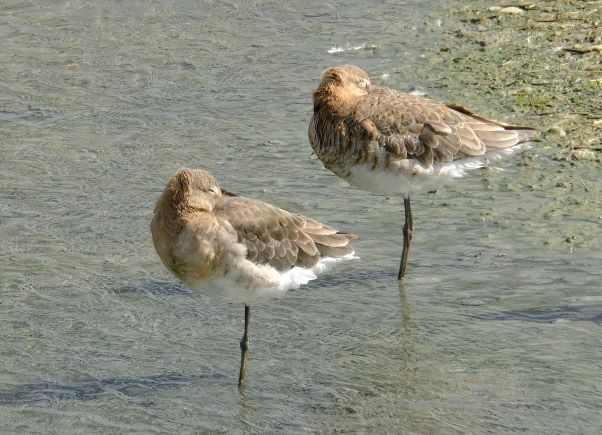
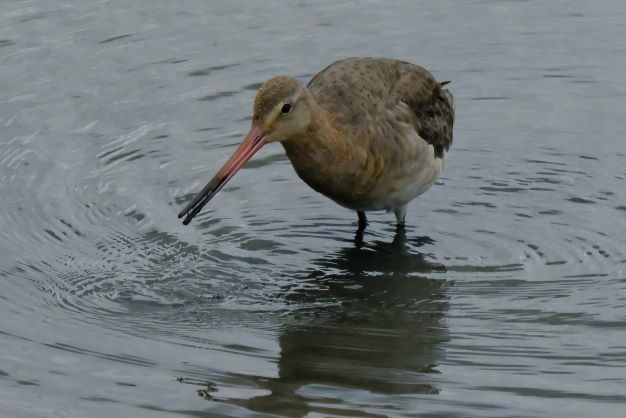
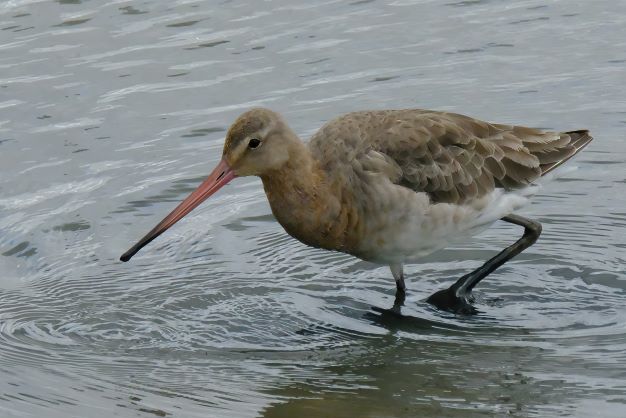
The Black-tailed Godwit is a large, long-legged, long-billed shorebird. ( it is one of Europe’s larger wading birds). A number of these remain in the UK all year rather than migrate to their breeding grounds in Iceland. We are lucky to have a number of these birds all year round in Titchfield Haven
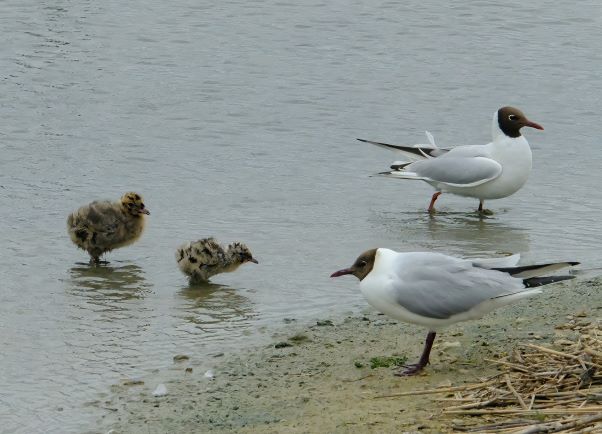
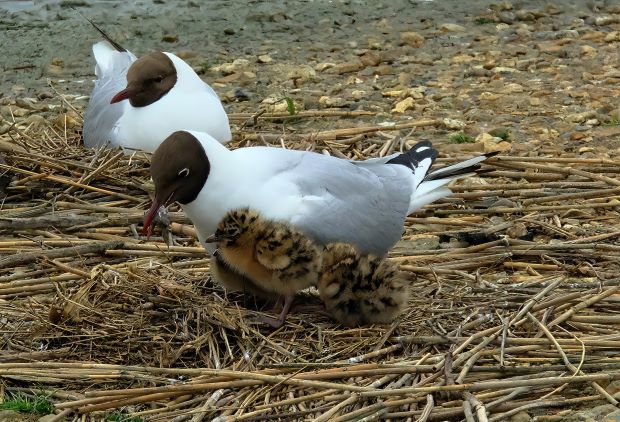
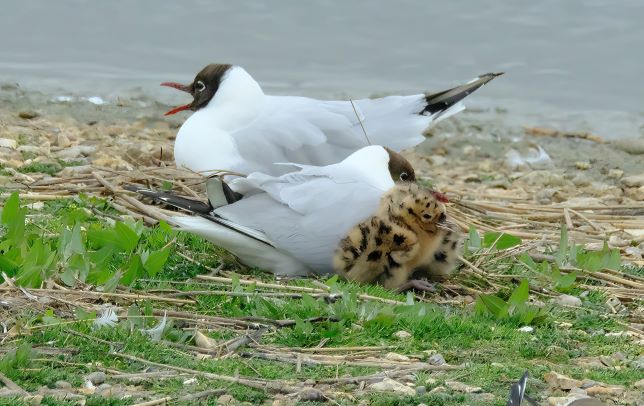
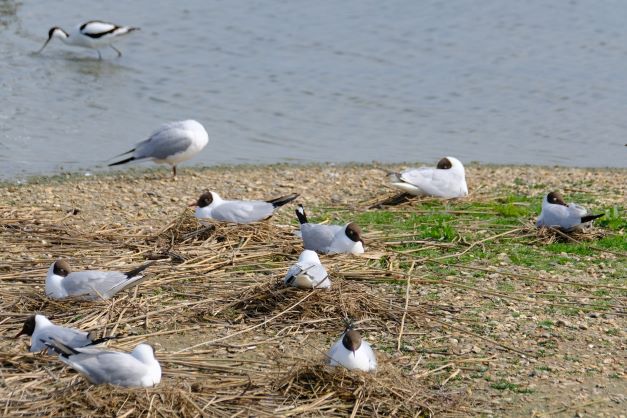
Black-headed gull chicks have started to appear at the nesting colony at Titchfield Haven.
Quite a long film of the nesting colony (note no sound) The chicks are only a few days old but will grow rapidly. There is one slightly older and larger chick in the film.
A day at Titchfield Haven nature reserve & Meon shore enjoying the sunshine and nature. There are real signs of summer with birds nesting and young birds in many areas.
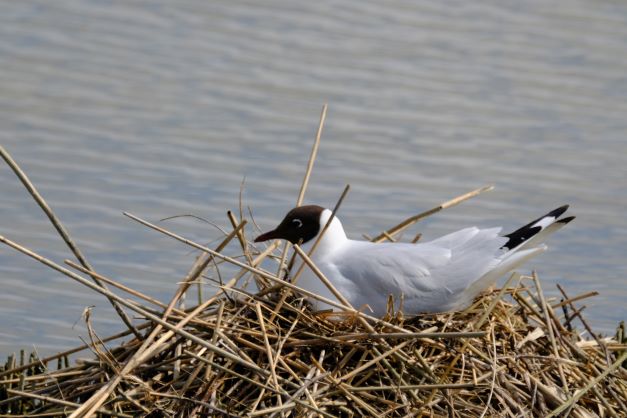
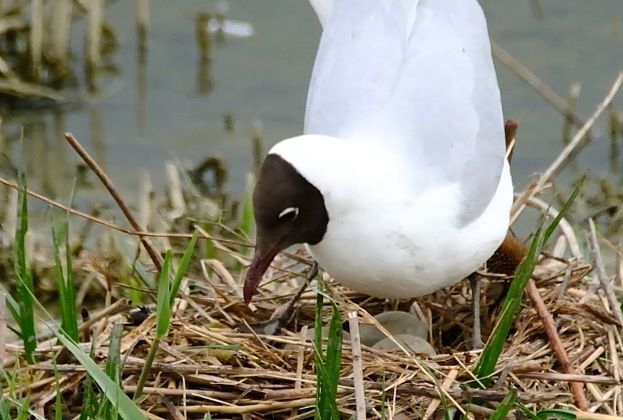
Blackheaded Gull are sitting on nests and on eggs, others have fluffy chicks {not close enough to film yet}
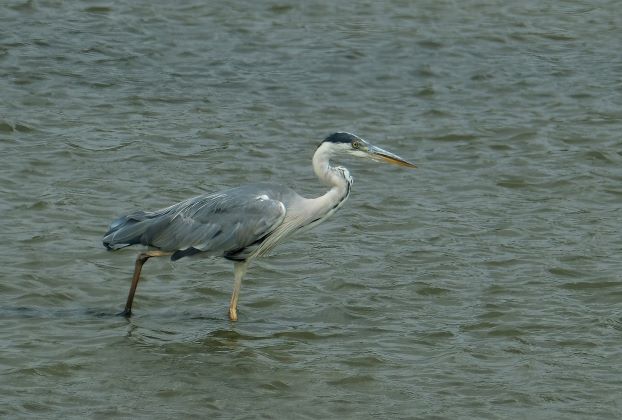
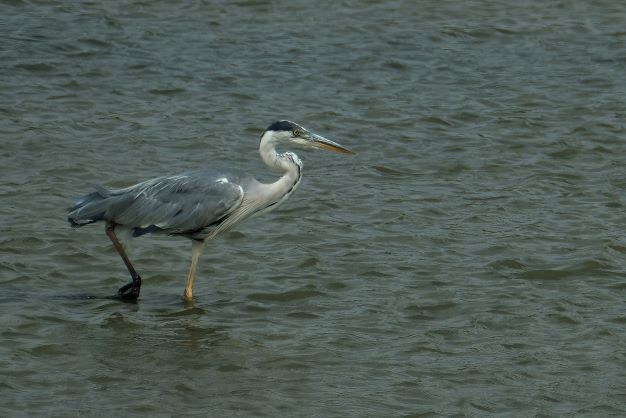
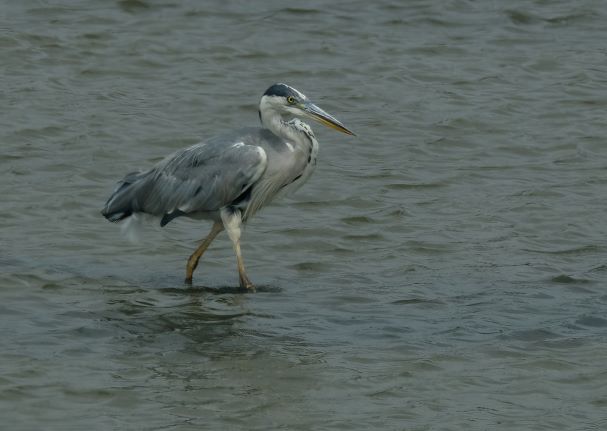
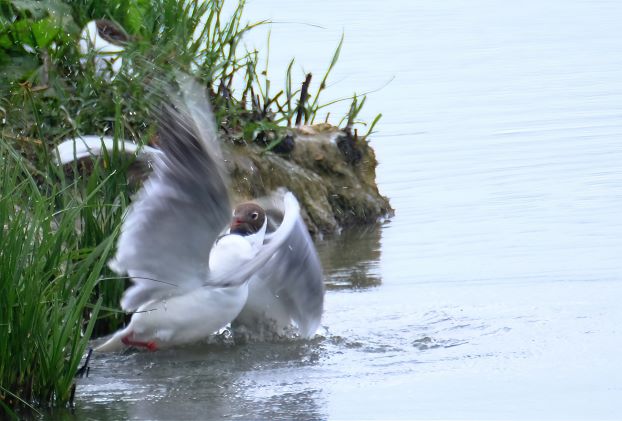
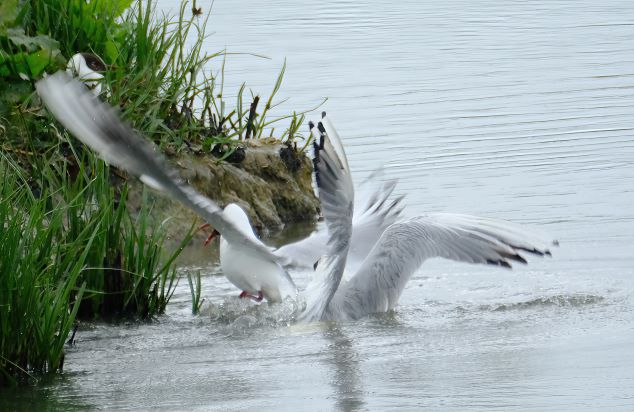
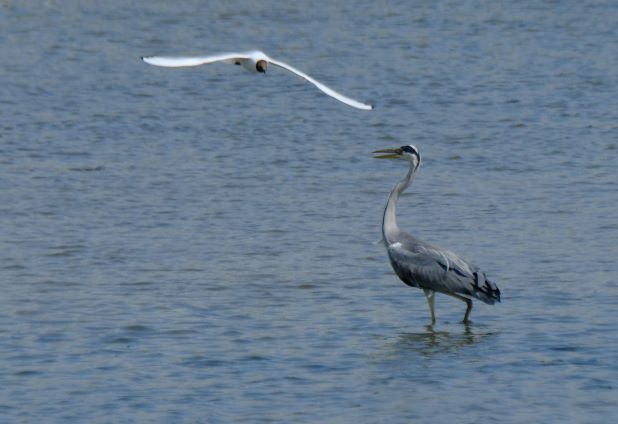
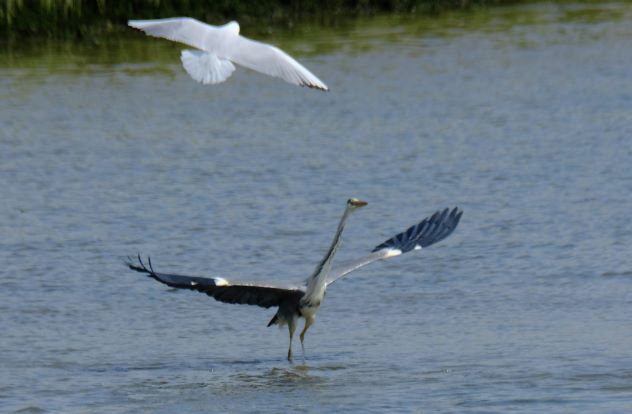
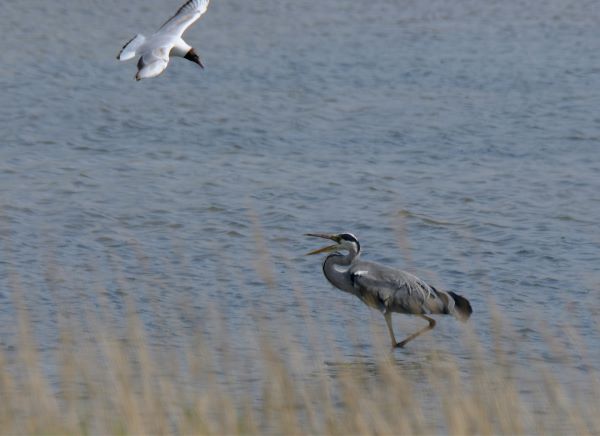
The gulls are very territorial in their nest areas and will chase off any invaders such as the larger Herring Gulls which will grab a chick for a quick meal. The pictures below show a Grey Heron being buzzed and steered away from the gull’s nests.
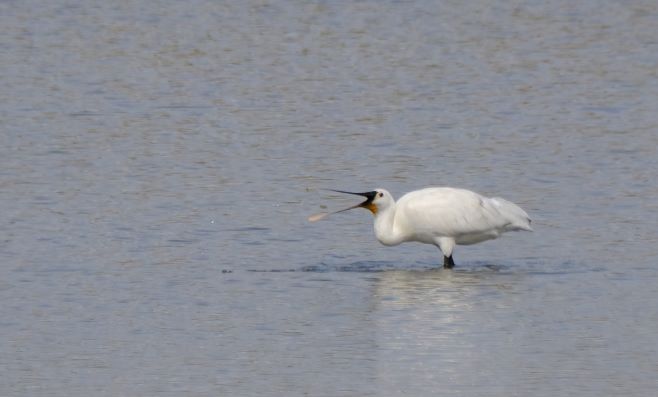
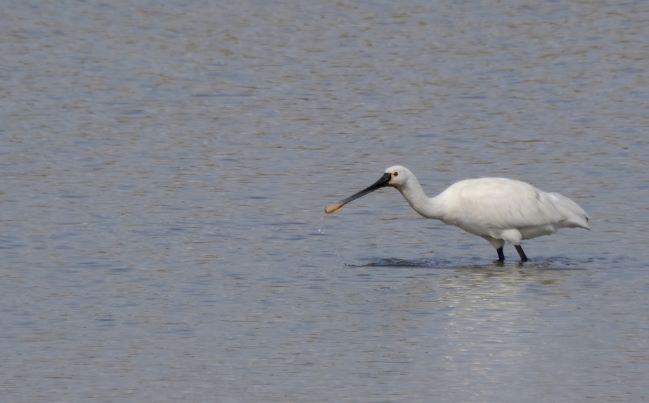
Over the weekend a pair of Spoonbills had been spotted in the nature reserve. There have been a few birds this year on the Beaulieu River across the Solent on the edge of the New Forest. Today one of the birds was still there and I was able to get a good view and some pictures. Spoonbills are named after their bizarre spatula-like bill. Young birds are known as tea Spoons. Although these birds bred in East Anglia during Medieval times, they had not bred in Britain for over 300 years. Then in 2010, when a small colony was discovered on the north Norfolk coast. By 2014 a flock of 30 birds were recorded in Norfolk ay Cley Marshes.
Purple Haze I am not sure why the YouTube upload caused this at the start of my film.
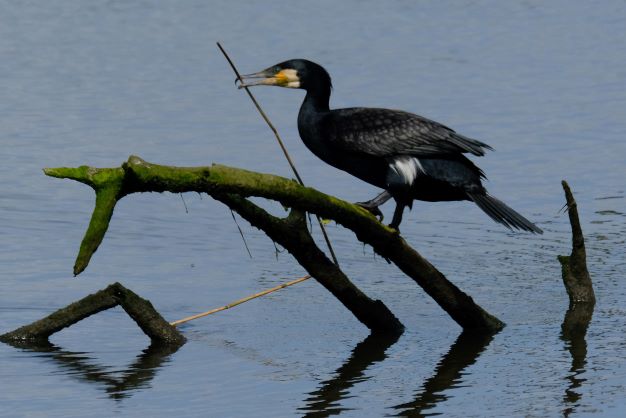
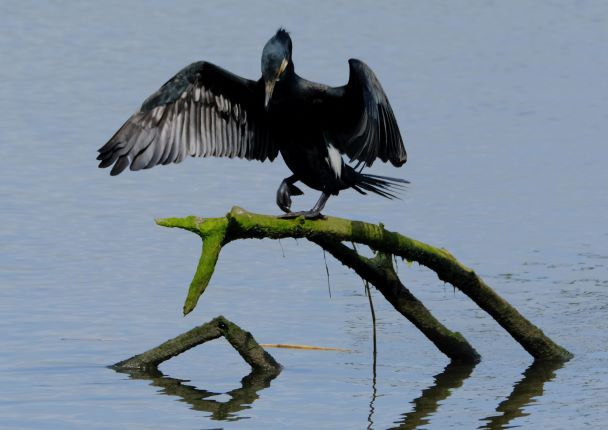
Cormorants are often spotted perched with their wings held out this is to dry their feathers off which are not waterproof.
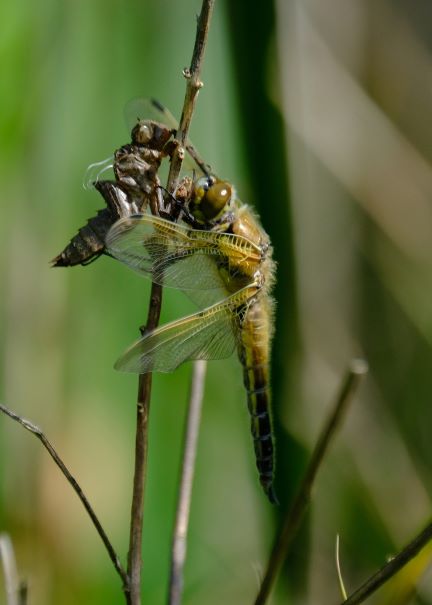
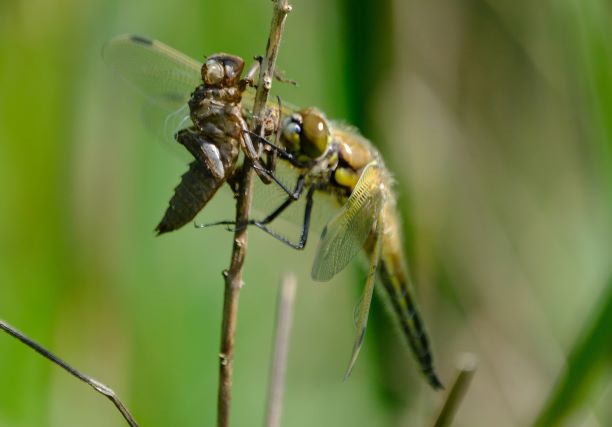
Dragonflies are starting to emerge, They have three stages in their life cycle: eggs which are layed under water these hatch into a lava{or Nymph} some species will remain in the lava stage and stay for in this state for several years. The final stage is the lava leaves the water and the dragonfly emerges. On the wing their life is short they mate and by the end of the summer they have gone.
This was a 1st for me a dragonfly just emerged from the lava drying its wings while perched by the empty husk of the lava.
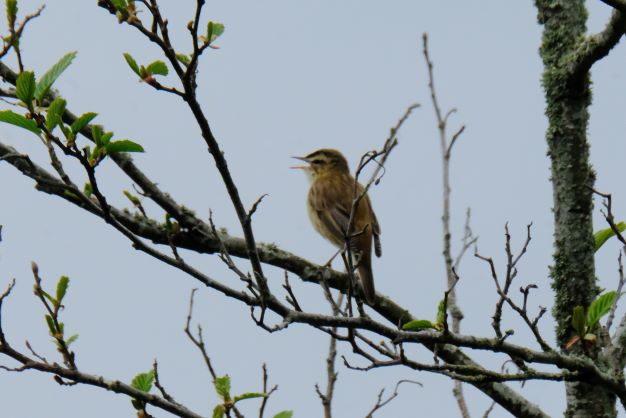
Often heard singing deep in reedbeds, this morning I got a good view of this medium-sized Warbler. This is a bird of the reedbeds and wetlands When spotted singing they are often perched on reeds or in willow bushes.




















 Continued Reflections from my World.